
She_trades_crypto
350 Posts
She_trades_crypto
Report
Block User
10 years in crypto. No "signals" or scams. Only cold risk management and control of emotions that drain your deposit. Х: @she_trades_4
36 Following
137 Followers
145 Liked
Posts
All
Quotes
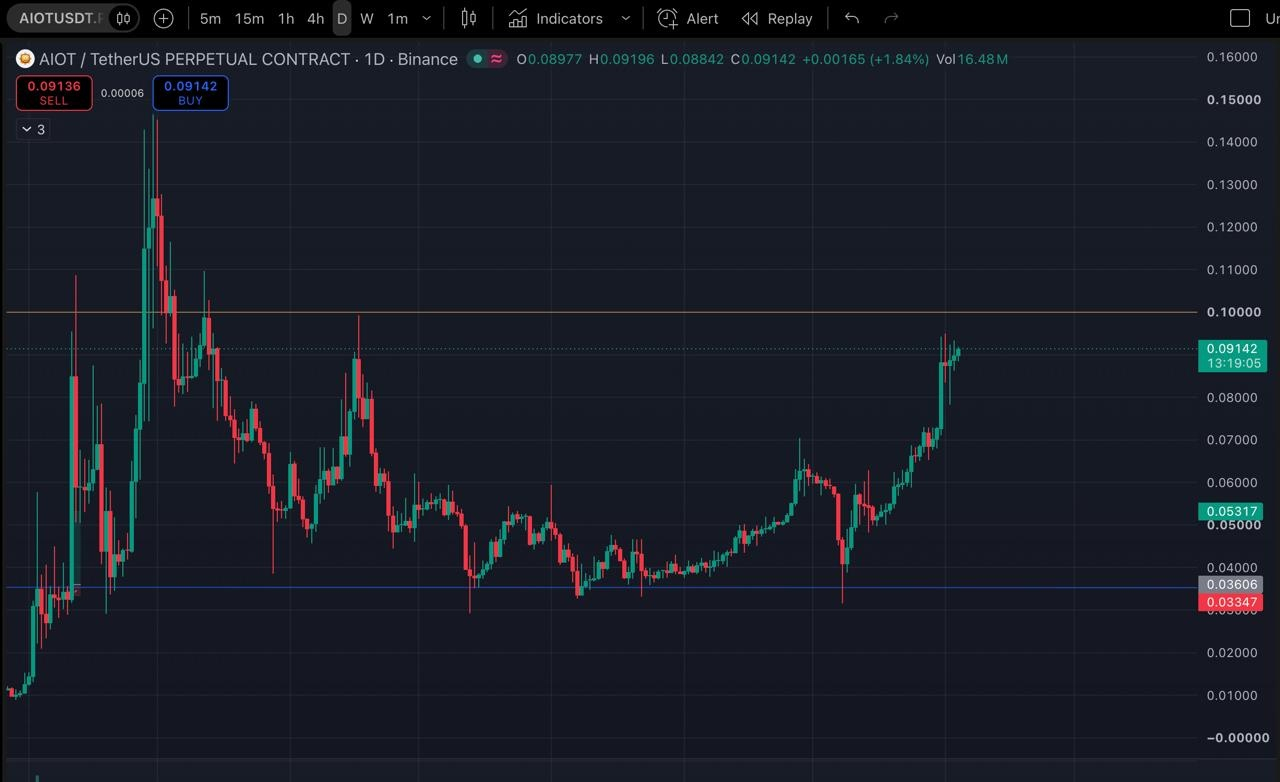
$AIOT
Did you enter this position ? It is still stronger than all market. However it's not a good idea to trade opposite to all market.
$AIOT
Did you enter this position ? It is still stronger than all market. However it's not a good idea to trade opposite to all market.
Did you enter this position ? It is still stronger than all market. However it's not a good idea to trade opposite to all market.
She_trades_crypto
·
--
Bullish$AIOT
still stronger than all market. It din't fall while $BTC was in downtrend. I will try to enter in long position
still stronger than all market. It din't fall while $BTC was in downtrend. I will try to enter in long position
231
Article
The Stop-Loss Trap: Why Moving Your SL Destroys Your Portfolio and Triggers Endless Regret$BTC $ETH
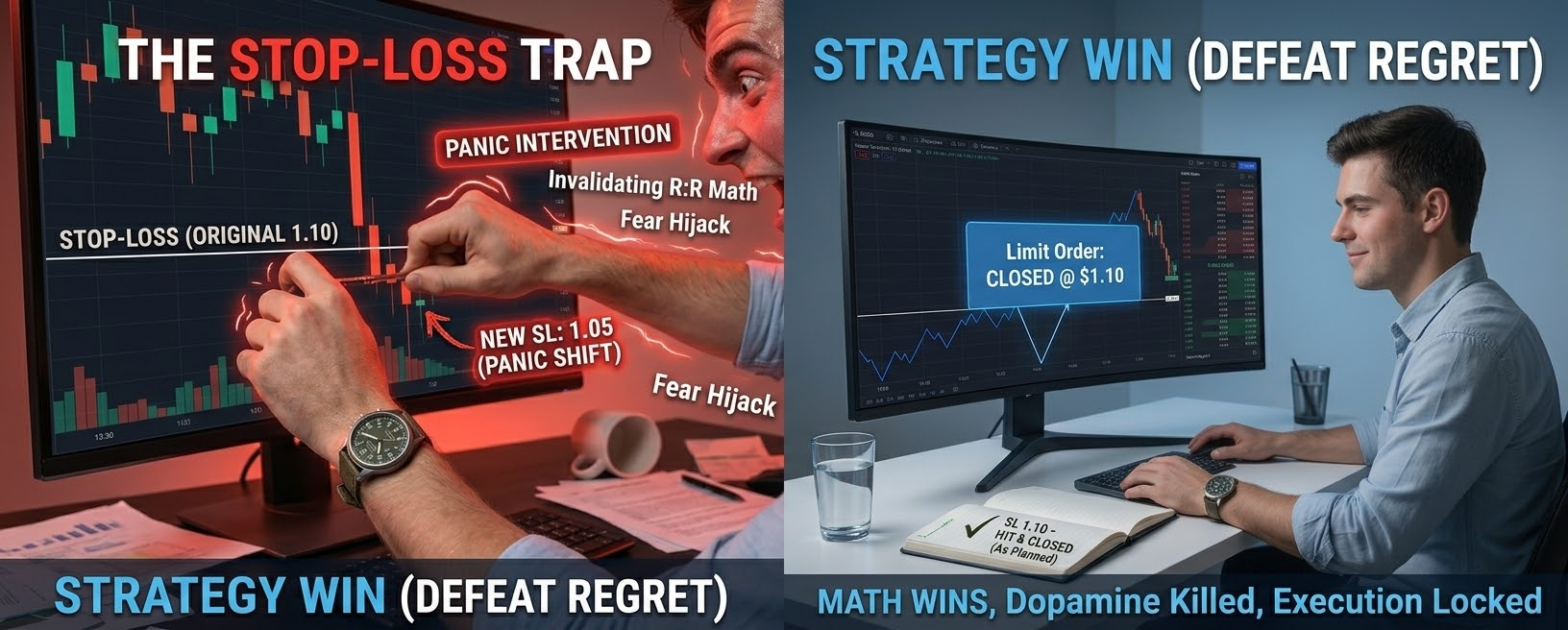
Have you ever set a trade, watched the price dip toward your stop-loss, panicked, moved your stop-loss closer (or removed it entirely), only to get wicked out right before the asset reverses and rockets straight to your original take-profit? That excruciating cycle of panic, regret, and immediate FOMO isn't bad luck—it's the psychological trap of Fear.
What Fear Does to Your Execution
Fear is a primal survival mechanism that completely sabotages mechanical trading.
The Physical Trigger: When the market moves against you, your amygdala triggers a fight-or-flight response. Your stomach drops, your palms sweat, and your brain screams “protect the money!”The Fatal Mistake: Instead of accepting a pre-calculated risk, you react emotionally. You tamper with your stop-loss to "give it breathing room" (which invalidates your risk-to-reward math) or you panic-close early, only to watch the chart fly without you.
The moment you get wicked out and see the price hit your target, a secondary wave of psychological torture hits: regret. That regret immediately morphs into FOMO, driving you to chase the green candle at an even worse entry.
How to Kill Fear and Stop Tampering With Stops
You cannot negotiate with fear while staring at a live PnL screen. You must remove human intervention from the danger zone:
Set It and Forget It: Once your entry, stop-loss, and take-profit are placed according to market structure, close the terminal. Do not watch the candles dance.Accept the Stop-Loss as a Business Expense: A stop-loss is not a failure; it is the cost of doing business. If your structural thesis is invalidated, let the market take the stop cleanly. Protecting your mental capital is more important than one single trade.Never Move a Stop-Loss Against Your Plan: Moving an SL further away to avoid a loss or tightening it out of panic guarantees long-term account ruin. Respect the math.
Conclusion
Fear turns risk management into a guessing game. Define your risk before you enter, lock your orders, and let the market do its job without your emotional interference.
The Stop-Loss Trap: Why Moving Your SL Destroys Your Portfolio and Triggers Endless Regret
$BTC $ETH
Have you ever set a trade, watched the price dip toward your stop-loss, panicked, moved your stop-loss closer (or removed it entirely), only to get wicked out right before the asset reverses and rockets straight to your original take-profit? That excruciating cycle of panic, regret, and immediate FOMO isn't bad luck—it's the psychological trap of Fear.
What Fear Does to Your Execution
Fear is a primal survival mechanism that completely sabotages mechanical trading.
The Physical Trigger: When the market moves against you, your amygdala triggers a fight-or-flight response. Your stomach drops, your palms sweat, and your brain screams “protect the money!”The Fatal Mistake: Instead of accepting a pre-calculated risk, you react emotionally. You tamper with your stop-loss to "give it breathing room" (which invalidates your risk-to-reward math) or you panic-close early, only to watch the chart fly without you.
The moment you get wicked out and see the price hit your target, a secondary wave of psychological torture hits: regret. That regret immediately morphs into FOMO, driving you to chase the green candle at an even worse entry.
How to Kill Fear and Stop Tampering With Stops
You cannot negotiate with fear while staring at a live PnL screen. You must remove human intervention from the danger zone:
Set It and Forget It: Once your entry, stop-loss, and take-profit are placed according to market structure, close the terminal. Do not watch the candles dance.Accept the Stop-Loss as a Business Expense: A stop-loss is not a failure; it is the cost of doing business. If your structural thesis is invalidated, let the market take the stop cleanly. Protecting your mental capital is more important than one single trade.Never Move a Stop-Loss Against Your Plan: Moving an SL further away to avoid a loss or tightening it out of panic guarantees long-term account ruin. Respect the math.
Conclusion
Fear turns risk management into a guessing game. Define your risk before you enter, lock your orders, and let the market do its job without your emotional interference.
80
$BTC $ETH #BinanceSquare #tradingpsychology
Amateurs Bleed, Professionals Wait: Why Frustration Tolerance Separates Amateurs From Pros 🧠📉
If sitting flat on your hands for a few days makes you feel anxious, restless, or like you’re missing out, you’re suffering from a lack of frustration tolerance—and it’s quietly draining your account.
Trading isn't about clicking buttons 24/7. It’s about surviving the quiet periods and mastering the art of waiting for high-probability structures.
👇 Read the full article to learn how to build your mental endurance and stop trading out of boredom!
[Full article here](https://app.binance.com/uni-qr/cart/385302961856922?r=HAPLXUG7&l=en&uco=KfQpOLWf6jBEdT7lPEAIhg&uc=app_square_share_link&us=copylink)
$BTC $ETH #BinanceSquare #tradingpsychology
Amateurs Bleed, Professionals Wait: Why Frustration Tolerance Separates Amateurs From Pros 🧠📉
If sitting flat on your hands for a few days makes you feel anxious, restless, or like you’re missing out, you’re suffering from a lack of frustration tolerance—and it’s quietly draining your account.
Trading isn't about clicking buttons 24/7. It’s about surviving the quiet periods and mastering the art of waiting for high-probability structures.
👇 Read the full article to learn how to build your mental endurance and stop trading out of boredom!
Full article here
63
Article
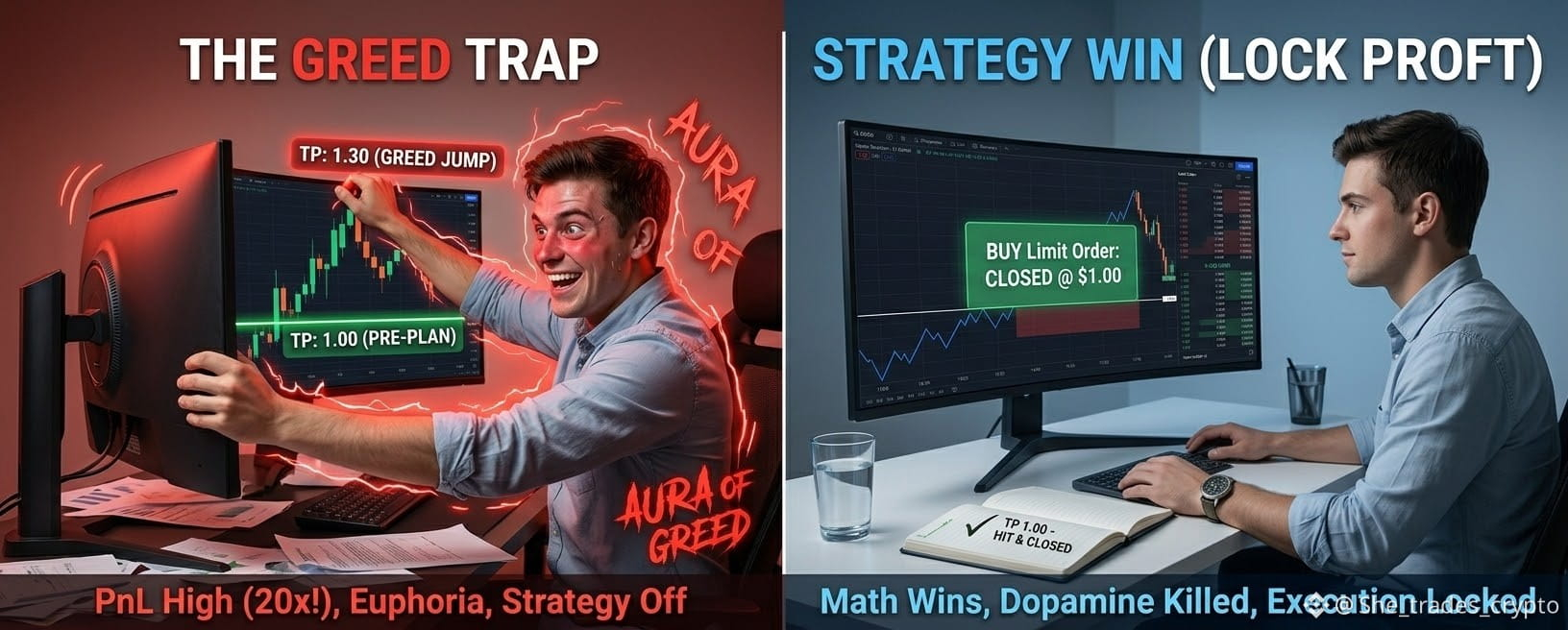
The Greed Trap: When Your Brain Stops You From Taking Profit (and How to Snap Out of It)Have you ever been in a trade, watched your PnL soar past your pre-defined Take Profit level, and instead of clicking "Close," you thought, "It’s pumping, I'll just move my TP higher and get 20% more"? This mental hijack is called Greed, and it is a dopamine-fueled state designed to convert your hard-earned paper profits back into market liquidity.
What Greed Feels Like (and Why It’s Dangerous)
Greed isn’t just a desire for more money; it is a neurological and physiological response.
The Neurobiology: Watching your asset pump releases a torrent of dopamine, creating a powerful euphoric high. This sensation actively impairs the prefrontal cortex (the logical part of your brain), making rational decision-making impossible.The Physiological Impact: You might feel a surge of energy, a sense of invincibility, or even a literal adrenaline buzz, making you feel like a "genius." This physical high completely blind-sides your pre-trade strategy.
How to Kill Greed with Structure
You cannot defeat dopamine with willpower alone. You need rigid mechanical rules to snap yourself out of the "invincible" state. Use this 3-step protocol:
Treat Take Profit as Law: The second you enter a trade, your exit parameters (SL and TP) are locked. Moving a TP higher because of a green candle is a direct violation of your business plan.Execute Mechanically: Do not "wait for the candle to close" near your TP. As soon as the price ticks your structural Take Profit level, your limit order must be already placed and triggered. You should not have the opportunity to hesitate.Walk Away from the Screen: After a successful execution, immediately close the terminal and walk away. This prevents "revenge trading" or immediately trying to re-enter because you feel unstoppable.
Conclusion
Greed is a psychological trap that turns traders into gamblers. Your pre-defined plan is your shield; trust it and never let a green candle or a dopamine high override the math.
The Greed Trap: When Your Brain Stops You From Taking Profit (and How to Snap Out of It)
Have you ever been in a trade, watched your PnL soar past your pre-defined Take Profit level, and instead of clicking "Close," you thought, "It’s pumping, I'll just move my TP higher and get 20% more"? This mental hijack is called Greed, and it is a dopamine-fueled state designed to convert your hard-earned paper profits back into market liquidity.
What Greed Feels Like (and Why It’s Dangerous)
Greed isn’t just a desire for more money; it is a neurological and physiological response.
The Neurobiology: Watching your asset pump releases a torrent of dopamine, creating a powerful euphoric high. This sensation actively impairs the prefrontal cortex (the logical part of your brain), making rational decision-making impossible.The Physiological Impact: You might feel a surge of energy, a sense of invincibility, or even a literal adrenaline buzz, making you feel like a "genius." This physical high completely blind-sides your pre-trade strategy.
How to Kill Greed with Structure
You cannot defeat dopamine with willpower alone. You need rigid mechanical rules to snap yourself out of the "invincible" state. Use this 3-step protocol:
Treat Take Profit as Law: The second you enter a trade, your exit parameters (SL and TP) are locked. Moving a TP higher because of a green candle is a direct violation of your business plan.Execute Mechanically: Do not "wait for the candle to close" near your TP. As soon as the price ticks your structural Take Profit level, your limit order must be already placed and triggered. You should not have the opportunity to hesitate.Walk Away from the Screen: After a successful execution, immediately close the terminal and walk away. This prevents "revenge trading" or immediately trying to re-enter because you feel unstoppable.
Conclusion
Greed is a psychological trap that turns traders into gamblers. Your pre-defined plan is your shield; trust it and never let a green candle or a dopamine high override the math.
51

Article
Amateurs Bleed, Professionals Wait: Why Frustration Tolerance Separates Amateurs From Pros$BTC $SOL #BinanceSquare , #TradingPsychology
Have you ever closed your laptop, walked away from the screen, and felt an overwhelming physical itch—a deep, burning frustration because you haven't opened a trade in three days while the market is moving?
If sitting on your hands makes you feel anxious, restless, or like you’re "failing," you are suffering from a lack of frustration tolerance. And it is quietly bleeding your account dry.
The Pain of Inaction for Beginners
For most retail traders, trading is treated like an entertainment app. Every hour away from a position feels like missed time, lost opportunity, or boredom.
The Rookie Loop: You see the market chopping sideways, but your brain screams for dopamine. You force a low-probability trade just to "feel something." Within an hour, a sudden wick hits your stop-loss.The Psychological Trap: You confuse activity with profitability. You believe a professional trader is someone who constantly clicks buttons, hunts for setups 24/7, and never misses a single green candle.
The Truth: Professional Trading is 95% Waiting
Real, systematic trading is agonizingly boring. It is the art of doing absolutely nothing for days or even weeks until the market structure aligns with your pre-defined mathematical edge.
Frustration tolerance is your psychological muscle. It is the ability to:
Sit with Uncertainty: Accept that not knowing what the market will do next is normal, and refusing to guess is a strength, not a weakness.Embrace "Cash is a Position": Internalize the fact that holding USDT flat while waiting for a high-probability zone (like BTC at major structural supports) is an active, winning trade.Survive the Quiet Periods: Train your brain to find peace in empty charts, knowing that protecting your capital from chop is a major victory.
Conclusion
Amateurs trade out of boredom and FOMO. Professionals trade out of patience and mathematics. If you cannot tolerate the frustration of sitting on the sidelines, the market will gladly charge you for the lesson. Build your mental endurance, protect your capital, and let the setups come to you.
Follow me to get more useful information
Amateurs Bleed, Professionals Wait: Why Frustration Tolerance Separates Amateurs From Pros
$BTC $SOL #BinanceSquare , #TradingPsychology
Have you ever closed your laptop, walked away from the screen, and felt an overwhelming physical itch—a deep, burning frustration because you haven't opened a trade in three days while the market is moving?
If sitting on your hands makes you feel anxious, restless, or like you’re "failing," you are suffering from a lack of frustration tolerance. And it is quietly bleeding your account dry.
The Pain of Inaction for Beginners
For most retail traders, trading is treated like an entertainment app. Every hour away from a position feels like missed time, lost opportunity, or boredom.
The Rookie Loop: You see the market chopping sideways, but your brain screams for dopamine. You force a low-probability trade just to "feel something." Within an hour, a sudden wick hits your stop-loss.The Psychological Trap: You confuse activity with profitability. You believe a professional trader is someone who constantly clicks buttons, hunts for setups 24/7, and never misses a single green candle.
The Truth: Professional Trading is 95% Waiting
Real, systematic trading is agonizingly boring. It is the art of doing absolutely nothing for days or even weeks until the market structure aligns with your pre-defined mathematical edge.
Frustration tolerance is your psychological muscle. It is the ability to:
Sit with Uncertainty: Accept that not knowing what the market will do next is normal, and refusing to guess is a strength, not a weakness.Embrace "Cash is a Position": Internalize the fact that holding USDT flat while waiting for a high-probability zone (like BTC at major structural supports) is an active, winning trade.Survive the Quiet Periods: Train your brain to find peace in empty charts, knowing that protecting your capital from chop is a major victory.
Conclusion
Amateurs trade out of boredom and FOMO. Professionals trade out of patience and mathematics. If you cannot tolerate the frustration of sitting on the sidelines, the market will gladly charge you for the lesson. Build your mental endurance, protect your capital, and let the setups come to you.
Follow me to get more useful information
75
$BTC $ETH
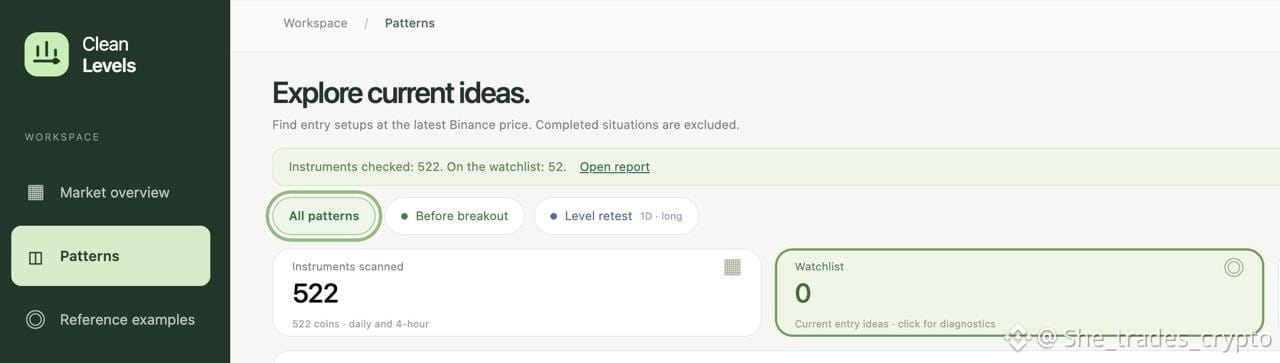
My creener shows me 0 resuls related on my strategy today. So, I have a day off and wait for market calming.
Don't hurry up and don't feel FOMO if you couldn't get in to good position yesterday
$BTC $ETH
My creener shows me 0 resuls related on my strategy today. So, I have a day off and wait for market calming.
Don't hurry up and don't feel FOMO if you couldn't get in to good position yesterday
My creener shows me 0 resuls related on my strategy today. So, I have a day off and wait for market calming.
Don't hurry up and don't feel FOMO if you couldn't get in to good position yesterday
102
Quick Poll: Who is really behind the screen? 🧠📉 Let's test the Binance Square demographic.
Vote now and let’s see who rules the crypto trading space!
Quick Poll: Who is really behind the screen? 🧠📉 Let's test the Binance Square demographic.
Vote now and let’s see who rules the crypto trading space!
Vote now and let’s see who rules the crypto trading space!
👨💻 Male Trader
0%
👩💻 Female Trader
0%
0 votes • Voting closed
11
·
--
Bullish
$BTC $ETH $SOL
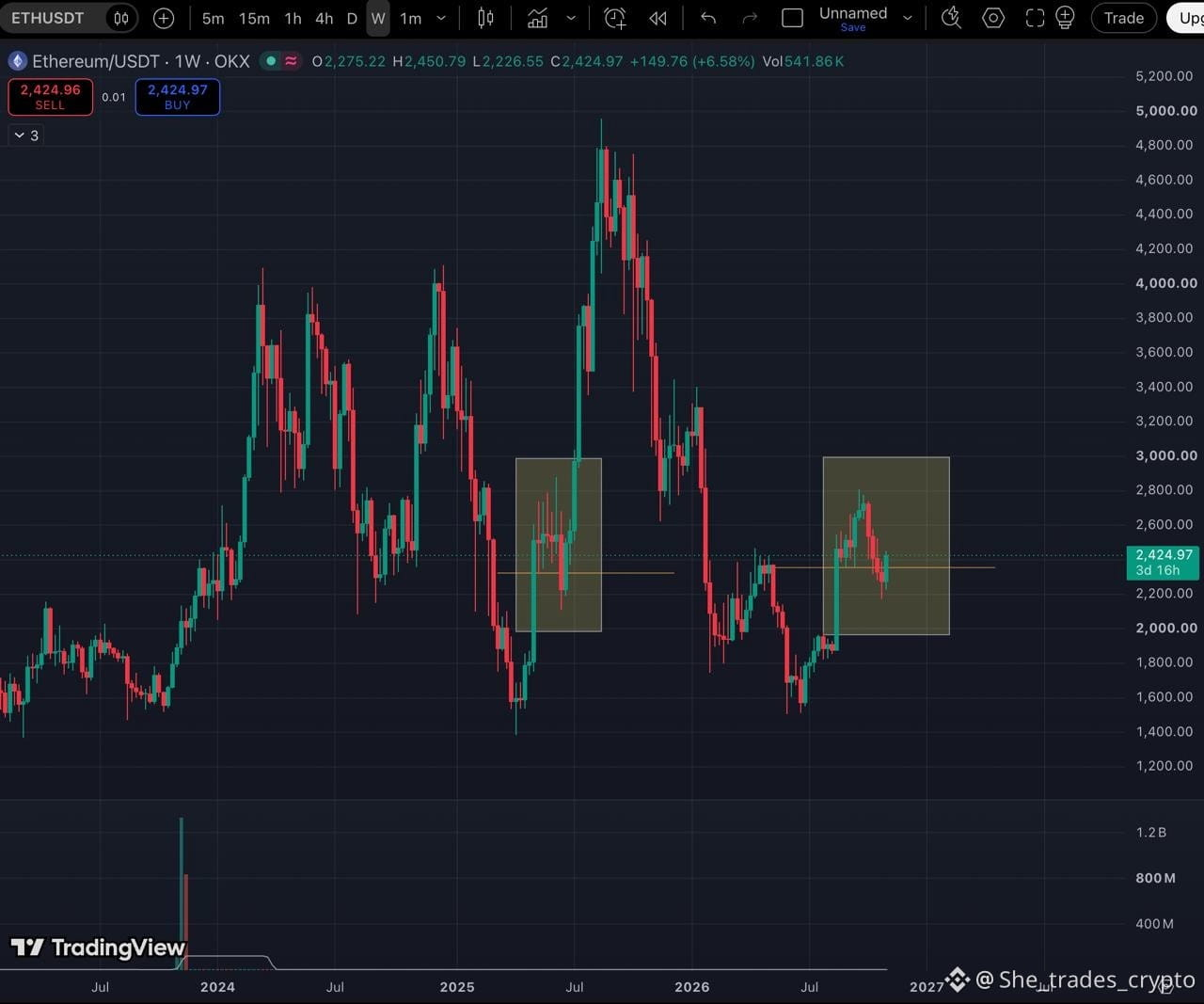
Look at the chart. This is one of the possible and probable scenarios for market movement.
A year ago, Ethereum did a very similar move: a false breakdown to the downside, a swift reclamation of the level, and a sharp impulse upwards.
Do I expect something like this to happen again? YES.
Does this mean it will definitely happen? NO.
In trading, we don't predict the future; we trade probabilities and manage risk.
Do your own research and wait for your entry point
91
Do you know what FOMO feels like inside your body? Could you describe it?
[Read here about FOMO feeling](https://app.binance.com/uni-qr/cart/383572685195671?r=HAPLXUG7&l=en&uco=KfQpOLWf6jBEdT7lPEAIhg&uc=app_square_share_link&us=copylink)
$BTC $ETH
Do you know what FOMO feels like inside your body? Could you describe it?
Read here about FOMO feeling
$BTC $ETH
Read here about FOMO feeling
$BTC $ETH
85
·
--
Bullish
$AIOT
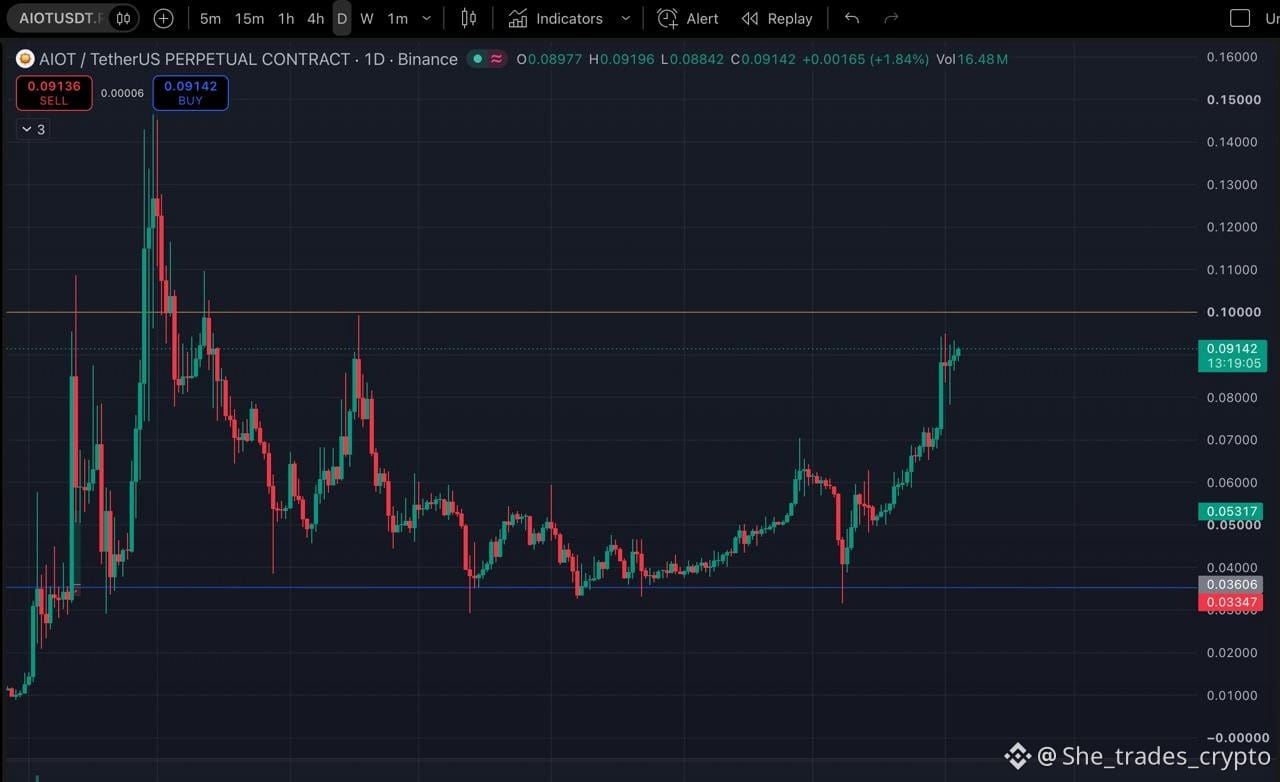
still stronger than all market. It din't fall while $BTC was in downtrend. I will try to enter in long position
{future}(AIOTUSDT)
$AIOT
still stronger than all market. It din't fall while $BTC was in downtrend. I will try to enter in long position
still stronger than all market. It din't fall while $BTC was in downtrend. I will try to enter in long position
She_trades_crypto
·
--
🇺🇸 Election Day = No Trade Day.
Markets are going to be chaotic today due to the US elections, so the smartest move for capital preservation is to step back and close the terminal.
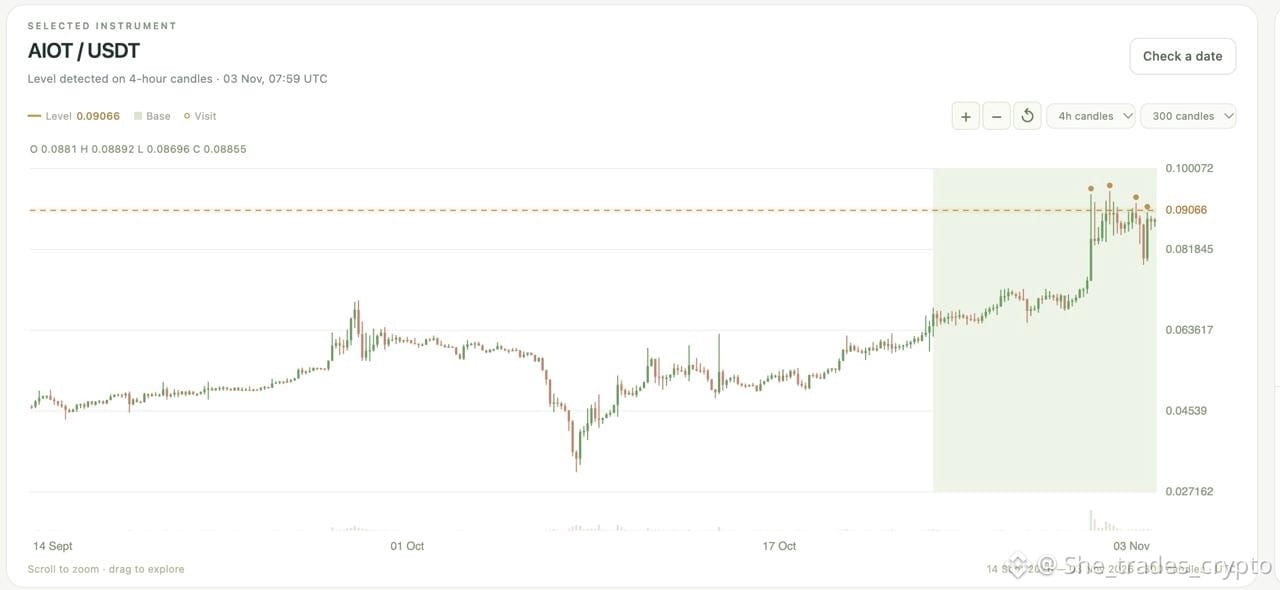
However, time off the charts doesn't mean wasted time. Instead of gambling on news spikes, I’m spending today updating my watchlist using my custom-built screener. It found $AIOT for me. It looks good and stronger than market.
From time to time, I’ll be sharing the top-tier structural setups it catches right here. Would you like to see these ideas in your feed?
👇 Drop a comment below to let me know, and hit Follow so you don't miss high-probability entries!
1
386
#usaelections
Democrates will probably win. Trump will not have too much influence on market like now. Is it positive news for you or not?
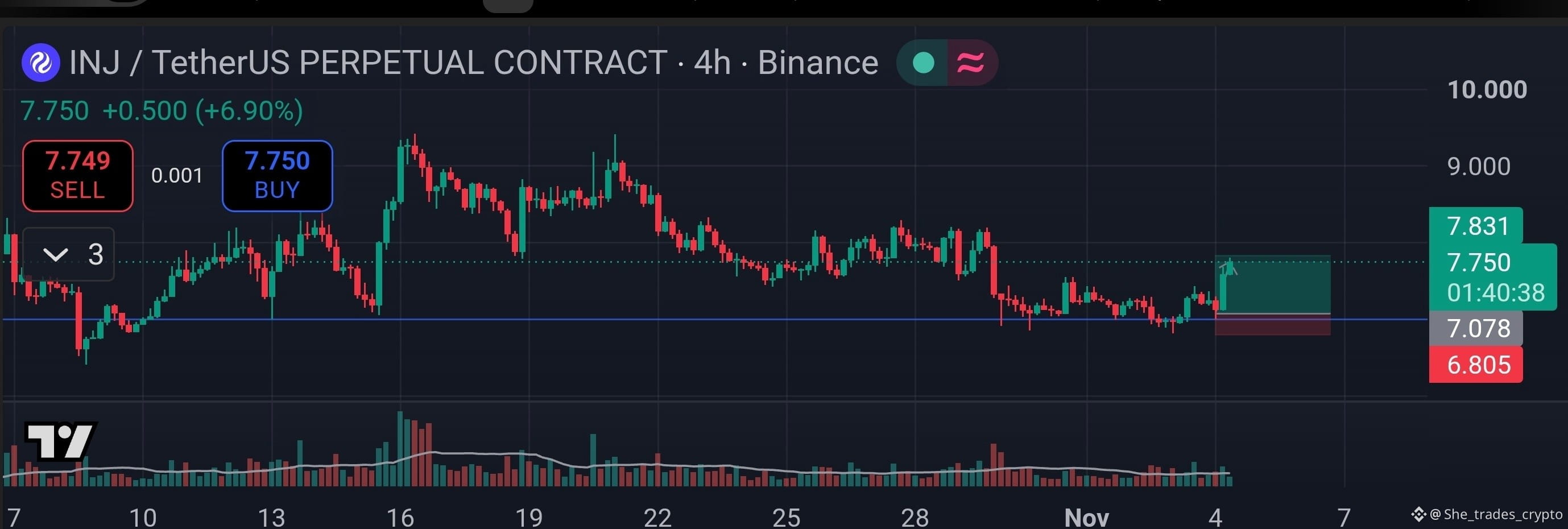
For now, the market reaction is bullish. Many coins give good entry points with level retest patterns
$ZAMA $INJ
Don't hurry up, take your time and wait for your trade. FOMO is very dangerous
336
$BTC $ETH
Have you already made your watchlist prepared for tomorrow ?
Use today's pause in trading to exclude old ideas and fill your list with new ones
Good luck to all with election results)
$BTC $ETH
Have you already made your watchlist prepared for tomorrow ?
Use today's pause in trading to exclude old ideas and fill your list with new ones
Good luck to all with election results)
Have you already made your watchlist prepared for tomorrow ?
Use today's pause in trading to exclude old ideas and fill your list with new ones
Good luck to all with election results)
86
Article
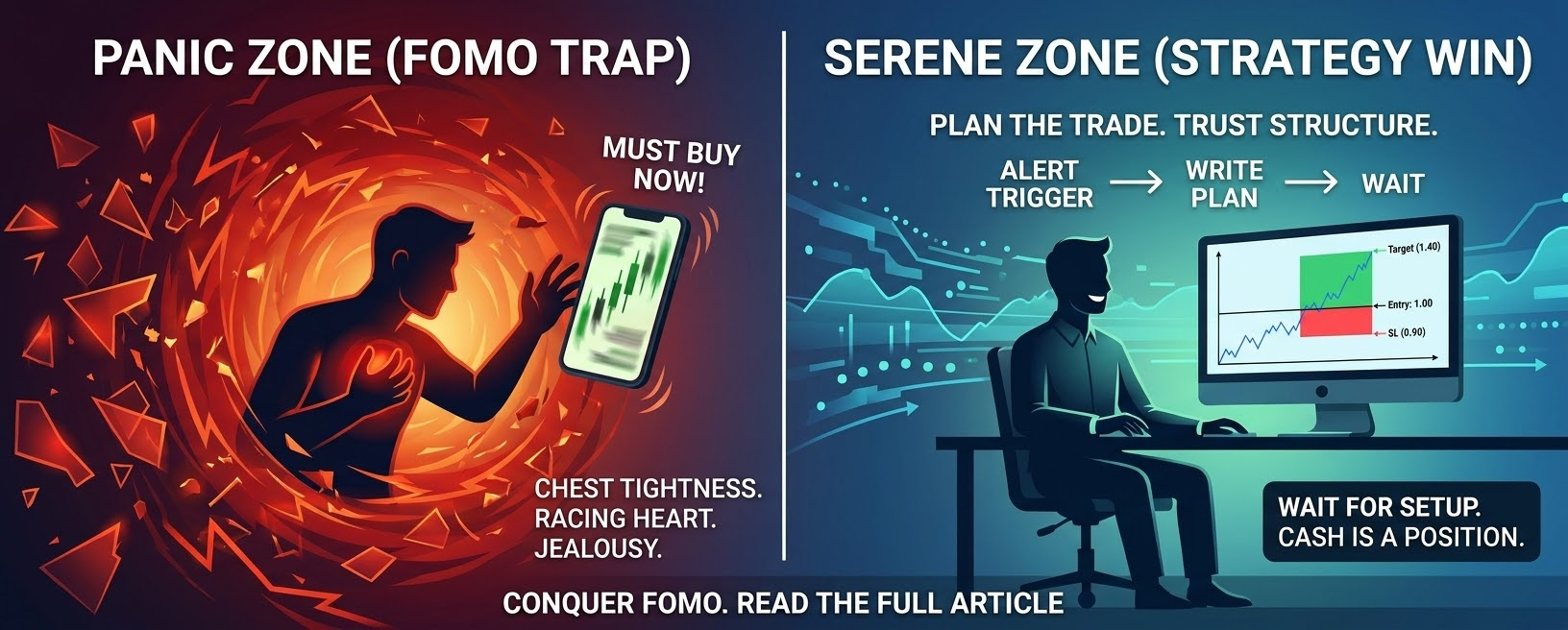
The FOMO Trap: Recognizing the Physical Sensation of Impulsive Trading and How to Defeat ItHave you ever stared at a surging green candle, felt your heart race, your chest tighten, and your finger twitching over the "Buy" button simply because you couldn’t bear watching others make money without you? That isn’t trading strategy—that is a physiological hijacked state called FOMO, and it is actively draining your account.
What FOMO Feels Like Inside
FOMO (Fear Of Missing Out) is rarely a rational thought; it is a full-body visceral reaction.
The Physical Symptoms: A sudden spike in adrenaline, shallow breathing, heat in your face, and an obsessive, compulsive urge to open your terminal or token screener.The Mental Trap: Your brain convinces you that this is the breakout of the century, and if you don’t enter right this second, your financial life is over.
When you yield to this sensation, you violate every rule of risk management. You chase the price at the absolute local top, leave your stop-loss miles away with a terrible Risk-to-Reward ratio, and become instant exit liquidity for market makers.
How to Fight FOMO Without Regret
You cannot logic your way out of FOMO while staring at a pumping chart. You have to break the loop mechanically:
Recognize the Trigger: The second you feel your heart rate spike or notice panic setting in because a coin is pumping, close the terminal immediately. Treat that physical feeling as an emergency alarm telling you to step back.Embrace "Cash is a Position": Remind yourself that missing a move costs you $0. Entering a garbage FOMO trade costs you capital, mental health, and confidence.Trust Your Pre-Planned Alerts: Real traders do not hunt for action; they wait for alerts to trigger at pre-defined structural levels. If there is no alert, there is no trade.
Conclusion
FOMO is designed by market manipulators to extract money from the impatient. Master your physical triggers, walk away when your chest tightens, and remember that protecting your capital always wins over chasing phantom pumps.
The FOMO Trap: Recognizing the Physical Sensation of Impulsive Trading and How to Defeat It
Have you ever stared at a surging green candle, felt your heart race, your chest tighten, and your finger twitching over the "Buy" button simply because you couldn’t bear watching others make money without you? That isn’t trading strategy—that is a physiological hijacked state called FOMO, and it is actively draining your account.
What FOMO Feels Like Inside
FOMO (Fear Of Missing Out) is rarely a rational thought; it is a full-body visceral reaction.
The Physical Symptoms: A sudden spike in adrenaline, shallow breathing, heat in your face, and an obsessive, compulsive urge to open your terminal or token screener.The Mental Trap: Your brain convinces you that this is the breakout of the century, and if you don’t enter right this second, your financial life is over.
When you yield to this sensation, you violate every rule of risk management. You chase the price at the absolute local top, leave your stop-loss miles away with a terrible Risk-to-Reward ratio, and become instant exit liquidity for market makers.
How to Fight FOMO Without Regret
You cannot logic your way out of FOMO while staring at a pumping chart. You have to break the loop mechanically:
Recognize the Trigger: The second you feel your heart rate spike or notice panic setting in because a coin is pumping, close the terminal immediately. Treat that physical feeling as an emergency alarm telling you to step back.Embrace "Cash is a Position": Remind yourself that missing a move costs you $0. Entering a garbage FOMO trade costs you capital, mental health, and confidence.Trust Your Pre-Planned Alerts: Real traders do not hunt for action; they wait for alerts to trigger at pre-defined structural levels. If there is no alert, there is no trade.
Conclusion
FOMO is designed by market manipulators to extract money from the impatient. Master your physical triggers, walk away when your chest tightens, and remember that protecting your capital always wins over chasing phantom pumps.
71
🇺🇸 Election Day = No Trade Day.
Markets are going to be chaotic today due to the US elections, so the smartest move for capital preservation is to step back and close the terminal.
However, time off the charts doesn't mean wasted time. Instead of gambling on news spikes, I’m spending today updating my watchlist using my custom-built screener. It found $AIOT for me. It looks good and stronger than market.
From time to time, I’ll be sharing the top-tier structural setups it catches right here. Would you like to see these ideas in your feed?
👇 Drop a comment below to let me know, and hit Follow so you don't miss high-probability entries!
1
515
$BTC $SOL $ETH
Tomorrow is US Midterm Election Day.
Extreme news volatility is incoming. Sitting flat and keeping cash on the sidelines during chaotic events isn’t missing out—it’s protecting capital.
Protect your portfolio. 🛡️
[why it's better not to trade today](https://app.binance.com/uni-qr/cpos/383865469377639?r=HAPLXUG7&l=en&uco=KfQpOLWf6jBEdT7lPEAIhg&uc=app_square_share_link&us=copylink)
$BTC $SOL $ETH
Tomorrow is US Midterm Election Day.
Extreme news volatility is incoming. Sitting flat and keeping cash on the sidelines during chaotic events isn’t missing out—it’s protecting capital.
Protect your portfolio. 🛡️
why it's better not to trade today
Tomorrow is US Midterm Election Day.
Extreme news volatility is incoming. Sitting flat and keeping cash on the sidelines during chaotic events isn’t missing out—it’s protecting capital.
Protect your portfolio. 🛡️
why it's better not to trade today
432
$BTC $PEPE
What am I doing when I'm boring? How to not make a bad trade?
I'm rereading my own articles. They contains a brilliant information about successful trading. After reading it my desire to open position for luck disappeares.
Share articles with you, hope it will help to wait until the day after tomorrow and after USA elections.
[The Hardest Skill in Trading: Why Doing Nothing Is Your Most Profitable Edge](https://app.binance.com/uni-qr/cart/381251514784005?r=HAPLXUG7&l=en&uco=KfQpOLWf6jBEdT7lPEAIhg&uc=app_square_share_link&us=copylink)
[The Anatomy of a Good Trade: Why Planning Beats Impulsive Action Every Single Time](https://app.binance.com/uni-qr/cart/381254892040761?r=HAPLXUG7&l=en&uco=KfQpOLWf6jBEdT7lPEAIhg&uc=app_square_share_link&us=copylink)
[How Entry Price Ruination Kills Your Trading Math: Why Chasing the Market (FOMO) Destroys Your R:R](https://app.binance.com/uni-qr/cart/379599759019343?r=HAPLXUG7&l=en&uco=KfQpOLWf6jBEdT7lPEAIhg&uc=app_square_share_link&us=copylink)
$BTC $PEPE
What am I doing when I'm boring? How to not make a bad trade?
I'm rereading my own articles. They contains a brilliant information about successful trading. After reading it my desire to open position for luck disappeares.
Share articles with you, hope it will help to wait until the day after tomorrow and after USA elections.
The Hardest Skill in Trading: Why Doing Nothing Is Your Most Profitable Edge
The Anatomy of a Good Trade: Why Planning Beats Impulsive Action Every Single Time
How Entry Price Ruination Kills Your Trading Math: Why Chasing the Market (FOMO) Destroys Your R:R
91
$BTC $ETH $SOL
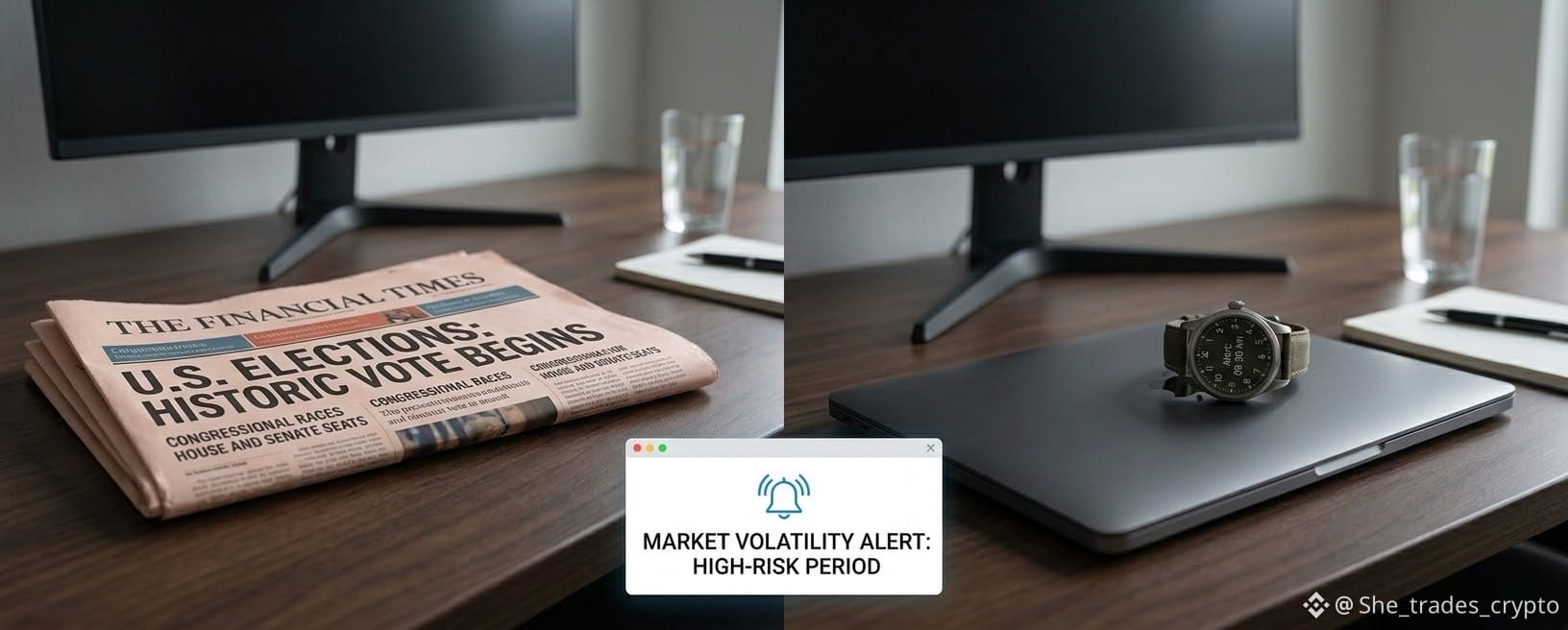
Tomorrow is US Midterm Election Day (US Congress/Senate elections). 🗳️
During major global political events, market liquidity gets thin and price movement becomes completely chaotic. High-volatility news events like this often trigger violent double-sided liquidations.
In environments like this, sitting out and staying flat is a valid tactical choice to preserve capital.
Trading requires structure, not navigating unpredictable news spikes. Protecting liquidity is always priority #1. 🛡️
126
$ASTER $HUMA $PEPE
are good for today
{spot}(PEPEUSDT)
{future}(HUMAUSDT)
{future}(ASTERUSDT)
$ASTER $HUMA $PEPE
are good for today
are good for today
315
$AWE $BTC
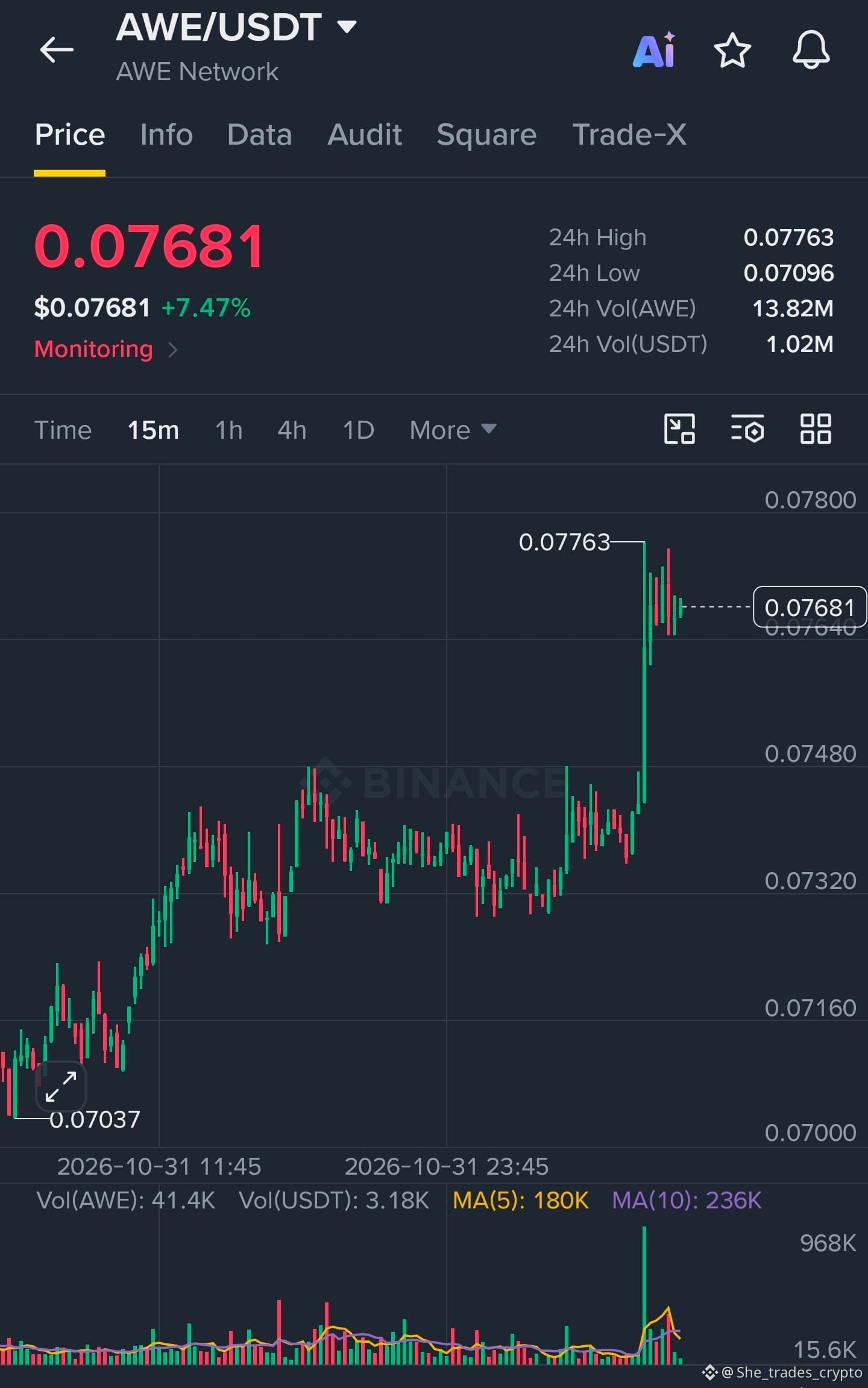
Gave you this breakout yesterday
{future}(AWEUSDT)
$AWE $BTC
Gave you this breakout yesterday
Gave you this breakout yesterday
266
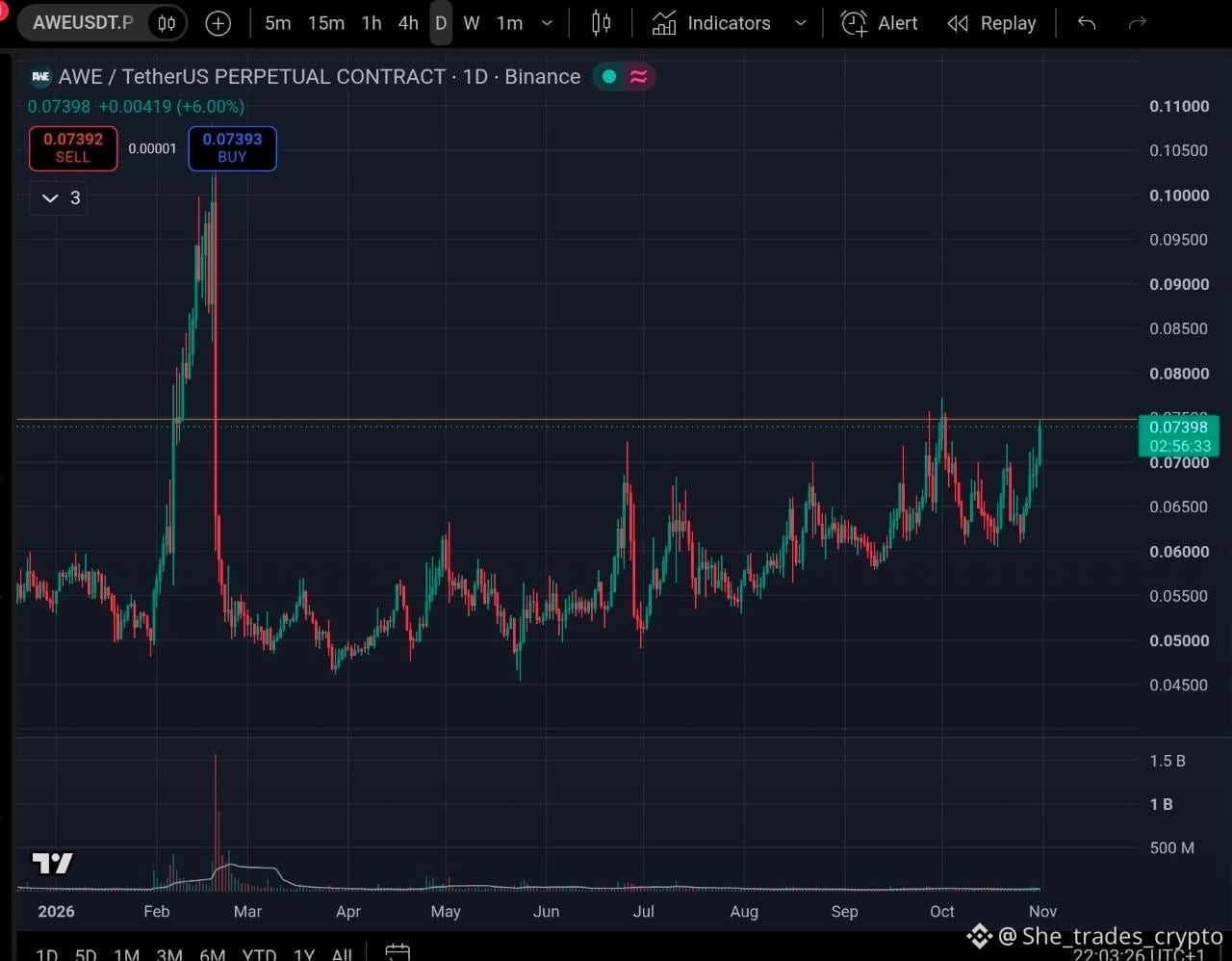
$AWE $BTC
One more interesting idea that my personal screener found for me
$AWE $BTC
One more interesting idea that my personal screener found for me
One more interesting idea that my personal screener found for me
226
Log in to explore more content
Join global crypto users on Binance Square
⚡️ Get latest and useful information about crypto.
💬 Trusted by the world’s largest crypto exchange.
👍 Discover real insights from verified creators.
Email / Phone number
Trending Topics
BinanceReopensWithdrawalsForHYPE&APT
36,202 views
599 Discussing
Binance Re-Enables Withdrawals for HYPE and APT, Extends List of Restored Assets
Binance News
·25 Likes
·14.1k views
SouthKoreaDraftLawTargets15To20%ShareholderCap
40,583 views
413 Discussing
TradFiForBeginners
147,676 views
1,557 Discussing