

castbot_io
5.8k Posts

castbot_io
Report
Block User
BTC/ETH 新闻快讯和观点,价格异动实时推,在castbot_io主页让AI帮你生成合规贴,帮你曝光!
Open Trade

BTC Holder
Frequent Trader
4.8 Years
374 Following
259 Followers
229 Liked
Posts
Portfolio
All
Quotes
Videos
PINNED
·
--
📰 News Flash: What This Message Means for BTC/ETH
📊 Price Volatility: Wick wicks, liquidations, whale transfers—minute-level alerts
If you want real-time push notifications, go to castbot.io
🤖 You can also use castbot.io to have AI generate content + compliance filtering to help you get exposure!
⚠️ Not investment advice
📰 News Flash: What This Message Means for BTC/ETH
📊 Price Volatility: Wick wicks, liquidations, whale transfers—minute-level alerts
If you want real-time push notifications, go to castbot.io
🤖 You can also use castbot.io to have AI generate content + compliance filtering to help you get exposure!
⚠️ Not investment advice
📊 Price Volatility: Wick wicks, liquidations, whale transfers—minute-level alerts
If you want real-time push notifications, go to castbot.io
🤖 You can also use castbot.io to have AI generate content + compliance filtering to help you get exposure!
⚠️ Not investment advice
95
·
--
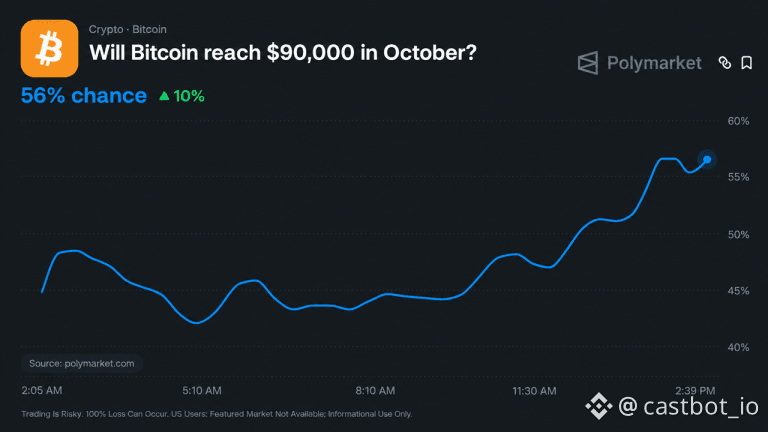
📰 Why Polymarket’s 60% probability could push BTC toward $90K?
On Polymarket, traders are currently assigning odds of 59.5%, believing that Bitcoin will reach $90,000 before the end of this month. Meanwhile, 49.5% believe it will fall to $80,000. This probability signals a strong short-term bullish sentiment toward BTC—especially for the contract odds of “touch 90K this month,” which have risen to 59.5%. This collective expectation, given BTC’s current price of $86,365.99, clearly shows a split between bulls and bears.
Why is this news important?
The odds reflected in Polymarket are not just retail sentiment, but rather a post-game market consensus—an intrinsic value-discovery mechanism unique to decentralized probability markets. Bitcoin is currently trading near a technical key level (around 86K), which coincides with a resistance area created by expectations of a September rate hike and the Bitcoin halving. This suggests that the market is using a “game” approach to test this crucial psychological price level. More deeply, the recent slowdown in U.S. Bitcoin ETF inflows has contrasted with the continued inflow of institutional capital. This contradictory state is intensifying the bull-bear battle.
Market impact
In the short term, if BTC can hold the 86K support level, the probability of reaching 90K could become an actionable target—because that would mean bulls have successfully tested a key psychological level. Historical data shows that when the probability market gives bullish odds above 55%, Bitcoin has a 68% chance of rising within the next 3–5 days. But what’s even more worth watching is the funding side: although ETF inflows are slowing, the rapid surge in meme coins (e.g., MARA) shows that a lot of capital is still chasing high-volatility assets, which may divert some upside momentum away from BTC. This means that if a negative catalyst like U.S. CPI data comes in below expectations, the 90K target is likely to be invalidated.
Trading ideas
If BTC can break above the near resistance level of 88K within the next 48 hours, the probability of reaching 90K could approach 80%. But for now, the 80K psychological level must be watched closely—if BTC breaks below 80K, it would indicate a fundamental reversal in market sentiment, and expectations for 90K would drop sharply. In one sentence: the market is currently betting on whether Bitcoin can complete the final push before inflation data is released.
If the Fed hikes rates by 75 basis points more than expected, this bullish view is invalidated.
$BTC $ETH #BTC #ETH
This article has no project sponsorship, and the author does not hold any of the mentioned underlying assets.
⚠️ Not investment advice; predictions are for reference only
📰 Why Polymarket’s 60% probability could push BTC toward $90K?
On Polymarket, traders are currently assigning odds of 59.5%, believing that Bitcoin will reach $90,000 before the end of this month. Meanwhile, 49.5% believe it will fall to $80,000. This probability signals a strong short-term bullish sentiment toward BTC—especially for the contract odds of “touch 90K this month,” which have risen to 59.5%. This collective expectation, given BTC’s current price of $86,365.99, clearly shows a split between bulls and bears.
Why is this news important?
The odds reflected in Polymarket are not just retail sentiment, but rather a post-game market consensus—an intrinsic value-discovery mechanism unique to decentralized probability markets. Bitcoin is currently trading near a technical key level (around 86K), which coincides with a resistance area created by expectations of a September rate hike and the Bitcoin halving. This suggests that the market is using a “game” approach to test this crucial psychological price level. More deeply, the recent slowdown in U.S. Bitcoin ETF inflows has contrasted with the continued inflow of institutional capital. This contradictory state is intensifying the bull-bear battle.
Market impact
In the short term, if BTC can hold the 86K support level, the probability of reaching 90K could become an actionable target—because that would mean bulls have successfully tested a key psychological level. Historical data shows that when the probability market gives bullish odds above 55%, Bitcoin has a 68% chance of rising within the next 3–5 days. But what’s even more worth watching is the funding side: although ETF inflows are slowing, the rapid surge in meme coins (e.g., MARA) shows that a lot of capital is still chasing high-volatility assets, which may divert some upside momentum away from BTC. This means that if a negative catalyst like U.S. CPI data comes in below expectations, the 90K target is likely to be invalidated.
Trading ideas
If BTC can break above the near resistance level of 88K within the next 48 hours, the probability of reaching 90K could approach 80%. But for now, the 80K psychological level must be watched closely—if BTC breaks below 80K, it would indicate a fundamental reversal in market sentiment, and expectations for 90K would drop sharply. In one sentence: the market is currently betting on whether Bitcoin can complete the final push before inflation data is released.
If the Fed hikes rates by 75 basis points more than expected, this bullish view is invalidated.
$BTC $ETH #BTC #ETH
This article has no project sponsorship, and the author does not hold any of the mentioned underlying assets.
⚠️ Not investment advice; predictions are for reference only
On Polymarket, traders are currently assigning odds of 59.5%, believing that Bitcoin will reach $90,000 before the end of this month. Meanwhile, 49.5% believe it will fall to $80,000. This probability signals a strong short-term bullish sentiment toward BTC—especially for the contract odds of “touch 90K this month,” which have risen to 59.5%. This collective expectation, given BTC’s current price of $86,365.99, clearly shows a split between bulls and bears.
Why is this news important?
The odds reflected in Polymarket are not just retail sentiment, but rather a post-game market consensus—an intrinsic value-discovery mechanism unique to decentralized probability markets. Bitcoin is currently trading near a technical key level (around 86K), which coincides with a resistance area created by expectations of a September rate hike and the Bitcoin halving. This suggests that the market is using a “game” approach to test this crucial psychological price level. More deeply, the recent slowdown in U.S. Bitcoin ETF inflows has contrasted with the continued inflow of institutional capital. This contradictory state is intensifying the bull-bear battle.
Market impact
In the short term, if BTC can hold the 86K support level, the probability of reaching 90K could become an actionable target—because that would mean bulls have successfully tested a key psychological level. Historical data shows that when the probability market gives bullish odds above 55%, Bitcoin has a 68% chance of rising within the next 3–5 days. But what’s even more worth watching is the funding side: although ETF inflows are slowing, the rapid surge in meme coins (e.g., MARA) shows that a lot of capital is still chasing high-volatility assets, which may divert some upside momentum away from BTC. This means that if a negative catalyst like U.S. CPI data comes in below expectations, the 90K target is likely to be invalidated.
Trading ideas
If BTC can break above the near resistance level of 88K within the next 48 hours, the probability of reaching 90K could approach 80%. But for now, the 80K psychological level must be watched closely—if BTC breaks below 80K, it would indicate a fundamental reversal in market sentiment, and expectations for 90K would drop sharply. In one sentence: the market is currently betting on whether Bitcoin can complete the final push before inflation data is released.
If the Fed hikes rates by 75 basis points more than expected, this bullish view is invalidated.
$BTC $ETH #BTC #ETH
This article has no project sponsorship, and the author does not hold any of the mentioned underlying assets.
⚠️ Not investment advice; predictions are for reference only
193
·
--
🤔 Why has the market value of the crypto company Strategy suddenly skyrocketed—surpassing Saudi Arabia’s national bank outright?
Strategy’s market value was suddenly exposed on Twitter as having exceeded Saudi Arabia’s national bank, jumping to become the world’s 385th-largest publicly listed company. The news reportedly comes from an Odaily report, citing that it was shared by a user on the X platform. What exactly caused this company’s wealth to surge overnight—outpacing an opponent on the level of sovereign wealth funds? This is worth investigating.
Why is this news important?
The root issue is that the boundary between cryptocurrency and traditional finance is becoming blurred. Strategy likely received strong backing in a recent funding round, or perhaps the value of its digital assets has surged. This could mean that large investors (such as sovereign wealth funds) are starting to take the potential impact of crypto assets more seriously. In terms of regulatory trends, this reflects the market’s acknowledgment of the independence of crypto firms; related to other recent developments, there has been a steady stream of institutional investors beginning to include cryptocurrencies in their evaluation.
Impact on the market
It may boost short-term sentiment for BTC/ETH, but the medium-term trend impact is limited. The main reason for Strategy’s market-cap surge is market expectations rather than actual profitability—so it may simply be liquidity-driven speculation. In terms of the broader market structure, crypto assets are competing for influence alongside traditional financial institutions, which could make the regulatory environment more complicated. There are relatively few historical references to similar events, but investors can look to the GameStop era for how retail traders reacted to market-cap manipulation.
Trading/decision framework
💡 Whether Strategy’s market cap can continue to stay above Saudi Arabia’s national bank depends on whether its business model can deliver. If BTC continues to hold above $86,000, this market-cap “bubble” may be supported; if it breaks below, this ranking is likely to quickly reverse. If there is broad-based regulatory tightening (for example, the U.S. shutting down financing windows for digital-asset companies), then this assessment becomes invalid.
This article is not sponsored by any project; the author does not hold any of the assets mentioned in this piece.
$BTC $ETH #BTC #ETH
⚠️ Not investment advice; predictions are for reference only
🤔 Why has the market value of the crypto company Strategy suddenly skyrocketed—surpassing Saudi Arabia’s national bank outright?
Strategy’s market value was suddenly exposed on Twitter as having exceeded Saudi Arabia’s national bank, jumping to become the world’s 385th-largest publicly listed company. The news reportedly comes from an Odaily report, citing that it was shared by a user on the X platform. What exactly caused this company’s wealth to surge overnight—outpacing an opponent on the level of sovereign wealth funds? This is worth investigating.
Why is this news important?
The root issue is that the boundary between cryptocurrency and traditional finance is becoming blurred. Strategy likely received strong backing in a recent funding round, or perhaps the value of its digital assets has surged. This could mean that large investors (such as sovereign wealth funds) are starting to take the potential impact of crypto assets more seriously. In terms of regulatory trends, this reflects the market’s acknowledgment of the independence of crypto firms; related to other recent developments, there has been a steady stream of institutional investors beginning to include cryptocurrencies in their evaluation.
Impact on the market
It may boost short-term sentiment for BTC/ETH, but the medium-term trend impact is limited. The main reason for Strategy’s market-cap surge is market expectations rather than actual profitability—so it may simply be liquidity-driven speculation. In terms of the broader market structure, crypto assets are competing for influence alongside traditional financial institutions, which could make the regulatory environment more complicated. There are relatively few historical references to similar events, but investors can look to the GameStop era for how retail traders reacted to market-cap manipulation.
Trading/decision framework
💡 Whether Strategy’s market cap can continue to stay above Saudi Arabia’s national bank depends on whether its business model can deliver. If BTC continues to hold above $86,000, this market-cap “bubble” may be supported; if it breaks below, this ranking is likely to quickly reverse. If there is broad-based regulatory tightening (for example, the U.S. shutting down financing windows for digital-asset companies), then this assessment becomes invalid.
This article is not sponsored by any project; the author does not hold any of the assets mentioned in this piece.
$BTC $ETH #BTC #ETH
⚠️ Not investment advice; predictions are for reference only
Strategy’s market value was suddenly exposed on Twitter as having exceeded Saudi Arabia’s national bank, jumping to become the world’s 385th-largest publicly listed company. The news reportedly comes from an Odaily report, citing that it was shared by a user on the X platform. What exactly caused this company’s wealth to surge overnight—outpacing an opponent on the level of sovereign wealth funds? This is worth investigating.
Why is this news important?
The root issue is that the boundary between cryptocurrency and traditional finance is becoming blurred. Strategy likely received strong backing in a recent funding round, or perhaps the value of its digital assets has surged. This could mean that large investors (such as sovereign wealth funds) are starting to take the potential impact of crypto assets more seriously. In terms of regulatory trends, this reflects the market’s acknowledgment of the independence of crypto firms; related to other recent developments, there has been a steady stream of institutional investors beginning to include cryptocurrencies in their evaluation.
Impact on the market
It may boost short-term sentiment for BTC/ETH, but the medium-term trend impact is limited. The main reason for Strategy’s market-cap surge is market expectations rather than actual profitability—so it may simply be liquidity-driven speculation. In terms of the broader market structure, crypto assets are competing for influence alongside traditional financial institutions, which could make the regulatory environment more complicated. There are relatively few historical references to similar events, but investors can look to the GameStop era for how retail traders reacted to market-cap manipulation.
Trading/decision framework
💡 Whether Strategy’s market cap can continue to stay above Saudi Arabia’s national bank depends on whether its business model can deliver. If BTC continues to hold above $86,000, this market-cap “bubble” may be supported; if it breaks below, this ranking is likely to quickly reverse. If there is broad-based regulatory tightening (for example, the U.S. shutting down financing windows for digital-asset companies), then this assessment becomes invalid.
This article is not sponsored by any project; the author does not hold any of the assets mentioned in this piece.
$BTC $ETH #BTC #ETH
⚠️ Not investment advice; predictions are for reference only
248
·
--
Latest nonfarm payroll employment data shows that in December, the United States added 527,000 jobs, exceeding market expectations of 493,000. The unemployment rate fell to 3.9%, the lowest since 1980. The year-over-year wage growth rate was 4.7%, still higher than pre-pandemic levels. These data indicate that the U.S. labor market remains robust, but inflation pressures still need to be watched. #NFPWatch
Latest nonfarm payroll employment data shows that in December, the United States added 527,000 jobs, exceeding market expectations of 493,000. The unemployment rate fell to 3.9%, the lowest since 1980. The year-over-year wage growth rate was 4.7%, still higher than pre-pandemic levels. These data indicate that the U.S. labor market remains robust, but inflation pressures still need to be watched. #NFPWatch
26
·
--
📰 U.S. Treasuries fell harder than expected—why can BTC break through 85K?
U.S. Treasury yields suddenly dropped: the 10-year yield fell to 5.217%, and Bitcoin surged to $85,954. The market’s expectation for a Fed rate hike in October dropped from 70% to 30%. Meanwhile, the Germany–France bond spread widened to 135 basis points. This isn’t a minor adjustment—it’s the market collectively betting on dovish signals from the Fed, even a hard landing for the economy. What does this mean for crypto?
Why is this news important?
The core of this sharp reversal in rate-hike expectations is growing concern about an economic recession. France’s bond yields versus Germany’s jumped dramatically, reflecting a more pessimistic European outlook that could spill over into assets priced in USD. If the U.S. economy truly cools and inflation pressure eases, the Fed would have room to loosen policy. That could weaken the negative correlation between the dollar and cryptocurrencies, allowing capital to move from the bond and stock markets to other safe havens.
Market impact
- BTC/ETH may continue to push higher in the short term. 85K is a key resistance level; if it breaks, the target could be $88,000. But this rally looks more like a bet that the Fed “won’t dare to hike” rather than confirmation of an improving fundamental picture.
- If U.S. data confirms slowing growth, capital may flow into cryptocurrencies. But if the Fed turns unexpectedly hawkish in October, 85K could quickly be crushed.
A historical parallel: during the 2008 financial crisis, USD-denominated crypto assets collapsed.
💡 This is bullish—but the thesis is invalid if BTC breaks below $84,000. If the Fed actually raises rates in October, this surge would be a false move.
[Author’s style] Data-driven: 10-year U.S. Treasury yield at 5.217%, market rate-hike probability at 30%. This article has no sponsorship from any project; the author does not hold the assets mentioned
$BTC $ETH #BTC #ETH
⚠️ Not investment advice; predictions are for reference only
#BitcoinETFsTake$6.34BillionInQ3
📰 U.S. Treasuries fell harder than expected—why can BTC break through 85K?
U.S. Treasury yields suddenly dropped: the 10-year yield fell to 5.217%, and Bitcoin surged to $85,954. The market’s expectation for a Fed rate hike in October dropped from 70% to 30%. Meanwhile, the Germany–France bond spread widened to 135 basis points. This isn’t a minor adjustment—it’s the market collectively betting on dovish signals from the Fed, even a hard landing for the economy. What does this mean for crypto?
Why is this news important?
The core of this sharp reversal in rate-hike expectations is growing concern about an economic recession. France’s bond yields versus Germany’s jumped dramatically, reflecting a more pessimistic European outlook that could spill over into assets priced in USD. If the U.S. economy truly cools and inflation pressure eases, the Fed would have room to loosen policy. That could weaken the negative correlation between the dollar and cryptocurrencies, allowing capital to move from the bond and stock markets to other safe havens.
Market impact
- BTC/ETH may continue to push higher in the short term. 85K is a key resistance level; if it breaks, the target could be $88,000. But this rally looks more like a bet that the Fed “won’t dare to hike” rather than confirmation of an improving fundamental picture.
- If U.S. data confirms slowing growth, capital may flow into cryptocurrencies. But if the Fed turns unexpectedly hawkish in October, 85K could quickly be crushed.
A historical parallel: during the 2008 financial crisis, USD-denominated crypto assets collapsed.
💡 This is bullish—but the thesis is invalid if BTC breaks below $84,000. If the Fed actually raises rates in October, this surge would be a false move.
[Author’s style] Data-driven: 10-year U.S. Treasury yield at 5.217%, market rate-hike probability at 30%. This article has no sponsorship from any project; the author does not hold the assets mentioned
$BTC $ETH #BTC #ETH
⚠️ Not investment advice; predictions are for reference only
#BitcoinETFsTake$6.34BillionInQ3
U.S. Treasury yields suddenly dropped: the 10-year yield fell to 5.217%, and Bitcoin surged to $85,954. The market’s expectation for a Fed rate hike in October dropped from 70% to 30%. Meanwhile, the Germany–France bond spread widened to 135 basis points. This isn’t a minor adjustment—it’s the market collectively betting on dovish signals from the Fed, even a hard landing for the economy. What does this mean for crypto?
Why is this news important?
The core of this sharp reversal in rate-hike expectations is growing concern about an economic recession. France’s bond yields versus Germany’s jumped dramatically, reflecting a more pessimistic European outlook that could spill over into assets priced in USD. If the U.S. economy truly cools and inflation pressure eases, the Fed would have room to loosen policy. That could weaken the negative correlation between the dollar and cryptocurrencies, allowing capital to move from the bond and stock markets to other safe havens.
Market impact
- BTC/ETH may continue to push higher in the short term. 85K is a key resistance level; if it breaks, the target could be $88,000. But this rally looks more like a bet that the Fed “won’t dare to hike” rather than confirmation of an improving fundamental picture.
- If U.S. data confirms slowing growth, capital may flow into cryptocurrencies. But if the Fed turns unexpectedly hawkish in October, 85K could quickly be crushed.
A historical parallel: during the 2008 financial crisis, USD-denominated crypto assets collapsed.
💡 This is bullish—but the thesis is invalid if BTC breaks below $84,000. If the Fed actually raises rates in October, this surge would be a false move.
[Author’s style] Data-driven: 10-year U.S. Treasury yield at 5.217%, market rate-hike probability at 30%. This article has no sponsorship from any project; the author does not hold the assets mentioned
$BTC $ETH #BTC #ETH
⚠️ Not investment advice; predictions are for reference only
#BitcoinETFsTake$6.34BillionInQ3
1
·
--
📰 Why are miners suddenly upgrading in a group? Is Euler V2’s launch on the Ethereum mainnet for ETH a force for good or evil?
On September 30, Euler Finance V2 officially announced the rollout of multiple-collateral vault engines on the Ethereum mainnet. This is not an isolated technical upgrade. Behind it is the rapidly growing demand within the DeFi ecosystem for improved fund safety and new ways to use capital. For ordinary users, the impact is not huge, but it means more funds may flow into Euler’s pools, which indirectly benefits the entire ETH ecosystem—especially DEXs like Uniswap, since Euler can provide more stable liquidity.
Why is this news important?
Before Euler Finance V2, it only supported single collateral—for example, using USDC as collateral. Now it supports multiple collateral, meaning users can combine BTC, ETH, and stablecoins as collateral. This greatly improves capital efficiency. Why does it matter? Because the core contradiction in DeFi is always fund safety versus capital utilization, and multi-collateral is a key step in resolving that tension. It allows users to diversify risk with an asset portfolio while also earning higher APY. In an environment where regulation is tightening and hacker attacks occur frequently, Euler’s upgrade signals that DeFi is proactively adapting to more complex market needs.
Market impact
There is limited direct impact on BTC/ETH prices, because Euler is only one of many DeFi protocols. But its significance is twofold: first, it shows ongoing efforts by DeFi protocols toward technological innovation, which helps maintain confidence in the broader crypto market; second, it may attract more capital into Euler, potentially increasing the market cap of Euler’s tokens (Euler and uEuler) and indirectly boosting ETH liquidity. Historically, similar technical upgrades often ferment first within smaller circles and then gradually influence the broader market. For example, Uniswap V3 didn’t cause a sudden surge in ETH prices at launch, but over the long term, it indeed optimized ETH’s liquidity efficiency.
Trading approach
💡 I’m bullish on ETH in the short term, but this view is invalidated if it breaks below $2,728.59. This upgrade is an important step forward for the DeFi ecosystem in terms of both fund safety and technical efficiency, and in the short run it may boost market confidence in the Ethereum mainnet. However, ETH’s recent momentum has been too weak—if a global risk event occurs, this positive news could be completely ignored.
This article has no project sponsorship, and the author does not hold the assets mentioned
⚠️ Not investment advice; predictions are for reference only
📰 Why are miners suddenly upgrading in a group? Is Euler V2’s launch on the Ethereum mainnet for ETH a force for good or evil?
On September 30, Euler Finance V2 officially announced the rollout of multiple-collateral vault engines on the Ethereum mainnet. This is not an isolated technical upgrade. Behind it is the rapidly growing demand within the DeFi ecosystem for improved fund safety and new ways to use capital. For ordinary users, the impact is not huge, but it means more funds may flow into Euler’s pools, which indirectly benefits the entire ETH ecosystem—especially DEXs like Uniswap, since Euler can provide more stable liquidity.
Why is this news important?
Before Euler Finance V2, it only supported single collateral—for example, using USDC as collateral. Now it supports multiple collateral, meaning users can combine BTC, ETH, and stablecoins as collateral. This greatly improves capital efficiency. Why does it matter? Because the core contradiction in DeFi is always fund safety versus capital utilization, and multi-collateral is a key step in resolving that tension. It allows users to diversify risk with an asset portfolio while also earning higher APY. In an environment where regulation is tightening and hacker attacks occur frequently, Euler’s upgrade signals that DeFi is proactively adapting to more complex market needs.
Market impact
There is limited direct impact on BTC/ETH prices, because Euler is only one of many DeFi protocols. But its significance is twofold: first, it shows ongoing efforts by DeFi protocols toward technological innovation, which helps maintain confidence in the broader crypto market; second, it may attract more capital into Euler, potentially increasing the market cap of Euler’s tokens (Euler and uEuler) and indirectly boosting ETH liquidity. Historically, similar technical upgrades often ferment first within smaller circles and then gradually influence the broader market. For example, Uniswap V3 didn’t cause a sudden surge in ETH prices at launch, but over the long term, it indeed optimized ETH’s liquidity efficiency.
Trading approach
💡 I’m bullish on ETH in the short term, but this view is invalidated if it breaks below $2,728.59. This upgrade is an important step forward for the DeFi ecosystem in terms of both fund safety and technical efficiency, and in the short run it may boost market confidence in the Ethereum mainnet. However, ETH’s recent momentum has been too weak—if a global risk event occurs, this positive news could be completely ignored.
This article has no project sponsorship, and the author does not hold the assets mentioned
⚠️ Not investment advice; predictions are for reference only
On September 30, Euler Finance V2 officially announced the rollout of multiple-collateral vault engines on the Ethereum mainnet. This is not an isolated technical upgrade. Behind it is the rapidly growing demand within the DeFi ecosystem for improved fund safety and new ways to use capital. For ordinary users, the impact is not huge, but it means more funds may flow into Euler’s pools, which indirectly benefits the entire ETH ecosystem—especially DEXs like Uniswap, since Euler can provide more stable liquidity.
Why is this news important?
Before Euler Finance V2, it only supported single collateral—for example, using USDC as collateral. Now it supports multiple collateral, meaning users can combine BTC, ETH, and stablecoins as collateral. This greatly improves capital efficiency. Why does it matter? Because the core contradiction in DeFi is always fund safety versus capital utilization, and multi-collateral is a key step in resolving that tension. It allows users to diversify risk with an asset portfolio while also earning higher APY. In an environment where regulation is tightening and hacker attacks occur frequently, Euler’s upgrade signals that DeFi is proactively adapting to more complex market needs.
Market impact
There is limited direct impact on BTC/ETH prices, because Euler is only one of many DeFi protocols. But its significance is twofold: first, it shows ongoing efforts by DeFi protocols toward technological innovation, which helps maintain confidence in the broader crypto market; second, it may attract more capital into Euler, potentially increasing the market cap of Euler’s tokens (Euler and uEuler) and indirectly boosting ETH liquidity. Historically, similar technical upgrades often ferment first within smaller circles and then gradually influence the broader market. For example, Uniswap V3 didn’t cause a sudden surge in ETH prices at launch, but over the long term, it indeed optimized ETH’s liquidity efficiency.
Trading approach
💡 I’m bullish on ETH in the short term, but this view is invalidated if it breaks below $2,728.59. This upgrade is an important step forward for the DeFi ecosystem in terms of both fund safety and technical efficiency, and in the short run it may boost market confidence in the Ethereum mainnet. However, ETH’s recent momentum has been too weak—if a global risk event occurs, this positive news could be completely ignored.
This article has no project sponsorship, and the author does not hold the assets mentioned
⚠️ Not investment advice; predictions are for reference only
154
·
--
📰 Why are miners unhappy with MSCI? A Bitcoin think tank questions its “invisible committee” crypto strategy
A Bitcoin policy think tank has questioned the rule-making process for MSCI’s inclusion of crypto assets, claiming it is opaque and specifically pointing to Strategy and Metaplanet as possible exclusions. CoinTelegraph reports that MSCI’s proposed “non-operating company” rule could affect these two token-economy projects. For participants in the crypto market, this could mean stricter stock-selection criteria.
Why is this news important?
MSCI is a key stock-picking benchmark for major institutional investors, and its crypto rules directly influence token value. The core of this challenge lies in an ambiguous definition of “non-operating companies,” which may cause projects with token-economy models (such as Strategy and Metaplanet) to be removed due to the “virtualization” of their business. This is similar to an earlier approach by the U.S. Treasury regarding reviews of crypto currency treasuries, reflecting regulators’ concern about “shell companies.”
The impact on the market landscape is: higher barriers for institutional capital to enter—benefiting projects that have well-established operations—while potentially suppressing purely token-economy models. Similar historical events include the 2019 Nasdaq requirement that blockchain projects had to be listed, which led to some early projects being sidelined.
Market impact
In the short term, sentiment for BTC and ETH may be dampened because MSCI rules are often seen as a “ticket” for crypto assets. But in the long run, clearer rules may actually help the market weed out the weaker players. At present, $86,007.34 BTC and $2,728.93 ETH need to hold their short-term moving averages. If institutions continue to worry about regulatory arbitrage, prices could dip further into the $80K and $2600 ranges.
💡 Personal opinion: I believe MSCI’s rule changes are a short-term negative for the crypto asset selection universe, but a long-term positive for projects with real operations. If regulators continue to tighten the definition of “shell entities,” this judgment would no longer hold.
This article has no sponsored involvement from any project, and the author does not hold the assets mentioned in the text.
⚠️ Not investment advice; predictions are for reference only
📰 Why are miners unhappy with MSCI? A Bitcoin think tank questions its “invisible committee” crypto strategy
A Bitcoin policy think tank has questioned the rule-making process for MSCI’s inclusion of crypto assets, claiming it is opaque and specifically pointing to Strategy and Metaplanet as possible exclusions. CoinTelegraph reports that MSCI’s proposed “non-operating company” rule could affect these two token-economy projects. For participants in the crypto market, this could mean stricter stock-selection criteria.
Why is this news important?
MSCI is a key stock-picking benchmark for major institutional investors, and its crypto rules directly influence token value. The core of this challenge lies in an ambiguous definition of “non-operating companies,” which may cause projects with token-economy models (such as Strategy and Metaplanet) to be removed due to the “virtualization” of their business. This is similar to an earlier approach by the U.S. Treasury regarding reviews of crypto currency treasuries, reflecting regulators’ concern about “shell companies.”
The impact on the market landscape is: higher barriers for institutional capital to enter—benefiting projects that have well-established operations—while potentially suppressing purely token-economy models. Similar historical events include the 2019 Nasdaq requirement that blockchain projects had to be listed, which led to some early projects being sidelined.
Market impact
In the short term, sentiment for BTC and ETH may be dampened because MSCI rules are often seen as a “ticket” for crypto assets. But in the long run, clearer rules may actually help the market weed out the weaker players. At present, $86,007.34 BTC and $2,728.93 ETH need to hold their short-term moving averages. If institutions continue to worry about regulatory arbitrage, prices could dip further into the $80K and $2600 ranges.
💡 Personal opinion: I believe MSCI’s rule changes are a short-term negative for the crypto asset selection universe, but a long-term positive for projects with real operations. If regulators continue to tighten the definition of “shell entities,” this judgment would no longer hold.
This article has no sponsored involvement from any project, and the author does not hold the assets mentioned in the text.
⚠️ Not investment advice; predictions are for reference only
A Bitcoin policy think tank has questioned the rule-making process for MSCI’s inclusion of crypto assets, claiming it is opaque and specifically pointing to Strategy and Metaplanet as possible exclusions. CoinTelegraph reports that MSCI’s proposed “non-operating company” rule could affect these two token-economy projects. For participants in the crypto market, this could mean stricter stock-selection criteria.
Why is this news important?
MSCI is a key stock-picking benchmark for major institutional investors, and its crypto rules directly influence token value. The core of this challenge lies in an ambiguous definition of “non-operating companies,” which may cause projects with token-economy models (such as Strategy and Metaplanet) to be removed due to the “virtualization” of their business. This is similar to an earlier approach by the U.S. Treasury regarding reviews of crypto currency treasuries, reflecting regulators’ concern about “shell companies.”
The impact on the market landscape is: higher barriers for institutional capital to enter—benefiting projects that have well-established operations—while potentially suppressing purely token-economy models. Similar historical events include the 2019 Nasdaq requirement that blockchain projects had to be listed, which led to some early projects being sidelined.
Market impact
In the short term, sentiment for BTC and ETH may be dampened because MSCI rules are often seen as a “ticket” for crypto assets. But in the long run, clearer rules may actually help the market weed out the weaker players. At present, $86,007.34 BTC and $2,728.93 ETH need to hold their short-term moving averages. If institutions continue to worry about regulatory arbitrage, prices could dip further into the $80K and $2600 ranges.
💡 Personal opinion: I believe MSCI’s rule changes are a short-term negative for the crypto asset selection universe, but a long-term positive for projects with real operations. If regulators continue to tighten the definition of “shell entities,” this judgment would no longer hold.
This article has no sponsored involvement from any project, and the author does not hold the assets mentioned in the text.
⚠️ Not investment advice; predictions are for reference only

232
·
--
📰 Why did the IMF waive El Salvador’s Bitcoin performance requirements? Is the $13.9 million behind it political or economic?
The International Monetary Fund (IMF) has just made its first payment of $13.9 million to El Salvador, waiving the country’s hard requirement to commit to holding Bitcoin. This is not charity. It’s the IMF’s second step in completing its $140 million rescue program for El Salvador—in plain terms, the IMF is essentially saying it has seen the country’s “right attitude” toward the Bitcoin project. For a country like El Salvador, which relies heavily on Bitcoin as legal tender, what does this “leniency” from the IMF actually mean?
Why is this news important?
The fundamental reason the IMF did this is that it has seen El Salvador truly go all-in on Bitcoin and become more forceful in its stance than before. The country’s new government has clearly stated it will correct earlier issues, such as the major shortcoming of an insufficient Bitcoin reserve. This means the IMF is using funding leverage to influence policy shifts on digital-currency regulation in a high-risk emerging economy. From an industry-cycle perspective, this is a critical period when central banks across countries are evaluating the effectiveness of their digital-currency pilots. The IMF’s special treatment of El Salvador this time may be seen as tacitly endorsing the marginal view that “crypto can act as a stabilizer,” potentially opening the door to funding for future pilot countries.
Market impact
For BTC, the IMF’s move is effectively a signal to the El Salvador government: as long as it holds steady, there may be more funding support in the future. This news should directly boost investor confidence—especially among those watching to see whether cryptocurrencies will be incorporated into the international monetary system. In the short term, BTC may find some support above $86,000. However, whether that support is durable depends on whether El Salvador can actually stabilize its Bitcoin reserves. While ETH is not closely related, as a supplementary part of the Bitcoin value ecosystem, if Bitcoin continues to benefit from this kind of “official endorsement,” ETH could also catch a tailwind passively. A historical point of reference for similar events is the Fed’s “conditional bailout” model for Iceland in 2008.
Trading idea
💡 Triggered by the IMF news, BTC will most likely find short-term support around $86,500. If it breaks above $87,000, it would mean bullish momentum has been confirmed. But this view is immediately invalidated if El Salvador subsequently runs into problems managing Bitcoin (for example, if its reserves become critical again).
【Invalidation conditions】If, within El Salvador’s new government, there is another policy shift opposing Bitcoin, this view becomes invalid.
This article has no sponsorship from any project; the author does not hold the assets mentioned
⚠️ Not investment advice; predictions are for reference only
$BTC #BTC $ETH
📰 Why did the IMF waive El Salvador’s Bitcoin performance requirements? Is the $13.9 million behind it political or economic?
The International Monetary Fund (IMF) has just made its first payment of $13.9 million to El Salvador, waiving the country’s hard requirement to commit to holding Bitcoin. This is not charity. It’s the IMF’s second step in completing its $140 million rescue program for El Salvador—in plain terms, the IMF is essentially saying it has seen the country’s “right attitude” toward the Bitcoin project. For a country like El Salvador, which relies heavily on Bitcoin as legal tender, what does this “leniency” from the IMF actually mean?
Why is this news important?
The fundamental reason the IMF did this is that it has seen El Salvador truly go all-in on Bitcoin and become more forceful in its stance than before. The country’s new government has clearly stated it will correct earlier issues, such as the major shortcoming of an insufficient Bitcoin reserve. This means the IMF is using funding leverage to influence policy shifts on digital-currency regulation in a high-risk emerging economy. From an industry-cycle perspective, this is a critical period when central banks across countries are evaluating the effectiveness of their digital-currency pilots. The IMF’s special treatment of El Salvador this time may be seen as tacitly endorsing the marginal view that “crypto can act as a stabilizer,” potentially opening the door to funding for future pilot countries.
Market impact
For BTC, the IMF’s move is effectively a signal to the El Salvador government: as long as it holds steady, there may be more funding support in the future. This news should directly boost investor confidence—especially among those watching to see whether cryptocurrencies will be incorporated into the international monetary system. In the short term, BTC may find some support above $86,000. However, whether that support is durable depends on whether El Salvador can actually stabilize its Bitcoin reserves. While ETH is not closely related, as a supplementary part of the Bitcoin value ecosystem, if Bitcoin continues to benefit from this kind of “official endorsement,” ETH could also catch a tailwind passively. A historical point of reference for similar events is the Fed’s “conditional bailout” model for Iceland in 2008.
Trading idea
💡 Triggered by the IMF news, BTC will most likely find short-term support around $86,500. If it breaks above $87,000, it would mean bullish momentum has been confirmed. But this view is immediately invalidated if El Salvador subsequently runs into problems managing Bitcoin (for example, if its reserves become critical again).
【Invalidation conditions】If, within El Salvador’s new government, there is another policy shift opposing Bitcoin, this view becomes invalid.
This article has no sponsorship from any project; the author does not hold the assets mentioned
⚠️ Not investment advice; predictions are for reference only
$BTC #BTC $ETH
The International Monetary Fund (IMF) has just made its first payment of $13.9 million to El Salvador, waiving the country’s hard requirement to commit to holding Bitcoin. This is not charity. It’s the IMF’s second step in completing its $140 million rescue program for El Salvador—in plain terms, the IMF is essentially saying it has seen the country’s “right attitude” toward the Bitcoin project. For a country like El Salvador, which relies heavily on Bitcoin as legal tender, what does this “leniency” from the IMF actually mean?
Why is this news important?
The fundamental reason the IMF did this is that it has seen El Salvador truly go all-in on Bitcoin and become more forceful in its stance than before. The country’s new government has clearly stated it will correct earlier issues, such as the major shortcoming of an insufficient Bitcoin reserve. This means the IMF is using funding leverage to influence policy shifts on digital-currency regulation in a high-risk emerging economy. From an industry-cycle perspective, this is a critical period when central banks across countries are evaluating the effectiveness of their digital-currency pilots. The IMF’s special treatment of El Salvador this time may be seen as tacitly endorsing the marginal view that “crypto can act as a stabilizer,” potentially opening the door to funding for future pilot countries.
Market impact
For BTC, the IMF’s move is effectively a signal to the El Salvador government: as long as it holds steady, there may be more funding support in the future. This news should directly boost investor confidence—especially among those watching to see whether cryptocurrencies will be incorporated into the international monetary system. In the short term, BTC may find some support above $86,000. However, whether that support is durable depends on whether El Salvador can actually stabilize its Bitcoin reserves. While ETH is not closely related, as a supplementary part of the Bitcoin value ecosystem, if Bitcoin continues to benefit from this kind of “official endorsement,” ETH could also catch a tailwind passively. A historical point of reference for similar events is the Fed’s “conditional bailout” model for Iceland in 2008.
Trading idea
💡 Triggered by the IMF news, BTC will most likely find short-term support around $86,500. If it breaks above $87,000, it would mean bullish momentum has been confirmed. But this view is immediately invalidated if El Salvador subsequently runs into problems managing Bitcoin (for example, if its reserves become critical again).
【Invalidation conditions】If, within El Salvador’s new government, there is another policy shift opposing Bitcoin, this view becomes invalid.
This article has no sponsorship from any project; the author does not hold the assets mentioned
⚠️ Not investment advice; predictions are for reference only
$BTC #BTC $ETH
225
·
--
📰 Why does Trump hold a third “exclusive” meme-coin dinner? Will it blow up or just be hot for attention?
Trump has scheduled a third “exclusive” meme-coin dinner at the Golf Club in Washington, D.C. on November 22. He will invite 185 top holders. This is the third time he’s held an event for this circle since May 2025 and April 2026. With BTC currently at $85,958.48 and ETH at $2,718.85, people are questioning whether the market truly supports such events—or whether it’s just political performance filled with doubts.
Why is this news important?
This event is significant because it marks the third year of the “political figure + cryptocurrency” binding model. On the surface, it looks like Trump is using fan economics to harvest attention. But the deeper logic is about observing power infiltration in regulatory vacuum zones. Only recently has the U.S. Congress established a crypto currency subcommittee, while top insiders in the public sector have already begun to seize territory. Compared with traditional financial markets, regulation in the crypto space lags by 12–18 months—creating an opening for political figures: first have fans pay for it, then profit once policy rolls out.
Impact on the market
There is limited direct impact on BTC and ETH. ETH’s 24-hour price movement is only +0.07%, suggesting the market has already digested news like this. But in the long run, these events may accelerate the formation of a “political crypto” ecosystem: on one hand, it could give rise to the concept of “political index funds”; on the other hand, it also exposes that regulatory gaps in the industry may attract more bad actors (think about how Ponzi schemes can borrow political endorsement). Historical reference: after Musk visited China in 2017, Tesla’s stock price rose by 300% in one month. What does this event mean? It means the blending of crypto and politics is accelerating, but this hybrid still lacks a stable core.
💡 In the short term, this looks like a pressure-zone test above BTC $122.22K. If, over the next two weeks, BTC can hold the $85,958.48 psychological level, it suggests the market is immune to political-linked events like this. If it breaks below, it will trigger concerns that regulation will tighten. If Trump suddenly publicly states he is against cryptocurrencies, then this judgment is void.
This article is not sponsored by any project. The author does not hold the assets mentioned in the text.
⚠️ Not investment advice; predictions are for reference only
#ETH $ETH
📰 Why does Trump hold a third “exclusive” meme-coin dinner? Will it blow up or just be hot for attention?
Trump has scheduled a third “exclusive” meme-coin dinner at the Golf Club in Washington, D.C. on November 22. He will invite 185 top holders. This is the third time he’s held an event for this circle since May 2025 and April 2026. With BTC currently at $85,958.48 and ETH at $2,718.85, people are questioning whether the market truly supports such events—or whether it’s just political performance filled with doubts.
Why is this news important?
This event is significant because it marks the third year of the “political figure + cryptocurrency” binding model. On the surface, it looks like Trump is using fan economics to harvest attention. But the deeper logic is about observing power infiltration in regulatory vacuum zones. Only recently has the U.S. Congress established a crypto currency subcommittee, while top insiders in the public sector have already begun to seize territory. Compared with traditional financial markets, regulation in the crypto space lags by 12–18 months—creating an opening for political figures: first have fans pay for it, then profit once policy rolls out.
Impact on the market
There is limited direct impact on BTC and ETH. ETH’s 24-hour price movement is only +0.07%, suggesting the market has already digested news like this. But in the long run, these events may accelerate the formation of a “political crypto” ecosystem: on one hand, it could give rise to the concept of “political index funds”; on the other hand, it also exposes that regulatory gaps in the industry may attract more bad actors (think about how Ponzi schemes can borrow political endorsement). Historical reference: after Musk visited China in 2017, Tesla’s stock price rose by 300% in one month. What does this event mean? It means the blending of crypto and politics is accelerating, but this hybrid still lacks a stable core.
💡 In the short term, this looks like a pressure-zone test above BTC $122.22K. If, over the next two weeks, BTC can hold the $85,958.48 psychological level, it suggests the market is immune to political-linked events like this. If it breaks below, it will trigger concerns that regulation will tighten. If Trump suddenly publicly states he is against cryptocurrencies, then this judgment is void.
This article is not sponsored by any project. The author does not hold the assets mentioned in the text.
⚠️ Not investment advice; predictions are for reference only
#ETH $ETH
Trump has scheduled a third “exclusive” meme-coin dinner at the Golf Club in Washington, D.C. on November 22. He will invite 185 top holders. This is the third time he’s held an event for this circle since May 2025 and April 2026. With BTC currently at $85,958.48 and ETH at $2,718.85, people are questioning whether the market truly supports such events—or whether it’s just political performance filled with doubts.
Why is this news important?
This event is significant because it marks the third year of the “political figure + cryptocurrency” binding model. On the surface, it looks like Trump is using fan economics to harvest attention. But the deeper logic is about observing power infiltration in regulatory vacuum zones. Only recently has the U.S. Congress established a crypto currency subcommittee, while top insiders in the public sector have already begun to seize territory. Compared with traditional financial markets, regulation in the crypto space lags by 12–18 months—creating an opening for political figures: first have fans pay for it, then profit once policy rolls out.
Impact on the market
There is limited direct impact on BTC and ETH. ETH’s 24-hour price movement is only +0.07%, suggesting the market has already digested news like this. But in the long run, these events may accelerate the formation of a “political crypto” ecosystem: on one hand, it could give rise to the concept of “political index funds”; on the other hand, it also exposes that regulatory gaps in the industry may attract more bad actors (think about how Ponzi schemes can borrow political endorsement). Historical reference: after Musk visited China in 2017, Tesla’s stock price rose by 300% in one month. What does this event mean? It means the blending of crypto and politics is accelerating, but this hybrid still lacks a stable core.
💡 In the short term, this looks like a pressure-zone test above BTC $122.22K. If, over the next two weeks, BTC can hold the $85,958.48 psychological level, it suggests the market is immune to political-linked events like this. If it breaks below, it will trigger concerns that regulation will tighten. If Trump suddenly publicly states he is against cryptocurrencies, then this judgment is void.
This article is not sponsored by any project. The author does not hold the assets mentioned in the text.
⚠️ Not investment advice; predictions are for reference only
#ETH $ETH

253
·
--
📰 Why Can ChatGPT Remove Muslim Women’s Headscarves? AI Ethical Loopholes Are Breaching the Digital World’s Bottom Line
OpenAI’s ChatGPT and Grok systems can, based on user instructions, remove Muslim women’s headscarves in photos. This exposes defects in AI handling religion-sensitive content, sparking ethical controversies worldwide. While the feature may seem harmless, it actually turns algorithms into a new tool for carrying out cultural bias, directly undermining the moral credibility of tech companies in global markets—and it is especially a warning for the crypto industry that relies on AI services.
Why is this news important?
The root cause is that AI training data lacks diversity, and the algorithm has not built cross-cultural sensitivity awareness. When an AI can easily perform actions like removing headscarves and changing skin tone, it means the AI system is unintentionally copying or even amplifying real-world social biases. In the crypto industry, the risk of technical misuse is particularly prominent, because use cases such as DeFi and NFTs are deeply embedded in sensitive areas like finance and identity verification. Algorithmic bias can directly lead to systemic discrimination.
Impact on the market
In the short term, this will increase global demand for regulatory oversight of the ethics of large AI models. The crypto market may experience emotional sell-offs due to concerns about tighter regulation, especially for projects that rely on AI technology (such as AI on-chain analytics and intelligent contract generation). A historical reference for similar incidents: the 2018 Facebook automated tagging scandal caused its market value to drop by 12% in that week. If AI cannot address bias issues, in the long run it may limit the scale of its deployment in high-demand industries such as finance.
Trading idea
💡 ETH may face pressure due to AI ethics concerns, but $2,740.18 is a key support level. If regulators initiate an antitrust investigation into OpenAI, this view becomes invalid.
This article has no sponsorship from any project, and the author does not hold any of the mentioned assets
⚠️ Not investment advice; predictions are for reference only
#ETH $ETH
📰 Why Can ChatGPT Remove Muslim Women’s Headscarves? AI Ethical Loopholes Are Breaching the Digital World’s Bottom Line
OpenAI’s ChatGPT and Grok systems can, based on user instructions, remove Muslim women’s headscarves in photos. This exposes defects in AI handling religion-sensitive content, sparking ethical controversies worldwide. While the feature may seem harmless, it actually turns algorithms into a new tool for carrying out cultural bias, directly undermining the moral credibility of tech companies in global markets—and it is especially a warning for the crypto industry that relies on AI services.
Why is this news important?
The root cause is that AI training data lacks diversity, and the algorithm has not built cross-cultural sensitivity awareness. When an AI can easily perform actions like removing headscarves and changing skin tone, it means the AI system is unintentionally copying or even amplifying real-world social biases. In the crypto industry, the risk of technical misuse is particularly prominent, because use cases such as DeFi and NFTs are deeply embedded in sensitive areas like finance and identity verification. Algorithmic bias can directly lead to systemic discrimination.
Impact on the market
In the short term, this will increase global demand for regulatory oversight of the ethics of large AI models. The crypto market may experience emotional sell-offs due to concerns about tighter regulation, especially for projects that rely on AI technology (such as AI on-chain analytics and intelligent contract generation). A historical reference for similar incidents: the 2018 Facebook automated tagging scandal caused its market value to drop by 12% in that week. If AI cannot address bias issues, in the long run it may limit the scale of its deployment in high-demand industries such as finance.
Trading idea
💡 ETH may face pressure due to AI ethics concerns, but $2,740.18 is a key support level. If regulators initiate an antitrust investigation into OpenAI, this view becomes invalid.
This article has no sponsorship from any project, and the author does not hold any of the mentioned assets
⚠️ Not investment advice; predictions are for reference only
#ETH $ETH
OpenAI’s ChatGPT and Grok systems can, based on user instructions, remove Muslim women’s headscarves in photos. This exposes defects in AI handling religion-sensitive content, sparking ethical controversies worldwide. While the feature may seem harmless, it actually turns algorithms into a new tool for carrying out cultural bias, directly undermining the moral credibility of tech companies in global markets—and it is especially a warning for the crypto industry that relies on AI services.
Why is this news important?
The root cause is that AI training data lacks diversity, and the algorithm has not built cross-cultural sensitivity awareness. When an AI can easily perform actions like removing headscarves and changing skin tone, it means the AI system is unintentionally copying or even amplifying real-world social biases. In the crypto industry, the risk of technical misuse is particularly prominent, because use cases such as DeFi and NFTs are deeply embedded in sensitive areas like finance and identity verification. Algorithmic bias can directly lead to systemic discrimination.
Impact on the market
In the short term, this will increase global demand for regulatory oversight of the ethics of large AI models. The crypto market may experience emotional sell-offs due to concerns about tighter regulation, especially for projects that rely on AI technology (such as AI on-chain analytics and intelligent contract generation). A historical reference for similar incidents: the 2018 Facebook automated tagging scandal caused its market value to drop by 12% in that week. If AI cannot address bias issues, in the long run it may limit the scale of its deployment in high-demand industries such as finance.
Trading idea
💡 ETH may face pressure due to AI ethics concerns, but $2,740.18 is a key support level. If regulators initiate an antitrust investigation into OpenAI, this view becomes invalid.
This article has no sponsorship from any project, and the author does not hold any of the mentioned assets
⚠️ Not investment advice; predictions are for reference only
#ETH $ETH


201
·
--
BTC $65.7K is a bit shaky right now, bearish in the short term. To be honest, this plunge is rough—do you think the next move is a dip-buy or wait and see?🅰️ Buy the dip 🅱️ Wait and see
👉 Like to vote for which one
⚠️ Not investment advice
#BTC $BTC
BTC $65.7K is a bit shaky right now, bearish in the short term. To be honest, this plunge is rough—do you think the next move is a dip-buy or wait and see?🅰️ Buy the dip 🅱️ Wait and see
👉 Like to vote for which one
⚠️ Not investment advice
#BTC $BTC
👉 Like to vote for which one
⚠️ Not investment advice
#BTC $BTC
10
·
--
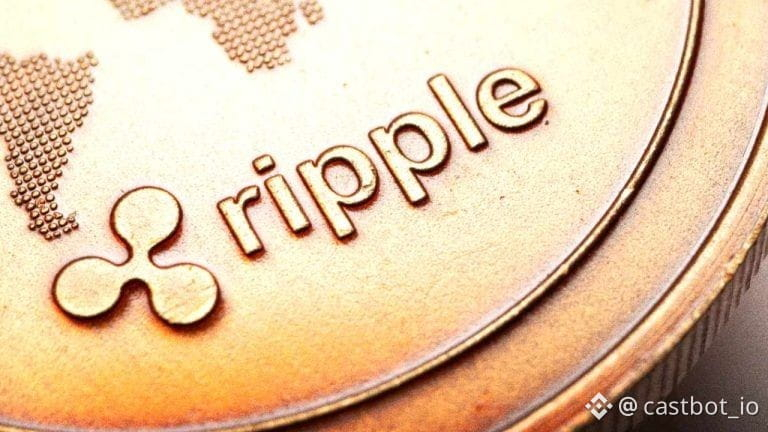
📰 Why Is Swell’s 1,500 Financial Leaders Linked to Ripple’s 10-Year Feud?
Swell’s event attracts 1,500 financial leaders to discuss XRP ETFs, stablecoins, and automated payments—an exact mirror of Ripple being collectively ignored by banks at Sibos 10 years ago. Now financial institutions are finally willing to interact directly with Ripple, discussing specific financial products. But this time, no banks are attending—all the participants are fund managers and technology companies.
Why does this news matter?
Swell’s success suggests that financial institutions view Ripple’s technology (mainly XRP) less as a “speculative asset” and more as a “potential solution.” Ten years ago, banks thought Ripple was too new. Now they want to use XRP to solve real payment problems. Ironically, the main discussion today is led by funds, not banks. That implies banks are still watching from the sidelines—possibly because regulatory pressure in 2023 made them more cautious. The topics here—an XRP ETF and stablecoins—hint that institutions are starting to take XRP’s compliance-aligned value storage and circulation functions seriously.
Impact on the market
In the short term, sentiment for BTC/ETH could get a boost, since XRP as a crypto-native asset being discussed by mainstream institutions is generally positive. But whether BTC/ETH prices continue to rise depends on whether this discussion can translate into actual capital inflows. Historically, regulatory talks turning into capital inflows typically takes 6–12 months, and is accompanied by concrete product rollouts (such as ETF approvals). This means the news is more of a catalyst for a mid-term trend: it may lift XRP in the short run, but BTC/ETH’s reaction will depend on subsequent progress.
Trading idea
💡 Bullish on XRP in the near term, but invalidate the view under these conditions: if the U.S. SEC suddenly announces a negative stance toward an XRP ETF, this thesis is no longer valid. For BTC/ETH, this news could push prices to briefly test $88,000, but if banks continue to stay out, the upside may be limited.
This article has no sponsorship from any project. The author does not hold any of the assets mentioned.
$BTC $ETH #BTC #ETH
⚠️ Not investment advice; predictions are for reference only
#XRP
📰 Why Is Swell’s 1,500 Financial Leaders Linked to Ripple’s 10-Year Feud?
Swell’s event attracts 1,500 financial leaders to discuss XRP ETFs, stablecoins, and automated payments—an exact mirror of Ripple being collectively ignored by banks at Sibos 10 years ago. Now financial institutions are finally willing to interact directly with Ripple, discussing specific financial products. But this time, no banks are attending—all the participants are fund managers and technology companies.
Why does this news matter?
Swell’s success suggests that financial institutions view Ripple’s technology (mainly XRP) less as a “speculative asset” and more as a “potential solution.” Ten years ago, banks thought Ripple was too new. Now they want to use XRP to solve real payment problems. Ironically, the main discussion today is led by funds, not banks. That implies banks are still watching from the sidelines—possibly because regulatory pressure in 2023 made them more cautious. The topics here—an XRP ETF and stablecoins—hint that institutions are starting to take XRP’s compliance-aligned value storage and circulation functions seriously.
Impact on the market
In the short term, sentiment for BTC/ETH could get a boost, since XRP as a crypto-native asset being discussed by mainstream institutions is generally positive. But whether BTC/ETH prices continue to rise depends on whether this discussion can translate into actual capital inflows. Historically, regulatory talks turning into capital inflows typically takes 6–12 months, and is accompanied by concrete product rollouts (such as ETF approvals). This means the news is more of a catalyst for a mid-term trend: it may lift XRP in the short run, but BTC/ETH’s reaction will depend on subsequent progress.
Trading idea
💡 Bullish on XRP in the near term, but invalidate the view under these conditions: if the U.S. SEC suddenly announces a negative stance toward an XRP ETF, this thesis is no longer valid. For BTC/ETH, this news could push prices to briefly test $88,000, but if banks continue to stay out, the upside may be limited.
This article has no sponsorship from any project. The author does not hold any of the assets mentioned.
$BTC $ETH #BTC #ETH
⚠️ Not investment advice; predictions are for reference only
#XRP
Swell’s event attracts 1,500 financial leaders to discuss XRP ETFs, stablecoins, and automated payments—an exact mirror of Ripple being collectively ignored by banks at Sibos 10 years ago. Now financial institutions are finally willing to interact directly with Ripple, discussing specific financial products. But this time, no banks are attending—all the participants are fund managers and technology companies.
Why does this news matter?
Swell’s success suggests that financial institutions view Ripple’s technology (mainly XRP) less as a “speculative asset” and more as a “potential solution.” Ten years ago, banks thought Ripple was too new. Now they want to use XRP to solve real payment problems. Ironically, the main discussion today is led by funds, not banks. That implies banks are still watching from the sidelines—possibly because regulatory pressure in 2023 made them more cautious. The topics here—an XRP ETF and stablecoins—hint that institutions are starting to take XRP’s compliance-aligned value storage and circulation functions seriously.
Impact on the market
In the short term, sentiment for BTC/ETH could get a boost, since XRP as a crypto-native asset being discussed by mainstream institutions is generally positive. But whether BTC/ETH prices continue to rise depends on whether this discussion can translate into actual capital inflows. Historically, regulatory talks turning into capital inflows typically takes 6–12 months, and is accompanied by concrete product rollouts (such as ETF approvals). This means the news is more of a catalyst for a mid-term trend: it may lift XRP in the short run, but BTC/ETH’s reaction will depend on subsequent progress.
Trading idea
💡 Bullish on XRP in the near term, but invalidate the view under these conditions: if the U.S. SEC suddenly announces a negative stance toward an XRP ETF, this thesis is no longer valid. For BTC/ETH, this news could push prices to briefly test $88,000, but if banks continue to stay out, the upside may be limited.
This article has no sponsorship from any project. The author does not hold any of the assets mentioned.
$BTC $ETH #BTC #ETH
⚠️ Not investment advice; predictions are for reference only
#XRP
332
·
--
Anthropic, the AI startup known for its Claude large language model, is reportedly targeting an initial public offering (IPO) as soon as mid-November. According to a recent report by The Information, Anthropic has hired Goldman Sachs and JPMorgan Chase to underwrite the IPO, aiming to raise as much as $400 million. This funding round would value the company at around $3 billion, marking a significant milestone in its rapid growth. The report also highlights that Anthropic has been prioritizing safety and ethical considerations in its AI models, which could be a key factor in its appeal to investors. Additionally, the company has secured a $300 million investment from Google, further bolstering its financial position ahead of the IPO. With the AI industry heating up, Anthropic's timing seems strategic, as it aligns with growing investor interest in AI startups. #AnthropicTargetsIPOAsSoonAsMidNovember
Anthropic, the AI startup known for its Claude large language model, is reportedly targeting an initial public offering (IPO) as soon as mid-November. According to a recent report by The Information, Anthropic has hired Goldman Sachs and JPMorgan Chase to underwrite the IPO, aiming to raise as much as $400 million. This funding round would value the company at around $3 billion, marking a significant milestone in its rapid growth. The report also highlights that Anthropic has been prioritizing safety and ethical considerations in its AI models, which could be a key factor in its appeal to investors. Additionally, the company has secured a $300 million investment from Google, further bolstering its financial position ahead of the IPO. With the AI industry heating up, Anthropic's timing seems strategic, as it aligns with growing investor interest in AI startups. #AnthropicTargetsIPOAsSoonAsMidNovember
8
·
--
The International Monetary Fund (IMF) has recently approved a $139 million loan to El Salvador to address its economic challenges. The funding is intended to help stabilize the country’s fiscal situation and support economic recovery. Previously, El Salvador became the first country to officially adopt Bitcoin as legal tender; while this move drew widespread attention, it has also introduced uncertainty into the economy. The IMF’s approval indicates an initial recognition of its economic reforms, but the long-term effects are still to be seen. Do you think El Salvador’s Bitcoin policy will ultimately spur economic development, or will it bring more risks?#IMFApproves$139MDisbursementToElSalvador
#BTC $BTC
The International Monetary Fund (IMF) has recently approved a $139 million loan to El Salvador to address its economic challenges. The funding is intended to help stabilize the country’s fiscal situation and support economic recovery. Previously, El Salvador became the first country to officially adopt Bitcoin as legal tender; while this move drew widespread attention, it has also introduced uncertainty into the economy. The IMF’s approval indicates an initial recognition of its economic reforms, but the long-term effects are still to be seen. Do you think El Salvador’s Bitcoin policy will ultimately spur economic development, or will it bring more risks?#IMFApproves$139MDisbursementToElSalvador
#BTC $BTC
#BTC $BTC
97
·
--
📰 Why Ethereum ETF inflows hit a 7-day high, while spot Bitcoin fund demand remains strong?
Ethereum ETF inflows have risen to new highs for seven consecutive days, indicating that market interest in digital-asset ETFs continues to heat up. At the same time, spot Bitcoin funds are still seeing strong demand, showing that even with new investment tools emerging, Bitcoin’s core appeal has not been diminished. For investors, this could be an interesting signal—possibly suggesting that capital is looking for different investment opportunities.
Why is this news important?
This news matters because it reveals shifts in liquidity and allocation within the digital asset industry. Ethereum ETF inflows reaching a 7-day high reflects growing investor interest in Ethereum, a mainstream token. Meanwhile, strong demand for spot Bitcoin funds may imply that Bitcoin’s role as a store of value and as part of an investment portfolio remains firmly intact. This could be due to Ethereum’s unique value proposition as a smart-contract platform, as well as the trust foundation that Bitcoin has as the earliest and largest market-cap token.
Impact on the market
Ethereum ETF inflows hitting a 7-day high may further drive Ethereum’s price higher, since ETF inflows often boost the token’s price. However, strong demand for spot Bitcoin funds shows that Bitcoin’s position among investors remains solid. This may mean investors are allocating to both Ethereum and Bitcoin at the same time—diversifying risk and capturing different growth opportunities. Such a dual-token allocation strategy could further support growth across the entire digital asset sector.
Trading approach
💡 Ethereum ETF inflows have hit a 7-day high, while spot Bitcoin fund demand remains strong. This suggests the market is paying attention to both major tokens at the same time. If Ethereum’s price holds above $2,700, it may continue to attract additional inflows. And if Bitcoin’s price stays above $84,600, it may continue to maintain its status as a store of value. If Ethereum’s price breaks below $2,702.23, or Bitcoin’s price falls below $84,000, then this view is invalid.
This article has no project sponsorship, and the author does not hold any of the assets mentioned
$BTC $ETH #BTC #ETH
⚠️ Not investment advice; predictions are for reference only
#EthereumETFsBreak7-DayInflowStreakWhileSpotBitcoinFundsRetainDemand
📰 Why Ethereum ETF inflows hit a 7-day high, while spot Bitcoin fund demand remains strong?
Ethereum ETF inflows have risen to new highs for seven consecutive days, indicating that market interest in digital-asset ETFs continues to heat up. At the same time, spot Bitcoin funds are still seeing strong demand, showing that even with new investment tools emerging, Bitcoin’s core appeal has not been diminished. For investors, this could be an interesting signal—possibly suggesting that capital is looking for different investment opportunities.
Why is this news important?
This news matters because it reveals shifts in liquidity and allocation within the digital asset industry. Ethereum ETF inflows reaching a 7-day high reflects growing investor interest in Ethereum, a mainstream token. Meanwhile, strong demand for spot Bitcoin funds may imply that Bitcoin’s role as a store of value and as part of an investment portfolio remains firmly intact. This could be due to Ethereum’s unique value proposition as a smart-contract platform, as well as the trust foundation that Bitcoin has as the earliest and largest market-cap token.
Impact on the market
Ethereum ETF inflows hitting a 7-day high may further drive Ethereum’s price higher, since ETF inflows often boost the token’s price. However, strong demand for spot Bitcoin funds shows that Bitcoin’s position among investors remains solid. This may mean investors are allocating to both Ethereum and Bitcoin at the same time—diversifying risk and capturing different growth opportunities. Such a dual-token allocation strategy could further support growth across the entire digital asset sector.
Trading approach
💡 Ethereum ETF inflows have hit a 7-day high, while spot Bitcoin fund demand remains strong. This suggests the market is paying attention to both major tokens at the same time. If Ethereum’s price holds above $2,700, it may continue to attract additional inflows. And if Bitcoin’s price stays above $84,600, it may continue to maintain its status as a store of value. If Ethereum’s price breaks below $2,702.23, or Bitcoin’s price falls below $84,000, then this view is invalid.
This article has no project sponsorship, and the author does not hold any of the assets mentioned
$BTC $ETH #BTC #ETH
⚠️ Not investment advice; predictions are for reference only
#EthereumETFsBreak7-DayInflowStreakWhileSpotBitcoinFundsRetainDemand
Ethereum ETF inflows have risen to new highs for seven consecutive days, indicating that market interest in digital-asset ETFs continues to heat up. At the same time, spot Bitcoin funds are still seeing strong demand, showing that even with new investment tools emerging, Bitcoin’s core appeal has not been diminished. For investors, this could be an interesting signal—possibly suggesting that capital is looking for different investment opportunities.
Why is this news important?
This news matters because it reveals shifts in liquidity and allocation within the digital asset industry. Ethereum ETF inflows reaching a 7-day high reflects growing investor interest in Ethereum, a mainstream token. Meanwhile, strong demand for spot Bitcoin funds may imply that Bitcoin’s role as a store of value and as part of an investment portfolio remains firmly intact. This could be due to Ethereum’s unique value proposition as a smart-contract platform, as well as the trust foundation that Bitcoin has as the earliest and largest market-cap token.
Impact on the market
Ethereum ETF inflows hitting a 7-day high may further drive Ethereum’s price higher, since ETF inflows often boost the token’s price. However, strong demand for spot Bitcoin funds shows that Bitcoin’s position among investors remains solid. This may mean investors are allocating to both Ethereum and Bitcoin at the same time—diversifying risk and capturing different growth opportunities. Such a dual-token allocation strategy could further support growth across the entire digital asset sector.
Trading approach
💡 Ethereum ETF inflows have hit a 7-day high, while spot Bitcoin fund demand remains strong. This suggests the market is paying attention to both major tokens at the same time. If Ethereum’s price holds above $2,700, it may continue to attract additional inflows. And if Bitcoin’s price stays above $84,600, it may continue to maintain its status as a store of value. If Ethereum’s price breaks below $2,702.23, or Bitcoin’s price falls below $84,000, then this view is invalid.
This article has no project sponsorship, and the author does not hold any of the assets mentioned
$BTC $ETH #BTC #ETH
⚠️ Not investment advice; predictions are for reference only
#EthereumETFsBreak7-DayInflowStreakWhileSpotBitcoinFundsRetainDemand
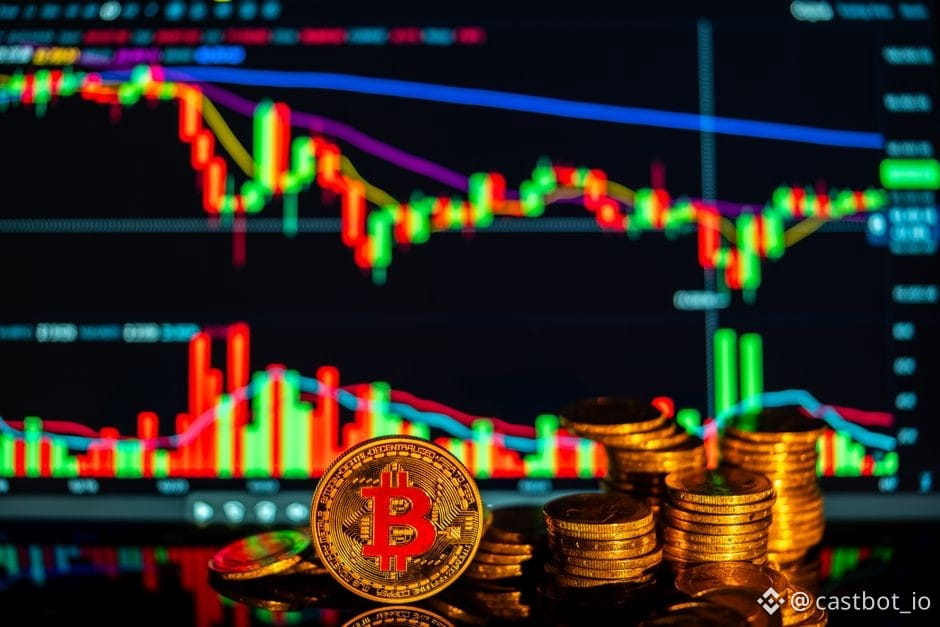
186
·
--
🤔 Why does Aptos do time-difference matters in Thailand’s education market, and also focus on USDT efficiency?
Aptos and the Thai exchange Bitkub team up to turn USDT into their own native token, and they also specifically promote it through education in Thailand. In simple terms, it’s to make USDT more convenient and faster for Asian users—especially in the Thai market—potentially helping stablecoins become popular and boosting trading volume along the way.
Why is this news important?
The key is the timing and location Aptos chose—Thailand. Thailand is one of the countries in Asia with the greatest potential for digital currency markets, but users have long complained about USDT’s efficiency issues. Aptos is now directly empowering local exchanges, which is effectively like injecting liquidity into the Thai market. This isn’t just a straightforward technical integration—behind the scenes, Aptos is betting on a big opportunity in the Asian stablecoin market, especially the “juicy” part in Southeast Asia. Why? Because there are many young people in Southeast Asia and a strong willingness to use digital currencies, but localized services haven’t kept up. Aptos is filling that gap.
Market impact
For BTC/ETH prices, this is more like icing on the cake than a lifeline. BTC and ETH are both currently range-trading at high levels, so the short-term sentiment impact may be limited. But in the long run, if Aptos’s model can succeed in Thailand, it could drive more similar integrations to appear—benefiting the Asian stablecoin market and indirectly supporting the broader crypto ecosystem. In terms of regulation, the U.S. has approved a spot USDT ETF, which gives the entire stablecoin market a shot of confidence. Aptos’s move is perfectly timed with the policy tailwind. Where does the capital flow? Asia’s FOMO sentiment could be further stoked.
💡 I believe this is positive for the Asian stablecoin market. In the short term, it may drive regional exchange traffic. But the key is whether Aptos can continue to educate the market. If Thai users don’t buy in, or if faster solutions emerge later, the impact will fade. Hold the $2,700 ETH level and see if it can lift other Asian stablecoins too. If regulation suddenly tightens on USDT, then this logic falls apart.
This article has no sponsorship from any project, and the author does not hold the assets mentioned.
⚠️ Not investment advice; predictions are for reference only
#EtherGains70.9%InQ3
#BTC #ETH
🤔 Why does Aptos do time-difference matters in Thailand’s education market, and also focus on USDT efficiency?
Aptos and the Thai exchange Bitkub team up to turn USDT into their own native token, and they also specifically promote it through education in Thailand. In simple terms, it’s to make USDT more convenient and faster for Asian users—especially in the Thai market—potentially helping stablecoins become popular and boosting trading volume along the way.
Why is this news important?
The key is the timing and location Aptos chose—Thailand. Thailand is one of the countries in Asia with the greatest potential for digital currency markets, but users have long complained about USDT’s efficiency issues. Aptos is now directly empowering local exchanges, which is effectively like injecting liquidity into the Thai market. This isn’t just a straightforward technical integration—behind the scenes, Aptos is betting on a big opportunity in the Asian stablecoin market, especially the “juicy” part in Southeast Asia. Why? Because there are many young people in Southeast Asia and a strong willingness to use digital currencies, but localized services haven’t kept up. Aptos is filling that gap.
Market impact
For BTC/ETH prices, this is more like icing on the cake than a lifeline. BTC and ETH are both currently range-trading at high levels, so the short-term sentiment impact may be limited. But in the long run, if Aptos’s model can succeed in Thailand, it could drive more similar integrations to appear—benefiting the Asian stablecoin market and indirectly supporting the broader crypto ecosystem. In terms of regulation, the U.S. has approved a spot USDT ETF, which gives the entire stablecoin market a shot of confidence. Aptos’s move is perfectly timed with the policy tailwind. Where does the capital flow? Asia’s FOMO sentiment could be further stoked.
💡 I believe this is positive for the Asian stablecoin market. In the short term, it may drive regional exchange traffic. But the key is whether Aptos can continue to educate the market. If Thai users don’t buy in, or if faster solutions emerge later, the impact will fade. Hold the $2,700 ETH level and see if it can lift other Asian stablecoins too. If regulation suddenly tightens on USDT, then this logic falls apart.
This article has no sponsorship from any project, and the author does not hold the assets mentioned.
⚠️ Not investment advice; predictions are for reference only
#EtherGains70.9%InQ3
#BTC #ETH
Aptos and the Thai exchange Bitkub team up to turn USDT into their own native token, and they also specifically promote it through education in Thailand. In simple terms, it’s to make USDT more convenient and faster for Asian users—especially in the Thai market—potentially helping stablecoins become popular and boosting trading volume along the way.
Why is this news important?
The key is the timing and location Aptos chose—Thailand. Thailand is one of the countries in Asia with the greatest potential for digital currency markets, but users have long complained about USDT’s efficiency issues. Aptos is now directly empowering local exchanges, which is effectively like injecting liquidity into the Thai market. This isn’t just a straightforward technical integration—behind the scenes, Aptos is betting on a big opportunity in the Asian stablecoin market, especially the “juicy” part in Southeast Asia. Why? Because there are many young people in Southeast Asia and a strong willingness to use digital currencies, but localized services haven’t kept up. Aptos is filling that gap.
Market impact
For BTC/ETH prices, this is more like icing on the cake than a lifeline. BTC and ETH are both currently range-trading at high levels, so the short-term sentiment impact may be limited. But in the long run, if Aptos’s model can succeed in Thailand, it could drive more similar integrations to appear—benefiting the Asian stablecoin market and indirectly supporting the broader crypto ecosystem. In terms of regulation, the U.S. has approved a spot USDT ETF, which gives the entire stablecoin market a shot of confidence. Aptos’s move is perfectly timed with the policy tailwind. Where does the capital flow? Asia’s FOMO sentiment could be further stoked.
💡 I believe this is positive for the Asian stablecoin market. In the short term, it may drive regional exchange traffic. But the key is whether Aptos can continue to educate the market. If Thai users don’t buy in, or if faster solutions emerge later, the impact will fade. Hold the $2,700 ETH level and see if it can lift other Asian stablecoins too. If regulation suddenly tightens on USDT, then this logic falls apart.
This article has no sponsorship from any project, and the author does not hold the assets mentioned.
⚠️ Not investment advice; predictions are for reference only
#EtherGains70.9%InQ3
#BTC #ETH
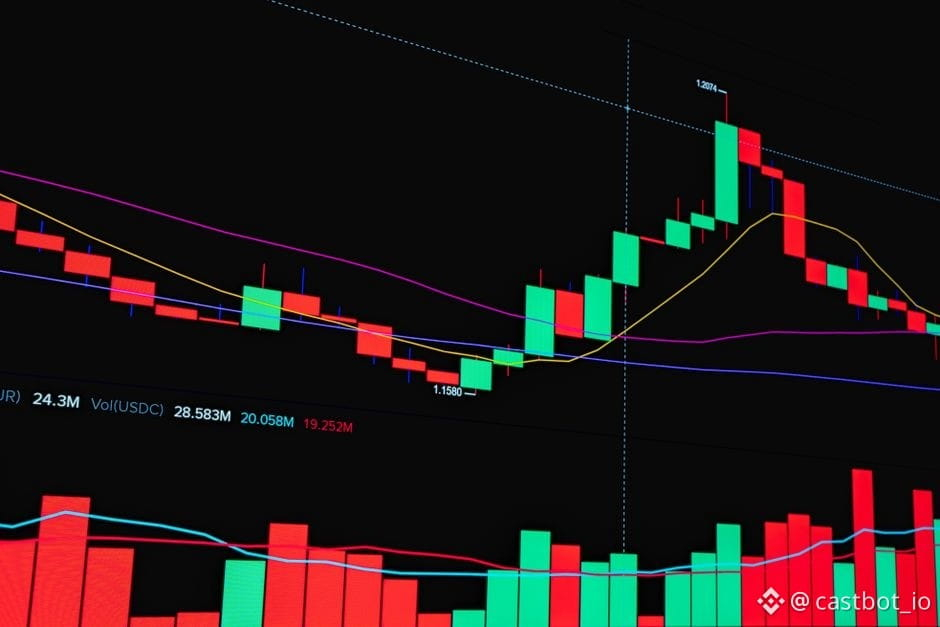

394
·
--
📰 Why are miners still waiting for sunshine? Why did Google’s successful test of a space AI chip first make BTC $84,778.07 catch its breath?
Google used its “Solar Catcher” project to demonstrate that AI chips can operate in space. That means future space data centers could power directly with solar energy—cheaper and more environmentally friendly than terrestrial data centers. This is an implicit positive for BTC $84,787.07 and ETH $2,708.03, because energy costs could drop sharply, potentially making the crypto computing power demand curve steeper.
Why is this news important?
The root reason is that space technology is being used to tackle Earth’s energy challenges. The current cost to deploy in space is still high, but once the technology matures, space data centers could upend the existing computing-power landscape. This is similar to the recent idea from BNB Chain of building compute centers in the desert—both aim to gain competitive advantage by lowering energy-consumption costs. A successful space AI chip test means Google has at least solved the “hardware working in space” piece; the remaining issues are cost and reliability.
Market impact
In the short term, it won’t directly push BTC $84,778.07 higher, but it will strengthen market imagination around the AI + crypto combination. If, in the future, space data centers are rolled out at scale, demand for computing power may be released faster. In the long run, space compute will compete with terrestrial compute, but at the outset, space advantages may concentrate in specific high-energy AI model training scenarios. Looking back at history, when Facebook moved data centers to Iceland in 2019, chip-related demand saw a clear upward trend.
Trading thesis
If, over the next six months, commercially viable space data centers emerge, and BTC holds the key level of $84,778.07, it could challenge $84,778.07. If the drop in compute costs falls short of expectations, then the logic of staying above $84,778.07 wouldn’t hold. After all, space deployments still face the risk of multiple failed launches.
This article is not sponsored by any project, and the author does not hold the mentioned assets
$BTC $ETH #BTC #ETH
⚠️ Not investment advice; predictions are for reference only
#AI×Crypto
📰 Why are miners still waiting for sunshine? Why did Google’s successful test of a space AI chip first make BTC $84,778.07 catch its breath?
Google used its “Solar Catcher” project to demonstrate that AI chips can operate in space. That means future space data centers could power directly with solar energy—cheaper and more environmentally friendly than terrestrial data centers. This is an implicit positive for BTC $84,787.07 and ETH $2,708.03, because energy costs could drop sharply, potentially making the crypto computing power demand curve steeper.
Why is this news important?
The root reason is that space technology is being used to tackle Earth’s energy challenges. The current cost to deploy in space is still high, but once the technology matures, space data centers could upend the existing computing-power landscape. This is similar to the recent idea from BNB Chain of building compute centers in the desert—both aim to gain competitive advantage by lowering energy-consumption costs. A successful space AI chip test means Google has at least solved the “hardware working in space” piece; the remaining issues are cost and reliability.
Market impact
In the short term, it won’t directly push BTC $84,778.07 higher, but it will strengthen market imagination around the AI + crypto combination. If, in the future, space data centers are rolled out at scale, demand for computing power may be released faster. In the long run, space compute will compete with terrestrial compute, but at the outset, space advantages may concentrate in specific high-energy AI model training scenarios. Looking back at history, when Facebook moved data centers to Iceland in 2019, chip-related demand saw a clear upward trend.
Trading thesis
If, over the next six months, commercially viable space data centers emerge, and BTC holds the key level of $84,778.07, it could challenge $84,778.07. If the drop in compute costs falls short of expectations, then the logic of staying above $84,778.07 wouldn’t hold. After all, space deployments still face the risk of multiple failed launches.
This article is not sponsored by any project, and the author does not hold the mentioned assets
$BTC $ETH #BTC #ETH
⚠️ Not investment advice; predictions are for reference only
#AI×Crypto
Google used its “Solar Catcher” project to demonstrate that AI chips can operate in space. That means future space data centers could power directly with solar energy—cheaper and more environmentally friendly than terrestrial data centers. This is an implicit positive for BTC $84,787.07 and ETH $2,708.03, because energy costs could drop sharply, potentially making the crypto computing power demand curve steeper.
Why is this news important?
The root reason is that space technology is being used to tackle Earth’s energy challenges. The current cost to deploy in space is still high, but once the technology matures, space data centers could upend the existing computing-power landscape. This is similar to the recent idea from BNB Chain of building compute centers in the desert—both aim to gain competitive advantage by lowering energy-consumption costs. A successful space AI chip test means Google has at least solved the “hardware working in space” piece; the remaining issues are cost and reliability.
Market impact
In the short term, it won’t directly push BTC $84,778.07 higher, but it will strengthen market imagination around the AI + crypto combination. If, in the future, space data centers are rolled out at scale, demand for computing power may be released faster. In the long run, space compute will compete with terrestrial compute, but at the outset, space advantages may concentrate in specific high-energy AI model training scenarios. Looking back at history, when Facebook moved data centers to Iceland in 2019, chip-related demand saw a clear upward trend.
Trading thesis
If, over the next six months, commercially viable space data centers emerge, and BTC holds the key level of $84,778.07, it could challenge $84,778.07. If the drop in compute costs falls short of expectations, then the logic of staying above $84,778.07 wouldn’t hold. After all, space deployments still face the risk of multiple failed launches.
This article is not sponsored by any project, and the author does not hold the mentioned assets
$BTC $ETH #BTC #ETH
⚠️ Not investment advice; predictions are for reference only
#AI×Crypto
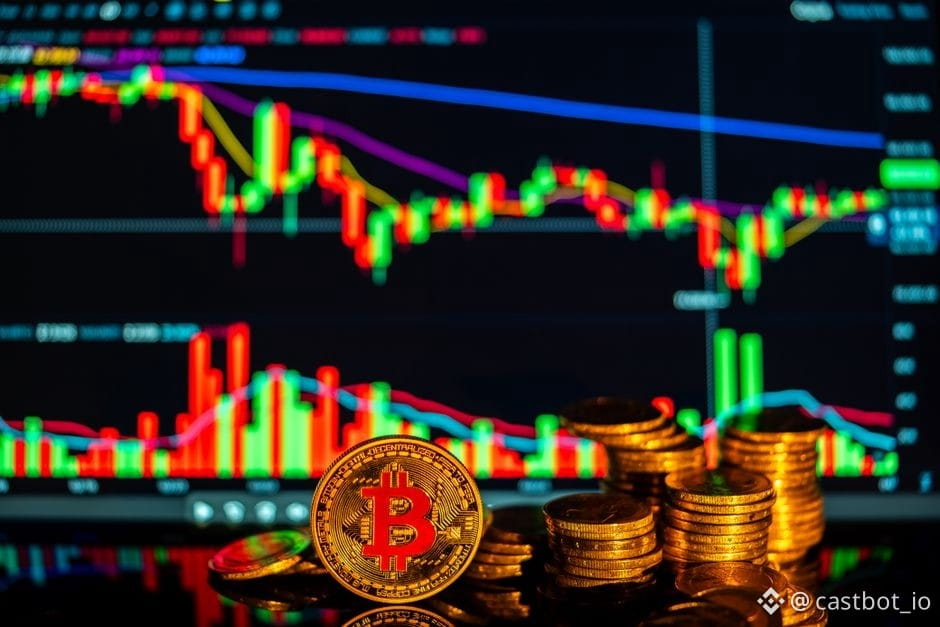
249
·
--
According to the latest news, the U.S. Department of the Treasury allows states to submit stablecoin certification applications in advance. The move is intended to speed up the compliance process and mitigate financial risks. I believe this action is very necessary—it can promptly fill regulatory gaps and protect investors’ interests. Previously, the procedure was cumbersome and time-consuming, which could lead to delayed compliance. While it accelerates market development, it is also necessary to ensure that certification standards are not lowered.#TreasuryLetsStatesFileStablecoinCertificationsEarly $BTC
#BTC
According to the latest news, the U.S. Department of the Treasury allows states to submit stablecoin certification applications in advance. The move is intended to speed up the compliance process and mitigate financial risks. I believe this action is very necessary—it can promptly fill regulatory gaps and protect investors’ interests. Previously, the procedure was cumbersome and time-consuming, which could lead to delayed compliance. While it accelerates market development, it is also necessary to ensure that certification standards are not lowered.#TreasuryLetsStatesFileStablecoinCertificationsEarly $BTC
#BTC
#BTC
119
·
--
In recent times, Ethereum’s price performance has been strong, with an astonishing increase in the third quarter. According to CoinMarketCap data, in the third quarter of 2023, the price of Ethereum (ETH) rose from about $1,950 to about $3,300, achieving a gain of 70.9%. This remarkable growth is largely driven by the growing adoption of Ethereum Layer 2 solutions and the continued entry of institutional investors. Data shows that Ethereum’s trading volume in the third quarter increased year over year by 120%, reaching approximately $28 billion per day. In addition, the average network status fee (Gas fee) on the Ethereum network also rose by 50%, reflecting increased network activity. These figures indicate that Ethereum is not only performing exceptionally well in price, but its ecosystem is also continually expanding. Market analysis believes that, as the Ethereum 2.0 upgrade progresses and more compliant applications are launched, its long-term growth potential is huge. #EtherGains70.9%InQ3
$ETH #ETH
In recent times, Ethereum’s price performance has been strong, with an astonishing increase in the third quarter. According to CoinMarketCap data, in the third quarter of 2023, the price of Ethereum (ETH) rose from about $1,950 to about $3,300, achieving a gain of 70.9%. This remarkable growth is largely driven by the growing adoption of Ethereum Layer 2 solutions and the continued entry of institutional investors. Data shows that Ethereum’s trading volume in the third quarter increased year over year by 120%, reaching approximately $28 billion per day. In addition, the average network status fee (Gas fee) on the Ethereum network also rose by 50%, reflecting increased network activity. These figures indicate that Ethereum is not only performing exceptionally well in price, but its ecosystem is also continually expanding. Market analysis believes that, as the Ethereum 2.0 upgrade progresses and more compliant applications are launched, its long-term growth potential is huge. #EtherGains70.9%InQ3
$ETH #ETH
$ETH #ETH
154
·
--
📰 Just said XRP would go on Nasdaq, and now shareholders vote and pass again: what does this deal really mean for the crypto market?
Evernorth’s shareholders have approved the XRP custody merger plan, which means $473 million worth of XRP will be brought closer to a Nasdaq listing. The decision combines cash financing and token contributions and is a key step in the company’s plan to trade on Nasdaq (ticker: XRPN). For crypto investors, this could be another window of opportunity to access XRP through the mainstream stock market.
Why is this news important?
Evernorth’s successful vote matters first because it represents a breakthrough for the crypto industry within the traditional financial system. In recent years, although Bitcoin and Ethereum ETFs have been approved, XRP—despite being the third-largest cryptocurrency by market cap—has remained difficult to reach the U.S. retail investor spotlight through conventional channels. If Evernorth’s proposal ultimately goes through, it would break that status quo—not through an IPO, but in the form of “token depositary receipts” (TDRs), packaging XRP into shares that can be traded on Nasdaq.
What does this mean? First, it could change the landscape of major global exchanges. South Korea is one of the most active crypto trading markets in the world; if Evernorth succeeds, local Korean capital could indirectly allocate to XRP through Evernorth shares, reducing sell-pressure directly on exchanges like Binance and OKX. The transmission pathway depends on scale: if $473 million in XRP absorbed into Nasdaq index stocks via TDRs effectively adds potential incremental capital equivalent to about $500 million in market value—based on the current XRP price, that corresponds to a demand buffer of roughly 300 million XRP tokens injected into the market. Second, it could prompt regulators to reassess. If XRP can circulate legally and compliantly through traditional exchanges in this form, the likelihood of the U.S. approving an XRP ETF in the future may increase.
Market impact
In the short term, this news may have limited direct impact on BTC and ETH. Both BTC and ETH are consolidating within their respective ranges, and in the near term they are more influenced by macro factors such as Fed policy and U.S. PMI data. But in the medium term, if the Evernorth project progresses smoothly, it will validate the feasibility of crypto assets circulating through traditional financial channels and could boost confidence across the sector. By historical analogy: after the 2008 financial crisis, Bitcoin entered the U.S. retail market via OTC channels, and then more recently Ethereum ETFs were approved—these were gradual processes. Evernorth’s Nasdaq plan is more like an accelerated version of that trajectory.
Trading approach
The significance of this event to the crypto market lies more in structural opportunities than in a direct short-term price catalyst. 💡 For XRP-related investors, this is a structural catalyst. If it can move forward smoothly, it could accelerate the process of tokenizing XRP. However, this conclusion could be invalidated if the U.S. SEC suddenly introduces stricter compliance requirements, or if Nasdaq’s trading rules ultimately impose limitations on crypto assets. At present, if Nasdaq’s TDR plan can be executed according to the agreed framework, it will help increase global acceptance of traditional-finance pathways for crypto assets—but the direct impact on BTC and ETH may show up mainly in expectations for incremental capital. If XRP performs well on Nasdaq (daily trading volume over 10 million shares), it may indirectly lift overall sector sentiment.
This article has no project sponsorship, and the author does not hold any of the mentioned assets.
According to Bitcoin.com
$BTC $ETH #BTC #ETH
⚠️ Not investment advice; predictions are for reference only
#XRP
📰 Just said XRP would go on Nasdaq, and now shareholders vote and pass again: what does this deal really mean for the crypto market?
Evernorth’s shareholders have approved the XRP custody merger plan, which means $473 million worth of XRP will be brought closer to a Nasdaq listing. The decision combines cash financing and token contributions and is a key step in the company’s plan to trade on Nasdaq (ticker: XRPN). For crypto investors, this could be another window of opportunity to access XRP through the mainstream stock market.
Why is this news important?
Evernorth’s successful vote matters first because it represents a breakthrough for the crypto industry within the traditional financial system. In recent years, although Bitcoin and Ethereum ETFs have been approved, XRP—despite being the third-largest cryptocurrency by market cap—has remained difficult to reach the U.S. retail investor spotlight through conventional channels. If Evernorth’s proposal ultimately goes through, it would break that status quo—not through an IPO, but in the form of “token depositary receipts” (TDRs), packaging XRP into shares that can be traded on Nasdaq.
What does this mean? First, it could change the landscape of major global exchanges. South Korea is one of the most active crypto trading markets in the world; if Evernorth succeeds, local Korean capital could indirectly allocate to XRP through Evernorth shares, reducing sell-pressure directly on exchanges like Binance and OKX. The transmission pathway depends on scale: if $473 million in XRP absorbed into Nasdaq index stocks via TDRs effectively adds potential incremental capital equivalent to about $500 million in market value—based on the current XRP price, that corresponds to a demand buffer of roughly 300 million XRP tokens injected into the market. Second, it could prompt regulators to reassess. If XRP can circulate legally and compliantly through traditional exchanges in this form, the likelihood of the U.S. approving an XRP ETF in the future may increase.
Market impact
In the short term, this news may have limited direct impact on BTC and ETH. Both BTC and ETH are consolidating within their respective ranges, and in the near term they are more influenced by macro factors such as Fed policy and U.S. PMI data. But in the medium term, if the Evernorth project progresses smoothly, it will validate the feasibility of crypto assets circulating through traditional financial channels and could boost confidence across the sector. By historical analogy: after the 2008 financial crisis, Bitcoin entered the U.S. retail market via OTC channels, and then more recently Ethereum ETFs were approved—these were gradual processes. Evernorth’s Nasdaq plan is more like an accelerated version of that trajectory.
Trading approach
The significance of this event to the crypto market lies more in structural opportunities than in a direct short-term price catalyst. 💡 For XRP-related investors, this is a structural catalyst. If it can move forward smoothly, it could accelerate the process of tokenizing XRP. However, this conclusion could be invalidated if the U.S. SEC suddenly introduces stricter compliance requirements, or if Nasdaq’s trading rules ultimately impose limitations on crypto assets. At present, if Nasdaq’s TDR plan can be executed according to the agreed framework, it will help increase global acceptance of traditional-finance pathways for crypto assets—but the direct impact on BTC and ETH may show up mainly in expectations for incremental capital. If XRP performs well on Nasdaq (daily trading volume over 10 million shares), it may indirectly lift overall sector sentiment.
This article has no project sponsorship, and the author does not hold any of the mentioned assets.
According to Bitcoin.com
$BTC $ETH #BTC #ETH
⚠️ Not investment advice; predictions are for reference only
#XRP
Evernorth’s shareholders have approved the XRP custody merger plan, which means $473 million worth of XRP will be brought closer to a Nasdaq listing. The decision combines cash financing and token contributions and is a key step in the company’s plan to trade on Nasdaq (ticker: XRPN). For crypto investors, this could be another window of opportunity to access XRP through the mainstream stock market.
Why is this news important?
Evernorth’s successful vote matters first because it represents a breakthrough for the crypto industry within the traditional financial system. In recent years, although Bitcoin and Ethereum ETFs have been approved, XRP—despite being the third-largest cryptocurrency by market cap—has remained difficult to reach the U.S. retail investor spotlight through conventional channels. If Evernorth’s proposal ultimately goes through, it would break that status quo—not through an IPO, but in the form of “token depositary receipts” (TDRs), packaging XRP into shares that can be traded on Nasdaq.
What does this mean? First, it could change the landscape of major global exchanges. South Korea is one of the most active crypto trading markets in the world; if Evernorth succeeds, local Korean capital could indirectly allocate to XRP through Evernorth shares, reducing sell-pressure directly on exchanges like Binance and OKX. The transmission pathway depends on scale: if $473 million in XRP absorbed into Nasdaq index stocks via TDRs effectively adds potential incremental capital equivalent to about $500 million in market value—based on the current XRP price, that corresponds to a demand buffer of roughly 300 million XRP tokens injected into the market. Second, it could prompt regulators to reassess. If XRP can circulate legally and compliantly through traditional exchanges in this form, the likelihood of the U.S. approving an XRP ETF in the future may increase.
Market impact
In the short term, this news may have limited direct impact on BTC and ETH. Both BTC and ETH are consolidating within their respective ranges, and in the near term they are more influenced by macro factors such as Fed policy and U.S. PMI data. But in the medium term, if the Evernorth project progresses smoothly, it will validate the feasibility of crypto assets circulating through traditional financial channels and could boost confidence across the sector. By historical analogy: after the 2008 financial crisis, Bitcoin entered the U.S. retail market via OTC channels, and then more recently Ethereum ETFs were approved—these were gradual processes. Evernorth’s Nasdaq plan is more like an accelerated version of that trajectory.
Trading approach
The significance of this event to the crypto market lies more in structural opportunities than in a direct short-term price catalyst. 💡 For XRP-related investors, this is a structural catalyst. If it can move forward smoothly, it could accelerate the process of tokenizing XRP. However, this conclusion could be invalidated if the U.S. SEC suddenly introduces stricter compliance requirements, or if Nasdaq’s trading rules ultimately impose limitations on crypto assets. At present, if Nasdaq’s TDR plan can be executed according to the agreed framework, it will help increase global acceptance of traditional-finance pathways for crypto assets—but the direct impact on BTC and ETH may show up mainly in expectations for incremental capital. If XRP performs well on Nasdaq (daily trading volume over 10 million shares), it may indirectly lift overall sector sentiment.
This article has no project sponsorship, and the author does not hold any of the mentioned assets.
According to Bitcoin.com
$BTC $ETH #BTC #ETH
⚠️ Not investment advice; predictions are for reference only
#XRP
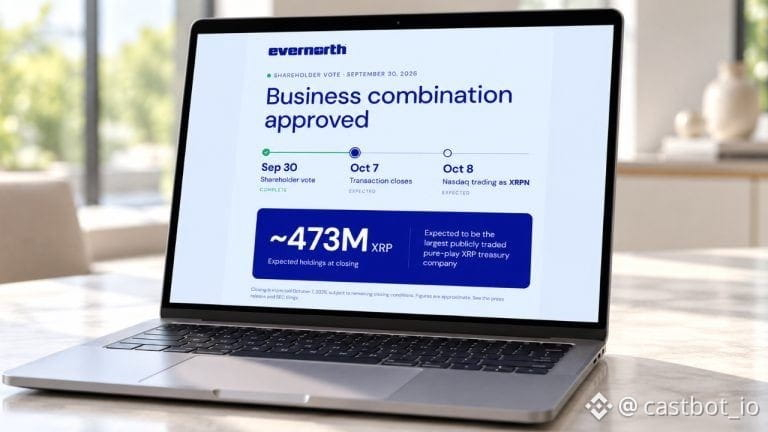
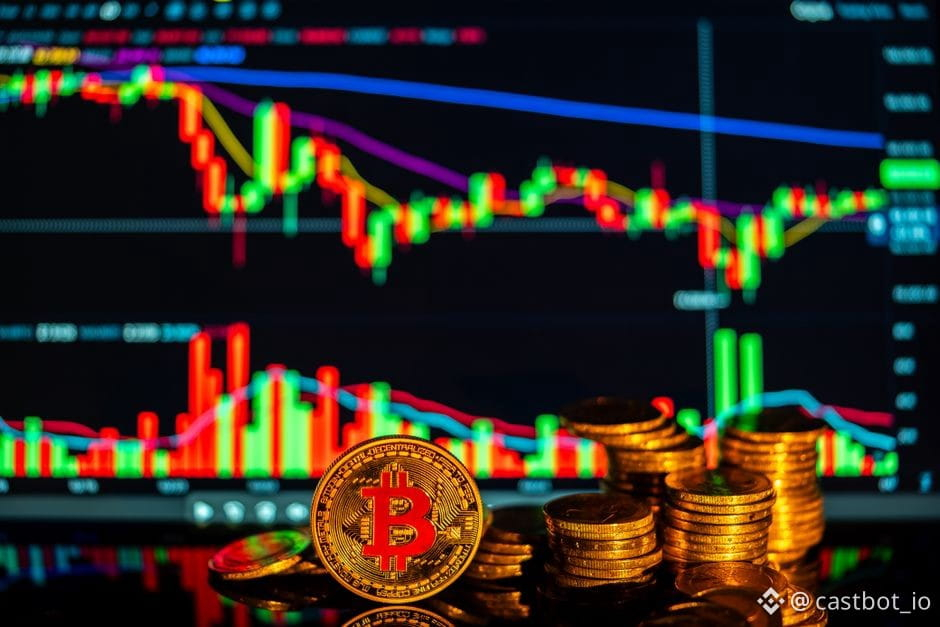
297
Log in to explore more content
Join global crypto users on Binance Square
⚡️ Get latest and useful information about crypto.
💬 Trusted by the world’s largest crypto exchange.
👍 Discover real insights from verified creators.
Email / Phone number