
渔歌趋势
1.1k Posts

渔歌趋势
Report
Block User
公众号:起飞喵 顶级认证✅KOL博主拥有顶级资源策略,擅长洞悉市场脉络,出手快,狠,准,用自己的经历分享实战经验!
2 Following
2.4K+ Followers
2.5K+ Liked
Posts
All
Quotes
PINNED
·
--
Fans who want to follow the strategy ✨✨
You can save the QR code below and use Binance’s Scan feature, or enter the chat ID LaosenBTC in the chat room to add me as a friend. After that, you can contact me directly here. I’ll guide you into the heart of blockchain and onto the path to financial freedom!
Strategy ID — Gong Zhonghao: Takeoff Meow

2
6
1.1k
·
--
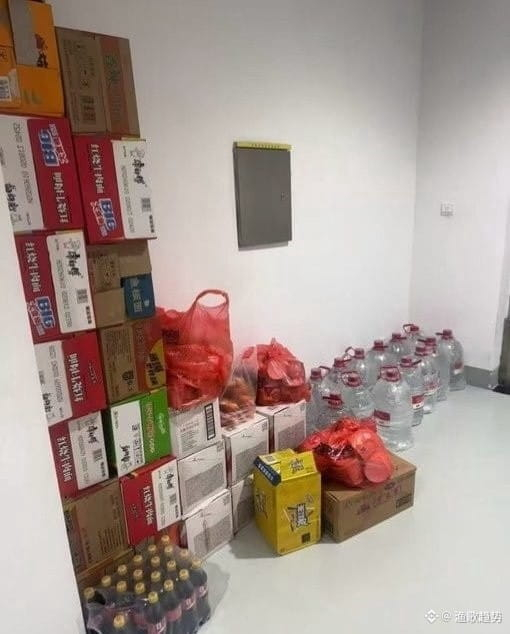
If you don't listen, don't blame me if I don't give you any supplies later 😂
If you don't listen, don't blame me if I don't give you any supplies later 😂

4
1
2.1k
·
--
Can crypto market swings really scare you to death? Not just scare you—terrify the soul right out of you!
Anyone who lived through the night LUNA crashed knows:
You think it’s a “pullback,”
but it’s actually “going to zero.”
You have 10,000 LUNA, worth 1 million U yesterday. Before bed, you check the price and see it’s down 30%, leaving you with just 700,000.
You reassure yourself: “It’s just a little pullback. UST has only depegged by 10%. I trust Do Kwon!” So you go to sleep without a worry. The next morning, you wake up to find only 10,000 U left in your account.
You’re stunned: “It’s down 99%? It must have hit bottom, right?” You start fantasizing: “If I buy the dip and it climbs back to 10 U, that’s a tenfold return—I can turn things around!”
You sell everything you own and throw in another 200,000 U, buying 200,000 LUNA. You don’t dare sleep again. You watch the charts all night, only to see the price plunge from 1 → 0.1 → 0.0001 → 0.000001... Eventually, it gets delisted from all the major exchanges. 1.2 million in assets vaporizes in three days, leaving you with just enough for breakfast. You’re completely broken.
Crypto and traditional markets
are on completely different levels.
A lot of beginners don’t get why people say crypto’s price swings are “scary as hell.”
Just take a look at these:
Open 24/7: No pause button. Miss one night’s sleep, and you could lose everything.
No price limits: Unlike China’s A-shares, which are capped at 10%, losing half your money in a day is common here.
Extremely low barrier to entry: Anyone can jump in. Install an app on your phone, and you’re on the battlefield.
Leverage is rampant: 10x, 20x at the drop of a hat. It only takes a few candles to get liquidated.
Shitcoins have no floor: They can go up a hundredfold overnight, then crash to zero, wiping you out completely.
The scariest part is that these things often happen all at once: A project suddenly collapses, taking the hard-earned savings of hundreds of thousands of people with it. Leverage speeds things up, triggering a cascade of liquidations. There’s no saving anyone.
So here’s my one piece of advice:
If you can avoid using leverage, don’t use it. If you can avoid shitcoins, stay away.
You think 5x leverage is already pretty safe,
but crypto markets swing 20% or 30% in a single day more than a dozen times every year!
It’s not that you picked the wrong direction—you simply won’t survive long enough to turn things around.
In crypto, the danger isn’t getting it wrong. It’s dying just before dawn.
Survive first. Then you can talk about “feasting in a bull market.”
Think carefully before making any decision, especially before placing that trade right before bed.
If you’re feeling lost about trading, trying to break even, or hoping to double your money: @LaosenBTC
Can crypto market swings really scare you to death? Not just scare you—terrify the soul right out of you!
Anyone who lived through the night LUNA crashed knows:
You think it’s a “pullback,”
but it’s actually “going to zero.”
You have 10,000 LUNA, worth 1 million U yesterday. Before bed, you check the price and see it’s down 30%, leaving you with just 700,000.
You reassure yourself: “It’s just a little pullback. UST has only depegged by 10%. I trust Do Kwon!” So you go to sleep without a worry. The next morning, you wake up to find only 10,000 U left in your account.
You’re stunned: “It’s down 99%? It must have hit bottom, right?” You start fantasizing: “If I buy the dip and it climbs back to 10 U, that’s a tenfold return—I can turn things around!”
You sell everything you own and throw in another 200,000 U, buying 200,000 LUNA. You don’t dare sleep again. You watch the charts all night, only to see the price plunge from 1 → 0.1 → 0.0001 → 0.000001... Eventually, it gets delisted from all the major exchanges. 1.2 million in assets vaporizes in three days, leaving you with just enough for breakfast. You’re completely broken.
Crypto and traditional markets
are on completely different levels.
A lot of beginners don’t get why people say crypto’s price swings are “scary as hell.”
Just take a look at these:
Open 24/7: No pause button. Miss one night’s sleep, and you could lose everything.
No price limits: Unlike China’s A-shares, which are capped at 10%, losing half your money in a day is common here.
Extremely low barrier to entry: Anyone can jump in. Install an app on your phone, and you’re on the battlefield.
Leverage is rampant: 10x, 20x at the drop of a hat. It only takes a few candles to get liquidated.
Shitcoins have no floor: They can go up a hundredfold overnight, then crash to zero, wiping you out completely.
The scariest part is that these things often happen all at once: A project suddenly collapses, taking the hard-earned savings of hundreds of thousands of people with it. Leverage speeds things up, triggering a cascade of liquidations. There’s no saving anyone.
So here’s my one piece of advice:
If you can avoid using leverage, don’t use it. If you can avoid shitcoins, stay away.
You think 5x leverage is already pretty safe,
but crypto markets swing 20% or 30% in a single day more than a dozen times every year!
It’s not that you picked the wrong direction—you simply won’t survive long enough to turn things around.
In crypto, the danger isn’t getting it wrong. It’s dying just before dawn.
Survive first. Then you can talk about “feasting in a bull market.”
Think carefully before making any decision, especially before placing that trade right before bed.
If you’re feeling lost about trading, trying to break even, or hoping to double your money: @渔歌趋势

592
·
--
How to turn 3,000 yuan into 1 million j: an analysis of the strongest strategy
That’s about 400 U. Use 100 U per futures trade to speculate on trending coins. Set take-profit and stop-loss levels properly: turn 100 into 200, 200 into 400, and 400 into 800. Remember, do this no more than three times! The crypto market takes a bit of luck. Going all-in like this can easily mean winning 9 times and getting wiped out once! If you make it through all three rounds starting with 100, your capital will have grown to 1,100 U. At that point, it’s time to consolidate your gains.
Do your research: Spend time studying and understanding the cryptocurrency market. Pay attention to projects’ fundamentals, technology, teams, and market trends. Learn about the risks and potential of different projects.
Diversify your investments: Spread your funds across several promising cryptocurrency projects to reduce the risk of any single investment. Choose projects with long-term growth potential and solid fundamentals.
Take a long-term approach: Consider a long-term investment strategy by holding tokens from quality projects and believing in their potential to appreciate over time. The cryptocurrency market is volatile, so patience and a long-term outlook are essential.
Use leverage cautiously: If you choose to trade with leverage, make sure you fully understand the risks and keep your leverage ratio under control.
Trade actively: Participate in the market and capitalize on its fluctuations. Learn about technical analysis tools and indicators, and study trading strategies—but be mindful of market risks and volatility.
Keep learning and adapting: The cryptocurrency market changes rapidly. Keep learning about the industry and the market, and adjust your investment strategy as conditions change.
Manage risk: Make sure you have an appropriate risk management strategy. Set take-profit and stop-loss levels, control your position sizes, and maintain sufficient cash flow. At this stage, I recommend using a three-pronged strategy: place two types of trades each day—ultra-short-term trades and strategy-based trades. If an opportunity arises, add a trend trade. Use ultra-short-term trades for quick in-and-out moves on the 15-minute timeframe.
Future trades are more like repeating what worked in the past.
I’ve already told you the method!!
Stick with Brother Yu and you’ll profit: @LaosenBTC
Even a small move in the market can be yours to seize 💰
How to turn 3,000 yuan into 1 million j: an analysis of the strongest strategy
That’s about 400 U. Use 100 U per futures trade to speculate on trending coins. Set take-profit and stop-loss levels properly: turn 100 into 200, 200 into 400, and 400 into 800. Remember, do this no more than three times! The crypto market takes a bit of luck. Going all-in like this can easily mean winning 9 times and getting wiped out once! If you make it through all three rounds starting with 100, your capital will have grown to 1,100 U. At that point, it’s time to consolidate your gains.
Do your research: Spend time studying and understanding the cryptocurrency market. Pay attention to projects’ fundamentals, technology, teams, and market trends. Learn about the risks and potential of different projects.
Diversify your investments: Spread your funds across several promising cryptocurrency projects to reduce the risk of any single investment. Choose projects with long-term growth potential and solid fundamentals.
Take a long-term approach: Consider a long-term investment strategy by holding tokens from quality projects and believing in their potential to appreciate over time. The cryptocurrency market is volatile, so patience and a long-term outlook are essential.
Use leverage cautiously: If you choose to trade with leverage, make sure you fully understand the risks and keep your leverage ratio under control.
Trade actively: Participate in the market and capitalize on its fluctuations. Learn about technical analysis tools and indicators, and study trading strategies—but be mindful of market risks and volatility.
Keep learning and adapting: The cryptocurrency market changes rapidly. Keep learning about the industry and the market, and adjust your investment strategy as conditions change.
Manage risk: Make sure you have an appropriate risk management strategy. Set take-profit and stop-loss levels, control your position sizes, and maintain sufficient cash flow. At this stage, I recommend using a three-pronged strategy: place two types of trades each day—ultra-short-term trades and strategy-based trades. If an opportunity arises, add a trend trade. Use ultra-short-term trades for quick in-and-out moves on the 15-minute timeframe.
Future trades are more like repeating what worked in the past.
I’ve already told you the method!!
Stick with Brother Yu and you’ll profit: @渔歌趋势
Even a small move in the market can be yours to seize 💰


1
300
·
--
I helped a follower grow from 1,200 U to 60,000 U, but blocked him on day 38. This story might help you understand what “turning your fortunes around” really means in crypto.
When this follower first found me, his account had just 1,200 U left—the aftermath of his third liquidation. Every day, he’d message me in the early hours: “Bro, if I lose again, I’m quitting crypto for good.” The anxiety of wanting to make quick money while fearing you’ll miss out—that was exactly how we all felt when we first got into crypto.
On the first day, I taught him to use 10% of his portfolio to open an ETH position. He stared at the screen and asked, “Just 200 U? How long will it take to make any real money?” I looked him in the eye and said, “You’re not here to make one big bet. You’re here to rebuild your account.” He gritted his teeth and pressed Buy.
Three days later, the market took off, and his account was up 36%. I told him to move the more than 600 U he’d made into a stablecoin wallet and keep trading only with his original capital. “Treat profits like seeds: store them away first, then let them sprout.” During that period, we were almost always watching the charts at the same time. He wrote down every trade in a notebook, even filling it with dense notes on market scenarios at three in the morning.
1,400 U, 1,900 U, 5,200 U, 8,700 U… On day 28, when his account passed 50,000 U, he suddenly asked, “Bro, does this mean I’m an expert now? Can I help my friends trade?” I didn’t answer. I just noticed he’d started posting profit screenshots on his social media, captioned “Making it big in crypto isn’t hard.”
On day 34, without telling me, he put a huge chunk of his money into an altcoin because he’d “looked at three days of candlesticks and figured it had to go up.” By the time I found out, his account was already down 43%. “I wanted to test my own judgment,” he said, sounding defiant. From that day on, he started making frequent short-term trades and setting wider and wider stop-losses. He was starting to look just like he had before his last liquidation.
When I blocked him on day 38, he still had 20,000 U left. It wasn’t that I felt bad about the losses. It was watching him toss aside the most basic rules—diversifying positions, setting stop-losses, and compounding—that hurt. The discipline we’d spent 28 days carefully building into his trading habits couldn’t overcome his urge to “prove himself.”
The harshest truth about crypto is this: growing an account from 1,200 U to 60,000 U isn’t hard. The hard part is protecting 560,000 U and continuing to move forward. The people who survive don’t do it by striking it rich once; they turn discipline into a reflex. As old fishermen say, making it out to sea isn’t about catching one big fish—it’s about knowing which waters hide reefs. If you’re serious about turning your account around and getting back on your feet, act fast: @LaosenBTC
I helped a follower grow from 1,200 U to 60,000 U, but blocked him on day 38. This story might help you understand what “turning your fortunes around” really means in crypto.
When this follower first found me, his account had just 1,200 U left—the aftermath of his third liquidation. Every day, he’d message me in the early hours: “Bro, if I lose again, I’m quitting crypto for good.” The anxiety of wanting to make quick money while fearing you’ll miss out—that was exactly how we all felt when we first got into crypto.
On the first day, I taught him to use 10% of his portfolio to open an ETH position. He stared at the screen and asked, “Just 200 U? How long will it take to make any real money?” I looked him in the eye and said, “You’re not here to make one big bet. You’re here to rebuild your account.” He gritted his teeth and pressed Buy.
Three days later, the market took off, and his account was up 36%. I told him to move the more than 600 U he’d made into a stablecoin wallet and keep trading only with his original capital. “Treat profits like seeds: store them away first, then let them sprout.” During that period, we were almost always watching the charts at the same time. He wrote down every trade in a notebook, even filling it with dense notes on market scenarios at three in the morning.
1,400 U, 1,900 U, 5,200 U, 8,700 U… On day 28, when his account passed 50,000 U, he suddenly asked, “Bro, does this mean I’m an expert now? Can I help my friends trade?” I didn’t answer. I just noticed he’d started posting profit screenshots on his social media, captioned “Making it big in crypto isn’t hard.”
On day 34, without telling me, he put a huge chunk of his money into an altcoin because he’d “looked at three days of candlesticks and figured it had to go up.” By the time I found out, his account was already down 43%. “I wanted to test my own judgment,” he said, sounding defiant. From that day on, he started making frequent short-term trades and setting wider and wider stop-losses. He was starting to look just like he had before his last liquidation.
When I blocked him on day 38, he still had 20,000 U left. It wasn’t that I felt bad about the losses. It was watching him toss aside the most basic rules—diversifying positions, setting stop-losses, and compounding—that hurt. The discipline we’d spent 28 days carefully building into his trading habits couldn’t overcome his urge to “prove himself.”
The harshest truth about crypto is this: growing an account from 1,200 U to 60,000 U isn’t hard. The hard part is protecting 560,000 U and continuing to move forward. The people who survive don’t do it by striking it rich once; they turn discipline into a reflex. As old fishermen say, making it out to sea isn’t about catching one big fish—it’s about knowing which waters hide reefs. If you’re serious about turning your account around and getting back on your feet, act fast: @渔歌趋势

307
·
--
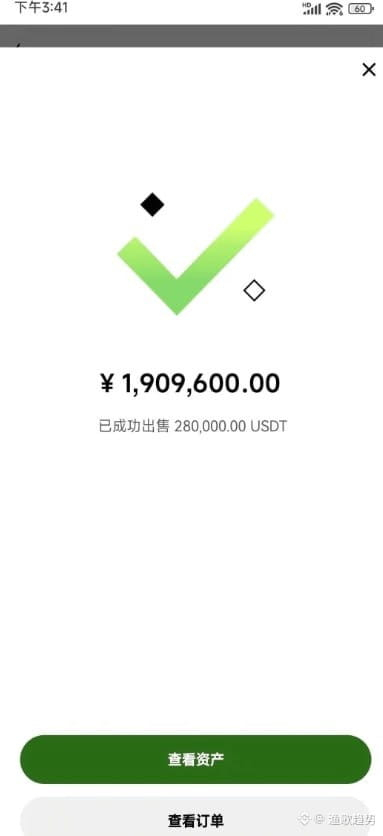
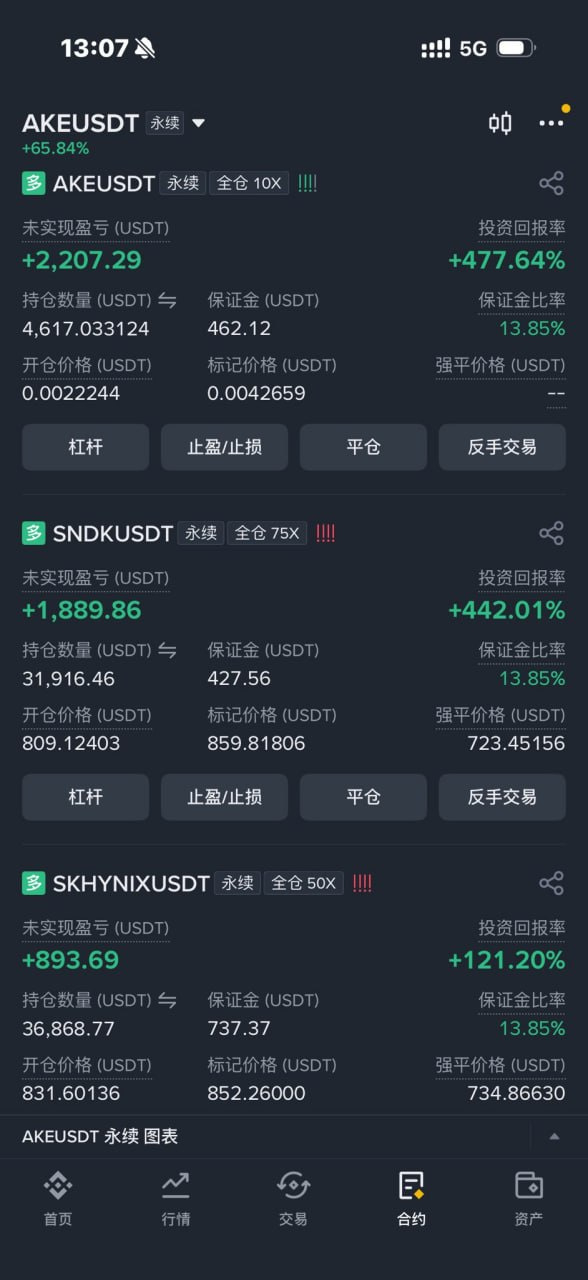
How to quickly make 100,000 U
Crypto trading is all about mindset. If you’ve chosen a coin, are familiar with it, understand it, and believe in its upside potential, then put all your worries aside, burn your boats, and go for it. Worst case, it goes to zero!
Don’t get excited over a small rise or panic over a small drop. People ask me when I’m selling AKE. Of course, I’ll sell when $750 million comes in—that $750 million is the basis for my investment thesis.
AKE is pure speculation: take your profits and run; don’t get attached.
I’m positioning for the next 10x coin: @LaosenBTC
How to quickly make 100,000 U
Crypto trading is all about mindset. If you’ve chosen a coin, are familiar with it, understand it, and believe in its upside potential, then put all your worries aside, burn your boats, and go for it. Worst case, it goes to zero!
Don’t get excited over a small rise or panic over a small drop. People ask me when I’m selling AKE. Of course, I’ll sell when $750 million comes in—that $750 million is the basis for my investment thesis.
AKE is pure speculation: take your profits and run; don’t get attached.
I’m positioning for the next 10x coin: @渔歌趋势


1
336
·
--
When you're poor, no one asks about you even in a bustling city; when you're rich, you have distant relatives even in the deepest mountains. First, let's define what it means to turn your life around.
20,000 × 100 is 2 million. Is that enough to turn your life around? If you think so, I'll tell you more.
I started buying crypto around 2017. My initial investment was 5,000 yuan, and I've made about 4 million yuan in total.
You might think I bought early, or that I traded futures, but neither is true.
I only bought spot.
I bought TRX in 2017 and sold it in 2021, making 2 million yuan.
I kept 1.7 million to buy a house and used the remaining 300,000 to keep trading.
First, I converted it to USDT and left it in Yubibao for a year and a half.
In 2022, Luna, Three Arrows Capital, and others collapsed one after another. I was lucky: before the crash, I firmly opened a short position on ETH and made a little over 100,000 yuan.
Then, toward the end of 2022, I felt the time was right and went all in on buying the BTC and ETH dip, with 90% of my portfolio in them. I sold some of the rest and bought altcoins and meme coins like ADA, XRP, and PEPE.
Then I held on for three years, right up to now. I adjusted some of my meme coin positions along the way, but left everything else untouched.
At this point, my holdings have grown to just under 2 million yuan. Altogether, I've made nearly 4 million, starting with that original 5,000 yuan.
I'm sharing my own story mainly to make three points.
First, it doesn't matter when you buy. I didn't buy BTC until 2022, when it was already more than ten times higher than in 2017, and I still made money. The key is the timing of your entry.
Second, if your starting capital is small, use time to make up for it. Be a patient hunter lying in wait. You can make just as much with spot trading as with futures, but futures have very little room for error. Your capital is already small, so there's no need to take that risk.
Third, mainstream coins have always delivered better overall returns than altcoins. Make sure the bulk of your portfolio is in mainstream coins.
That's about it. I hope you turn your life around.
Once this year's bull market tops out, we'll soon start positioning for the next bear market. Follow Yuge, and you too can short ETH near the top and capture a full 5,000 points.
How much profit is 5,000 points? Have you ever worked out the numbers?
If you buy 100 ETH and make 5,000 points, that's 500,000 USDT. You can retire and put your feet up.



1
576
·
--
Brother Yuge, I got liquidated that day. All the money I’d borrowed through Huabei and my credit cards got wiped out. I never expected ETH to drop to 3,400. It pumped right back up just after it had totally wrecked me. Why am I so unlucky?
A follower, Sister Wang, cried as she told me she’d lost 1 million yuan last year. She’d finally managed to save up a little, but got liquidated just a few days after starting to trade! I told her, “You’re not unlucky—you just don’t have enough respect for the market. We always need to manage risk!”
Now she’s working to pay off her debts and wants to borrow another 1,000 U. She asked if I could guide her.
She said she really didn’t dare open trades on her own anymore: go long and it falls; go short and it rises!
We’re all straightforward people here—no empty talk!
After a quick chat, we jumped straight in and opened a position near the bottom. One rally doubled the account—1,000 U became 2,000 U!
Today we’ll keep compounding. Let’s make it 10x in a month!
Stick with Yuge and you’ll feast nine times a day!
As long as you can follow through and take direction, doubling your account in this market is easy.
Let me be clear: October is the month to get rich, and another “star 100x coin” will appear.
With the broader market moving sideways, it’s the altcoins’ time to shine.
Are you ready?
Don’t think your bankroll is too small. There are different ways to compound—it comes down to whether you truly want to turn things around against the odds. $ETH
{future}(ETHUSDT)
Brother Yuge, I got liquidated that day. All the money I’d borrowed through Huabei and my credit cards got wiped out. I never expected ETH to drop to 3,400. It pumped right back up just after it had totally wrecked me. Why am I so unlucky?
A follower, Sister Wang, cried as she told me she’d lost 1 million yuan last year. She’d finally managed to save up a little, but got liquidated just a few days after starting to trade! I told her, “You’re not unlucky—you just don’t have enough respect for the market. We always need to manage risk!”
Now she’s working to pay off her debts and wants to borrow another 1,000 U. She asked if I could guide her.
She said she really didn’t dare open trades on her own anymore: go long and it falls; go short and it rises!
We’re all straightforward people here—no empty talk!
After a quick chat, we jumped straight in and opened a position near the bottom. One rally doubled the account—1,000 U became 2,000 U!
Today we’ll keep compounding. Let’s make it 10x in a month!
Stick with Yuge and you’ll feast nine times a day!
As long as you can follow through and take direction, doubling your account in this market is easy.
Let me be clear: October is the month to get rich, and another “star 100x coin” will appear.
With the broader market moving sideways, it’s the altcoins’ time to shine.
Are you ready?
Don’t think your bankroll is too small. There are different ways to compound—it comes down to whether you truly want to turn things around against the odds. $ETH

87
·
--
If you're also supporting a family by trading crypto, then burn these ten rules into your bones! I'm not going to give you any empty theories—this is all practical wisdom I've built up after years of getting knocked around in the market.
1. Don't fear pullbacks in strong coins
As long as the major leading coins have been falling for about 10 days straight, it's usually a rare chance to get in. Don't let short-term losses scare you off. After three consecutive days of gains, always reduce your position.
2. The second hard truth about crypto trading: take profits after two up days
Whatever the coin, if it posts three big bullish candles in a row, reduce your position and lock in profits right away. Don't keep hoping to squeeze out just a little more.
3. The third hard truth about crypto trading: don't rush to sell after a gain of over 7%
After a big rise today, there's often another chance to climb higher tomorrow. Wait and see first.
4. The fourth hard truth about crypto trading: always wait for a pullback in a bull-run coin
Don't blindly chase it. The real golden opportunity comes after the pullback ends.
5. The fifth hard truth about crypto trading: a long period of sideways movement must lead to a change
Has a coin been doing nothing for three days straight? Give it another three days, and if it still hasn't moved, switching coins is a relief.
6. The sixth hard truth about crypto trading: get out if you can't make back yesterday's money
If it hasn't even recovered yesterday's cost by the next day, get out immediately. Holding on will only drag you deeper.
7. The seventh hard truth about crypto trading: the pattern in the gainers list
If there's a 3 on the list, a 5 often follows; if there's a 5, it often pushes up to 7. That's the market's rhythm.
8. The eighth hard truth about crypto trading: volume and price are the soul of the market
Watch for a breakout on high volume at a low price. High volume at a high price, but no further rise—that's a signal to exit. Get out faster than anyone else!
9. The ninth hard truth about crypto trading: trend is everything
Only trade coins with an upward trend, so you don't waste time. A simple guide:
3-day line turning upward = short-term opportunity
30-day line trending upward = mid-term profits
80-day line strengthening = main upward wave
120-day line turning upward = long-term bull run begins
10. The tenth hard truth about crypto trading: even a small amount of capital can turn your fortunes around
Don't keep thinking that a small starting amount means you have no chance. I've seen countless people turn a few thousand into millions. The key is having the right method, a steady mindset, and strong execution.
Only by listening and following instructions can you seize the opportunity
If you really want to win your money back, you should try listening and following instructions for once instead of making random moves yourself.@LaosenBTC
If you're also supporting a family by trading crypto, then burn these ten rules into your bones! I'm not going to give you any empty theories—this is all practical wisdom I've built up after years of getting knocked around in the market.
1. Don't fear pullbacks in strong coins
As long as the major leading coins have been falling for about 10 days straight, it's usually a rare chance to get in. Don't let short-term losses scare you off. After three consecutive days of gains, always reduce your position.
2. The second hard truth about crypto trading: take profits after two up days
Whatever the coin, if it posts three big bullish candles in a row, reduce your position and lock in profits right away. Don't keep hoping to squeeze out just a little more.
3. The third hard truth about crypto trading: don't rush to sell after a gain of over 7%
After a big rise today, there's often another chance to climb higher tomorrow. Wait and see first.
4. The fourth hard truth about crypto trading: always wait for a pullback in a bull-run coin
Don't blindly chase it. The real golden opportunity comes after the pullback ends.
5. The fifth hard truth about crypto trading: a long period of sideways movement must lead to a change
Has a coin been doing nothing for three days straight? Give it another three days, and if it still hasn't moved, switching coins is a relief.
6. The sixth hard truth about crypto trading: get out if you can't make back yesterday's money
If it hasn't even recovered yesterday's cost by the next day, get out immediately. Holding on will only drag you deeper.
7. The seventh hard truth about crypto trading: the pattern in the gainers list
If there's a 3 on the list, a 5 often follows; if there's a 5, it often pushes up to 7. That's the market's rhythm.
8. The eighth hard truth about crypto trading: volume and price are the soul of the market
Watch for a breakout on high volume at a low price. High volume at a high price, but no further rise—that's a signal to exit. Get out faster than anyone else!
9. The ninth hard truth about crypto trading: trend is everything
Only trade coins with an upward trend, so you don't waste time. A simple guide:
3-day line turning upward = short-term opportunity
30-day line trending upward = mid-term profits
80-day line strengthening = main upward wave
120-day line turning upward = long-term bull run begins
10. The tenth hard truth about crypto trading: even a small amount of capital can turn your fortunes around
Don't keep thinking that a small starting amount means you have no chance. I've seen countless people turn a few thousand into millions. The key is having the right method, a steady mindset, and strong execution.
Only by listening and following instructions can you seize the opportunity
If you really want to win your money back, you should try listening and following instructions for once instead of making random moves yourself.@渔歌趋势

203
·
--
I came back from the military young and full of confidence. With my resettlement allowance in hand, I excitedly put 200,000 yuan into the market. At my lowest, I was down to just 50,000. I was so anxious I couldn’t sleep night after night, and I nearly quit for good. But I gritted my teeth and stuck with a “simple-minded” approach to compounding my position. I clawed my way up from rock bottom to tens of millions, and once rode a market rally to a 300-fold return in three months, making over ten million. After more than 2,900 days of trial and error, reviewing my trades, and learning the hard way, I’ve distilled a few of my most valuable lessons:
① A bull market doesn’t mean money is lying around waiting to be picked up. While others chase every hot trend, I focus on one sector and ride its main uptrend. When a new concept takes off, I stay focused on that one theme, pick the leader and the catch-up plays, and make the most of the whole run.
② When buying crypto, choose new coins over old ones. Old coins may look cheap, but most are junk. The market only cares about “new stories” and “new expectations.” Don’t let so-called “sentiment” drain your wallet.
③ Futures can make you money fast, but they can also ruin your life. I’ve made eight figures with them—and been liquidated countless times. If you’re determined to try, remember three things: don’t go all in, don’t use more than 5x leverage, and make stop-losses as instinctive as breathing.
④ Cycles are an iron law; going against the trend is a death wish. Crypto moves in four-year cycles, and by the end of a bull market, you should get out of altcoins. When even food delivery drivers ask, “Which coin can go up tenfold?” that’s the top. If you don’t cash out, you’ll give back 90% of your profits.
People often ask how I survived. I have no special talent or inside information. I just rely on being “simple”: don’t chase pumps, don’t get greedy for quick gains, and move forward steadily.
If you want to last in crypto, don’t ask, “Which coin will go up tenfold?” First ask yourself whether you can stick to your rules and keep your hands in check. The crypto market never runs out of opportunities; what’s rare are people who can hold on until the opportunities come—and then hold on to their gains.@LaosenBTC #ETH
I came back from the military young and full of confidence. With my resettlement allowance in hand, I excitedly put 200,000 yuan into the market. At my lowest, I was down to just 50,000. I was so anxious I couldn’t sleep night after night, and I nearly quit for good. But I gritted my teeth and stuck with a “simple-minded” approach to compounding my position. I clawed my way up from rock bottom to tens of millions, and once rode a market rally to a 300-fold return in three months, making over ten million. After more than 2,900 days of trial and error, reviewing my trades, and learning the hard way, I’ve distilled a few of my most valuable lessons:
① A bull market doesn’t mean money is lying around waiting to be picked up. While others chase every hot trend, I focus on one sector and ride its main uptrend. When a new concept takes off, I stay focused on that one theme, pick the leader and the catch-up plays, and make the most of the whole run.
② When buying crypto, choose new coins over old ones. Old coins may look cheap, but most are junk. The market only cares about “new stories” and “new expectations.” Don’t let so-called “sentiment” drain your wallet.
③ Futures can make you money fast, but they can also ruin your life. I’ve made eight figures with them—and been liquidated countless times. If you’re determined to try, remember three things: don’t go all in, don’t use more than 5x leverage, and make stop-losses as instinctive as breathing.
④ Cycles are an iron law; going against the trend is a death wish. Crypto moves in four-year cycles, and by the end of a bull market, you should get out of altcoins. When even food delivery drivers ask, “Which coin can go up tenfold?” that’s the top. If you don’t cash out, you’ll give back 90% of your profits.
People often ask how I survived. I have no special talent or inside information. I just rely on being “simple”: don’t chase pumps, don’t get greedy for quick gains, and move forward steadily.
If you want to last in crypto, don’t ask, “Which coin will go up tenfold?” First ask yourself whether you can stick to your rules and keep your hands in check. The crypto market never runs out of opportunities; what’s rare are people who can hold on until the opportunities come—and then hold on to their gains.@渔歌趋势 #ETH


1
392
·
--
Let’s take a look: how many people have actually turned their lives around through crypto trading?
Some have.
Last year, there was a woman surnamed Xu in Jinan. I won’t say exactly what her name was; some people on Zhihu might know her.
I was lucky enough to see her trading records. She traded every position heavily, like a gambler who was desperate to win back their losses. The amazing thing was that every trade was right and hugely profitable.
Starting last October, she entered the market with a few thousand dollars and withdrew between $5,000 and $30,000 from the market each week on average. In just a few months, she had a car and a house in Jinan.
There may not be even one lucky person like this among several thousand people.
It’s not that you can’t make money trading or turn your life around. Think about it: say you have $10,000. Opening positions of 0.2 to 1 lot each time isn’t unreasonable, right? That’s not an especially heavy position, is it? Making $100 to $1,500 each time isn’t unreasonable either. The hard part isn’t making money; it’s controlling your greed. If your ability can’t keep up with your desires, then give up sooner rather than later.@LaosenBTC
Let’s take a look: how many people have actually turned their lives around through crypto trading?
Some have.
Last year, there was a woman surnamed Xu in Jinan. I won’t say exactly what her name was; some people on Zhihu might know her.
I was lucky enough to see her trading records. She traded every position heavily, like a gambler who was desperate to win back their losses. The amazing thing was that every trade was right and hugely profitable.
Starting last October, she entered the market with a few thousand dollars and withdrew between $5,000 and $30,000 from the market each week on average. In just a few months, she had a car and a house in Jinan.
There may not be even one lucky person like this among several thousand people.
It’s not that you can’t make money trading or turn your life around. Think about it: say you have $10,000. Opening positions of 0.2 to 1 lot each time isn’t unreasonable, right? That’s not an especially heavy position, is it? Making $100 to $1,500 each time isn’t unreasonable either. The hard part isn’t making money; it’s controlling your greed. If your ability can’t keep up with your desires, then give up sooner rather than later.@渔歌趋势

2
2
3.3k
·
--
From 8,000 U to 2.3 million—get the rhythm right, and profits will follow!
Before the Lunar New Year, a friend came to me with 8,000 U. He could read the market, but never seemed to make money.
He was determined to earn the first million of his life. After trading on his own for six months, he kept losing money and getting liquidated over and over. He was completely worn out.
His coin picks and market direction were both right. The problem was that he hesitated at crucial moments and always got out just before the market took off. He’d sell after a 5% gain, afraid of a pullback, then look back and realize the main rally had already begun. All that was left was regret.
I asked whether he was here to try his luck or to make money. He said he wanted to make a steady profit. I told him that, above all, he had to trust the rhythm. We weren’t chasing huge, risky wins; we’d build positions methodically: enter once the trend is clear, start small, add only to winning positions, keep risk and reward clear, cut losses firmly, and let profits run.
Starting with 8,000 U, he kept each position measured but decisive. For the first two weeks, we focused on the Ethereum ecosystem. Once his account reached 100,000 U, his confidence began to grow. Midway through, we shifted our focus to AI and infrastructure plays, positioning early and waiting for capital to rotate in. Profits compounded like a snowball. Once, he added to his position on a pullback and made a 1.2x return in a single day. After a string of big gains, it all felt unreal to him. In the end, 8,000 turned into 2.3 million—not by going all in, but by following the logic step by step and exceeding his wildest expectations. He even bought his wife a Porsche and became the pride of all the young women!
He said that he used to chase the market, but now it felt like he was guiding it. That’s the value of rhythm-based trading: waiting for profits to come to you at the right price. What most people lack isn’t technical skill, but strategy and discipline. If your account is stuck in a rut and you’re hesitant to act, maybe what you need is someone to help you find the rhythm. The market is still moving, and there’s still room to grow. @LaosenBTC
From 8,000 U to 2.3 million—get the rhythm right, and profits will follow!
Before the Lunar New Year, a friend came to me with 8,000 U. He could read the market, but never seemed to make money.
He was determined to earn the first million of his life. After trading on his own for six months, he kept losing money and getting liquidated over and over. He was completely worn out.
His coin picks and market direction were both right. The problem was that he hesitated at crucial moments and always got out just before the market took off. He’d sell after a 5% gain, afraid of a pullback, then look back and realize the main rally had already begun. All that was left was regret.
I asked whether he was here to try his luck or to make money. He said he wanted to make a steady profit. I told him that, above all, he had to trust the rhythm. We weren’t chasing huge, risky wins; we’d build positions methodically: enter once the trend is clear, start small, add only to winning positions, keep risk and reward clear, cut losses firmly, and let profits run.
Starting with 8,000 U, he kept each position measured but decisive. For the first two weeks, we focused on the Ethereum ecosystem. Once his account reached 100,000 U, his confidence began to grow. Midway through, we shifted our focus to AI and infrastructure plays, positioning early and waiting for capital to rotate in. Profits compounded like a snowball. Once, he added to his position on a pullback and made a 1.2x return in a single day. After a string of big gains, it all felt unreal to him. In the end, 8,000 turned into 2.3 million—not by going all in, but by following the logic step by step and exceeding his wildest expectations. He even bought his wife a Porsche and became the pride of all the young women!
He said that he used to chase the market, but now it felt like he was guiding it. That’s the value of rhythm-based trading: waiting for profits to come to you at the right price. What most people lack isn’t technical skill, but strategy and discipline. If your account is stuck in a rut and you’re hesitant to act, maybe what you need is someone to help you find the rhythm. The market is still moving, and there’s still room to grow. @渔歌趋势

1
173
·
--
After coming down from the mountain, she realized she had to learn to make the most of what she had—never slaughter the hen that lays the eggs 🚂
Auntie Li raised dozens of speckled chickens in a mountain hollow. The eggs were good, but the roads were rough, so the egg buyers always pushed the price down. She wanted to build a road that could accommodate a three-wheeled vehicle and expand the chicken coop, but after crunching the numbers, she was still short of money. Gritting her teeth, she took out a loan.
As soon as the money came through, she fixed the road and added another hundred or so chickens. Egg production doubled in the first month, but the proceeds barely covered the first interest payment. Auntie Li didn’t panic. She figured selling fresh eggs alone wasn’t enough, so she followed tips she found online and turned some of the eggs into salted eggs and century eggs, selling them in boxes printed with mountain scenery.
To her surprise, it worked. The gift-boxed eggs sold for 30 percent more than loose eggs, and demand was steady. But money was still tight when the next payment came due, so she took out another loan. This time, she didn’t use all of it to pay the interest. She set half aside to hire someone to film her chickens foraging in the bamboo grove, then posted the video online, advertising her eggs as “free-range.”
Orders suddenly poured in, with city residents calling directly to place them. Auntie Li hired two women from the village who had been left behind to help—one packed the orders and the other delivered them. By the time the third interest payment was due, she not only had money to spare, but had also paid off most of her second loan.
At the end of the year, she tallied everything up. The coop had been expanded to hold 500 chickens, the road had been paved with concrete, and her online shop had earned rave reviews. On the day she paid off her final loan, she specially slaughtered one of her own chickens and simmered a pot of fragrant soup. Looking out the window at the clucking flock, she smiled so broadly that wrinkles gathered at the corners of her eyes. Those eggs had certainly not been laid in vain—they had truly hatched a warm and cozy life for her.@LaosenBTC #非农就业数据推升加息预期
After coming down from the mountain, she realized she had to learn to make the most of what she had—never slaughter the hen that lays the eggs 🚂
Auntie Li raised dozens of speckled chickens in a mountain hollow. The eggs were good, but the roads were rough, so the egg buyers always pushed the price down. She wanted to build a road that could accommodate a three-wheeled vehicle and expand the chicken coop, but after crunching the numbers, she was still short of money. Gritting her teeth, she took out a loan.
As soon as the money came through, she fixed the road and added another hundred or so chickens. Egg production doubled in the first month, but the proceeds barely covered the first interest payment. Auntie Li didn’t panic. She figured selling fresh eggs alone wasn’t enough, so she followed tips she found online and turned some of the eggs into salted eggs and century eggs, selling them in boxes printed with mountain scenery.
To her surprise, it worked. The gift-boxed eggs sold for 30 percent more than loose eggs, and demand was steady. But money was still tight when the next payment came due, so she took out another loan. This time, she didn’t use all of it to pay the interest. She set half aside to hire someone to film her chickens foraging in the bamboo grove, then posted the video online, advertising her eggs as “free-range.”
Orders suddenly poured in, with city residents calling directly to place them. Auntie Li hired two women from the village who had been left behind to help—one packed the orders and the other delivered them. By the time the third interest payment was due, she not only had money to spare, but had also paid off most of her second loan.
At the end of the year, she tallied everything up. The coop had been expanded to hold 500 chickens, the road had been paved with concrete, and her online shop had earned rave reviews. On the day she paid off her final loan, she specially slaughtered one of her own chickens and simmered a pot of fragrant soup. Looking out the window at the clucking flock, she smiled so broadly that wrinkles gathered at the corners of her eyes. Those eggs had certainly not been laid in vain—they had truly hatched a warm and cozy life for her.@渔歌趋势 #非农就业数据推升加息预期

149
·
--
Honestly, are candlestick charts actually useful?
Yes—but don’t just look at whether prices are rising or falling. Learn to read the intent behind them.
Once you understand these three bits of market code, the market becomes like a movie with subtitles: the plot is crystal clear.
Last night, I shared one of my students’ notes in the group, and within half an hour it was being forwarded like crazy!!
I’ve organized it below as a sort of “first lesson” for new followers:
I’ve watched candlestick charts for three years, and I’ve finally figured something out: candlesticks don’t speak for themselves. They just project the big players’ “inner thoughts” onto the screen. Hoping to predict the future from a few candles?
No chance. But if you can understand the big players’ code, at least you won’t be led around by the nose.
I’ve summed up three common signals to share with you.
Signal one: a fake breakdown, followed by a real push higher
The script usually goes like this: the price suddenly crashes through an important support level, and the comment section erupts in panic. Retail traders see the breakdown and rush to sell at a loss. Meanwhile, the big players quietly buy the tokens back, then push the price above support again before the market closes.
How to spot it:
1. Check the close. If the one-hour candlestick drops below support but closes back above it, it’s likely a shakeout.
2. Check the trading volume. Volume spikes as the price breaks down, but the rebound comes on lower volume—a clear sign of wash trading.
Signal two: a warning sign when volume and price diverge
The price hits a new high while volume shrinks—a classic case of “false prosperity.” Conversely, if the price stays flat while volume suddenly surges, the big players are probably quietly accumulating.
Last year, I got burned on a popular coin: it hit a new high on the daily chart, but trading volume kept shrinking day after day. Then, three days later, a guillotine-like crash wiped out all my profits.#美股一夜蒸发超2万亿,多家对冲基金面临清算
Signal three: the danger of consolidating at the highs
Sideways movement isn’t a rest; it’s a redistribution. At the bottom, the big players are accumulating. At the top, they’re selling.
How to tell the difference:
1. At the bottom, volume rises steadily, and bearish candles are quickly swallowed by bullish ones.
2. At the top, volume gradually dries up, and bearish candles slowly swallow the bullish ones. If open interest also surges at the same time, a storm is coming.
If you’re tired of going in circles, join [聊天室](https://www.binance.com/zh-CN/square/profile/laosenbtc) and see what the big players are plotting now?
Honestly, are candlestick charts actually useful?
Yes—but don’t just look at whether prices are rising or falling. Learn to read the intent behind them.
Once you understand these three bits of market code, the market becomes like a movie with subtitles: the plot is crystal clear.
Last night, I shared one of my students’ notes in the group, and within half an hour it was being forwarded like crazy!!
I’ve organized it below as a sort of “first lesson” for new followers:
I’ve watched candlestick charts for three years, and I’ve finally figured something out: candlesticks don’t speak for themselves. They just project the big players’ “inner thoughts” onto the screen. Hoping to predict the future from a few candles?
No chance. But if you can understand the big players’ code, at least you won’t be led around by the nose.
I’ve summed up three common signals to share with you.
Signal one: a fake breakdown, followed by a real push higher
The script usually goes like this: the price suddenly crashes through an important support level, and the comment section erupts in panic. Retail traders see the breakdown and rush to sell at a loss. Meanwhile, the big players quietly buy the tokens back, then push the price above support again before the market closes.
How to spot it:
1. Check the close. If the one-hour candlestick drops below support but closes back above it, it’s likely a shakeout.
2. Check the trading volume. Volume spikes as the price breaks down, but the rebound comes on lower volume—a clear sign of wash trading.
Signal two: a warning sign when volume and price diverge
The price hits a new high while volume shrinks—a classic case of “false prosperity.” Conversely, if the price stays flat while volume suddenly surges, the big players are probably quietly accumulating.
Last year, I got burned on a popular coin: it hit a new high on the daily chart, but trading volume kept shrinking day after day. Then, three days later, a guillotine-like crash wiped out all my profits.#美股一夜蒸发超2万亿,多家对冲基金面临清算
Signal three: the danger of consolidating at the highs
Sideways movement isn’t a rest; it’s a redistribution. At the bottom, the big players are accumulating. At the top, they’re selling.
How to tell the difference:
1. At the bottom, volume rises steadily, and bearish candles are quickly swallowed by bullish ones.
2. At the top, volume gradually dries up, and bearish candles slowly swallow the bullish ones. If open interest also surges at the same time, a storm is coming.
If you’re tired of going in circles, join 聊天室 and see what the big players are plotting now?

4
1
87
·
--
Bet you didn’t see that coming, bros! One wild ride and then—account wiped out, owing the exchange 17 million!
Yesterday, a whale of a follower asked me—
“Bro, I got liquidated and owe the exchange 17 million.”
I thought he was joking, but then he sent a screenshot—
A real liquidation. Back to square one overnight.
I’ve seen it all in crypto over the years.
People come in with a few thousand U,
imagining their account will have four extra zeros by morning,
only to get liquidated every other day and lose faith.
I get it, because I’ve done it too.
The year I first got into crypto, I had just 10000U in my account.
The first time I used 100× leverage,
half of it vanished in 15 minutes.
At that moment, I stared at the sea of red on my screen, my palms drenched in sweat#ETH
It suddenly hit me—liquidation is never an accident.
Leverage doesn’t mean “returns × multiplier”; it means “risk × exponent.” Lose 90% and want to break even?
You’d need a 9x gain. That’s not breaking even—it’s building a rocket.🚀
Later, I kicked the thrill of going all in.
What really got my account curve moving steadily up and to the right
was a strategy forged with real money:
1. The three-step BOLL indicator method:
2. Bands narrowing = volatility compression; the market is building up energy;
3. Middle-band slope = the balance of bulls and bears; follow whichever way it tilts first;
4. Bands widening + volume rising = momentum unleashed. That’s the moment to plant your flag.
Last October, SOL’s daily chart had its bands narrow for 7 candles, with the middle band turning slightly upward.
I opened a position near the lower band, with my stop-loss set at the previous low.
It then surged to the upper band, turning my position into 30x in a single month#美股一夜蒸发超2万亿,多家对冲基金面临清算
Sharing the joy beats enjoying it alone. Reach out to me, and I can help you make it to shore@LaosenBTC
Bet you didn’t see that coming, bros! One wild ride and then—account wiped out, owing the exchange 17 million!
Yesterday, a whale of a follower asked me—
“Bro, I got liquidated and owe the exchange 17 million.”
I thought he was joking, but then he sent a screenshot—
A real liquidation. Back to square one overnight.
I’ve seen it all in crypto over the years.
People come in with a few thousand U,
imagining their account will have four extra zeros by morning,
only to get liquidated every other day and lose faith.
I get it, because I’ve done it too.
The year I first got into crypto, I had just 10000U in my account.
The first time I used 100× leverage,
half of it vanished in 15 minutes.
At that moment, I stared at the sea of red on my screen, my palms drenched in sweat#ETH
It suddenly hit me—liquidation is never an accident.
Leverage doesn’t mean “returns × multiplier”; it means “risk × exponent.” Lose 90% and want to break even?
You’d need a 9x gain. That’s not breaking even—it’s building a rocket.🚀
Later, I kicked the thrill of going all in.
What really got my account curve moving steadily up and to the right
was a strategy forged with real money:
1. The three-step BOLL indicator method:
2. Bands narrowing = volatility compression; the market is building up energy;
3. Middle-band slope = the balance of bulls and bears; follow whichever way it tilts first;
4. Bands widening + volume rising = momentum unleashed. That’s the moment to plant your flag.
Last October, SOL’s daily chart had its bands narrow for 7 candles, with the middle band turning slightly upward.
I opened a position near the lower band, with my stop-loss set at the previous low.
It then surged to the upper band, turning my position into 30x in a single month#美股一夜蒸发超2万亿,多家对冲基金面临清算
Sharing the joy beats enjoying it alone. Reach out to me, and I can help you make it to shore@渔歌趋势


4
4
2.1k
·
--
If you want to trade crypto for life and treat it as a steady job, but you don't understand the technical side and can't find a suitable trading method, why not try this "idiot-proof" approach? It's simple and practical, and even a newcomer can use it with ease. It has an accuracy rate of over 80%, and you can use this method for both buying and selling in the crypto market!
1. The coin you choose must be in an uptrend. A sideways trend is also acceptable, of course, but you must never choose one that's in a downtrend or whose moving averages are all sloping downward.
2. Divide your funds into three equal portions. When the price breaks above the 5-day moving average, make a small initial purchase with 30% of your funds. When it breaks above the 15-day moving average, buy another 30%. Likewise, when it breaks above the 30-day moving average, buy the final 30%. Be sure to follow this rule strictly.
3. If the price doesn't go on to break above the 15-day moving average after breaking above the 5-day moving average, but instead pulls back, keep your existing position as long as it doesn't fall below the 5-day moving average. Sell if it does.
4. Likewise, if the price breaks above the 15-day moving average but doesn't continue upward, keep holding if it pulls back without falling below the 15-day moving average. If it falls below, sell 30% first. If it stays above the 5-day moving average, continue holding the 30% position bought at the 5-day moving average#非农今晚揭晓,美股能否绝地反击?
5. When the price subsequently breaks above the 30-day moving average and then pulls back, sell in stages using the same method as before.
6. Selling is the opposite. When the price is high, sell 30% first if it falls below the 5-day moving average. If it doesn't continue falling, hold the remaining 60%. If it falls below all three moving averages—the 5-day, 15-day, and 30-day—sell everything. Don't count on a lucky break.
This "idiot-proof" trading method is simple, but the most important thing is discipline. Once you buy in, your trading system is in place. You can only make a profit by following your trading rules strictly@LaosenBTC
If you want to trade crypto for life and treat it as a steady job, but you don't understand the technical side and can't find a suitable trading method, why not try this "idiot-proof" approach? It's simple and practical, and even a newcomer can use it with ease. It has an accuracy rate of over 80%, and you can use this method for both buying and selling in the crypto market!
1. The coin you choose must be in an uptrend. A sideways trend is also acceptable, of course, but you must never choose one that's in a downtrend or whose moving averages are all sloping downward.
2. Divide your funds into three equal portions. When the price breaks above the 5-day moving average, make a small initial purchase with 30% of your funds. When it breaks above the 15-day moving average, buy another 30%. Likewise, when it breaks above the 30-day moving average, buy the final 30%. Be sure to follow this rule strictly.
3. If the price doesn't go on to break above the 15-day moving average after breaking above the 5-day moving average, but instead pulls back, keep your existing position as long as it doesn't fall below the 5-day moving average. Sell if it does.
4. Likewise, if the price breaks above the 15-day moving average but doesn't continue upward, keep holding if it pulls back without falling below the 15-day moving average. If it falls below, sell 30% first. If it stays above the 5-day moving average, continue holding the 30% position bought at the 5-day moving average#非农今晚揭晓,美股能否绝地反击?
5. When the price subsequently breaks above the 30-day moving average and then pulls back, sell in stages using the same method as before.
6. Selling is the opposite. When the price is high, sell 30% first if it falls below the 5-day moving average. If it doesn't continue falling, hold the remaining 60%. If it falls below all three moving averages—the 5-day, 15-day, and 30-day—sell everything. Don't count on a lucky break.
This "idiot-proof" trading method is simple, but the most important thing is discipline. Once you buy in, your trading system is in place. You can only make a profit by following your trading rules strictly@渔歌趋势

188
·
--
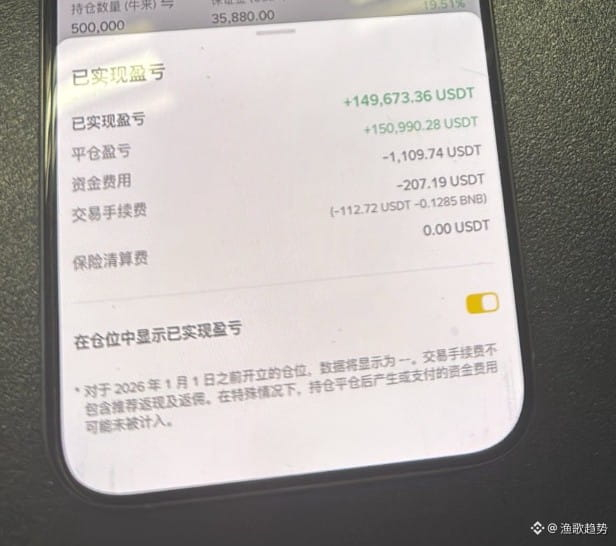
Turn 1,200U into 50,000U—there’s no need for complicated tricks. Just use these 3 simple methods.
Last month, a follower had only 2,800U left and wanted to turn things around. I taught him these 3 methods, and after following them for 3 months, his account grew to 68,000U without a single liquidation.
First, split your money into three parts. Divide 2,800U into four separate 700U portions and never transfer money between them: use one for short-term trades, with a maximum of 2 trades a day, and take profits when you can; use another to catch trends, waiting until the weekly trend is clear before making a move instead of getting worn down by choppy markets; keep the last portion in reserve, so you can top up your account if you get liquidated that day and preserve your ability to keep trading. Never go all in—once your capital is gone, you have no chance of turning things around.
Second, only trade with the trend. Choppy markets are unpredictable and can easily lead to losses, so just stay out of them. If the daily moving averages aren’t aligned in a bullish order, stay in cash and wait. Enter only after the price breaks above the previous high on increased volume and the daily close confirms the trend. Once you’ve made 30% of your initial capital, withdraw half to lock in profits. Set a 10% trailing stop on the remaining profits, and don’t get greedy trying to squeeze out every last bit.
Third, don’t let your emotions take control. Set firm rules before entering a trade: automatically close the position when losses reach 3%—never hesitate or hold on hoping it will turn around. When profits reach 10%, immediately move your stop-loss to your entry price to protect the profit on your core position. At 11 p.m. every day, shut down your computer on time. Don’t keep watching the candlesticks, no matter how tempting they look. If you can’t sleep, uninstall your trading app so your emotions don’t get a chance to interfere with your decisions.
There really is no secret—the key is simply to make fewer mistakes. Memorize these 3 points and put them into practice before you start learning complicated technical indicators. In crypto, staying in the market is what gives you the chance to make money. @LaosenBTC
Turn 1,200U into 50,000U—there’s no need for complicated tricks. Just use these 3 simple methods.
Last month, a follower had only 2,800U left and wanted to turn things around. I taught him these 3 methods, and after following them for 3 months, his account grew to 68,000U without a single liquidation.
First, split your money into three parts. Divide 2,800U into four separate 700U portions and never transfer money between them: use one for short-term trades, with a maximum of 2 trades a day, and take profits when you can; use another to catch trends, waiting until the weekly trend is clear before making a move instead of getting worn down by choppy markets; keep the last portion in reserve, so you can top up your account if you get liquidated that day and preserve your ability to keep trading. Never go all in—once your capital is gone, you have no chance of turning things around.
Second, only trade with the trend. Choppy markets are unpredictable and can easily lead to losses, so just stay out of them. If the daily moving averages aren’t aligned in a bullish order, stay in cash and wait. Enter only after the price breaks above the previous high on increased volume and the daily close confirms the trend. Once you’ve made 30% of your initial capital, withdraw half to lock in profits. Set a 10% trailing stop on the remaining profits, and don’t get greedy trying to squeeze out every last bit.
Third, don’t let your emotions take control. Set firm rules before entering a trade: automatically close the position when losses reach 3%—never hesitate or hold on hoping it will turn around. When profits reach 10%, immediately move your stop-loss to your entry price to protect the profit on your core position. At 11 p.m. every day, shut down your computer on time. Don’t keep watching the candlesticks, no matter how tempting they look. If you can’t sleep, uninstall your trading app so your emotions don’t get a chance to interfere with your decisions.
There really is no secret—the key is simply to make fewer mistakes. Memorize these 3 points and put them into practice before you start learning complicated technical indicators. In crypto, staying in the market is what gives you the chance to make money. @渔歌趋势
150
·
--
The simple method with a 99.99% profit rate is often the most practical. I used this method to make 30 million.
Ten years ago, I was a taxi driver. Later, I got into crypto, and from then on I started seriously studying crypto trading. Trading crypto turned my life around, and now my assets are in the eight figures. The method I use is actually very simple: just four steps, from choosing a coin and buying to managing your position and selling. I’ll explain every detail clearly!
Step one: Open the daily chart and only look at the daily timeframe. Find coins with a MACD golden cross. Ideally, choose a golden cross above the zero line, as this works best!
Step two: Switch to the daily timeframe. Here, you only need to watch one moving average, the daily moving average: hold above the line and sell below it.
Step three: After buying, if the coin price breaks above the daily moving average and trading volume is also above its daily average, buy with your full position. Now for the fourth step: selling. This has three details. First, when the overall swing gain exceeds 40%, sell one-third of your position. Second, when the overall swing gain exceeds 80%, sell another third. If the price falls below the daily moving average, close out your entire position.
The fourth step is also the most important. Since we use the daily moving average as the basis for our buys, if something unexpected happens the next day and the price drops below it, you must sell everything. Don’t take chances! Although the probability of a break below the line is very low with this coin-selection method, we still need to be aware of the risks. After selling, wait until the price gets back above the daily moving average, then buy back in! #美股走弱,加密货币市场普遍承压 #纳斯达克100指数下跌6%

115
·
--
I’ve spent 10 years in crypto, going from losing 85% at the beginning to supporting my family through crypto trading. There’s hardly a strategy I haven’t tried. If I had to say what truly helped me overcome my confusion, it would be the ten-part mantra I came up with myself. It applies to most people, and reading it could save you years of detours—especially the tenth one!!!
One important word in crypto: Patience
Two important words in crypto: Avoid greed
Three important words in crypto: Stay disciplined
Four important words in crypto: Plan rationally
Five important words in crypto: Follow the big players
Six important words in crypto: Focus on value
Seven important words in crypto: Do what you understand
Eight important words in crypto: The market is the best teacher
Nine important words in crypto: Be rational, know when to enter and exit, and have a strategy
Ten important words in crypto: Keep a good mindset, don't hesitate, and never stop learning
Stick to these ten principles when trading crypto, and in the end, you’re sure to reap great rewards. [聊天室](https://www.binance.com/zh-CN/square/profile/laosenbtc)
I’ve spent 10 years in crypto, going from losing 85% at the beginning to supporting my family through crypto trading. There’s hardly a strategy I haven’t tried. If I had to say what truly helped me overcome my confusion, it would be the ten-part mantra I came up with myself. It applies to most people, and reading it could save you years of detours—especially the tenth one!!!
One important word in crypto: Patience
Two important words in crypto: Avoid greed
Three important words in crypto: Stay disciplined
Four important words in crypto: Plan rationally
Five important words in crypto: Follow the big players
Six important words in crypto: Focus on value
Seven important words in crypto: Do what you understand
Eight important words in crypto: The market is the best teacher
Nine important words in crypto: Be rational, know when to enter and exit, and have a strategy
Ten important words in crypto: Keep a good mindset, don't hesitate, and never stop learning
Stick to these ten principles when trading crypto, and in the end, you’re sure to reap great rewards. 聊天室

116
·
--
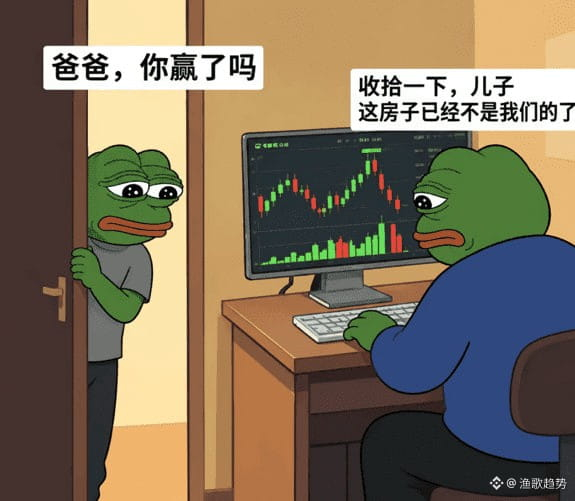
How can a man who trades crypto return to a normal life? Here’s the answer: it’s hard—very hard.
Once you enter the crypto world, it’s like sinking into the deep sea. There’s no getting your money back—only getting rich overnight. When you’re young, you should have ambition and courage.
The hardest part isn’t getting liquidated, losing money, or staying up late every night. It’s making a fortune most people could never imagine in a lifetime, wanting to quit but being unable to keep your hands off the trades, telling yourself you’ll play just one last round before disappearing for good. And that very thought—that final round—is what sends you to hell.
Honestly, many people enter the crypto market just hoping to earn a little extra money and improve their lives. But as they keep trading, they realize they’re becoming more and more obsessed with the market—even going a single day without checking the charts makes them uneasy.
I know someone who started out trading futures with 3,000 USDT. He followed the rules and had great discipline, and made 60,000 USDT in two days. Within a month, his assets had reached over a million. After that, he became a different person. He thought earning money from a job was too slow, and that trading was the shortcut to getting rich.
But making money in the market is never that easy. He started taking bigger risks. He wouldn’t walk away when he was winning, and refused to accept his losses. After a few rounds, over a million had dwindled to just 2,000 USDT. #美股走弱,加密货币市场普遍承压
The worst part was that even after losing so much, he was still thinking about winning it all back. He was glued to his phone, couldn’t focus on meals, slept poorly, and couldn’t even hear what his family was saying.
Sometimes, the greatest cost of trading crypto isn’t seeing the numbers in your account drop to zero—it’s slowly losing the life you once had.
Stop thinking the next trade will change your fate. People who are truly capable know when to make money, and, more importantly, when to stop. Don’t wait until you’ve lost everything to realize how precious an ordinary, peaceful life is. @LaosenBTC
How can a man who trades crypto return to a normal life? Here’s the answer: it’s hard—very hard.
Once you enter the crypto world, it’s like sinking into the deep sea. There’s no getting your money back—only getting rich overnight. When you’re young, you should have ambition and courage.
The hardest part isn’t getting liquidated, losing money, or staying up late every night. It’s making a fortune most people could never imagine in a lifetime, wanting to quit but being unable to keep your hands off the trades, telling yourself you’ll play just one last round before disappearing for good. And that very thought—that final round—is what sends you to hell.
Honestly, many people enter the crypto market just hoping to earn a little extra money and improve their lives. But as they keep trading, they realize they’re becoming more and more obsessed with the market—even going a single day without checking the charts makes them uneasy.
I know someone who started out trading futures with 3,000 USDT. He followed the rules and had great discipline, and made 60,000 USDT in two days. Within a month, his assets had reached over a million. After that, he became a different person. He thought earning money from a job was too slow, and that trading was the shortcut to getting rich.
But making money in the market is never that easy. He started taking bigger risks. He wouldn’t walk away when he was winning, and refused to accept his losses. After a few rounds, over a million had dwindled to just 2,000 USDT. #美股走弱,加密货币市场普遍承压
The worst part was that even after losing so much, he was still thinking about winning it all back. He was glued to his phone, couldn’t focus on meals, slept poorly, and couldn’t even hear what his family was saying.
Sometimes, the greatest cost of trading crypto isn’t seeing the numbers in your account drop to zero—it’s slowly losing the life you once had.
Stop thinking the next trade will change your fate. People who are truly capable know when to make money, and, more importantly, when to stop. Don’t wait until you’ve lost everything to realize how precious an ordinary, peaceful life is. @渔歌趋势

3
501
Log in to explore more content
Join global crypto users on Binance Square
⚡️ Get latest and useful information about crypto.
💬 Trusted by the world’s largest crypto exchange.
👍 Discover real insights from verified creators.
Email / Phone number
Trending Topics
KeplrAdvisesSocialLoginUsersToTransferAssets
2,496 views
101 Discussing
#keplradvisessocialloginuserstotransferassets
🚨 Keplr Warns Social Login Users: Transfer Your Assets Before It's Too Late!
Keplr has issued an important warning to users who access their wallets through social login.
Users relying on social login should take action and transfer their assets to a securely backed-up wallet before they risk losing access.
🔍 What You Need to Know:
Social login users should review their wallet access immediately.
Make sure your recovery credentials and wallet backup are secure.
Transfer assets to a wallet where you control and safely store the recovery phrase.
Never share your seed phrase or private keys with anyone.
⚠️ Why It Matters:
Your crypto security depends on controlling access to your wallet. Losing access to a social login account could create serious problems if you haven't secured your wallet recovery options.
The message is simple: don't wait until you lose access to protect your funds.
#keplr #CryptoSecurity #WalletSafety
Faizan Crypto Learner
·1 Likes
·523 views
TetherPlans€28.8MForJuventusCapitalIncrease
2,017 views
83 Discussing
JobsReportRaisesHikeOdds
649,798 views
3,943 Discussing