

IMARTEMON
4 Posts

IMARTEMON
Report
Block User
Full-time crypto trader & long-term investor | 7 years navigating bull & bear markets | Market analysis, spreads, onchain
2 Following
1 Followers
5 Liked
Posts
All
Quotes
·
--
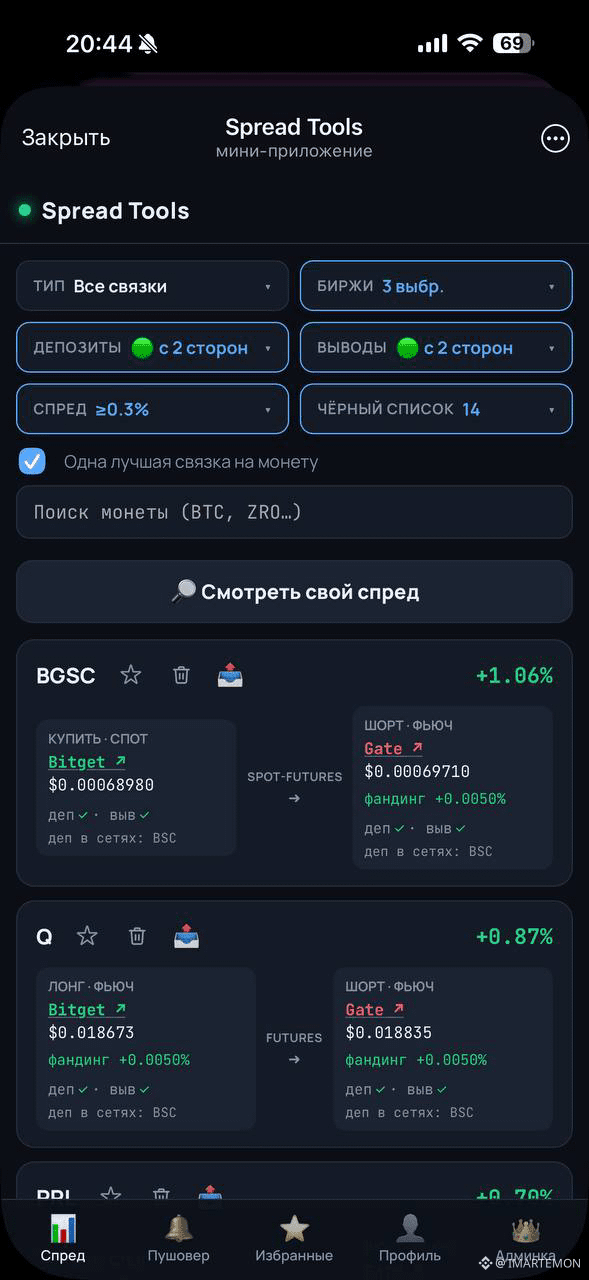
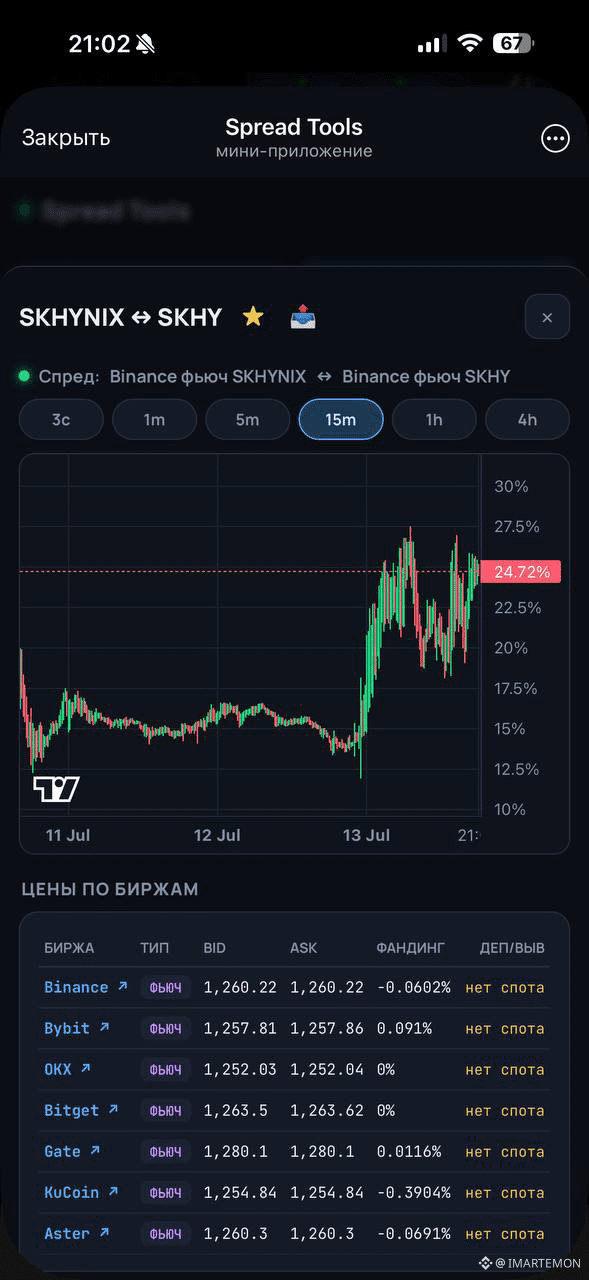
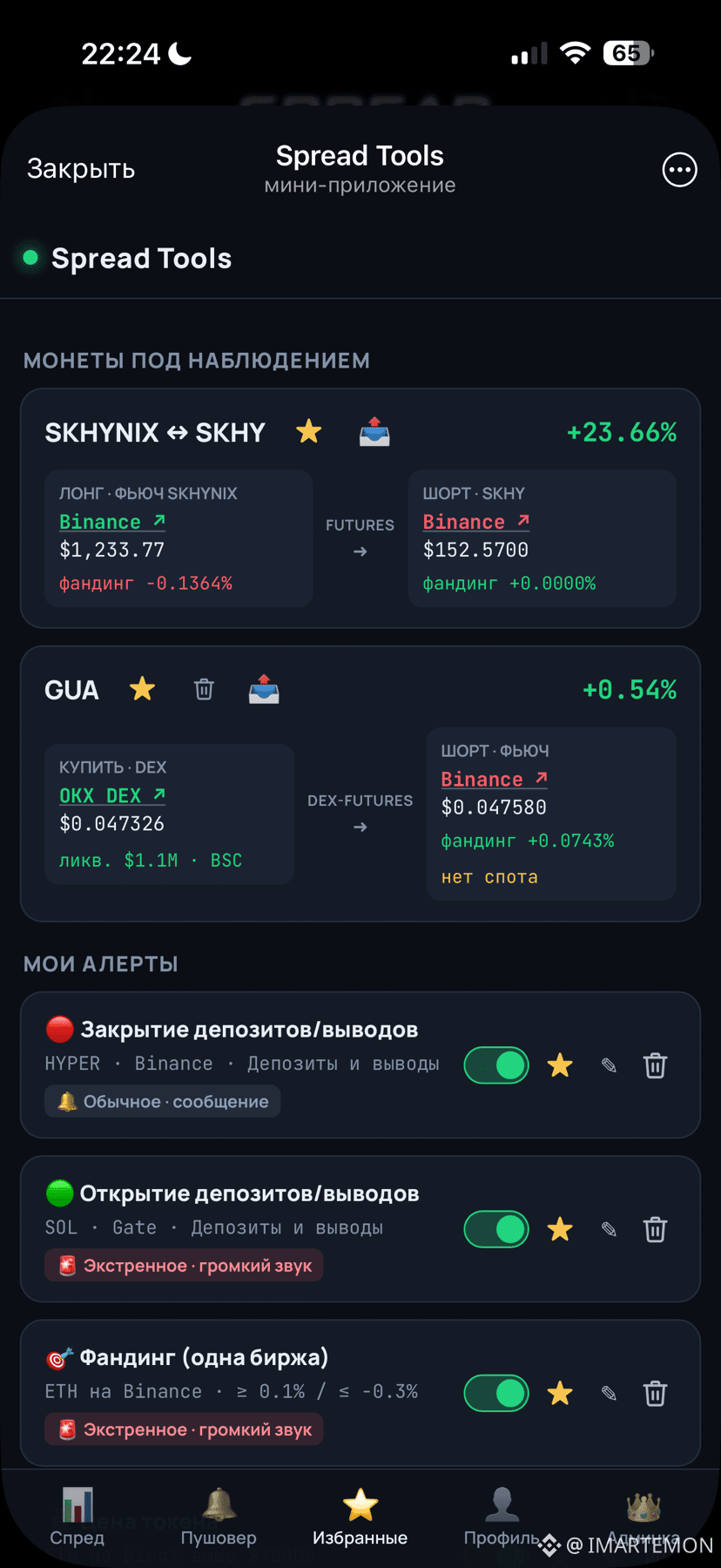
Who was involved in the 1:10 spread? With a 7% spread, I analyzed it and advised my community not to do so. Those who listened managed to preserve their capital. Now 25% spread
$SKHY $SKHYNIX
Who was involved in the 1:10 spread? With a 7% spread, I analyzed it and advised my community not to do so. Those who listened managed to preserve their capital. Now 25% spread
$SKHY $SKHYNIX
$SKHY $SKHYNIX
1
13
·
--
The promotion has ended. Congratulations to everyone who made it.
The promotion has ended. Congratulations to everyone who made it.
IMARTEMON
·
--
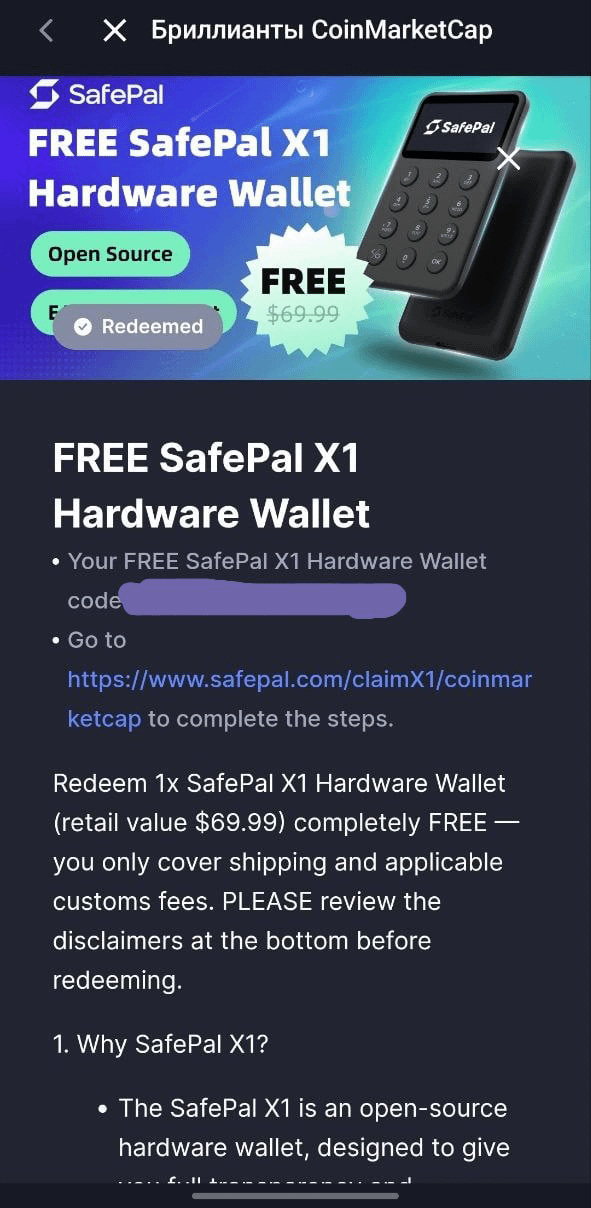
You can get free SafePal X1
Exchange your dimonds in CoinMarketCup and get free wallet.
Exchange your dimonds in CoinMarketCup and get free wallet.
1
8
·
--
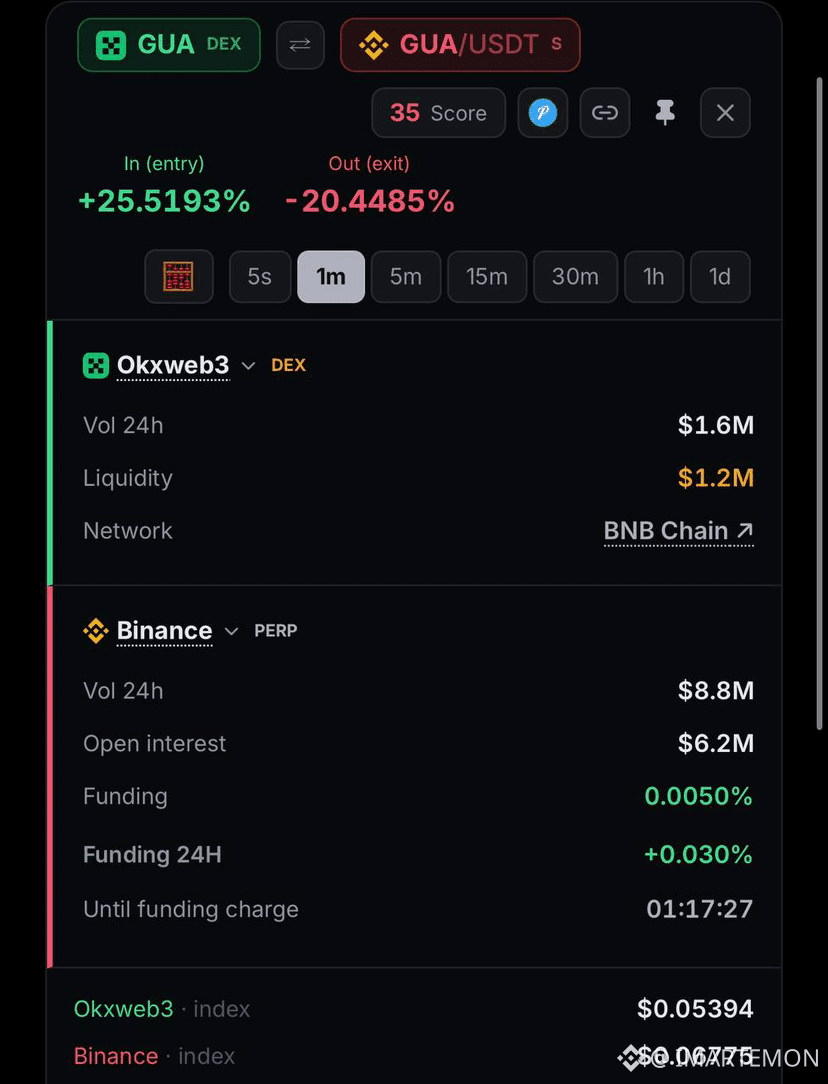
Free money? Not quite. But this DEX/PERP spread is the closest thing to it 👇
Sitting in this $GUA spread — my average entry is around 17-18%. Planning to add more if the spread goes above 35%.
IMO, anything 23%+ is a solid first entry (long spot on DEX + short perp on Binance).
⚠️ Key rules:
Keep your liquidation point on the hedge short FAR away. Funding won’t hurt you here.
That’s pretty much it — simple setup, just manage your risk.
DYOR.
#spread #arbitrage #dex
Free money? Not quite. But this DEX/PERP spread is the closest thing to it 👇
Sitting in this $GUA spread — my average entry is around 17-18%. Planning to add more if the spread goes above 35%.
IMO, anything 23%+ is a solid first entry (long spot on DEX + short perp on Binance).
⚠️ Key rules:
Keep your liquidation point on the hedge short FAR away. Funding won’t hurt you here.
That’s pretty much it — simple setup, just manage your risk.
DYOR.
#spread #arbitrage #dex
Sitting in this $GUA spread — my average entry is around 17-18%. Planning to add more if the spread goes above 35%.
IMO, anything 23%+ is a solid first entry (long spot on DEX + short perp on Binance).
⚠️ Key rules:
Keep your liquidation point on the hedge short FAR away. Funding won’t hurt you here.
That’s pretty much it — simple setup, just manage your risk.
DYOR.
#spread #arbitrage #dex
1
255
·
--
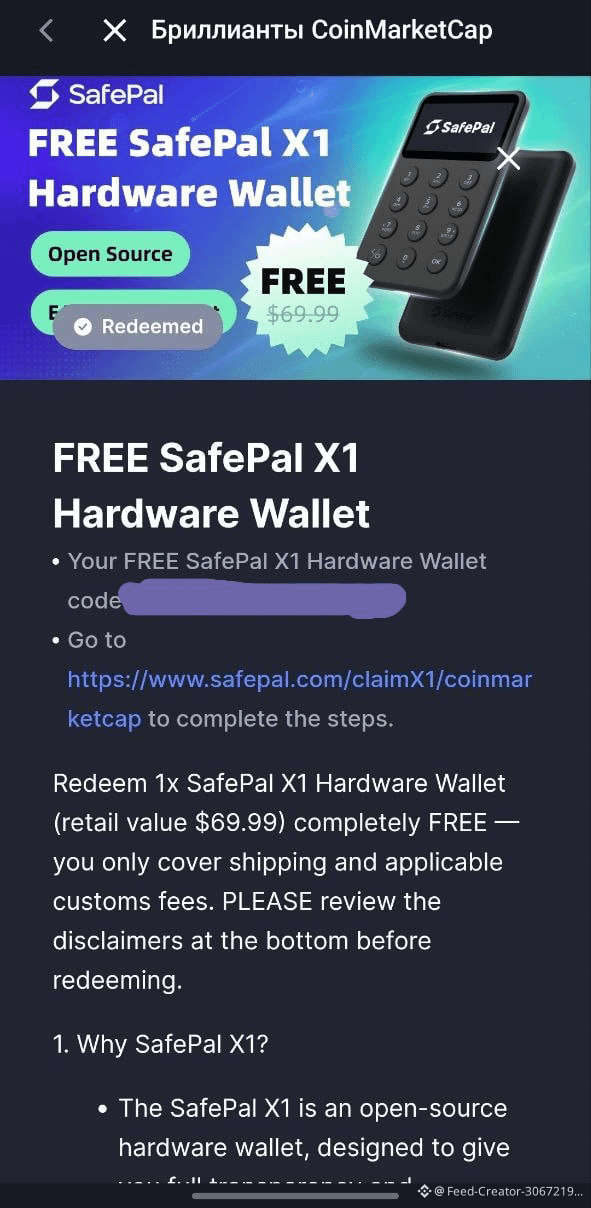
You can get free SafePal X1
Exchange your dimonds in CoinMarketCup and get free wallet.
You can get free SafePal X1
Exchange your dimonds in CoinMarketCup and get free wallet.
Exchange your dimonds in CoinMarketCup and get free wallet.
1
1
159
Log in to explore more content
Join global crypto users on Binance Square
⚡️ Get latest and useful information about crypto.
💬 Trusted by the world’s largest crypto exchange.
👍 Discover real insights from verified creators.
Email / Phone number
Trending Topics
FedProposesPaymentStablecoinRules
2,523 views
111 Discussing
🚨 THE FED AND SEC ARE QUIETLY BUILDING THE RULEBOOK CRYPTO HAS BEEN WAITING FOR.
The Fed just proposed a formal framework for payment stablecoin issuers under the GENIUS Act, including 1:1 backing with high-quality liquid reserves such as short-term Treasuries, capital requirements, risk-management standards, custody rules, and a dedicated approval process for banks that want to issue stablecoins.
At almost the same time, SEC staff clarified that for functional crypto networks, things like token buybacks do not automatically create a securities contract by themselves. The SEC also stressed that this is staff guidance, not a binding new rule.
That combination matters.
Fed → clearer rules for digital dollars.
SEC → more clarity for functional crypto assets.
This is not deregulation.
It is something potentially more important:
Crypto is being pulled deeper into the regulated financial system instead of being pushed outside it.
For stablecoins, the direction is obvious: more reserves, more oversight, more bank participation.
And if that framework survives the comment process, the next phase of adoption may look less like “crypto vs banks”…
and more like banks issuing crypto-native money themselves. 👀
$USDC $CRCL $COIN $ETH
#fedproposespaymentstablecoinrules #ChinaMayLetAlibabaByteDanceBuyNvidiaChips #USChinaRelease$30BTariffCutProductLists #SKoreaFSCConsidersVirtualAssetMarketMaker #ChinaIndustrialProfitGrowthSlowsFourthMonth
KimHotbae
·1 Likes
·2.3k views
ChinaMayLetAlibabaByteDanceBuyNvidiaChips
4,992 views
207 Discussing
USChinaRelease$30BTariffCutProductLists
838 views
23 Discussing