

Hospice KAKE
284 Posts
Hospice KAKE
Report
Block User
Open Trade

TRUMP Holder
Occasional Trader
7.3 Years
4 Following
246 Followers
498 Liked
Posts
Portfolio
All
Quotes
Videos
Live
PINNED
·
--
87% of retail traders lose money. This figure is known. What is less known — is why.
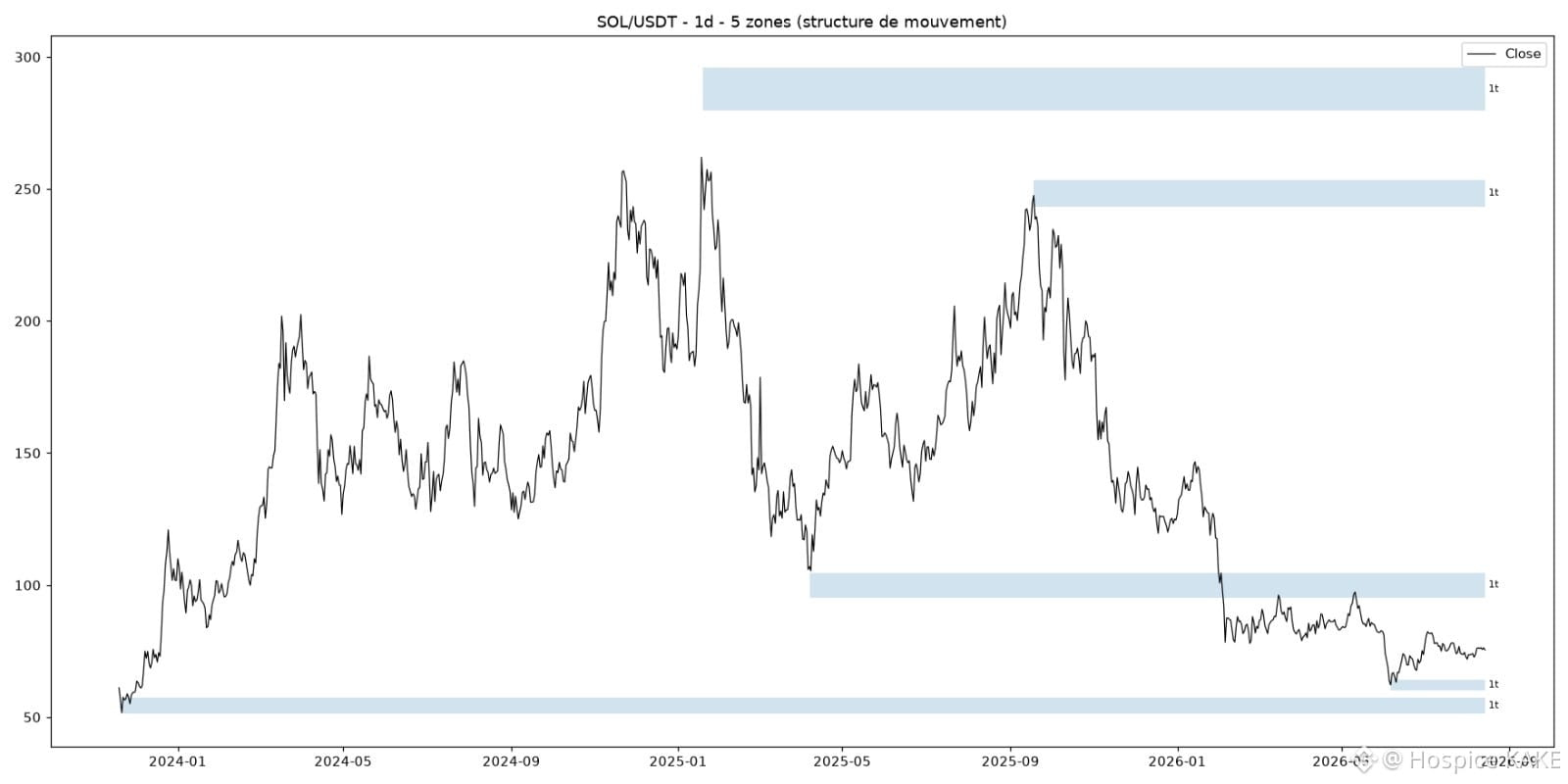
The answer is not simply that the market is too risky. Markets are risky for those who don’t have a method. They are structured opportunities for those who can read key zones and price behavior.
A study of trading journals shows that losses rarely come from a bad market. They come from poor decisions made under emotional pressure — without a predefined plan, without a clear invalidation level, without a risk/reward ratio calculated before entering the trade.
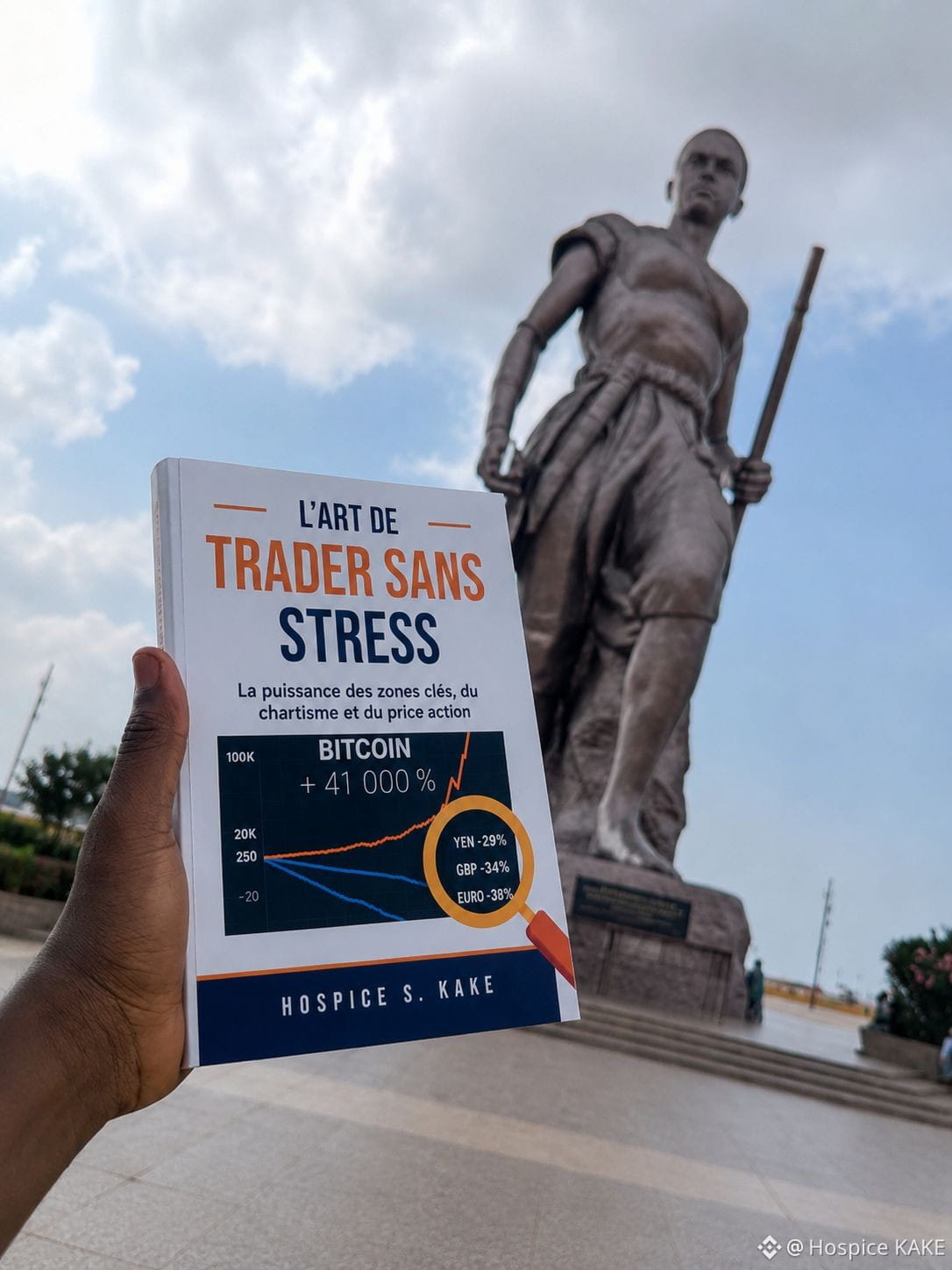
The method I teach in my book addresses these exact gaps. No magic. No miracle signal. A structured, simple, and reproducible approach applicable to all markets.
You can order your copy directly here: https://brbaulzs.mychariow.shop/prd_2ior23
#stats #trading #methode #zonescles #riskreward #TradingSansStress
87% of retail traders lose money. This figure is known. What is less known — is why.
The answer is not simply that the market is too risky. Markets are risky for those who don’t have a method. They are structured opportunities for those who can read key zones and price behavior.
A study of trading journals shows that losses rarely come from a bad market. They come from poor decisions made under emotional pressure — without a predefined plan, without a clear invalidation level, without a risk/reward ratio calculated before entering the trade.
The method I teach in my book addresses these exact gaps. No magic. No miracle signal. A structured, simple, and reproducible approach applicable to all markets.
You can order your copy directly here: https://brbaulzs.mychariow.shop/prd_2ior23
#stats #trading #methode #zonescles #riskreward #TradingSansStress
The answer is not simply that the market is too risky. Markets are risky for those who don’t have a method. They are structured opportunities for those who can read key zones and price behavior.
A study of trading journals shows that losses rarely come from a bad market. They come from poor decisions made under emotional pressure — without a predefined plan, without a clear invalidation level, without a risk/reward ratio calculated before entering the trade.
The method I teach in my book addresses these exact gaps. No magic. No miracle signal. A structured, simple, and reproducible approach applicable to all markets.
You can order your copy directly here: https://brbaulzs.mychariow.shop/prd_2ior23
#stats #trading #methode #zonescles #riskreward #TradingSansStress
3
1.1k
PINNED
·
--

Article
How to create your own blockchain company in 2026One of the most common misconceptions about the blockchain industry is that you can only be a investor or work as a developer. This couldn’t be further from the truth.
Because in reality there are so many possibilities… In this post, i will be explaining to you, how you can create your own web3 company in just a few steps: So, are you ready?. Let's jump in.
Creating your own blockchain company can be a challenging but rewarding endeavor. Here are some key steps you can take to start your own blockchain company:
✅Identify a market need: Determine what problem your blockchain solution will solve. Consider which industries are underserved by current technologies and how blockchain can provide a solution.
✅Choose a blockchain platform: There are many blockchain platforms available, such as Ethereum, BNB Chain, Solana, Avalanche. Choose a platform that is appropriate for your use case, and consider factors such as scalability, security, and community support.
✅Build a team: Assemble a team of experts who can bring the necessary skills to your project, such as developers, designers, marketers, and business experts. Consider partnering with other blockchain companies or joining an incubator or accelerator program for support.
✅Develop your product: Develop a Minimum Viable Product (MVP) to test your blockchain solution with potential customers. Iterate and refine based on feedback to improve your product.
✅Fund your company: Consider various funding options such as angel investors, venture capital, or crowdfunding. Be prepared to demonstrate the potential of your product and the viability of your business model.
✅Launch and scale: Once you have validated your product and secured funding, launch your company and scale it by expanding your user base, partnerships, and product offerings.
Creating your own blockchain company in 2026 requires a strong vision, deep knowledge of the industry, and a willingness to take risks. But with the right team, product, and funding, it can lead to success and innovation in the blockchain space. it allows you to develop innovative solutions and contribute to social impact while potentially generating high financial rewards.
I could keep going, but you get the point.
The thing is, in order to take on any of those position(be an investor, blockchain developer or create your own web3 company) , you do need to understand how blockchain works. What are theirs use cases and how does it solve humans problems.
While blockchain is often associated with investing and cryptocurrency, with the right skills, vision, and resources, the blockchain industry provides a wealth of opportunities for individuals and companies alike.
And I’m confident my coming blog posts in this feed can help you get there quickly. Whether you want to understand how to trade or invest in crypto, how get a paying skills job, generating a passive income or create your own company.
I'll be the foundation you need to start a successful career in the blockchain industry.
So if you're interesting in those kind of articles, follow me on this feed so you won't miss my coming posts.
See you then and lets #BuildTogether the world of financial freedom, a decentralized world, a world of deterministic systems.
#blockchain #BlockchainTechnology
How to create your own blockchain company in 2026
One of the most common misconceptions about the blockchain industry is that you can only be a investor or work as a developer. This couldn’t be further from the truth.
Because in reality there are so many possibilities… In this post, i will be explaining to you, how you can create your own web3 company in just a few steps: So, are you ready?. Let's jump in.
Creating your own blockchain company can be a challenging but rewarding endeavor. Here are some key steps you can take to start your own blockchain company:
✅Identify a market need: Determine what problem your blockchain solution will solve. Consider which industries are underserved by current technologies and how blockchain can provide a solution.
✅Choose a blockchain platform: There are many blockchain platforms available, such as Ethereum, BNB Chain, Solana, Avalanche. Choose a platform that is appropriate for your use case, and consider factors such as scalability, security, and community support.
✅Build a team: Assemble a team of experts who can bring the necessary skills to your project, such as developers, designers, marketers, and business experts. Consider partnering with other blockchain companies or joining an incubator or accelerator program for support.
✅Develop your product: Develop a Minimum Viable Product (MVP) to test your blockchain solution with potential customers. Iterate and refine based on feedback to improve your product.
✅Fund your company: Consider various funding options such as angel investors, venture capital, or crowdfunding. Be prepared to demonstrate the potential of your product and the viability of your business model.
✅Launch and scale: Once you have validated your product and secured funding, launch your company and scale it by expanding your user base, partnerships, and product offerings.
Creating your own blockchain company in 2026 requires a strong vision, deep knowledge of the industry, and a willingness to take risks. But with the right team, product, and funding, it can lead to success and innovation in the blockchain space. it allows you to develop innovative solutions and contribute to social impact while potentially generating high financial rewards.
I could keep going, but you get the point.
The thing is, in order to take on any of those position(be an investor, blockchain developer or create your own web3 company) , you do need to understand how blockchain works. What are theirs use cases and how does it solve humans problems.
While blockchain is often associated with investing and cryptocurrency, with the right skills, vision, and resources, the blockchain industry provides a wealth of opportunities for individuals and companies alike.
And I’m confident my coming blog posts in this feed can help you get there quickly. Whether you want to understand how to trade or invest in crypto, how get a paying skills job, generating a passive income or create your own company.
I'll be the foundation you need to start a successful career in the blockchain industry.
So if you're interesting in those kind of articles, follow me on this feed so you won't miss my coming posts.
See you then and lets #BuildTogether the world of financial freedom, a decentralized world, a world of deterministic systems.
#blockchain #BlockchainTechnology
Because in reality there are so many possibilities… In this post, i will be explaining to you, how you can create your own web3 company in just a few steps: So, are you ready?. Let's jump in.
Creating your own blockchain company can be a challenging but rewarding endeavor. Here are some key steps you can take to start your own blockchain company:
✅Identify a market need: Determine what problem your blockchain solution will solve. Consider which industries are underserved by current technologies and how blockchain can provide a solution.
✅Choose a blockchain platform: There are many blockchain platforms available, such as Ethereum, BNB Chain, Solana, Avalanche. Choose a platform that is appropriate for your use case, and consider factors such as scalability, security, and community support.
✅Build a team: Assemble a team of experts who can bring the necessary skills to your project, such as developers, designers, marketers, and business experts. Consider partnering with other blockchain companies or joining an incubator or accelerator program for support.
✅Develop your product: Develop a Minimum Viable Product (MVP) to test your blockchain solution with potential customers. Iterate and refine based on feedback to improve your product.
✅Fund your company: Consider various funding options such as angel investors, venture capital, or crowdfunding. Be prepared to demonstrate the potential of your product and the viability of your business model.
✅Launch and scale: Once you have validated your product and secured funding, launch your company and scale it by expanding your user base, partnerships, and product offerings.
Creating your own blockchain company in 2026 requires a strong vision, deep knowledge of the industry, and a willingness to take risks. But with the right team, product, and funding, it can lead to success and innovation in the blockchain space. it allows you to develop innovative solutions and contribute to social impact while potentially generating high financial rewards.
I could keep going, but you get the point.
The thing is, in order to take on any of those position(be an investor, blockchain developer or create your own web3 company) , you do need to understand how blockchain works. What are theirs use cases and how does it solve humans problems.
While blockchain is often associated with investing and cryptocurrency, with the right skills, vision, and resources, the blockchain industry provides a wealth of opportunities for individuals and companies alike.
And I’m confident my coming blog posts in this feed can help you get there quickly. Whether you want to understand how to trade or invest in crypto, how get a paying skills job, generating a passive income or create your own company.
I'll be the foundation you need to start a successful career in the blockchain industry.
So if you're interesting in those kind of articles, follow me on this feed so you won't miss my coming posts.
See you then and lets #BuildTogether the world of financial freedom, a decentralized world, a world of deterministic systems.
#blockchain #BlockchainTechnology
2
98
2.7k
·
--
Your strategy is only as good as your ability to execute it under pressure. Chapter 6 of 'L'Art de Trader Sans Stress' by Hospice S. Kake covers trading psychology — the chapter most books skip entirely. Digital and paperback in French. Get yours now. 📱📚 #TradingSansStress
Your strategy is only as good as your ability to execute it under pressure. Chapter 6 of 'L'Art de Trader Sans Stress' by Hospice S. Kake covers trading psychology — the chapter most books skip entirely. Digital and paperback in French. Get yours now. 📱📚 #TradingSansStress
215
·
--
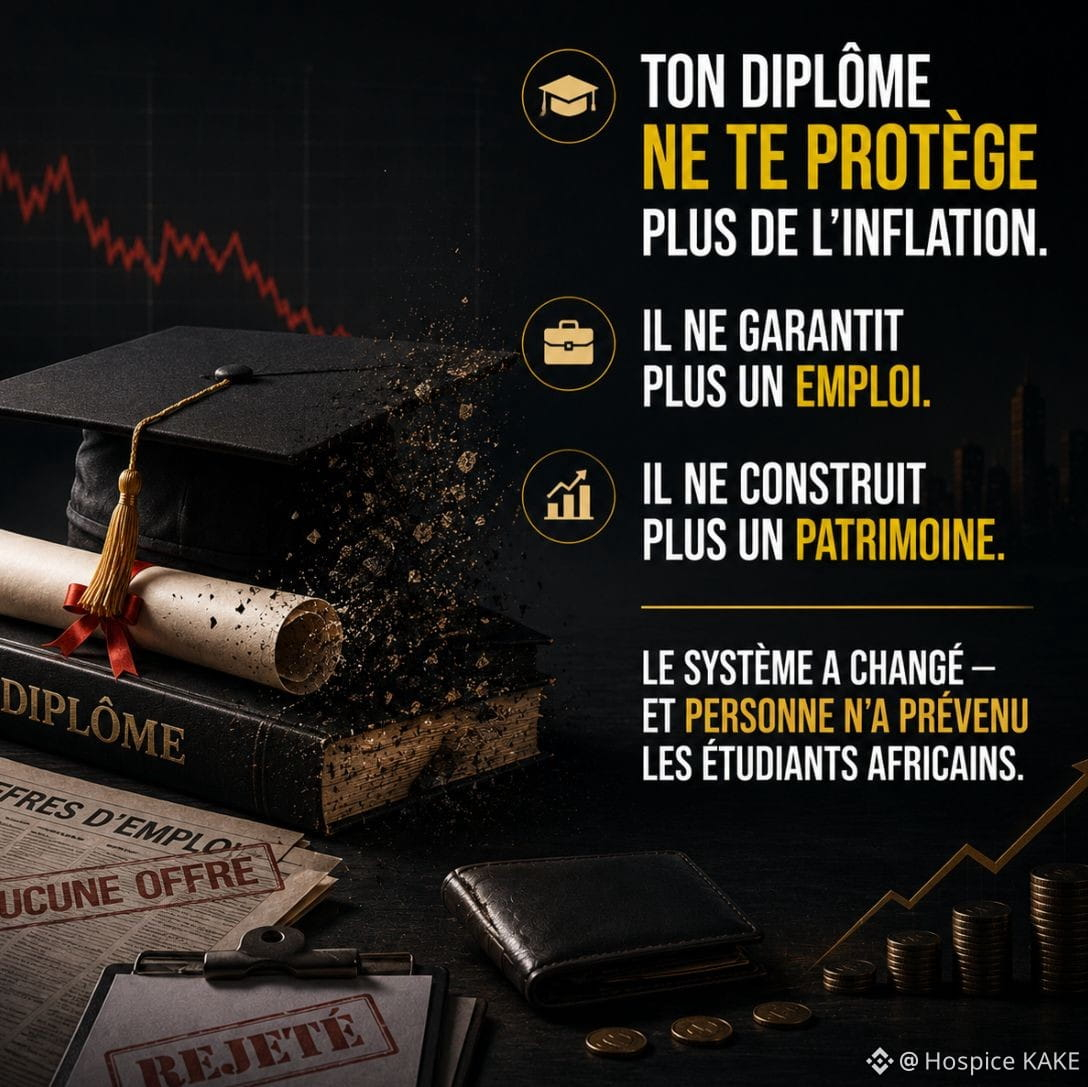
Your degree no longer protects you from inflation. It no longer guarantees a job. It no longer builds wealth. The system has changed—and no one warned African students.
I’m not saying this to discourage you.
I’m saying it so you can adapt—before the gap becomes too big.
Here’s what the degree guaranteed for the generation of our parents.
A stable job in the civil service or in a large company.
A predictable salary that kept up with inflation.
A retirement secured by the state or the employer.
A recognized social status.
Here’s what the degree guarantees in 2026.
None of that automatically.
Stable jobs are becoming scarce.
Wages haven’t kept up with inflation over the last 20 years.
Many African pension systems are fragile or don’t exist.
And social status is measured less and less by the credential you earn—more and more by what you’ve built.
This isn’t a catastrophe.
It’s an invitation to change your software.
A degree opens doors.
But it’s capital—managed intelligently—that builds the future.
And capital doesn’t accumulate by keeping your salary in a bank account.
It accumulates by putting every franc you earn to work.
This is the most important shift that young African entrepreneurs need to make.
From the mindset “I work to earn money”
to the mindset “I make my money work while I work.”
That’s exactly what GoldenBridge supports.
Not to replace effort.
To make sure effort produces something that lasts.
Were you taught to make your money work—or just to earn it?
👇 Tell me what school taught you about finance.
#Diploma #JeunesseAfricaine #Finance #GoldenBridge #Bitcoin #Crypto #Africa #Investment #Patrimoine #Entrepreneur
Your degree no longer protects you from inflation. It no longer guarantees a job. It no longer builds wealth. The system has changed—and no one warned African students.
I’m not saying this to discourage you.
I’m saying it so you can adapt—before the gap becomes too big.
Here’s what the degree guaranteed for the generation of our parents.
A stable job in the civil service or in a large company.
A predictable salary that kept up with inflation.
A retirement secured by the state or the employer.
A recognized social status.
Here’s what the degree guarantees in 2026.
None of that automatically.
Stable jobs are becoming scarce.
Wages haven’t kept up with inflation over the last 20 years.
Many African pension systems are fragile or don’t exist.
And social status is measured less and less by the credential you earn—more and more by what you’ve built.
This isn’t a catastrophe.
It’s an invitation to change your software.
A degree opens doors.
But it’s capital—managed intelligently—that builds the future.
And capital doesn’t accumulate by keeping your salary in a bank account.
It accumulates by putting every franc you earn to work.
This is the most important shift that young African entrepreneurs need to make.
From the mindset “I work to earn money”
to the mindset “I make my money work while I work.”
That’s exactly what GoldenBridge supports.
Not to replace effort.
To make sure effort produces something that lasts.
Were you taught to make your money work—or just to earn it?
👇 Tell me what school taught you about finance.
#Diploma #JeunesseAfricaine #Finance #GoldenBridge #Bitcoin #Crypto #Africa #Investment #Patrimoine #Entrepreneur
I’m not saying this to discourage you.
I’m saying it so you can adapt—before the gap becomes too big.
Here’s what the degree guaranteed for the generation of our parents.
A stable job in the civil service or in a large company.
A predictable salary that kept up with inflation.
A retirement secured by the state or the employer.
A recognized social status.
Here’s what the degree guarantees in 2026.
None of that automatically.
Stable jobs are becoming scarce.
Wages haven’t kept up with inflation over the last 20 years.
Many African pension systems are fragile or don’t exist.
And social status is measured less and less by the credential you earn—more and more by what you’ve built.
This isn’t a catastrophe.
It’s an invitation to change your software.
A degree opens doors.
But it’s capital—managed intelligently—that builds the future.
And capital doesn’t accumulate by keeping your salary in a bank account.
It accumulates by putting every franc you earn to work.
This is the most important shift that young African entrepreneurs need to make.
From the mindset “I work to earn money”
to the mindset “I make my money work while I work.”
That’s exactly what GoldenBridge supports.
Not to replace effort.
To make sure effort produces something that lasts.
Were you taught to make your money work—or just to earn it?
👇 Tell me what school taught you about finance.
#Diploma #JeunesseAfricaine #Finance #GoldenBridge #Bitcoin #Crypto #Africa #Investment #Patrimoine #Entrepreneur
1
245
·
--
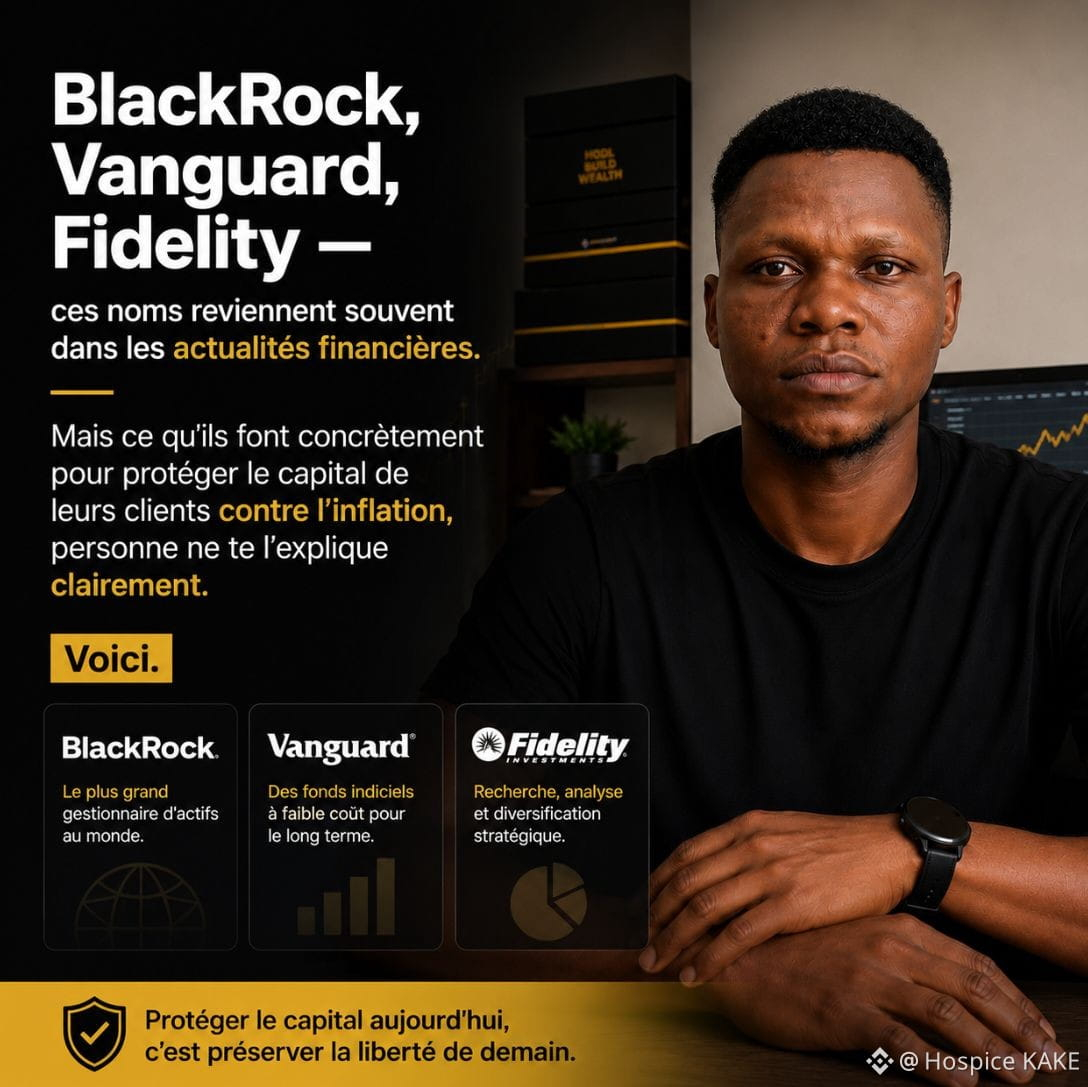
BlackRock, Vanguard, Fidelity — these names come up often in financial news. But what they do concretely to protect their clients’ capital against inflation is never explained clearly. Here it is.
These three companies alone manage over $25,000 billion.
Their clients aren’t ordinary people.
They’re pension funds, governments, billionaires, ultra-wealthy families.
And here is exactly what they do for them:
1. They diversify into real assets.
Not cash. Not ordinary government bonds.
Stocks in real companies.
Commercial real estate.
Commodities: gold, oil, copper.
And since 2020 — Bitcoin and crypto assets via ETFs.
When the currency loses value, real assets rise.
BlackRock’s clients’ capital rises with it.
2. They leverage access to information.
Before inflation shows up in everyday prices,
these funds have already repositioned their portfolios.
Advanced information and analytical teams give them a head start that individuals don’t have.
3. They’re rewarded for long-term performance.
Not on paperwork fees.
On results. That aligns their interests with those of their clients.
Now, the real question.
Why doesn’t an African entrepreneur have access to the same model?
Because no credible African player has built it for them yet.
GoldenBridge is currently building it.
By drawing inspiration from the best practices of these global funds.
But adapting them to African reality.
Native blockchain. Transparent. Performance-aligned.
Did you know about BlackRock’s pay-for-performance model?
👇 Tell me what you take from this.
#BlackRock #GoldenBridge #Inflation #Finance #Africa #Bitcoin #Crypto #GestionDePatrimoine #Investissements #eco
BlackRock, Vanguard, Fidelity — these names come up often in financial news. But what they do concretely to protect their clients’ capital against inflation is never explained clearly. Here it is.
These three companies alone manage over $25,000 billion.
Their clients aren’t ordinary people.
They’re pension funds, governments, billionaires, ultra-wealthy families.
And here is exactly what they do for them:
1. They diversify into real assets.
Not cash. Not ordinary government bonds.
Stocks in real companies.
Commercial real estate.
Commodities: gold, oil, copper.
And since 2020 — Bitcoin and crypto assets via ETFs.
When the currency loses value, real assets rise.
BlackRock’s clients’ capital rises with it.
2. They leverage access to information.
Before inflation shows up in everyday prices,
these funds have already repositioned their portfolios.
Advanced information and analytical teams give them a head start that individuals don’t have.
3. They’re rewarded for long-term performance.
Not on paperwork fees.
On results. That aligns their interests with those of their clients.
Now, the real question.
Why doesn’t an African entrepreneur have access to the same model?
Because no credible African player has built it for them yet.
GoldenBridge is currently building it.
By drawing inspiration from the best practices of these global funds.
But adapting them to African reality.
Native blockchain. Transparent. Performance-aligned.
Did you know about BlackRock’s pay-for-performance model?
👇 Tell me what you take from this.
#BlackRock #GoldenBridge #Inflation #Finance #Africa #Bitcoin #Crypto #GestionDePatrimoine #Investissements #eco
These three companies alone manage over $25,000 billion.
Their clients aren’t ordinary people.
They’re pension funds, governments, billionaires, ultra-wealthy families.
And here is exactly what they do for them:
1. They diversify into real assets.
Not cash. Not ordinary government bonds.
Stocks in real companies.
Commercial real estate.
Commodities: gold, oil, copper.
And since 2020 — Bitcoin and crypto assets via ETFs.
When the currency loses value, real assets rise.
BlackRock’s clients’ capital rises with it.
2. They leverage access to information.
Before inflation shows up in everyday prices,
these funds have already repositioned their portfolios.
Advanced information and analytical teams give them a head start that individuals don’t have.
3. They’re rewarded for long-term performance.
Not on paperwork fees.
On results. That aligns their interests with those of their clients.
Now, the real question.
Why doesn’t an African entrepreneur have access to the same model?
Because no credible African player has built it for them yet.
GoldenBridge is currently building it.
By drawing inspiration from the best practices of these global funds.
But adapting them to African reality.
Native blockchain. Transparent. Performance-aligned.
Did you know about BlackRock’s pay-for-performance model?
👇 Tell me what you take from this.
#BlackRock #GoldenBridge #Inflation #Finance #Africa #Bitcoin #Crypto #GestionDePatrimoine #Investissements #eco
225
·
--
Article
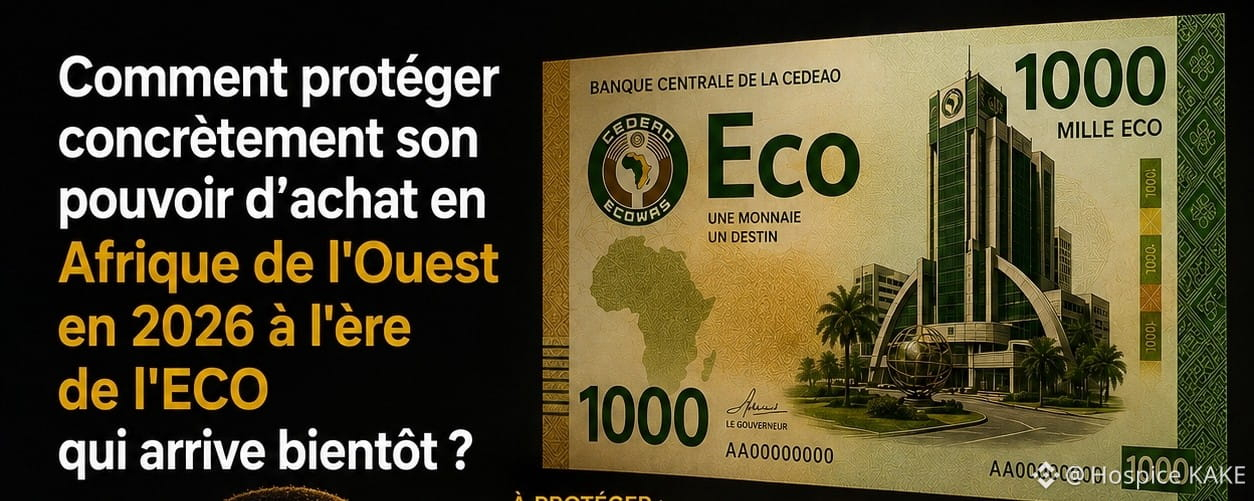
How to practically protect your purchasing power in West Africa in the era of the ECO?With the ECO coming in and inflation eroding all the currencies in the world, one question becomes urgent: how can you practically protect your purchasing power in West Africa in 2026?
Here’s a simple framework in 4 steps.
Step 1 — Understand what you really own.
Your bank account isn’t wealth.
It’s money—which is devaluing.
True wealth is what you own in assets: real estate, gold, stocks, crypto.
First question to ask yourself:
What proportion of your wealth is in fiat currency—and what proportion is in real assets?
How to practically protect your purchasing power in West Africa in the era of the ECO?
With the ECO coming in and inflation eroding all the currencies in the world, one question becomes urgent: how can you practically protect your purchasing power in West Africa in 2026?
Here’s a simple framework in 4 steps.
Step 1 — Understand what you really own.
Your bank account isn’t wealth.
It’s money—which is devaluing.
True wealth is what you own in assets: real estate, gold, stocks, crypto.
First question to ask yourself:
What proportion of your wealth is in fiat currency—and what proportion is in real assets?
Here’s a simple framework in 4 steps.
Step 1 — Understand what you really own.
Your bank account isn’t wealth.
It’s money—which is devaluing.
True wealth is what you own in assets: real estate, gold, stocks, crypto.
First question to ask yourself:
What proportion of your wealth is in fiat currency—and what proportion is in real assets?
1
158
·
--
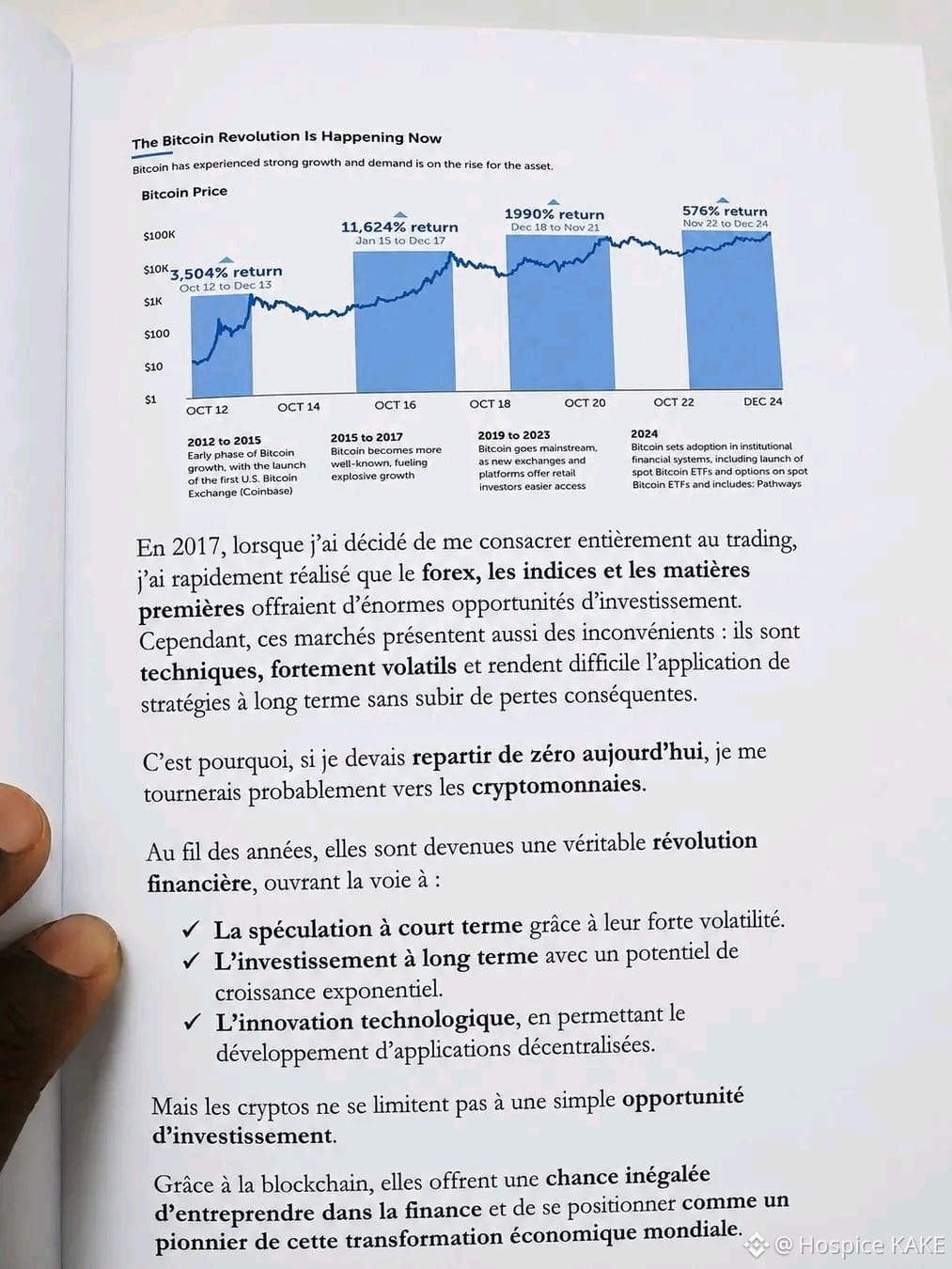
The Bitcoin revolution in numbers — and what it says about the absolute importance of the method.
From 2012 to 2013: +3,504% for those who knew how to identify accumulation zones on the charts.
From 2015 to 2017: +11,624% for those who held their positions with discipline despite the corrections.
From 2019 to 2021: +1,990% for those who resisted the panic of the March 2020 crash.
From 2022 to 2024: +576% after the approval of Bitcoin ETFs in the United States.
In every cycle, there were key zones clearly visible on the daily and weekly charts. Precise price action signals. Readable chart patterns for those who knew how to read them.
Those who had a method knew how to benefit. Those who traded based on intuition or fear sold at the worst possible moment.
The method makes all the difference in the long run.
#bitcoin #crypto #statistics #ETF #halving #method #keyzones #TradingSansStress
The Bitcoin revolution in numbers — and what it says about the absolute importance of the method.
From 2012 to 2013: +3,504% for those who knew how to identify accumulation zones on the charts.
From 2015 to 2017: +11,624% for those who held their positions with discipline despite the corrections.
From 2019 to 2021: +1,990% for those who resisted the panic of the March 2020 crash.
From 2022 to 2024: +576% after the approval of Bitcoin ETFs in the United States.
In every cycle, there were key zones clearly visible on the daily and weekly charts. Precise price action signals. Readable chart patterns for those who knew how to read them.
Those who had a method knew how to benefit. Those who traded based on intuition or fear sold at the worst possible moment.
The method makes all the difference in the long run.
#bitcoin #crypto #statistics #ETF #halving #method #keyzones #TradingSansStress
From 2012 to 2013: +3,504% for those who knew how to identify accumulation zones on the charts.
From 2015 to 2017: +11,624% for those who held their positions with discipline despite the corrections.
From 2019 to 2021: +1,990% for those who resisted the panic of the March 2020 crash.
From 2022 to 2024: +576% after the approval of Bitcoin ETFs in the United States.
In every cycle, there were key zones clearly visible on the daily and weekly charts. Precise price action signals. Readable chart patterns for those who knew how to read them.
Those who had a method knew how to benefit. Those who traded based on intuition or fear sold at the worst possible moment.
The method makes all the difference in the long run.
#bitcoin #crypto #statistics #ETF #halving #method #keyzones #TradingSansStress
572
·
--
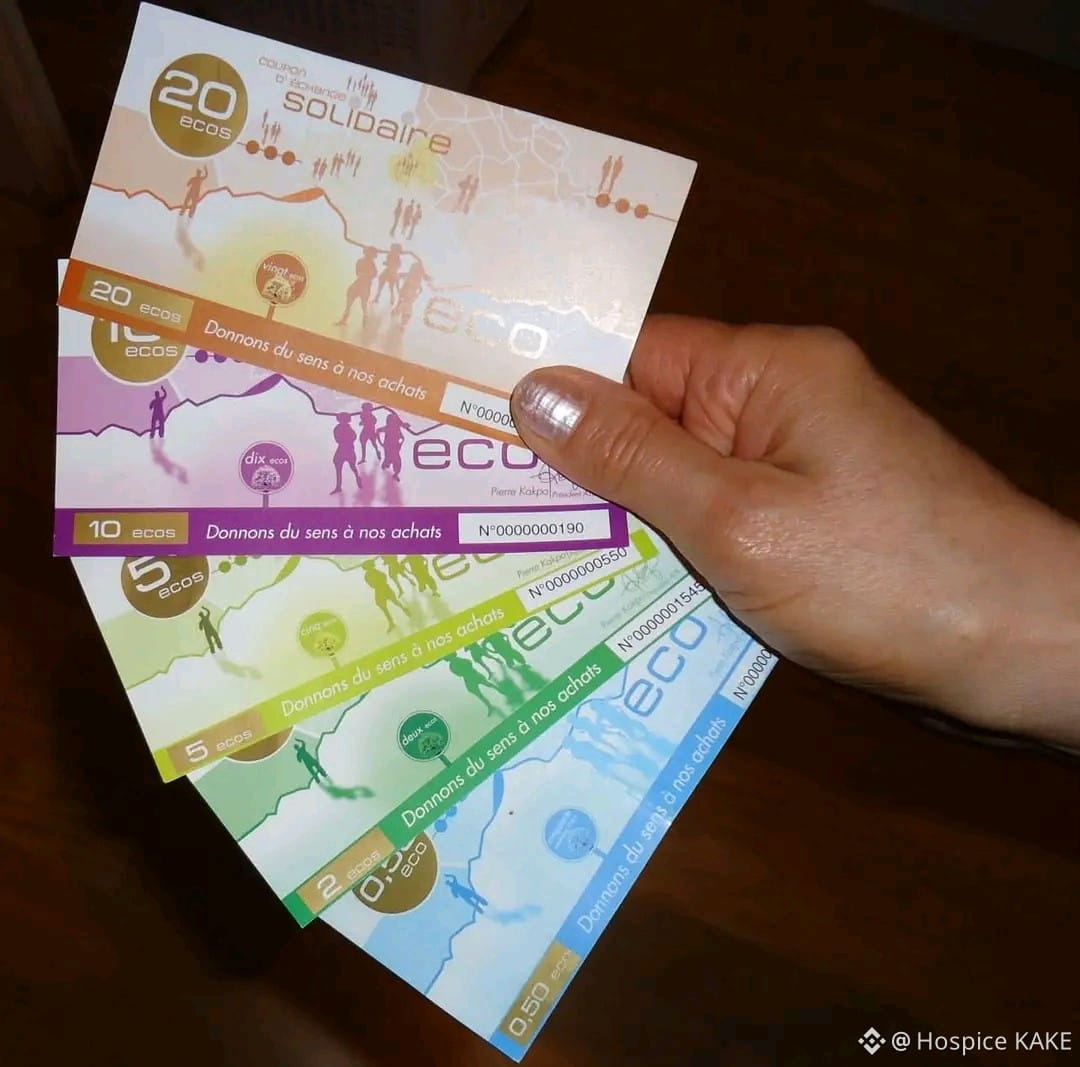
The argument for monetary sovereignty in favor of the ECO is legitimate. Let’s be clear.
Having a monetary policy decided in Dakar rather than in Paris is a real step forward for Africa’s economic autonomy.
But history provides a harsh lesson: monetary sovereignty without institutional discipline can lead to disaster.
Zimbabwe had full sovereignty. It experienced inflation of 231 million percent.
Argentina too. It suffered massive, repeated devaluations.
Sovereignty is a legitimate right. Responsible exercise is the condition for its value.
#MonetarySovereignty
#eco
#MonetaryHistory
#Gouvernance
The argument for monetary sovereignty in favor of the ECO is legitimate. Let’s be clear.
Having a monetary policy decided in Dakar rather than in Paris is a real step forward for Africa’s economic autonomy.
But history provides a harsh lesson: monetary sovereignty without institutional discipline can lead to disaster.
Zimbabwe had full sovereignty. It experienced inflation of 231 million percent.
Argentina too. It suffered massive, repeated devaluations.
Sovereignty is a legitimate right. Responsible exercise is the condition for its value.
#MonetarySovereignty
#eco
#MonetaryHistory
#Gouvernance
Having a monetary policy decided in Dakar rather than in Paris is a real step forward for Africa’s economic autonomy.
But history provides a harsh lesson: monetary sovereignty without institutional discipline can lead to disaster.
Zimbabwe had full sovereignty. It experienced inflation of 231 million percent.
Argentina too. It suffered massive, repeated devaluations.
Sovereignty is a legitimate right. Responsible exercise is the condition for its value.
#MonetarySovereignty
#eco
#MonetaryHistory
#Gouvernance
1
250
·
--
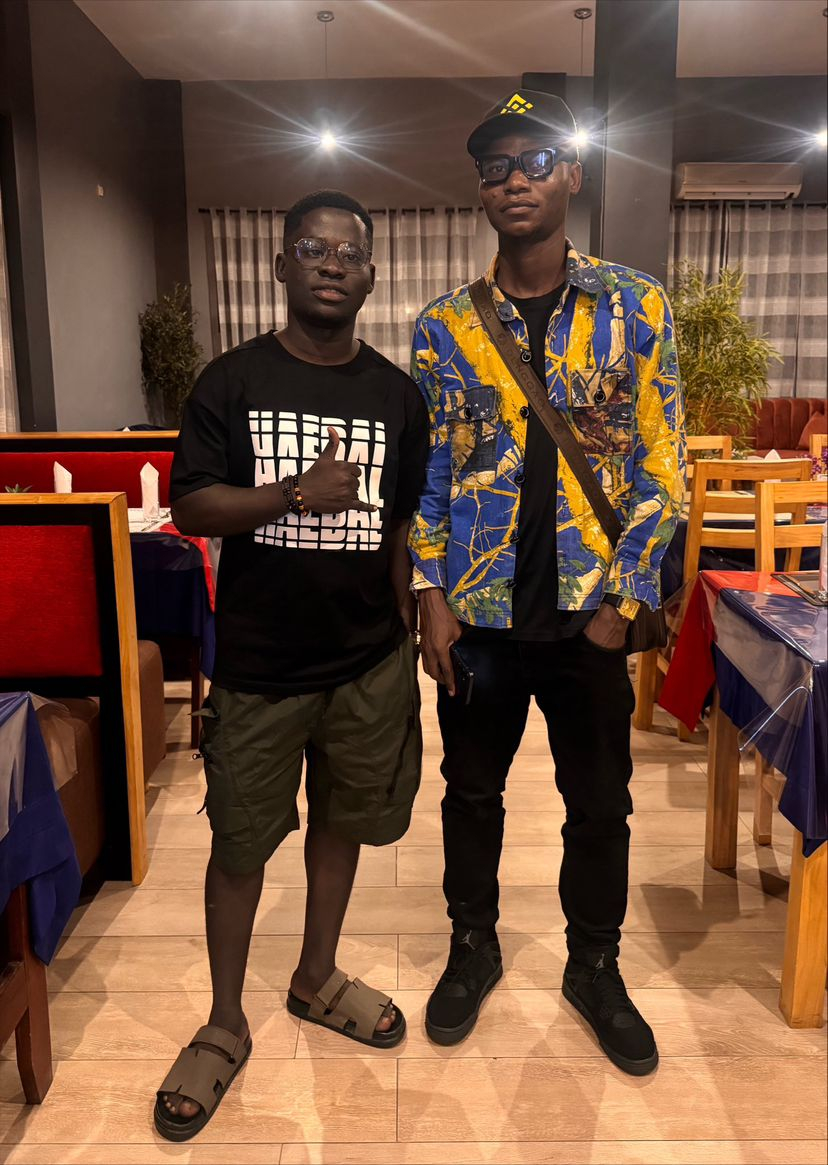
It's always a pleasure to meet you bro ❤️
It's always a pleasure to meet you bro ❤️

GED
·
--
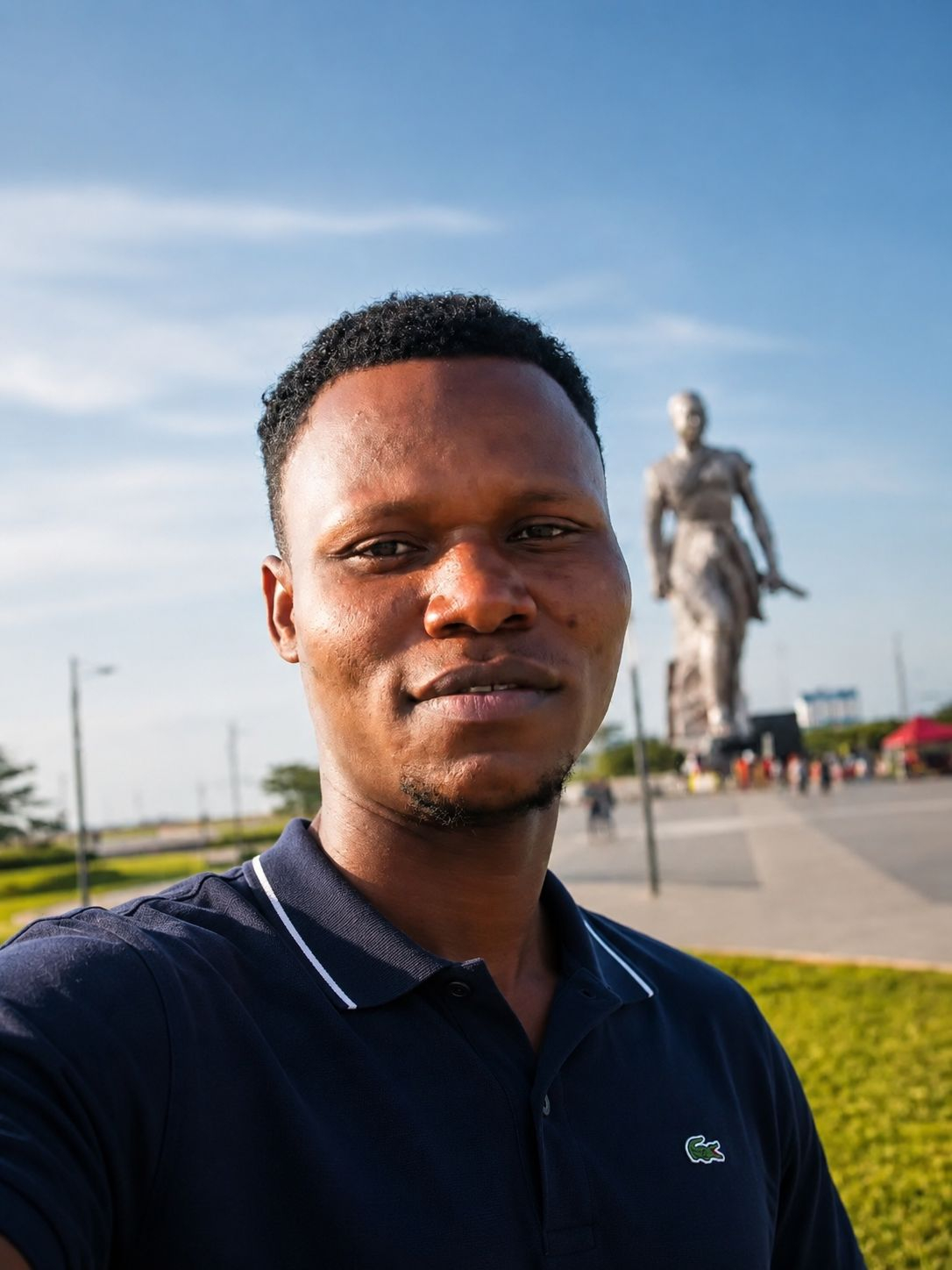
BullishIt always feels good to spend quality time with people who share the same vision.
Here I am with my bro Binance Angel @Hospice KAKE , wearing my @Haedal Protocol T-shirt, a gift from @gmitsluna
Thank you, Lunaria, for the awesome T-shirt.
Happy great Wednesday , everyone! 🔶✨
$BNB $HAEDAL
Here I am with my bro Binance Angel @Hospice KAKE , wearing my @Haedal Protocol T-shirt, a gift from @gmitsluna
Thank you, Lunaria, for the awesome T-shirt.
Happy great Wednesday , everyone! 🔶✨
$BNB $HAEDAL
14
·
--
Article
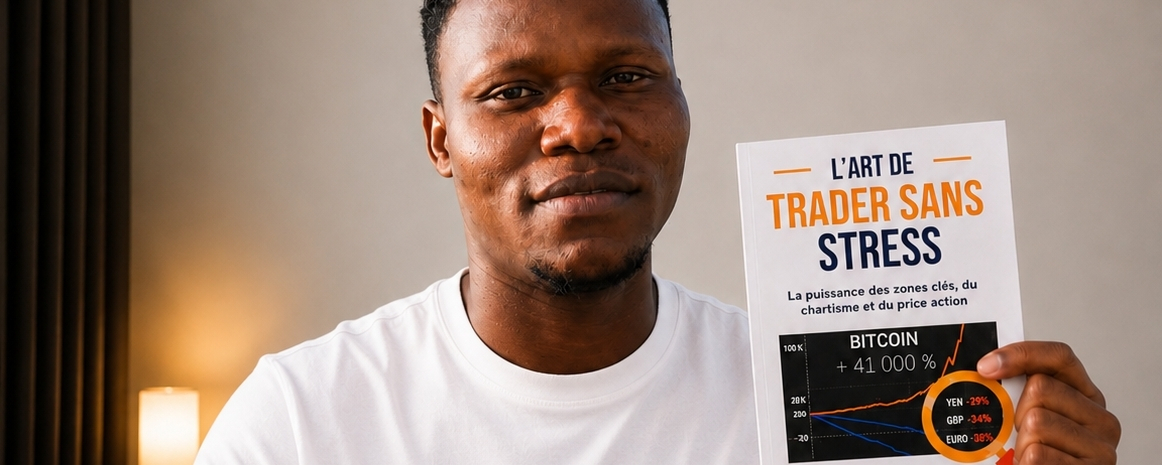
The dollar has lost 46% of its purchasing power in 10 years.The euro: 38%. The Japanese yen: 29%. If the world’s biggest currencies haven’t withstood inflation—why do you think yours will?
It's also a phenomenon that I took the time to explain more clearly in my book "The Art of Trading Without" released in 2025, as well as in my "Wealth Mastery Newsletter" pinned on my LinkedIn profile and intended for investors who want to get a head start on the markets.
But today, let's lay out the figures clearly.
The dollar has lost 46% of its purchasing power in 10 years.
The euro: 38%. The Japanese yen: 29%. If the world’s biggest currencies haven’t withstood inflation—why do you think yours will?
It's also a phenomenon that I took the time to explain more clearly in my book "The Art of Trading Without" released in 2025, as well as in my "Wealth Mastery Newsletter" pinned on my LinkedIn profile and intended for investors who want to get a head start on the markets.
But today, let's lay out the figures clearly.
It's also a phenomenon that I took the time to explain more clearly in my book "The Art of Trading Without" released in 2025, as well as in my "Wealth Mastery Newsletter" pinned on my LinkedIn profile and intended for investors who want to get a head start on the markets.
But today, let's lay out the figures clearly.
155
·
--
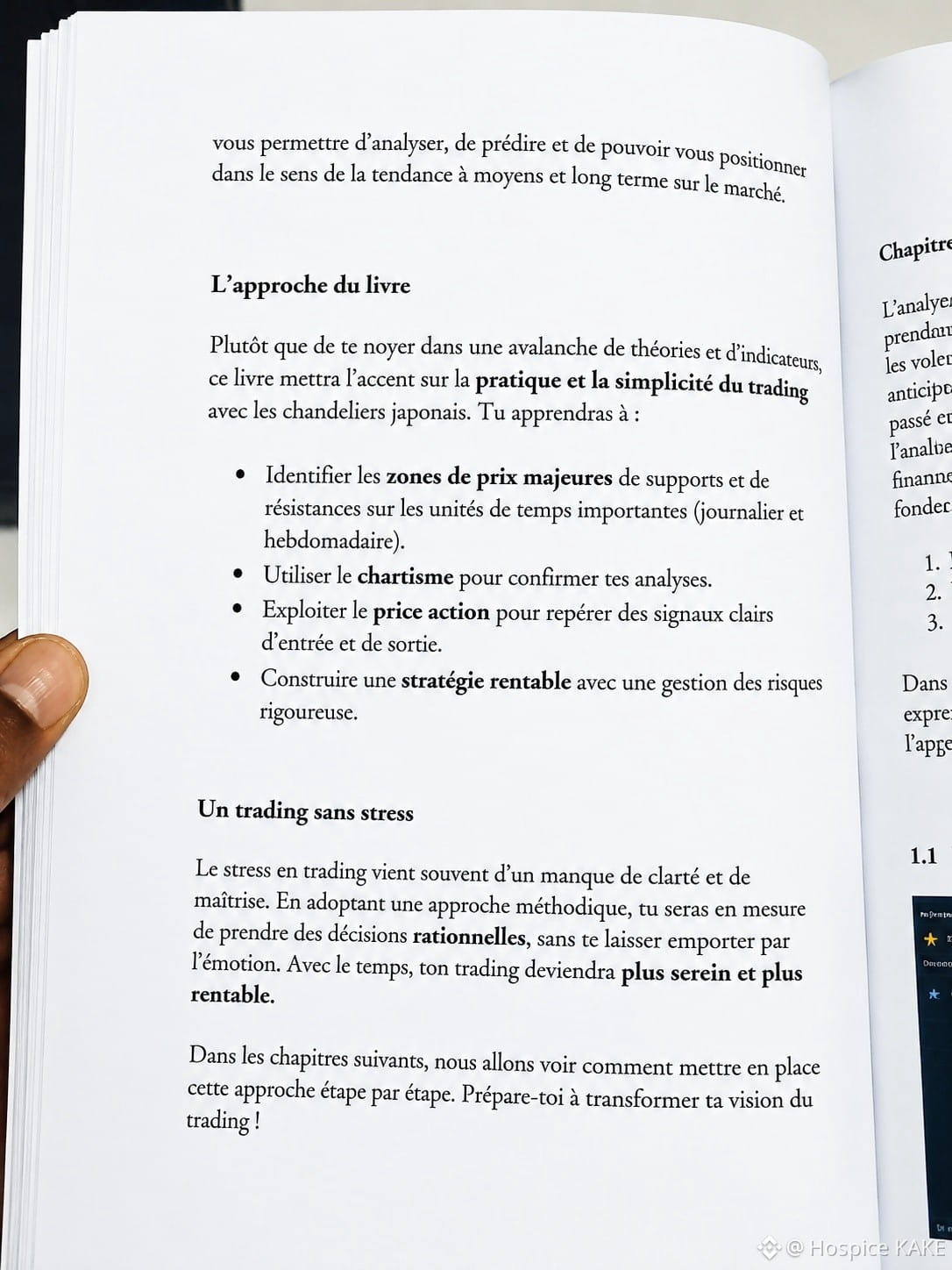
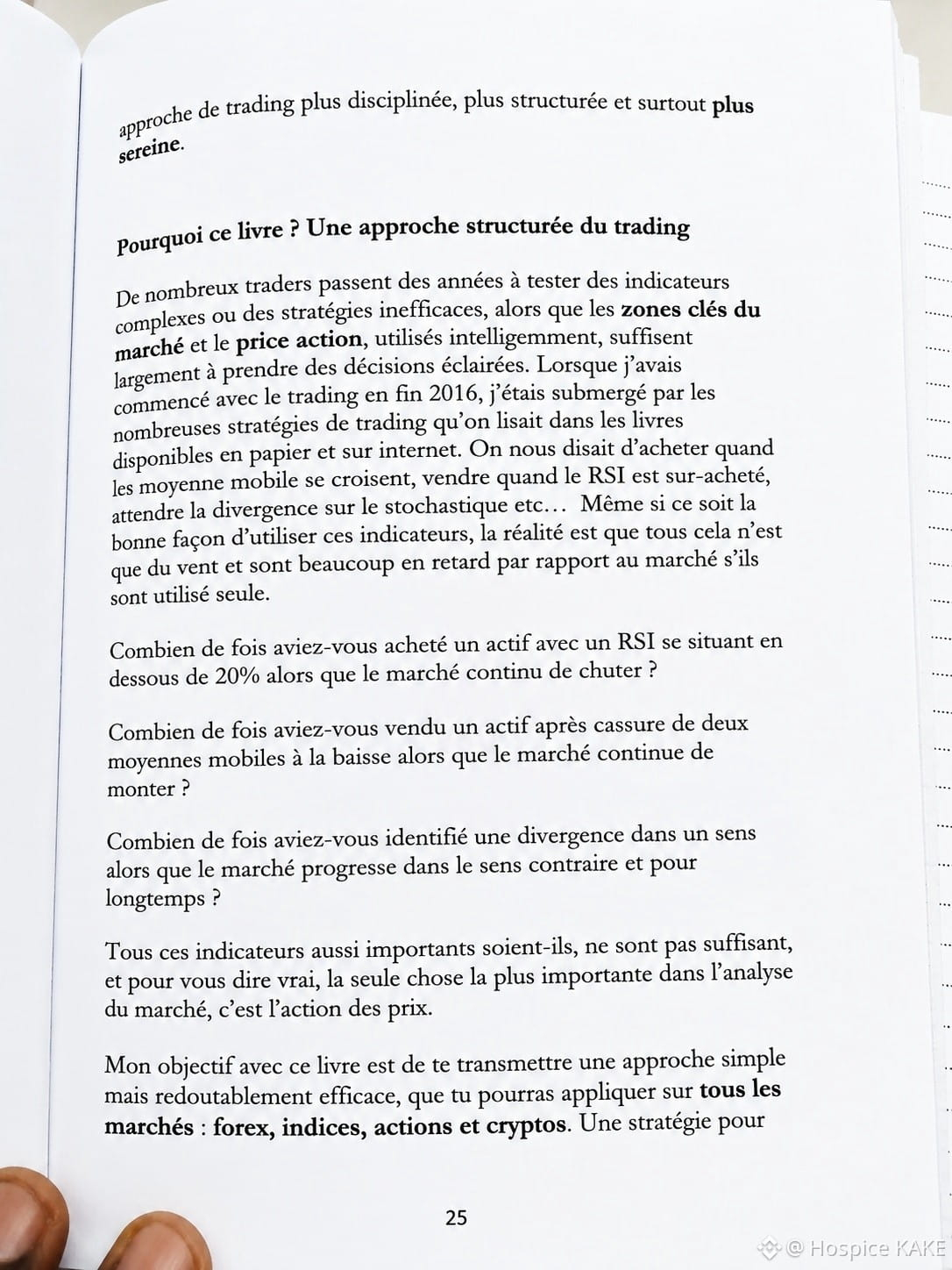
Financial markets are neither good nor bad — they are neutral. What makes the difference between a profitable trader and a losing one is their ability to structure their approach and make rational decisions rather than emotional ones.
This sentence captures the essence of everything I teach. The market owes you nothing. It does not reward your intuition or your courage. It rewards the method, discipline, and patience that are applied consistently.
A trader who understands this stops looking for the perfect trade — and starts building the perfect system. This mindset shift is what separates traders who make progress from those who spin their wheels for years without consistent results.
— The Art of Trading Without Stress, Hospice S. KAKE, Trader, Investor, Trainer, GoldenBridge
#citation #mindset #trading #methode #hospicekake #tradingsansstress #quote
Financial markets are neither good nor bad — they are neutral. What makes the difference between a profitable trader and a losing one is their ability to structure their approach and make rational decisions rather than emotional ones.
This sentence captures the essence of everything I teach. The market owes you nothing. It does not reward your intuition or your courage. It rewards the method, discipline, and patience that are applied consistently.
A trader who understands this stops looking for the perfect trade — and starts building the perfect system. This mindset shift is what separates traders who make progress from those who spin their wheels for years without consistent results.
— The Art of Trading Without Stress, Hospice S. KAKE, Trader, Investor, Trainer, GoldenBridge
#citation #mindset #trading #methode #hospicekake #tradingsansstress #quote
This sentence captures the essence of everything I teach. The market owes you nothing. It does not reward your intuition or your courage. It rewards the method, discipline, and patience that are applied consistently.
A trader who understands this stops looking for the perfect trade — and starts building the perfect system. This mindset shift is what separates traders who make progress from those who spin their wheels for years without consistent results.
— The Art of Trading Without Stress, Hospice S. KAKE, Trader, Investor, Trainer, GoldenBridge
#citation #mindset #trading #methode #hospicekake #tradingsansstress #quote
3
1.9k
·
--
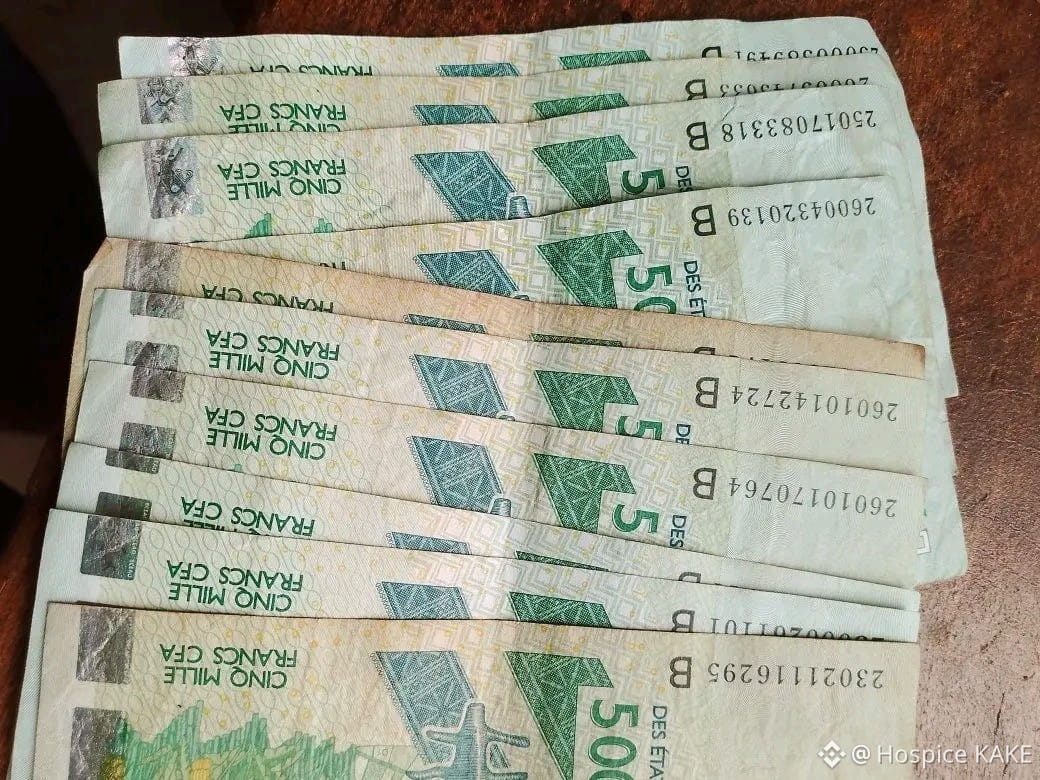
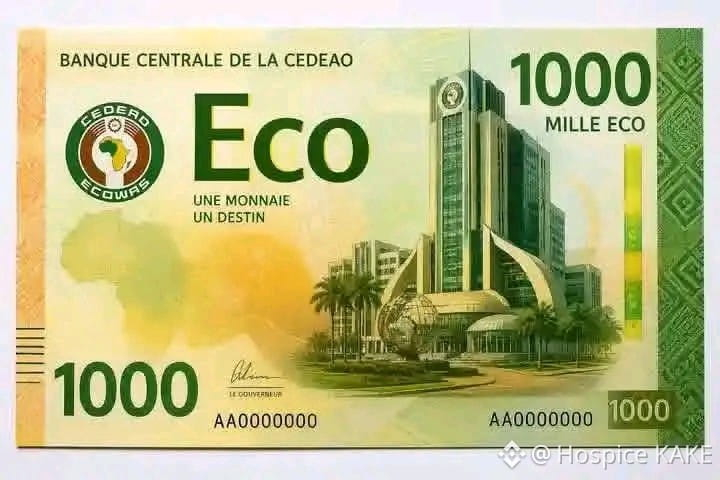
Monday 3 August. The real debate begins.
ECO divides. That's normal. It's a real choice of society with deep implications.
But here's what bothers me: the debate takes place at the level of symbols, not the real mechanisms.
We talk about sovereignty, colonialism, modernity. These are real questions. But we talk little about structural inflation, foreign exchange reserves, and an investment culture.
This week, we’re talking about mechanisms. Not slogans. Because that’s where the real financial decisions are made.
#ECOdebate
#Mechanisms
#GoldenBridge
#HospiceKake
Monday 3 August. The real debate begins.
ECO divides. That's normal. It's a real choice of society with deep implications.
But here's what bothers me: the debate takes place at the level of symbols, not the real mechanisms.
We talk about sovereignty, colonialism, modernity. These are real questions. But we talk little about structural inflation, foreign exchange reserves, and an investment culture.
This week, we’re talking about mechanisms. Not slogans. Because that’s where the real financial decisions are made.
#ECOdebate
#Mechanisms
#GoldenBridge
#HospiceKake
ECO divides. That's normal. It's a real choice of society with deep implications.
But here's what bothers me: the debate takes place at the level of symbols, not the real mechanisms.
We talk about sovereignty, colonialism, modernity. These are real questions. But we talk little about structural inflation, foreign exchange reserves, and an investment culture.
This week, we’re talking about mechanisms. Not slogans. Because that’s where the real financial decisions are made.
#ECOdebate
#Mechanisms
#GoldenBridge
#HospiceKake
1
496
·
--
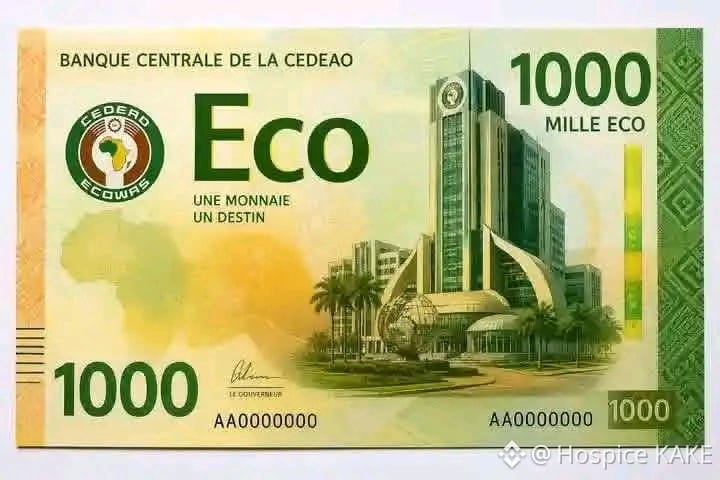
Before the FCFA vs ECO debate, here are facts everyone should know.
The US Dollar has lost 46% of its real value in 10 years (2015-2025).
The Euro: -38% in 10 years.
The Japanese Yen: -29% in 10 years.
Chinese Yuan: -76% in 10 years over the same period.
These four currencies belong to the world’s most powerful economies. None has preserved its value.
The conclusion is clear: no currency, whatever it is, can alone protect against devaluation.
What protects the citizens of these countries is their investment culture. Not their currency.
💬 We accept a limited number of clients for private coaching in trading and investing each month to maintain the quality of our sessions. Book now. My LinkedIn: Hospice KAKE
#MonetaryData
#eco
#fcfa
#Inflation
Before the FCFA vs ECO debate, here are facts everyone should know.
The US Dollar has lost 46% of its real value in 10 years (2015-2025).
The Euro: -38% in 10 years.
The Japanese Yen: -29% in 10 years.
Chinese Yuan: -76% in 10 years over the same period.
These four currencies belong to the world’s most powerful economies. None has preserved its value.
The conclusion is clear: no currency, whatever it is, can alone protect against devaluation.
What protects the citizens of these countries is their investment culture. Not their currency.
💬 We accept a limited number of clients for private coaching in trading and investing each month to maintain the quality of our sessions. Book now. My LinkedIn: Hospice KAKE
#MonetaryData
#eco
#fcfa
#Inflation
The US Dollar has lost 46% of its real value in 10 years (2015-2025).
The Euro: -38% in 10 years.
The Japanese Yen: -29% in 10 years.
Chinese Yuan: -76% in 10 years over the same period.
These four currencies belong to the world’s most powerful economies. None has preserved its value.
The conclusion is clear: no currency, whatever it is, can alone protect against devaluation.
What protects the citizens of these countries is their investment culture. Not their currency.
💬 We accept a limited number of clients for private coaching in trading and investing each month to maintain the quality of our sessions. Book now. My LinkedIn: Hospice KAKE
#MonetaryData
#eco
#fcfa
#Inflation
236
·
--
At the end of 2016, I started trading with a simple idea: follow the indicators that everyone uses. RSI, moving averages, stochastics, divergences. I read books, took courses, reproduced popular strategies.
Result? I was buying with an RSI at 20% while the market kept dropping. I was selling on moving-average crossovers—only for the market to rebound immediately after. These indicators weren’t wrong. They were just insufficient—used alone, without the context of key zones and the real behavior of prices.
The discovery that changed everything: the only thing that truly matters in market analysis is price action. Not the indicators built on top of it. The prices themselves—how they behave at key levels, their setups in Japanese candlesticks. This book condenses everything I would have wanted to know from the start.
#histoire #RSI #2016 #hospicekake #pricaction #tradingsansstress #decouverte
At the end of 2016, I started trading with a simple idea: follow the indicators that everyone uses. RSI, moving averages, stochastics, divergences. I read books, took courses, reproduced popular strategies.
Result? I was buying with an RSI at 20% while the market kept dropping. I was selling on moving-average crossovers—only for the market to rebound immediately after. These indicators weren’t wrong. They were just insufficient—used alone, without the context of key zones and the real behavior of prices.
The discovery that changed everything: the only thing that truly matters in market analysis is price action. Not the indicators built on top of it. The prices themselves—how they behave at key levels, their setups in Japanese candlesticks. This book condenses everything I would have wanted to know from the start.
#histoire #RSI #2016 #hospicekake #pricaction #tradingsansstress #decouverte
Result? I was buying with an RSI at 20% while the market kept dropping. I was selling on moving-average crossovers—only for the market to rebound immediately after. These indicators weren’t wrong. They were just insufficient—used alone, without the context of key zones and the real behavior of prices.
The discovery that changed everything: the only thing that truly matters in market analysis is price action. Not the indicators built on top of it. The prices themselves—how they behave at key levels, their setups in Japanese candlesticks. This book condenses everything I would have wanted to know from the start.
#histoire #RSI #2016 #hospicekake #pricaction #tradingsansstress #decouverte
1
485
·
--
Article
The applications that don’t go throughDoors that close. Disappointed hopes. Repeated failure is one of the heaviest burdens carried by African youth — and no one really talks about it.
Because, deep down, we’ve been taught to present success.
Never to tell about the attempts that led nowhere.
So we stay silent.
And we think we’re the only ones failing.
Here’s what I want to tell you.
Repeated failure — especially at 22, 25, 27 — is not a sign that you’re not meant to succeed.
It’s often a sign that the system you’re trying to succeed in isn’t built for you.
The applications that don’t go through
Doors that close. Disappointed hopes. Repeated failure is one of the heaviest burdens carried by African youth — and no one really talks about it.
Because, deep down, we’ve been taught to present success.
Never to tell about the attempts that led nowhere.
So we stay silent.
And we think we’re the only ones failing.
Here’s what I want to tell you.
Repeated failure — especially at 22, 25, 27 — is not a sign that you’re not meant to succeed.
It’s often a sign that the system you’re trying to succeed in isn’t built for you.
Because, deep down, we’ve been taught to present success.
Never to tell about the attempts that led nowhere.
So we stay silent.
And we think we’re the only ones failing.
Here’s what I want to tell you.
Repeated failure — especially at 22, 25, 27 — is not a sign that you’re not meant to succeed.
It’s often a sign that the system you’re trying to succeed in isn’t built for you.
269
·
--
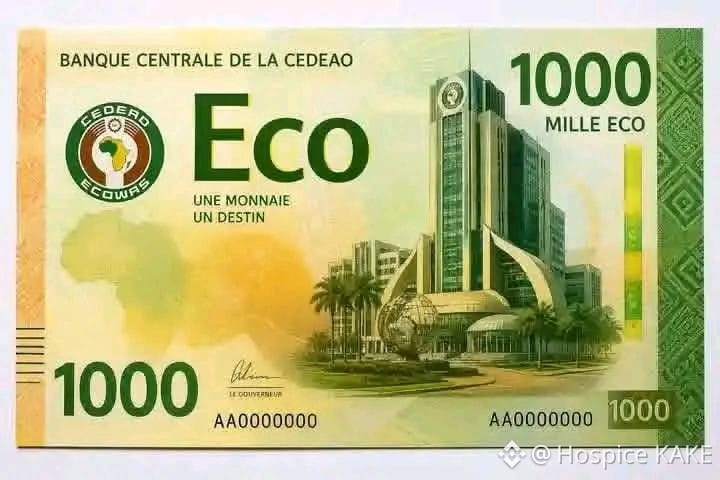
Today, August 1, 2026.
The last months leading up to the arrival of the ECO in West Africa are beginning.
New currency. New debate. But above all, a rare opportunity to ask the real questions about our relationship with money and investing.
All this month, we break down the ECO without ideology. Neither pro nor anti. Just the facts and what it concretely means for you.
And above all: why changing currency won’t solve the real problem if we don’t develop an investment culture in West Africa.
Welcome to August. 🔥
💬 Reminder: our personalized support sessions for the month are available — limited spots this month. Write "Support" on WhatsApp to reserve your spot.
#August1
#ECO
#GoldenBridge
#hospicekake
Today, August 1, 2026.
The last months leading up to the arrival of the ECO in West Africa are beginning.
New currency. New debate. But above all, a rare opportunity to ask the real questions about our relationship with money and investing.
All this month, we break down the ECO without ideology. Neither pro nor anti. Just the facts and what it concretely means for you.
And above all: why changing currency won’t solve the real problem if we don’t develop an investment culture in West Africa.
Welcome to August. 🔥
💬 Reminder: our personalized support sessions for the month are available — limited spots this month. Write "Support" on WhatsApp to reserve your spot.
#August1
#ECO
#GoldenBridge
#hospicekake
The last months leading up to the arrival of the ECO in West Africa are beginning.
New currency. New debate. But above all, a rare opportunity to ask the real questions about our relationship with money and investing.
All this month, we break down the ECO without ideology. Neither pro nor anti. Just the facts and what it concretely means for you.
And above all: why changing currency won’t solve the real problem if we don’t develop an investment culture in West Africa.
Welcome to August. 🔥
💬 Reminder: our personalized support sessions for the month are available — limited spots this month. Write "Support" on WhatsApp to reserve your spot.
#August1
#ECO
#GoldenBridge
#hospicekake
467
·
--
Between 22 and 29, the pressure to succeed can feel crushing. It feels like everyone is moving forward—except us. I want to speak about this openly today.
Not to give advice.
Not to tell you, “It’s going to be okay.”
Just to name what many people are living with in silence.
You walk out of university with a diploma in hand.
You thought it would open doors.
And you find yourself sending applications that get no response.
Looking for sponsors who never call back.
Watching your childhood friends post photos of trips, modern offices, and company launches.
And you, you’re struggling to make ends meet.
This gap—between what we hoped for and what we’re living—
is one of the toughest realities for today’s African youth.
I’ve seen it firsthand.
Bright young people. Sharp minds. People with real value.
Paralyzed by the pressure to prove something—to their family, their friends, and to themselves.
What I’ve learned by looking around me:
Visible success on social media is almost never the full reality.
Those who show off the most often hide just as much as you do.
And the real question isn’t “Am I succeeding fast enough?”
The real question is: “Am I building something solid?”
Build slowly. Build with a plan.
Protect what you generate as soon as you start generating it.
Don’t wait until you have “enough” to begin structuring your financial future.
That’s exactly why GoldenBridge also speaks to young entrepreneurs.
Because wealth management doesn’t start at 40 with millions.
It starts now—with what you have.
Have you lived through this pressure? Are you still living it?
👇 Tell me. No filter.
#JeunesseAfricaine #entrepreneur #GoldenBridge #Afrique #Finance #bitcoin #Crypto #Resilience #Pressure #PersonalFinance
Between 22 and 29, the pressure to succeed can feel crushing. It feels like everyone is moving forward—except us. I want to speak about this openly today.
Not to give advice.
Not to tell you, “It’s going to be okay.”
Just to name what many people are living with in silence.
You walk out of university with a diploma in hand.
You thought it would open doors.
And you find yourself sending applications that get no response.
Looking for sponsors who never call back.
Watching your childhood friends post photos of trips, modern offices, and company launches.
And you, you’re struggling to make ends meet.
This gap—between what we hoped for and what we’re living—
is one of the toughest realities for today’s African youth.
I’ve seen it firsthand.
Bright young people. Sharp minds. People with real value.
Paralyzed by the pressure to prove something—to their family, their friends, and to themselves.
What I’ve learned by looking around me:
Visible success on social media is almost never the full reality.
Those who show off the most often hide just as much as you do.
And the real question isn’t “Am I succeeding fast enough?”
The real question is: “Am I building something solid?”
Build slowly. Build with a plan.
Protect what you generate as soon as you start generating it.
Don’t wait until you have “enough” to begin structuring your financial future.
That’s exactly why GoldenBridge also speaks to young entrepreneurs.
Because wealth management doesn’t start at 40 with millions.
It starts now—with what you have.
Have you lived through this pressure? Are you still living it?
👇 Tell me. No filter.
#JeunesseAfricaine #entrepreneur #GoldenBridge #Afrique #Finance #bitcoin #Crypto #Resilience #Pressure #PersonalFinance
Not to give advice.
Not to tell you, “It’s going to be okay.”
Just to name what many people are living with in silence.
You walk out of university with a diploma in hand.
You thought it would open doors.
And you find yourself sending applications that get no response.
Looking for sponsors who never call back.
Watching your childhood friends post photos of trips, modern offices, and company launches.
And you, you’re struggling to make ends meet.
This gap—between what we hoped for and what we’re living—
is one of the toughest realities for today’s African youth.
I’ve seen it firsthand.
Bright young people. Sharp minds. People with real value.
Paralyzed by the pressure to prove something—to their family, their friends, and to themselves.
What I’ve learned by looking around me:
Visible success on social media is almost never the full reality.
Those who show off the most often hide just as much as you do.
And the real question isn’t “Am I succeeding fast enough?”
The real question is: “Am I building something solid?”
Build slowly. Build with a plan.
Protect what you generate as soon as you start generating it.
Don’t wait until you have “enough” to begin structuring your financial future.
That’s exactly why GoldenBridge also speaks to young entrepreneurs.
Because wealth management doesn’t start at 40 with millions.
It starts now—with what you have.
Have you lived through this pressure? Are you still living it?
👇 Tell me. No filter.
#JeunesseAfricaine #entrepreneur #GoldenBridge #Afrique #Finance #bitcoin #Crypto #Resilience #Pressure #PersonalFinance
3
4
998
·
--
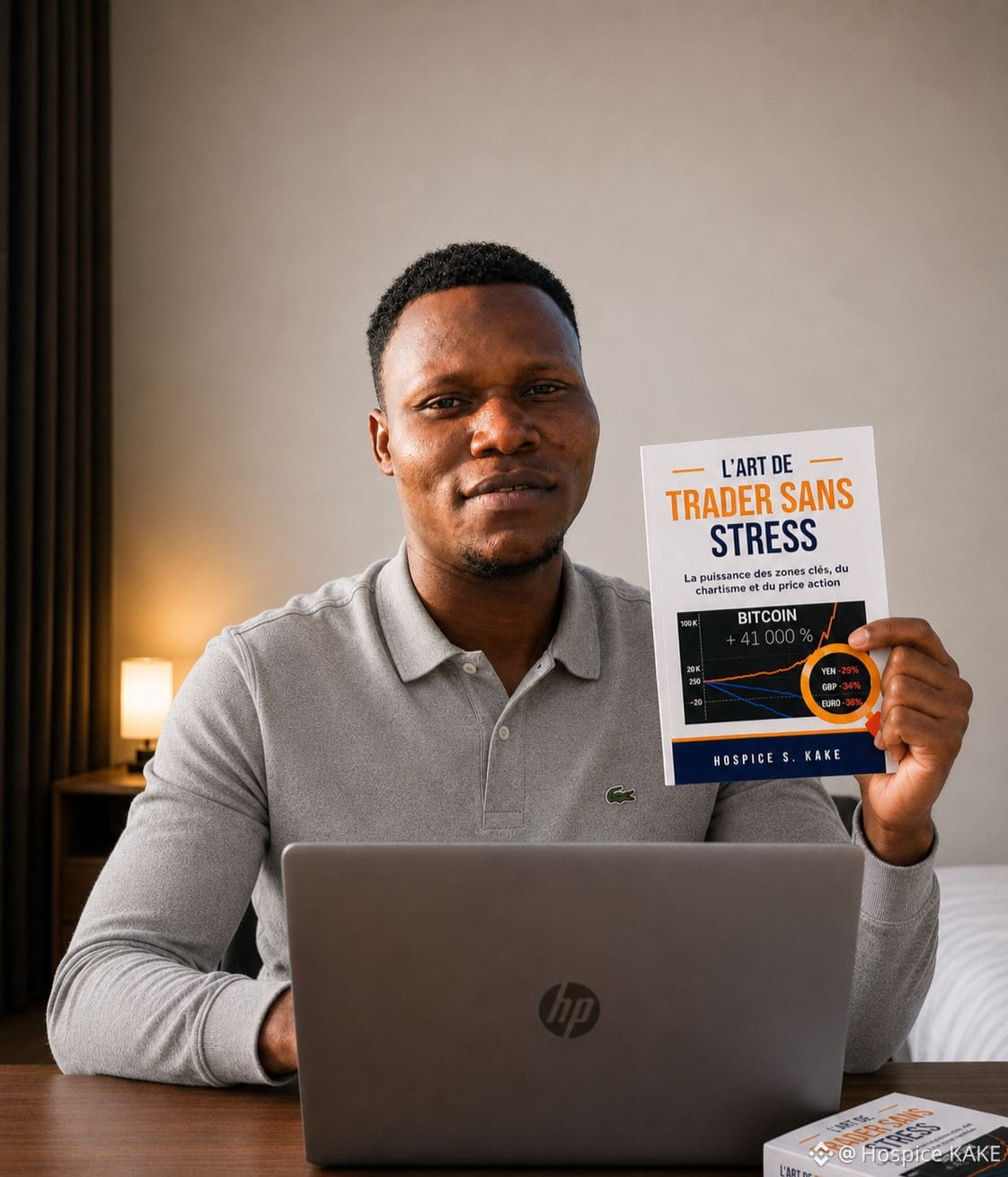
July closes tonight.
Three months of consecutive publications. April, May, June, July.
Content built so that your understanding of digital finance
is different every week.
GoldenBridge Group LLC continues in August with the same rigor.
What we build together:
A community of informed, structured, competent African investors.
Digital assets managed seriously.
A credible alternative to financial improvisation.
If you’re not yet a client and want to be in August —
registrations open starting tomorrow.
Advisory | Portfolio | Copy-Trading | OTC | Academy
Link in bio. Direct message. WhatsApp.
Have a great end of July. See you tomorrow, in August. 🤝
#ClôtureJuillet
#GoldenBridgeGroup
#HospiceKake
July closes tonight.
Three months of consecutive publications. April, May, June, July.
Content built so that your understanding of digital finance
is different every week.
GoldenBridge Group LLC continues in August with the same rigor.
What we build together:
A community of informed, structured, competent African investors.
Digital assets managed seriously.
A credible alternative to financial improvisation.
If you’re not yet a client and want to be in August —
registrations open starting tomorrow.
Advisory | Portfolio | Copy-Trading | OTC | Academy
Link in bio. Direct message. WhatsApp.
Have a great end of July. See you tomorrow, in August. 🤝
#ClôtureJuillet
#GoldenBridgeGroup
#HospiceKake
Three months of consecutive publications. April, May, June, July.
Content built so that your understanding of digital finance
is different every week.
GoldenBridge Group LLC continues in August with the same rigor.
What we build together:
A community of informed, structured, competent African investors.
Digital assets managed seriously.
A credible alternative to financial improvisation.
If you’re not yet a client and want to be in August —
registrations open starting tomorrow.
Advisory | Portfolio | Copy-Trading | OTC | Academy
Link in bio. Direct message. WhatsApp.
Have a great end of July. See you tomorrow, in August. 🤝
#ClôtureJuillet
#GoldenBridgeGroup
#HospiceKake
15
·
--
Latest question of July.
In 3 months — end of October 2026 —
you look back from the end of Q3.
What will you have done differently since today?
A decision. An investment. Training. A call with GoldenBridge.
Write your answer in the comments.
Not for me. For you.
Because what we write becomes more real than what we think.
And what’s real comes true more easily. 👇
#QuestionFinale
#ObjectifsQ4
#GoldenBridge
#Juillet2026
Latest question of July.
In 3 months — end of October 2026 —
you look back from the end of Q3.
What will you have done differently since today?
A decision. An investment. Training. A call with GoldenBridge.
Write your answer in the comments.
Not for me. For you.
Because what we write becomes more real than what we think.
And what’s real comes true more easily. 👇
#QuestionFinale
#ObjectifsQ4
#GoldenBridge
#Juillet2026
In 3 months — end of October 2026 —
you look back from the end of Q3.
What will you have done differently since today?
A decision. An investment. Training. A call with GoldenBridge.
Write your answer in the comments.
Not for me. For you.
Because what we write becomes more real than what we think.
And what’s real comes true more easily. 👇
#QuestionFinale
#ObjectifsQ4
#GoldenBridge
#Juillet2026
134
·
--
July 31. Last day of the month.
A whole month of content. Every day. Three times a day.
What I hope this month gave you:
→ More clarity on the narratives that will define Q4
→ A better read on market dynamics
→ Concrete tools to invest with a method
→ The conviction that Goldenbrigde is a serious partner
And if you still have questions—
that's exactly why I'll be here in August.
Thank you for following. Thank you for commenting. Thank you for being part of this community. 🙏
#JulyRecap
#GoldenBridge
#HospiceKake
#gratitude
July 31. Last day of the month.
A whole month of content. Every day. Three times a day.
What I hope this month gave you:
→ More clarity on the narratives that will define Q4
→ A better read on market dynamics
→ Concrete tools to invest with a method
→ The conviction that Goldenbrigde is a serious partner
And if you still have questions—
that's exactly why I'll be here in August.
Thank you for following. Thank you for commenting. Thank you for being part of this community. 🙏
#JulyRecap
#GoldenBridge
#HospiceKake
#gratitude
A whole month of content. Every day. Three times a day.
What I hope this month gave you:
→ More clarity on the narratives that will define Q4
→ A better read on market dynamics
→ Concrete tools to invest with a method
→ The conviction that Goldenbrigde is a serious partner
And if you still have questions—
that's exactly why I'll be here in August.
Thank you for following. Thank you for commenting. Thank you for being part of this community. 🙏
#JulyRecap
#GoldenBridge
#HospiceKake
#gratitude
204
Log in to explore more content
Join global crypto users on Binance Square
⚡️ Get latest and useful information about crypto.
💬 Trusted by the world’s largest crypto exchange.
👍 Discover real insights from verified creators.
Email / Phone number
Trending Topics
JapanMOFStudyGroupOnTokenizedGovtBonds
280 views
51 Discussing
Japan tokenized bonds are just legacy finance coping
Old money hates losing grip so they wrap debt in tech to look modern
Traders care about liquidity not state paperwork wrappers
I am ignoring this news entirely until real volume shows up
Prove me wrong by showing me the exact trading desk using this tomorrow
Agree or disagree
#JapanMOFStudyGroupOnTokenizedGovtBonds #CryptoNews
Crypto_Grace
·0 Likes
·5 views
QNTRises287%
14,641 views
343 Discussing
TrumpRejectsAIRulesForVoluntaryAudits
15,053 views
425 Discussing