

HappyCryptoAE
92 Posts
HappyCryptoAE
Report
Block User
In crypto since 2019 · P2P desk based in Dubai Cashing out in the UAE — banks, limits, and the paperwork nobody warns you about
Open Trade

BNB Holder
Frequent Trader
1.2 Years
0 Following
93 Followers
121 Liked
Posts
Portfolio
Article
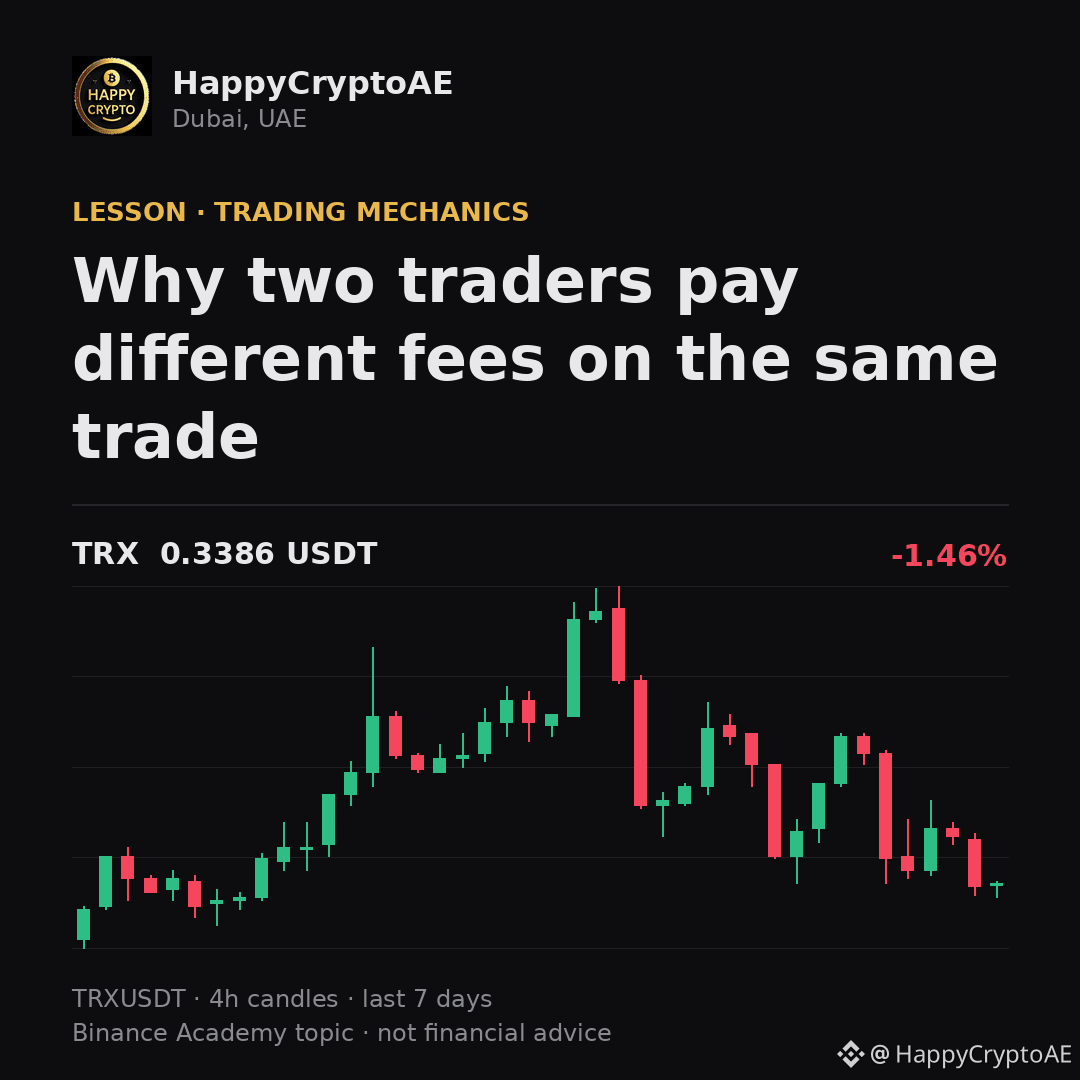
Why two traders pay different fees on the same tradeWhoever places a resting order adds liquidity to the book. Whoever fills it removes liquidity. Most venues charge these two sides differently, because one is doing the market a service and the other is consuming it.
This is the fee difference people notice without knowing its cause, and it is not arbitrary. A market order always consumes; a limit order that waits usually provides. So the choice between order types has a cost consequence beyond the price itself - one more reason the impatient route is rarely the cheap one.
Binance Academy covers this in more depth: https://www.binance.com/en/academy/glossary/taker
Trading crypto from Dubai since 2019.
$BTC $BNB $TRX
#Crypto #CryptoEducation #Binance
Why two traders pay different fees on the same trade
Whoever places a resting order adds liquidity to the book. Whoever fills it removes liquidity. Most venues charge these two sides differently, because one is doing the market a service and the other is consuming it.
This is the fee difference people notice without knowing its cause, and it is not arbitrary. A market order always consumes; a limit order that waits usually provides. So the choice between order types has a cost consequence beyond the price itself - one more reason the impatient route is rarely the cheap one.
Binance Academy covers this in more depth: https://www.binance.com/en/academy/glossary/taker
Trading crypto from Dubai since 2019.
$BTC $BNB $TRX
#Crypto #CryptoEducation #Binance
This is the fee difference people notice without knowing its cause, and it is not arbitrary. A market order always consumes; a limit order that waits usually provides. So the choice between order types has a cost consequence beyond the price itself - one more reason the impatient route is rarely the cheap one.
Binance Academy covers this in more depth: https://www.binance.com/en/academy/glossary/taker
Trading crypto from Dubai since 2019.
$BTC $BNB $TRX
#Crypto #CryptoEducation #Binance
62
Article
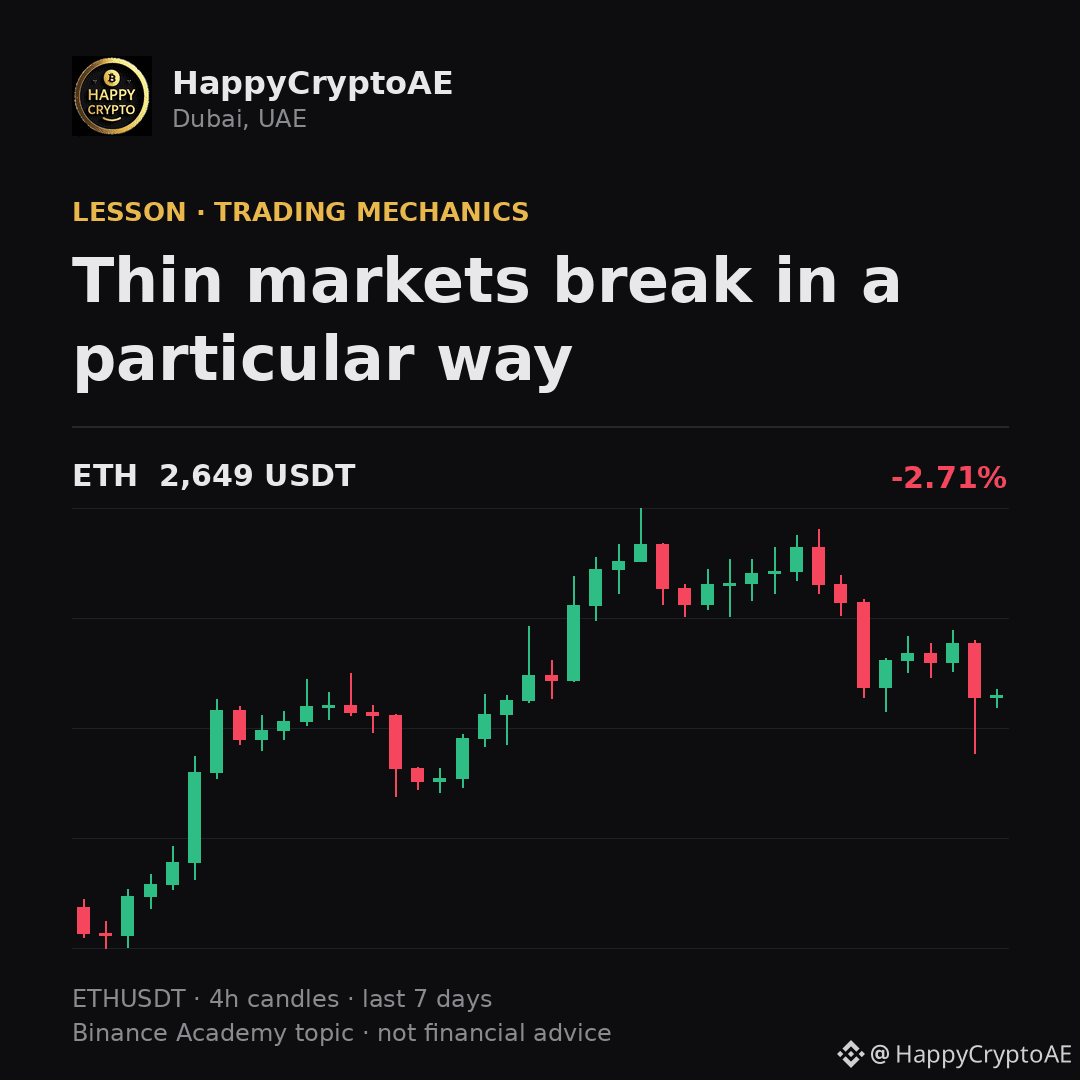
Thin markets break in a particular wayLiquidity is how much you can buy or sell without moving the price. A liquid market absorbs a large order quietly. An illiquid one lurches, because there simply is not enough resting interest to fill you near the last traded price.
That is why the quoted price of a thinly traded asset can be misleading. It tells you what the last small trade happened at, not what you could realistically transact. The number to look at is depth, not the last print.
Binance Academy covers this in more depth: https://www.binance.com/en/academy/glossary/liquidity
Trading crypto from Dubai since 2019.
$BTC $USDT $ETH
#Crypto #CryptoEducation #Binance
Thin markets break in a particular way
Liquidity is how much you can buy or sell without moving the price. A liquid market absorbs a large order quietly. An illiquid one lurches, because there simply is not enough resting interest to fill you near the last traded price.
That is why the quoted price of a thinly traded asset can be misleading. It tells you what the last small trade happened at, not what you could realistically transact. The number to look at is depth, not the last print.
Binance Academy covers this in more depth: https://www.binance.com/en/academy/glossary/liquidity
Trading crypto from Dubai since 2019.
$BTC $USDT $ETH
#Crypto #CryptoEducation #Binance
That is why the quoted price of a thinly traded asset can be misleading. It tells you what the last small trade happened at, not what you could realistically transact. The number to look at is depth, not the last print.
Binance Academy covers this in more depth: https://www.binance.com/en/academy/glossary/liquidity
Trading crypto from Dubai since 2019.
$BTC $USDT $ETH
#Crypto #CryptoEducation #Binance
54
Article
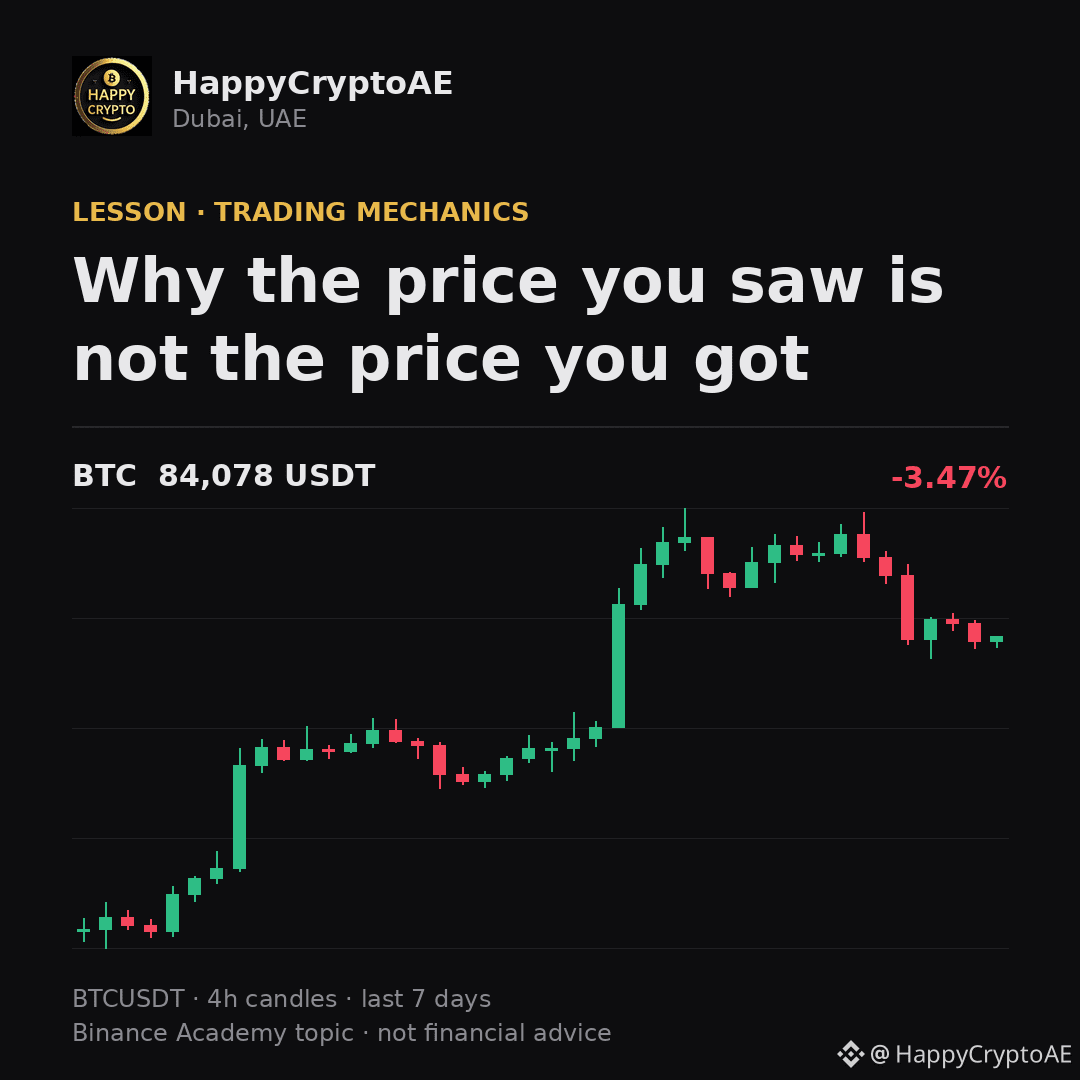
Why the price you saw is not the price you gotSlippage is the gap between the price you expected and the price your order actually filled at. It is not a fee and nobody charges it to you - it appears when your order is large relative to the resting orders available, so it eats through several price levels.
The thinner the market and the bigger the order, the wider that gap. This is why the same trade behaves differently in a deep market than in a quiet one, and why size and timing matter as much as the headline rate.
Binance Academy covers this in more depth: https://www.binance.com/en/academy/glossary/slippage
Trading crypto from Dubai since 2019.
$BTC $ETH
#Crypto #CryptoEducation #Binance
Why the price you saw is not the price you got
Slippage is the gap between the price you expected and the price your order actually filled at. It is not a fee and nobody charges it to you - it appears when your order is large relative to the resting orders available, so it eats through several price levels.
The thinner the market and the bigger the order, the wider that gap. This is why the same trade behaves differently in a deep market than in a quiet one, and why size and timing matter as much as the headline rate.
Binance Academy covers this in more depth: https://www.binance.com/en/academy/glossary/slippage
Trading crypto from Dubai since 2019.
$BTC $ETH
#Crypto #CryptoEducation #Binance
The thinner the market and the bigger the order, the wider that gap. This is why the same trade behaves differently in a deep market than in a quiet one, and why size and timing matter as much as the headline rate.
Binance Academy covers this in more depth: https://www.binance.com/en/academy/glossary/slippage
Trading crypto from Dubai since 2019.
$BTC $ETH
#Crypto #CryptoEducation #Binance
82
Article
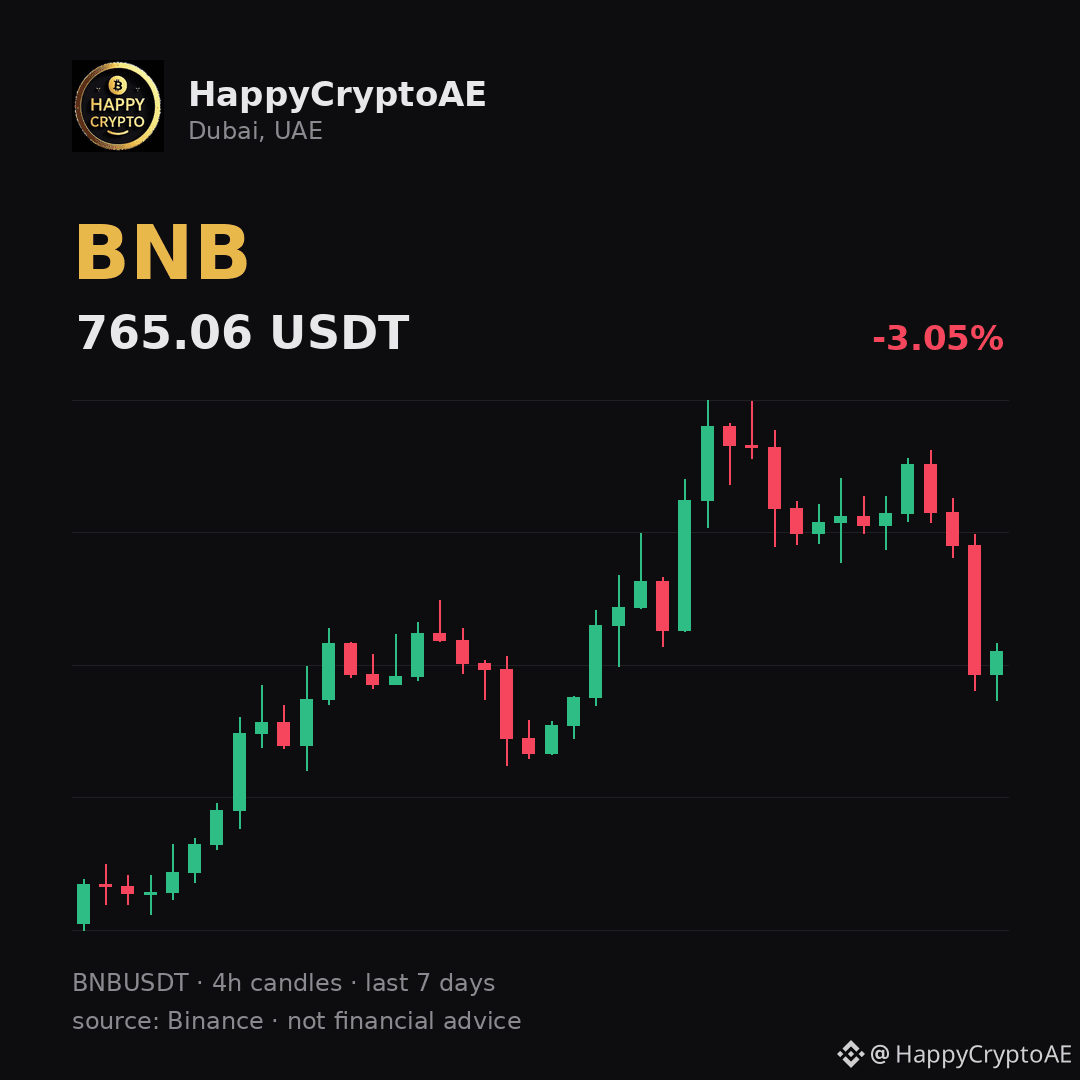
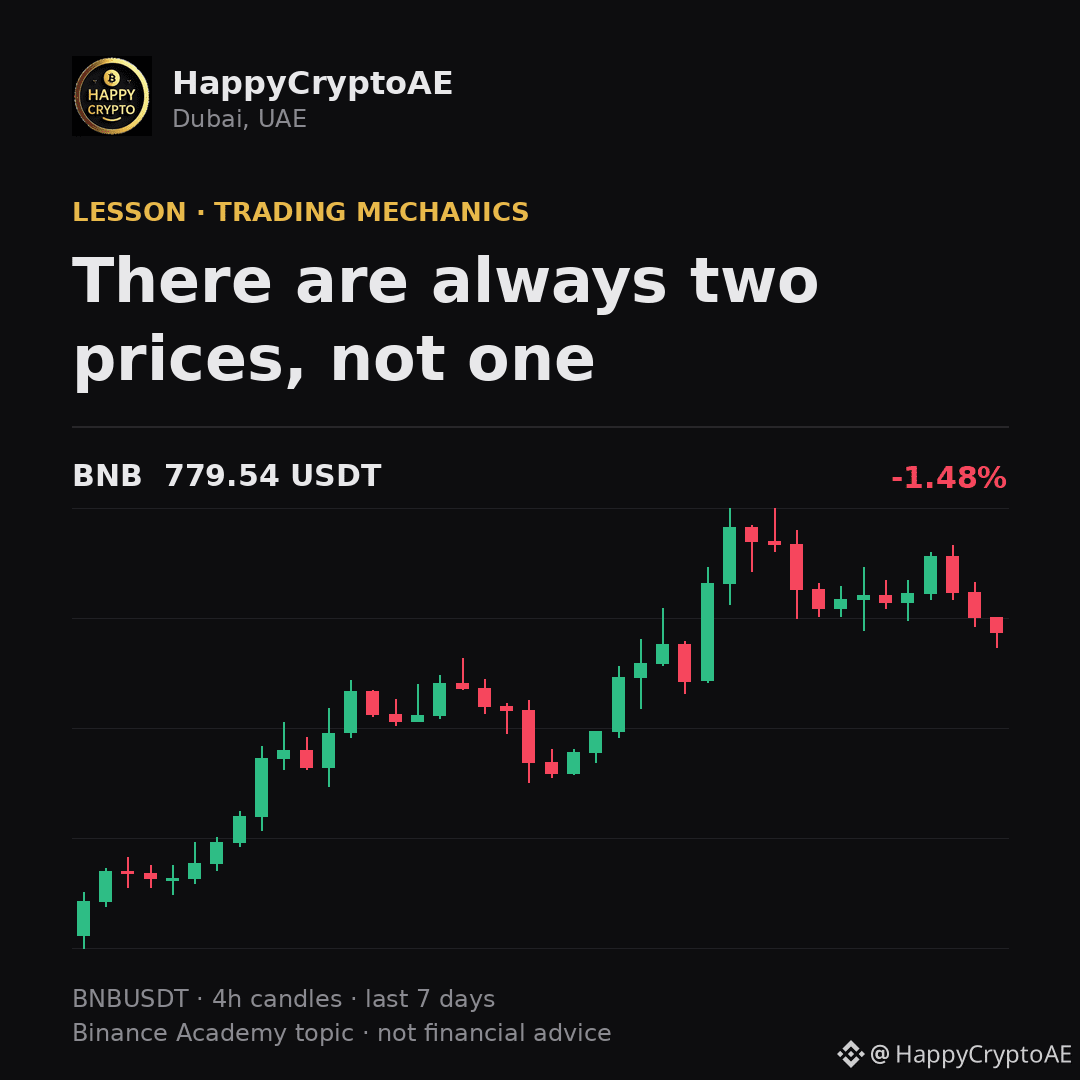
There are always two prices, not oneAt any moment there is a highest price someone will pay and a lowest price someone will accept. The gap between them is the spread, and it is a real cost of trading even though nobody invoices you for it.
Buy at the ask and sell immediately at the bid and you lose the spread without the market having moved at all. Liquid pairs have spreads so narrow they are easy to ignore; quiet ones can have spreads wide enough to matter more than any fee. When a single price is quoted to you, it is a simplification of these two.
Binance Academy covers this in more depth: https://www.binance.com/en/academy/glossary/bid-ask-spread
Trading crypto from Dubai since 2019.
$BTC $ETH $BNB
#Crypto #CryptoEducation #Binance
There are always two prices, not one
At any moment there is a highest price someone will pay and a lowest price someone will accept. The gap between them is the spread, and it is a real cost of trading even though nobody invoices you for it.
Buy at the ask and sell immediately at the bid and you lose the spread without the market having moved at all. Liquid pairs have spreads so narrow they are easy to ignore; quiet ones can have spreads wide enough to matter more than any fee. When a single price is quoted to you, it is a simplification of these two.
Binance Academy covers this in more depth: https://www.binance.com/en/academy/glossary/bid-ask-spread
Trading crypto from Dubai since 2019.
$BTC $ETH $BNB
#Crypto #CryptoEducation #Binance
Buy at the ask and sell immediately at the bid and you lose the spread without the market having moved at all. Liquid pairs have spreads so narrow they are easy to ignore; quiet ones can have spreads wide enough to matter more than any fee. When a single price is quoted to you, it is a simplification of these two.
Binance Academy covers this in more depth: https://www.binance.com/en/academy/glossary/bid-ask-spread
Trading crypto from Dubai since 2019.
$BTC $ETH $BNB
#Crypto #CryptoEducation #Binance
83
Article
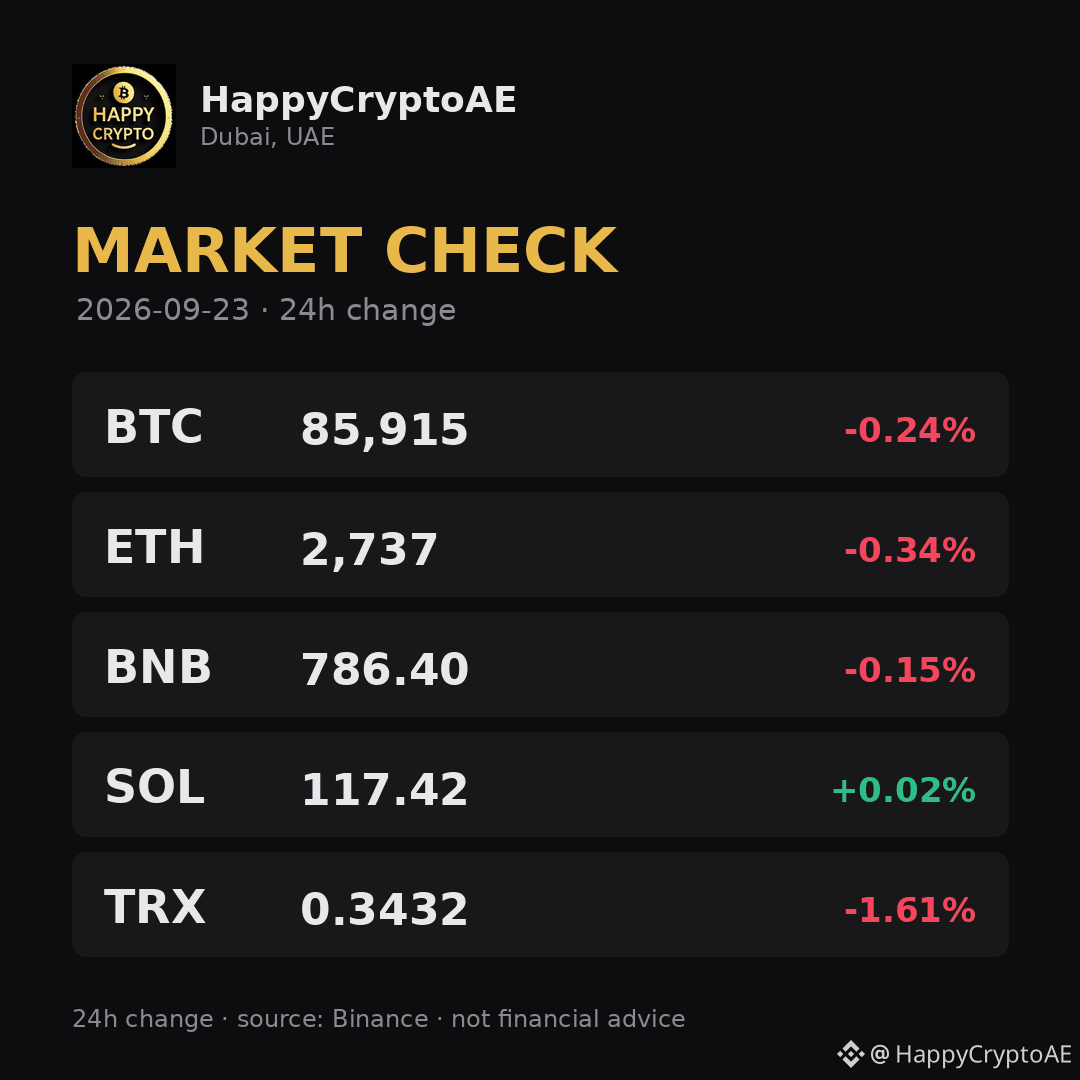
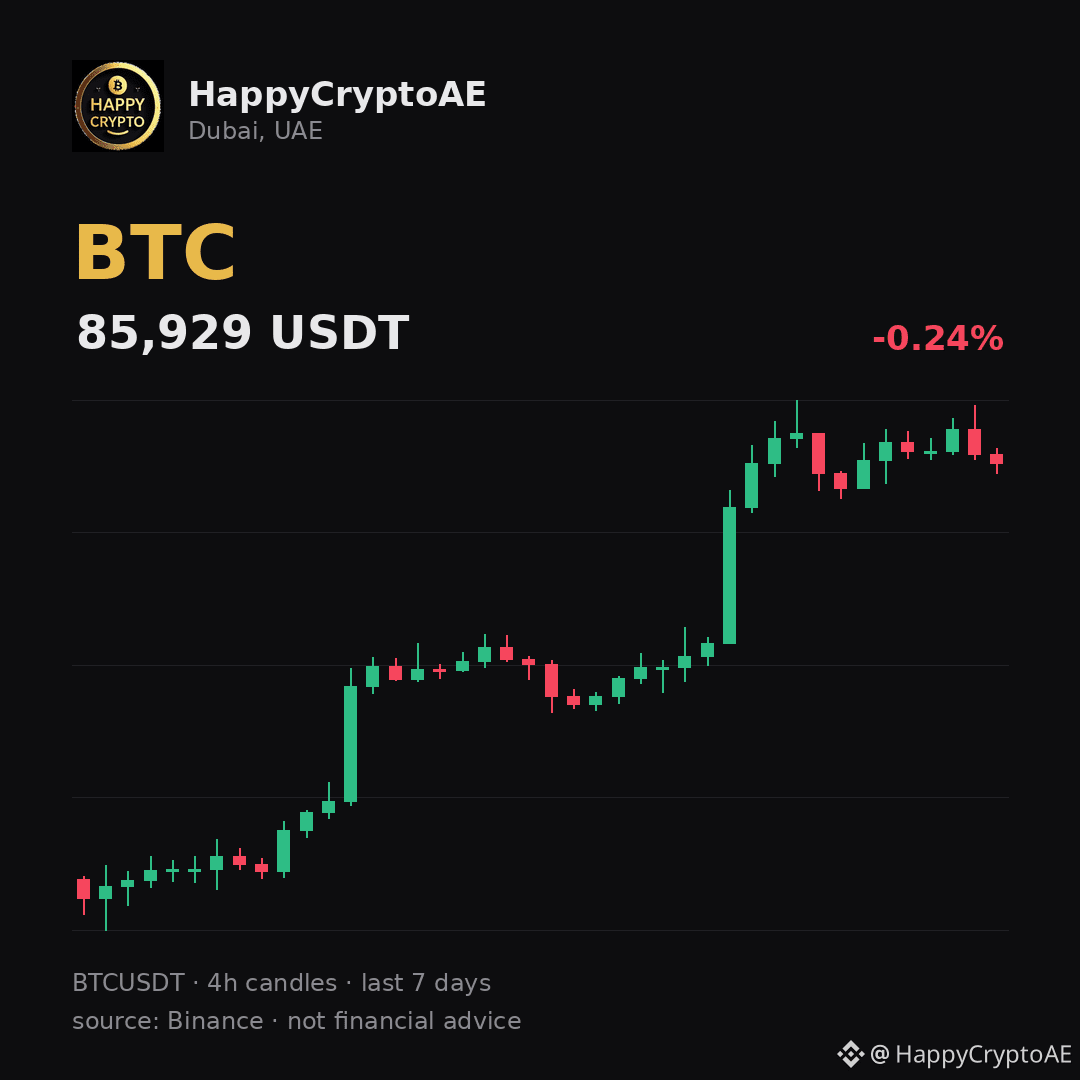
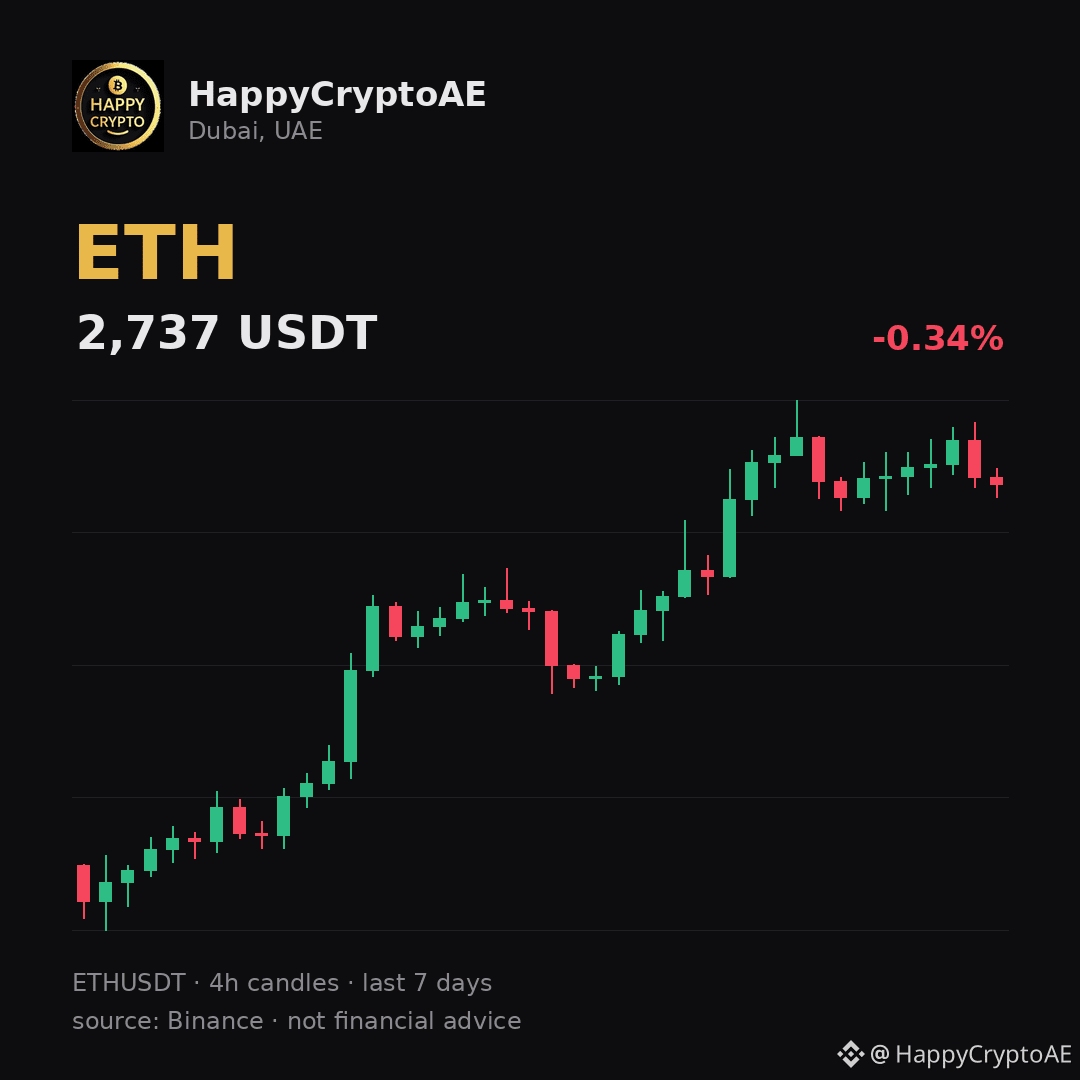
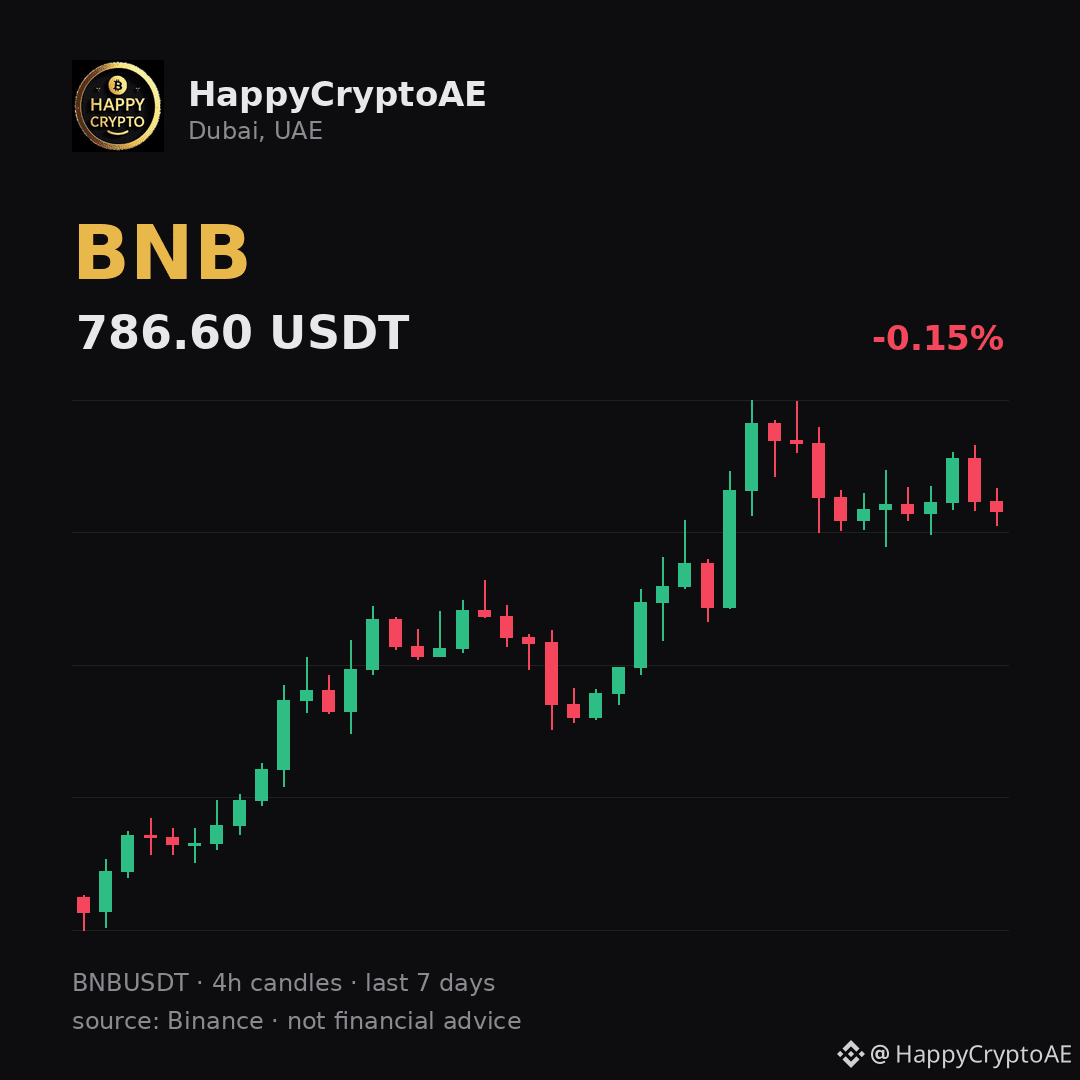
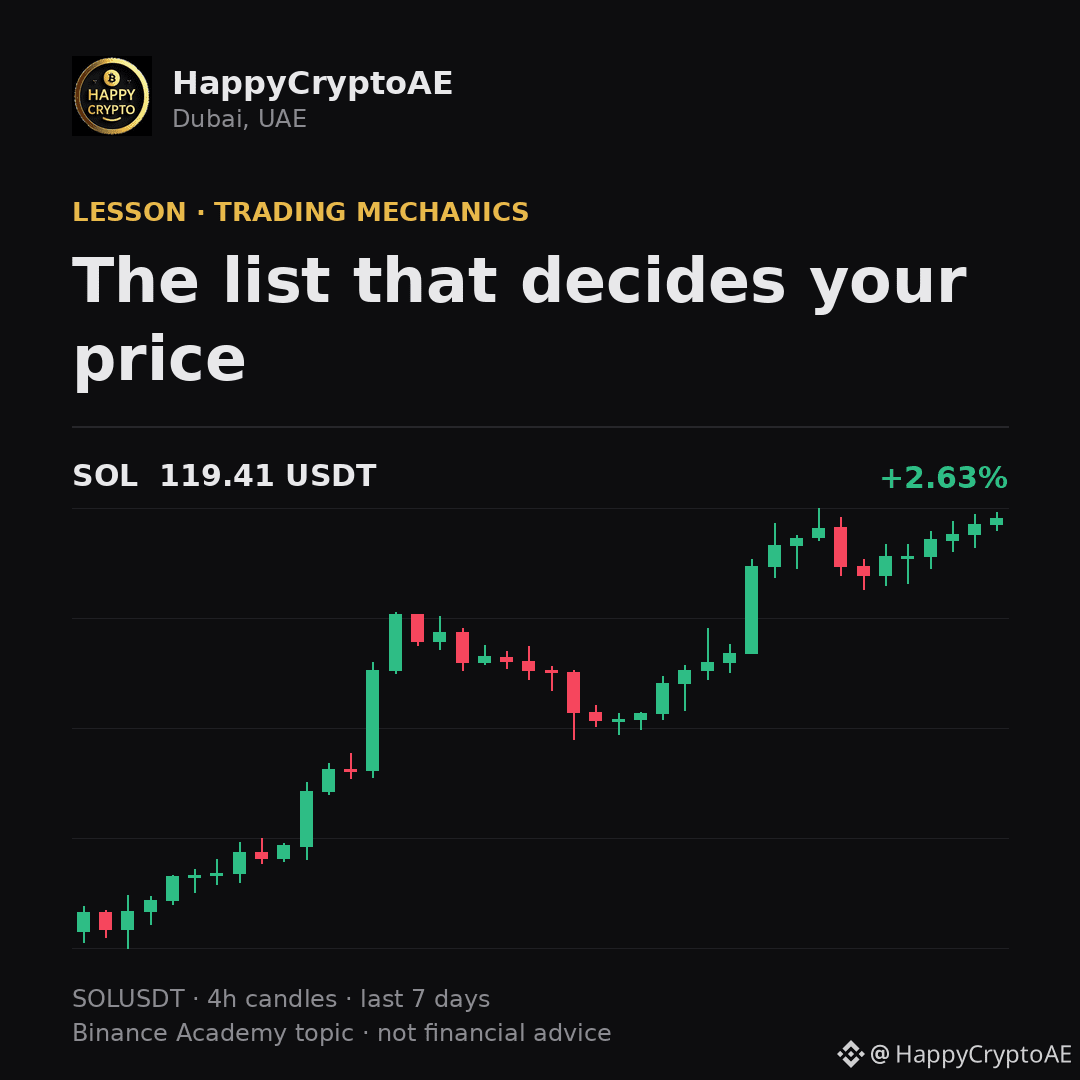
The list that decides your priceAn order book is every resting buy and sell order for a pair, stacked by price. Buy orders below, sell orders above, and the gap between the best of each is where the market currently sits.
Reading it changes how prices feel. What looks like a single number on a chart is really a queue of other people's intentions, and your order interacts with that queue rather than with an abstract price. Everything else in trading mechanics - spread, depth, slippage - is a description of the shape of this list.
Binance Academy covers this in more depth: https://www.binance.com/en/academy/glossary/order-book
Trading crypto from Dubai since 2019.
$BTC $ETH $SOL
#Crypto #CryptoEducation #Binance
The list that decides your price
An order book is every resting buy and sell order for a pair, stacked by price. Buy orders below, sell orders above, and the gap between the best of each is where the market currently sits.
Reading it changes how prices feel. What looks like a single number on a chart is really a queue of other people's intentions, and your order interacts with that queue rather than with an abstract price. Everything else in trading mechanics - spread, depth, slippage - is a description of the shape of this list.
Binance Academy covers this in more depth: https://www.binance.com/en/academy/glossary/order-book
Trading crypto from Dubai since 2019.
$BTC $ETH $SOL
#Crypto #CryptoEducation #Binance
Reading it changes how prices feel. What looks like a single number on a chart is really a queue of other people's intentions, and your order interacts with that queue rather than with an abstract price. Everything else in trading mechanics - spread, depth, slippage - is a description of the shape of this list.
Binance Academy covers this in more depth: https://www.binance.com/en/academy/glossary/order-book
Trading crypto from Dubai since 2019.
$BTC $ETH $SOL
#Crypto #CryptoEducation #Binance
86
Article
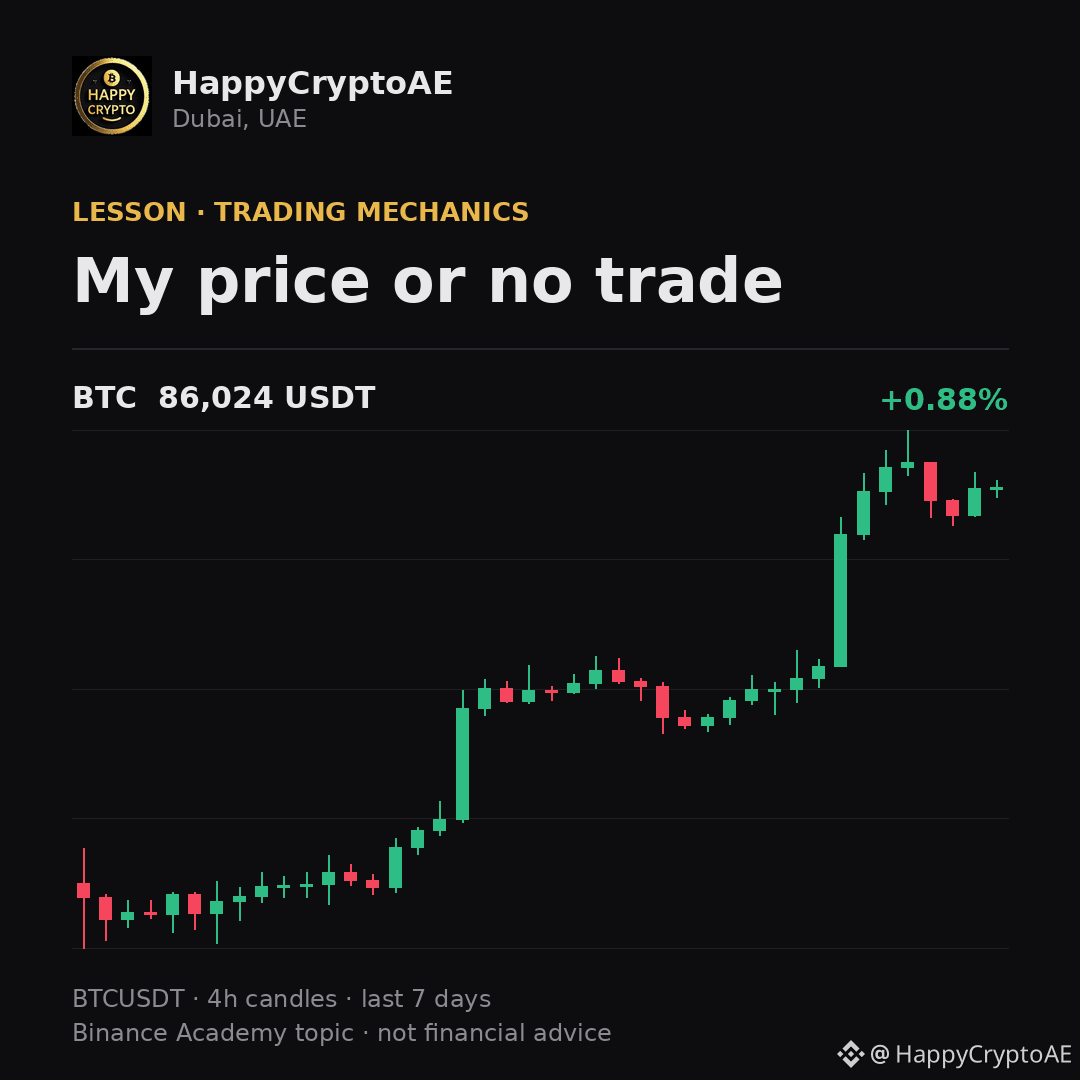
My price or no tradeA limit order specifies the worst price you will accept and waits. It will not fill beyond that price, which also means it may not fill at all.
So the trade-off is the mirror image of a market order: full control over price, no guarantee of execution. Neither type is the smarter choice in general. They answer different questions, and the honest test is which regret you would rather risk - paying more than you wanted, or watching the market leave without you.
Binance Academy covers this in more depth: https://www.binance.com/en/academy/glossary/limit-order
Trading crypto from Dubai since 2019.
$BTC $ETH
#Crypto #CryptoEducation #Binance
My price or no trade
A limit order specifies the worst price you will accept and waits. It will not fill beyond that price, which also means it may not fill at all.
So the trade-off is the mirror image of a market order: full control over price, no guarantee of execution. Neither type is the smarter choice in general. They answer different questions, and the honest test is which regret you would rather risk - paying more than you wanted, or watching the market leave without you.
Binance Academy covers this in more depth: https://www.binance.com/en/academy/glossary/limit-order
Trading crypto from Dubai since 2019.
$BTC $ETH
#Crypto #CryptoEducation #Binance
So the trade-off is the mirror image of a market order: full control over price, no guarantee of execution. Neither type is the smarter choice in general. They answer different questions, and the honest test is which regret you would rather risk - paying more than you wanted, or watching the market leave without you.
Binance Academy covers this in more depth: https://www.binance.com/en/academy/glossary/limit-order
Trading crypto from Dubai since 2019.
$BTC $ETH
#Crypto #CryptoEducation #Binance
43
Article
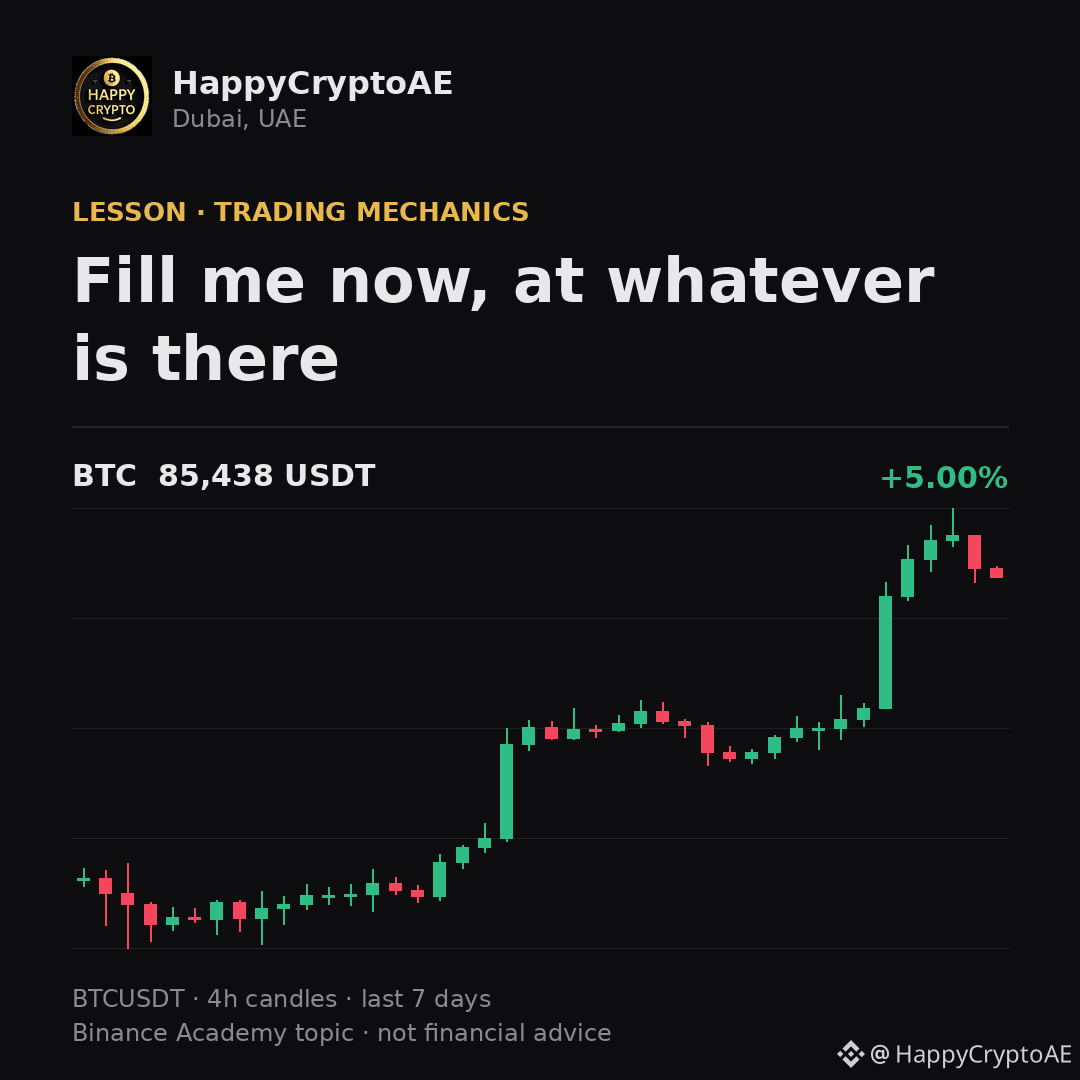
Fill me now, at whatever is thereA market order takes the best prices currently available until it is filled. It trades price certainty for execution certainty: you will almost always get done, and you accept whatever the book offers.
In a deep market that is barely noticeable. In a thin one it is expensive, because your order eats through several price levels to find enough size. This is why the same market order behaves very differently on a major pair than on a quiet one, and why "the price moved against me instantly" is usually a description of thin depth rather than bad luck.
Binance Academy covers this in more depth: https://www.binance.com/en/academy/glossary/market-order
Trading crypto from Dubai since 2019.
$BTC $ETH
#Crypto #CryptoEducation #Binance
Fill me now, at whatever is there
A market order takes the best prices currently available until it is filled. It trades price certainty for execution certainty: you will almost always get done, and you accept whatever the book offers.
In a deep market that is barely noticeable. In a thin one it is expensive, because your order eats through several price levels to find enough size. This is why the same market order behaves very differently on a major pair than on a quiet one, and why "the price moved against me instantly" is usually a description of thin depth rather than bad luck.
Binance Academy covers this in more depth: https://www.binance.com/en/academy/glossary/market-order
Trading crypto from Dubai since 2019.
$BTC $ETH
#Crypto #CryptoEducation #Binance
In a deep market that is barely noticeable. In a thin one it is expensive, because your order eats through several price levels to find enough size. This is why the same market order behaves very differently on a major pair than on a quiet one, and why "the price moved against me instantly" is usually a description of thin depth rather than bad luck.
Binance Academy covers this in more depth: https://www.binance.com/en/academy/glossary/market-order
Trading crypto from Dubai since 2019.
$BTC $ETH
#Crypto #CryptoEducation #Binance
79
Article
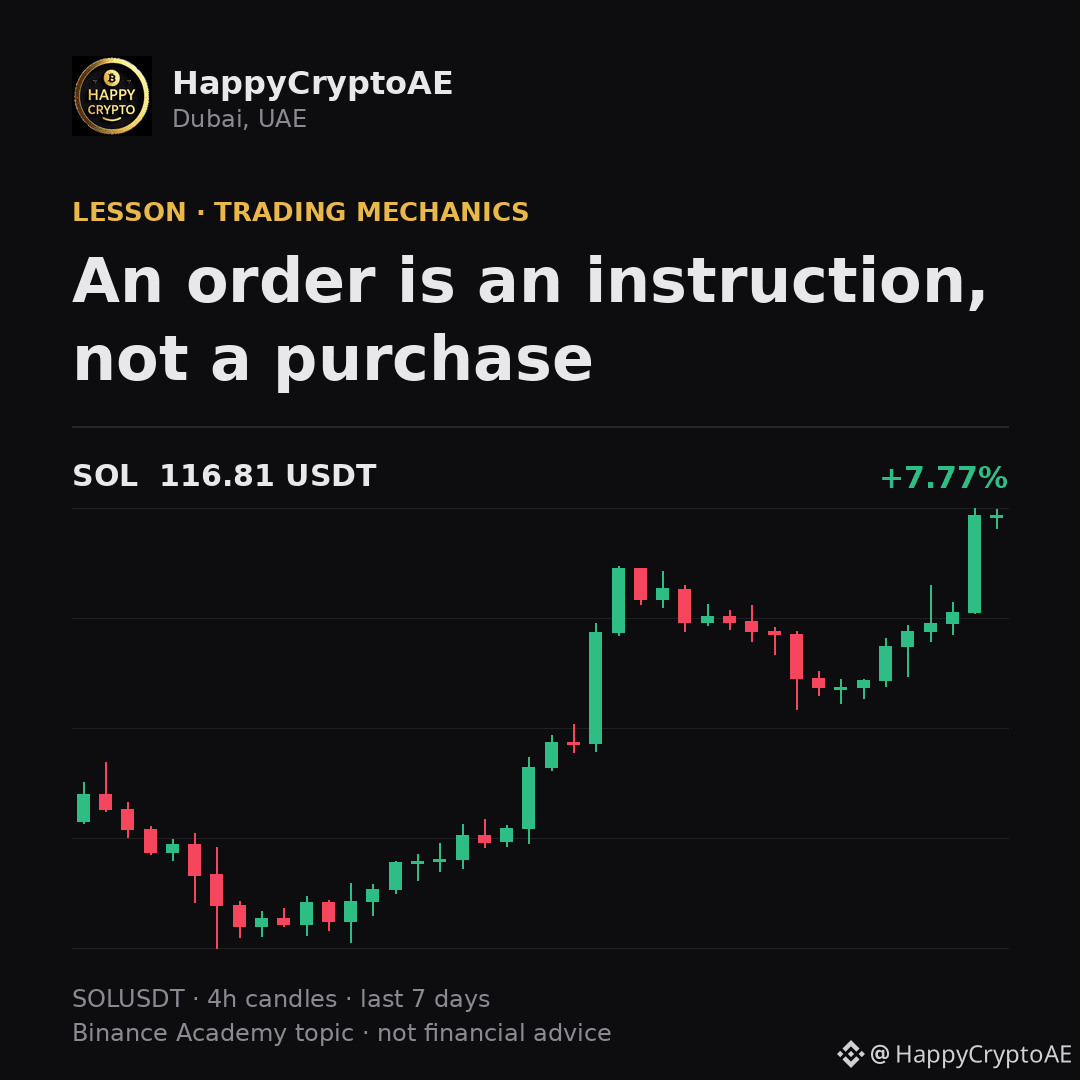
An order is an instruction, not a purchasePlacing an order does not buy anything. It submits an instruction describing what you are willing to do, and a trade happens only when someone on the other side matches it.
That distinction explains most beginner confusion. An order can sit unfilled, fill partially, or fill at a different price than the one on screen, and none of those is a malfunction. Every order type that follows is just a different way of answering two questions: at what price, and how badly do you want it to happen now.
Binance Academy covers this in more depth: https://www.binance.com/en/academy/glossary/order
Trading crypto from Dubai since 2019.
$BTC $ETH $SOL
#Crypto #CryptoEducation #Binance
An order is an instruction, not a purchase
Placing an order does not buy anything. It submits an instruction describing what you are willing to do, and a trade happens only when someone on the other side matches it.
That distinction explains most beginner confusion. An order can sit unfilled, fill partially, or fill at a different price than the one on screen, and none of those is a malfunction. Every order type that follows is just a different way of answering two questions: at what price, and how badly do you want it to happen now.
Binance Academy covers this in more depth: https://www.binance.com/en/academy/glossary/order
Trading crypto from Dubai since 2019.
$BTC $ETH $SOL
#Crypto #CryptoEducation #Binance
That distinction explains most beginner confusion. An order can sit unfilled, fill partially, or fill at a different price than the one on screen, and none of those is a malfunction. Every order type that follows is just a different way of answering two questions: at what price, and how badly do you want it to happen now.
Binance Academy covers this in more depth: https://www.binance.com/en/academy/glossary/order
Trading crypto from Dubai since 2019.
$BTC $ETH $SOL
#Crypto #CryptoEducation #Binance
1
97
Article
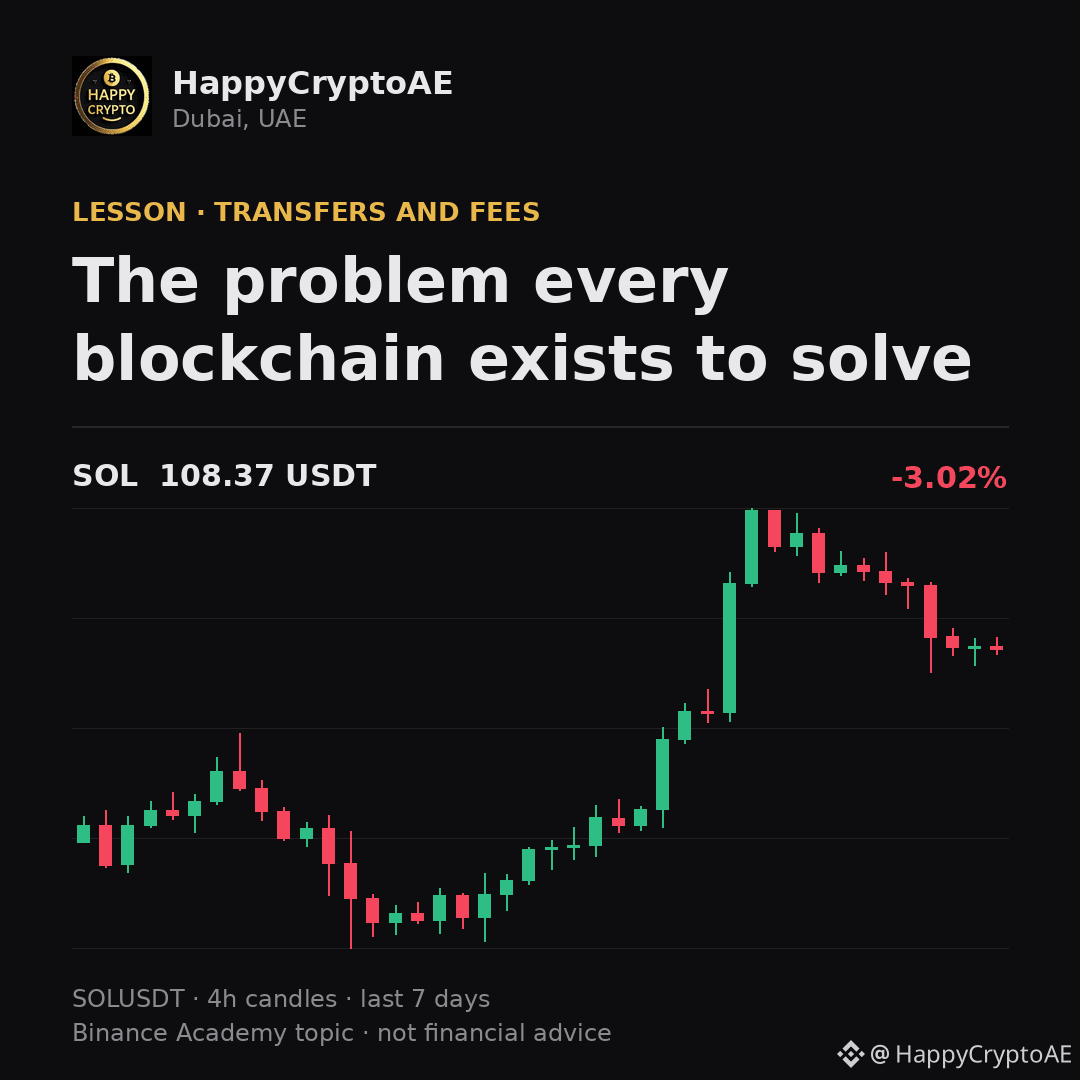
The problem every blockchain exists to solveDigital data copies perfectly, which means digital money faces one hard question: what stops the same unit being spent twice? Before blockchains, the answer was always a central party keeping the single authoritative record.
A blockchain answers it without that party. Transactions are ordered by consensus, and once one spends a unit, any later attempt to spend the same unit is rejected by everyone. This is what all the machinery is for - the blocks, the confirmations, the fees. Not complexity for its own sake, but the cost of settling that one question with nobody in charge.
Binance Academy covers this in more depth: https://www.binance.com/en/academy/glossary/double-spending
Trading crypto from Dubai since 2019.
$BTC $ETH $SOL
#Crypto #CryptoEducation #Binance
The problem every blockchain exists to solve
Digital data copies perfectly, which means digital money faces one hard question: what stops the same unit being spent twice? Before blockchains, the answer was always a central party keeping the single authoritative record.
A blockchain answers it without that party. Transactions are ordered by consensus, and once one spends a unit, any later attempt to spend the same unit is rejected by everyone. This is what all the machinery is for - the blocks, the confirmations, the fees. Not complexity for its own sake, but the cost of settling that one question with nobody in charge.
Binance Academy covers this in more depth: https://www.binance.com/en/academy/glossary/double-spending
Trading crypto from Dubai since 2019.
$BTC $ETH $SOL
#Crypto #CryptoEducation #Binance
A blockchain answers it without that party. Transactions are ordered by consensus, and once one spends a unit, any later attempt to spend the same unit is rejected by everyone. This is what all the machinery is for - the blocks, the confirmations, the fees. Not complexity for its own sake, but the cost of settling that one question with nobody in charge.
Binance Academy covers this in more depth: https://www.binance.com/en/academy/glossary/double-spending
Trading crypto from Dubai since 2019.
$BTC $ETH $SOL
#Crypto #CryptoEducation #Binance
1
59
Article
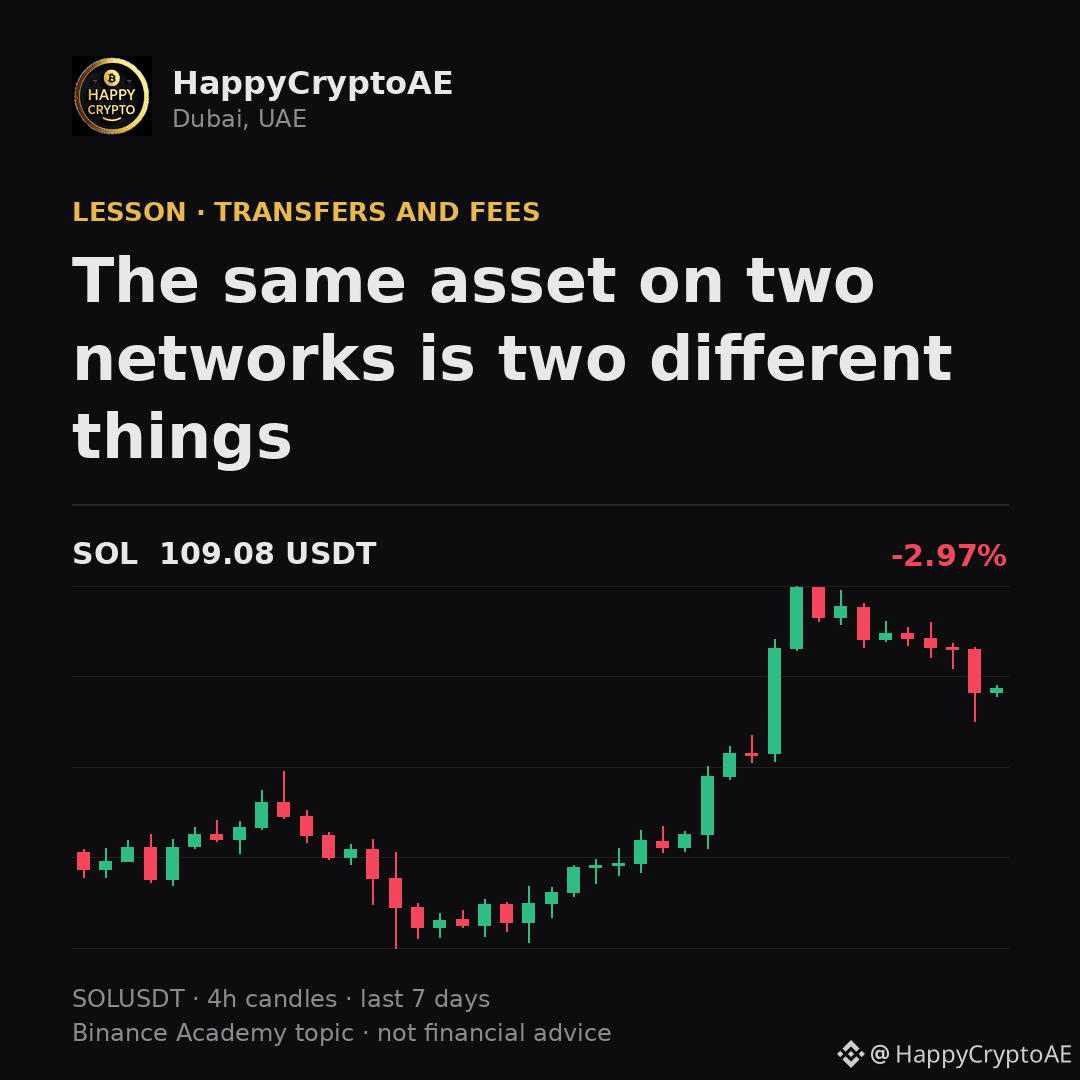
The same asset on two networks is two different thingsA widely used token often exists on several networks at once. The name is identical, the balance is quoted the same way, and the two versions are not interchangeable.
Sending one network's version to an address expecting another's is the classic way funds disappear. The transfer often succeeds - it simply lands somewhere nothing is watching. This is why every deposit screen asks for the network separately from the address, and why that dropdown deserves the same attention as the address itself. Recovery, when possible at all, is slow, manual, and never guaranteed.
Binance Academy covers this in more depth: https://www.binance.com/en/academy/glossary/cross-chain
Trading crypto from Dubai since 2019.
$USDT $ETH $SOL
#Crypto #CryptoEducation #Binance
The same asset on two networks is two different things
A widely used token often exists on several networks at once. The name is identical, the balance is quoted the same way, and the two versions are not interchangeable.
Sending one network's version to an address expecting another's is the classic way funds disappear. The transfer often succeeds - it simply lands somewhere nothing is watching. This is why every deposit screen asks for the network separately from the address, and why that dropdown deserves the same attention as the address itself. Recovery, when possible at all, is slow, manual, and never guaranteed.
Binance Academy covers this in more depth: https://www.binance.com/en/academy/glossary/cross-chain
Trading crypto from Dubai since 2019.
$USDT $ETH $SOL
#Crypto #CryptoEducation #Binance
Sending one network's version to an address expecting another's is the classic way funds disappear. The transfer often succeeds - it simply lands somewhere nothing is watching. This is why every deposit screen asks for the network separately from the address, and why that dropdown deserves the same attention as the address itself. Recovery, when possible at all, is slow, manual, and never guaranteed.
Binance Academy covers this in more depth: https://www.binance.com/en/academy/glossary/cross-chain
Trading crypto from Dubai since 2019.
$USDT $ETH $SOL
#Crypto #CryptoEducation #Binance
1
80
Log in to explore more content
Join global crypto users on Binance Square
⚡️ Get latest and useful information about crypto.
💬 Trusted by the world’s largest crypto exchange.
👍 Discover real insights from verified creators.
Email / Phone number
Trending Topics
BitcoinSpotETFsNetInflow$191M
476 views
63 Discussing
#BitcoinFallsBelow$83,000
📉 Flash Dip: Bitcoin Drops Below $83,000—Shakeout or Trend Reversal?
Bitcoin ($BTC) briefly dipped below the key $83,000 support level, triggering liquidations and heightened volatility across derivatives markets.
The sudden pullback is driven by a combination of macroeconomic headwinds—specifically rising U.S. Treasury yields and a rising U.S. Dollar Index (DXY)—alongside profit-taking by long-term holders in the $83,000–$85,000 supply zone.
📌 Breakdown of Key Technical & On-Chain Indicators
🔻 Local Low: Bitcoin hit a 24-hour low around $82,889 on major exchanges before stabilizing back toward $83,500–$84,000.
🛡️ Immediate Support Levels: Traders are closely watching the $82,000 level as primary support, with a deeper downside safety net anchored at the $80,000 psychological floor.
🚀 Resistance Walls: To re-establish bullish momentum, $BTC needs to reclaim and hold above $84,600, opening the path toward $86,000.
⏳ Institutional Backstop: Despite spot price weakness, institutional spot BTC ETFs recorded $191 Million in net inflows, signaling that Wall Street buyers are absorbing sell-side pressure.
🎯 Strategic Takeaways: How to Navigate the Volatility
Avoid High-Leverage Trades: Sudden dips into major options expiry events cause sharp liquidation cascades—keep leverage low or spot position size controlled.
Watch Macro Signals: Rising 10-year Treasury yields and 69.7% odds of an October Fed rate hike are creating short-term risk-off sentiment.
Focus on Structural Demand: Sustained multi-day ETF inflows indicate that large capital allocators treat pullbacks below $83,000 as structural buying opportunities.
Are you panic selling the dip, or dollar-cost averaging (DCA) into key support? Drop your trading plan below! 💬👇
#BitcoinSpotETFsNetInflow$191M #bitcoin #BinanceSquare
Lily星星
·1 Likes
·19 views
CFTCUpdatesGuidanceOnTokenizedAssets
8,886 views
466 Discussing
BitgetSays$352MAffectedInHack
1,846 views
32 Discussing