

Nairobi_
1.8k Posts

Nairobi_
Report
Block User
BP-368DAD8C0B13
290 Following
6.7K+ Followers
1.9K+ Liked
Posts
All
Quotes
Live
·
--
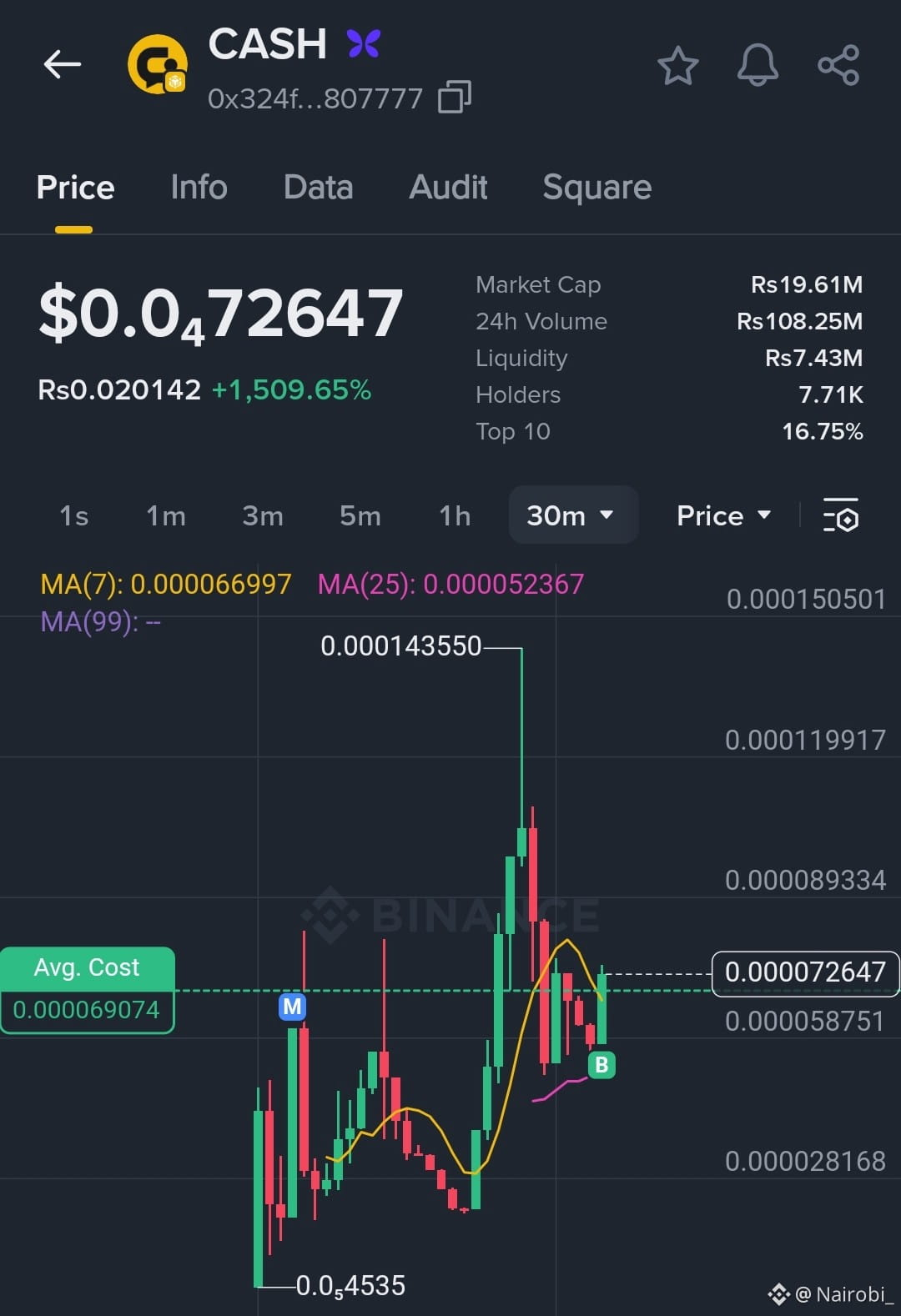
$CASH is up 1,509% and the chart is already telling two different stories.
It ripped to 0.00014355, then got rejected hard and settled around 0.000047.
Now it’s trying to reclaim 0.00007.
Market cap is only $19.6M, but 24h volume hit $108M with $7.4M liquidity.
Small cap, huge volatility. This one needs a lot more than a green candle to prove itself.
SR-9126143BA2FFB1C394561C6A
$CASH is up 1,509% and the chart is already telling two different stories.
It ripped to 0.00014355, then got rejected hard and settled around 0.000047.
Now it’s trying to reclaim 0.00007.
Market cap is only $19.6M, but 24h volume hit $108M with $7.4M liquidity.
Small cap, huge volatility. This one needs a lot more than a green candle to prove itself.
SR-9126143BA2FFB1C394561C6A
It ripped to 0.00014355, then got rejected hard and settled around 0.000047.
Now it’s trying to reclaim 0.00007.
Market cap is only $19.6M, but 24h volume hit $108M with $7.4M liquidity.
Small cap, huge volatility. This one needs a lot more than a green candle to prove itself.
SR-9126143BA2FFB1C394561C6A
3
·
--
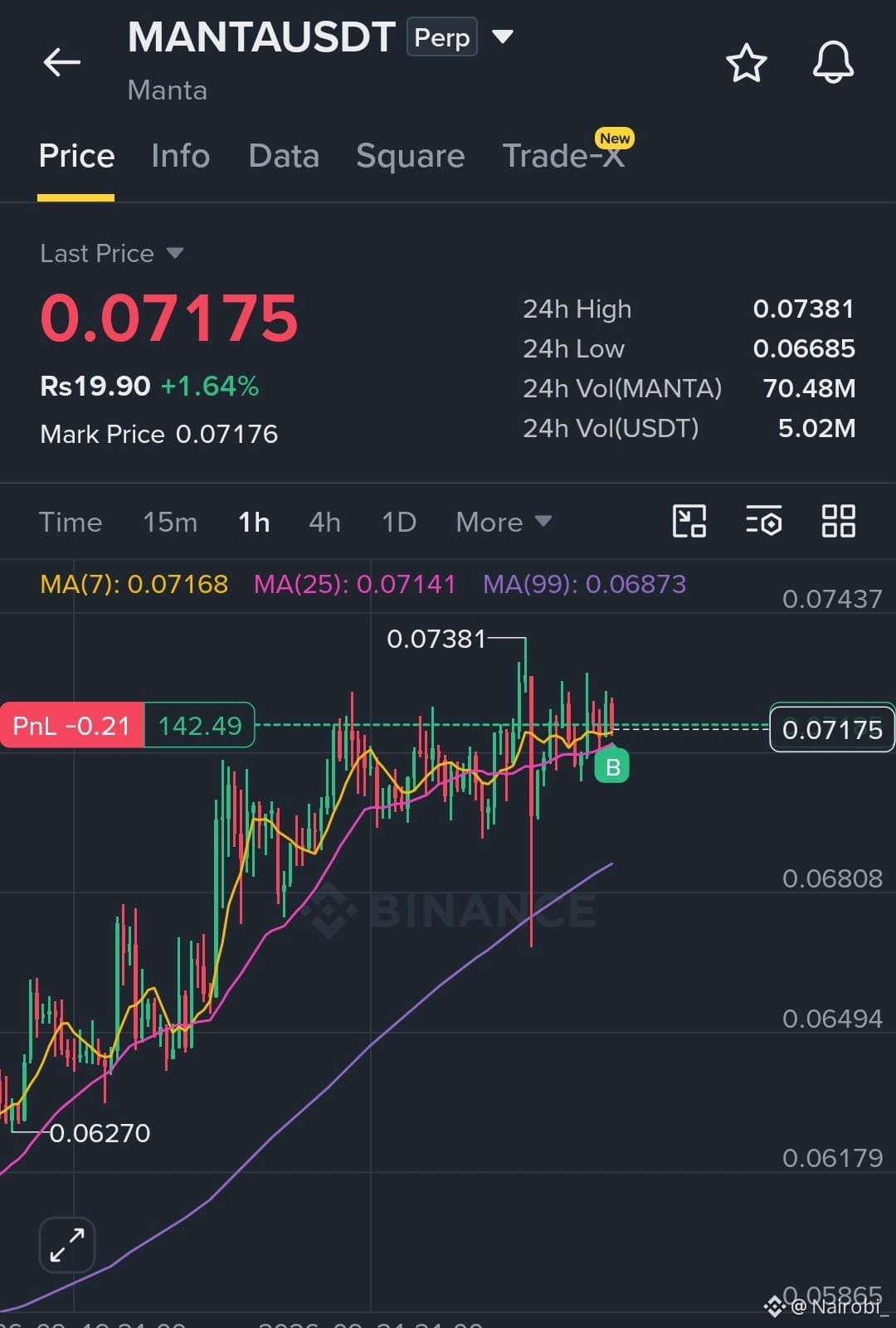
I’m going long on $MANTA here.
Not because it’s pumping, I actually like the structure.
Price is holding above the MA25, the MA99 is trending up, and we’re seeing higher lows after that move from $0.0627. The chart is basically compressing underneath $0.0738 resistance.
My plan:
🟢 Long: $0.0708–$0.0720
🎯 TP1: $0.0738
🎯 TP2: $0.0765
🎯 TP3: $0.0800
🛑 Invalidation: below $0.0685
I’m not looking for a huge move immediately. I want MANTA to break $0.0738, flip it into support, and then let the momentum do its thing.
The nice part? Risk is pretty clear here.
If $0.0685 holds, I’m staying with the trade.
If it breaks, I’m not marrying the position. 😂
Let’s see what MANTA has in it. 👀
$MARSCOIN $NIL
I’m going long on $MANTA here.
Not because it’s pumping, I actually like the structure.
Price is holding above the MA25, the MA99 is trending up, and we’re seeing higher lows after that move from $0.0627. The chart is basically compressing underneath $0.0738 resistance.
My plan:
🟢 Long: $0.0708–$0.0720
🎯 TP1: $0.0738
🎯 TP2: $0.0765
🎯 TP3: $0.0800
🛑 Invalidation: below $0.0685
I’m not looking for a huge move immediately. I want MANTA to break $0.0738, flip it into support, and then let the momentum do its thing.
The nice part? Risk is pretty clear here.
If $0.0685 holds, I’m staying with the trade.
If it breaks, I’m not marrying the position. 😂
Let’s see what MANTA has in it. 👀
$MARSCOIN $NIL
Not because it’s pumping, I actually like the structure.
Price is holding above the MA25, the MA99 is trending up, and we’re seeing higher lows after that move from $0.0627. The chart is basically compressing underneath $0.0738 resistance.
My plan:
🟢 Long: $0.0708–$0.0720
🎯 TP1: $0.0738
🎯 TP2: $0.0765
🎯 TP3: $0.0800
🛑 Invalidation: below $0.0685
I’m not looking for a huge move immediately. I want MANTA to break $0.0738, flip it into support, and then let the momentum do its thing.
The nice part? Risk is pretty clear here.
If $0.0685 holds, I’m staying with the trade.
If it breaks, I’m not marrying the position. 😂
Let’s see what MANTA has in it. 👀
$MARSCOIN $NIL
2
249
·
--
Sold my Holdings of $NVDAB with a profit of 6$ 😛
Sold my Holdings of $NVDAB with a profit of 6$ 😛
92
·
--
The perpetuals board woke up and chose pure chaos today 📈⚡
🟢 $ZETA +70.95%
🟢 $PTB +60.13%
🟢 $SAGA +35.74%
🟢 $NIL +34.37%
🟢 $KMNO +28.41%
🟢 $BTW +26.99%
🟢 $MINA +24.94%
🟢 $VVV +24.73%
ZETA is running a masterclass in vertical momentum, putting up over +70% without looking back.
Meanwhile, PTB gaining +60% while trading at 0.0011 is quintessential perp degeneracy.
The craziest part? Even putting up +24% today with VVV andMINA leaves you sitting right at the baseline. The entire board is moving like market structure took the day off.
When leverage kicks in on a tape like this, the real test isn’t catching the pump, it’s walking away before funding rates and retests take it all back.
Which of these top runners has the legs to keep moving tomorrow?
The perpetuals board woke up and chose pure chaos today 📈⚡
🟢 $ZETA +70.95%
🟢 $PTB +60.13%
🟢 $SAGA +35.74%
🟢 $NIL +34.37%
🟢 $KMNO +28.41%
🟢 $BTW +26.99%
🟢 $MINA +24.94%
🟢 $VVV +24.73%
ZETA is running a masterclass in vertical momentum, putting up over +70% without looking back.
Meanwhile, PTB gaining +60% while trading at 0.0011 is quintessential perp degeneracy.
The craziest part? Even putting up +24% today with VVV andMINA leaves you sitting right at the baseline. The entire board is moving like market structure took the day off.
When leverage kicks in on a tape like this, the real test isn’t catching the pump, it’s walking away before funding rates and retests take it all back.
Which of these top runners has the legs to keep moving tomorrow?
🟢 $ZETA +70.95%
🟢 $PTB +60.13%
🟢 $SAGA +35.74%
🟢 $NIL +34.37%
🟢 $KMNO +28.41%
🟢 $BTW +26.99%
🟢 $MINA +24.94%
🟢 $VVV +24.73%
ZETA is running a masterclass in vertical momentum, putting up over +70% without looking back.
Meanwhile, PTB gaining +60% while trading at 0.0011 is quintessential perp degeneracy.
The craziest part? Even putting up +24% today with VVV andMINA leaves you sitting right at the baseline. The entire board is moving like market structure took the day off.
When leverage kicks in on a tape like this, the real test isn’t catching the pump, it’s walking away before funding rates and retests take it all back.
Which of these top runners has the legs to keep moving tomorrow?
$ZETA (Trend continuation)
21%
$PTB (Micro-cap momentum)
20%
$SAGA (Mid-tier breakout)
47%
Fade all (Trap / Retest due)
12%
34 votes • Voting closed
3.5k
·
--
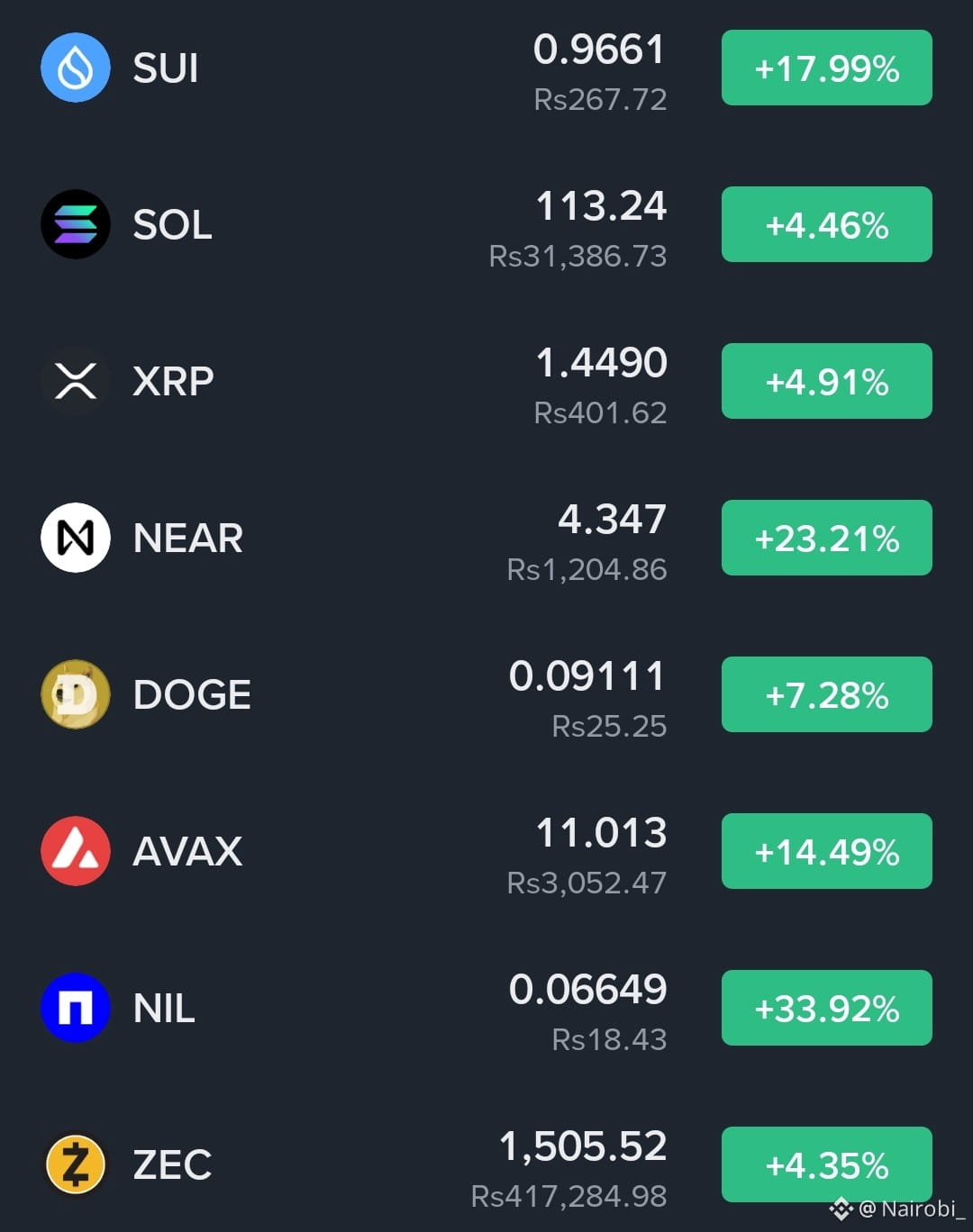
ALTSEASON JUST WOKE UP? 👀
The money is starting to rotate into alts, and the numbers are getting hard to ignore:
🟢 $NIL +33.92%
🟢 $NEAR +23.21%
🟢 $SUI +17.99%
🟢 $AVAX +14.49%
🟢 $DOGE +7.28%
🟢 $XRP +4.91%
🟢 $SOL +4.46%
🟢 $ZEC +4.35%
This is the kind of screen that makes every trader suddenly remember they have a watchlist 😂
But the real question is…
Are you already holding your alts, or are you waiting for “confirmation” while they run without you? 👀
Drop the alt you’re watching below.
Let’s see which bags Crypto Twitter is actually carrying. 🫡
#SolanaCutsTargetSlotTimeTo250ms
#BTCBreaks80K
#AltSeasonComing
ALTSEASON JUST WOKE UP? 👀
The money is starting to rotate into alts, and the numbers are getting hard to ignore:
🟢 $NIL +33.92%
🟢 $NEAR +23.21%
🟢 $SUI +17.99%
🟢 $AVAX +14.49%
🟢 $DOGE +7.28%
🟢 $XRP +4.91%
🟢 $SOL +4.46%
🟢 $ZEC +4.35%
This is the kind of screen that makes every trader suddenly remember they have a watchlist 😂
But the real question is…
Are you already holding your alts, or are you waiting for “confirmation” while they run without you? 👀
Drop the alt you’re watching below.
Let’s see which bags Crypto Twitter is actually carrying. 🫡
#SolanaCutsTargetSlotTimeTo250ms
#BTCBreaks80K
#AltSeasonComing
The money is starting to rotate into alts, and the numbers are getting hard to ignore:
🟢 $NIL +33.92%
🟢 $NEAR +23.21%
🟢 $SUI +17.99%
🟢 $AVAX +14.49%
🟢 $DOGE +7.28%
🟢 $XRP +4.91%
🟢 $SOL +4.46%
🟢 $ZEC +4.35%
This is the kind of screen that makes every trader suddenly remember they have a watchlist 😂
But the real question is…
Are you already holding your alts, or are you waiting for “confirmation” while they run without you? 👀
Drop the alt you’re watching below.
Let’s see which bags Crypto Twitter is actually carrying. 🫡
#SolanaCutsTargetSlotTimeTo250ms
#BTCBreaks80K
#AltSeasonComing
1
339
·
--
This board is straight-up refusing to act normal 😭
🟢 $BULLA +121.19%
🟢 $MARSCOIN +93.26%
🟢 $4 +54.05%
🟢 $BU +45.58%
🟢 $AKE +38.61%
🟢 牛来 +38.41%
🟢 $FLOCK +34.12%
BULLA more than doubled in 24h.
MARSCOIN almost did the same.
And somehow +54% on 4 looks like a normal move beside them 😂
What I’m watching now isn’t who pumped hardest, that part is obvious.
It’s who can survive the first serious wave of profit-taking without giving half of it back.
who still has another leg?
This board is straight-up refusing to act normal 😭
🟢 $BULLA +121.19%
🟢 $MARSCOIN +93.26%
🟢 $4 +54.05%
🟢 $BU +45.58%
🟢 $AKE +38.61%
🟢 牛来 +38.41%
🟢 $FLOCK +34.12%
BULLA more than doubled in 24h.
MARSCOIN almost did the same.
And somehow +54% on 4 looks like a normal move beside them 😂
What I’m watching now isn’t who pumped hardest, that part is obvious.
It’s who can survive the first serious wave of profit-taking without giving half of it back.
who still has another leg?
🟢 $BULLA +121.19%
🟢 $MARSCOIN +93.26%
🟢 $4 +54.05%
🟢 $BU +45.58%
🟢 $AKE +38.61%
🟢 牛来 +38.41%
🟢 $FLOCK +34.12%
BULLA more than doubled in 24h.
MARSCOIN almost did the same.
And somehow +54% on 4 looks like a normal move beside them 😂
What I’m watching now isn’t who pumped hardest, that part is obvious.
It’s who can survive the first serious wave of profit-taking without giving half of it back.
who still has another leg?
🔘 BULLA
44%
🔘 MARSCOIN
36%
🔘 4
10%
🔘 FLOCK
10%
39 votes • Voting closed
1
3.3k
·
--
Yesterday’s winners are getting checked today.
The ugly one is $CYS at -33.52%.
Then comes:
$牛来 -22.55%
$TRIA -22.17%
$ZORA -17.93%
$SKR -17.20%
$BLESS -16.21%
$4 -12.01%
What makes this list interesting is not just the red.
It’s seeing ZORA and SKR here after they were sitting on the gainers side not long ago.
That’s the part of momentum trading people usually forget.
Green attracts attention.
Red tests conviction.
Now I’m more curious about the reaction than the drop itself.
Yesterday’s winners are getting checked today.
The ugly one is $CYS at -33.52%.
Then comes:
$牛来 -22.55%
$TRIA -22.17%
$ZORA -17.93%
$SKR -17.20%
$BLESS -16.21%
$4 -12.01%
What makes this list interesting is not just the red.
It’s seeing ZORA and SKR here after they were sitting on the gainers side not long ago.
That’s the part of momentum trading people usually forget.
Green attracts attention.
Red tests conviction.
Now I’m more curious about the reaction than the drop itself.
The ugly one is $CYS at -33.52%.
Then comes:
$牛来 -22.55%
$TRIA -22.17%
$ZORA -17.93%
$SKR -17.20%
$BLESS -16.21%
$4 -12.01%
What makes this list interesting is not just the red.
It’s seeing ZORA and SKR here after they were sitting on the gainers side not long ago.
That’s the part of momentum trading people usually forget.
Green attracts attention.
Red tests conviction.
Now I’m more curious about the reaction than the drop itself.
🔘 SKR bounces first
20%
🔘 ZORA gets bought back
5%
🔘 CYS gives strongest rebound
75%
🔘 Red continues tomorrow
0%
20 votes • Voting closed
1
1.4k
·
--
Red board tonight. And BTR got absolutely smoked.
$BTR -37.57% at $0.09813
CYS -21.12%
$MAGMA -20.25%
$PROM -19.68%
$ONG -17.42%
$RIVER -17.05%
$BLESS -16.57%
BTR is the obvious standout here. A nearly -38% day after all the attention it had recently is exactly why these high-volatility movers are fun… until they aren’t.
MAGMA and PROM showing up here again also says a lot. They were getting plenty of momentum earlier, now the other side of that trade is showing.
The question now isn’t “who dumped hardest?”
It’s who actually has the best chance of bouncing first?
Red board tonight. And BTR got absolutely smoked.
$BTR -37.57% at $0.09813
CYS -21.12%
$MAGMA -20.25%
$PROM -19.68%
$ONG -17.42%
$RIVER -17.05%
$BLESS -16.57%
BTR is the obvious standout here. A nearly -38% day after all the attention it had recently is exactly why these high-volatility movers are fun… until they aren’t.
MAGMA and PROM showing up here again also says a lot. They were getting plenty of momentum earlier, now the other side of that trade is showing.
The question now isn’t “who dumped hardest?”
It’s who actually has the best chance of bouncing first?
$BTR -37.57% at $0.09813
CYS -21.12%
$MAGMA -20.25%
$PROM -19.68%
$ONG -17.42%
$RIVER -17.05%
$BLESS -16.57%
BTR is the obvious standout here. A nearly -38% day after all the attention it had recently is exactly why these high-volatility movers are fun… until they aren’t.
MAGMA and PROM showing up here again also says a lot. They were getting plenty of momentum earlier, now the other side of that trade is showing.
The question now isn’t “who dumped hardest?”
It’s who actually has the best chance of bouncing first?
🔘 BTR — oversold bounce
85%
🔘 MAGMA — buyers return
6%
🔘 PROM — recovery setup
3%
🔘 None — more pain first
6%
35 votes • Voting closed
1.5k
·
--
Not gonna lie, this board is starting to feel less like a random pump and more like a full-on momentum rotation.
$SKR is still the one everyone has to look at first, +71.10%.
Then the second line gets interesting:
$ZORA +39.37%
$HEMI +37.39%
That gap is tiny.
One stronger candle and ZORA or HEMI can easily become the next name everyone starts talking about.
Then you’ve got:
$0G +24.21%
$FLOCK +22.31%
Normally +20% would be enough to own the screen.
Today it just gets you a seat at the table 😂
What I’m watching now isn’t who pumped the most.
It’s who can still hold momentum after traders start locking profits.
Not gonna lie, this board is starting to feel less like a random pump and more like a full-on momentum rotation.
$SKR is still the one everyone has to look at first, +71.10%.
Then the second line gets interesting:
$ZORA +39.37%
$HEMI +37.39%
That gap is tiny.
One stronger candle and ZORA or HEMI can easily become the next name everyone starts talking about.
Then you’ve got:
$0G +24.21%
$FLOCK +22.31%
Normally +20% would be enough to own the screen.
Today it just gets you a seat at the table 😂
What I’m watching now isn’t who pumped the most.
It’s who can still hold momentum after traders start locking profits.
$SKR is still the one everyone has to look at first, +71.10%.
Then the second line gets interesting:
$ZORA +39.37%
$HEMI +37.39%
That gap is tiny.
One stronger candle and ZORA or HEMI can easily become the next name everyone starts talking about.
Then you’ve got:
$0G +24.21%
$FLOCK +22.31%
Normally +20% would be enough to own the screen.
Today it just gets you a seat at the table 😂
What I’m watching now isn’t who pumped the most.
It’s who can still hold momentum after traders start locking profits.
🔘 SKR — still the leader
60%
🔘 ZORA — next one up
19%
🔘 HEMI — strongest challenger
13%
🔘 0G / FLOCK — sleeper move
8%
52 votes • Voting closed
1
3.7k
·
--
MOVR really said “move over” 😭
🟢 $MOVR : +44.35% — $0.9885
🟢 $MAGMA : +32.99% — $0.35265
🟢 $VET : +28.30% — $0.007254
What’s funny is this same trio was already hanging around the gainers list earlier… and somehow they’re still here.
MOVR actually pushed harder.
MAGMA is still comfortably above +30%.
And VET is doing +28% like that’s a normal Thursday.
At this point the question isn’t who pumped.
It’s who still has enough fuel for another leg? 👀
MOVR really said “move over” 😭
🟢 $MOVR : +44.35% — $0.9885
🟢 $MAGMA : +32.99% — $0.35265
🟢 $VET : +28.30% — $0.007254
What’s funny is this same trio was already hanging around the gainers list earlier… and somehow they’re still here.
MOVR actually pushed harder.
MAGMA is still comfortably above +30%.
And VET is doing +28% like that’s a normal Thursday.
At this point the question isn’t who pumped.
It’s who still has enough fuel for another leg? 👀
🟢 $MOVR : +44.35% — $0.9885
🟢 $MAGMA : +32.99% — $0.35265
🟢 $VET : +28.30% — $0.007254
What’s funny is this same trio was already hanging around the gainers list earlier… and somehow they’re still here.
MOVR actually pushed harder.
MAGMA is still comfortably above +30%.
And VET is doing +28% like that’s a normal Thursday.
At this point the question isn’t who pumped.
It’s who still has enough fuel for another leg? 👀
🔘 $MOVR — momentum king
50%
🔘 $MAGMA — still heating up
30%
🔘 $VET — sleeper pick
20%
🔘 None — pullback first
0%
10 votes • Voting closed
464
·
--
$PROM gave us the pump. Now I’m watching whether it can turn that pump into continuation.
The 1H chart is still strong: price ran from roughly $2.60 → $4.05, cooled off, and is now trying to hold around $3.75 instead of fully retracing the move.
That matters.
My setup 👇
🟢 Entry zone: $3.68–$3.76
🎯 TP1: $3.90
🎯 TP2: $4.05
🎯 TP3: $4.25–$4.30
🔴 Invalidation: 1H close below $3.55
The part I like most is that PROM is still sitting well above the MA25 around $3.31, while the short MA is flattening around current price. Basically, the market is deciding whether this becomes consolidation before another push… or the top of the move.
For me, $4.05 is the real boss level.
Break it cleanly and hold above it? I’m looking higher.
Lose $3.55? Setup is gone. No arguing with the chart.
What does PROM do next?
$UAI $SUPER
$PROM gave us the pump. Now I’m watching whether it can turn that pump into continuation.
The 1H chart is still strong: price ran from roughly $2.60 → $4.05, cooled off, and is now trying to hold around $3.75 instead of fully retracing the move.
That matters.
My setup 👇
🟢 Entry zone: $3.68–$3.76
🎯 TP1: $3.90
🎯 TP2: $4.05
🎯 TP3: $4.25–$4.30
🔴 Invalidation: 1H close below $3.55
The part I like most is that PROM is still sitting well above the MA25 around $3.31, while the short MA is flattening around current price. Basically, the market is deciding whether this becomes consolidation before another push… or the top of the move.
For me, $4.05 is the real boss level.
Break it cleanly and hold above it? I’m looking higher.
Lose $3.55? Setup is gone. No arguing with the chart.
What does PROM do next?
$UAI $SUPER
The 1H chart is still strong: price ran from roughly $2.60 → $4.05, cooled off, and is now trying to hold around $3.75 instead of fully retracing the move.
That matters.
My setup 👇
🟢 Entry zone: $3.68–$3.76
🎯 TP1: $3.90
🎯 TP2: $4.05
🎯 TP3: $4.25–$4.30
🔴 Invalidation: 1H close below $3.55
The part I like most is that PROM is still sitting well above the MA25 around $3.31, while the short MA is flattening around current price. Basically, the market is deciding whether this becomes consolidation before another push… or the top of the move.
For me, $4.05 is the real boss level.
Break it cleanly and hold above it? I’m looking higher.
Lose $3.55? Setup is gone. No arguing with the chart.
What does PROM do next?
$UAI $SUPER
🚀 Break $4.05
33%
📈 Tap $4.25+
45%
😴 Chop around $3.70
0%
📉 Lose $3.55
22%
9 votes • Voting closed
243
·
--
the 6% never moved.
the trade still got worse.
that was the TermMax leverage detail i kept blaming on the wrong number.
i had a yield-bearing asset doing 12%.
TermMax could let me borrow against it at a fixed 6%, use the borrowed capital to increase the collateral exposure, and wrap the collateral + debt position into GT.
12 coming in.
6 going out.
add leverage to the spread.
pretty easy story to like.
and the comforting part was the 6%.
i did not have to wonder whether utilization somewhere would push funding to 9, then 14, while i was already inside the position.
TermMax had locked that side.
then the collateral yield dropped to 4%.
nothing happened to my loan.
that is what made it weird.
the GT still had the debt.
the TermMax borrowing rate was still 6%.
maturity had not changed.
nobody repriced my fixed funding because market conditions got uglier.
the exact number i wanted protected was still protected.
except now i was borrowing at 6 to increase exposure to something earning 4.
and leverage had not stopped working.
it was just multiplying a spread i no longer wanted multiplied.
i think i had quietly turned “fixed-rate leverage” into “predictable leveraged return.”
those are not the same thing.
TermMax can remove the moving borrowing-rate problem.
it cannot force yield-bearing collateral to keep producing the APY i used when i entered.
that 12% belongs to another mechanism.
rewards can fall.
underlying yield can compress.
and the GT does not need to be broken for any of that to hurt.
which is why i keep coming back to the 6%.
if it had jumped to 15%, the failure would feel obvious.
but here TermMax did exactly what i asked.
6% stayed 6%.
the unstable number was sitting on the other side.
12 became 4.
same fixed debt.
very different reason to want the leverage.
TermMax could lock one edge of that spread.
i am still wondering why i ever treated the distance between them like something fixed too.
@termmax #TermMax #termmax $AVAAI $ONG $BOME
the 6% never moved.
the trade still got worse.
that was the TermMax leverage detail i kept blaming on the wrong number.
i had a yield-bearing asset doing 12%.
TermMax could let me borrow against it at a fixed 6%, use the borrowed capital to increase the collateral exposure, and wrap the collateral + debt position into GT.
12 coming in.
6 going out.
add leverage to the spread.
pretty easy story to like.
and the comforting part was the 6%.
i did not have to wonder whether utilization somewhere would push funding to 9, then 14, while i was already inside the position.
TermMax had locked that side.
then the collateral yield dropped to 4%.
nothing happened to my loan.
that is what made it weird.
the GT still had the debt.
the TermMax borrowing rate was still 6%.
maturity had not changed.
nobody repriced my fixed funding because market conditions got uglier.
the exact number i wanted protected was still protected.
except now i was borrowing at 6 to increase exposure to something earning 4.
and leverage had not stopped working.
it was just multiplying a spread i no longer wanted multiplied.
i think i had quietly turned “fixed-rate leverage” into “predictable leveraged return.”
those are not the same thing.
TermMax can remove the moving borrowing-rate problem.
it cannot force yield-bearing collateral to keep producing the APY i used when i entered.
that 12% belongs to another mechanism.
rewards can fall.
underlying yield can compress.
and the GT does not need to be broken for any of that to hurt.
which is why i keep coming back to the 6%.
if it had jumped to 15%, the failure would feel obvious.
but here TermMax did exactly what i asked.
6% stayed 6%.
the unstable number was sitting on the other side.
12 became 4.
same fixed debt.
very different reason to want the leverage.
TermMax could lock one edge of that spread.
i am still wondering why i ever treated the distance between them like something fixed too.
@TermMax #TermMax #termmax $AVAAI $ONG $BOME
the trade still got worse.
that was the TermMax leverage detail i kept blaming on the wrong number.
i had a yield-bearing asset doing 12%.
TermMax could let me borrow against it at a fixed 6%, use the borrowed capital to increase the collateral exposure, and wrap the collateral + debt position into GT.
12 coming in.
6 going out.
add leverage to the spread.
pretty easy story to like.
and the comforting part was the 6%.
i did not have to wonder whether utilization somewhere would push funding to 9, then 14, while i was already inside the position.
TermMax had locked that side.
then the collateral yield dropped to 4%.
nothing happened to my loan.
that is what made it weird.
the GT still had the debt.
the TermMax borrowing rate was still 6%.
maturity had not changed.
nobody repriced my fixed funding because market conditions got uglier.
the exact number i wanted protected was still protected.
except now i was borrowing at 6 to increase exposure to something earning 4.
and leverage had not stopped working.
it was just multiplying a spread i no longer wanted multiplied.
i think i had quietly turned “fixed-rate leverage” into “predictable leveraged return.”
those are not the same thing.
TermMax can remove the moving borrowing-rate problem.
it cannot force yield-bearing collateral to keep producing the APY i used when i entered.
that 12% belongs to another mechanism.
rewards can fall.
underlying yield can compress.
and the GT does not need to be broken for any of that to hurt.
which is why i keep coming back to the 6%.
if it had jumped to 15%, the failure would feel obvious.
but here TermMax did exactly what i asked.
6% stayed 6%.
the unstable number was sitting on the other side.
12 became 4.
same fixed debt.
very different reason to want the leverage.
TermMax could lock one edge of that spread.
i am still wondering why i ever treated the distance between them like something fixed too.
@TermMax #TermMax #termmax $AVAAI $ONG $BOME
ONG
75%
BOME
13%
AVAAI
12%
TMX
0%
8 votes • Voting closed
2
750
·
--
the Dusk networking detail I kept coming back to is that a node can verify a message without necessarily learning where that message started.
my first read of Dusk's Kadcast layer was mostly about efficiency.
Dusk organizes peers using Kademlia-style XOR distance, then forwards blocks, transactions and consensus messages through selected peers instead of flooding every neighbor.
fewer duplicate transmissions. less bandwidth. makes sense.
then the security side changes the picture.
messages on Dusk are signed, and nodes verify those signatures before forwarding them.
so the network can reject illegitimate data without requiring every relay to know the original network source.
Kadcast's propagation inside Dusk obscures that source.
a message moves through selected peers at increasing XOR distances. by the time another Dusk node receives it, the node that handed it over may not be the node that created it.
that creates a distinction I was casually collapsing:
who authenticated this message?
and
where did this message enter the network?
those are not the same question.
the signature protects authenticity.
the routing path does not preserve a simple trail back to origin.
that matters more on Dusk because transaction privacy is already part of the ledger design. hiding transaction contents while making network origin trivial to trace would expose another kind of metadata.
there is a tradeoff inside the same mechanism though.
Dusk still needs routing structure. nodes maintain peer tables, replace failed peers, and can use alternative peers when one path fails.
so privacy here isn't “nobody knows anything.”
what Dusk avoids is making delivery depend on exposing a clean source-to-destination path.
authenticity belongs to the message.
origin belongs to the network path.
and once those are separated, my question changes:
for a privacy-focused network like Dusk, how much metadata can the transport layer reveal before transaction-level privacy stops being the whole privacy story?
@Dusk_Foundation #Dusk $DUSK $HYPE $ZEC
the Dusk networking detail I kept coming back to is that a node can verify a message without necessarily learning where that message started.
my first read of Dusk's Kadcast layer was mostly about efficiency.
Dusk organizes peers using Kademlia-style XOR distance, then forwards blocks, transactions and consensus messages through selected peers instead of flooding every neighbor.
fewer duplicate transmissions. less bandwidth. makes sense.
then the security side changes the picture.
messages on Dusk are signed, and nodes verify those signatures before forwarding them.
so the network can reject illegitimate data without requiring every relay to know the original network source.
Kadcast's propagation inside Dusk obscures that source.
a message moves through selected peers at increasing XOR distances. by the time another Dusk node receives it, the node that handed it over may not be the node that created it.
that creates a distinction I was casually collapsing:
who authenticated this message?
and
where did this message enter the network?
those are not the same question.
the signature protects authenticity.
the routing path does not preserve a simple trail back to origin.
that matters more on Dusk because transaction privacy is already part of the ledger design. hiding transaction contents while making network origin trivial to trace would expose another kind of metadata.
there is a tradeoff inside the same mechanism though.
Dusk still needs routing structure. nodes maintain peer tables, replace failed peers, and can use alternative peers when one path fails.
so privacy here isn't “nobody knows anything.”
what Dusk avoids is making delivery depend on exposing a clean source-to-destination path.
authenticity belongs to the message.
origin belongs to the network path.
and once those are separated, my question changes:
for a privacy-focused network like Dusk, how much metadata can the transport layer reveal before transaction-level privacy stops being the whole privacy story?
@Dusk #Dusk $DUSK $HYPE $ZEC
my first read of Dusk's Kadcast layer was mostly about efficiency.
Dusk organizes peers using Kademlia-style XOR distance, then forwards blocks, transactions and consensus messages through selected peers instead of flooding every neighbor.
fewer duplicate transmissions. less bandwidth. makes sense.
then the security side changes the picture.
messages on Dusk are signed, and nodes verify those signatures before forwarding them.
so the network can reject illegitimate data without requiring every relay to know the original network source.
Kadcast's propagation inside Dusk obscures that source.
a message moves through selected peers at increasing XOR distances. by the time another Dusk node receives it, the node that handed it over may not be the node that created it.
that creates a distinction I was casually collapsing:
who authenticated this message?
and
where did this message enter the network?
those are not the same question.
the signature protects authenticity.
the routing path does not preserve a simple trail back to origin.
that matters more on Dusk because transaction privacy is already part of the ledger design. hiding transaction contents while making network origin trivial to trace would expose another kind of metadata.
there is a tradeoff inside the same mechanism though.
Dusk still needs routing structure. nodes maintain peer tables, replace failed peers, and can use alternative peers when one path fails.
so privacy here isn't “nobody knows anything.”
what Dusk avoids is making delivery depend on exposing a clean source-to-destination path.
authenticity belongs to the message.
origin belongs to the network path.
and once those are separated, my question changes:
for a privacy-focused network like Dusk, how much metadata can the transport layer reveal before transaction-level privacy stops being the whole privacy story?
@Dusk #Dusk $DUSK $HYPE $ZEC
PHOENIX AND MOONLIGHT
75%
DUSK VM
25%
DUSK DS
0%
KADCAST's PROPAGATION
0%
4 votes • Voting closed
4
4
233
·
--
Verified
One TermMax vault rule bothered me more than the headline idea of “managed fixed-rate liquidity.”
A Curator manages orders, allocation and strategy for depositors. Users supply capital; someone else decides how it is deployed.
Then I noticed the timelock design.
In TermMax vaults, sensitive changes don’t all wait in the same way. Changes that increase risk, raising the performance fee, adding a market whitelist, decreasing the timelock, or changing the Guardian, must pass through the timelock. Some risk-reducing changes can apply immediately.
At first that looked like a governance convenience.
I think it’s really a statement about time.
TermMax is separating permission from speed.
A Curator may have authority to propose a change, but authority doesn’t mean the change should become effective now. The system asks: does this expand depositor exposure, or reduce it?
That matters because a vault keeps running while governance is happening. Orders may already be live. Capital may already be allocated. Depositors may not be watching every parameter change.
So the delay on a risk-increasing change isn’t just ceremony. It creates a period where the proposed state and the active state are different, and the Guardian can review or revoke the pending change before it becomes real.
TermMax doesn’t force the same delay when the change moves in the safer direction.
That asymmetry stuck with me.
Most permission systems answer “who is allowed to do this?”
TermMax’s vault design also asks “how quickly should this kind of action be allowed to matter?”
Those are different controls.
The Curator manages strategy. The Guardian can intervene during the waiting period. The vault contract determines when a pending decision becomes executable.
So in TermMax, delegated management isn’t the same thing as delegated immediacy.
The question I’m left with is what depositors should monitor more closely: who controls the vault, or which changes are allowed to become real before they have time to react.
@termmax #TermMax $BTW $HEMI $TREE
One TermMax vault rule bothered me more than the headline idea of “managed fixed-rate liquidity.”
A Curator manages orders, allocation and strategy for depositors. Users supply capital; someone else decides how it is deployed.
Then I noticed the timelock design.
In TermMax vaults, sensitive changes don’t all wait in the same way. Changes that increase risk, raising the performance fee, adding a market whitelist, decreasing the timelock, or changing the Guardian, must pass through the timelock. Some risk-reducing changes can apply immediately.
At first that looked like a governance convenience.
I think it’s really a statement about time.
TermMax is separating permission from speed.
A Curator may have authority to propose a change, but authority doesn’t mean the change should become effective now. The system asks: does this expand depositor exposure, or reduce it?
That matters because a vault keeps running while governance is happening. Orders may already be live. Capital may already be allocated. Depositors may not be watching every parameter change.
So the delay on a risk-increasing change isn’t just ceremony. It creates a period where the proposed state and the active state are different, and the Guardian can review or revoke the pending change before it becomes real.
TermMax doesn’t force the same delay when the change moves in the safer direction.
That asymmetry stuck with me.
Most permission systems answer “who is allowed to do this?”
TermMax’s vault design also asks “how quickly should this kind of action be allowed to matter?”
Those are different controls.
The Curator manages strategy. The Guardian can intervene during the waiting period. The vault contract determines when a pending decision becomes executable.
So in TermMax, delegated management isn’t the same thing as delegated immediacy.
The question I’m left with is what depositors should monitor more closely: who controls the vault, or which changes are allowed to become real before they have time to react.
@TermMax #TermMax $BTW $HEMI $TREE
A Curator manages orders, allocation and strategy for depositors. Users supply capital; someone else decides how it is deployed.
Then I noticed the timelock design.
In TermMax vaults, sensitive changes don’t all wait in the same way. Changes that increase risk, raising the performance fee, adding a market whitelist, decreasing the timelock, or changing the Guardian, must pass through the timelock. Some risk-reducing changes can apply immediately.
At first that looked like a governance convenience.
I think it’s really a statement about time.
TermMax is separating permission from speed.
A Curator may have authority to propose a change, but authority doesn’t mean the change should become effective now. The system asks: does this expand depositor exposure, or reduce it?
That matters because a vault keeps running while governance is happening. Orders may already be live. Capital may already be allocated. Depositors may not be watching every parameter change.
So the delay on a risk-increasing change isn’t just ceremony. It creates a period where the proposed state and the active state are different, and the Guardian can review or revoke the pending change before it becomes real.
TermMax doesn’t force the same delay when the change moves in the safer direction.
That asymmetry stuck with me.
Most permission systems answer “who is allowed to do this?”
TermMax’s vault design also asks “how quickly should this kind of action be allowed to matter?”
Those are different controls.
The Curator manages strategy. The Guardian can intervene during the waiting period. The vault contract determines when a pending decision becomes executable.
So in TermMax, delegated management isn’t the same thing as delegated immediacy.
The question I’m left with is what depositors should monitor more closely: who controls the vault, or which changes are allowed to become real before they have time to react.
@TermMax #TermMax $BTW $HEMI $TREE
CURATOR PROTECTION
50%
GUARDIAN WATCHING
0%
FT AND GT
50%
MATURITY FLOW
0%
6 votes • Voting closed
4
9
3.3k
·
--
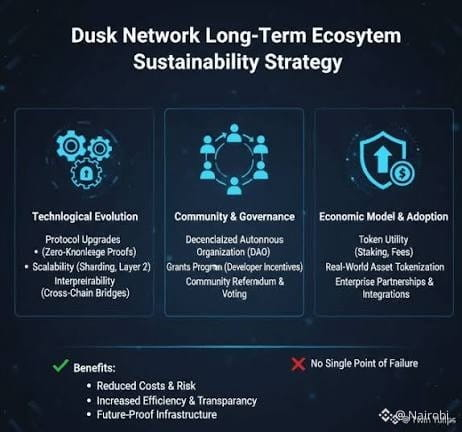
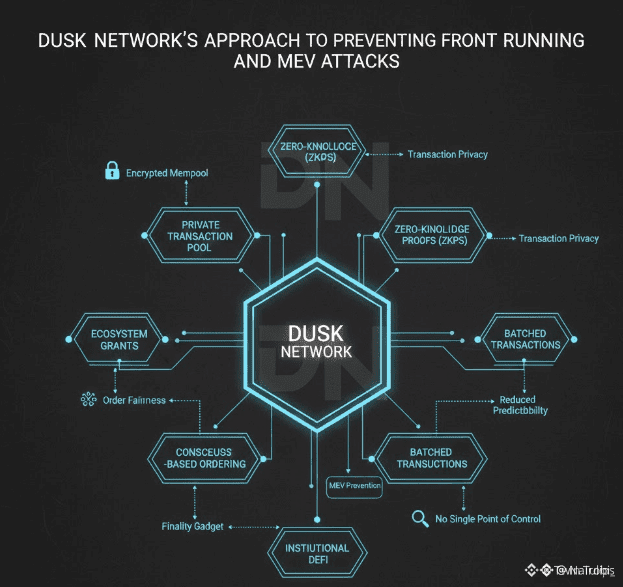
the Dusk staking detail I kept coming back to is that locking DUSK does not immediately give that stake consensus power.
my first read was simple:
stake tokens.
become a provisioner.
enter consensus.
but Dusk inserts another state between those things:
eligibility.
a stake is recorded as an amount plus the block height where its transaction was included. to enter deterministic sortition, it must meet the minimum and survive a maturity period tied to epochs.
that period is not simply “wait N blocks from deposit.”
it includes the rest of the epoch where the stake lands, plus another full epoch. the result: new stakes become eligible at an epoch boundary.
so two stakes committed at very different times can still acquire consensus rights together.
someone staking near the start of an epoch waits longer than someone near its end, yet both can cross the eligibility boundary together.
that feels small until you separate the states.
locked capital is already exposed to the staking system.
eligible capital can actually enter sortition.
selected capital gets a concrete consensus role.
those are three different moments.
penalties split the picture again. suspension can exclude a provisioner from sortition for epochs. soft slashing can lock part of the stake and reduce its weight. hard slashing can burn stake.
so even “still staked” does not necessarily mean “still carrying the same consensus influence.”
that makes the epoch boundary more than bookkeeping.
it is part of the protocol's security surface.
imagine a large stake arriving late in an epoch. the capital is committed, but it cannot immediately reshape committee selection just because the transaction finalized.
Dusk makes stake ownership immediate and consensus eligibility delayed.
and that changed the question for me.
when we say a PoS network has gained new stake, do we mean the capital has been locked?
or that the protocol has actually allowed that capital to start deciding blocks?
@Dusk_Foundation #Dusk $DUSK $GPS $VELVET
the Dusk staking detail I kept coming back to is that locking DUSK does not immediately give that stake consensus power.
my first read was simple:
stake tokens.
become a provisioner.
enter consensus.
but Dusk inserts another state between those things:
eligibility.
a stake is recorded as an amount plus the block height where its transaction was included. to enter deterministic sortition, it must meet the minimum and survive a maturity period tied to epochs.
that period is not simply “wait N blocks from deposit.”
it includes the rest of the epoch where the stake lands, plus another full epoch. the result: new stakes become eligible at an epoch boundary.
so two stakes committed at very different times can still acquire consensus rights together.
someone staking near the start of an epoch waits longer than someone near its end, yet both can cross the eligibility boundary together.
that feels small until you separate the states.
locked capital is already exposed to the staking system.
eligible capital can actually enter sortition.
selected capital gets a concrete consensus role.
those are three different moments.
penalties split the picture again. suspension can exclude a provisioner from sortition for epochs. soft slashing can lock part of the stake and reduce its weight. hard slashing can burn stake.
so even “still staked” does not necessarily mean “still carrying the same consensus influence.”
that makes the epoch boundary more than bookkeeping.
it is part of the protocol's security surface.
imagine a large stake arriving late in an epoch. the capital is committed, but it cannot immediately reshape committee selection just because the transaction finalized.
Dusk makes stake ownership immediate and consensus eligibility delayed.
and that changed the question for me.
when we say a PoS network has gained new stake, do we mean the capital has been locked?
or that the protocol has actually allowed that capital to start deciding blocks?
@Dusk #Dusk $DUSK $GPS $VELVET
my first read was simple:
stake tokens.
become a provisioner.
enter consensus.
but Dusk inserts another state between those things:
eligibility.
a stake is recorded as an amount plus the block height where its transaction was included. to enter deterministic sortition, it must meet the minimum and survive a maturity period tied to epochs.
that period is not simply “wait N blocks from deposit.”
it includes the rest of the epoch where the stake lands, plus another full epoch. the result: new stakes become eligible at an epoch boundary.
so two stakes committed at very different times can still acquire consensus rights together.
someone staking near the start of an epoch waits longer than someone near its end, yet both can cross the eligibility boundary together.
that feels small until you separate the states.
locked capital is already exposed to the staking system.
eligible capital can actually enter sortition.
selected capital gets a concrete consensus role.
those are three different moments.
penalties split the picture again. suspension can exclude a provisioner from sortition for epochs. soft slashing can lock part of the stake and reduce its weight. hard slashing can burn stake.
so even “still staked” does not necessarily mean “still carrying the same consensus influence.”
that makes the epoch boundary more than bookkeeping.
it is part of the protocol's security surface.
imagine a large stake arriving late in an epoch. the capital is committed, but it cannot immediately reshape committee selection just because the transaction finalized.
Dusk makes stake ownership immediate and consensus eligibility delayed.
and that changed the question for me.
when we say a PoS network has gained new stake, do we mean the capital has been locked?
or that the protocol has actually allowed that capital to start deciding blocks?
@Dusk #Dusk $DUSK $GPS $VELVET
3
4
480
·
--
the Phoenix detail is easy to miss:
spent notes stay in the Merkle tree.
I first treated that tree like a private UTXO set. once a note was spent, I assumed it would disappear.
the whitepaper says otherwise.
when a Phoenix note is spent, its owner derives a nullifier from the note’s secret key. the network records that nullifier so the note cannot be spent again.
but it does not learn which note the nullifier belongs to.
so the note stays. the tree keeps growing.
that creates a distinction I hadn’t thought about:
recorded is not the same as spendable.
a recent Merkle root lets the network verify that an input note belongs to the tree. membership alone does not mean the value is still live.
that answer sits in the nullifier list.
and Phoenix keeps the public link between the two hidden.
in Moonlight, Dusk maps an account to a public balance.
Phoenix works differently. the network verifies a ZK proof that input notes are correctly nullified and hold enough value for new notes, deposit and maximum gas, without exposing the amounts.
so a Phoenix note can remain recorded after its economic usefulness is gone.
the record survives.
the spending right does not.
then there is another split.
a view key can be given to a trusted party to scan the network and identify transactions addressed to the user. but it still cannot spend those notes, because the note secret key requires the user’s whole secret key.
so “can see my private state” and “can control my private state” are different permissions.
two boundaries appear:
recorded / spendable
visible / controllable
the edge case I keep coming back to is an application reconstructing what a user has right now.
the note being present is insufficient.
being able to recognize it is insufficient too.
you need history, nullification state and the right secret material.
which makes me wonder:
in a private ledger, is “current state” one object at all, or the intersection of records intentionally incomplete when read alone?
@Dusk_Foundation #dusk $DUSK $VELVET $APR
the Phoenix detail is easy to miss:
spent notes stay in the Merkle tree.
I first treated that tree like a private UTXO set. once a note was spent, I assumed it would disappear.
the whitepaper says otherwise.
when a Phoenix note is spent, its owner derives a nullifier from the note’s secret key. the network records that nullifier so the note cannot be spent again.
but it does not learn which note the nullifier belongs to.
so the note stays. the tree keeps growing.
that creates a distinction I hadn’t thought about:
recorded is not the same as spendable.
a recent Merkle root lets the network verify that an input note belongs to the tree. membership alone does not mean the value is still live.
that answer sits in the nullifier list.
and Phoenix keeps the public link between the two hidden.
in Moonlight, Dusk maps an account to a public balance.
Phoenix works differently. the network verifies a ZK proof that input notes are correctly nullified and hold enough value for new notes, deposit and maximum gas, without exposing the amounts.
so a Phoenix note can remain recorded after its economic usefulness is gone.
the record survives.
the spending right does not.
then there is another split.
a view key can be given to a trusted party to scan the network and identify transactions addressed to the user. but it still cannot spend those notes, because the note secret key requires the user’s whole secret key.
so “can see my private state” and “can control my private state” are different permissions.
two boundaries appear:
recorded / spendable
visible / controllable
the edge case I keep coming back to is an application reconstructing what a user has right now.
the note being present is insufficient.
being able to recognize it is insufficient too.
you need history, nullification state and the right secret material.
which makes me wonder:
in a private ledger, is “current state” one object at all, or the intersection of records intentionally incomplete when read alone?
@Dusk #dusk $DUSK $VELVET $APR
spent notes stay in the Merkle tree.
I first treated that tree like a private UTXO set. once a note was spent, I assumed it would disappear.
the whitepaper says otherwise.
when a Phoenix note is spent, its owner derives a nullifier from the note’s secret key. the network records that nullifier so the note cannot be spent again.
but it does not learn which note the nullifier belongs to.
so the note stays. the tree keeps growing.
that creates a distinction I hadn’t thought about:
recorded is not the same as spendable.
a recent Merkle root lets the network verify that an input note belongs to the tree. membership alone does not mean the value is still live.
that answer sits in the nullifier list.
and Phoenix keeps the public link between the two hidden.
in Moonlight, Dusk maps an account to a public balance.
Phoenix works differently. the network verifies a ZK proof that input notes are correctly nullified and hold enough value for new notes, deposit and maximum gas, without exposing the amounts.
so a Phoenix note can remain recorded after its economic usefulness is gone.
the record survives.
the spending right does not.
then there is another split.
a view key can be given to a trusted party to scan the network and identify transactions addressed to the user. but it still cannot spend those notes, because the note secret key requires the user’s whole secret key.
so “can see my private state” and “can control my private state” are different permissions.
two boundaries appear:
recorded / spendable
visible / controllable
the edge case I keep coming back to is an application reconstructing what a user has right now.
the note being present is insufficient.
being able to recognize it is insufficient too.
you need history, nullification state and the right secret material.
which makes me wonder:
in a private ledger, is “current state” one object at all, or the intersection of records intentionally incomplete when read alone?
@Dusk #dusk $DUSK $VELVET $APR
1
3
147
·
--
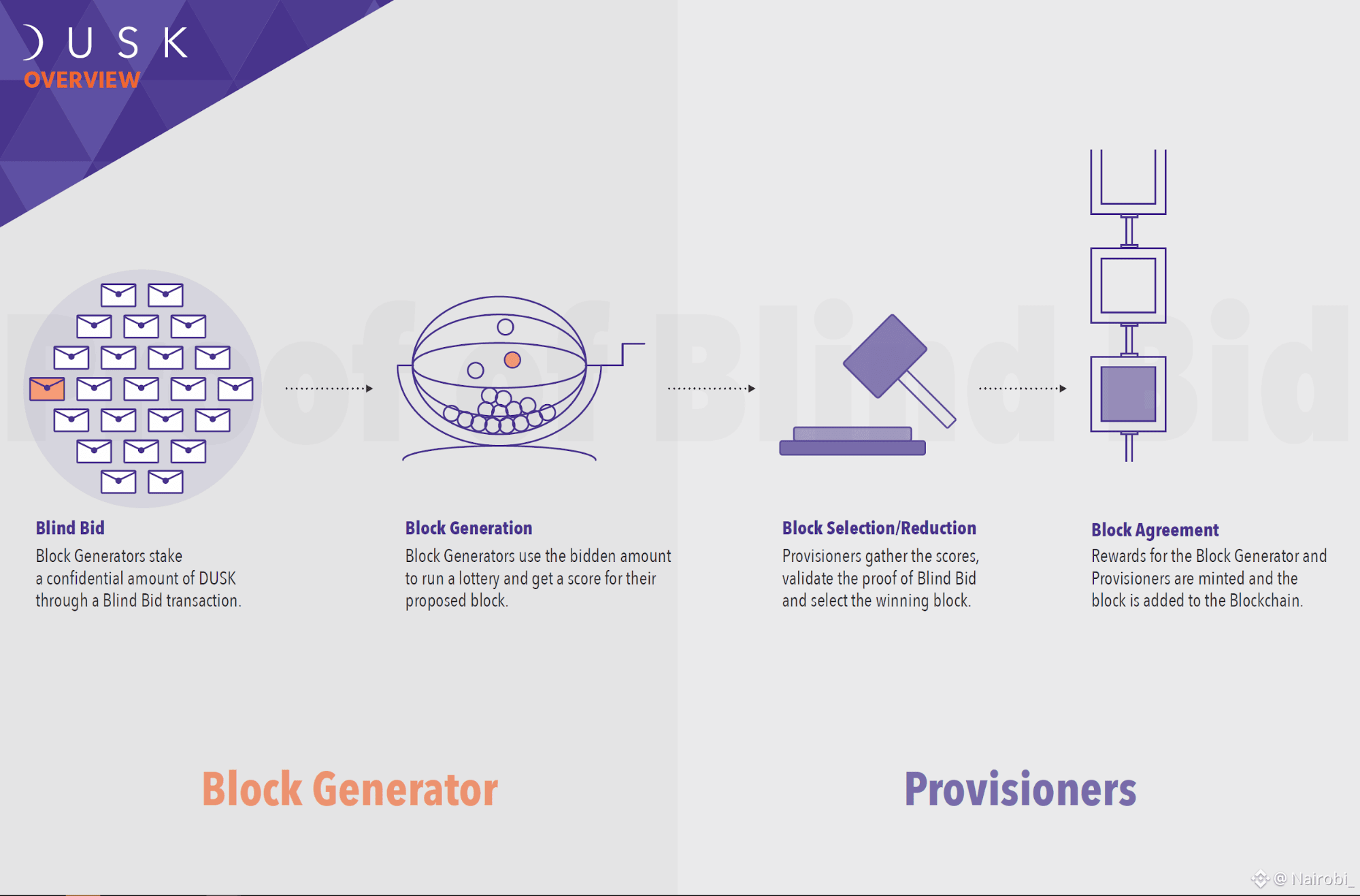
the Dusk detail I kept coming back to is that a block can have a success attestation and still not be final.
my first read of Succinct Attestation was simpler.
proposal lands.
validation reaches a supermajority of Valid votes.
ratification confirms it.
aggregated BLS signatures prove the quorum.
done, right?
not quite.
Dusk’s rolling finality section splits a block into accepted, attested, confirmed, and final.
if a block is produced at iteration I > 0 while an earlier iteration still has no fail attestation, it can carry a success attestation and only be marked accepted.
because “the committee reached quorum” sounds very close to “this block cannot disappear.”
on Dusk those are different claims.
the unresolved earlier iteration still matters. if a lower-iteration block later reaches consensus, fallback can replace the accepted block and discard its successors.
so the success attestation proves agreement happened.
it does not always prove the chain has finished choosing.
an attested block either landed at iteration 0 or has fail attestations covering every earlier iteration, so no lower-iteration block can replace it directly. confirmed depends on later blocks. final arrives only when the block is confirmed and its parent is already final.
that made “finality in seconds” feel less like one event and more like a boundary an application has to read correctly.
an application on Dusk is not only asking whether consensus signed something.
release collateral?
recognize a security transfer?
let another contract treat the state as irreversible?
those may not deserve the same threshold.
most of the time this probably moves quickly. fine
the edge case is what interests me: a block looks successful, an application reacts to it, and a lower iteration is still alive.
Dusk does not hide that gap. it names it.
accepted is not final.
and once I noticed that, my integration question changed.
not “did consensus succeed?”
how irreversible does this application need Dusk to be before it acts?
@Dusk_Foundation $DUSK #Dusk $ACE $APR
the Dusk detail I kept coming back to is that a block can have a success attestation and still not be final.
my first read of Succinct Attestation was simpler.
proposal lands.
validation reaches a supermajority of Valid votes.
ratification confirms it.
aggregated BLS signatures prove the quorum.
done, right?
not quite.
Dusk’s rolling finality section splits a block into accepted, attested, confirmed, and final.
if a block is produced at iteration I > 0 while an earlier iteration still has no fail attestation, it can carry a success attestation and only be marked accepted.
because “the committee reached quorum” sounds very close to “this block cannot disappear.”
on Dusk those are different claims.
the unresolved earlier iteration still matters. if a lower-iteration block later reaches consensus, fallback can replace the accepted block and discard its successors.
so the success attestation proves agreement happened.
it does not always prove the chain has finished choosing.
an attested block either landed at iteration 0 or has fail attestations covering every earlier iteration, so no lower-iteration block can replace it directly. confirmed depends on later blocks. final arrives only when the block is confirmed and its parent is already final.
that made “finality in seconds” feel less like one event and more like a boundary an application has to read correctly.
an application on Dusk is not only asking whether consensus signed something.
release collateral?
recognize a security transfer?
let another contract treat the state as irreversible?
those may not deserve the same threshold.
most of the time this probably moves quickly. fine
the edge case is what interests me: a block looks successful, an application reacts to it, and a lower iteration is still alive.
Dusk does not hide that gap. it names it.
accepted is not final.
and once I noticed that, my integration question changed.
not “did consensus succeed?”
how irreversible does this application need Dusk to be before it acts?
@Dusk $DUSK #Dusk $ACE $APR
my first read of Succinct Attestation was simpler.
proposal lands.
validation reaches a supermajority of Valid votes.
ratification confirms it.
aggregated BLS signatures prove the quorum.
done, right?
not quite.
Dusk’s rolling finality section splits a block into accepted, attested, confirmed, and final.
if a block is produced at iteration I > 0 while an earlier iteration still has no fail attestation, it can carry a success attestation and only be marked accepted.
because “the committee reached quorum” sounds very close to “this block cannot disappear.”
on Dusk those are different claims.
the unresolved earlier iteration still matters. if a lower-iteration block later reaches consensus, fallback can replace the accepted block and discard its successors.
so the success attestation proves agreement happened.
it does not always prove the chain has finished choosing.
an attested block either landed at iteration 0 or has fail attestations covering every earlier iteration, so no lower-iteration block can replace it directly. confirmed depends on later blocks. final arrives only when the block is confirmed and its parent is already final.
that made “finality in seconds” feel less like one event and more like a boundary an application has to read correctly.
an application on Dusk is not only asking whether consensus signed something.
release collateral?
recognize a security transfer?
let another contract treat the state as irreversible?
those may not deserve the same threshold.
most of the time this probably moves quickly. fine
the edge case is what interests me: a block looks successful, an application reacts to it, and a lower iteration is still alive.
Dusk does not hide that gap. it names it.
accepted is not final.
and once I noticed that, my integration question changed.
not “did consensus succeed?”
how irreversible does this application need Dusk to be before it acts?
@Dusk $DUSK #Dusk $ACE $APR
SELECTIVE DISCLOSURE
0%
DUSKVM
0%
DUSK'S MOONLIGHT
100%
DUSK'S PHOENIX
0%
1 votes • Voting closed
3
1
149
·
--
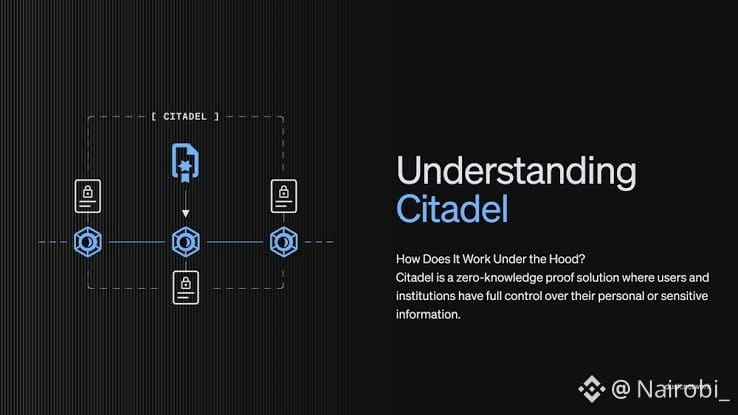
i thought the public Dusk Citadel session was the part where Dusk finally gave something up.
inside Dusk, the zero-knowledge proof had already been accepted.
the Citadel session existed onchain.
so i opened it expecting to find the thing i had just proved sitting somewhere inside.
accreditation maybe. residency. whatever attribute the Dusk service actually cared about.
and it was not there
which honestly made me suspicious before it made me impressed.
because if Dusk is recording this Citadel session publicly on the Dusk L1, what exactly became public if the credential itself never showed up?
i kept treating “verified on Dusk” like it had to mean “revealed somewhere.”
apparently not.
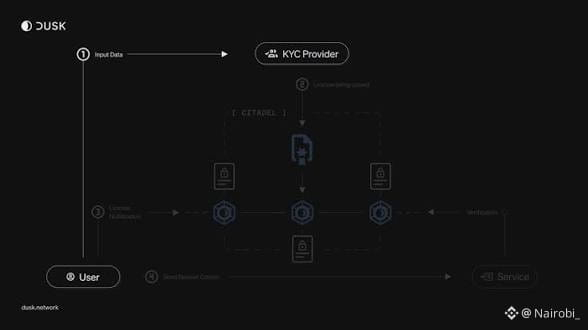
inside Citadel, possession of a valid license from a trusted provider can be proven through zero-knowledge. the Citadel contract checks that proof and records the session.
then the service gets the session cookie and decides whether the Dusk Citadel proof satisfies its own policy.
but i can still open that public session and not find the license i used.
no signed attributes dumped there.
no accreditation field sitting there.
no wallet key exposed behind it.
that kept bothering me.
Dusk had made the fact that verification happened visible without making the fact i verified visible in the same way.
and yeah, selective disclosure sounded much simpler before this.
i had pictured Dusk privacy holding everything closed until somebody legitimate asked, then some piece of information being opened.
Citadel feels more irritatingly precise.
a service gets enough from the Dusk's proof to make its decision.
the Dusk L1 gets enough to retain the session.
and somehow neither one requires the whole chain to inherit the credential itself.
so i kept reopening that Citadel session looking for the disclosure.
the session was still public.
the reason i qualified was still missing.
and maybe that is what keeps catching me about Dusk here.
something was disclosed.
i am just not sure why i ever assumed everyone had to receive it
@Dusk_Foundation $DUSK #dusk $ACE $VELVET
i thought the public Dusk Citadel session was the part where Dusk finally gave something up.
inside Dusk, the zero-knowledge proof had already been accepted.
the Citadel session existed onchain.
so i opened it expecting to find the thing i had just proved sitting somewhere inside.
accreditation maybe. residency. whatever attribute the Dusk service actually cared about.
and it was not there
which honestly made me suspicious before it made me impressed.
because if Dusk is recording this Citadel session publicly on the Dusk L1, what exactly became public if the credential itself never showed up?
i kept treating “verified on Dusk” like it had to mean “revealed somewhere.”
apparently not.
inside Citadel, possession of a valid license from a trusted provider can be proven through zero-knowledge. the Citadel contract checks that proof and records the session.
then the service gets the session cookie and decides whether the Dusk Citadel proof satisfies its own policy.
but i can still open that public session and not find the license i used.
no signed attributes dumped there.
no accreditation field sitting there.
no wallet key exposed behind it.
that kept bothering me.
Dusk had made the fact that verification happened visible without making the fact i verified visible in the same way.
and yeah, selective disclosure sounded much simpler before this.
i had pictured Dusk privacy holding everything closed until somebody legitimate asked, then some piece of information being opened.
Citadel feels more irritatingly precise.
a service gets enough from the Dusk's proof to make its decision.
the Dusk L1 gets enough to retain the session.
and somehow neither one requires the whole chain to inherit the credential itself.
so i kept reopening that Citadel session looking for the disclosure.
the session was still public.
the reason i qualified was still missing.
and maybe that is what keeps catching me about Dusk here.
something was disclosed.
i am just not sure why i ever assumed everyone had to receive it
@Dusk $DUSK #dusk $ACE $VELVET
inside Dusk, the zero-knowledge proof had already been accepted.
the Citadel session existed onchain.
so i opened it expecting to find the thing i had just proved sitting somewhere inside.
accreditation maybe. residency. whatever attribute the Dusk service actually cared about.
and it was not there
which honestly made me suspicious before it made me impressed.
because if Dusk is recording this Citadel session publicly on the Dusk L1, what exactly became public if the credential itself never showed up?
i kept treating “verified on Dusk” like it had to mean “revealed somewhere.”
apparently not.
inside Citadel, possession of a valid license from a trusted provider can be proven through zero-knowledge. the Citadel contract checks that proof and records the session.
then the service gets the session cookie and decides whether the Dusk Citadel proof satisfies its own policy.
but i can still open that public session and not find the license i used.
no signed attributes dumped there.
no accreditation field sitting there.
no wallet key exposed behind it.
that kept bothering me.
Dusk had made the fact that verification happened visible without making the fact i verified visible in the same way.
and yeah, selective disclosure sounded much simpler before this.
i had pictured Dusk privacy holding everything closed until somebody legitimate asked, then some piece of information being opened.
Citadel feels more irritatingly precise.
a service gets enough from the Dusk's proof to make its decision.
the Dusk L1 gets enough to retain the session.
and somehow neither one requires the whole chain to inherit the credential itself.
so i kept reopening that Citadel session looking for the disclosure.
the session was still public.
the reason i qualified was still missing.
and maybe that is what keeps catching me about Dusk here.
something was disclosed.
i am just not sure why i ever assumed everyone had to receive it
@Dusk $DUSK #dusk $ACE $VELVET
2
1
146
·
--
i kept switching between public and shielded in the Dusk wallet because i thought one of them had to be the “real” version of DUSK.
same token.
same network.
same wallet.
Moonlight behaved like an ordinary public account. balance visible. sender visible. receiver visible. amount visible.
then Phoenix turned the same DUSK into encrypted notes and the transfer stopped leaving me the same trail.
and yeah, that felt inconsistent.
if Dusk is a privacy blockchain, why does one send look completely public?
or if DUSK is public enough to move through Moonlight, what exactly becomes private when i choose Phoenix?
i kept trying to attach privacy to the asset.
that was the part i had wrong.
Moonlight and Phoenix are two transaction models inside DuskDS. one keeps value in a public account model. the other uses shielded notes and zero-knowledge proofs without exposing the same sender, receiver, and amount data.
the coin did not become a different coin.
what observers were allowed to learn did.
and somehow that bothered me more than a chain that was simply private all the time.
because now privacy was not a property i could assign to Dusk and forget about.
the choice was sitting inside the flow.
send through Moonlight and Dusk leaves a public account trail.
send through Phoenix and the transfer can settle without giving ordinary observers the same financial picture.
same settlement layer.
different visibility.
and Dusk applications make that harder to flatten. a DuskVM flow can stay transparent where public state is useful and use privacy or zero-knowledge capabilities where the application needs them.
so “Dusk is private” started sounding too simple.
i can use the same network and move between a balance meant to be stared at and a transfer where proving correctness is enough.
i still keep pausing at that wallet choice.
not because i do not know what public and shielded mean.
because i expected privacy to belong to the chain.
Dusk keeps making it belong to the flow i am actually choosing.
@Dusk_Foundation #Dusk $DUSK #dusk $AKE $COTI
i kept switching between public and shielded in the Dusk wallet because i thought one of them had to be the “real” version of DUSK.
same token.
same network.
same wallet.
Moonlight behaved like an ordinary public account. balance visible. sender visible. receiver visible. amount visible.
then Phoenix turned the same DUSK into encrypted notes and the transfer stopped leaving me the same trail.
and yeah, that felt inconsistent.
if Dusk is a privacy blockchain, why does one send look completely public?
or if DUSK is public enough to move through Moonlight, what exactly becomes private when i choose Phoenix?
i kept trying to attach privacy to the asset.
that was the part i had wrong.
Moonlight and Phoenix are two transaction models inside DuskDS. one keeps value in a public account model. the other uses shielded notes and zero-knowledge proofs without exposing the same sender, receiver, and amount data.
the coin did not become a different coin.
what observers were allowed to learn did.
and somehow that bothered me more than a chain that was simply private all the time.
because now privacy was not a property i could assign to Dusk and forget about.
the choice was sitting inside the flow.
send through Moonlight and Dusk leaves a public account trail.
send through Phoenix and the transfer can settle without giving ordinary observers the same financial picture.
same settlement layer.
different visibility.
and Dusk applications make that harder to flatten. a DuskVM flow can stay transparent where public state is useful and use privacy or zero-knowledge capabilities where the application needs them.
so “Dusk is private” started sounding too simple.
i can use the same network and move between a balance meant to be stared at and a transfer where proving correctness is enough.
i still keep pausing at that wallet choice.
not because i do not know what public and shielded mean.
because i expected privacy to belong to the chain.
Dusk keeps making it belong to the flow i am actually choosing.
@Dusk #Dusk $DUSK #dusk $AKE $COTI
same token.
same network.
same wallet.
Moonlight behaved like an ordinary public account. balance visible. sender visible. receiver visible. amount visible.
then Phoenix turned the same DUSK into encrypted notes and the transfer stopped leaving me the same trail.
and yeah, that felt inconsistent.
if Dusk is a privacy blockchain, why does one send look completely public?
or if DUSK is public enough to move through Moonlight, what exactly becomes private when i choose Phoenix?
i kept trying to attach privacy to the asset.
that was the part i had wrong.
Moonlight and Phoenix are two transaction models inside DuskDS. one keeps value in a public account model. the other uses shielded notes and zero-knowledge proofs without exposing the same sender, receiver, and amount data.
the coin did not become a different coin.
what observers were allowed to learn did.
and somehow that bothered me more than a chain that was simply private all the time.
because now privacy was not a property i could assign to Dusk and forget about.
the choice was sitting inside the flow.
send through Moonlight and Dusk leaves a public account trail.
send through Phoenix and the transfer can settle without giving ordinary observers the same financial picture.
same settlement layer.
different visibility.
and Dusk applications make that harder to flatten. a DuskVM flow can stay transparent where public state is useful and use privacy or zero-knowledge capabilities where the application needs them.
so “Dusk is private” started sounding too simple.
i can use the same network and move between a balance meant to be stared at and a transfer where proving correctness is enough.
i still keep pausing at that wallet choice.
not because i do not know what public and shielded mean.
because i expected privacy to belong to the chain.
Dusk keeps making it belong to the flow i am actually choosing.
@Dusk #Dusk $DUSK #dusk $AKE $COTI
DUSK
67%
AKE
33%
COTI
0%
3 votes • Voting closed
6
5
173
Log in to explore more content
Join global crypto users on Binance Square
⚡️ Get latest and useful information about crypto.
💬 Trusted by the world’s largest crypto exchange.
👍 Discover real insights from verified creators.
Email / Phone number
Trending Topics
BinanceLaunchesBinanceIntelligence
751,364 views
4,688 Discussing
#binancelaunchesbinanceintelligence 🚨 WHAT IF THE NEXT BIG EXCHANGE BATTLE ISN’T ABOUT FEES? 👀
Binance just made a bigger move than adding another AI chatbot.
With Binance Intelligence, AI is moving deeper into the exchange — from understanding market data to building trading workflows. 🤖⚡
The real question is:
Who has the best liquidity?
Or who has the smartest AI layer?
If users can research, test ideas and manage trading workflows without switching between different tools, the exchange itself could become a financial assistant.
That could be a much bigger shift than it looks today.
If Binance Intelligence drives more users, more strategies and more trading activity, $BNB could become one of the tokens to watch. 👀
Is Binance building the future of AI-powered finance?
$BNB
#binancelaunchesbinanceintelligence #BinanceAI #CryptoAI #AITrading
Suleman Khan Haqqani
·30 Likes
·28.8k views
BTCFallsBelow$84K
33,981 views
117 Discussing
DubaiVARAIssuesReserveAssetAuditCircular
10,527 views
398 Discussing