

Nathalia90
7.7k Posts

Nathalia90
Report
Block User
The key to success is to believe in the process, and not complain."newbie to pro" grow together.
Open Trade
Frequent Trader
1.3 Years
2.1K+ Following
18.8K+ Followers
4.3K+ Liked
Posts
Portfolio
All
Quotes
Live
·
--
Goldman Sachs: No need to wait for the midterm elections—“Goldilocks” scenario may trigger a rallyGoldman Sachs said the market may be volatile due to stagflation pricing and the risk of rising yields on U.S. government bonds. However, weaker tariff impacts, lower energy prices, and cost reductions driven by AI will ease inflation. Economic growth may slow, but companies’ earnings resilience is expected to remain strong. If the market enters a “Goldilocks” scenario, enthusiasm for AI investment may pick up again, and U.S. stocks could rise earlier ahead of the end of the year. The analysis also indicates that AI-related assets are recovering, the risk of higher-than-expected growth is declining, and core earnings remain strong—suggesting the market could shift from stagflation to Goldilocks.
In a note from BlockBeats dated September 27, Goldman Sachs said the market may have already priced in too much risk of stagflation and rising yields on U.S. Treasuries. As tariff effects fade, energy prices could fall, and AI-driven cost reductions are expected to reduce pressure, inflation in the U.S. is likely to cool. Meanwhile, although economic growth may slow, companies’ core earnings are still expected to be resilient. Under this “Goldilocks” scenario, optimism about AI investment may return, and the U.S. stock market rally later this year may not need to wait until after the U.S. midterm elections to begin.
Goldman Sachs partner Mark Wilson said recent market movements show related signs: AI-related assets have once again attracted investor interest after consolidating for several months. Goldman Sachs economist Jan Hatzius believes the risk of higher-than-expected U.S. economic growth is moderating. As the effects of fiscal stimulus wane and gasoline prices and mortgage rates rise, the pace of economic growth is likely to slow further, which would also limit central banks’ room to keep raising interest rates.
Ben Snider, head of Goldman Sachs’ U.S. strategy team, argued that although some industries experience “excess earnings” temporarily, companies’ core earnings may still maintain strong growth at least through the end of 2027. Based on this, Goldman Sachs believes that if inflation continues to fall, economic growth slows moderately, and company earnings remain resilient, the market may gradually shift from its prior stagflation trade toward a “Goldilocks” scenario.
Goldman Sachs: No need to wait for the midterm elections—“Goldilocks” scenario may trigger a rally
Goldman Sachs said the market may be volatile due to stagflation pricing and the risk of rising yields on U.S. government bonds. However, weaker tariff impacts, lower energy prices, and cost reductions driven by AI will ease inflation. Economic growth may slow, but companies’ earnings resilience is expected to remain strong. If the market enters a “Goldilocks” scenario, enthusiasm for AI investment may pick up again, and U.S. stocks could rise earlier ahead of the end of the year. The analysis also indicates that AI-related assets are recovering, the risk of higher-than-expected growth is declining, and core earnings remain strong—suggesting the market could shift from stagflation to Goldilocks.
In a note from BlockBeats dated September 27, Goldman Sachs said the market may have already priced in too much risk of stagflation and rising yields on U.S. Treasuries. As tariff effects fade, energy prices could fall, and AI-driven cost reductions are expected to reduce pressure, inflation in the U.S. is likely to cool. Meanwhile, although economic growth may slow, companies’ core earnings are still expected to be resilient. Under this “Goldilocks” scenario, optimism about AI investment may return, and the U.S. stock market rally later this year may not need to wait until after the U.S. midterm elections to begin.
Goldman Sachs partner Mark Wilson said recent market movements show related signs: AI-related assets have once again attracted investor interest after consolidating for several months. Goldman Sachs economist Jan Hatzius believes the risk of higher-than-expected U.S. economic growth is moderating. As the effects of fiscal stimulus wane and gasoline prices and mortgage rates rise, the pace of economic growth is likely to slow further, which would also limit central banks’ room to keep raising interest rates.
Ben Snider, head of Goldman Sachs’ U.S. strategy team, argued that although some industries experience “excess earnings” temporarily, companies’ core earnings may still maintain strong growth at least through the end of 2027. Based on this, Goldman Sachs believes that if inflation continues to fall, economic growth slows moderately, and company earnings remain resilient, the market may gradually shift from its prior stagflation trade toward a “Goldilocks” scenario.
In a note from BlockBeats dated September 27, Goldman Sachs said the market may have already priced in too much risk of stagflation and rising yields on U.S. Treasuries. As tariff effects fade, energy prices could fall, and AI-driven cost reductions are expected to reduce pressure, inflation in the U.S. is likely to cool. Meanwhile, although economic growth may slow, companies’ core earnings are still expected to be resilient. Under this “Goldilocks” scenario, optimism about AI investment may return, and the U.S. stock market rally later this year may not need to wait until after the U.S. midterm elections to begin.
Goldman Sachs partner Mark Wilson said recent market movements show related signs: AI-related assets have once again attracted investor interest after consolidating for several months. Goldman Sachs economist Jan Hatzius believes the risk of higher-than-expected U.S. economic growth is moderating. As the effects of fiscal stimulus wane and gasoline prices and mortgage rates rise, the pace of economic growth is likely to slow further, which would also limit central banks’ room to keep raising interest rates.
Ben Snider, head of Goldman Sachs’ U.S. strategy team, argued that although some industries experience “excess earnings” temporarily, companies’ core earnings may still maintain strong growth at least through the end of 2027. Based on this, Goldman Sachs believes that if inflation continues to fall, economic growth slows moderately, and company earnings remain resilient, the market may gradually shift from its prior stagflation trade toward a “Goldilocks” scenario.
210
·
--
check out the link
https://www.bmwweb.biz/activity/pick-and-win/2026-football-challenge?ref=1115725807&utm_medium=web_share_copy
don't forget to keep that bullish smile 😊
check out the link
https://www.bmwweb.biz/activity/pick-and-win/2026-football-challenge?ref=1115725807&utm_medium=web_share_copy
don't forget to keep that bullish smile 😊
https://www.bmwweb.biz/activity/pick-and-win/2026-football-challenge?ref=1115725807&utm_medium=web_share_copy
don't forget to keep that bullish smile 😊
1
6
330
·
--
a dip to 63k is on the horizon for BTC,
and a rebound is expected post-dip.
Stay sharp and do your due diligence.
#BTC
$BTC
{future}(BTCUSDT)
a dip to 63k is on the horizon for BTC,
and a rebound is expected post-dip.
Stay sharp and do your due diligence.
#BTC
$BTC
and a rebound is expected post-dip.
Stay sharp and do your due diligence.
#BTC
$BTC
4
2.4k
·
--
congratulations to You which is follow
congratulations to You which is follow
Nathalia90
·
--
btc will touch 66k for those who Want to trade long you are welcome
#BTC
#TRUMPTokenMarketCapAbov
$BTC
#BTC
#TRUMPTokenMarketCapAbov
$BTC
1
4
111
·
--
btc will touch 66k for those who Want to trade long you are welcome
#BTC
#TRUMPTokenMarketCapAbov
$BTC
btc will touch 66k for those who Want to trade long you are welcome
#BTC
#TRUMPTokenMarketCapAbov
$BTC
#BTC
#TRUMPTokenMarketCapAbov
$BTC
3
1
4
184
·
--
gaasssss
[https://app.binance.com/uni-qr/pay-events_GJ6PMrZG?utm_medium=web_share_copy](https://app.binance.com/uni-qr/pay-events_GJ6PMrZG?utm_medium=web_share_copy)
[click here 🎁🎁😘😘](https://app.binance.com/uni-qr/pay-events_GJ6PMrZG?utm_medium=web_share_copy)
gaasssss
https://app.binance.com/uni-qr/pay-events_GJ6PMrZG?utm_medium=web_share_copy
click here 🎁🎁😘😘
https://app.binance.com/uni-qr/pay-events_GJ6PMrZG?utm_medium=web_share_copy
click here 🎁🎁😘😘
2
7
386
·
--
[https://app.binance.com/uni-qr/pay-events_2tPYgKxU?utm_medium=web_share_copy](https://app.binance.com/uni-qr/pay-events_2tPYgKxU?utm_medium=web_share_copy)
get rewards
https://app.binance.com/uni-qr/pay-events_2tPYgKxU?utm_medium=web_share_copy
get rewards
get rewards
1
3
420
·
--
8
273
·
--
click that link, squad 😘😘😘
[click here 🎁🎁](https://app.binance.com/uni-qr/pay-events_VuPBBfnD?utm_medium=web_share_copy)
[https://app.binance.com/uni-qr/pay-events_VuPBBfnD?utm_medium=web_share_copy](https://app.binance.com/uni-qr/pay-events_VuPBBfnD?utm_medium=web_share_copy)
[click here 🎁🎁](https://app.binance.com/uni-qr/pay-events_JFeBKSvo?utm_medium=web_share_copy)
[https://app.binance.com/uni-qr/pay-events_JFeBKSvo?utm_medium=web_share_copy](https://app.binance.com/uni-qr/pay-events_JFeBKSvo?utm_medium=web_share_copy)
click that link, squad 😘😘😘
click here 🎁🎁
https://app.binance.com/uni-qr/pay-events_VuPBBfnD?utm_medium=web_share_copy
click here 🎁🎁
https://app.binance.com/uni-qr/pay-events_JFeBKSvo?utm_medium=web_share_copy
click here 🎁🎁
https://app.binance.com/uni-qr/pay-events_VuPBBfnD?utm_medium=web_share_copy
click here 🎁🎁
https://app.binance.com/uni-qr/pay-events_JFeBKSvo?utm_medium=web_share_copy
2
235
·
--
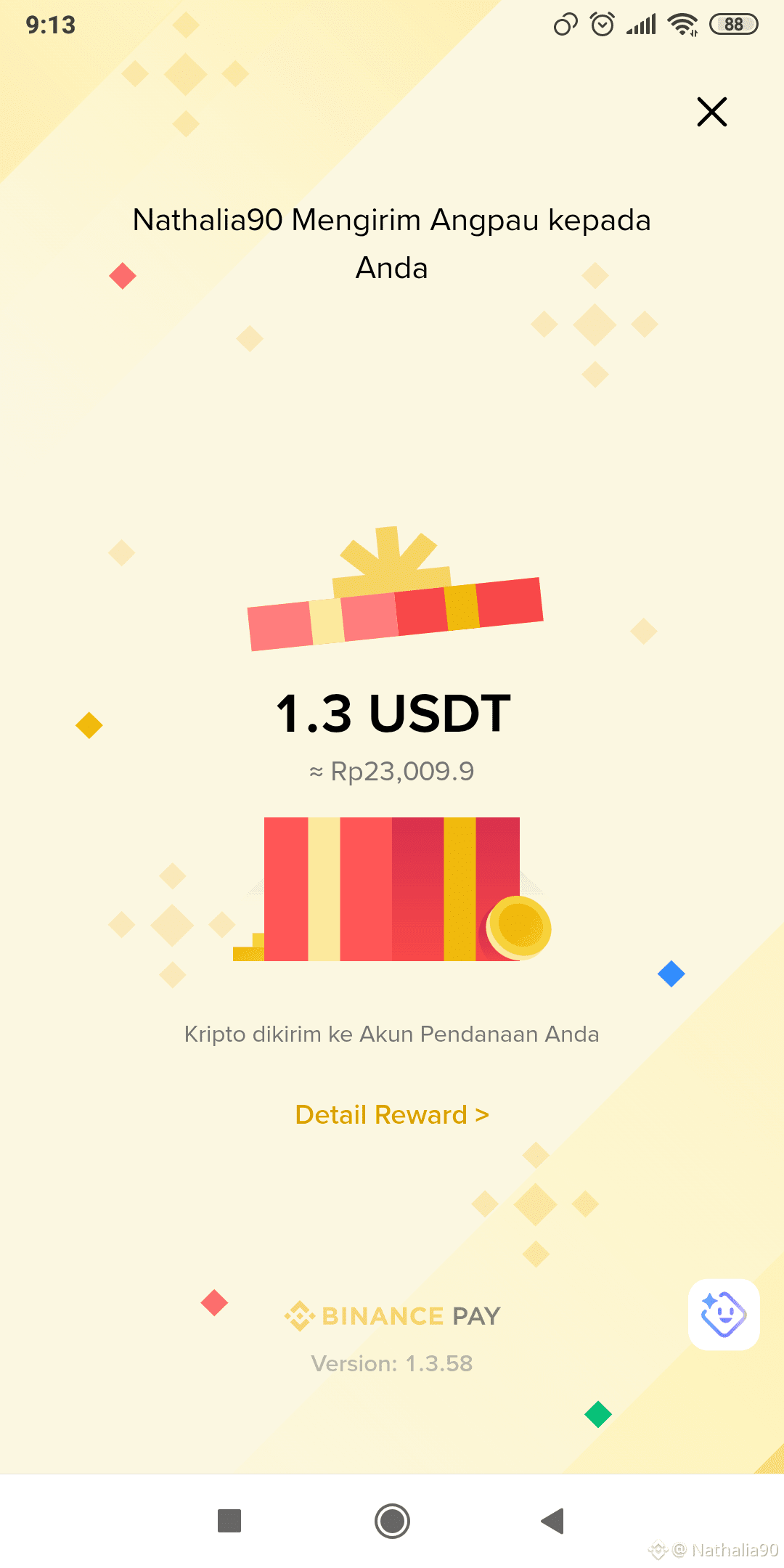
LETS GO BROTHER N SISTER
CLAIM LINK
[CLICK HERE 🎁](https://app.binance.com/uni-qr/9qcoZQVs?utm_medium=web_share_copy)
[CLICK HERE 🎁](https://app.binance.com/uni-qr/72JEhLJW?utm_medium=web_share_copy)
LETS GO BROTHER N SISTER
CLAIM LINK
CLICK HERE 🎁
CLICK HERE 🎁
CLAIM LINK
CLICK HERE 🎁
CLICK HERE 🎁
4
1
5
328
·
--
For 100 person fastest go go go 🎁🎁🎁🎁
BPJ6Q1B6GK
For 100 person fastest go go go 🎁🎁🎁🎁
BPJ6Q1B6GK
BPJ6Q1B6GK
1
5
284
·
--
just click get rewards
[https://app.binance.com/uni-qr/Kjq4K6gu?utm_medium=web_share_copy](https://app.binance.com/uni-qr/Kjq4K6gu?utm_medium=web_share_copy)
[https://app.binance.com/uni-qr/R2MStcGt?utm_medium=web_share_copy](https://app.binance.com/uni-qr/R2MStcGt?utm_medium=web_share_copy)
just click get rewards
https://app.binance.com/uni-qr/Kjq4K6gu?utm_medium=web_share_copy
https://app.binance.com/uni-qr/R2MStcGt?utm_medium=web_share_copy
https://app.binance.com/uni-qr/Kjq4K6gu?utm_medium=web_share_copy
https://app.binance.com/uni-qr/R2MStcGt?utm_medium=web_share_copy
1
4
186
·
--
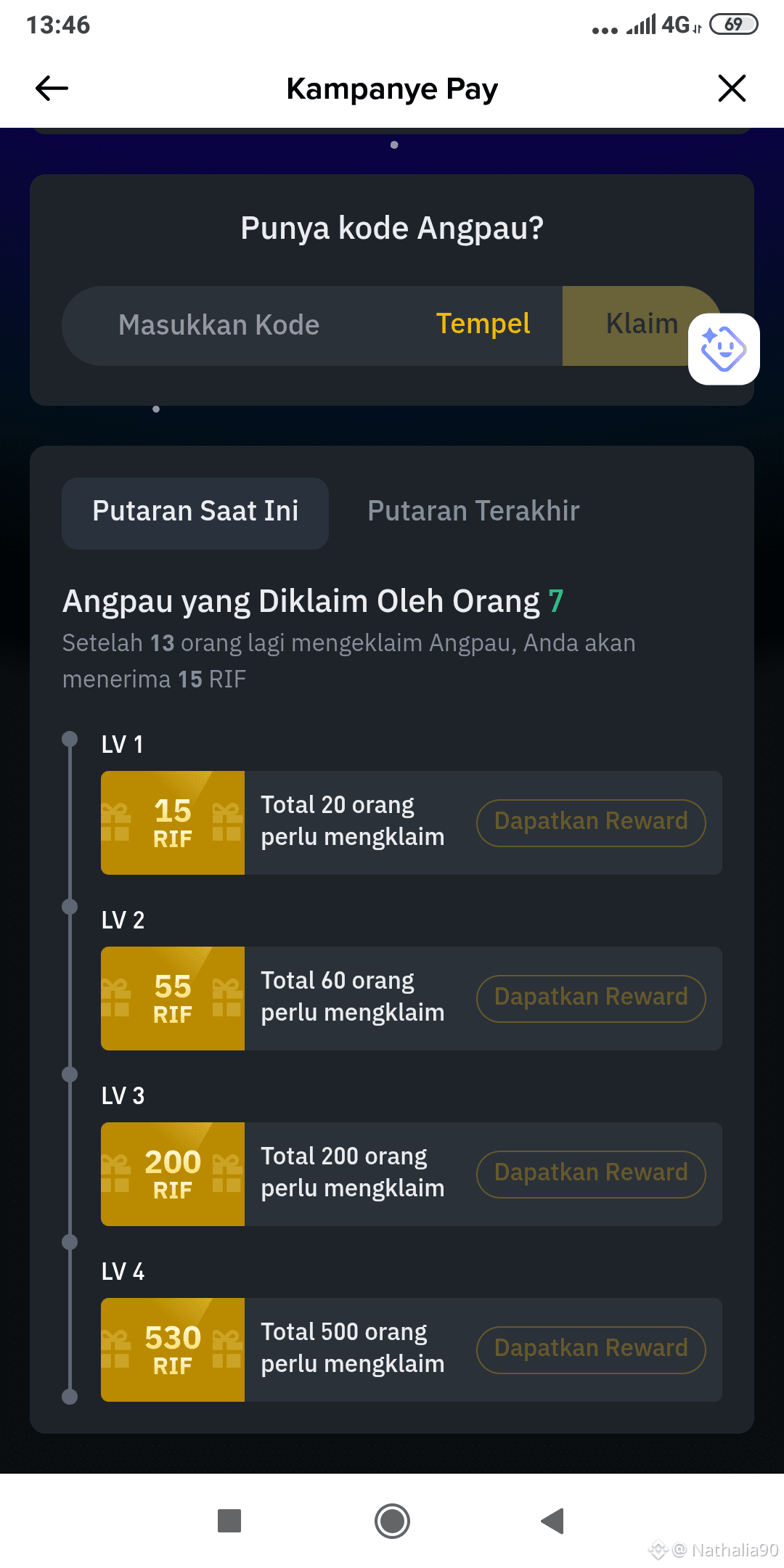
hello fellow traders . . .
don't forget to click the link to snag your rewards
[click here 🎁🎁](https://app.binance.com/uni-qr/BZc7k7Fu?utm_medium=web_share_copy)
[https://app.binance.com/uni-qr/BZc7k7Fu?utm_medium=web_share_copy](https://app.binance.com/uni-qr/BZc7k7Fu?utm_medium=web_share_copy)
hello fellow traders . . .
don't forget to click the link to snag your rewards
click here 🎁🎁
https://app.binance.com/uni-qr/BZc7k7Fu?utm_medium=web_share_copy
don't forget to click the link to snag your rewards
click here 🎁🎁
https://app.binance.com/uni-qr/BZc7k7Fu?utm_medium=web_share_copy
3
165
·
--
Hey fam, don't forget to claim your rewards 😘😘😘
[https://app.binance.com/uni-qr/HJ3sdyN7?utm_medium=web_share_copy](https://app.binance.com/uni-qr/HJ3sdyN7?utm_medium=web_share_copy)
BPJ6Q1B6GK
[https://app.binance.com/uni-qr/K8QU3DJG?utm_medium=web_share_copy](https://app.binance.com/uni-qr/K8QU3DJG?utm_medium=web_share_copy)
Hey fam, don't forget to claim your rewards 😘😘😘
https://app.binance.com/uni-qr/HJ3sdyN7?utm_medium=web_share_copy
BPJ6Q1B6GK
https://app.binance.com/uni-qr/K8QU3DJG?utm_medium=web_share_copy
https://app.binance.com/uni-qr/HJ3sdyN7?utm_medium=web_share_copy
BPJ6Q1B6GK
https://app.binance.com/uni-qr/K8QU3DJG?utm_medium=web_share_copy
1
2
99
·
--
claim
claim
Nathalia90
·
--
don't forget to claim your rewards
click the link below, alright?
Click here too 🎁🎁🎁
https://app.binance.com/uni-qr/FDzHCKwM?utm_medium=web_share_copy
click it to double your rewards 😘
click the link below, alright?
Click here too 🎁🎁🎁
https://app.binance.com/uni-qr/FDzHCKwM?utm_medium=web_share_copy
click it to double your rewards 😘
1
244
·
--
don't forget to claim your rewards
click the link below, alright?
[Click here too 🎁🎁🎁](https://app.binance.com/uni-qr/FDzHCKwM?utm_medium=web_share_copy)
[https://app.binance.com/uni-qr/FDzHCKwM?utm_medium=web_share_copy](https://app.binance.com/uni-qr/FDzHCKwM?utm_medium=web_share_copy)
click it to double your rewards 😘
don't forget to claim your rewards
click the link below, alright?
Click here too 🎁🎁🎁
https://app.binance.com/uni-qr/FDzHCKwM?utm_medium=web_share_copy
click it to double your rewards 😘
click the link below, alright?
Click here too 🎁🎁🎁
https://app.binance.com/uni-qr/FDzHCKwM?utm_medium=web_share_copy
click it to double your rewards 😘
12
1
4
99
·
--
claim
claim
Nathalia90
·
--
Hey squad, good evening!
Don't forget to claim your rewards 😘😘😘
click untuk dapatkan sol
BPJ6Q1B6GK
klik untuk dapatkan usdc 🎁
Make sure to share it, alright?
Don't forget to claim your rewards 😘😘😘
click untuk dapatkan sol
BPJ6Q1B6GK
klik untuk dapatkan usdc 🎁
Make sure to share it, alright?
4
2
1
185
Log in to explore more content
Join global crypto users on Binance Square
⚡️ Get latest and useful information about crypto.
💬 Trusted by the world’s largest crypto exchange.
👍 Discover real insights from verified creators.
Email / Phone number