
Spider_BNB1
19.4k Posts

Spider_BNB1
 Square Verified+
Report
Block User
Spider_BNB1
Open Trade
Frequent Trader
2.2 Years
24 Following
44.4K+ Followers
24.2K+ Liked
Posts
Portfolio
All
Quotes
Videos
Live
·
--
$TRADOOR
{future}(TRADOORUSDT)
Entry Zone: 0.5800 – 0.5850
Stop Loss: 0.5680
TP1: 0.6000
TP2: 0.6150
TP3: 0.6290
15M Chart Analysis
Price recovered strongly from 0.5288 support.
Market structure is showing higher highs and higher lows.
Price is consolidating near 0.5900.
Immediate resistance: 0.5980–0.6000.
Major resistance: 0.6298.
Support: 0.5800–0.5850.
Entry Confirmation
Wait for a pullback towards 0.5800–0.5850.
Look for bullish engulfing or strong rejection.
Alternatively, wait for a 15m close above 0.6000 and successful retest.
My View: LONG bias. Avoid chasing at 0.5900 because price is approaching resistance.
$AKE
{alpha}(560x2c3a8ee94ddd97244a93bc48298f97d2c412f7db)
$BARD
{future}(BARDUSDT)
$TRADOOR
Entry Zone: 0.5800 – 0.5850
Stop Loss: 0.5680
TP1: 0.6000
TP2: 0.6150
TP3: 0.6290
15M Chart Analysis
Price recovered strongly from 0.5288 support.
Market structure is showing higher highs and higher lows.
Price is consolidating near 0.5900.
Immediate resistance: 0.5980–0.6000.
Major resistance: 0.6298.
Support: 0.5800–0.5850.
Entry Confirmation
Wait for a pullback towards 0.5800–0.5850.
Look for bullish engulfing or strong rejection.
Alternatively, wait for a 15m close above 0.6000 and successful retest.
My View: LONG bias. Avoid chasing at 0.5900 because price is approaching resistance.
$AKE
$BARD
1
3
1.5k
·
--
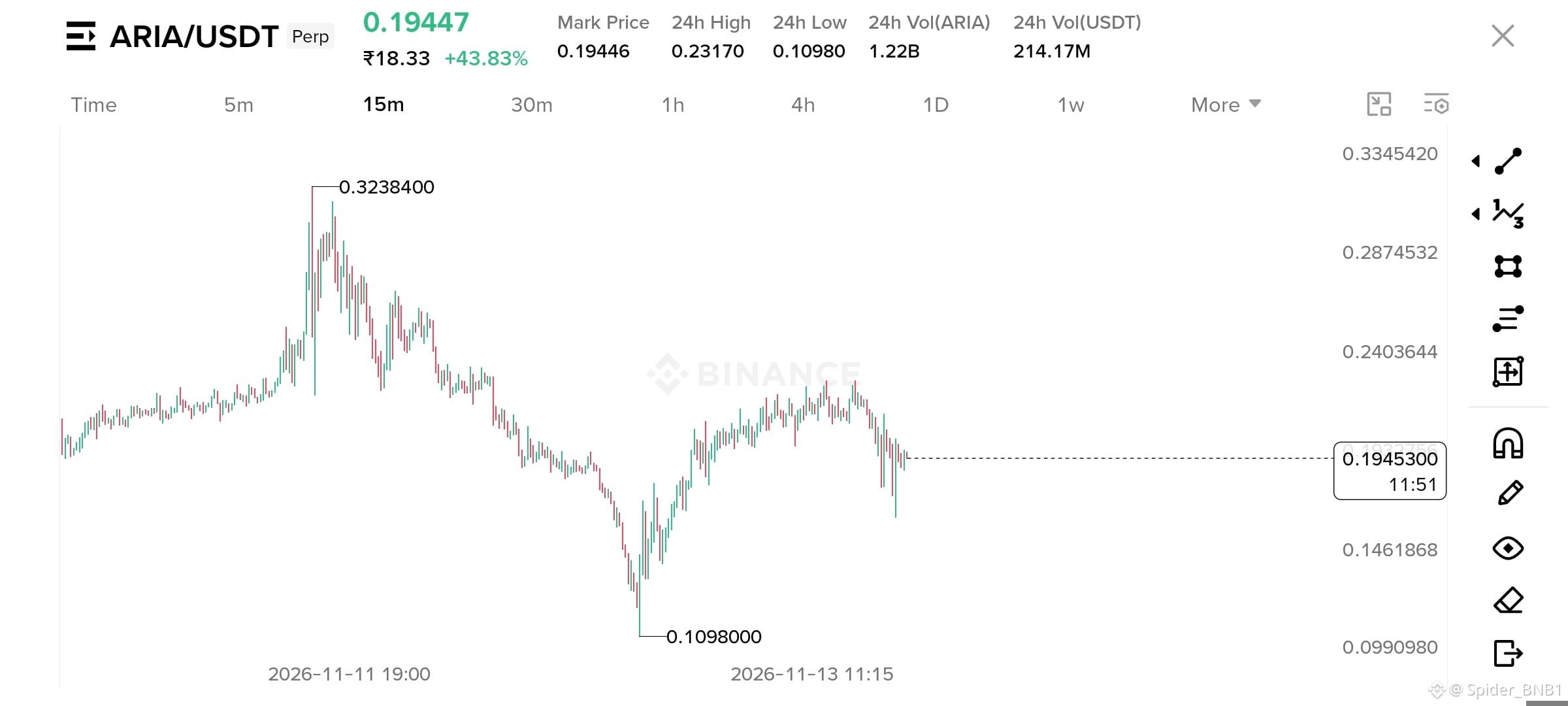
$ARIA
{future}(ARIAUSDT)
Entry Zone: 0.1840 – 0.1900
Stop Loss: 0.16
TP1: 0.1950
TP2: 0.2000
TP3: 0.2250
15M Chart Analysis
ARIA is up approximately 43.83% in 24 hours.
Price rallied strongly from 0.10980.
Rejection near 0.23170 shows selling pressure.
Recent candles indicate a sharp pullback.
Immediate support: 0.1850–0.1900.
Resistance: 0.2050 and 0.2200.
Entry Confirmation
Wait for:
Price to hold 0.1850–0.1900.
A bullish 15m candle with strong buying volume.
Breakout above 0.2000 for additional confirmation. good
$AKE
{alpha}(560x2c3a8ee94ddd97244a93bc48298f97d2c412f7db)
$BARD
{future}(BARDUSDT)
$ARIA
Entry Zone: 0.1840 – 0.1900
Stop Loss: 0.16
TP1: 0.1950
TP2: 0.2000
TP3: 0.2250
15M Chart Analysis
ARIA is up approximately 43.83% in 24 hours.
Price rallied strongly from 0.10980.
Rejection near 0.23170 shows selling pressure.
Recent candles indicate a sharp pullback.
Immediate support: 0.1850–0.1900.
Resistance: 0.2050 and 0.2200.
Entry Confirmation
Wait for:
Price to hold 0.1850–0.1900.
A bullish 15m candle with strong buying volume.
Breakout above 0.2000 for additional confirmation. good
$AKE
$BARD
2
1
250
·
--
Bitcoin Falls Below $70,000. Strategy Faces New Pressure After MSCI Exclusion
Bitcoin fell below $70,000 Friday for the first time since August, extending a selloff that has wiped out more than a fifth of its value since late September. The latest decline comes as Michael Saylor's Strategy faces a new challenge after index provider MSCI decided to remove the company from its benchmarks, raising concerns about potential investment outflows.
The world's largest cryptocurrency dropped about 3% to $69,342 in Friday morning trading, putting it on course for a sixth consecutive weekly loss. Bitcoin has fallen more than 21% from its late-September highs, while Ethereum slipped 3.2% to around $1,951, its lowest level in three months, according to market figures reported by The Wall Street Journal.
The weakness comes after weeks of selling across digital assets, with investors growing increasingly concerned about persistent U.S. inflation and the possibility of further interest rate increases by the Federal Reserve.
Higher interest rates generally make riskier investments less attractive, particularly assets such as Bitcoin that do not generate regular income. Recent declines in technology and artificial intelligence stocks have added to the pressure, prompting some investors to reduce their exposure to speculative assets.
Demand from cryptocurrency investment funds has also weakened. U.S. spot Bitcoin exchange-traded funds recorded nearly $300 million in net outflows Wednesday, marking a fifth consecutive day of withdrawals and bringing the total to approximately $1.44 billion since the beginning of the selling streak, according to data from SoSoValue.
BlackRock's iShares Bitcoin Trust accounted for about $270 million of Wednesday's outflows, extending its run of redemptions to nine consecutive trading sessions.
$AKE
{alpha}(560x2c3a8ee94ddd97244a93bc48298f97d2c412f7db)
$BARD
{future}(BARDUSDT)
$SOPH
{future}(SOPHUSDT)
Bitcoin Falls Below $70,000. Strategy Faces New Pressure After MSCI Exclusion
Bitcoin fell below $70,000 Friday for the first time since August, extending a selloff that has wiped out more than a fifth of its value since late September. The latest decline comes as Michael Saylor's Strategy faces a new challenge after index provider MSCI decided to remove the company from its benchmarks, raising concerns about potential investment outflows.
The world's largest cryptocurrency dropped about 3% to $69,342 in Friday morning trading, putting it on course for a sixth consecutive weekly loss. Bitcoin has fallen more than 21% from its late-September highs, while Ethereum slipped 3.2% to around $1,951, its lowest level in three months, according to market figures reported by The Wall Street Journal.
The weakness comes after weeks of selling across digital assets, with investors growing increasingly concerned about persistent U.S. inflation and the possibility of further interest rate increases by the Federal Reserve.
Higher interest rates generally make riskier investments less attractive, particularly assets such as Bitcoin that do not generate regular income. Recent declines in technology and artificial intelligence stocks have added to the pressure, prompting some investors to reduce their exposure to speculative assets.
Demand from cryptocurrency investment funds has also weakened. U.S. spot Bitcoin exchange-traded funds recorded nearly $300 million in net outflows Wednesday, marking a fifth consecutive day of withdrawals and bringing the total to approximately $1.44 billion since the beginning of the selling streak, according to data from SoSoValue.
BlackRock's iShares Bitcoin Trust accounted for about $270 million of Wednesday's outflows, extending its run of redemptions to nine consecutive trading sessions.
$AKE
$BARD
$SOPH

2
3
1.1k
·
--
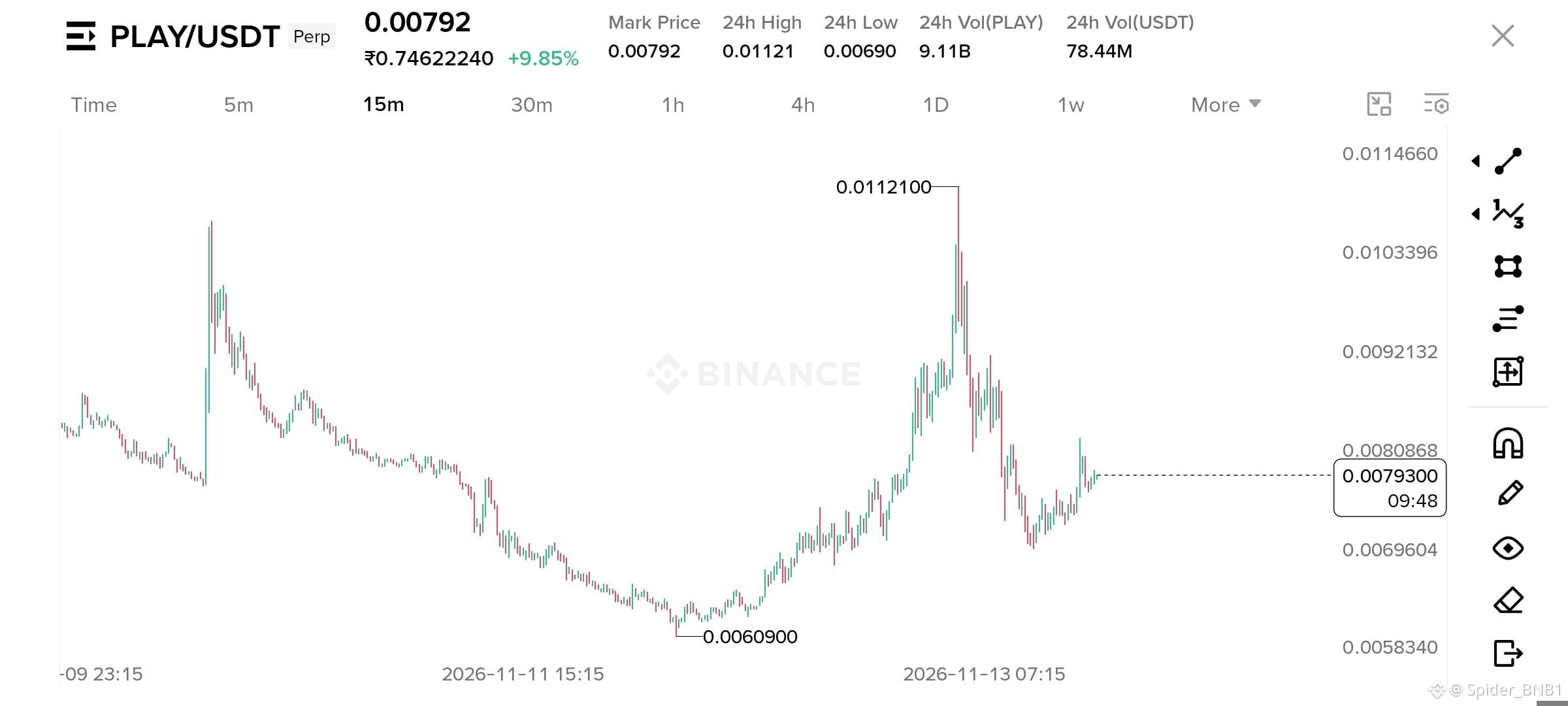
$PLAY
{future}(PLAYUSDT)
Entry Zone: 0.00765 – 0.00780
Stop Loss: 0.00745
TP1: 0.00820
TP2: 0.00855
TP3: 0.00900
15M Chart Analysis
Price recovered strongly from 0.00609.
Strong rally reached 0.01121, followed by a sharp correction.
Currently showing a recovery from the 0.0069–0.0070 support zone.
Immediate resistance: 0.00810–0.00820.
Major resistance: 0.00855–0.00900.
Entry Confirmation: Wait for a pullback into 0.00765–0.00780 and bullish rejection.
Breakout Entry: 15m candle close above 0.00820 with a successful retest.
Invalidation: Breakdown below 0.00735.
$AKE
{alpha}(560x2c3a8ee94ddd97244a93bc48298f97d2c412f7db)
$BARD
{future}(BARDUSDT)
$PLAY
Entry Zone: 0.00765 – 0.00780
Stop Loss: 0.00745
TP1: 0.00820
TP2: 0.00855
TP3: 0.00900
15M Chart Analysis
Price recovered strongly from 0.00609.
Strong rally reached 0.01121, followed by a sharp correction.
Currently showing a recovery from the 0.0069–0.0070 support zone.
Immediate resistance: 0.00810–0.00820.
Major resistance: 0.00855–0.00900.
Entry Confirmation: Wait for a pullback into 0.00765–0.00780 and bullish rejection.
Breakout Entry: 15m candle close above 0.00820 with a successful retest.
Invalidation: Breakdown below 0.00735.
$AKE
$BARD
1
1
875
·
--
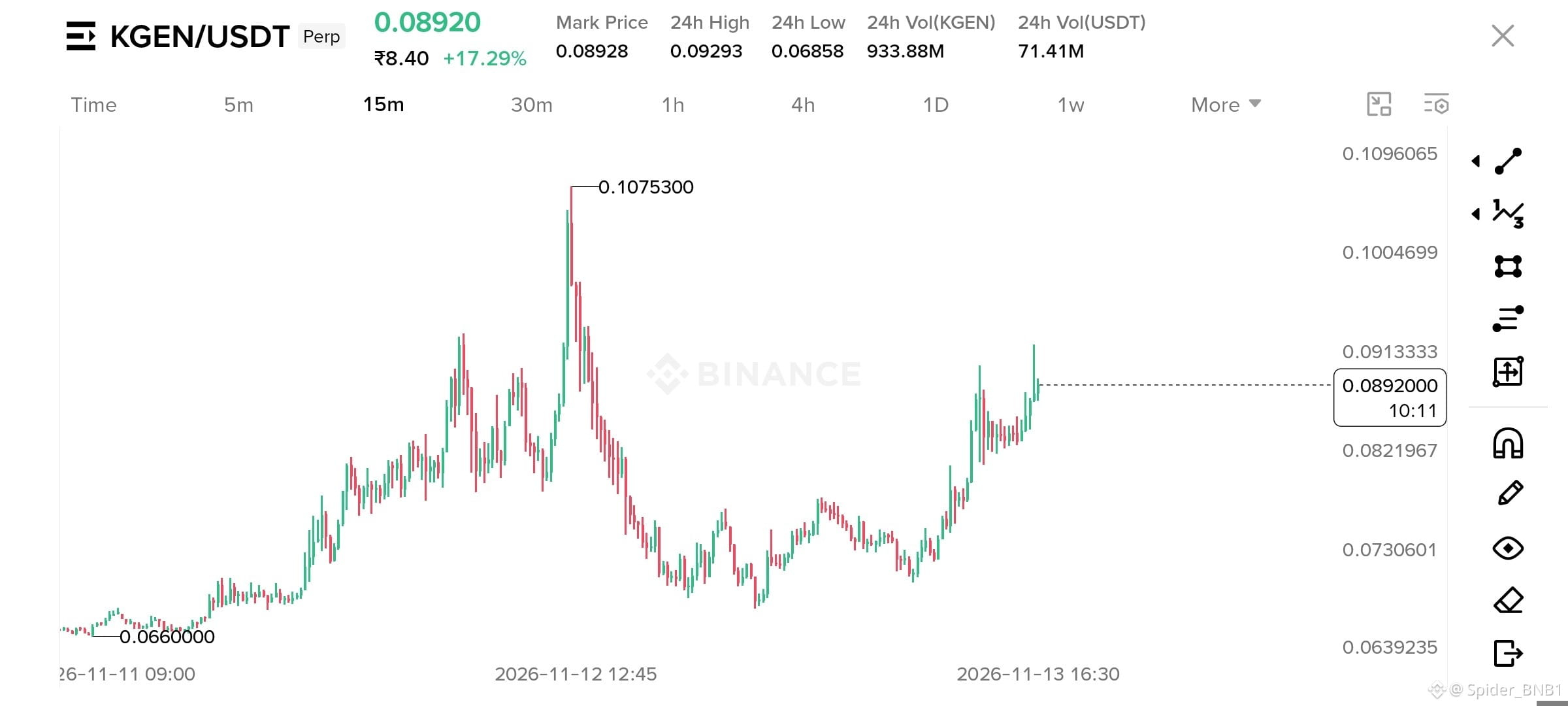
Current Price: 0.08920
$KGEN
{future}(KGENUSDT)
Entry Zone: 0.08450 – 0.08640
Stop Loss: 0.08200
TP1: 0.09150
TP2: 0.09400
TP3: 0.10000
15M Chart Analysis
Strong bullish momentum; price is up 17.29%.
Price has recovered strongly from 0.0700.
Higher highs and higher lows indicate bullish structure.
Immediate resistance: 0.09293.
Support: 0.0850–0.0860.
Entry Confirmation: Wait for a pullback and bullish rejection around 0.0855–0.0870.
Breakout Entry: 15m candle close above 0.0930 with successful retest.
Invalidation: Breakdown below 0.0820.
$AKE
{alpha}(560x2c3a8ee94ddd97244a93bc48298f97d2c412f7db)
$BARD
{future}(BARDUSDT)
Current Price: 0.08920
$KGEN
Entry Zone: 0.08450 – 0.08640
Stop Loss: 0.08200
TP1: 0.09150
TP2: 0.09400
TP3: 0.10000
15M Chart Analysis
Strong bullish momentum; price is up 17.29%.
Price has recovered strongly from 0.0700.
Higher highs and higher lows indicate bullish structure.
Immediate resistance: 0.09293.
Support: 0.0850–0.0860.
Entry Confirmation: Wait for a pullback and bullish rejection around 0.0855–0.0870.
Breakout Entry: 15m candle close above 0.0930 with successful retest.
Invalidation: Breakdown below 0.0820.
$AKE
$BARD
1
2
1.3k
·
--
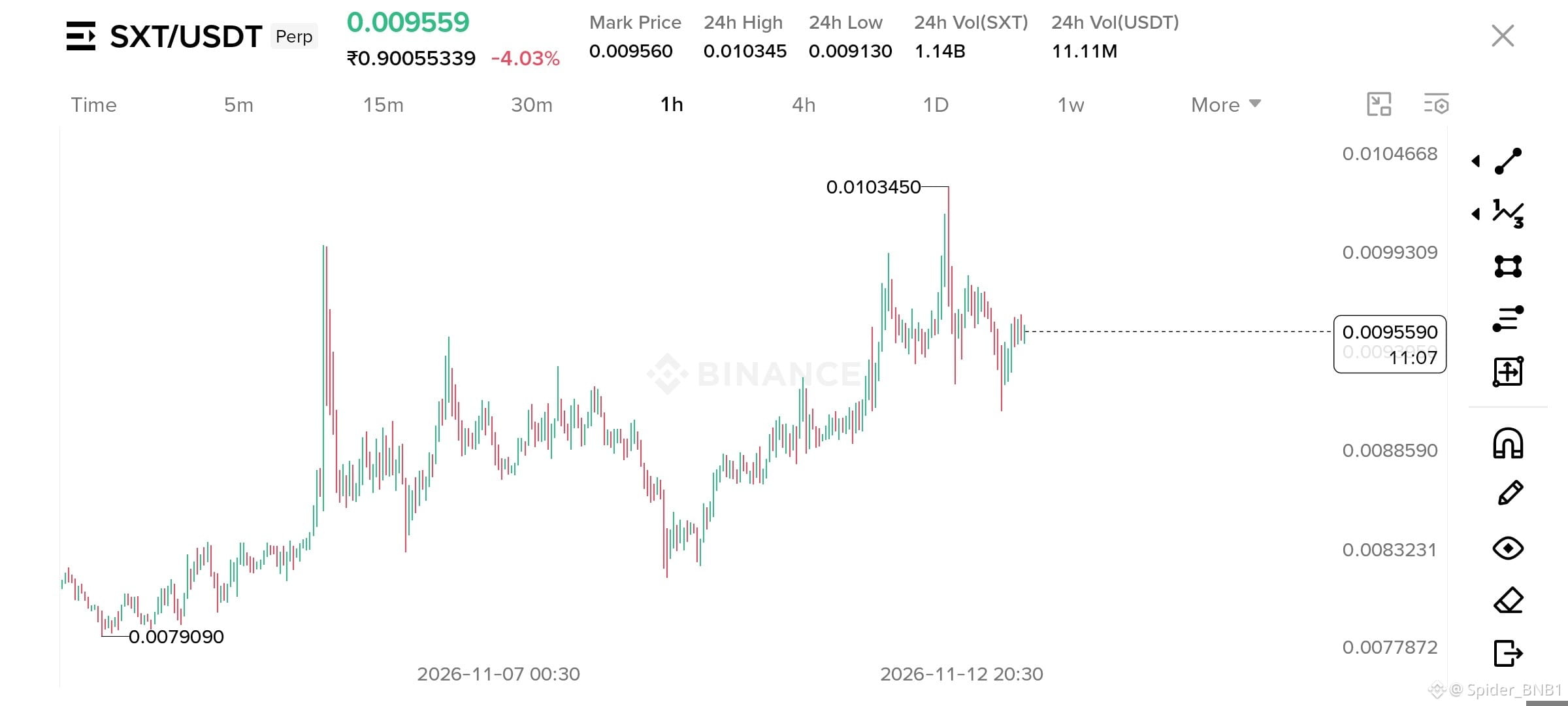
$SXT USDT — LONG SETUP
Current Price: 0.009559
Entry Zone: 0.00935 – 0.00948
Stop Loss: 0.00910
TP1: 0.00975
TP2: 0.00995
TP3: 0.01030
1H Chart Analysis
Overall structure is bullish, with higher highs and higher lows.
Price has recovered after a pullback.
Immediate resistance: 0.00975–0.00990.
Major resistance: 0.010345.
Support: 0.00930–0.00935.
Entry Confirmation: 1H candle close above 0.00970 or bullish bounce from entry zone.
Invalidation: Breakdown below 0.00910.
$AKE
{alpha}(560x2c3a8ee94ddd97244a93bc48298f97d2c412f7db)
$BARD
{future}(BARDUSDT)
$SXT USDT — LONG SETUP
Current Price: 0.009559
Entry Zone: 0.00935 – 0.00948
Stop Loss: 0.00910
TP1: 0.00975
TP2: 0.00995
TP3: 0.01030
1H Chart Analysis
Overall structure is bullish, with higher highs and higher lows.
Price has recovered after a pullback.
Immediate resistance: 0.00975–0.00990.
Major resistance: 0.010345.
Support: 0.00930–0.00935.
Entry Confirmation: 1H candle close above 0.00970 or bullish bounce from entry zone.
Invalidation: Breakdown below 0.00910.
$AKE
$BARD
1
3
1.3k
·
--
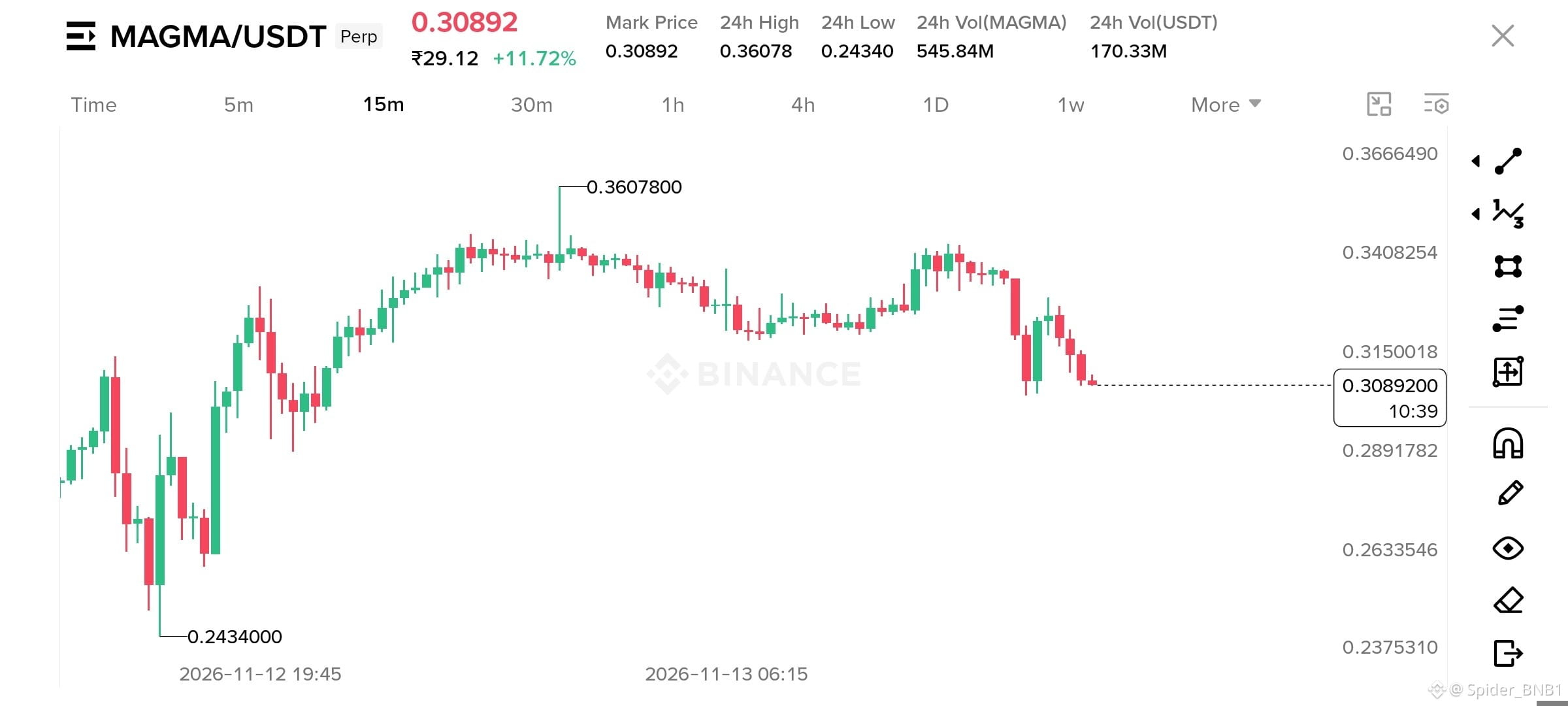
$MAGMA USDT — SHORT SETUP
Current Price: 0.30892
Entry Zone: 0.3160 – 0.3190
Stop Loss: 0.3290
TP1: 0.3090
TP2: 0.3064
TP3: 0.2988
15m Chart Analysis
Price rejected the 0.3400 resistance zone.
Lower highs and consecutive bearish candles indicate selling pressure.
Price is approaching 0.3000 support.
Momentum currently favours sellers.
Entry Confirmation: Wait for a pullback towards 0.3120–0.3160 and bearish rejection.
Invalidation: Strong 15m close above 0.3240.
$AKE
{alpha}(560x2c3a8ee94ddd97244a93bc48298f97d2c412f7db)
$BARD
{future}(BARDUSDT)
$MAGMA USDT — SHORT SETUP
Current Price: 0.30892
Entry Zone: 0.3160 – 0.3190
Stop Loss: 0.3290
TP1: 0.3090
TP2: 0.3064
TP3: 0.2988
15m Chart Analysis
Price rejected the 0.3400 resistance zone.
Lower highs and consecutive bearish candles indicate selling pressure.
Price is approaching 0.3000 support.
Momentum currently favours sellers.
Entry Confirmation: Wait for a pullback towards 0.3120–0.3160 and bearish rejection.
Invalidation: Strong 15m close above 0.3240.
$AKE
$BARD
1
1
263
·
--
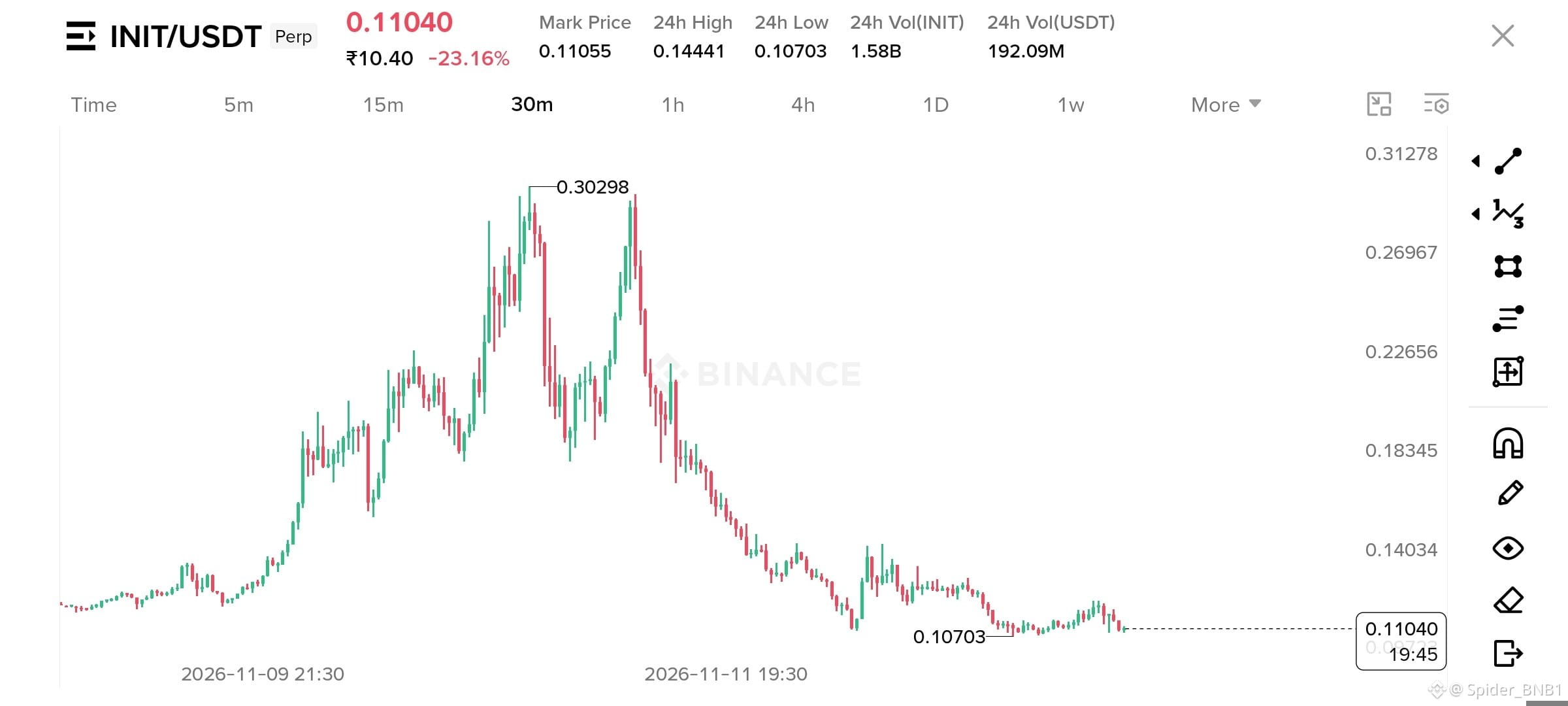
$INIT USDT — LONG SETUP
Current Price: 0.11040
Entry Zone: 0.1080 – 0.1100
Stop Loss: 0.1045
TP1: 0.1160
TP2: 0.1220
TP3: 0.1300
30m Chart Analysis:
Overall trend is strongly bearish.
Price has fallen approximately 23% in 24 hours.
Market is consolidating near the 0.10703 support.
No strong bullish reversal confirmation yet.
Entry Confirmation:
Wait for a 30m candle close above 0.1140, followed by a successful retest.
$BARD
{future}(BARDUSDT)
$MAGMA
{alpha}(CT_7840x9f854b3ad20f8161ec0886f15f4a1752bf75d22261556f14cc8d3a1c5d50e529::magma::MAGMA)
$INIT USDT — LONG SETUP
Current Price: 0.11040
Entry Zone: 0.1080 – 0.1100
Stop Loss: 0.1045
TP1: 0.1160
TP2: 0.1220
TP3: 0.1300
30m Chart Analysis:
Overall trend is strongly bearish.
Price has fallen approximately 23% in 24 hours.
Market is consolidating near the 0.10703 support.
No strong bullish reversal confirmation yet.
Entry Confirmation:
Wait for a 30m candle close above 0.1140, followed by a successful retest.
$BARD
$MAGMA
1
3
1.9k
·
--
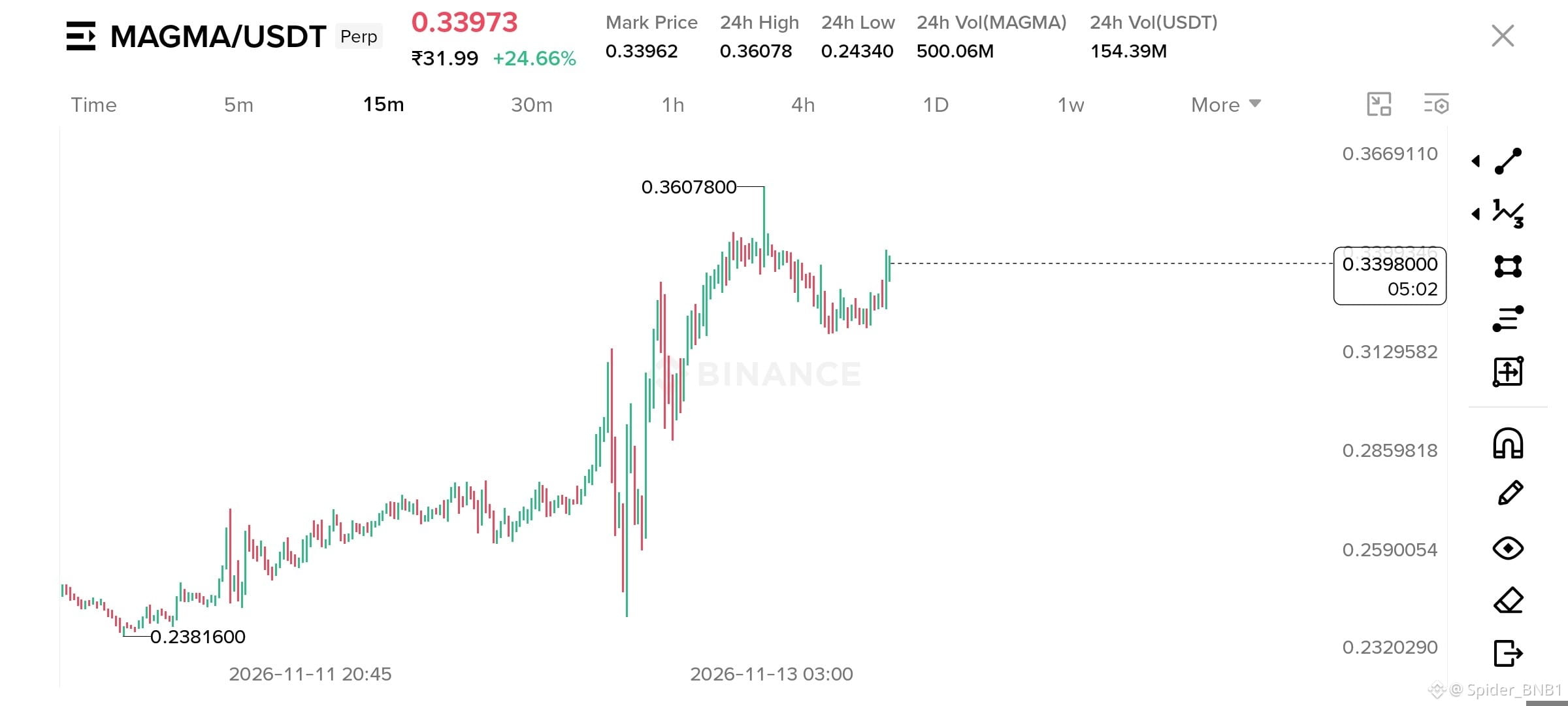
$MAGMA USDT — LONG SETUP
Current Price: 0.33973
Entry Zone: 0.3330 – 0.3370
Stop Loss: 0.3200
TP1: 0.3480
TP2: 0.3560
TP3: 0.3600
15m Chart Analysis:
Strong bullish momentum; price has rallied around 24.66%.
Price is consolidating after reaching 0.36078.
Recent candles show recovery from the pullback.
Resistance is around 0.3480–0.3600.
Entry Confirmation: Wait for a 15m candle close above 0.3410 or a confirmed bullish bounce from the entry zone.
Invalidation: A decisive breakdown below 0.3240.
$BARD
{future}(BARDUSDT)
$CBRS
{future}(CBRSUSDT)
$MAGMA USDT — LONG SETUP
Current Price: 0.33973
Entry Zone: 0.3330 – 0.3370
Stop Loss: 0.3200
TP1: 0.3480
TP2: 0.3560
TP3: 0.3600
15m Chart Analysis:
Strong bullish momentum; price has rallied around 24.66%.
Price is consolidating after reaching 0.36078.
Recent candles show recovery from the pullback.
Resistance is around 0.3480–0.3600.
Entry Confirmation: Wait for a 15m candle close above 0.3410 or a confirmed bullish bounce from the entry zone.
Invalidation: A decisive breakdown below 0.3240.
$BARD
$CBRS
1
2
988
·
--
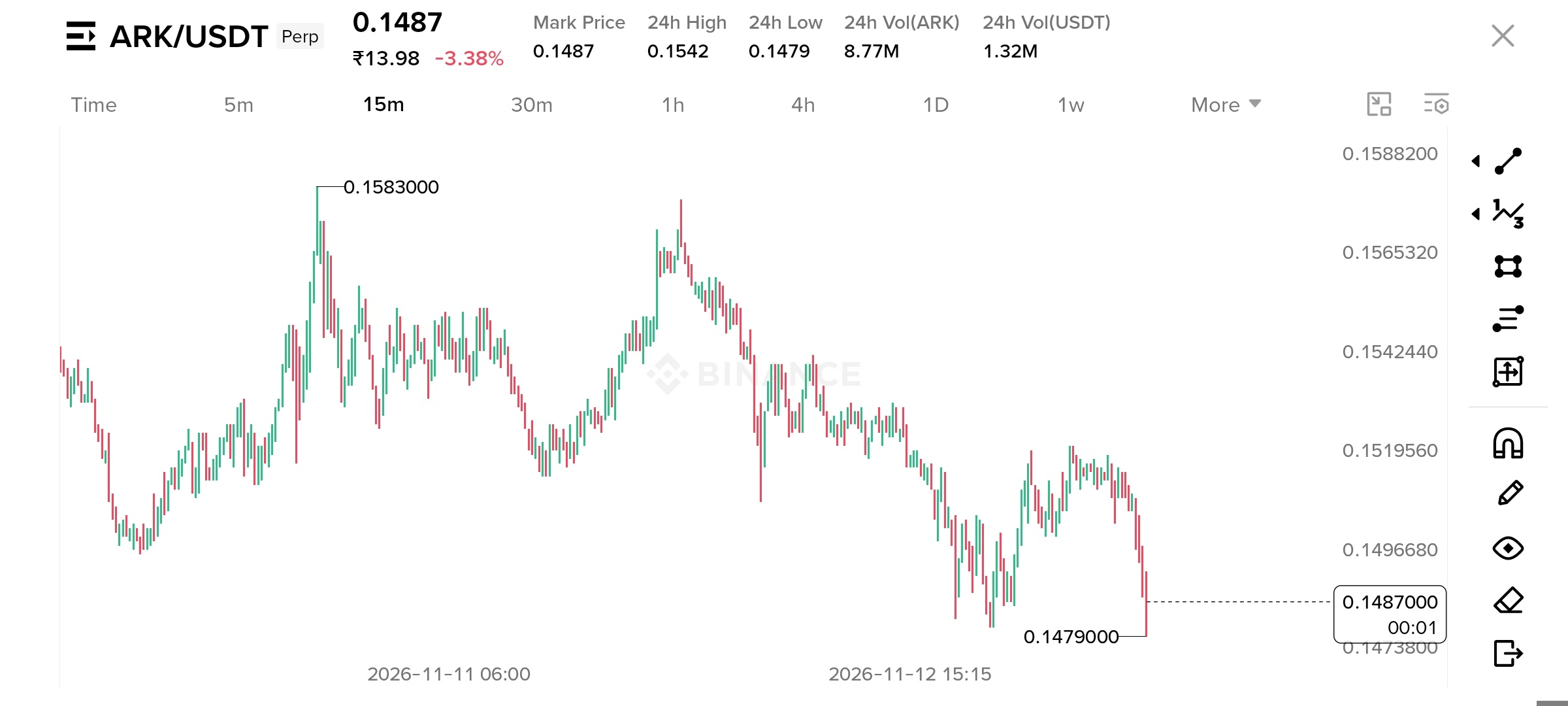
$ARK USDT — LONG SETUP
Entry: 0.1470 – 0.1485
SL: 0.1400
TP1: 0.1500
TP2: 0.1515
TP3: 0.1530
Current Price: 0.1487
Technical View (15m):
Price is testing support around 0.1479.
Short-term trend is bearish, with lower highs.
A bullish reversal candle is needed before entry.
Confirmation: 15m candle close above 0.1495.
$BARD
{future}(BARDUSDT)
$PLAY
{alpha}(84530x853a7c99227499dba9db8c3a02aa691afdebf841)
$ARK USDT — LONG SETUP
Entry: 0.1470 – 0.1485
SL: 0.1400
TP1: 0.1500
TP2: 0.1515
TP3: 0.1530
Current Price: 0.1487
Technical View (15m):
Price is testing support around 0.1479.
Short-term trend is bearish, with lower highs.
A bullish reversal candle is needed before entry.
Confirmation: 15m candle close above 0.1495.
$BARD
$PLAY
2
1
955
·
--
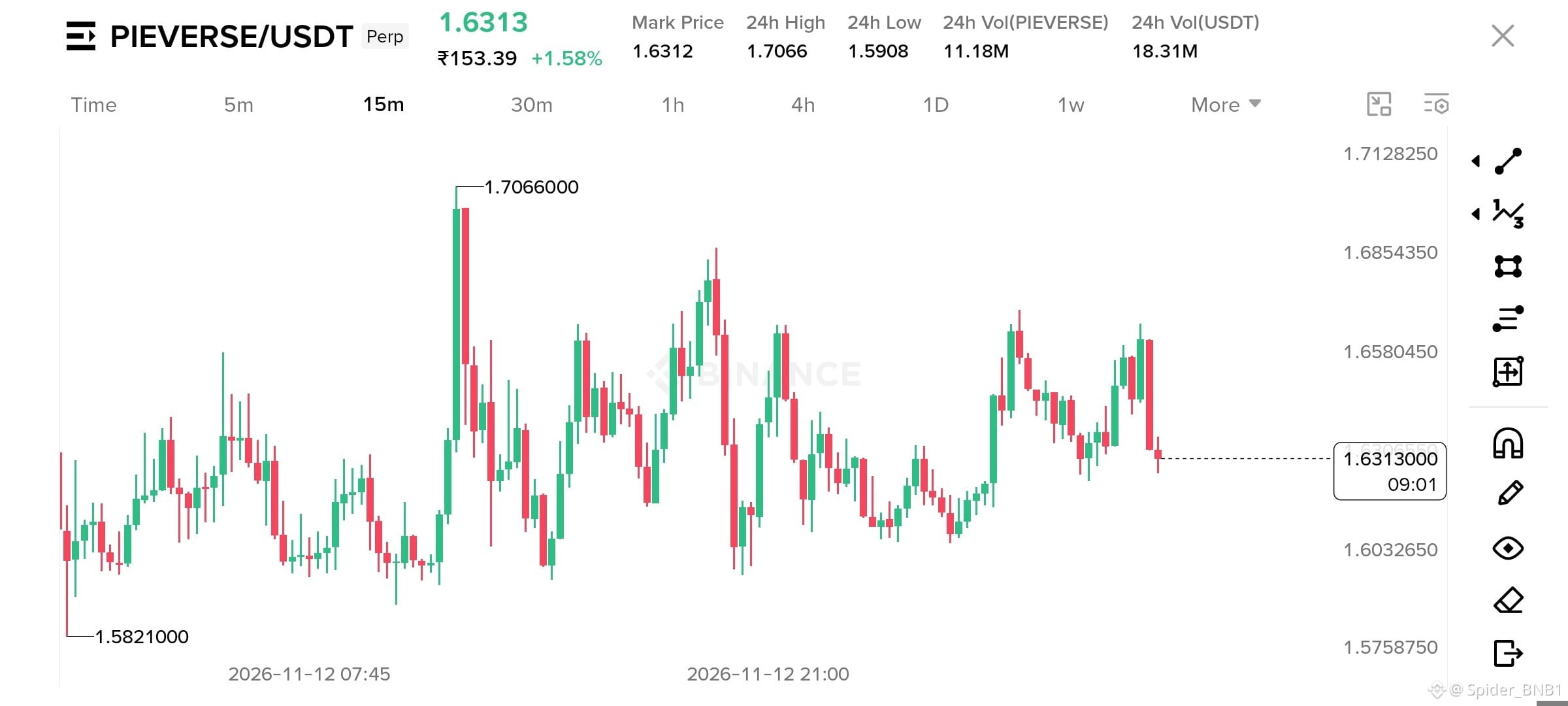
$PIEVERSE USDT — SHORT
Entry: 1.6350 – 1.6450
TP1: 1.6200
TP2: 1.6050
TP3: 1.5850
SL: 1.6650
Current Price: 1.6313
Confirmation: 15m candle rejection below 1.6450.
$BARD
{future}(BARDUSDT)
$PLAY
{alpha}(84530x853a7c99227499dba9db8c3a02aa691afdebf841)
$PIEVERSE USDT — SHORT
Entry: 1.6350 – 1.6450
TP1: 1.6200
TP2: 1.6050
TP3: 1.5850
SL: 1.6650
Current Price: 1.6313
Confirmation: 15m candle rejection below 1.6450.
$BARD
$PLAY
Entry: 1.6350 – 1.6450
TP1: 1.6200
TP2: 1.6050
TP3: 1.5850
SL: 1.6650
Current Price: 1.6313
Confirmation: 15m candle rejection below 1.6450.
$BARD
$PLAY
2
1
1.2k
·
--
Bitcoin Price Slides Toward $73K as Nvidia Plunges 9% and MSCI Drops Saylor’s Strategy
In Bitcoin news, the coin fell from $74,811 to $73,480 within two hours of the U.S. close. Bitcoin slipped overnight after two shocks hit U.S. markets after Wednesday's close. Nvidia shares fell about 9% in after-hours trading on a new report about CEO Jensen Huang. Index provider MSCI also confirmed it will remove Strategy, the largest corporate Bitcoin holder, from its global indexes.
It trades at $73,588 on Binance on Thursday morning, down 0.4% in 24 hours and 5.8% in a week.
The funds are not helping. U.S. spot Bitcoin exchange-traded funds (ETFs) lost $299.8 million on Wednesday, their fifth straight day of outflows. Nasdaq futures are down 0.9%.
So what happened, and how much of the selling comes from the ETFs?
Two Shocks After the Close: Nvidia and MSCI
The first hit came from Nvidia, the world's most valuable chipmaker. The New York Times reported on Wednesday evening that Huang had a second relationship with a senior employee who reports to him. The Wall Street Journal reported that Nvidia's board is preparing to remove him as CEO.
Nvidia had closed the day up 2.9% at $173.73. Within two hours, it traded at $157.99, down 9.1%. It is still down 8.6% before Thursday's open. Nvidia has lost about 15% since last Friday. It first fell on Monday, after its board opened a separate probe into reports that Huang was the target of a foreign intelligence effort.
$BARD
{future}(BARDUSDT)
$MAGMA
{alpha}(CT_7840x9f854b3ad20f8161ec0886f15f4a1752bf75d22261556f14cc8d3a1c5d50e529::magma::MAGMA)
$PLAY
{alpha}(84530x853a7c99227499dba9db8c3a02aa691afdebf841)
Bitcoin Price Slides Toward $73K as Nvidia Plunges 9% and MSCI Drops Saylor’s Strategy
In Bitcoin news, the coin fell from $74,811 to $73,480 within two hours of the U.S. close. Bitcoin slipped overnight after two shocks hit U.S. markets after Wednesday's close. Nvidia shares fell about 9% in after-hours trading on a new report about CEO Jensen Huang. Index provider MSCI also confirmed it will remove Strategy, the largest corporate Bitcoin holder, from its global indexes.
It trades at $73,588 on Binance on Thursday morning, down 0.4% in 24 hours and 5.8% in a week.
The funds are not helping. U.S. spot Bitcoin exchange-traded funds (ETFs) lost $299.8 million on Wednesday, their fifth straight day of outflows. Nasdaq futures are down 0.9%.
So what happened, and how much of the selling comes from the ETFs?
Two Shocks After the Close: Nvidia and MSCI
The first hit came from Nvidia, the world's most valuable chipmaker. The New York Times reported on Wednesday evening that Huang had a second relationship with a senior employee who reports to him. The Wall Street Journal reported that Nvidia's board is preparing to remove him as CEO.
Nvidia had closed the day up 2.9% at $173.73. Within two hours, it traded at $157.99, down 9.1%. It is still down 8.6% before Thursday's open. Nvidia has lost about 15% since last Friday. It first fell on Monday, after its board opened a separate probe into reports that Huang was the target of a foreign intelligence effort.
$BARD
$MAGMA
$PLAY

1
1
147
·
--
Verified
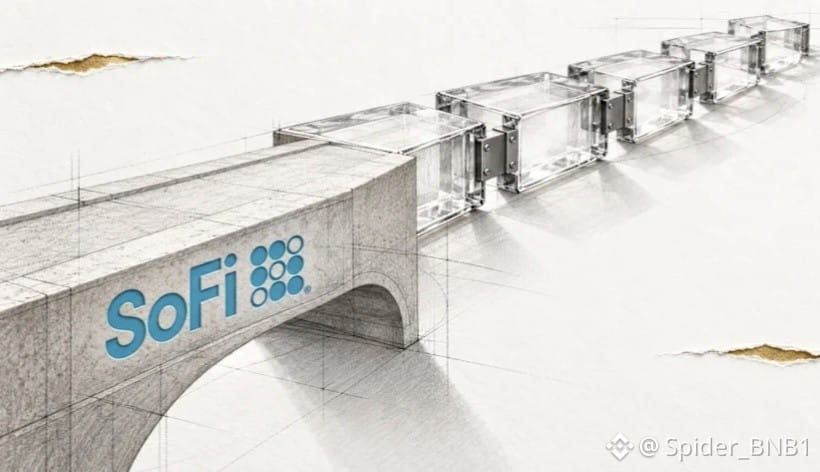
SoFi’s Bank-Issued Stablecoin SoFiUSD Goes Live on Polygon, Its Third Blockchain
SoFiUSD, the dollar stablecoin issued by SoFi Bank, is now live on Polygon, making the network the token's third blockchain after Ethereum and Solana, Polygon Labs said in a press release on Thursday.
SoFi members can buy, sell, hold and convert SoFiUSD on Polygon inside the SoFi app, with no separate crypto wallet and no manual bridging of tokens between networks, according to the release. SoFi reported 17.1 million members at the end of September.
A Bank-Issued Dollar
SoFi describes SoFiUSD as "the first stablecoin issued by a U.S. national bank." Its issuer, SoFi Bank, N.A., is overseen by the Office of the Comptroller of the Currency (OCC), the federal regulator of national banks.
SoFi launched the token in December 2025 as settlement plumbing for banks, fintechs and enterprise partners, then opened it to members in the app in May on Ethereum and Solana, saying more networks would follow.
The token can be redeemed one-for-one for U.S. dollars. It is not a bank deposit and carries no insurance from the Federal Deposit Insurance Corporation (FDIC) or the Securities Investor Protection Corporation (SIPC), the release said.
BitGo had prepared for SoFiUSD on Polygon more than three months earlier: on July 31, the crypto custodian merged SoFiUSD token definitions for Polygon and the Tempo and Monad blockchains into its open-source software library.
$AGT
{alpha}(560x5dbde81fce337ff4bcaaee4ca3466c00aecae274)
$MAGMA
{alpha}(CT_7840x9f854b3ad20f8161ec0886f15f4a1752bf75d22261556f14cc8d3a1c5d50e529::magma::MAGMA)
$DJT
{future}(DJTUSDT)
SoFi’s Bank-Issued Stablecoin SoFiUSD Goes Live on Polygon, Its Third Blockchain
SoFiUSD, the dollar stablecoin issued by SoFi Bank, is now live on Polygon, making the network the token's third blockchain after Ethereum and Solana, Polygon Labs said in a press release on Thursday.
SoFi members can buy, sell, hold and convert SoFiUSD on Polygon inside the SoFi app, with no separate crypto wallet and no manual bridging of tokens between networks, according to the release. SoFi reported 17.1 million members at the end of September.
A Bank-Issued Dollar
SoFi describes SoFiUSD as "the first stablecoin issued by a U.S. national bank." Its issuer, SoFi Bank, N.A., is overseen by the Office of the Comptroller of the Currency (OCC), the federal regulator of national banks.
SoFi launched the token in December 2025 as settlement plumbing for banks, fintechs and enterprise partners, then opened it to members in the app in May on Ethereum and Solana, saying more networks would follow.
The token can be redeemed one-for-one for U.S. dollars. It is not a bank deposit and carries no insurance from the Federal Deposit Insurance Corporation (FDIC) or the Securities Investor Protection Corporation (SIPC), the release said.
BitGo had prepared for SoFiUSD on Polygon more than three months earlier: on July 31, the crypto custodian merged SoFiUSD token definitions for Polygon and the Tempo and Monad blockchains into its open-source software library.
$AGT
$MAGMA
$DJT
1
1
1k
·
--
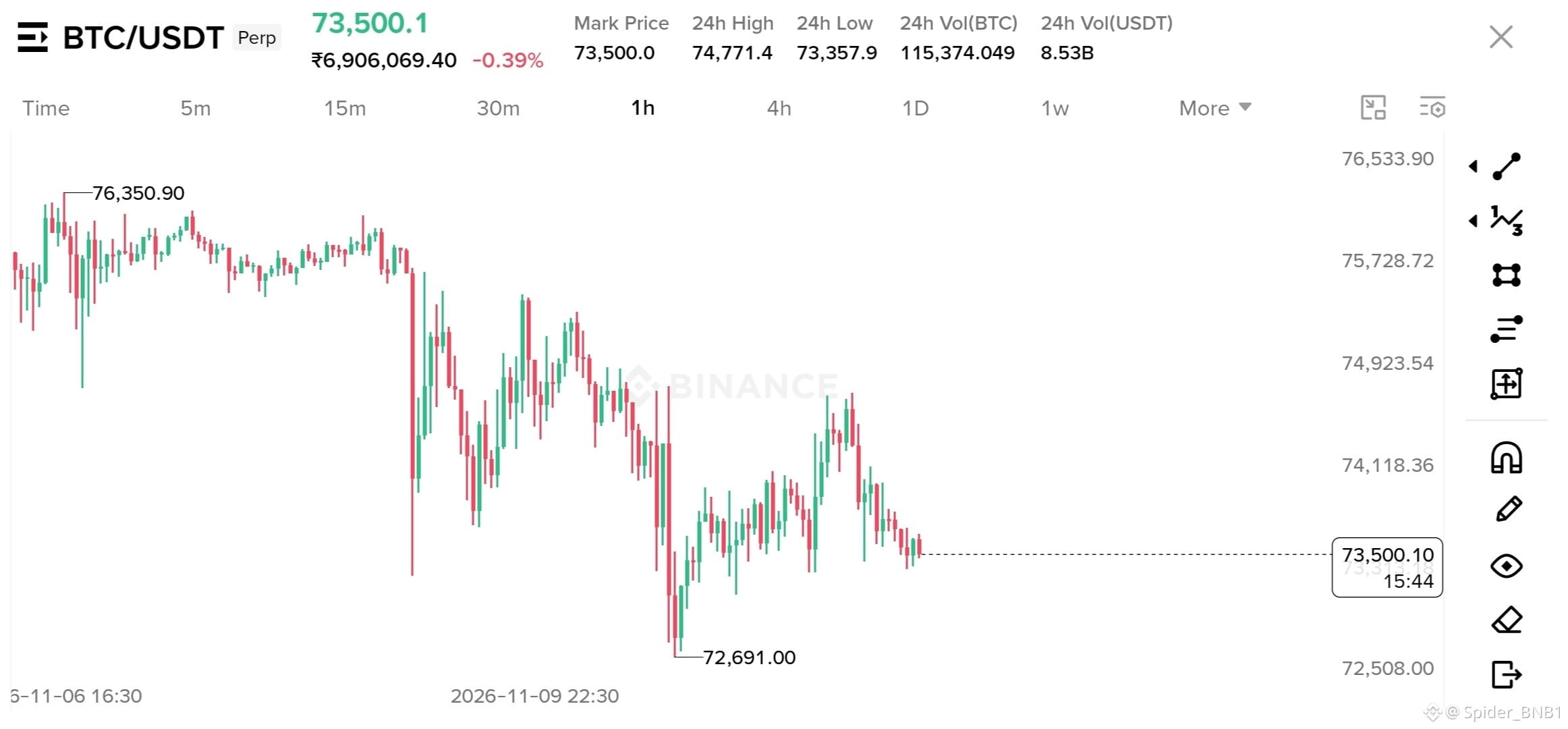
$BTC USDT — LONG
Entry: 73,450 – 73,500
TP1: 73,600
TP2: 73,900
TP3: 74,100
SL: 73,200
Current Price: 73,500
Confirmation: 1H candle close above 73,800.
$AGT
{alpha}(560x5dbde81fce337ff4bcaaee4ca3466c00aecae274)
$KGEN
{alpha}(560xf3d5b4c34ed623478cc5141861776e6cf7ae3a1e)
$BTC USDT — LONG
Entry: 73,450 – 73,500
TP1: 73,600
TP2: 73,900
TP3: 74,100
SL: 73,200
Current Price: 73,500
Confirmation: 1H candle close above 73,800.
$AGT
$KGEN
Entry: 73,450 – 73,500
TP1: 73,600
TP2: 73,900
TP3: 74,100
SL: 73,200
Current Price: 73,500
Confirmation: 1H candle close above 73,800.
$AGT
$KGEN
3
2
2.3k
·
--
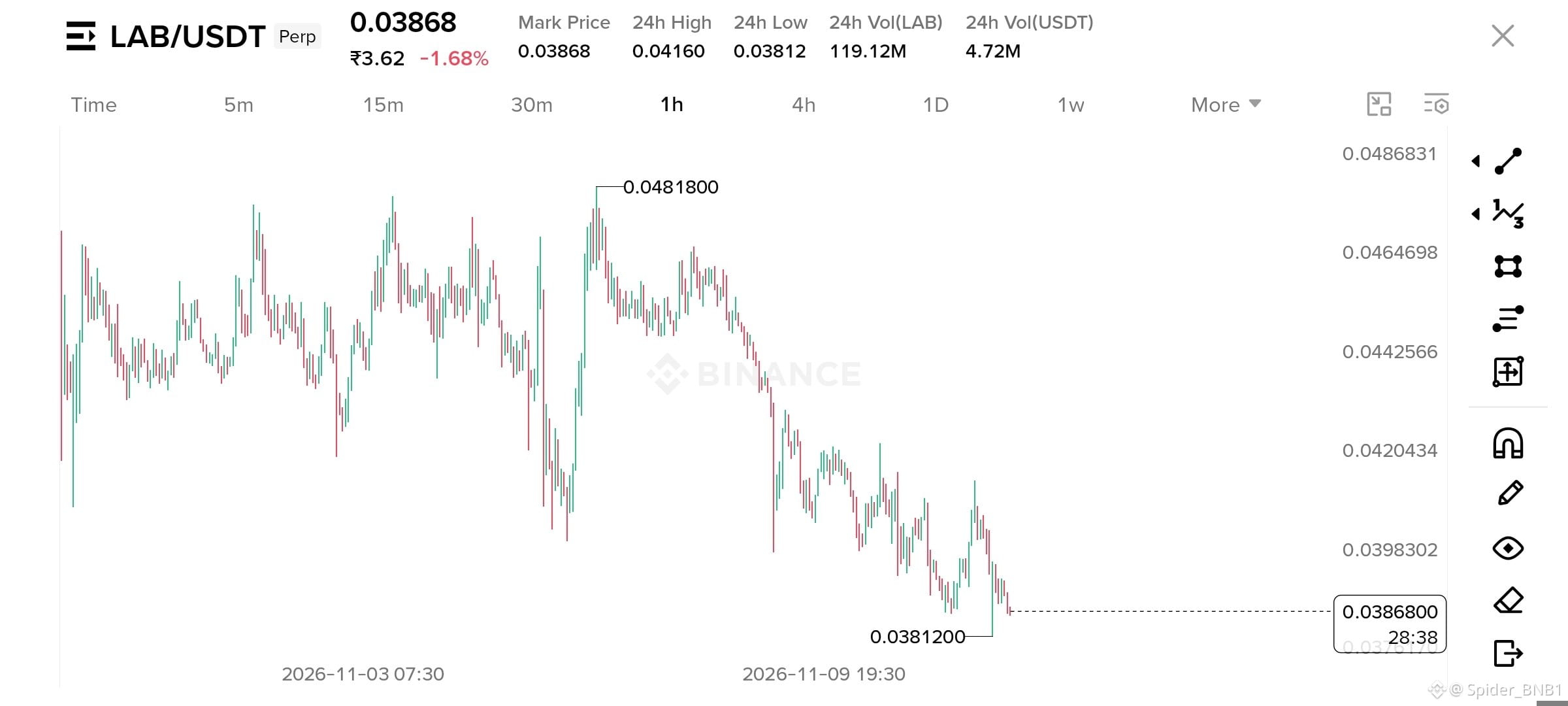
$LAB USDT — LONG
Entry: 0.03830 – 0.03855
TP1: 0.03950
TP2: 0.04000
TP3: 0.04100
SL: 0.03790
Current Price: 0.03868
Confirmation: 1H candle close above 0.03950.
$AGT
{alpha}(560x5dbde81fce337ff4bcaaee4ca3466c00aecae274)
$KGEN
{alpha}(560xf3d5b4c34ed623478cc5141861776e6cf7ae3a1e)
$LAB USDT — LONG
Entry: 0.03830 – 0.03855
TP1: 0.03950
TP2: 0.04000
TP3: 0.04100
SL: 0.03790
Current Price: 0.03868
Confirmation: 1H candle close above 0.03950.
$AGT
$KGEN
Entry: 0.03830 – 0.03855
TP1: 0.03950
TP2: 0.04000
TP3: 0.04100
SL: 0.03790
Current Price: 0.03868
Confirmation: 1H candle close above 0.03950.
$AGT
$KGEN
2
1
2
2k
·
--
Verified
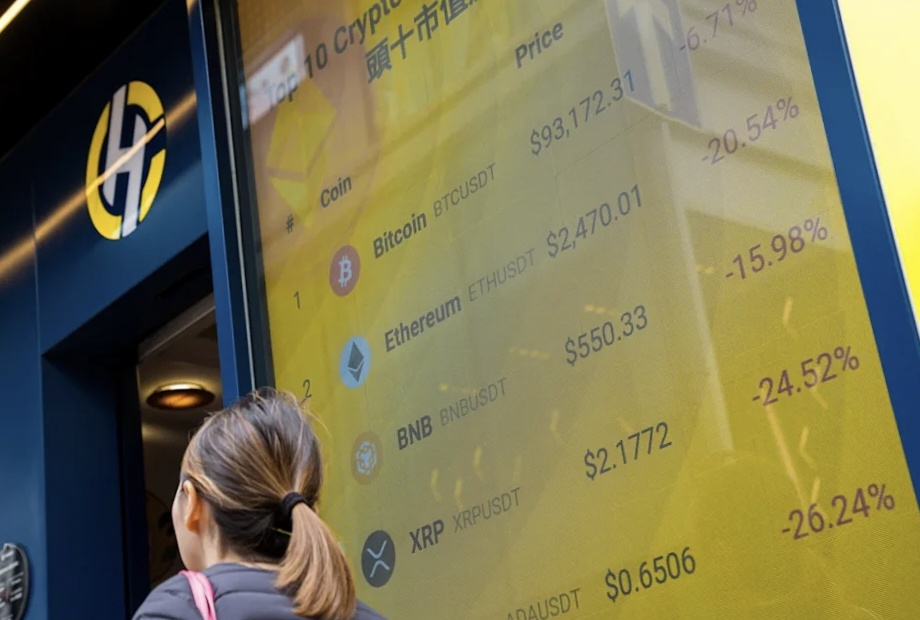
Rothschild Investment discloses Bitcoin, XRP exposure
Rothschild Investment LLC, an investment management firm based out of Chicago, has disclosed an exposure to the sixth-largest cryptocurrency, XRP, in its latest 13F filing.
The firm that offers portfolio management, retirement planning, and investment advisory services to customers in the U.S. filed 13F with the U.S. Securities and Exchange Commission (SEC) on Nov. 10. In it, the firm disclosed a stake in Bitwise XRP ETF (NYSE Arca: XRP) during the third quarter of 2026.
Launched on Nov. 19, 2025, the Bitwise XRP ETF offers indirect XRP exposure to those investors who want to get a taste of crypto from the comfort of traditional trading exchanges.
Crypto is still a niche investment category and its highly technical nature is often intimidating to several investors. Fund issuers like Bitwise offer crypto ETFs to exactly these kinds of investors who don't want to open accounts on crypto trading exchanges, change dollars to stablecoins for trading, hold their digital assets on crypto wallets, etc.
The Bitwise XRP ETF holds $431.44 million in net assets and $672.35 million in cumulative net inflow as of Nov. 10, as per the onchain analytics platform SoSoValue.
$AGT
{alpha}(560x5dbde81fce337ff4bcaaee4ca3466c00aecae274)
$SNXX
{future}(SNXXUSDT)
$MUU
{future}(MUUUSDT)
Rothschild Investment discloses Bitcoin, XRP exposure
Rothschild Investment LLC, an investment management firm based out of Chicago, has disclosed an exposure to the sixth-largest cryptocurrency, XRP, in its latest 13F filing.
The firm that offers portfolio management, retirement planning, and investment advisory services to customers in the U.S. filed 13F with the U.S. Securities and Exchange Commission (SEC) on Nov. 10. In it, the firm disclosed a stake in Bitwise XRP ETF (NYSE Arca: XRP) during the third quarter of 2026.
Launched on Nov. 19, 2025, the Bitwise XRP ETF offers indirect XRP exposure to those investors who want to get a taste of crypto from the comfort of traditional trading exchanges.
Crypto is still a niche investment category and its highly technical nature is often intimidating to several investors. Fund issuers like Bitwise offer crypto ETFs to exactly these kinds of investors who don't want to open accounts on crypto trading exchanges, change dollars to stablecoins for trading, hold their digital assets on crypto wallets, etc.
The Bitwise XRP ETF holds $431.44 million in net assets and $672.35 million in cumulative net inflow as of Nov. 10, as per the onchain analytics platform SoSoValue.
$AGT
$SNXX
$MUU
1
1
2
1.1k
·
--
Bitcoin Sits Out Equity Fund Rush as Fed Hike Odds Reach 84%
Global equity funds drew a record $266 billion in four weeks, per the Kobeissi Letter. Bitcoin (BTC) sat out the rush as Fed hike odds for December hit 84.4%.
That rush now meets a Fed that markets expect to tighten. Higher rates raise Treasury returns against non-yielding assets like Bitcoin, leaving BTC holders facing a second headwind.
Who Is Capturing the Equity Fund Flows?
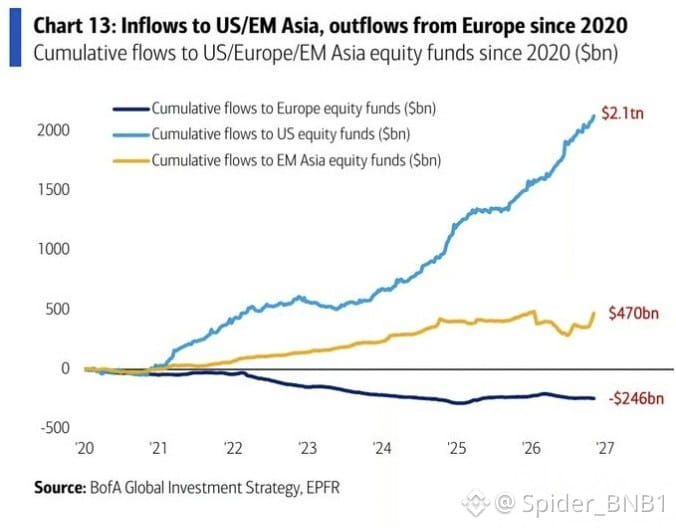
The Kobeissi Letter, says US equity funds have taken in $2.1 trillion since 2020. Of that, $1.5 trillion arrived since the start of 2024.
In contrast, emerging market Asia equity funds attracted $470 billion, per the same post. European equity funds lost $426 billion.
Even so, Asian stocks rebounding on Monday took their cue from Wall Street rather than setting the direction.
Global equity funds gained $89 billion last week, with US funds supplying $32 billion of it. As a result, four-week inflows reached a record $266 billion, the post said.
What Do 84% Fed Hike Odds Mean for Bitcoin?
The CME Group's FedWatch tool converts futures on the Fed's benchmark rate into probabilities. It shows an 84.4% chance of a quarter-point hike on December 9, with 0% assigned to a cut.
However, the Fed held rates at 3.75% to 4% on October 28 in a 10 to 2 vote. Officials Lisa Cook and Beth Hammack dissented in favor of a quarter-point hike at that meeting.
Meanwhile, Bitcoin lagged the Nasdaq rebound on Friday. US spot Bitcoin exchange-traded funds (ETFs) saw $1.28 billion in net outflows from November 2 to 6, the analysis said.
Consumer price index (CPI) data lands later Tuesday and will test those rate expectations. A $42 billion 10-year note auction follows this week's Treasury sales, which opened with soft demand.
Still, positioning this concentrated may leave US equities exposed to a firmer Fed than priced in. It may also leave crypto exposed if capital keeps skipping it.
$INIT
{future}(INITUSDT)
$PIEVERSE
{alpha}(560x0e63b9c287e32a05e6b9ab8ee8df88a2760225a9)
$ARIA
{alpha}(560x5d3a12c42e5372b2cc3264ab3cdcf660a1555238)
Bitcoin Sits Out Equity Fund Rush as Fed Hike Odds Reach 84%
Global equity funds drew a record $266 billion in four weeks, per the Kobeissi Letter. Bitcoin (BTC) sat out the rush as Fed hike odds for December hit 84.4%.
That rush now meets a Fed that markets expect to tighten. Higher rates raise Treasury returns against non-yielding assets like Bitcoin, leaving BTC holders facing a second headwind.
Who Is Capturing the Equity Fund Flows?
The Kobeissi Letter, says US equity funds have taken in $2.1 trillion since 2020. Of that, $1.5 trillion arrived since the start of 2024.
In contrast, emerging market Asia equity funds attracted $470 billion, per the same post. European equity funds lost $426 billion.
Even so, Asian stocks rebounding on Monday took their cue from Wall Street rather than setting the direction.
Global equity funds gained $89 billion last week, with US funds supplying $32 billion of it. As a result, four-week inflows reached a record $266 billion, the post said.
What Do 84% Fed Hike Odds Mean for Bitcoin?
The CME Group's FedWatch tool converts futures on the Fed's benchmark rate into probabilities. It shows an 84.4% chance of a quarter-point hike on December 9, with 0% assigned to a cut.
However, the Fed held rates at 3.75% to 4% on October 28 in a 10 to 2 vote. Officials Lisa Cook and Beth Hammack dissented in favor of a quarter-point hike at that meeting.
Meanwhile, Bitcoin lagged the Nasdaq rebound on Friday. US spot Bitcoin exchange-traded funds (ETFs) saw $1.28 billion in net outflows from November 2 to 6, the analysis said.
Consumer price index (CPI) data lands later Tuesday and will test those rate expectations. A $42 billion 10-year note auction follows this week's Treasury sales, which opened with soft demand.
Still, positioning this concentrated may leave US equities exposed to a firmer Fed than priced in. It may also leave crypto exposed if capital keeps skipping it.
$INIT
$PIEVERSE
$ARIA
3
1
331
·
--
$SKYAI USDT — LONG 🟢
Wait for breakout
* Entry: 0.03510 – 0.03530
* TP1: 0.03650
* TP2: 0.03720
* TP3: 0.03850
* SL: 0.03310
Current Price: 0.03535
Confirmation: 15m candle close above 0.03590.
$JCT
{alpha}(560xea37a8de1de2d9d10772eeb569e28bfa5cb17707)
$AIOT
{alpha}(560x55ad16bd573b3365f43a9daeb0cc66a73821b4a5)
$SKYAI USDT — LONG 🟢
Wait for breakout
* Entry: 0.03510 – 0.03530
* TP1: 0.03650
* TP2: 0.03720
* TP3: 0.03850
* SL: 0.03310
Current Price: 0.03535
Confirmation: 15m candle close above 0.03590.
$JCT
$AIOT
Wait for breakout
* Entry: 0.03510 – 0.03530
* TP1: 0.03650
* TP2: 0.03720
* TP3: 0.03850
* SL: 0.03310
Current Price: 0.03535
Confirmation: 15m candle close above 0.03590.
$JCT
$AIOT

2
2
2.2k
·
--
Pewdiepie Odysseus AI Predicts a Parabolic PEPE Memecoin Rally
PEPE could be on the verge of one of the most absurd parabolic runs in memecoin history. Pewdiepie Odysseus AI predicts that a hypothetical landmark catalyst could move the once-viral token that would melt faces and reinvigorate sentiment across the memecoin sector.
A perfect storm in which PEPE is suddenly embraced as the unofficial cultural symbol of a massive global internet movement, amplified by a high-profile celebrity or political figure publicly stacking bags.
(SOURCE: Pewdiepie Odysseus AI Predicts a PEPE Explosion)
This is all while a major exchange simultaneously launches a PEPE-focused structured product or leveraged ETF that funnels unprecedented retail FOMO into the token.
The frog then goes fully mainstream, liquidity explodes, and the narrative shifts from "just another meme" to "the last great cultural crypto asset of the cycle."
$JCT
{alpha}(560xea37a8de1de2d9d10772eeb569e28bfa5cb17707)
$AIOT
{alpha}(560x55ad16bd573b3365f43a9daeb0cc66a73821b4a5)
$SKYAI
{alpha}(560x92aa03137385f18539301349dcfc9ebc923ffb10)
Pewdiepie Odysseus AI Predicts a Parabolic PEPE Memecoin Rally
PEPE could be on the verge of one of the most absurd parabolic runs in memecoin history. Pewdiepie Odysseus AI predicts that a hypothetical landmark catalyst could move the once-viral token that would melt faces and reinvigorate sentiment across the memecoin sector.
A perfect storm in which PEPE is suddenly embraced as the unofficial cultural symbol of a massive global internet movement, amplified by a high-profile celebrity or political figure publicly stacking bags.
(SOURCE: Pewdiepie Odysseus AI Predicts a PEPE Explosion)
This is all while a major exchange simultaneously launches a PEPE-focused structured product or leveraged ETF that funnels unprecedented retail FOMO into the token.
The frog then goes fully mainstream, liquidity explodes, and the narrative shifts from "just another meme" to "the last great cultural crypto asset of the cycle."
$JCT
$AIOT
$SKYAI

1
1
504
·
--
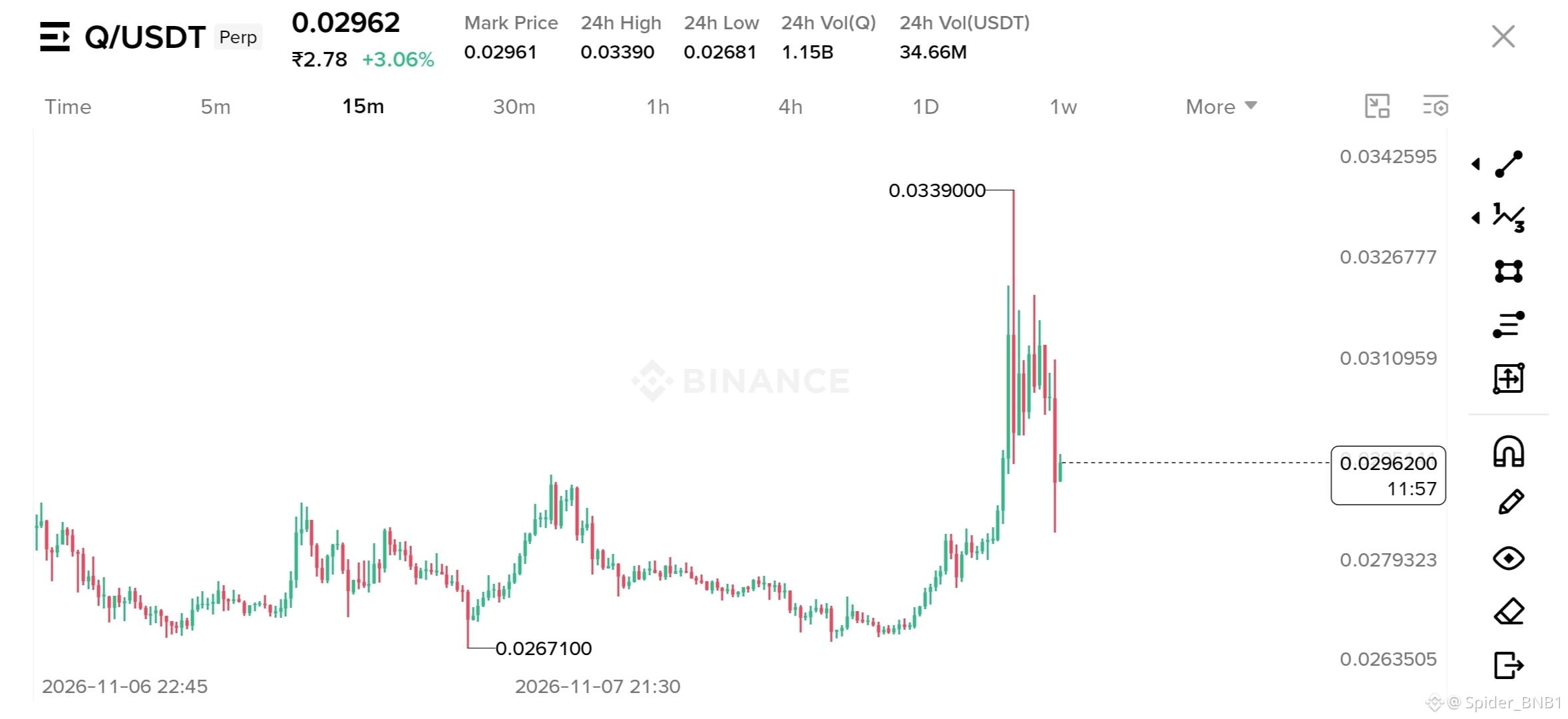
$Q USDT — LONG 🟢
Wait for confirmation
* Entry: 0.0271510 – 0.02735
* TP1: 0.02910
* TP2: 0.03050
* TP3: 0.03150
* SL: 0.02610
Current Price: 0.02962
Confirmation: 15m candle close above 0.03020.
$JCT
{alpha}(560xea37a8de1de2d9d10772eeb569e28bfa5cb17707)
$SKYAI
{alpha}(560x92aa03137385f18539301349dcfc9ebc923ffb10)
$Q USDT — LONG 🟢
Wait for confirmation
* Entry: 0.0271510 – 0.02735
* TP1: 0.02910
* TP2: 0.03050
* TP3: 0.03150
* SL: 0.02610
Current Price: 0.02962
Confirmation: 15m candle close above 0.03020.
$JCT
$SKYAI
Wait for confirmation
* Entry: 0.0271510 – 0.02735
* TP1: 0.02910
* TP2: 0.03050
* TP3: 0.03150
* SL: 0.02610
Current Price: 0.02962
Confirmation: 15m candle close above 0.03020.
$JCT
$SKYAI
2
1
540
Log in to explore more content
Join global crypto users on Binance Square
⚡️ Get latest and useful information about crypto.
💬 Trusted by the world’s largest crypto exchange.
👍 Discover real insights from verified creators.
Email / Phone number
Trending Topics
USPPIMissMayEaseBTCPressure
61,652 views
888 Discussing
US PPI Rises 6.5% a Year in October, Slightly Below 6.6% Forecast
Binance News
·17 Likes
·19.1k views
BitcoinCoreDisclosesTorTrafficVulnerability
26,031 views
487 Discussing
WhatWillDriveCryptoandStocks’NextRebound?
182,945 views
1,704 Discussing