

Dragoncrip
909 Posts

Dragoncrip
Report
Block User
0 Following
9.1K+ Followers
1.4K+ Liked
Posts
All
Quotes
Videos
·
--
There are people in the comments who complain, almost with tears, that they fade out Variational.
Guys… we’re in the crypto ecosystem. Here is the biggest flaw in the entire Matrix.
You’re going to have dozens, hundreds of opportunities over time.
They show up all the time, hidden, disguised, waiting for you to notice them.
Crying about it, feeling bad, sinking into it… makes no sense.
Not catching a nice airdrop isn’t a defeat. It’s not even close. Opportunities aren’t going to stop. Never.
Do you know what the real defeat is in this ecosystem?
Giving up and Surrendering.
When you surrender, when you walk away, when you turn around and leave… that exact moment is when you’ve been defeated.
There are many battles ahead!!!
There are people in the comments who complain, almost with tears, that they fade out Variational.
Guys… we’re in the crypto ecosystem. Here is the biggest flaw in the entire Matrix.
You’re going to have dozens, hundreds of opportunities over time.
They show up all the time, hidden, disguised, waiting for you to notice them.
Crying about it, feeling bad, sinking into it… makes no sense.
Not catching a nice airdrop isn’t a defeat. It’s not even close. Opportunities aren’t going to stop. Never.
Do you know what the real defeat is in this ecosystem?
Giving up and Surrendering.
When you surrender, when you walk away, when you turn around and leave… that exact moment is when you’ve been defeated.
There are many battles ahead!!!
Guys… we’re in the crypto ecosystem. Here is the biggest flaw in the entire Matrix.
You’re going to have dozens, hundreds of opportunities over time.
They show up all the time, hidden, disguised, waiting for you to notice them.
Crying about it, feeling bad, sinking into it… makes no sense.
Not catching a nice airdrop isn’t a defeat. It’s not even close. Opportunities aren’t going to stop. Never.
Do you know what the real defeat is in this ecosystem?
Giving up and Surrendering.
When you surrender, when you walk away, when you turn around and leave… that exact moment is when you’ve been defeated.
There are many battles ahead!!!

1
1.4k
·
--
Variational announces a 32% token $VAR airdrop.
This makes it the largest perpetual DEX airdrop to date, above Hyperliquid’s 31%.
Everything is unlocked at the TGE.
- Points keep accumulating until the listing
- Minimum to qualify: 1 point
- 100% of the revenue goes to $VAR buybacks and burning.
$1B FDV = $29 per point
$2B FDV = $58 per point
$3B FDV = $87 per point
$4B FDV = $116 per point
$5B FDV = $145 per point
$6B FDV = $174 per point
$7B FDV = $203 per point
$8B FDV = $232 per point
$9B FDV = $261 per point
$10B FDV = $290 per point.
If these valuations hold, it will leave many people with gains in the 5- and 6-figure range.
Its swap system, with the lowest cost at high volumes for trading, makes it a product that will continue to be used after the Airdrop.
If the project keeps being used, then 100% of the $VAR buyback could give bullish upside momentum to its token in the medium and long term.
“Generational wealth” and matrix failures?
Variational announces a 32% token $VAR airdrop.
This makes it the largest perpetual DEX airdrop to date, above Hyperliquid’s 31%.
Everything is unlocked at the TGE.
- Points keep accumulating until the listing
- Minimum to qualify: 1 point
- 100% of the revenue goes to $VAR buybacks and burning.
$1B FDV = $29 per point
$2B FDV = $58 per point
$3B FDV = $87 per point
$4B FDV = $116 per point
$5B FDV = $145 per point
$6B FDV = $174 per point
$7B FDV = $203 per point
$8B FDV = $232 per point
$9B FDV = $261 per point
$10B FDV = $290 per point.
If these valuations hold, it will leave many people with gains in the 5- and 6-figure range.
Its swap system, with the lowest cost at high volumes for trading, makes it a product that will continue to be used after the Airdrop.
If the project keeps being used, then 100% of the $VAR buyback could give bullish upside momentum to its token in the medium and long term.
“Generational wealth” and matrix failures?
This makes it the largest perpetual DEX airdrop to date, above Hyperliquid’s 31%.
Everything is unlocked at the TGE.
- Points keep accumulating until the listing
- Minimum to qualify: 1 point
- 100% of the revenue goes to $VAR buybacks and burning.
$1B FDV = $29 per point
$2B FDV = $58 per point
$3B FDV = $87 per point
$4B FDV = $116 per point
$5B FDV = $145 per point
$6B FDV = $174 per point
$7B FDV = $203 per point
$8B FDV = $232 per point
$9B FDV = $261 per point
$10B FDV = $290 per point.
If these valuations hold, it will leave many people with gains in the 5- and 6-figure range.
Its swap system, with the lowest cost at high volumes for trading, makes it a product that will continue to be used after the Airdrop.
If the project keeps being used, then 100% of the $VAR buyback could give bullish upside momentum to its token in the medium and long term.
“Generational wealth” and matrix failures?

1
129
·
--
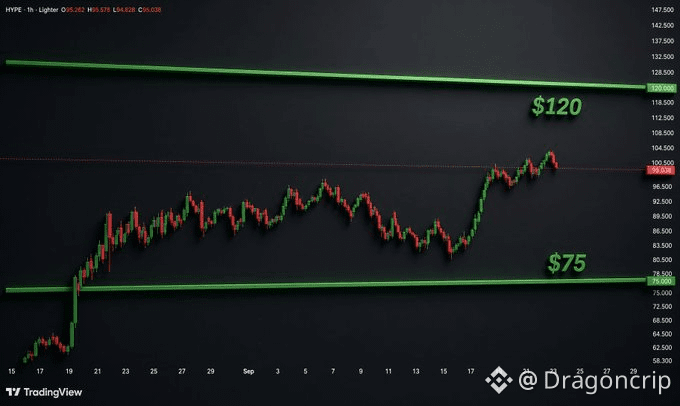
Where does it go next $HYPE
{spot}(HYPEUSDT)
To a new ATH breaking through $100 and reaching the $120 predictions?
Or a correction, taking profits, and we look for $75
Where does it go next $HYPE
To a new ATH breaking through $100 and reaching the $120 predictions?
Or a correction, taking profits, and we look for $75
To a new ATH breaking through $100 and reaching the $120 predictions?
Or a correction, taking profits, and we look for $75
208
·
--
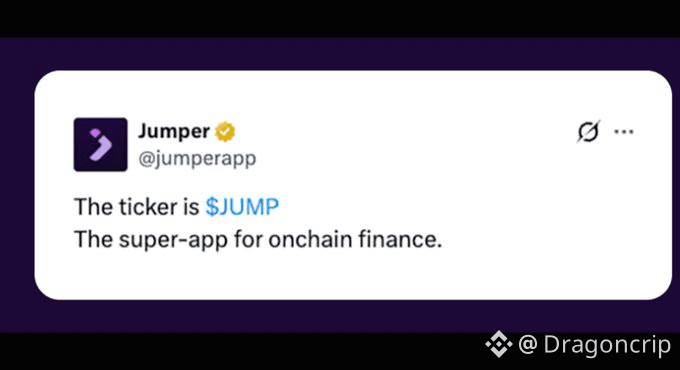
Jumper just announced its $JUMP token
The Airdrop is coming for those who have XP. Register for the waitlist—don’t let it be that you end up left out, hee.
https://waitlist.jumper.xyz/r/JMP-44EAE05C
Jumper just announced its $JUMP token
The Airdrop is coming for those who have XP. Register for the waitlist—don’t let it be that you end up left out, hee.
https://waitlist.jumper.xyz/r/JMP-44EAE05C
The Airdrop is coming for those who have XP. Register for the waitlist—don’t let it be that you end up left out, hee.
https://waitlist.jumper.xyz/r/JMP-44EAE05C
105
·
--
Verified
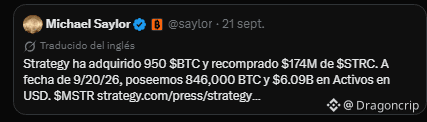
Buy BTC, buy Strc that is approaching $100. And that is what makes MicroStrategy rise.
The Stratregy business is starting to rebound.
It has already come a long way from its lows over the past 2 to 3 months.
Those who bought the fear are now starting to cash in on it
Buy BTC, buy Strc that is approaching $100. And that is what makes MicroStrategy rise.
The Stratregy business is starting to rebound.
It has already come a long way from its lows over the past 2 to 3 months.
Those who bought the fear are now starting to cash in on it
The Stratregy business is starting to rebound.
It has already come a long way from its lows over the past 2 to 3 months.
Those who bought the fear are now starting to cash in on it
555
·
--
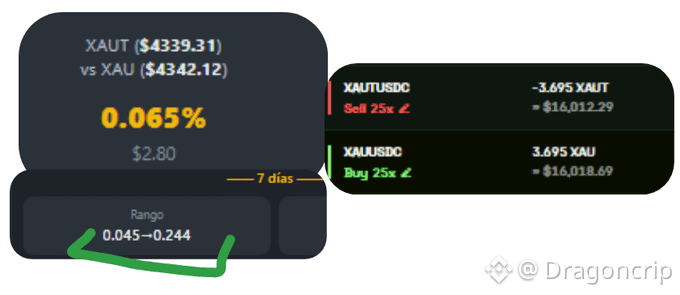
The gold pair XAUT vs XAU is touching its lowest spread point. It's a good time to enter.
This difference is now at 0.065%. It typically moves during the week between 0.045% and 0.244%.
You can trade it on Variational or on TxFlow.
For now, I opened positions on both to farm volume and look for profit.
And, of course, to farm the airdrop.
https://app.txflow.com/r/TXDRAGON
Not investment advice, but price arbitrage between pairs is a good strategy.
The gold pair XAUT vs XAU is touching its lowest spread point. It's a good time to enter.
This difference is now at 0.065%. It typically moves during the week between 0.045% and 0.244%.
You can trade it on Variational or on TxFlow.
For now, I opened positions on both to farm volume and look for profit.
And, of course, to farm the airdrop.
https://app.txflow.com/r/TXDRAGON
Not investment advice, but price arbitrage between pairs is a good strategy.
This difference is now at 0.065%. It typically moves during the week between 0.045% and 0.244%.
You can trade it on Variational or on TxFlow.
For now, I opened positions on both to farm volume and look for profit.
And, of course, to farm the airdrop.
https://app.txflow.com/r/TXDRAGON
Not investment advice, but price arbitrage between pairs is a good strategy.
586
·
--
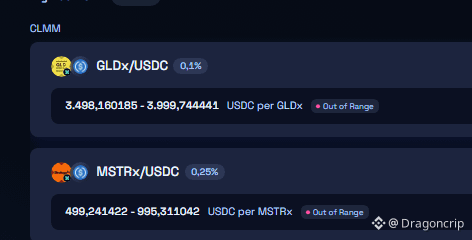
Something I would like to comment: I have the LPs out of range.
Since it generates more points than holding and doing lending.
GLDx price $400 Range 3500-3900
Microstrategy price $166 Range $500-$995
The reason I did it this way is because I’m looking to exit or take profit higher up, and I don’t want to lose the impermanent loss from the LP.
Something I would like to comment: I have the LPs out of range.
Since it generates more points than holding and doing lending.
GLDx price $400 Range 3500-3900
Microstrategy price $166 Range $500-$995
The reason I did it this way is because I’m looking to exit or take profit higher up, and I don’t want to lose the impermanent loss from the LP.
Since it generates more points than holding and doing lending.
GLDx price $400 Range 3500-3900
Microstrategy price $166 Range $500-$995
The reason I did it this way is because I’m looking to exit or take profit higher up, and I don’t want to lose the impermanent loss from the LP.
Dragoncrip
·
--
xStocks are tokenized 1:1 stocks and ETFs, developed by Payward (Kraken).
It surpassed $6 billion in trading volume on Solana and represents 54% of all historical tokenized stock trading volume on that network.
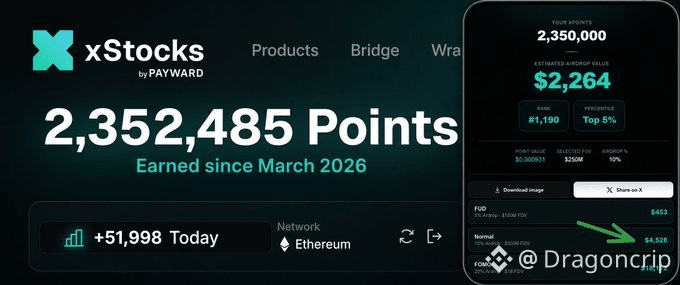
It’s growing like crazy. On the other hand, the xStocks points campaign is still active and, according to the calculator, it could be a big airdrop.
I earn points while holding tokenized stocks and building liquidity pools.
Right now, in my wallet I have 2 LPs that I’ve been carrying over for a few months: one for MicroStrategy and another for GOLD. I also have a delta-neutral position in Exponent.
I hold the LPs on Raydium.
In Exponent I set up a delta neutral position between YT and PT (a bit tangled that move, but it worked).
Close to entering the top. 4 weeks ago I had 1,030,000 points and was in the top #1710.
The rise in MicroStrategy boosted my bags, which made me generate more points.
Link 20 Boster
https://defi.xstocks.fi/points?ref=DRAGON
It surpassed $6 billion in trading volume on Solana and represents 54% of all historical tokenized stock trading volume on that network.
It’s growing like crazy. On the other hand, the xStocks points campaign is still active and, according to the calculator, it could be a big airdrop.
I earn points while holding tokenized stocks and building liquidity pools.
Right now, in my wallet I have 2 LPs that I’ve been carrying over for a few months: one for MicroStrategy and another for GOLD. I also have a delta-neutral position in Exponent.
I hold the LPs on Raydium.
In Exponent I set up a delta neutral position between YT and PT (a bit tangled that move, but it worked).
Close to entering the top. 4 weeks ago I had 1,030,000 points and was in the top #1710.
The rise in MicroStrategy boosted my bags, which made me generate more points.
Link 20 Boster
https://defi.xstocks.fi/points?ref=DRAGON
1
492
·
--
xStocks are tokenized 1:1 stocks and ETFs, developed by Payward (Kraken).
It surpassed $6 billion in trading volume on Solana and represents 54% of all historical tokenized stock trading volume on that network.
It’s growing like crazy. On the other hand, the xStocks points campaign is still active and, according to the calculator, it could be a big airdrop.
I earn points while holding tokenized stocks and building liquidity pools.
Right now, in my wallet I have 2 LPs that I’ve been carrying over for a few months: one for MicroStrategy and another for GOLD. I also have a delta-neutral position in Exponent.
I hold the LPs on Raydium.
In Exponent I set up a delta neutral position between YT and PT (a bit tangled that move, but it worked).
Close to entering the top. 4 weeks ago I had 1,030,000 points and was in the top #1710.
The rise in MicroStrategy boosted my bags, which made me generate more points.
Link 20 Boster
https://defi.xstocks.fi/points?ref=DRAGON
xStocks are tokenized 1:1 stocks and ETFs, developed by Payward (Kraken).
It surpassed $6 billion in trading volume on Solana and represents 54% of all historical tokenized stock trading volume on that network.
It’s growing like crazy. On the other hand, the xStocks points campaign is still active and, according to the calculator, it could be a big airdrop.
I earn points while holding tokenized stocks and building liquidity pools.
Right now, in my wallet I have 2 LPs that I’ve been carrying over for a few months: one for MicroStrategy and another for GOLD. I also have a delta-neutral position in Exponent.
I hold the LPs on Raydium.
In Exponent I set up a delta neutral position between YT and PT (a bit tangled that move, but it worked).
Close to entering the top. 4 weeks ago I had 1,030,000 points and was in the top #1710.
The rise in MicroStrategy boosted my bags, which made me generate more points.
Link 20 Boster
https://defi.xstocks.fi/points?ref=DRAGON
It surpassed $6 billion in trading volume on Solana and represents 54% of all historical tokenized stock trading volume on that network.
It’s growing like crazy. On the other hand, the xStocks points campaign is still active and, according to the calculator, it could be a big airdrop.
I earn points while holding tokenized stocks and building liquidity pools.
Right now, in my wallet I have 2 LPs that I’ve been carrying over for a few months: one for MicroStrategy and another for GOLD. I also have a delta-neutral position in Exponent.
I hold the LPs on Raydium.
In Exponent I set up a delta neutral position between YT and PT (a bit tangled that move, but it worked).
Close to entering the top. 4 weeks ago I had 1,030,000 points and was in the top #1710.
The rise in MicroStrategy boosted my bags, which made me generate more points.
Link 20 Boster
https://defi.xstocks.fi/points?ref=DRAGON
1
1
301
·
--
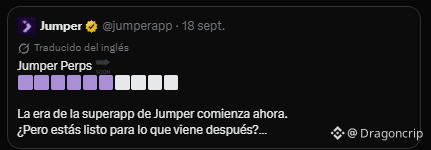
A perpetual DEX? Nooo another one 💀🔫
We want the Airdrop.
Do they think the market is already saturated with perpetual DEXes?
A perpetual DEX? Nooo another one 💀🔫
We want the Airdrop.
Do they think the market is already saturated with perpetual DEXes?
We want the Airdrop.
Do they think the market is already saturated with perpetual DEXes?
165
·
--
Partly True
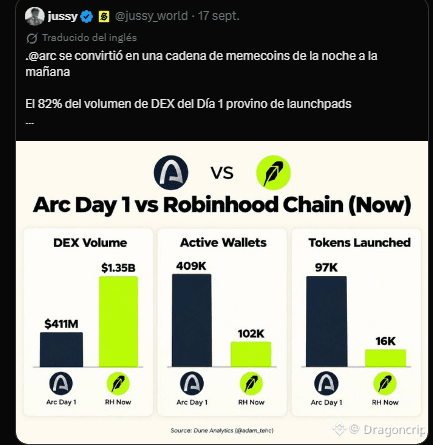
On day 1 of ARC
- 97,000 Tokens were launched.
- 409,000 new Wallets
- The network is nothing but memes
But despite beating RobindHood's daily metrics, it moved 3x more volume on DEX. $411 Million vs $1350 Million.
If it’s only going to be for memes, it’ll be very difficult for it to really take off.
On day 1 of ARC
- 97,000 Tokens were launched.
- 409,000 new Wallets
- The network is nothing but memes
But despite beating RobindHood's daily metrics, it moved 3x more volume on DEX. $411 Million vs $1350 Million.
If it’s only going to be for memes, it’ll be very difficult for it to really take off.
- 97,000 Tokens were launched.
- 409,000 new Wallets
- The network is nothing but memes
But despite beating RobindHood's daily metrics, it moved 3x more volume on DEX. $411 Million vs $1350 Million.
If it’s only going to be for memes, it’ll be very difficult for it to really take off.
1.3k
·
--
Partly True
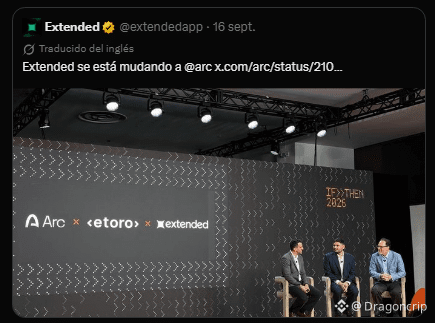
Extended deja Starknet to move to ARC.
Moving networks, I don't know if it's a good sign for the project: it raises more doubts than certainties.
On the other hand, this wipes out Hibachi. The protocol has fallen sharply in volume and its Open Interest is down 70% since January, hitting lows at $1.8 million.
Things haven't improved over these months and that Open Interest now leaves it at an airdrop with an FDV between $3 and $5 million.
Bad news for those of us who farmed it.
Extended deja Starknet to move to ARC.
Moving networks, I don't know if it's a good sign for the project: it raises more doubts than certainties.
On the other hand, this wipes out Hibachi. The protocol has fallen sharply in volume and its Open Interest is down 70% since January, hitting lows at $1.8 million.
Things haven't improved over these months and that Open Interest now leaves it at an airdrop with an FDV between $3 and $5 million.
Bad news for those of us who farmed it.
Moving networks, I don't know if it's a good sign for the project: it raises more doubts than certainties.
On the other hand, this wipes out Hibachi. The protocol has fallen sharply in volume and its Open Interest is down 70% since January, hitting lows at $1.8 million.
Things haven't improved over these months and that Open Interest now leaves it at an airdrop with an FDV between $3 and $5 million.
Bad news for those of us who farmed it.
546
·
--
After this live from Arc’s team, almost everything collapsed—why?
Because their faces don’t match the prototype of the White American with light hair.
Man, talent is talent, and it has no color or nationality.
Then that same group of people who criticize ends up buying whatever currency where the DEXs are—whether people are doxed or not.
Get your act together; we’re in this industry for the same freedom that this sector grants us.
After this live from Arc’s team, almost everything collapsed—why?
Because their faces don’t match the prototype of the White American with light hair.
Man, talent is talent, and it has no color or nationality.
Then that same group of people who criticize ends up buying whatever currency where the DEXs are—whether people are doxed or not.
Get your act together; we’re in this industry for the same freedom that this sector grants us.
Because their faces don’t match the prototype of the White American with light hair.
Man, talent is talent, and it has no color or nationality.
Then that same group of people who criticize ends up buying whatever currency where the DEXs are—whether people are doxed or not.
Get your act together; we’re in this industry for the same freedom that this sector grants us.

1
1.1k
·
--
Verified
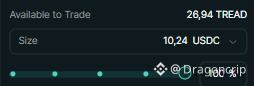
Today the $TREAD airdrop on Hyperliquid went live.
Bot project to do trading, volume, and Delta neutral
The airdrop was Season 0; we’re currently in Season 1.5
Airdrop tokens were sent directly to the Hyperliquid account.
- Trades on spot (TREAD/USDC).
- Current price: $0.40
- FDV: $40M.
- Supply: 100M.
- Airdrop: 15.2%
There’s no claim. Tokens arrive directly to the Hyperliquid wallet.
What stood out to me is that Hyperliquid is gaining momentum in terms of Airdrop launches.
Before, the listing was on a CEX where it kept a large portion of the tokens; now the tokens come directly to HL, like it did with Tread.
I think in the future most airdrops will go out via HL.
This creates more traction for HL, new users, and therefore more protocol fees.
In my case I only got a few tokens—one burger, but hey, step by step.
Today the $TREAD airdrop on Hyperliquid went live.
Bot project to do trading, volume, and Delta neutral
The airdrop was Season 0; we’re currently in Season 1.5
Airdrop tokens were sent directly to the Hyperliquid account.
- Trades on spot (TREAD/USDC).
- Current price: $0.40
- FDV: $40M.
- Supply: 100M.
- Airdrop: 15.2%
There’s no claim. Tokens arrive directly to the Hyperliquid wallet.
What stood out to me is that Hyperliquid is gaining momentum in terms of Airdrop launches.
Before, the listing was on a CEX where it kept a large portion of the tokens; now the tokens come directly to HL, like it did with Tread.
I think in the future most airdrops will go out via HL.
This creates more traction for HL, new users, and therefore more protocol fees.
In my case I only got a few tokens—one burger, but hey, step by step.
Bot project to do trading, volume, and Delta neutral
The airdrop was Season 0; we’re currently in Season 1.5
Airdrop tokens were sent directly to the Hyperliquid account.
- Trades on spot (TREAD/USDC).
- Current price: $0.40
- FDV: $40M.
- Supply: 100M.
- Airdrop: 15.2%
There’s no claim. Tokens arrive directly to the Hyperliquid wallet.
What stood out to me is that Hyperliquid is gaining momentum in terms of Airdrop launches.
Before, the listing was on a CEX where it kept a large portion of the tokens; now the tokens come directly to HL, like it did with Tread.
I think in the future most airdrops will go out via HL.
This creates more traction for HL, new users, and therefore more protocol fees.
In my case I only got a few tokens—one burger, but hey, step by step.
704
·
--
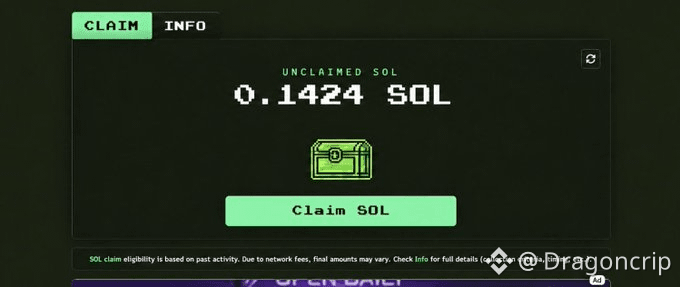
More than 600,000 $SOL to claim.
Check all your wallets; I do it monthly—every month I claim the SOL.
Will you ask me where the money they pay you comes from?
On Solana, TOKENs and NFTs work in a very particular way.
When you receive an NFT, Token, or LP, a token account is created.
When you sell the NFT or TOKEN or close the LP, the account becomes empty, but it still takes up space in your wallet.
Each account costs ~0.002 SOL in rent unless you close it.
You can claim and close empty accounts to recover the SOL that was locked and support the site’s maintenance.
https://sol-incinerator.com/?ref=drogonc
More than 600,000 $SOL to claim.
Check all your wallets; I do it monthly—every month I claim the SOL.
Will you ask me where the money they pay you comes from?
On Solana, TOKENs and NFTs work in a very particular way.
When you receive an NFT, Token, or LP, a token account is created.
When you sell the NFT or TOKEN or close the LP, the account becomes empty, but it still takes up space in your wallet.
Each account costs ~0.002 SOL in rent unless you close it.
You can claim and close empty accounts to recover the SOL that was locked and support the site’s maintenance.
https://sol-incinerator.com/?ref=drogonc
Check all your wallets; I do it monthly—every month I claim the SOL.
Will you ask me where the money they pay you comes from?
On Solana, TOKENs and NFTs work in a very particular way.
When you receive an NFT, Token, or LP, a token account is created.
When you sell the NFT or TOKEN or close the LP, the account becomes empty, but it still takes up space in your wallet.
Each account costs ~0.002 SOL in rent unless you close it.
You can claim and close empty accounts to recover the SOL that was locked and support the site’s maintenance.
https://sol-incinerator.com/?ref=drogonc
1
1
3
2k
·
--
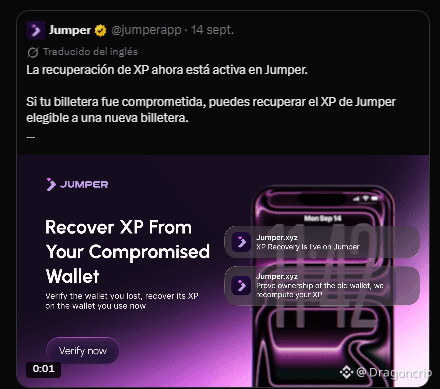
How they see the following airdrop signal from jumper
?
Last week, a man carrying the airdrop on a ship to launch it.
This week, the feature to recover the Xp from those compromised wallets so they don’t lose their airdrop.
This is already almost cooked
How they see the following airdrop signal from jumper
?
Last week, a man carrying the airdrop on a ship to launch it.
This week, the feature to recover the Xp from those compromised wallets so they don’t lose their airdrop.
This is already almost cooked
?
Last week, a man carrying the airdrop on a ship to launch it.
This week, the feature to recover the Xp from those compromised wallets so they don’t lose their airdrop.
This is already almost cooked
652
·
--
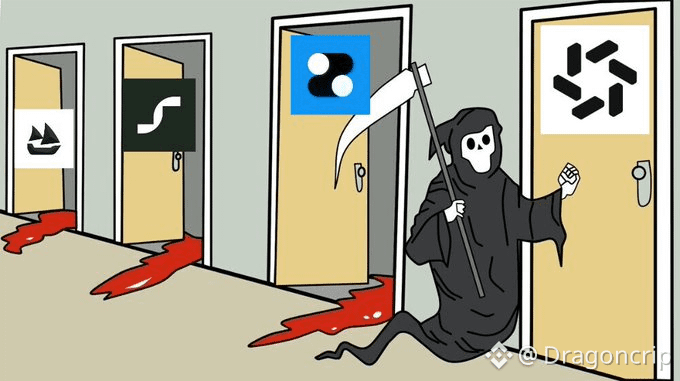
Cascade closes its project.
Another one falls in the era of Perp DEXs.
Who’s next? The candidates:
- Katana Perps ?
- Ostium ?
- StandX ?
- Tradehotstuff ?
- Reya ?
- Hibachi ?
- Pacifica ?
For now, perp DEXs aren’t moving forward: their volumes are falling and their OI is at its lowest points.
These days, the perp DEXs that are competing aren’t offering anything new, except for native projects built on tokenized equities (xStock, Ondo, Robinhood, Entropy ).
The rest of the projects are like flipping a coin and hoping it lands heads.
For that reason, don’t put all your capital into a single perp DEX protocol, because if it doesn’t make it to TGE, you’ll have lost all your capital in fees and commissions. Diversify between stock natives and the rest.
Today, given how perp DEXs are, the chances of reaching a good TGE are minimal, because they’re not proposing anything truly innovative.
Why did Hyperliquid, Lighter, Aster arrive—and will Variational arrive too?
All 4 brought an innovative, disruptive idea, which is why they ended up with a good airdrop. Well, Aster is the exception here, but it had all the momentum of CZ.
Now think and ask yourself: do you believe that everything currently on the table, available to farm, proposes something different and novel that could reach TGE? If your answer is NO, then you’re burning fees for nothing.
Protect your capital. Think and analyze.
Move with care.
Cascade closes its project.
Another one falls in the era of Perp DEXs.
Who’s next? The candidates:
- Katana Perps ?
- Ostium ?
- StandX ?
- Tradehotstuff ?
- Reya ?
- Hibachi ?
- Pacifica ?
For now, perp DEXs aren’t moving forward: their volumes are falling and their OI is at its lowest points.
These days, the perp DEXs that are competing aren’t offering anything new, except for native projects built on tokenized equities (xStock, Ondo, Robinhood, Entropy ).
The rest of the projects are like flipping a coin and hoping it lands heads.
For that reason, don’t put all your capital into a single perp DEX protocol, because if it doesn’t make it to TGE, you’ll have lost all your capital in fees and commissions. Diversify between stock natives and the rest.
Today, given how perp DEXs are, the chances of reaching a good TGE are minimal, because they’re not proposing anything truly innovative.
Why did Hyperliquid, Lighter, Aster arrive—and will Variational arrive too?
All 4 brought an innovative, disruptive idea, which is why they ended up with a good airdrop. Well, Aster is the exception here, but it had all the momentum of CZ.
Now think and ask yourself: do you believe that everything currently on the table, available to farm, proposes something different and novel that could reach TGE? If your answer is NO, then you’re burning fees for nothing.
Protect your capital. Think and analyze.
Move with care.
Another one falls in the era of Perp DEXs.
Who’s next? The candidates:
- Katana Perps ?
- Ostium ?
- StandX ?
- Tradehotstuff ?
- Reya ?
- Hibachi ?
- Pacifica ?
For now, perp DEXs aren’t moving forward: their volumes are falling and their OI is at its lowest points.
These days, the perp DEXs that are competing aren’t offering anything new, except for native projects built on tokenized equities (xStock, Ondo, Robinhood, Entropy ).
The rest of the projects are like flipping a coin and hoping it lands heads.
For that reason, don’t put all your capital into a single perp DEX protocol, because if it doesn’t make it to TGE, you’ll have lost all your capital in fees and commissions. Diversify between stock natives and the rest.
Today, given how perp DEXs are, the chances of reaching a good TGE are minimal, because they’re not proposing anything truly innovative.
Why did Hyperliquid, Lighter, Aster arrive—and will Variational arrive too?
All 4 brought an innovative, disruptive idea, which is why they ended up with a good airdrop. Well, Aster is the exception here, but it had all the momentum of CZ.
Now think and ask yourself: do you believe that everything currently on the table, available to farm, proposes something different and novel that could reach TGE? If your answer is NO, then you’re burning fees for nothing.
Protect your capital. Think and analyze.
Move with care.
862
·
--
Grey, gloomy, rainy day today—autumn weather and chilly.
It’s been a long time since I watched a movie on Netflix.
Do you recommend something good to watch?
Grey, gloomy, rainy day today—autumn weather and chilly.
It’s been a long time since I watched a movie on Netflix.
Do you recommend something good to watch?
It’s been a long time since I watched a movie on Netflix.
Do you recommend something good to watch?
542
·
--
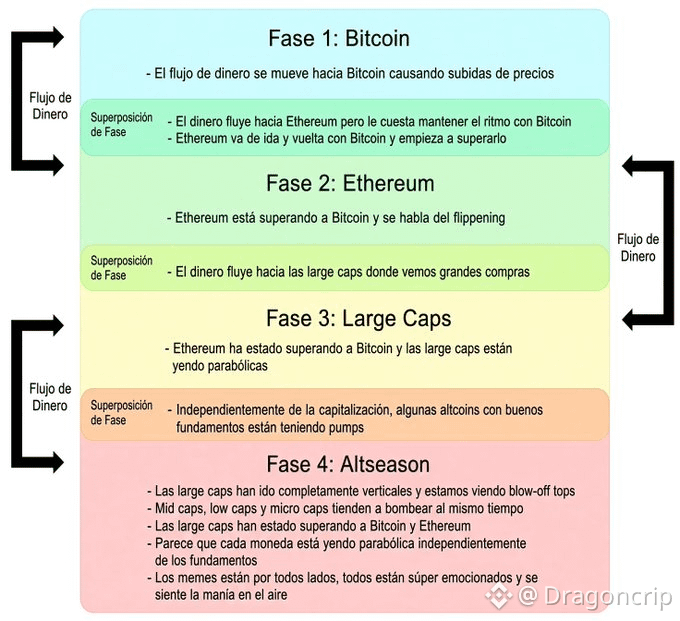
Guys, does this still work or does it not work anymore?
Bitcoin -> ETH -> Altcoin -> Memes -> Bitcoin...
Guys, does this still work or does it not work anymore?
Bitcoin -> ETH -> Altcoin -> Memes -> Bitcoin...
Bitcoin -> ETH -> Altcoin -> Memes -> Bitcoin...
1
639
·
--
He will earn more than $100k dollars this guy with sponsorship, payments, etc. for doing a live streamer stream of the iPhone Duo launch.
Is it worth it?
Sure, because the people who pay him make millions from this.
In one day he earns more than a doctor in 2 years.
Is this right?
Of course, because becoming a doctor is difficult and takes years and a lot of resilience.
But getting to move the masses of people from speed and make them earn millions for his sponsors is much harder, which is why there will always be more doctors than speed in the world.
He will earn more than $100k dollars this guy with sponsorship, payments, etc. for doing a live streamer stream of the iPhone Duo launch.
Is it worth it?
Sure, because the people who pay him make millions from this.
In one day he earns more than a doctor in 2 years.
Is this right?
Of course, because becoming a doctor is difficult and takes years and a lot of resilience.
But getting to move the masses of people from speed and make them earn millions for his sponsors is much harder, which is why there will always be more doctors than speed in the world.
Is it worth it?
Sure, because the people who pay him make millions from this.
In one day he earns more than a doctor in 2 years.
Is this right?
Of course, because becoming a doctor is difficult and takes years and a lot of resilience.
But getting to move the masses of people from speed and make them earn millions for his sponsors is much harder, which is why there will always be more doctors than speed in the world.

3.8k
·
--
Verified
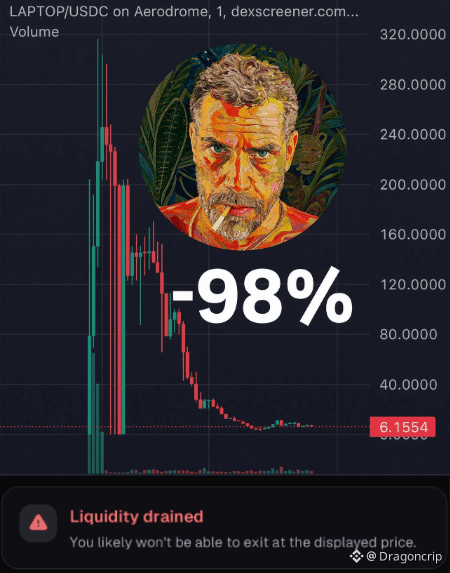
On Base, the Hunter Biden meme called $LAPTOP was launched.
✅Quickly, the FDV exploded to 300 billion in the first minutes.
✅The airdrop wallets sold everything as soon as they claimed it.
🟥Soon after, it had already dropped 98%, practically with no liquidity.
🟥Liquidity was drained and 99% of the people ended up in losses. One of the most violent "exit liquidity" events of this cycle.
🟥Calls have already started to law firms to file claims and report it.
🟥Hunter’s X account is a real hotspot of people’s complaints.
The jungle is roaring at its maximum these days. WARNING
On Base, the Hunter Biden meme called $LAPTOP was launched.
✅Quickly, the FDV exploded to 300 billion in the first minutes.
✅The airdrop wallets sold everything as soon as they claimed it.
🟥Soon after, it had already dropped 98%, practically with no liquidity.
🟥Liquidity was drained and 99% of the people ended up in losses. One of the most violent "exit liquidity" events of this cycle.
🟥Calls have already started to law firms to file claims and report it.
🟥Hunter’s X account is a real hotspot of people’s complaints.
The jungle is roaring at its maximum these days. WARNING
✅Quickly, the FDV exploded to 300 billion in the first minutes.
✅The airdrop wallets sold everything as soon as they claimed it.
🟥Soon after, it had already dropped 98%, practically with no liquidity.
🟥Liquidity was drained and 99% of the people ended up in losses. One of the most violent "exit liquidity" events of this cycle.
🟥Calls have already started to law firms to file claims and report it.
🟥Hunter’s X account is a real hotspot of people’s complaints.
The jungle is roaring at its maximum these days. WARNING
865
Log in to explore more content
Join global crypto users on Binance Square
⚡️ Get latest and useful information about crypto.
💬 Trusted by the world’s largest crypto exchange.
👍 Discover real insights from verified creators.
Email / Phone number
Trending Topics
CircleTetherFreezeBitgetHackerWallet
17,601 views
168 Discussing
#circletetherfreezebitgethackerwallet 🚨 CIRCLE & TETHER FREEZE BITGET HACKER WALLET
A major crypto security incident has triggered another important debate around stablecoin controls.
Bitget reported a massive security breach on September 24, with the initial loss estimated at $351.6M. The exchange later revised the affected-asset estimate to approximately $387.5M, after accounting for additional assets including Zcash and TRON.
🔒 Circle & Tether Take Action
Circle blacklisted a wallet identified as “Bitget Exploiter 8”, while Tether subsequently blocked the same address.
The wallet contained approximately:
• 99,990 USDC
• 218,023 USDT
• 170.47 ETH
The freeze effectively locked around $318,000 worth of USDC and USDT.
⚠️ But there is a major limitation:
Stablecoin issuers can freeze their own tokens, but they cannot freeze native ETH. Reports indicate that other exploiter wallets still held more than 63,000 ETH.
Bitget CEO Gracy Chen said the attackers compromised a backend system in the exchange's wallet infrastructure and spoofed transaction data, rather than obtaining users' private keys. Bitget says its cold wallets were unaffected and its User Protection Fund holds more than $464M.
📌 The bigger takeaway:
This incident shows both the power and limits of centralized stablecoin controls. USDC and USDT can potentially be frozen at the token-contract level, while assets such as ETH cannot be frozen by stablecoin issuers.
👀 Assets to watch:
$BTC • $ETH • $XRP
#Bitget #CryptoSecurity #Circle #Tether #USDC #USDT #CryptoNews
Ayeshg
·2 Likes
·9.3k views
SECSaysTokenBuybacksNotAutoSecurities
1,133 views
60 Discussing
ChinaUSAgreeOn$30BTariffCut
138 views
2 Discussing