
Decentralised News
538 Posts

Decentralised News
Report
Block User
X: @decentraliseda
Coinmarketcap @decentralisednews
0 Following
890 Followers
1.6K+ Liked
Posts
10 Open-Source Frameworks for Building AI Trading Agents in 2027
“Open-source AI trading agent” describes several different product categories.
Some frameworks support live execution. Others are primarily research environments, quantitative engines or multi-agent experiments.
Our new comparison examines:
Freqtrade, Hummingbot, Jesse, NautilusTrader, QuantConnect LEAN, vn.py, Superalgos, FinRL, Microsoft Qlib and TradingAgents.
We compare their documented research, backtesting, asset scope, execution capabilities, operational burden and production boundaries.
Use the DN Open-Source Trading Framework Matcher on Decentralised.News to create a shortlist for a particular workflow.
#OpenSource #AITrading #Python #AlgorithmicTrading #QuantTrading #CryptoDevelopers #AIAgents #DecentralisedNews
66
Can an AI Agent Get You Banned From a Crypto Exchange? API Rules, Rate Limits and Manipulation Triggers
An exchange does not need to call your software “AI” before applying its API and market-integrity rules.
An automated account can be throttled, restricted or closed for:
• Rate-limit abuse
• Quote stuffing
• Wash or self-trading
• Spoofing or layering
• Credential sharing
• Access restrictions
• Abusive retries
• Manipulative cross-account activity
“The matching engine accepted the order” does not necessarily mean the behaviour is permitted.
The article on Decentralised.News' website includes the DN Exchange Automation Compliance Gate.
#CryptoExchange #TradingBots #APITrading #MarketIntegrity #Compliance #AITrading #RiskManagement #DecentralisedNews
82
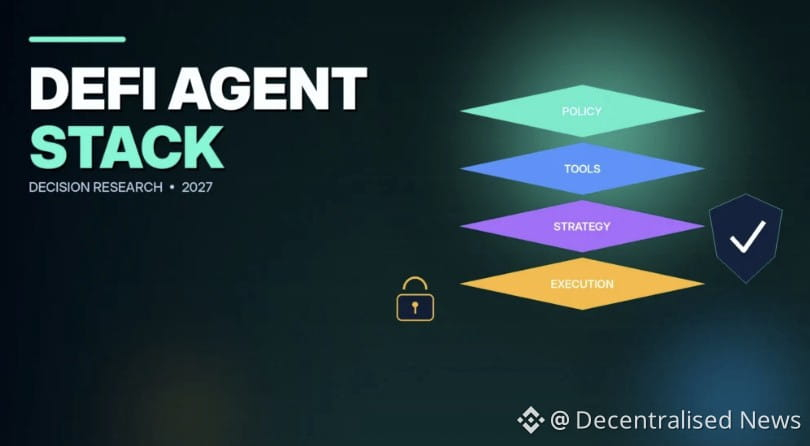
Best AI Agents for DeFi 2027: Almanak vs Bankr vs Wayfinder vs Definitive vs Pionex AI Kit
When evaluating a DeFi agent, ask what it can sign before asking what it can earn.
Our latest comparison examines Almanak, Bankr, Wayfinder, Definitive and Pionex AI Kit across:
• Wallet architecture
• Custody and signing
• Permission boundaries
• Testing and simulation
• Strategy automation
• Execution scope
• Revocation and shutdown controls
• Best-fit use case
The key distinction is between systems that research, prepare, route and execute.
Those levels should not be treated as interchangeable.
The article includes the DN DeFi Agent Permission-Risk Test.
Read the full comparison on Decentralised.News
#DeFi #AIAgents #AgenticFinance #CryptoAutomation #SmartWallets #OnchainFinance #RiskManagement #DecentralisedNews
3
Best AI Crypto Research Tools 2027: Nansen vs TradingView vs CoinStats vs Unusual Whales vs Token Metrics
The best crypto research tool depends on the question you are trying to answer.
Wallet intelligence, charting, portfolio tracking, options flow and AI-generated market analysis are different jobs.
Our new comparison examines:
• Nansen
• TradingView
• CoinStats
• Unusual Whales
• Token Metrics
We compare them by:
• Data coverage
• AI functionality
• API access
• Pricing
• Licensing
• Evidence quality
• Best-fit research task
The article also includes a 20-question accuracy-test framework and the DN Crypto Research Tool Matcher.
Read the complete guide on Decentralised.News
#CryptoResearch #AICrypto #Nansen #TradingView #CoinStats #UnusualWhales #TokenMetrics #DecentralisedNews
3
The Role of Oracles in Agentic Trading: 8 Checks Before an AI Agent Trusts a Price Feed
An AI trading agent can make a perfectly logical decision from a bad price.
That makes oracle risk an agent-design problem, not just a smart-contract problem.
Our latest research looks at eight checks an autonomous trading system should make before acting on a price feed, including:
• Timestamp freshness
• Heartbeat intervals
• Deviation thresholds
• Chain-specific parameters
• Wrapped and staked asset assumptions
• Execution price vs oracle price
• Fallback logic
• Fail-closed behaviour
It also includes the DN Oracle Freshness Gate.
Read on Decentralised.News
#AgenticFinance #AITrading #Oracles #DeFi #Chainlink #CryptoTrading #ArtificialIntelligence #DecentralisedNews
158
Best Crypto DCA Platforms 2027: Binance vs Kraken vs OKX vs Coinbase vs Bitget
A recurring-buy button does not automatically make an exchange good for DCA.
The real questions are:
• What does the trade actually cost?
• Is there spread hiding behind a “zero fee” label?
• Can you edit or pause the plan easily?
• What happens when a payment fails?
• Can you withdraw the crypto without unnecessary friction?
• Does the platform support more advanced DCA controls?
Our latest DN comparison ranks five major platforms on the recurring-buy experience rather than marketing claims.
We also built the DN DCA Cost & Control Calculator, so you can plug in the actual fee, spread, funding cost, frequency and withdrawal cost from your own live quote.
Current ranking:
1. [Binance](https://www.binance.com/en/activity/referral-entry/CPA?fromActivityPage=true&ref=CPA_00SXKU7IO9)
2. OKX
3. Kraken
4. Bitget
5. Coinbase
Read the full comparison on Decentralised.News
#CryptoTrading #Bitcoin #DCA
Best Crypto DCA Platforms 2027: Binance vs Kraken vs OKX vs Coinbase vs Bitget
A recurring-buy button does not automatically make an exchange good for DCA.
The real questions are:
• What does the trade actually cost?
• Is there spread hiding behind a “zero fee” label?
• Can you edit or pause the plan easily?
• What happens when a payment fails?
• Can you withdraw the crypto without unnecessary friction?
• Does the platform support more advanced DCA controls?
Our latest DN comparison ranks five major platforms on the recurring-buy experience rather than marketing claims.
We also built the DN DCA Cost & Control Calculator, so you can plug in the actual fee, spread, funding cost, frequency and withdrawal cost from your own live quote.
Current ranking:
1. Binance
2. OKX
3. Kraken
4. Bitget
5. Coinbase
Read the full comparison on Decentralised.News
#CryptoTrading #Bitcoin #DCA

99
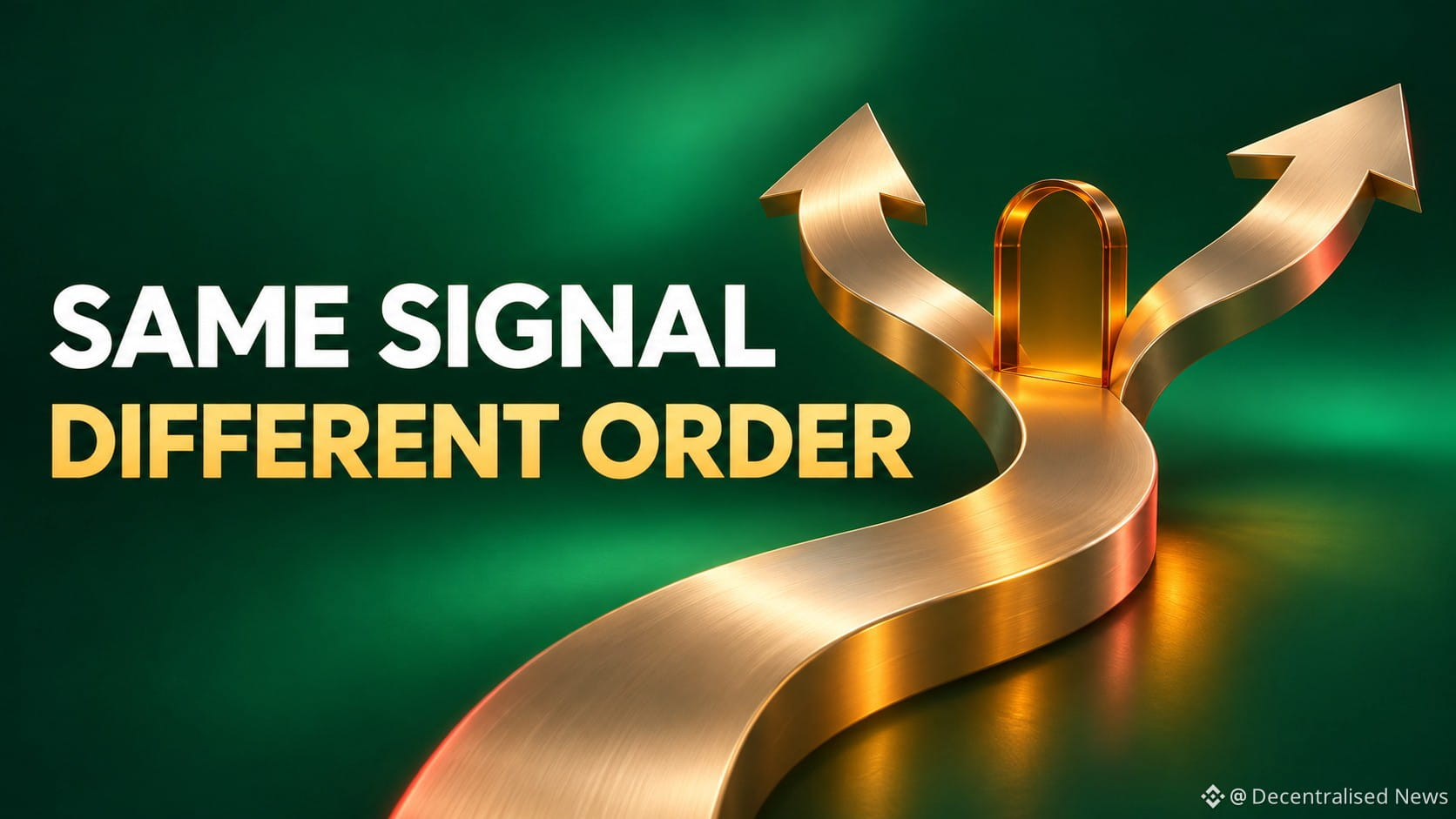
AI Trading Bot Order Types: Market, Limit, IOC and FOK Explained
Your AI trading bot says “buy.”
That still leaves four important choices:
• Must the order carry a limit price?
• Can unmatched quantity remain working?
• Is a partial execution acceptable?
• May the order take liquidity, or must it be post-only?
The same signal can produce very different instructions.
A limit order can take liquidity. An immediate order can fill partly. An all-or-none requirement can mean no entry at all.
Our latest DN beginner guide explains market, limit, IOC, FOK, expiry and post-only controls, with current examples from Binance Spot, Kraken Spot and Coinbase Advanced.
It also looks at a detail tutorials often miss: what the bot is allowed to do after the first order, including repricing and market fallback.
The article includes the free DN Order Instruction Explorer, six fictional scenarios and JSON/CSV exports.
It compares the instructions you intend to give. It does not predict fills or approve a trade.
Read the guide on Decentralised.News
#AITrading #TradingBots #CryptoTrading #OrderTypes #TradingView
104
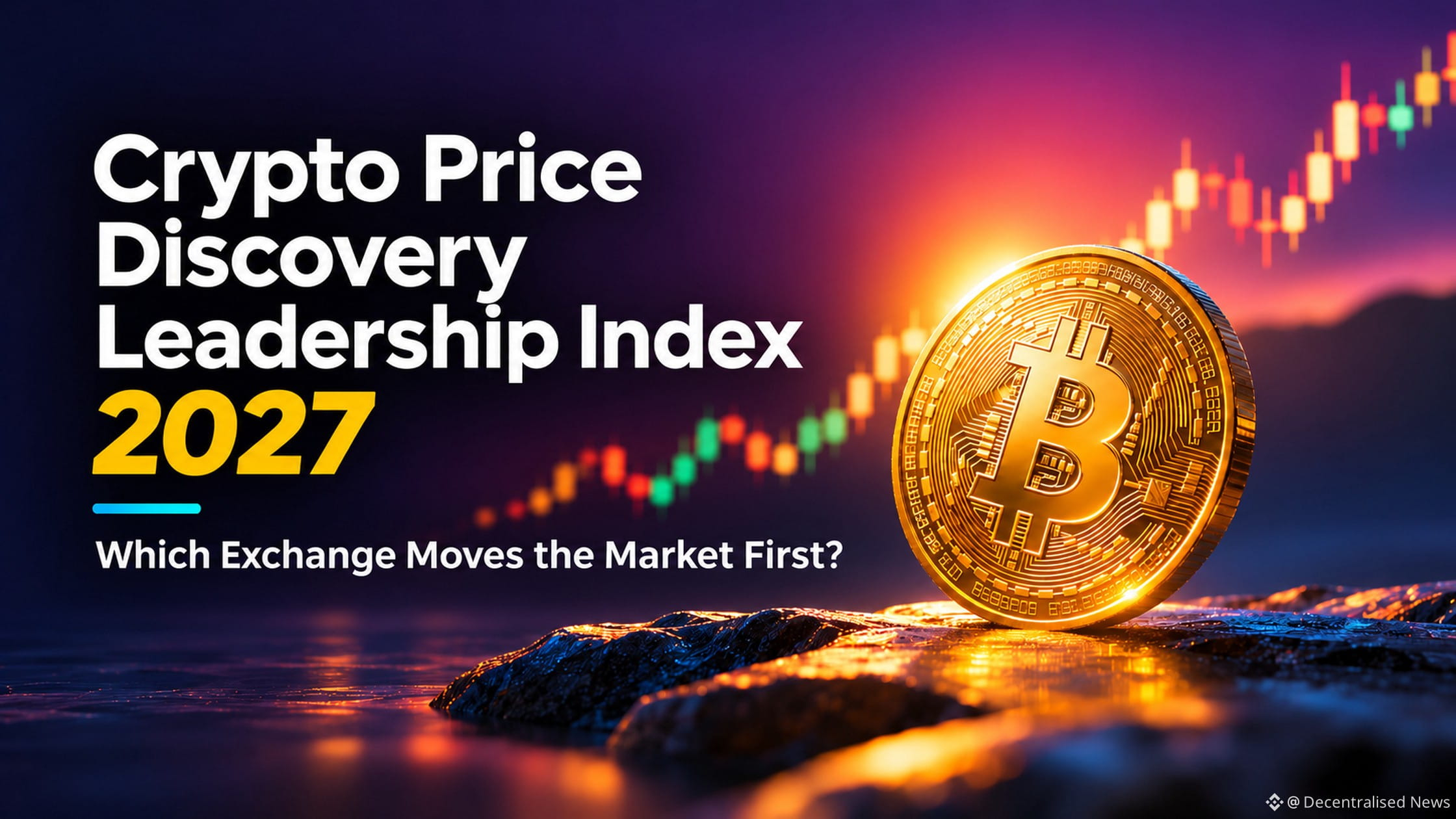
Crypto Price Discovery Leadership Index 2027: Binance vs Coinbase vs OKX vs Bybit vs Kraken
The biggest crypto exchange is not automatically the exchange that sets the price.
Our new benchmark asks a more important market-structure question:
Which venue actually incorporates new information first and forces the rest of the market to reprice?
The Crypto Price Discovery Leadership Index 2027 compares:
• Binance
• Coinbase
• OKX
• Bybit
• Kraken
We separate headline trading volume from genuine price leadership using seven factors:
• Information share
• Lead-lag edge
• Volume share
• Depth resilience
• Spread efficiency
• Feed freshness
• Benchmark relevance
Recent high-frequency research points to Binance as the dominant source of Bitcoin price discovery across broad samples, while Coinbase becomes relatively more influential around regulated U.S. benchmark windows.
That matters because the venue where you hold or execute a position may not be the venue where the market’s next price is actually being formed.
The article also includes the interactive DN Price Discovery Leadership Calculator.
Read the full benchmark on Decentralised.News
#Crypto #Bitcoin #PriceDiscovery #Binance #Coinbase #OKX #Bybit #Kraken #MarketStructure #CryptoTrading #DecentralisedNews
84
AI Trading Bot Exit Checklist: 9 Checks Before You Disconnect
The bot is stopped. What is still running?
An open order, a retained position, a webhook that can restart the strategy, an old credential or a renewing subscription can each need a separate decision.
Our new Decentralised News guide explains nine checks for a planned pause, retirement or handover.
It covers:
• Stopping unintended new entries and restart paths.
• Resolving uncertain order outcomes.
• Assigning responsibility for retained holdings and protective orders.
• Preserving records before deletion.
• Reviewing account access, subscriptions and the final follow-up.
The article also includes the DN Bot Exit Record, an interactive worksheet with evidence fields, unresolved tasks and JSON/CSV exports.
Its purpose is to make the remaining work visible. A completed record does not certify that an account is safe, and retiring a bot does not automatically mean selling every holding.
The useful end state: you know what remains, who manages it and what evidence supports the handover.
Read the guide and build your own exit record on Decentralised.News
The article contains a labeled affiliate link.
#AITrading #TradingBots #RiskManagement #CryptoTrading #DecentralisedNews

76
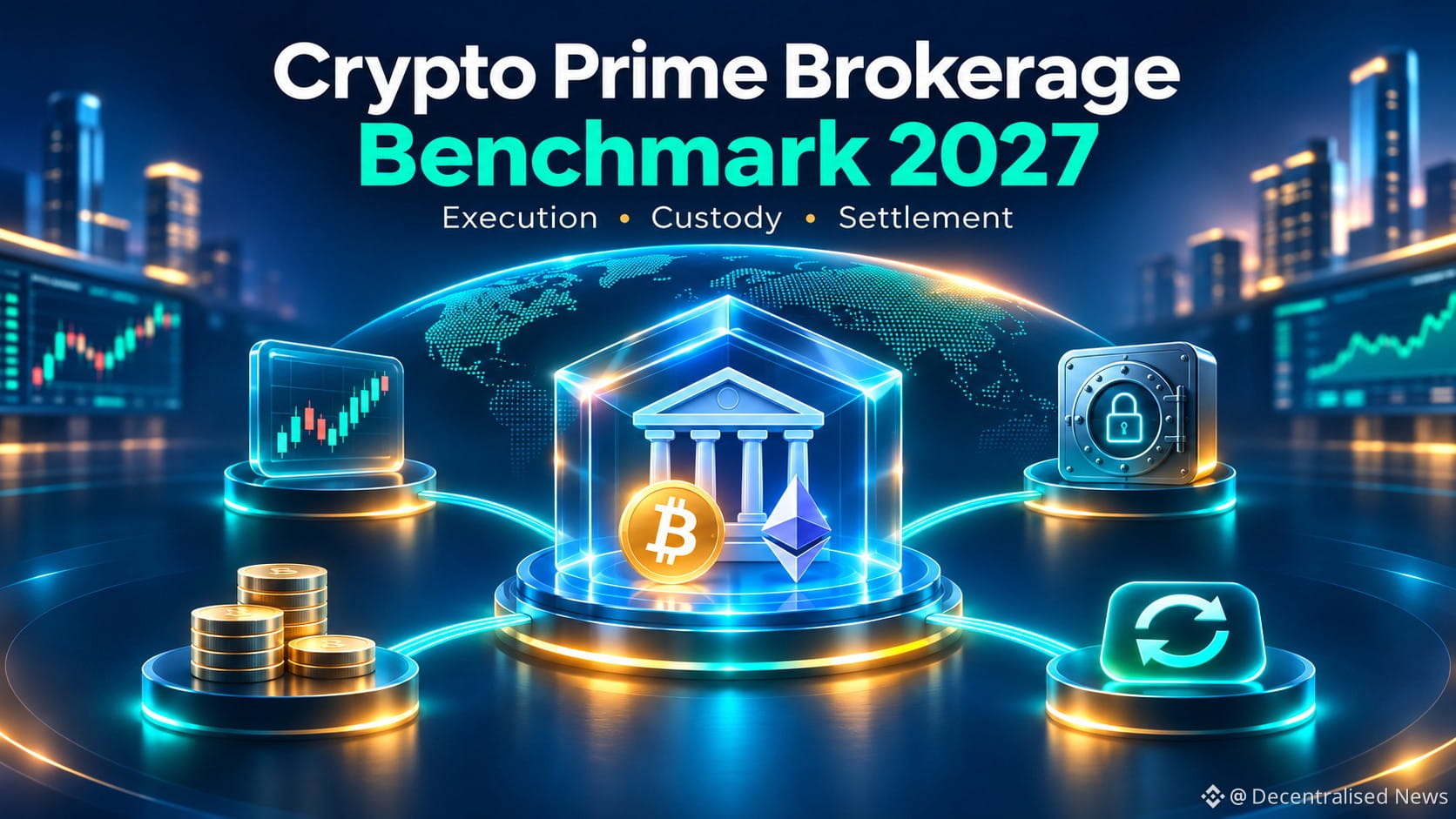
Crypto Prime Brokerage Benchmark 2027
Institutional crypto trading has moved far beyond opening accounts on several exchanges and wiring collateral between them.
The new competition is becoming:
Who controls the institutional collateral layer?
Our new DN Crypto Prime Brokerage Benchmark 2027 compares five major institutional architectures:
• Coinbase Prime
• Kraken Prime
• FalconX
• Copper ClearLoop
• BitGo
We look beyond headline liquidity and compare:
• multi-venue execution
• financing and credit
• qualified custody
• collateral mobility
• cross-margining
• off-exchange settlement
• rehypothecation risk
• settlement exposure
• counterparty concentration
The central issue is capital efficiency.
A fund may have $10 million of assets but only a fraction of that capital genuinely deployable if balances must be fragmented across exchanges, custodians and settlement buffers.
That is why the article introduces the DN Capital Efficiency Ratio:
**Deployable Trading Collateral ÷ Total Capital Posted**
We also model **Counterparty Concentration** and **Settlement Exposure Time**.
The broader market structure is changing quickly.
Custody is becoming an active collateral layer.
Prime brokers and settlement networks are increasingly trying to let institutions access several markets without repeatedly moving assets out of regulated or segregated custody.
That creates a new institutional trade-off:
More deployable capital without making counterparty risk harder to see.
The article includes our interactive **DN Prime Brokerage Capital Efficiency Calculator**.
Read the full benchmark on Decentralised.News
#Crypto #PrimeBrokerage #InstitutionalCrypto #DigitalAssets #DecentralisedNews
78
Passkey Wallet Security Benchmark 2027: Are Seedless Crypto Wallets Actually Safer?
Crypto wallets are rapidly moving away from passwords and seed phrases toward **passkeys, biometrics and smart accounts**.
That should make wallets easier to use.
But does it actually make them safer?
Our new Passkey Wallet Security Benchmark 2027 looks beyond the login screen and asks a more important question:
What happens when the passkey, device or recovery process fails?
We examine security architecture across modern passkey and smart-wallet systems, including the documented approaches used by Coinbase, Safe, Privy and MetaMask Embedded Wallets.
The benchmark looks at:
• phishing resistance
• synced vs device-bound passkeys
• recovery quorum
• signer replacement
• seed-phrase fallback
• signer revocation
• transaction policies
• high-value approval thresholds
• admin and upgrade-key risk
• cross-chain recovery propagation
One of the biggest conclusions:
The passkey itself may not be the weakest part of a passkey wallet.
Recovery can become the real security boundary.
If a weaker email account, cloud account, recovery phrase or fallback factor can replace the effective wallet signer, then that recovery method is economically equivalent to the wallet key.
We also introduce the **DN Recovery Blast Radius** and an interactive calculator for modelling how much wallet value could become exposed if the weakest recovery path is compromised.
The broader shift is important:
Crypto security is moving from **“protect one secret forever”** toward **programmable signer sets, recovery paths, policies and transaction permissions**.
Read the full benchmark and use the calculator on Decentralised.News
#CryptoSecurity #Passkeys #CryptoWallets #DeFi #SmartAccounts #Web3Security #WalletSecurity #SelfCustody #Blockchain #DecentralisedNews
108
9 AI Trading Platforms Ranked by Total Cost: Subscriptions, Fees and Spreads
A free AI trading bot can still be an expensive way to trade.
The subscription is only one part of the bill. Trading frequency, exchange fees and execution costs can change the comparison completely.
Our latest Decentralised News guide compares nine platforms and includes an interactive calculator for testing your own assumptions.
The comparison covers:
• Subscription prices and the features each plan includes
• Maker and taker fees on executed turnover
• Assumed spread and slippage costs
• Monthly allocations versus annual cash commitments
• Usage credits and subscription payment fees
One detail deserves particular attention: an entry plan may automate trades without including the specific AI feature you want.
Start with the capability you need. Confirm the plan, account eligibility and actual fee schedule. Then compare costs using realistic turnover.
The calculator makes its assumptions visible and lets you export the results. Its ranking is a cost scenario, not a forecast of returns.
Read the guide and test your numbers on Decentralised.News
#AITrading #TradingBots #CryptoTrading #DecentralisedNews
85
10 AI Trading Safety Checks to Run Before Going From Paper to Live Money
A profitable paper-trading run still leaves some difficult questions unanswered.
What happens when market data goes stale? When an order times out? When half an order fills before the connection drops?
And when you press “stop,” what actually stops?
Our new Decentralised News guide sets out ten operational checks to examine before an AI trading agent gets access to real money.
The checks cover:
• The source and exact version of the agent
• API permissions and independently enforced limits
• Realistic costs and reconciled trading records
• Unknown orders, partial fills and stale data
• Shutdown, credential revocation and human review
It also includes the DN Paper-to-Live Gate: an interactive checklist with Pass, Fail and Unknown states, plus JSON and CSV downloads.
Any failed or unknown check blocks completion. Recording ten passes means the checklist is ready for human review. It does not certify safety or profitability.
The guide draws on current primary documentation from Binance, Coinbase, Kraken, Alpaca and 3Commas, with clear distinctions between mock sandboxes, paper execution and live trading.
Read the full guide and try the checklist on Decentralised.News
#AITrading #TradingBots #RiskManagement #CryptoTrading #DecentralisedNews
8
Your Crypto Close Order Was Rejected: 7 Reduce-Only Checks Before You Try Again
You try to close a crypto position. The exchange rejects your reduce-only order.
Turning the flag off might make the next order behave very differently from the exit you intended.
Our new DN guide covers seven checks:
→ Confirm the position still exists
→ Check one-way versus hedge mode
→ Refresh the quantity and units
→ Review competing exit orders
→ Separate exposure controls from execution conditions
→ Reconcile earlier attempts
→ Verify the resulting position and protection
Includes a copyable DN Close-Order Audit and a worked example showing how a stale closing quantity can turn a remaining long into a new short.
Read the guide on Decentralised.News
#CryptoTrading #RiskManagement #CryptoExchanges #DecentralisedNews
39
Crypto Venue Switching Cost Calculator 2027: Is a Better Fee Tier Worth Moving Your Trading Capital?
A better fee tier can look like an obvious reason to switch crypto exchanges.
But the advertised rate is only one part of the calculation.
Before moving trading capital, consider:
→ The cost of closing and reopening positions
→ Transfer costs and operational setup
→ How long it takes to qualify for the destination’s better fee tier
→ Differences in spreads, slippage and execution quality
→ Whether the savings still hold if your trading volume falls
Small fee differences can matter at scale. So can the friction involved in capturing them.
DN’s Venue Switching Cost Calculator brings these inputs into one model to estimate migration costs, monthly savings and the time needed to recover the cost of switching.
It also includes a half-volume sensitivity check—because a move that makes sense during a busy trading month may look very different when activity slows.
The key question: how much will you actually save, over the period you expect to trade?
Read the article and explore the calculator on Decentralised.News
All calculator defaults are illustrative. Confirm your actual fees, eligibility and operational conditions before making a decision.
#CryptoTrading #CryptoExchanges #TradingCosts #CapitalEfficiency #DecentralisedNews
77
The One-Person Agentic Company: Five Roles, One Human Bottleneck
Five AI-assisted roles can still share one bottleneck: the founder.
DN’s One-Person Agentic Company blueprint connects research, sales, delivery, finance and support through explicit work contracts, permissions and approval gates.
In the fictional 100-item Planning scenario, routine review, exception handling and fixed operations require 15.22 owner hours per week, slightly above a 15-hour allocation. Modeled software spending is 408.54 currency units per month, before assigning a value to the founder’s time.
These are conditional planning calculations, not measured business results or provider prices.
Explore 27 preset combinations of demand, workload profile and available owner time. The downloadable planner supports your own inputs, while the article explains retry limits, accepted outputs and recovery responsibilities.
Use it to identify where review capacity becomes the constraint before expanding the workflow.
Complete guide on Decentralised.News
#AIAgents #Solopreneurs #AgenticFinance

97
Best VPS & Cloud Regions for Crypto Trading Bots in 2027: London vs Frankfurt vs Singapore vs Tokyo vs Virginia
The closest server to your desk can be the wrong home for your crypto trading bot.
London, Frankfurt, Singapore, Tokyo and Northern Virginia all belong on a serious shortlist. Choosing between them requires testing the exact exchange API your account uses.
Our DN guide explains why a low ping alone cannot establish execution quality—and what to measure instead:
• P50/P95/P99 latency, including the slower tail.
• WebSocket continuity, reconnects and order acknowledgements.
• Failover readiness, with one controlled order writer.
It includes a 24-hour testing protocol and the interactive DN Region Fit Diagnostic, so you can compare candidate regions using your own measurements.
For South African traders, the guide also separates local monitoring from where latency-sensitive execution should run.
Before moving your bot, measure the connection your strategy actually depends on.
Read the guide on Decentralised News
#CryptoTrading #TradingBots #CloudInfrastructure

96
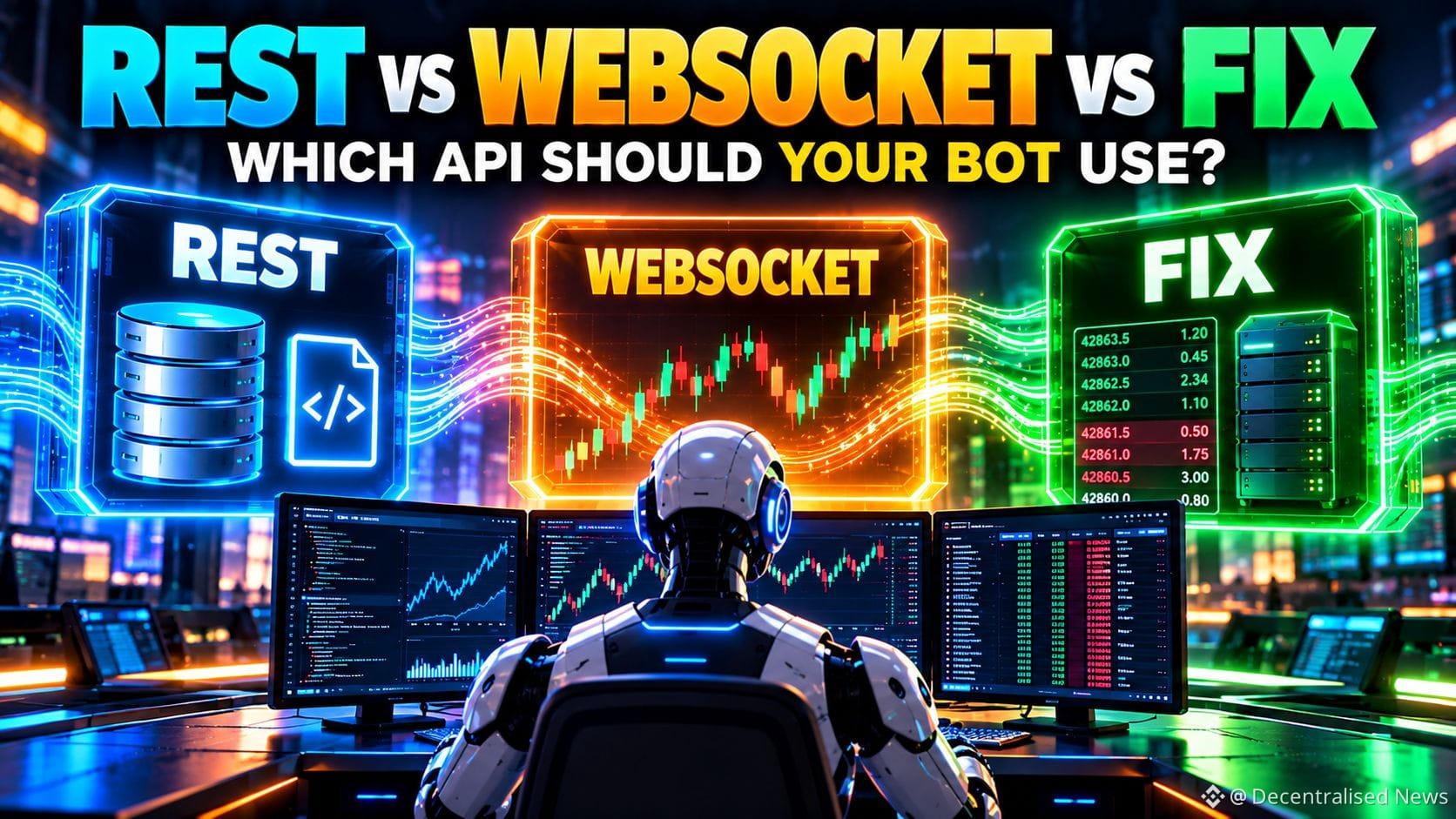
REST vs WebSocket vs FIX for Crypto Trading in 2027: Which API Should Your Bot Actually Use?
Most crypto trading bots should not choose between REST, WebSocket and FIX.
They should assign each protocol the job it is actually good at.
REST is excellent for snapshots, metadata and repairing uncertain state.
WebSocket should usually carry live market data, fills, balances, positions and other continuously changing information.
FIX becomes valuable where institutional execution, sequencing and OMS/EMS integration justify the additional complexity.
Our new DN research also explains where SBE fits — and why it is an encoding layer rather than simply a “faster fourth API.”
We introduce the DN Protocol Fit Matrix, State Freshness Debt, Protocol Migration Ladder and an API-stack selector for trading-system design.
Read the full research on Decentralised.News
#AlgorithmicTrading #CryptoTrading #TradingInfrastructure
87
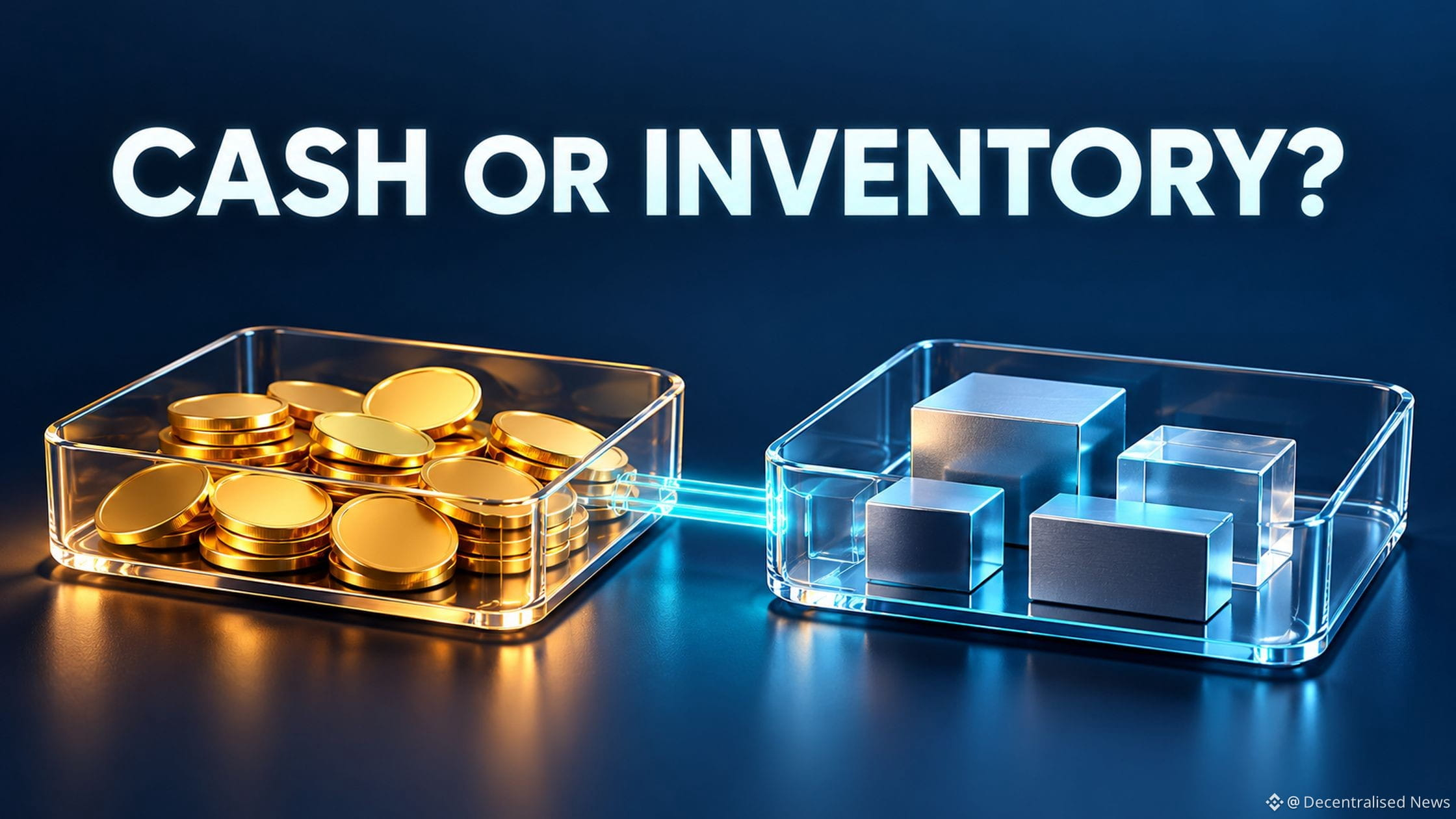
AI Market Making for Small Treasuries: Can You Get the Cash Back?
A trading bot can report positive spread earnings while the treasury loses money.
Our latest Decentralised News guide examines the cash question behind AI market making: what remains usable when quoting stops?
One clearly labelled synthetic example earns $60 after trading fees, yet finishes $180 down after inventory losses and operating costs. Another follows a partially filled bid through cancellation, showing why only the unfilled remainder releases cash.
The guide separates operating reserves, exchange holds, token inventory and conditional exit proceeds. It also explains which controls belong outside the AI supervisor.
There is an editable DN Treasury Cash and Inventory Planner, plus a practical evidence checklist for reviewing the assumptions. The figures illustrate accounting; they are not live trading results or return forecasts.
Read the guide and download the planner on Decentralised News
#AgenticFinance #TreasuryManagement #MarketMaking
1
72
How to Audit an AI Trading Bot’s Live Results: Rebuild Net P&L From the Trade Log
An AI trading bot can report $600 in realised gains while its account is down $520 for the same period.
The missing pieces? Open losses, trading fees and funding. Add a subscription paid outside the account, and the economic result changes again.
Our new Decentralised News guide walks through a fictional example that reconciles every dollar, then gives readers a practical P&L worksheet to use with their own records.
It covers deposits that inflate apparent performance, opening positions, incomplete exports, fee double counting and the difference between accurate accounting and proof that AI generated the trades.
The question to ask after seeing an impressive dashboard: can the account and the trade ledger explain the same net result?
Read the guide and use the worksheet on Decentralised News
#AITrading #AgenticFinance #RiskManagement
97
Log in to explore more content
Join global crypto users on Binance Square
⚡️ Get latest and useful information about crypto.
💬 Trusted by the world’s largest crypto exchange.
👍 Discover real insights from verified creators.
Email / Phone number
Trending Topics
IsAnthropic’s$1.5TMarketCapJustified?
59,775 views
297 Discussing
Anthropic Set to Open at $105 in Record Nasdaq Debut
Binance News
·16 Likes
·18.7k views
BTCBelow$62KAmidHikeFearsAndShiftToAnthropic
16,793 views
105 Discussing
NvidiaBoardReportedlySplitOverHuang’sReturn
248,365 views
1,971 Discussing