

DDYNS
300 Posts

DDYNS
Report
Block User
你要得到從來沒有過的東西,就要做從來沒有做過的事情 BP-22E16D87BE1A
322 Following
197 Followers
93 Liked
Posts
All
Quotes
·
--
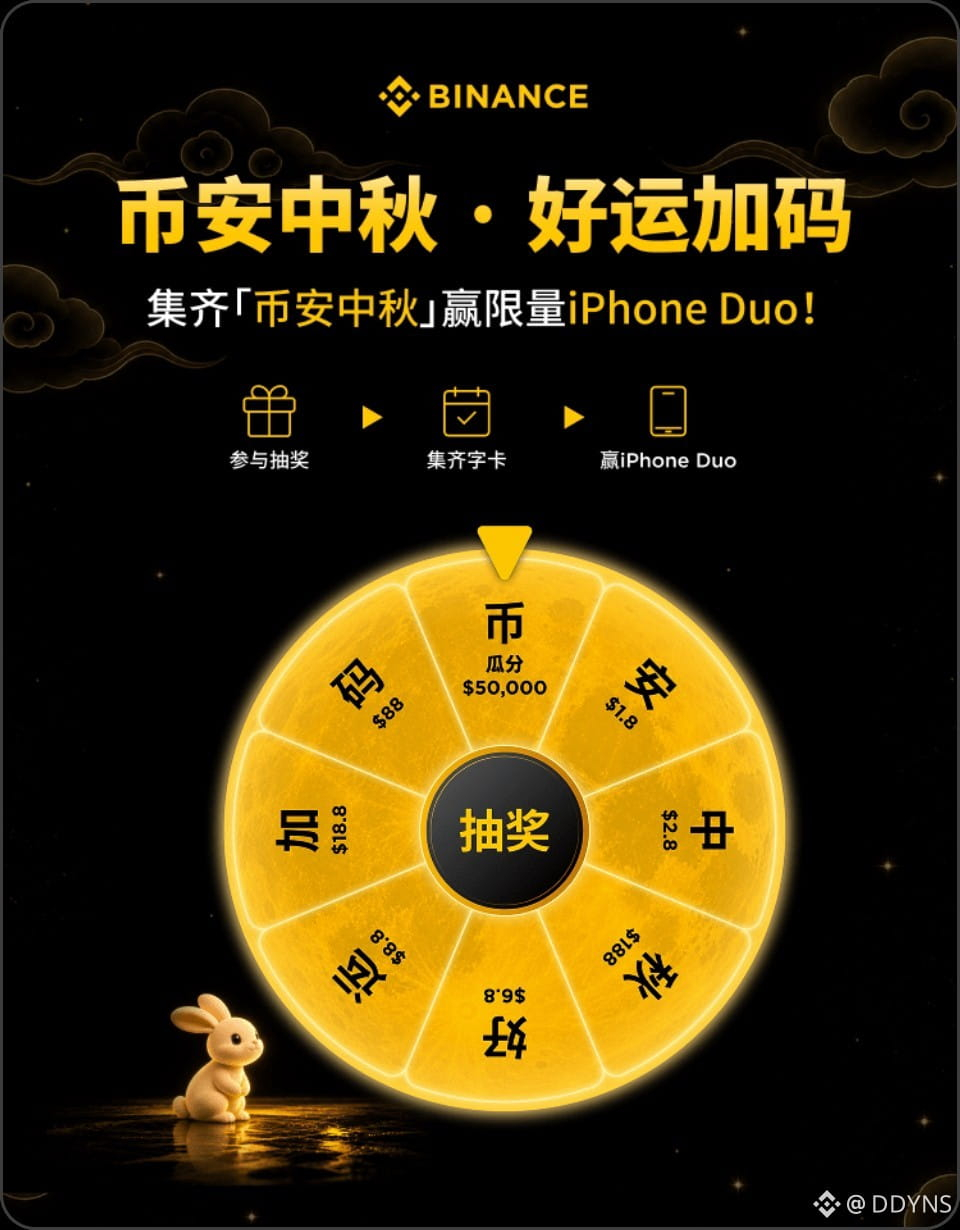
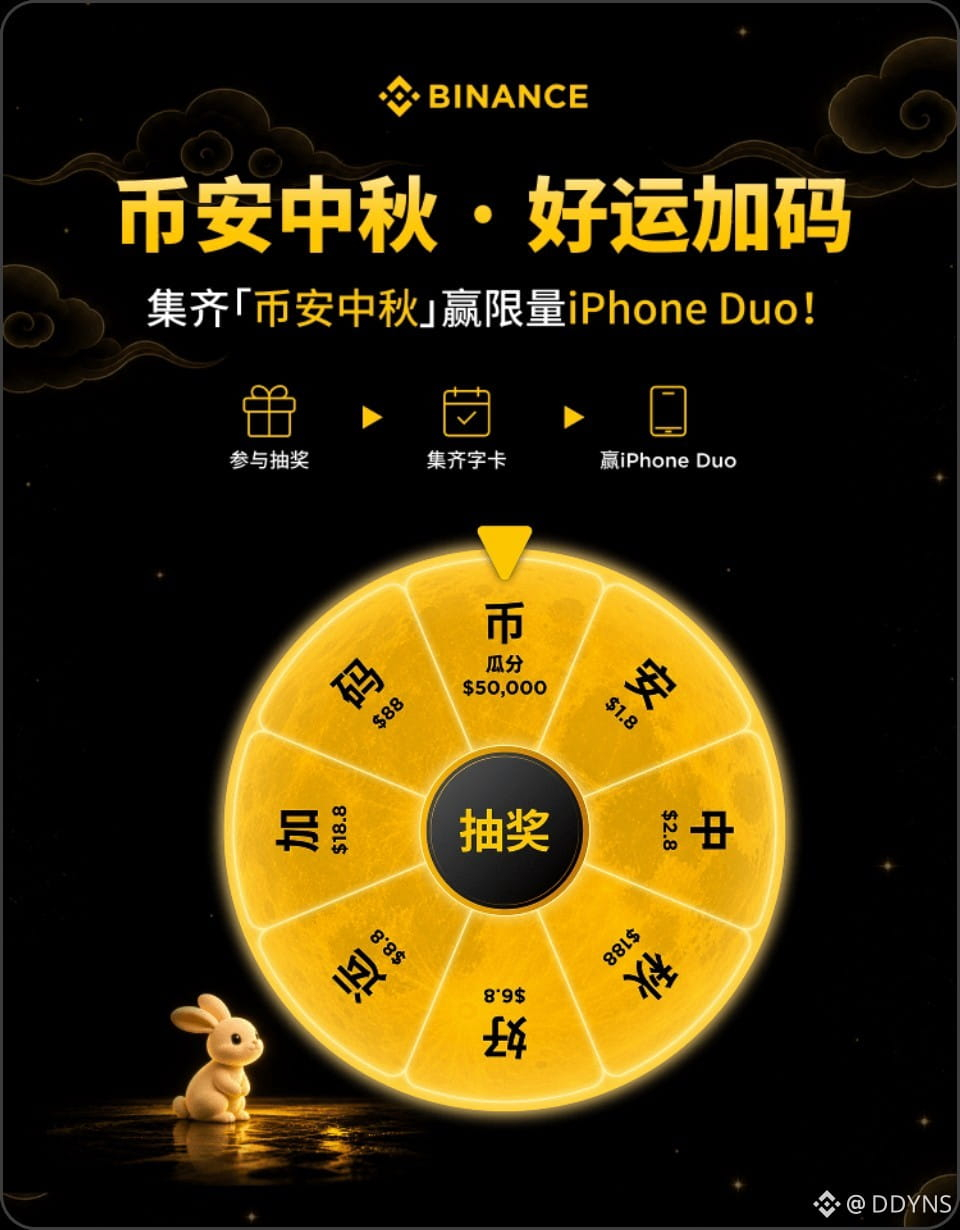
#币安中秋好运加码 https://app.binance.com/uni-qr/cpos/370093031384476?r=KDP94ZJO&l=zh-TW&uco=tg-l0PELcU_yqAD0AVoP0A&uc=app_square_share_link&us=copylink
#币安中秋好运加码 https://app.binance.com/uni-qr/cpos/370093031384476?r=KDP94ZJO&l=zh-TW&uco=tg-l0PELcU_yqAD0AVoP0A&uc=app_square_share_link&us=copylink
1
3

·
--
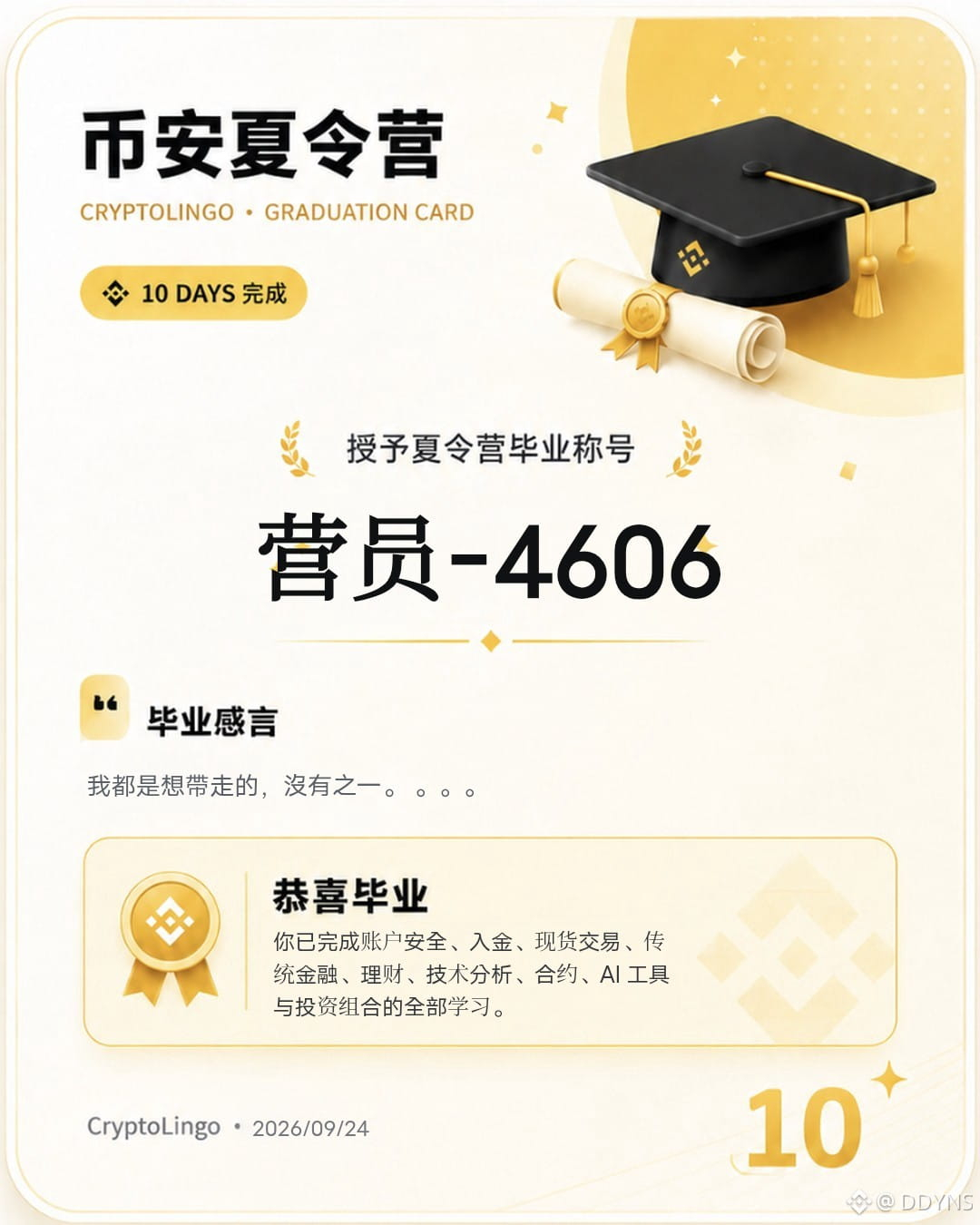
#币安中秋好运加码 https://app.binance.com/uni-qr/cpos/370093031384476?r=KDP94ZJO&l=zh-TW&uco=tg-l0PELcU_yqAD0AVoP0A&uc=app_square_share_link&us=copylink
#币安中秋好运加码 https://app.binance.com/uni-qr/cpos/370093031384476?r=KDP94ZJO&l=zh-TW&uco=tg-l0PELcU_yqAD0AVoP0A&uc=app_square_share_link&us=copylink
4
·
--
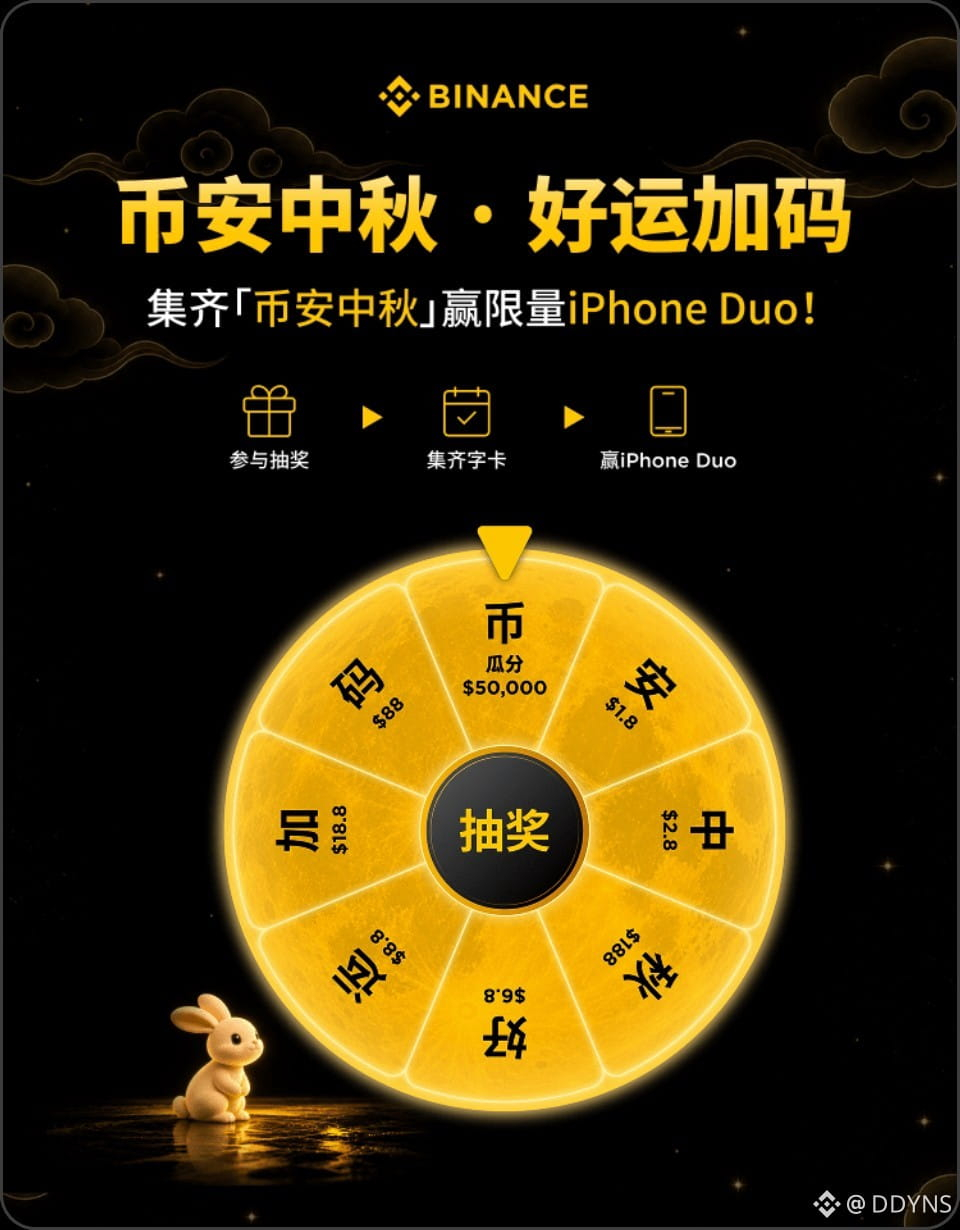
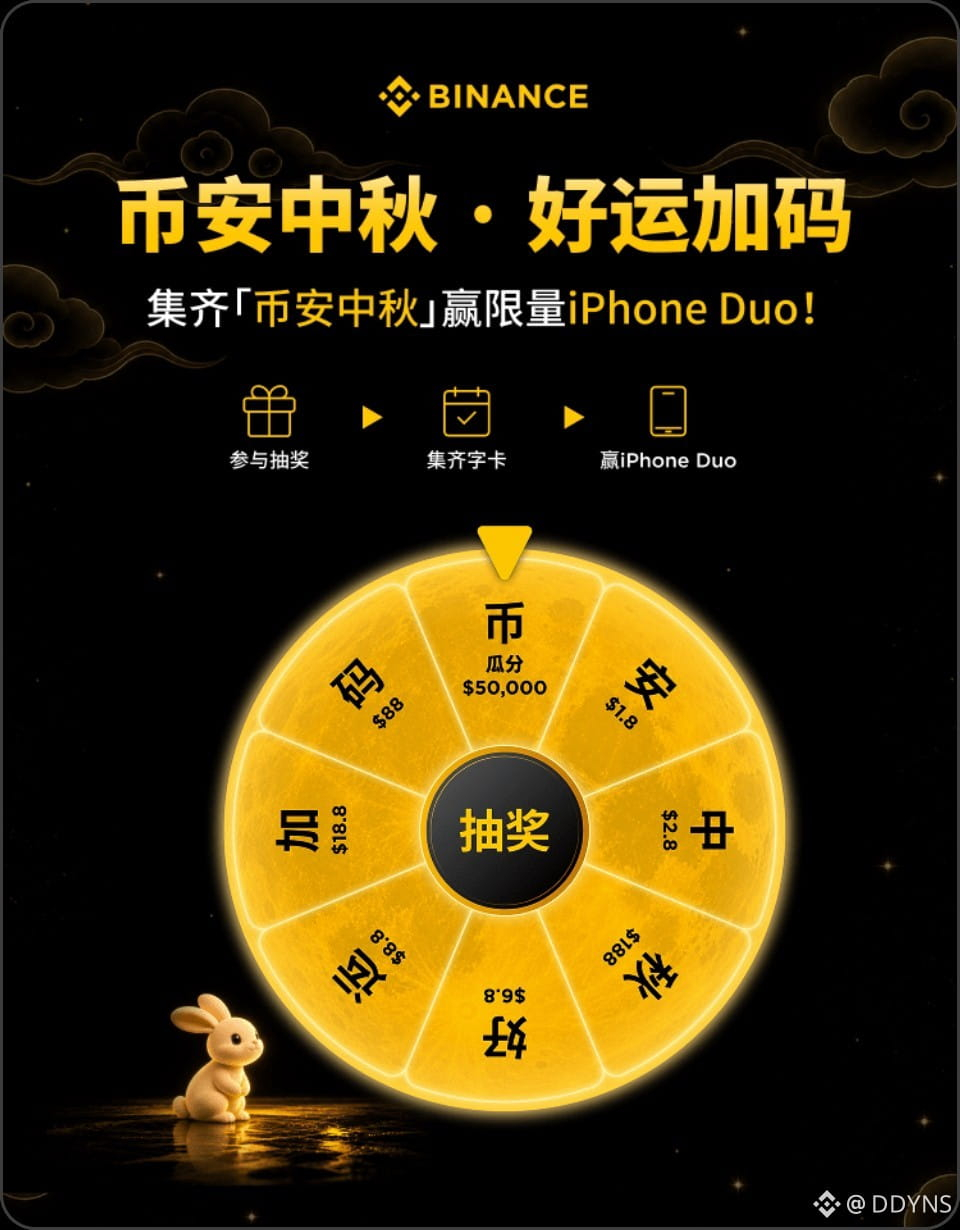
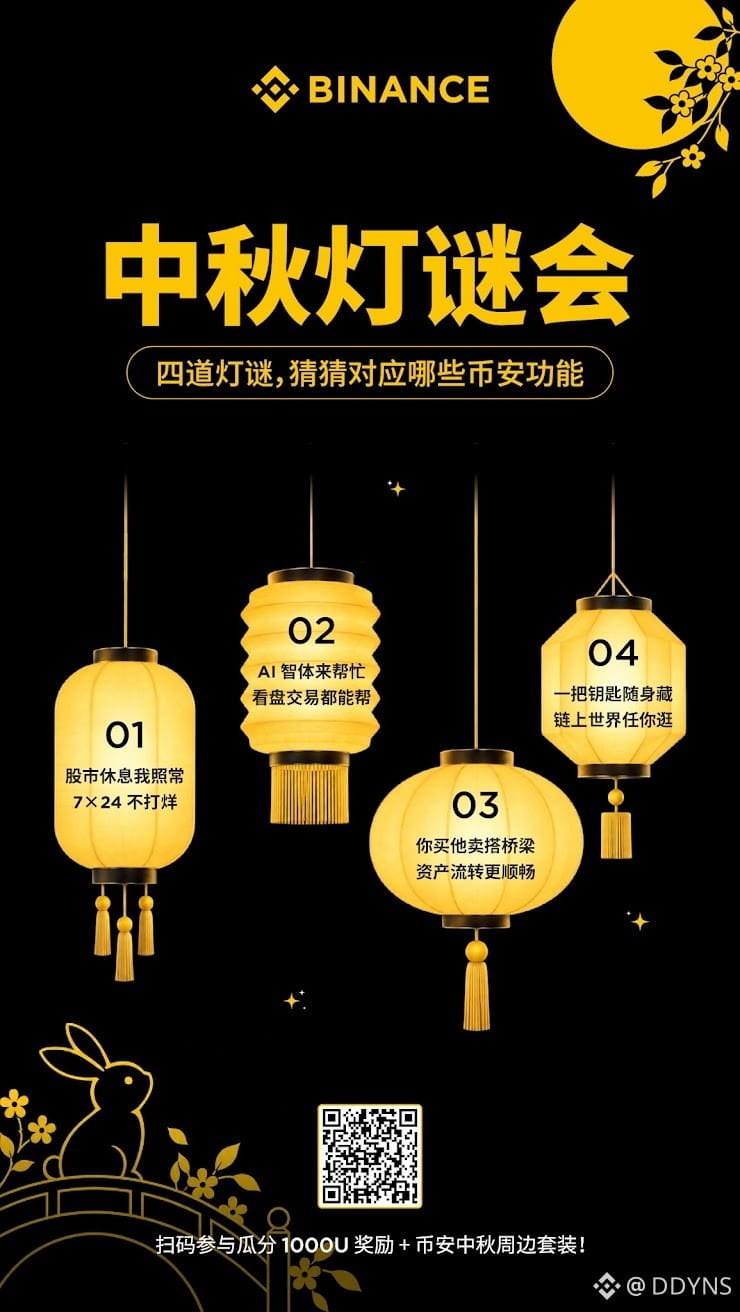
https://www.bsmkweb.cc/activity/chance/2609MAF?ref=GRO_100024661_82IRP
https://www.bsmkweb.cc/activity/chance/2609MAF?ref=GRO_100024661_82IRP
4


·
--
#termmax Tired of the floating interest rates in DeFi? Low capital utilization, and you still have to worry about liquidations all the time?
@termmax x (https://x.com/TermMax_HQ), a decentralized fixed-rate lending and options trading platform.
✨ Key highlights:
1. Truly fixed interest rates: lock in borrowing costs or lending returns in advance—just like buying a bond.
2. Modular design: supports a variety of collateral types and can integrate with different DEXs, for maximum flexibility.
3. Innovative玩法: not only can you do leverage with no liquidation risk, you can also trade bullish/bearish option structures.
Whether you’re a retail trader or an institution, TermMax helps you manage your on-chain assets more efficiently and more predictably.
#TermMax #DeFi #FixedIncomeDeFi
#termmax Tired of the floating interest rates in DeFi? Low capital utilization, and you still have to worry about liquidations all the time?
@TermMax x (https://x.com/TermMax_HQ), a decentralized fixed-rate lending and options trading platform.
✨ Key highlights:
1. Truly fixed interest rates: lock in borrowing costs or lending returns in advance—just like buying a bond.
2. Modular design: supports a variety of collateral types and can integrate with different DEXs, for maximum flexibility.
3. Innovative玩法: not only can you do leverage with no liquidation risk, you can also trade bullish/bearish option structures.
Whether you’re a retail trader or an institution, TermMax helps you manage your on-chain assets more efficiently and more predictably.
#TermMax #DeFi #FixedIncomeDeFi
@TermMax x (https://x.com/TermMax_HQ), a decentralized fixed-rate lending and options trading platform.
✨ Key highlights:
1. Truly fixed interest rates: lock in borrowing costs or lending returns in advance—just like buying a bond.
2. Modular design: supports a variety of collateral types and can integrate with different DEXs, for maximum flexibility.
3. Innovative玩法: not only can you do leverage with no liquidation risk, you can also trade bullish/bearish option structures.
Whether you’re a retail trader or an institution, TermMax helps you manage your on-chain assets more efficiently and more predictably.
#TermMax #DeFi #FixedIncomeDeFi
69
·
--
Binance 9th Anniversary Binance invited me to watch a movie
#币安九周年
Binance 9th Anniversary Binance invited me to watch a movie
#币安九周年
#币安九周年
17
·
--
Bullish
#grvt GRVT As a decentralized derivatives trading platform, through the hybrid architecture design of @grvt_io , it ingeniously combines an off-chain order book with on-chain settlement—ensuring both trading speed and asset security. Its zero-knowledge proof technology (zk-proofs) enables privacy protection, while a native token economics model incentivizes liquidity providers. The #grvt ecosystem is reshaping the derivatives market landscape; especially worth noting are its institutional-grade risk control module and low-latency trading experience, setting a new benchmark for the DeFi space.
#grvt GRVT As a decentralized derivatives trading platform, through the hybrid architecture design of @grvt_io , it ingeniously combines an off-chain order book with on-chain settlement—ensuring both trading speed and asset security. Its zero-knowledge proof technology (zk-proofs) enables privacy protection, while a native token economics model incentivizes liquidity providers. The #grvt ecosystem is reshaping the derivatives market landscape; especially worth noting are its institutional-grade risk control module and low-latency trading experience, setting a new benchmark for the DeFi space.
94
·
--
#BinanceTurns9 9th anniversary, Binance has you [幣安有你](https://www.bsmkweb.cc/activity/binance-turns-9?ref=435134660)
#BinanceTurns9 9th anniversary, Binance has you 幣安有你
29
·
--
#BinanceTurns9 9th Anniversary — Binance Has You
#BinanceTurns9 9th Anniversary — Binance Has You
17
·
--
#BinancePickAndWin https://www.bsmkweb.cc/activity/pick-and-win/2026-football-challenge?ref=435134660
#BinancePickAndWin https://www.bsmkweb.cc/activity/pick-and-win/2026-football-challenge?ref=435134660
21
·
--
#BinancePickAndWin https://www.bsmkweb.cc/activity/pick-and-win/2026-football-challenge?ref=435134660
#BinancePickAndWin https://www.bsmkweb.cc/activity/pick-and-win/2026-football-challenge?ref=435134660
22
·
--
Bullish
#Q402 : Empowering Regular Accounts with Smart Execution
Blockchain governance has long faced a fundamental contradiction: voting decisions are fast, but execution is slow and costly. Quack AI's Q402 layer is born to solve this issue.
The core breakthrough of Q402 lies in integrating EIP-7702, enabling regular EOA accounts, which could only sign, to execute smart contracts. What does this mean? In the past, you needed to authorize, wait, and confirm; now, a single signature can complete both payment and governance actions in a linked execution.
Technically, Q402 employs a "Sign-to-Pay" framework, minimizing the delay between consensus and execution. Coupled with a Policy-Aware mechanism, every fund transfer is automatically checked against preset governance standards, eliminating the need for manual secondary approvals.
This is a critical infrastructure for the Agent Economy. AI Agents can autonomously execute payments, adjust parameters, and respond to governance events within the scope of their authorization, all while leaving a trace for auditing.
When accounts themselves possess execution intelligence, on-chain automation truly becomes feasible.
@QTalkLive $Q #QuackAl
#Q402 : Empowering Regular Accounts with Smart Execution
Blockchain governance has long faced a fundamental contradiction: voting decisions are fast, but execution is slow and costly. Quack AI's Q402 layer is born to solve this issue.
The core breakthrough of Q402 lies in integrating EIP-7702, enabling regular EOA accounts, which could only sign, to execute smart contracts. What does this mean? In the past, you needed to authorize, wait, and confirm; now, a single signature can complete both payment and governance actions in a linked execution.
Technically, Q402 employs a "Sign-to-Pay" framework, minimizing the delay between consensus and execution. Coupled with a Policy-Aware mechanism, every fund transfer is automatically checked against preset governance standards, eliminating the need for manual secondary approvals.
This is a critical infrastructure for the Agent Economy. AI Agents can autonomously execute payments, adjust parameters, and respond to governance events within the scope of their authorization, all while leaving a trace for auditing.
When accounts themselves possess execution intelligence, on-chain automation truly becomes feasible.
@QTalk $Q #QuackAl
Blockchain governance has long faced a fundamental contradiction: voting decisions are fast, but execution is slow and costly. Quack AI's Q402 layer is born to solve this issue.
The core breakthrough of Q402 lies in integrating EIP-7702, enabling regular EOA accounts, which could only sign, to execute smart contracts. What does this mean? In the past, you needed to authorize, wait, and confirm; now, a single signature can complete both payment and governance actions in a linked execution.
Technically, Q402 employs a "Sign-to-Pay" framework, minimizing the delay between consensus and execution. Coupled with a Policy-Aware mechanism, every fund transfer is automatically checked against preset governance standards, eliminating the need for manual secondary approvals.
This is a critical infrastructure for the Agent Economy. AI Agents can autonomously execute payments, adjust parameters, and respond to governance events within the scope of their authorization, all while leaving a trace for auditing.
When accounts themselves possess execution intelligence, on-chain automation truly becomes feasible.
@QTalk $Q #QuackAl
288
·
--
Bullish
#Q402 Layer——the first unified layer that combines payment signing, transaction execution, and governance. Traditional EOA transactions require prior authorization and then the transfer, which is cumbersome and difficult to integrate into governance processes; Q402 enables signing to be payment, allowing users to complete fund transfers with a single signature, significantly shortening the time window from consensus generation to execution and greatly enhancing transaction efficiency and user experience.
Through EIP‑7702 integration, regular accounts can directly mount smart contract logic without the need for additional deployment or token contract upgrades, empowering any account with the capability to execute strategies. This provides a plug-and-play execution foundation for DAOs, asset management platforms, and cross-chain bridges, lowering development barriers and operational costs.
The Policy-Aware mechanism automatically verifies governance rules—such as spending limits, whitelists, and regional compliance—before each transaction. Policy checks are completed on-chain, ensuring that fund flows always align with community decisions, preventing unauthorized or non-compliant transfers, and providing reliable technical assurance for compliance needs.
The core concept of Sign-to-Pay is "signing equals payment"; the authorization information generated by user signatures is directly converted into Gas-sponsored transactions by relayers, with the entire process completed in milliseconds. This not only reduces users' Gas costs but also eliminates transaction queuing delays, which is crucial for high-frequency trading and real-time settlement scenarios.
The design of Q402 Layer deeply couples governance and payment, building an efficient, controllable, and compliant infrastructure for decentralized finance, with the potential to become the standard execution layer in multi-chain ecosystems. @QTalkLive $Q
{alpha}(560xc07e1300dc138601fa6b0b59f8d0fa477e690589)
#Q402 Layer——the first unified layer that combines payment signing, transaction execution, and governance. Traditional EOA transactions require prior authorization and then the transfer, which is cumbersome and difficult to integrate into governance processes; Q402 enables signing to be payment, allowing users to complete fund transfers with a single signature, significantly shortening the time window from consensus generation to execution and greatly enhancing transaction efficiency and user experience.
Through EIP‑7702 integration, regular accounts can directly mount smart contract logic without the need for additional deployment or token contract upgrades, empowering any account with the capability to execute strategies. This provides a plug-and-play execution foundation for DAOs, asset management platforms, and cross-chain bridges, lowering development barriers and operational costs.
The Policy-Aware mechanism automatically verifies governance rules—such as spending limits, whitelists, and regional compliance—before each transaction. Policy checks are completed on-chain, ensuring that fund flows always align with community decisions, preventing unauthorized or non-compliant transfers, and providing reliable technical assurance for compliance needs.
The core concept of Sign-to-Pay is "signing equals payment"; the authorization information generated by user signatures is directly converted into Gas-sponsored transactions by relayers, with the entire process completed in milliseconds. This not only reduces users' Gas costs but also eliminates transaction queuing delays, which is crucial for high-frequency trading and real-time settlement scenarios.
The design of Q402 Layer deeply couples governance and payment, building an efficient, controllable, and compliant infrastructure for decentralized finance, with the potential to become the standard execution layer in multi-chain ecosystems. @QTalk $Q
Through EIP‑7702 integration, regular accounts can directly mount smart contract logic without the need for additional deployment or token contract upgrades, empowering any account with the capability to execute strategies. This provides a plug-and-play execution foundation for DAOs, asset management platforms, and cross-chain bridges, lowering development barriers and operational costs.
The Policy-Aware mechanism automatically verifies governance rules—such as spending limits, whitelists, and regional compliance—before each transaction. Policy checks are completed on-chain, ensuring that fund flows always align with community decisions, preventing unauthorized or non-compliant transfers, and providing reliable technical assurance for compliance needs.
The core concept of Sign-to-Pay is "signing equals payment"; the authorization information generated by user signatures is directly converted into Gas-sponsored transactions by relayers, with the entire process completed in milliseconds. This not only reduces users' Gas costs but also eliminates transaction queuing delays, which is crucial for high-frequency trading and real-time settlement scenarios.
The design of Q402 Layer deeply couples governance and payment, building an efficient, controllable, and compliant infrastructure for decentralized finance, with the potential to become the standard execution layer in multi-chain ecosystems. @QTalk $Q
315


·
--
Bullish
#Q402 serves as the first unified payment signature execution and governance layer, closely integrating transaction validation with strategy audits to drastically reduce the coupling delays between L1 and L2. Through the EIP-7702 integration, regular accounts can directly execute in contract form without needing extra external account proxies, fundamentally enhancing the flexibility of fund management. The Policy-Aware mechanism verifies fund flows against governance rules before transactions, ensuring every payment complies with DAO or internal corporate policies, avoiding any missed regulatory funds. The most crucial part is the Sign-to-Pay solution, which completes payments upon signing, merging consensus generation and execution steps into a single event, significantly lowering transaction completion time and fees, thus improving user experience and system throughput. This suite has been tested and deployed on Binance Square and will become the standard infrastructure for cross-chain finance and governance automation in the future. @QTalkLive $Q
{alpha}(560xc07e1300dc138601fa6b0b59f8d0fa477e690589)
#Q402 serves as the first unified payment signature execution and governance layer, closely integrating transaction validation with strategy audits to drastically reduce the coupling delays between L1 and L2. Through the EIP-7702 integration, regular accounts can directly execute in contract form without needing extra external account proxies, fundamentally enhancing the flexibility of fund management. The Policy-Aware mechanism verifies fund flows against governance rules before transactions, ensuring every payment complies with DAO or internal corporate policies, avoiding any missed regulatory funds. The most crucial part is the Sign-to-Pay solution, which completes payments upon signing, merging consensus generation and execution steps into a single event, significantly lowering transaction completion time and fees, thus improving user experience and system throughput. This suite has been tested and deployed on Binance Square and will become the standard infrastructure for cross-chain finance and governance automation in the future. @QTalk $Q
291
Log in to explore more content
Join global crypto users on Binance Square
⚡️ Get latest and useful information about crypto.
💬 Trusted by the world’s largest crypto exchange.
👍 Discover real insights from verified creators.
Email / Phone number
Trending Topics
BTCFallsBelow$83000
1,353 views
47 Discussing
🚀 *BTC/USDT — LONG*
💎 75X Cross
📍 *Entry:* 83000 – 82400
🎯 *TP:* 83600 • 84200 • 84800 • 85400
🛑 *SL:* 81388
⚠️ *Risk:* Max 3–5% per trade.
$BTC
jinifer
·2 Likes
·1.7k views
FedProposesPaymentStablecoinRules
10,126 views
258 Discussing
ChinaMayLetAlibabaByteDanceBuyNvidiaChips
12,737 views
317 Discussing