

Crypto Influencer
1.3k Posts

Crypto Influencer
Report
Block User
Crypto Influencer is an Educational & Promotional Community. We talk about AMA, Twitter Spaces & Binance Streamings. X📩@AltsInfluencer 🔶|KOL|Content Creator |
Open Trade
Occasional Trader
2.9 Years
4 Following
2.8K+ Followers
2.3K+ Liked
Posts
Portfolio
All
Quotes
Videos
Live
PINNED
·
--
Bearish
AEVO is dumping hard.
Aevo is a decentralized trading platform specializing in derivatives, particularly options and perpetual contracts. This platform operates on the Aevo Layer 2 (L2) infrastructure, a roll-up solution based on Ethereum's OP Stack technology.
AEVO is the native currency of the Aevo platform and it offers several benefits:
Governance: Owners of the Aevo cryptocurrency can influence decisions regarding the platform's development, asset introductions, and overall direction of the decentralized autonomous organization (DAO).
Staking Rewards: Participants who lock in their Aevo tokens are rewarded with reduced transaction costs on the platform and enhanced incentives in the trader rewards scheme.
#AEVO_USDT
AEVO is dumping hard.
Aevo is a decentralized trading platform specializing in derivatives, particularly options and perpetual contracts. This platform operates on the Aevo Layer 2 (L2) infrastructure, a roll-up solution based on Ethereum's OP Stack technology.
AEVO is the native currency of the Aevo platform and it offers several benefits:
Governance: Owners of the Aevo cryptocurrency can influence decisions regarding the platform's development, asset introductions, and overall direction of the decentralized autonomous organization (DAO).
Staking Rewards: Participants who lock in their Aevo tokens are rewarded with reduced transaction costs on the platform and enhanced incentives in the trader rewards scheme.
#AEVO_USDT
Aevo is a decentralized trading platform specializing in derivatives, particularly options and perpetual contracts. This platform operates on the Aevo Layer 2 (L2) infrastructure, a roll-up solution based on Ethereum's OP Stack technology.
AEVO is the native currency of the Aevo platform and it offers several benefits:
Governance: Owners of the Aevo cryptocurrency can influence decisions regarding the platform's development, asset introductions, and overall direction of the decentralized autonomous organization (DAO).
Staking Rewards: Participants who lock in their Aevo tokens are rewarded with reduced transaction costs on the platform and enhanced incentives in the trader rewards scheme.
#AEVO_USDT

4
11
22.8k
·
--
Bullish
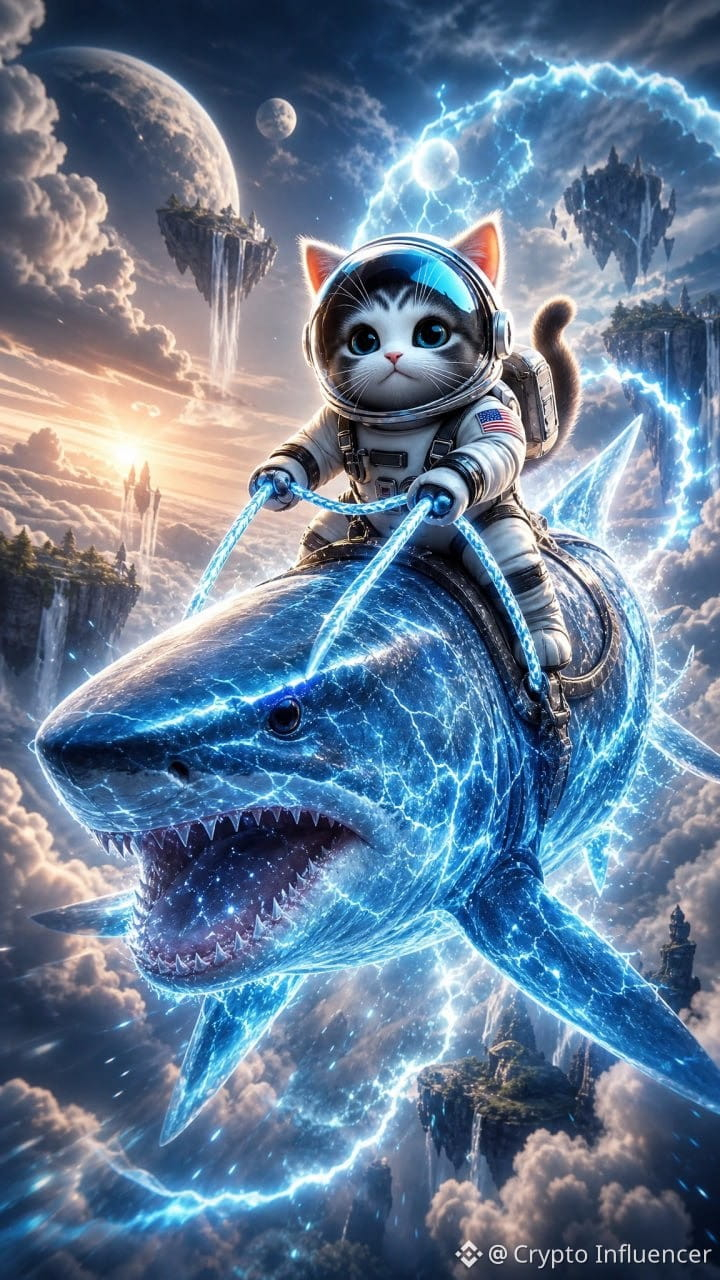
ELONXCAT is a Meme token built on a multi-chain network spanning BNB Chain, Ethereum, Polygon, Solana, and Tron. ELONXCAT strives to unite the cryptocurrency meme community and be a pioneer in multi-chain utility. Our goal is to have our name shine on every DEX, every CEX, and everywhere else.
Want to explore more? Visit the official website. #Meme #ElonMusk
elonxcat.com
ELONXCAT is a Meme token built on a multi-chain network spanning BNB Chain, Ethereum, Polygon, Solana, and Tron. ELONXCAT strives to unite the cryptocurrency meme community and be a pioneer in multi-chain utility. Our goal is to have our name shine on every DEX, every CEX, and everywhere else.
Want to explore more? Visit the official website. #Meme #ElonMusk
elonxcat.com
Want to explore more? Visit the official website. #Meme #ElonMusk
elonxcat.com
77
·
--
Bullish
Hyper Liquid is a top gainer token and a newly listed coin.
Hyperliquid is a layer one (L1) blockchain best known for perpetual futures and spot trading. Beyond its flagship DEX trading platform, the ecosystem supports borrowing, lending, real world assets (RWAs), and a full-fledged Ethereum Virtual Machine (EVM), making it a leading force in decentralized finance (defi). Just as electronic trading dramatically improved markets in the 2000s, Hyperliquid offers an opportunity for a massive technical upgrade of the existing financial system through a transparent, efficient, and resilient blockchain. HYPE is the native token of the Hyperliquid blockchain, with a maximum supply of 1 billion.
#Hyperliquid $HYPE
{spot}(HYPEUSDT)
Hyper Liquid is a top gainer token and a newly listed coin.
Hyperliquid is a layer one (L1) blockchain best known for perpetual futures and spot trading. Beyond its flagship DEX trading platform, the ecosystem supports borrowing, lending, real world assets (RWAs), and a full-fledged Ethereum Virtual Machine (EVM), making it a leading force in decentralized finance (defi). Just as electronic trading dramatically improved markets in the 2000s, Hyperliquid offers an opportunity for a massive technical upgrade of the existing financial system through a transparent, efficient, and resilient blockchain. HYPE is the native token of the Hyperliquid blockchain, with a maximum supply of 1 billion.
#Hyperliquid $HYPE
Hyperliquid is a layer one (L1) blockchain best known for perpetual futures and spot trading. Beyond its flagship DEX trading platform, the ecosystem supports borrowing, lending, real world assets (RWAs), and a full-fledged Ethereum Virtual Machine (EVM), making it a leading force in decentralized finance (defi). Just as electronic trading dramatically improved markets in the 2000s, Hyperliquid offers an opportunity for a massive technical upgrade of the existing financial system through a transparent, efficient, and resilient blockchain. HYPE is the native token of the Hyperliquid blockchain, with a maximum supply of 1 billion.
#Hyperliquid $HYPE
186
·
--
Bullish
Instant m00nstore is a Telegram store for premium digital subscriptions, delivered the second you pay. Over a hundred brands across AI like *Google AI Pro 18 Months*, streaming, design, productivity, developer tools, VPN, education, virtual cards and eSIM — bought in a few taps, fulfilled automatically from live stock, with credentials in your chat instantly and a stated warranty on most items. Top up in USDT, then spend from your wallet. Vendors sell through our platform; resellers plug into our API.
Bot URL: https://t.me/instm00nbot
Instant m00nstore is a Telegram store for premium digital subscriptions, delivered the second you pay. Over a hundred brands across AI like *Google AI Pro 18 Months*, streaming, design, productivity, developer tools, VPN, education, virtual cards and eSIM — bought in a few taps, fulfilled automatically from live stock, with credentials in your chat instantly and a stated warranty on most items. Top up in USDT, then spend from your wallet. Vendors sell through our platform; resellers plug into our API.
Bot URL: https://t.me/instm00nbot
Bot URL: https://t.me/instm00nbot

140
·
--
Bullish
ElonXCat - A meme Coin. A detailed analysis about the elonxcat is available on Coin Gecko. Track the price and chart on Coin Gecko. #meme_coin #ElonXCat
For details:
https://www.coingecko.com/en/coins/elonxcat
ElonXCat - A meme Coin. A detailed analysis about the elonxcat is available on Coin Gecko. Track the price and chart on Coin Gecko. #meme_coin #ElonXCat
For details:
https://www.coingecko.com/en/coins/elonxcat
For details:
https://www.coingecko.com/en/coins/elonxcat

26
·
--
Bullish
Centrifuge - Top Gainer Project - See the story behind this project
Centrifuge is the project associated with the CFG token. It focuses on enabling the use of real-world assets within blockchain-based financial systems by converting off-chain assets into tokenized representations that can operate on-chain.
The project is designed to connect decentralized finance with traditional financial assets. Businesses can tokenize assets such as invoices, real estate, and royalties, and use them as collateral to obtain financing. This process is facilitated through Tinlake, a decentralized lending application. The Centrifuge network is built within the Polkadot ecosystem, while Tinlake is integrated with Ethereum to access liquidity.
CFG functions as the primary utility token within the [Centrifuge ecosystem](https://www.binance.com/en/academy/articles/what-is-centrifuge-cfg). It is used for governance, allowing token holders to participate in protocol decisions. It also supports staking mechanisms that contribute to network operations. In addition, CFG is used for paying transaction and network fees. #cfg $CFG
{spot}(CFGUSDT)
Centrifuge - Top Gainer Project - See the story behind this project
Centrifuge is the project associated with the CFG token. It focuses on enabling the use of real-world assets within blockchain-based financial systems by converting off-chain assets into tokenized representations that can operate on-chain.
The project is designed to connect decentralized finance with traditional financial assets. Businesses can tokenize assets such as invoices, real estate, and royalties, and use them as collateral to obtain financing. This process is facilitated through Tinlake, a decentralized lending application. The Centrifuge network is built within the Polkadot ecosystem, while Tinlake is integrated with Ethereum to access liquidity.
CFG functions as the primary utility token within the Centrifuge ecosystem. It is used for governance, allowing token holders to participate in protocol decisions. It also supports staking mechanisms that contribute to network operations. In addition, CFG is used for paying transaction and network fees. #cfg $CFG
Centrifuge is the project associated with the CFG token. It focuses on enabling the use of real-world assets within blockchain-based financial systems by converting off-chain assets into tokenized representations that can operate on-chain.
The project is designed to connect decentralized finance with traditional financial assets. Businesses can tokenize assets such as invoices, real estate, and royalties, and use them as collateral to obtain financing. This process is facilitated through Tinlake, a decentralized lending application. The Centrifuge network is built within the Polkadot ecosystem, while Tinlake is integrated with Ethereum to access liquidity.
CFG functions as the primary utility token within the Centrifuge ecosystem. It is used for governance, allowing token holders to participate in protocol decisions. It also supports staking mechanisms that contribute to network operations. In addition, CFG is used for paying transaction and network fees. #cfg $CFG
134
·
--
Bullish
Dash - A digital currency - Top Gainer - 37% Up - Trading at $69
Dash (DASH) is a digital currency and blockchain network created to make payments faster and more affordable across the globe. It was designed to improve on Bitcoin’s early limitations, particularly around privacy and transaction speed.
The project launched in January 2014 as a fork of [Litecoin](https://www.binance.com/en/price/litecoin) and was originally named XCoin. It went through two rebrands, first to Darkcoin and later to Dash, short for “digital cash.” Dash introduced a two-layer network that uses a system of masternodes, which are servers that support advanced features like instant transactions, enhanced privacy, and network security.
The DASH token is the native currency of the network. It’s used to pay transaction fees and to run masternodes by staking a required amount of DASH. In return, masternode operators help maintain the network and receive rewards for their services. Dash was started by Evan Duffield and Kyle Hagan. Duffield had a background in software development and finance and was interested in building a cryptocurrency that offered stronger privacy than Bitcoin. #DASH $DASH
{spot}(DASHUSDT)
Dash - A digital currency - Top Gainer - 37% Up - Trading at $69
Dash (DASH) is a digital currency and blockchain network created to make payments faster and more affordable across the globe. It was designed to improve on Bitcoin’s early limitations, particularly around privacy and transaction speed.
The project launched in January 2014 as a fork of Litecoin and was originally named XCoin. It went through two rebrands, first to Darkcoin and later to Dash, short for “digital cash.” Dash introduced a two-layer network that uses a system of masternodes, which are servers that support advanced features like instant transactions, enhanced privacy, and network security.
The DASH token is the native currency of the network. It’s used to pay transaction fees and to run masternodes by staking a required amount of DASH. In return, masternode operators help maintain the network and receive rewards for their services. Dash was started by Evan Duffield and Kyle Hagan. Duffield had a background in software development and finance and was interested in building a cryptocurrency that offered stronger privacy than Bitcoin. #DASH $DASH
Dash (DASH) is a digital currency and blockchain network created to make payments faster and more affordable across the globe. It was designed to improve on Bitcoin’s early limitations, particularly around privacy and transaction speed.
The project launched in January 2014 as a fork of Litecoin and was originally named XCoin. It went through two rebrands, first to Darkcoin and later to Dash, short for “digital cash.” Dash introduced a two-layer network that uses a system of masternodes, which are servers that support advanced features like instant transactions, enhanced privacy, and network security.
The DASH token is the native currency of the network. It’s used to pay transaction fees and to run masternodes by staking a required amount of DASH. In return, masternode operators help maintain the network and receive rewards for their services. Dash was started by Evan Duffield and Kyle Hagan. Duffield had a background in software development and finance and was interested in building a cryptocurrency that offered stronger privacy than Bitcoin. #DASH $DASH
1
2
758
·
--
Bullish
Today Top Gainer Coin in the bearish market trend is Falcon Finance
Falcon Finance is a stablecoin protocol designed to combine stability with yield generation, positioning itself as a universal collateralization infrastructure for the DeFi ecosystem. Unlike traditional stablecoins that primarily act as a medium of exchange, Falcon Finance offers users the ability to unlock sustainable returns from their digital assets while retaining exposure to them. The protocol integrates elements of both centralized and decentralized finance to form a CeDeFi platform, aiming to balance performance with reliability for both retail and institutional participants.
At the core of Falcon Finance is its dual-token system, consisting of [USDf](https://www.binance.com/en/price/falcon-finance), an over-collateralized stablecoin, and sUSDf, a yield-bearing version that accrues returns over time. Users can mint USDf by depositing collateral in the form of stablecoins or major cryptocurrencies such as BTC, ETH, and [SOL](https://www.binance.com/en/price/solana). Once minted, USDf can be staked to obtain sUSDf. The staked token automatically generates yield through the protocol’s market-neutral strategies, including funding rate arbitrage and cross-exchange arbitrage. #Falcon $FF
{spot}(FFUSDT)
Today Top Gainer Coin in the bearish market trend is Falcon Finance
Falcon Finance is a stablecoin protocol designed to combine stability with yield generation, positioning itself as a universal collateralization infrastructure for the DeFi ecosystem. Unlike traditional stablecoins that primarily act as a medium of exchange, Falcon Finance offers users the ability to unlock sustainable returns from their digital assets while retaining exposure to them. The protocol integrates elements of both centralized and decentralized finance to form a CeDeFi platform, aiming to balance performance with reliability for both retail and institutional participants.
At the core of Falcon Finance is its dual-token system, consisting of USDf, an over-collateralized stablecoin, and sUSDf, a yield-bearing version that accrues returns over time. Users can mint USDf by depositing collateral in the form of stablecoins or major cryptocurrencies such as BTC, ETH, and SOL. Once minted, USDf can be staked to obtain sUSDf. The staked token automatically generates yield through the protocol’s market-neutral strategies, including funding rate arbitrage and cross-exchange arbitrage. #Falcon $FF
Falcon Finance is a stablecoin protocol designed to combine stability with yield generation, positioning itself as a universal collateralization infrastructure for the DeFi ecosystem. Unlike traditional stablecoins that primarily act as a medium of exchange, Falcon Finance offers users the ability to unlock sustainable returns from their digital assets while retaining exposure to them. The protocol integrates elements of both centralized and decentralized finance to form a CeDeFi platform, aiming to balance performance with reliability for both retail and institutional participants.
At the core of Falcon Finance is its dual-token system, consisting of USDf, an over-collateralized stablecoin, and sUSDf, a yield-bearing version that accrues returns over time. Users can mint USDf by depositing collateral in the form of stablecoins or major cryptocurrencies such as BTC, ETH, and SOL. Once minted, USDf can be staked to obtain sUSDf. The staked token automatically generates yield through the protocol’s market-neutral strategies, including funding rate arbitrage and cross-exchange arbitrage. #Falcon $FF
124
·
--
Bearish
What is Fabric Protocol? It is now trading in the downside trend.
Fabric Protocol is an open blockchain network designed to support coordination between autonomous robots and digital agents. The network is maintained by the Fabric Foundation, a non-profit organization responsible for supporting the protocol and its development. Fabric provides infrastructure that enables machines, developers, and operators to interact through verifiable computing supported by a public ledger.
The project focuses on integrating artificial intelligence, robotics, and blockchain infrastructure into a shared ecosystem. [Fabric Protocol ](https://www.binance.com/en/academy/articles/what-is-fabric-protocol-robo)coordinates data exchange, computing resources, and regulatory processes through modular on-chain infrastructure. This structure allows robots and autonomous agents to operate within a system where machine identity, collaboration, and activity can be verified and recorded on the network.
The ROBO token functions as the operational token within the Fabric network. It is primarily used to coordinate activity between participants and infrastructure providers. Robot operators can stake ROBO as performance bonds to access the network, while developers and users may use the token to pay for services such as computing resources, data access, and application programming interfaces. #ROBO $ROBO
{spot}(ROBOUSDT)
What is Fabric Protocol? It is now trading in the downside trend.
Fabric Protocol is an open blockchain network designed to support coordination between autonomous robots and digital agents. The network is maintained by the Fabric Foundation, a non-profit organization responsible for supporting the protocol and its development. Fabric provides infrastructure that enables machines, developers, and operators to interact through verifiable computing supported by a public ledger.
The project focuses on integrating artificial intelligence, robotics, and blockchain infrastructure into a shared ecosystem. [Fabric Protocol ](https://www.binance.com/en/academy/articles/what-is-fabric-protocol-robo)coordinates data exchange, computing resources, and regulatory processes through modular on-chain infrastructure. This structure allows robots and autonomous agents to operate within a system where machine identity, collaboration, and activity can be verified and recorded on the network.
The ROBO token functions as the operational token within the Fabric network. It is primarily used to coordinate activity between participants and infrastructure providers. Robot operators can stake ROBO as performance bonds to access the network, while developers and users may use the token to pay for services such as computing resources, data access, and application programming interfaces. #ROBO $ROBO
Fabric Protocol is an open blockchain network designed to support coordination between autonomous robots and digital agents. The network is maintained by the Fabric Foundation, a non-profit organization responsible for supporting the protocol and its development. Fabric provides infrastructure that enables machines, developers, and operators to interact through verifiable computing supported by a public ledger.
The project focuses on integrating artificial intelligence, robotics, and blockchain infrastructure into a shared ecosystem. [Fabric Protocol ](https://www.binance.com/en/academy/articles/what-is-fabric-protocol-robo)coordinates data exchange, computing resources, and regulatory processes through modular on-chain infrastructure. This structure allows robots and autonomous agents to operate within a system where machine identity, collaboration, and activity can be verified and recorded on the network.
The ROBO token functions as the operational token within the Fabric network. It is primarily used to coordinate activity between participants and infrastructure providers. Robot operators can stake ROBO as performance bonds to access the network, while developers and users may use the token to pay for services such as computing resources, data access, and application programming interfaces. #ROBO $ROBO
196
·
--
Bullish
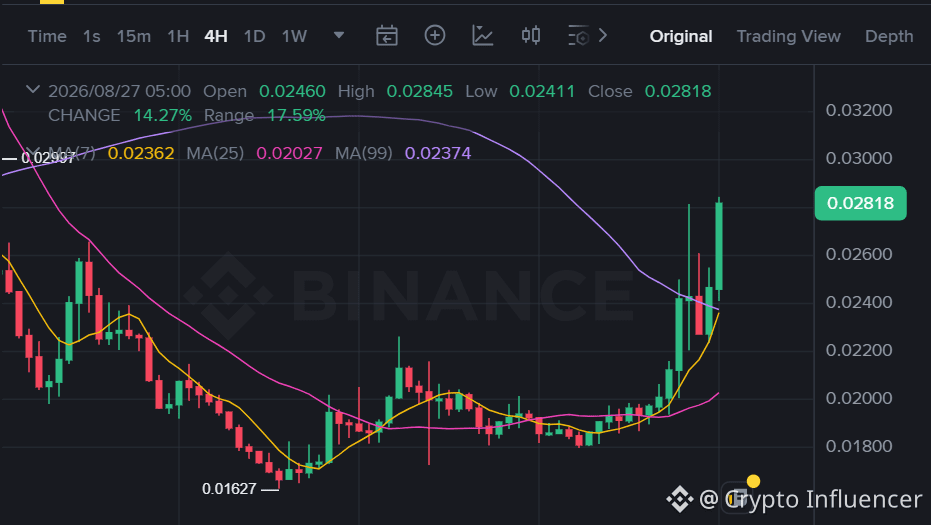
Biconomy - A decentralized protocol - Top Gainer 40% Up
Biconomy is a decentralized protocol that operates as a multichain relayer network. Biconomy aims to enhance the efficiency of transactions within the web3 environment. Biconomy was successfully launched in the fall/winter of 2021. The protocol was first released for use and implementation along the Ethereum blockchain network but is positioned to operate on multiple blockchain networks as a layer-2 solution atop existing blockchains.
Biconomy seeks to limit and even eliminate gas fees in some instances. The protocol likens the Web2 internet to Web3, and expresses that individuals should be able to navigate the Web3 environment more seamlessly, without the need to pay for gas or transactions. For this reason, the Biconomy protocol exists and helps provide gateways that are said to dramatically reduce or altogether eliminate fees associated with moving on any blockchain, primarily to use dApps made available to network participants. #BICO $BICO
{spot}(BICOUSDT)
Biconomy - A decentralized protocol - Top Gainer 40% Up
Biconomy is a decentralized protocol that operates as a multichain relayer network. Biconomy aims to enhance the efficiency of transactions within the web3 environment. Biconomy was successfully launched in the fall/winter of 2021. The protocol was first released for use and implementation along the Ethereum blockchain network but is positioned to operate on multiple blockchain networks as a layer-2 solution atop existing blockchains.
Biconomy seeks to limit and even eliminate gas fees in some instances. The protocol likens the Web2 internet to Web3, and expresses that individuals should be able to navigate the Web3 environment more seamlessly, without the need to pay for gas or transactions. For this reason, the Biconomy protocol exists and helps provide gateways that are said to dramatically reduce or altogether eliminate fees associated with moving on any blockchain, primarily to use dApps made available to network participants. #BICO $BICO
Biconomy is a decentralized protocol that operates as a multichain relayer network. Biconomy aims to enhance the efficiency of transactions within the web3 environment. Biconomy was successfully launched in the fall/winter of 2021. The protocol was first released for use and implementation along the Ethereum blockchain network but is positioned to operate on multiple blockchain networks as a layer-2 solution atop existing blockchains.
Biconomy seeks to limit and even eliminate gas fees in some instances. The protocol likens the Web2 internet to Web3, and expresses that individuals should be able to navigate the Web3 environment more seamlessly, without the need to pay for gas or transactions. For this reason, the Biconomy protocol exists and helps provide gateways that are said to dramatically reduce or altogether eliminate fees associated with moving on any blockchain, primarily to use dApps made available to network participants. #BICO $BICO
146
·
--
Bullish
The Spark Protocol - Top Gainer - 30% Up in the past 24hrs
The Spark protocol is a decentralized finance infrastructure platform purportedly designed to address key inefficiencies in DeFi. It focuses on resolving issues such as fragmented liquidity, unstable yields, and idle stablecoin reserves. Spark operates as a two-sided capital allocator, leveraging over $6.5 billion in reserves from Sky and deploying this capital across decentralized finance, centralized finance, and real-world assets. Its role is to provide foundational liquidity and yield infrastructure for other onchain finance protocols.
Spark was designed not as a standalone DeFi product but as an infrastructure layer for other protocols. Its aim is to create scalable solutions for liquidity and yield challenges by supporting broader ecosystem needs rather than competing within them. Key components of the protocol include savings tools, USDS-focused lending markets, and a cross-chain liquidity system. #Spark $SPK
{spot}(SPKUSDT)
The Spark Protocol - Top Gainer - 30% Up in the past 24hrs
The Spark protocol is a decentralized finance infrastructure platform purportedly designed to address key inefficiencies in DeFi. It focuses on resolving issues such as fragmented liquidity, unstable yields, and idle stablecoin reserves. Spark operates as a two-sided capital allocator, leveraging over $6.5 billion in reserves from Sky and deploying this capital across decentralized finance, centralized finance, and real-world assets. Its role is to provide foundational liquidity and yield infrastructure for other onchain finance protocols.
Spark was designed not as a standalone DeFi product but as an infrastructure layer for other protocols. Its aim is to create scalable solutions for liquidity and yield challenges by supporting broader ecosystem needs rather than competing within them. Key components of the protocol include savings tools, USDS-focused lending markets, and a cross-chain liquidity system. #Spark $SPK
The Spark protocol is a decentralized finance infrastructure platform purportedly designed to address key inefficiencies in DeFi. It focuses on resolving issues such as fragmented liquidity, unstable yields, and idle stablecoin reserves. Spark operates as a two-sided capital allocator, leveraging over $6.5 billion in reserves from Sky and deploying this capital across decentralized finance, centralized finance, and real-world assets. Its role is to provide foundational liquidity and yield infrastructure for other onchain finance protocols.
Spark was designed not as a standalone DeFi product but as an infrastructure layer for other protocols. Its aim is to create scalable solutions for liquidity and yield challenges by supporting broader ecosystem needs rather than competing within them. Key components of the protocol include savings tools, USDS-focused lending markets, and a cross-chain liquidity system. #Spark $SPK
126
·
--
Bullish
Euler - A decentralized lending protocol built on Ethereum
EUL is the native governance token of Euler. It grants holders voting power over key protocol parameters, including interest rate models, collateral requirements, and market configurations. A portion of the platform’s fees are distributed through weekly Fee Flow auctions, where users can bid EUL tokens to claim USDC rewards. In addition, participants can also lock their tokens as rEUL to enhance their governance influence and earn additional incentives.
At the heart of Euler’s architecture are isolated risk vaults and a suite of tools that give users and developers greater flexibility in managing capital. The protocol’s Euler Vault Kit (EVK) allows anyone to design and deploy custom lending strategies or collateralized debt strategies. Meanwhile, the Ethereum Vault Connector (EVC) facilitates interactions between vaults via the ERC-4626 standard, enabling advanced cross-market functionality without compromising security. To ensure accurate pricing and reduce manipulation risks, Euler combines oracle data from Chainlink and Uniswap v3. #Euler $EUL
{spot}(EULUSDT)
Euler - A decentralized lending protocol built on Ethereum
EUL is the native governance token of Euler. It grants holders voting power over key protocol parameters, including interest rate models, collateral requirements, and market configurations. A portion of the platform’s fees are distributed through weekly Fee Flow auctions, where users can bid EUL tokens to claim USDC rewards. In addition, participants can also lock their tokens as rEUL to enhance their governance influence and earn additional incentives.
At the heart of Euler’s architecture are isolated risk vaults and a suite of tools that give users and developers greater flexibility in managing capital. The protocol’s Euler Vault Kit (EVK) allows anyone to design and deploy custom lending strategies or collateralized debt strategies. Meanwhile, the Ethereum Vault Connector (EVC) facilitates interactions between vaults via the ERC-4626 standard, enabling advanced cross-market functionality without compromising security. To ensure accurate pricing and reduce manipulation risks, Euler combines oracle data from Chainlink and Uniswap v3. #Euler $EUL
EUL is the native governance token of Euler. It grants holders voting power over key protocol parameters, including interest rate models, collateral requirements, and market configurations. A portion of the platform’s fees are distributed through weekly Fee Flow auctions, where users can bid EUL tokens to claim USDC rewards. In addition, participants can also lock their tokens as rEUL to enhance their governance influence and earn additional incentives.
At the heart of Euler’s architecture are isolated risk vaults and a suite of tools that give users and developers greater flexibility in managing capital. The protocol’s Euler Vault Kit (EVK) allows anyone to design and deploy custom lending strategies or collateralized debt strategies. Meanwhile, the Ethereum Vault Connector (EVC) facilitates interactions between vaults via the ERC-4626 standard, enabling advanced cross-market functionality without compromising security. To ensure accurate pricing and reduce manipulation risks, Euler combines oracle data from Chainlink and Uniswap v3. #Euler $EUL
1
130
·
--
Bullish
Fabric Protocol - An open blockchain network - 38% Up in the past 24hrs - Top Gainer Token
Fabric Protocol is an open blockchain network designed to support coordination between autonomous robots and digital agents. The network is maintained by the Fabric Foundation, a non-profit organization responsible for supporting the protocol and its development. Fabric provides infrastructure that enables machines, developers, and operators to interact through verifiable computing supported by a public ledger.
The project focuses on integrating artificial intelligence, robotics, and blockchain infrastructure into a shared ecosystem. [Fabric Protocol ](https://www.binance.com/en/academy/articles/what-is-fabric-protocol-robo)coordinates data exchange, computing resources, and regulatory processes through modular on-chain infrastructure. This structure allows robots and autonomous agents to operate within a system where machine identity, collaboration, and activity can be verified and recorded on the network.
The ROBO token functions as the operational token within the Fabric network. It is primarily used to coordinate activity between participants and infrastructure providers. Robot operators can stake ROBO as performance bonds to access the network, while developers and users may use the token to pay for services such as computing resources, data access, and application programming interfaces. #Robo $ROBO
{spot}(ROBOUSDT)
Fabric Protocol - An open blockchain network - 38% Up in the past 24hrs - Top Gainer Token
Fabric Protocol is an open blockchain network designed to support coordination between autonomous robots and digital agents. The network is maintained by the Fabric Foundation, a non-profit organization responsible for supporting the protocol and its development. Fabric provides infrastructure that enables machines, developers, and operators to interact through verifiable computing supported by a public ledger.
The project focuses on integrating artificial intelligence, robotics, and blockchain infrastructure into a shared ecosystem. [Fabric Protocol ](https://www.binance.com/en/academy/articles/what-is-fabric-protocol-robo)coordinates data exchange, computing resources, and regulatory processes through modular on-chain infrastructure. This structure allows robots and autonomous agents to operate within a system where machine identity, collaboration, and activity can be verified and recorded on the network.
The ROBO token functions as the operational token within the Fabric network. It is primarily used to coordinate activity between participants and infrastructure providers. Robot operators can stake ROBO as performance bonds to access the network, while developers and users may use the token to pay for services such as computing resources, data access, and application programming interfaces. #Robo $ROBO
Fabric Protocol is an open blockchain network designed to support coordination between autonomous robots and digital agents. The network is maintained by the Fabric Foundation, a non-profit organization responsible for supporting the protocol and its development. Fabric provides infrastructure that enables machines, developers, and operators to interact through verifiable computing supported by a public ledger.
The project focuses on integrating artificial intelligence, robotics, and blockchain infrastructure into a shared ecosystem. [Fabric Protocol ](https://www.binance.com/en/academy/articles/what-is-fabric-protocol-robo)coordinates data exchange, computing resources, and regulatory processes through modular on-chain infrastructure. This structure allows robots and autonomous agents to operate within a system where machine identity, collaboration, and activity can be verified and recorded on the network.
The ROBO token functions as the operational token within the Fabric network. It is primarily used to coordinate activity between participants and infrastructure providers. Robot operators can stake ROBO as performance bonds to access the network, while developers and users may use the token to pay for services such as computing resources, data access, and application programming interfaces. #Robo $ROBO
174
·
--
Bullish
What is a Nillion Token?
Nillion is a decentralized network designed for private computation and data storage, utilizing Privacy-Enhancing Technologies (PETs). It allows computations and storage to be conducted while maintaining data privacy, making it suitable for applications such as encrypted databases, privacy-focused artificial intelligence, and secure digital solutions.
The network’s native utility token, NIL, is used for multiple purposes. It facilitates payments for network fees related to blind computation and transactions within the Coordination Layer and Petnet. It also supports network security through staking and enables participation in on-chain governance.
NIL provides access to several Nillion services. One of these is nilDB, an encrypted database where data is divided across multiple nodes, allowing computations to be performed without decrypting the information. Another key service is nilAI, which includes various AI-focused privacy technologies such as the AI Virtual Machine (AIVM), nada-AI, and nilTEE. Additionally, the network offers nilVM, a virtual machine that simplifies AI and web3 program development by allowing developers to use Python and JavaScript. #nillion $NIL
{spot}(NILUSDT)
What is a Nillion Token?
Nillion is a decentralized network designed for private computation and data storage, utilizing Privacy-Enhancing Technologies (PETs). It allows computations and storage to be conducted while maintaining data privacy, making it suitable for applications such as encrypted databases, privacy-focused artificial intelligence, and secure digital solutions.
The network’s native utility token, NIL, is used for multiple purposes. It facilitates payments for network fees related to blind computation and transactions within the Coordination Layer and Petnet. It also supports network security through staking and enables participation in on-chain governance.
NIL provides access to several Nillion services. One of these is nilDB, an encrypted database where data is divided across multiple nodes, allowing computations to be performed without decrypting the information. Another key service is nilAI, which includes various AI-focused privacy technologies such as the AI Virtual Machine (AIVM), nada-AI, and nilTEE. Additionally, the network offers nilVM, a virtual machine that simplifies AI and web3 program development by allowing developers to use Python and JavaScript. #nillion $NIL
Nillion is a decentralized network designed for private computation and data storage, utilizing Privacy-Enhancing Technologies (PETs). It allows computations and storage to be conducted while maintaining data privacy, making it suitable for applications such as encrypted databases, privacy-focused artificial intelligence, and secure digital solutions.
The network’s native utility token, NIL, is used for multiple purposes. It facilitates payments for network fees related to blind computation and transactions within the Coordination Layer and Petnet. It also supports network security through staking and enables participation in on-chain governance.
NIL provides access to several Nillion services. One of these is nilDB, an encrypted database where data is divided across multiple nodes, allowing computations to be performed without decrypting the information. Another key service is nilAI, which includes various AI-focused privacy technologies such as the AI Virtual Machine (AIVM), nada-AI, and nilTEE. Additionally, the network offers nilVM, a virtual machine that simplifies AI and web3 program development by allowing developers to use Python and JavaScript. #nillion $NIL
115
ChessChain is a Play-to-Earn chess platform built on Solana, where players can learn, compete, solve daily puzzles, and earn CCHN rewards through real chess gameplay. ChessChain combines chess, Web3, and GameFi through AI-powered games, multiplayer matches, tournaments, daily puzzles, referrals, and a Telegram Mini App.
Website URL
https://chesschain.club
#ChessChain
ChessChain is a Play-to-Earn chess platform built on Solana, where players can learn, compete, solve daily puzzles, and earn CCHN rewards through real chess gameplay. ChessChain combines chess, Web3, and GameFi through AI-powered games, multiplayer matches, tournaments, daily puzzles, referrals, and a Telegram Mini App.
Website URL
https://chesschain.club
#ChessChain
Website URL
https://chesschain.club
#ChessChain
36
·
--
Bullish
What is a ChessChain Project?
ChessChain is a Play-to-Earn chess platform built on Solana, where players can learn, compete, solve daily puzzles, and earn CCHN rewards through real chess gameplay. ChessChain combines chess, Web3, and GameFi through AI-powered games, multiplayer matches, tournaments, daily puzzles, referrals, and a Telegram Mini App.
Website URL
https://chesschain.club
#ChessChain
What is a ChessChain Project?
ChessChain is a Play-to-Earn chess platform built on Solana, where players can learn, compete, solve daily puzzles, and earn CCHN rewards through real chess gameplay. ChessChain combines chess, Web3, and GameFi through AI-powered games, multiplayer matches, tournaments, daily puzzles, referrals, and a Telegram Mini App.
Website URL
https://chesschain.club
#ChessChain
ChessChain is a Play-to-Earn chess platform built on Solana, where players can learn, compete, solve daily puzzles, and earn CCHN rewards through real chess gameplay. ChessChain combines chess, Web3, and GameFi through AI-powered games, multiplayer matches, tournaments, daily puzzles, referrals, and a Telegram Mini App.
Website URL
https://chesschain.club
#ChessChain

93
·
--
Bullish
ALABB - A tokenized security stock token - Trading at $336 approximately
ALABB is a tokenized security that provides economic exposure to Astera Labs Inc. shares through blockchain-based units. It is classified as a bStock rather than a conventional cryptocurrency. Holding ALABB does not provide direct ownership of Astera Labs shares. Astera Labs develops semiconductor-based connectivity products for cloud computing and artificial intelligence infrastructure. Its platform combines semiconductor components, microcontrollers, sensors, boards, modules, and software to support data, network, and memory connectivity within computing systems. The company primarily serves hyperscale data-center operators and equipment manufacturers.
ALABB is issued by BTech Holdings Limited and operates on BNB Smart Chain as a BEP-20 token. It represents an interest in Astera Labs securities held by the issuer. Eligible users can trade the token on-chain and convert between an underlying Astera Labs share and ALABB on a one-to-one basis, subject to platform terms, eligibility requirements, and applicable regulations. Astera Labs was founded in 2017 by Jitendra Mohan, Sanjay Gajendra, and Casey Morrison. Mohan serves as chief executive officer, Gajendra serves as president and chief operating officer, and Morrison serves as chief product officer. BTech Holdings Limited issues ALABB independently of Astera Labs. #ALABB $ALABB
{spot}(ALABBUSDT)
ALABB - A tokenized security stock token - Trading at $336 approximately
ALABB is a tokenized security that provides economic exposure to Astera Labs Inc. shares through blockchain-based units. It is classified as a bStock rather than a conventional cryptocurrency. Holding ALABB does not provide direct ownership of Astera Labs shares. Astera Labs develops semiconductor-based connectivity products for cloud computing and artificial intelligence infrastructure. Its platform combines semiconductor components, microcontrollers, sensors, boards, modules, and software to support data, network, and memory connectivity within computing systems. The company primarily serves hyperscale data-center operators and equipment manufacturers.
ALABB is issued by BTech Holdings Limited and operates on BNB Smart Chain as a BEP-20 token. It represents an interest in Astera Labs securities held by the issuer. Eligible users can trade the token on-chain and convert between an underlying Astera Labs share and ALABB on a one-to-one basis, subject to platform terms, eligibility requirements, and applicable regulations. Astera Labs was founded in 2017 by Jitendra Mohan, Sanjay Gajendra, and Casey Morrison. Mohan serves as chief executive officer, Gajendra serves as president and chief operating officer, and Morrison serves as chief product officer. BTech Holdings Limited issues ALABB independently of Astera Labs. #ALABB $ALABB
ALABB is a tokenized security that provides economic exposure to Astera Labs Inc. shares through blockchain-based units. It is classified as a bStock rather than a conventional cryptocurrency. Holding ALABB does not provide direct ownership of Astera Labs shares. Astera Labs develops semiconductor-based connectivity products for cloud computing and artificial intelligence infrastructure. Its platform combines semiconductor components, microcontrollers, sensors, boards, modules, and software to support data, network, and memory connectivity within computing systems. The company primarily serves hyperscale data-center operators and equipment manufacturers.
ALABB is issued by BTech Holdings Limited and operates on BNB Smart Chain as a BEP-20 token. It represents an interest in Astera Labs securities held by the issuer. Eligible users can trade the token on-chain and convert between an underlying Astera Labs share and ALABB on a one-to-one basis, subject to platform terms, eligibility requirements, and applicable regulations. Astera Labs was founded in 2017 by Jitendra Mohan, Sanjay Gajendra, and Casey Morrison. Mohan serves as chief executive officer, Gajendra serves as president and chief operating officer, and Morrison serves as chief product officer. BTech Holdings Limited issues ALABB independently of Astera Labs. #ALABB $ALABB
128
·
--
Bullish
DODO - A decentralized exchange - Top Gainer Token - 48% Up in the past 24hrs
DODO is a [decentralized exchange (DEX)](https://academy.binance.com/en/articles/what-is-a-decentralized-exchange-dex) that uses a Proactive Market Maker (PMM) algorithm to optimize liquidity and enhance trading on several blockchain networks.
DODO’s PMM algorithm dynamically adjusts liquidity levels using up-to-date market data. This data is provided by oracles to facilitate optimal asset trading and reduce risks for both traders and liquidity providers. DODO claims their system makes prices more stable and decreases slippage better than usual [Automated Market Makers](http://academy.binance.com/en/articles/what-is-an-automated-market-maker-amm) (AMMs). Plus, DODO lets users use just one type of token to contribute to liquidity, which is more flexible because normally users have to pair assets.
DODO has lots of features to make trading and managing liquidity easier. SmartTrade lets users exchange tokens at optimal prices, uses special algorithms and apps like 0x and 1inch to reduce price differences. DODO also has Crowdpooling, a different way that combines [IDO](https://academy.binance.com/en/glossary/initial-dex-offering-ido)s, crowdfunding, and liquidity pools to give out tokens fairly and start liquidity markets without risks. Plus, liquidity providers are free to execute their own market-making plans on-chain in a flexible, trust-free environment. #dodo $DODO
{spot}(DODOUSDT)
DODO - A decentralized exchange - Top Gainer Token - 48% Up in the past 24hrs
DODO is a decentralized exchange (DEX) that uses a Proactive Market Maker (PMM) algorithm to optimize liquidity and enhance trading on several blockchain networks.
DODO’s PMM algorithm dynamically adjusts liquidity levels using up-to-date market data. This data is provided by oracles to facilitate optimal asset trading and reduce risks for both traders and liquidity providers. DODO claims their system makes prices more stable and decreases slippage better than usual Automated Market Makers (AMMs). Plus, DODO lets users use just one type of token to contribute to liquidity, which is more flexible because normally users have to pair assets.
DODO has lots of features to make trading and managing liquidity easier. SmartTrade lets users exchange tokens at optimal prices, uses special algorithms and apps like 0x and 1inch to reduce price differences. DODO also has Crowdpooling, a different way that combines IDOs, crowdfunding, and liquidity pools to give out tokens fairly and start liquidity markets without risks. Plus, liquidity providers are free to execute their own market-making plans on-chain in a flexible, trust-free environment. #dodo $DODO
DODO is a decentralized exchange (DEX) that uses a Proactive Market Maker (PMM) algorithm to optimize liquidity and enhance trading on several blockchain networks.
DODO’s PMM algorithm dynamically adjusts liquidity levels using up-to-date market data. This data is provided by oracles to facilitate optimal asset trading and reduce risks for both traders and liquidity providers. DODO claims their system makes prices more stable and decreases slippage better than usual Automated Market Makers (AMMs). Plus, DODO lets users use just one type of token to contribute to liquidity, which is more flexible because normally users have to pair assets.
DODO has lots of features to make trading and managing liquidity easier. SmartTrade lets users exchange tokens at optimal prices, uses special algorithms and apps like 0x and 1inch to reduce price differences. DODO also has Crowdpooling, a different way that combines IDOs, crowdfunding, and liquidity pools to give out tokens fairly and start liquidity markets without risks. Plus, liquidity providers are free to execute their own market-making plans on-chain in a flexible, trust-free environment. #dodo $DODO
111
·
--
Bullish
Biconomy - A decentralized protocol - Top Gainer - 30% Up in the past 24hrs - Check the Chart
Biconomy is a decentralized protocol that operates as a multichain relayer network. Biconomy aims to enhance the efficiency of transactions within the web3 environment. Biconomy was successfully launched in the fall/winter of 2021. The protocol was first released for use and implementation along the Ethereum blockchain network but is positioned to operate on multiple blockchain networks as a layer-2 solution atop existing blockchains.
Biconomy seeks to limit and even eliminate gas fees in some instances. The protocol likens the Web2 internet to Web3, and expresses that individuals should be able to navigate the Web3 environment more seamlessly, without the need to pay for gas or transactions. For this reason, the Biconomy protocol exists and helps provide gateways that are said to dramatically reduce or altogether eliminate fees associated with moving on any blockchain, primarily to use dApps made available to network participants. Biconomy reports being able to reduce gas fees by up to around 40%. Meta transactions are used to lessen the transaction fees paid by network users in one such process used in the protocol. Reportedly, Biconomy users can also pay for fees in any ERC-20 coin when interacting within the Ethereum network instead of needing to pay in ETHER, the native network coin used for gas typically on the ETH blockchain. #BICO $BICO
{spot}(BICOUSDT)
Biconomy - A decentralized protocol - Top Gainer - 30% Up in the past 24hrs - Check the Chart
Biconomy is a decentralized protocol that operates as a multichain relayer network. Biconomy aims to enhance the efficiency of transactions within the web3 environment. Biconomy was successfully launched in the fall/winter of 2021. The protocol was first released for use and implementation along the Ethereum blockchain network but is positioned to operate on multiple blockchain networks as a layer-2 solution atop existing blockchains.
Biconomy seeks to limit and even eliminate gas fees in some instances. The protocol likens the Web2 internet to Web3, and expresses that individuals should be able to navigate the Web3 environment more seamlessly, without the need to pay for gas or transactions. For this reason, the Biconomy protocol exists and helps provide gateways that are said to dramatically reduce or altogether eliminate fees associated with moving on any blockchain, primarily to use dApps made available to network participants. Biconomy reports being able to reduce gas fees by up to around 40%. Meta transactions are used to lessen the transaction fees paid by network users in one such process used in the protocol. Reportedly, Biconomy users can also pay for fees in any ERC-20 coin when interacting within the Ethereum network instead of needing to pay in ETHER, the native network coin used for gas typically on the ETH blockchain. #BICO $BICO
Biconomy is a decentralized protocol that operates as a multichain relayer network. Biconomy aims to enhance the efficiency of transactions within the web3 environment. Biconomy was successfully launched in the fall/winter of 2021. The protocol was first released for use and implementation along the Ethereum blockchain network but is positioned to operate on multiple blockchain networks as a layer-2 solution atop existing blockchains.
Biconomy seeks to limit and even eliminate gas fees in some instances. The protocol likens the Web2 internet to Web3, and expresses that individuals should be able to navigate the Web3 environment more seamlessly, without the need to pay for gas or transactions. For this reason, the Biconomy protocol exists and helps provide gateways that are said to dramatically reduce or altogether eliminate fees associated with moving on any blockchain, primarily to use dApps made available to network participants. Biconomy reports being able to reduce gas fees by up to around 40%. Meta transactions are used to lessen the transaction fees paid by network users in one such process used in the protocol. Reportedly, Biconomy users can also pay for fees in any ERC-20 coin when interacting within the Ethereum network instead of needing to pay in ETHER, the native network coin used for gas typically on the ETH blockchain. #BICO $BICO
184
·
--
Bullish
Giggle Fund - A token on BNB Chain - 46% Up in the past 24hrs
Giggle Fund ($GIGGLE) is a token created on the BNB Chain and is associated with the Giggle Academy, a charitable educational initiative. It operates as a memecoin with a built-in donation mechanism that supports the academy through on-chain transaction fees.
The project uses a fee-based structure where a portion of each transaction is converted into [BNB](https://www.binance.com/en/price/bnb) and sent to a donation wallet tied to Giggle Academy. This process is fully on-chain and viewable by the public. As of now, more than 10,000 BNB have been collected for donations. A live tracker for these contributions is provided by the project.
$GIGGLE was launched on September 20, 2025, at an initial price of $0.0033. No tokens were reserved for the development team; the entire supply was added to the liquidity pool at launch. The liquidity tokens were later sent to a burn address, and the contract ownership was renounced to support transparent and uninterrupted community-led operations. The token contract includes a mechanism that withholds 5% from every on-chain buy and sell. These funds are automatically converted to BNB and sent directly to the donation wallet. #giggle $GIGGLE
{spot}(GIGGLEUSDT)
Giggle Fund - A token on BNB Chain - 46% Up in the past 24hrs
Giggle Fund ($GIGGLE ) is a token created on the BNB Chain and is associated with the Giggle Academy, a charitable educational initiative. It operates as a memecoin with a built-in donation mechanism that supports the academy through on-chain transaction fees.
The project uses a fee-based structure where a portion of each transaction is converted into BNB and sent to a donation wallet tied to Giggle Academy. This process is fully on-chain and viewable by the public. As of now, more than 10,000 BNB have been collected for donations. A live tracker for these contributions is provided by the project.
$GIGGLE was launched on September 20, 2025, at an initial price of $0.0033. No tokens were reserved for the development team; the entire supply was added to the liquidity pool at launch. The liquidity tokens were later sent to a burn address, and the contract ownership was renounced to support transparent and uninterrupted community-led operations. The token contract includes a mechanism that withholds 5% from every on-chain buy and sell. These funds are automatically converted to BNB and sent directly to the donation wallet. #giggle $GIGGLE
Giggle Fund ($GIGGLE ) is a token created on the BNB Chain and is associated with the Giggle Academy, a charitable educational initiative. It operates as a memecoin with a built-in donation mechanism that supports the academy through on-chain transaction fees.
The project uses a fee-based structure where a portion of each transaction is converted into BNB and sent to a donation wallet tied to Giggle Academy. This process is fully on-chain and viewable by the public. As of now, more than 10,000 BNB have been collected for donations. A live tracker for these contributions is provided by the project.
$GIGGLE was launched on September 20, 2025, at an initial price of $0.0033. No tokens were reserved for the development team; the entire supply was added to the liquidity pool at launch. The liquidity tokens were later sent to a burn address, and the contract ownership was renounced to support transparent and uninterrupted community-led operations. The token contract includes a mechanism that withholds 5% from every on-chain buy and sell. These funds are automatically converted to BNB and sent directly to the donation wallet. #giggle $GIGGLE

195
Log in to explore more content
Join global crypto users on Binance Square
⚡️ Get latest and useful information about crypto.
💬 Trusted by the world’s largest crypto exchange.
👍 Discover real insights from verified creators.
Email / Phone number
Trending Topics
EtherGains70.9%InQ3
2,533 views
157 Discussing
#EtherGains70.9%InQ3
🚀 Ethereum Gains 70.9% in Q3 2026
💎 ETH surged about 70.9% from July to September, marking one of Ethereum’s strongest quarterly rebounds on record.
📈 The rally coincided with renewed spot Ether ETF demand, stronger spot-market activity, and a broader crypto risk-on move.
💰 Current ETH: ~$2,697.43
📊 24H: +0.56%
⚠️ Short-term conditions can change quickly, so the quarterly performance doesn’t guarantee continued momentum.
👀 Can ETH carry this Q3 momentum into Q4?
#Ethereum #ETH #CryptoMarket #CryptoNews
CrypVexa
·1 Likes
·12 views
US10YearYieldNears5.3%
35,545 views
380 Discussing
DollarIndexHitsHighestSinceMay2025
1,267 views
90 Discussing