

Trading Booms
15.5k Posts

Trading Booms
Report
Block User
Trader | Content Creator | Crypto Expert | X: @Trading_Booms
1.2K+ Following
3.3K+ Followers
4.8K+ Liked
Posts
All
Quotes
Videos
Live
PINNED
·
--
Bullish
📌 Before following any of my setups, read this first.
I share swing trades, not instant pumps. Most setups can take 5–14 days, and bigger targets may need 2–6 weeks.
Keep leverage low, use small margin, and risk no more than ~1% of your account on one trade.
Always respect the SL. When TP1 hits, move SL to entry and let the remaining position run.
The goal is simple: small controlled losses, break-even protection, and bigger winners.
Never overtrade. Never use money you cannot afford to lose.
Technical setups only. DYOR. Not financial advice.
$MARSCOIN $DUSK
{future}(DUSKUSDT)
{future}(MARSCOINUSDT)
📌 Before following any of my setups, read this first.
I share swing trades, not instant pumps. Most setups can take 5–14 days, and bigger targets may need 2–6 weeks.
Keep leverage low, use small margin, and risk no more than ~1% of your account on one trade.
Always respect the SL. When TP1 hits, move SL to entry and let the remaining position run.
The goal is simple: small controlled losses, break-even protection, and bigger winners.
Never overtrade. Never use money you cannot afford to lose.
Technical setups only. DYOR. Not financial advice.
$MARSCOIN $DUSK
I share swing trades, not instant pumps. Most setups can take 5–14 days, and bigger targets may need 2–6 weeks.
Keep leverage low, use small margin, and risk no more than ~1% of your account on one trade.
Always respect the SL. When TP1 hits, move SL to entry and let the remaining position run.
The goal is simple: small controlled losses, break-even protection, and bigger winners.
Never overtrade. Never use money you cannot afford to lose.
Technical setups only. DYOR. Not financial advice.
$MARSCOIN $DUSK

209
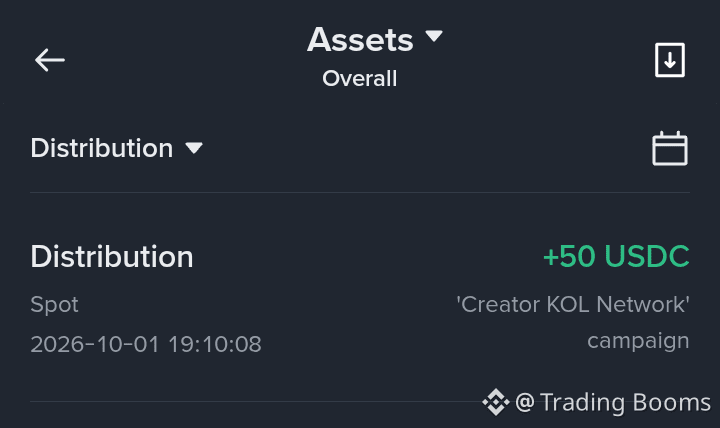
Thanks Binance 💛
$SAND $NIGHT
{future}(NIGHTUSDT)
{future}(SANDUSDT)
Thanks Binance 💛
$SAND $NIGHT
$SAND $NIGHT
206
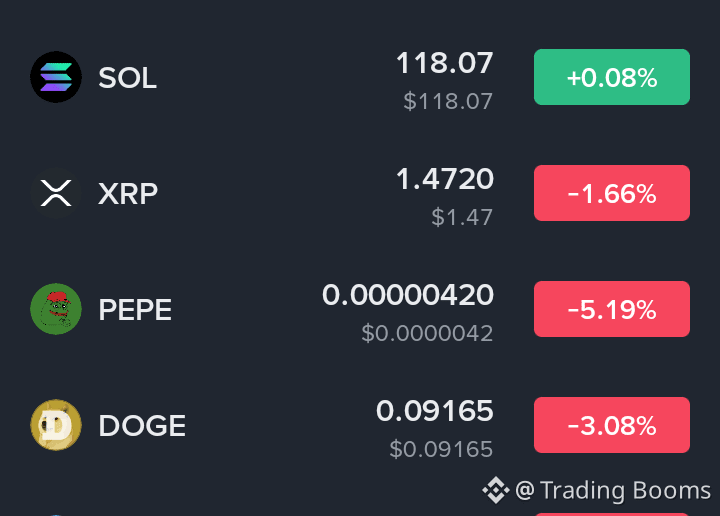
ALTCOIN BOUNCE? NOT SO FAST.
Selling pressure is still active across several high-beta names after the latest resistance rejection.
$SOL: -0.28%
$XRP: -2.65%
$PEPE: -5.86%
$DOGE: -4.02%
PEPE and DOGE are getting hit harder, while SOL is still showing comparatively stronger price action.
Right now, this looks more like a correction/retest phase than a confirmed recovery.
The real signal comes when major resistance levels are reclaimed and held. Until then, chasing green candles can be costly.
Patience first. Confirmation second.
ALTCOIN BOUNCE? NOT SO FAST.
Selling pressure is still active across several high-beta names after the latest resistance rejection.
$SOL: -0.28%
$XRP: -2.65%
$PEPE: -5.86%
$DOGE: -4.02%
PEPE and DOGE are getting hit harder, while SOL is still showing comparatively stronger price action.
Right now, this looks more like a correction/retest phase than a confirmed recovery.
The real signal comes when major resistance levels are reclaimed and held. Until then, chasing green candles can be costly.
Patience first. Confirmation second.
Selling pressure is still active across several high-beta names after the latest resistance rejection.
$SOL: -0.28%
$XRP: -2.65%
$PEPE: -5.86%
$DOGE: -4.02%
PEPE and DOGE are getting hit harder, while SOL is still showing comparatively stronger price action.
Right now, this looks more like a correction/retest phase than a confirmed recovery.
The real signal comes when major resistance levels are reclaimed and held. Until then, chasing green candles can be costly.
Patience first. Confirmation second.
1
113
⚠️ BIG MOVE POSSIBLE IN CRYPTO TODAY
At 19:30 GMT+7 / 5:30 PM Pakistan Time, three major US jobs numbers will be released:
• Non-Farm Payrolls
• Unemployment Rate
• Average Hourly Earnings
Simple rule for beginners:
Strong jobs data → rates may stay higher → BTC/altcoins can face pressure.
Weak jobs data → rate pressure may ease → crypto can react positively.
⚠️ Expect fast volatility around the release. The first candle can be a trap.
My plan: No chasing.
Let BTC react first, then wait for confirmation or a clean retest.
Low leverage. Small margin. Protect capital.
NFA/DYOR.
⚠️ BIG MOVE POSSIBLE IN CRYPTO TODAY
At 19:30 GMT+7 / 5:30 PM Pakistan Time, three major US jobs numbers will be released:
• Non-Farm Payrolls
• Unemployment Rate
• Average Hourly Earnings
Simple rule for beginners:
Strong jobs data → rates may stay higher → BTC/altcoins can face pressure.
Weak jobs data → rate pressure may ease → crypto can react positively.
⚠️ Expect fast volatility around the release. The first candle can be a trap.
My plan: No chasing.
Let BTC react first, then wait for confirmation or a clean retest.
Low leverage. Small margin. Protect capital.
NFA/DYOR.
At 19:30 GMT+7 / 5:30 PM Pakistan Time, three major US jobs numbers will be released:
• Non-Farm Payrolls
• Unemployment Rate
• Average Hourly Earnings
Simple rule for beginners:
Strong jobs data → rates may stay higher → BTC/altcoins can face pressure.
Weak jobs data → rate pressure may ease → crypto can react positively.
⚠️ Expect fast volatility around the release. The first candle can be a trap.
My plan: No chasing.
Let BTC react first, then wait for confirmation or a clean retest.
Low leverage. Small margin. Protect capital.
NFA/DYOR.
74
·
--
Bullish
$GMT still early enough to matter, but only if the retest holds.
I’m watching $0.00906 as the key entry/retest area. No reason to chase strength away from this zone.
Entry: $0.00906
SL: $0.00724
Targets:
TP1: $0.00951
TP2: $0.00996
TP3: $0.01087
TP4: $0.01268
TP5: $0.01449
TP6: $0.01811
The idea is simple: hold the retest, then let the structure work. If price loses the structural invalidation level, the setup is no longer valid.
Wide SL means position size matters low leverage, small margin.
No mid-range chase.
NFA / DYOR.
{future}(GMTUSDT)
$GMT still early enough to matter, but only if the retest holds.
I’m watching $0.00906 as the key entry/retest area. No reason to chase strength away from this zone.
Entry: $0.00906
SL: $0.00724
Targets:
TP1: $0.00951
TP2: $0.00996
TP3: $0.01087
TP4: $0.01268
TP5: $0.01449
TP6: $0.01811
The idea is simple: hold the retest, then let the structure work. If price loses the structural invalidation level, the setup is no longer valid.
Wide SL means position size matters low leverage, small margin.
No mid-range chase.
NFA / DYOR.
I’m watching $0.00906 as the key entry/retest area. No reason to chase strength away from this zone.
Entry: $0.00906
SL: $0.00724
Targets:
TP1: $0.00951
TP2: $0.00996
TP3: $0.01087
TP4: $0.01268
TP5: $0.01449
TP6: $0.01811
The idea is simple: hold the retest, then let the structure work. If price loses the structural invalidation level, the setup is no longer valid.
Wide SL means position size matters low leverage, small margin.
No mid-range chase.
NFA / DYOR.
108
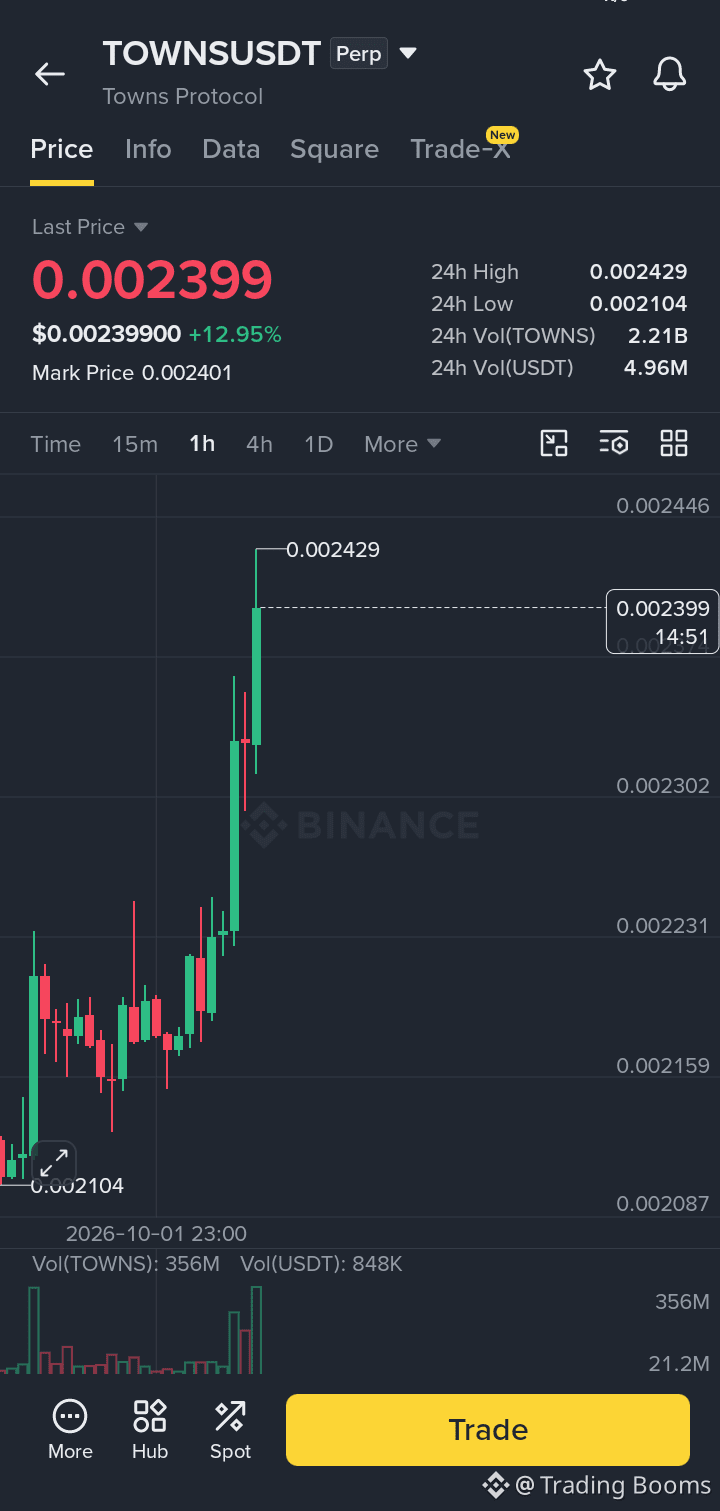
$TOWNS TP Hit 🎯
{future}(TOWNSUSDT)
$TOWNS TP Hit 🎯
Trading Booms
·
--
Bullish$TOWNS is pressing into the level that could decide whether this is a real trend change or just another bounce.
The chart has improved, but derivatives are not fully confirming yet: OI has cooled, taker flow is still seller-heavy, and positioning is already long-biased. That makes confirmation more important than the green candle itself.
📍 Entry: $0.00205 – $0.00216
🛑 SL: $0.00172
🎯 TP1: $0.00230
🎯 TP2: $0.00248
🎯 TP3: $0.00266
🎯 TP4: $0.00284
🚀 Stretch: $0.0035 – $0.0040+
The level I care about most is $0.00230. A clean 4H/daily close above it, followed by support, would make the larger recovery much more convincing.
If price pulls back first, $0.00195–$0.00202 is the cleaner secondary zone.
Low leverage. Small margin. Multi-week idea.
NFA. DYOR.
The chart has improved, but derivatives are not fully confirming yet: OI has cooled, taker flow is still seller-heavy, and positioning is already long-biased. That makes confirmation more important than the green candle itself.
📍 Entry: $0.00205 – $0.00216
🛑 SL: $0.00172
🎯 TP1: $0.00230
🎯 TP2: $0.00248
🎯 TP3: $0.00266
🎯 TP4: $0.00284
🚀 Stretch: $0.0035 – $0.0040+
The level I care about most is $0.00230. A clean 4H/daily close above it, followed by support, would make the larger recovery much more convincing.
If price pulls back first, $0.00195–$0.00202 is the cleaner secondary zone.
Low leverage. Small margin. Multi-week idea.
NFA. DYOR.
209
·
--
Bullish
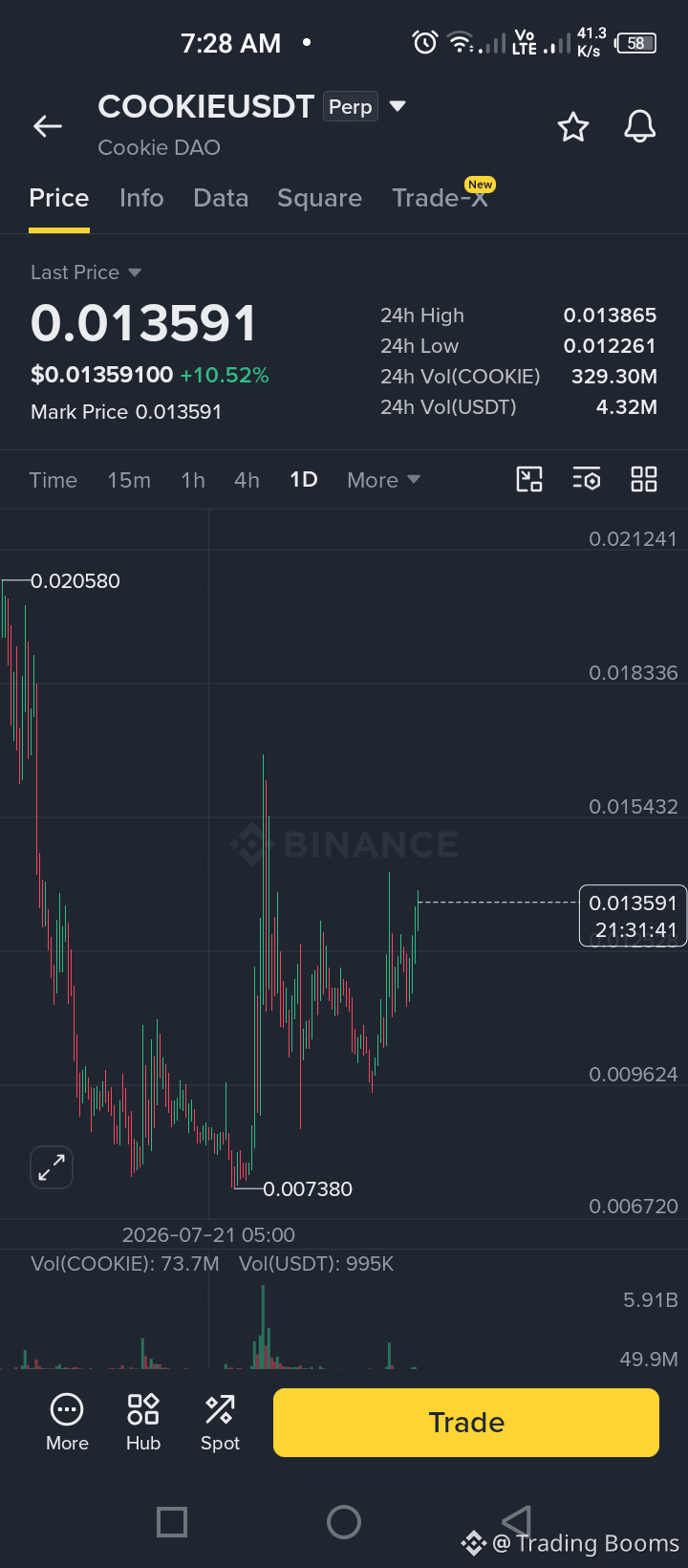
Most traders will notice $COOKIE after the breakout. I’m interested while it’s still sitting under resistance.
Price is holding above the broken trendline, OI is expanding, and short-term buyer flow has improved. Positioning is already long-heavy though, so I’m keeping the setup selective.
📍 Entry: $0.0130 – $0.0136
🛑 SL: $0.0104
🎯 TP1: $0.01425
🎯 TP2: $0.0168
🎯 TP3: $0.0200
🎯 TP4: $0.0240
🚀 Stretch: $0.026 – $0.028
The chart becomes much more interesting if $0.0142–$0.0145 flips into support. That would confirm the next expansion leg.
If price cools first, $0.0122–$0.0126 is the reload zone I’d prefer.
Low leverage. Small margin. Multi-week idea.
NFA. DYOR.
{future}(COOKIEUSDT)
Most traders will notice $COOKIE after the breakout. I’m interested while it’s still sitting under resistance.
Price is holding above the broken trendline, OI is expanding, and short-term buyer flow has improved. Positioning is already long-heavy though, so I’m keeping the setup selective.
📍 Entry: $0.0130 – $0.0136
🛑 SL: $0.0104
🎯 TP1: $0.01425
🎯 TP2: $0.0168
🎯 TP3: $0.0200
🎯 TP4: $0.0240
🚀 Stretch: $0.026 – $0.028
The chart becomes much more interesting if $0.0142–$0.0145 flips into support. That would confirm the next expansion leg.
If price cools first, $0.0122–$0.0126 is the reload zone I’d prefer.
Low leverage. Small margin. Multi-week idea.
NFA. DYOR.
Price is holding above the broken trendline, OI is expanding, and short-term buyer flow has improved. Positioning is already long-heavy though, so I’m keeping the setup selective.
📍 Entry: $0.0130 – $0.0136
🛑 SL: $0.0104
🎯 TP1: $0.01425
🎯 TP2: $0.0168
🎯 TP3: $0.0200
🎯 TP4: $0.0240
🚀 Stretch: $0.026 – $0.028
The chart becomes much more interesting if $0.0142–$0.0145 flips into support. That would confirm the next expansion leg.
If price cools first, $0.0122–$0.0126 is the reload zone I’d prefer.
Low leverage. Small margin. Multi-week idea.
NFA. DYOR.
91
·
--
Bullish
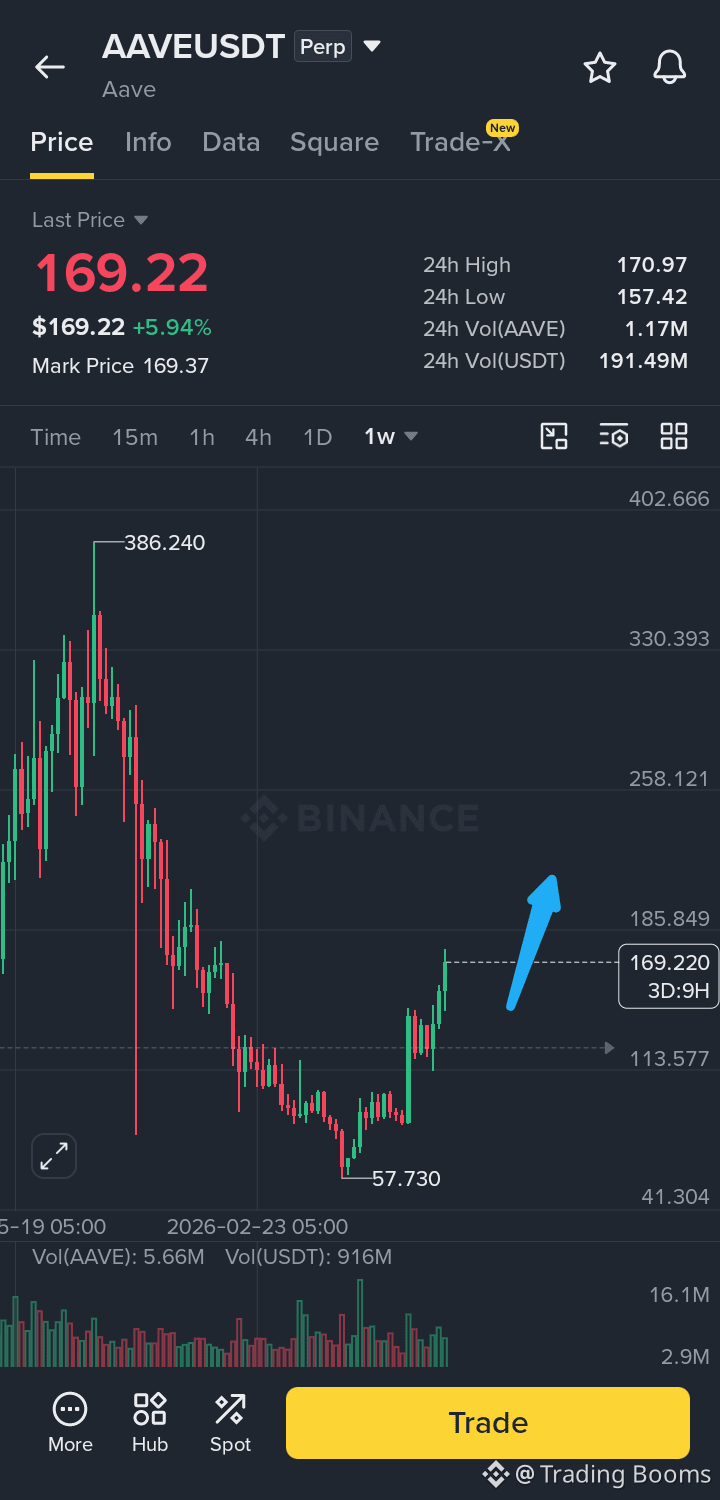
$AAVE One of those setups where patience matters more than chasing.
Entry Zone: $165–$170
Targets:
TP1: $200
TP2: $230
TP3: $260
TP4: $300
Stop Loss: $152
From the middle of the entry zone, the upside room is roughly:
$200 → +19%
$230 → +37%
$260 → +55%
$300 → +79%
I’d rather see AAVE hold the entry zone and build strength before the next expansion. No need to chase if price runs without a clean entry.
Low leverage • Small margin • NFA/DYOR
{future}(AAVEUSDT)
$AAVE One of those setups where patience matters more than chasing.
Entry Zone: $165–$170
Targets:
TP1: $200
TP2: $230
TP3: $260
TP4: $300
Stop Loss: $152
From the middle of the entry zone, the upside room is roughly:
$200 → +19%
$230 → +37%
$260 → +55%
$300 → +79%
I’d rather see AAVE hold the entry zone and build strength before the next expansion. No need to chase if price runs without a clean entry.
Low leverage • Small margin • NFA/DYOR
Entry Zone: $165–$170
Targets:
TP1: $200
TP2: $230
TP3: $260
TP4: $300
Stop Loss: $152
From the middle of the entry zone, the upside room is roughly:
$200 → +19%
$230 → +37%
$260 → +55%
$300 → +79%
I’d rather see AAVE hold the entry zone and build strength before the next expansion. No need to chase if price runs without a clean entry.
Low leverage • Small margin • NFA/DYOR
85
·
--
Bullish
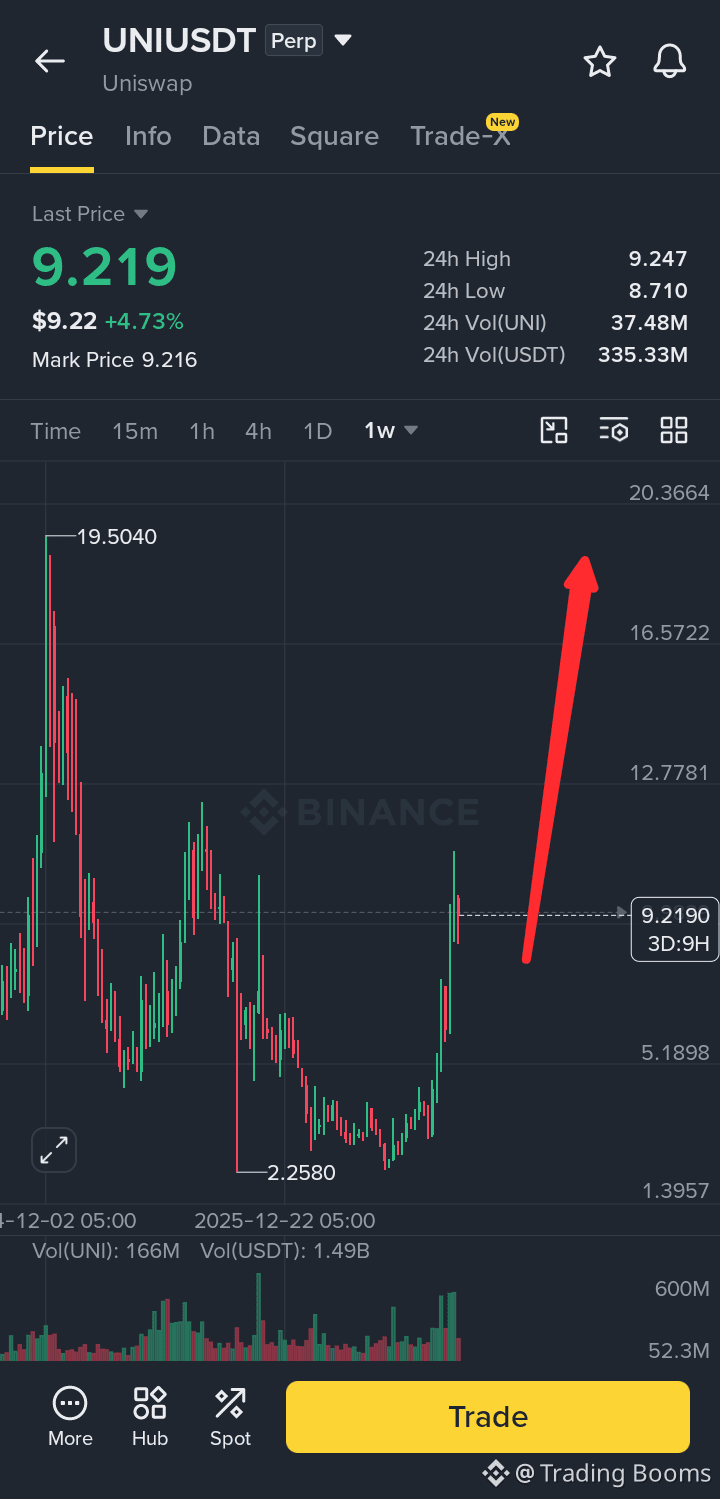
$UNI Watching this zone for the next expansion.
Entry: $9.00–$9.20
Targets:
TP1: $9.60
TP2: $10.00
TP3: $11.00
TP4: $12.00
TP5: $14.00
Stop Loss: $8.20
Low leverage • Small margin • NFA/DYOR
{future}(UNIUSDT)
$UNI Watching this zone for the next expansion.
Entry: $9.00–$9.20
Targets:
TP1: $9.60
TP2: $10.00
TP3: $11.00
TP4: $12.00
TP5: $14.00
Stop Loss: $8.20
Low leverage • Small margin • NFA/DYOR
Entry: $9.00–$9.20
Targets:
TP1: $9.60
TP2: $10.00
TP3: $11.00
TP4: $12.00
TP5: $14.00
Stop Loss: $8.20
Low leverage • Small margin • NFA/DYOR
86
·
--
Bullish
BUYING MORE $SNX
{future}(SNXUSDT)
BUYING MORE $SNX
Trading Booms
·
--
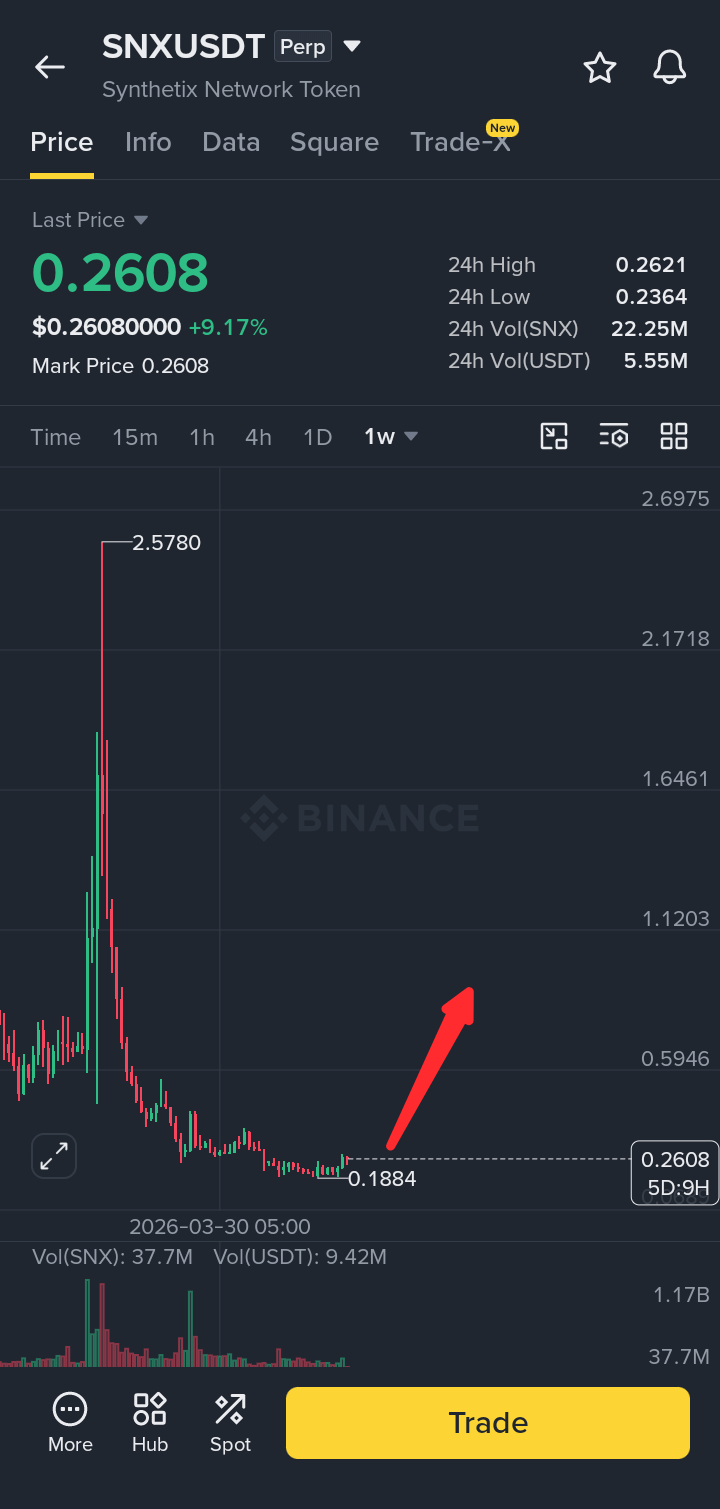
🚨 $SNX is starting to look like a real recovery, but it still has one major test ahead.
The recent move has been strong, OI is expanding and buyer flow has improved. The only thing I’m watching closely is crowded long positioning near resistance.
📍 Entry: $0.252 – $0.262
🛑 SL: $0.205
🎯 TP1: $0.2775
🎯 TP2: $0.297
🎯 TP3: $0.326
🎯 TP4: $0.375
🚀 Stretch: $0.45+
The level that matters now is $0.277–$0.280. A clean 4H break and hold above it would open the next expansion zone around $0.30–$0.33.
If price pulls back first, $0.243–$0.250 is the cleaner secondary entry area.
Low leverage. Small margin. Multi-week idea.
NFA. DYOR.
The recent move has been strong, OI is expanding and buyer flow has improved. The only thing I’m watching closely is crowded long positioning near resistance.
📍 Entry: $0.252 – $0.262
🛑 SL: $0.205
🎯 TP1: $0.2775
🎯 TP2: $0.297
🎯 TP3: $0.326
🎯 TP4: $0.375
🚀 Stretch: $0.45+
The level that matters now is $0.277–$0.280. A clean 4H break and hold above it would open the next expansion zone around $0.30–$0.33.
If price pulls back first, $0.243–$0.250 is the cleaner secondary entry area.
Low leverage. Small margin. Multi-week idea.
NFA. DYOR.
46
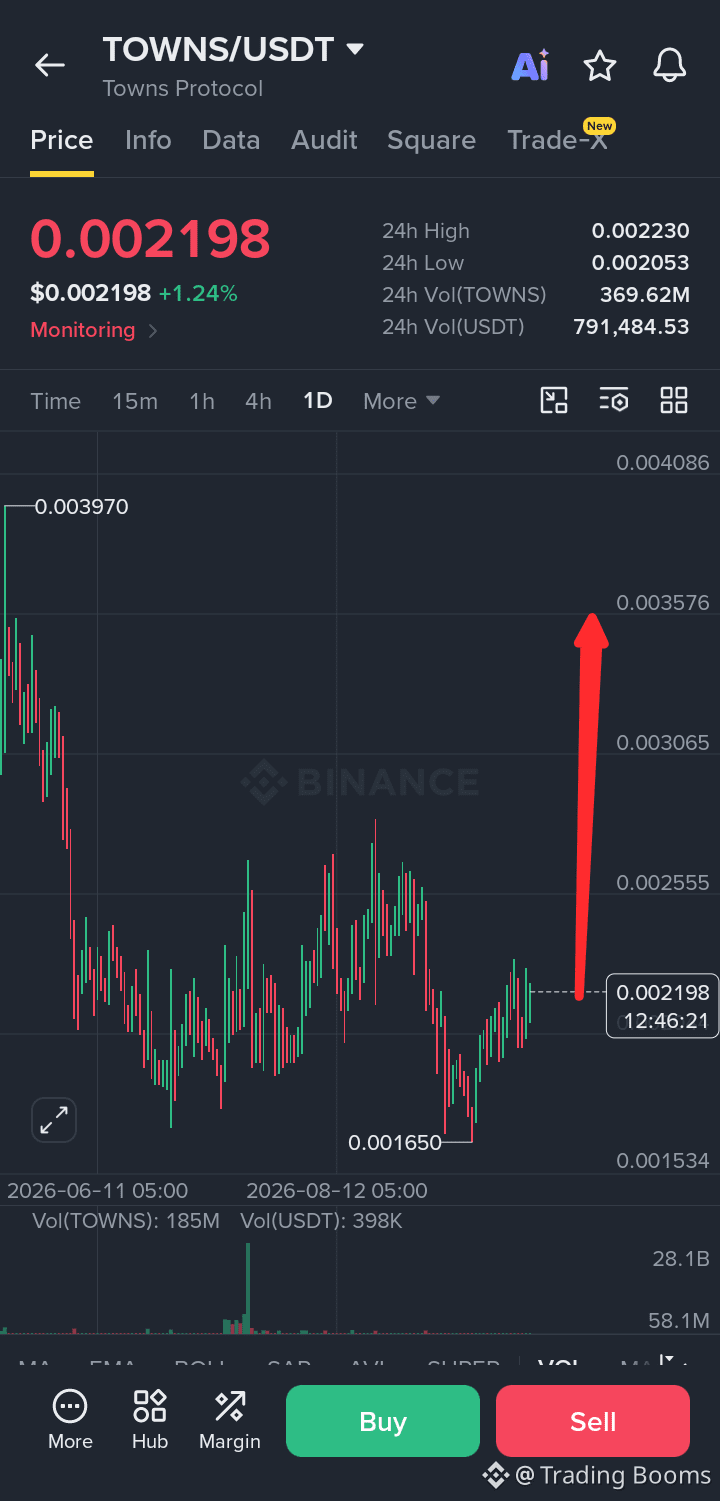
$TOWNS may not be finished yet. 👀
Several names from the same monitoring basket have already moved, while TOWNS is still sitting near the lower end of the rotation.
📍 Entry: around $0.002190
🛡 Stop-loss: $0.00175 — roughly -20%
🎯 Hold / Stretch Target: $0.012 — roughly +445%
One name worth watching alongside it is $MOVE already had its rotation push, while TOWNS is still trying to follow through.
The key idea here is simple: if capital continues rotating through this basket, TOWNS could be one of the remaining catch-up plays.
$0.012 is a stretch hold target, not a guaranteed move. High-risk micro-cap setup position size accordingly.
NFA. DYOR.
{future}(MOVEUSDT)
{future}(TOWNSUSDT)
$TOWNS may not be finished yet. 👀
Several names from the same monitoring basket have already moved, while TOWNS is still sitting near the lower end of the rotation.
📍 Entry: around $0.002190
🛡 Stop-loss: $0.00175 — roughly -20%
🎯 Hold / Stretch Target: $0.012 — roughly +445%
One name worth watching alongside it is $MOVE already had its rotation push, while TOWNS is still trying to follow through.
The key idea here is simple: if capital continues rotating through this basket, TOWNS could be one of the remaining catch-up plays.
$0.012 is a stretch hold target, not a guaranteed move. High-risk micro-cap setup position size accordingly.
NFA. DYOR.
Several names from the same monitoring basket have already moved, while TOWNS is still sitting near the lower end of the rotation.
📍 Entry: around $0.002190
🛡 Stop-loss: $0.00175 — roughly -20%
🎯 Hold / Stretch Target: $0.012 — roughly +445%
One name worth watching alongside it is $MOVE already had its rotation push, while TOWNS is still trying to follow through.
The key idea here is simple: if capital continues rotating through this basket, TOWNS could be one of the remaining catch-up plays.
$0.012 is a stretch hold target, not a guaranteed move. High-risk micro-cap setup position size accordingly.
NFA. DYOR.
3
118
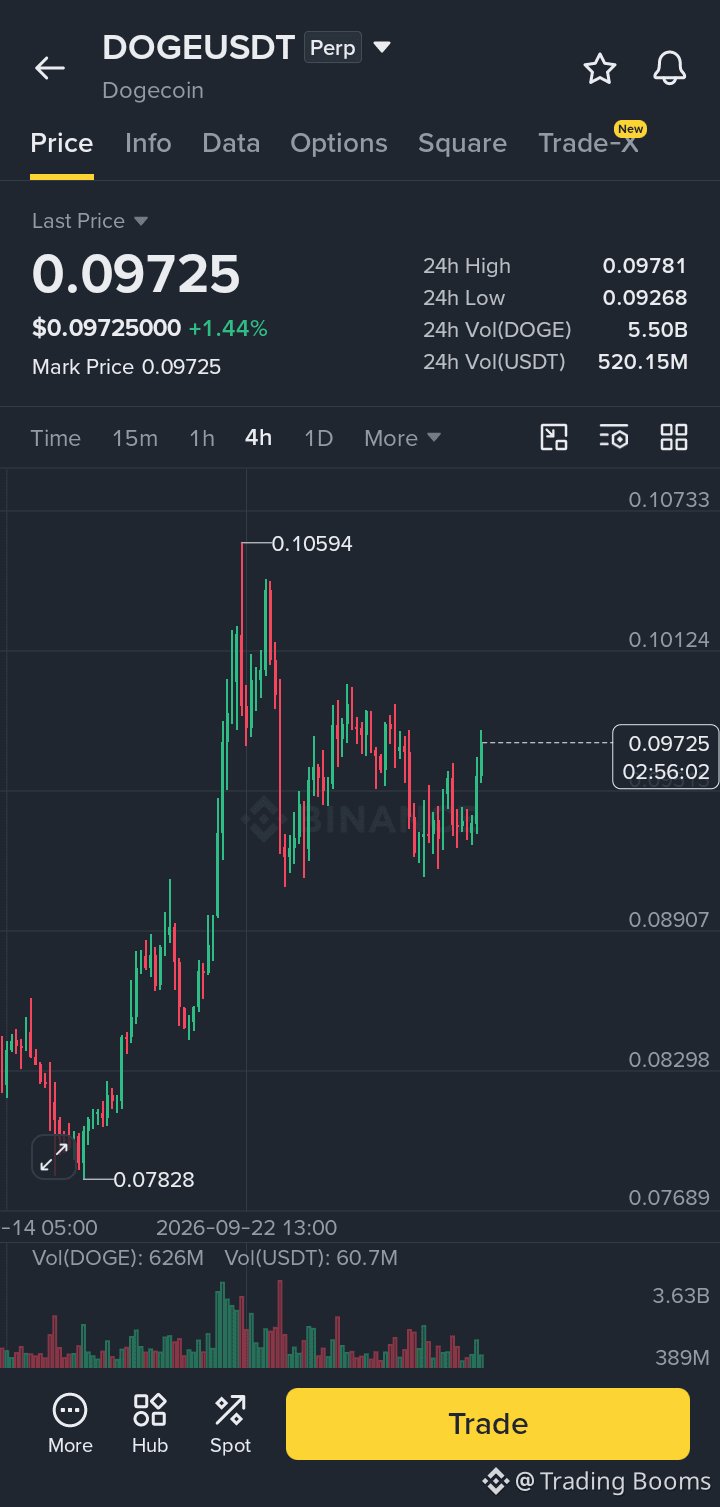
$DOGE may finally be getting its turn.
Meme rotation is still active, but WIF and BONK have already led the move. DOGE is now starting to show catch-up strength with improving price action and stronger taker buying.
Current focus:
Entry zone: $0.0965–$0.0970 retest/hold
Targets:
TP1: $0.1000
TP2: $0.1050–$0.1060
TP3: $0.1140
Stretch: $0.1200–$0.1270
SL: below the wider swing structure around $0.078
What matters now:
A clean 4H hold above $0.0965 keeps the rotation setup alive. Losing $0.0933–$0.0928 would weaken it.
Bitcoin also matters. As long as BTC stays stable and meme-sector strength holds, DOGE still has room for a catch-up move.
Low leverage. Small margin. Wide SL.
NFA / DYOR.
$DOGE $WIF $BONK $PEPE
{future}(WIFUSDT)
{future}(DOGEUSDT)
$DOGE may finally be getting its turn.
Meme rotation is still active, but WIF and BONK have already led the move. DOGE is now starting to show catch-up strength with improving price action and stronger taker buying.
Current focus:
Entry zone: $0.0965–$0.0970 retest/hold
Targets:
TP1: $0.1000
TP2: $0.1050–$0.1060
TP3: $0.1140
Stretch: $0.1200–$0.1270
SL: below the wider swing structure around $0.078
What matters now:
A clean 4H hold above $0.0965 keeps the rotation setup alive. Losing $0.0933–$0.0928 would weaken it.
Bitcoin also matters. As long as BTC stays stable and meme-sector strength holds, DOGE still has room for a catch-up move.
Low leverage. Small margin. Wide SL.
NFA / DYOR.
$DOGE $WIF $BONK $PEPE
Meme rotation is still active, but WIF and BONK have already led the move. DOGE is now starting to show catch-up strength with improving price action and stronger taker buying.
Current focus:
Entry zone: $0.0965–$0.0970 retest/hold
Targets:
TP1: $0.1000
TP2: $0.1050–$0.1060
TP3: $0.1140
Stretch: $0.1200–$0.1270
SL: below the wider swing structure around $0.078
What matters now:
A clean 4H hold above $0.0965 keeps the rotation setup alive. Losing $0.0933–$0.0928 would weaken it.
Bitcoin also matters. As long as BTC stays stable and meme-sector strength holds, DOGE still has room for a catch-up move.
Low leverage. Small margin. Wide SL.
NFA / DYOR.
$DOGE $WIF $BONK $PEPE
Trading Booms
·
--
Bullish$DOGE is lagging while the meme sector is moving that’s exactly why I’m watching it.
Current price: ~$0.09389
I’m not chasing here.
Preferred entry:
$0.0895–$0.0920 on a clean sweep/reclaim
Alternative:
4H breakout above $0.0965 + successful retest
Targets:
TP1: $0.0998
TP2: $0.1050–$0.1060
TP3: $0.1140
TP4: $0.1200
SL: $0.076–$0.077
WIF, BONK and $1000PEPE are already showing stronger rotation. If momentum starts shifting into DOGE, the catch-up move could be sharp.
Low leverage. Small margin. Wide SL.
NFA / DYOR. ⚠️
Current price: ~$0.09389
I’m not chasing here.
Preferred entry:
$0.0895–$0.0920 on a clean sweep/reclaim
Alternative:
4H breakout above $0.0965 + successful retest
Targets:
TP1: $0.0998
TP2: $0.1050–$0.1060
TP3: $0.1140
TP4: $0.1200
SL: $0.076–$0.077
WIF, BONK and $1000PEPE are already showing stronger rotation. If momentum starts shifting into DOGE, the catch-up move could be sharp.
Low leverage. Small margin. Wide SL.
NFA / DYOR. ⚠️
236
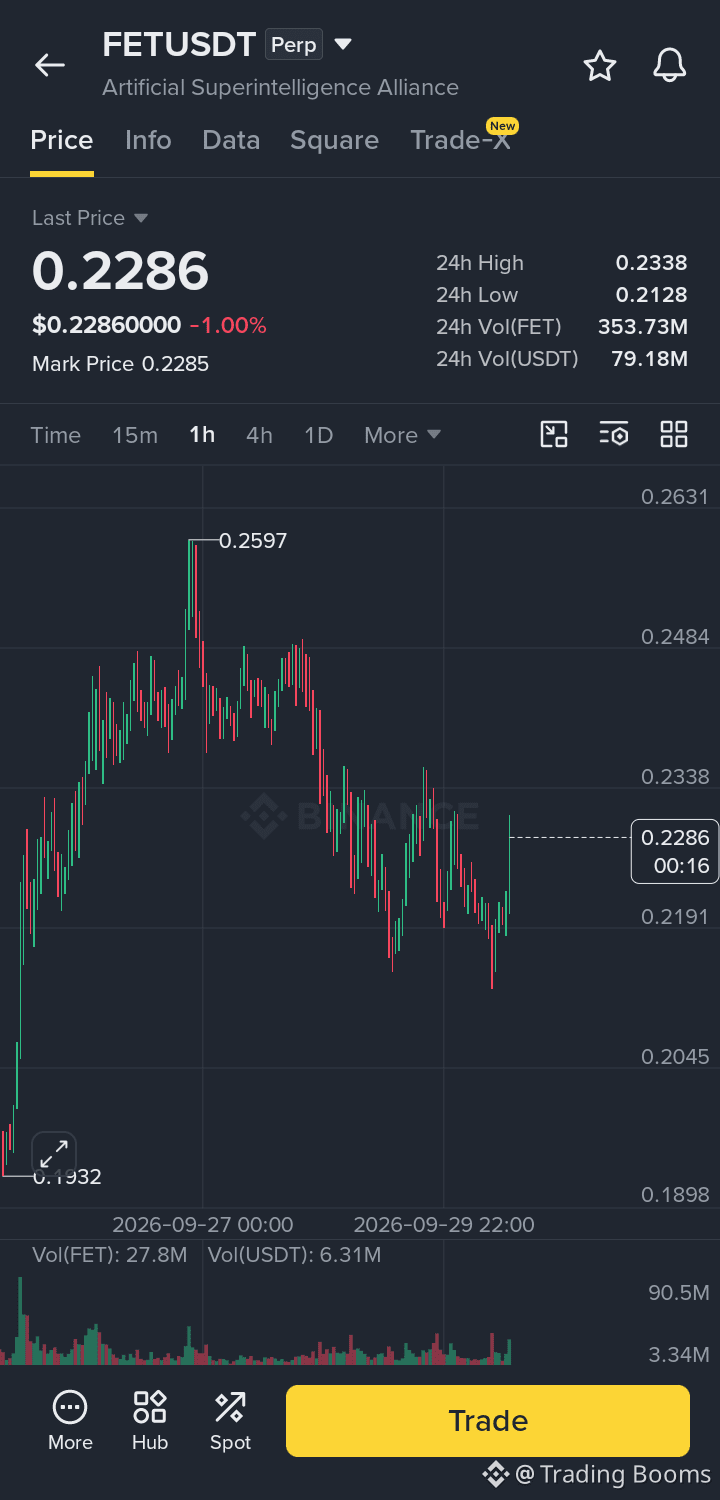
$FET hasn’t really moved with the AI leaders yet and that’s exactly why I’m watching it.
While names like $PHA , $NEAR and $WLD have already pushed hard, FET is still sitting below its recent high with improving momentum.
Entry zone: $0.222–$0.226 on a clean retest/reclaim
SL: $0.187
TP1: $0.245
TP2: $0.260
TP3: $0.285
TP4: $0.320+
Second setup: 4H close above $0.236, then wait for the retest.
Bitcoin confirmation above the $85K area would strengthen the setup.
The opportunity is in the rotation not in chasing the candle.
Low leverage. Small margin. Wide SL. NFA/DYOR.
{future}(NEARUSDT)
{future}(PHAUSDT)
{future}(FETUSDT)
$FET hasn’t really moved with the AI leaders yet and that’s exactly why I’m watching it.
While names like $PHA , $NEAR and $WLD have already pushed hard, FET is still sitting below its recent high with improving momentum.
Entry zone: $0.222–$0.226 on a clean retest/reclaim
SL: $0.187
TP1: $0.245
TP2: $0.260
TP3: $0.285
TP4: $0.320+
Second setup: 4H close above $0.236, then wait for the retest.
Bitcoin confirmation above the $85K area would strengthen the setup.
The opportunity is in the rotation not in chasing the candle.
Low leverage. Small margin. Wide SL. NFA/DYOR.
While names like $PHA , $NEAR and $WLD have already pushed hard, FET is still sitting below its recent high with improving momentum.
Entry zone: $0.222–$0.226 on a clean retest/reclaim
SL: $0.187
TP1: $0.245
TP2: $0.260
TP3: $0.285
TP4: $0.320+
Second setup: 4H close above $0.236, then wait for the retest.
Bitcoin confirmation above the $85K area would strengthen the setup.
The opportunity is in the rotation not in chasing the candle.
Low leverage. Small margin. Wide SL. NFA/DYOR.
123
·
--
Bullish
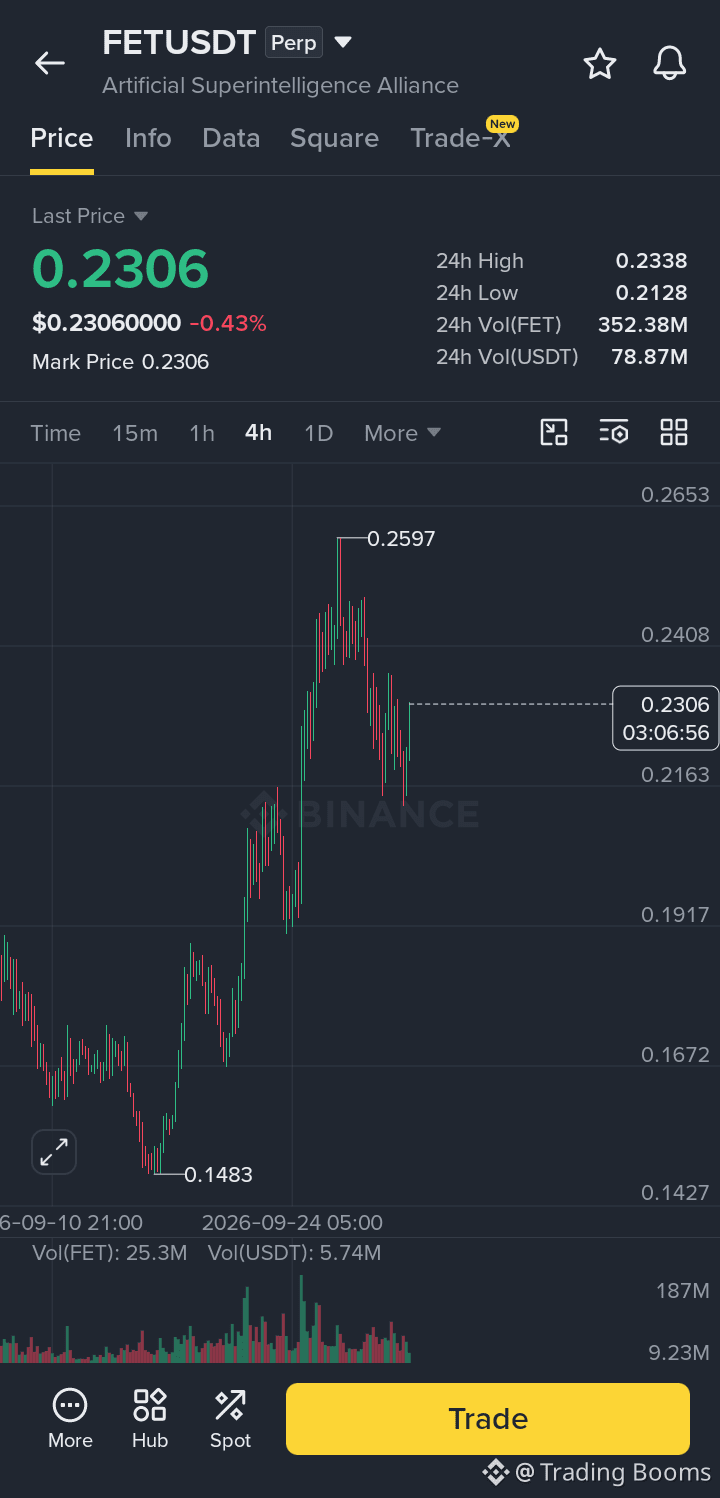
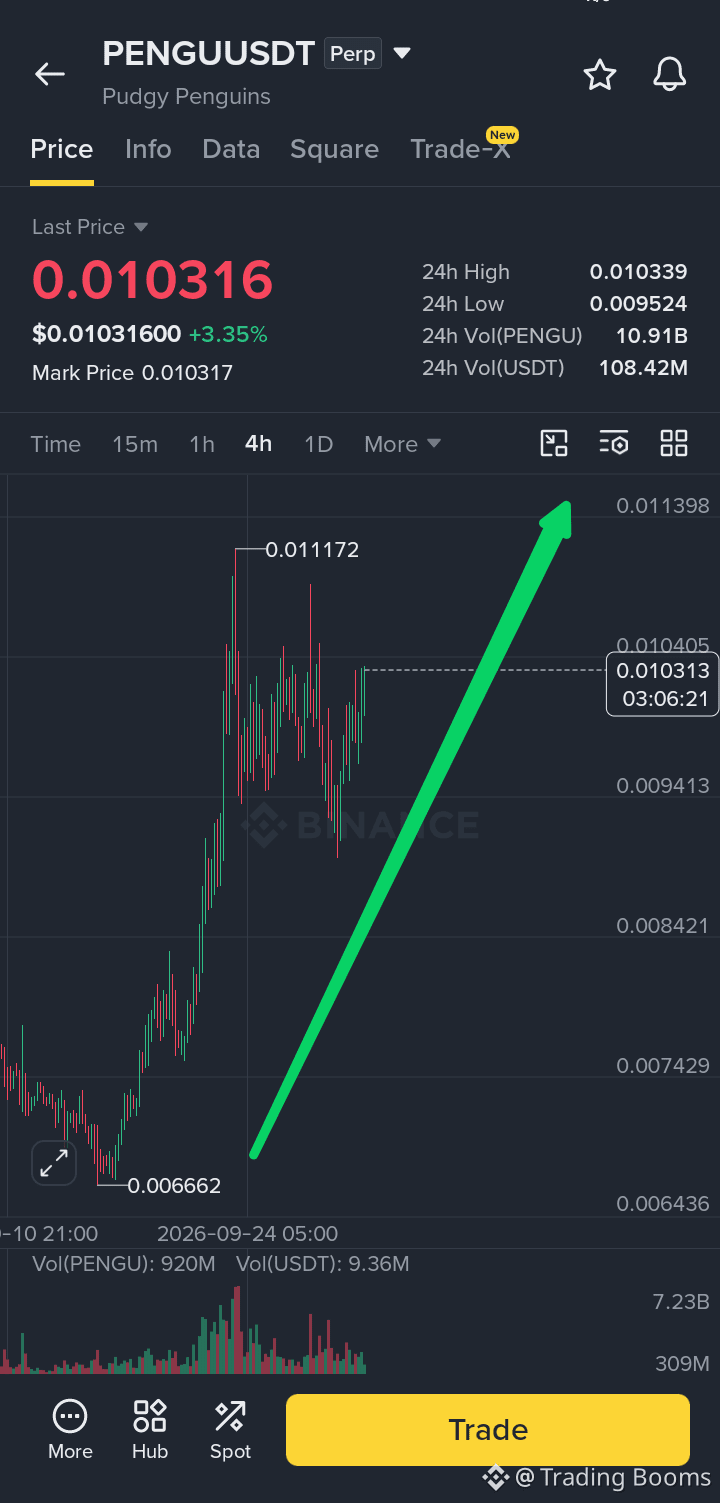
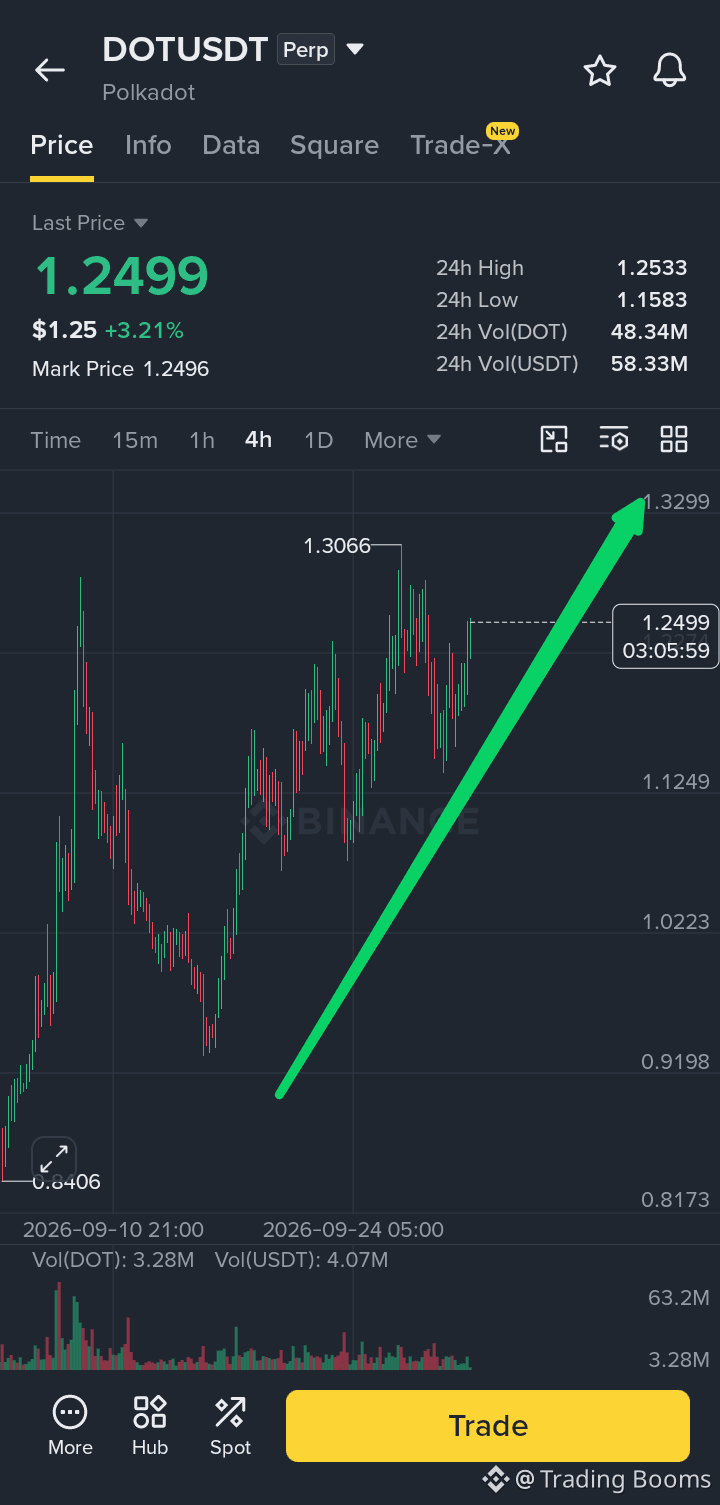
$FET $PENGU $DOT These Three Gems are in My Watchlist 👀
{future}(DOTUSDT)
{future}(PENGUUSDT)
{future}(FETUSDT)
$FET $PENGU $DOT These Three Gems are in My Watchlist 👀
138
·
--
Bullish
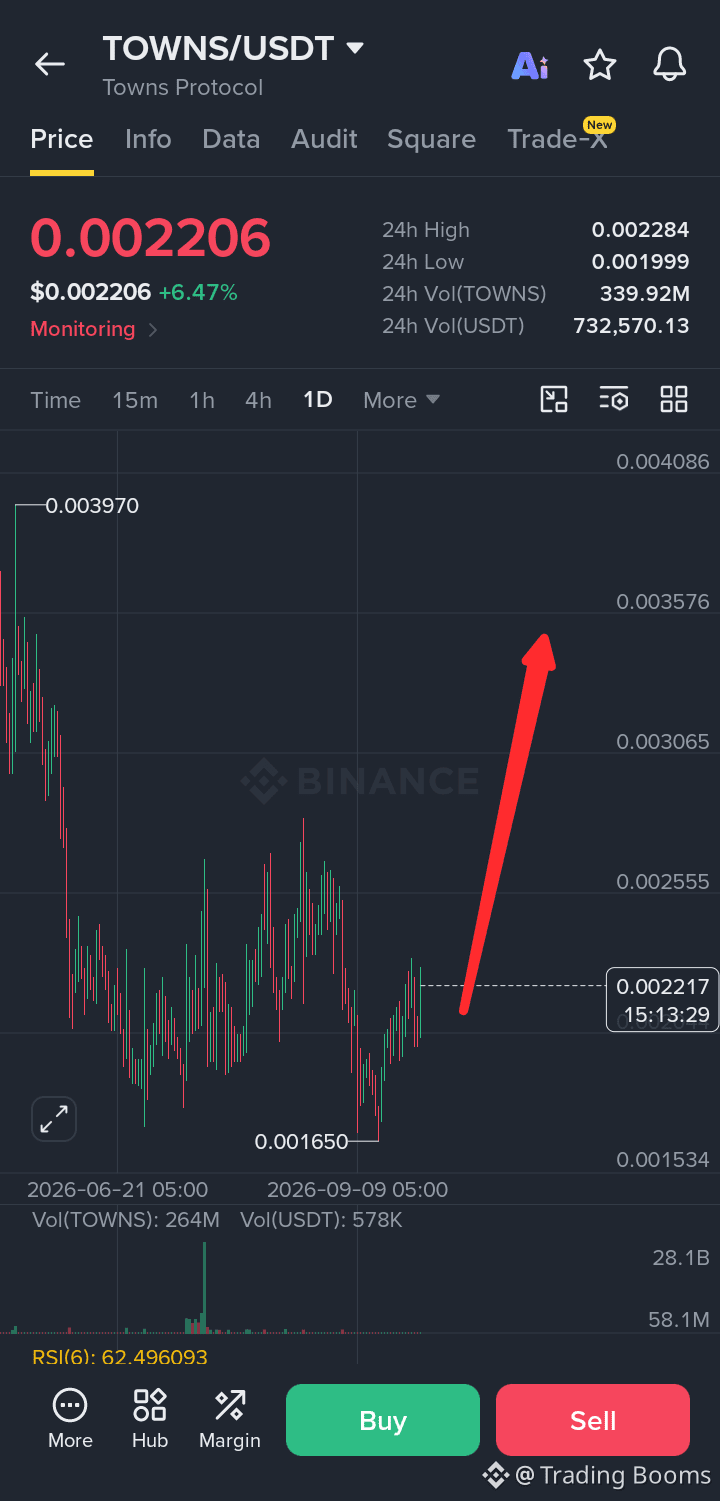
$TOWNS is pressing into the level that could decide whether this is a real trend change or just another bounce.
The chart has improved, but derivatives are not fully confirming yet: OI has cooled, taker flow is still seller-heavy, and positioning is already long-biased. That makes confirmation more important than the green candle itself.
📍 Entry: $0.00205 – $0.00216
🛑 SL: $0.00172
🎯 TP1: $0.00230
🎯 TP2: $0.00248
🎯 TP3: $0.00266
🎯 TP4: $0.00284
🚀 Stretch: $0.0035 – $0.0040+
The level I care about most is $0.00230. A clean 4H/daily close above it, followed by support, would make the larger recovery much more convincing.
If price pulls back first, $0.00195–$0.00202 is the cleaner secondary zone.
Low leverage. Small margin. Multi-week idea.
NFA. DYOR.
{future}(TOWNSUSDT)
$TOWNS is pressing into the level that could decide whether this is a real trend change or just another bounce.
The chart has improved, but derivatives are not fully confirming yet: OI has cooled, taker flow is still seller-heavy, and positioning is already long-biased. That makes confirmation more important than the green candle itself.
📍 Entry: $0.00205 – $0.00216
🛑 SL: $0.00172
🎯 TP1: $0.00230
🎯 TP2: $0.00248
🎯 TP3: $0.00266
🎯 TP4: $0.00284
🚀 Stretch: $0.0035 – $0.0040+
The level I care about most is $0.00230. A clean 4H/daily close above it, followed by support, would make the larger recovery much more convincing.
If price pulls back first, $0.00195–$0.00202 is the cleaner secondary zone.
Low leverage. Small margin. Multi-week idea.
NFA. DYOR.
The chart has improved, but derivatives are not fully confirming yet: OI has cooled, taker flow is still seller-heavy, and positioning is already long-biased. That makes confirmation more important than the green candle itself.
📍 Entry: $0.00205 – $0.00216
🛑 SL: $0.00172
🎯 TP1: $0.00230
🎯 TP2: $0.00248
🎯 TP3: $0.00266
🎯 TP4: $0.00284
🚀 Stretch: $0.0035 – $0.0040+
The level I care about most is $0.00230. A clean 4H/daily close above it, followed by support, would make the larger recovery much more convincing.
If price pulls back first, $0.00195–$0.00202 is the cleaner secondary zone.
Low leverage. Small margin. Multi-week idea.
NFA. DYOR.
1
79
·
--
Bullish
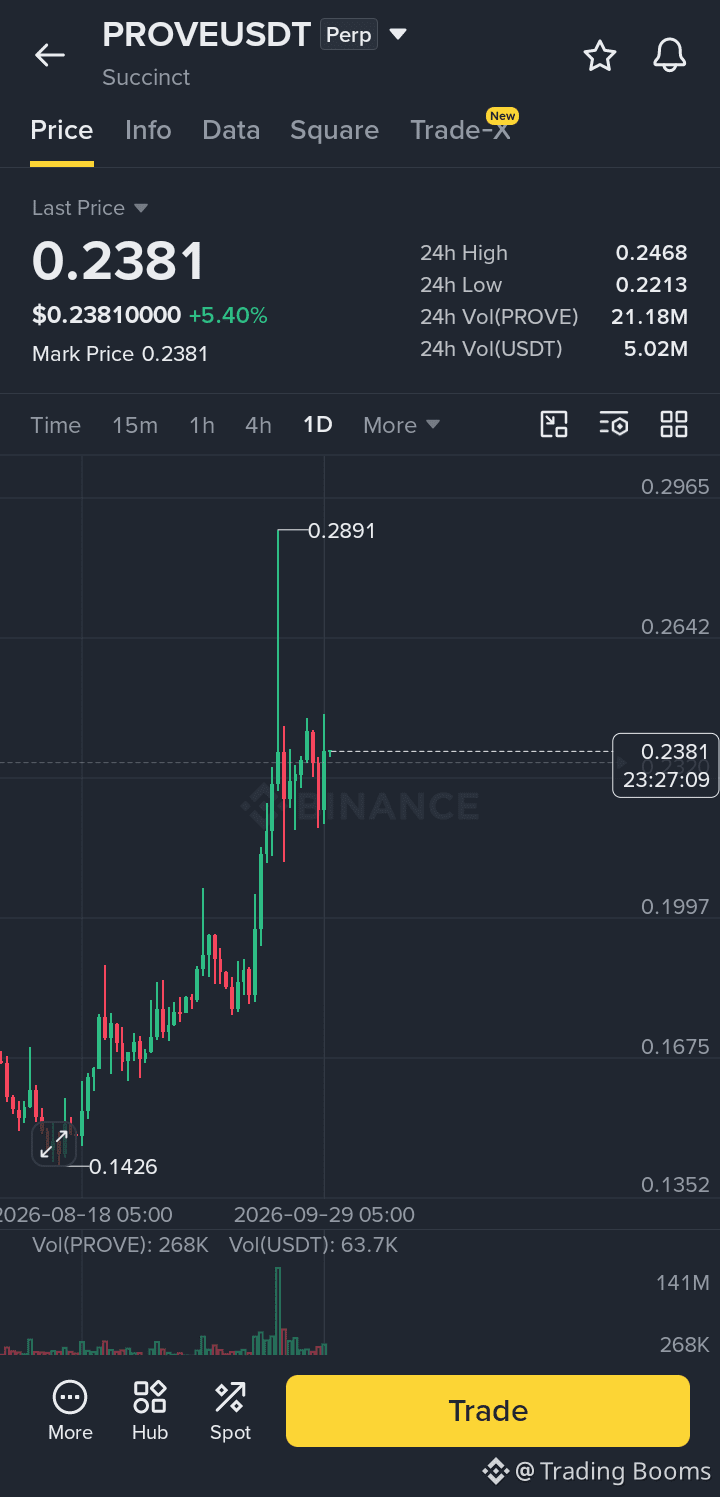
$PROVE is quietly setting up while bigger movers get the attention.
I’m not chasing the current price.
Preferred entry: $0.2320–$0.2355
Reclaim confirmation: $0.235–$0.237
Targets:
TP1: $0.247–$0.250
TP2: $0.260–$0.266
TP3: $0.280–$0.289
Runner: $0.310+
SL: $0.198
Why I’m watching it: structure is improving, funding is still neutral, buyer flow has picked up, and the setup looks cleaner than many already-extended names.
Low leverage, small margin, wide SL.
NFA / DYOR.
{future}(PROVEUSDT)
$PROVE is quietly setting up while bigger movers get the attention.
I’m not chasing the current price.
Preferred entry: $0.2320–$0.2355
Reclaim confirmation: $0.235–$0.237
Targets:
TP1: $0.247–$0.250
TP2: $0.260–$0.266
TP3: $0.280–$0.289
Runner: $0.310+
SL: $0.198
Why I’m watching it: structure is improving, funding is still neutral, buyer flow has picked up, and the setup looks cleaner than many already-extended names.
Low leverage, small margin, wide SL.
NFA / DYOR.
I’m not chasing the current price.
Preferred entry: $0.2320–$0.2355
Reclaim confirmation: $0.235–$0.237
Targets:
TP1: $0.247–$0.250
TP2: $0.260–$0.266
TP3: $0.280–$0.289
Runner: $0.310+
SL: $0.198
Why I’m watching it: structure is improving, funding is still neutral, buyer flow has picked up, and the setup looks cleaner than many already-extended names.
Low leverage, small margin, wide SL.
NFA / DYOR.
104
·
--
Bullish
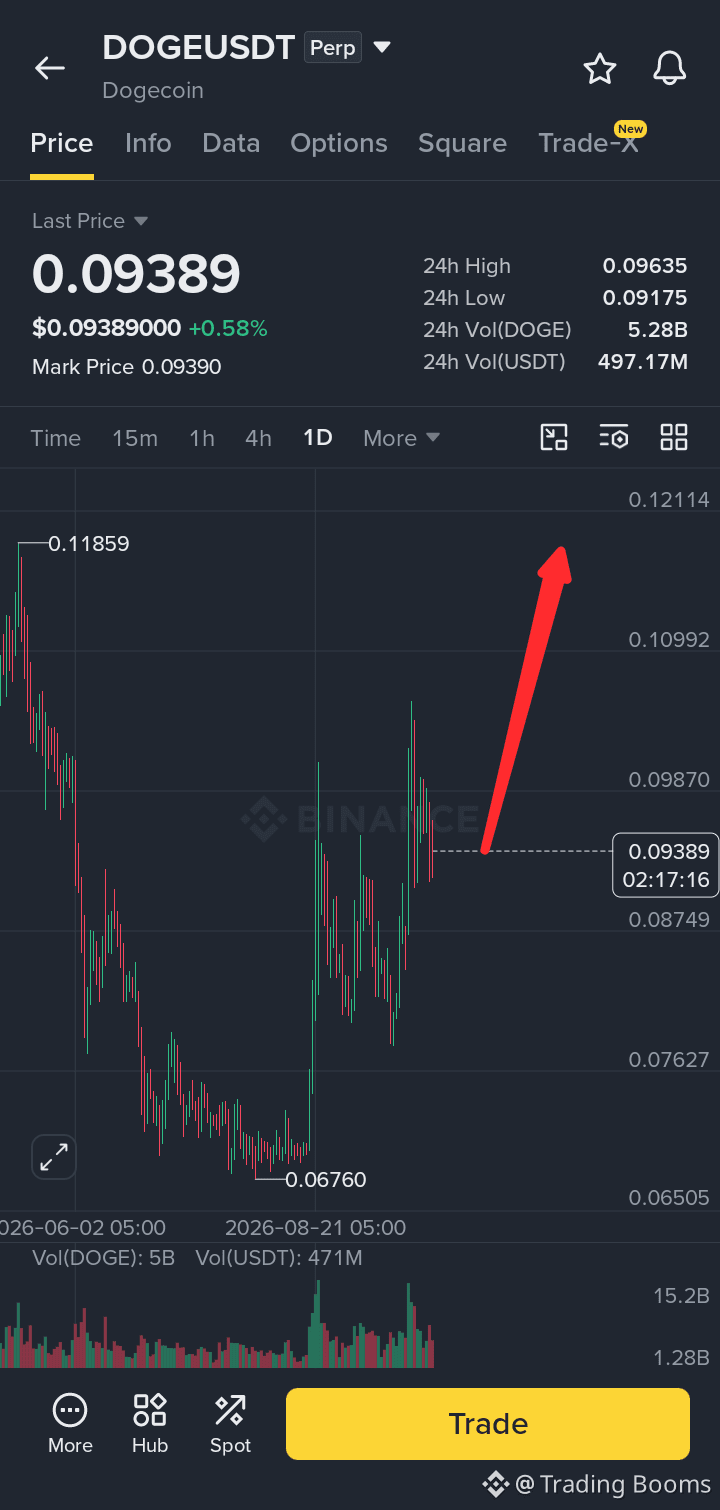
$DOGE is lagging while the meme sector is moving that’s exactly why I’m watching it.
Current price: ~$0.09389
I’m not chasing here.
Preferred entry:
$0.0895–$0.0920 on a clean sweep/reclaim
Alternative:
4H breakout above $0.0965 + successful retest
Targets:
TP1: $0.0998
TP2: $0.1050–$0.1060
TP3: $0.1140
TP4: $0.1200
SL: $0.076–$0.077
WIF, BONK and $1000PEPE are already showing stronger rotation. If momentum starts shifting into DOGE, the catch-up move could be sharp.
Low leverage. Small margin. Wide SL.
NFA / DYOR. ⚠️
{future}(1000PEPEUSDT)
{future}(DOGEUSDT)
$DOGE is lagging while the meme sector is moving that’s exactly why I’m watching it.
Current price: ~$0.09389
I’m not chasing here.
Preferred entry:
$0.0895–$0.0920 on a clean sweep/reclaim
Alternative:
4H breakout above $0.0965 + successful retest
Targets:
TP1: $0.0998
TP2: $0.1050–$0.1060
TP3: $0.1140
TP4: $0.1200
SL: $0.076–$0.077
WIF, BONK and $1000PEPE are already showing stronger rotation. If momentum starts shifting into DOGE, the catch-up move could be sharp.
Low leverage. Small margin. Wide SL.
NFA / DYOR. ⚠️
Current price: ~$0.09389
I’m not chasing here.
Preferred entry:
$0.0895–$0.0920 on a clean sweep/reclaim
Alternative:
4H breakout above $0.0965 + successful retest
Targets:
TP1: $0.0998
TP2: $0.1050–$0.1060
TP3: $0.1140
TP4: $0.1200
SL: $0.076–$0.077
WIF, BONK and $1000PEPE are already showing stronger rotation. If momentum starts shifting into DOGE, the catch-up move could be sharp.
Low leverage. Small margin. Wide SL.
NFA / DYOR. ⚠️
1
57
·
--
Bullish
$GRASS +30%. $PHA +15%.
I’m not chasing the AI leaders here I’m watching the laggard.
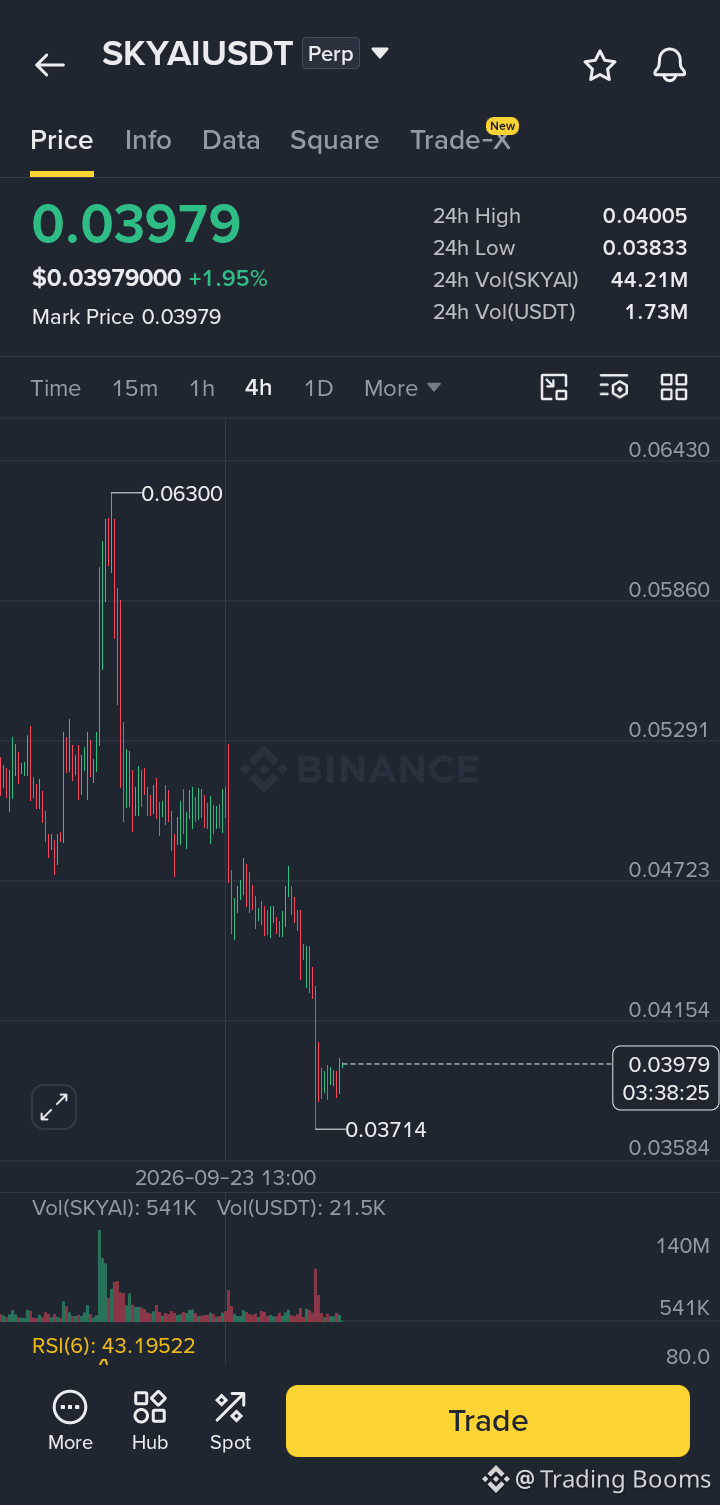
$SKYAI is still around $0.0398 and remains roughly 25% below its 30-day level while AI momentum is already active elsewhere.
What I want to see: • 4H close above $0.0407
• Retest holds
• Then $0.047 → $0.0528 → $0.063 becomes the recovery map
$0.063 is simply the recent 30-day high, so the upside room is real but confirmation comes first.
Low leverage. Small margin. No breakout chase.
NFA/DYOR ⚠️
{future}(SKYAIUSDT)
{future}(PHAUSDT)
{future}(GRASSUSDT)
$GRASS +30%. $PHA +15%.
I’m not chasing the AI leaders here I’m watching the laggard.
$SKYAI is still around $0.0398 and remains roughly 25% below its 30-day level while AI momentum is already active elsewhere.
What I want to see: • 4H close above $0.0407
• Retest holds
• Then $0.047 → $0.0528 → $0.063 becomes the recovery map
$0.063 is simply the recent 30-day high, so the upside room is real but confirmation comes first.
Low leverage. Small margin. No breakout chase.
NFA/DYOR ⚠️
I’m not chasing the AI leaders here I’m watching the laggard.
$SKYAI is still around $0.0398 and remains roughly 25% below its 30-day level while AI momentum is already active elsewhere.
What I want to see: • 4H close above $0.0407
• Retest holds
• Then $0.047 → $0.0528 → $0.063 becomes the recovery map
$0.063 is simply the recent 30-day high, so the upside room is real but confirmation comes first.
Low leverage. Small margin. No breakout chase.
NFA/DYOR ⚠️
84
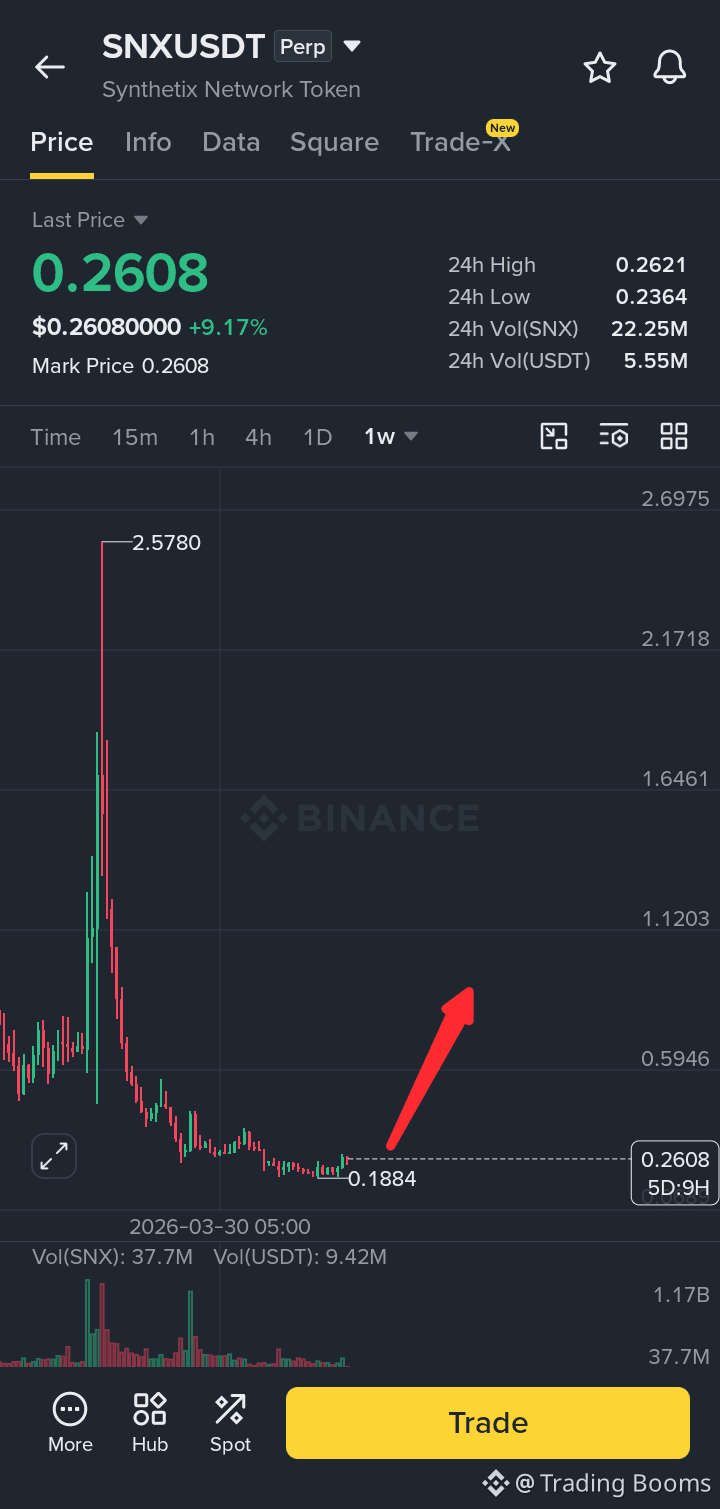
🚨 $SNX is starting to look like a real recovery, but it still has one major test ahead.
The recent move has been strong, OI is expanding and buyer flow has improved. The only thing I’m watching closely is crowded long positioning near resistance.
📍 Entry: $0.252 – $0.262
🛑 SL: $0.205
🎯 TP1: $0.2775
🎯 TP2: $0.297
🎯 TP3: $0.326
🎯 TP4: $0.375
🚀 Stretch: $0.45+
The level that matters now is $0.277–$0.280. A clean 4H break and hold above it would open the next expansion zone around $0.30–$0.33.
If price pulls back first, $0.243–$0.250 is the cleaner secondary entry area.
Low leverage. Small margin. Multi-week idea.
NFA. DYOR.
{future}(SNXUSDT)
🚨 $SNX is starting to look like a real recovery, but it still has one major test ahead.
The recent move has been strong, OI is expanding and buyer flow has improved. The only thing I’m watching closely is crowded long positioning near resistance.
📍 Entry: $0.252 – $0.262
🛑 SL: $0.205
🎯 TP1: $0.2775
🎯 TP2: $0.297
🎯 TP3: $0.326
🎯 TP4: $0.375
🚀 Stretch: $0.45+
The level that matters now is $0.277–$0.280. A clean 4H break and hold above it would open the next expansion zone around $0.30–$0.33.
If price pulls back first, $0.243–$0.250 is the cleaner secondary entry area.
Low leverage. Small margin. Multi-week idea.
NFA. DYOR.
The recent move has been strong, OI is expanding and buyer flow has improved. The only thing I’m watching closely is crowded long positioning near resistance.
📍 Entry: $0.252 – $0.262
🛑 SL: $0.205
🎯 TP1: $0.2775
🎯 TP2: $0.297
🎯 TP3: $0.326
🎯 TP4: $0.375
🚀 Stretch: $0.45+
The level that matters now is $0.277–$0.280. A clean 4H break and hold above it would open the next expansion zone around $0.30–$0.33.
If price pulls back first, $0.243–$0.250 is the cleaner secondary entry area.
Low leverage. Small margin. Multi-week idea.
NFA. DYOR.
1
72
Log in to explore more content
Join global crypto users on Binance Square
⚡️ Get latest and useful information about crypto.
💬 Trusted by the world’s largest crypto exchange.
👍 Discover real insights from verified creators.
Email / Phone number