

Gerry_
4k Posts

Gerry_
Report
Block User
Learning, losing, winning — all part of my Binance story _Connect On X
Open Trade
Occasional Trader
4.8 Years
300 Following
26.8K+ Followers
11.2K+ Liked
Posts
Portfolio
All
Quotes
Live
PINNED
·
--
Another skill unlocked. 🎓
Just completed @Binance_Academy ’AI Unlocked: Agents and Skills course.
AI is moving beyond simple prompts toward agents that can understand goals, use tools, and execute tasks. Staying curious and learning how this shift works is part of staying ahead.
Learn. Build. Adapt.
#BinanceAcademy #Binance #AIAgents #Web3 #CryptoEducation
Another skill unlocked. 🎓
Just completed @Binance Academy ’AI Unlocked: Agents and Skills course.
AI is moving beyond simple prompts toward agents that can understand goals, use tools, and execute tasks. Staying curious and learning how this shift works is part of staying ahead.
Learn. Build. Adapt.
#BinanceAcademy #Binance #AIAgents #Web3 #CryptoEducation
Just completed @Binance Academy ’AI Unlocked: Agents and Skills course.
AI is moving beyond simple prompts toward agents that can understand goals, use tools, and execute tasks. Staying curious and learning how this shift works is part of staying ahead.
Learn. Build. Adapt.
#BinanceAcademy #Binance #AIAgents #Web3 #CryptoEducation

179
PINNED
·
--
Bullish
Hi everyone,
I’m an EU user and have been following the MiCA changes closely. I currently keep my crypto on Binance, but I’m wondering if it’s still the best place to hold my funds.
Has Binance confirmed that users will always be able to withdraw their assets if certain services are discontinued under MiCA? Or would it be smarter to move funds to another exchange or a self-custody wallet before the changes take effect?
Would appreciate any clarification.
$INJ @CRYPTO_BOSS_2025 #Poland
{spot}(INJUSDT)
Hi everyone,
I’m an EU user and have been following the MiCA changes closely. I currently keep my crypto on Binance, but I’m wondering if it’s still the best place to hold my funds.
Has Binance confirmed that users will always be able to withdraw their assets if certain services are discontinued under MiCA? Or would it be smarter to move funds to another exchange or a self-custody wallet before the changes take effect?
Would appreciate any clarification.
$INJ @FINANCЕ #Poland
I’m an EU user and have been following the MiCA changes closely. I currently keep my crypto on Binance, but I’m wondering if it’s still the best place to hold my funds.
Has Binance confirmed that users will always be able to withdraw their assets if certain services are discontinued under MiCA? Or would it be smarter to move funds to another exchange or a self-custody wallet before the changes take effect?
Would appreciate any clarification.
$INJ @FINANCЕ #Poland
1
2.2k
·
--
Bullish
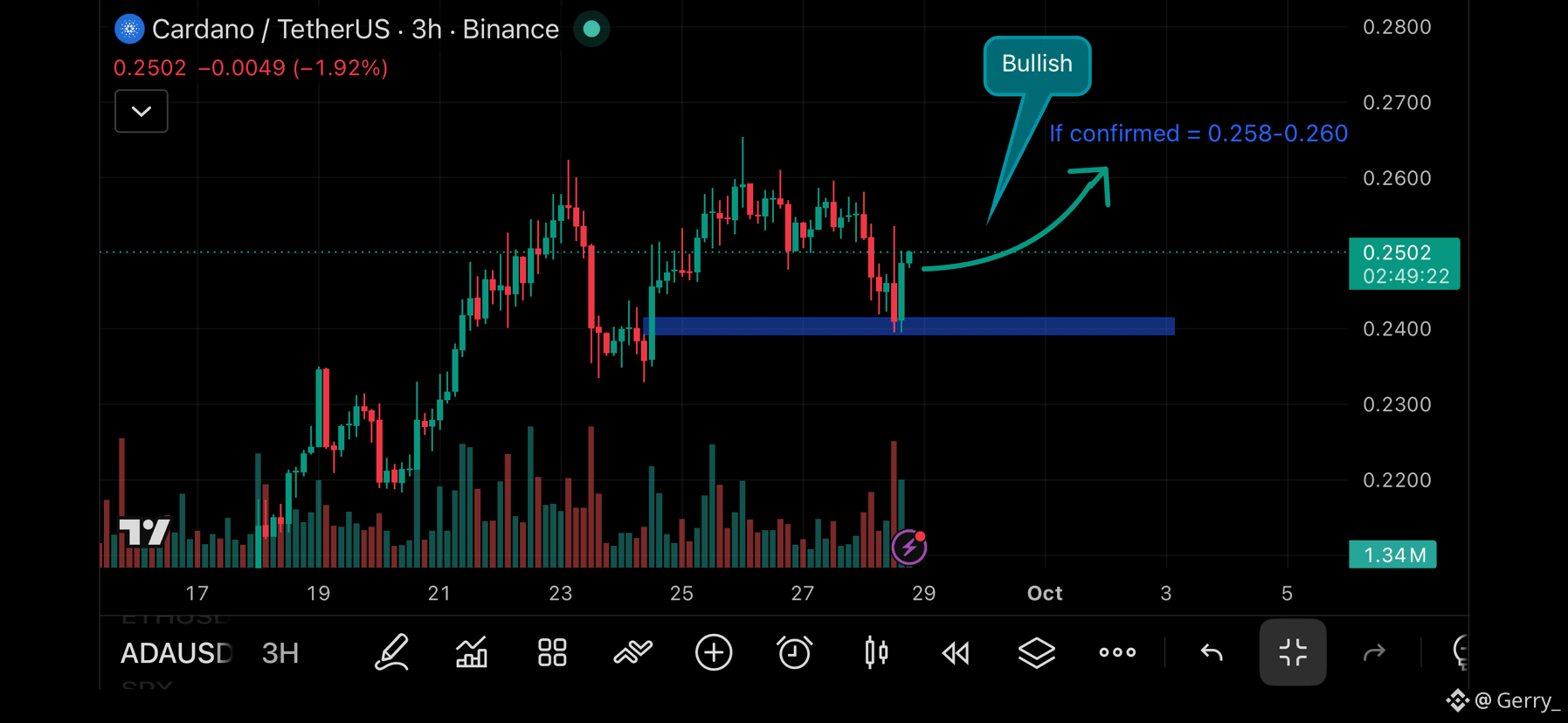
$ADA bounced from the $0.240 support zone and is back near $0.250.
I’m watching for a clear break above $0.255. That could open the way to $0.258–$0.260. If $0.240 fails, my bullish view is off.
$ADA bounced from the $0.240 support zone and is back near $0.250.
I’m watching for a clear break above $0.255. That could open the way to $0.258–$0.260. If $0.240 fails, my bullish view is off.
I’m watching for a clear break above $0.255. That could open the way to $0.258–$0.260. If $0.240 fails, my bullish view is off.
72
·
--
Bullish
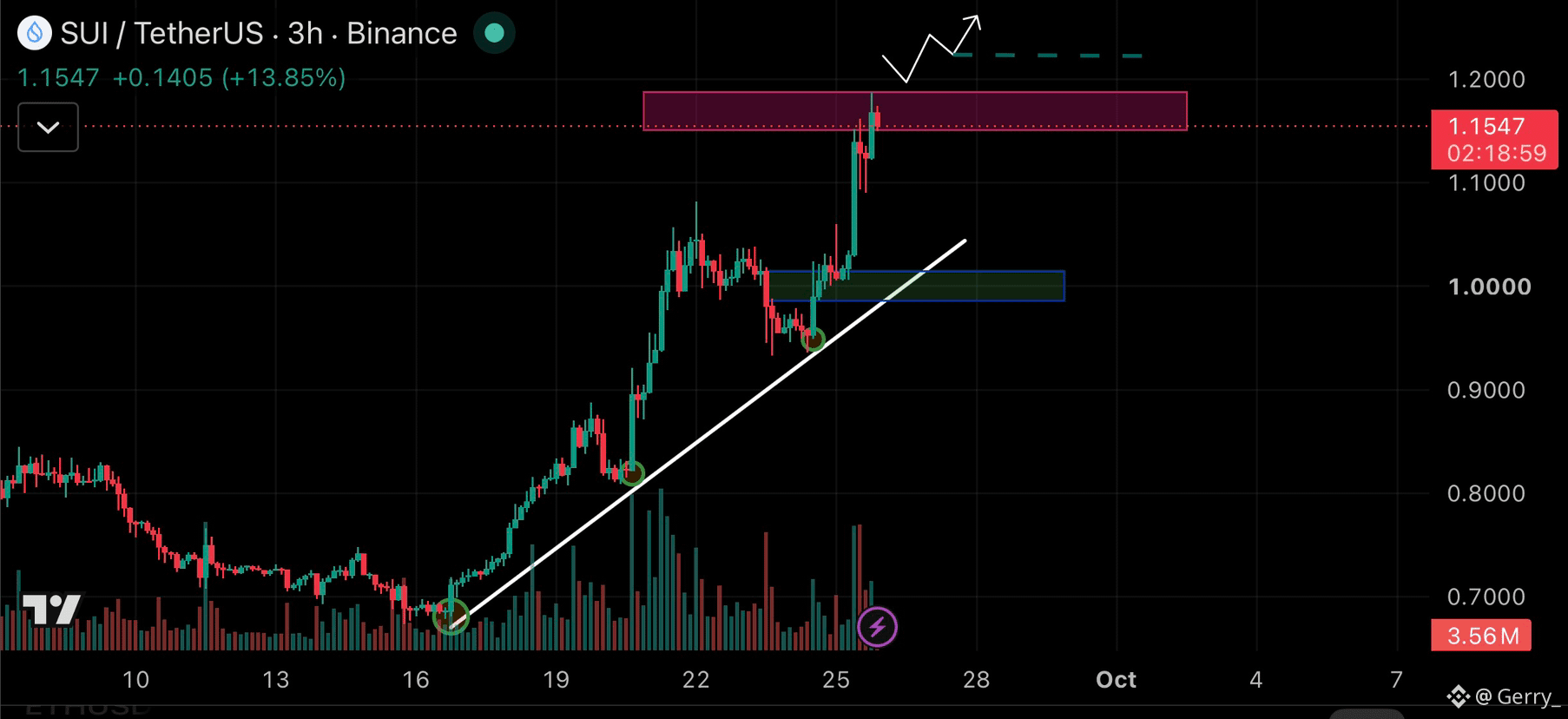
$SUI is testing a major resistance zone around $1.15–$1.19.
Momentum remains strong with higher lows intact. A clean breakout above $1.19 could open the way toward $1.25.
Watching for confirmation, not chasing.
{spot}(SUIUSDT)
$SUI is testing a major resistance zone around $1.15–$1.19.
Momentum remains strong with higher lows intact. A clean breakout above $1.19 could open the way toward $1.25.
Watching for confirmation, not chasing.
Momentum remains strong with higher lows intact. A clean breakout above $1.19 could open the way toward $1.25.
Watching for confirmation, not chasing.
5
7
312
·
--
Bullish
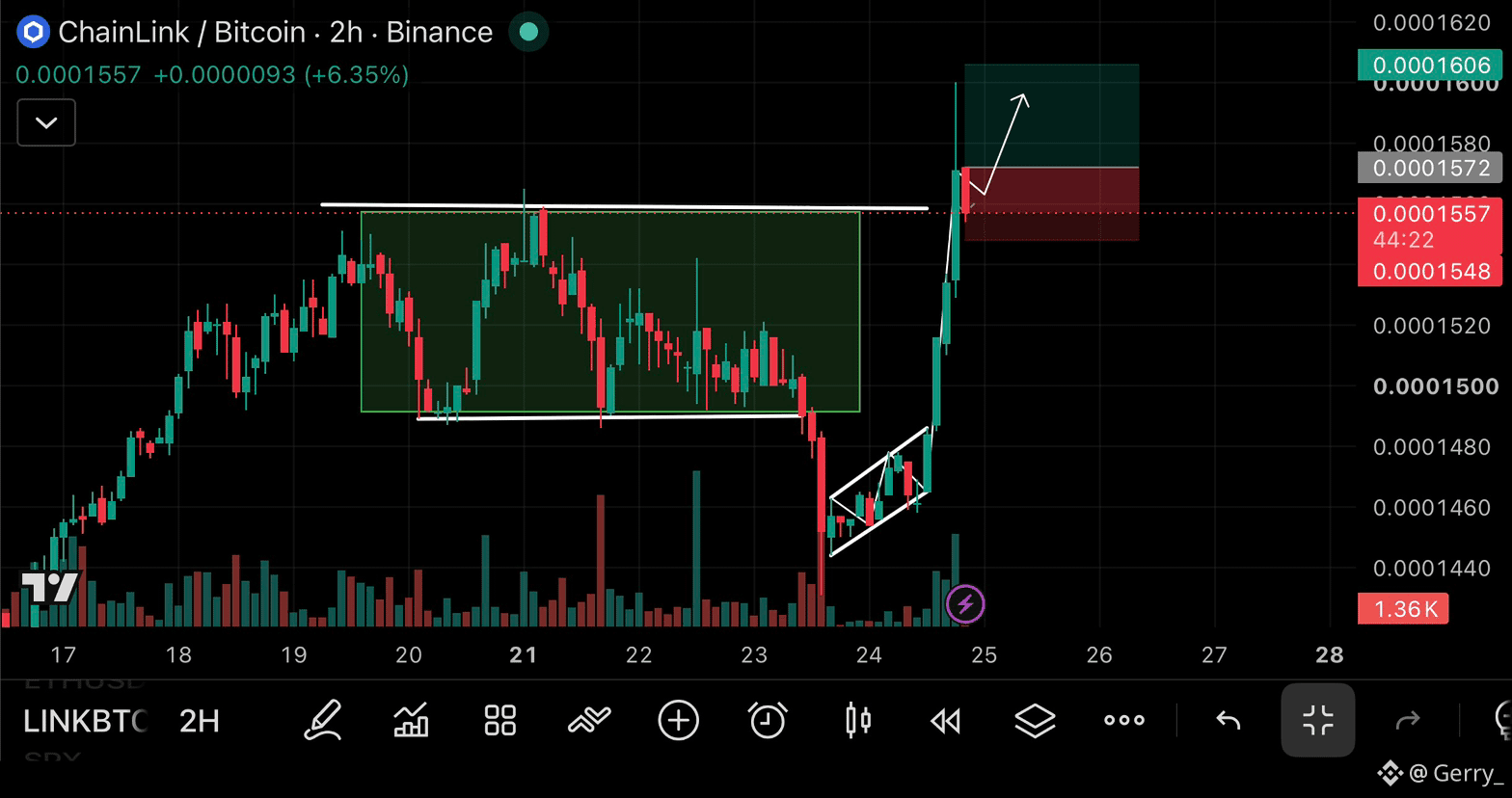
$LINK /BTC is pushing above the range on the 2H chart. I’m watching for a retest before considering an entry.
Entry: 0.0001557–0.0001572 BTC, if the breakout holds
TP: 0.0001606 BTC
SL: Below 0.0001548 BTC
A move back inside the old range would weaken the setup. I wouldn’t chase the first breakout candle.
{spot}(LINKUSDT)
$LINK /BTC is pushing above the range on the 2H chart. I’m watching for a retest before considering an entry.
Entry: 0.0001557–0.0001572 BTC, if the breakout holds
TP: 0.0001606 BTC
SL: Below 0.0001548 BTC
A move back inside the old range would weaken the setup. I wouldn’t chase the first breakout candle.
Entry: 0.0001557–0.0001572 BTC, if the breakout holds
TP: 0.0001606 BTC
SL: Below 0.0001548 BTC
A move back inside the old range would weaken the setup. I wouldn’t chase the first breakout candle.
3
5
423
·
--
Bullish
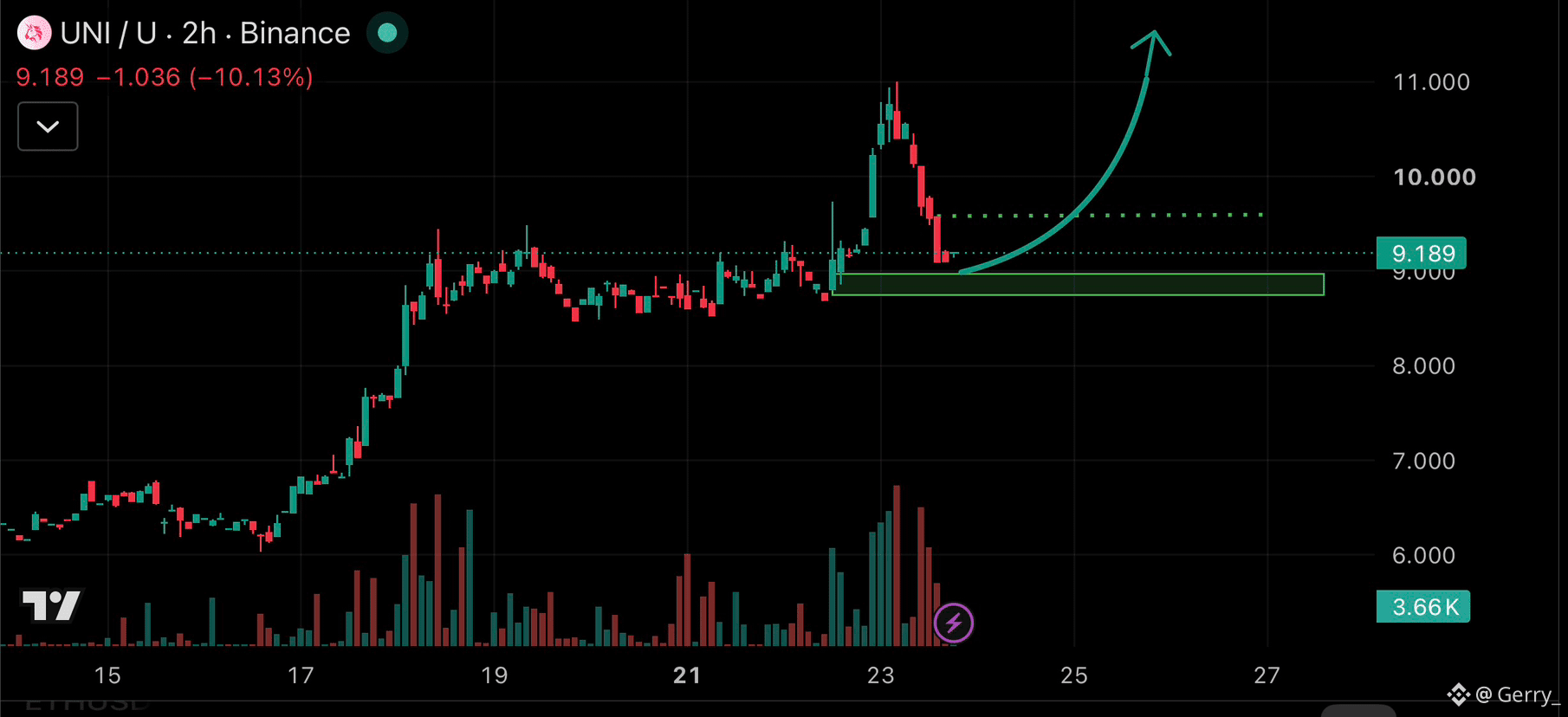
$UNI is testing the $8.75–$8.95 support zone after a sharp pullback. I’m waiting for a confirmed bounce.
Entry: $8.85–$9.05
TP: $9.55 / $10.00 / $10.80
SL: $8.60
A 2H close below $8.75 weakens the setup. #UNI
$UNI is testing the $8.75–$8.95 support zone after a sharp pullback. I’m waiting for a confirmed bounce.
Entry: $8.85–$9.05
TP: $9.55 / $10.00 / $10.80
SL: $8.60
A 2H close below $8.75 weakens the setup. #UNI
Entry: $8.85–$9.05
TP: $9.55 / $10.00 / $10.80
SL: $8.60
A 2H close below $8.75 weakens the setup. #UNI
5
4
414
·
--
Bullish
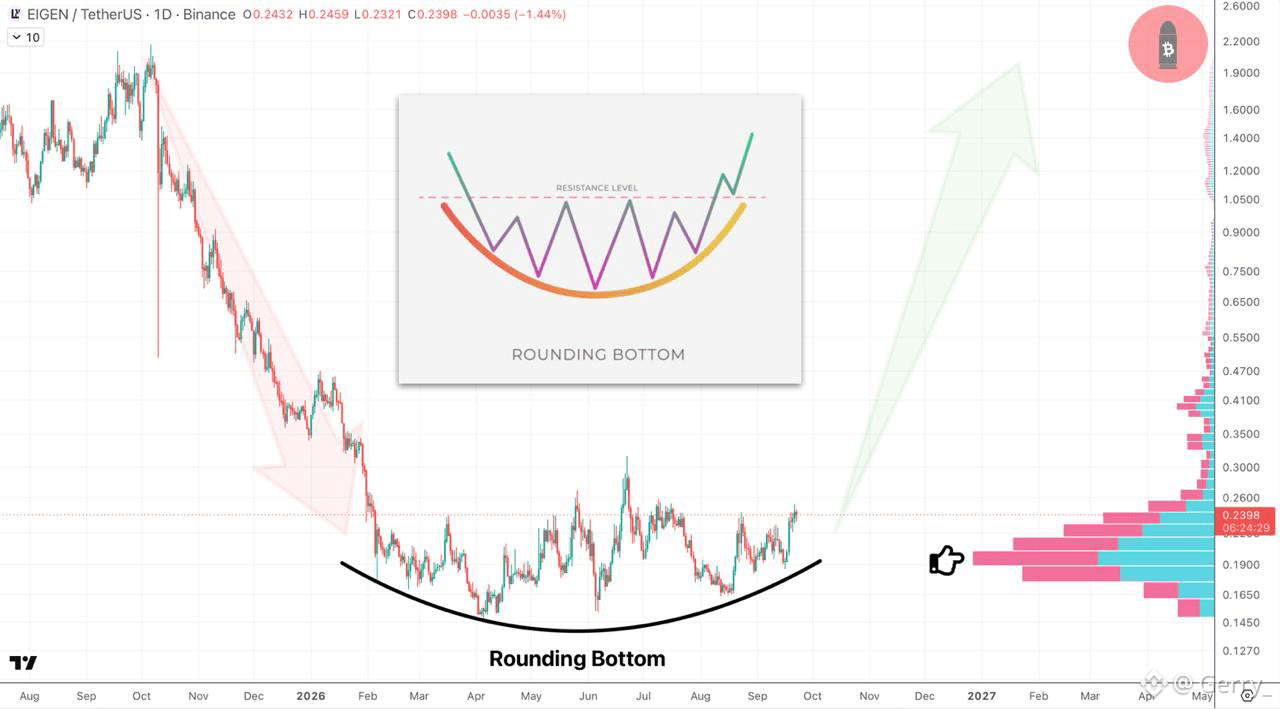
Pay attention to $EIGEN here
Looks like a Rounding Bottom has formed 🧐
The project is fundamentally strong, FDV $440M & TVL $7.2B (!)
{spot}(EIGENUSDT)
Pay attention to $EIGEN here
Looks like a Rounding Bottom has formed 🧐
The project is fundamentally strong, FDV $440M & TVL $7.2B (!)
Looks like a Rounding Bottom has formed 🧐
The project is fundamentally strong, FDV $440M & TVL $7.2B (!)
1
198
·
--
Bullish
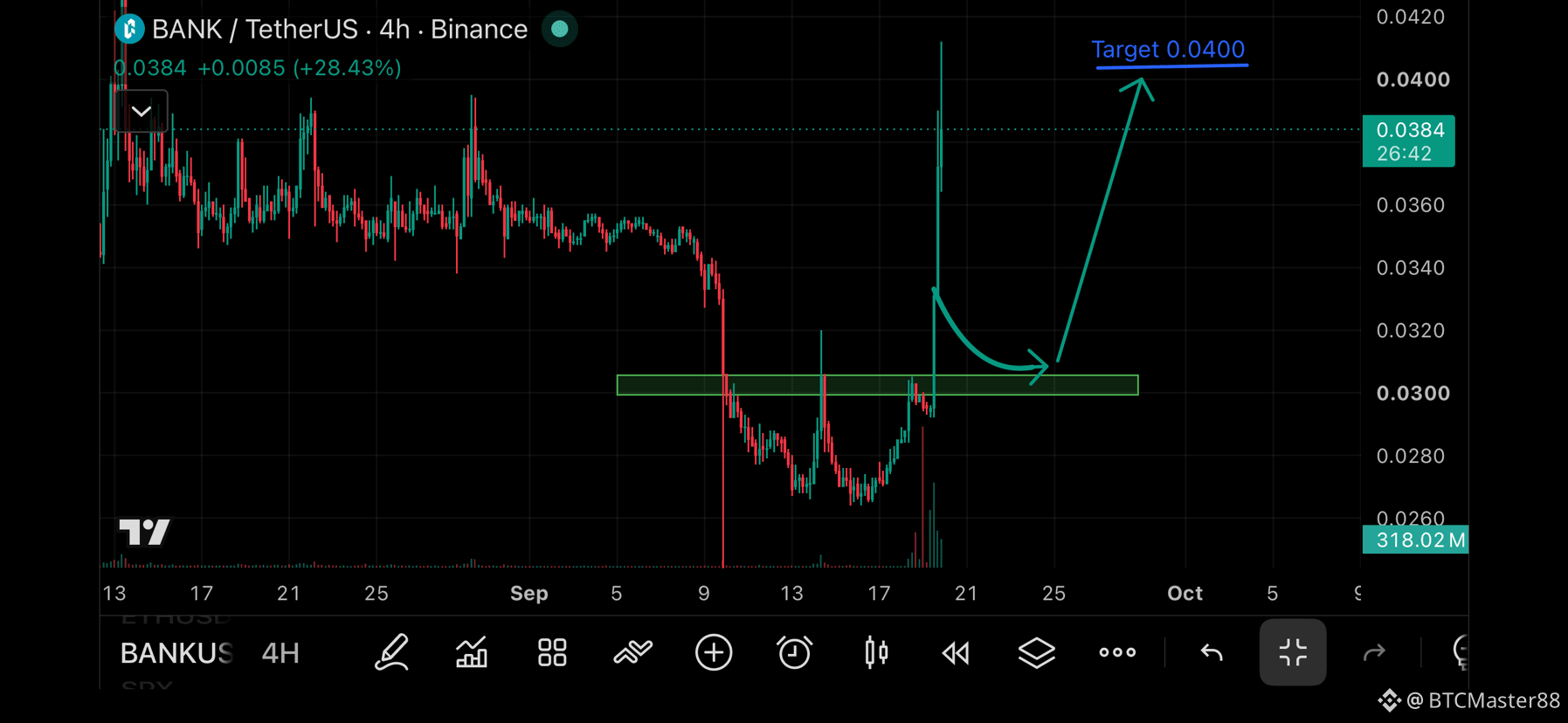
$BANK is showing strong 4H momentum after breaking above the $0.030 zone.
Entry: $0.0305–$0.0315
TP: $0.034 → $0.0385 → $0.040
SL: $0.0287
Bullish while $0.030 holds.
{spot}(BANKUSDT)
$BANK is showing strong 4H momentum after breaking above the $0.030 zone.
Entry: $0.0305–$0.0315
TP: $0.034 → $0.0385 → $0.040
SL: $0.0287
Bullish while $0.030 holds.
Entry: $0.0305–$0.0315
TP: $0.034 → $0.0385 → $0.040
SL: $0.0287
Bullish while $0.030 holds.
5
6
759
·
--
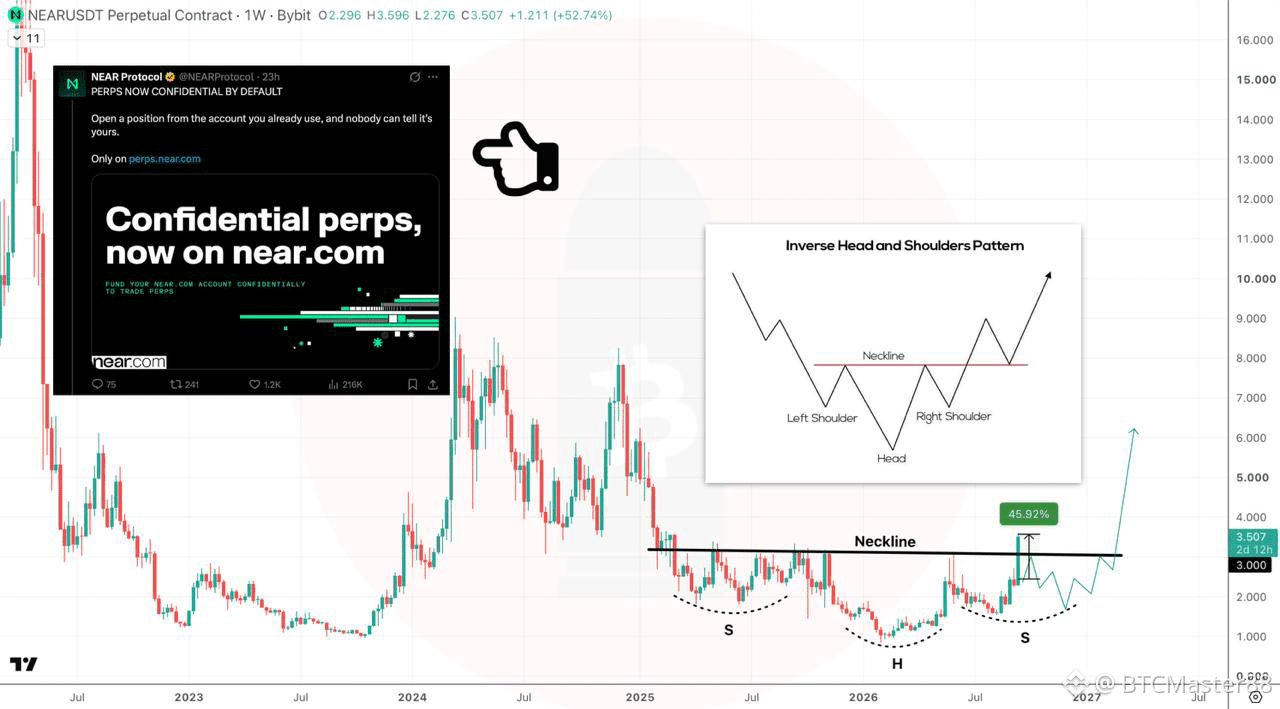
$NEAR is pumping on the news 🔥
+45% so far 🤷♂️
{spot}(NEARUSDT)
$NEAR is pumping on the news 🔥
+45% so far 🤷♂️
+45% so far 🤷♂️
215
·
--
Bullish
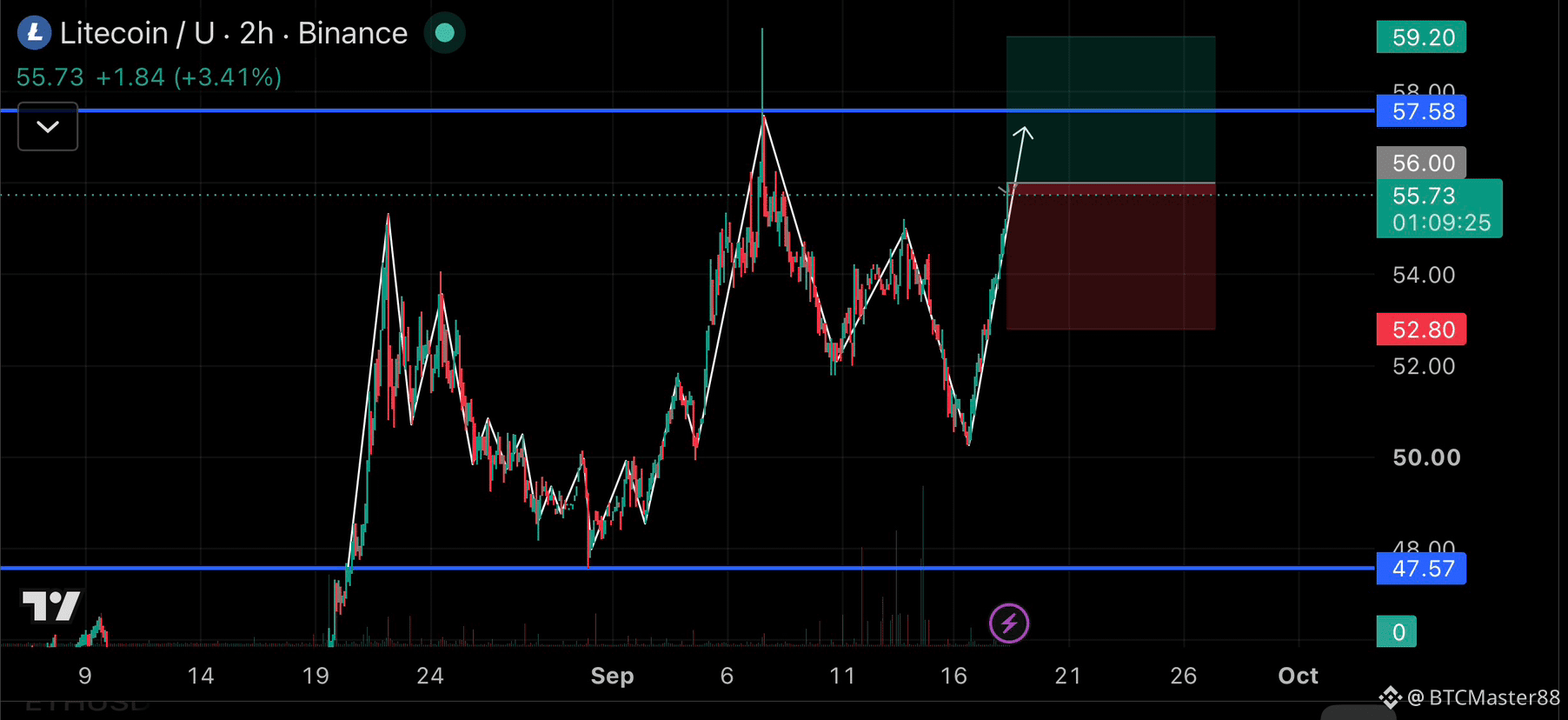
$LTC is showing strong momentum after rebounding from $50.
A hold above $55 could open the way toward $57.58, followed by $59.20. Losing $52.80 would weaken the bullish setup.
{spot}(LTCUSDT)
$LTC is showing strong momentum after rebounding from $50.
A hold above $55 could open the way toward $57.58, followed by $59.20. Losing $52.80 would weaken the bullish setup.
A hold above $55 could open the way toward $57.58, followed by $59.20. Losing $52.80 would weaken the bullish setup.
6
6
700
·
--
Bullish
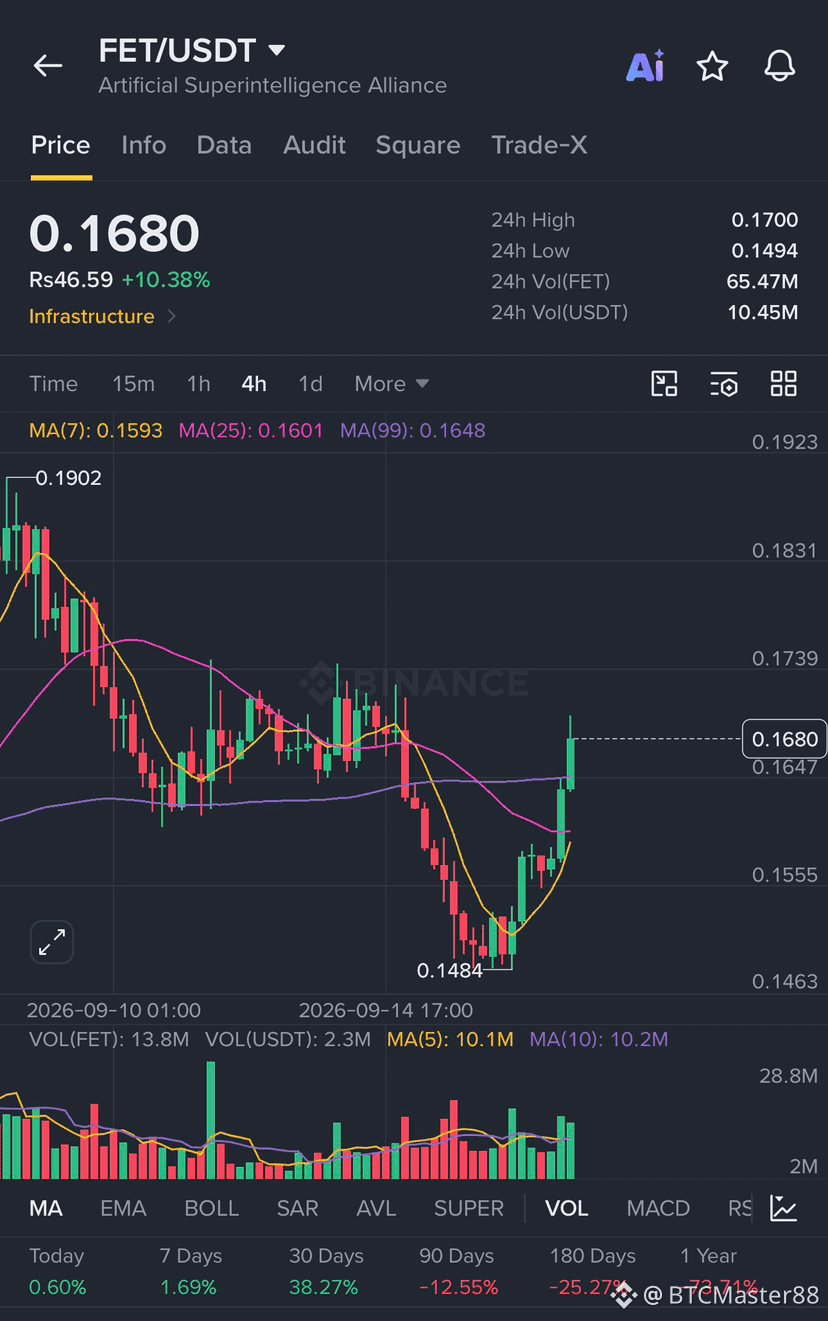
$FET has reclaimed the MA99 on the 4H chart with strong bullish momentum. A successful retest could support further upside.
Entry: $0.1630–$0.1660
TP1: $0.1740
TP2: $0.1830
SL: $0.1580
Wait for confirmation and manage risk carefully.
$FET has reclaimed the MA99 on the 4H chart with strong bullish momentum. A successful retest could support further upside.
Entry: $0.1630–$0.1660
TP1: $0.1740
TP2: $0.1830
SL: $0.1580
Wait for confirmation and manage risk carefully.
Entry: $0.1630–$0.1660
TP1: $0.1740
TP2: $0.1830
SL: $0.1580
Wait for confirmation and manage risk carefully.
2
543
·
--
Bullish
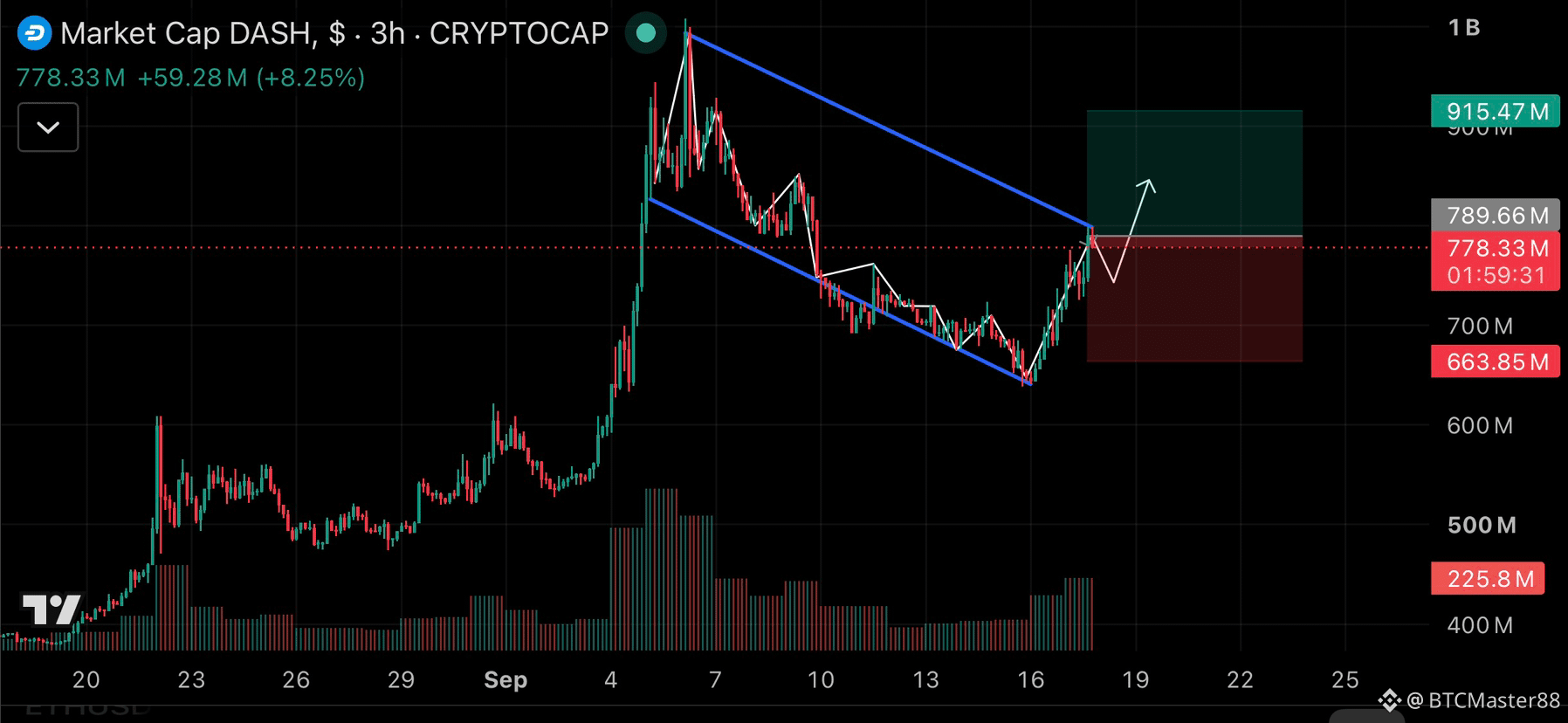
$DASH market cap is testing descending resistance. A confirmed breakout could open the way toward the next target.
Entry: 778M–790M
TP: 915M
SL: 663M
Wait for breakout confirmation before entering. Manage risk carefully.
{spot}(DASHUSDT)
$DASH market cap is testing descending resistance. A confirmed breakout could open the way toward the next target.
Entry: 778M–790M
TP: 915M
SL: 663M
Wait for breakout confirmation before entering. Manage risk carefully.
Entry: 778M–790M
TP: 915M
SL: 663M
Wait for breakout confirmation before entering. Manage risk carefully.
1
620
·
--
Bullish
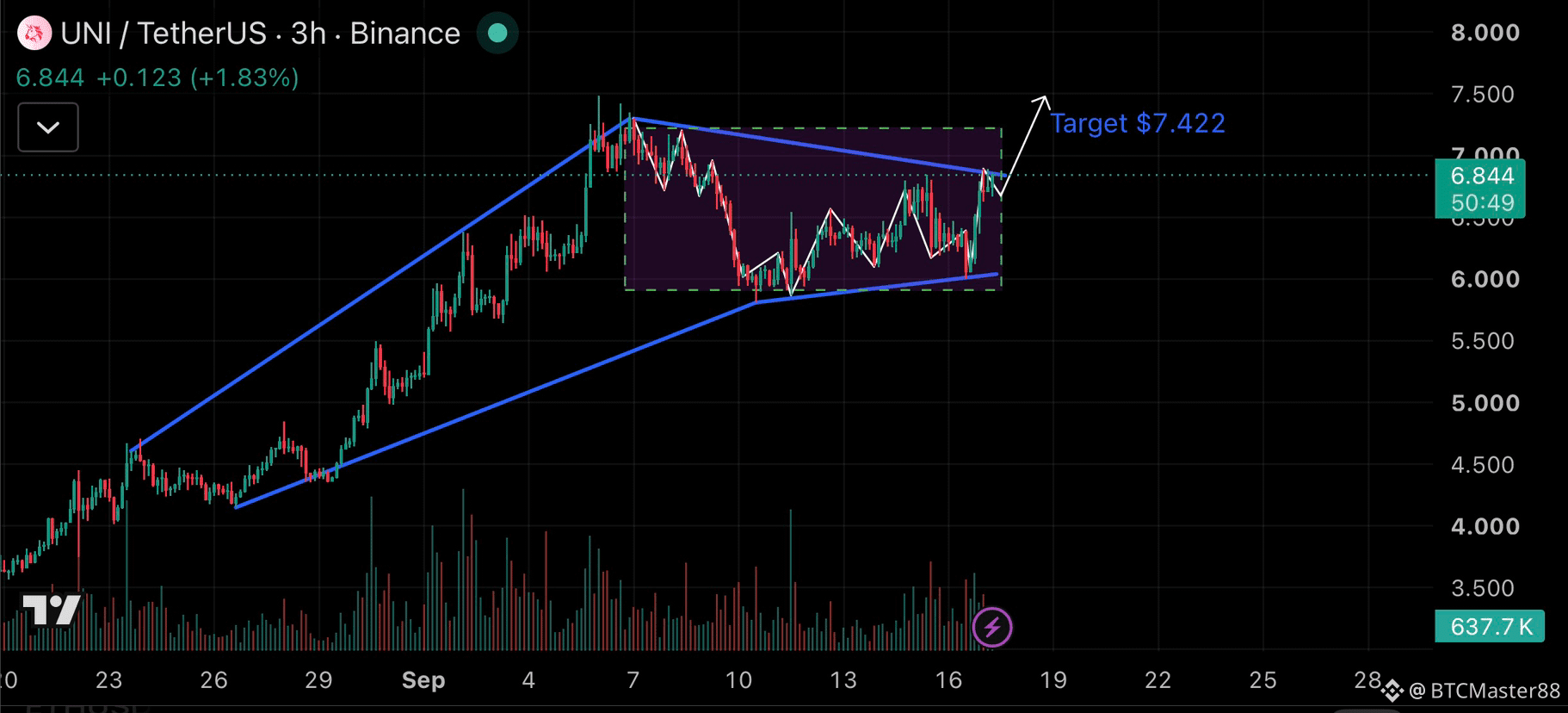
$UNI
UNI is consolidating inside a symmetrical triangle after a strong uptrend. Price is now testing the upper trendline, making the $7.00 area a key level to watch.
{spot}(UNIUSDT)
$UNI
UNI is consolidating inside a symmetrical triangle after a strong uptrend. Price is now testing the upper trendline, making the $7.00 area a key level to watch.
UNI is consolidating inside a symmetrical triangle after a strong uptrend. Price is now testing the upper trendline, making the $7.00 area a key level to watch.
2
226
·
--
Bullish
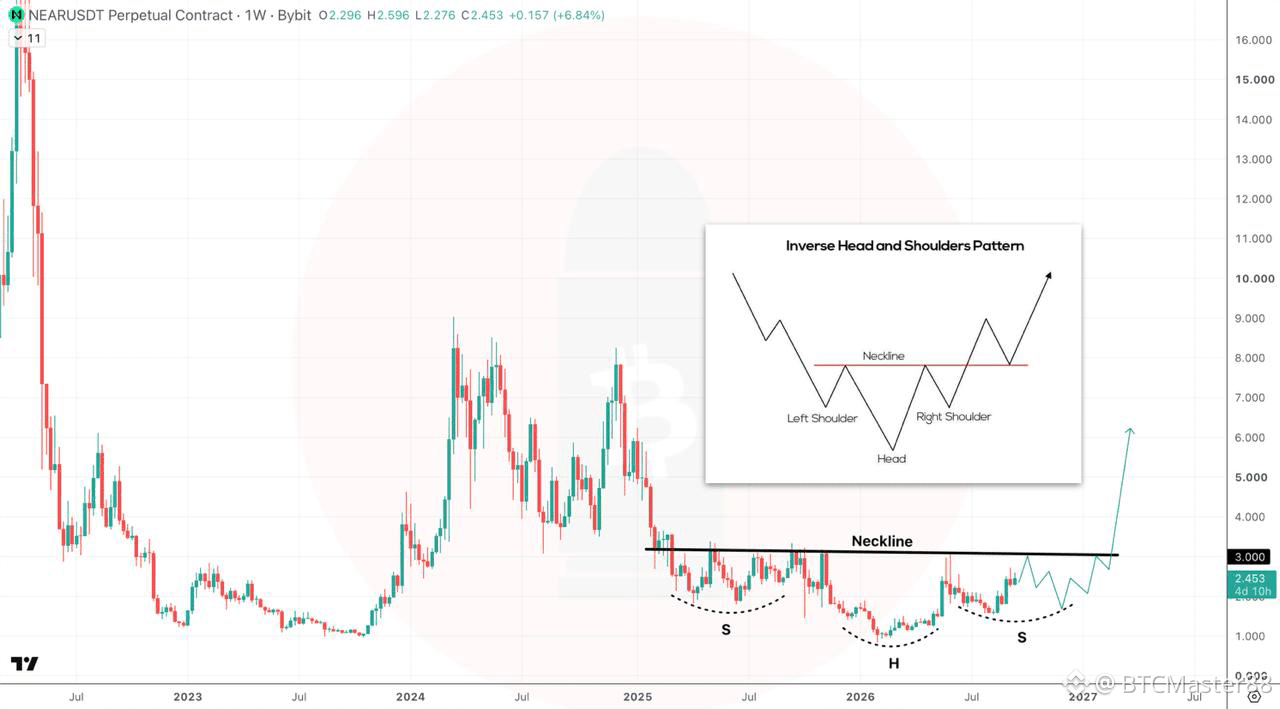
I really like what $NEAR has been printing here since March 2025
This accumulation structure below $3 reminds me of a classic inverse Head & Shoulders pattern
It will take a couple more months for the left shoulder to form.
In 2027 $NEAR should break out of this accumulation
{spot}(NEARUSDT)
I really like what $NEAR has been printing here since March 2025
This accumulation structure below $3 reminds me of a classic inverse Head & Shoulders pattern
It will take a couple more months for the left shoulder to form.
In 2027 $NEAR should break out of this accumulation
This accumulation structure below $3 reminds me of a classic inverse Head & Shoulders pattern
It will take a couple more months for the left shoulder to form.
In 2027 $NEAR should break out of this accumulation
143
·
--
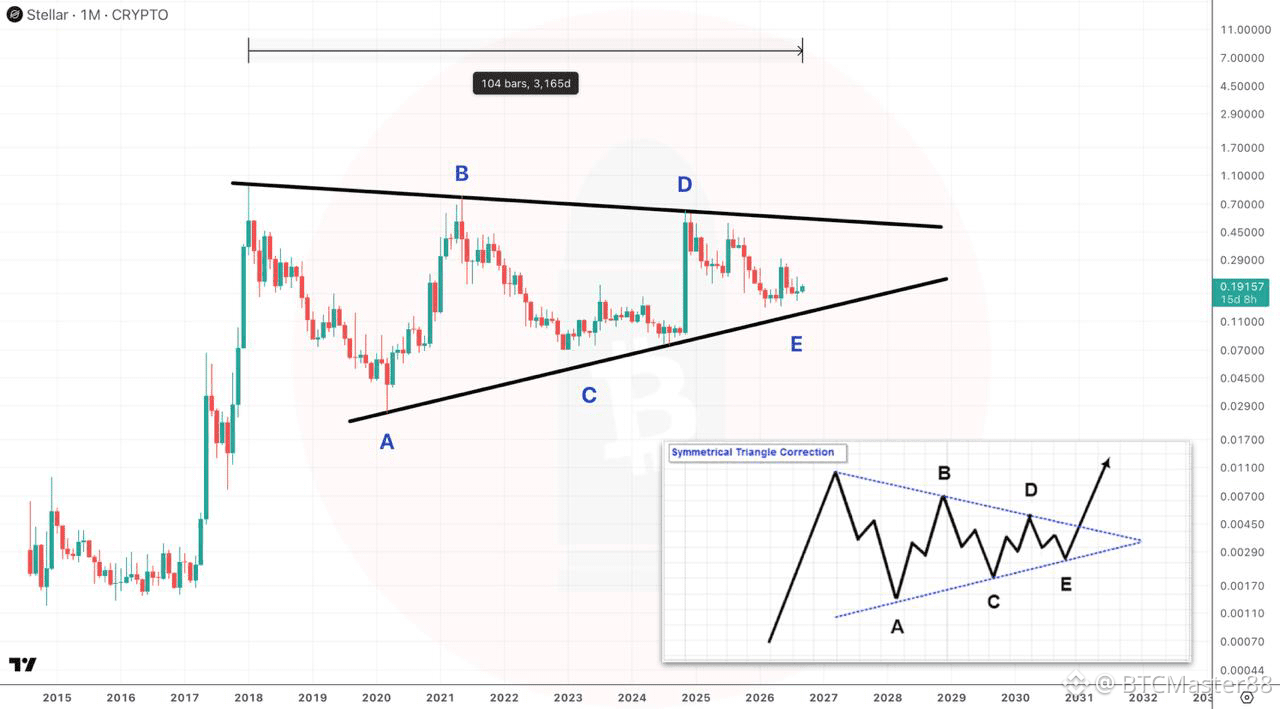
When it comes to giant triangles, this one really stands out
$XLM has been printing this MASSIVE Symmetrical Triangle for 9 YEARS! 👀
Imagine the magnitude of the breakout 📈🫣
{spot}(XLMUSDT)
When it comes to giant triangles, this one really stands out
$XLM has been printing this MASSIVE Symmetrical Triangle for 9 YEARS! 👀
Imagine the magnitude of the breakout 📈🫣
$XLM has been printing this MASSIVE Symmetrical Triangle for 9 YEARS! 👀
Imagine the magnitude of the breakout 📈🫣
120
·
--
Bullish
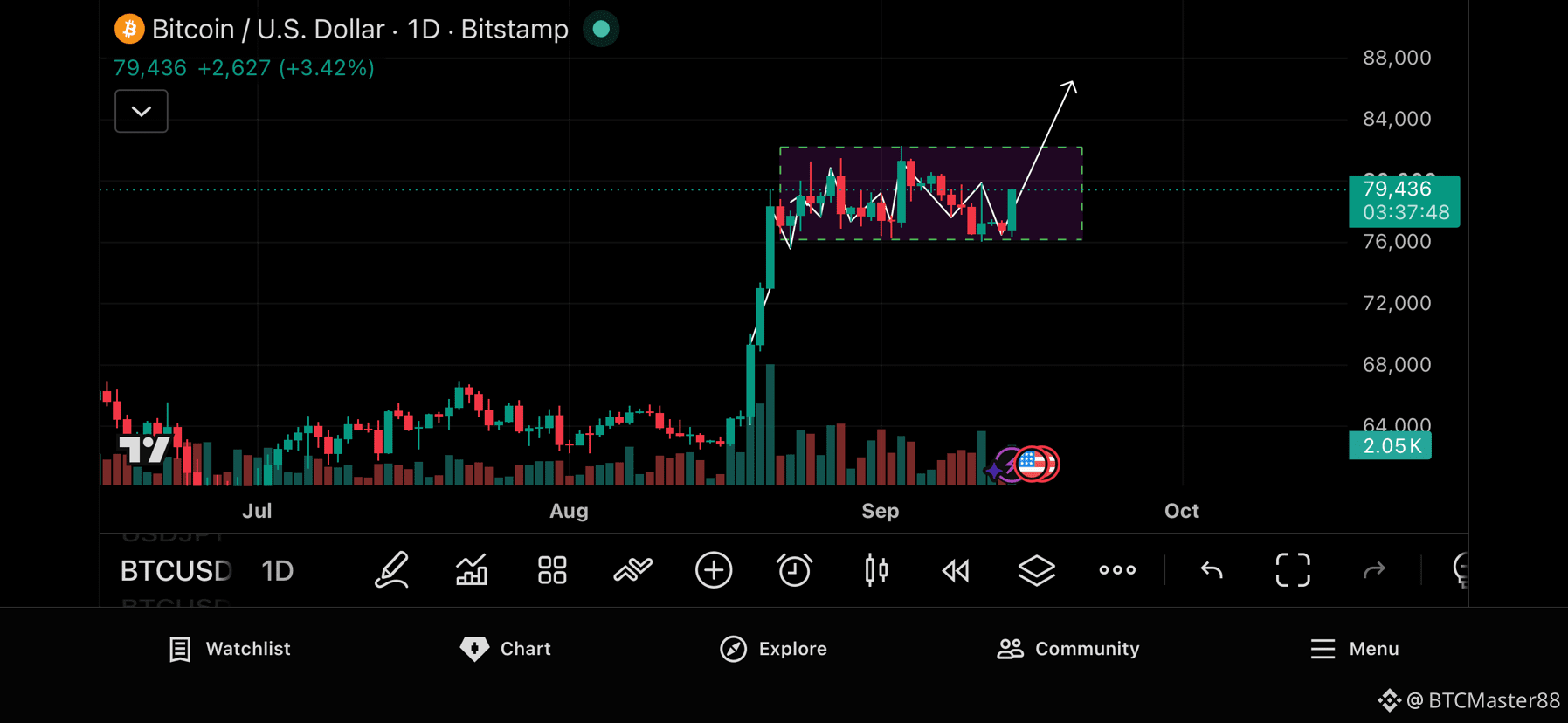
$BTC is forming a bullish rectangle after its strong rally from $64K.
Price is consolidating between $76K support and $82K resistance. A daily breakout above $82K with strong volume could confirm continuation toward $85K–$87K.
As long as Bitcoin holds above $76K, the bullish structure remains active.
#BTC #Bitcoin #Crypto
$BTC is forming a bullish rectangle after its strong rally from $64K.
Price is consolidating between $76K support and $82K resistance. A daily breakout above $82K with strong volume could confirm continuation toward $85K–$87K.
As long as Bitcoin holds above $76K, the bullish structure remains active.
#BTC #Bitcoin #Crypto
Price is consolidating between $76K support and $82K resistance. A daily breakout above $82K with strong volume could confirm continuation toward $85K–$87K.
As long as Bitcoin holds above $76K, the bullish structure remains active.
#BTC #Bitcoin #Crypto
1
758
·
--
Bullish
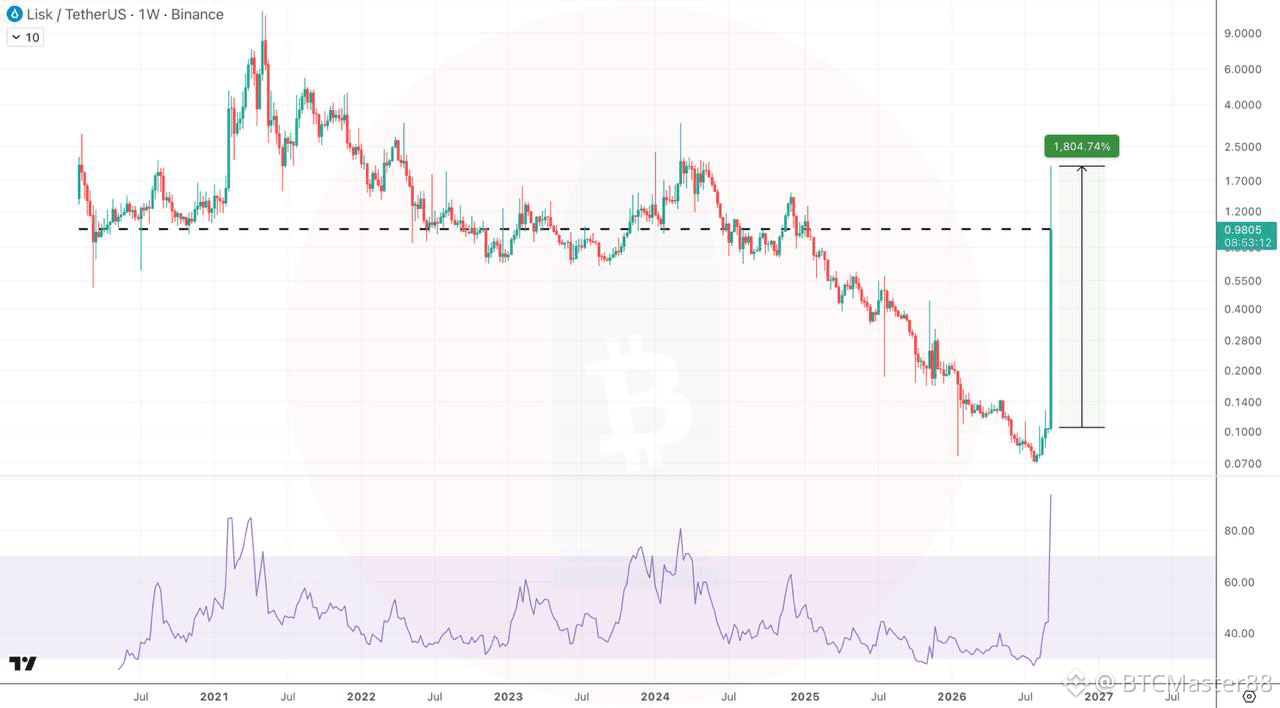
$LSK is a great example of how a single weekly candle can engulf 2 years of 'Down Only'
19x in 1 week is absolute madness. Pumps like this remind us why we are here lol
If you've been accumulating $LSK and for some reason you are still holding your coins, this exit pump is just for you. I would get out
{spot}(LSKUSDT)
$LSK is a great example of how a single weekly candle can engulf 2 years of 'Down Only'
19x in 1 week is absolute madness. Pumps like this remind us why we are here lol
If you've been accumulating $LSK and for some reason you are still holding your coins, this exit pump is just for you. I would get out
19x in 1 week is absolute madness. Pumps like this remind us why we are here lol
If you've been accumulating $LSK and for some reason you are still holding your coins, this exit pump is just for you. I would get out
1
377
·
--
Bullish
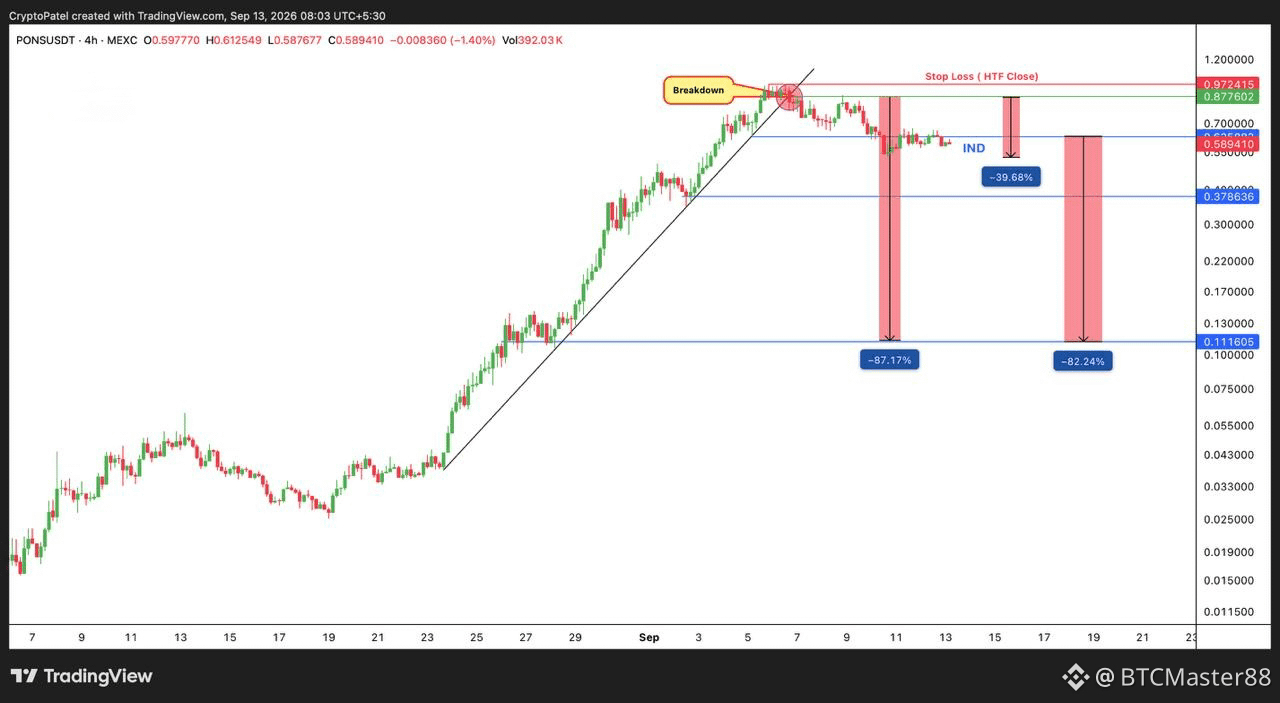
$PONS UPDATE | 40% DOWN FROM ENTRY
$PONS has dropped around 40% from our bearish entry.
The $0.6258 support has broken, keeping the bearish structure active.
Next downside levels:
🔻 $0.3786
🔻 $0.10 if selling pressure continues
Bearish bias remains while price stays below the broken support zone.
NFA. DYOR.
{future}(PONSUSDT)
$PONS UPDATE | 40% DOWN FROM ENTRY
$PONS has dropped around 40% from our bearish entry.
The $0.6258 support has broken, keeping the bearish structure active.
Next downside levels:
🔻 $0.3786
🔻 $0.10 if selling pressure continues
Bearish bias remains while price stays below the broken support zone.
NFA. DYOR.
$PONS has dropped around 40% from our bearish entry.
The $0.6258 support has broken, keeping the bearish structure active.
Next downside levels:
🔻 $0.3786
🔻 $0.10 if selling pressure continues
Bearish bias remains while price stays below the broken support zone.
NFA. DYOR.
262
·
--
Bullish
$ETH Buying Opportunity
Entry Zone: $2,490–$2,515
TP1: $2,550
TP2: $2,615
TP3: $2,665
Stop Loss: $2,460
ETH remains above its key moving averages after a strong volume breakout. Holding the entry zone could support another move toward $2,600+.
Manage risk and DYOR.
{spot}(ETHUSDT)
$ETH Buying Opportunity
Entry Zone: $2,490–$2,515
TP1: $2,550
TP2: $2,615
TP3: $2,665
Stop Loss: $2,460
ETH remains above its key moving averages after a strong volume breakout. Holding the entry zone could support another move toward $2,600+.
Manage risk and DYOR.
Entry Zone: $2,490–$2,515
TP1: $2,550
TP2: $2,615
TP3: $2,665
Stop Loss: $2,460
ETH remains above its key moving averages after a strong volume breakout. Holding the entry zone could support another move toward $2,600+.
Manage risk and DYOR.

1
2
447
Log in to explore more content
Join global crypto users on Binance Square
⚡️ Get latest and useful information about crypto.
💬 Trusted by the world’s largest crypto exchange.
👍 Discover real insights from verified creators.
Email / Phone number
Trending Topics
UKFCAWinsCourtOrderToRecover851400Pounds
6,264 views
441 Discussing
🚨 CRYPTO REGULATION JUST ENTERED A NEW PHASE: THEY’RE NOT ONLY WRITING RULES — THEY’RE TAKING MONEY BACK.
The UK’s FCA has secured another court-backed asset recovery, reinforcing a broader enforcement push against unauthorized financial and crypto-related activity.
And look at what’s happening simultaneously:
🇬🇧 FCA → enforcement + asset recovery
🇺🇸 SEC → clearer rules for functional crypto assets
🇺🇸 Fed → formal stablecoin supervision under the GENIUS Act
That combination matters.
Regulators are no longer debating whether crypto belongs inside the financial system.
They’re increasingly deciding who gets access, what rules they follow, and what happens when those rules are broken.
The next crypto cycle may not be “regulation vs innovation.”
It may be regulated crypto vs everyone who can’t meet the standard. 👀
$COIN $CRCL $BTC
#ukfcawinscourtordertorecover851400pounds #ChainlinkLaunchesCCIP2WithEnterpriseVerification #GoldFallsTo$4144 #QNTFallsOver40%FromMorningHigh #USDTAdds845900HoldersInPast7Days
KimHotbae
·2 Likes
·3.8k views
ChainlinkLaunchesCCIP2WithEnterpriseVerification
19,134 views
693 Discussing
GoldFallsTo$4144
8,073 views
118 Discussing