

阿尔法灰
8.2k Posts

阿尔法灰
Report
Block User
先人一步,做 Alpha 🔥 Join me on X @Alpha_Grey8
Open Trade
Frequent Trader
4.1 Years
774 Following
10.3K+ Followers
3.6K+ Liked
Posts
Portfolio
All
Quotes
Live
·
--
Latest: 🇺🇸 Wells Fargo the one of the largest U.S banks, in talks with Kraken's parent company to provide crypto trading liquidity.
If this happens...crypto liquidity could get a serious boost.🤑🤑
$BTC $ETH
{spot}(ETHUSDT)
Latest: 🇺🇸 Wells Fargo the one of the largest U.S banks, in talks with Kraken's parent company to provide crypto trading liquidity.
If this happens...crypto liquidity could get a serious boost.🤑🤑
$BTC $ETH
If this happens...crypto liquidity could get a serious boost.🤑🤑
$BTC $ETH

1
289
·
--

Article
This Ripple Deal Doesn't Actually Need XRPMeritz Securities signed a strategic partnership with Ripple on October 1 to explore custody and tokenization infrastructure for South Korea's capital markets.
Headlines are tying this directly to XRP, especially since it landed the same day XRP overtook Bitcoin in 24-hour trading volume on Upbit.
Almost connected those two headlines myself, until I checked what the actual agreement says.
Ripple's own custody and tokenization tools can be used by institutions without ever requiring them to buy XRP. This is an enterprise infrastructure deal, software for holding and representing digital assets, not a commitment to adopt or hold the token itself.
The announcement doesn't even specify whether XRP, RLUSD, or the XRP Ledger would be involved in whatever Meritz eventually builds.
That's worth sitting with.
"Ripple partners with major brokerage" and "brokerage commits to XRP" are two different claims. Only the first one is actually confirmed here.
Worth checking how fast these partnerships typically move too.
Ripple signed a similar partnership with South African lender Absa roughly a year before Absa's custody service actually launched this past September. The gap between announcement and real product tends to be long, and this Meritz deal is explicitly described as exploratory, with no launch date and no commercial commitment from either side.
Not dismissing the partnership, honestly. A major Korean brokerage engaging with institutional-grade infrastructure at all is a real, meaningful step as the country builds out its tokenized securities framework.
Just noting the XRP-specific excitement is running well ahead of what this agreement actually says.
$XRP
{spot}(XRPUSDT)
This Ripple Deal Doesn't Actually Need XRP
Meritz Securities signed a strategic partnership with Ripple on October 1 to explore custody and tokenization infrastructure for South Korea's capital markets.
Headlines are tying this directly to XRP, especially since it landed the same day XRP overtook Bitcoin in 24-hour trading volume on Upbit.
Almost connected those two headlines myself, until I checked what the actual agreement says.
Ripple's own custody and tokenization tools can be used by institutions without ever requiring them to buy XRP. This is an enterprise infrastructure deal, software for holding and representing digital assets, not a commitment to adopt or hold the token itself.
The announcement doesn't even specify whether XRP, RLUSD, or the XRP Ledger would be involved in whatever Meritz eventually builds.
That's worth sitting with.
"Ripple partners with major brokerage" and "brokerage commits to XRP" are two different claims. Only the first one is actually confirmed here.
Worth checking how fast these partnerships typically move too.
Ripple signed a similar partnership with South African lender Absa roughly a year before Absa's custody service actually launched this past September. The gap between announcement and real product tends to be long, and this Meritz deal is explicitly described as exploratory, with no launch date and no commercial commitment from either side.
Not dismissing the partnership, honestly. A major Korean brokerage engaging with institutional-grade infrastructure at all is a real, meaningful step as the country builds out its tokenized securities framework.
Just noting the XRP-specific excitement is running well ahead of what this agreement actually says.
$XRP
Headlines are tying this directly to XRP, especially since it landed the same day XRP overtook Bitcoin in 24-hour trading volume on Upbit.
Almost connected those two headlines myself, until I checked what the actual agreement says.
Ripple's own custody and tokenization tools can be used by institutions without ever requiring them to buy XRP. This is an enterprise infrastructure deal, software for holding and representing digital assets, not a commitment to adopt or hold the token itself.
The announcement doesn't even specify whether XRP, RLUSD, or the XRP Ledger would be involved in whatever Meritz eventually builds.
That's worth sitting with.
"Ripple partners with major brokerage" and "brokerage commits to XRP" are two different claims. Only the first one is actually confirmed here.
Worth checking how fast these partnerships typically move too.
Ripple signed a similar partnership with South African lender Absa roughly a year before Absa's custody service actually launched this past September. The gap between announcement and real product tends to be long, and this Meritz deal is explicitly described as exploratory, with no launch date and no commercial commitment from either side.
Not dismissing the partnership, honestly. A major Korean brokerage engaging with institutional-grade infrastructure at all is a real, meaningful step as the country builds out its tokenized securities framework.
Just noting the XRP-specific excitement is running well ahead of what this agreement actually says.
$XRP
1
256
·
--
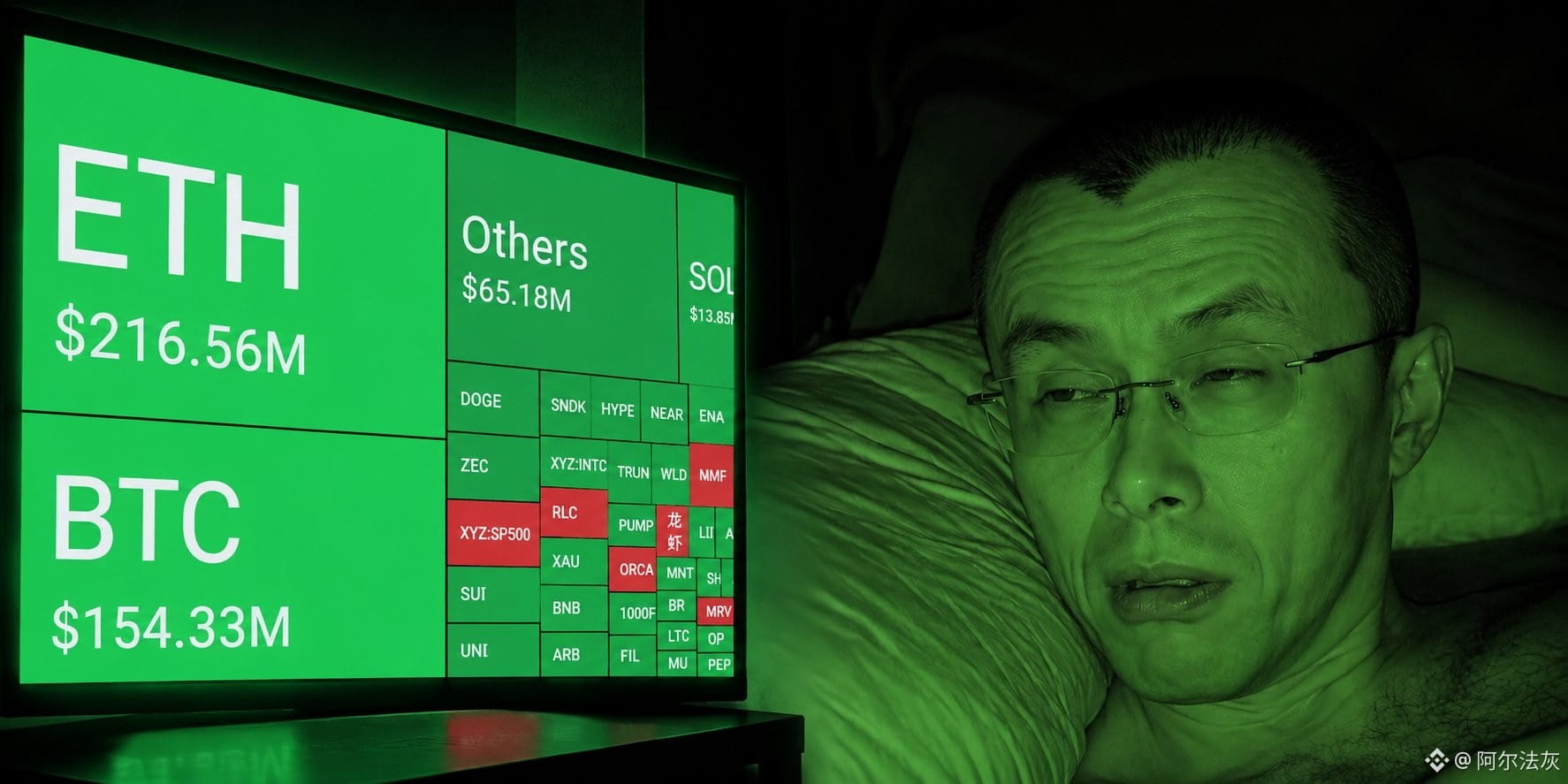
CZ's Definition of "Soon"....
$LAZIO
{spot}(LAZIOUSDT)
$GTC
{spot}(GTCUSDT)
CZ's Definition of "Soon"....
$LAZIO
$GTC
$LAZIO
$GTC
1
211
·
--
Partly True
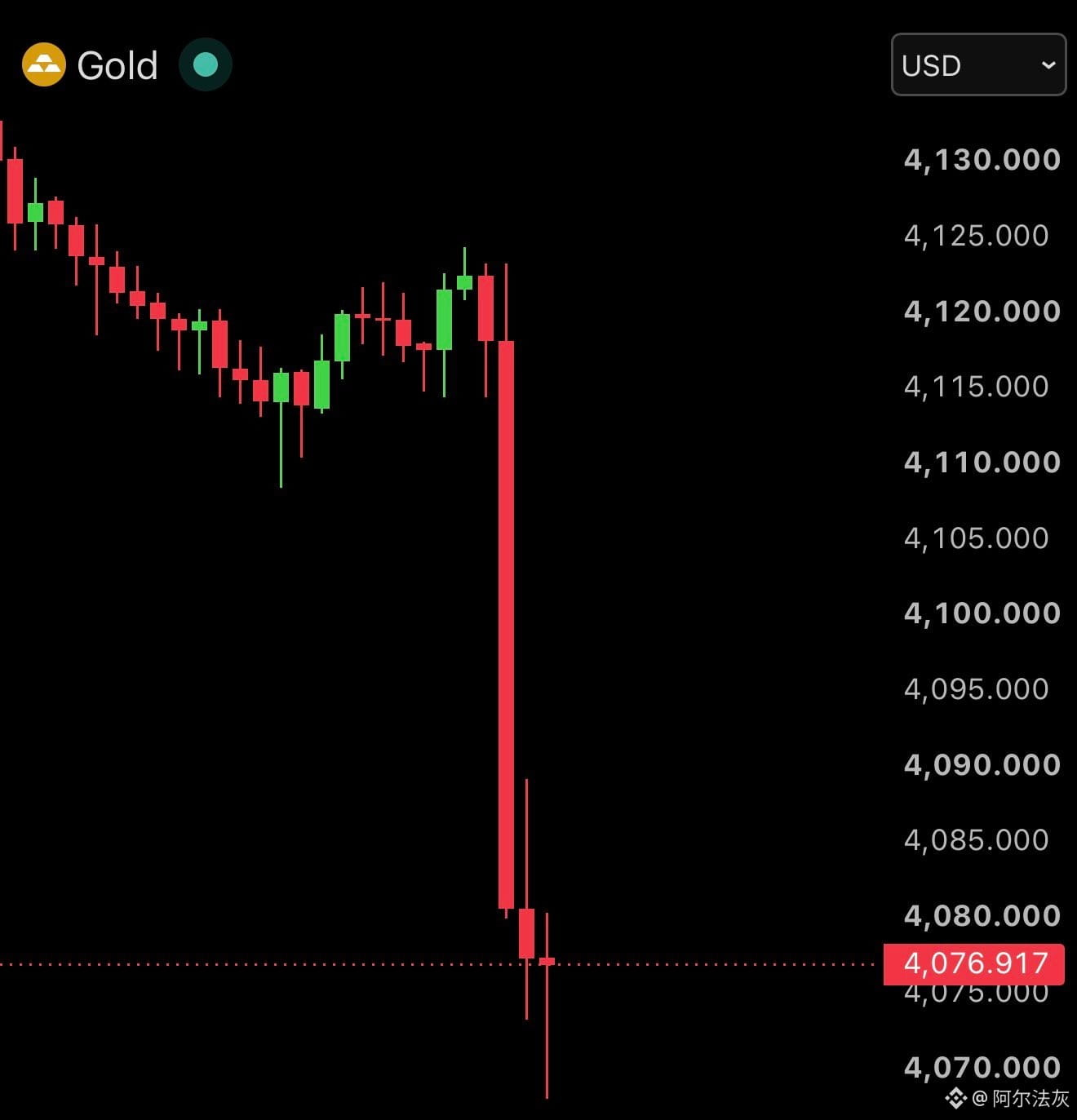
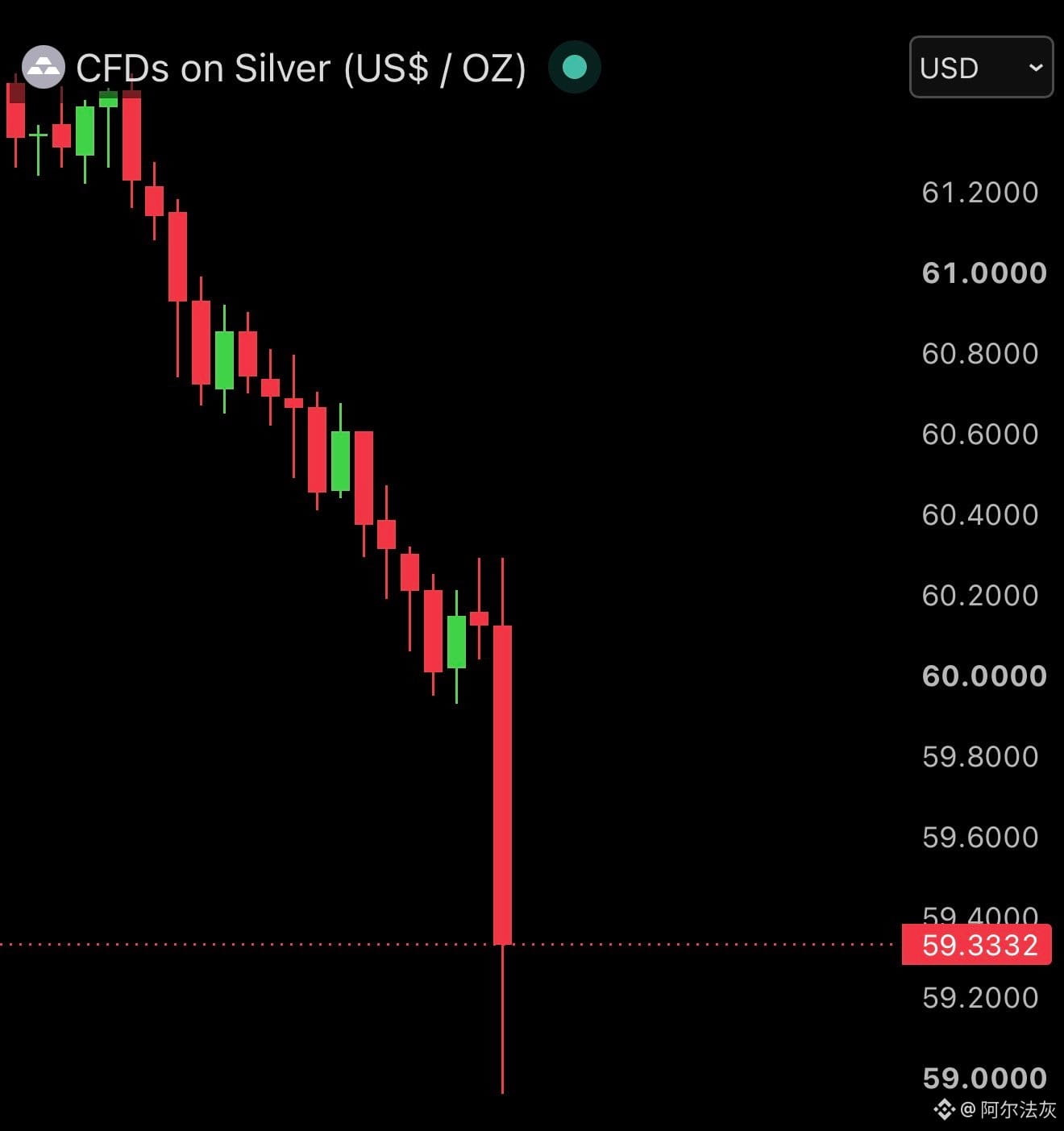
OMG 😱😱$450,000,000,000 wiped out from Gold and out from Gold and Silver in just less than 15 minutes...
$XAUT
OMG 😱😱$450,000,000,000 wiped out from Gold and out from Gold and Silver in just less than 15 minutes...
$XAUT
$XAUT
1
623
·
--
Article
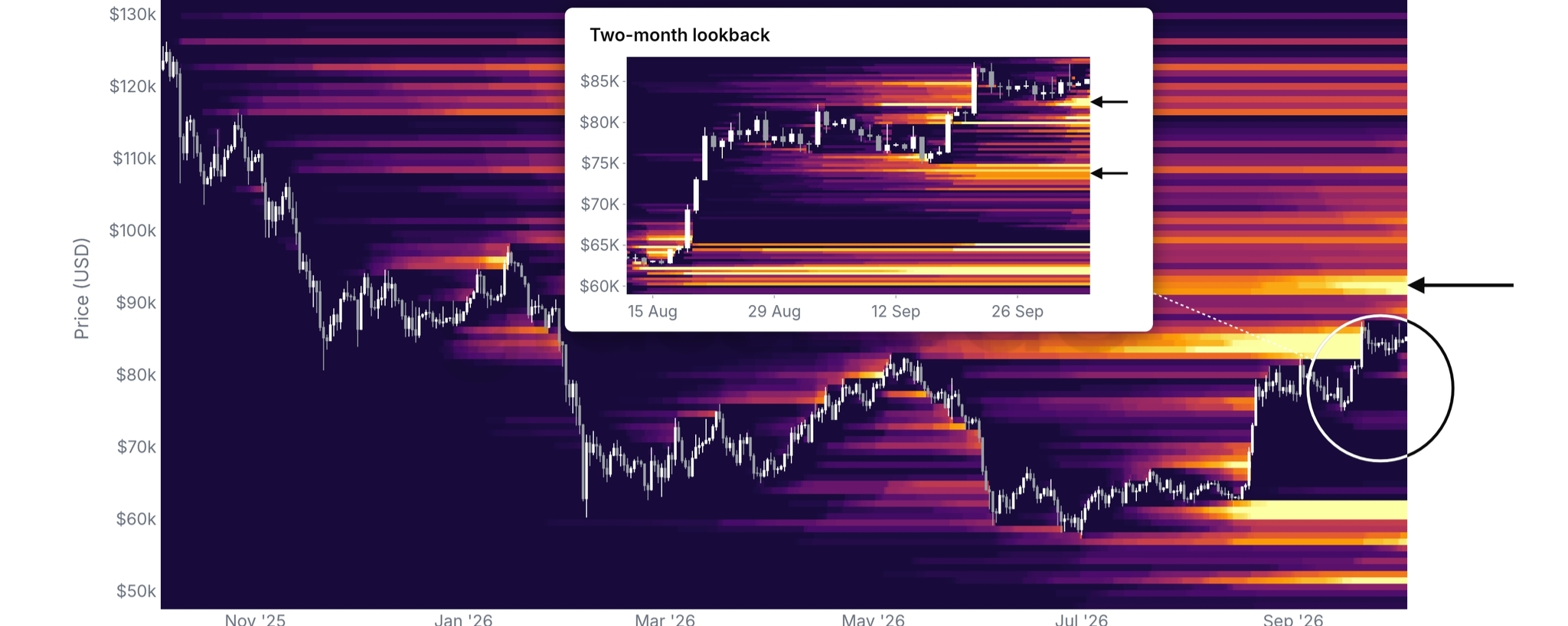
Bitcoin's $90K Trap Nobody's Talking AboutGlassnode's heatmap shows Bitcoin's largest overhead liquidation cluster sitting near $90,000. Enough leveraged short exposure stacked there that touching it could force a real squeeze.
Smaller clusters sit at $83,000 and $75,000.
Here's the part worth separating from that setup though.
In the past 24 hours, actual liquidations hit $172 million. Longs lost $101 million of that. Shorts lost $71 million. The pain right now is landing harder on longs, not shorts. The opposite of what the exciting $90K story implies.
I think that distinction is worth sitting with.
The $90K squeeze is a real, mapped setup. But it's describing what happens if price gets there. The liquidations happening today are telling you something different, what's happening on the way there. And right now that's longs getting forced out, which is part of why Bitcoin keeps failing to reach that level in the first place.
Worth connecting this to the rejection pattern too, since it's the same story underneath.
Bitcoin's been turned back from $87,000 three times since September 23. Before the market can even test the $90K short-liquidation zone, it still has to clear the 2026 yearly open at $87,570, sitting right above current price near $85,500.
So there are really two walls here.
The near one, $87,570, is where price keeps actually failing. The far one, $90,000, is where the bigger squeeze theoretically sits once the near wall clears.
I'm not dismissing the $90K setup. If price does break through, that cluster is real and could add real momentum.
Just noting the squeeze everyone's excited about is still one wall away, and today's liquidation data shows longs are the ones actually bleeding while getting there.$BTC
Bitcoin's $90K Trap Nobody's Talking About
Glassnode's heatmap shows Bitcoin's largest overhead liquidation cluster sitting near $90,000. Enough leveraged short exposure stacked there that touching it could force a real squeeze.
Smaller clusters sit at $83,000 and $75,000.
Here's the part worth separating from that setup though.
In the past 24 hours, actual liquidations hit $172 million. Longs lost $101 million of that. Shorts lost $71 million. The pain right now is landing harder on longs, not shorts. The opposite of what the exciting $90K story implies.
I think that distinction is worth sitting with.
The $90K squeeze is a real, mapped setup. But it's describing what happens if price gets there. The liquidations happening today are telling you something different, what's happening on the way there. And right now that's longs getting forced out, which is part of why Bitcoin keeps failing to reach that level in the first place.
Worth connecting this to the rejection pattern too, since it's the same story underneath.
Bitcoin's been turned back from $87,000 three times since September 23. Before the market can even test the $90K short-liquidation zone, it still has to clear the 2026 yearly open at $87,570, sitting right above current price near $85,500.
So there are really two walls here.
The near one, $87,570, is where price keeps actually failing. The far one, $90,000, is where the bigger squeeze theoretically sits once the near wall clears.
I'm not dismissing the $90K setup. If price does break through, that cluster is real and could add real momentum.
Just noting the squeeze everyone's excited about is still one wall away, and today's liquidation data shows longs are the ones actually bleeding while getting there.$BTC
Smaller clusters sit at $83,000 and $75,000.
Here's the part worth separating from that setup though.
In the past 24 hours, actual liquidations hit $172 million. Longs lost $101 million of that. Shorts lost $71 million. The pain right now is landing harder on longs, not shorts. The opposite of what the exciting $90K story implies.
I think that distinction is worth sitting with.
The $90K squeeze is a real, mapped setup. But it's describing what happens if price gets there. The liquidations happening today are telling you something different, what's happening on the way there. And right now that's longs getting forced out, which is part of why Bitcoin keeps failing to reach that level in the first place.
Worth connecting this to the rejection pattern too, since it's the same story underneath.
Bitcoin's been turned back from $87,000 three times since September 23. Before the market can even test the $90K short-liquidation zone, it still has to clear the 2026 yearly open at $87,570, sitting right above current price near $85,500.
So there are really two walls here.
The near one, $87,570, is where price keeps actually failing. The far one, $90,000, is where the bigger squeeze theoretically sits once the near wall clears.
I'm not dismissing the $90K setup. If price does break through, that cluster is real and could add real momentum.
Just noting the squeeze everyone's excited about is still one wall away, and today's liquidation data shows longs are the ones actually bleeding while getting there.$BTC
1
179
·
--

Article
A Bank Got Approved To Custody Crypto, Not Trade It🇫🇷A major Russian bank just got registered as a digital asset custodian, planning to support Bitcoin, Ethereum, and USDT starting December 1.$ETH
Headlines are framing this as the country going all in on crypto.
Here's the distinction worth separating out.
Custodian status and trading-license status aren't the same approval. Custodians can hold assets, record transfers, and manage customer access to crypto addresses. A separate category, exchange operators, is what actually lets a firm buy and sell digital currencies using its own funds.
The bank in question got the custodian license. Not the exchange one.
That difference matters more than it sounds, honestly. This isn't "the country's biggest bank now lets you trade Bitcoin." It's closer to "the bank can now safely hold Bitcoin on your behalf, assuming you already acquired it somewhere else within the system."$BTC
Worth remembering the broader framework this sits inside too, since it's worth repeating.
Retail buyers are capped at roughly $3,700 a year through any licensed platform. Spending crypto directly for goods and services is still banned entirely. Only three assets are approved for this kind of custody and lending at all.
So "going all in on crypto" is doing a lot of work in that headline. A narrow custodian license, with a hard retail cap and a spending ban still fully intact, is a specific, bounded step. Not an open embrace.
I'm not dismissing the development, tbh. A country's largest bank entering regulated crypto custody at all is a real, concrete move.
Just noting the gap between what got approved and what the headline implies is wide enough to actually matter here.
A Bank Got Approved To Custody Crypto, Not Trade It
🇫🇷A major Russian bank just got registered as a digital asset custodian, planning to support Bitcoin, Ethereum, and USDT starting December 1.$ETH
Headlines are framing this as the country going all in on crypto.
Here's the distinction worth separating out.
Custodian status and trading-license status aren't the same approval. Custodians can hold assets, record transfers, and manage customer access to crypto addresses. A separate category, exchange operators, is what actually lets a firm buy and sell digital currencies using its own funds.
The bank in question got the custodian license. Not the exchange one.
That difference matters more than it sounds, honestly. This isn't "the country's biggest bank now lets you trade Bitcoin." It's closer to "the bank can now safely hold Bitcoin on your behalf, assuming you already acquired it somewhere else within the system."$BTC
Worth remembering the broader framework this sits inside too, since it's worth repeating.
Retail buyers are capped at roughly $3,700 a year through any licensed platform. Spending crypto directly for goods and services is still banned entirely. Only three assets are approved for this kind of custody and lending at all.
So "going all in on crypto" is doing a lot of work in that headline. A narrow custodian license, with a hard retail cap and a spending ban still fully intact, is a specific, bounded step. Not an open embrace.
I'm not dismissing the development, tbh. A country's largest bank entering regulated crypto custody at all is a real, concrete move.
Just noting the gap between what got approved and what the headline implies is wide enough to actually matter here.
Headlines are framing this as the country going all in on crypto.
Here's the distinction worth separating out.
Custodian status and trading-license status aren't the same approval. Custodians can hold assets, record transfers, and manage customer access to crypto addresses. A separate category, exchange operators, is what actually lets a firm buy and sell digital currencies using its own funds.
The bank in question got the custodian license. Not the exchange one.
That difference matters more than it sounds, honestly. This isn't "the country's biggest bank now lets you trade Bitcoin." It's closer to "the bank can now safely hold Bitcoin on your behalf, assuming you already acquired it somewhere else within the system."$BTC
Worth remembering the broader framework this sits inside too, since it's worth repeating.
Retail buyers are capped at roughly $3,700 a year through any licensed platform. Spending crypto directly for goods and services is still banned entirely. Only three assets are approved for this kind of custody and lending at all.
So "going all in on crypto" is doing a lot of work in that headline. A narrow custodian license, with a hard retail cap and a spending ban still fully intact, is a specific, bounded step. Not an open embrace.
I'm not dismissing the development, tbh. A country's largest bank entering regulated crypto custody at all is a real, concrete move.
Just noting the gap between what got approved and what the headline implies is wide enough to actually matter here.
2
780
·
--

Article
🚨BREAKING: Robinhood Buys Bitcoin, Stock Still DropsRobinhood added $25 million in Bitcoin to its corporate balance sheet today, disclosed by crypto chief Johann Kerbrat at a summit in Singapore.
Normally that kind of headline moves a stock up. HOOD fell about 2% instead.
I almost scrolled past this as a routine "company buys Bitcoin" story myself, until I noticed the stock was actually moving the wrong way.
Kerbrat downplayed the size himself. He called $25 million "not going to change a lot of the current trajectory," for a company worth roughly $100 billion. When the person announcing a purchase is also the one telling you it's basically immaterial, a quiet, uncertain market reaction starts making a lot more sense.
Worth looking at the scale next to something from the same week too.
Strategy bought 334 BTC for about $28.7 million around the same time, just routine, incremental buying against its 848,000 BTC stack. Robinhood's $25 million is close in dollar terms, but it's a brand-new position for the company. Not an addition to something already built.$BTC
There's probably a deeper reason behind the hesitation too.
Robinhood already handles close to $25 billion in customer crypto assets through custody on its platform. That's roughly a thousand times larger than this new corporate position. I'd guess some of the market's unease isn't really about the $25 million at all. It's about whether this is the first step toward Robinhood quietly building its own treasury stack next to the custody business it already runs.
I'm not predicting that path, tbh. Kerbrat didn't confirm any plan to keep buying.
Just noting, a stock dropping on a Bitcoin purchase headline only really makes sense once you stop looking at the dollar figure and start thinking about what it might turn into.
🚨BREAKING: Robinhood Buys Bitcoin, Stock Still Drops
Robinhood added $25 million in Bitcoin to its corporate balance sheet today, disclosed by crypto chief Johann Kerbrat at a summit in Singapore.
Normally that kind of headline moves a stock up. HOOD fell about 2% instead.
I almost scrolled past this as a routine "company buys Bitcoin" story myself, until I noticed the stock was actually moving the wrong way.
Kerbrat downplayed the size himself. He called $25 million "not going to change a lot of the current trajectory," for a company worth roughly $100 billion. When the person announcing a purchase is also the one telling you it's basically immaterial, a quiet, uncertain market reaction starts making a lot more sense.
Worth looking at the scale next to something from the same week too.
Strategy bought 334 BTC for about $28.7 million around the same time, just routine, incremental buying against its 848,000 BTC stack. Robinhood's $25 million is close in dollar terms, but it's a brand-new position for the company. Not an addition to something already built.$BTC
There's probably a deeper reason behind the hesitation too.
Robinhood already handles close to $25 billion in customer crypto assets through custody on its platform. That's roughly a thousand times larger than this new corporate position. I'd guess some of the market's unease isn't really about the $25 million at all. It's about whether this is the first step toward Robinhood quietly building its own treasury stack next to the custody business it already runs.
I'm not predicting that path, tbh. Kerbrat didn't confirm any plan to keep buying.
Just noting, a stock dropping on a Bitcoin purchase headline only really makes sense once you stop looking at the dollar figure and start thinking about what it might turn into.
Normally that kind of headline moves a stock up. HOOD fell about 2% instead.
I almost scrolled past this as a routine "company buys Bitcoin" story myself, until I noticed the stock was actually moving the wrong way.
Kerbrat downplayed the size himself. He called $25 million "not going to change a lot of the current trajectory," for a company worth roughly $100 billion. When the person announcing a purchase is also the one telling you it's basically immaterial, a quiet, uncertain market reaction starts making a lot more sense.
Worth looking at the scale next to something from the same week too.
Strategy bought 334 BTC for about $28.7 million around the same time, just routine, incremental buying against its 848,000 BTC stack. Robinhood's $25 million is close in dollar terms, but it's a brand-new position for the company. Not an addition to something already built.$BTC
There's probably a deeper reason behind the hesitation too.
Robinhood already handles close to $25 billion in customer crypto assets through custody on its platform. That's roughly a thousand times larger than this new corporate position. I'd guess some of the market's unease isn't really about the $25 million at all. It's about whether this is the first step toward Robinhood quietly building its own treasury stack next to the custody business it already runs.
I'm not predicting that path, tbh. Kerbrat didn't confirm any plan to keep buying.
Just noting, a stock dropping on a Bitcoin purchase headline only really makes sense once you stop looking at the dollar figure and start thinking about what it might turn into.
1
321
·
--

Article
Strive's Biggest Buy In Months Is Already UnderwaterStrive bought 2,000 BTC between September 28 and October 2 at an average of $84,422, its largest purchase in four months. Total holdings now 29,462 BTC.
Here's the detail most headlines skip, honestly.
Strive's overall average cost basis sits at $90,170 per coin. Bitcoin's trading around $86,000 right now. This specific purchase, and the position as a whole, is sitting on a paper loss at current prices, even as the buying continues.
Worth being fair here too, tbh. Strive's own filings show the dollar value of its holdings is still up roughly 48% since July, a paper loss against cost basis and a real gain over a longer window are both true at once.
Not calling the strategy wrong here. Just noting "biggest buy in 4 months" and "bought at a loss relative to average cost" are both true about the same transaction.
#StriveBuys2000BTCFor$169M
Strive's Biggest Buy In Months Is Already Underwater
Strive bought 2,000 BTC between September 28 and October 2 at an average of $84,422, its largest purchase in four months. Total holdings now 29,462 BTC.
Here's the detail most headlines skip, honestly.
Strive's overall average cost basis sits at $90,170 per coin. Bitcoin's trading around $86,000 right now. This specific purchase, and the position as a whole, is sitting on a paper loss at current prices, even as the buying continues.
Worth being fair here too, tbh. Strive's own filings show the dollar value of its holdings is still up roughly 48% since July, a paper loss against cost basis and a real gain over a longer window are both true at once.
Not calling the strategy wrong here. Just noting "biggest buy in 4 months" and "bought at a loss relative to average cost" are both true about the same transaction.
#StriveBuys2000BTCFor$169M
Here's the detail most headlines skip, honestly.
Strive's overall average cost basis sits at $90,170 per coin. Bitcoin's trading around $86,000 right now. This specific purchase, and the position as a whole, is sitting on a paper loss at current prices, even as the buying continues.
Worth being fair here too, tbh. Strive's own filings show the dollar value of its holdings is still up roughly 48% since July, a paper loss against cost basis and a real gain over a longer window are both true at once.
Not calling the strategy wrong here. Just noting "biggest buy in 4 months" and "bought at a loss relative to average cost" are both true about the same transaction.
#StriveBuys2000BTCFor$169M
1
208
·
--

Article
Third Rejection At $87K, Buying Continued AnywayBitcoin got turned back from $87,000 for the third time since September 23, slipping to around $85,800. Same day, Strategy bought 334 BTC and Strive added 2,000.$BTC
I think that contrast matters, honestly.
Corporate treasuries keep buying through every rejection. But buying alone hasn't been enough to clear this specific wall three separate times. Demand existing and demand being sufficient are turning out to be two different things here.
Not dismissing the corporate buying. Just noting $87K needs more than steady accumulation. It needs actual breakout volume, which hasn't shown up yet.
#BitcoinRejectedAt$87KThirdTime
Third Rejection At $87K, Buying Continued Anyway
Bitcoin got turned back from $87,000 for the third time since September 23, slipping to around $85,800. Same day, Strategy bought 334 BTC and Strive added 2,000.$BTC
I think that contrast matters, honestly.
Corporate treasuries keep buying through every rejection. But buying alone hasn't been enough to clear this specific wall three separate times. Demand existing and demand being sufficient are turning out to be two different things here.
Not dismissing the corporate buying. Just noting $87K needs more than steady accumulation. It needs actual breakout volume, which hasn't shown up yet.
#BitcoinRejectedAt$87KThirdTime
I think that contrast matters, honestly.
Corporate treasuries keep buying through every rejection. But buying alone hasn't been enough to clear this specific wall three separate times. Demand existing and demand being sufficient are turning out to be two different things here.
Not dismissing the corporate buying. Just noting $87K needs more than steady accumulation. It needs actual breakout volume, which hasn't shown up yet.
#BitcoinRejectedAt$87KThirdTime
1
364
·
--
Verified

Article
🚨BREAKING: London's 3rd Gold Futures AttemptICE just launched gold, silver, platinum, and palladium futures in London this week, linked to the daily physical auction prices it already runs there.
Headlines are framing this as a major structural shift, bringing futures trading closer to where the actual physical gold sits.
Here's the part worth knowing before getting too excited though.
London's tried this exact thing twice already. Both times it failed.
The original London Gold Futures Market launched in 1982. It shut down just three years later, in 1985, after failing to attract enough trading volume.
Then in 2017, the London Metal Exchange tried again with its own gold futures contract. That one lasted five years before getting discontinued in 2022, again from low volumes.
Two separate attempts, decades apart, same outcome.
I think that history matters more than the launch itself, tbh. The actual test here isn't whether ICE can list a contract, that part's easy. It's whether traders actually show up and keep showing up, which is precisely where London's past two efforts quietly died.
Worth understanding why ICE is trying a third time now though, since there's a real structural reason behind it this time, not just ambition.
After trade actions in April 2025, New York futures prices ended up trading above London's physical prices. That price gap pushed traders to physically ship large amounts of gold across the Atlantic to capture the arbitrage. ICE's own president framed the new contracts as a way to settle derivatives closer to where the real metal actually sits, reducing exactly that kind of dislocation going forward.
That's a genuine market inefficiency driving this attempt, tbh, which is more than either prior failed effort had going for it.
Not predicting this one sticks, honestly. Just noting "ICE launches gold futures in London" reads very differently once you know this specific ambition has a documented 40-year history of not working, twice.
$XAUT
#BinanceLaunchesBinanceIntelligence
#StriveBuys2000BTCFor$169M
#ETHUp70%InQ3ButLiquidityFalls
🚨BREAKING: London's 3rd Gold Futures Attempt
ICE just launched gold, silver, platinum, and palladium futures in London this week, linked to the daily physical auction prices it already runs there.
Headlines are framing this as a major structural shift, bringing futures trading closer to where the actual physical gold sits.
Here's the part worth knowing before getting too excited though.
London's tried this exact thing twice already. Both times it failed.
The original London Gold Futures Market launched in 1982. It shut down just three years later, in 1985, after failing to attract enough trading volume.
Then in 2017, the London Metal Exchange tried again with its own gold futures contract. That one lasted five years before getting discontinued in 2022, again from low volumes.
Two separate attempts, decades apart, same outcome.
I think that history matters more than the launch itself, tbh. The actual test here isn't whether ICE can list a contract, that part's easy. It's whether traders actually show up and keep showing up, which is precisely where London's past two efforts quietly died.
Worth understanding why ICE is trying a third time now though, since there's a real structural reason behind it this time, not just ambition.
After trade actions in April 2025, New York futures prices ended up trading above London's physical prices. That price gap pushed traders to physically ship large amounts of gold across the Atlantic to capture the arbitrage. ICE's own president framed the new contracts as a way to settle derivatives closer to where the real metal actually sits, reducing exactly that kind of dislocation going forward.
That's a genuine market inefficiency driving this attempt, tbh, which is more than either prior failed effort had going for it.
Not predicting this one sticks, honestly. Just noting "ICE launches gold futures in London" reads very differently once you know this specific ambition has a documented 40-year history of not working, twice.
$XAUT
#BinanceLaunchesBinanceIntelligence
#StriveBuys2000BTCFor$169M
#ETHUp70%InQ3ButLiquidityFalls
Headlines are framing this as a major structural shift, bringing futures trading closer to where the actual physical gold sits.
Here's the part worth knowing before getting too excited though.
London's tried this exact thing twice already. Both times it failed.
The original London Gold Futures Market launched in 1982. It shut down just three years later, in 1985, after failing to attract enough trading volume.
Then in 2017, the London Metal Exchange tried again with its own gold futures contract. That one lasted five years before getting discontinued in 2022, again from low volumes.
Two separate attempts, decades apart, same outcome.
I think that history matters more than the launch itself, tbh. The actual test here isn't whether ICE can list a contract, that part's easy. It's whether traders actually show up and keep showing up, which is precisely where London's past two efforts quietly died.
Worth understanding why ICE is trying a third time now though, since there's a real structural reason behind it this time, not just ambition.
After trade actions in April 2025, New York futures prices ended up trading above London's physical prices. That price gap pushed traders to physically ship large amounts of gold across the Atlantic to capture the arbitrage. ICE's own president framed the new contracts as a way to settle derivatives closer to where the real metal actually sits, reducing exactly that kind of dislocation going forward.
That's a genuine market inefficiency driving this attempt, tbh, which is more than either prior failed effort had going for it.
Not predicting this one sticks, honestly. Just noting "ICE launches gold futures in London" reads very differently once you know this specific ambition has a documented 40-year history of not working, twice.
$XAUT
#BinanceLaunchesBinanceIntelligence
#StriveBuys2000BTCFor$169M
#ETHUp70%InQ3ButLiquidityFalls
1
546
·
--
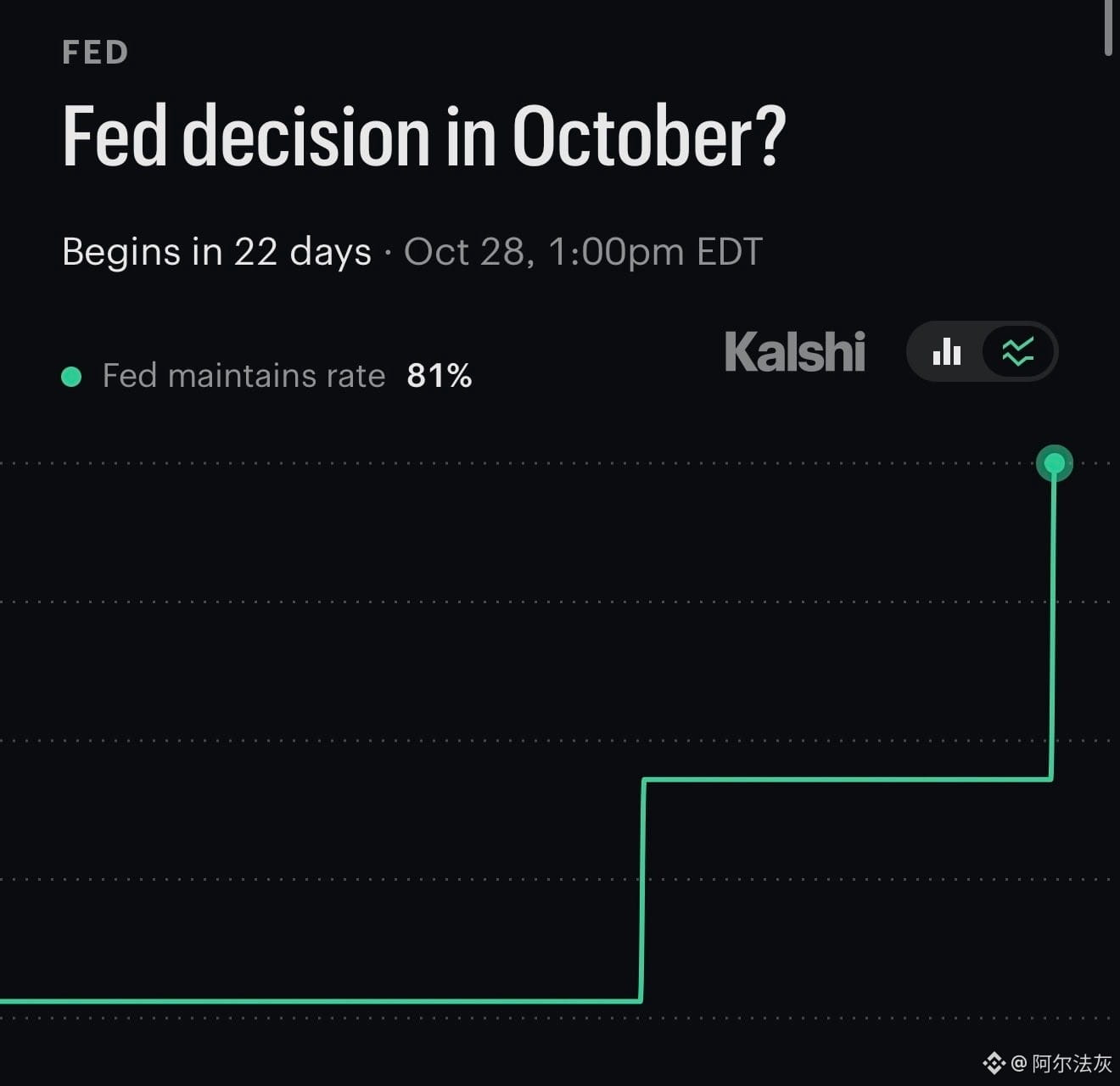
🚨 JUST IN: 🇺🇸 Looks like the Fed is staying put.
Markets expect the Federal Reserve to leave interest rates unchanged at the next FOMC meeting.
No move for now. All eyes will be on what Powell says about the road ahead. 👀
#FedOctoberHoldOdds82.3%
🚨 JUST IN: 🇺🇸 Looks like the Fed is staying put.
Markets expect the Federal Reserve to leave interest rates unchanged at the next FOMC meeting.
No move for now. All eyes will be on what Powell says about the road ahead. 👀
#FedOctoberHoldOdds82.3%
Markets expect the Federal Reserve to leave interest rates unchanged at the next FOMC meeting.
No move for now. All eyes will be on what Powell says about the road ahead. 👀
#FedOctoberHoldOdds82.3%
108
·
--

Article
BlackRock's "Loves Bitcoin" Paper Has An AsteriskBlackRock's Sept 22 paper, written with the Bitcoin Policy Institute's research, says AI models favored Bitcoin for long-term value, stablecoins for payments.
Headlines are calling it massive for crypto.$ETH
Here's what they're skipping though.
BlackRock's own paper says it plainly, these findings reflect simulated model responses, not observed agent behavior. Real agents aren't out there transacting and choosing Bitcoin.$BTC Models answered a hypothetical question in a controlled setting.
Bitcoin won 79.1% of the time in that original study. But a newer round of the same research told a different story, Bitcoin's share actually falling, with fiat leading at 41.4% and Bitcoin trailing at just 13.8%.
I don't think that makes BlackRock's broader thesis wrong, tbh. Agents probably will need some kind of machine-native payment rails eventually.
Just noting the asterisk matters as much as the headline does here.
BlackRock's "Loves Bitcoin" Paper Has An Asterisk
BlackRock's Sept 22 paper, written with the Bitcoin Policy Institute's research, says AI models favored Bitcoin for long-term value, stablecoins for payments.
Headlines are calling it massive for crypto.$ETH
Here's what they're skipping though.
BlackRock's own paper says it plainly, these findings reflect simulated model responses, not observed agent behavior. Real agents aren't out there transacting and choosing Bitcoin.$BTC Models answered a hypothetical question in a controlled setting.
Bitcoin won 79.1% of the time in that original study. But a newer round of the same research told a different story, Bitcoin's share actually falling, with fiat leading at 41.4% and Bitcoin trailing at just 13.8%.
I don't think that makes BlackRock's broader thesis wrong, tbh. Agents probably will need some kind of machine-native payment rails eventually.
Just noting the asterisk matters as much as the headline does here.
Headlines are calling it massive for crypto.$ETH
Here's what they're skipping though.
BlackRock's own paper says it plainly, these findings reflect simulated model responses, not observed agent behavior. Real agents aren't out there transacting and choosing Bitcoin.$BTC Models answered a hypothetical question in a controlled setting.
Bitcoin won 79.1% of the time in that original study. But a newer round of the same research told a different story, Bitcoin's share actually falling, with fiat leading at 41.4% and Bitcoin trailing at just 13.8%.
I don't think that makes BlackRock's broader thesis wrong, tbh. Agents probably will need some kind of machine-native payment rails eventually.
Just noting the asterisk matters as much as the headline does here.
2
169
·
--

Article
Tom Lee's Pattern Repeats Across Both MarketsTom Lee called "excessive pessimism" on CNBC this week. On the earnings side, the numbers actually back him up, tbh. Q3 2026 S&P 500 earnings growth is tracking near 29.5%, up from 26.7% estimated back on June 30. That's a real, upward revision.
Here's what I found once I actually traced his full track record though, honestly, and it's more interesting than I expected.
Back in October 2025, Lee made almost this exact same pessimism argument, pointing to sentiment readings only seen in real bear markets while the S&P was already up 13% that year. He predicted the index would top 7,000 by year-end. It closed 2025 at 6,886.68, tbh, a bit short of that target, close but not quite there.
Then for 2026, he set a bolder target, 7,700. By March, holding firm despite Iran-war volatility. By mid-year though, with the S&P actually down on the year and roughly 70% of the index in what he called a "rolling bear market," his own language shifted, quietly, to "maybe get to that 7,300."
That's genuinely the same shape as his crypto calls, honestly. A bold number gets set, pressure hits, the target gets revised down without much fanfare, not abandoned, just quietly softened.
Crypto's version of this is simpler to measure. His ETH target went from $9,000-12,000 in May to $6,000 by August, already being challenged again in September.
I think the honest takeaway is less "he's right on stocks, wrong on crypto" and more that Lee runs the same playbook everywhere, tbh. Bold target, strong conviction, quiet downward revision when reality pushes back, then a return to confidence once conditions improve again. This week's "excessive pessimism" call is backed by real Q3 data. Whether the underlying pattern looks different this time is still genuinely open.
Not dismissing this week's call, honestly. The earnings numbers are real. Just noting the full track record is more consistent, across both markets, than treating stocks and crypto as separate stories would suggest.
$BTC
{spot}(BTCUSDT)
Tom Lee's Pattern Repeats Across Both Markets
Tom Lee called "excessive pessimism" on CNBC this week. On the earnings side, the numbers actually back him up, tbh. Q3 2026 S&P 500 earnings growth is tracking near 29.5%, up from 26.7% estimated back on June 30. That's a real, upward revision.
Here's what I found once I actually traced his full track record though, honestly, and it's more interesting than I expected.
Back in October 2025, Lee made almost this exact same pessimism argument, pointing to sentiment readings only seen in real bear markets while the S&P was already up 13% that year. He predicted the index would top 7,000 by year-end. It closed 2025 at 6,886.68, tbh, a bit short of that target, close but not quite there.
Then for 2026, he set a bolder target, 7,700. By March, holding firm despite Iran-war volatility. By mid-year though, with the S&P actually down on the year and roughly 70% of the index in what he called a "rolling bear market," his own language shifted, quietly, to "maybe get to that 7,300."
That's genuinely the same shape as his crypto calls, honestly. A bold number gets set, pressure hits, the target gets revised down without much fanfare, not abandoned, just quietly softened.
Crypto's version of this is simpler to measure. His ETH target went from $9,000-12,000 in May to $6,000 by August, already being challenged again in September.
I think the honest takeaway is less "he's right on stocks, wrong on crypto" and more that Lee runs the same playbook everywhere, tbh. Bold target, strong conviction, quiet downward revision when reality pushes back, then a return to confidence once conditions improve again. This week's "excessive pessimism" call is backed by real Q3 data. Whether the underlying pattern looks different this time is still genuinely open.
Not dismissing this week's call, honestly. The earnings numbers are real. Just noting the full track record is more consistent, across both markets, than treating stocks and crypto as separate stories would suggest.
$BTC
Here's what I found once I actually traced his full track record though, honestly, and it's more interesting than I expected.
Back in October 2025, Lee made almost this exact same pessimism argument, pointing to sentiment readings only seen in real bear markets while the S&P was already up 13% that year. He predicted the index would top 7,000 by year-end. It closed 2025 at 6,886.68, tbh, a bit short of that target, close but not quite there.
Then for 2026, he set a bolder target, 7,700. By March, holding firm despite Iran-war volatility. By mid-year though, with the S&P actually down on the year and roughly 70% of the index in what he called a "rolling bear market," his own language shifted, quietly, to "maybe get to that 7,300."
That's genuinely the same shape as his crypto calls, honestly. A bold number gets set, pressure hits, the target gets revised down without much fanfare, not abandoned, just quietly softened.
Crypto's version of this is simpler to measure. His ETH target went from $9,000-12,000 in May to $6,000 by August, already being challenged again in September.
I think the honest takeaway is less "he's right on stocks, wrong on crypto" and more that Lee runs the same playbook everywhere, tbh. Bold target, strong conviction, quiet downward revision when reality pushes back, then a return to confidence once conditions improve again. This week's "excessive pessimism" call is backed by real Q3 data. Whether the underlying pattern looks different this time is still genuinely open.
Not dismissing this week's call, honestly. The earnings numbers are real. Just noting the full track record is more consistent, across both markets, than treating stocks and crypto as separate stories would suggest.
$BTC
163
·
--

Article
Bitcoin's Profit Number Has Climbed For MonthsGlassnode's latest reading puts 73.6% of Bitcoin's circulating supply in profit, with ETF holders sitting on unusually large gains. Headlines are framing this as fresh bullish confirmation.$BTC
Worth slowing down on that for a second.
This same metric sat at 65% back in May. It climbed to 68% by late August, then 69.3% in mid-September, a level Glassnode itself flagged at the time as sitting above its own statistical high band. By September 28, it had pushed to 74%.
73.6% today is actually a small step down from that peak, not a continued climb. I think that's worth knowing before treating today's number as a fresh milestone, since it's really one point on a run that's been building for months and may have already topped out a few days ago.
Here's what the number actually measures, for anyone unfamiliar, since the percentage alone doesn't explain much: it's the share of circulating coins last bought below today's price. Glassnode's own September 28 report paired this exact reading with a caution, not a cheer, noting that elevated profitability "gives more holders a reason to sell into strength." That's a fairly plain mechanism once you sit with it. More coins in profit just means more coins that could get sold whenever their holders decide the moment's right.
There's a sharper detail specifically on the ETF side. The ETF MVRV metric jumped from -0.54 to 1.31 in a short stretch, meaning ETF holders went from underwater in aggregate to solidly profitable within weeks. That's a fast move, tbh, fast enough that I'd want to see it hold for a bit before reading too much into it either way.
This also isn't new territory for Bitcoin. Back in 2025, Glassnode reported 97% of supply in profit during the run toward $126,000, and paired that number with the same kind of caution at the time. The shape tends to repeat, the percentage climbs, the commentary turns careful, and the market either absorbs the resulting profit-taking or it doesn't.
I'm not saying 73.6% means a drop is coming, honestly. High profit readings have sat underneath real, sustained rallies before too. Just noting the number by itself doesn't tell you much. Where it sits in that longer arc, climbing, peaking, now easing slightly, is the part actually worth paying attention to.
#BinanceLaunchesBinanceIntelligence
#EvernorthXRPTreasuryCompletesSPACMerger
#ETHUp70%InQ3ButLiquidityFalls
#FedOctoberHoldOdds82.3%
Bitcoin's Profit Number Has Climbed For Months
Glassnode's latest reading puts 73.6% of Bitcoin's circulating supply in profit, with ETF holders sitting on unusually large gains. Headlines are framing this as fresh bullish confirmation.$BTC
Worth slowing down on that for a second.
This same metric sat at 65% back in May. It climbed to 68% by late August, then 69.3% in mid-September, a level Glassnode itself flagged at the time as sitting above its own statistical high band. By September 28, it had pushed to 74%.
73.6% today is actually a small step down from that peak, not a continued climb. I think that's worth knowing before treating today's number as a fresh milestone, since it's really one point on a run that's been building for months and may have already topped out a few days ago.
Here's what the number actually measures, for anyone unfamiliar, since the percentage alone doesn't explain much: it's the share of circulating coins last bought below today's price. Glassnode's own September 28 report paired this exact reading with a caution, not a cheer, noting that elevated profitability "gives more holders a reason to sell into strength." That's a fairly plain mechanism once you sit with it. More coins in profit just means more coins that could get sold whenever their holders decide the moment's right.
There's a sharper detail specifically on the ETF side. The ETF MVRV metric jumped from -0.54 to 1.31 in a short stretch, meaning ETF holders went from underwater in aggregate to solidly profitable within weeks. That's a fast move, tbh, fast enough that I'd want to see it hold for a bit before reading too much into it either way.
This also isn't new territory for Bitcoin. Back in 2025, Glassnode reported 97% of supply in profit during the run toward $126,000, and paired that number with the same kind of caution at the time. The shape tends to repeat, the percentage climbs, the commentary turns careful, and the market either absorbs the resulting profit-taking or it doesn't.
I'm not saying 73.6% means a drop is coming, honestly. High profit readings have sat underneath real, sustained rallies before too. Just noting the number by itself doesn't tell you much. Where it sits in that longer arc, climbing, peaking, now easing slightly, is the part actually worth paying attention to.
#BinanceLaunchesBinanceIntelligence
#EvernorthXRPTreasuryCompletesSPACMerger
#ETHUp70%InQ3ButLiquidityFalls
#FedOctoberHoldOdds82.3%
Worth slowing down on that for a second.
This same metric sat at 65% back in May. It climbed to 68% by late August, then 69.3% in mid-September, a level Glassnode itself flagged at the time as sitting above its own statistical high band. By September 28, it had pushed to 74%.
73.6% today is actually a small step down from that peak, not a continued climb. I think that's worth knowing before treating today's number as a fresh milestone, since it's really one point on a run that's been building for months and may have already topped out a few days ago.
Here's what the number actually measures, for anyone unfamiliar, since the percentage alone doesn't explain much: it's the share of circulating coins last bought below today's price. Glassnode's own September 28 report paired this exact reading with a caution, not a cheer, noting that elevated profitability "gives more holders a reason to sell into strength." That's a fairly plain mechanism once you sit with it. More coins in profit just means more coins that could get sold whenever their holders decide the moment's right.
There's a sharper detail specifically on the ETF side. The ETF MVRV metric jumped from -0.54 to 1.31 in a short stretch, meaning ETF holders went from underwater in aggregate to solidly profitable within weeks. That's a fast move, tbh, fast enough that I'd want to see it hold for a bit before reading too much into it either way.
This also isn't new territory for Bitcoin. Back in 2025, Glassnode reported 97% of supply in profit during the run toward $126,000, and paired that number with the same kind of caution at the time. The shape tends to repeat, the percentage climbs, the commentary turns careful, and the market either absorbs the resulting profit-taking or it doesn't.
I'm not saying 73.6% means a drop is coming, honestly. High profit readings have sat underneath real, sustained rallies before too. Just noting the number by itself doesn't tell you much. Where it sits in that longer arc, climbing, peaking, now easing slightly, is the part actually worth paying attention to.
#BinanceLaunchesBinanceIntelligence
#EvernorthXRPTreasuryCompletesSPACMerger
#ETHUp70%InQ3ButLiquidityFalls
#FedOctoberHoldOdds82.3%
1
157
·
--
Bullish
🚨 BREAKING: IBIT Bought, Category Still Lost
Almost took the "institutions are loading up" line at face value myself, tbh, until I checked what the rest of the category did that same day.
BlackRock's IBIT bought $69.85 million in Bitcoin on October 5. That part's accurate.$BTC
Here's what the headline skips past though.
The entire US spot Bitcoin ETF category lost $89.9 million net that same day, per SoSoValue data cited by Odaily.
IBIT wasn't one buyer among many. It was the only fund with any inflow at all.
ARKB saw the category's biggest outflow, $85.2 million, in that same session.
I think that changes what "institutions are loading up" actually means here.
It wasn't institutions, plural, buying. It was one fund absorbing demand while the rest of the category got sold. A single green number propping up an otherwise red day, not broad conviction spreading across the market.
Worth checking the scale of IBIT's own number too.
$69.85 million sounds substantial on its own. But per Arkham data cited by TradingView, IBIT's posted meaningfully bigger single-day buys multiple times this year.
$195.6 million on October 1. $183.41 million back in July. $162.6 million and $143.57 million on other sessions.
Measured against IBIT's own recent pattern, this was actually one of its smaller days. Not a sign of accelerating demand.
I don't think this means institutional interest in Bitcoin is fading, honestly. IBIT absorbing the entire category's net inflow while competitors bleed is still a real, consistent pattern this year. BlackRock capturing demand that's leaving other issuers.
But that's a different, narrower story than "institutions are loading up" implies.
Not dismissing the purchase. Just noting a single fund buying while the category overall lost money isn't the same claim as broad institutional accumulation. The headline number alone doesn't tell you which one actually happened.
{spot}(BTCUSDT)
#BinanceLaunchesBinanceIntelligence #EvernorthXRPTreasuryCompletesSPACMerger #ETHUp70%InQ3ButLiquidityFalls #FedOctoberHoldOdds82.3%
🚨 BREAKING: IBIT Bought, Category Still Lost
Almost took the "institutions are loading up" line at face value myself, tbh, until I checked what the rest of the category did that same day.
BlackRock's IBIT bought $69.85 million in Bitcoin on October 5. That part's accurate.$BTC
Here's what the headline skips past though.
The entire US spot Bitcoin ETF category lost $89.9 million net that same day, per SoSoValue data cited by Odaily.
IBIT wasn't one buyer among many. It was the only fund with any inflow at all.
ARKB saw the category's biggest outflow, $85.2 million, in that same session.
I think that changes what "institutions are loading up" actually means here.
It wasn't institutions, plural, buying. It was one fund absorbing demand while the rest of the category got sold. A single green number propping up an otherwise red day, not broad conviction spreading across the market.
Worth checking the scale of IBIT's own number too.
$69.85 million sounds substantial on its own. But per Arkham data cited by TradingView, IBIT's posted meaningfully bigger single-day buys multiple times this year.
$195.6 million on October 1. $183.41 million back in July. $162.6 million and $143.57 million on other sessions.
Measured against IBIT's own recent pattern, this was actually one of its smaller days. Not a sign of accelerating demand.
I don't think this means institutional interest in Bitcoin is fading, honestly. IBIT absorbing the entire category's net inflow while competitors bleed is still a real, consistent pattern this year. BlackRock capturing demand that's leaving other issuers.
But that's a different, narrower story than "institutions are loading up" implies.
Not dismissing the purchase. Just noting a single fund buying while the category overall lost money isn't the same claim as broad institutional accumulation. The headline number alone doesn't tell you which one actually happened.
#BinanceLaunchesBinanceIntelligence #EvernorthXRPTreasuryCompletesSPACMerger #ETHUp70%InQ3ButLiquidityFalls #FedOctoberHoldOdds82.3%
Almost took the "institutions are loading up" line at face value myself, tbh, until I checked what the rest of the category did that same day.
BlackRock's IBIT bought $69.85 million in Bitcoin on October 5. That part's accurate.$BTC
Here's what the headline skips past though.
The entire US spot Bitcoin ETF category lost $89.9 million net that same day, per SoSoValue data cited by Odaily.
IBIT wasn't one buyer among many. It was the only fund with any inflow at all.
ARKB saw the category's biggest outflow, $85.2 million, in that same session.
I think that changes what "institutions are loading up" actually means here.
It wasn't institutions, plural, buying. It was one fund absorbing demand while the rest of the category got sold. A single green number propping up an otherwise red day, not broad conviction spreading across the market.
Worth checking the scale of IBIT's own number too.
$69.85 million sounds substantial on its own. But per Arkham data cited by TradingView, IBIT's posted meaningfully bigger single-day buys multiple times this year.
$195.6 million on October 1. $183.41 million back in July. $162.6 million and $143.57 million on other sessions.
Measured against IBIT's own recent pattern, this was actually one of its smaller days. Not a sign of accelerating demand.
I don't think this means institutional interest in Bitcoin is fading, honestly. IBIT absorbing the entire category's net inflow while competitors bleed is still a real, consistent pattern this year. BlackRock capturing demand that's leaving other issuers.
But that's a different, narrower story than "institutions are loading up" implies.
Not dismissing the purchase. Just noting a single fund buying while the category overall lost money isn't the same claim as broad institutional accumulation. The headline number alone doesn't tell you which one actually happened.
#BinanceLaunchesBinanceIntelligence #EvernorthXRPTreasuryCompletesSPACMerger #ETHUp70%InQ3ButLiquidityFalls #FedOctoberHoldOdds82.3%

1
132
·
--
🎙️ The arrival of Binance’s AI era: if you’re still asleep, that would be terrifying. BNB

End
02 h 03 m 21 s
4.5k
13
29
·
--
🎙️ Building Binance Square, holding BNB | It's Tuesday and the market is choppy again. What positions does everyone have open? Let's chat.

End
04 h 44 m 23 s
11.5k
39
50
·
--

Article
The $4.74M XRP Headline Hiding A 94% DropXRP spot ETFs took in $4.74 million last week. Technically still positive, extending a 12-week green streak.
Here's what that framing skips past though.
The week before this one, XRP ETFs pulled in $75.59 million. That's a 94% drop week over week. Not a modest cooling. A near-total collapse in demand.
I think the "still green" framing is doing a lot of quiet work here, tbh.
Most of that $4.74 million actually came in on a single day, Thursday, at $4.07 million. Friday then brought a $3.28 million outflow, the first red day since September 18, nearly wiping out the whole week's gain in one session.
Worth noting this isn't just an XRP story either.
Cointelegraph's own weekly roundup put the full picture side by side. Bitcoin ETFs took in $241.09 million. Solana ETFs added just $2.43 million, down from $188 million the week before, also a 94%+ collapse. Ethereum ETFs posted a $138.02 million outflow outright. Out of four major categories, only Bitcoin actually had a strong week. XRP, Solana, and Ethereum all weakened at the same time.
That's a broader pattern, not a coincidence tied to one token.
There's a specific cause behind at least part of XRP's slowdown too.
A validator vote on the XRP Ledger failed to pass, delaying a planned network upgrade. That's a real, dateable reason sentiment softened right when it did, not just generic market fatigue.
Not dismissing the streak, honestly. Twelve consecutive green weeks is still a real, positive run.
Just noting, "$4.74 million inflow" read on its own tells you almost nothing about demand falling off a cliff the moment you compare it to the week before, or about the fact that XRP wasn't even the weakest performer that week.
$XRP
{spot}(XRPUSDT)
The $4.74M XRP Headline Hiding A 94% Drop
XRP spot ETFs took in $4.74 million last week. Technically still positive, extending a 12-week green streak.
Here's what that framing skips past though.
The week before this one, XRP ETFs pulled in $75.59 million. That's a 94% drop week over week. Not a modest cooling. A near-total collapse in demand.
I think the "still green" framing is doing a lot of quiet work here, tbh.
Most of that $4.74 million actually came in on a single day, Thursday, at $4.07 million. Friday then brought a $3.28 million outflow, the first red day since September 18, nearly wiping out the whole week's gain in one session.
Worth noting this isn't just an XRP story either.
Cointelegraph's own weekly roundup put the full picture side by side. Bitcoin ETFs took in $241.09 million. Solana ETFs added just $2.43 million, down from $188 million the week before, also a 94%+ collapse. Ethereum ETFs posted a $138.02 million outflow outright. Out of four major categories, only Bitcoin actually had a strong week. XRP, Solana, and Ethereum all weakened at the same time.
That's a broader pattern, not a coincidence tied to one token.
There's a specific cause behind at least part of XRP's slowdown too.
A validator vote on the XRP Ledger failed to pass, delaying a planned network upgrade. That's a real, dateable reason sentiment softened right when it did, not just generic market fatigue.
Not dismissing the streak, honestly. Twelve consecutive green weeks is still a real, positive run.
Just noting, "$4.74 million inflow" read on its own tells you almost nothing about demand falling off a cliff the moment you compare it to the week before, or about the fact that XRP wasn't even the weakest performer that week.
$XRP
Here's what that framing skips past though.
The week before this one, XRP ETFs pulled in $75.59 million. That's a 94% drop week over week. Not a modest cooling. A near-total collapse in demand.
I think the "still green" framing is doing a lot of quiet work here, tbh.
Most of that $4.74 million actually came in on a single day, Thursday, at $4.07 million. Friday then brought a $3.28 million outflow, the first red day since September 18, nearly wiping out the whole week's gain in one session.
Worth noting this isn't just an XRP story either.
Cointelegraph's own weekly roundup put the full picture side by side. Bitcoin ETFs took in $241.09 million. Solana ETFs added just $2.43 million, down from $188 million the week before, also a 94%+ collapse. Ethereum ETFs posted a $138.02 million outflow outright. Out of four major categories, only Bitcoin actually had a strong week. XRP, Solana, and Ethereum all weakened at the same time.
That's a broader pattern, not a coincidence tied to one token.
There's a specific cause behind at least part of XRP's slowdown too.
A validator vote on the XRP Ledger failed to pass, delaying a planned network upgrade. That's a real, dateable reason sentiment softened right when it did, not just generic market fatigue.
Not dismissing the streak, honestly. Twelve consecutive green weeks is still a real, positive run.
Just noting, "$4.74 million inflow" read on its own tells you almost nothing about demand falling off a cliff the moment you compare it to the week before, or about the fact that XRP wasn't even the weakest performer that week.
$XRP
1
190
·
--
Partly True

Article
The "6 Billion Barrel" Safety Net Isn't Really ThereAlmost took that number at face value myself, tbh, until I noticed what Aramco's own CEO said right next to it.
Saudi Aramco's CEO said global oil stocks sit just under 6 billion barrels. That's a huge number on paper, the kind that sounds reassuring on its own.
Here's the detail sitting right next to it though.
Amin Nasser's own words were that most of those 6 billion barrels are "effectively unusable." The headline stockpile and the actual, deployable safety net aren't quite the same thing.
I think that gap matters more than the raw figure. A reserve that exists on a balance sheet but can't actually reach the market fast enough isn't really doing the job a reserve is supposed to do.
Worth noting where the real drawdown has actually come from too.
Governments announced G7-coordinated releases from strategic reserves, the kind of move usually framed as the emergency backstop. But Nasser specifically said most of the oil already pulled to cover this shortfall came from corporate stockpiles instead. Private company reserves, not government ones.
He called that "the last major tool in the box." A fairly blunt way of saying the real safety net has already quietly shifted from public reserves to private ones.
The scale behind this is real too.
The Iran conflict has cut close to 3 billion barrels of regional supply, roughly half of what would normally move through the Strait of Hormuz in that stretch. More than 1 billion barrels have already come out of reserves just to bridge the gap.
Even in the best case, full Hormuz reopening, Nasser says rebuilding these stockpiles back to normal could take up to two years.
Not predicting how this resolves. Just noting the reassuring-sounding "6 billion barrels" and the actual usable safety net underneath it are two different claims. The second one is a lot thinner than the first one suggests.
The "6 Billion Barrel" Safety Net Isn't Really There
Almost took that number at face value myself, tbh, until I noticed what Aramco's own CEO said right next to it.
Saudi Aramco's CEO said global oil stocks sit just under 6 billion barrels. That's a huge number on paper, the kind that sounds reassuring on its own.
Here's the detail sitting right next to it though.
Amin Nasser's own words were that most of those 6 billion barrels are "effectively unusable." The headline stockpile and the actual, deployable safety net aren't quite the same thing.
I think that gap matters more than the raw figure. A reserve that exists on a balance sheet but can't actually reach the market fast enough isn't really doing the job a reserve is supposed to do.
Worth noting where the real drawdown has actually come from too.
Governments announced G7-coordinated releases from strategic reserves, the kind of move usually framed as the emergency backstop. But Nasser specifically said most of the oil already pulled to cover this shortfall came from corporate stockpiles instead. Private company reserves, not government ones.
He called that "the last major tool in the box." A fairly blunt way of saying the real safety net has already quietly shifted from public reserves to private ones.
The scale behind this is real too.
The Iran conflict has cut close to 3 billion barrels of regional supply, roughly half of what would normally move through the Strait of Hormuz in that stretch. More than 1 billion barrels have already come out of reserves just to bridge the gap.
Even in the best case, full Hormuz reopening, Nasser says rebuilding these stockpiles back to normal could take up to two years.
Not predicting how this resolves. Just noting the reassuring-sounding "6 billion barrels" and the actual usable safety net underneath it are two different claims. The second one is a lot thinner than the first one suggests.
Saudi Aramco's CEO said global oil stocks sit just under 6 billion barrels. That's a huge number on paper, the kind that sounds reassuring on its own.
Here's the detail sitting right next to it though.
Amin Nasser's own words were that most of those 6 billion barrels are "effectively unusable." The headline stockpile and the actual, deployable safety net aren't quite the same thing.
I think that gap matters more than the raw figure. A reserve that exists on a balance sheet but can't actually reach the market fast enough isn't really doing the job a reserve is supposed to do.
Worth noting where the real drawdown has actually come from too.
Governments announced G7-coordinated releases from strategic reserves, the kind of move usually framed as the emergency backstop. But Nasser specifically said most of the oil already pulled to cover this shortfall came from corporate stockpiles instead. Private company reserves, not government ones.
He called that "the last major tool in the box." A fairly blunt way of saying the real safety net has already quietly shifted from public reserves to private ones.
The scale behind this is real too.
The Iran conflict has cut close to 3 billion barrels of regional supply, roughly half of what would normally move through the Strait of Hormuz in that stretch. More than 1 billion barrels have already come out of reserves just to bridge the gap.
Even in the best case, full Hormuz reopening, Nasser says rebuilding these stockpiles back to normal could take up to two years.
Not predicting how this resolves. Just noting the reassuring-sounding "6 billion barrels" and the actual usable safety net underneath it are two different claims. The second one is a lot thinner than the first one suggests.
1
6
6.9k
·
--
Bullish
Verified
Strive's "Hint" Is Just Their Weekly Routine
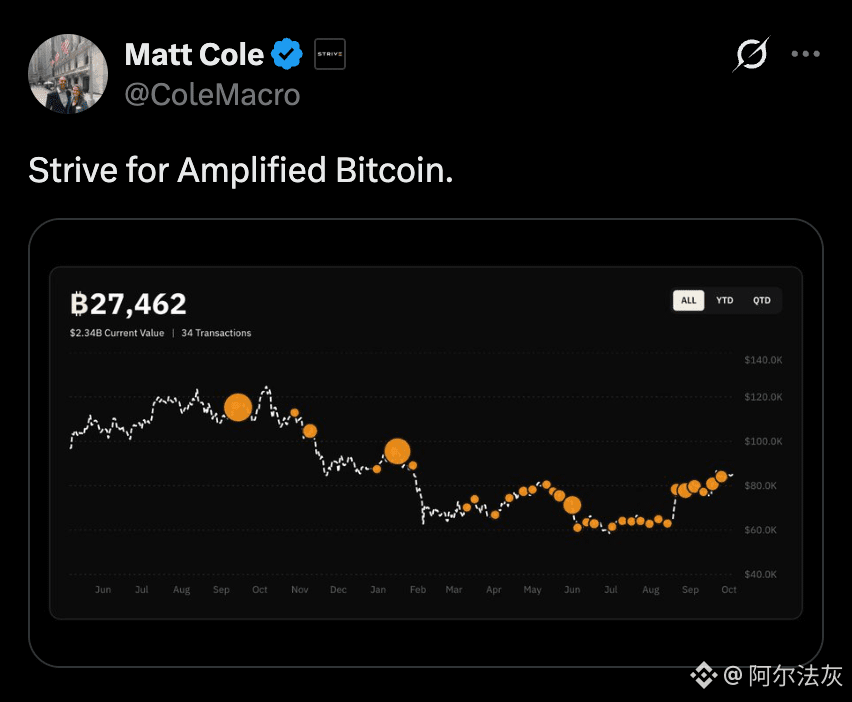
A headline's circulating calling this breaking news. Strive's CEO hinting at more Bitcoin buying, tagged with their slogan "Strive for Amplified Bitcoin."$BTC
That slogan isn't new, tbh. I found it sitting in Strive's own investor presentations as far back as March.
And "buying more Bitcoin" isn't really a hint. It's what this company does almost every week, disclosed through routine SEC filings.
Strive bought 1,355 BTC in mid-September. Then 1,107 BTC the week after. Total holdings now past 27,400 coins.
Before that, roughly 5,048 BTC came through an all-stock acquisition of Semler Scientific.
I think the price trend inside those purchases is worth a quiet look too.
Average buy prices moved from around $59,850 in late June up to $94,761 by quarter-end. Then back to $79,000-85,000 by September.
Strive's also booked real GAAP losses tied to Bitcoin's price moves along the way.
Not calling the strategy wrong here. It's consistent, fully disclosed, all year.
Just noting, an established weekly pattern dressed up as a fresh "hint" tends to do more for engagement than it does for anyone actually looking for new information.
Strive's "Hint" Is Just Their Weekly Routine
A headline's circulating calling this breaking news. Strive's CEO hinting at more Bitcoin buying, tagged with their slogan "Strive for Amplified Bitcoin."$BTC
That slogan isn't new, tbh. I found it sitting in Strive's own investor presentations as far back as March.
And "buying more Bitcoin" isn't really a hint. It's what this company does almost every week, disclosed through routine SEC filings.
Strive bought 1,355 BTC in mid-September. Then 1,107 BTC the week after. Total holdings now past 27,400 coins.
Before that, roughly 5,048 BTC came through an all-stock acquisition of Semler Scientific.
I think the price trend inside those purchases is worth a quiet look too.
Average buy prices moved from around $59,850 in late June up to $94,761 by quarter-end. Then back to $79,000-85,000 by September.
Strive's also booked real GAAP losses tied to Bitcoin's price moves along the way.
Not calling the strategy wrong here. It's consistent, fully disclosed, all year.
Just noting, an established weekly pattern dressed up as a fresh "hint" tends to do more for engagement than it does for anyone actually looking for new information.
A headline's circulating calling this breaking news. Strive's CEO hinting at more Bitcoin buying, tagged with their slogan "Strive for Amplified Bitcoin."$BTC
That slogan isn't new, tbh. I found it sitting in Strive's own investor presentations as far back as March.
And "buying more Bitcoin" isn't really a hint. It's what this company does almost every week, disclosed through routine SEC filings.
Strive bought 1,355 BTC in mid-September. Then 1,107 BTC the week after. Total holdings now past 27,400 coins.
Before that, roughly 5,048 BTC came through an all-stock acquisition of Semler Scientific.
I think the price trend inside those purchases is worth a quiet look too.
Average buy prices moved from around $59,850 in late June up to $94,761 by quarter-end. Then back to $79,000-85,000 by September.
Strive's also booked real GAAP losses tied to Bitcoin's price moves along the way.
Not calling the strategy wrong here. It's consistent, fully disclosed, all year.
Just noting, an established weekly pattern dressed up as a fresh "hint" tends to do more for engagement than it does for anyone actually looking for new information.
1
193
Log in to explore more content
Join global crypto users on Binance Square
⚡️ Get latest and useful information about crypto.
💬 Trusted by the world’s largest crypto exchange.
👍 Discover real insights from verified creators.
Email / Phone number
Trending Topics
FedMinutesFocusOnOctoberPause
388,568 views
2,429 Discussing
🚨 THE FED JUST DROPPED A HUGE HINT — OCTOBER PAUSE INCOMING?
Wall Street is betting the Fed will HIT THE BRAKES in October. And crypto traders are watching closely. 👀
The latest FOMC minutes have shifted attention toward a potential pause at the October 27–28 meeting.
📊 The market setup:
🔥 October rate hold: approximately 82.8% in the latest previously reported pricing.
🔥 Rate hike probability: approximately 17.2%.
🔥 Weakening labor-market data is making an immediate hike harder to justify.
But here's the twist.
A PAUSE IS NOT A RATE CUT.
The Fed could hold in October while keeping the door open for additional tightening later.
For $BTC, $ ETH and $XAU, that distinction matters.
A pause could ease immediate pressure on risk assets. But persistent inflation and elevated Treasury yields could still crush bullish momentum.
⚠️ THE BIG QUESTION:
Is Wall Street positioning for a crypto breakout — or setting up another massive bull trap before the next Fed decision?
$BTC $ETH $BNB $SOL $XAU
#fedminutesfocusonoctoberpause #BinanceLaunchesBinanceIntelligence #EvernorthDelaysNasdaqDebutToOct12 #RobinhoodAdds$25MInBitcoinToBalanceSheet #SP500AndNasdaqHitRecordHighs
KimHotbae
·30 Likes
·33.7k views
VitalikWarnsAICouldWeakenCryptographySecurity
2,789 views
168 Discussing
XRPSpotETFsHold$1.7BWeeklyInflowsSlow
474 views
25 Discussing