

区块博士
635 Posts

区块博士
Report
Block User
区块博士陪你了解加密金融
53 Following
378 Followers
721 Liked
Posts
All
Quotes
Videos
·
--
Verified
Article
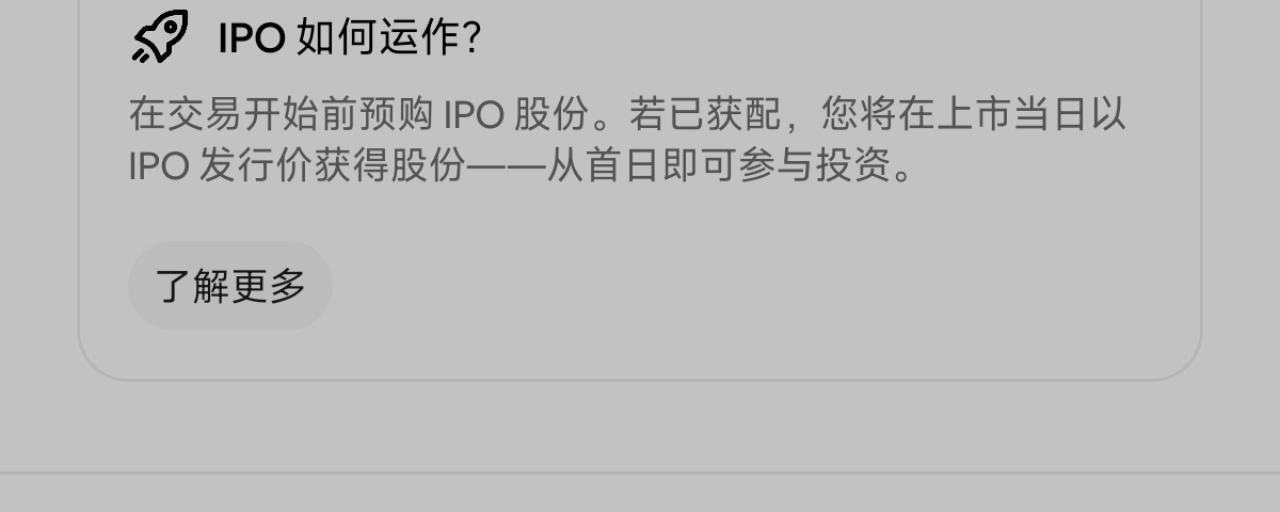
Oura IPO Access: Conclusion FirstMany people think that submitting an expression of interest on Kraken @krakenfx means you’ve effectively already bought Oura’s original shares in advance. In reality, what you get is a platform credential like OURAx. Returns generally track the stock price, but there’s no voting right and no dividends—so it’s not the same as directly holding common shares in your brokerage account.
Is it worth participating? I’ll give you the conclusion up front. If you’re eligible, a small position is worth considering as a way to test the waters. The value here isn’t guaranteed profits from a new issue; it’s about using a limited allocation exposure to try out this route. But based on past experience with similar events, the allocation weight the platform can provide is usually not high. Don’t plan your position assuming you’ll get the maximum allocation.
Oura IPO Access: Conclusion First
Many people think that submitting an expression of interest on Kraken @krakenfx means you’ve effectively already bought Oura’s original shares in advance. In reality, what you get is a platform credential like OURAx. Returns generally track the stock price, but there’s no voting right and no dividends—so it’s not the same as directly holding common shares in your brokerage account.
Is it worth participating? I’ll give you the conclusion up front. If you’re eligible, a small position is worth considering as a way to test the waters. The value here isn’t guaranteed profits from a new issue; it’s about using a limited allocation exposure to try out this route. But based on past experience with similar events, the allocation weight the platform can provide is usually not high. Don’t plan your position assuming you’ll get the maximum allocation.
Is it worth participating? I’ll give you the conclusion up front. If you’re eligible, a small position is worth considering as a way to test the waters. The value here isn’t guaranteed profits from a new issue; it’s about using a limited allocation exposure to try out this route. But based on past experience with similar events, the allocation weight the platform can provide is usually not high. Don’t plan your position assuming you’ll get the maximum allocation.
2
3
676
·
--
Article
Anthropic IPO moved from around October to NovemberAnthropic’s IPO has been moved from around October to November. The pigeon also brought it up on TG—he thinks the next quick surge in AI stocks will officially kick off once Anthropic’s IPO is in place.
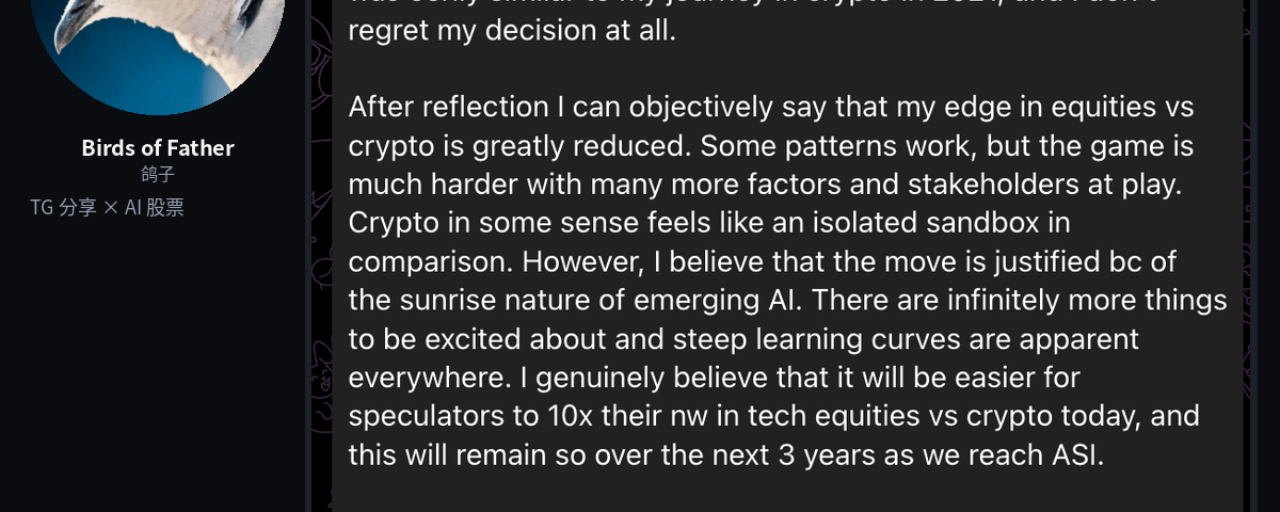
In the past six months, the trader Birds of Father (the pigeon) has effectively had to re-learn an asset class: AI stocks. He dove in headfirst, weathered one of the biggest volatility events in stock market history, and learned a lot of new lessons. In some ways it’s almost like his 2021 experience in crypto—he says he doesn’t regret it. After a calm review, he admits that the edge stocks have over crypto has actually shrunk quite a bit: some patterns still work, but there are more variables, more stakeholders, and the game is harder—crypto, at times, feels like a relatively closed sandbox. Even so, he still thinks the shift made sense, because up-and-coming AI is still in its sunrise phase, with more exciting things and steep learning curves everywhere. He genuinely believes that getting tech stocks to make a 10x move in net value might be easier than doing it in crypto. And over the next three years, through the stage leading up to artificial superintelligence (ASI), that judgment will likely hold. So, prioritizing the seat over relative advantage, he’s waiting for the volatility brought by the Anthropic IPO and model releases.
Anthropic IPO moved from around October to November
Anthropic’s IPO has been moved from around October to November. The pigeon also brought it up on TG—he thinks the next quick surge in AI stocks will officially kick off once Anthropic’s IPO is in place.
In the past six months, the trader Birds of Father (the pigeon) has effectively had to re-learn an asset class: AI stocks. He dove in headfirst, weathered one of the biggest volatility events in stock market history, and learned a lot of new lessons. In some ways it’s almost like his 2021 experience in crypto—he says he doesn’t regret it. After a calm review, he admits that the edge stocks have over crypto has actually shrunk quite a bit: some patterns still work, but there are more variables, more stakeholders, and the game is harder—crypto, at times, feels like a relatively closed sandbox. Even so, he still thinks the shift made sense, because up-and-coming AI is still in its sunrise phase, with more exciting things and steep learning curves everywhere. He genuinely believes that getting tech stocks to make a 10x move in net value might be easier than doing it in crypto. And over the next three years, through the stage leading up to artificial superintelligence (ASI), that judgment will likely hold. So, prioritizing the seat over relative advantage, he’s waiting for the volatility brought by the Anthropic IPO and model releases.
In the past six months, the trader Birds of Father (the pigeon) has effectively had to re-learn an asset class: AI stocks. He dove in headfirst, weathered one of the biggest volatility events in stock market history, and learned a lot of new lessons. In some ways it’s almost like his 2021 experience in crypto—he says he doesn’t regret it. After a calm review, he admits that the edge stocks have over crypto has actually shrunk quite a bit: some patterns still work, but there are more variables, more stakeholders, and the game is harder—crypto, at times, feels like a relatively closed sandbox. Even so, he still thinks the shift made sense, because up-and-coming AI is still in its sunrise phase, with more exciting things and steep learning curves everywhere. He genuinely believes that getting tech stocks to make a 10x move in net value might be easier than doing it in crypto. And over the next three years, through the stage leading up to artificial superintelligence (ASI), that judgment will likely hold. So, prioritizing the seat over relative advantage, he’s waiting for the volatility brought by the Anthropic IPO and model releases.
3
463
·
--
Binance Wallet (@BinanceWallet) has just officially announced Pre-Access. The event is hosted by PancakeSwap (@PancakeSwap). The Wallet is mainly an entry point for self-custody.
This is indirect exposure before going public: by using your wallet to participate in subscriptions or related arrangements, you get a contract-like economic exposure—not company stock, and you don’t have shareholder rights like voting or dividend payouts. Since the first project hasn’t been announced yet, don’t force-fit historical TGE rules.
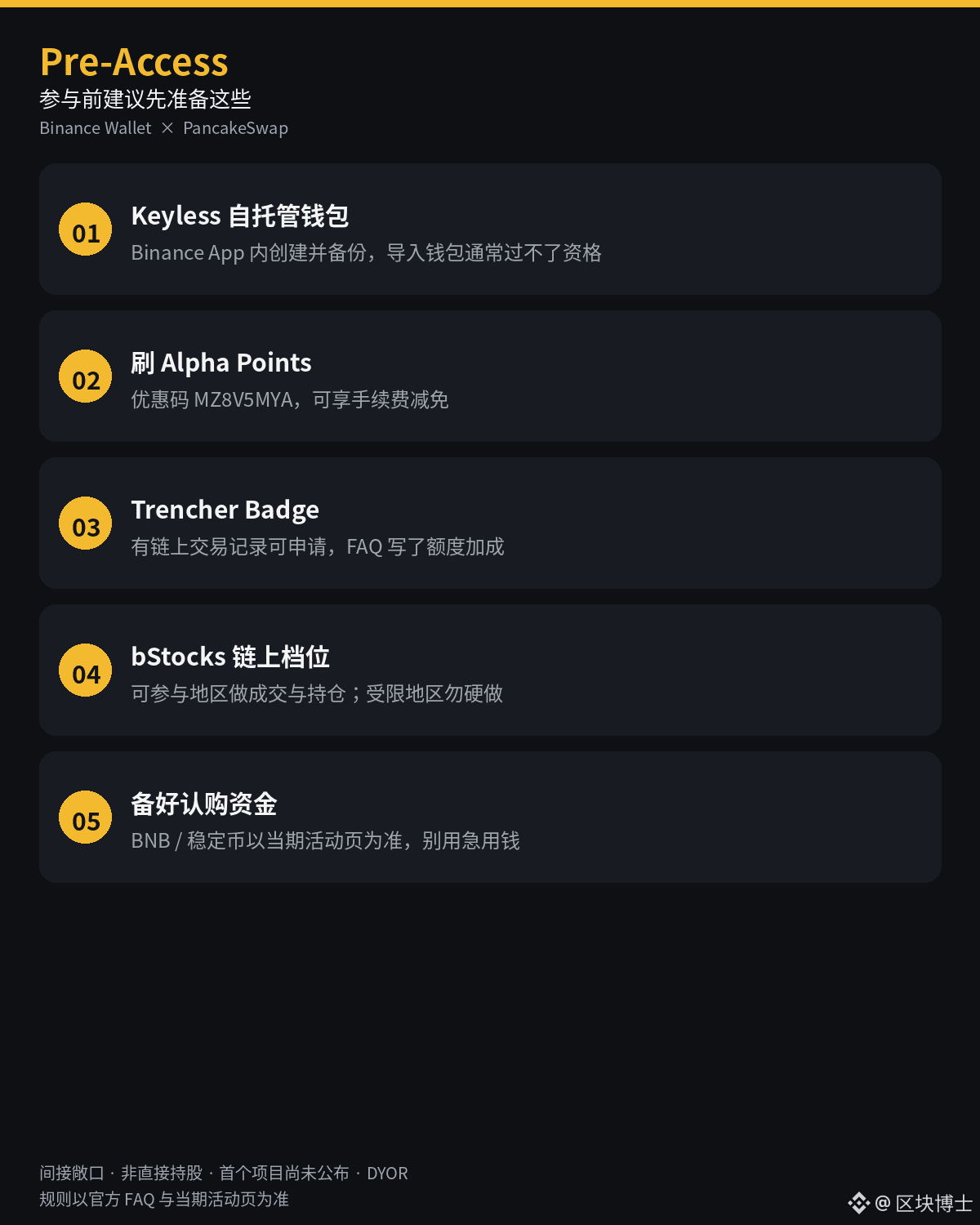
To get ready in advance, you can do a few things. First, set up your Keyless self-custody wallet inside the Binance App; don’t rely on imported wallets to qualify. Second, make sure to spend time earning Alpha Points (use promo code MZ8V5MYA, link https://web3.binance.com/referral?ref=MZ8V5MYA — you can get fee reductions). Third, if you have on-chain transaction history, apply for a Trencher Badge. The FAQ mentions extra quota boosts, though it may not be a hard requirement for every event. Fourth, in eligible regions, use your wallet to do some bStocks on-chain trades and holdings to raise your On-Chain Tier; don’t force it in restricted areas like the United States. Fifth, prepare the BNB or stablecoins that might be required for the subscription—follow the activity page for the specific details, and don’t use money you plan to move soon.
The entry path is generally through the Pre-Access banner on the wallet home page in the App, or Discover → On-Chain Opportunities → Pre-Access. Once the project is out, first check the subscription price, timing, how oversubscription gets scaled down, and how token claims or refunds will be handled.
Don’t cut corners on risk: there may be lockups, transfer limits, discount/premium effects, not getting listed, counterparty default—and you might even lose everything. Follow the official FAQ and the PancakeSwap activity page for the specific event rules.
Original X post https://x.com/blockphd7/status/2101571850677502411
Binance Wallet (@BinanceWallet) has just officially announced Pre-Access. The event is hosted by PancakeSwap (@PancakeSwap). The Wallet is mainly an entry point for self-custody.
This is indirect exposure before going public: by using your wallet to participate in subscriptions or related arrangements, you get a contract-like economic exposure—not company stock, and you don’t have shareholder rights like voting or dividend payouts. Since the first project hasn’t been announced yet, don’t force-fit historical TGE rules.
To get ready in advance, you can do a few things. First, set up your Keyless self-custody wallet inside the Binance App; don’t rely on imported wallets to qualify. Second, make sure to spend time earning Alpha Points (use promo code MZ8V5MYA, link https://web3.binance.com/referral?ref=MZ8V5MYA — you can get fee reductions). Third, if you have on-chain transaction history, apply for a Trencher Badge. The FAQ mentions extra quota boosts, though it may not be a hard requirement for every event. Fourth, in eligible regions, use your wallet to do some bStocks on-chain trades and holdings to raise your On-Chain Tier; don’t force it in restricted areas like the United States. Fifth, prepare the BNB or stablecoins that might be required for the subscription—follow the activity page for the specific details, and don’t use money you plan to move soon.
The entry path is generally through the Pre-Access banner on the wallet home page in the App, or Discover → On-Chain Opportunities → Pre-Access. Once the project is out, first check the subscription price, timing, how oversubscription gets scaled down, and how token claims or refunds will be handled.
Don’t cut corners on risk: there may be lockups, transfer limits, discount/premium effects, not getting listed, counterparty default—and you might even lose everything. Follow the official FAQ and the PancakeSwap activity page for the specific event rules.
Original X post https://x.com/blockphd7/status/2101571850677502411
This is indirect exposure before going public: by using your wallet to participate in subscriptions or related arrangements, you get a contract-like economic exposure—not company stock, and you don’t have shareholder rights like voting or dividend payouts. Since the first project hasn’t been announced yet, don’t force-fit historical TGE rules.
To get ready in advance, you can do a few things. First, set up your Keyless self-custody wallet inside the Binance App; don’t rely on imported wallets to qualify. Second, make sure to spend time earning Alpha Points (use promo code MZ8V5MYA, link https://web3.binance.com/referral?ref=MZ8V5MYA — you can get fee reductions). Third, if you have on-chain transaction history, apply for a Trencher Badge. The FAQ mentions extra quota boosts, though it may not be a hard requirement for every event. Fourth, in eligible regions, use your wallet to do some bStocks on-chain trades and holdings to raise your On-Chain Tier; don’t force it in restricted areas like the United States. Fifth, prepare the BNB or stablecoins that might be required for the subscription—follow the activity page for the specific details, and don’t use money you plan to move soon.
The entry path is generally through the Pre-Access banner on the wallet home page in the App, or Discover → On-Chain Opportunities → Pre-Access. Once the project is out, first check the subscription price, timing, how oversubscription gets scaled down, and how token claims or refunds will be handled.
Don’t cut corners on risk: there may be lockups, transfer limits, discount/premium effects, not getting listed, counterparty default—and you might even lose everything. Follow the official FAQ and the PancakeSwap activity page for the specific event rules.
Original X post https://x.com/blockphd7/status/2101571850677502411
1
6
2.2k
·
--
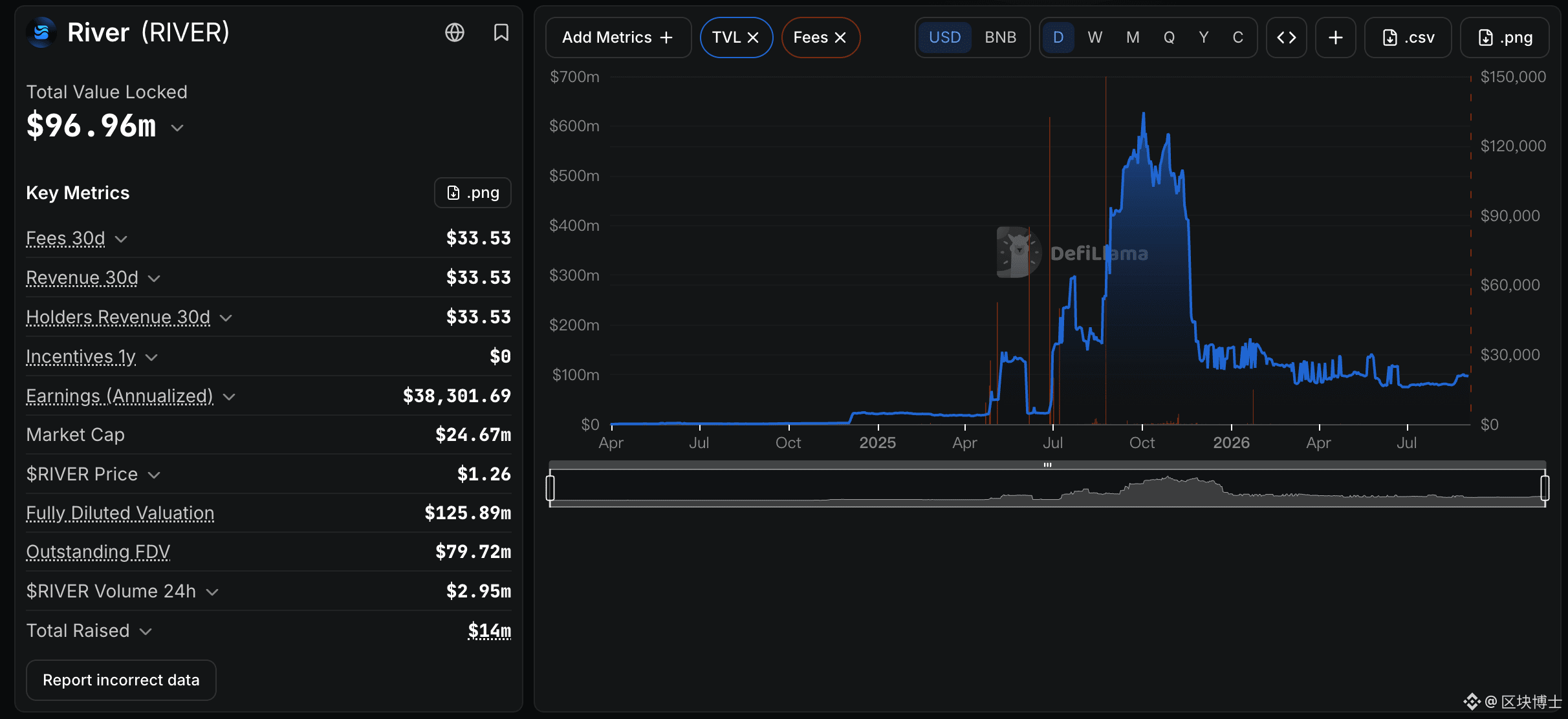
Normal unlocking means the spiral returns to zero,
Should I still wait for the right moment to take another shot?
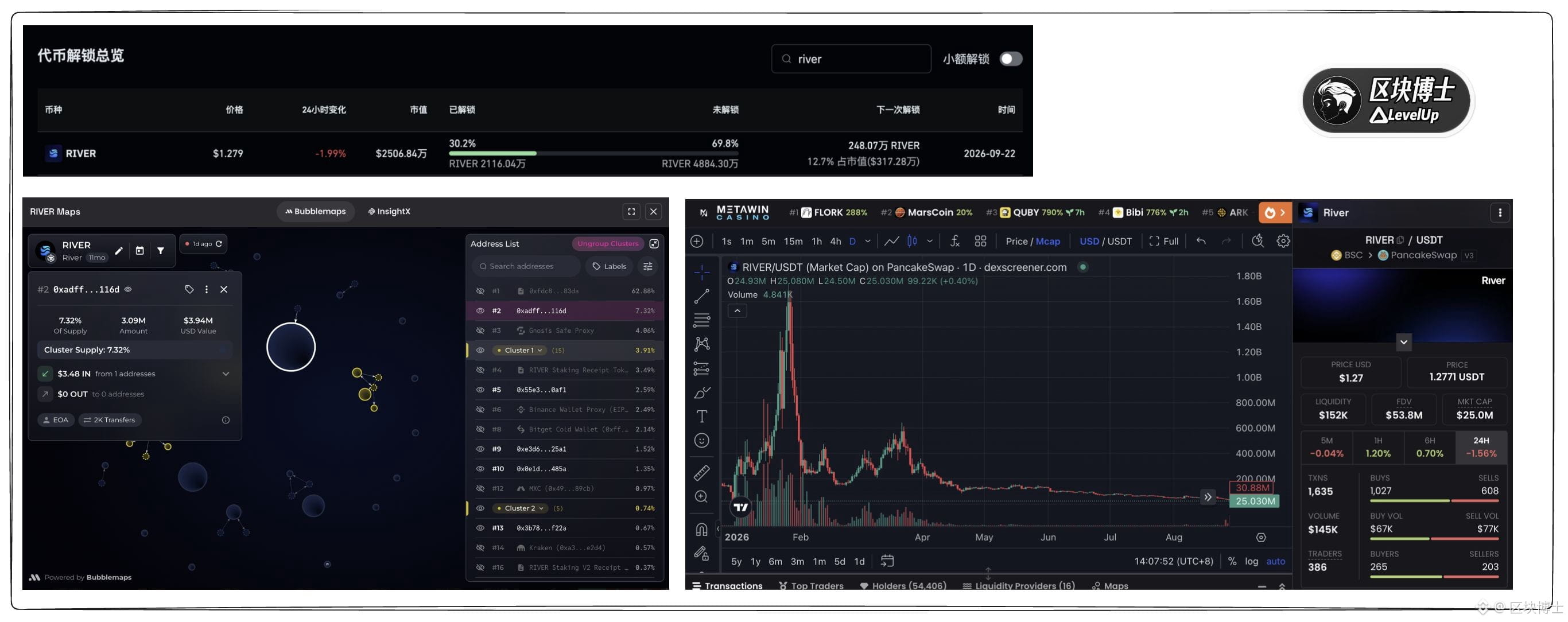
Does River still have a chance to make another surge? $RIVER
{future}(RIVERUSDT)
Normal unlocking means the spiral returns to zero,
Should I still wait for the right moment to take another shot?
Does River still have a chance to make another surge? $RIVER
Should I still wait for the right moment to take another shot?
Does River still have a chance to make another surge? $RIVER
3
3k
·
--
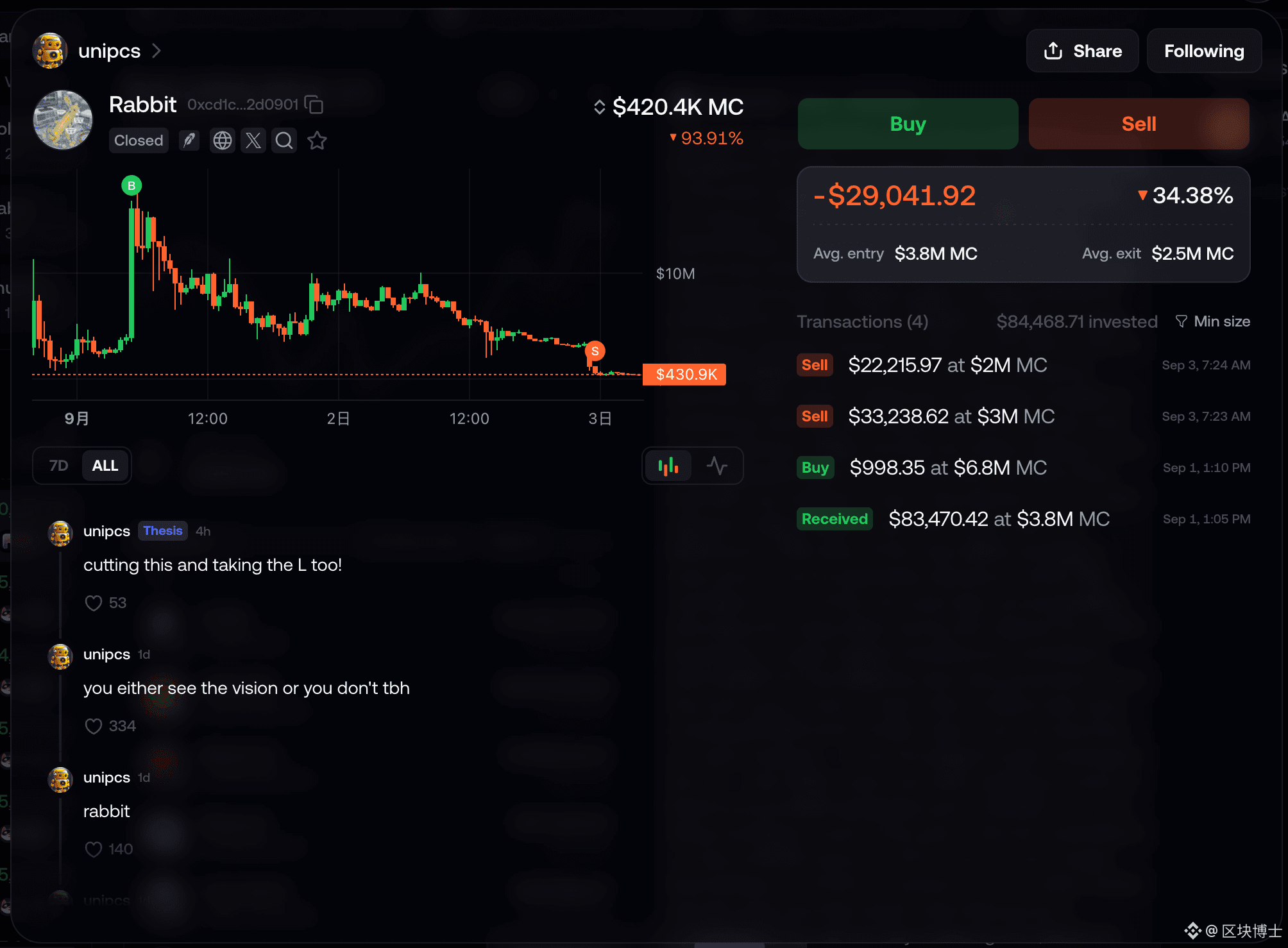
The front of the vehicle's damage potential is really too strong. It was at 2kw the day before yesterday, now it's back to zero today.
Reduce unnecessary operations—study thoroughly before making a move.
Don’t just track the front of the vehicle; track the thinking logic that FOMO and pumps share.
Remember: fortune doesn’t enter through impatient doors. Every time you see a pull-up with high momentum, it’s both risk and opportunity.
The front of the vehicle's damage potential is really too strong. It was at 2kw the day before yesterday, now it's back to zero today.
Reduce unnecessary operations—study thoroughly before making a move.
Don’t just track the front of the vehicle; track the thinking logic that FOMO and pumps share.
Remember: fortune doesn’t enter through impatient doors. Every time you see a pull-up with high momentum, it’s both risk and opportunity.
Reduce unnecessary operations—study thoroughly before making a move.
Don’t just track the front of the vehicle; track the thinking logic that FOMO and pumps share.
Remember: fortune doesn’t enter through impatient doors. Every time you see a pull-up with high momentum, it’s both risk and opportunity.
995
·
--
Sun Yuchen’s money—why Bloomberg only recognizes half
How much money does Sun Yuchen actually have? It depends on who you ask.
When Forbes updated its rich list in 2025, it interviewed him. He reported it as $40 billion. In the end, Forbes only recognized $8.5 billion, for a very straightforward reason: Sun Yuchen did not authorize his crypto wallets, so any parts that couldn’t be verified were simply excluded.
Bloomberg also contacted Sun Yuchen’s financial team last year and obtained wallet information. More than 6.0 billion TRX, 17,000 BTC, 224,000 ETH, 700 million USDT—plus HTX’s 90% equity stake. Based on then-current prices, that adds up to a paper net worth of $23 billion.
But Bloomberg was only willing to endorse $12 billion. The missing $11 billion is almost entirely in TRX. Bloomberg applied a 75% liquidity discount to TRX and counted only 25% as actual value. The reason isn’t mysterious. The batch of TRX Sun Yuchen holds has a single-address position that exceeds 60% of the circulating supply. If he tried to sell it at market prices, the price would drop before his tokens could be sold off. So while the on-paper figure is $23 billion, the portion that can be treated as “real money”—liquid and realizable—is only $12 billion.
That difference is the key. Old money and new elites don’t really hold much cash either, but when they do need to use money, their path to liquidation is much shorter. Sun Yuchen’s wealth is highly concentrated in TRX—a super-concentrated position. His truly liquid assets are far lower than the book number.
Even funnier, Sun Yuchen later sued Bloomberg. His logic was: I show you my wallet so you can confirm I’m not lying and add up the totals—you’re not supposed to write out the details of my holdings. If you publicly reveal that my TRX holdings are more than 60% of the circulating supply, how am I supposed to run?
In the end, the lawsuit ended with him withdrawing it. There’s no evidence Bloomberg promised confidentiality, so the case couldn’t go forward.
Whether it’s $8.5 billion or $12 billion, both are astronomical figures for ordinary people. I also don’t believe Sun Yuchen specifically went to ask an AI whether it should give $50 million—but the confidence behind his remark—that even if it did, it wouldn’t affect existing assets—seems to hold. $50 million divided by $12 billion is 0.4%. Put that into the shoes of someone with just $10,000, and it’s like $40.
It’s just that most people genuinely don’t care about $40. Sun Yuchen does—so he keeps his money tightly controlled, and that’s how he’s made it to today. The irony of this whole episode is more interesting than the numbers themselves.
Sun Yuchen’s money—why Bloomberg only recognizes half
How much money does Sun Yuchen actually have? It depends on who you ask.
When Forbes updated its rich list in 2025, it interviewed him. He reported it as $40 billion. In the end, Forbes only recognized $8.5 billion, for a very straightforward reason: Sun Yuchen did not authorize his crypto wallets, so any parts that couldn’t be verified were simply excluded.
Bloomberg also contacted Sun Yuchen’s financial team last year and obtained wallet information. More than 6.0 billion TRX, 17,000 BTC, 224,000 ETH, 700 million USDT—plus HTX’s 90% equity stake. Based on then-current prices, that adds up to a paper net worth of $23 billion.
But Bloomberg was only willing to endorse $12 billion. The missing $11 billion is almost entirely in TRX. Bloomberg applied a 75% liquidity discount to TRX and counted only 25% as actual value. The reason isn’t mysterious. The batch of TRX Sun Yuchen holds has a single-address position that exceeds 60% of the circulating supply. If he tried to sell it at market prices, the price would drop before his tokens could be sold off. So while the on-paper figure is $23 billion, the portion that can be treated as “real money”—liquid and realizable—is only $12 billion.
That difference is the key. Old money and new elites don’t really hold much cash either, but when they do need to use money, their path to liquidation is much shorter. Sun Yuchen’s wealth is highly concentrated in TRX—a super-concentrated position. His truly liquid assets are far lower than the book number.
Even funnier, Sun Yuchen later sued Bloomberg. His logic was: I show you my wallet so you can confirm I’m not lying and add up the totals—you’re not supposed to write out the details of my holdings. If you publicly reveal that my TRX holdings are more than 60% of the circulating supply, how am I supposed to run?
In the end, the lawsuit ended with him withdrawing it. There’s no evidence Bloomberg promised confidentiality, so the case couldn’t go forward.
Whether it’s $8.5 billion or $12 billion, both are astronomical figures for ordinary people. I also don’t believe Sun Yuchen specifically went to ask an AI whether it should give $50 million—but the confidence behind his remark—that even if it did, it wouldn’t affect existing assets—seems to hold. $50 million divided by $12 billion is 0.4%. Put that into the shoes of someone with just $10,000, and it’s like $40.
It’s just that most people genuinely don’t care about $40. Sun Yuchen does—so he keeps his money tightly controlled, and that’s how he’s made it to today. The irony of this whole episode is more interesting than the numbers themselves.
How much money does Sun Yuchen actually have? It depends on who you ask.
When Forbes updated its rich list in 2025, it interviewed him. He reported it as $40 billion. In the end, Forbes only recognized $8.5 billion, for a very straightforward reason: Sun Yuchen did not authorize his crypto wallets, so any parts that couldn’t be verified were simply excluded.
Bloomberg also contacted Sun Yuchen’s financial team last year and obtained wallet information. More than 6.0 billion TRX, 17,000 BTC, 224,000 ETH, 700 million USDT—plus HTX’s 90% equity stake. Based on then-current prices, that adds up to a paper net worth of $23 billion.
But Bloomberg was only willing to endorse $12 billion. The missing $11 billion is almost entirely in TRX. Bloomberg applied a 75% liquidity discount to TRX and counted only 25% as actual value. The reason isn’t mysterious. The batch of TRX Sun Yuchen holds has a single-address position that exceeds 60% of the circulating supply. If he tried to sell it at market prices, the price would drop before his tokens could be sold off. So while the on-paper figure is $23 billion, the portion that can be treated as “real money”—liquid and realizable—is only $12 billion.
That difference is the key. Old money and new elites don’t really hold much cash either, but when they do need to use money, their path to liquidation is much shorter. Sun Yuchen’s wealth is highly concentrated in TRX—a super-concentrated position. His truly liquid assets are far lower than the book number.
Even funnier, Sun Yuchen later sued Bloomberg. His logic was: I show you my wallet so you can confirm I’m not lying and add up the totals—you’re not supposed to write out the details of my holdings. If you publicly reveal that my TRX holdings are more than 60% of the circulating supply, how am I supposed to run?
In the end, the lawsuit ended with him withdrawing it. There’s no evidence Bloomberg promised confidentiality, so the case couldn’t go forward.
Whether it’s $8.5 billion or $12 billion, both are astronomical figures for ordinary people. I also don’t believe Sun Yuchen specifically went to ask an AI whether it should give $50 million—but the confidence behind his remark—that even if it did, it wouldn’t affect existing assets—seems to hold. $50 million divided by $12 billion is 0.4%. Put that into the shoes of someone with just $10,000, and it’s like $40.
It’s just that most people genuinely don’t care about $40. Sun Yuchen does—so he keeps his money tightly controlled, and that’s how he’s made it to today. The irony of this whole episode is more interesting than the numbers themselves.

4
6
8.5k
·
--
Verified
Follow Dusk’s recent developments—what I care about isn’t the privacy narrative itself, but the OpenDusk vote: the block rewards that were originally meant to be burned—should they be redirected to a community treasury? We’ll know by August 31. It puts the question of “team-led governance or community co-governance” right on the table. On the other side, Dusk Trade is leveraging the Dutch licensed exchange NPEX and using Chainlink to move regulated assets like bonds and stocks to DuskEVM—tokenized securities worth over €300 million are lined up. Default privacy, and when necessary, auditability—that’s the door institutions are willing to walk through. @Dusk $DUSK #dusk
Follow Dusk’s recent developments—what I care about isn’t the privacy narrative itself, but the OpenDusk vote: the block rewards that were originally meant to be burned—should they be redirected to a community treasury? We’ll know by August 31. It puts the question of “team-led governance or community co-governance” right on the table. On the other side, Dusk Trade is leveraging the Dutch licensed exchange NPEX and using Chainlink to move regulated assets like bonds and stocks to DuskEVM—tokenized securities worth over €300 million are lined up. Default privacy, and when necessary, auditability—that’s the door institutions are willing to walk through. @Dusk $DUSK #dusk
3
4
1k
·
--
Bullish
1.6k
·
--
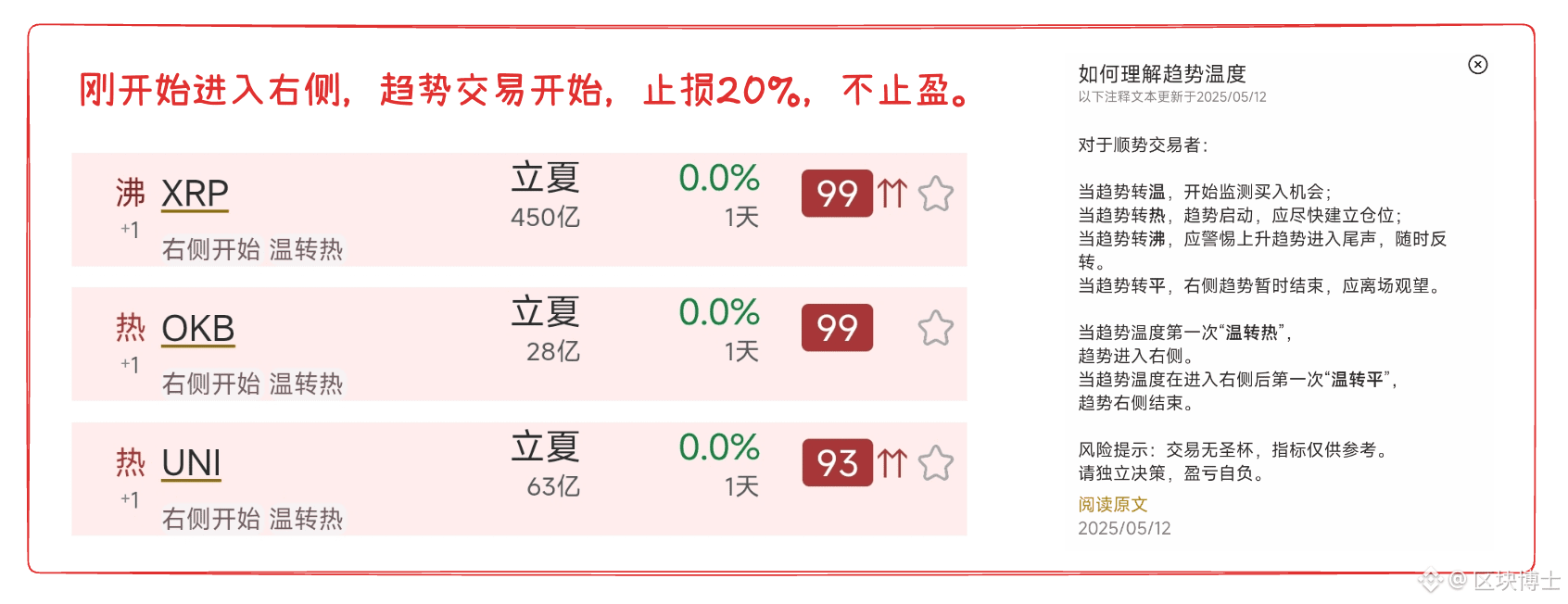
Follow trends, trend trading.
$XRP $UNI
{future}(XRPUSDT)
Follow trends, trend trading.
$XRP $UNI
$XRP $UNI
1
3
2.4k
·
--
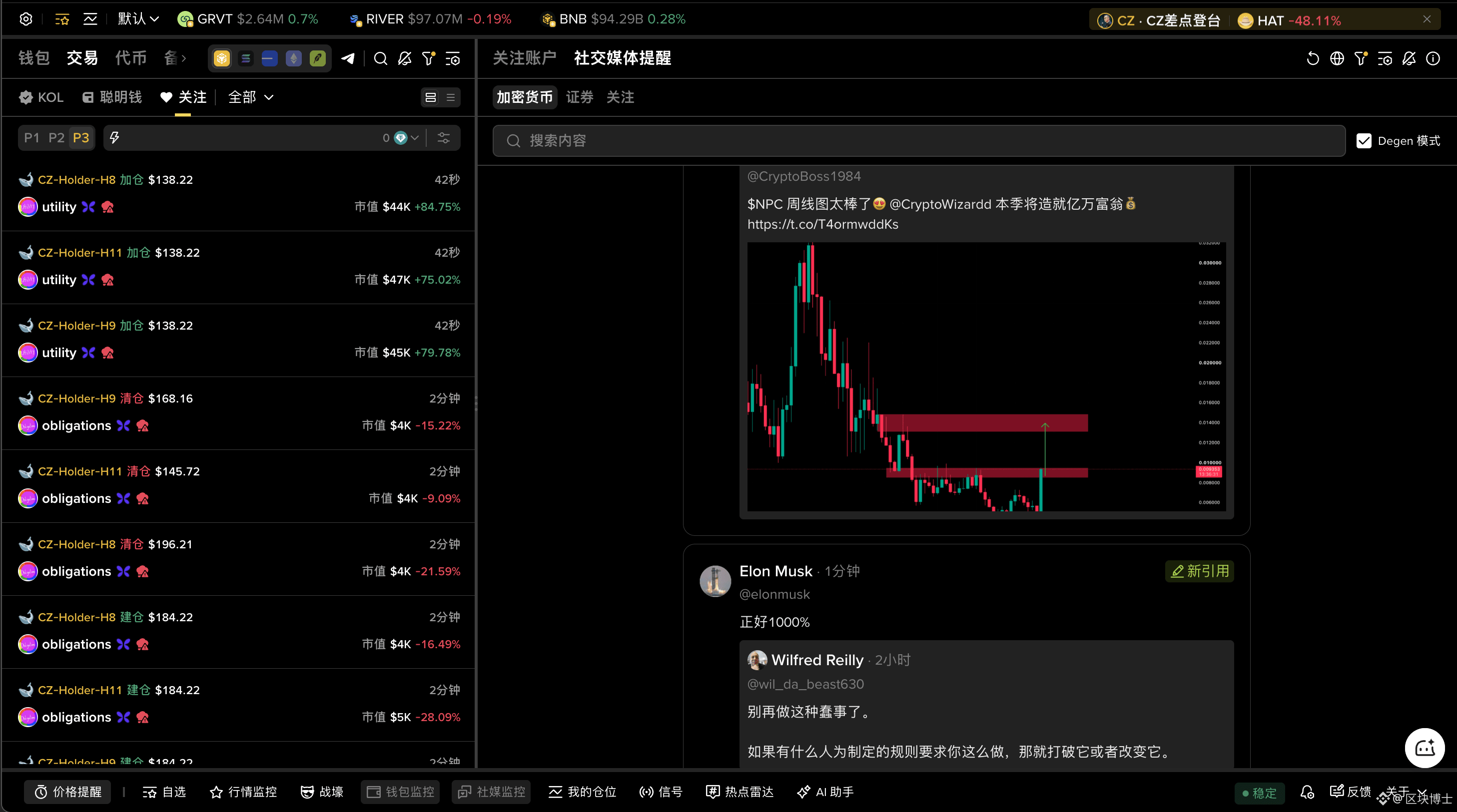
Using the Binance wallet to do the grind is way more comfortable than that
Using the Binance wallet to do the grind is way more comfortable than that
2
5.6k
·
--
Bullish
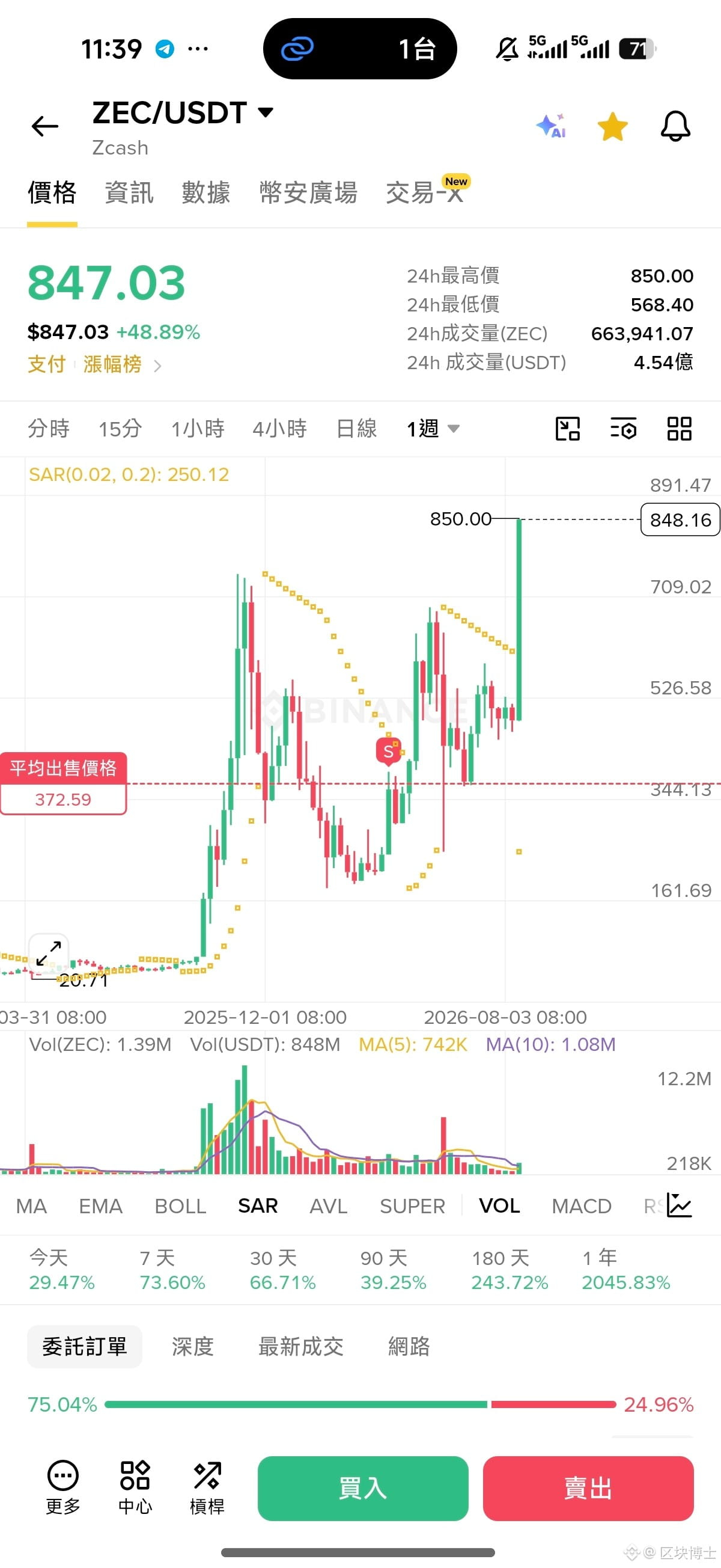
ZEC keeps going without end
That’s too much
$ZEC
{spot}(ZECUSDT)
ZEC keeps going without end
That’s too much
$ZEC
That’s too much
$ZEC
4
1
9.7k
·
--
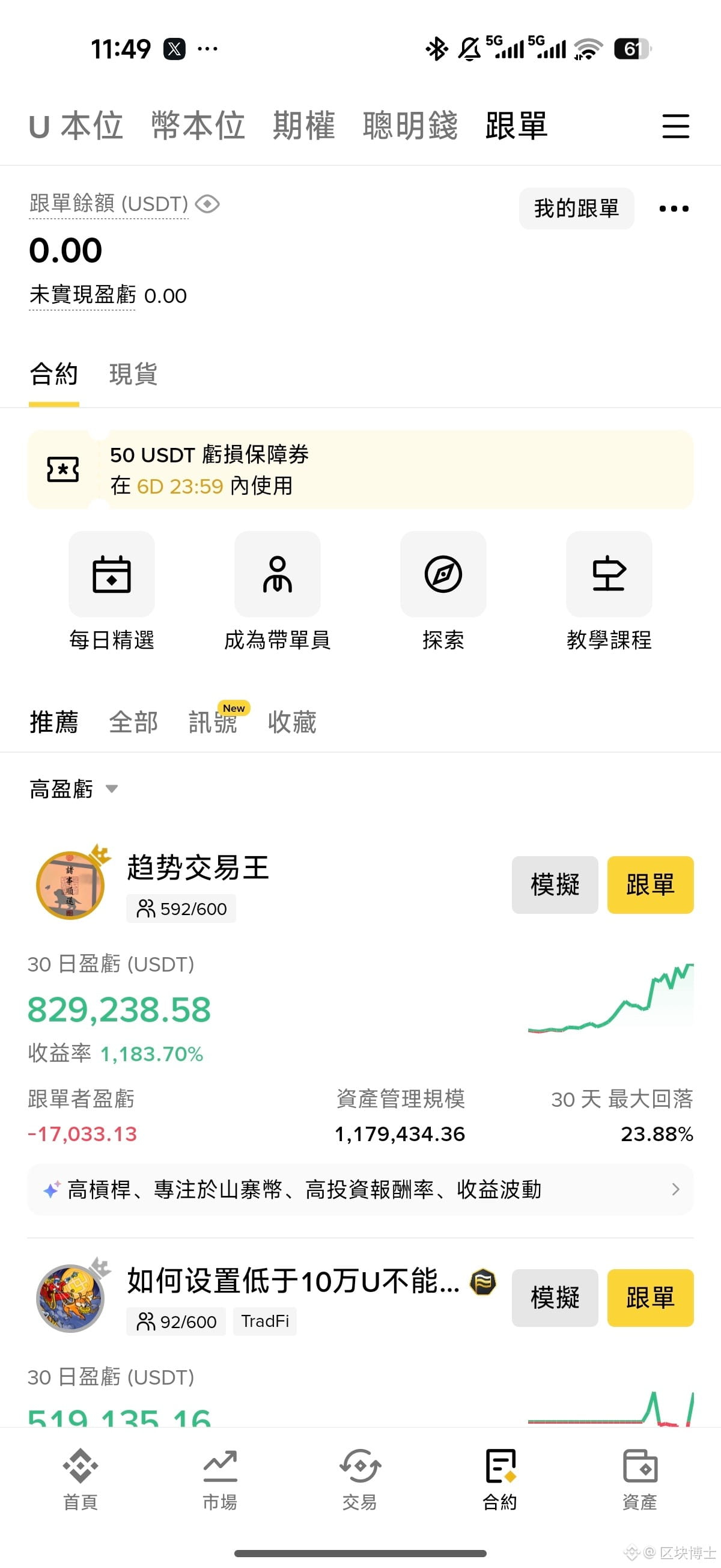
You can check whether the tracking coupons have been updated
I just received a 50 USDT coupon
You can check whether the tracking coupons have been updated
I just received a 50 USDT coupon
I just received a 50 USDT coupon
7
8
9.3k
·
--
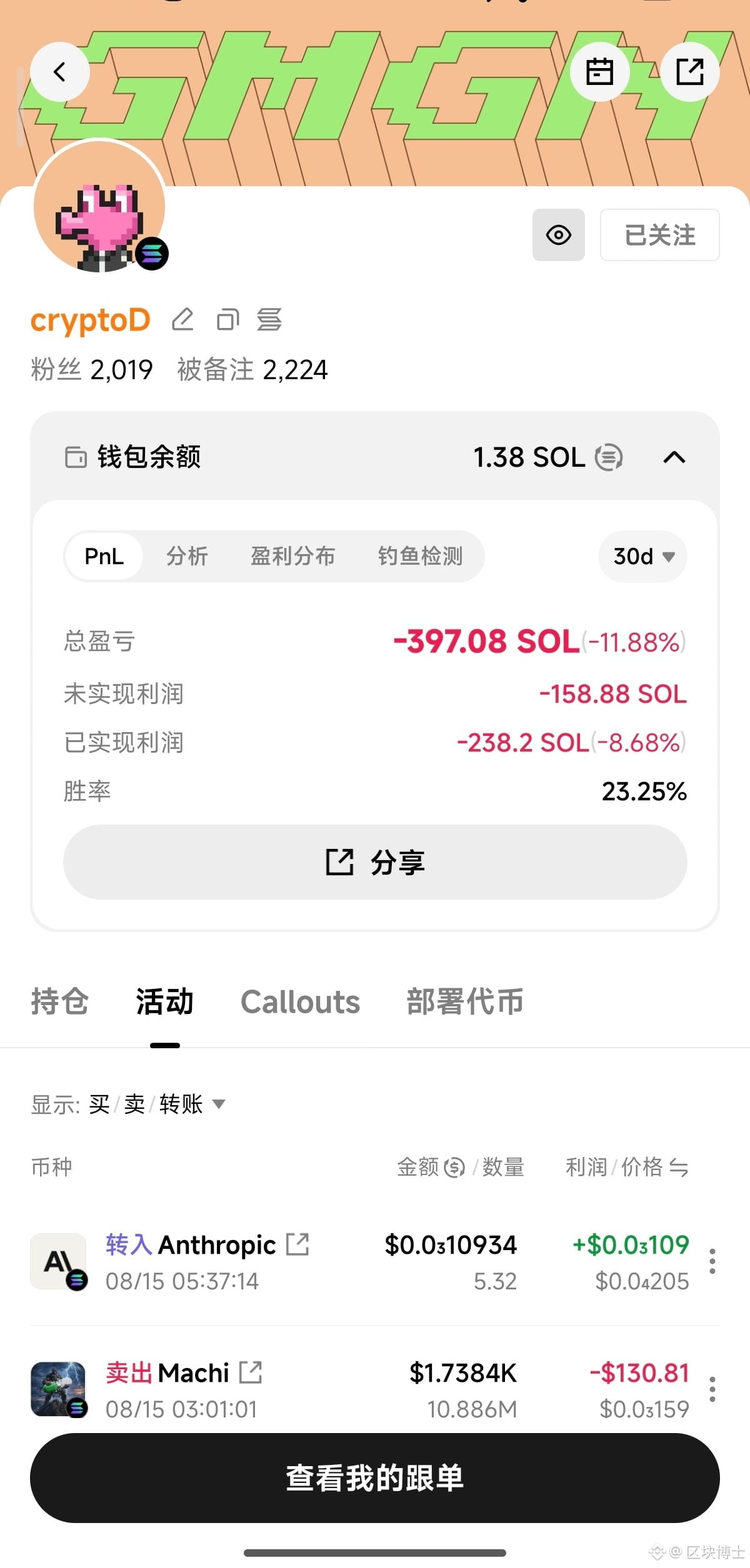
CryptoD has just returned to its previous condition, and things are really not great.
Over the past few days, the market has also really not been giving diamond hands any good outcome.
It's just too hard.
CryptoD has just returned to its previous condition, and things are really not great.
Over the past few days, the market has also really not been giving diamond hands any good outcome.
It's just too hard.
Over the past few days, the market has also really not been giving diamond hands any good outcome.
It's just too hard.
1
792
·
--
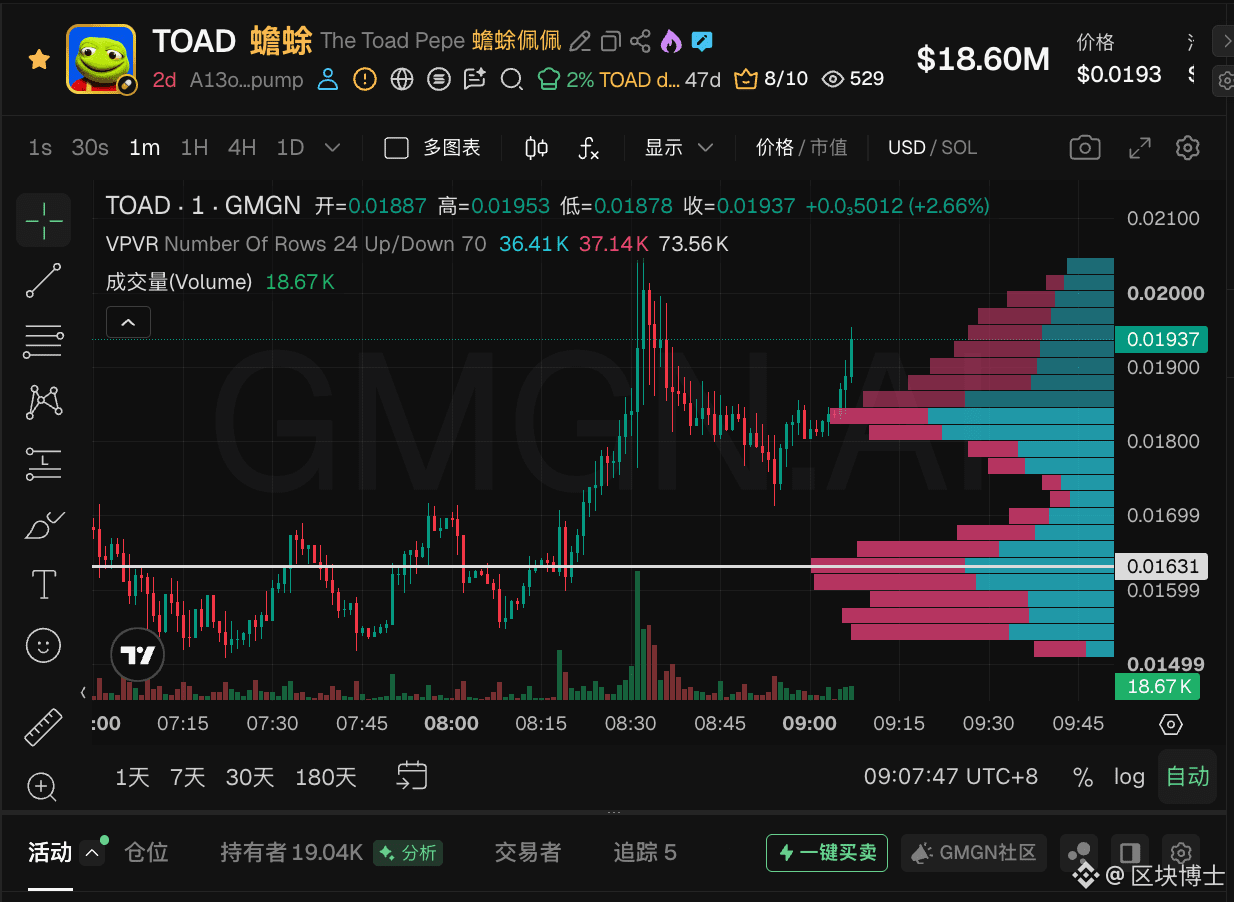
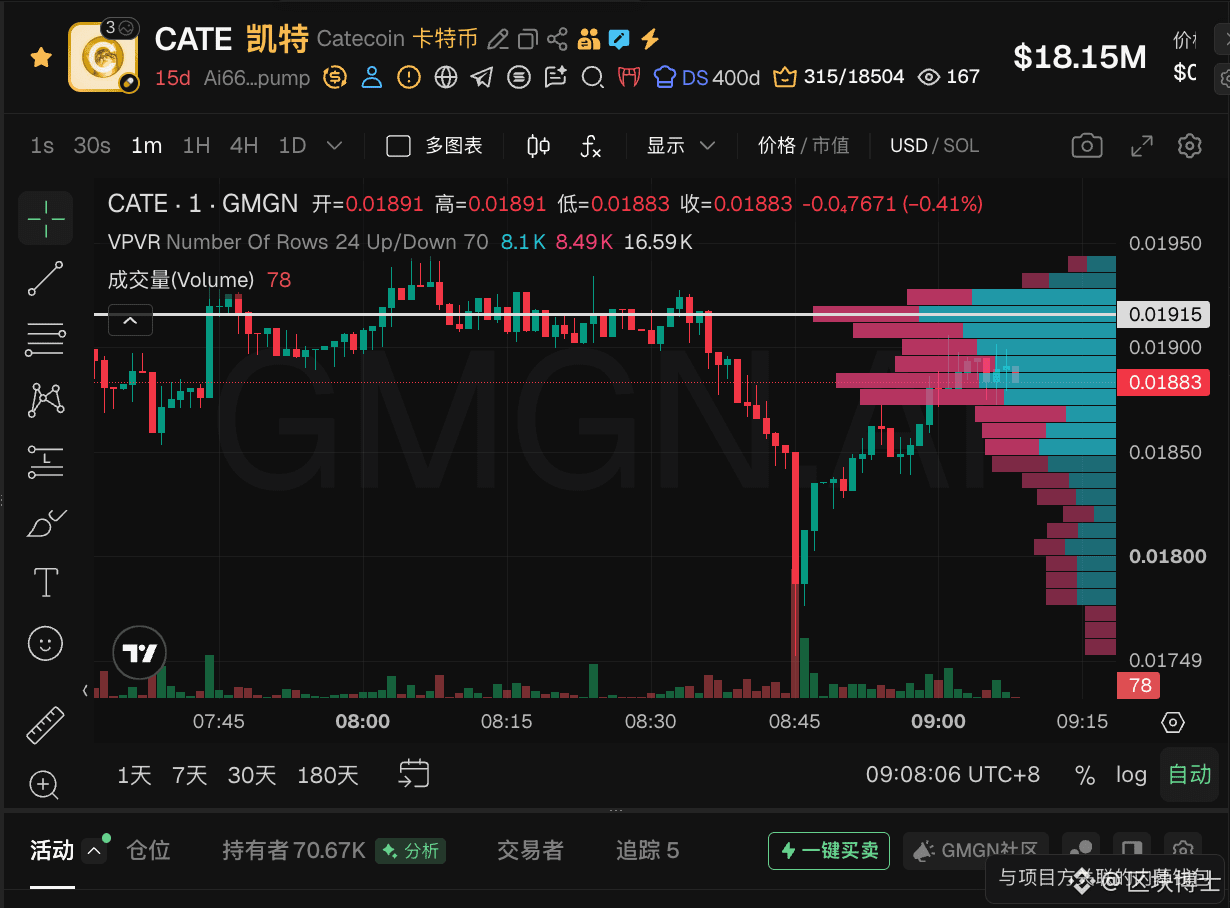
TOAD’s market cap is now higher than CATE’s
TOAD has a chance to go even higher. I also think CATE has a chance to enter a second leg. CATE’s overseas community consensus is very strong.
TOAD’s market cap is now higher than CATE’s
TOAD has a chance to go even higher. I also think CATE has a chance to enter a second leg. CATE’s overseas community consensus is very strong.
TOAD has a chance to go even higher. I also think CATE has a chance to enter a second leg. CATE’s overseas community consensus is very strong.
955
·
--
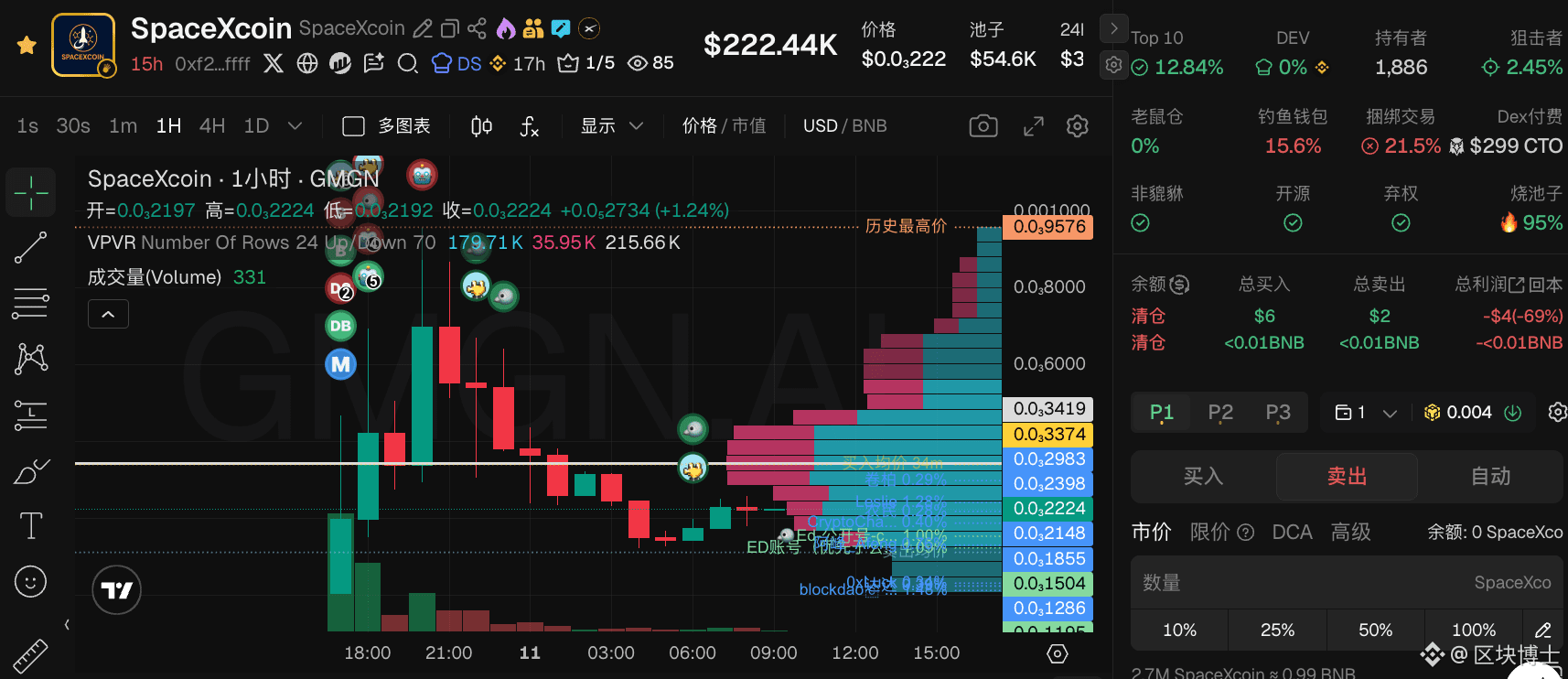
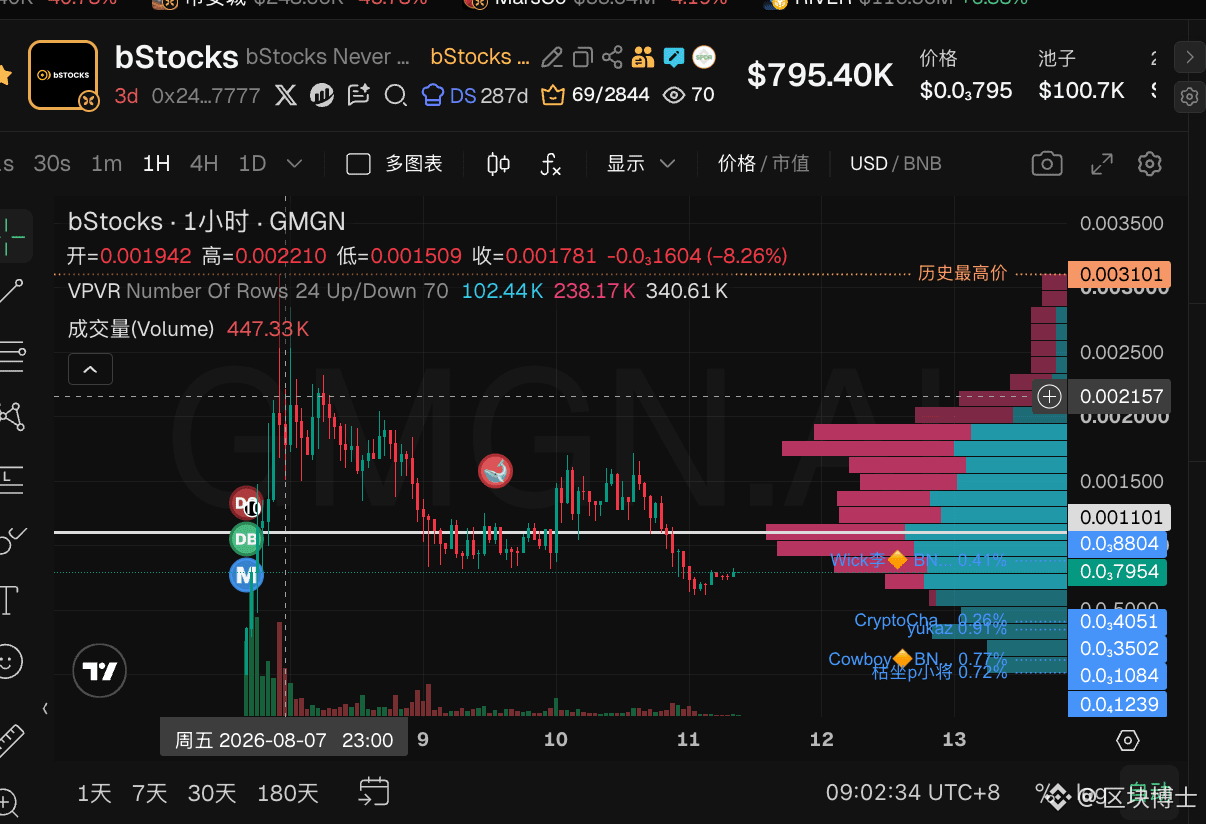
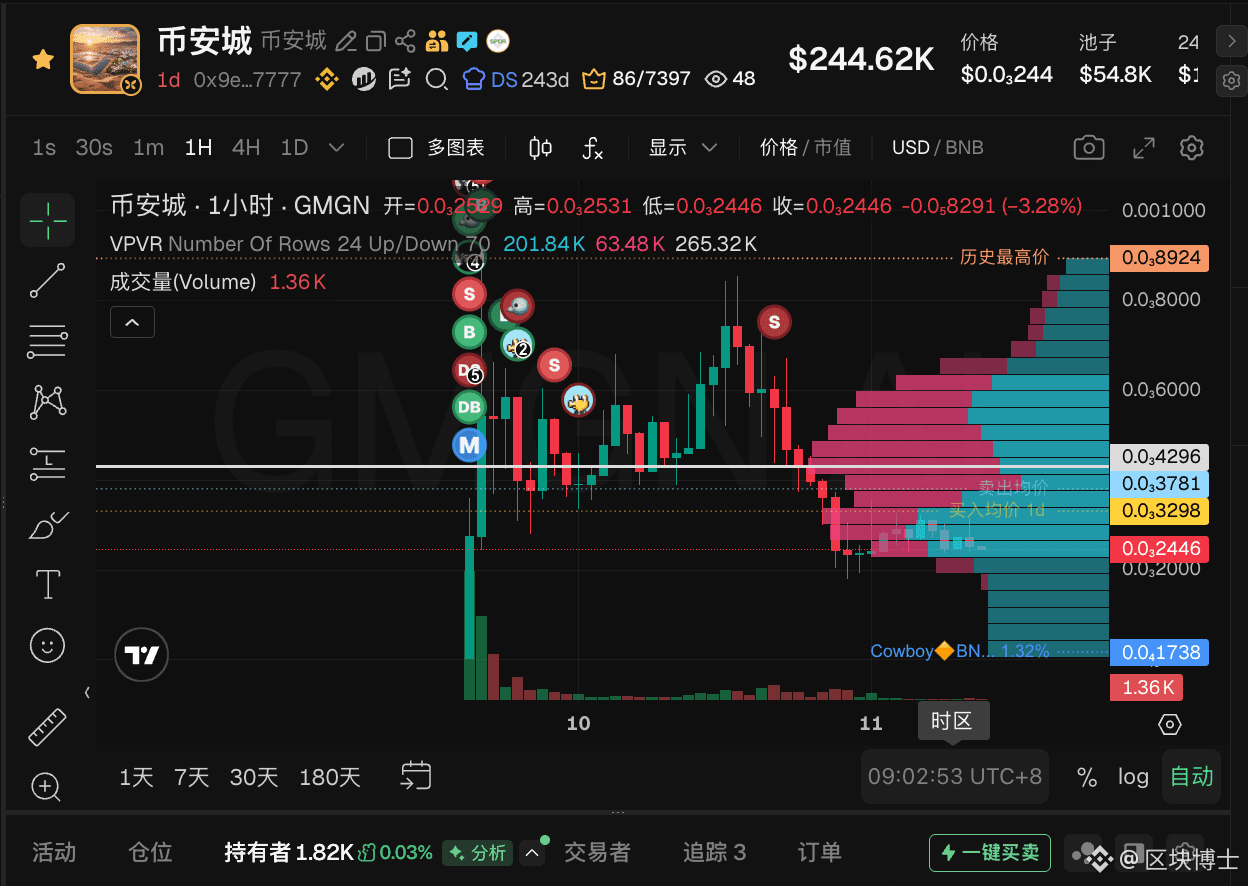
On BSC it's all memes that don’t stay overnight
Right now, I’m bullish on the second leg for bStocks, and Binancetown (there was a livestream mention that it might be involved)
On BSC it's all memes that don’t stay overnight
Right now, I’m bullish on the second leg for bStocks, and Binancetown (there was a livestream mention that it might be involved)
Right now, I’m bullish on the second leg for bStocks, and Binancetown (there was a livestream mention that it might be involved)
4
1
1.4k
·
--
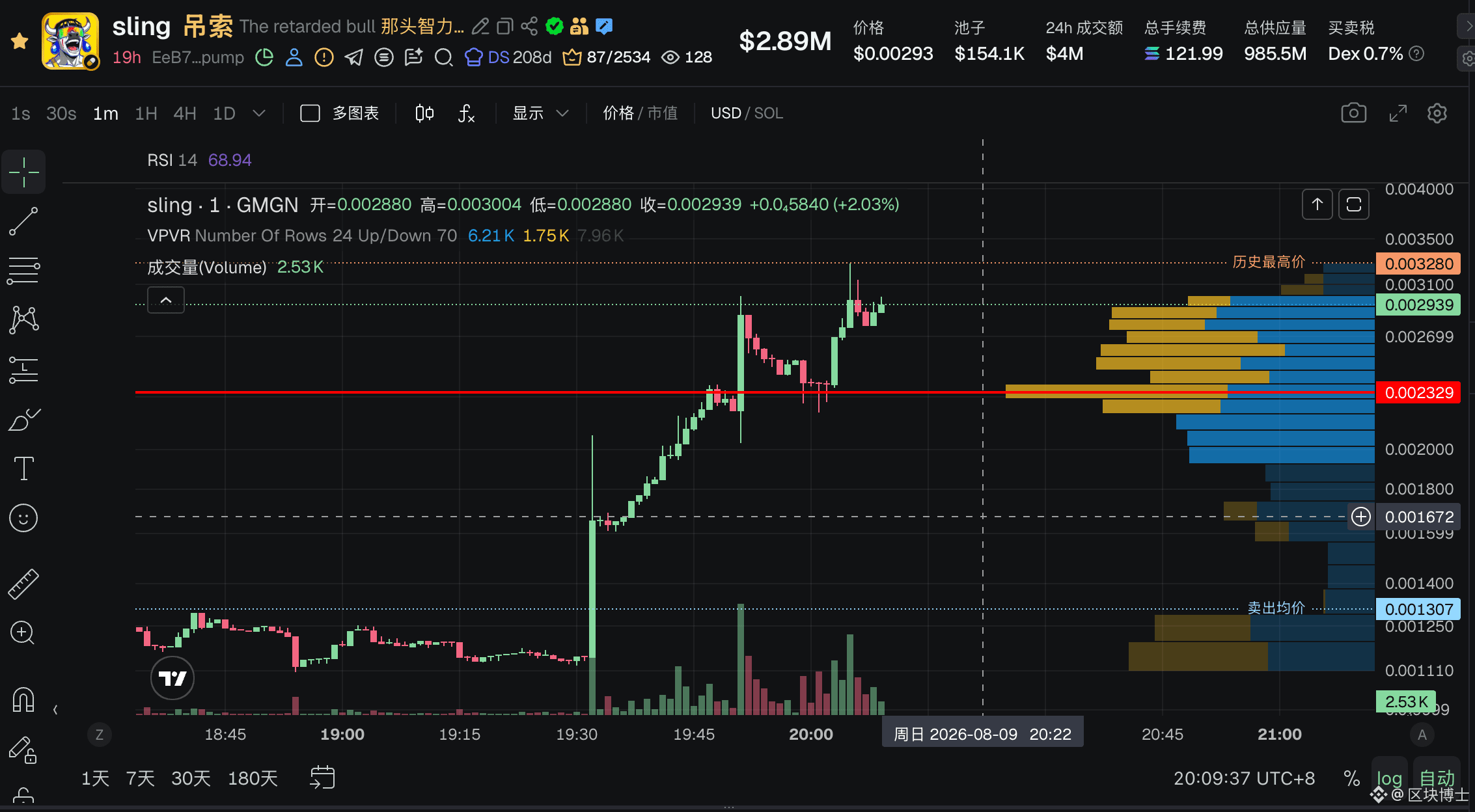
2.8m, but there’s a 69% chance it won’t be sold
The actual market value can be considered around 900k
2.8m, but there’s a 69% chance it won’t be sold
The actual market value can be considered around 900k
The actual market value can be considered around 900k
1
3.4k
·
--
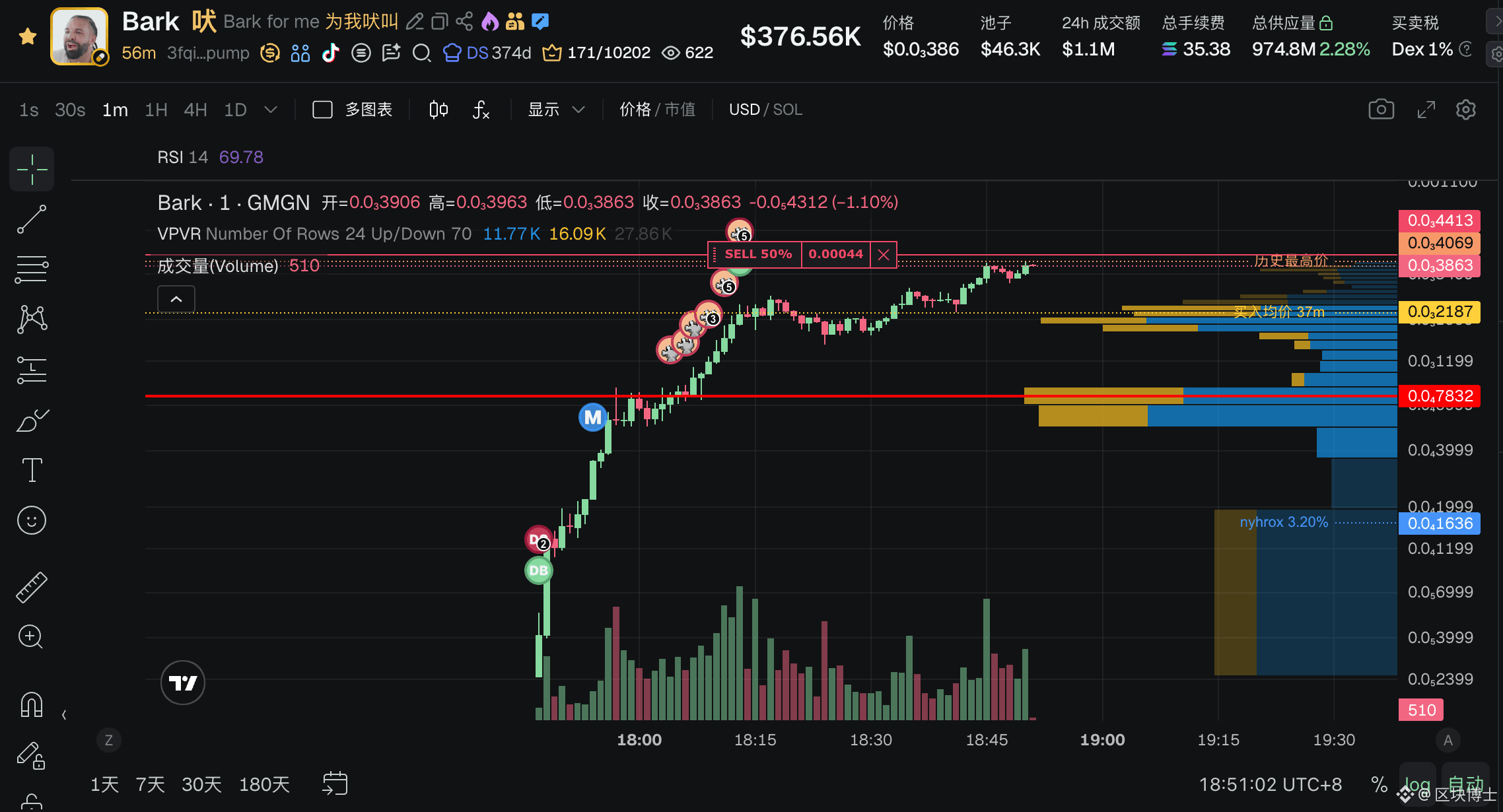
This girl is quite well-endowed $BARK
Bark for me?
An interesting meme phrase
This girl is quite well-endowed $BARK
Bark for me?
An interesting meme phrase
Bark for me?
An interesting meme phrase

761
Log in to explore more content
Join global crypto users on Binance Square
⚡️ Get latest and useful information about crypto.
💬 Trusted by the world’s largest crypto exchange.
👍 Discover real insights from verified creators.
Email / Phone number