
黑色马里奥
516 Posts

黑色马里奥
Report
Block User
区块链行业自媒体、从业者,黑色马里奥原创IP,资深编辑
Open Trade

BTC Holder
Frequent Trader
8.4 Years
32 Following
10.6K+ Followers
4.3K+ Liked
Posts
Portfolio
All
Quotes
Videos
·
--
I only discovered in the past couple of days how useful ChatGPT’s chat feature is.
You can now call Google Docs and Sheets directly, and for now, it doesn’t use up any extra tokens from your quota.
For example, you can ask it to organize your research into a Google Doc and generate one for you to share.
You can also ask it to make changes directly to the contents of a Google Doc or spreadsheet based on your instructions—or even comments in the document.
Ah, what a shame I found out so late.
December is just a few days away, and then token usage will be combined. There are only a few days left to enjoy the free ride.

GOOGUS-1.40%
248
·
--
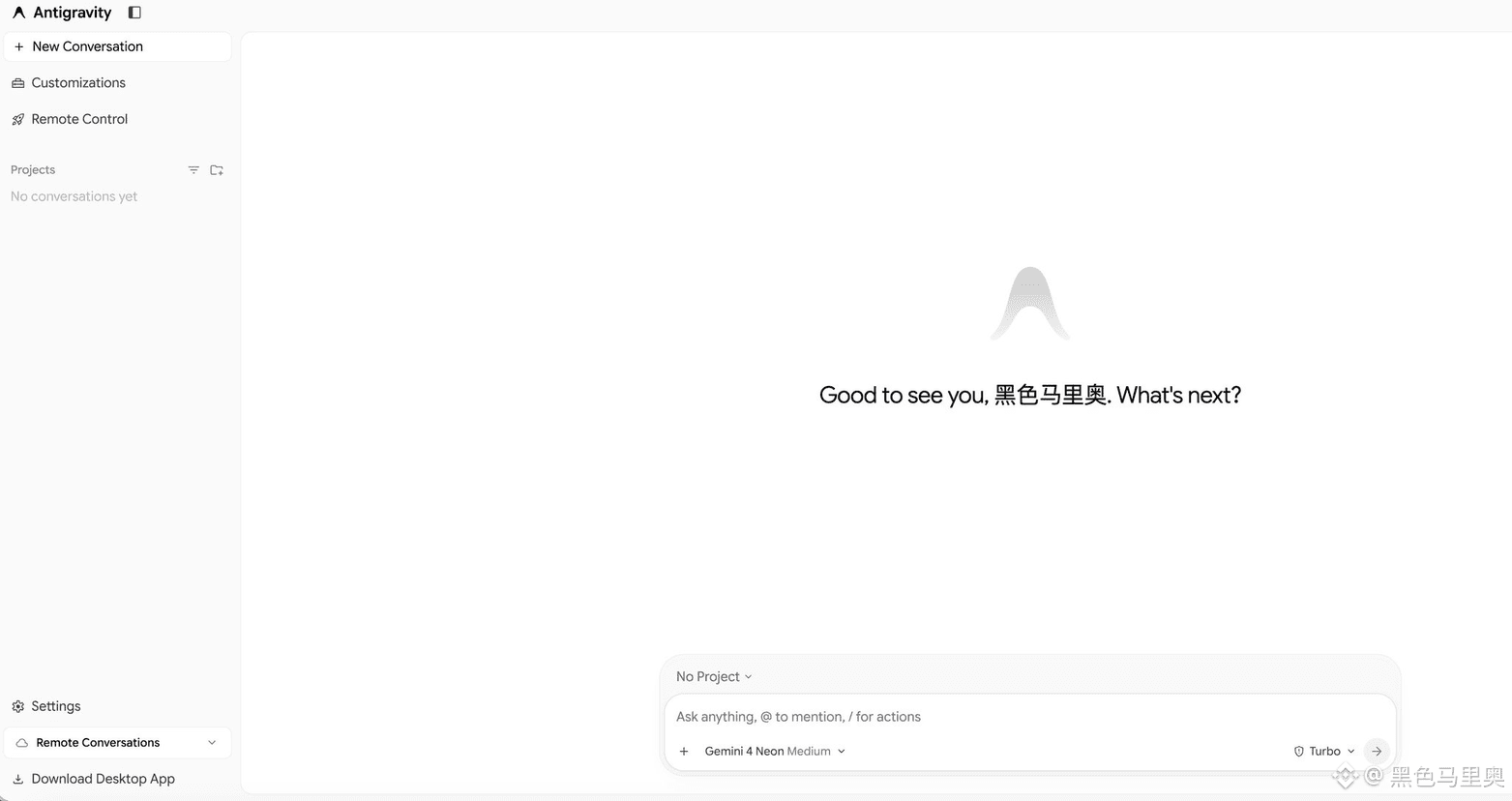
I tried Google Antigravity for about half a morning. I’m a Pro user, so I already have plenty of credits.
After testing it for about half a morning, I’m pretty impressed. Here are a few things I noticed:
1/
It’s actually similar to Codex’s Agent, but one of its biggest distinguishing features is that it brings together multiple models and has separate credit pools.
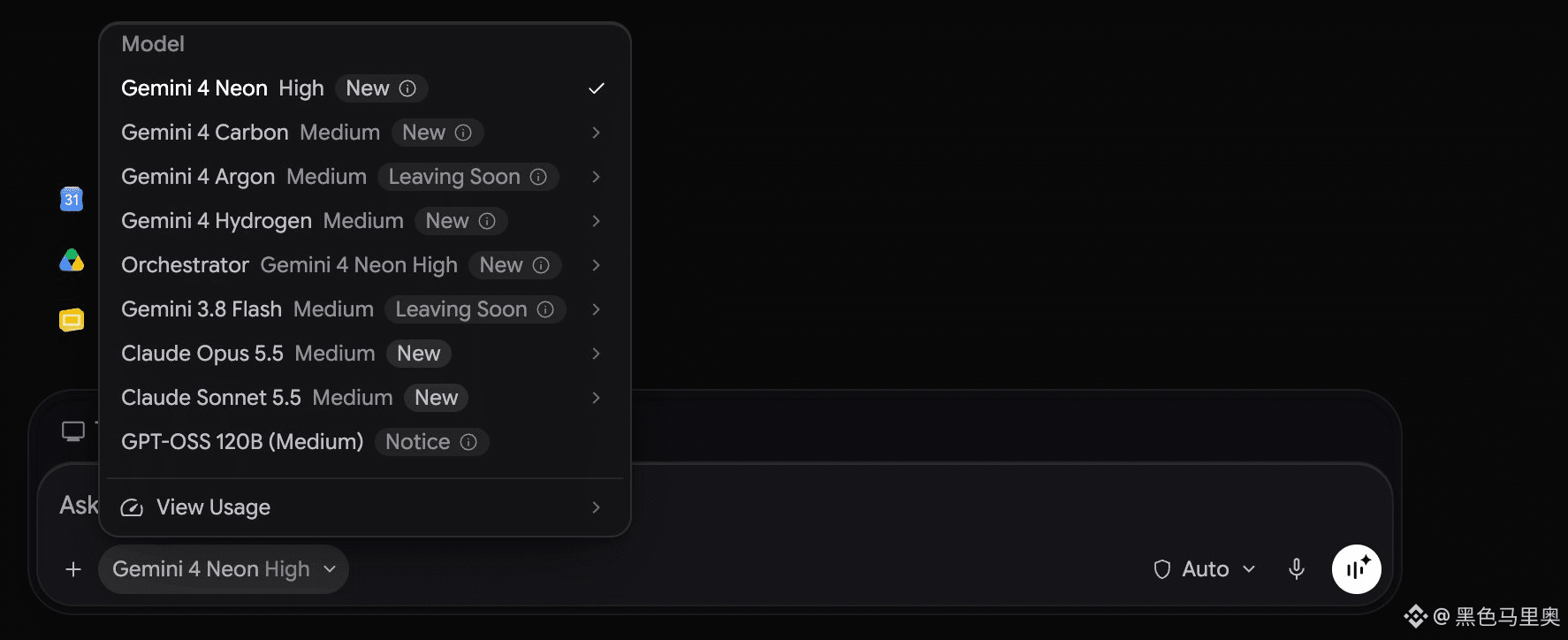
Besides supporting Google’s own Gemini 4 series (the Neon and Carbon models work well), it can also use Claude directly (Sonnet / Opus, etc.). The credits for the two are calculated separately, so once one pool runs out, you can seamlessly switch to another model. As a Pro user, I already have access to this.
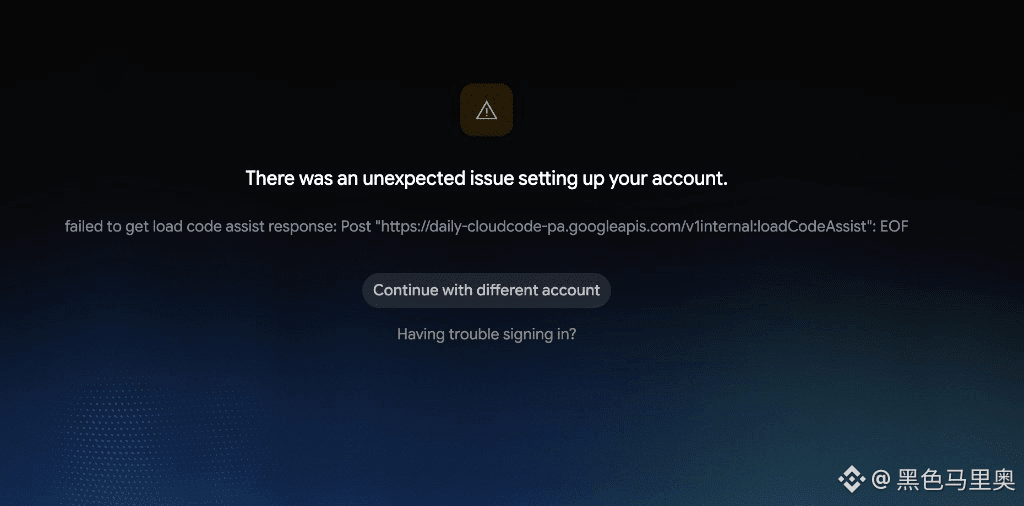
1/ When downloading the Antigravity client and signing in, you need to keep your VPN on in TUN mode, then switch to a supported region.
For example, nodes in the US, Japan, Singapore, and even Taiwan work, but Hong Kong nodes don’t seem to. Otherwise, you’ll keep getting errors, like I did.
2/ The interface is currently only in English, with no Chinese localization. Some settings are a bit of a hassle to configure, but I expect future versions will support Chinese.
3/ Since Antigravity is a Google product, it works seamlessly with Google’s own products.
Integration with Docs and the browser is very smooth. It’s especially good at operating the Chrome browser directly, and it runs very quickly.
4/ Antigravity uses a rolling 5-hour refresh cycle
(with an additional weekly limit). Pro and Ultra both use this system; the main difference is the multiplier on the credits provided.
I’ve used it for a morning, and from what I can tell, Pro is more than enough as a primary productivity tool for everyday tasks. (Vibe Coding seems to require Ultra.)
It feels like AI Agent providers are going to compete more and more aggressively. The moats built by OpenAI and Anthropic are gradually being eroded.
OPENAI-0.58%
GOOGUS-1.40%
210
·
--
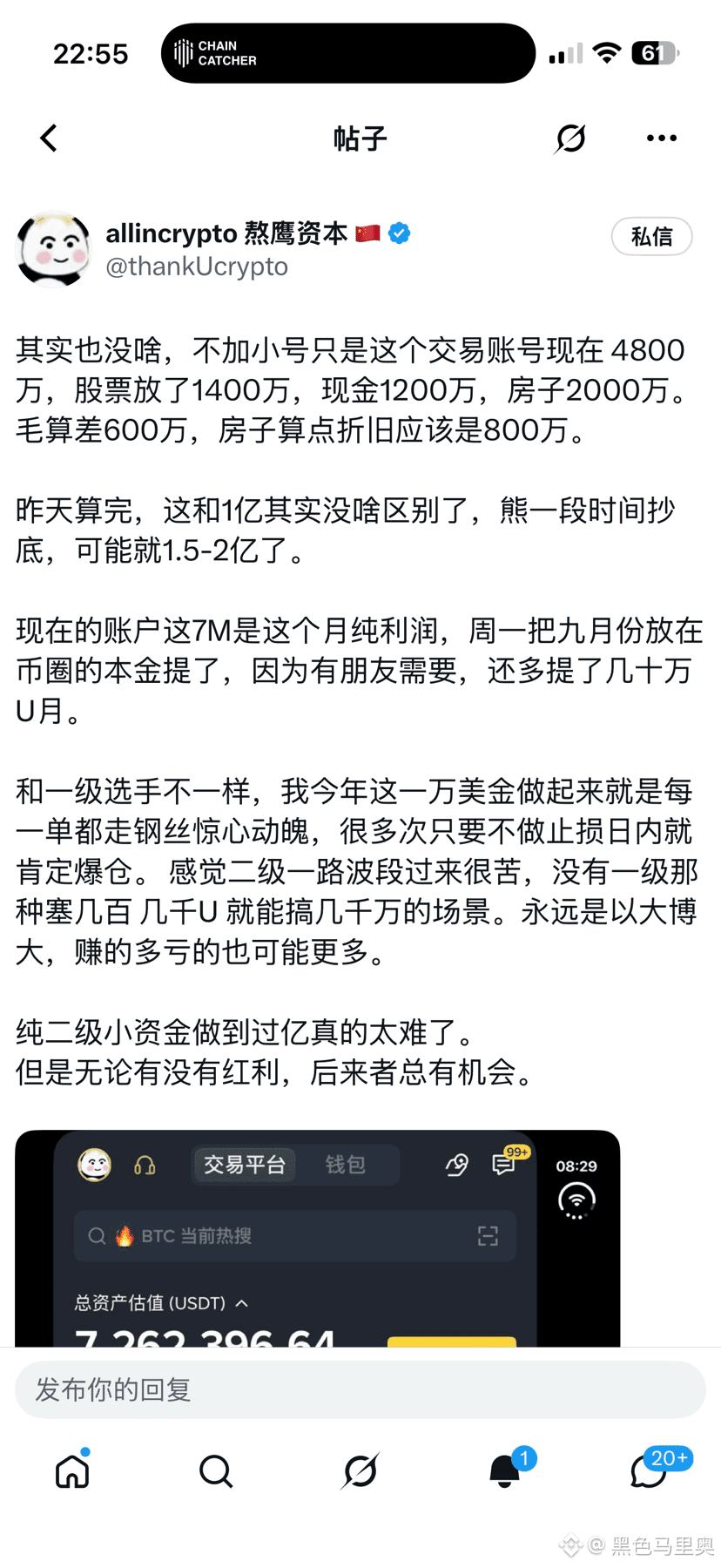
This guy is an absolute beast.
He started with $10,000 this year—that’s less than 70,000 yuan.
After a year of trading, his current position is probably just under 100 million yuan.
😱
This guy is an absolute beast.
He started with $10,000 this year—that’s less than 70,000 yuan.
After a year of trading, his current position is probably just under 100 million yuan.
😱
He started with $10,000 this year—that’s less than 70,000 yuan.
After a year of trading, his current position is probably just under 100 million yuan.
😱
2.6k
·
--
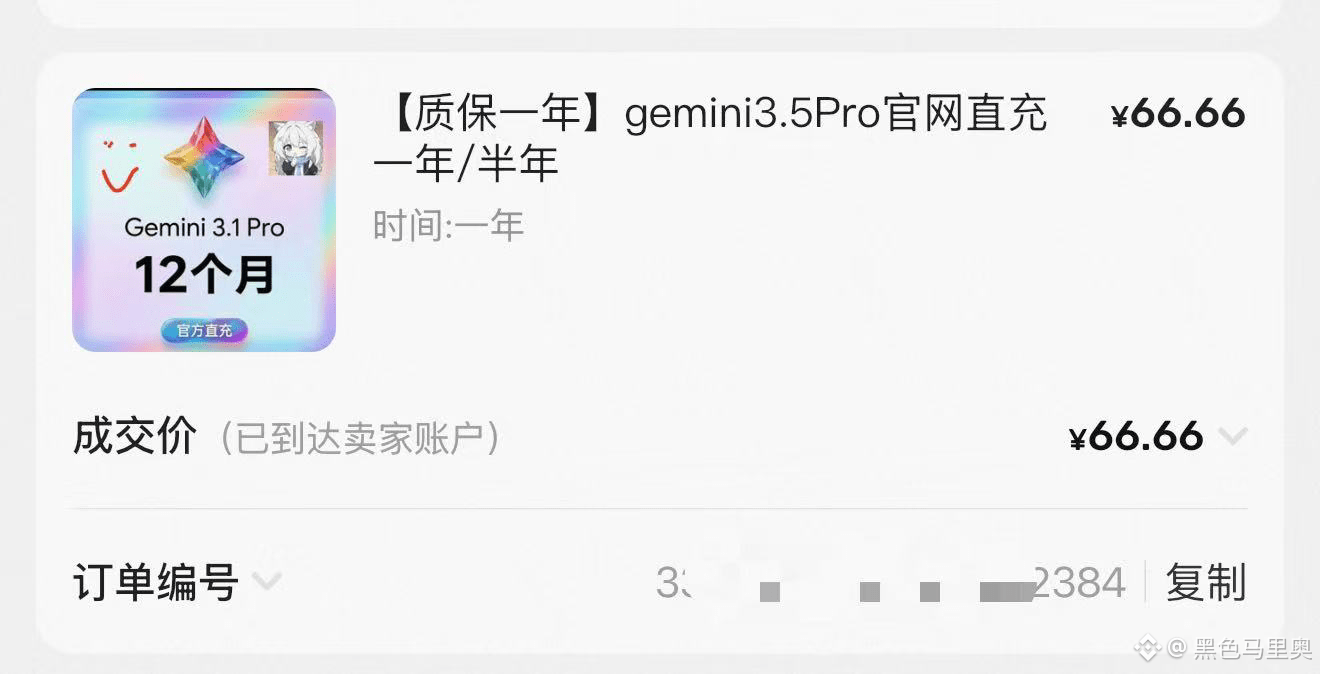
In June this year, I spent 66 yuan on Xianyu for a one-year Gemini Pro membership.
Back then, Gemini was pretty underwhelming, so after I bought it, I basically just left it gathering dust.
Recently, Gemini's models have been getting updated constantly, and Pro users can try out the new models. Antigravity also comes with a decent amount of usage credits.
It's not a huge allowance, but it's enough for casual experimenting.
Next, I can take some time to properly explore Antigravity. I still haven't figured out how to use it properly, but it seems like a pretty damn impressive tool.
871
·
--
Verified
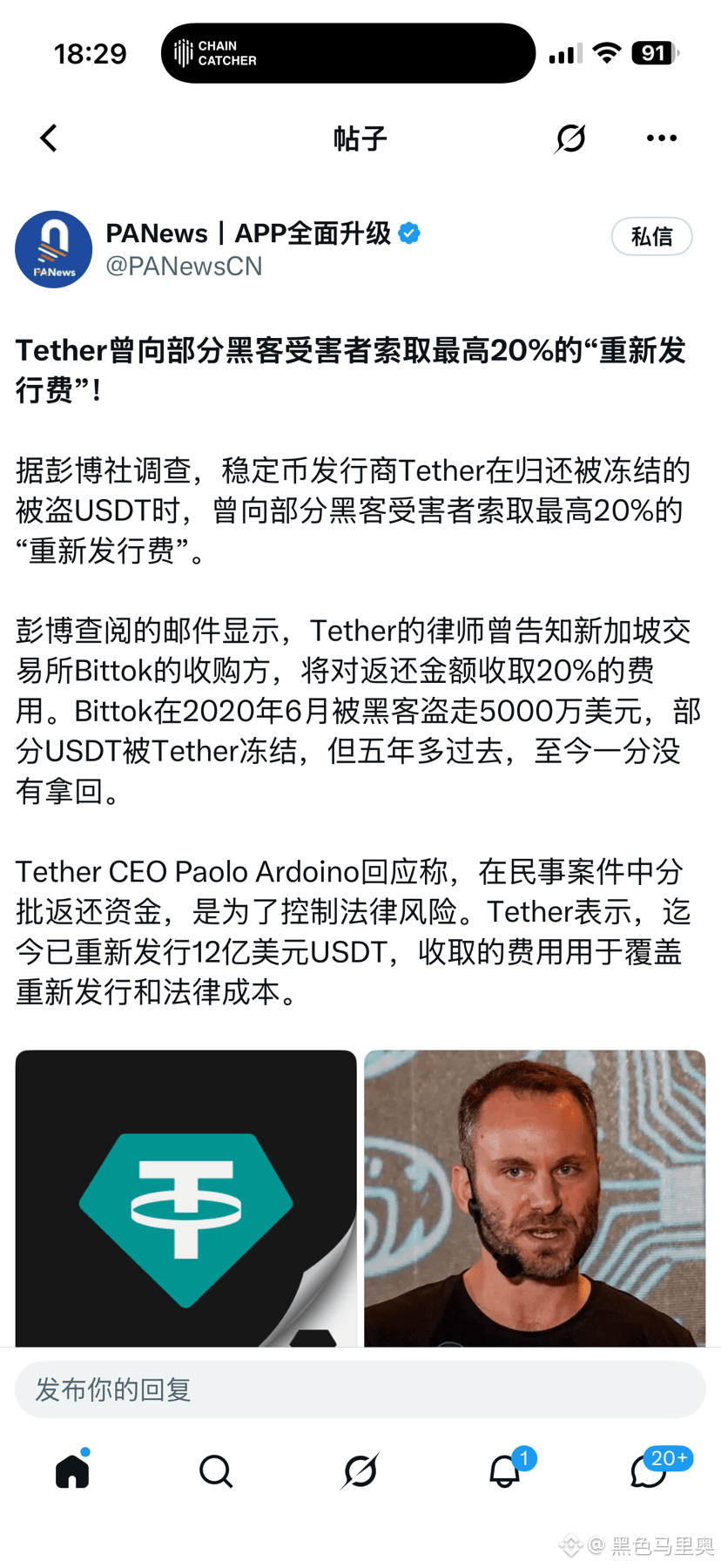
Tether has recently found itself back in the spotlight.
Bloomberg recently reported that it had demanded a reissuance fee of up to 20% in USDT from some victims of hacking attacks.
There is some background to this story.
Back in 2020, the Singaporean exchange Bittok was hacked, losing around $50 million. Tether subsequently froze some of the stolen USDT to prevent the hackers from moving the funds further.
But the portion frozen by Tether was, in principle, Bittok’s money—and it has never been returned to Bittok.
Later, the company that acquired Bittok sought to recover the frozen funds. Tether’s lawyers said that if the USDT were to be reissued and returned, a 20% fee would be charged based on the amount actually returned.
In other words, if $10 million were ultimately recovered, $2 million would have to be paid to Tether.
Neither side is backing down.
More than five years have passed, and the USDT frozen from Bittok has still not been returned.
Besides Bittok, there have been several other undisclosed cases in which a 20% fee was charged, but they were not made public due to legal issues.
Tether’s explanation is that the fee is mainly intended to cover the costs of verifying ownership and dealing with legal disputes related to stolen assets.
But the market is now questioning the rationale and basis for Tether taking a 20% cut of the amount returned.
Tether itself has the ability to freeze USDT held by hackers and also controls the authority to reissue it—in effect, using its dominant position to bully its customers.
1
1
3.1k
·
--
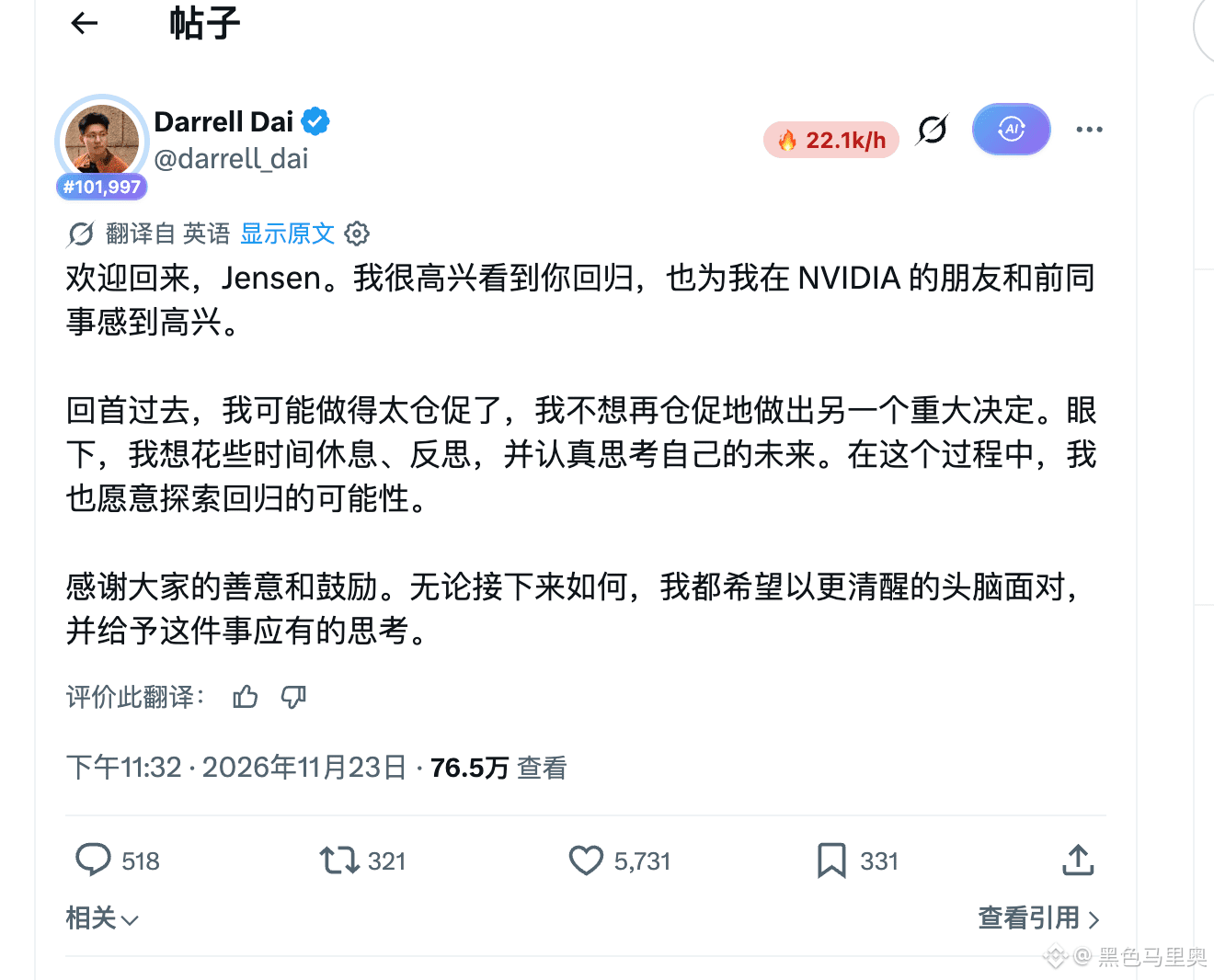
This guy is an NVIDIA engineer.
When Jensen Huang resigned, he resigned too.
Then, just a few days later, Jensen Huang came back—but he couldn't 😭
This guy is an NVIDIA engineer.
When Jensen Huang resigned, he resigned too.
Then, just a few days later, Jensen Huang came back—but he couldn't 😭
When Jensen Huang resigned, he resigned too.
Then, just a few days later, Jensen Huang came back—but he couldn't 😭
1
726
·
--
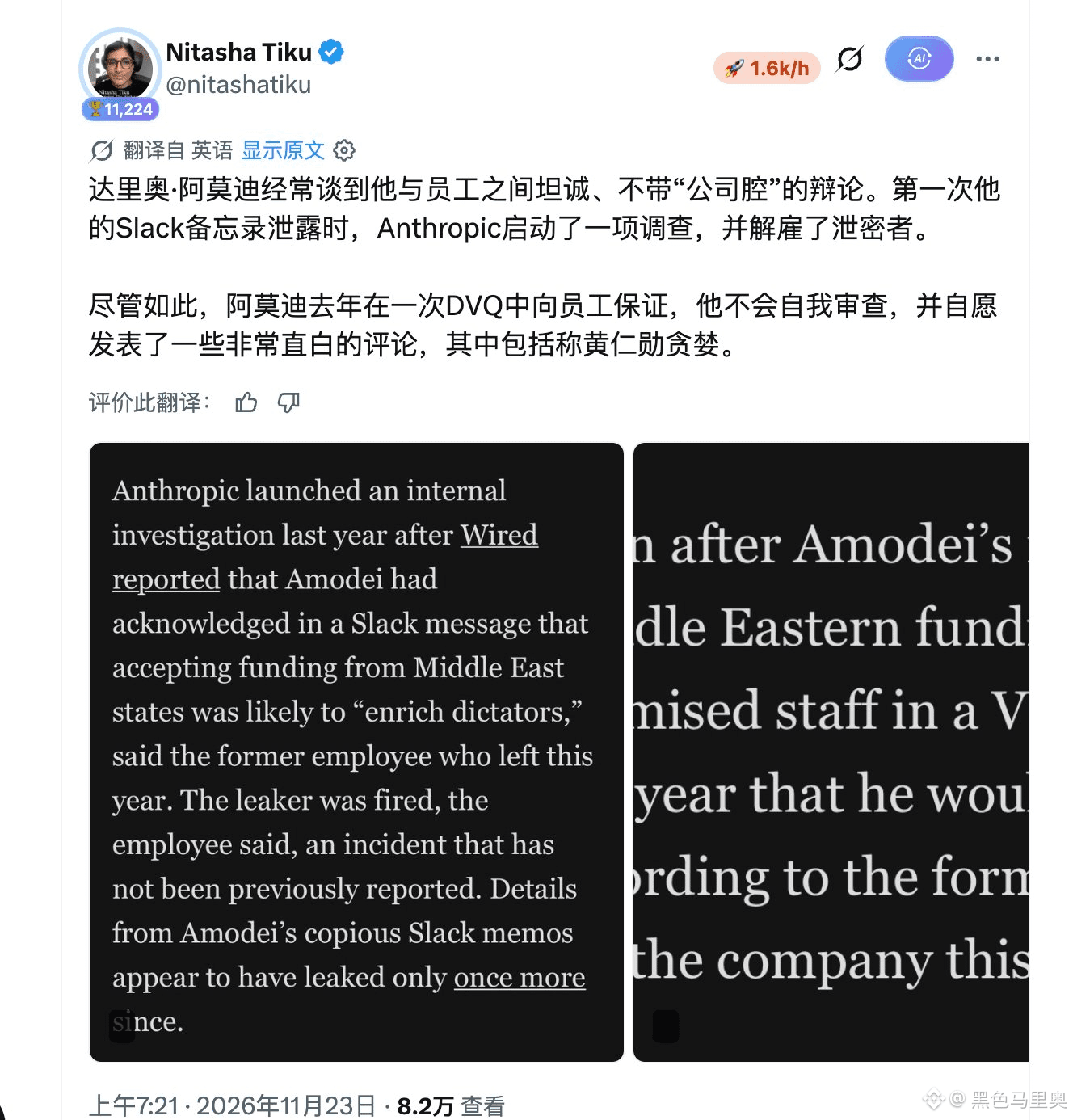
After Anthropic went public at a $1.5 trillion valuation, The Washington Post dug up quite a few behind-the-scenes details about the company:
1/ Of its roughly 5,300 employees, 96% hold stock worth more than $1 million, and about 600 hold stock worth more than $100 million.
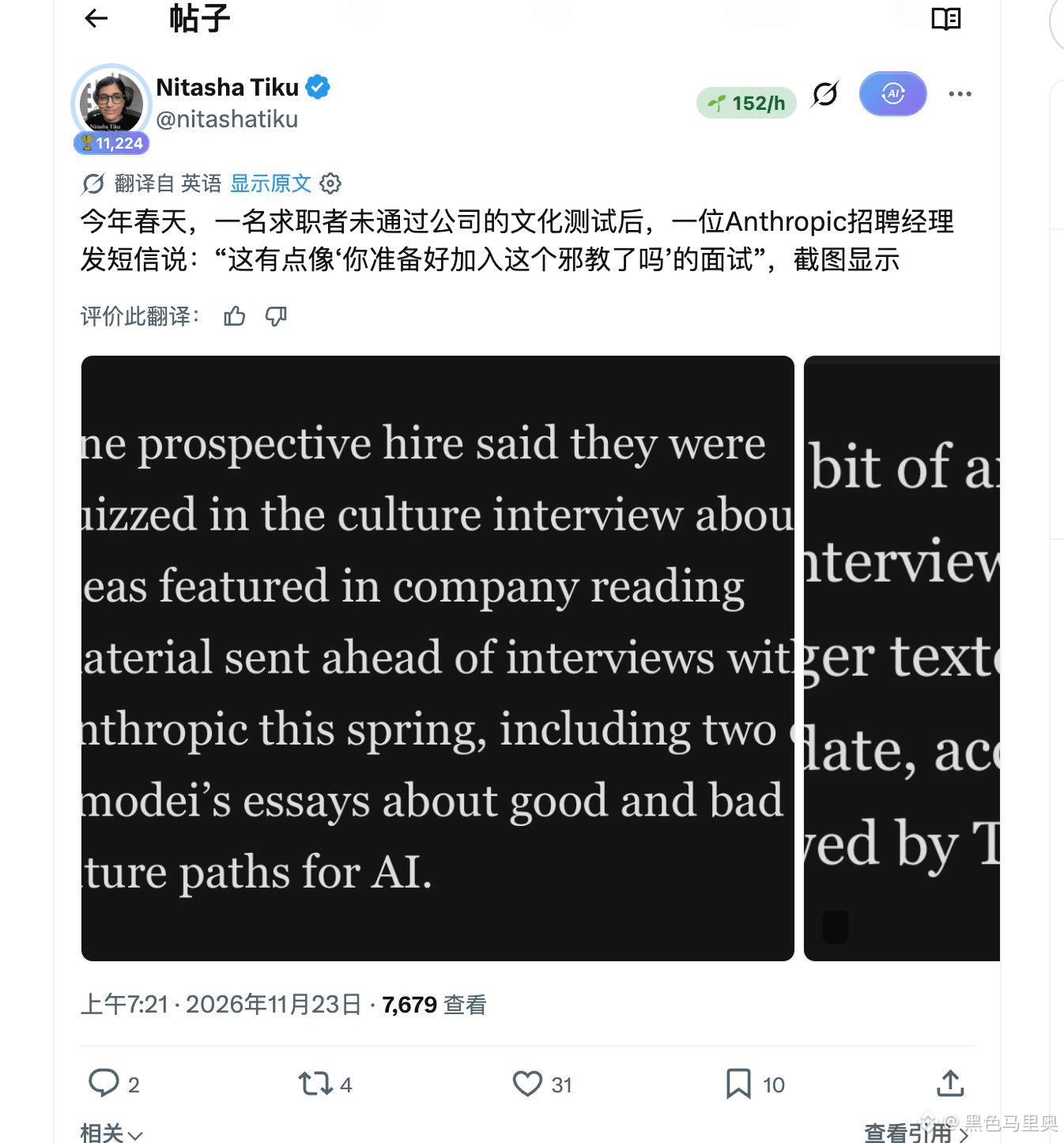
2/ Even applicants for logistics roles have to study CEO Dario’s long essays and go through a culture interview. Even the company’s own hiring managers complain that it feels like they’re testing whether you’re willing to join a cult.
3/ Employees call themselves “Ants.” Dario hosts an internal all-hands meeting every two weeks, which has been nicknamed the “Dario Vision Quest.”
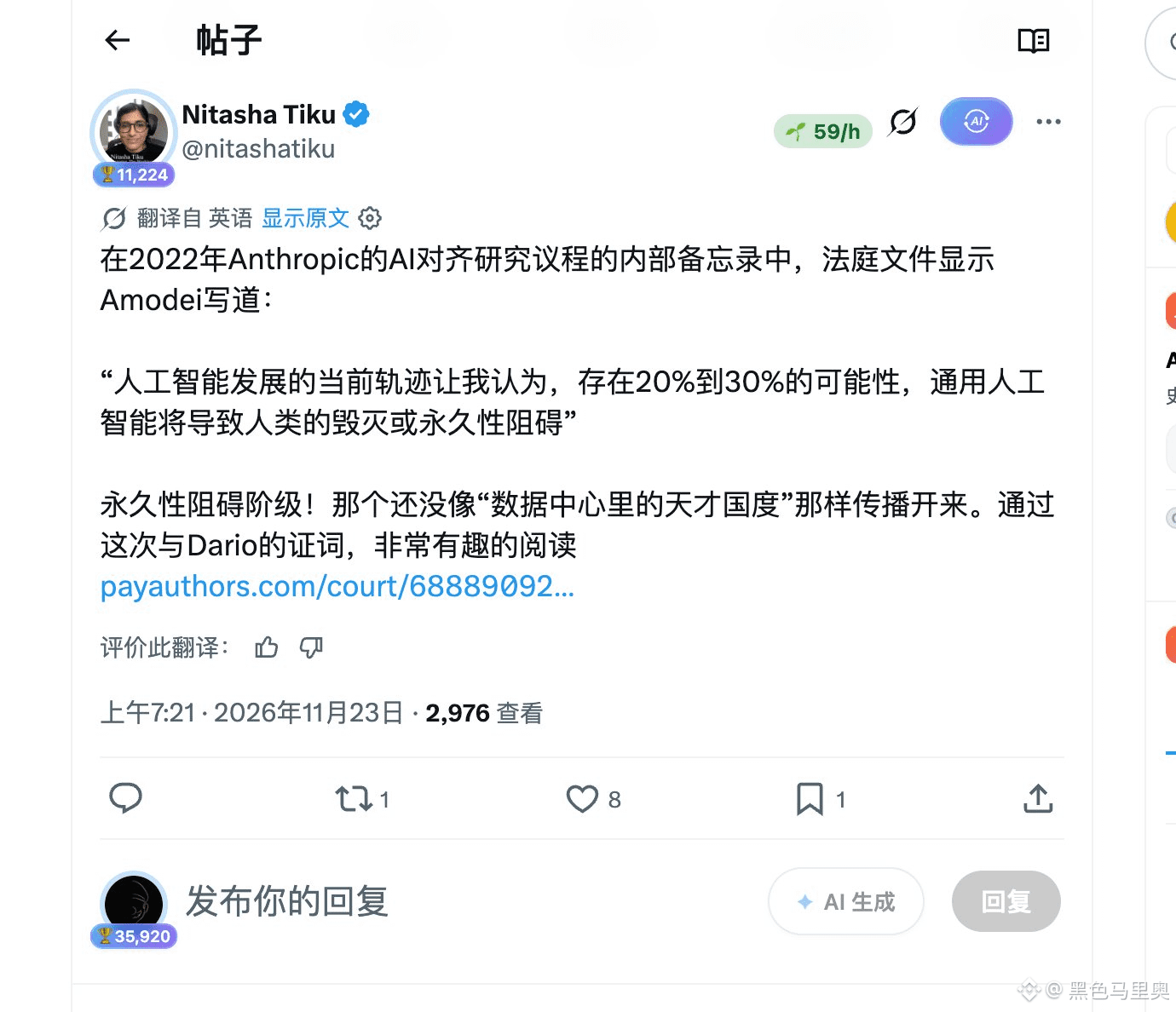
4/ In an internal memo, Dario once predicted that AGI had a 20%–30% chance of causing human extinction, and even said it could be more dangerous than nuclear weapons.
5/ Anthropic emphasizes that AI could destroy humanity and says it would slow AI development if necessary for humanity’s safety. At the same time, it’s pushing ahead full steam with model development and commercialization—even having Claude help develop the next generation of Claude.
6/ The company initially promised to match employees’ charitable donations at up to 3:1, but later lowered the match for new employees to 1:1.

2
2.2k
·
--
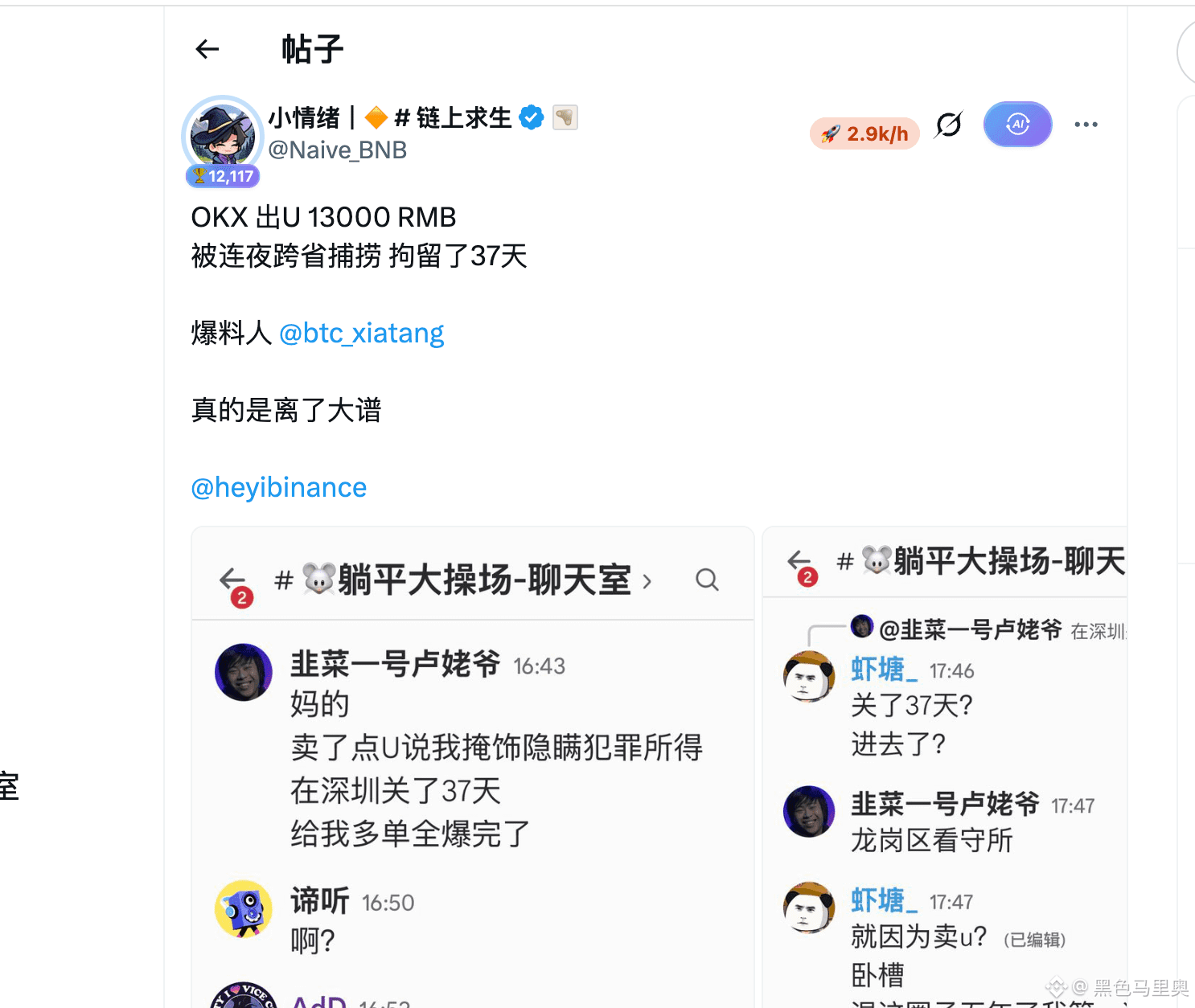
This guy was reportedly involved in a 13,000-yuan USDT transaction on OKX, arrested in another province, and held for 37 days.
1/ Under Article 91 of the Criminal Procedure Law
Thirty-seven days is the special maximum period for deciding whether to approve an arrest after criminal detention. It mainly applies to major suspects accused of committing crimes while moving between locations, repeatedly, or in groups.
For ordinary cases, the maximum is generally 10 days, extendable to 14 days in special circumstances.
2/ If he is found guilty of concealing or disguising the proceeds of crime, the authorities need to prove that he knew or should have known the funds came from an illicit source.
So there may be other transactions or case-related circumstances that haven’t been disclosed.
1
768
·
--
Verified
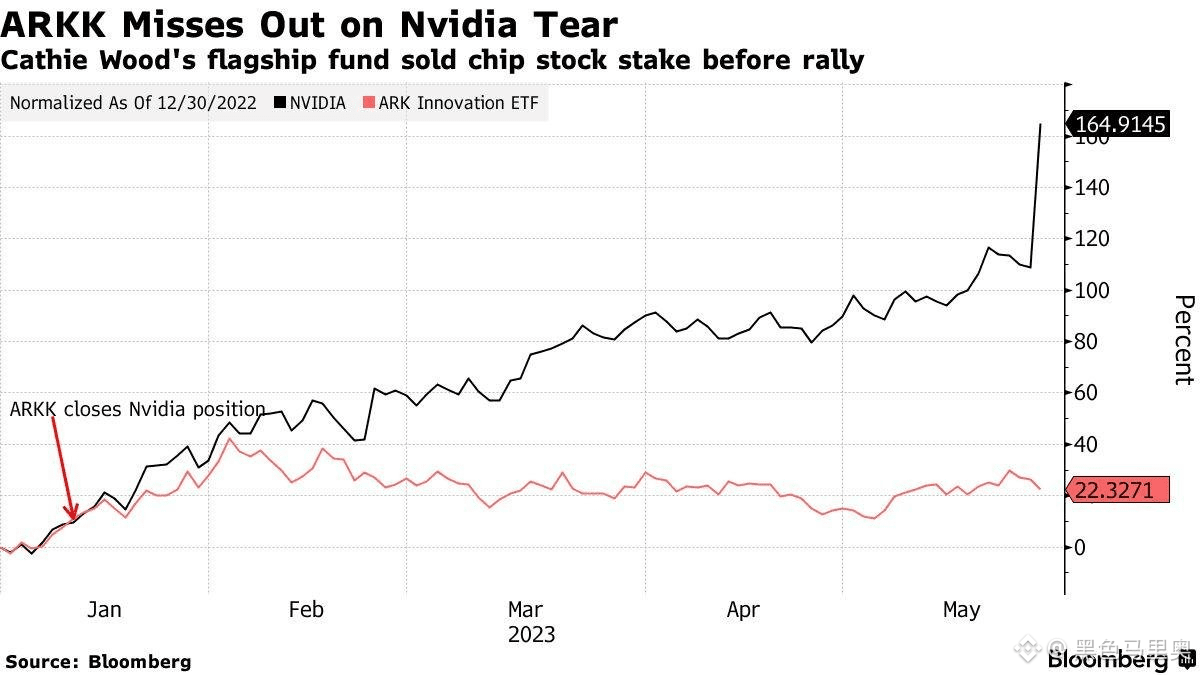
Cathie Wood seems to be a financier who doesn’t really understand politics, and this time she missed out pretty badly.
After Jensen Huang resigned, her ARK Invest sold down its Nvidia holdings on November 16, 19, and 20, offloading a total of 712,300 shares worth more than $100 million.
Then yesterday, Jensen Huang suddenly made a triumphant return, and Nvidia’s stock soared 31.5% in a single day.
Based on the closing prices on the days the shares were sold and yesterday, ARK missed out on about $10.84 million in gains.
This isn’t the first time recently that Cathie Wood has sold too soon.
On November 5, ARK also made a major reduction of 410,600 Broadcom shares. Based on yesterday’s closing price, it missed out on another roughly $9.04 million.
The two trades add up to nearly $20 million.
834
·
--
Experience really does count: decades of investing experience don’t come to nothing.
Long before Jensen Huang’s troubles, while Nvidia’s stock was still near its peak, H&H, which he manages, had already cut its Nvidia holdings by about 80%.
When Huang suddenly resigned and Nvidia’s stock plunged, he took the opportunity to sell quite a few put options, willing to buy the shares back at prices he considered acceptable.
Then, just over ten days later, Huang returned, and Nvidia’s stock surged 31.5% in a single day—bringing another big surprise for Duan Yongping and his long-term outlook.
521
·
--
Bullish
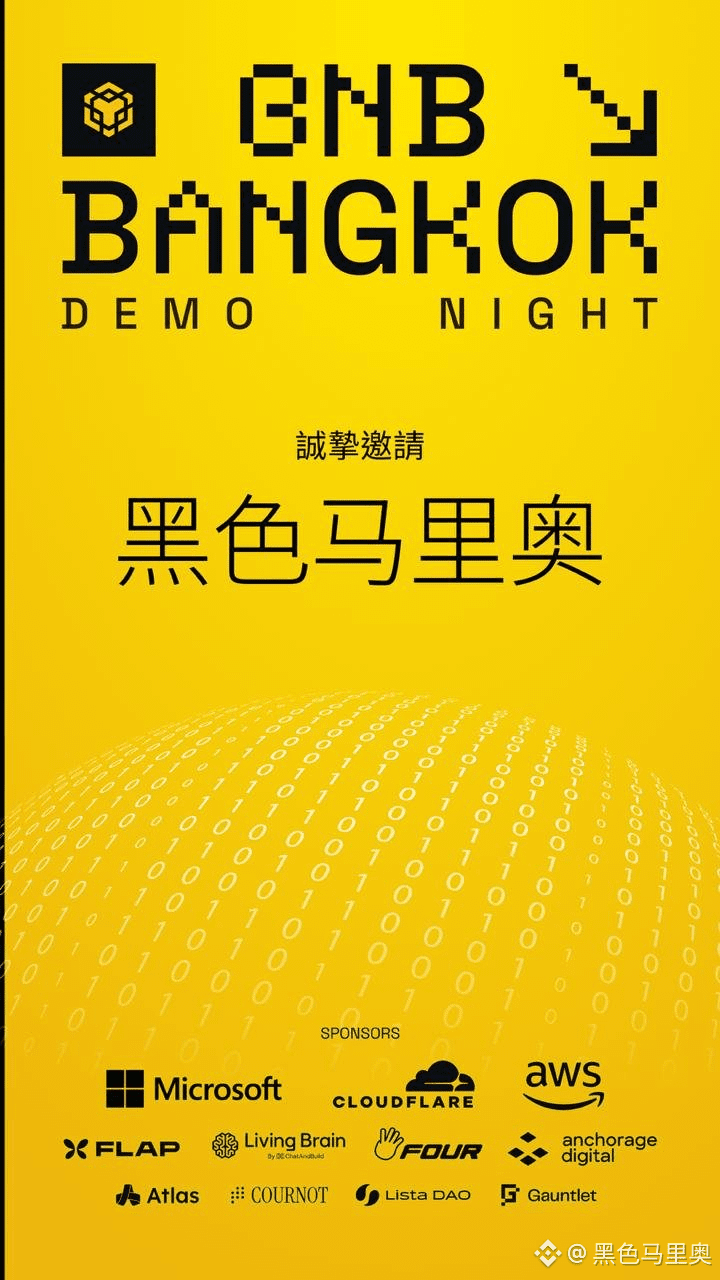
Thank you to BNB Chain for inviting me to the BNB Bangkok Hackathon.
The BNB Bangkok Hackathon is one of the key ecosystem events taking place on the eve of Binance Blockchain Week 2026 in Bangkok.
Previous events have been held in cities including Singapore, Paris, Istanbul, and Dubai.
Last year’s Dubai event attracted 5,210 attendees from 120 countries, 200 speakers, and 400 industry influencers—a pretty impressive turnout.
This year, it’s returning to Asia, with CZ, Arthur Hayes, and representatives from traditional financial institutions such as BlackRock, Visa, and Franklin Templeton joining the event.
Ahead of the conference, BNB Chain has scheduled the BNB Bangkok Hackathon and Demo Night for November 25–27. Tech and financial organizations including Microsoft, AWS, Cloudflare, and Anchorage Digital are also sponsoring the event.
Outstanding projects will have a chance to win cash prizes and up to $50,000 in ecosystem support. They may also get fast-track interviews for the YZi Labs EASY Residency, as well as potential investment opportunities through the $1 billion Builder Fund.
Looks like Bangkok is going to be buzzing again over the next few days 🍻
#BNBBangkok #BinanceBlockchainWeek
1
458
·
--
I had the Claude Code Opus 5.5 model make a video about CZ and Mr. Xu. I told it to do its own research and write its own script.
It titled the video “Never Throw Shade at the Competition” (haha, that’s so savage).
I think it turned out pretty well. I laughed for ages, so I’m sharing it here in case it makes you laugh too, haha.
It titled the video “Never Throw Shade at the Competition” (haha, that’s so savage).
I think it turned out pretty well. I laughed for ages, so I’m sharing it here in case it makes you laugh too, haha.
287
·
--
$BTC fell to $60,000–$65,000, already hitting the shutdown price for some mining rigs.
Historically, large-scale miner losses, shutdowns, and hashrate capitulation have repeatedly appeared near bear-market bottoms—and have all been followed by major rebounds.
(So hopefully this is a good sign.)
The cycle usually goes like this:
BTC continues to fall, squeezing miners’ profits. Less efficient mining rigs and mining farms with high electricity costs are the first to buckle, forced to shut down and exit. Then the network’s total hashrate declines, mining difficulty adjusts, and a new shakeout begins.
Miner capitulation means the market has entered an extreme shakeout phase. This, too, is a signal that has repeatedly appeared near bear-market bottoms.
Three of the most notable miner stress cycles in recent history:
1/ After the miner shakeout in 2018, BTC climbed from around $3,200 to $69,000—a gain of more than 20x.
2/ On Black Thursday in March 2020, BTC fell to around $3,800, then rose to nearly $69,000 over the following year or so.
3/ After the FTX collapse in 2022, BTC fell to around $15,500, then went on to reach a high of over $126,000.
1
377
·
--
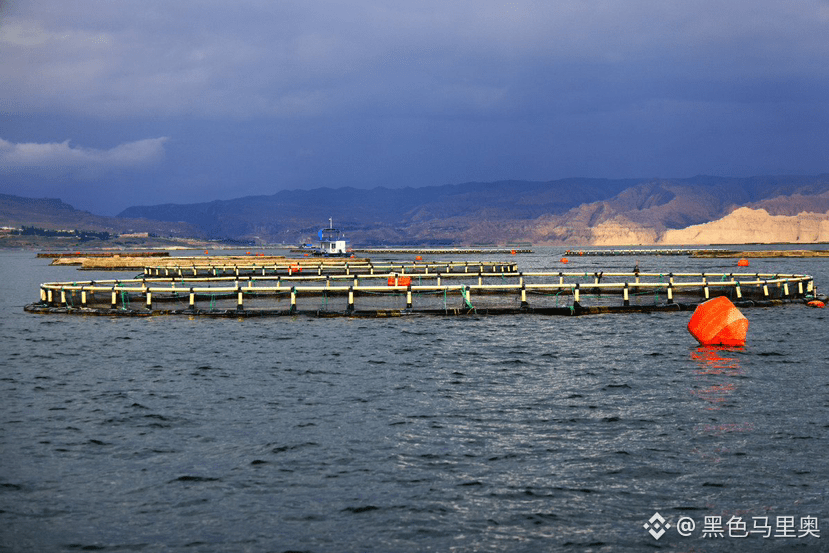
China is a salmon-exporting country, and 98% of its exports come from Longyangxia in Qinghai Province 😱
China is a salmon-exporting country, and 98% of its exports come from Longyangxia in Qinghai Province 😱
1k
·
--
Verified
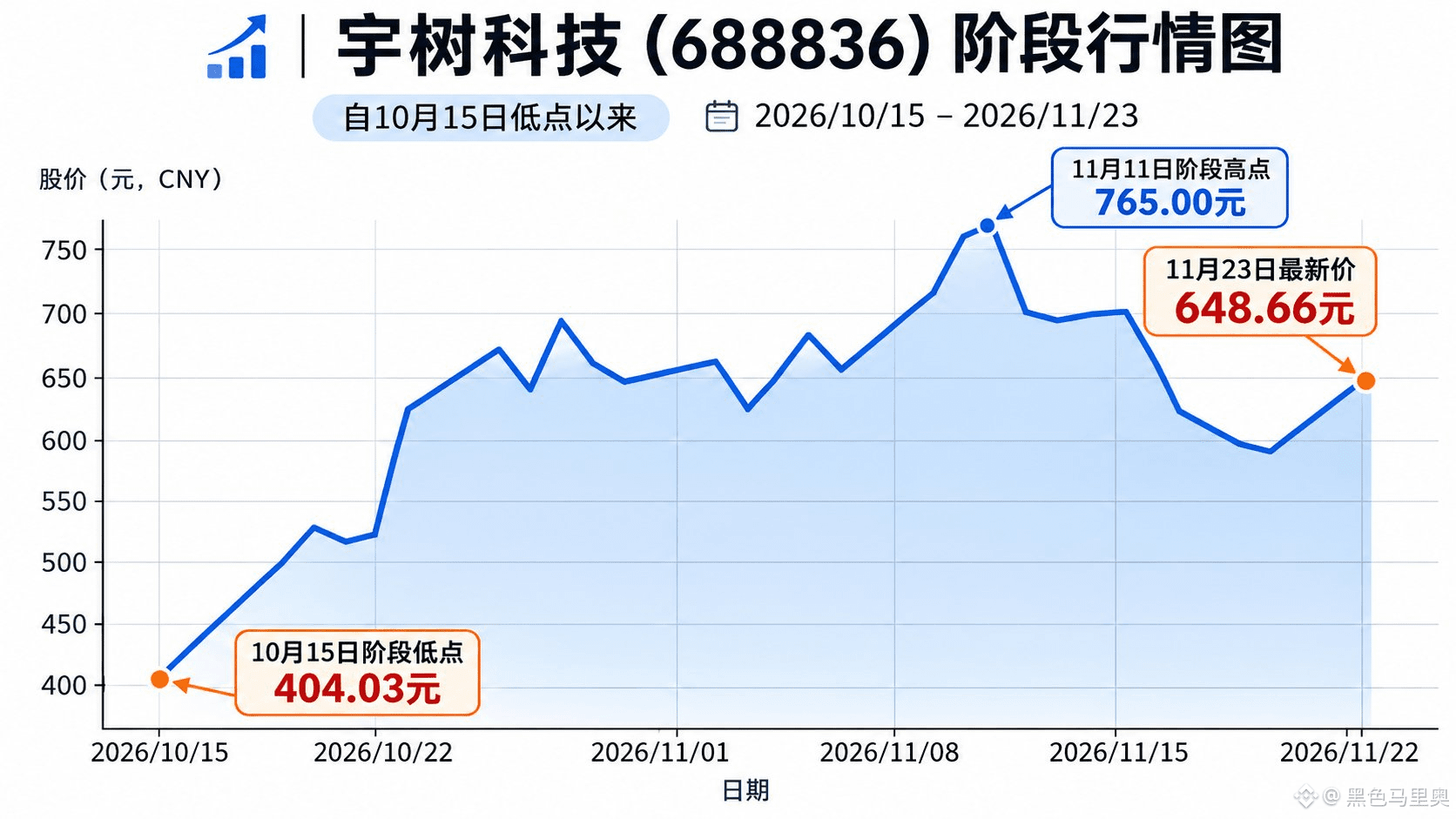
Before we knew it, Unitree Robotics’ share price had rebounded from its interim low of 404.03 yuan on October 15 to an intraday high of 648.66 yuan today, a cumulative gain of 60.5%.
It rose nearly 10% today alone. Those who bought the dip earlier must be feeling pretty good.
It seems the market still has a lot of imagination when it comes to the robotics theme.
Unitree’s rally has been driven by several key factors:
The internal driver is performance: Unitree generated revenue of 1.817 billion yuan in the first three quarters, up 55.71% year over year, while net profit attributable to shareholders reached 387 million yuan, up 270.54%.
There are several external drivers:
1/ The physical AI boom
Apple’s research team recently unveiled HALO, a robotic autonomous control system, and chose Unitree’s G1 for real-world testing. This has renewed market interest in combining robotic hardware with AI control capabilities.
2/ Musk fanning the flames
He said that within the next 12 to 18 months, Tesla’s Optimus could be capable of completing multistep household chores such as taking out the trash and washing dishes.
In other words, robots are starting to move beyond being fancy toys and closer to real-world applications, giving the market a strong reason for optimism.
With the sector having already undergone a substantial pullback, humanoid robot stocks have bucked the trend and rallied. Several stocks have hit their daily limit, and capital is once again flowing into the sector.
━━━━━━━━━━━━━━━━━━━━
In fact, the robotics industry is still at a very early stage.
The inflection point will likely come when robots can reliably perform tasks in real-world environments and their costs fall to a level that makes large-scale commercial use viable.
That will be the start of the boom.
The entire robotics supply chain is already extensive, and every part of it is evolving rapidly.
This process probably won’t take all that long.
The potential of the robotics industry may be far greater than what we can see today.
1
1.2k
·
--
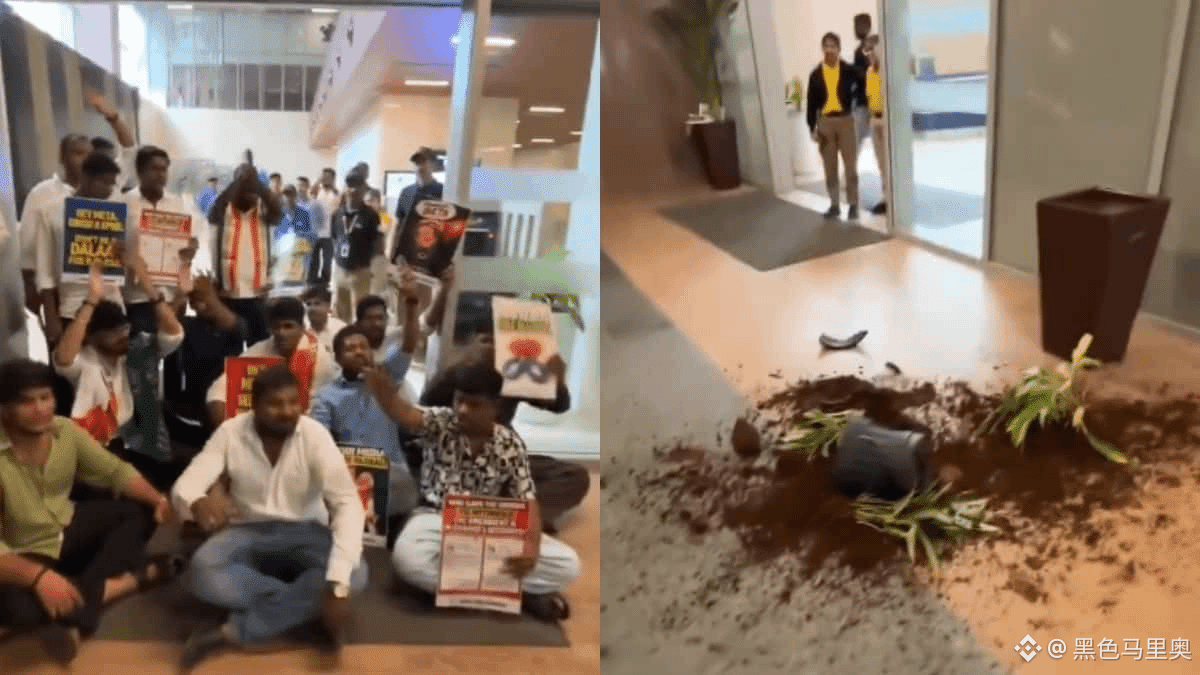
Free speech on the internet in India has a distinctly Indian flavor.
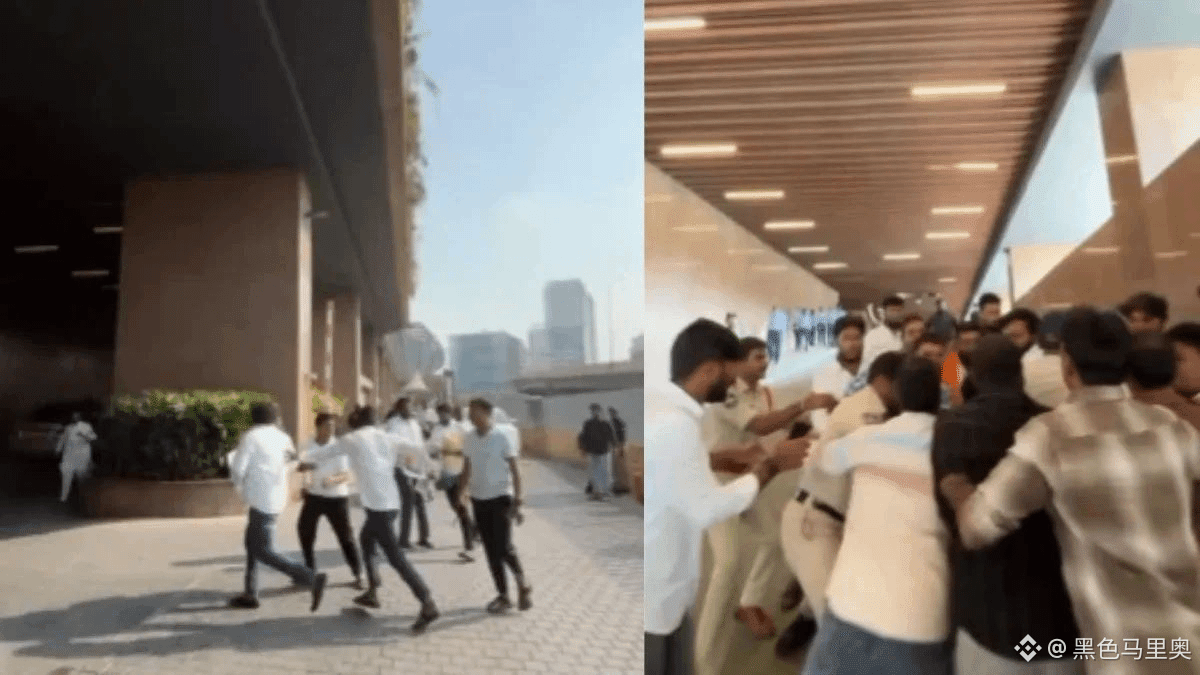
After its Instagram accounts were blocked, the youth wing of the Indian National Congress went to Meta’s offices, spray-painted the walls, smashed flowerpots, and clashed with police.
The two accounts were later restored, and the youth wing immediately declared the protest a success.
It then gave Meta a seven-day ultimatum, demanding that it publish data on account suspensions, explain its moderation standards, and stop restricting opposition figures and content critical of the government.

6
11.6k
·
--
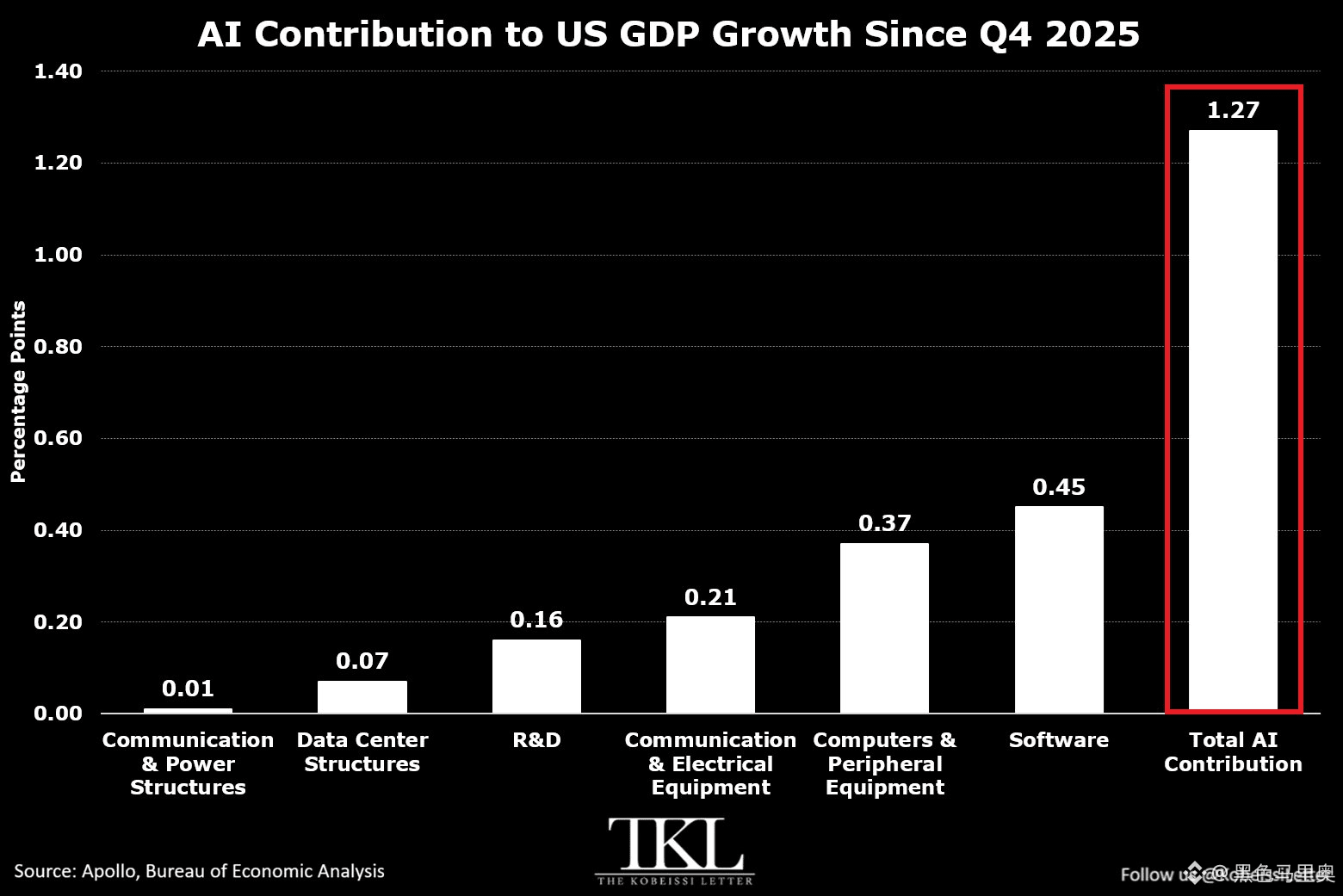
Wow, Anthropic AI is absolutely swimming in cash now.
The Kobeissi Letter just ran the numbers: after completing its IPO, Anthropic had a staggering $237 billion in cash and cash equivalents.
What does that mean?
According to the figures in this chart, Anthropic has more cash on hand than Alphabet, Amazon, Apple, and SpaceX combined.
That’s 8 times NVIDIA’s cash, 12 times Microsoft’s, and 22 times Meta’s.
But Anthropic has its own challenges, too.
Anthropic has made long-term commitments to purchase computing capacity and fund data centers and related infrastructure, totaling about $900.9 billion over the next decade or more.
Of that, about $70.7 billion in commitments come due in the next 12 months alone.
So, even though Anthropic has all this cash on hand, much of it is already earmarked for future spending.
In other words, capital markets are pouring enormous sums into AI companies, but those companies then have to invest that money in GPUs, cloud computing, and data center construction.
Tech giants like NVIDIA, Microsoft, Amazon, and Google are major suppliers of AI infrastructure, and some of them are also investors in AI model companies.
Huge amounts of capital keep circulating through this industry chain.
On the one hand, many people are concerned about this kind of model, wondering whether the real commercial value generated by AI can justify such enormous investment.
Anthropic alone has already made long-term commitments to computing capacity worth nearly a trillion dollars.
On the other hand, competition in the AI industry is gradually turning into an unprecedented capital-burning war.
Going forward, model capabilities, computing efficiency, commercial revenue, and cash flow will all be essential.
1.5k
·
--
It’s said that in 2016, Bao Er Ye spent 100 $BTC on an old Rolls-Royce.
Then, in April 2018, he sold 500 BTC in the US and bought an estate in Los Gatos, California—the one he calls “韭菜庄园” (“Chives Manor”) on the sign at the entrance.
And Bao Er Ye still seems to have BTC—reportedly another 300–500 $BTC 😂
Then, in April 2018, he sold 500 BTC in the US and bought an estate in Los Gatos, California—the one he calls “韭菜庄园” (“Chives Manor”) on the sign at the entrance.
And Bao Er Ye still seems to have BTC—reportedly another 300–500 $BTC 😂

1
1
1
1.6k
·
--
I took a quick look at the plot of Netflix’s new series.
You’ll see that the screenwriter has looked down on the crypto industry from beginning to end. In his eyes, it’s not a respectable field.
So you’ll find that the characters in the show are either villains or scammers who embezzle assets. It’s pure prejudice.
That’s pretty much how people outside the industry view crypto, too.
1/ Try reading articles about the crypto industry written by people outside it. I’ve read plenty myself, including pieces by Luke Wen Studio, whose work I enjoy.
They certainly have their own opinions, but they don’t understand the crypto industry well enough. They usually lump us in with the gray and black markets, and their writing is full of disdain.
Because they don’t have all the details, their analysis often misses the point and fails to get to the heart of the matter.
It’s true that the industry is rife with chaos, but it’s also moving on from its early stage of unchecked growth toward a more orderly expansion. Yet outsiders still see us as we were in those early days of unchecked growth.
2/ I work in the industry full-time, unlike many people who haven’t devoted all their energy to this field.
But whenever I describe my work to my family, I can never get them to understand what I actually do.
So now a lot of people think I write novels or make Kuaishou comedy videos...
That’s because, given what they know, there’s simply no way I can explain what my industry is all about.
So I guess there’s an unbridgeable gulf between people inside and outside the industry.
1
439
·
--
I’ve seen a lot of people discussing the BTC Ahr999 indicator. Its current reading is very low, at around 0.2338.
That’s even lower than the 0.24 reading during the March 12, 2020 crash, and is approaching an extreme historical level.
The Ahr999 indicator is also known as the Nine-God Bitcoin Accumulation Indicator.
It mainly combines the average cost of dollar-cost averaging into Bitcoin over the past 200 days with its long-term price growth trend to assess whether BTC is currently expensive.
As a general reference:
1/ Above 1.2 indicates a relatively high valuation.
2/ Between 0.45 and 1.2 is the usual dollar-cost averaging range.
3/ Below 0.45 is considered a historical buying-the-dip zone.
And now it has fallen to 0.2338.
This means that according to this model, Bitcoin’s relative valuation is currently at an extremely low level by historical standards.
However, market conditions are very complex right now. So while the Ahr999 reading is low compared with historical levels, that doesn’t mean the bottom is in.
For example, even if another couple of black swan events hit 😱
1
467
Log in to explore more content
Join global crypto users on Binance Square
⚡️ Get latest and useful information about crypto.
💬 Trusted by the world’s largest crypto exchange.
👍 Discover real insights from verified creators.
Email / Phone number
Trending Topics
CanMarketsReboundAfterThanksgiving?
6,971 views
202 Discussing
Rate-Hike Bets Linger as US Markets Head Into Thanksgiving Closure
Binance News
·1 Likes
·890 views
CouldSpaceX’sOrbitalDataCentersBoostAIChipDemand?
5,481 views
140 Discussing
EvolveAtBinanceBlockchainWeek
640,705 views
6,658 Discussing