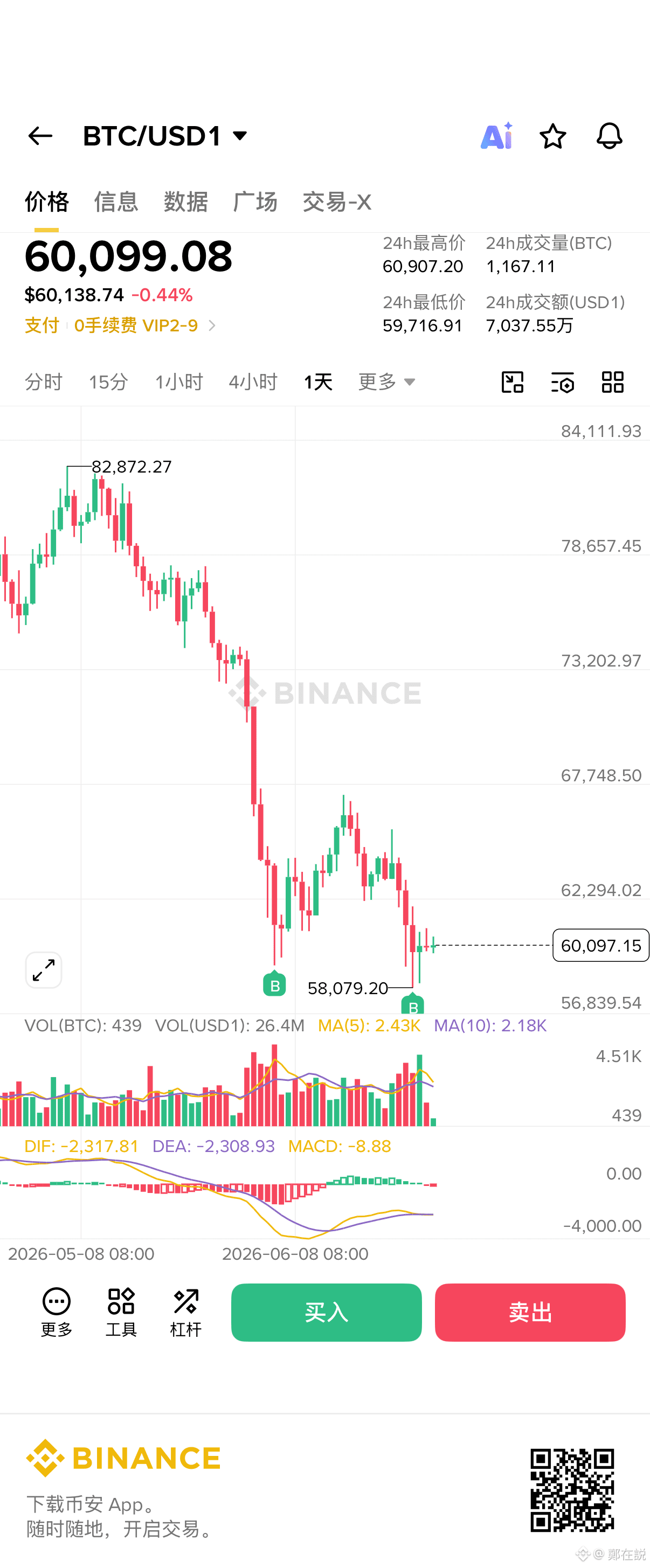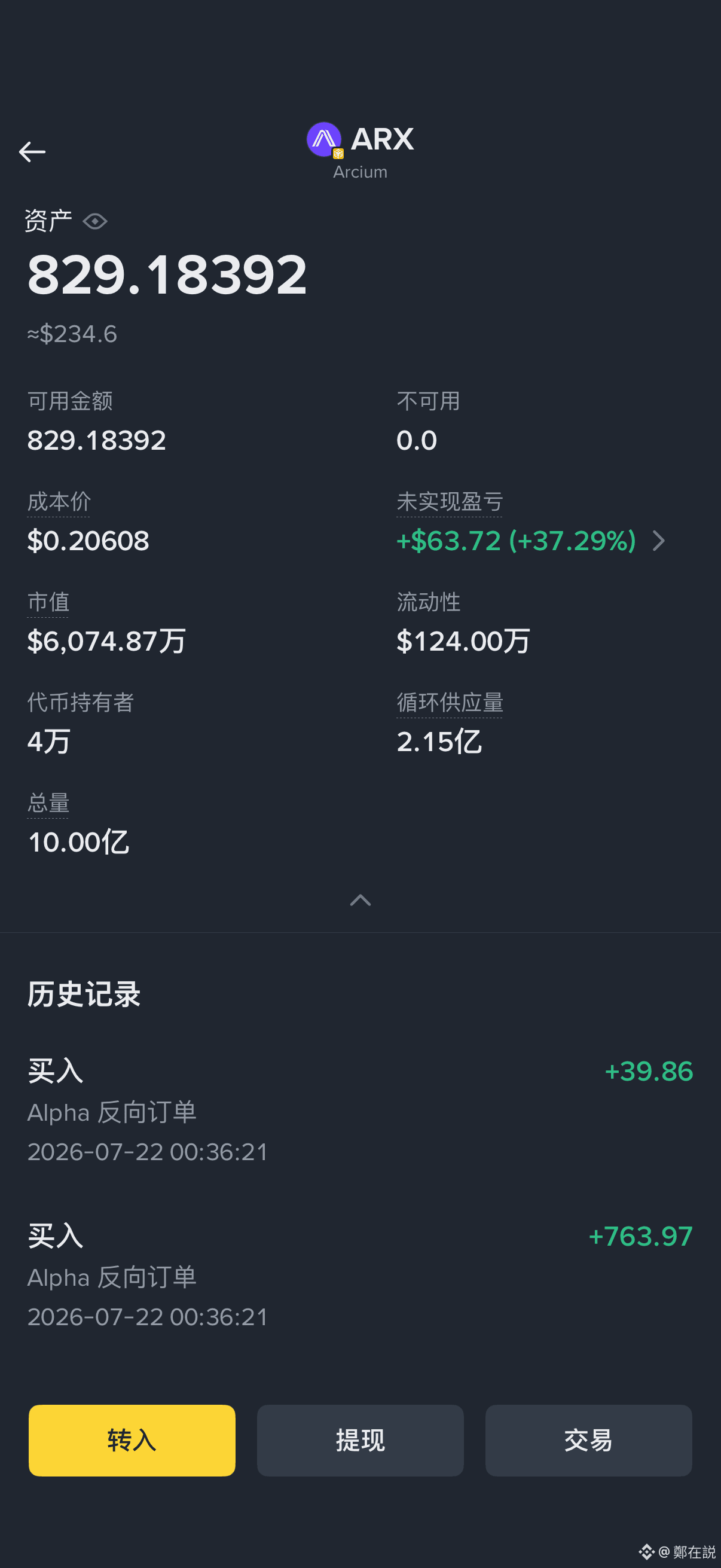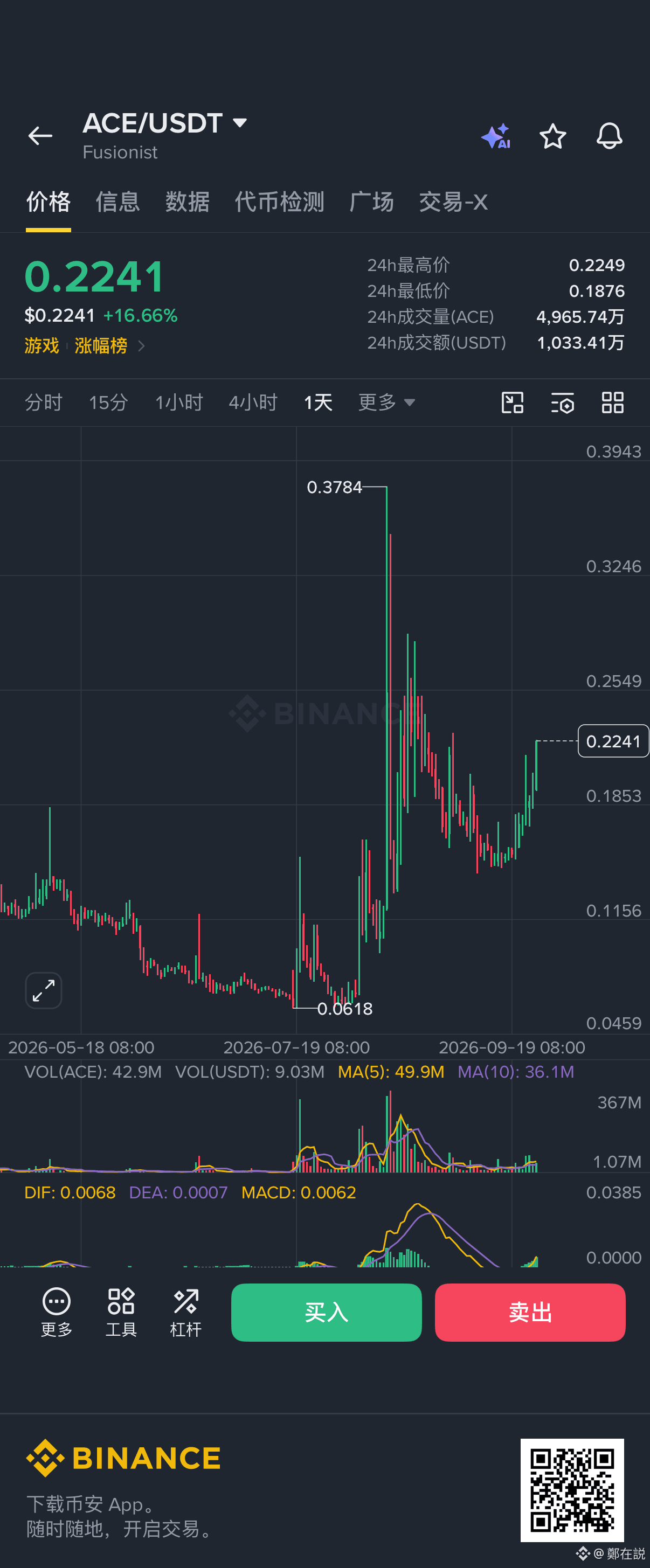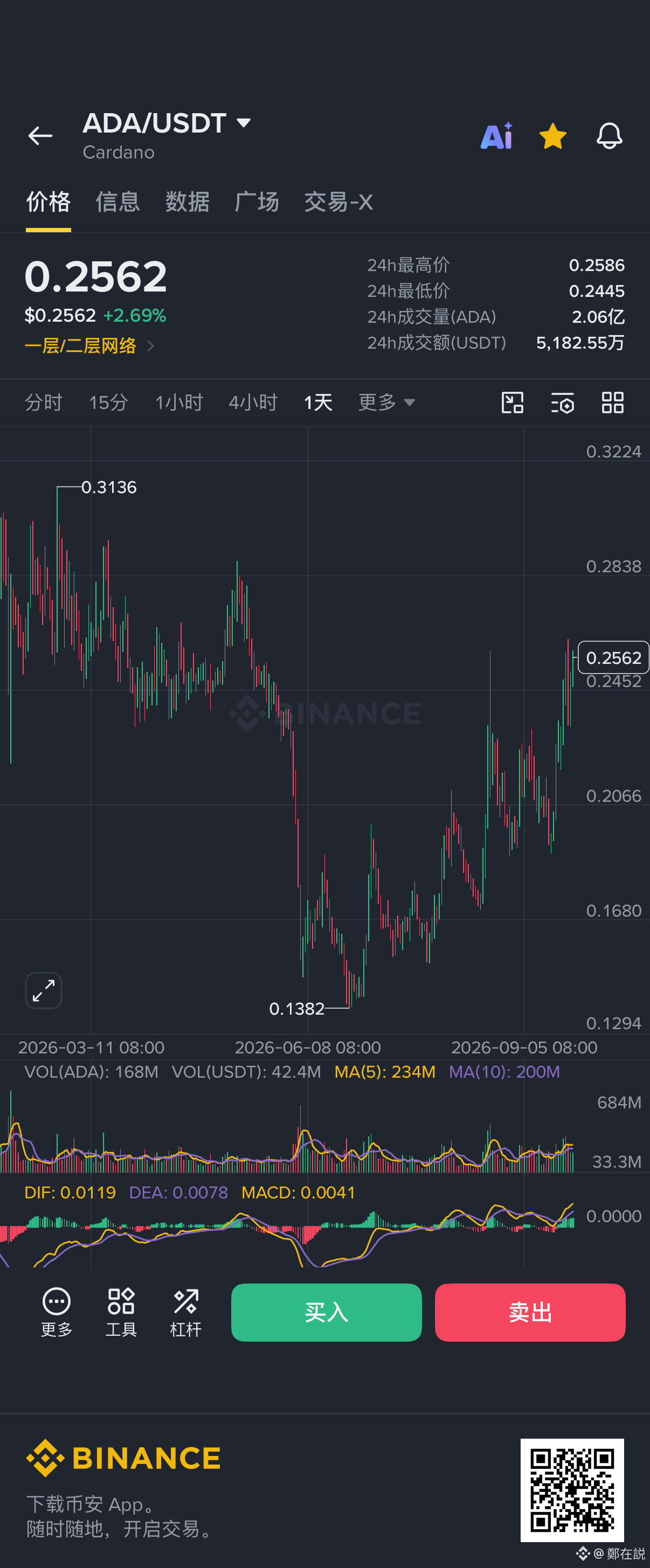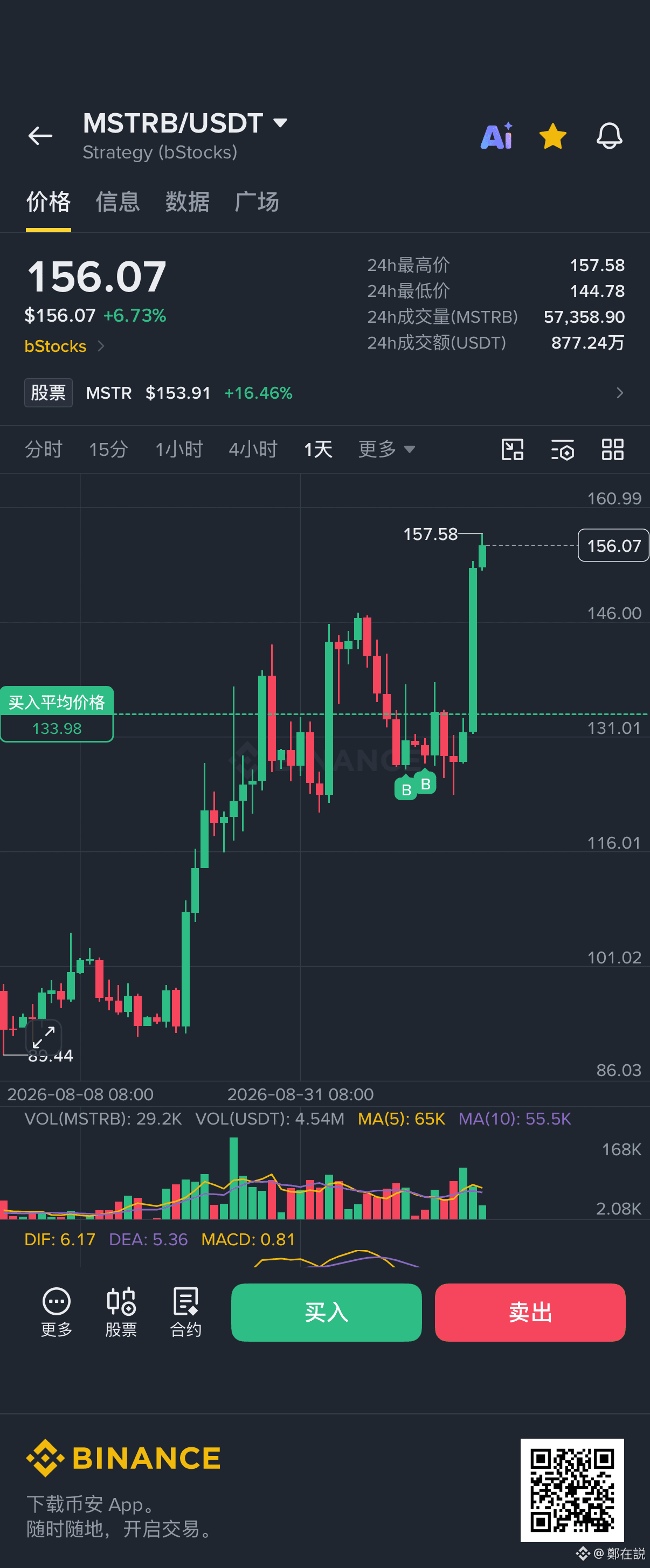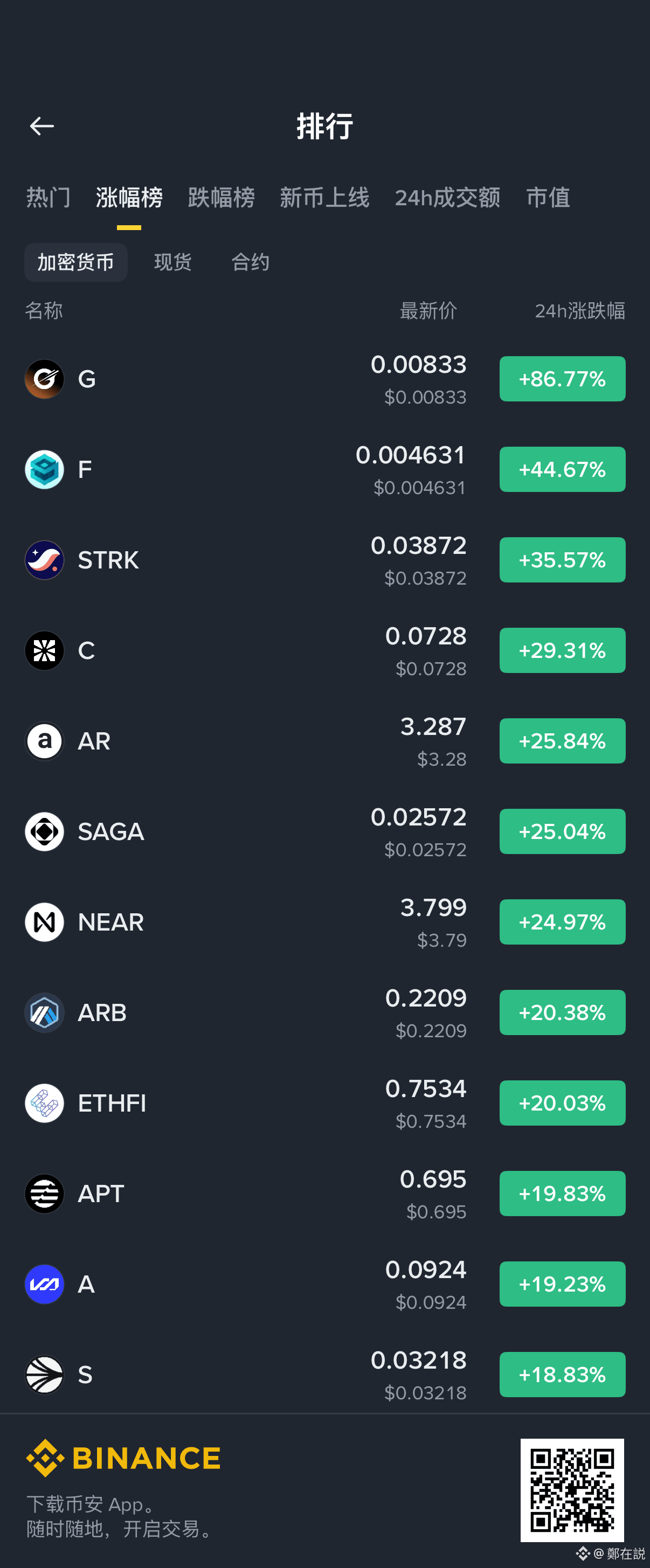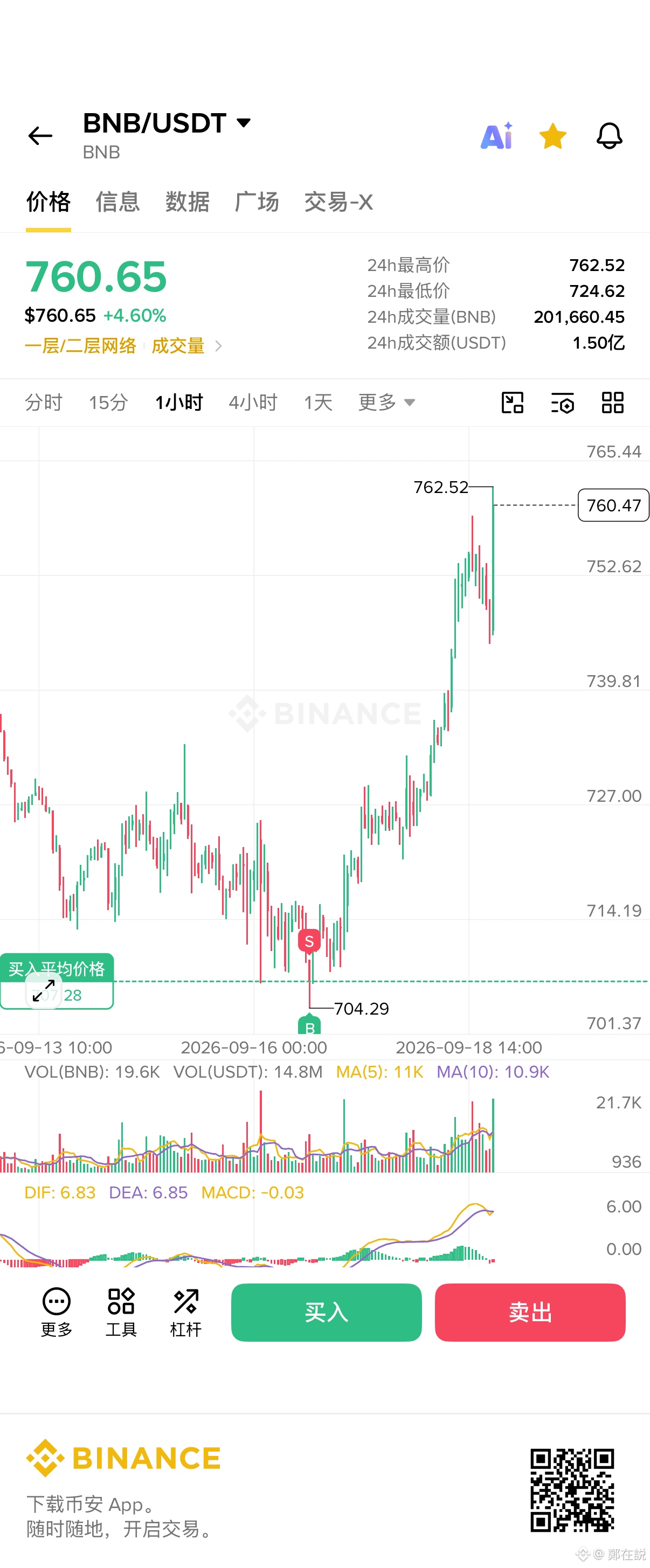
$BTC Current price is 60000, and you’re looking at 50000, 40000, 30000 again...?
Do you remember what you said back when $BTC 128000—if Bitcoin drops to 60000, I’ll sell my house and go all-in. Now the price has reached 60000, so why don’t you buy? You coward. Didn’t you get scared again?
I’m buying—do you dare to start buying too? Overcome fear, hold on to quality assets, and slowly become rich. Let’s do it together, brother 👬. #btc不负青春
Only today did I realize that the central bank’s open market operations, reserve requirement ratios, and the interest rate corridor directly determine whether money in the market is “tight or loose.” It’s a good idea to turn monetary policy tools into a visual dashboard, then map them to changes in liquidity in the crypto market—learning will be much more effective. #BinanceSummerSeminar
Jiang Zhuoer buys back BTC again, believing that Bitcoin still has a chance to rise to $80,000–$84,000.
But I think this is something to be careful about.
If reaching the $80,000 area is only a rebound and not a trend reversal, then the closer it gets to $84,000, the greater the sell pressure may be.
What’s most worrying right now isn’t that it won’t go up—but that it pushes higher to give long positions hope, and then comes another round of a sell-off.
So at this position, don’t just look at the target price—whether volume increases and whether it can hold above $80,000 is more important.
A rebound ≠ a reversal. I’ve seen too many of these kinds of dramas in the crypto world.$BTC
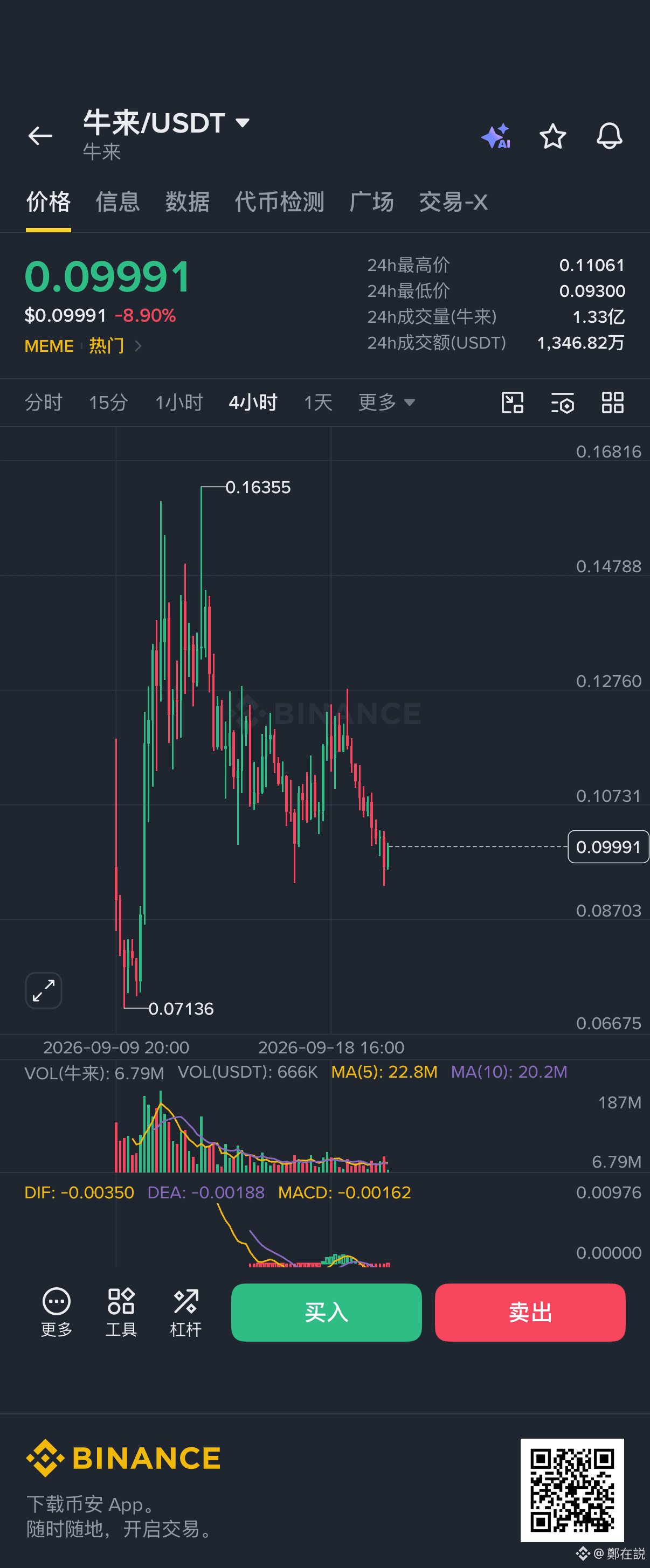
$牛来 trading ultimately comes down to a battle between yourself and yourself.
With bare hands, you go up against greed, stubbornness, emotions, and ignorance. Those who truly manage to move forward have endured countless darkest moments. Most people don’t lose to the market—they fall in the fight against themselves.
Su Shi said: those who accomplish great things rely not only on talent beyond the world, but also on an indomitable will. Hold on to your true self, align knowledge with action, endure the night—only then can you reach the dawn.
#arc Just started and it’s already going to be over? Everyone else is posting how much they made—am I the only one rushing in to be the cannon fodder? Sure enough, it’s all survivor bias.
You really have to say, the dog-managers behind $ZEC are truly amazing—small investors are about to get fooled. These days, it’s not just about fearing an empty night when positions are bigger. What should we do? You tell me.
This time, I actually feel that what’s truly worth paying attention to isn’t whether the Fed will “raise rates,” but whether, after the rate hike, the Federal Reserve will continue to stay hawkish.
In August, core CPI rose 0.3% month-over-month. Inflation pressure is still not small, and the market’s expectations for a rate hike in September are already very high.
For the crypto market, a rate hike itself may not be the most frightening part.
What’s really troublesome is:
A stronger US dollar + rising US Treasury yields + tightening liquidity.
BTC is increasingly behaving like a “high-volatility risk asset,” and in the short term it’s still hard to fully escape the impact of macro liquidity.
Recently, BTC has returned to around $77,000. The market is clearly waiting for the Fed to give its next direction.
So my view is:
👉 In the short term: be cautious—altcoins will face more pressure than BTC. 👉 In the medium term: if this is a rate hike that’s “already priced in,” then after the bearish news is effectively realized, we should watch to see whether BTC can stabilize. 👉 The real turning point isn’t this rate hike, but whether in the future we see signals that rate hikes will stop—or even a shift back toward easing.
That’s often how it works in crypto:
People aren’t afraid of bad news itself—they’re afraid of bad news that exceeds expectations.
If the market has already priced in the rate hike fully, then once the “shoe drops,” it may actually trigger a wave of “bad news already over.”
So I won’t turn outright bearish on BTC just because of one rate hike, but I also won’t blindly go all-in on altcoins when macro liquidity is clearly tightening.
BTC follows liquidity; altcoins follow sentiment.
Whether this round is a pullback in the middle of a bull market, or whether the trend has truly changed, will depend on what the Fed says next.
$ARB According to Standard Chartered Bank’s report, #arb still has 18x upside potential from the previous bull market peak, and another 80x upside potential from Standard Chartered’s predicted price—absolutely a hundredfold coin. The main issue is whether people can hold on to it. What does everyone think?
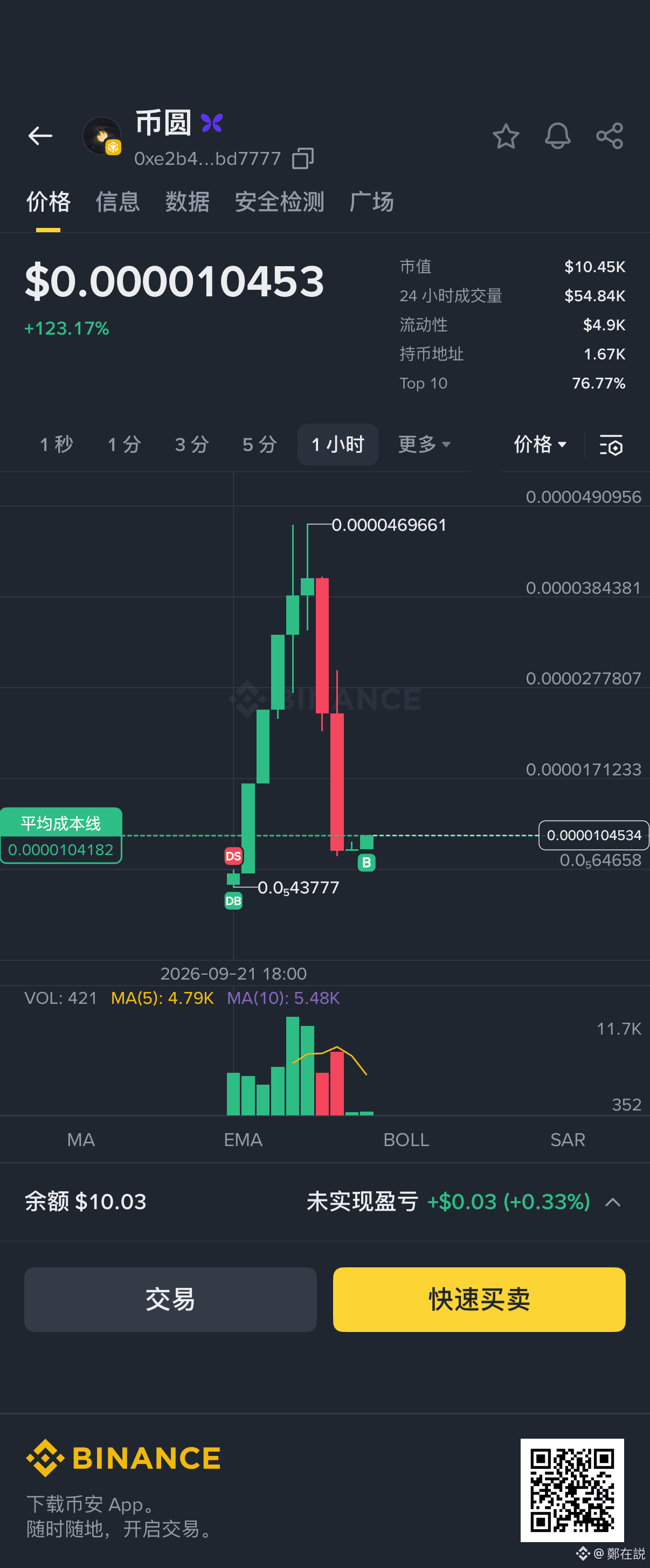
Over the past couple of days, the Meme fever around Robinhood Chain has been pretty hot. Watching coin after coin on-chain double in a few hours really makes it easy to fall for a misconception:
“Don’t miss out on this chance.”
I’ve already fallen for this kind of trap before.
I saw a Meme coin suddenly surge—everywhere in the group chat and on Twitter people were shouting “to the moon.” I didn’t carefully check the contract, I didn’t look at my holdings distribution, and I didn’t study liquidity either. My brain only had one thought—get in right away.
The result was that not long after I bought, the candlestick chart gave me a lesson.
That’s when I realized: the most dangerous part of a Meme isn’t that there’s no opportunity—it’s that opportunities and traps look way too similar.
Recently, the Meme wave on Robinhood Chain has reminded me of this again. Hot topics can be chased, but don’t assume you’ll profit just because everyone else is making money. In fact, there have even been cases where Meme coins spiked up and then quickly dropped again recently—the cost of FOMO can come very fast. (Decrypt)
Later, I set a few rules for myself:
Don’t touch projects you don’t understand; Don’t buy without fully checking the contract; When it rises faster, stay even more calm; Never use “others are making money” as a reason for you to buy.
In the end, the most expensive teacher in Web3 is often not the course—it’s your own losses.
It’s Teachers’ Day, so thank you to those “teachers” who made me lose money.
At least for now, when I see a Meme surge, I won’t rush in right away shouting: “Too tasty to ignore” 😂
币安Binance华语
·
--
Teachers' Day #币安安全星期四 Special Plan 「Web3 Mandatory Course」
🧑🏫 The real danger and failure are the best teachers on the road to growth
In Web3, what time did you narrowly avoid a scam—or fail—giving you the most unforgettable lesson?
Repost and share your story and experience. 10 outstanding sharers will each receive 100U 🏆
And we also wish every teacher who helped us grow a Happy Teachers' Day 💛
After the gains multiplied by tens of thousands, the hardest part was never actually buying the right coin—but rather the thought that coils repeatedly in your mind: should I sell or not?
Yesterday I saw a performance story: $44, with the final exit turning into $509,000—more than 11,000 times. In the comments, everyone was wildly asking what coin it was, but almost nobody cared about the details of exiting rationally—exactly when, and how decisively he cleared the position and cashed out.
Unrealized profit has always been just a number on paper. The year before, I used $300 to gamble on a trash coin. At its peak, the unrealized gain reached $60,000. At the time, there was only one thought in my head: wait for another 10x before I leave. Three days later, it went to zero—I didn’t get a cent out. That feeling is too real. It wasn’t that I couldn’t see the selling points, or that I never took action. It was simply that I couldn’t bring myself to let go.
After walking this road of 10,000x, the idea of wanting to sell will never appear just once. When it’s up 10x, you want to sell; when it’s up 100x, you want to sell even more; when it hits 1,000x, your mind is probably already suffering and being tortured countless times. Every time, you try to talk yourself into it: “Wait a bit longer—what if it can still double again?” If you can hold on, what you’re fighting is the fear of pullbacks; if you’re willing to sell, what you’re fighting is human instinctive greed and the fantasy of “missing out on the next explosive surge.” To do both of these things at the same time is far harder than picking the right breakout coin.
In this circle, very few people can make it through the entire process intact, and truly take profits and lock them in. Most end up trapped in one of two outcomes: one is getting off too early, breaking your leg with regret as it keeps going parabolic; the other is holding on all the way, and in the end watching all the profit evaporate back to zero.
Those who can exit cleanly and decisively after sky-high multiples don’t rely on luck or intuition. They rely on cold, hard rules—cut positions in batches at what levels, decide how much to keep as a core holding to roll forward, and clear everything without hesitation when specific signals appear. As long as the rules are set in advance, when the moment you truly sell arrives, you leave yourself less room to negotiate with your emotions.
In this market, the most expensive thing is never that sliver of initial capital. It’s maintaining disciplined calm in the face of enormous unrealized gains. What you can actually sell is what counts as profit; what lands in your pocket is what counts as money.