

Binance Afrique
441 Posts

Binance Afrique
 Binance Officially Verified Account
Report
Restez informé sur les actualités, les campagnes et l'éducation sur les cryptomonnaies et la blockchain en Afrique.
Open Trade
4.3 Years
7 Following
12.9K+ Followers
3.4K+ Liked
Posts
Portfolio
All
Videos
Live
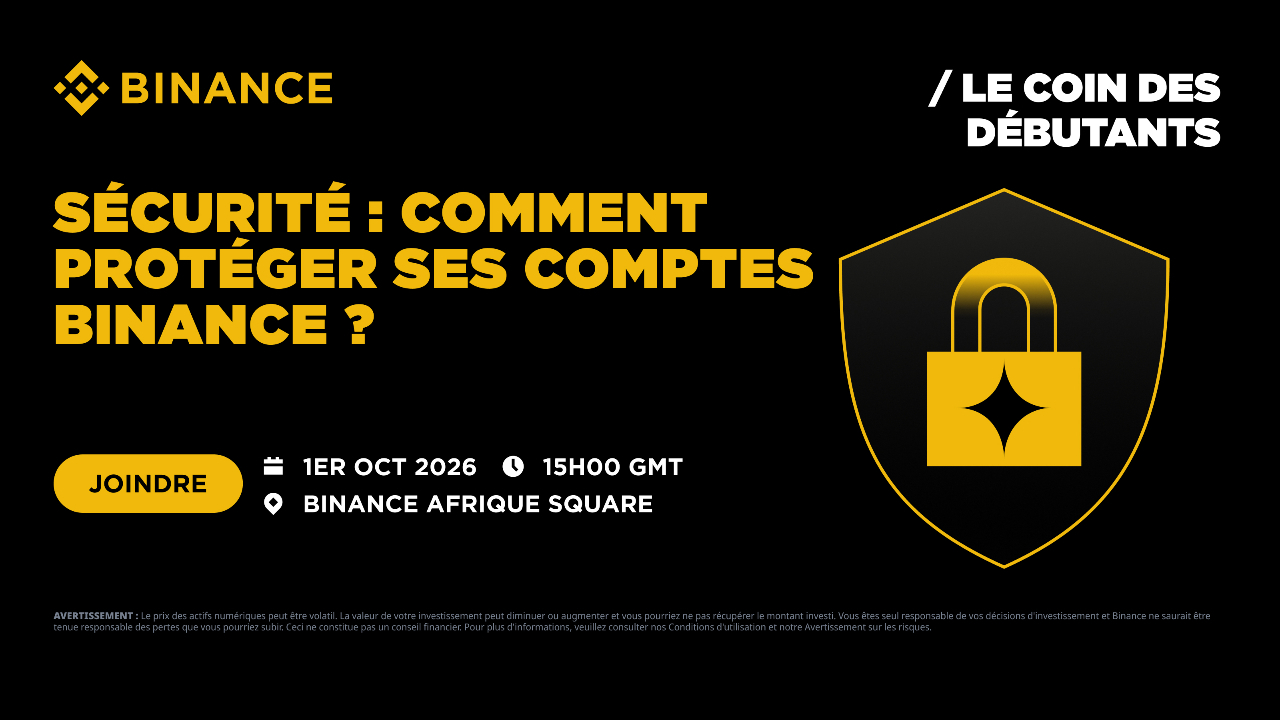
🎙️ Security: How to Protect Your Binance Accounts?
End
01 h 01 m 03 s
3.3k
2
0
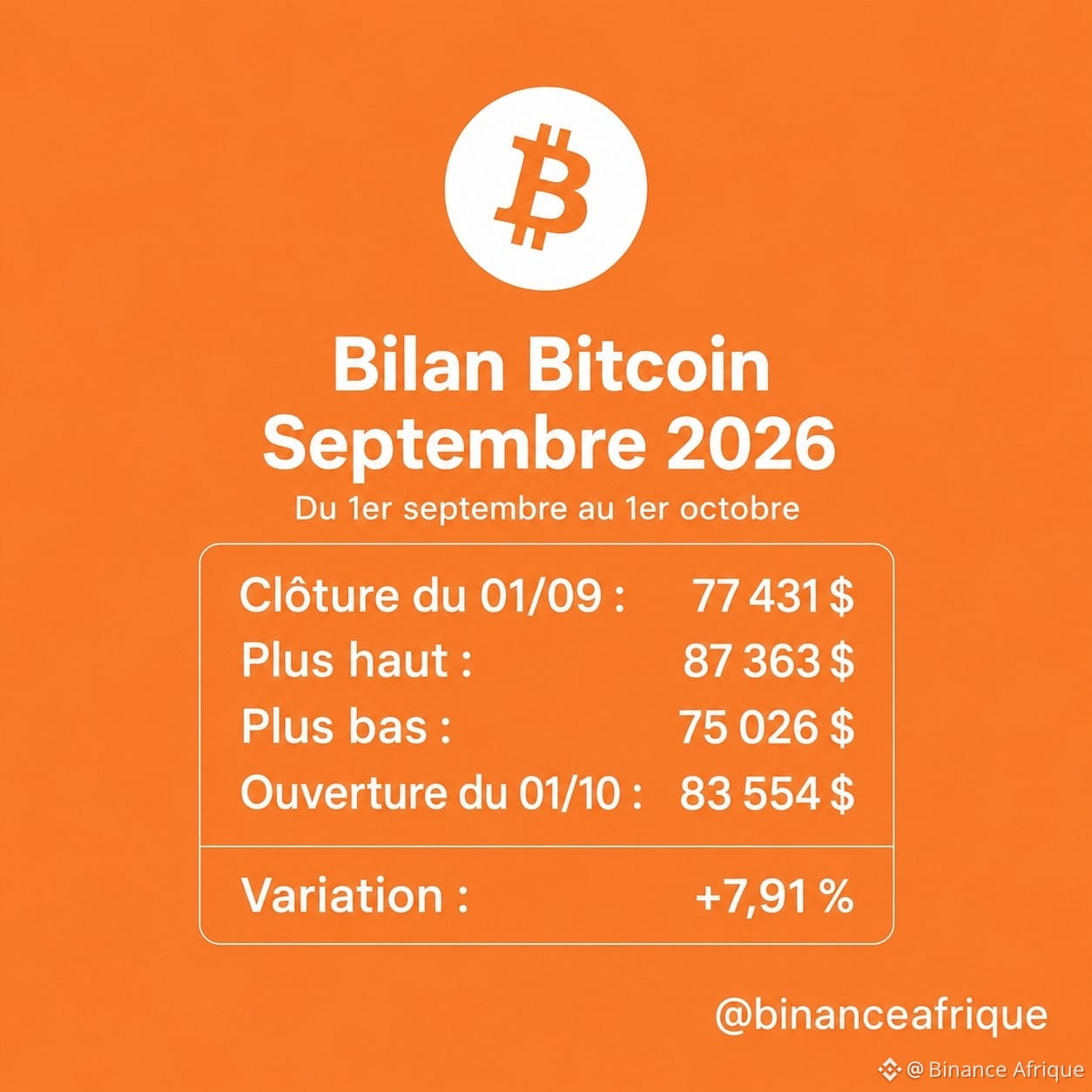
Bitcoin ends the period up 7.91%, but this rise conceals several declines and recoveries.
• The price fell to around 75 026 $ before reaching a peak near $87,363.
• At the opening of October 1, it was below that peak. So a gain over the period does not mean a continuous rise.
• Your outcome depends on your purchase price. Buying at the high would have produced a different result.
To read this summary, distinguish performance between two dates and the fluctuations experienced during the period.
Bitcoin ends the period up 7.91%, but this rise conceals several declines and recoveries.
• The price fell to around 75 026 $ before reaching a peak near $87,363.
• At the opening of October 1, it was below that peak. So a gain over the period does not mean a continuous rise.
• Your outcome depends on your purchase price. Buying at the high would have produced a different result.
To read this summary, distinguish performance between two dates and the fluctuations experienced during the period.
• The price fell to around 75 026 $ before reaching a peak near $87,363.
• At the opening of October 1, it was below that peak. So a gain over the period does not mean a continuous rise.
• Your outcome depends on your purchase price. Buying at the high would have produced a different result.
To read this summary, distinguish performance between two dates and the fluctuations experienced during the period.
1
1
1.1k
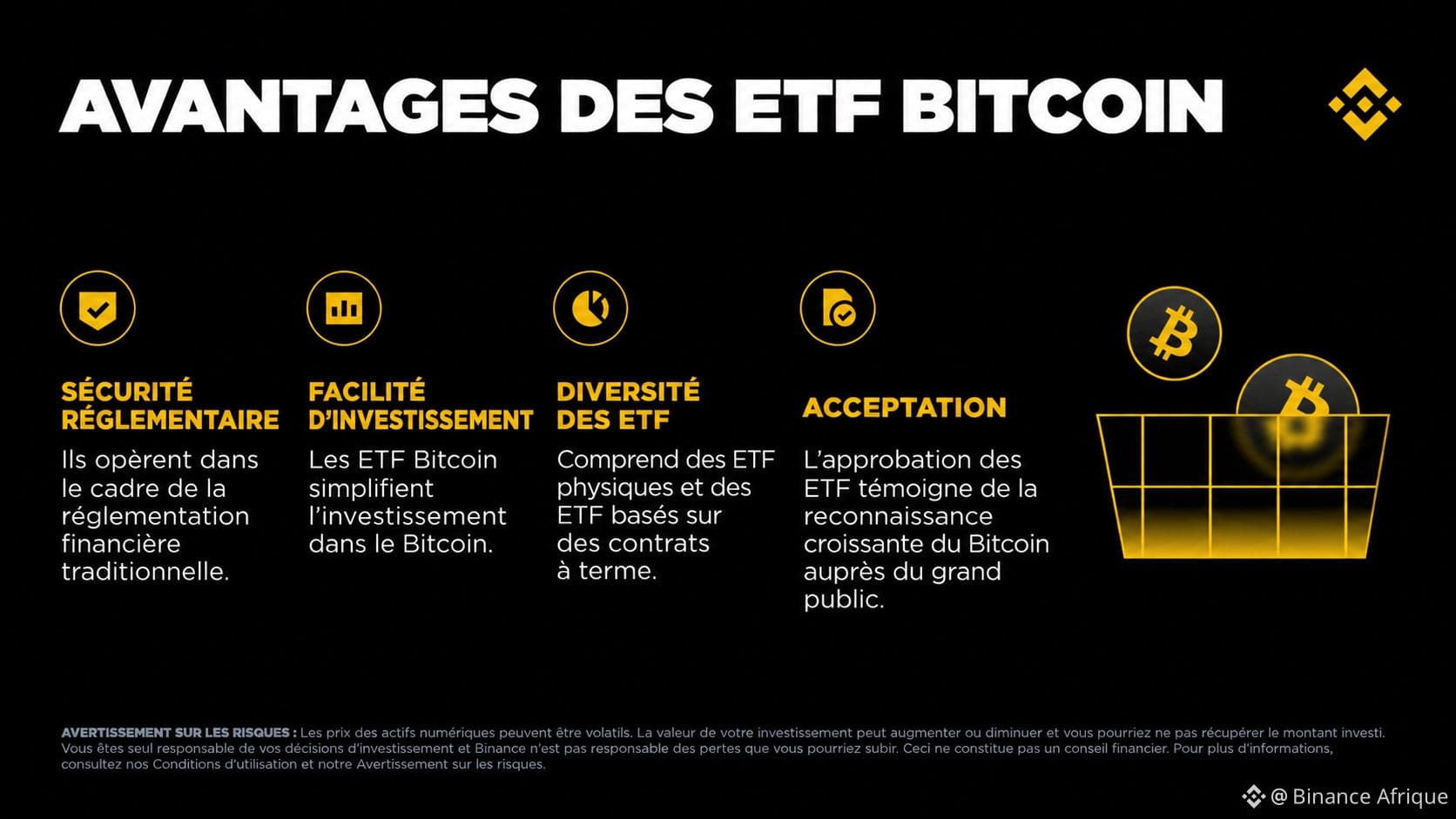
Bitcoin ETFs create a bridge between Bitcoin and traditional finance.
They allow investors to gain exposure to Bitcoin’s price through regulated financial products, accessible from standard investment accounts.
No need to manage a seed phrase or a crypto wallet directly.
Bitcoin ETFs create a bridge between Bitcoin and traditional finance.
They allow investors to gain exposure to Bitcoin’s price through regulated financial products, accessible from standard investment accounts.
No need to manage a seed phrase or a crypto wallet directly.
They allow investors to gain exposure to Bitcoin’s price through regulated financial products, accessible from standard investment accounts.
No need to manage a seed phrase or a crypto wallet directly.
2
560

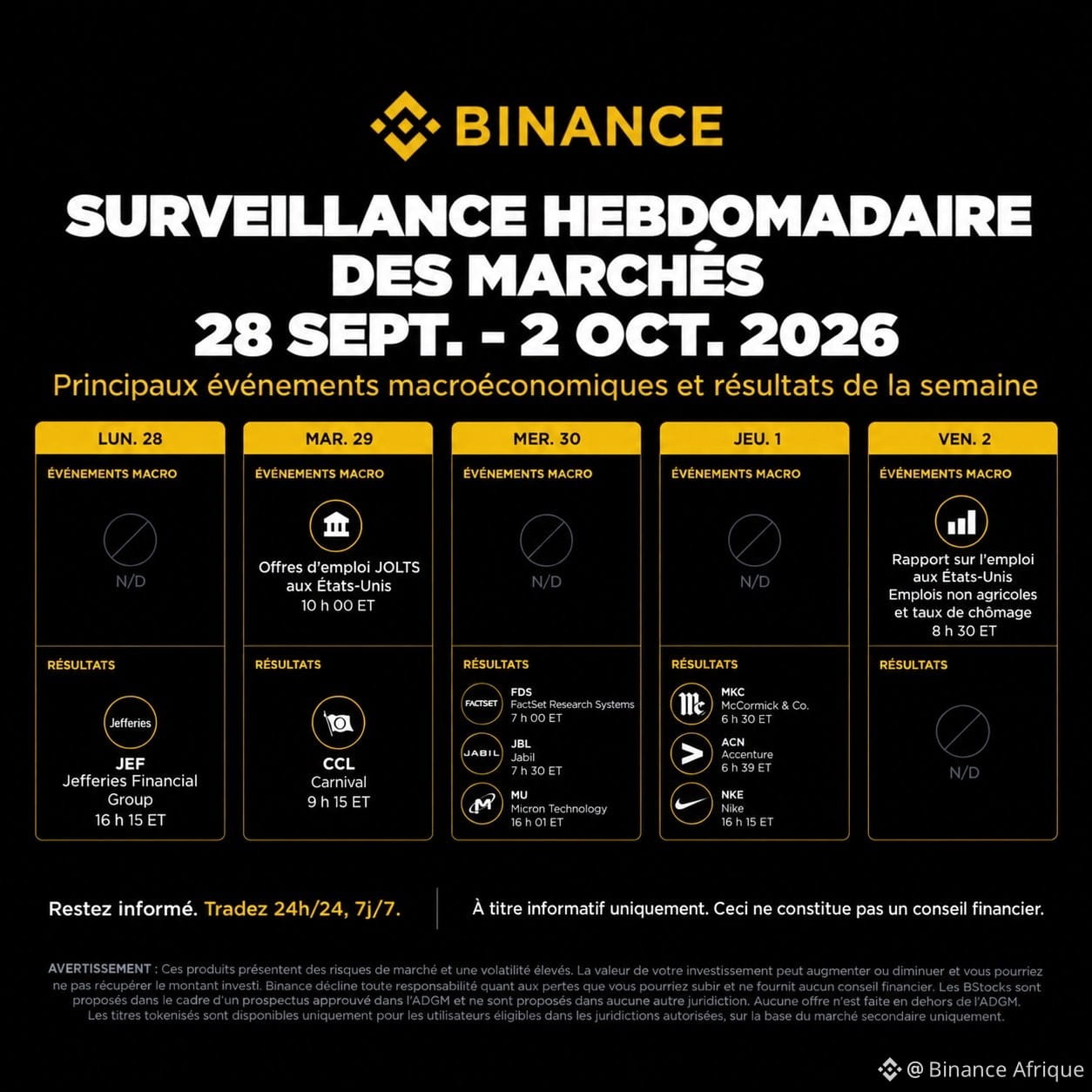
The show goes on 24/7. 🍿
📌 Tuesday: JOLTS, a first look at demand in the labor market
📌 Friday: NFP and the unemployment rate, key data for interest-rate expectations
📌 Company results: Micron (AI/chips), Nike (consumer), Accenture (technology services), Carnival (travel) and much more
This week on Binance.
https://www.binance.com/fr-AF/stocks/calendar?type=earnings
The show goes on 24/7. 🍿
📌 Tuesday: JOLTS, a first look at demand in the labor market
📌 Friday: NFP and the unemployment rate, key data for interest-rate expectations
📌 Company results: Micron (AI/chips), Nike (consumer), Accenture (technology services), Carnival (travel) and much more
This week on Binance.
https://www.binance.com/fr-AF/stocks/calendar?type=earnings
📌 Tuesday: JOLTS, a first look at demand in the labor market
📌 Friday: NFP and the unemployment rate, key data for interest-rate expectations
📌 Company results: Micron (AI/chips), Nike (consumer), Accenture (technology services), Carnival (travel) and much more
This week on Binance.
https://www.binance.com/fr-AF/stocks/calendar?type=earnings
3
895
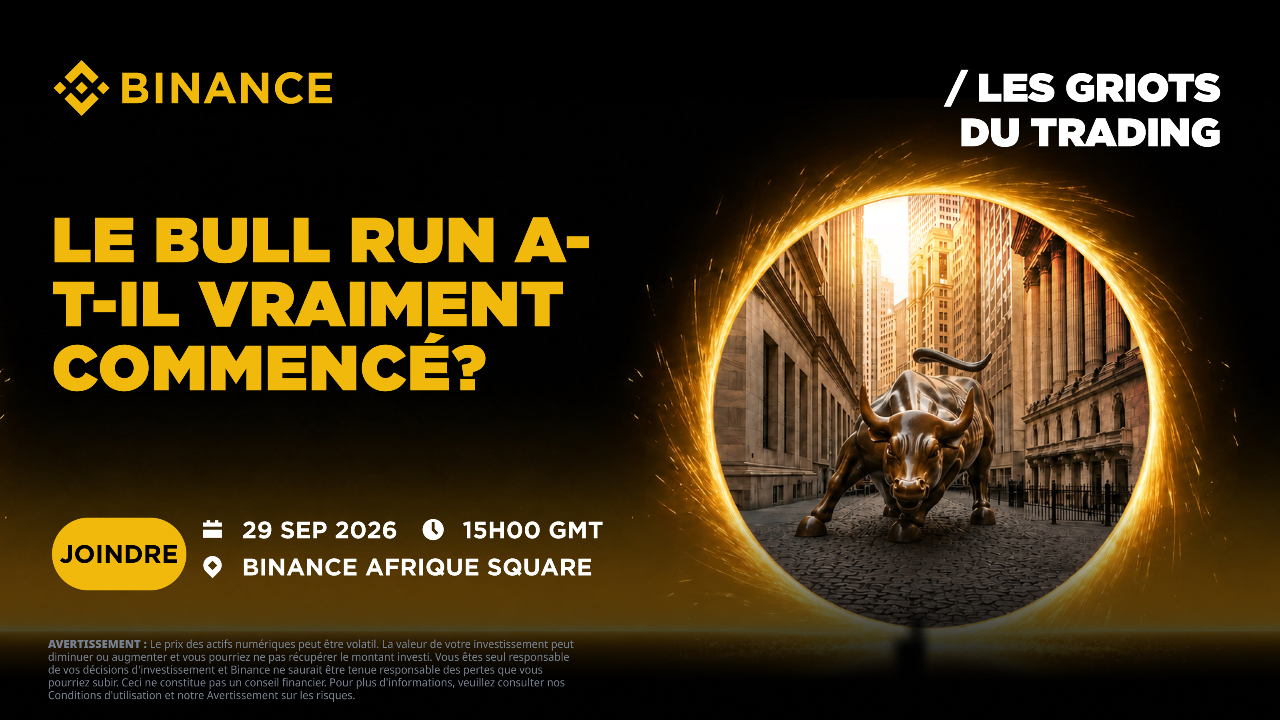
🎙️ Has the bull run really started?
#GriotsDuTrading
End
01 h 26 m 44 s
1.5k
2
0
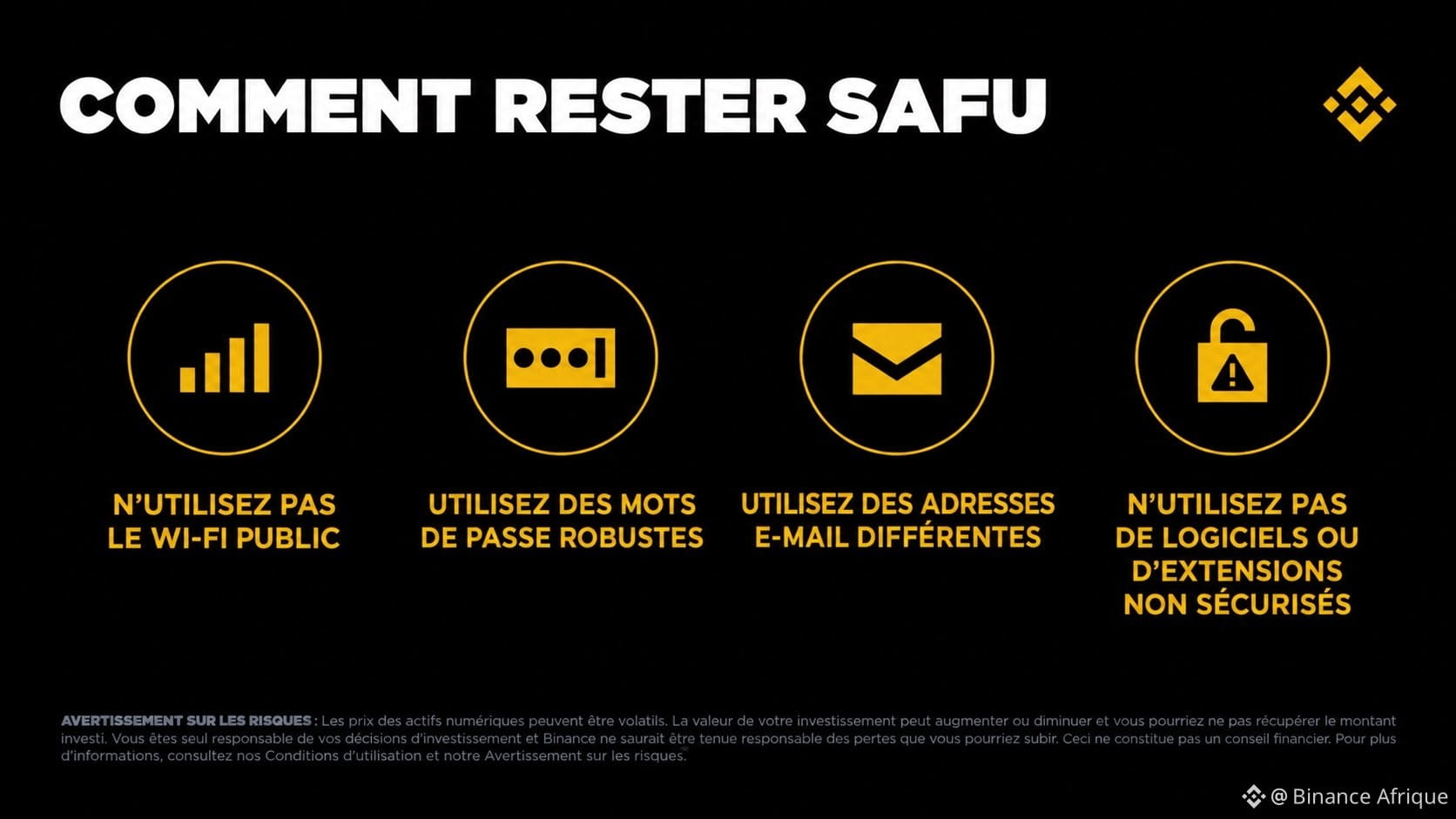
The security of your account starts with good habits.
• Avoid public Wi-Fi.
• Use strong and unique passwords.
• Separate your email addresses according to your use cases.
• Avoid software and extensions from untrusted sources.
A few simple precautions can make all the difference in protecting your account and assets.
Stay alert. Stay SAFU.
The security of your account starts with good habits.
• Avoid public Wi-Fi.
• Use strong and unique passwords.
• Separate your email addresses according to your use cases.
• Avoid software and extensions from untrusted sources.
A few simple precautions can make all the difference in protecting your account and assets.
Stay alert. Stay SAFU.
• Avoid public Wi-Fi.
• Use strong and unique passwords.
• Separate your email addresses according to your use cases.
• Avoid software and extensions from untrusted sources.
A few simple precautions can make all the difference in protecting your account and assets.
Stay alert. Stay SAFU.
1
1
7
1.8k
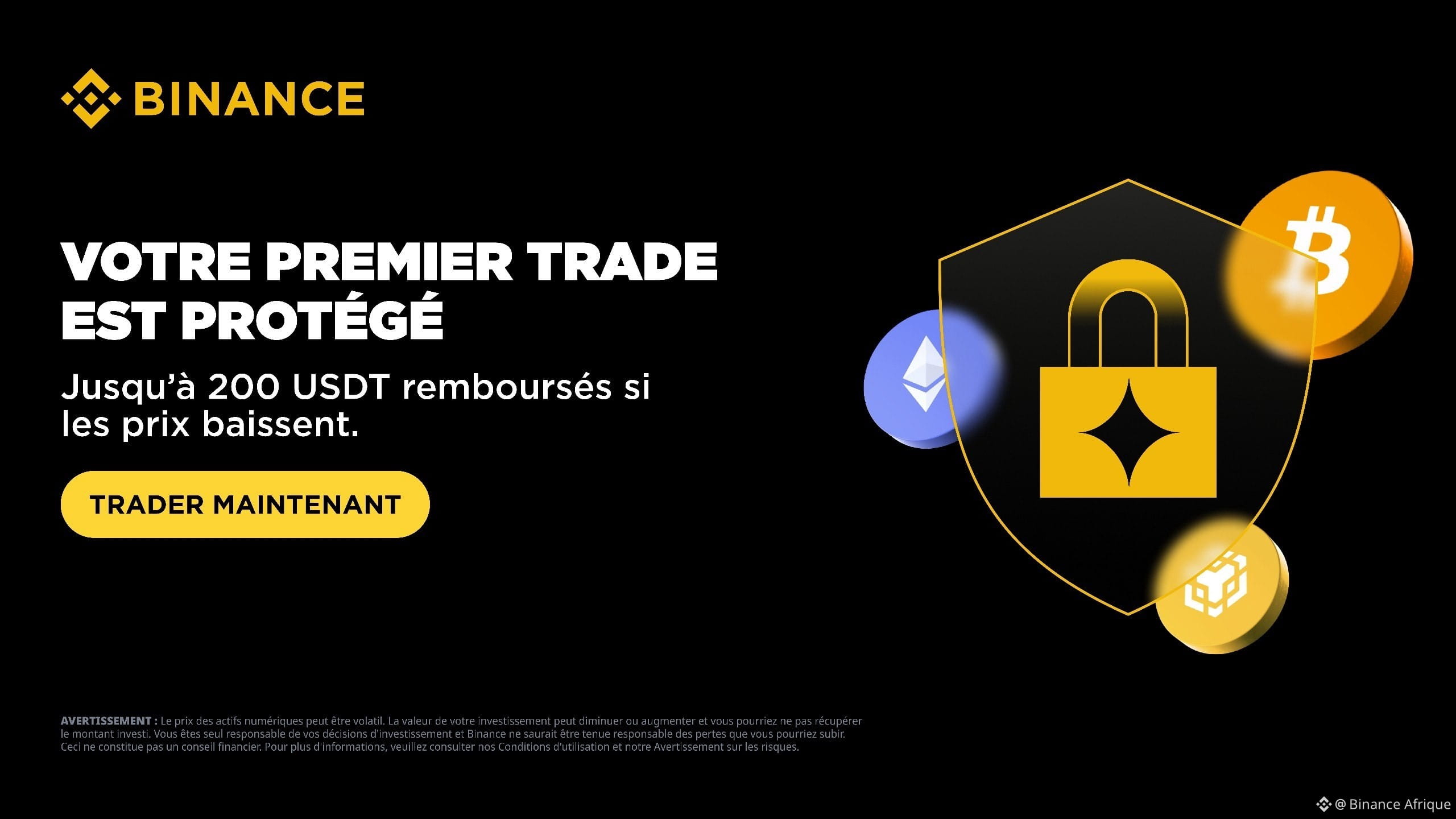
Ready to take your first step into trading?
With Binance, your first purchase is protected.
Get up to 200 USDT if prices drop — the safety net for every new investor.
Bitcoin, Ethereum, bStocks and more, on a secure and simplified platform.
Why wait?
Click here and trade with protection on your side. 👉https://www.binance.com/en/activity/price-protection/africa-eppc
Ready to take your first step into trading?
With Binance, your first purchase is protected.
Get up to 200 USDT if prices drop — the safety net for every new investor.
Bitcoin, Ethereum, bStocks and more, on a secure and simplified platform.
Why wait?
Click here and trade with protection on your side. 👉https://www.binance.com/en/activity/price-protection/africa-eppc
With Binance, your first purchase is protected.
Get up to 200 USDT if prices drop — the safety net for every new investor.
Bitcoin, Ethereum, bStocks and more, on a secure and simplified platform.
Why wait?
Click here and trade with protection on your side. 👉https://www.binance.com/en/activity/price-protection/africa-eppc
4
1.2k

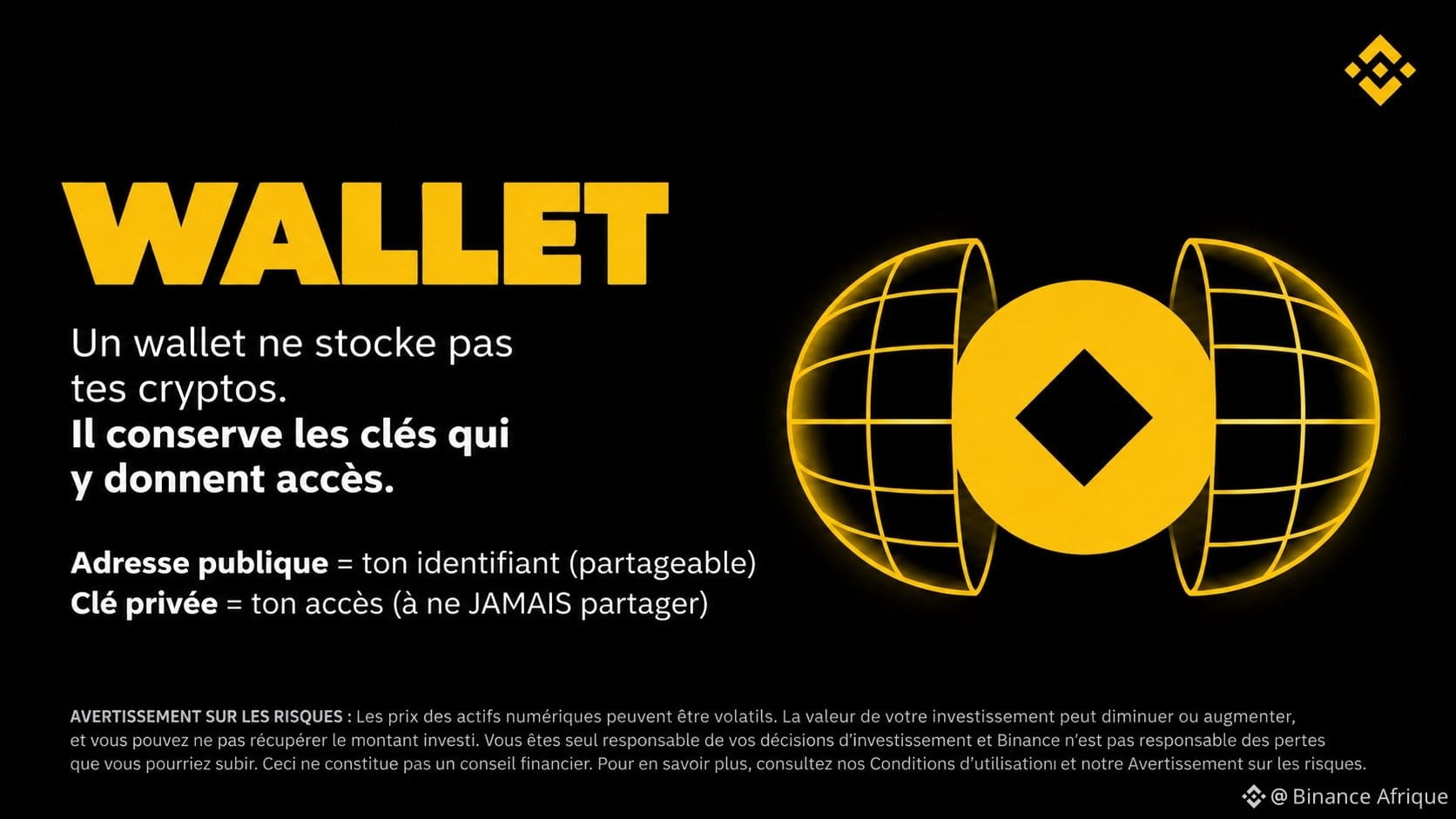
WALLETS: UNDERSTANDING THE TWO ESSENTIAL KEYS
A wallet is not a piggy bank. It’s a system of keys that gives you access to your cryptocurrencies on the blockchain.
THE TWO KEYS OF YOUR WALLET
THE PUBLIC ADDRESS
This is your identifier. You can share it safely, like a bank account number. This is how other people can send you crypto or how you receive funds.
THE PRIVATE KEY
This is your access. It must NEVER be shared. Anyone who has your private key can access all your cryptocurrencies. Losing your private key means permanently losing access to your funds.
WALLETS: UNDERSTANDING THE TWO ESSENTIAL KEYS
A wallet is not a piggy bank. It’s a system of keys that gives you access to your cryptocurrencies on the blockchain.
THE TWO KEYS OF YOUR WALLET
THE PUBLIC ADDRESS
This is your identifier. You can share it safely, like a bank account number. This is how other people can send you crypto or how you receive funds.
THE PRIVATE KEY
This is your access. It must NEVER be shared. Anyone who has your private key can access all your cryptocurrencies. Losing your private key means permanently losing access to your funds.
A wallet is not a piggy bank. It’s a system of keys that gives you access to your cryptocurrencies on the blockchain.
THE TWO KEYS OF YOUR WALLET
THE PUBLIC ADDRESS
This is your identifier. You can share it safely, like a bank account number. This is how other people can send you crypto or how you receive funds.
THE PRIVATE KEY
This is your access. It must NEVER be shared. Anyone who has your private key can access all your cryptocurrencies. Losing your private key means permanently losing access to your funds.
6
1.3k
Be honest, who really knows the difference? 👀
Be honest, who really knows the difference? 👀

9
769
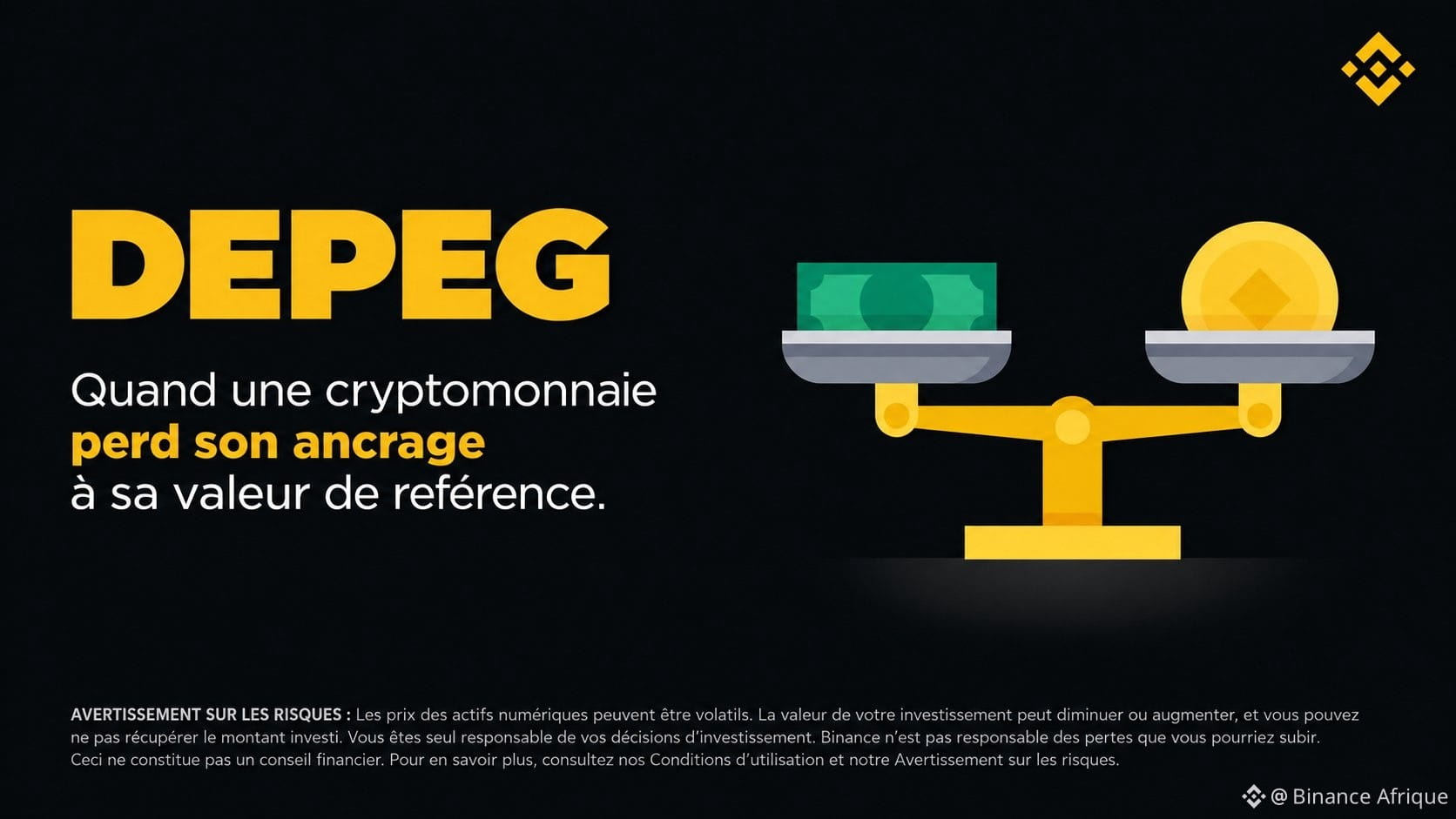
Stablecoins generally try to maintain a stable value relative to a reference asset. But this balance can sometimes break.
This is what’s called a depeg.
Understanding this mechanism makes it easier to better assess the risks associated with different stablecoins and their backing method.
Stablecoins generally try to maintain a stable value relative to a reference asset. But this balance can sometimes break.
This is what’s called a depeg.
Understanding this mechanism makes it easier to better assess the risks associated with different stablecoins and their backing method.
This is what’s called a depeg.
Understanding this mechanism makes it easier to better assess the risks associated with different stablecoins and their backing method.
5
1.1k
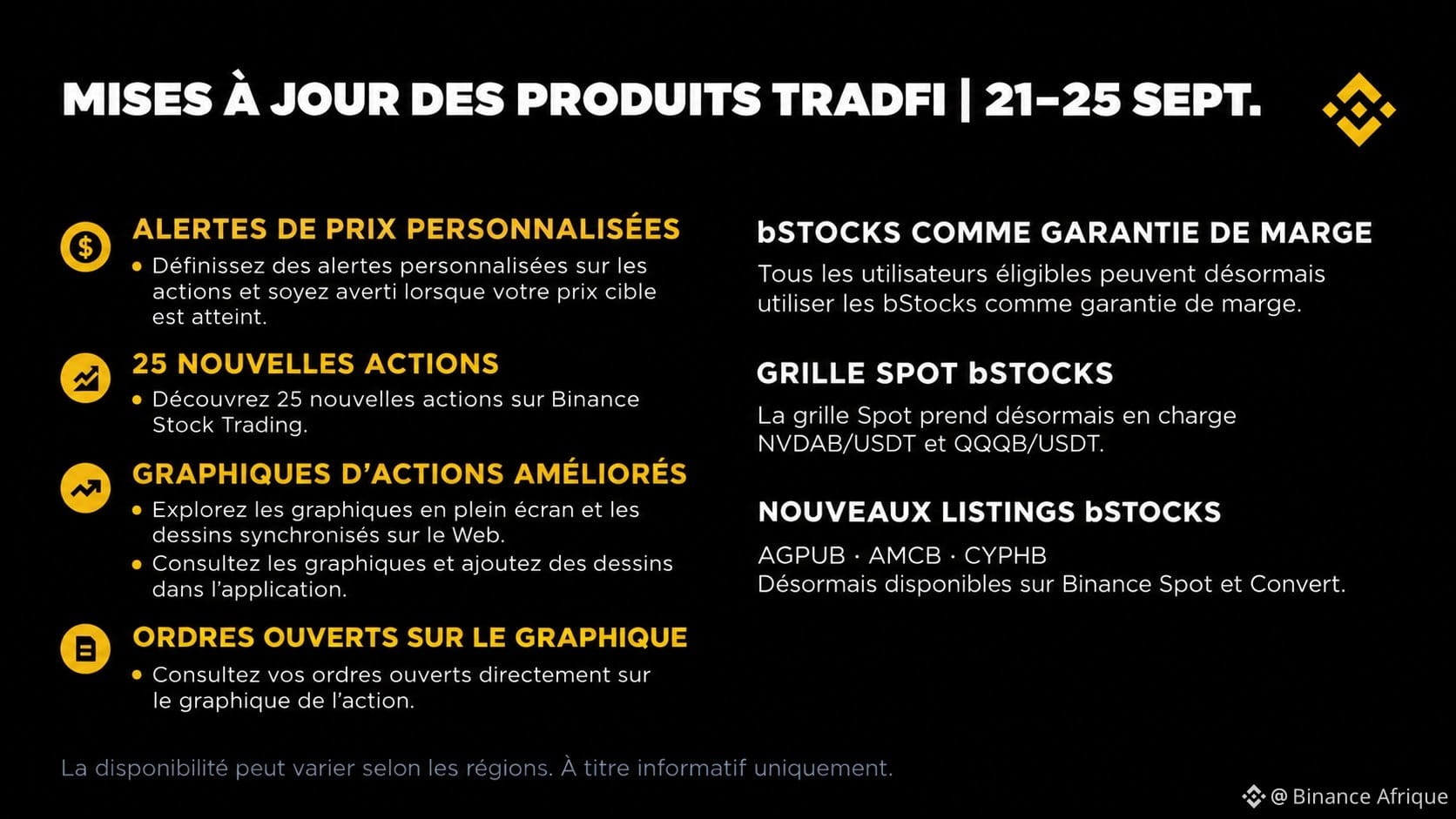
The TradFi on Binance continues to grow:
🔸 25 new stocks available on Spot
🔸 Personalized price alerts and improved charts
🔸 bStocks usable as margin collateral and available on Spot Grid
One account. All the markets you need.
The TradFi on Binance continues to grow:
🔸 25 new stocks available on Spot
🔸 Personalized price alerts and improved charts
🔸 bStocks usable as margin collateral and available on Spot Grid
One account. All the markets you need.
🔸 25 new stocks available on Spot
🔸 Personalized price alerts and improved charts
🔸 bStocks usable as margin collateral and available on Spot Grid
One account. All the markets you need.
4
413
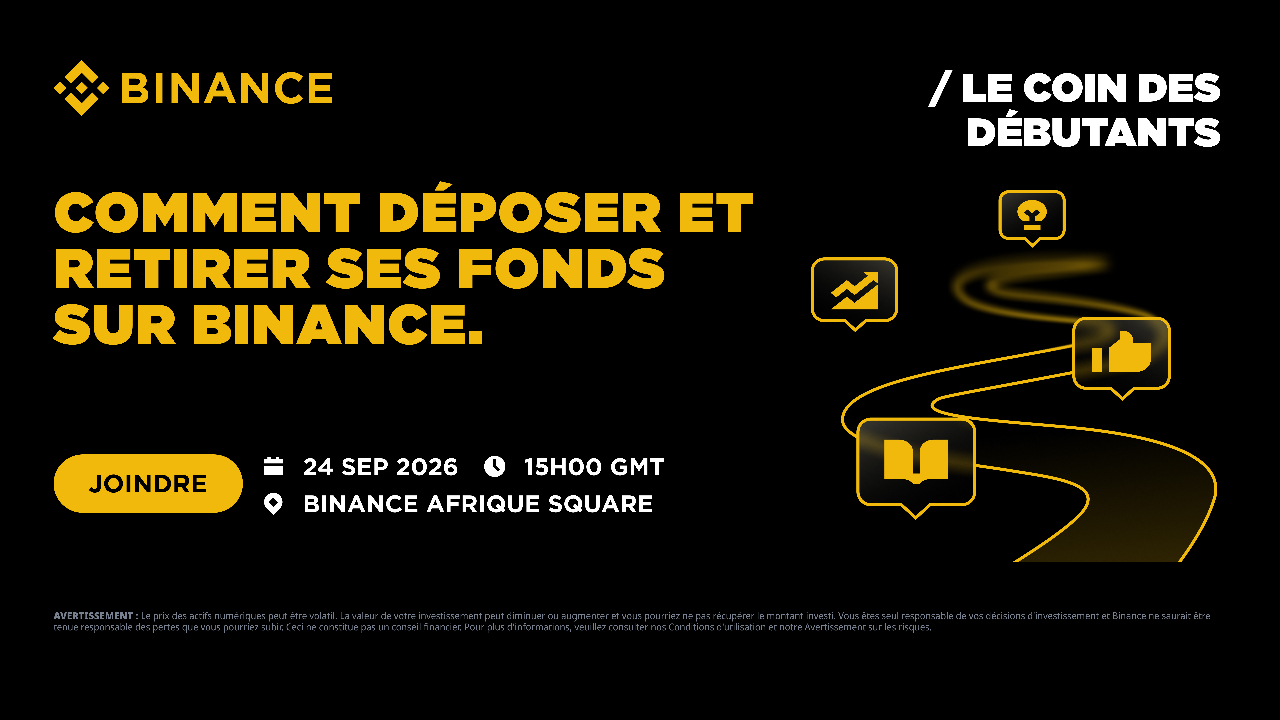
🎙️ How to deposit and withdraw your funds on Binance?
End
59 m 09 s
299
3
0
Do you really want to go all-in in trading🚀?
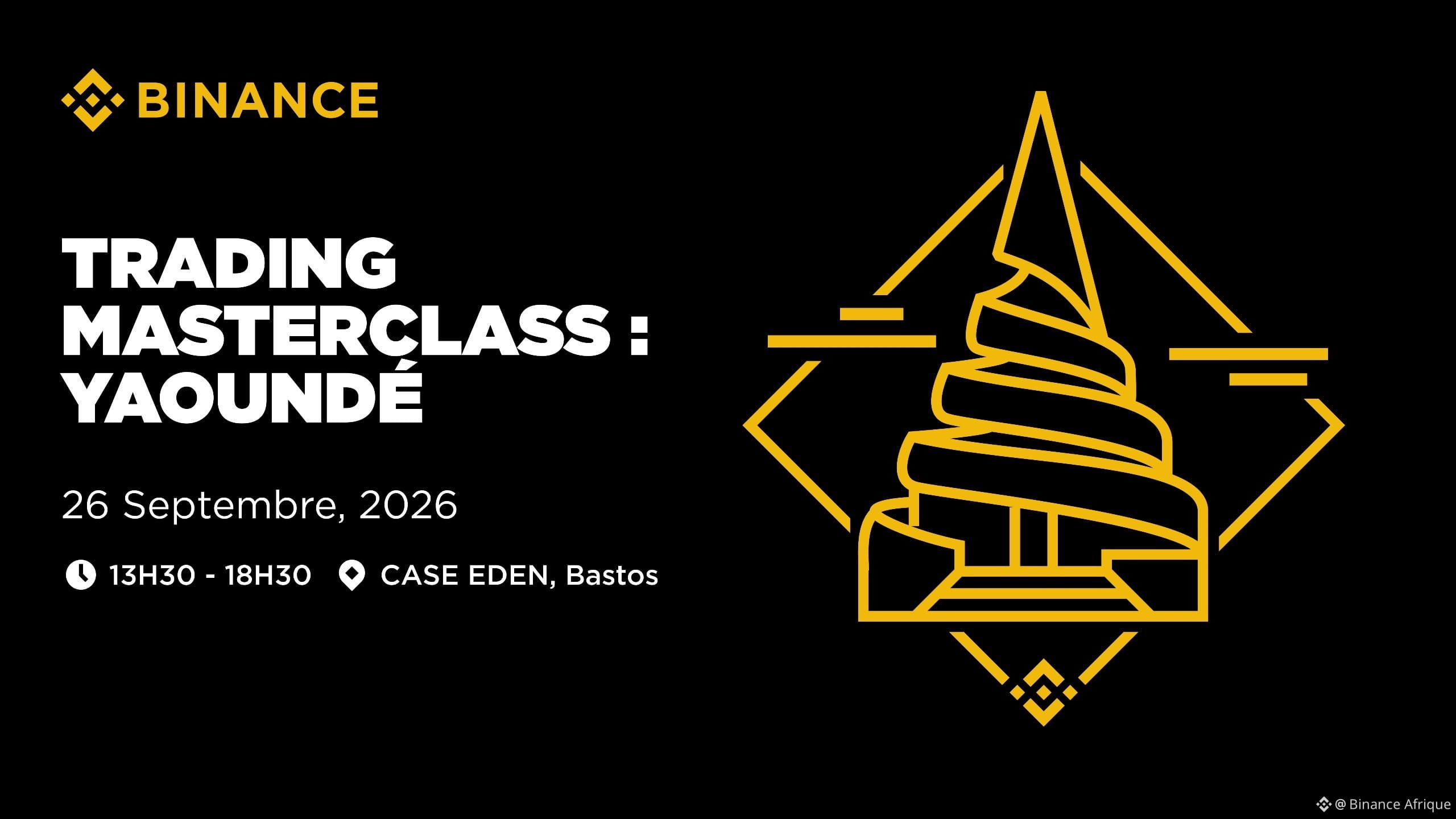
After our meetup in Cameroon, meet us in Yaoundé for a trading masterclass📊.
Whether you’re a beginner trader or an experienced one who wants to get the keys to improve, this is where you need to be.
Date: Saturday 26 September 2026
Location: La Case EDEN, Bastos, Yaoundé
Time: 13:30 to 18:30
Register here
https://www.binance.events/d4zQXP?RefId=Yde-Home-masterclass
Do you really want to go all-in in trading🚀?
After our meetup in Cameroon, meet us in Yaoundé for a trading masterclass📊.
Whether you’re a beginner trader or an experienced one who wants to get the keys to improve, this is where you need to be.
Date: Saturday 26 September 2026
Location: La Case EDEN, Bastos, Yaoundé
Time: 13:30 to 18:30
Register here
https://www.binance.events/d4zQXP?RefId=Yde-Home-masterclass
After our meetup in Cameroon, meet us in Yaoundé for a trading masterclass📊.
Whether you’re a beginner trader or an experienced one who wants to get the keys to improve, this is where you need to be.
Date: Saturday 26 September 2026
Location: La Case EDEN, Bastos, Yaoundé
Time: 13:30 to 18:30
Register here
https://www.binance.events/d4zQXP?RefId=Yde-Home-masterclass
6
488
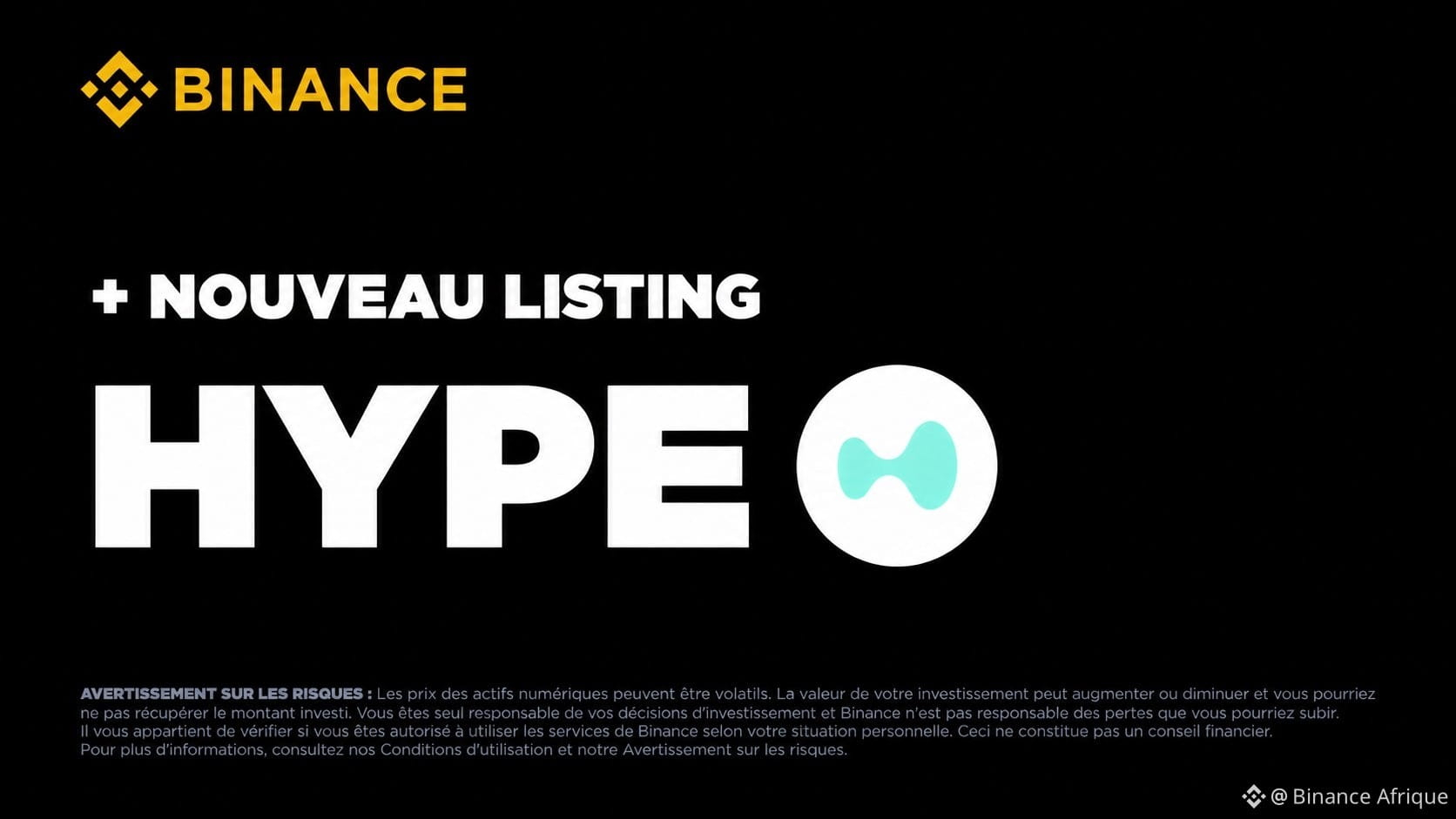
HYPE arrives on Binance!
Binance lists Hyperliquid (HYPE) on the Spot market today, September 24 at 11:00 UTC.
Available pairs:
• HYPE/USDT
• HYPE/USDC
• HYPE/TRY
Deposits are already open and withdrawals will open on September 25 at 11:00 UTC.
HYPE will be available with the Seed Tag.
HYPE arrives on Binance!
Binance lists Hyperliquid (HYPE) on the Spot market today, September 24 at 11:00 UTC.
Available pairs:
• HYPE/USDT
• HYPE/USDC
• HYPE/TRY
Deposits are already open and withdrawals will open on September 25 at 11:00 UTC.
HYPE will be available with the Seed Tag.
Binance lists Hyperliquid (HYPE) on the Spot market today, September 24 at 11:00 UTC.
Available pairs:
• HYPE/USDT
• HYPE/USDC
• HYPE/TRY
Deposits are already open and withdrawals will open on September 25 at 11:00 UTC.
HYPE will be available with the Seed Tag.
1
6
848
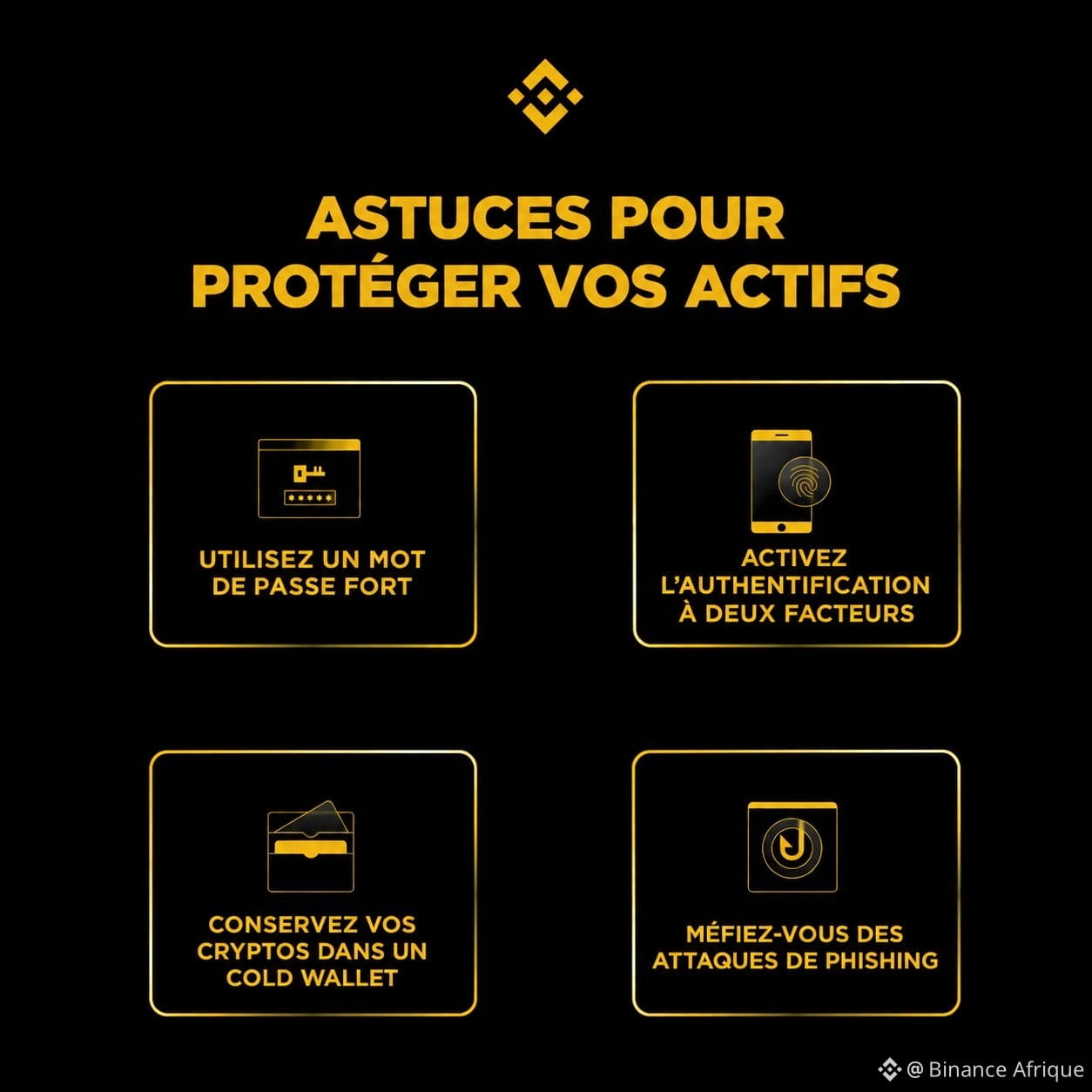
Security works like overlapping layers. Each one addresses a specific risk.
Layer 1 - Authentication: a complex password prevents basic brute-force attacks. No patterns, no dictionary words. It’s the first barrier.
Layer 2 - Verification: 2FA (two-factor authentication) requires a second element after the password. Even if someone cracks it, they’re still blocked. Use an app, not SMS.
Layer 3 - Isolation: a cold wallet removes assets from the internet network. No servers to hack. No active connections. The attacker must gain physical access to the device.
Layer 4 - Visibility: phishing exploits user error. Attackers create fake websites to trick you into entering your credentials. Recognizing the signals (URLs, domains, unusual requests) prevents 90% of attacks.
Together, these four layers create a step-by-step defense. Compromising one layer isn’t enough.
Security works like overlapping layers. Each one addresses a specific risk.
Layer 1 - Authentication: a complex password prevents basic brute-force attacks. No patterns, no dictionary words. It’s the first barrier.
Layer 2 - Verification: 2FA (two-factor authentication) requires a second element after the password. Even if someone cracks it, they’re still blocked. Use an app, not SMS.
Layer 3 - Isolation: a cold wallet removes assets from the internet network. No servers to hack. No active connections. The attacker must gain physical access to the device.
Layer 4 - Visibility: phishing exploits user error. Attackers create fake websites to trick you into entering your credentials. Recognizing the signals (URLs, domains, unusual requests) prevents 90% of attacks.
Together, these four layers create a step-by-step defense. Compromising one layer isn’t enough.
Layer 1 - Authentication: a complex password prevents basic brute-force attacks. No patterns, no dictionary words. It’s the first barrier.
Layer 2 - Verification: 2FA (two-factor authentication) requires a second element after the password. Even if someone cracks it, they’re still blocked. Use an app, not SMS.
Layer 3 - Isolation: a cold wallet removes assets from the internet network. No servers to hack. No active connections. The attacker must gain physical access to the device.
Layer 4 - Visibility: phishing exploits user error. Attackers create fake websites to trick you into entering your credentials. Recognizing the signals (URLs, domains, unusual requests) prevents 90% of attacks.
Together, these four layers create a step-by-step defense. Compromising one layer isn’t enough.
1
7
1.6k

Log in to explore more content
Join global crypto users on Binance Square
⚡️ Get latest and useful information about crypto.
💬 Trusted by the world’s largest crypto exchange.
👍 Discover real insights from verified creators.
Email / Phone number