
马上牛逼
642 Posts

马上牛逼
Report
Block User
白天打工人,晚上看 K 线。交易 5 年,最大的收获是学会了空仓。不收费、不带单,纯交流。
Occasional Trader
5.6 Years
2 Following
11 Followers
54 Liked
Posts
·
--
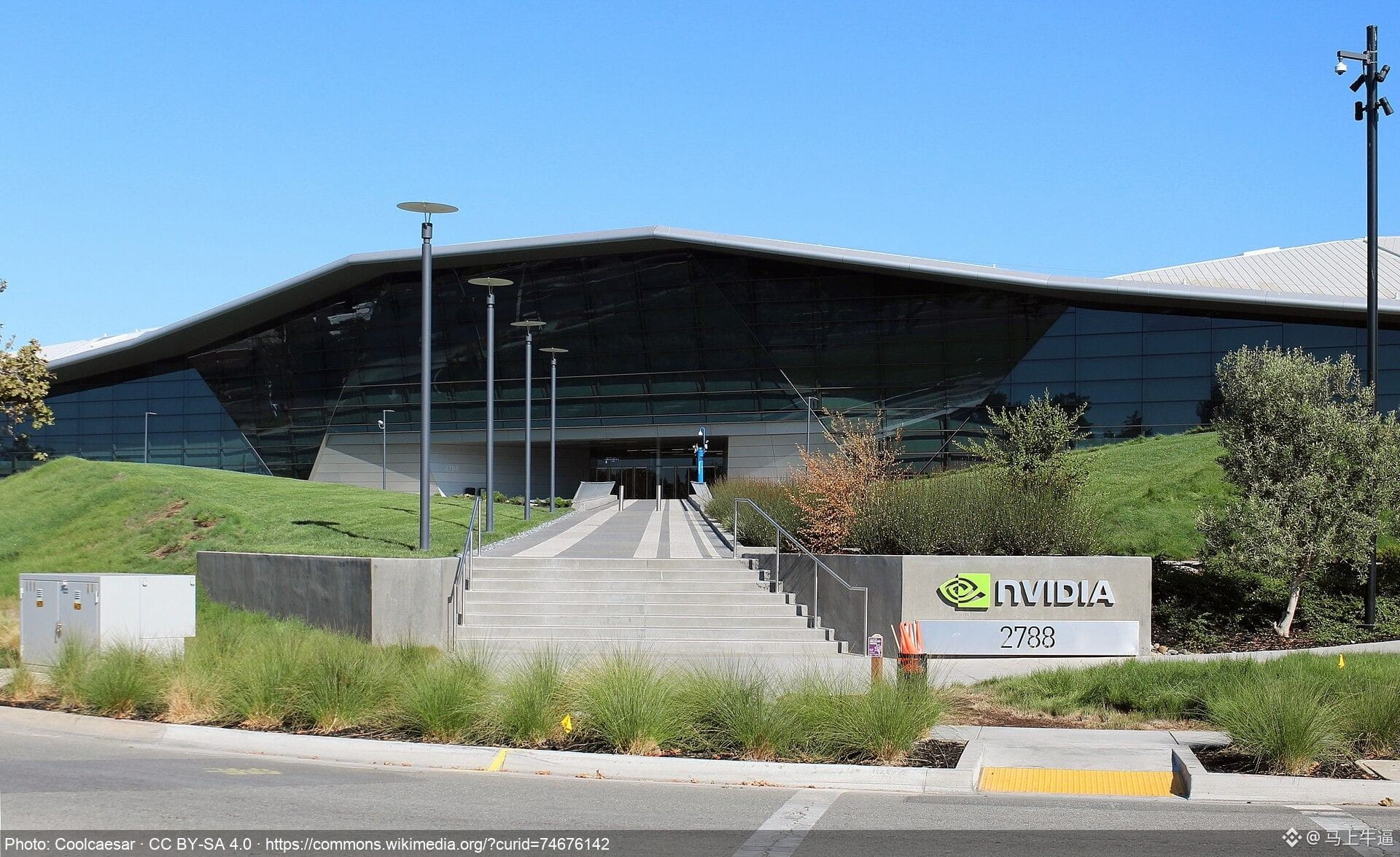
Wall Street was still cheering Nvidia on Monday, but by Tuesday it had turned around and rushed to buy SOXS, a triple-leveraged inverse semiconductor ETF: it surged more than 25% in a single day, traded 40.6 million shares, and became one of the day's most active ETFs. In just one day, investors went from chasing semiconductor stocks higher to betting against them—the research reports don't even update that fast.
Wall Street was still cheering Nvidia on Monday, but by Tuesday it had turned around and rushed to buy SOXS, a triple-leveraged inverse semiconductor ETF: it surged more than 25% in a single day, traded 40.6 million shares, and became one of the day's most active ETFs. In just one day, investors went from chasing semiconductor stocks higher to betting against them—the research reports don't even update that fast.
73
·
--
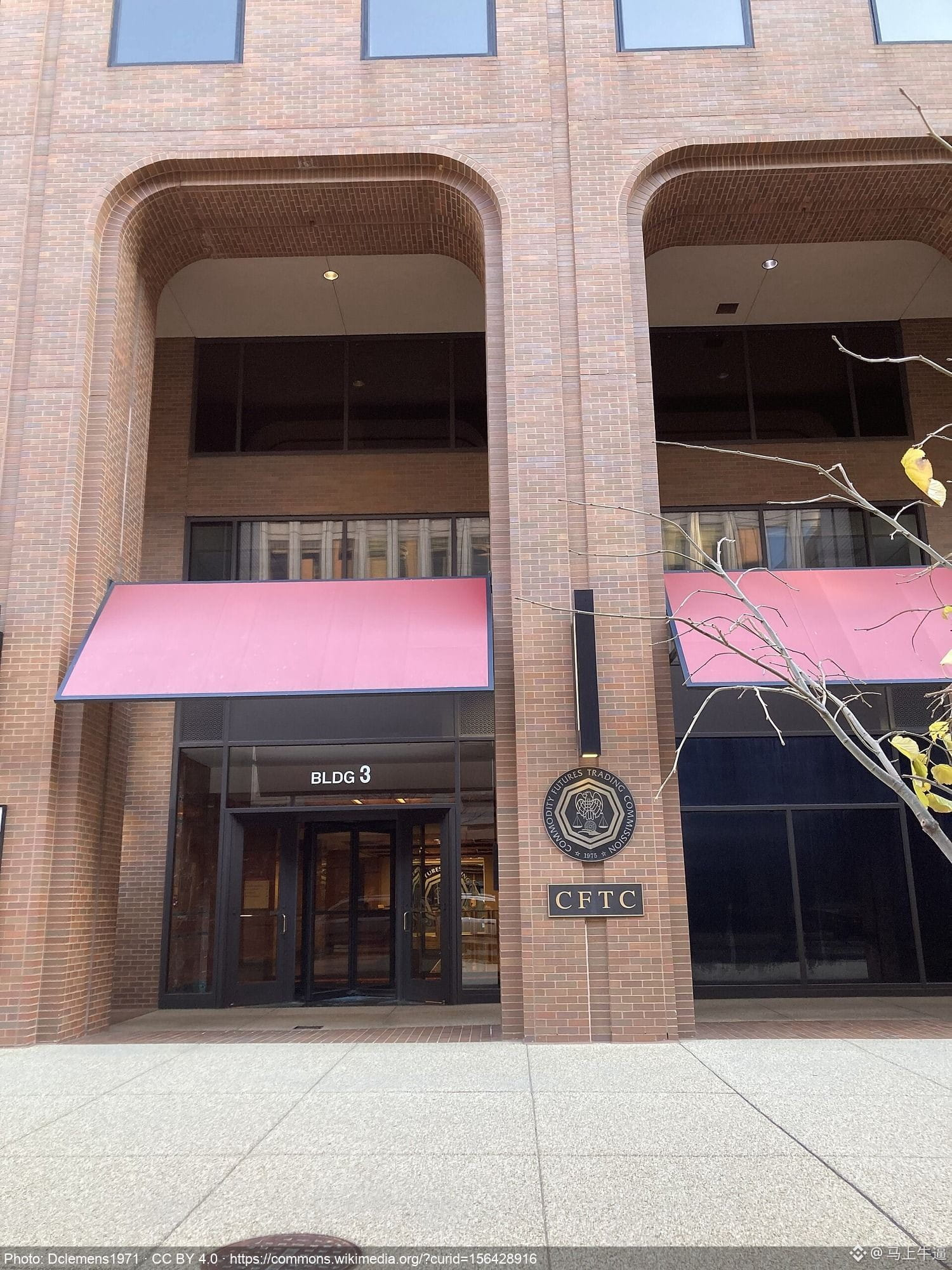
The CFTC has just established permanent reporting rules for certain event contracts, and even more companies want to enter the U.S. prediction market: the higher the barriers, the more people line up to get in—ironic. Will the rules really keep compliance costs in check, or just add another reporting process?
The CFTC has just established permanent reporting rules for certain event contracts, and even more companies want to enter the U.S. prediction market: the higher the barriers, the more people line up to get in—ironic. Will the rules really keep compliance costs in check, or just add another reporting process?
·
--
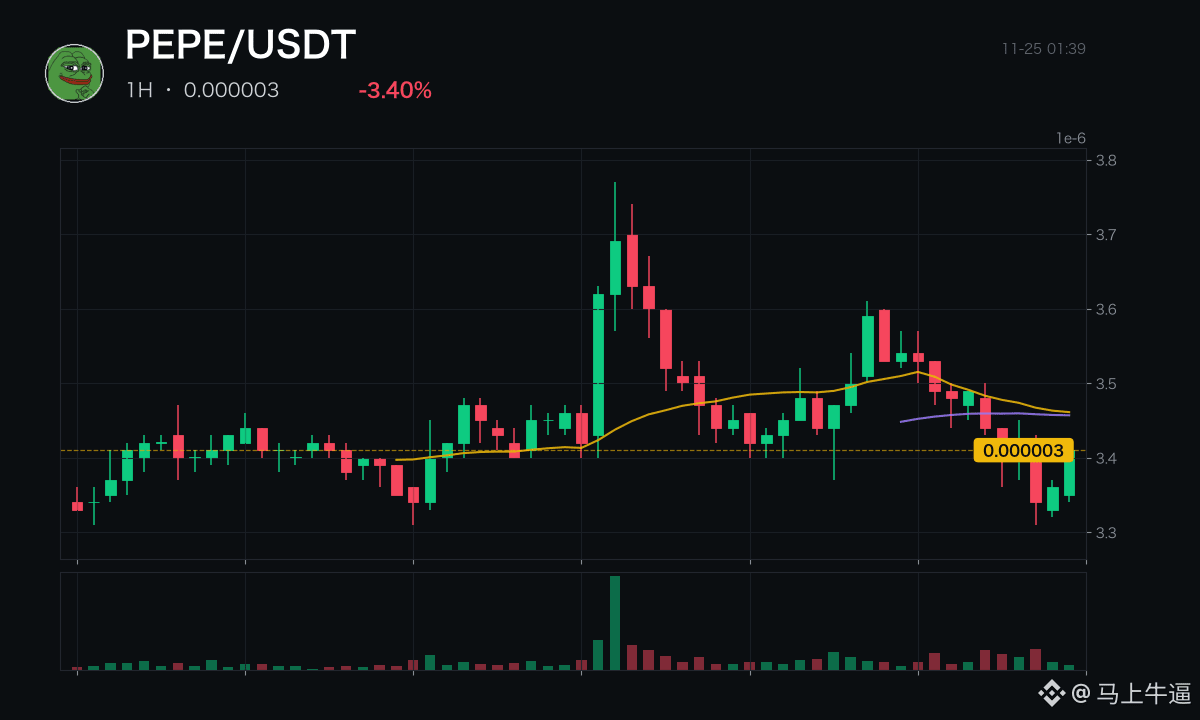
The Fear Index is down to just 11, yet PEPE has fallen only 3.40% over the past 24 hours. In theory, this kind of memecoin should be among the first to buckle under selling pressure. That drop seems a little too small to justify the fear.
The Fear Index is down to just 11, yet PEPE has fallen only 3.40% over the past 24 hours. In theory, this kind of memecoin should be among the first to buckle under selling pressure. That drop seems a little too small to justify the fear.
·
--
The Extreme Fear Index is down to just 11, yet BTC has fallen 4.26% over the past 24 hours, with its current price at around $59,494. With the market already this fearful, will prices continue to slide, or will a rebound come first?
$BTC
The Extreme Fear Index is down to just 11, yet BTC has fallen 4.26% over the past 24 hours, with its current price at around $59,494. With the market already this fearful, will prices continue to slide, or will a rebound come first?
$BTC
$BTC
·
--
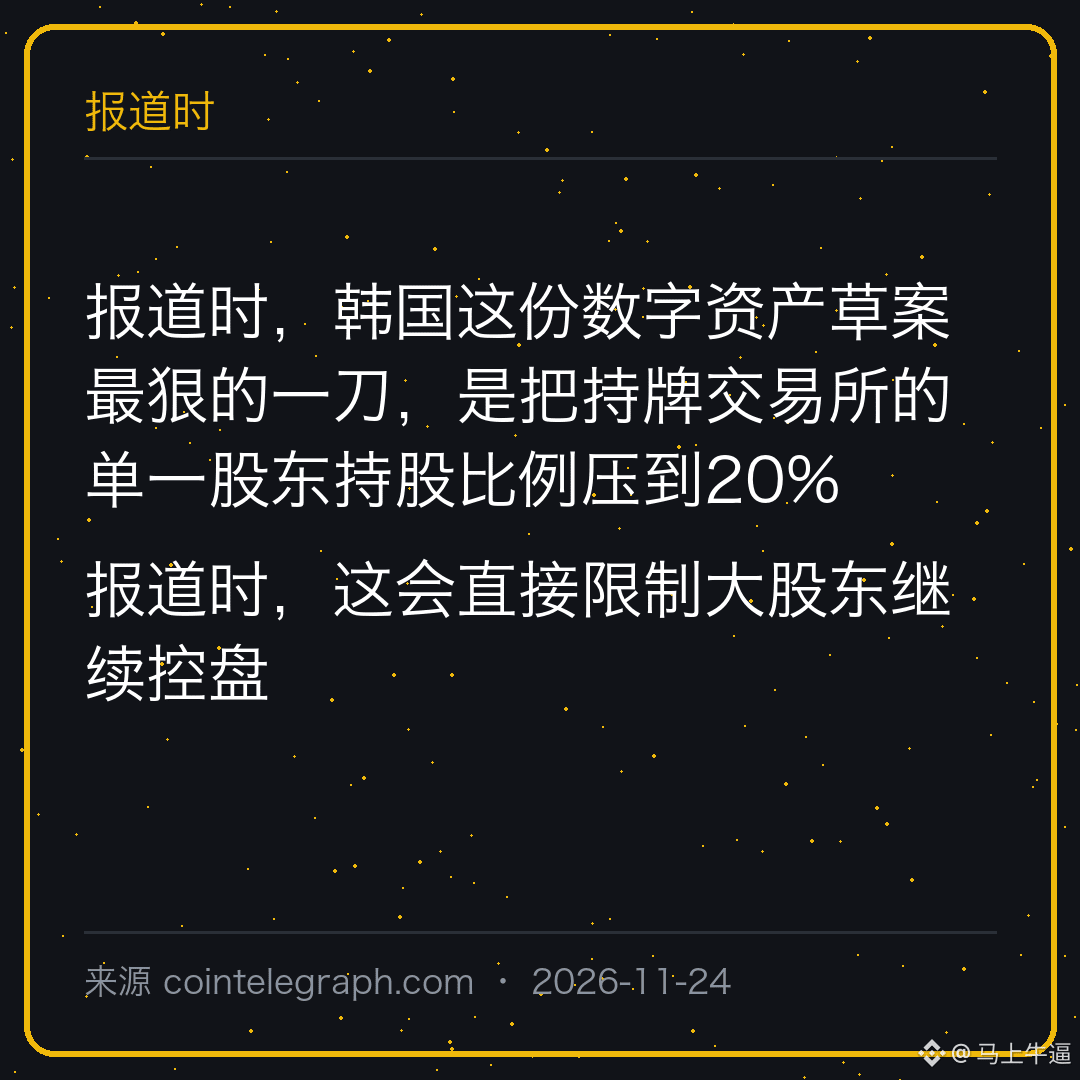
The sharpest blow in South Korea’s digital asset bill is a proposal to cap any single shareholder’s stake in licensed exchanges at 20%. This would directly limit major shareholders’ ability to retain control. The bill also proposes putting banks in charge of stablecoins and reopening domestic ICO fundraising. Opening up fundraising while tightening control over exchanges—this combination is distinctly Korean.
#SouthKoreaDigitalAssetBillProposes20%ShareholderCap
#SouthKoreaDigitalAssetBillProposes20%ShareholderCap
59
·
--
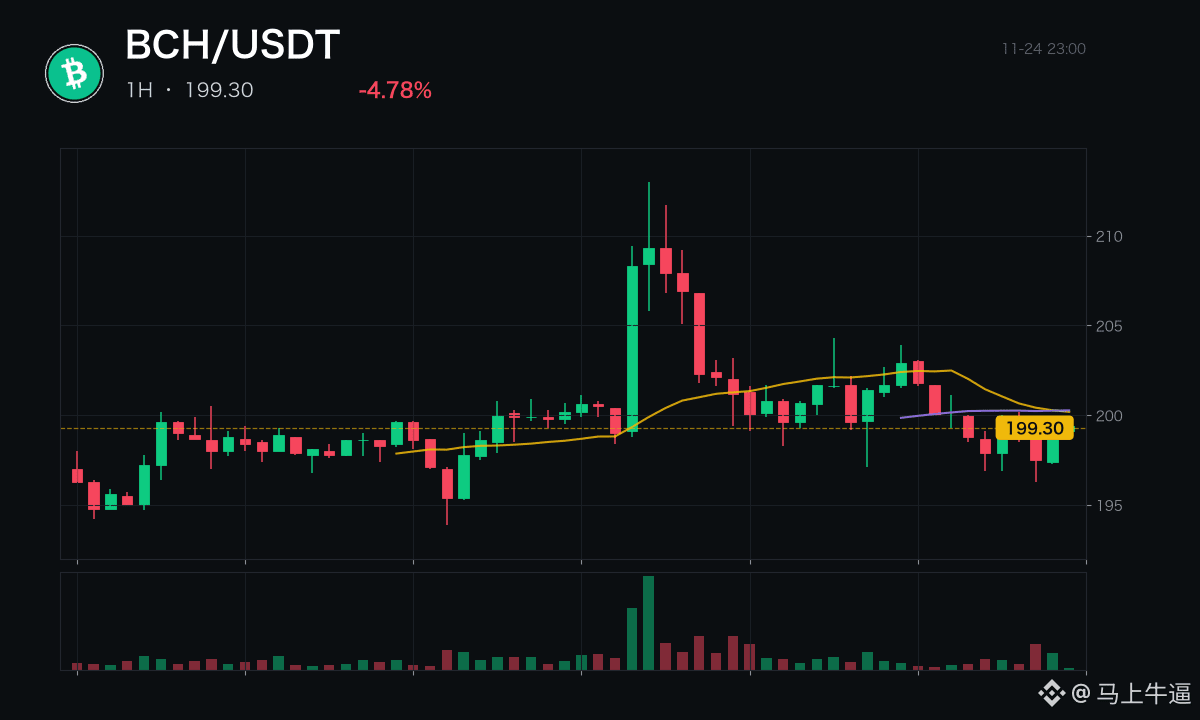
BCH fell to $199, down 4.78% in 24 hours, while the sentiment index dropped to just 11. With both the price and sentiment slumping, even the market’s “fear” is unusually subdued this time.
$BCH
BCH fell to $199, down 4.78% in 24 hours, while the sentiment index dropped to just 11. With both the price and sentiment slumping, even the market’s “fear” is unusually subdued this time.
$BCH
$BCH
5
·
--
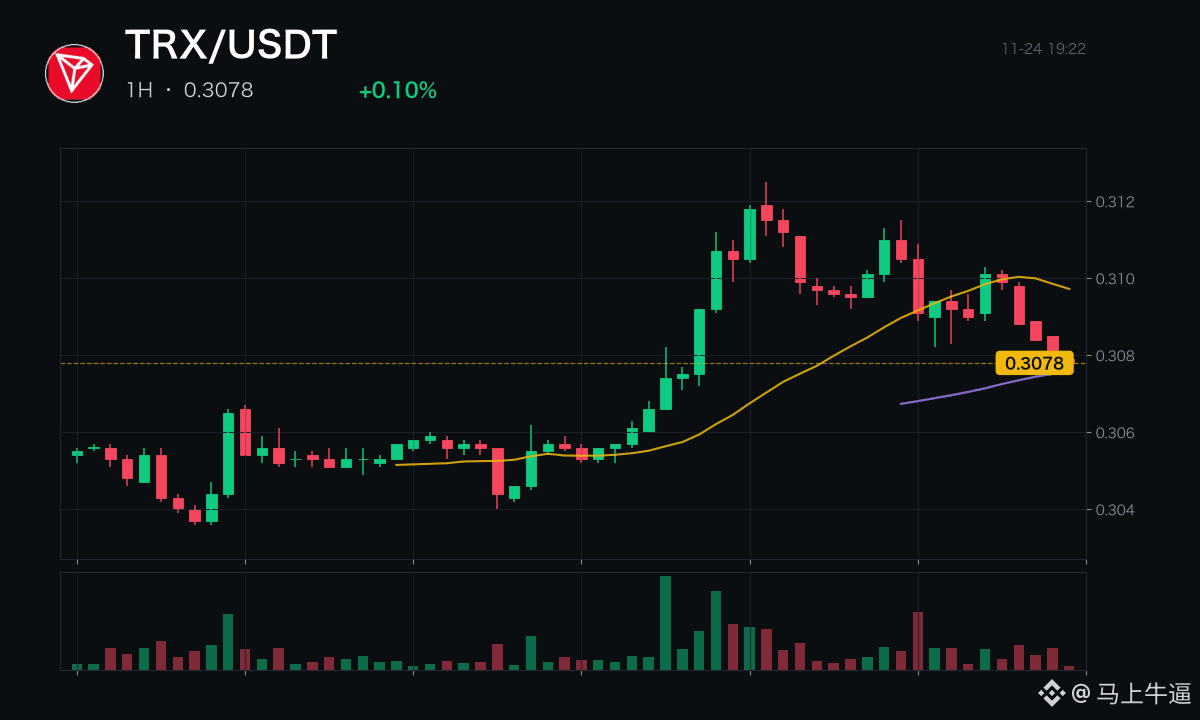
TRX has barely budged over the past 24 hours, with a rolling change of just 0.10%. Its price is still inching around between $0.3067 and $0.3125. It’s not that the market is silent; it just hasn’t come up with a new storyline worth betting on yet.
$TRX
TRX has barely budged over the past 24 hours, with a rolling change of just 0.10%. Its price is still inching around between $0.3067 and $0.3125. It’s not that the market is silent; it just hasn’t come up with a new storyline worth betting on yet.
$TRX
$TRX
4
·
--
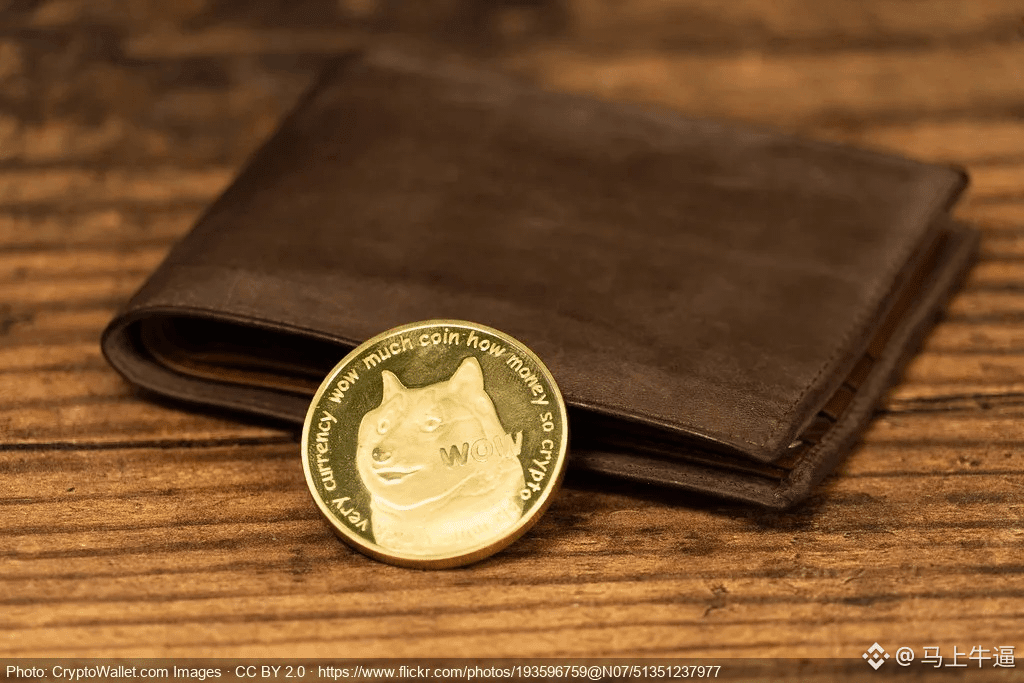
DOGE has barely budged over the past 24 hours, with a rolling decline of just 0.57%. The meme is still alive, but the price isn't playing along for now: is the market taking a breather, or has the hype already run its course? When watching the charts, it's easy to mistake quiet for a developing story.
$DOGE
$DOGE
3
·
--
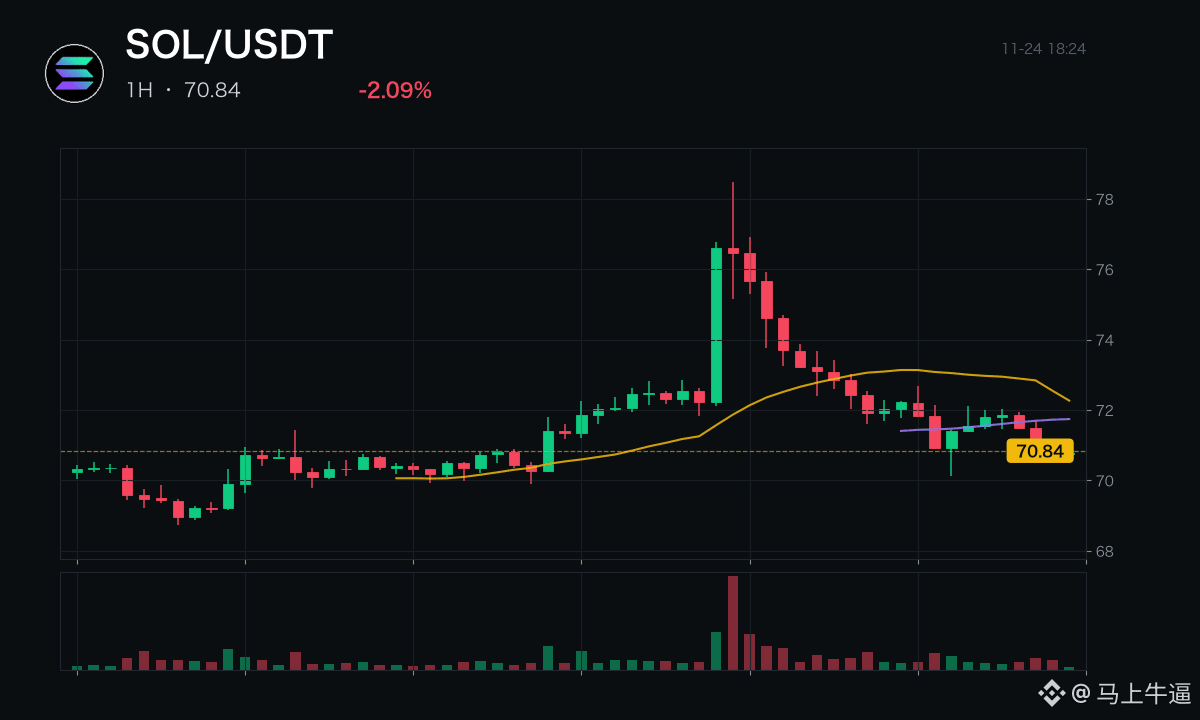
SOL's pullback this round has been a little ugly: its rolling 24-hour low is $70.11, and it's currently at $70.84, still hovering near the floor. That's down about 9.7% from the high of $78.48. Rather than whether it can rebound, what's more worth watching now is how close the price is to the low.
$SOL
$SOL
3
·
--
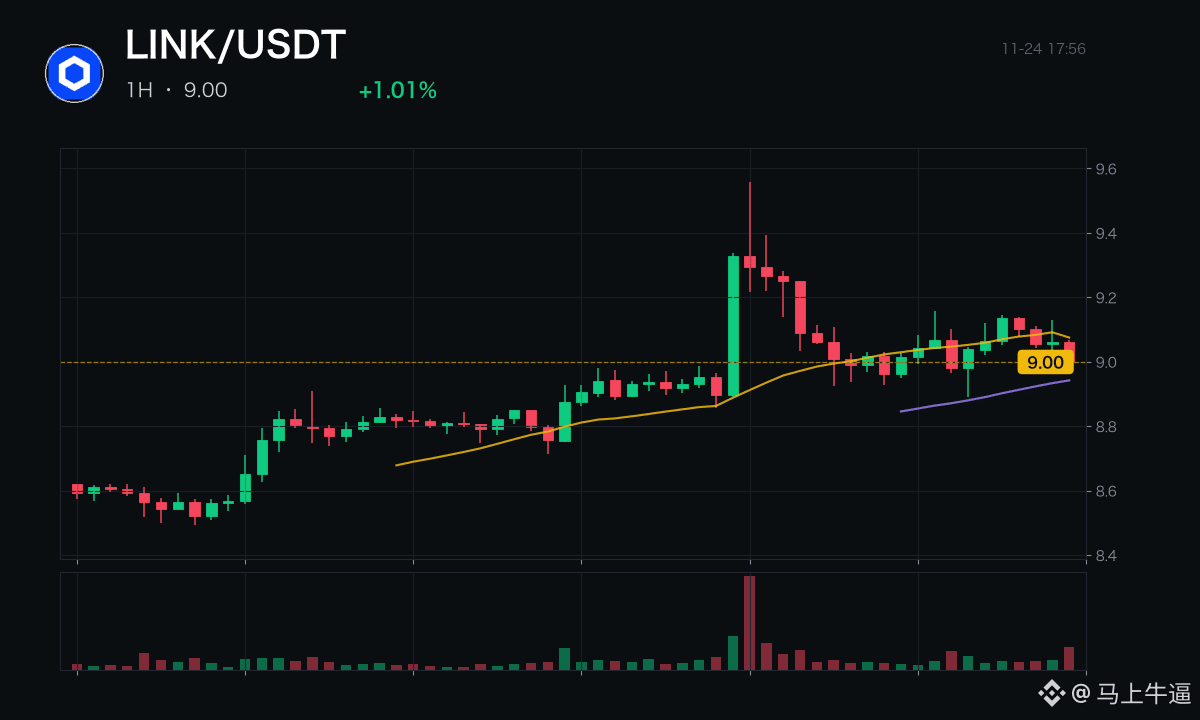
LINK hit $9, up 1.01% in 24 hours. The round-number level looks significant, but with the short-term average trending upward and the gain so small, all it really shows is that it moved up a step.
$LINK
LINK hit $9, up 1.01% in 24 hours. The round-number level looks significant, but with the short-term average trending upward and the gain so small, all it really shows is that it moved up a step.
$LINK
$LINK
1
·
--
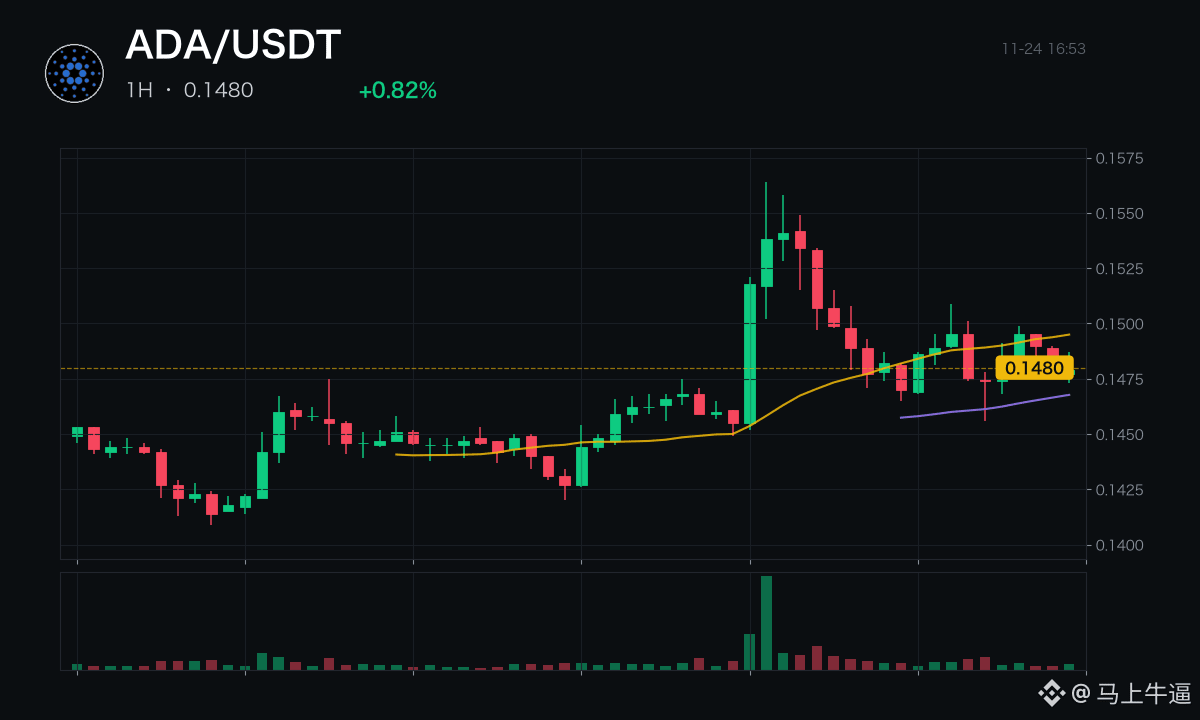
ADA is up just 0.82% over the past 24 hours, currently around $0.148. The market is so quiet, it feels like it's just tidying up its desk. The short-term moving average is trending upward, but this small gain isn't enough to confirm a trend—not even worth pretending to be excited about.
$ADA
ADA is up just 0.82% over the past 24 hours, currently around $0.148. The market is so quiet, it feels like it's just tidying up its desk. The short-term moving average is trending upward, but this small gain isn't enough to confirm a trend—not even worth pretending to be excited about.
$ADA
$ADA
1
·
--
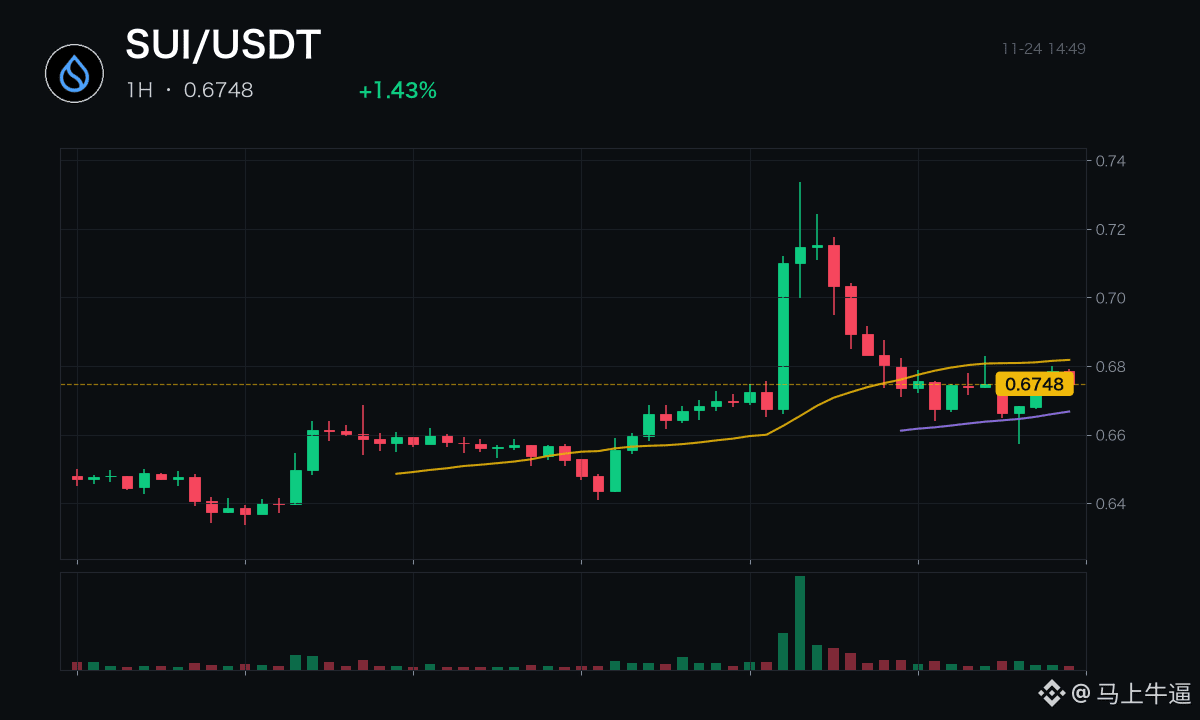
The Fear & Greed Index is only 11, and market sentiment remains very cold. However, SUI is up 1.43% over the past 24 hours, currently priced at $0.6748 and sitting around the middle of its recent price range. This divergence looks more like low-level volatility and is not enough to indicate that sentiment has recovered; extreme fear alone is also not a reason to buy.
$SUI
$SUI
3
·
--
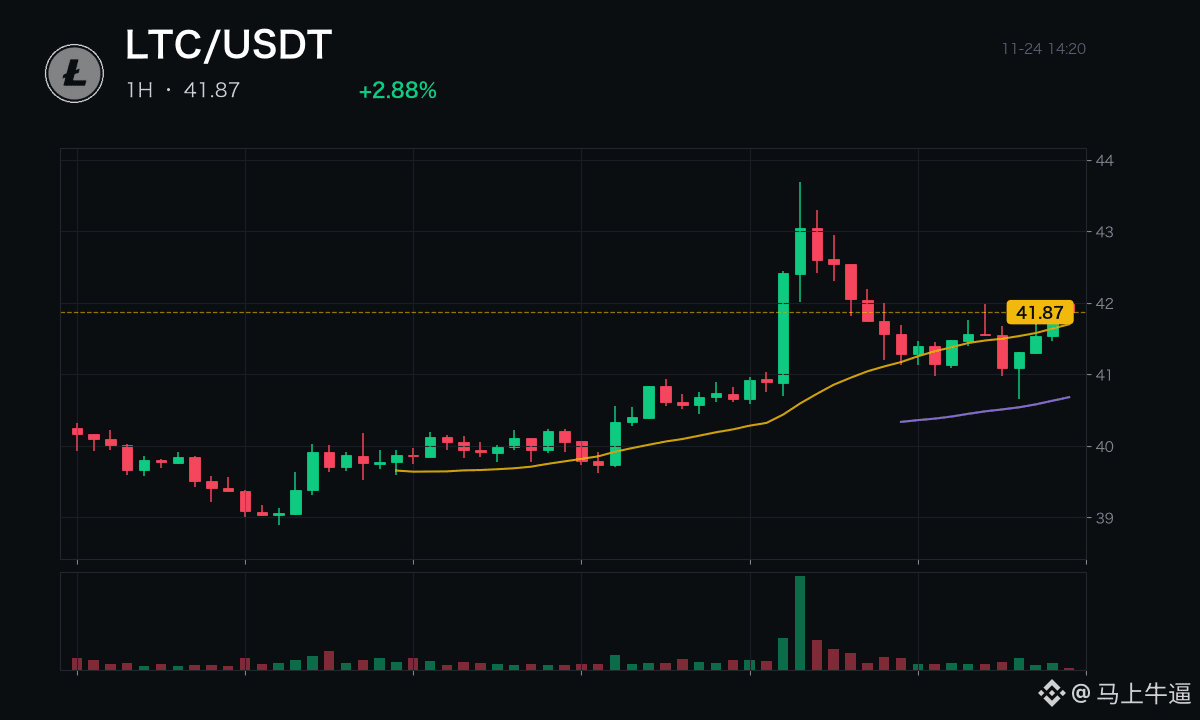
The Fear Index is only 11, yet LTC is up 2.88% to $41.87, near the upper end of its recent price range and about 4% below its 24-hour high of $43.69. Trading volume over the past day was 1.19 times the average daily volume of the previous few days, but total volume alone doesn’t reveal the direction of capital flows. With overall market sentiment very cold and LTC relatively warm, does this look more like sector rotation or random fluctuation within the range?
$LTC
$LTC
5
·
--
The Fear & Greed Index is 11, and market sentiment is very subdued, but that doesn’t mean selling pressure has been fully exhausted. BTC is currently priced at $60,622, around the middle of its recent trading range and about 6% below its rolling 24-hour high of $64,603. The recovery remains limited for now.
$BTC
$BTC

4
·
--
ETH's short-term moving average is trending upward, but it has fallen 1.33% over the rolling 24-hour period. This only suggests that there are still signs of a short-term recovery; it doesn't prove that the trend has reversed, much less that buying pressure is increasing. An upward move in the short-term moving average is only a relative measure—it doesn't mean that capital has flowed back in.
$ETH
$ETH

1
·
--
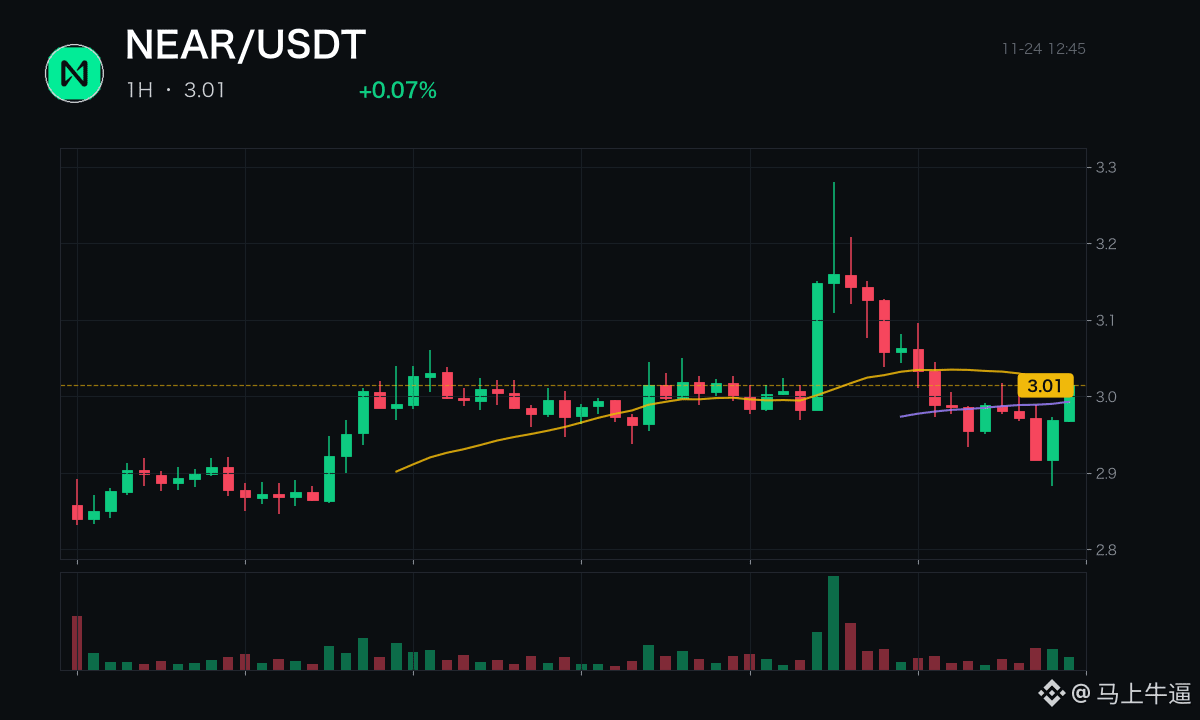
NEAR is currently priced at $3.01, in the middle of its recent price range, with short-term average prices trending upward. Its rolling 24-hour gain is just 0.07%, suggesting it is still testing within the range rather than showing enough momentum to break above $3.28.
$NEAR
NEAR is currently priced at $3.01, in the middle of its recent price range, with short-term average prices trending upward. Its rolling 24-hour gain is just 0.07%, suggesting it is still testing within the range rather than showing enough momentum to break above $3.28.
$NEAR
$NEAR
·
--
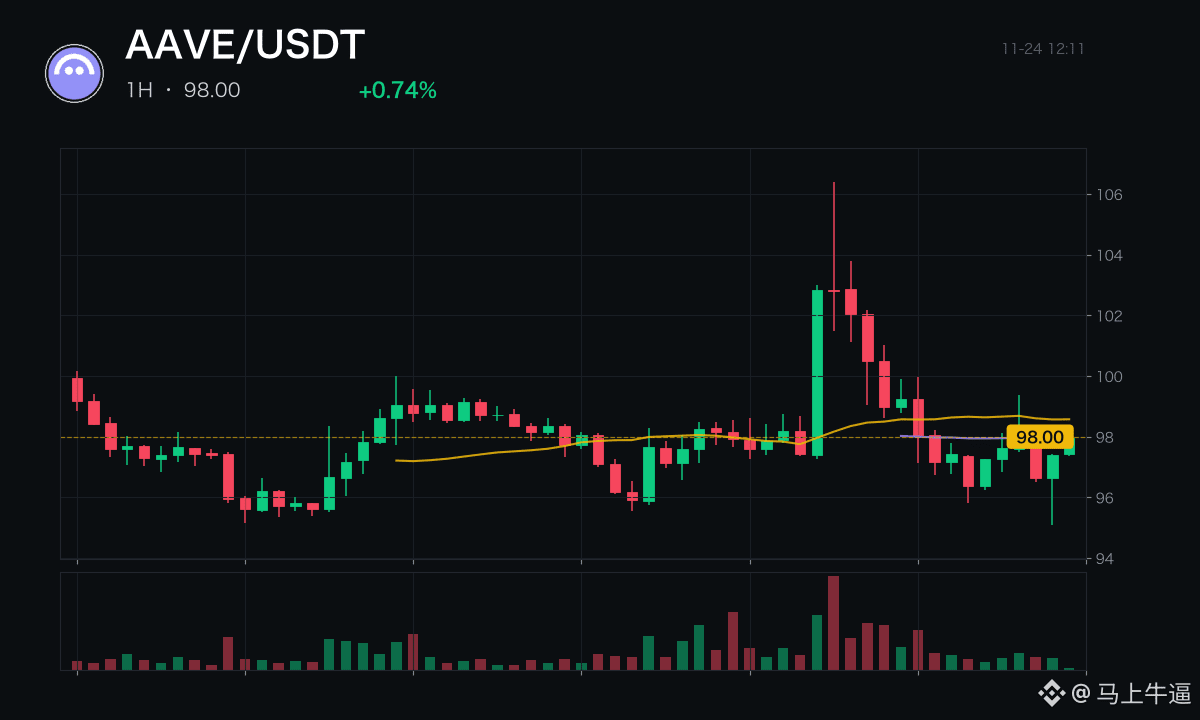
The Fear and Greed Index is only 11, still in extreme fear territory. However, this is a market-wide sentiment reading, not a buy or sell signal for AAVE itself. AAVE is currently at $98, up 0.74% over the past 24 hours, placing it in the middle of its recent price range. The price has changed little, while market sentiment remains very cold; we cannot determine the sequence of these developments from this alone.
$AAVE
$AAVE
1
·
--
ETH is currently at $1,691, in the middle of its recent price range, while market sentiment remains in “extreme fear.” The plan is to use a confirmed breakout above $1,845 as the trigger; if it falls below $1,648, this setup is invalidated. Sentiment is cold, so don’t rush to pretend the plan is hot.
$ETH
$ETH

6
·
--
Extreme fear doesn't mean XRP is about to bottom. The sentiment index is only 11, and the price has rebounded just 1.14%, leaving it in the middle of its recent range. Risk appetite hasn't recovered in tandem, so for now this rise looks more like a recovery amid weak, choppy trading.
$XRP
Extreme fear doesn't mean XRP is about to bottom. The sentiment index is only 11, and the price has rebounded just 1.14%, leaving it in the middle of its recent range. Risk appetite hasn't recovered in tandem, so for now this rise looks more like a recovery amid weak, choppy trading.
$XRP
$XRP
·
--
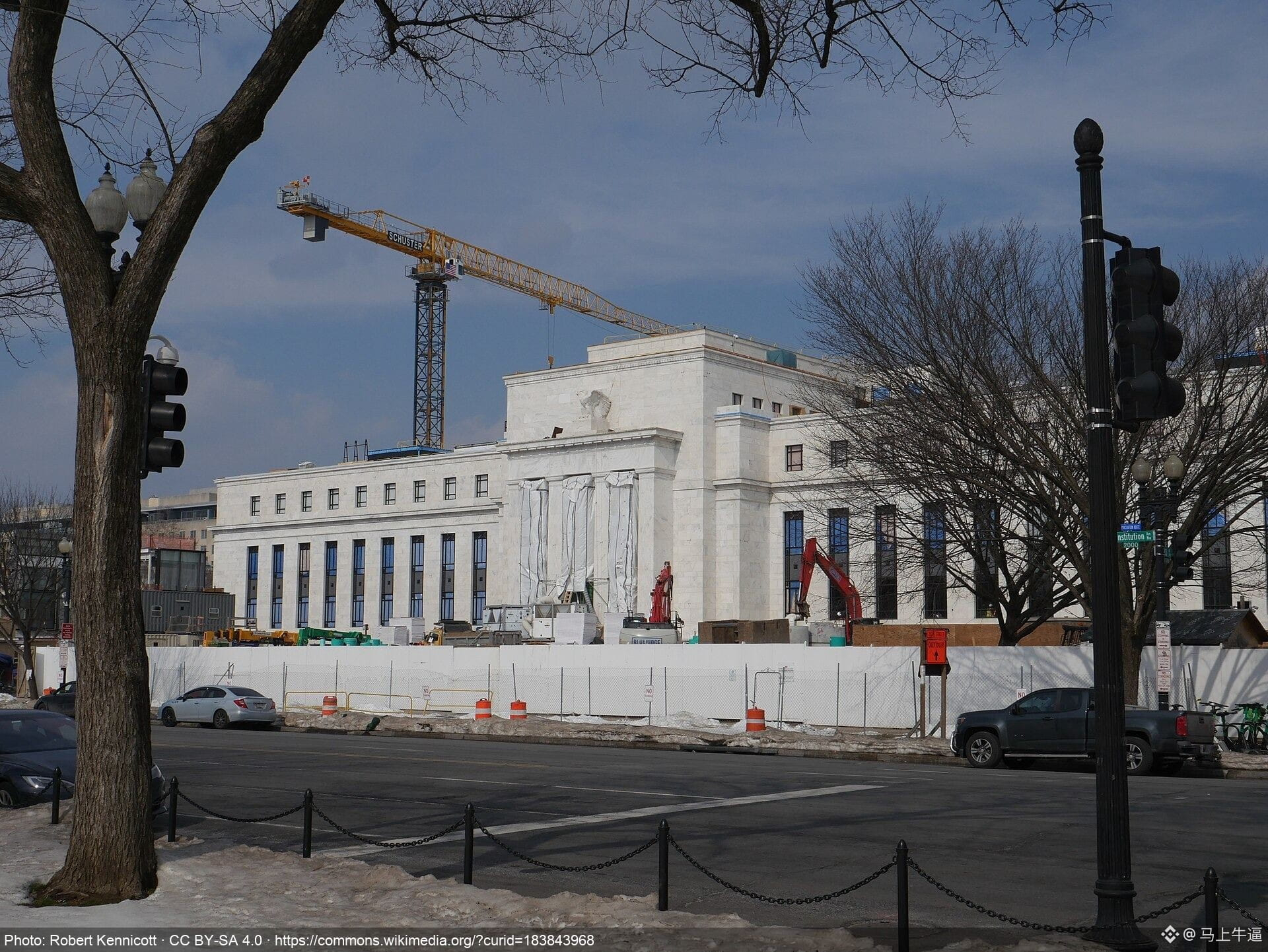
According to Wall Street CN, Federal Reserve Vice Chair for Supervision Michelle Bowman attended a private dinner hosted by Bank of America hours after the policy meeting ended on June 17, and was accused of violating the quiet-period rules. The Office of Inspector General recently sought to interview her, but Bowman denied any wrongdoing. If the quiet period doesn’t apply to private dinners, what situations does it cover?
According to Wall Street CN, Federal Reserve Vice Chair for Supervision Michelle Bowman attended a private dinner hosted by Bank of America hours after the policy meeting ended on June 17, and was accused of violating the quiet-period rules. The Office of Inspector General recently sought to interview her, but Bowman denied any wrongdoing. If the quiet period doesn’t apply to private dinners, what situations does it cover?
26
Log in to explore more content
Join global crypto users on Binance Square
⚡️ Get latest and useful information about crypto.
💬 Trusted by the world’s largest crypto exchange.
👍 Discover real insights from verified creators.
Email / Phone number
Trending Topics
BitcoinAndStocksSlipAgainAmidTrump’sTariffPlans
43,183 views
589 Discussing
U.S. Plans New Tariffs on China, EU and Others; Bitcoin Slips Below $60,000 and Nasdaq Falls 1.5%
Binance News
·11 Likes
·11.1k views
WillOctCorePCEShiftFedHikeExpectations?
337,394 views
2,231 Discussing
JensenHuangSaysNvidiaDoesn’tNeedASuccessionPlan
27,713 views
378 Discussing