

Amina Chattha
28.5k Posts

Amina Chattha
 Square Verified+
Report
Block User
55 Following
42.9K+ Followers
99.1K+ Liked
Posts
All
Quotes
Videos
Live
PINNED
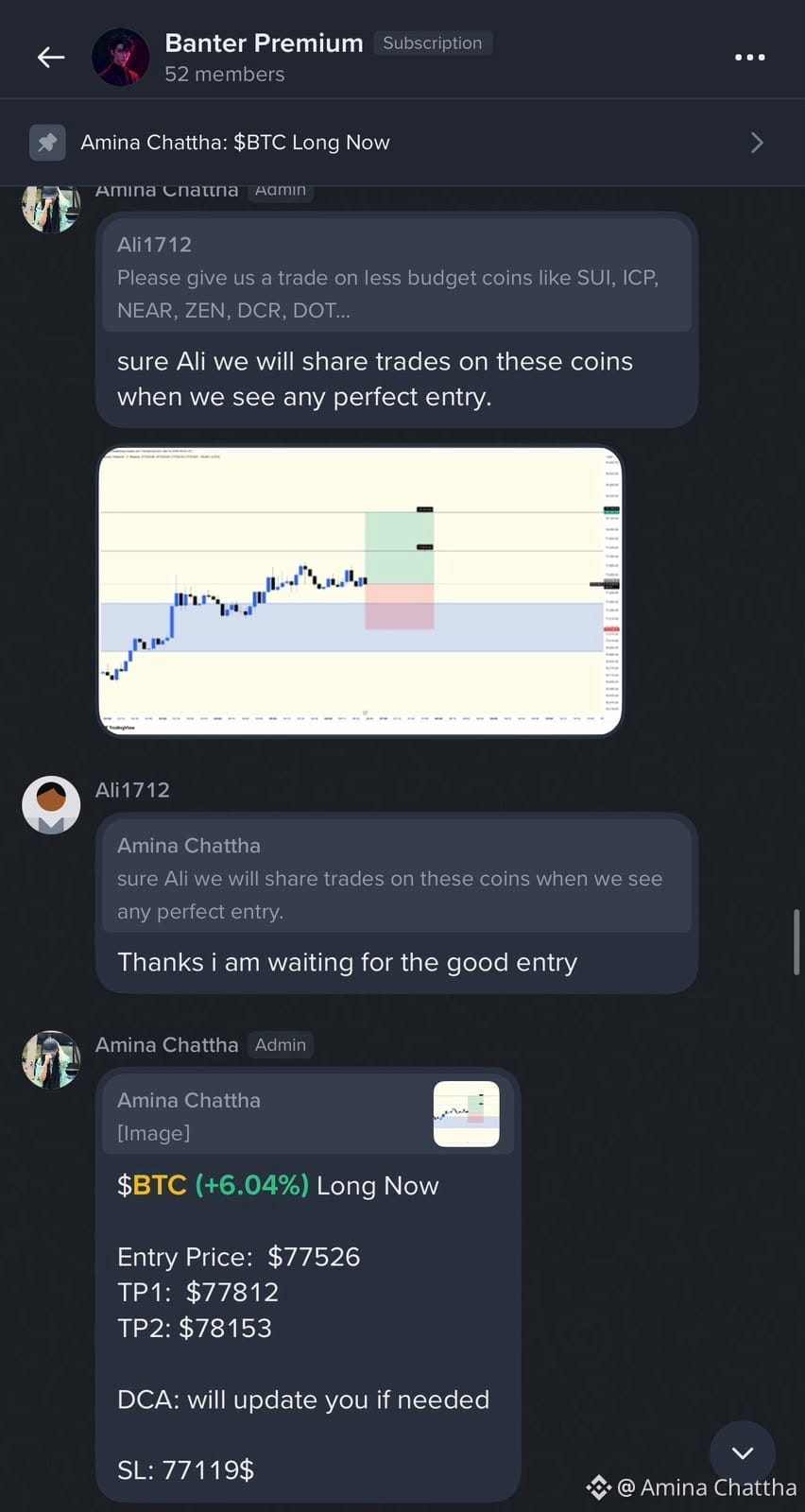
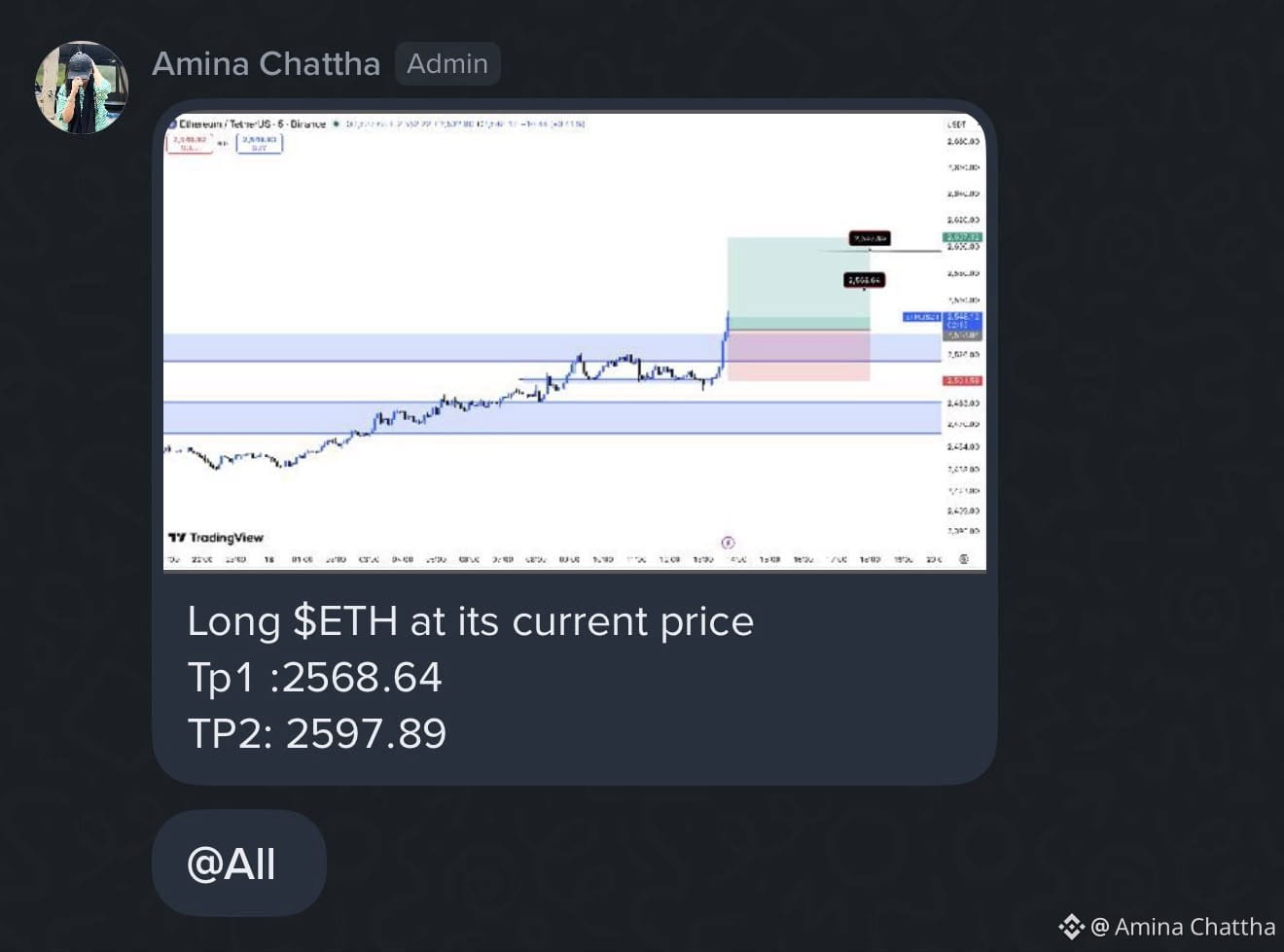
This is what we are cooking in this volatile market when evryone is unsure about the market trend I'm helping my community to catch small moves to generate profit.
You might be now thinking where am I giving these signals as they are not on my profile so this secret recipie is cooking inside the [Banter Premium](https://app.binance.com/uni-qr/SuZUGbDz) where six minds are giving their analysis so it reduces the chance of risky trades.
I'm just sharing mine as there are 5 more people giving signal in the group so join now and enjoy the profits.
#BTCBreaks80K
This is what we are cooking in this volatile market when evryone is unsure about the market trend I'm helping my community to catch small moves to generate profit.
You might be now thinking where am I giving these signals as they are not on my profile so this secret recipie is cooking inside the Banter Premium where six minds are giving their analysis so it reduces the chance of risky trades.
I'm just sharing mine as there are 5 more people giving signal in the group so join now and enjoy the profits.
#BTCBreaks80K
You might be now thinking where am I giving these signals as they are not on my profile so this secret recipie is cooking inside the Banter Premium where six minds are giving their analysis so it reduces the chance of risky trades.
I'm just sharing mine as there are 5 more people giving signal in the group so join now and enjoy the profits.
#BTCBreaks80K
7
5
152
PINNED
Dear Binancians, whether you’re a beginner or already an experienced trader, if you ever feel confused about buying, selling, entries, exits, or any trading pattern, this group is for you.
You can join completely free and ask anything about crypto trading. I’ll try to explain things in simple words and make your trading journey easier, clearer, and less confusing.
No fees. No complicated stuff. Just learn, discuss, and trade smarter together.
So what are you waaiting for??
[Click here to join the group.](https://app.binance.com/uni-qr/WKThC9kW)
Dear Binancians, whether you’re a beginner or already an experienced trader, if you ever feel confused about buying, selling, entries, exits, or any trading pattern, this group is for you.
You can join completely free and ask anything about crypto trading. I’ll try to explain things in simple words and make your trading journey easier, clearer, and less confusing.
No fees. No complicated stuff. Just learn, discuss, and trade smarter together.
So what are you waaiting for??
Click here to join the group.
You can join completely free and ask anything about crypto trading. I’ll try to explain things in simple words and make your trading journey easier, clearer, and less confusing.
No fees. No complicated stuff. Just learn, discuss, and trade smarter together.
So what are you waaiting for??
Click here to join the group.
1
7
123
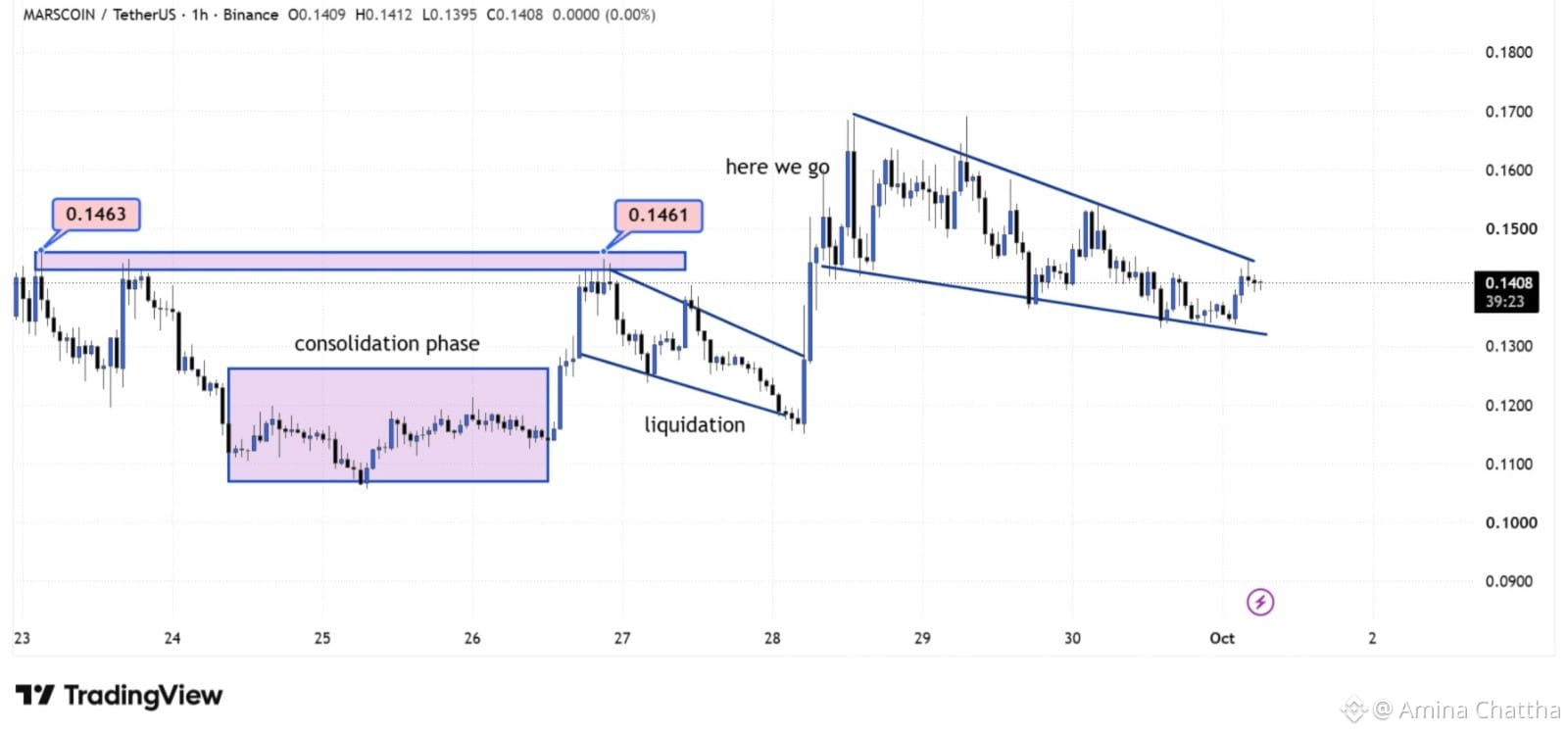
$MARSCOIN Is Trying to Break Free
Price is near $0.1408 inside a falling channel. A clean breakout above $0.146 could bring stronger momentum back.
{spot}(MARSCOINUSDT)
$MARSCOIN Is Trying to Break Free
Price is near $0.1408 inside a falling channel. A clean breakout above $0.146 could bring stronger momentum back.
Price is near $0.1408 inside a falling channel. A clean breakout above $0.146 could bring stronger momentum back.
1
70
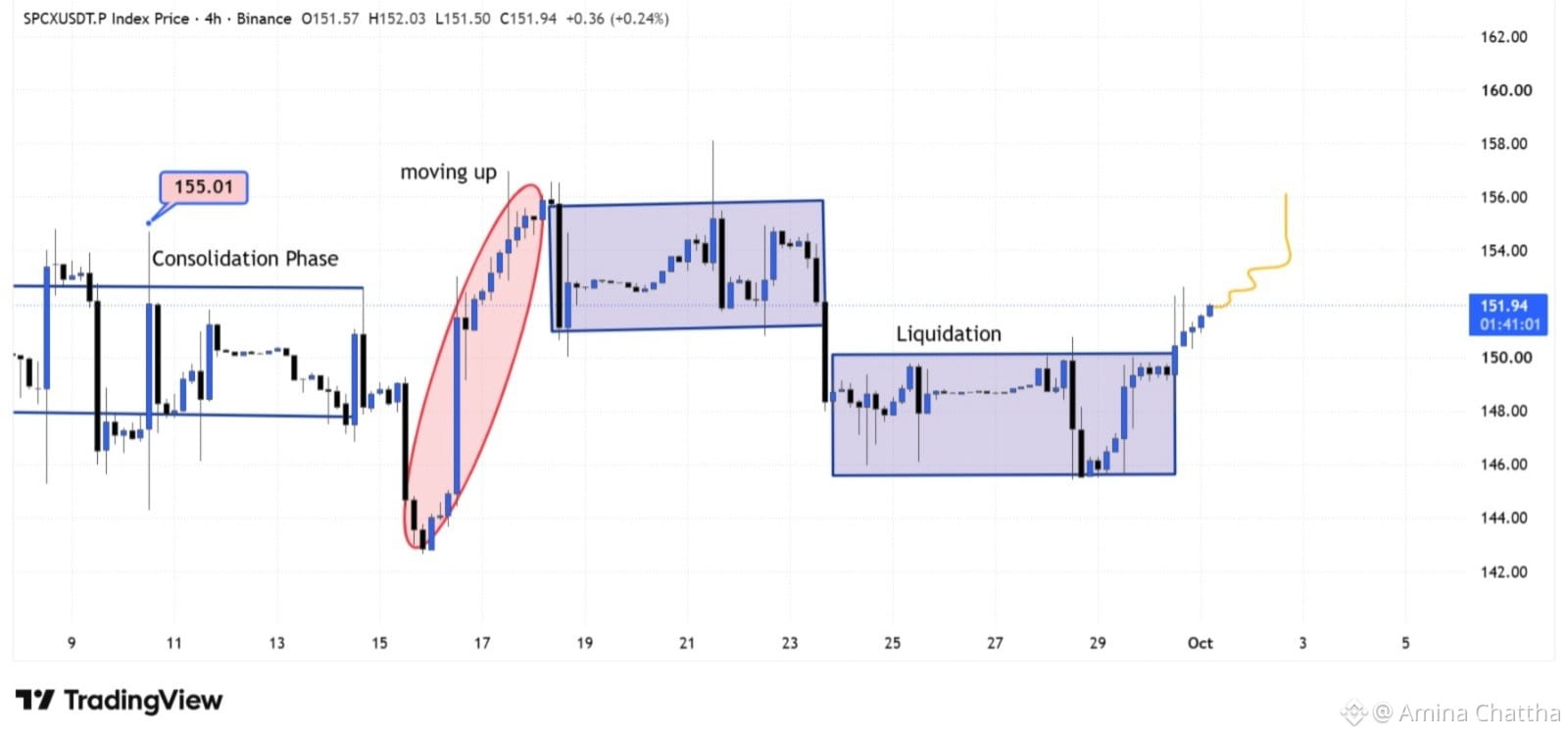
$SPX Is Waking Up Again
SPX has pushed out of the $146–$150 range and is near $151.94. Holding above $150 could bring $155–$156 back into focus.
{future}(SPXUSDT)
$SPX Is Waking Up Again
SPX has pushed out of the $146–$150 range and is near $151.94. Holding above $150 could bring $155–$156 back into focus.
SPX has pushed out of the $146–$150 range and is near $151.94. Holding above $150 could bring $155–$156 back into focus.
1
111
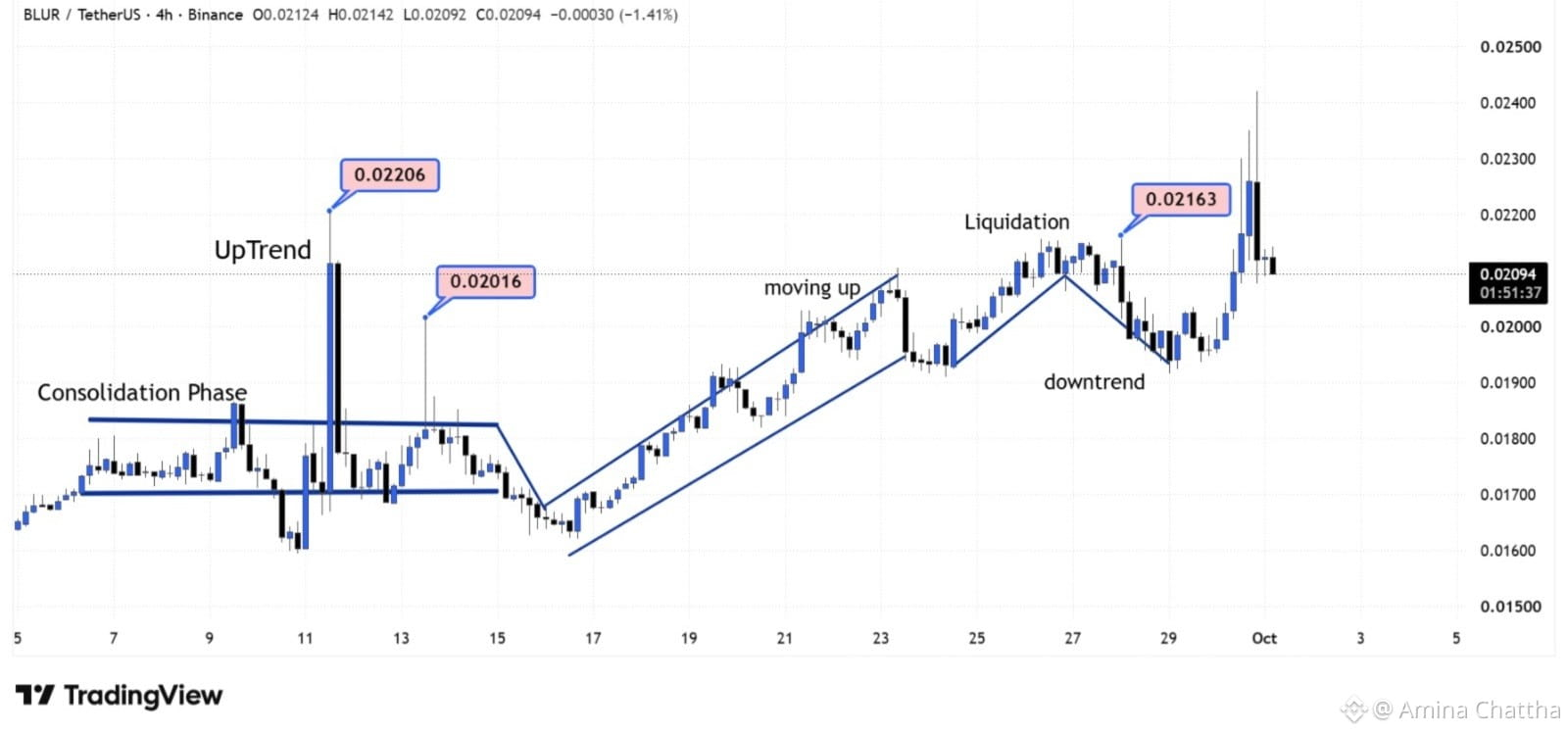
$BLUR Is Getting Interesting Again 👀
BLUR is holding near $0.0209 after another sharp move. A clean break above $0.0216–$0.0220 could bring stronger momentum back.
{spot}(BLURUSDT)
$BLUR Is Getting Interesting Again 👀
BLUR is holding near $0.0209 after another sharp move. A clean break above $0.0216–$0.0220 could bring stronger momentum back.
BLUR is holding near $0.0209 after another sharp move. A clean break above $0.0216–$0.0220 could bring stronger momentum back.
1
116
Article
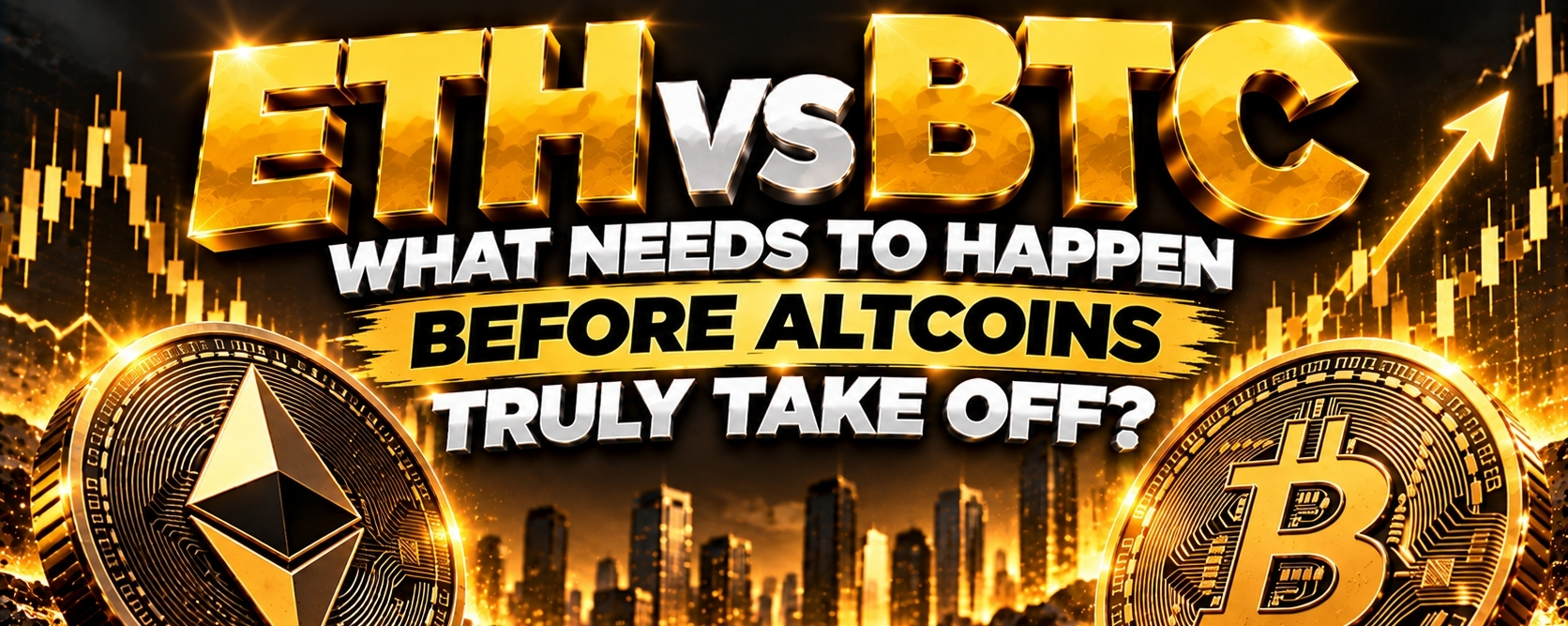
ETH vs BTC What Needs to Happen Before Altcoins Truly Take Off?Bitcoin has led the crypto market for most of this cycle, but something interesting is starting to happen.
Ethereum is showing signs of gaining strength against Bitcoin, while Bitcoin dominance has recently slipped below 59%. That combination is exactly why traders are talking about altseason again.
But a few altcoins pumping doesn’t automatically mean altseason has arrived.
One of the most important charts to watch is ETH/BTC. It shows whether Ethereum is gaining or losing value compared with Bitcoin.
When ETH/BTC rises consistently, it can signal that traders are becoming more comfortable moving capital away from Bitcoin and into higher-risk crypto assets.
Ethereum has already shown improvement here. ETH significantly outperformed Bitcoin over the past quarter, and the ETH/BTC pair has recently challenged a long-term declining trend.
That’s encouraging, but the market needs more than one breakout.
Another major signal is Bitcoin dominance. BTC still represents roughly 58%–59% of the total crypto market. For broader altcoin strength, traders would typically want to see Bitcoin dominance continue falling while ETH and other large-cap altcoins gain market share.
There is also the question of liquidity.
A real altseason needs more than traders rotating the same money between a few coins. Fresh capital and stronger overall market participation can help rallies spread from Bitcoin to Ethereum, then into large-cap altcoins and eventually smaller projects.
We are already seeing hints of this rotation. Some altcoins have delivered huge moves while Bitcoin has consolidated, but the strength remains selective rather than universal.
That distinction is important.
If ETH starts consistently outperforming BTC, Bitcoin dominance continues weakening, and more altcoins begin participating together, the argument for a broader altseason becomes much stronger.
If ETH/BTC loses momentum and Bitcoin dominance starts climbing again, capital could simply rotate back toward Bitcoin.
Bitcoin opened the door. Ethereum may determine whether the rest of the altcoin market gets through it.
ETH vs BTC What Needs to Happen Before Altcoins Truly Take Off?
Bitcoin has led the crypto market for most of this cycle, but something interesting is starting to happen.
Ethereum is showing signs of gaining strength against Bitcoin, while Bitcoin dominance has recently slipped below 59%. That combination is exactly why traders are talking about altseason again.
But a few altcoins pumping doesn’t automatically mean altseason has arrived.
One of the most important charts to watch is ETH/BTC. It shows whether Ethereum is gaining or losing value compared with Bitcoin.
When ETH/BTC rises consistently, it can signal that traders are becoming more comfortable moving capital away from Bitcoin and into higher-risk crypto assets.
Ethereum has already shown improvement here. ETH significantly outperformed Bitcoin over the past quarter, and the ETH/BTC pair has recently challenged a long-term declining trend.
That’s encouraging, but the market needs more than one breakout.
Another major signal is Bitcoin dominance. BTC still represents roughly 58%–59% of the total crypto market. For broader altcoin strength, traders would typically want to see Bitcoin dominance continue falling while ETH and other large-cap altcoins gain market share.
There is also the question of liquidity.
A real altseason needs more than traders rotating the same money between a few coins. Fresh capital and stronger overall market participation can help rallies spread from Bitcoin to Ethereum, then into large-cap altcoins and eventually smaller projects.
We are already seeing hints of this rotation. Some altcoins have delivered huge moves while Bitcoin has consolidated, but the strength remains selective rather than universal.
That distinction is important.
If ETH starts consistently outperforming BTC, Bitcoin dominance continues weakening, and more altcoins begin participating together, the argument for a broader altseason becomes much stronger.
If ETH/BTC loses momentum and Bitcoin dominance starts climbing again, capital could simply rotate back toward Bitcoin.
Bitcoin opened the door. Ethereum may determine whether the rest of the altcoin market gets through it.
Ethereum is showing signs of gaining strength against Bitcoin, while Bitcoin dominance has recently slipped below 59%. That combination is exactly why traders are talking about altseason again.
But a few altcoins pumping doesn’t automatically mean altseason has arrived.
One of the most important charts to watch is ETH/BTC. It shows whether Ethereum is gaining or losing value compared with Bitcoin.
When ETH/BTC rises consistently, it can signal that traders are becoming more comfortable moving capital away from Bitcoin and into higher-risk crypto assets.
Ethereum has already shown improvement here. ETH significantly outperformed Bitcoin over the past quarter, and the ETH/BTC pair has recently challenged a long-term declining trend.
That’s encouraging, but the market needs more than one breakout.
Another major signal is Bitcoin dominance. BTC still represents roughly 58%–59% of the total crypto market. For broader altcoin strength, traders would typically want to see Bitcoin dominance continue falling while ETH and other large-cap altcoins gain market share.
There is also the question of liquidity.
A real altseason needs more than traders rotating the same money between a few coins. Fresh capital and stronger overall market participation can help rallies spread from Bitcoin to Ethereum, then into large-cap altcoins and eventually smaller projects.
We are already seeing hints of this rotation. Some altcoins have delivered huge moves while Bitcoin has consolidated, but the strength remains selective rather than universal.
That distinction is important.
If ETH starts consistently outperforming BTC, Bitcoin dominance continues weakening, and more altcoins begin participating together, the argument for a broader altseason becomes much stronger.
If ETH/BTC loses momentum and Bitcoin dominance starts climbing again, capital could simply rotate back toward Bitcoin.
Bitcoin opened the door. Ethereum may determine whether the rest of the altcoin market gets through it.
1
222
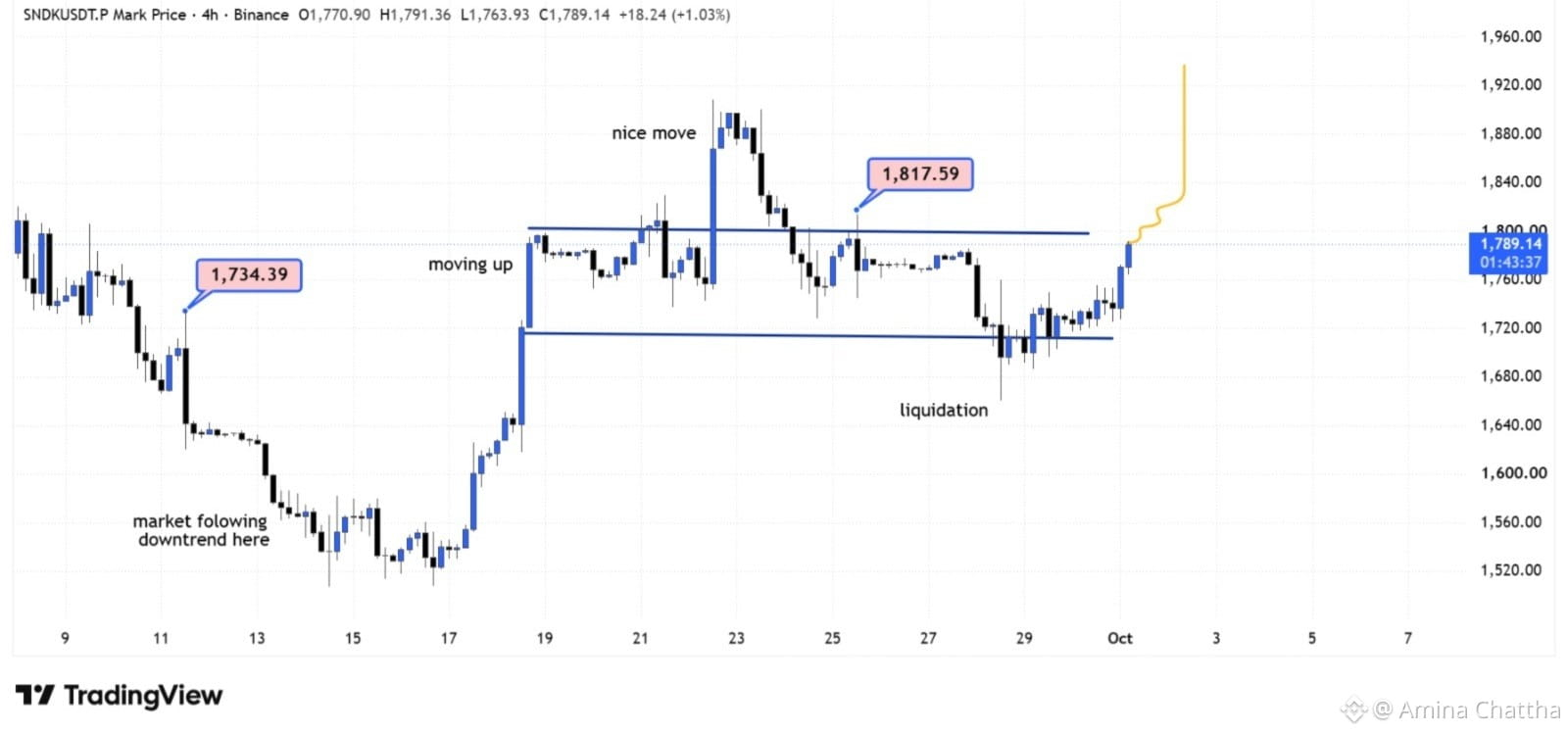
$SNDK Is Pushing for a Breakout
SNDK is back near $1,789 after a strong rebound. A clean break above $1,817 could put $1,880–$1,920 in focus.
{future}(SNDKUSDT)
$SNDK Is Pushing for a Breakout
SNDK is back near $1,789 after a strong rebound. A clean break above $1,817 could put $1,880–$1,920 in focus.
SNDK is back near $1,789 after a strong rebound. A clean break above $1,817 could put $1,880–$1,920 in focus.
1
110
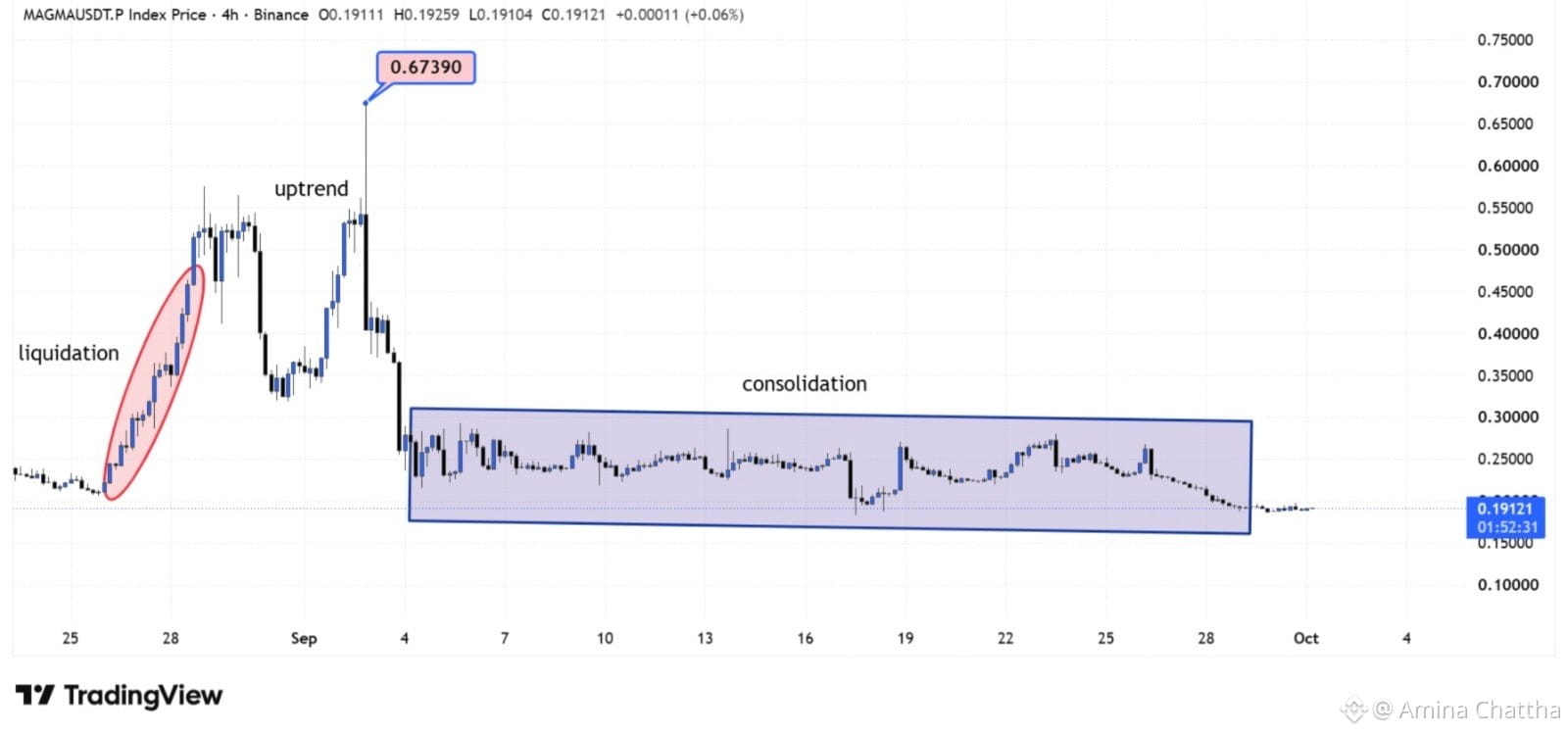
$MAGMA Is Sitting at a Key Zone
MAGMA is around $0.191 after a long consolidation. Holding this area could bring a rebound, while losing it may keep the pressure on.
{future}(MAGMAUSDT)
$MAGMA Is Sitting at a Key Zone
MAGMA is around $0.191 after a long consolidation. Holding this area could bring a rebound, while losing it may keep the pressure on.
MAGMA is around $0.191 after a long consolidation. Holding this area could bring a rebound, while losing it may keep the pressure on.
1
194
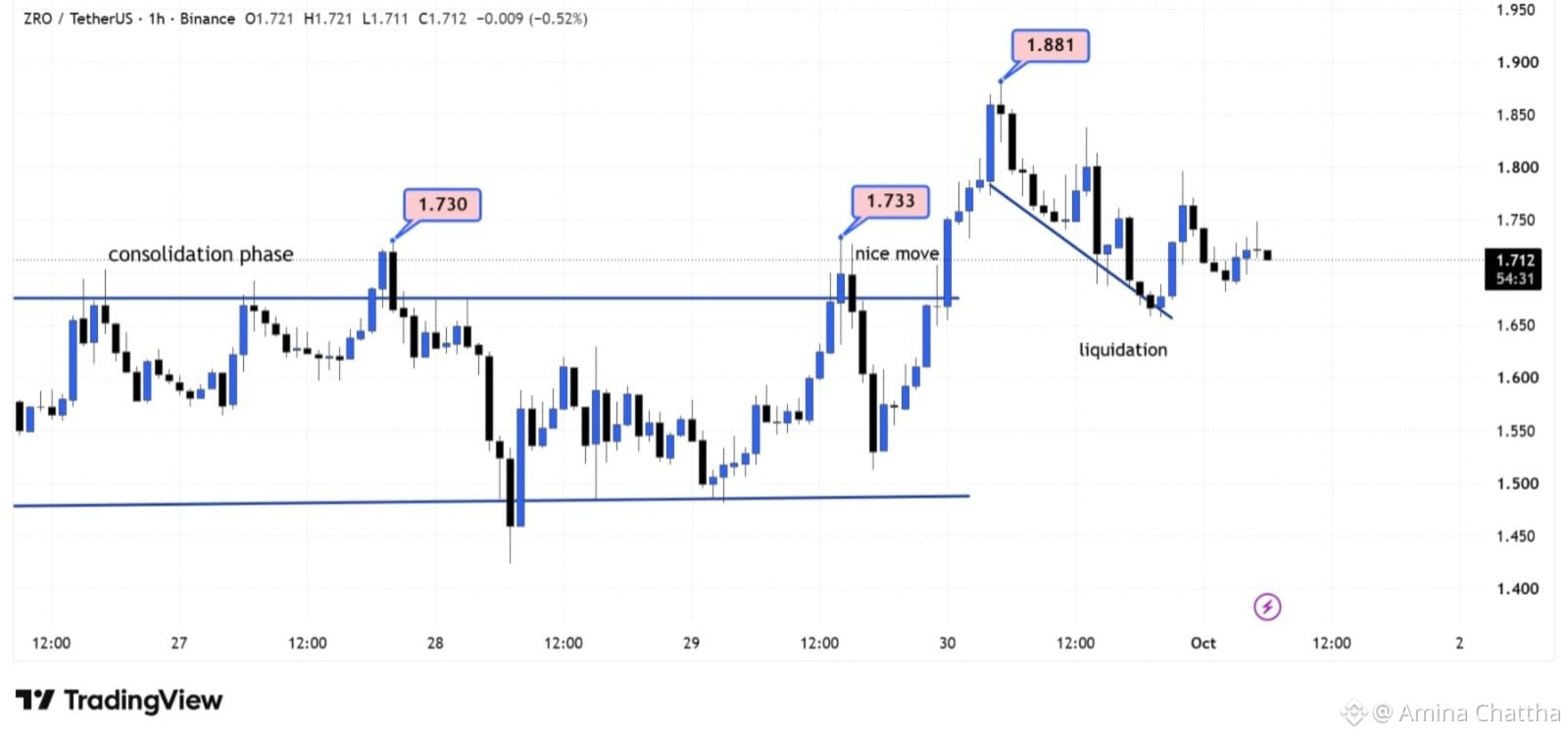
$ZRO Is Holding the Breakout Zone
ZRO is sitting near $1.71 after pulling back from $1.881. Holding around $1.67–$1.70 could set up another push toward $1.80+.
{spot}(ZROUSDT)
$ZRO Is Holding the Breakout Zone
ZRO is sitting near $1.71 after pulling back from $1.881. Holding around $1.67–$1.70 could set up another push toward $1.80+.
ZRO is sitting near $1.71 after pulling back from $1.881. Holding around $1.67–$1.70 could set up another push toward $1.80+.
1
143

Article
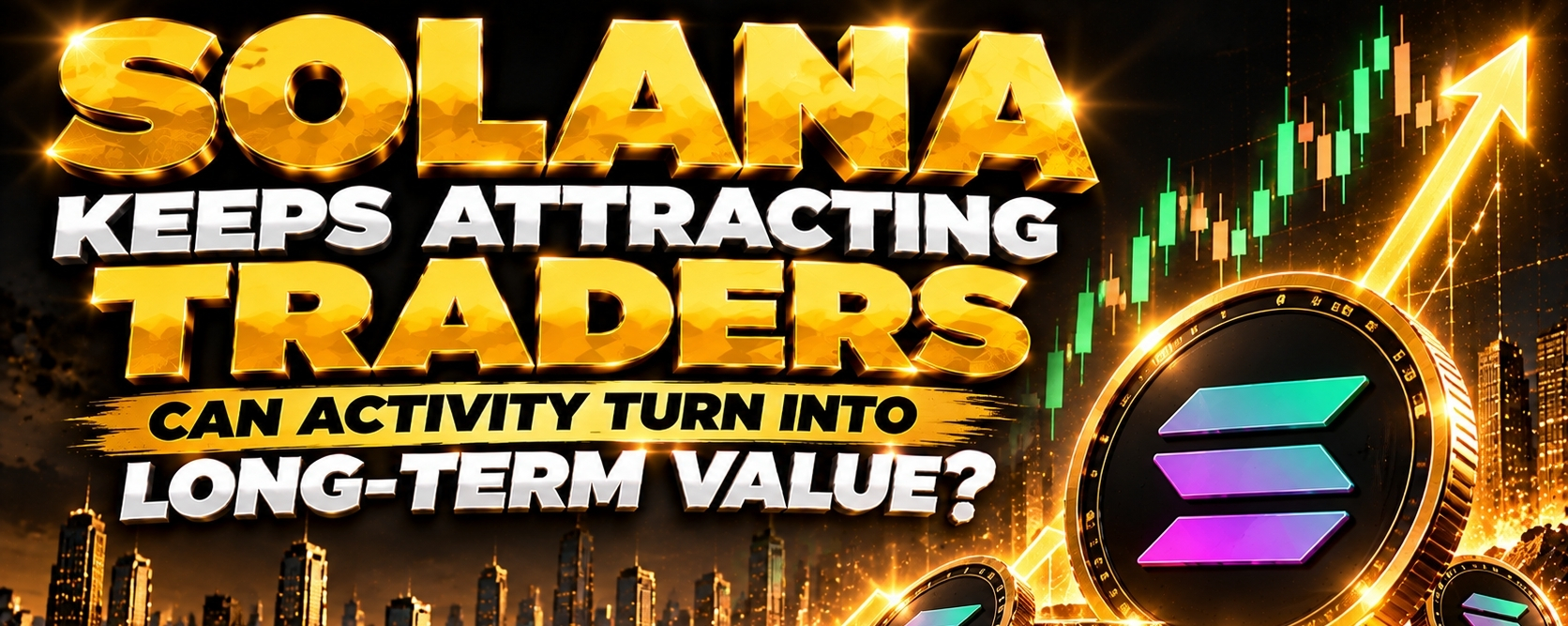
Solana Keeps Attracting Traders Can Activity Turn Into Long-Term Value?Solana keeps pulling traders back. Fast transactions, low fees and an active ecosystem have made it one of the busiest places for crypto trading.
But the bigger question isn’t whether Solana can attract activity anymore.
It’s whether that activity can create long-term value for SOL.
A huge part of Solana’s growth has come from decentralized trading, memecoins and new token launches. When market hype increases, traders can move quickly into the ecosystem, creating massive volumes and network activity.
But speculative activity can disappear just as quickly.
That’s why stablecoins, payments and DeFi could become more important for Solana’s next phase. These use cases can create demand even when traders aren’t chasing the latest trending token.
Real-world assets are another narrative worth watching. If more traditional assets move on-chain, fast and inexpensive networks like Solana could compete for a share of that activity.
Institutional adoption could also change the conversation. Solana doesn’t necessarily need to remain known mainly as the home of memecoin trading. Payments, tokenized assets and financial applications could give the network a much broader identity.
Still, there is an important difference between network activity and token value.
Millions of transactions and huge trading volume sound impressive, but investors should also ask whether that activity creates sustainable demand for SOL itself.
That could be the real test ahead.
Solana has already proved it can attract traders. Now it needs to prove those traders can become long-term users.
If Solana can turn speculation into sustained usage, SOL’s biggest story may still be ahead.
Solana Keeps Attracting Traders Can Activity Turn Into Long-Term Value?
Solana keeps pulling traders back. Fast transactions, low fees and an active ecosystem have made it one of the busiest places for crypto trading.
But the bigger question isn’t whether Solana can attract activity anymore.
It’s whether that activity can create long-term value for SOL.
A huge part of Solana’s growth has come from decentralized trading, memecoins and new token launches. When market hype increases, traders can move quickly into the ecosystem, creating massive volumes and network activity.
But speculative activity can disappear just as quickly.
That’s why stablecoins, payments and DeFi could become more important for Solana’s next phase. These use cases can create demand even when traders aren’t chasing the latest trending token.
Real-world assets are another narrative worth watching. If more traditional assets move on-chain, fast and inexpensive networks like Solana could compete for a share of that activity.
Institutional adoption could also change the conversation. Solana doesn’t necessarily need to remain known mainly as the home of memecoin trading. Payments, tokenized assets and financial applications could give the network a much broader identity.
Still, there is an important difference between network activity and token value.
Millions of transactions and huge trading volume sound impressive, but investors should also ask whether that activity creates sustainable demand for SOL itself.
That could be the real test ahead.
Solana has already proved it can attract traders. Now it needs to prove those traders can become long-term users.
If Solana can turn speculation into sustained usage, SOL’s biggest story may still be ahead.
But the bigger question isn’t whether Solana can attract activity anymore.
It’s whether that activity can create long-term value for SOL.
A huge part of Solana’s growth has come from decentralized trading, memecoins and new token launches. When market hype increases, traders can move quickly into the ecosystem, creating massive volumes and network activity.
But speculative activity can disappear just as quickly.
That’s why stablecoins, payments and DeFi could become more important for Solana’s next phase. These use cases can create demand even when traders aren’t chasing the latest trending token.
Real-world assets are another narrative worth watching. If more traditional assets move on-chain, fast and inexpensive networks like Solana could compete for a share of that activity.
Institutional adoption could also change the conversation. Solana doesn’t necessarily need to remain known mainly as the home of memecoin trading. Payments, tokenized assets and financial applications could give the network a much broader identity.
Still, there is an important difference between network activity and token value.
Millions of transactions and huge trading volume sound impressive, but investors should also ask whether that activity creates sustainable demand for SOL itself.
That could be the real test ahead.
Solana has already proved it can attract traders. Now it needs to prove those traders can become long-term users.
If Solana can turn speculation into sustained usage, SOL’s biggest story may still be ahead.
3
272
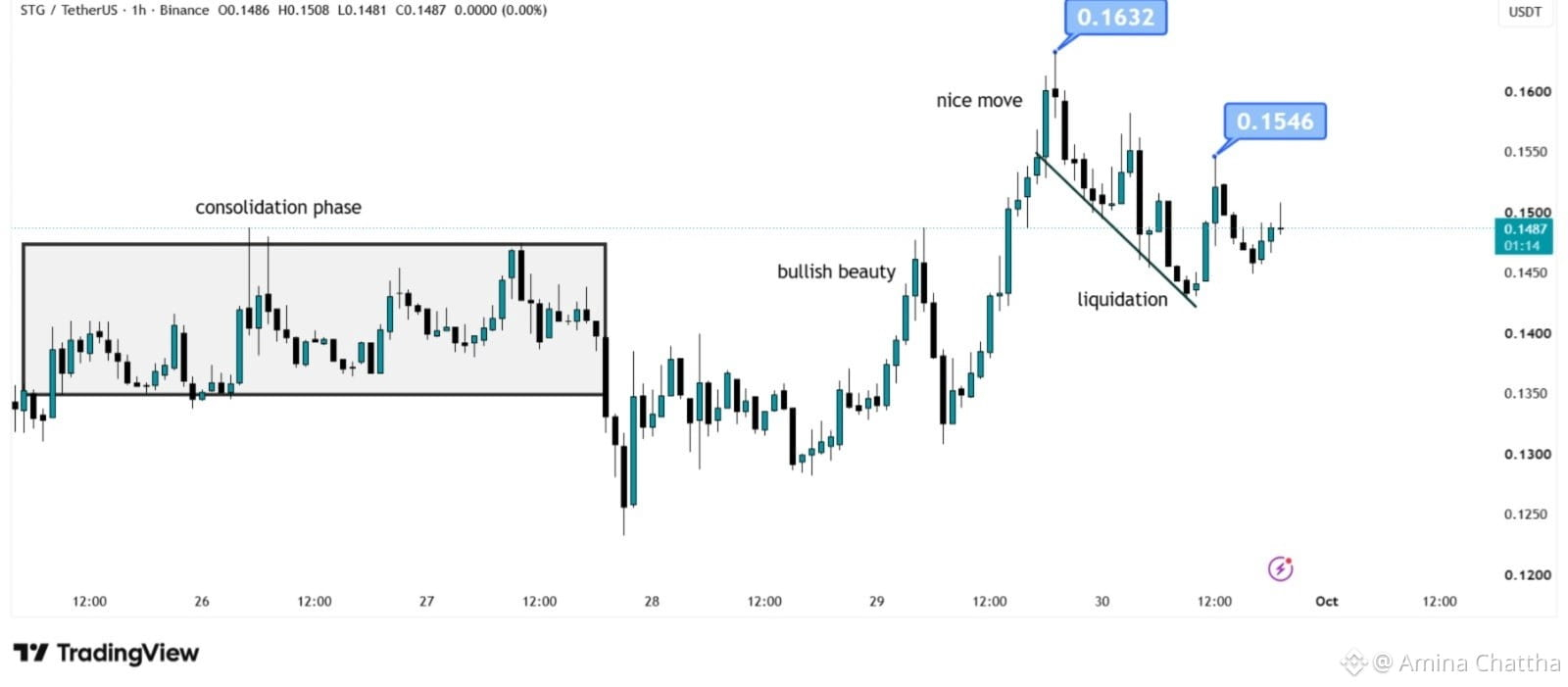
$STG Is Trying to Bounce
STG is holding near $0.149 after the pullback. A clean move above $0.1546 could put $0.1632 back in focus.
{spot}(STGUSDT)
$STG Is Trying to Bounce
STG is holding near $0.149 after the pullback. A clean move above $0.1546 could put $0.1632 back in focus.
STG is holding near $0.149 after the pullback. A clean move above $0.1546 could put $0.1632 back in focus.
2
154
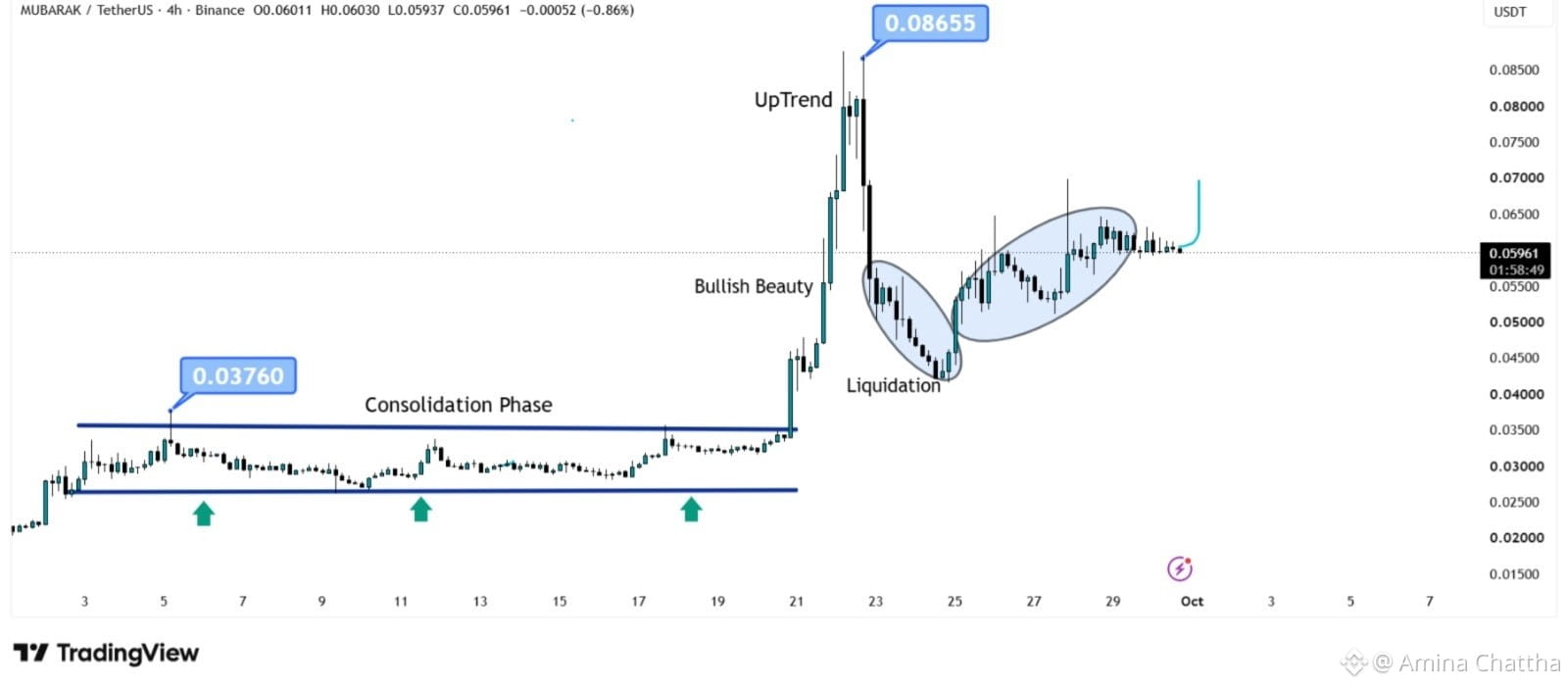
$MUBARAK Is Loading Up
MUBARAK is consolidating near $0.060 after a strong recovery. A break above $0.065–$0.070 could bring fresh momentum.
{spot}(MUBARAKUSDT)
$MUBARAK Is Loading Up
MUBARAK is consolidating near $0.060 after a strong recovery. A break above $0.065–$0.070 could bring fresh momentum.
MUBARAK is consolidating near $0.060 after a strong recovery. A break above $0.065–$0.070 could bring fresh momentum.
1
159
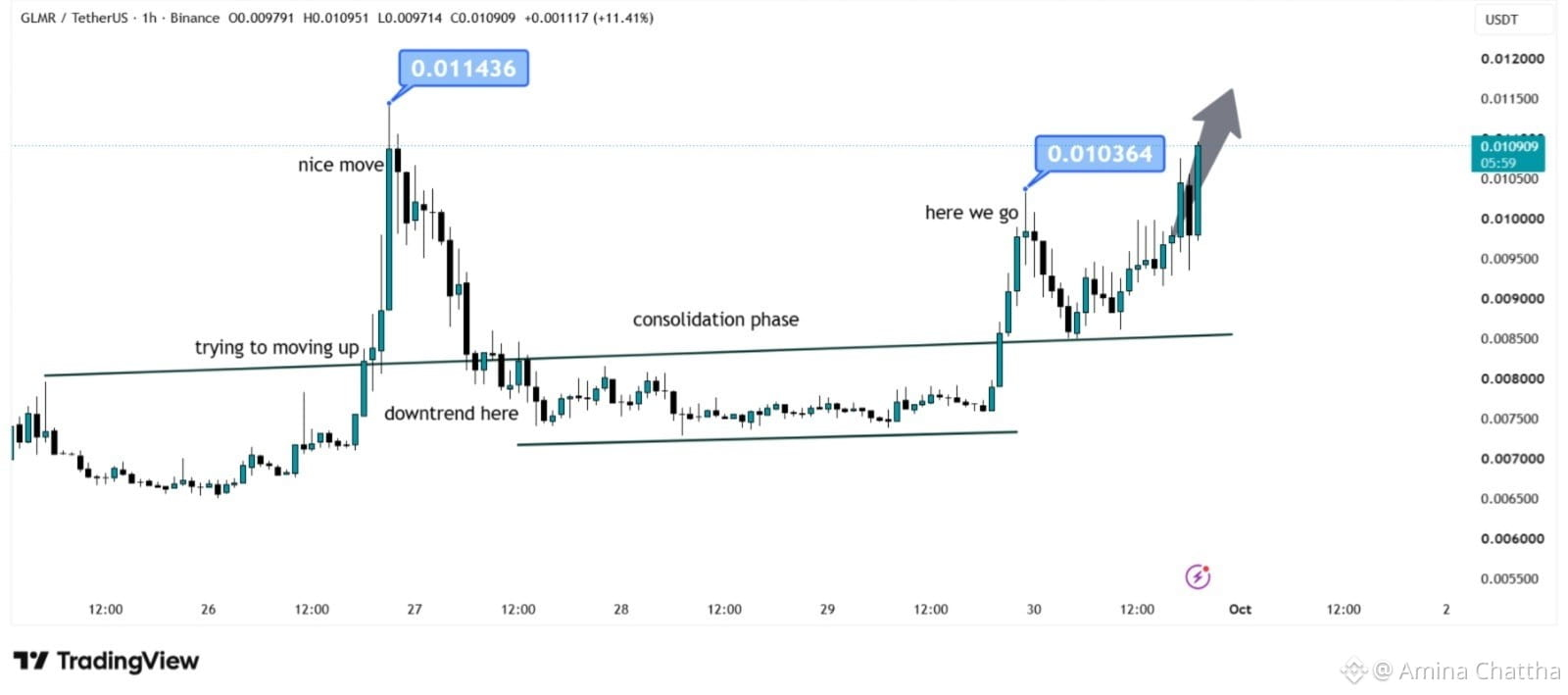
$GLMR Is Waking Up 🔥
GLMR has pushed above $0.01036 and is trading near $0.0109. If momentum holds, $0.0114+ could come back into focus.
{spot}(GLMRUSDT)
$GLMR Is Waking Up 🔥
GLMR has pushed above $0.01036 and is trading near $0.0109. If momentum holds, $0.0114+ could come back into focus.
GLMR has pushed above $0.01036 and is trading near $0.0109. If momentum holds, $0.0114+ could come back into focus.
1
129
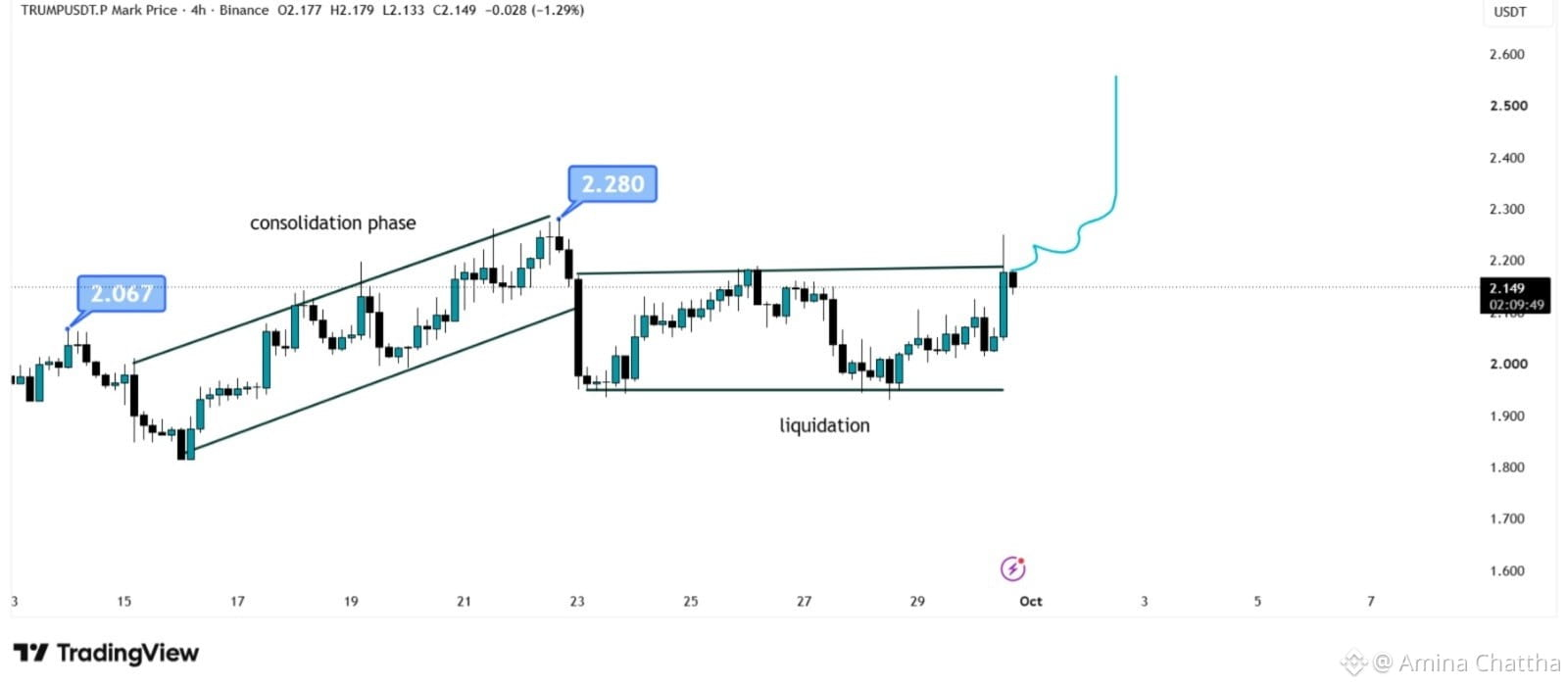
$TRUMP Is Testing the Breakout
TRUMP is pushing into the $2.15–$2.20 area. A clean break above this zone could put $2.28+ back in focus.
{spot}(TRUMPUSDT)
$TRUMP Is Testing the Breakout
TRUMP is pushing into the $2.15–$2.20 area. A clean break above this zone could put $2.28+ back in focus.
TRUMP is pushing into the $2.15–$2.20 area. A clean break above this zone could put $2.28+ back in focus.
3
141
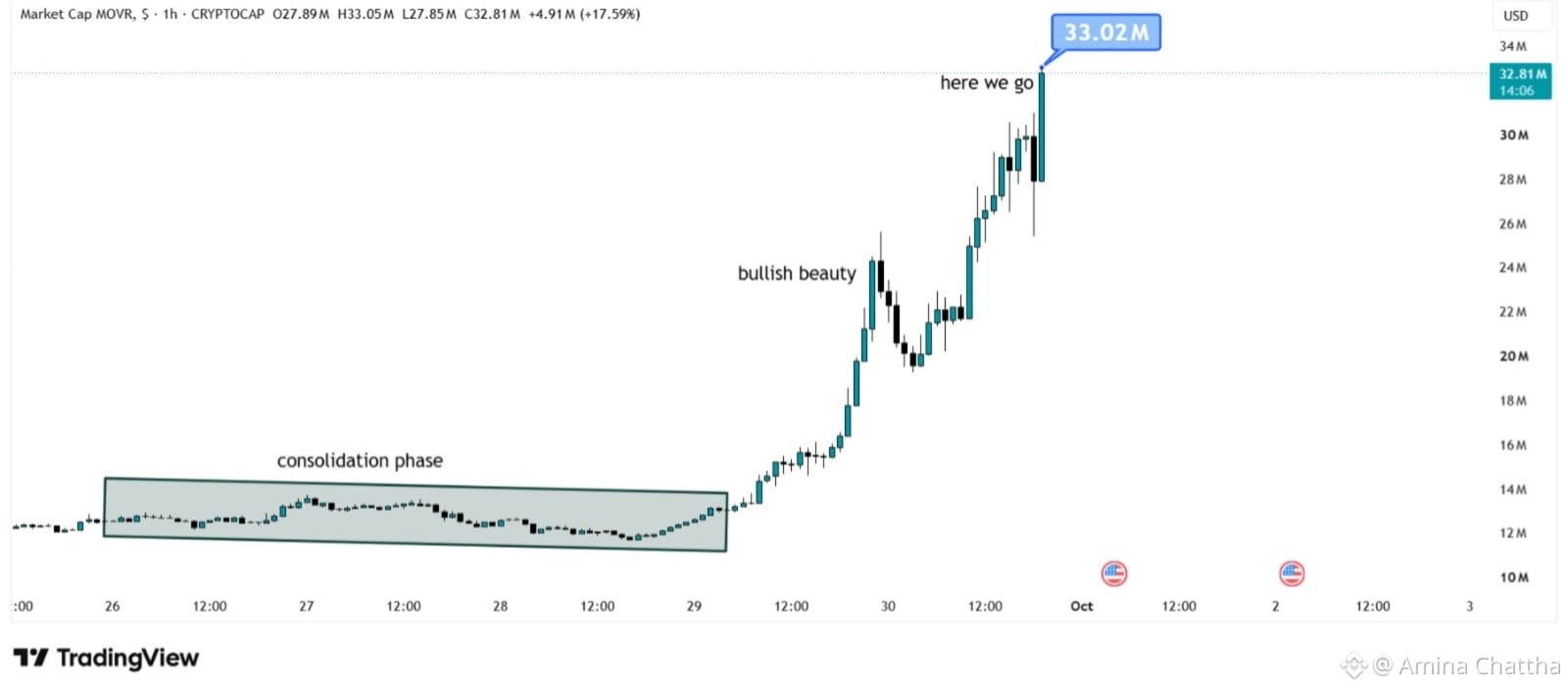
$MOVR Is Exploding
MOVR market cap jumped from around $12M to $33M. Momentum is strong, but after such a fast run, volatility could stay high.
{spot}(MOVRUSDT)
$MOVR Is Exploding
MOVR market cap jumped from around $12M to $33M. Momentum is strong, but after such a fast run, volatility could stay high.
MOVR market cap jumped from around $12M to $33M. Momentum is strong, but after such a fast run, volatility could stay high.
2
321
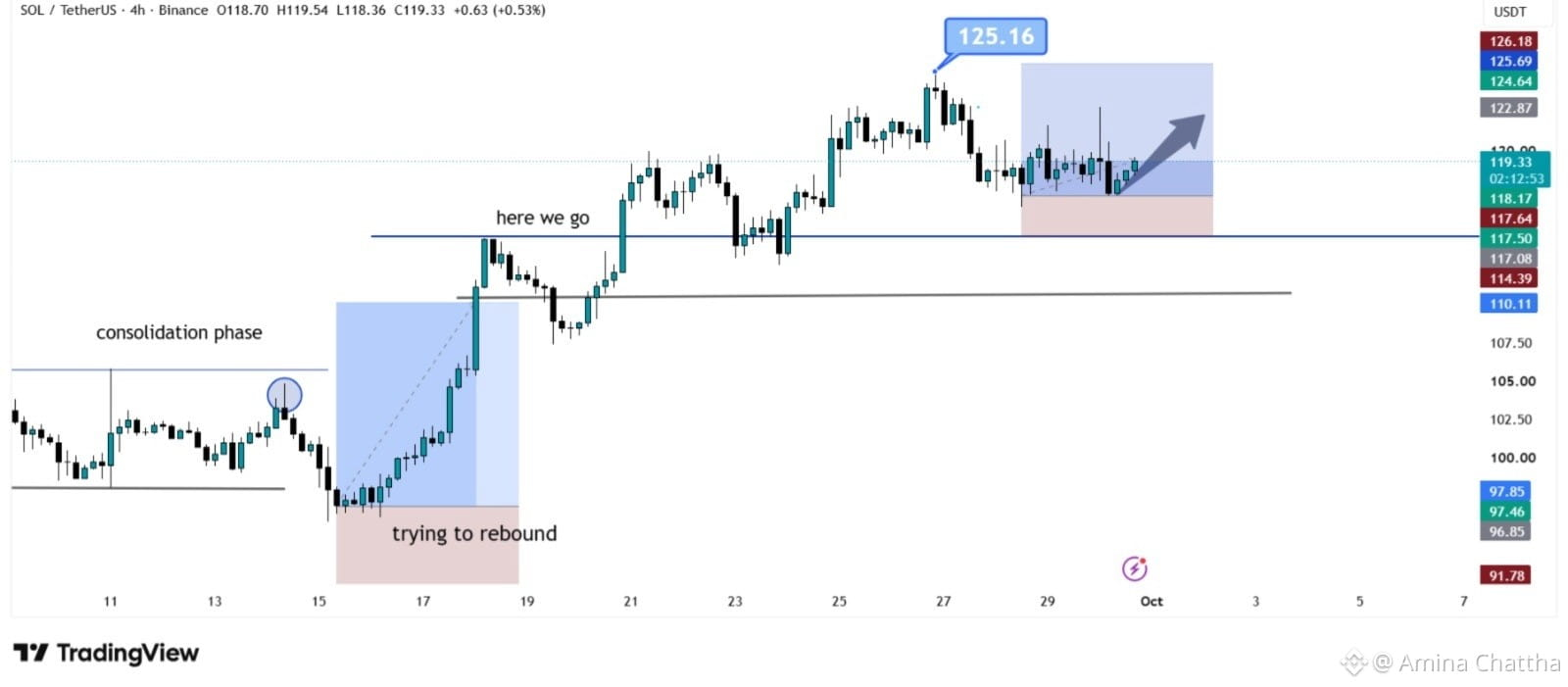
$SOL Is Loading Up
SOL is holding around $119 after the pullback. If momentum returns, $125+ could come back into focus.
{spot}(SOLUSDT)
$SOL Is Loading Up
SOL is holding around $119 after the pullback. If momentum returns, $125+ could come back into focus.
SOL is holding around $119 after the pullback. If momentum returns, $125+ could come back into focus.
2
133
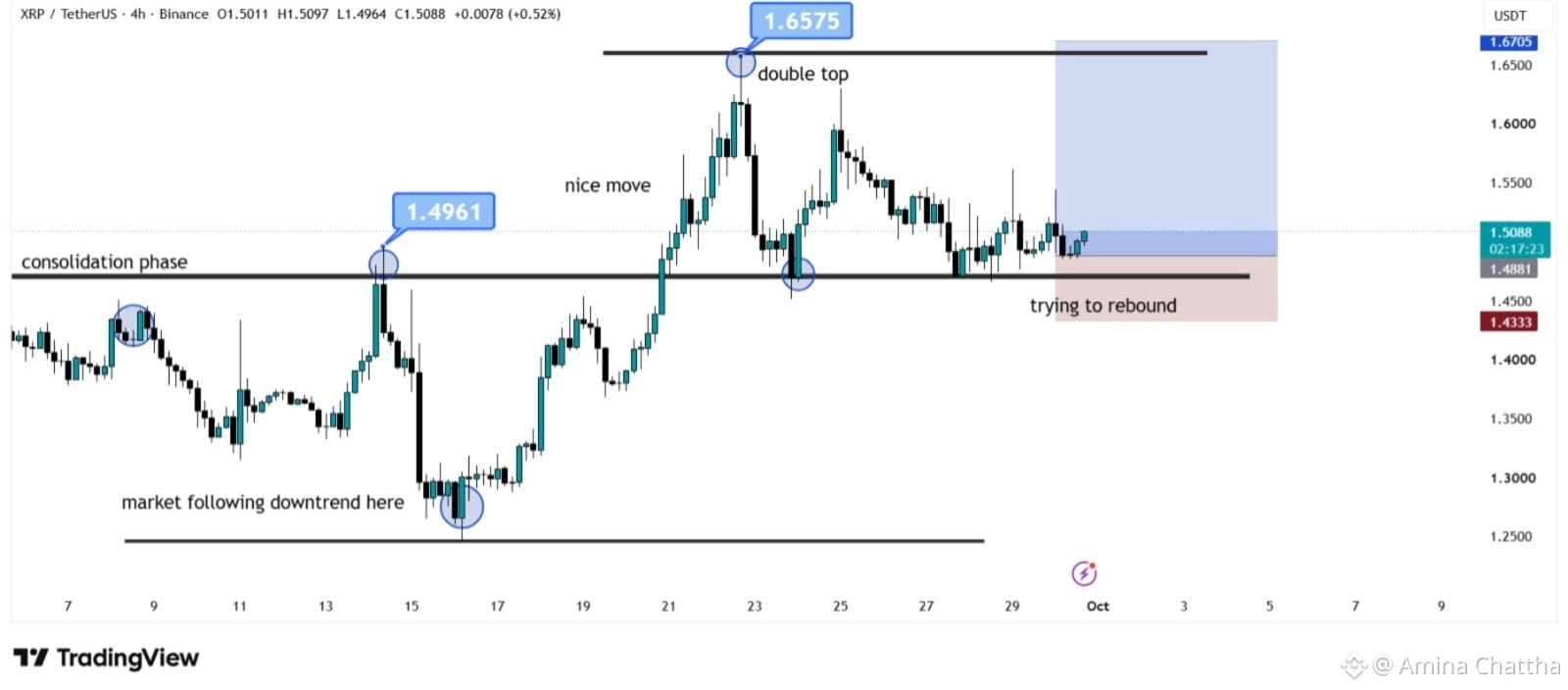
$XRP Is Trying to Rebound....
XRP is holding the $1.49 support and trading near $1.51. If this level stays strong, momentum could build toward $1.60–$1.65 again.
{spot}(XRPUSDT)
$XRP Is Trying to Rebound....
XRP is holding the $1.49 support and trading near $1.51. If this level stays strong, momentum could build toward $1.60–$1.65 again.
XRP is holding the $1.49 support and trading near $1.51. If this level stays strong, momentum could build toward $1.60–$1.65 again.
2
156
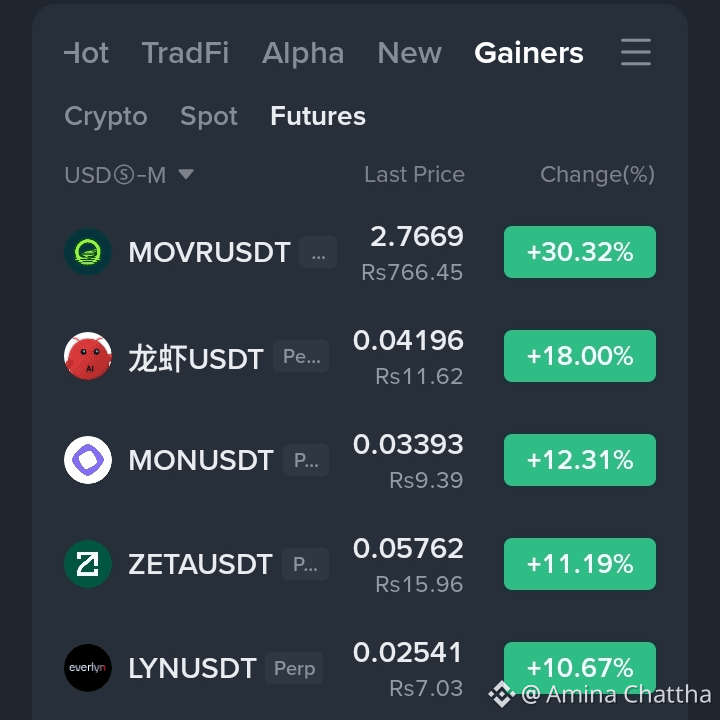
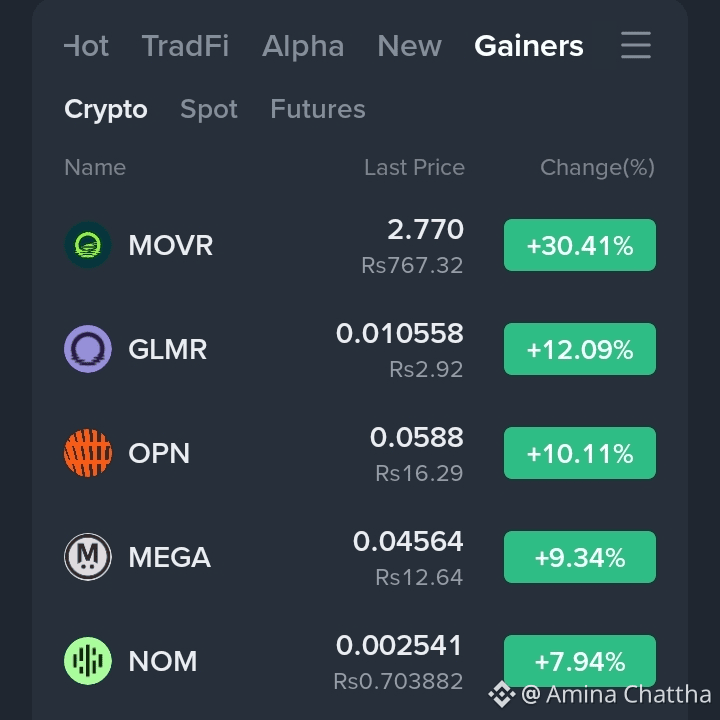
$MOVR is stealing the show...
#MOVR is leading both Spot and Futures gainers with a massive +30% move, trading around $2.77. Bulls are clearly in control right now.
{spot}(MOVRUSDT)
$MOVR is stealing the show...
#MOVR is leading both Spot and Futures gainers with a massive +30% move, trading around $2.77. Bulls are clearly in control right now.
#MOVR is leading both Spot and Futures gainers with a massive +30% move, trading around $2.77. Bulls are clearly in control right now.
2
469
Log in to explore more content
Join global crypto users on Binance Square
⚡️ Get latest and useful information about crypto.
💬 Trusted by the world’s largest crypto exchange.
👍 Discover real insights from verified creators.
Email / Phone number
Trending Topics
EtherGains70.9%InQ3
174,682 views
1,183 Discussing
One of the best third quarters in history 💰
September closed out last night, and with it, the quarter. For the quarter, BTC is up 42%—the second-best Q3 on record. ETH had a record-breaking Q3 overall, up 70%.
Looking at the chart, things are still looking good: we’re holding support, but we’re testing it more and more often. Plus, ETF momentum is weakening — inflows are gradually declining, and yesterday saw outflows for the first time in a long while.
Yes, historically, October has been a good month for crypto — it’s not called “Uptober” for nothing. But it’s also one of the most volatile months. Last year, for example, we managed to hit a new all-time high (ATH) and experience a flash crash.
🚀 High Accuracy Trades.
$BTC
$ETH
$SOL
#EtherGains70.9%InQ3 #DollarIndexHitsHighestSinceMay2025 #CFTCSubmitsTwoEventContractRulesToWhiteHouse #MicronBeatsEarningsLiftsGuidance
Knowledge is Power
·0 Likes
·250 views
TreasuryLetsStatesFileStablecoinCertificationsEarly
11,352 views
92 Discussing
US10YearYieldNears5.3%
159,368 views
1,159 Discussing