

ABS_GLOBAL_CRYPTO
312 Posts

ABS_GLOBAL_CRYPTO
Report
Block User
BP-D229C54361B7
Open Trade
Frequent Trader
5.1 Years
28 Following
72 Followers
128 Liked
Posts
Portfolio
All
Quotes
Videos
PINNED
🚨 Privacy coins are entering a critical phase.
✅ #Zcash resumed Orchard transactions after an AI-assisted security audit. 🔥 First India, now the Philippines. 🚨 The Philippine SEC has ordered exchanges to stop offering privacy coins like $ZEC and $XMR.
This isn't just another regulatory headline.
As governments increase scrutiny, the debate around financial privacy is only getting louder.
The more pressure privacy coins face, the more the market will be forced to answer one question:
Is privacy a risk... or a right?
👀 $ZEC $XMR
Follow for crypto insights that matter before the crowd catches on.
#zcashresumesorchardtransactionsafteraiaudit #PrivacyCoins
🚨 Privacy coins are entering a critical phase.
✅ #Zcash resumed Orchard transactions after an AI-assisted security audit. 🔥 First India, now the Philippines. 🚨 The Philippine SEC has ordered exchanges to stop offering privacy coins like $ZEC and $XMR .
This isn't just another regulatory headline.
As governments increase scrutiny, the debate around financial privacy is only getting louder.
The more pressure privacy coins face, the more the market will be forced to answer one question:
Is privacy a risk... or a right?
👀 $ZEC $XMR
Follow for crypto insights that matter before the crowd catches on.
#zcashresumesorchardtransactionsafteraiaudit #PrivacyCoins
✅ #Zcash resumed Orchard transactions after an AI-assisted security audit. 🔥 First India, now the Philippines. 🚨 The Philippine SEC has ordered exchanges to stop offering privacy coins like $ZEC and $XMR .
This isn't just another regulatory headline.
As governments increase scrutiny, the debate around financial privacy is only getting louder.
The more pressure privacy coins face, the more the market will be forced to answer one question:
Is privacy a risk... or a right?
👀 $ZEC $XMR
Follow for crypto insights that matter before the crowd catches on.
#zcashresumesorchardtransactionsafteraiaudit #PrivacyCoins

7
29
15.9k
$NEAR
{spot}(NEARUSDT)
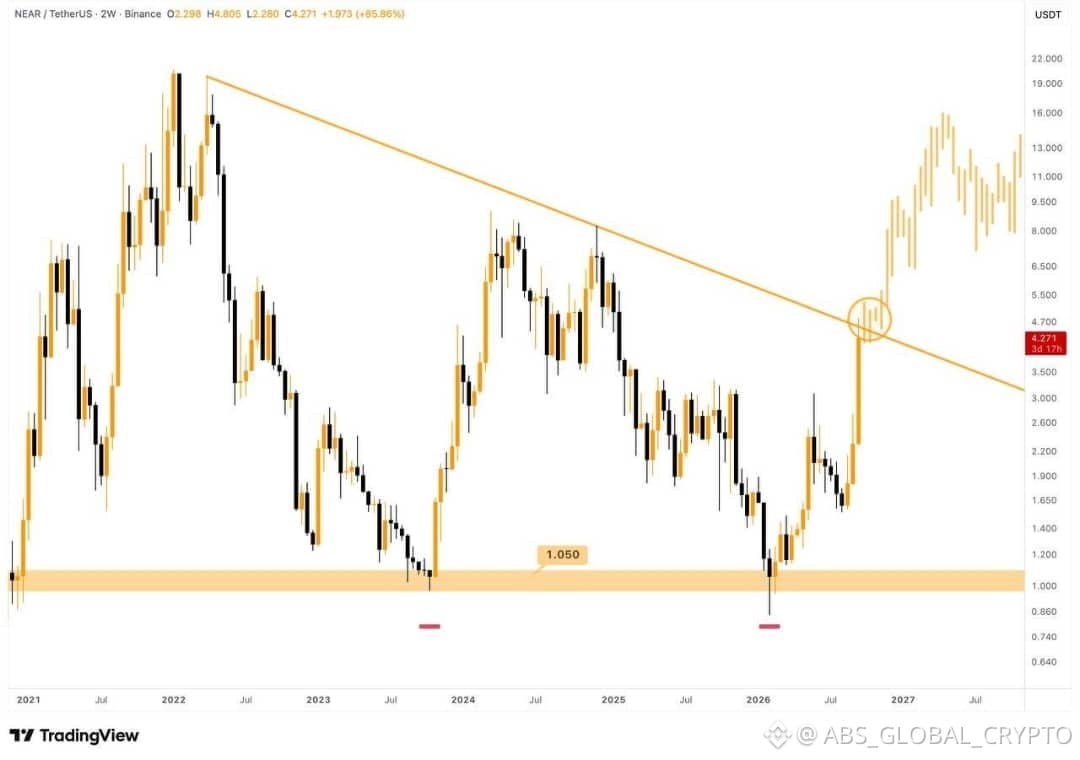
The level I am watching is this trend line that took its place from 2022.
Break it up and I am a buyer with the target $10+.
$NEAR
The level I am watching is this trend line that took its place from 2022.
Break it up and I am a buyer with the target $10+.
The level I am watching is this trend line that took its place from 2022.
Break it up and I am a buyer with the target $10+.
49
🐝 $BTC UPDATE
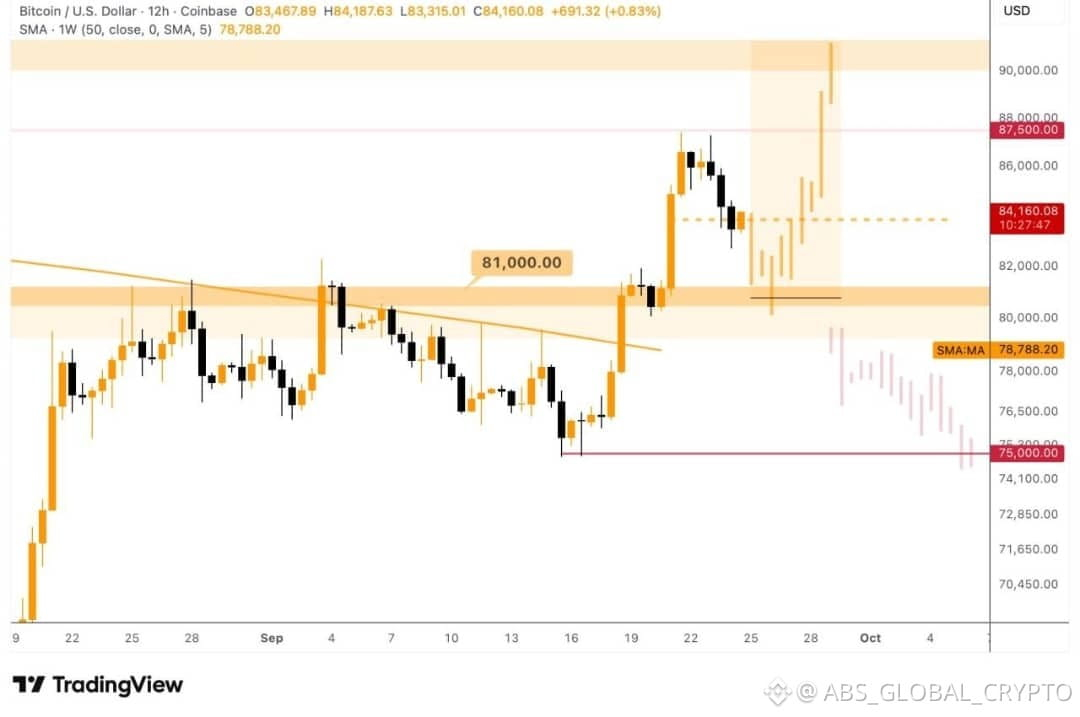
Bought $BTC on spot near the $84,000 support, sticking to the plan.
No leveraged LONG for now.
The zone of my main interest remains in the $79,000 - $80,000 area. There I will buy more spot & potentially open LONG if there will be a positive reaction.
Losing this support will lead us down to $75,000.
🐝 $BTC UPDATE
Bought $BTC on spot near the $84,000 support, sticking to the plan.
No leveraged LONG for now.
The zone of my main interest remains in the $79,000 - $80,000 area. There I will buy more spot & potentially open LONG if there will be a positive reaction.
Losing this support will lead us down to $75,000.
Bought $BTC on spot near the $84,000 support, sticking to the plan.
No leveraged LONG for now.
The zone of my main interest remains in the $79,000 - $80,000 area. There I will buy more spot & potentially open LONG if there will be a positive reaction.
Losing this support will lead us down to $75,000.
62
$PYTH Macro chart
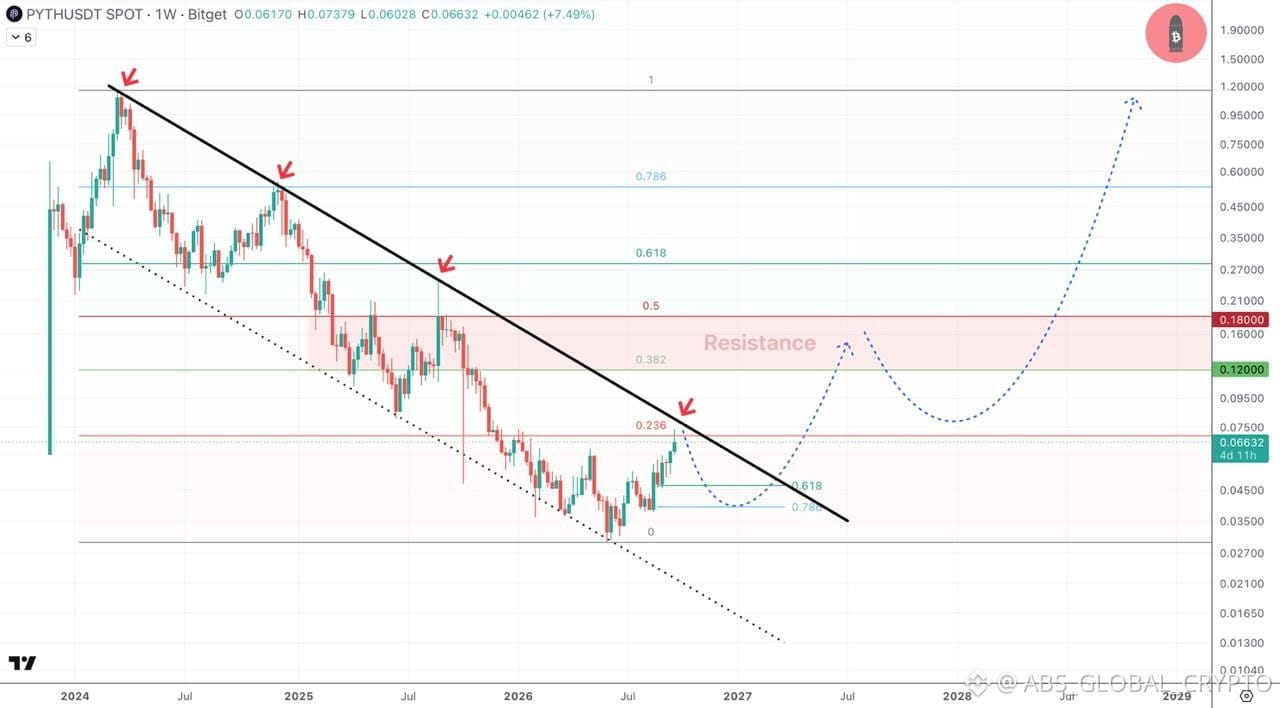
$PYTH is facing Resistance here and I wouldn't be surprised to see a pullback to $0.04-0.05 before breaking out of this giant Downward Channel 📈
{spot}(PYTHUSDT)
🔨 Major Resistance/Target 1 - $0.12-0.18
🎯 My main targets are $0.5 - $1 - $1.8
$PYTH Macro chart
$PYTH is facing Resistance here and I wouldn't be surprised to see a pullback to $0.04-0.05 before breaking out of this giant Downward Channel 📈
🔨 Major Resistance/Target 1 - $0.12-0.18
🎯 My main targets are $0.5 - $1 - $1.8
$PYTH is facing Resistance here and I wouldn't be surprised to see a pullback to $0.04-0.05 before breaking out of this giant Downward Channel 📈
🔨 Major Resistance/Target 1 - $0.12-0.18
🎯 My main targets are $0.5 - $1 - $1.8
ABS_GLOBAL_CRYPTO
·
--
Bullish🔥 NASDAQ chose $PYTH for real-time market data
That's why I'm still bullish on $PYTH
That's why I'm still bullish on $PYTH
29
·
--
Bullish
🔥 NASDAQ chose $PYTH for real-time market data
That's why I'm still bullish on $PYTH
{future}(PYTHUSDT)
🔥 NASDAQ chose $PYTH for real-time market data
That's why I'm still bullish on $PYTH
That's why I'm still bullish on $PYTH

1
240
🔥 #NEAR partnered with #Ondo Finance to let eligible users confidentially buy and hold Ondo's tokenized US stocks and ETFs on near.com
This is incredibly bullish for $NEAR & $ONDO 2027-2029 🚀
🔥 #NEAR partnered with #Ondo Finance to let eligible users confidentially buy and hold Ondo's tokenized US stocks and ETFs on near.com
This is incredibly bullish for $NEAR & $ONDO 2027-2029 🚀
This is incredibly bullish for $NEAR & $ONDO 2027-2029 🚀

53
JUST IN: $ZEC SETTLED $23B IN TRANSFER VOLUME IN THE LAST WEEK
IT’S HIGHEST VOLUME SINCE 2021 AND SECOND HIGHEST WEEK EVER
What is your target on $ZEC ?
JUST IN: $ZEC SETTLED $23B IN TRANSFER VOLUME IN THE LAST WEEK
IT’S HIGHEST VOLUME SINCE 2021 AND SECOND HIGHEST WEEK EVER
What is your target on $ZEC ?
IT’S HIGHEST VOLUME SINCE 2021 AND SECOND HIGHEST WEEK EVER
What is your target on $ZEC ?
70
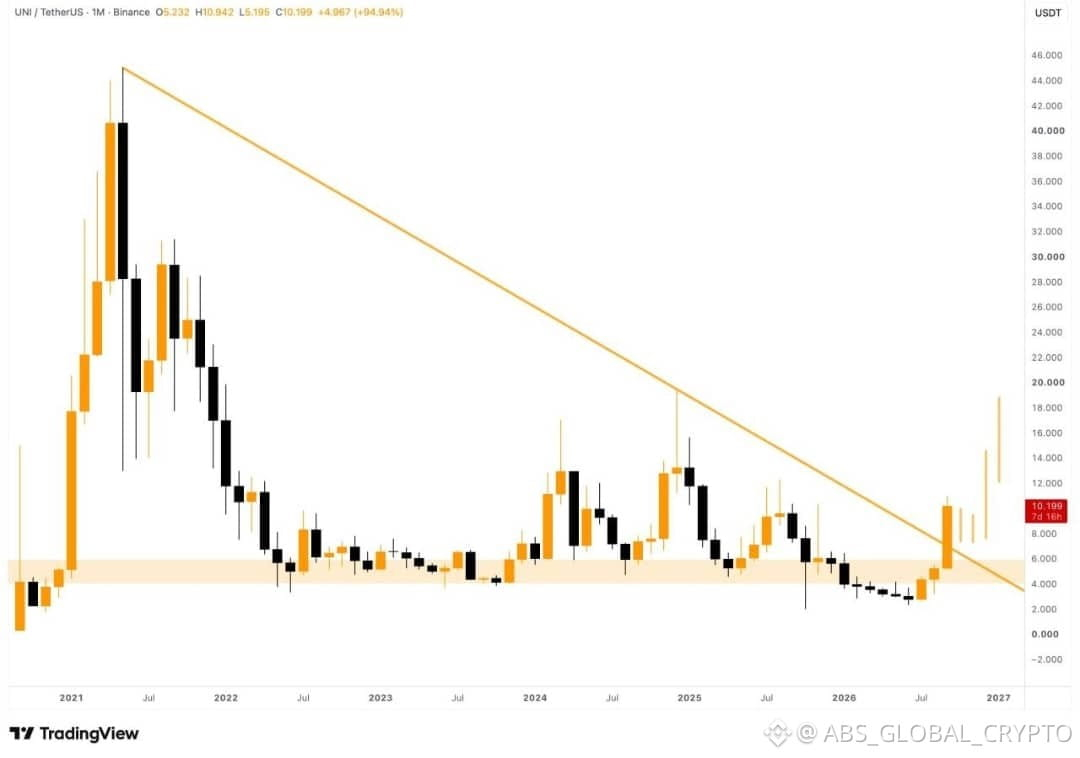
$UNI
I think $UNI will reach $20 this year. The zone of $6 - $8 is good for accumulating.
One of the safest trades in 2026. #Uniswp
$UNI
I think $UNI will reach $20 this year. The zone of $6 - $8 is good for accumulating.
One of the safest trades in 2026. #Uniswp
I think $UNI will reach $20 this year. The zone of $6 - $8 is good for accumulating.
One of the safest trades in 2026. #Uniswp
63
$LDO LONG
Entry: $0.4257
🎯 TP1 — $0.4393
🎯 TP2 — $0.4513
🎯 TP3 — $0.4686
🛑 SL — $0.4083
$LDO LONG
Entry: $0.4257
🎯 TP1 — $0.4393
🎯 TP2 — $0.4513
🎯 TP3 — $0.4686
🛑 SL — $0.4083
Entry: $0.4257
🎯 TP1 — $0.4393
🎯 TP2 — $0.4513
🎯 TP3 — $0.4686
🛑 SL — $0.4083
193
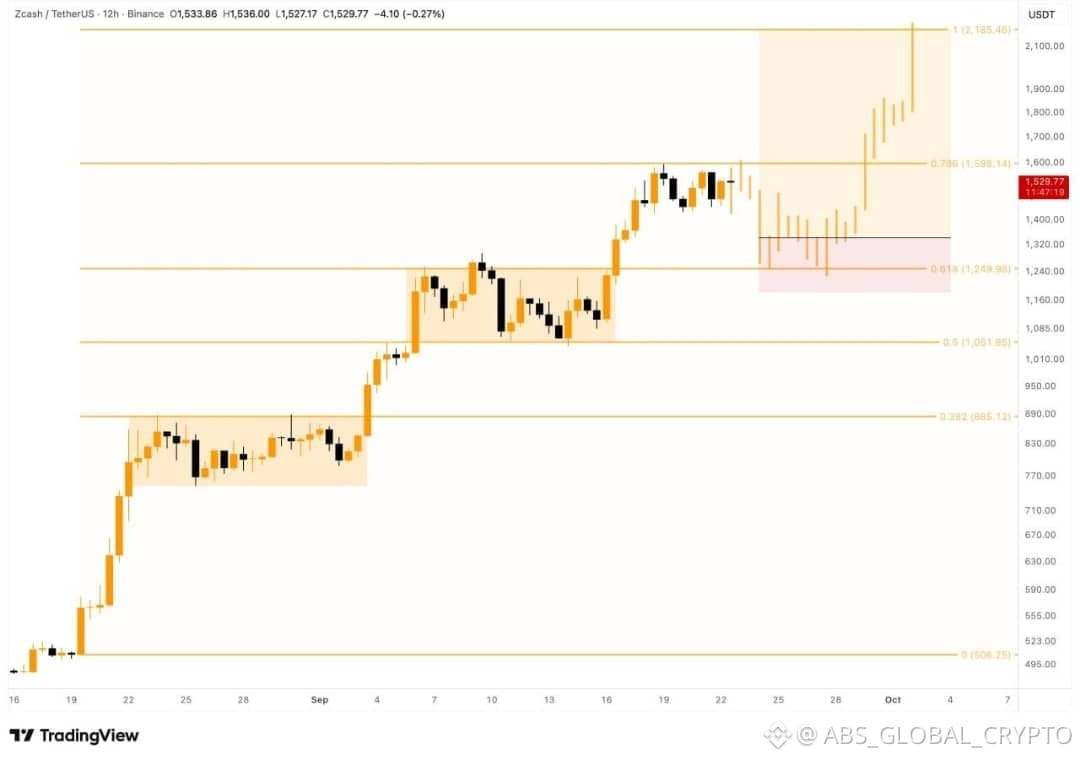
$ZEC
Buying setup
🟢 Buy/Demand zone $1,240–$1,320
🎯 TP1: ~$1,598
🎯 TP2: ~$1,800
🎯 TP3: ~$2,100–$2,185
⚠️ SL~$1160
$ZEC
Buying setup
🟢 Buy/Demand zone $1,240–$1,320
🎯 TP1: ~$1,598
🎯 TP2: ~$1,800
🎯 TP3: ~$2,100–$2,185
⚠️ SL~$1160
Buying setup
🟢 Buy/Demand zone $1,240–$1,320
🎯 TP1: ~$1,598
🎯 TP2: ~$1,800
🎯 TP3: ~$2,100–$2,185
⚠️ SL~$1160
1
189
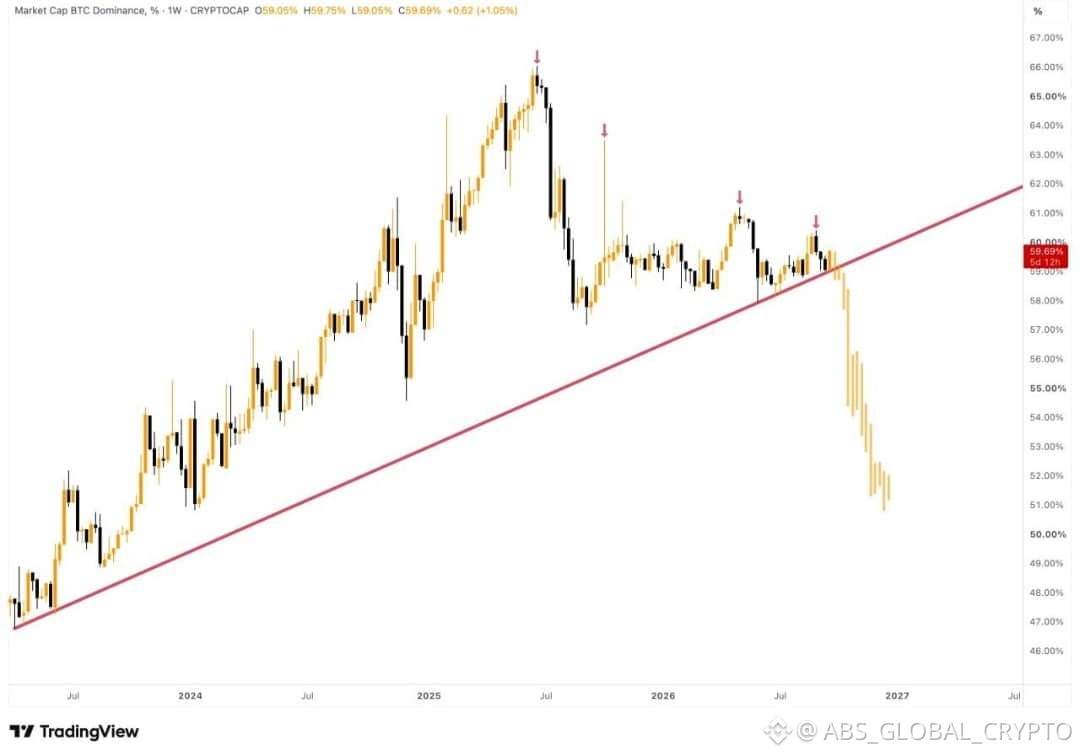
🔥 $BTC #DOMINANCE UPDATE
Break this trend line down and we will get an altcoin season we haven't seen in ages.
🔥 $BTC #DOMINANCE UPDATE
Break this trend line down and we will get an altcoin season we haven't seen in ages.
Break this trend line down and we will get an altcoin season we haven't seen in ages.
35
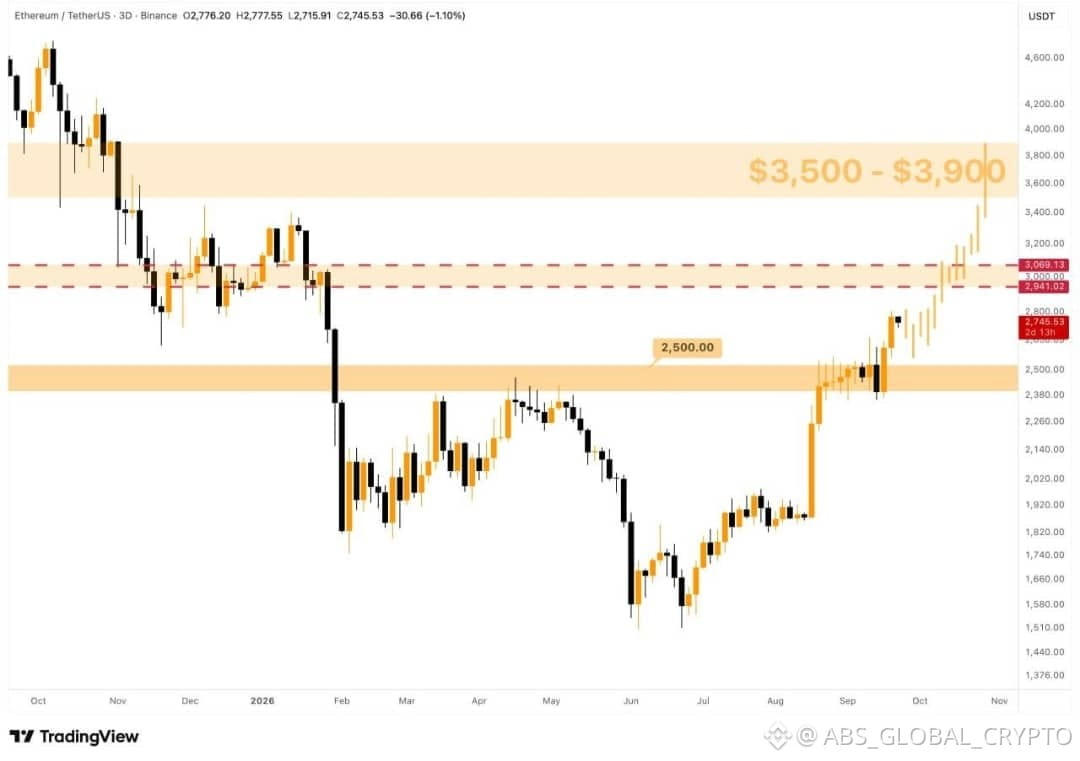
🦋 $ETH UPDATE
The fun thing is that $ETH is actually going to reach $10,000 milestone during this cycle. But that's the other story.
The key support is $2500 and I can barely see #Ethereum breaking it down anytime soon.
You can either buy spot now and in case of correction or go LONG with low leverage (x2 - x3). Intermediate target is $3000.
🦋 $ETH UPDATE
The fun thing is that $ETH is actually going to reach $10,000 milestone during this cycle. But that's the other story.
The key support is $2500 and I can barely see #Ethereum breaking it down anytime soon.
You can either buy spot now and in case of correction or go LONG with low leverage (x2 - x3). Intermediate target is $3000.
The fun thing is that $ETH is actually going to reach $10,000 milestone during this cycle. But that's the other story.
The key support is $2500 and I can barely see #Ethereum breaking it down anytime soon.
You can either buy spot now and in case of correction or go LONG with low leverage (x2 - x3). Intermediate target is $3000.
7
7
11.8k
$META USDT — SHORT
Entry: $738.441
TP1: $713.424
TP2: $691.211
TP3: $659.477
Stop Loss: $770.543
Leverage shown: 20×
$META USDT — SHORT
Entry: $738.441
TP1: $713.424
TP2: $691.211
TP3: $659.477
Stop Loss: $770.543
Leverage shown: 20×
Entry: $738.441
TP1: $713.424
TP2: $691.211
TP3: $659.477
Stop Loss: $770.543
Leverage shown: 20×
138
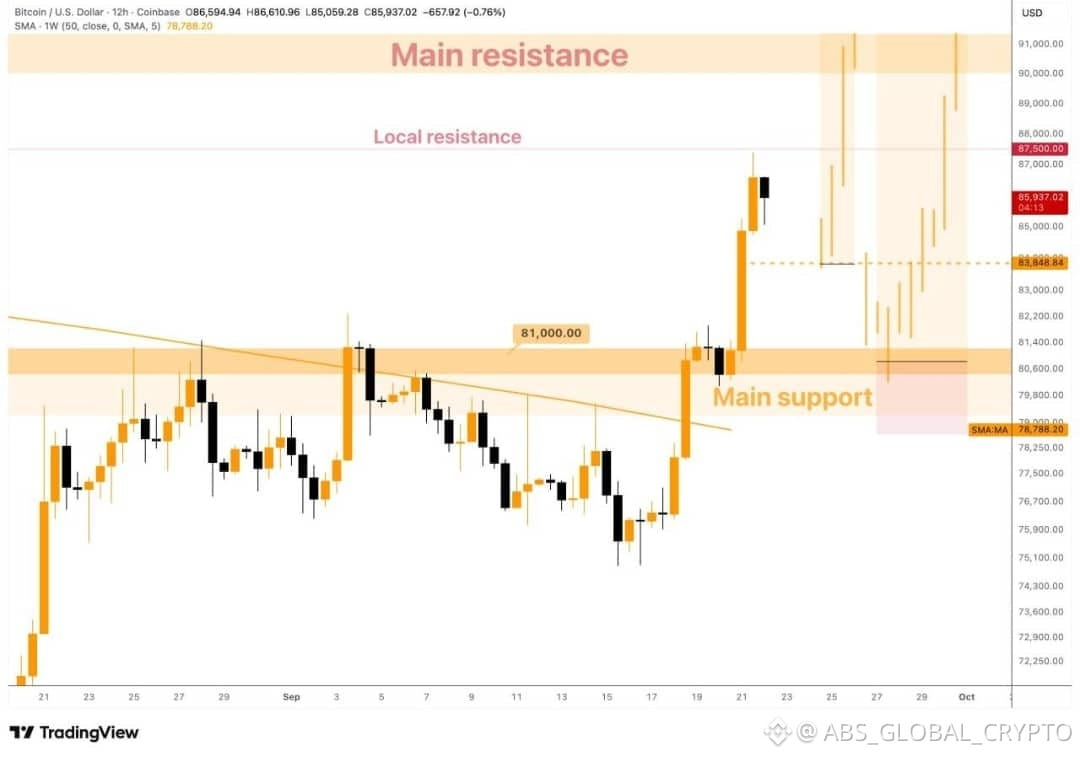
🐝 $BTC UPDATE
We are in a bullish trend now, all dips are for buying, as they say.
The main resistance — $90,000. Can we go straightforward to that level? Sure.
But there are high chances of visiting $84,000 support before that. Especially after that rejection from the local $87,500 resistance.
📝 My plan:
- Buy spot at $84,000 support and go LONG only in case of a positive reaction on that level. Opening LONG position there without confirmation is risky.
- Buy spot at $79,000 - $80,000 and go LONG there as this is the main support of the bullish momentum. This support aligns with the Weekly MA50.
Opening any SHORT position now is trading against the trend and can only be performed by professionals. #BTC
🐝 $BTC UPDATE
We are in a bullish trend now, all dips are for buying, as they say.
The main resistance — $90,000. Can we go straightforward to that level? Sure.
But there are high chances of visiting $84,000 support before that. Especially after that rejection from the local $87,500 resistance.
📝 My plan:
- Buy spot at $84,000 support and go LONG only in case of a positive reaction on that level. Opening LONG position there without confirmation is risky.
- Buy spot at $79,000 - $80,000 and go LONG there as this is the main support of the bullish momentum. This support aligns with the Weekly MA50.
Opening any SHORT position now is trading against the trend and can only be performed by professionals. #BTC
We are in a bullish trend now, all dips are for buying, as they say.
The main resistance — $90,000. Can we go straightforward to that level? Sure.
But there are high chances of visiting $84,000 support before that. Especially after that rejection from the local $87,500 resistance.
📝 My plan:
- Buy spot at $84,000 support and go LONG only in case of a positive reaction on that level. Opening LONG position there without confirmation is risky.
- Buy spot at $79,000 - $80,000 and go LONG there as this is the main support of the bullish momentum. This support aligns with the Weekly MA50.
Opening any SHORT position now is trading against the trend and can only be performed by professionals. #BTC
74
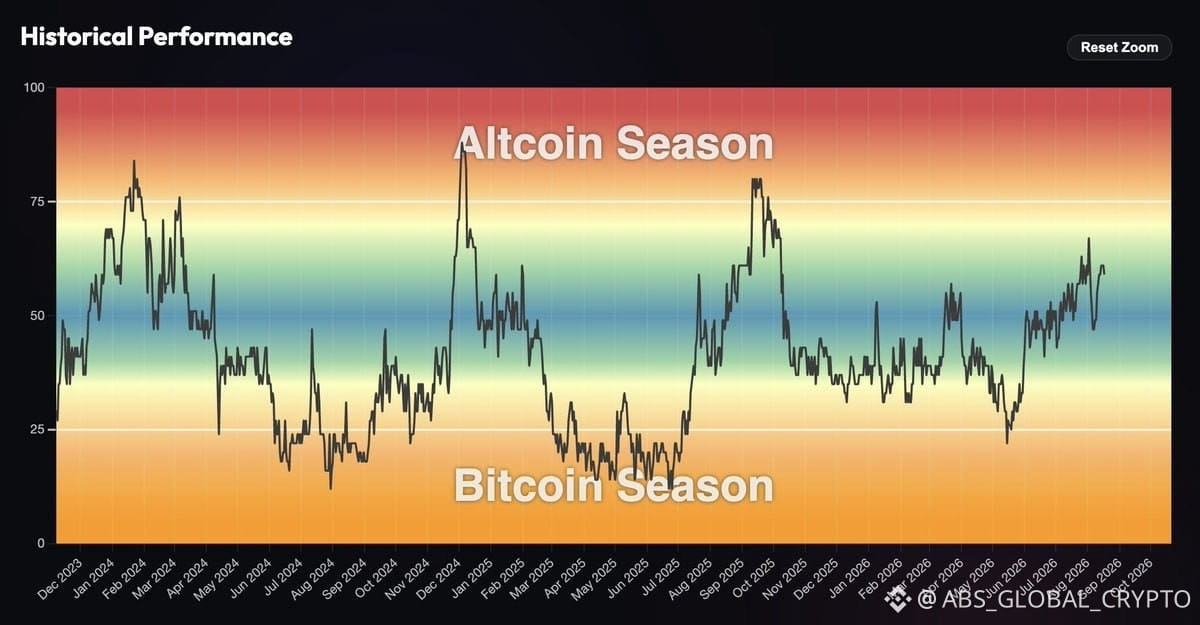
ALTSEASON SIGNAL? 👀
Something is quietly changing in the market.
The majority of Top 50 altcoins have outperformed $BTC over the last 3 months.
The move became more noticeable after the June correction, when many alts found their local bottoms and started recovering.
Now that relative strength is slowly creeping higher, we could be seeing the early stages of capital rotation from BTC into stronger altcoins.
But here's the important part:
Don't buy everything just because it's an altcoin.
The money usually flows toward the strongest narratives first.
Watch:
BTC dominance
ETH/BTC strength
Altcoin relative strength
Volume expansion
New catalysts
Liquidity and market structure
The question isn't whether altseason is coming.
The question is:
Which altcoins will actually lead it?
{future}(BTCUSDT)
ALTSEASON SIGNAL? 👀
Something is quietly changing in the market.
The majority of Top 50 altcoins have outperformed $BTC over the last 3 months.
The move became more noticeable after the June correction, when many alts found their local bottoms and started recovering.
Now that relative strength is slowly creeping higher, we could be seeing the early stages of capital rotation from BTC into stronger altcoins.
But here's the important part:
Don't buy everything just because it's an altcoin.
The money usually flows toward the strongest narratives first.
Watch:
BTC dominance
ETH/BTC strength
Altcoin relative strength
Volume expansion
New catalysts
Liquidity and market structure
The question isn't whether altseason is coming.
The question is:
Which altcoins will actually lead it?
Something is quietly changing in the market.
The majority of Top 50 altcoins have outperformed $BTC over the last 3 months.
The move became more noticeable after the June correction, when many alts found their local bottoms and started recovering.
Now that relative strength is slowly creeping higher, we could be seeing the early stages of capital rotation from BTC into stronger altcoins.
But here's the important part:
Don't buy everything just because it's an altcoin.
The money usually flows toward the strongest narratives first.
Watch:
BTC dominance
ETH/BTC strength
Altcoin relative strength
Volume expansion
New catalysts
Liquidity and market structure
The question isn't whether altseason is coming.
The question is:
Which altcoins will actually lead it?
121
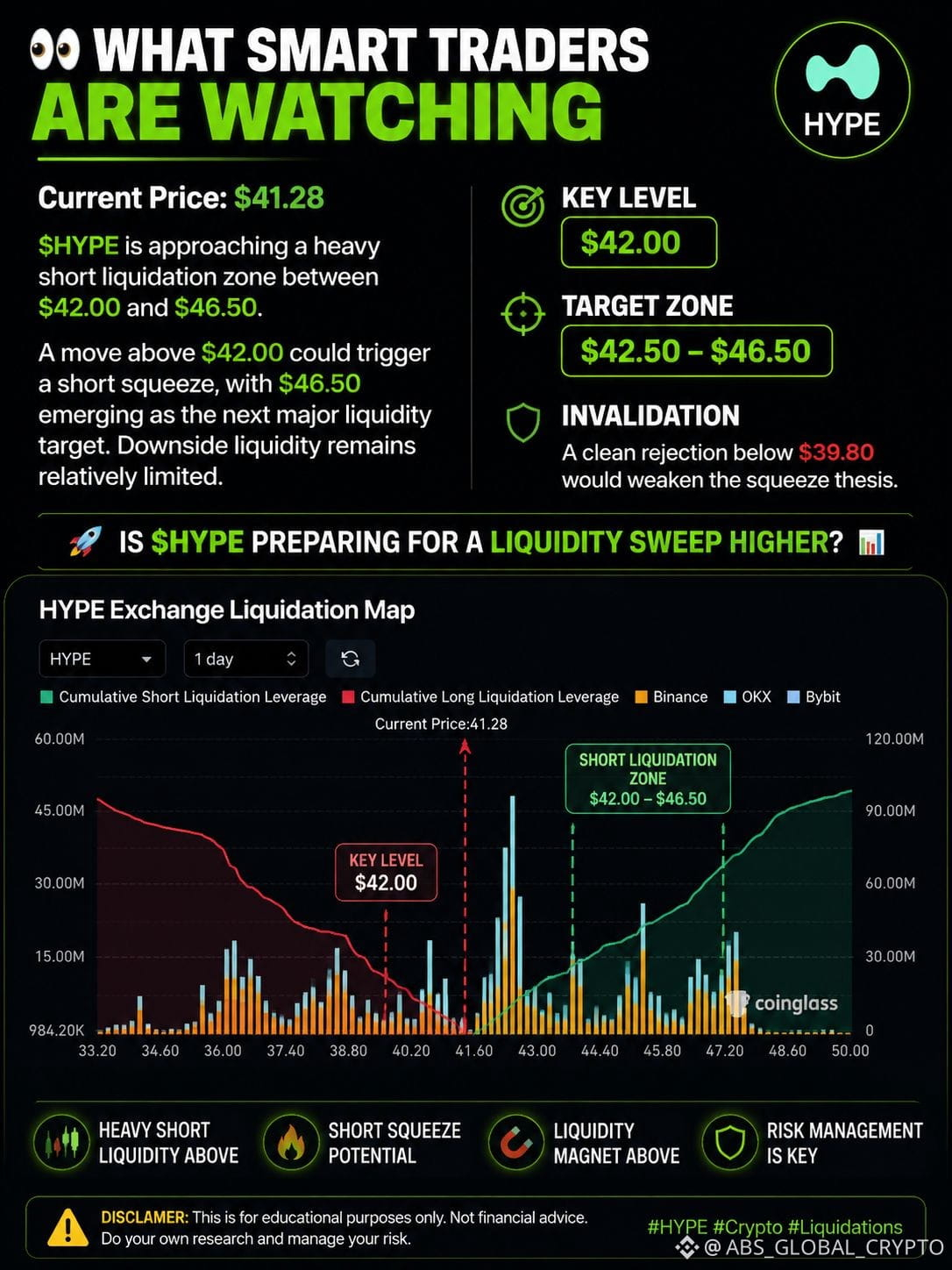
🚨 SMART MONEY IS WATCHING $HYPE
$HYPE is sitting in a zone where a relatively small breakout could potentially trigger a chain reaction of short liquidations.
The question isn't whether liquidity exists.
The question is: HOW HIGH DOES PRICE NEED TO GO TO REACH IT?
📍 Key Level: 42
🔥 Target zone : 56 - 66
🎯 Major Liquidity Target: $[TARGET]
If bulls reclaim the key level, trapped shorts could become forced buyers — creating the fuel for another leg higher.
But if the level rejects, expect the market to hunt downside liquidity first.
$HYPE — liquidity sweep higher or another trap?
{future}(HYPEUSDT)
👇 Would you LONG or SHORT here?
#hype #Hyperliquid #LiquidationData #CryptoTrading. #BinanceSquare
🚨 SMART MONEY IS WATCHING $HYPE
$HYPE is sitting in a zone where a relatively small breakout could potentially trigger a chain reaction of short liquidations.
The question isn't whether liquidity exists.
The question is: HOW HIGH DOES PRICE NEED TO GO TO REACH IT?
📍 Key Level: 42
🔥 Target zone : 56 - 66
🎯 Major Liquidity Target: $[TARGET]
If bulls reclaim the key level, trapped shorts could become forced buyers — creating the fuel for another leg higher.
But if the level rejects, expect the market to hunt downside liquidity first.
$HYPE — liquidity sweep higher or another trap?
👇 Would you LONG or SHORT here?
#hype #Hyperliquid #LiquidationData #CryptoTrading. #BinanceSquare
$HYPE is sitting in a zone where a relatively small breakout could potentially trigger a chain reaction of short liquidations.
The question isn't whether liquidity exists.
The question is: HOW HIGH DOES PRICE NEED TO GO TO REACH IT?
📍 Key Level: 42
🔥 Target zone : 56 - 66
🎯 Major Liquidity Target: $[TARGET]
If bulls reclaim the key level, trapped shorts could become forced buyers — creating the fuel for another leg higher.
But if the level rejects, expect the market to hunt downside liquidity first.
$HYPE — liquidity sweep higher or another trap?
👇 Would you LONG or SHORT here?
#hype #Hyperliquid #LiquidationData #CryptoTrading. #BinanceSquare
123
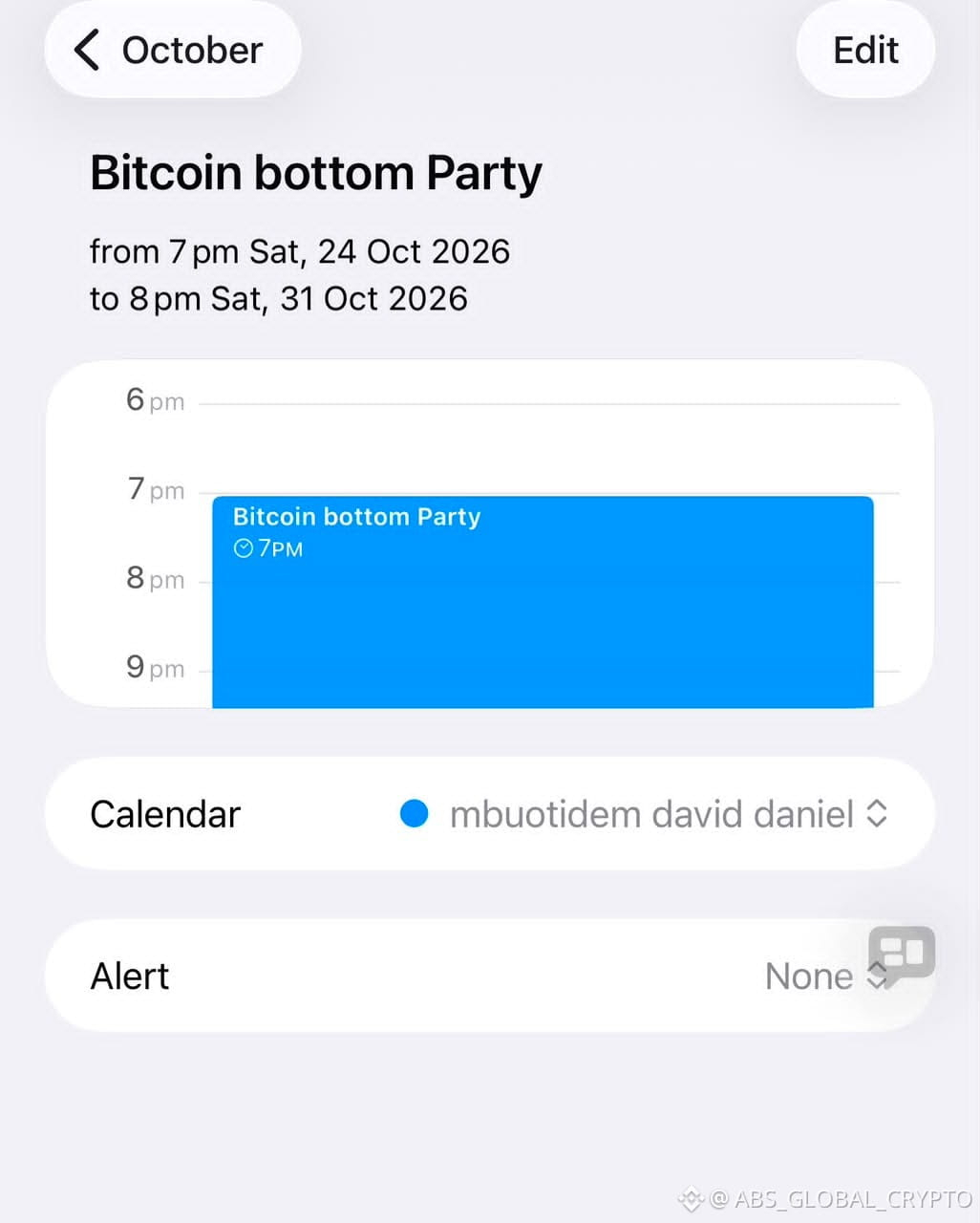
> “Mark your calendar: #Bitcoin's bottom is expected around October 24–31, 2026.”
🚨 SOMEONE ALREADY BOOKED THE $BTC BOTTOM PARTY 😂
📅 October 24–31, 2026
⏰ 7 PM
🎯 The prediction: #BTC bottom
But here's the real question:
Are we buying the dip before the party… or waiting for the invitation?
Prediction ≠ certainty. Let the market confirm the bottom.
> “Mark your calendar: #Bitcoin's bottom is expected around October 24–31, 2026.”
🚨 SOMEONE ALREADY BOOKED THE $BTC BOTTOM PARTY 😂
📅 October 24–31, 2026
⏰ 7 PM
🎯 The prediction: #BTC bottom
But here's the real question:
Are we buying the dip before the party… or waiting for the invitation?
Prediction ≠ certainty. Let the market confirm the bottom.
🚨 SOMEONE ALREADY BOOKED THE $BTC BOTTOM PARTY 😂
📅 October 24–31, 2026
⏰ 7 PM
🎯 The prediction: #BTC bottom
But here's the real question:
Are we buying the dip before the party… or waiting for the invitation?
Prediction ≠ certainty. Let the market confirm the bottom.
61
✔️ $LTC _USDT
{future}(LTCUSDT)
🟩 LONG
⚠️ LEVERAGE : 5X - 10X
📢 ENTRY-ZONE : 44.84 - 45.71
🎯 TAKE-PROFIT TARGETS
1️⃣ 46.30
2️⃣ 46.88
3️⃣ 47.47
4️⃣ 49.22
❌ STOP-LOSS : 44.26
💡After reaching the first target you can put the rest of the position to breakeven.
🔆 APPLY PROPER RISK MANAGEMENT - MANAGE YOUR RISK WELL
🚫 RISK WHAT YOU CAN AFFORD TO LOOSE PLS
🕯️ WAIT FOR THE ENTRY ZONE
✔️ $LTC _USDT
🟩 LONG
⚠️ LEVERAGE : 5X - 10X
📢 ENTRY-ZONE : 44.84 - 45.71
🎯 TAKE-PROFIT TARGETS
1️⃣ 46.30
2️⃣ 46.88
3️⃣ 47.47
4️⃣ 49.22
❌ STOP-LOSS : 44.26
💡After reaching the first target you can put the rest of the position to breakeven.
🔆 APPLY PROPER RISK MANAGEMENT - MANAGE YOUR RISK WELL
🚫 RISK WHAT YOU CAN AFFORD TO LOOSE PLS
🕯️ WAIT FOR THE ENTRY ZONE
🟩 LONG
⚠️ LEVERAGE : 5X - 10X
📢 ENTRY-ZONE : 44.84 - 45.71
🎯 TAKE-PROFIT TARGETS
1️⃣ 46.30
2️⃣ 46.88
3️⃣ 47.47
4️⃣ 49.22
❌ STOP-LOSS : 44.26
💡After reaching the first target you can put the rest of the position to breakeven.
🔆 APPLY PROPER RISK MANAGEMENT - MANAGE YOUR RISK WELL
🚫 RISK WHAT YOU CAN AFFORD TO LOOSE PLS
🕯️ WAIT FOR THE ENTRY ZONE
55
🐝 $BTC UPDATE
{future}(BTCUSDT)
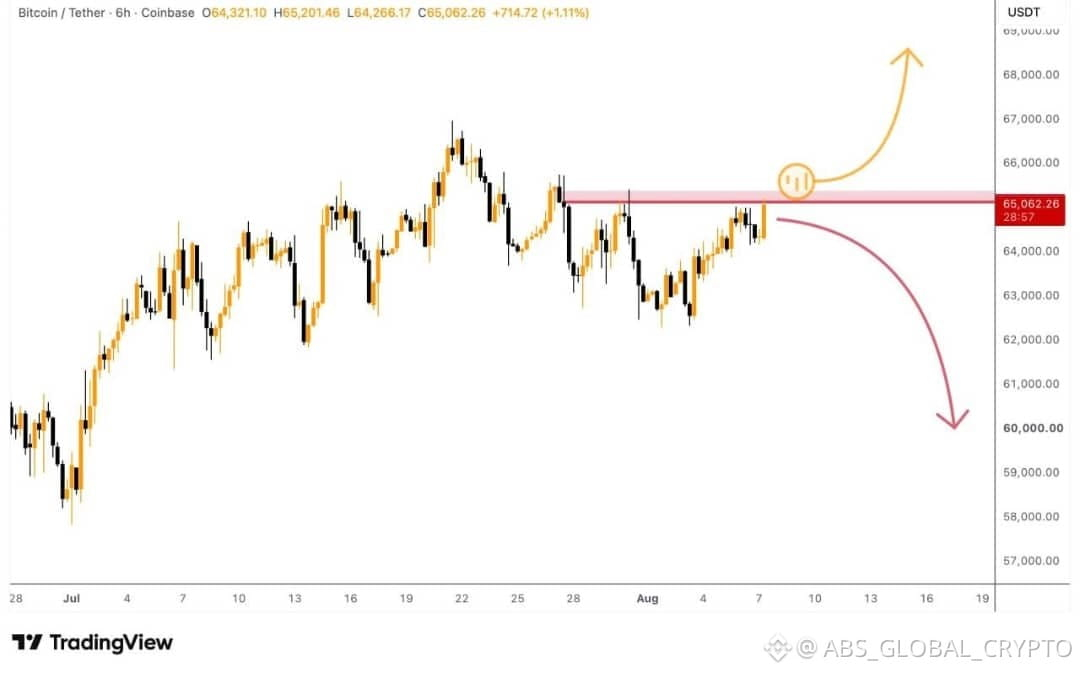
The price has approached the resistance. The plan remains simple as before.
As long as the price can't take hold above the $65,100 - $65,300 resistance — we tend to be bearish.
Successful consolidation above this level would be bullish and favor LONG positions. In this case we can expect a move up toward $67,000 - $68,000 area.
🐝 $BTC UPDATE
The price has approached the resistance. The plan remains simple as before.
As long as the price can't take hold above the $65,100 - $65,300 resistance — we tend to be bearish.
Successful consolidation above this level would be bullish and favor LONG positions. In this case we can expect a move up toward $67,000 - $68,000 area.
The price has approached the resistance. The plan remains simple as before.
As long as the price can't take hold above the $65,100 - $65,300 resistance — we tend to be bearish.
Successful consolidation above this level would be bullish and favor LONG positions. In this case we can expect a move up toward $67,000 - $68,000 area.
55
Log in to explore more content
Join global crypto users on Binance Square
⚡️ Get latest and useful information about crypto.
💬 Trusted by the world’s largest crypto exchange.
👍 Discover real insights from verified creators.
Email / Phone number