
黎明同学
1.8k Posts

黎明同学
Report
Block User
公众号:黎明交易笔记 X推特:@BTC01888
加密市场老玩家|抓波段、挖叙事
情绪周期研究者|短线为主、逻辑为辅
记录自己的思考,也分享有用的信息
29 Following
948 Followers
872 Liked
Posts
All
Quotes
Videos
·
--
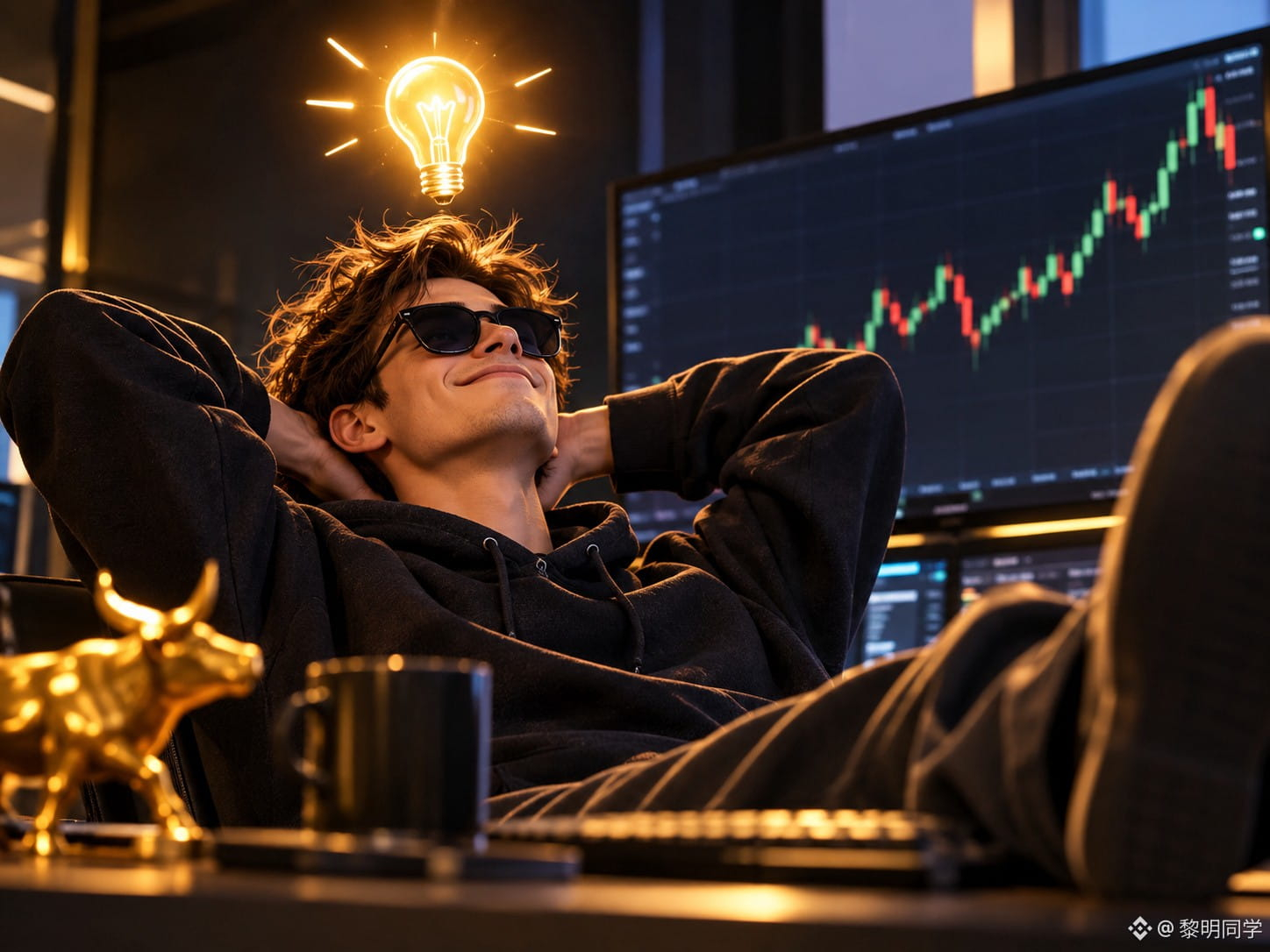
There are no geniuses in trading. The people who truly manage to survive over the long term are basically the ones who’ve refined their system until it’s painfully boring. Staying up past midnight watching the charts, pulling one or two all-nighters when the market moves—anyone can do that. Most people just can’t keep it up. Those so-called “flashes of inspiration” are few and far between. Most of the time, you’re simply working within your own framework, repeatedly testing the odds in the market.
If you want to make something of this, you need courage, the persistence to put in the unglamorous work, and a favorable moment—and luck. You can’t do without any of them. No one is born to make a living at this.
Now, about the market itself. Nvidia fell, and some people insisted on tying it to Huang’s personal affairs. Put plainly, that’s just finding a story to tell after the fact. Bad news is always used to explain a drop. If this particular news hadn’t existed, some other story would have been trotted out instead. The underlying reason is that the price had reached a point where it needed to correct; the news was just the supporting character the market chose.
Prices usually rise because they’ve fallen enough beforehand, and fall because they’ve risen enough beforehand. The news, rumors, and emotions in between are just an illusion that makes people feel, “I think I understand what’s going on.” Investing is inherently a highly uncertain game of probabilities. No one can truly control it. You can only act when the odds are relatively in your favor, then take responsibility for your own judgment.
You can listen to other people’s opinions and take them into account, but you’re the one who ultimately presses the buy button. The only thing you can rely on is your own, tested reasoning—not all those hindsight explanations from people who think they knew it all along.
1
235
·
--
After last week's hack, Binance is back to normal, and Bitcoin looks set to climb back above 80,000. Things are returning to normal. There’s still room to trade in the secondary market, but I’ve decided to wait a little longer and sit this one out for now.
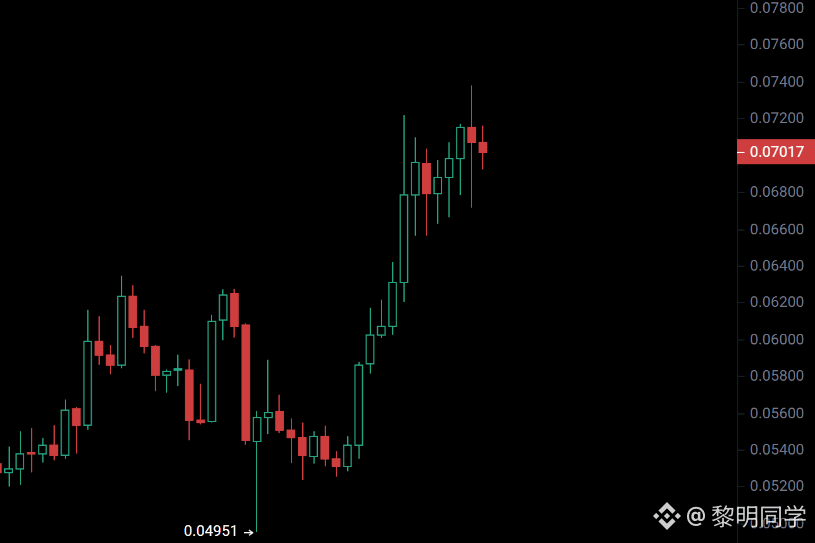
Also, I was right about $牛来 . After following the market downturn a couple of days ago, it bounced back quickly. Honestly, once the bull market comes, it’ll rise a lot. It offers better value for money than Binance Life. If you have enough capital, you could consider buying spot on dips.
Also, I was right about $牛来 . After following the market downturn a couple of days ago, it bounced back quickly. Honestly, once the bull market comes, it’ll rise a lot. It offers better value for money than Binance Life. If you have enough capital, you could consider buying spot on dips.
1
1.1k
·
--
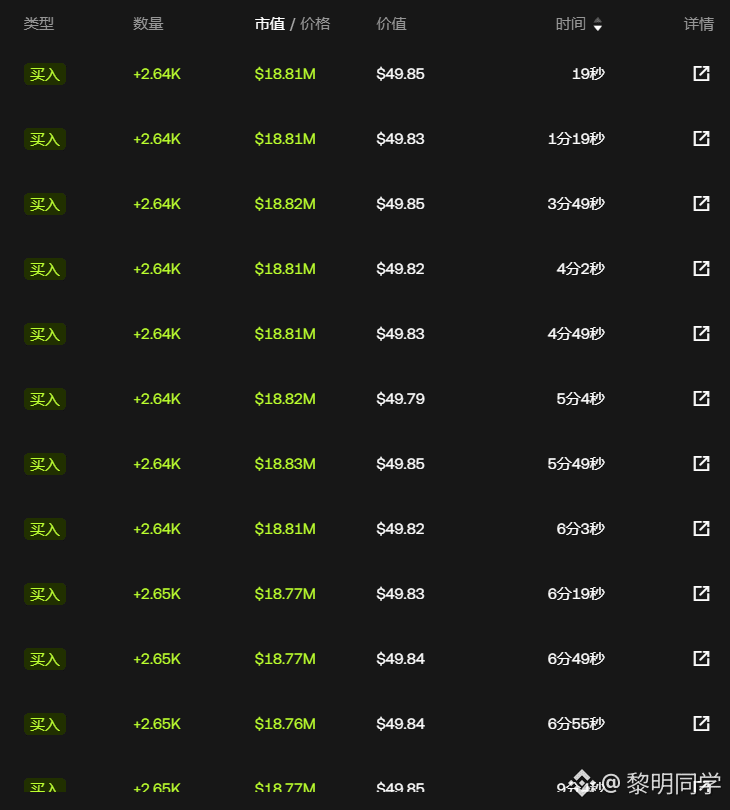
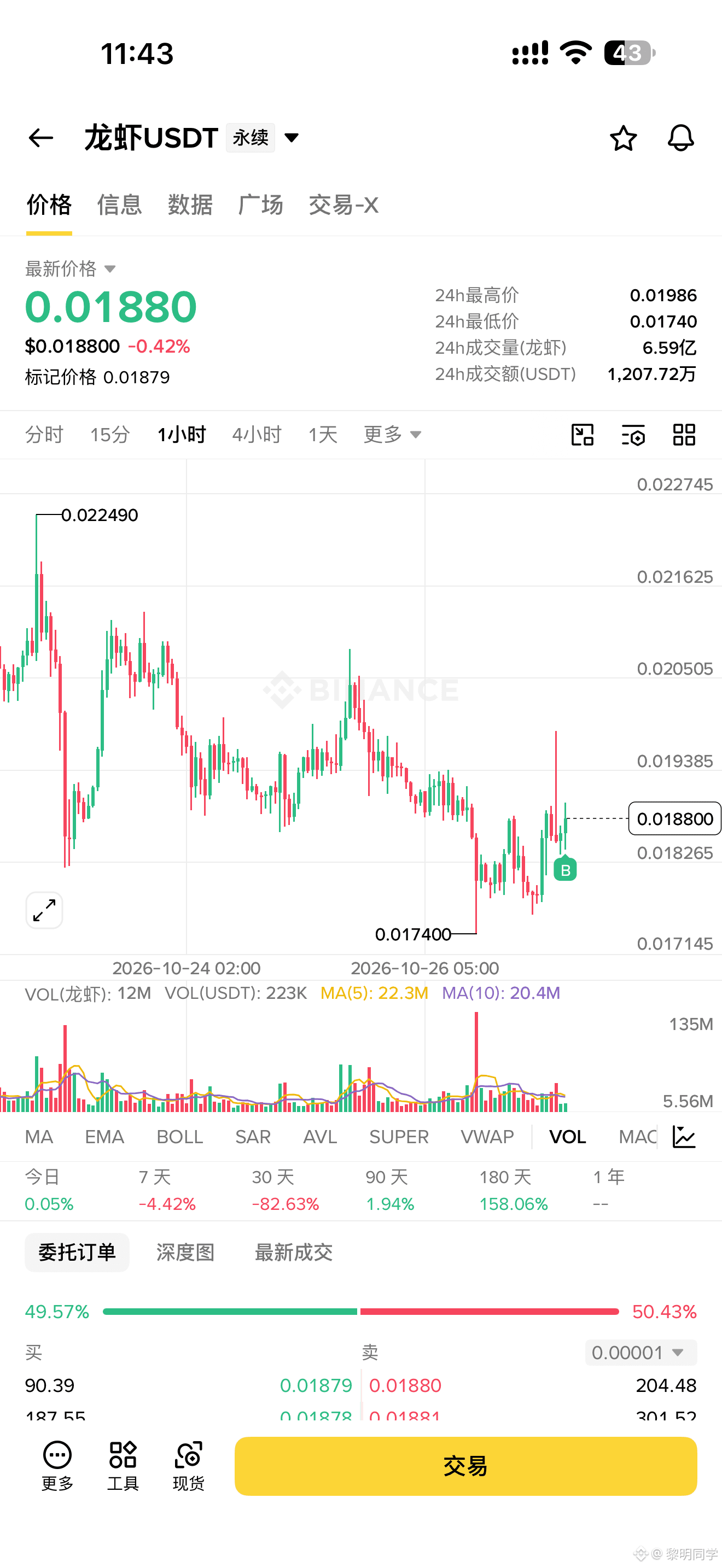
Is Lobster about to bounce back from the bottom? Let's place an order and see what happens. #龙虾
Is Lobster about to bounce back from the bottom? Let's place an order and see what happens. #龙虾
1
1.2k
·
--
$CAP has reduced their position. The price may chop around this level for a while.
$CAP has reduced their position. The price may chop around this level for a while.
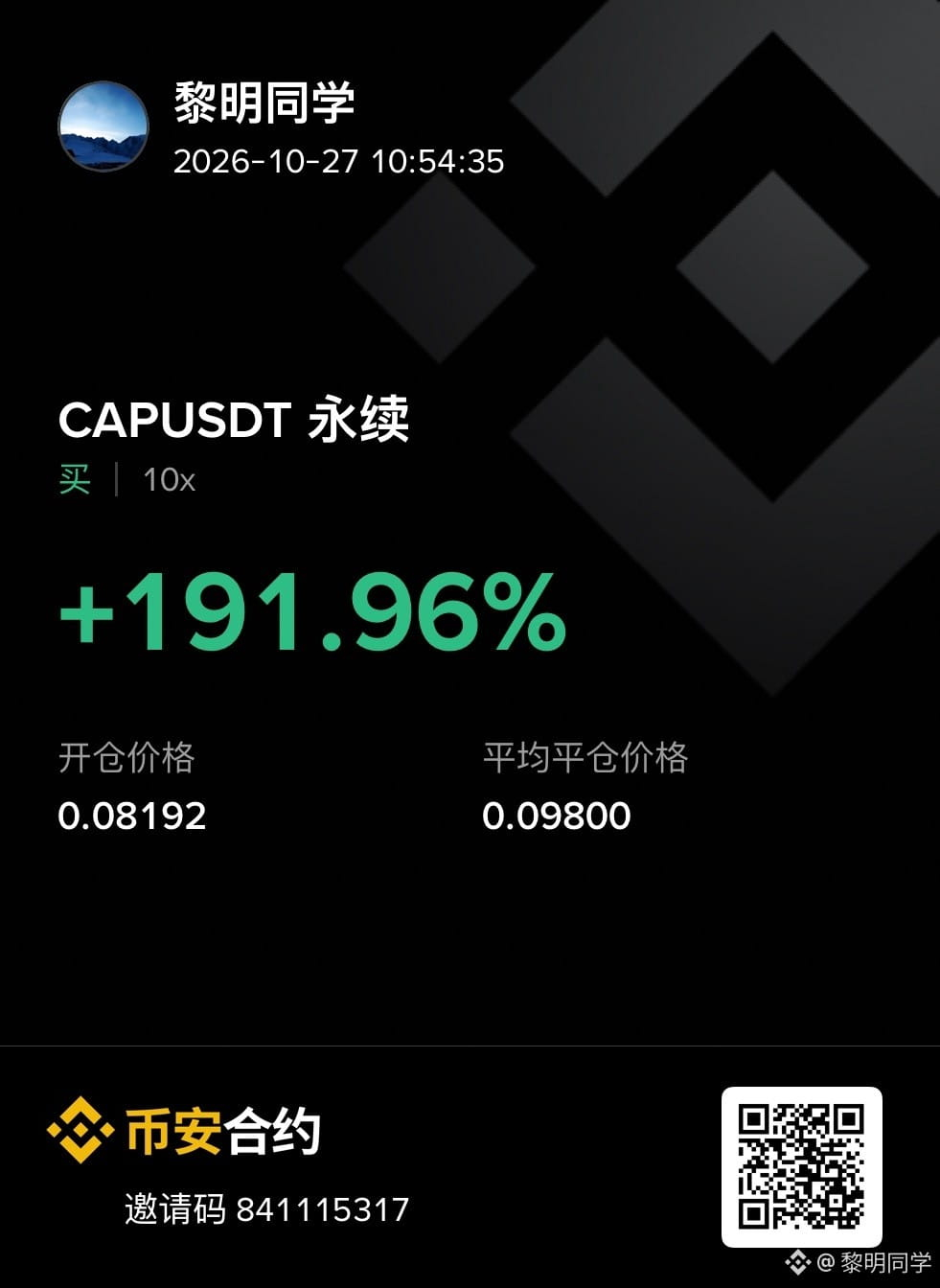
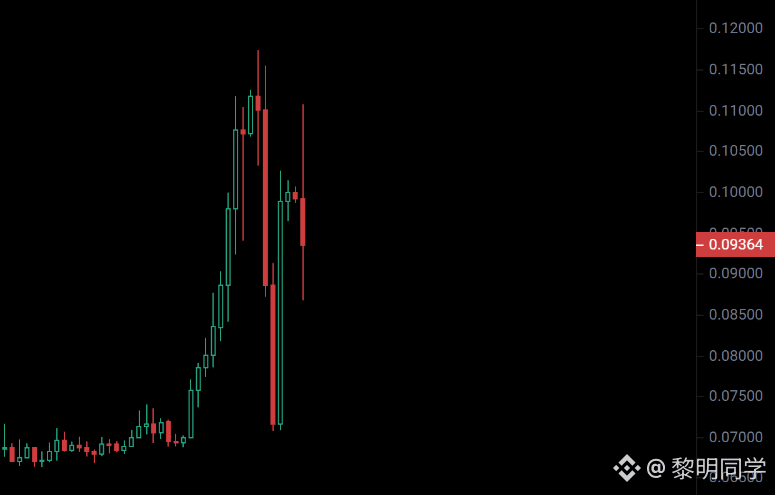
黎明同学
·
--
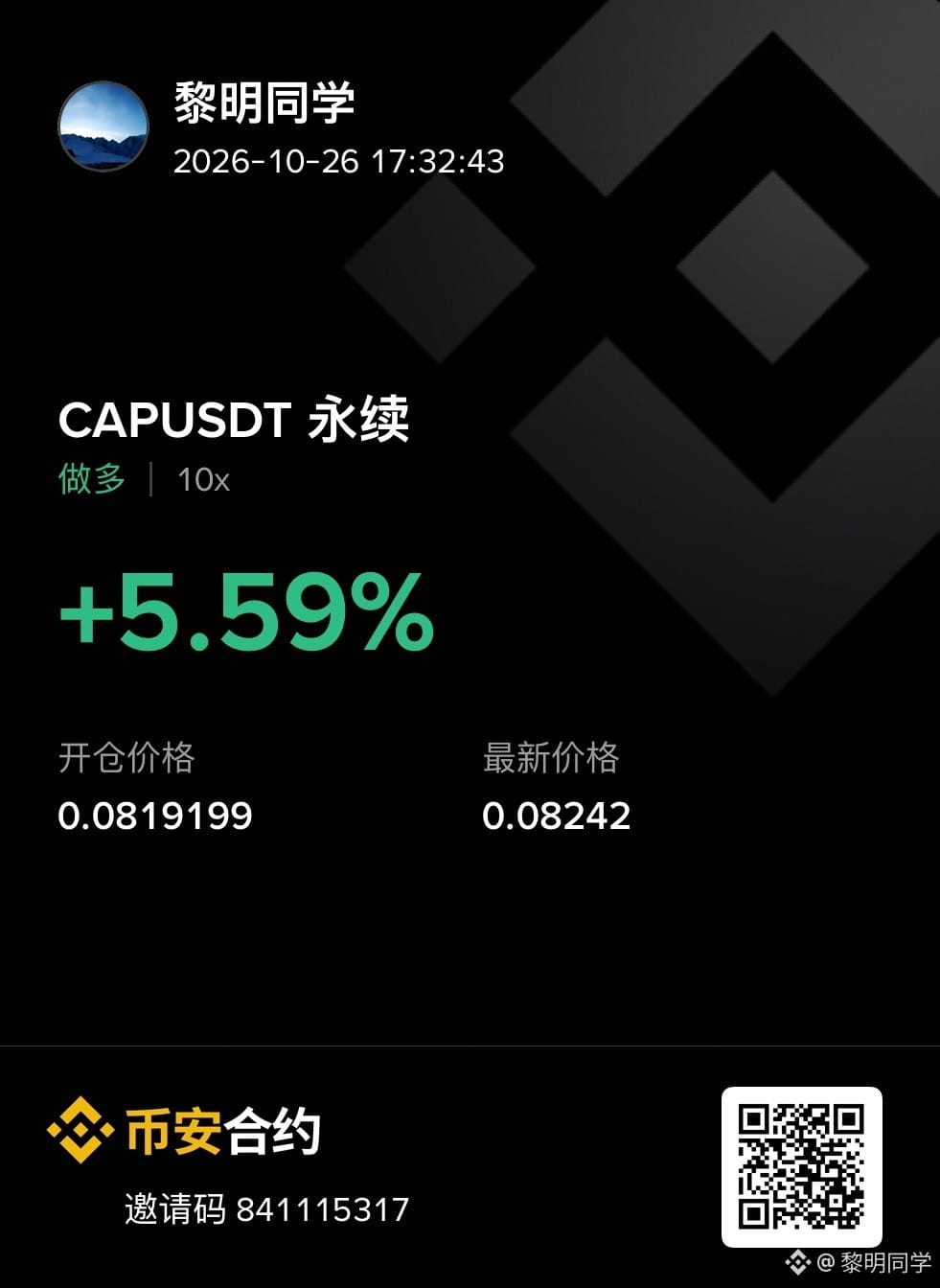
$CAP is doing pretty well—returns doubled in 3 hours. Let’s see if it surges overnight.
1
210
·
--
$CAP is doing pretty well—returns doubled in 3 hours. Let’s see if it surges overnight.
$CAP is doing pretty well—returns doubled in 3 hours. Let’s see if it surges overnight.
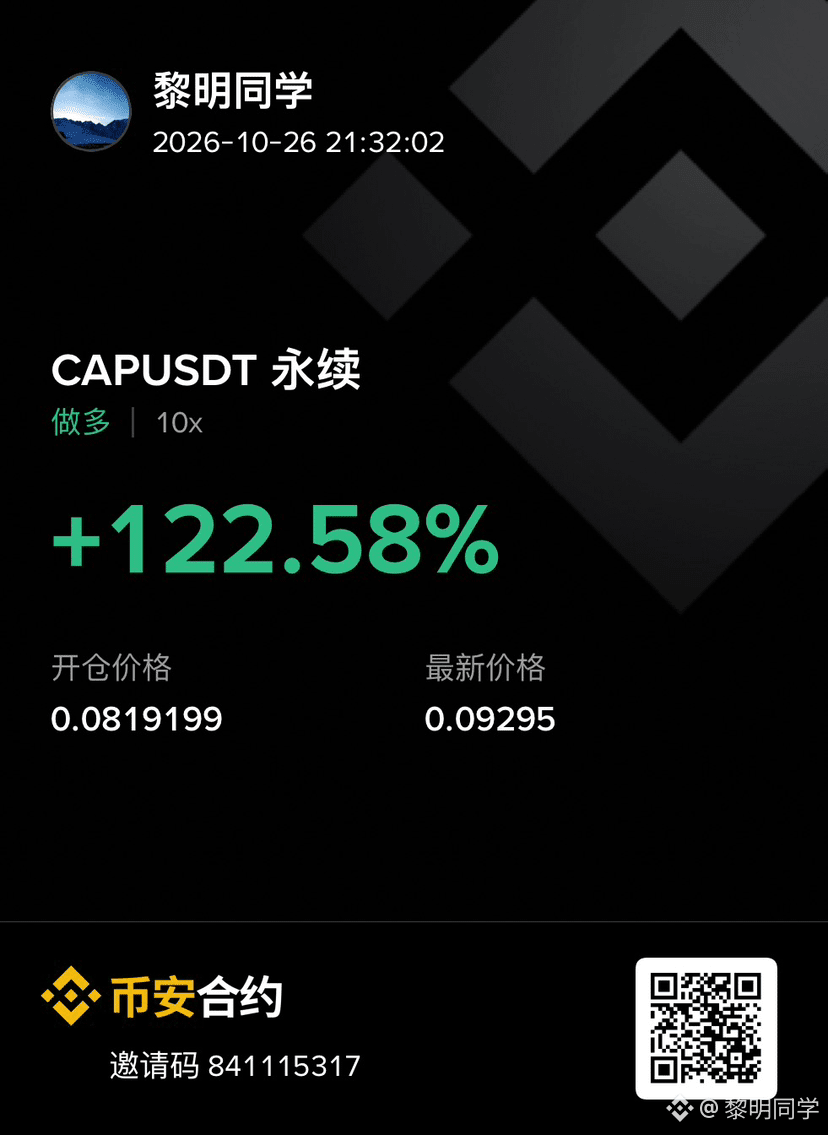
黎明同学
·
--
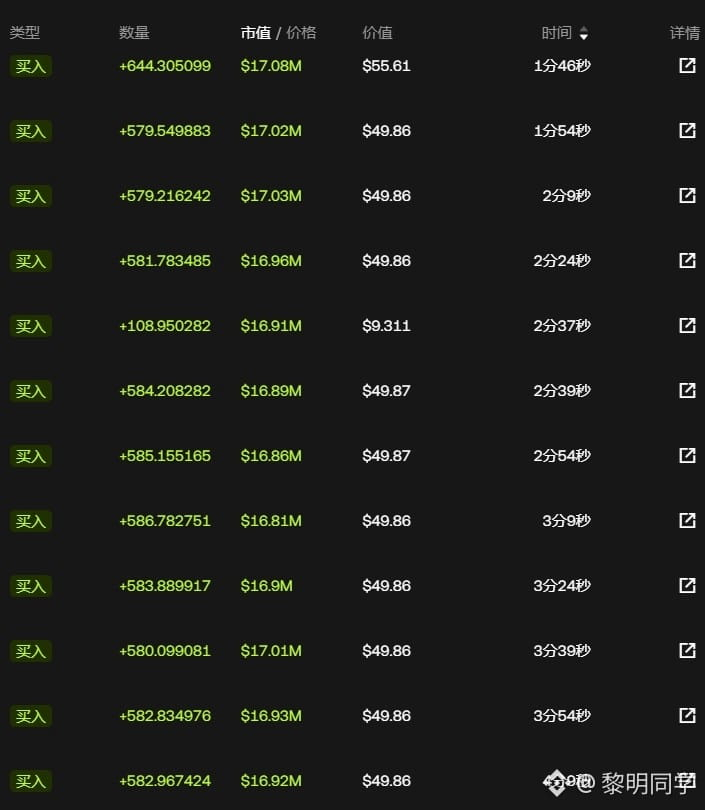
Just opened a trade, $CAP . The price has bounced off the bottom, and market makers are rebuilding their positions, but the candlestick volatility is a bit high.
1
1
372
·
--
Just opened a trade, $CAP . The price has bounced off the bottom, and market makers are rebuilding their positions, but the candlestick volatility is a bit high.
Just opened a trade, $CAP . The price has bounced off the bottom, and market makers are rebuilding their positions, but the candlestick volatility is a bit high.
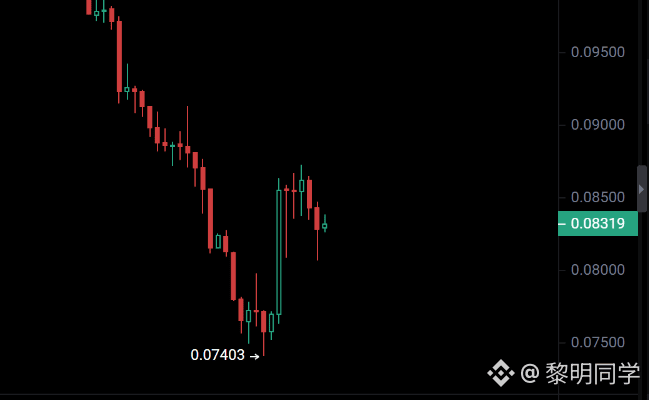
1
1
451
·
--
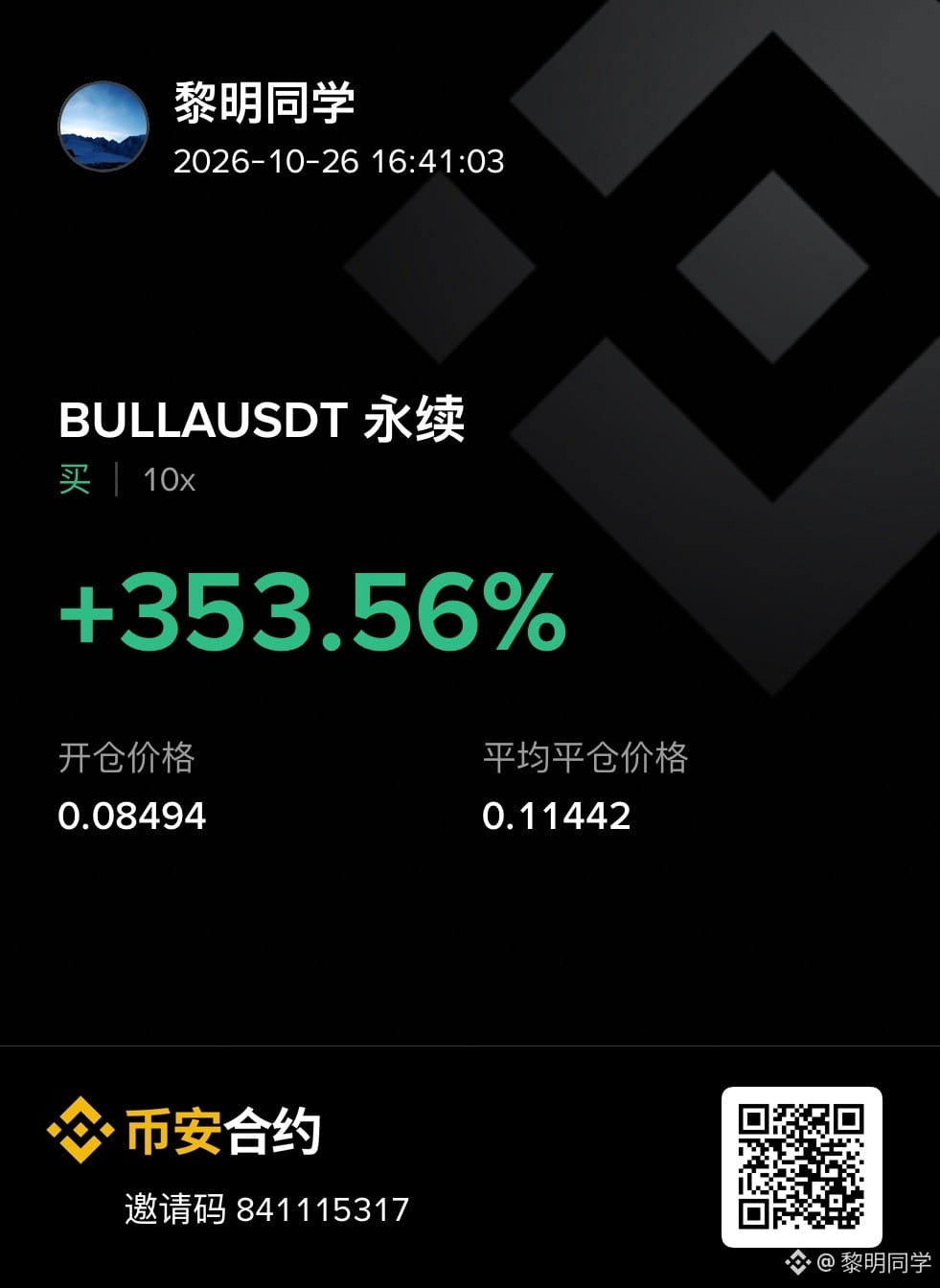
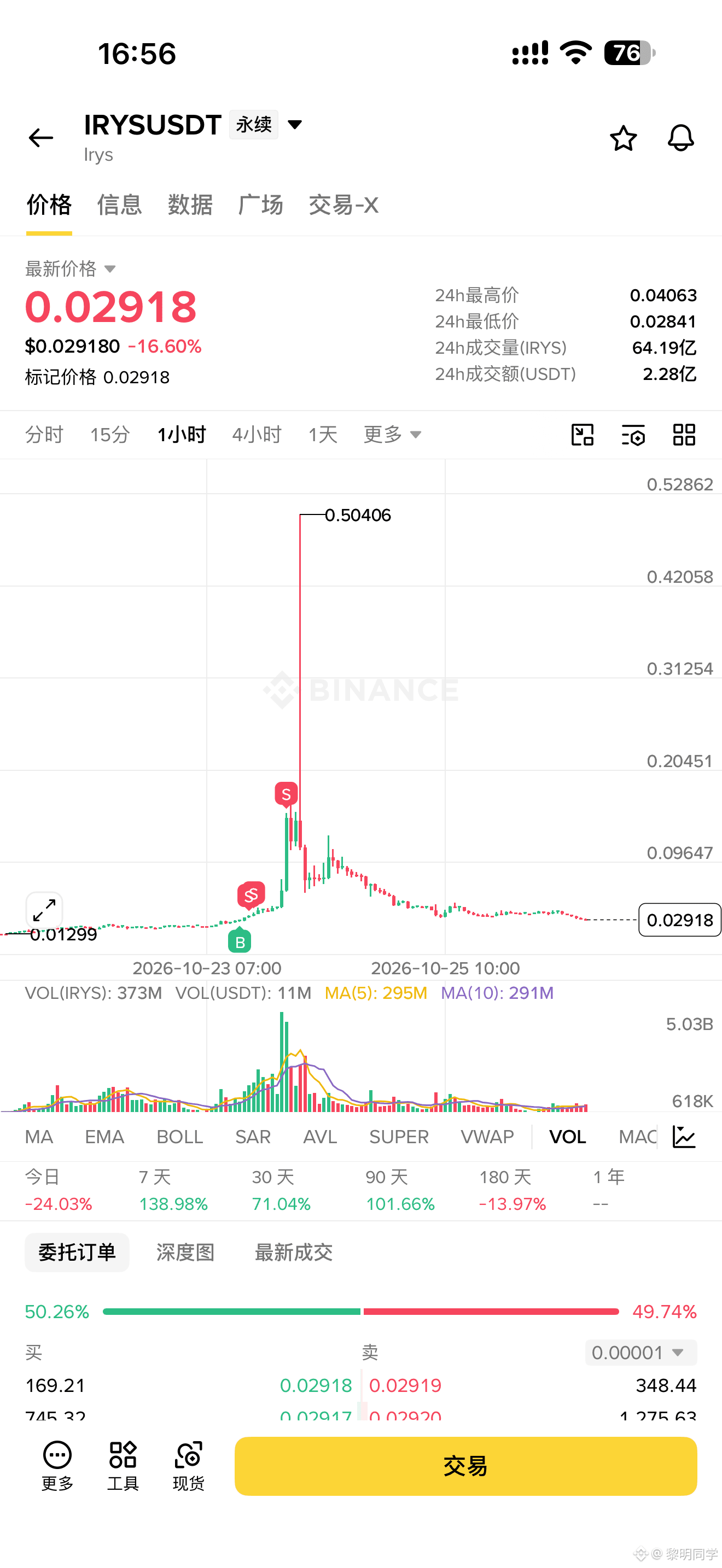
I trimmed my position at $BULLA , but kept some to ride it out. I would’ve sold too early at $IRYS .
I trimmed my position at $BULLA , but kept some to ride it out. I would’ve sold too early at $IRYS .
1
575
·
--
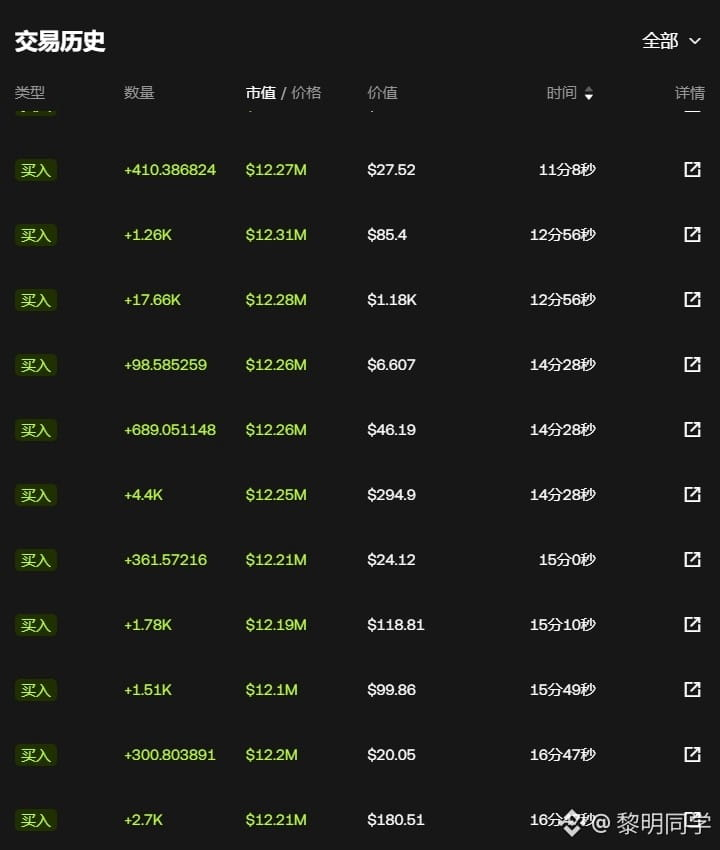
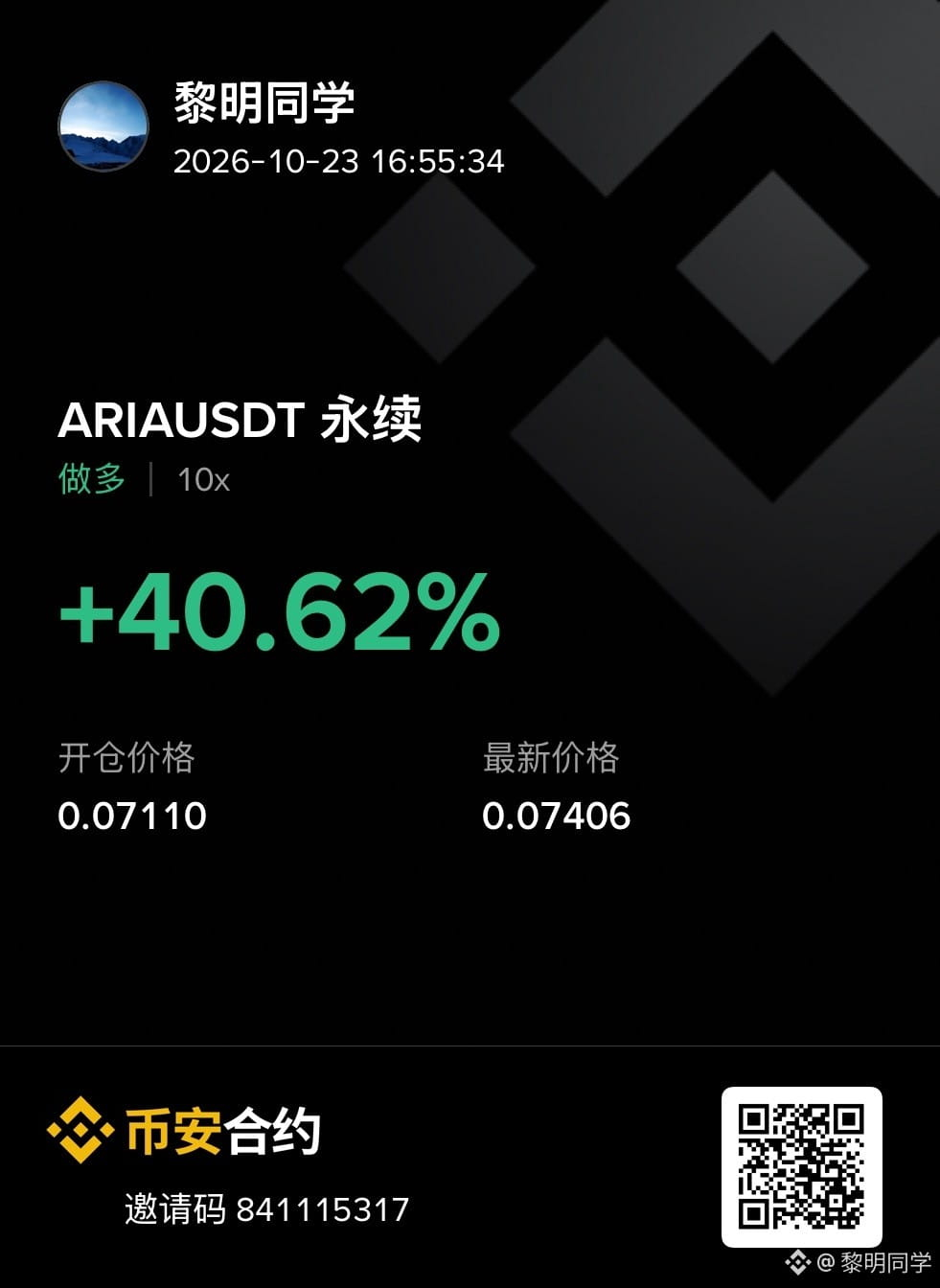
$ARIA Trading volume surged, and you could have made a 40% return by jumping in.
$ARIA Trading volume surged, and you could have made a 40% return by jumping in.
1
18
·
--
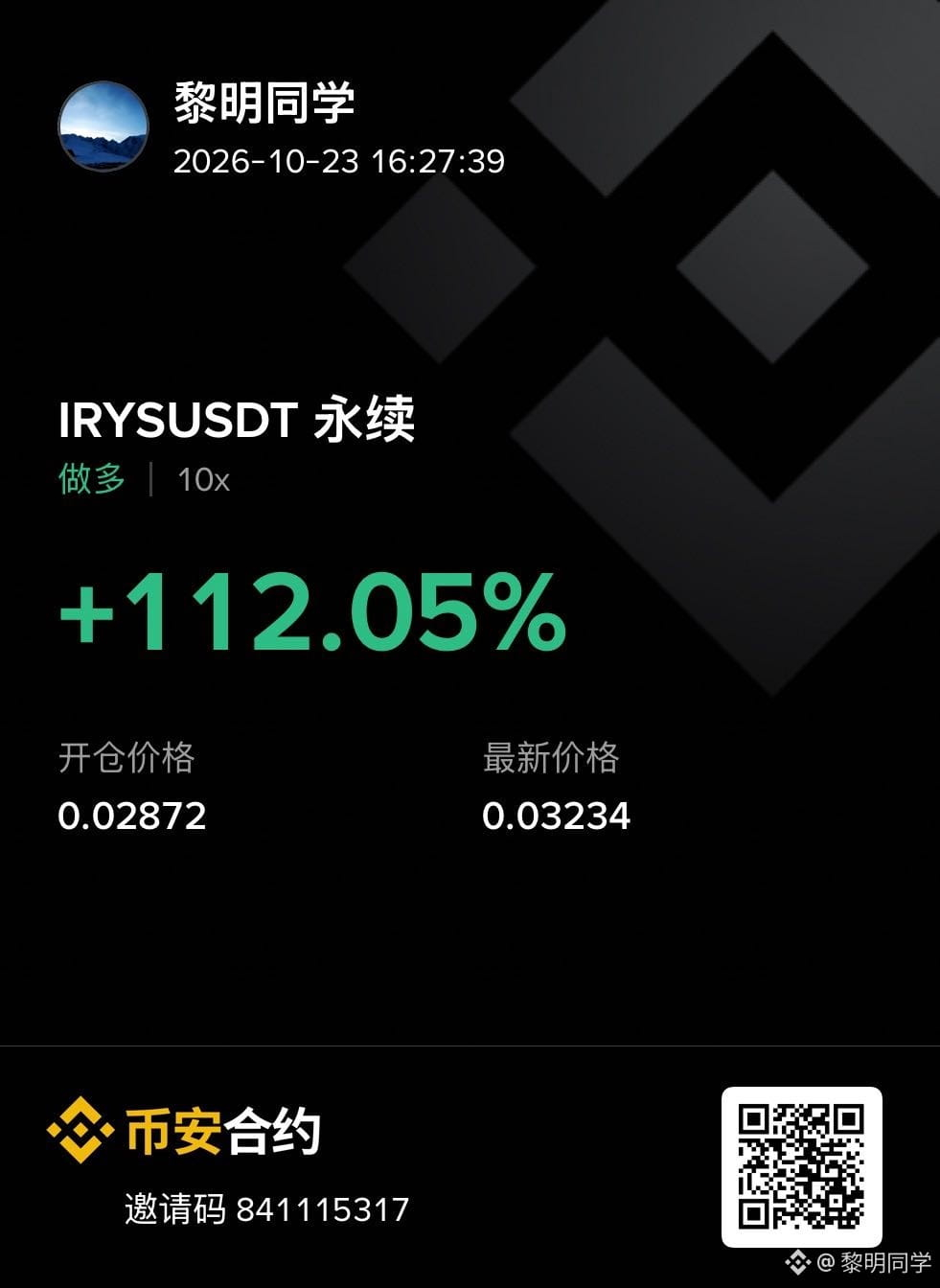
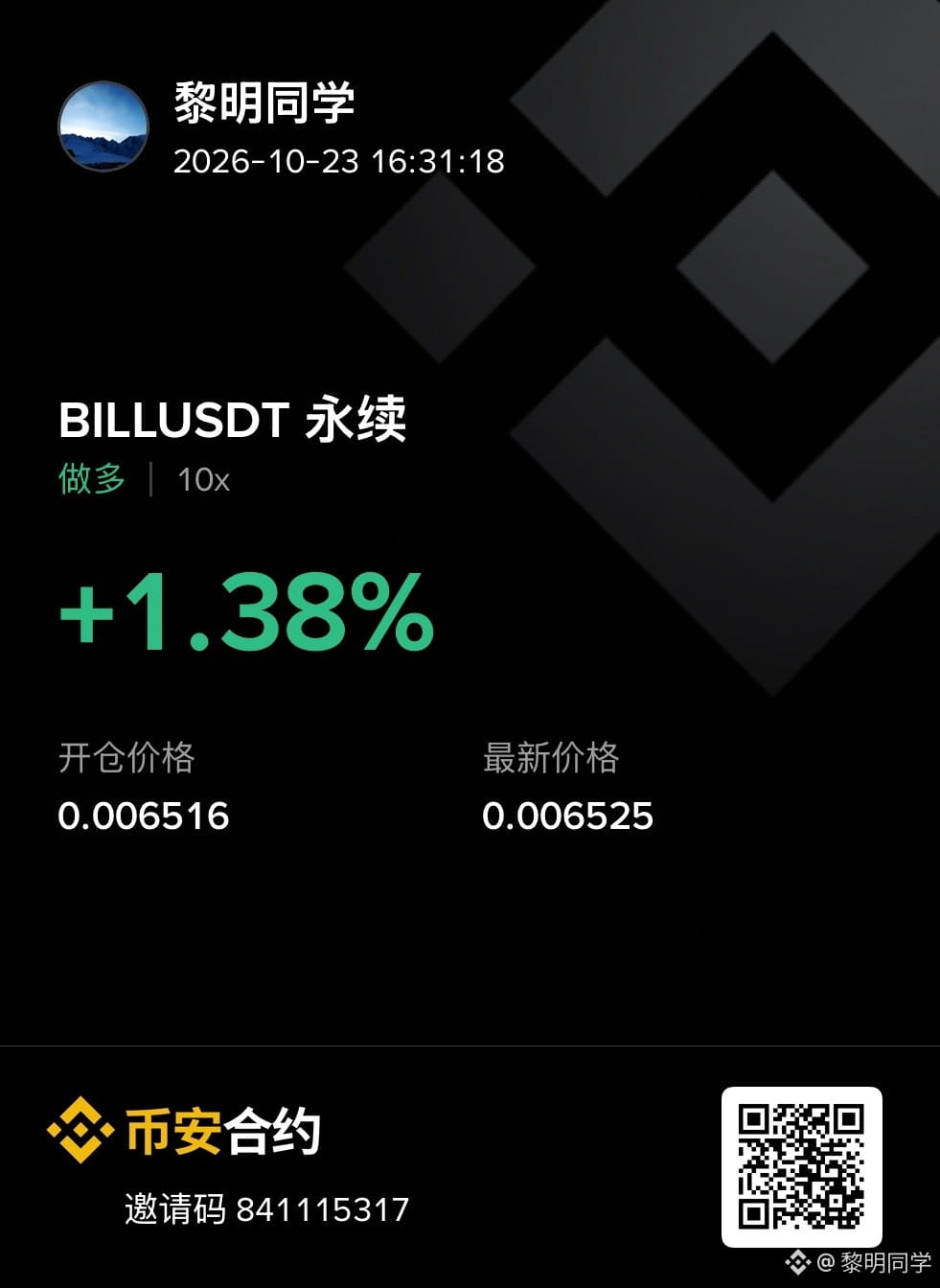
The gains on $IRYS , which we monitored this morning, have already doubled. We spotted unusual activity in $BILL this afternoon, so let's keep opening low-leverage long positions.
The gains on $IRYS , which we monitored this morning, have already doubled. We spotted unusual activity in $BILL this afternoon, so let's keep opening low-leverage long positions.
747
·
--
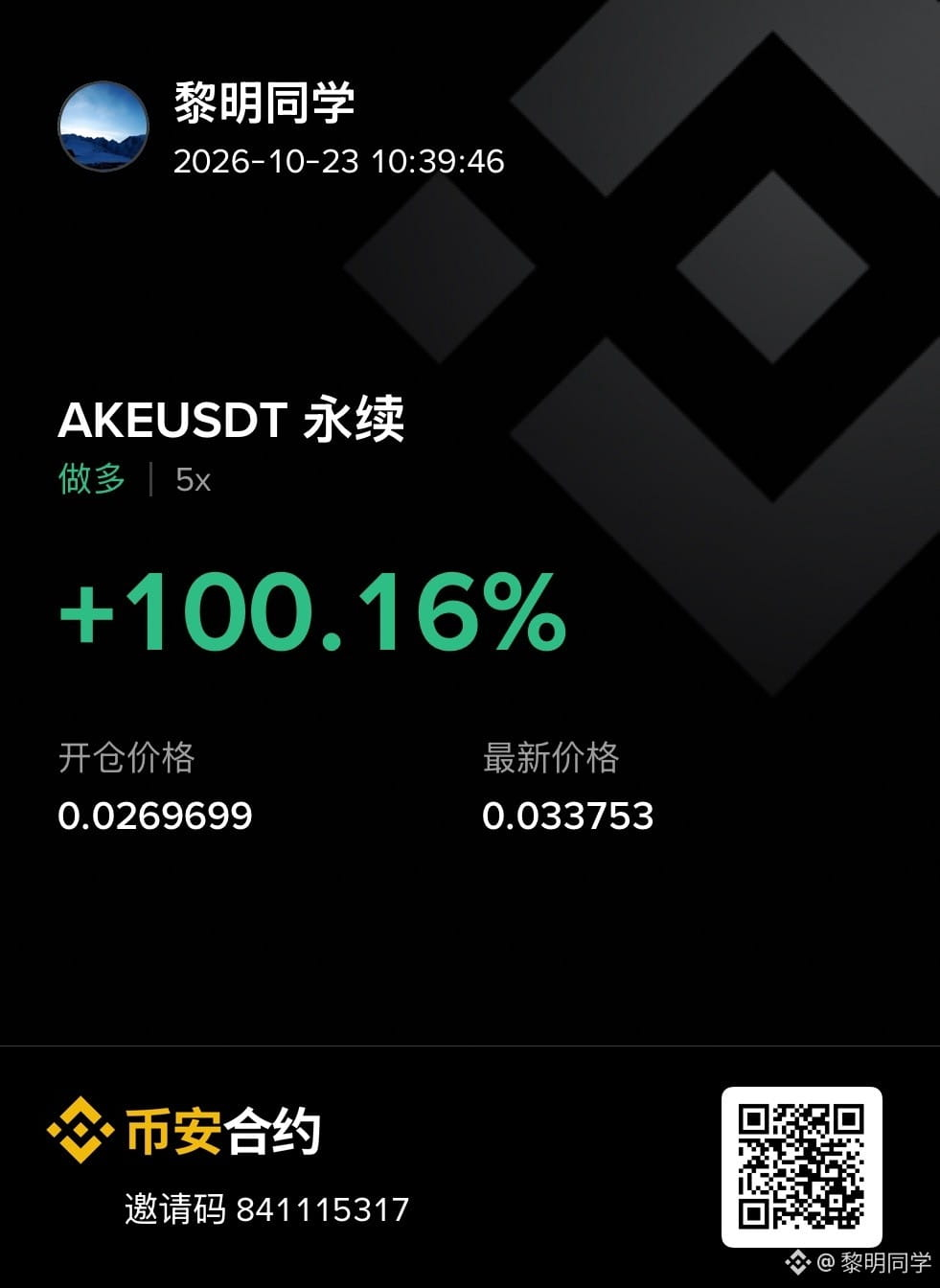
Woke up and it had doubled. I'll trim my position a bit and see if it breaks the previous high. $AKE
Woke up and it had doubled. I'll trim my position a bit and see if it breaks the previous high. $AKE
黎明同学
·
--
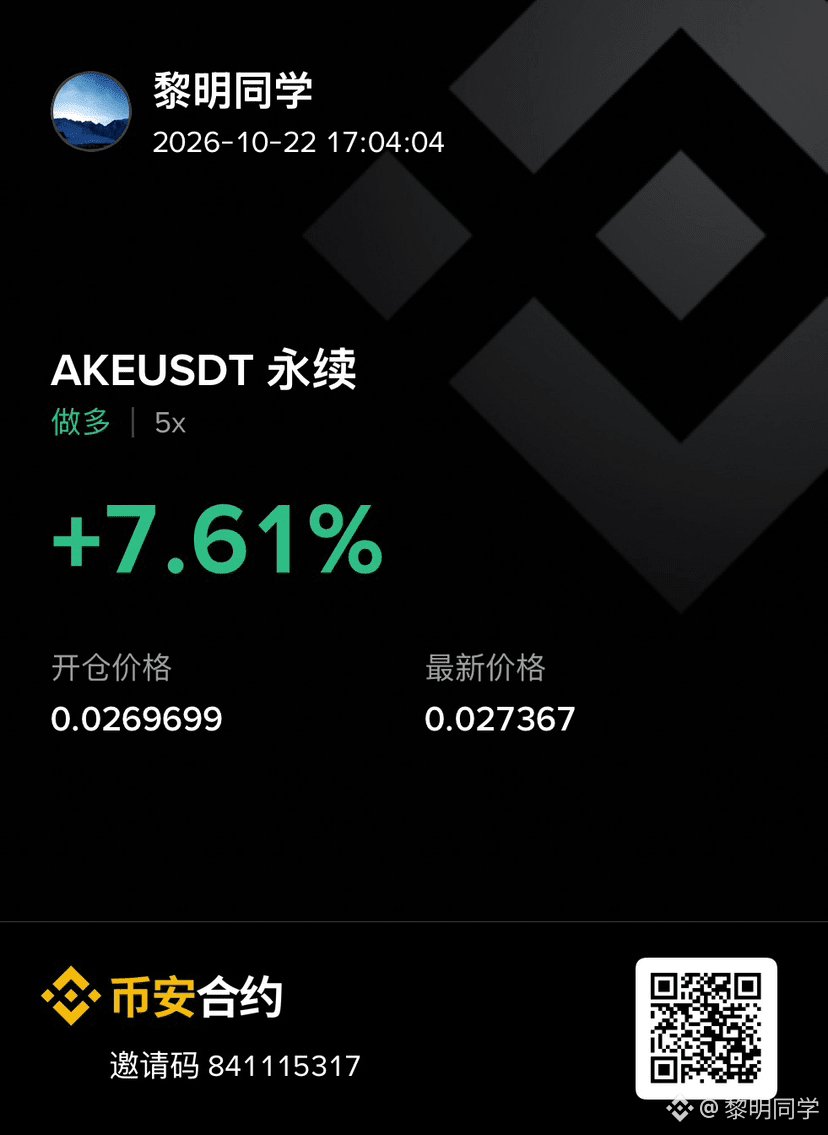
I chased one lot of the low-leverage contract for $AKE ; the candlestick chart looks ready to take off.
1
308
·
--
I chased one lot of the low-leverage contract for $AKE ; the candlestick chart looks ready to take off.
I chased one lot of the low-leverage contract for $AKE ; the candlestick chart looks ready to take off.
1
2
435
·
--
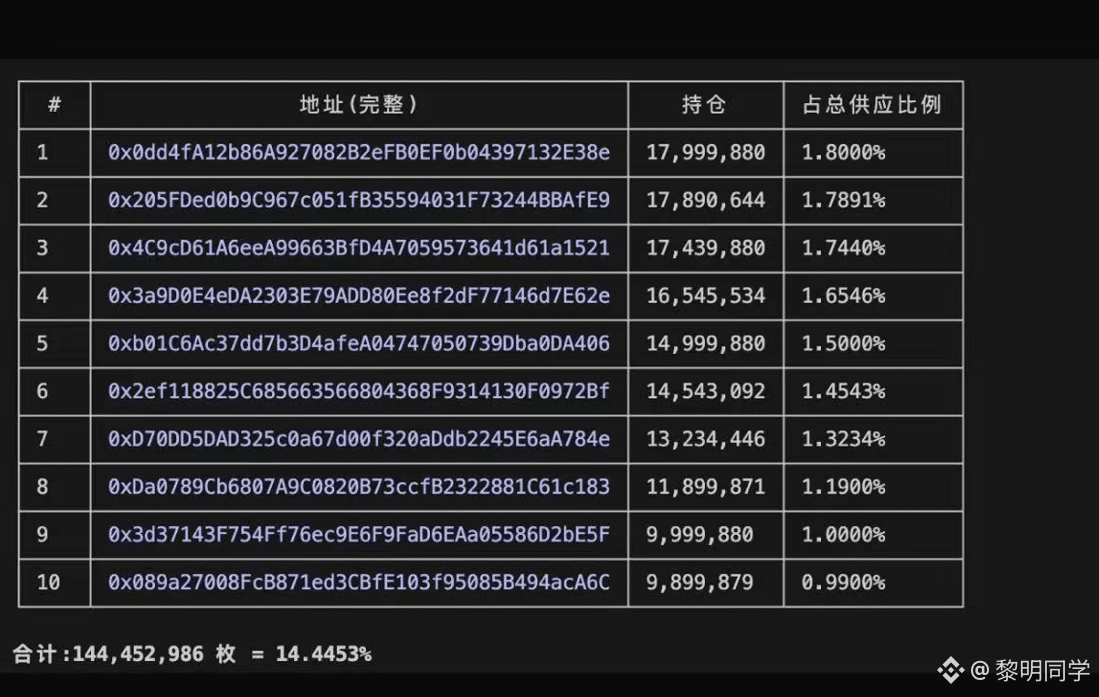
#龙虾 Suddenly transferred 144 million tokens to related addresses of Aster, accounting for 14.45% of the total supply.
This amount is indeed a bit large.
As to whether it’s market-making or if there are other arrangements afterward, it’s hard to say right now. But from the perspective of taking a position, I would first view it as somewhat bearish.
If later there are further large transfers or the price spikes without volume, personally I would consider shorting at higher levels. I’m not in a rush to buy more.
2
312
·
--
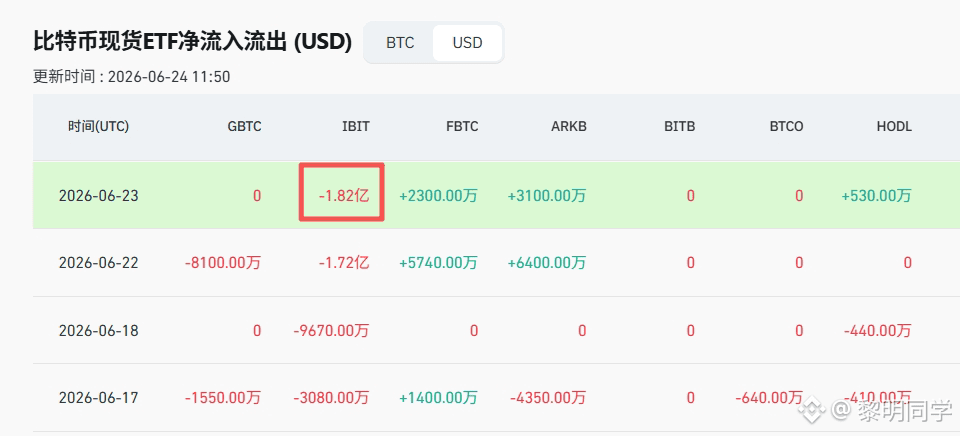
BlackRock's spot Bitcoin ETF saw a net outflow of about $182 million in a single day, marking a significant withdrawal of funds recently. Over the past few months, every time $BTC faced a pullback, the market managed to stabilize quickly largely thanks to the incremental funds brought in by ETFs.
However, a pressing question arises now:
If institutional buying pressure starts to wane, where will the new buying power come from in the face of market sell pressure?
However, a pressing question arises now:
If institutional buying pressure starts to wane, where will the new buying power come from in the face of market sell pressure?
1
104
·
--
The market's hitting me like a freight train, so fast that I haven't even had time to forget your clownish analysis.
The market's hitting me like a freight train, so fast that I haven't even had time to forget your clownish analysis.
1
121
·
--
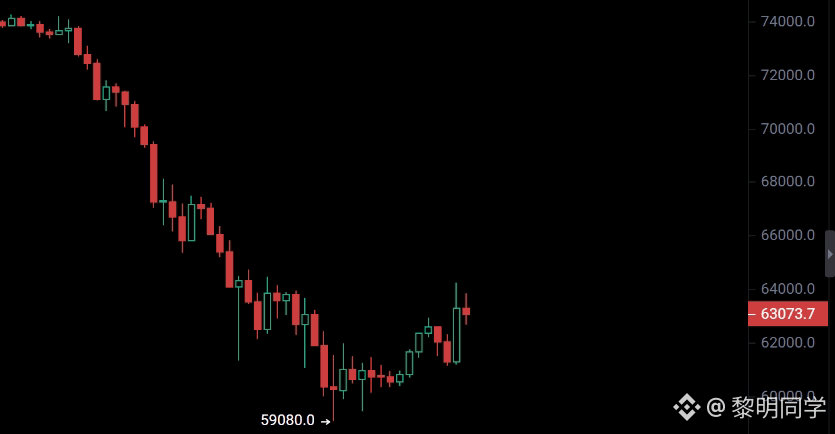
BTC has temporarily halted its downtrend and is experiencing a technical recovery. The market's focus will shift to the performance of funds after the opening of US stocks tonight.
If traditional markets show a renewed risk appetite and institutional selling pressure eases, Bitcoin is likely to continue its upward recovery; conversely, if funds continue to flow out, there remains a possibility of a second dip in the short term.
From the exchange data, the spot price on Coinbase has shown signs of narrowing its premium by about $30 compared to other platforms, indicating that buying pressure is gradually returning.
On the 4-hour chart, BTC is in a rebound phase after being oversold, but whether this rebound can sustain will depend on the attitude of institutional funds moving forward. Tonight's performance of US stocks will be key in choosing the short-term direction.
1
217
·
--
From a macro perspective, the market isn't short on cash; the ongoing strength of the US stock market is the best proof of that. The issue isn't liquidity but rather a noticeable decline in interest from funds towards mainstream assets like $BTC and $ETH . More capital is starting to flow into sectors that have new narratives and growth expectations.
A notable recent shift is that many altcoins are beginning to establish their own rhythms, reducing their dependence on the broader market, and the on-chain ecosystem is less affected by BTC volatility than before.
Key areas to watch:
Tokenization of stocks / RWA
AI computing narratives
Meme coins with a history of solid performance
Instead of guessing when Bitcoin will hit the bottom and rebound, I'm more focused on where the money is gathering. The market will always reward consensus-driven directions.
1
206
·
--
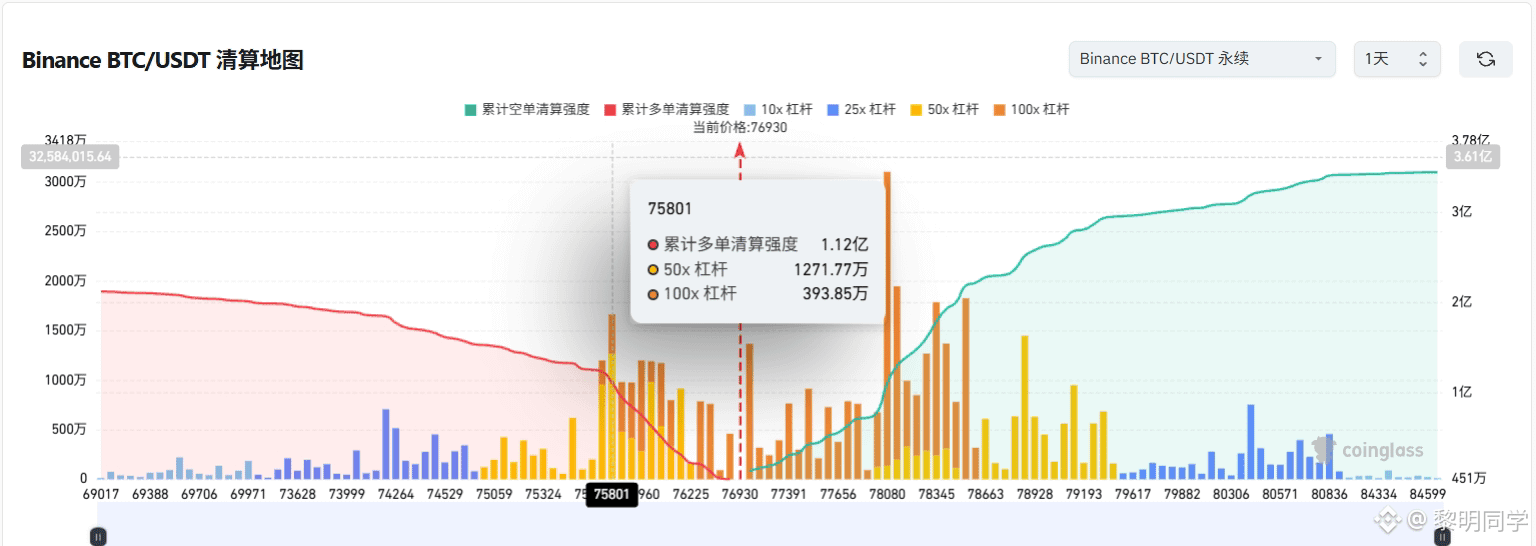
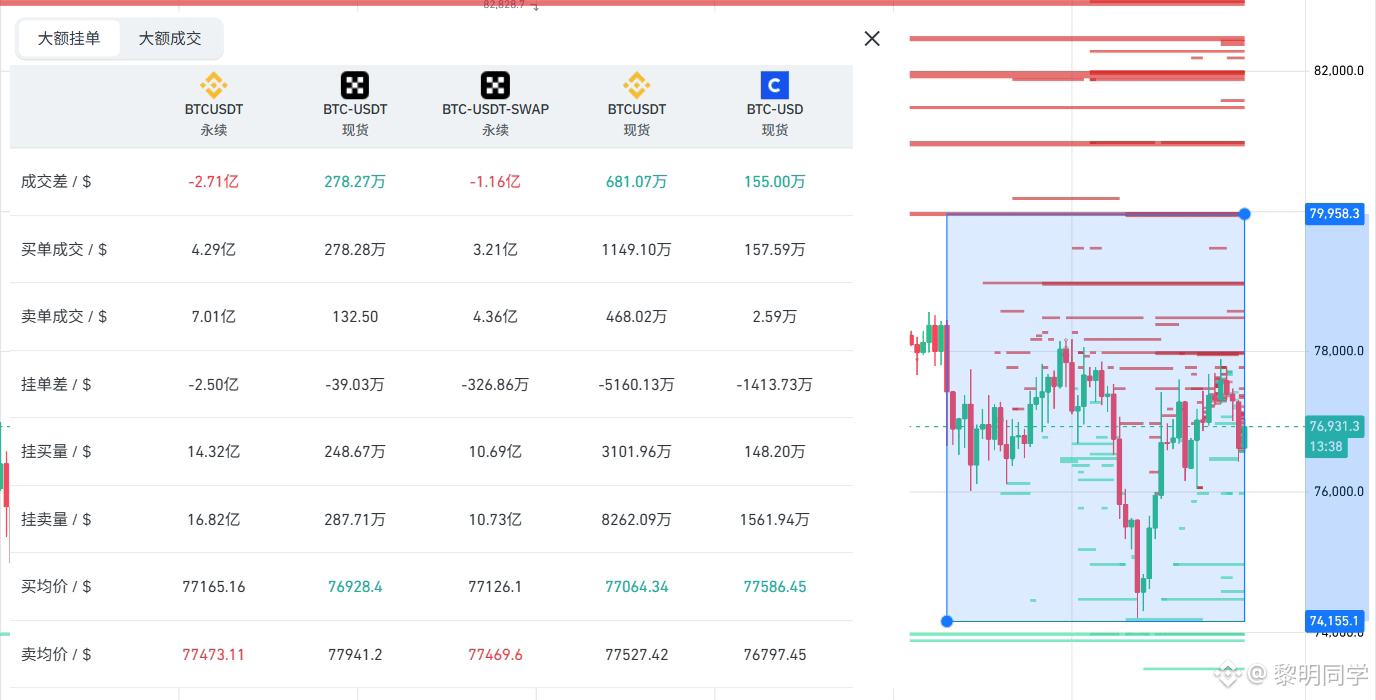
BTC and ETH have been stacking up short positions these past couple of days, with some whales continuing to load up on their shorts. From the liquidation distribution, there's already a significant accumulation of long liquidation zones below, with BTC focusing around 75k and ETH around the 2050 mark.
Right now, the market feels like it's waiting for a "double bottom" test; short-term, we can't rule out the possibility of further downward support tests. When trading, it's crucial to manage risk and avoid blindly using high leverage.
Additionally, on-chain data shows that many small players are still aggressively going long, while the big players are overall more cautious, leaning towards bearish sentiments. This divergence is definitely something to keep an eye on.
2
1.4k
·
--
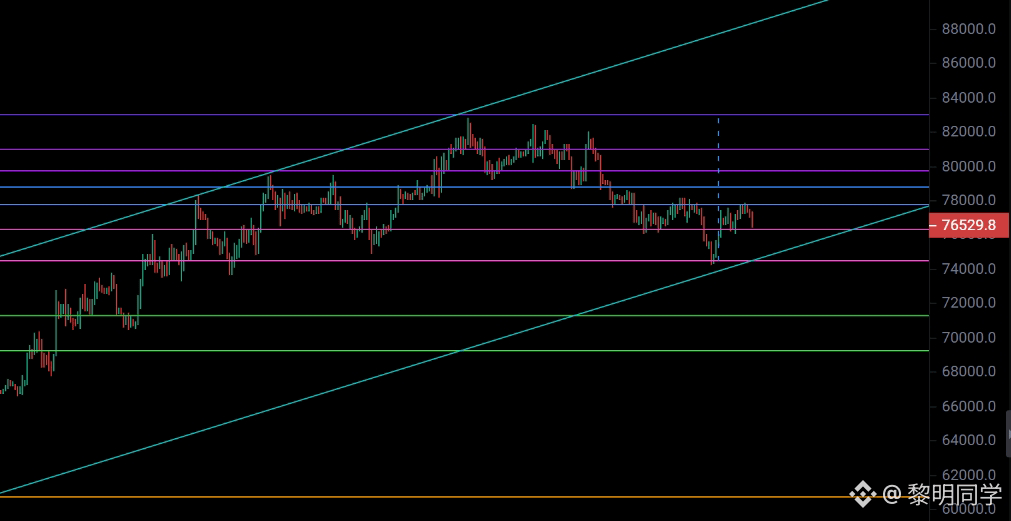
$BTC This wave is still leaning towards a consolidation trend, but the overall structure hasn't been broken yet, still in a high-level oscillation zone.
Next, pay close attention to the support area of 76100-75600. If the price retraces and holds steady, and the right shoulder pattern gradually confirms, there’s a chance for a short-term rebound. You might consider scaling into long positions.
Next, pay close attention to the support area of 76100-75600. If the price retraces and holds steady, and the right shoulder pattern gradually confirms, there’s a chance for a short-term rebound. You might consider scaling into long positions.
2
636
·
--
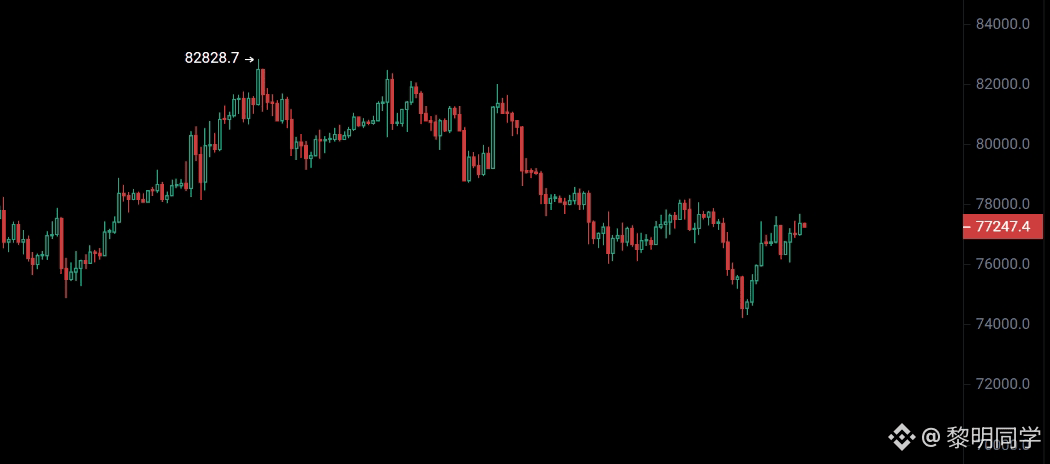
Market sentiment is still in the dumps, the fear index has plummeted into the extreme fear zone, but the price at $BTC has consistently held above 77000, no matter how hard it's hit, there's been no further dip.
What's even more crucial is that ETF money has been flowing in net positive for several days now; it seems like Wall Street is quietly scooping up assets, and large institutions are increasing their allocations in spot BTC.
A lot of times, before a real rally kicks off, market sentiment is usually at its most pessimistic.
1
214
·
--
Verified
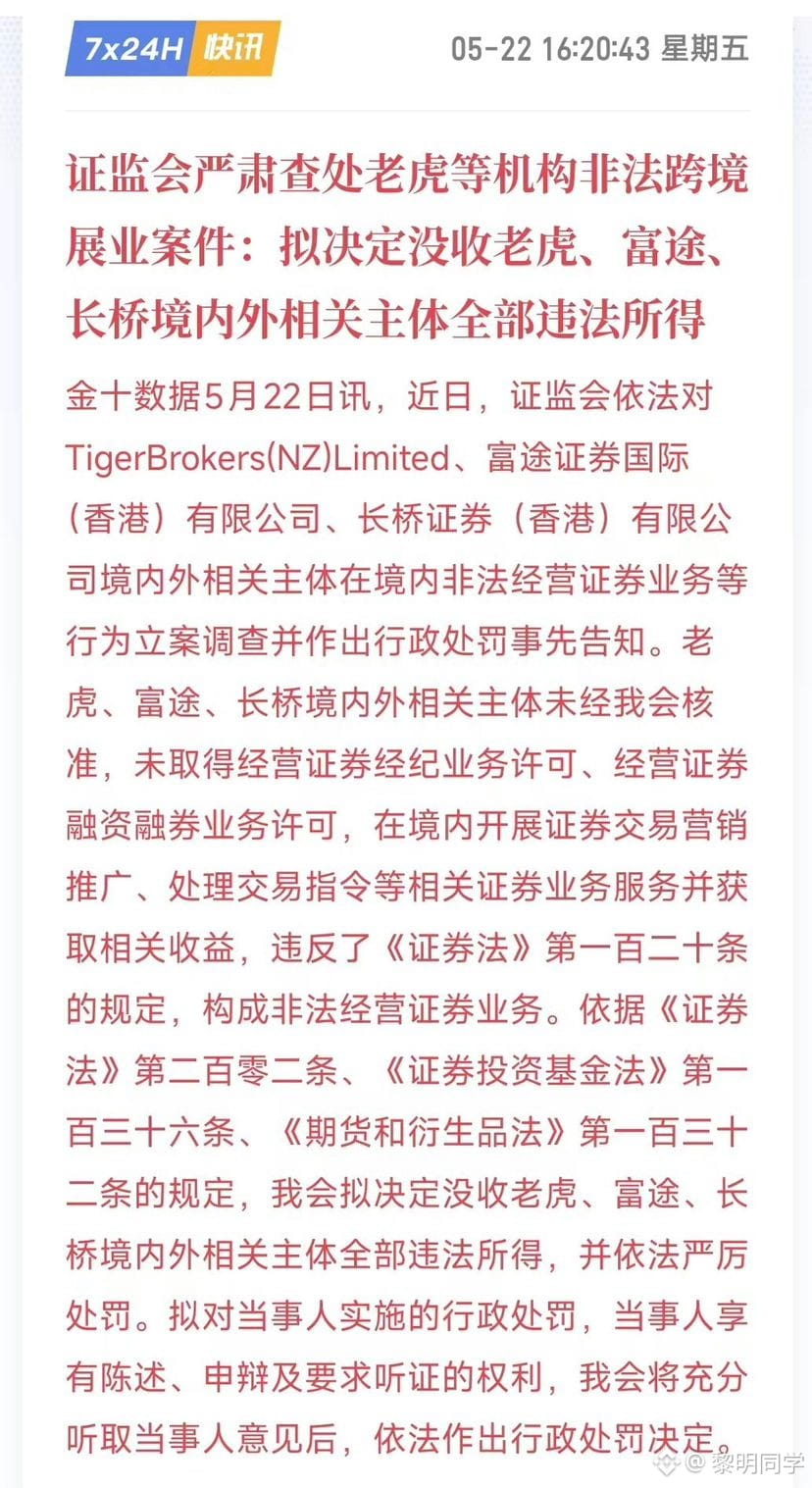
Recently, the regulatory moves against cross-border brokers have become increasingly evident, essentially tightening the ways cross-border capital flows in those gray areas.
But one thing won't change:
The market demand for US stocks, Hong Kong stocks, and USD asset allocation still exists.
Demand won't disappear; it will just shift from old channels to new ones.
That's why more and more people are starting to pay attention to RWA, tokenized stocks, and platforms like Ondo in the on-chain finance space.
What the regulators are really cleaning up is the opaque pathways in between, not the global asset allocation itself.
In the future, the projects that truly have a chance to thrive in Web3 may not just be those that tell stories and issue tokens, but rather protocols that can genuinely map stocks, bonds, funds, and yield-bearing assets onto the chain.
The entry points for traditional finance are becoming stricter, while on-chain finance may be emerging as the new global capital channel.
1
1.3k
Log in to explore more content
Join global crypto users on Binance Square
⚡️ Get latest and useful information about crypto.
💬 Trusted by the world’s largest crypto exchange.
👍 Discover real insights from verified creators.
Email / Phone number
Trending Topics
USPPIMissMayEaseBTCPressure
43,524 views
762 Discussing
US PPI Rises 6.5% a Year in October, Slightly Below 6.6% Forecast
Binance News
·17 Likes
·17.5k views
BitcoinCoreDisclosesTorTrafficVulnerability
17,062 views
402 Discussing
WhatWillDriveCryptoandStocks’NextRebound?
155,602 views
1,621 Discussing