

22coin_S
3.3k Posts

22coin_S
 Square Verified+
Report
Block User
一起学习,一起进步

BTC Holder
Frequent Trader
2.6 Years
399 Following
47.6K+ Followers
22.0K+ Liked
Posts
All
Quotes
Videos
Live
PINNED
·
--
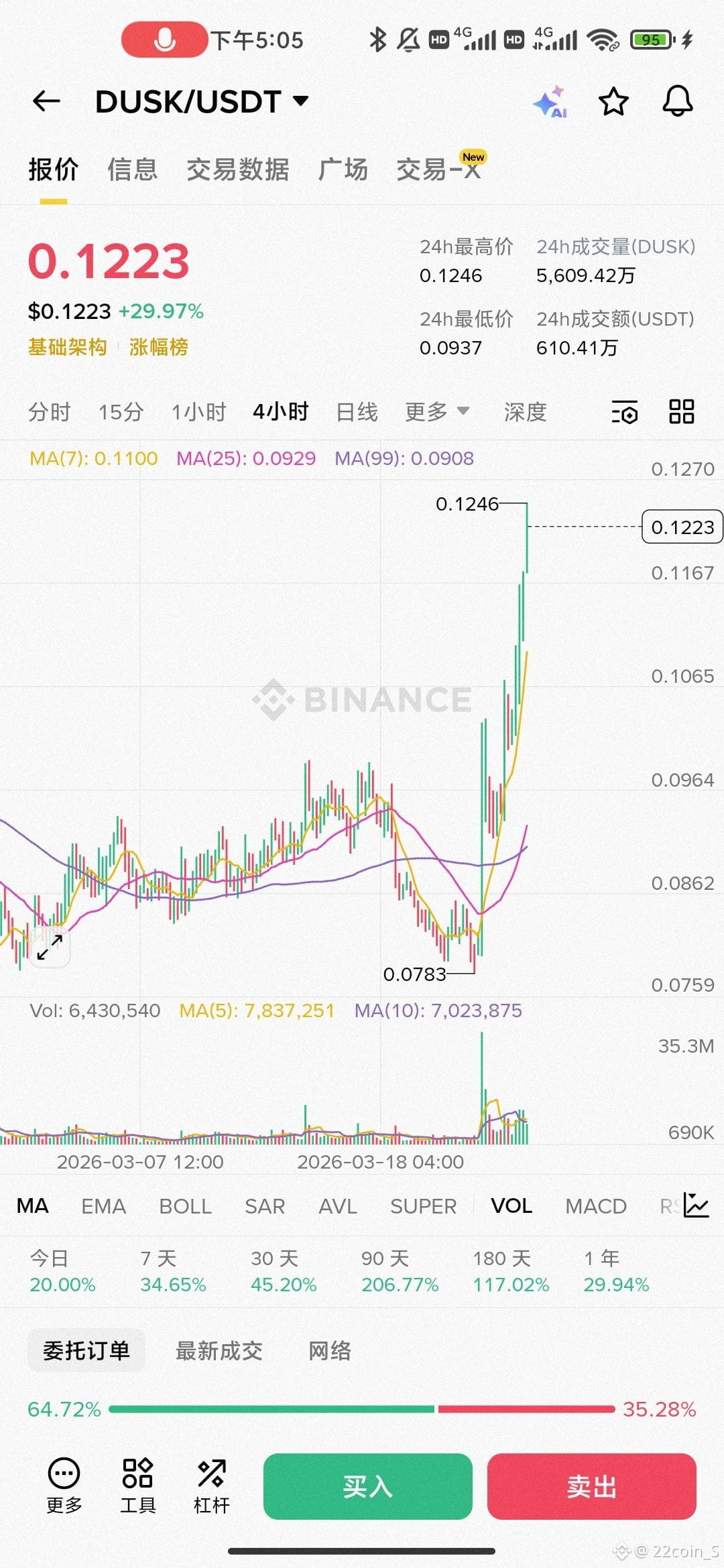
This coin is definitely controlled by strong players
{future}(DUSKUSDT)
This coin is definitely controlled by strong players
17
1
39
57.4k
PINNED
·
--
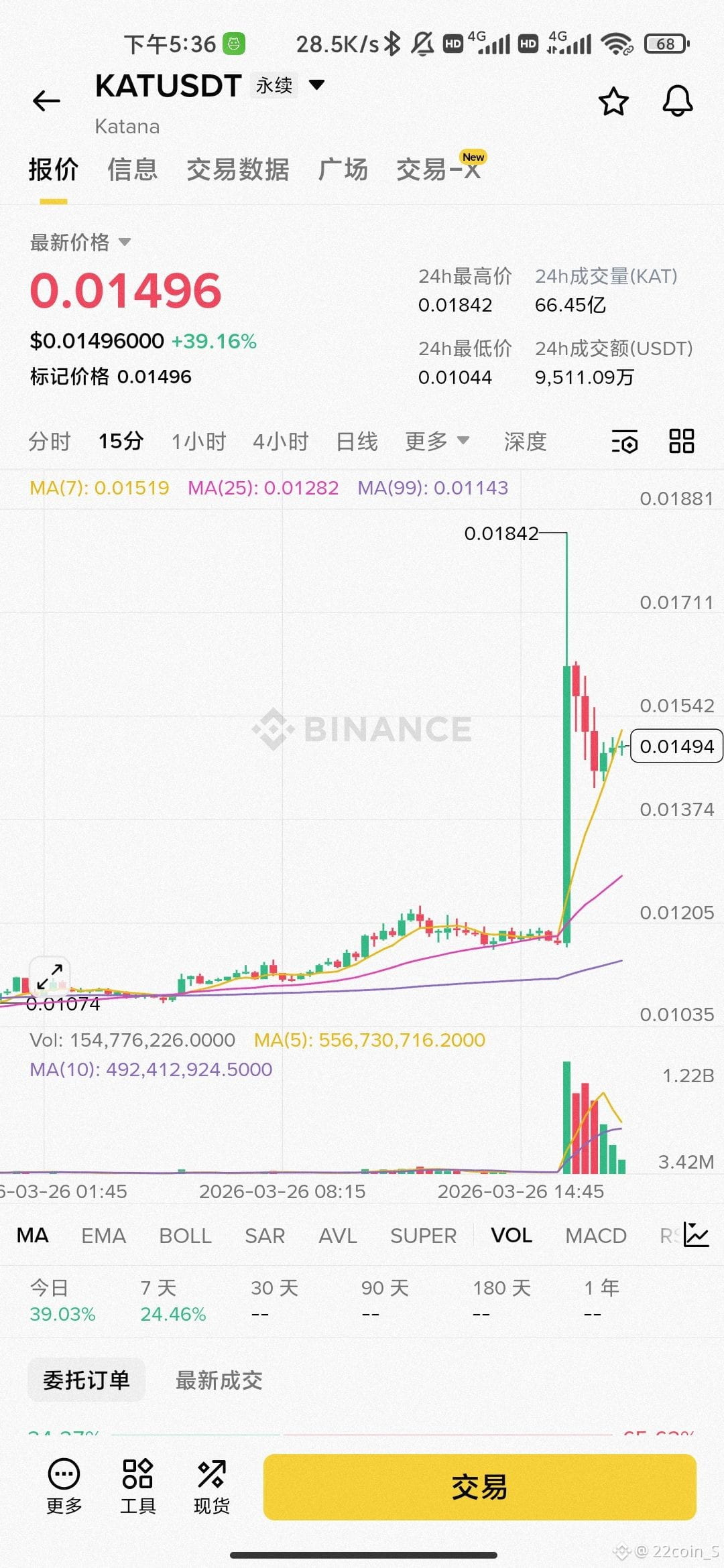
I was wondering why the market suddenly dropped
It turns out it was launched on Han
{future}(KATUSDT)
I was wondering why the market suddenly dropped
It turns out it was launched on Han
It turns out it was launched on Han
4
2
34
20.8k
·
--
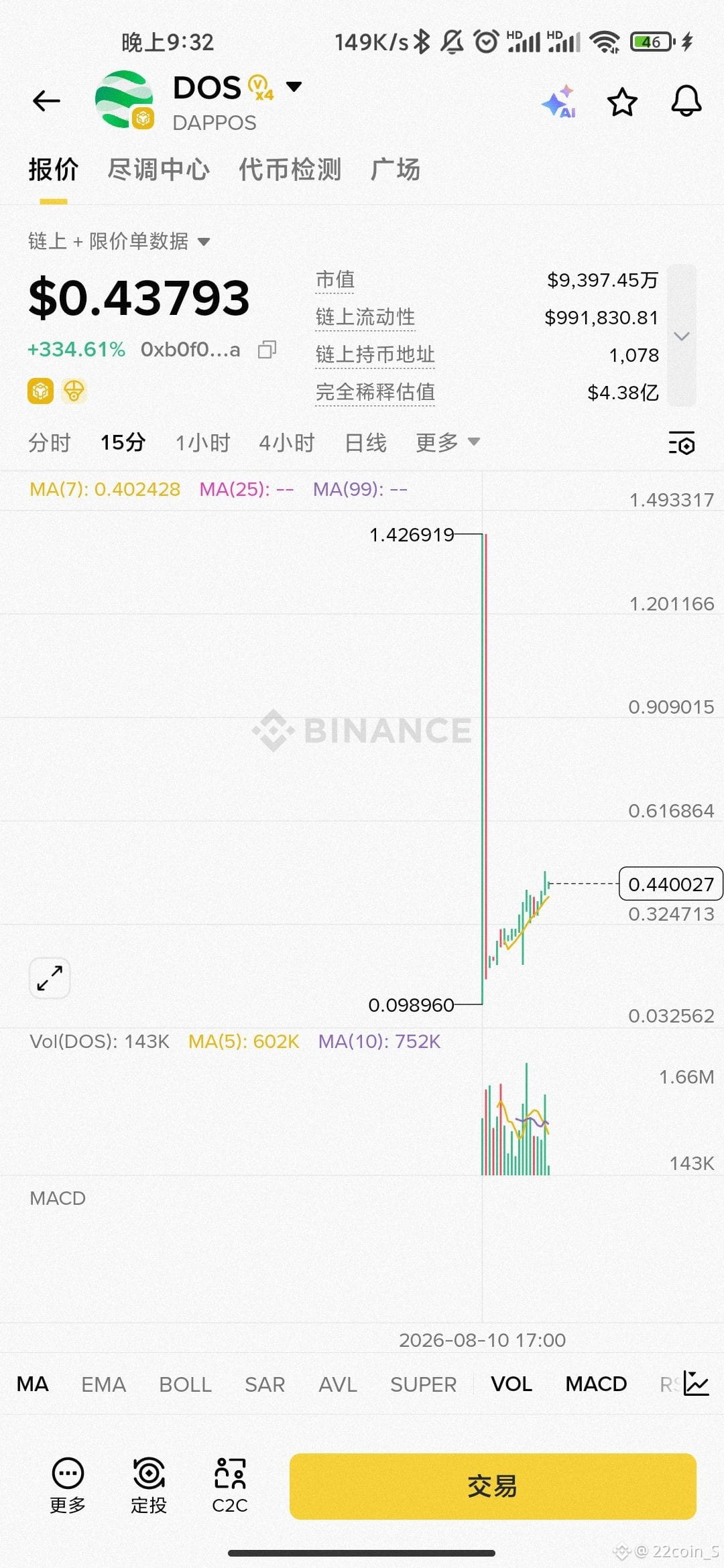
Mid-Autumn Festival took me back to my hometown. It feels like things like AI large models, ChatGPT, intelligent robots, Vibe, and FDE don’t exist— the world is still the same as it always was.
Mid-Autumn Festival took me back to my hometown. It feels like things like AI large models, ChatGPT, intelligent robots, Vibe, and FDE don’t exist— the world is still the same as it always was.
167
·
--
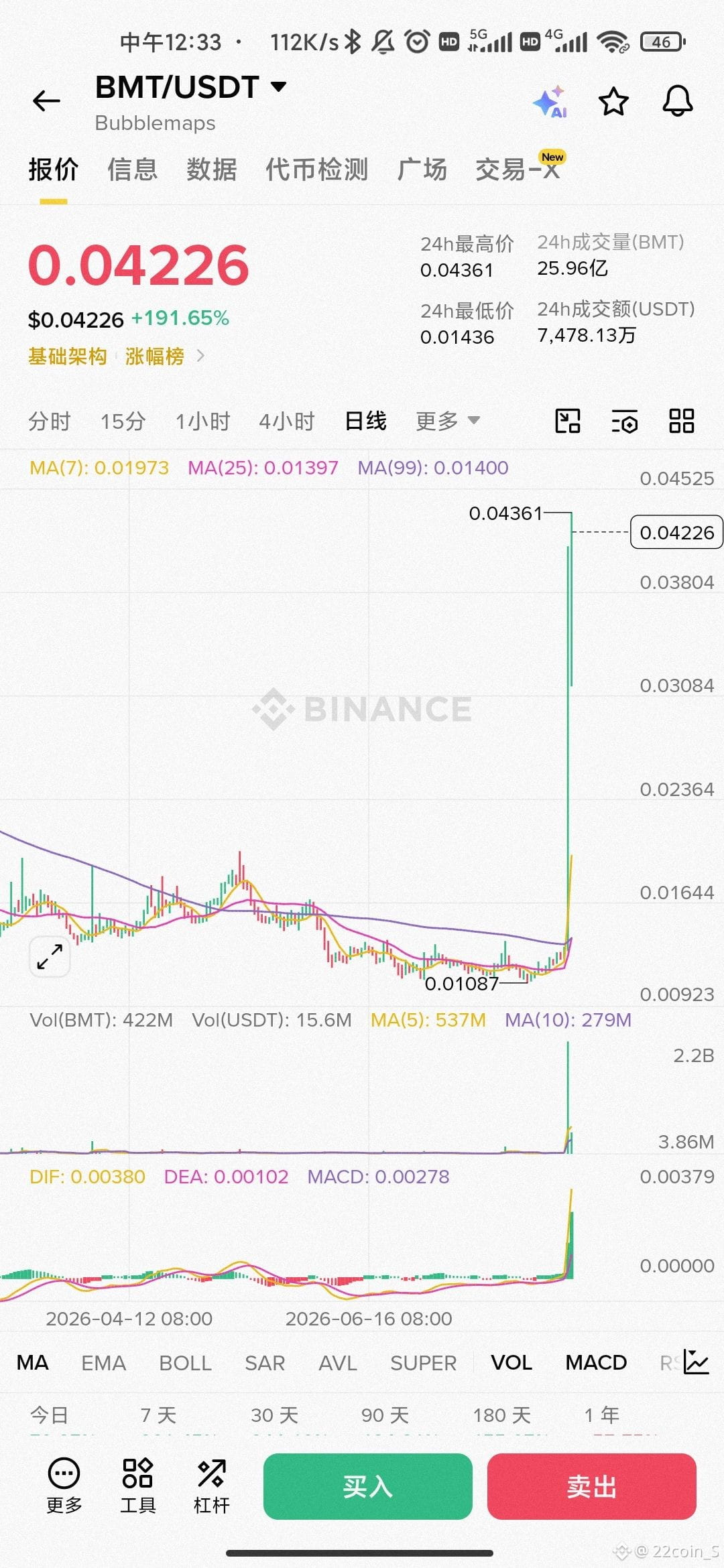
From BMT, you can see that it wasn’t just Alpha Coin that was being manipulated.
It turns out that coins listed on spot markets could also be manipulated.
$BMT
{future}(BMTUSDT)
From BMT, you can see that it wasn’t just Alpha Coin that was being manipulated.
It turns out that coins listed on spot markets could also be manipulated.
$BMT
It turns out that coins listed on spot markets could also be manipulated.
$BMT
5
1.6k
·
--
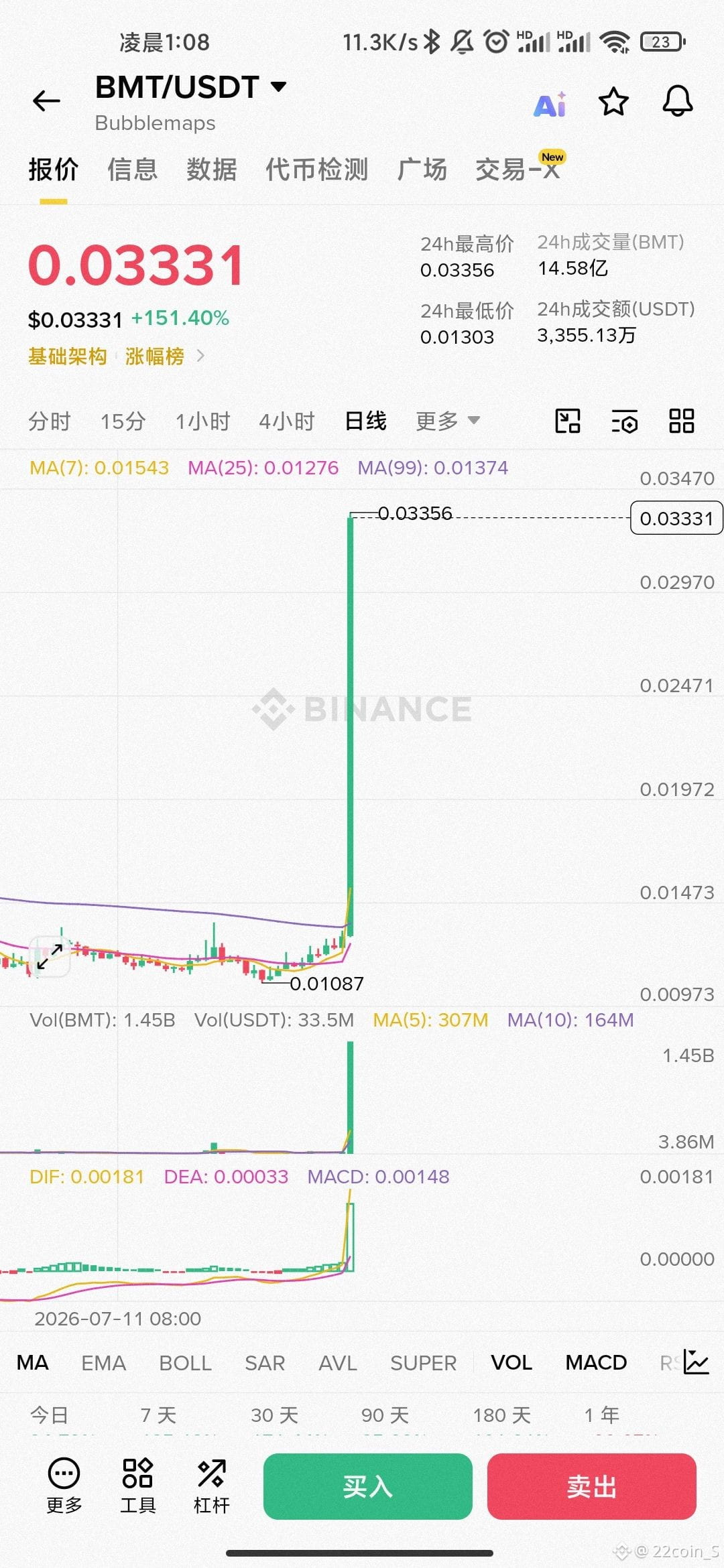
This coin seems to have been swapped too. Next tut?
$BMT
{future}(BMTUSDT)
This coin seems to have been swapped too. Next tut?
$BMT
$BMT
2
1.9k
·
--
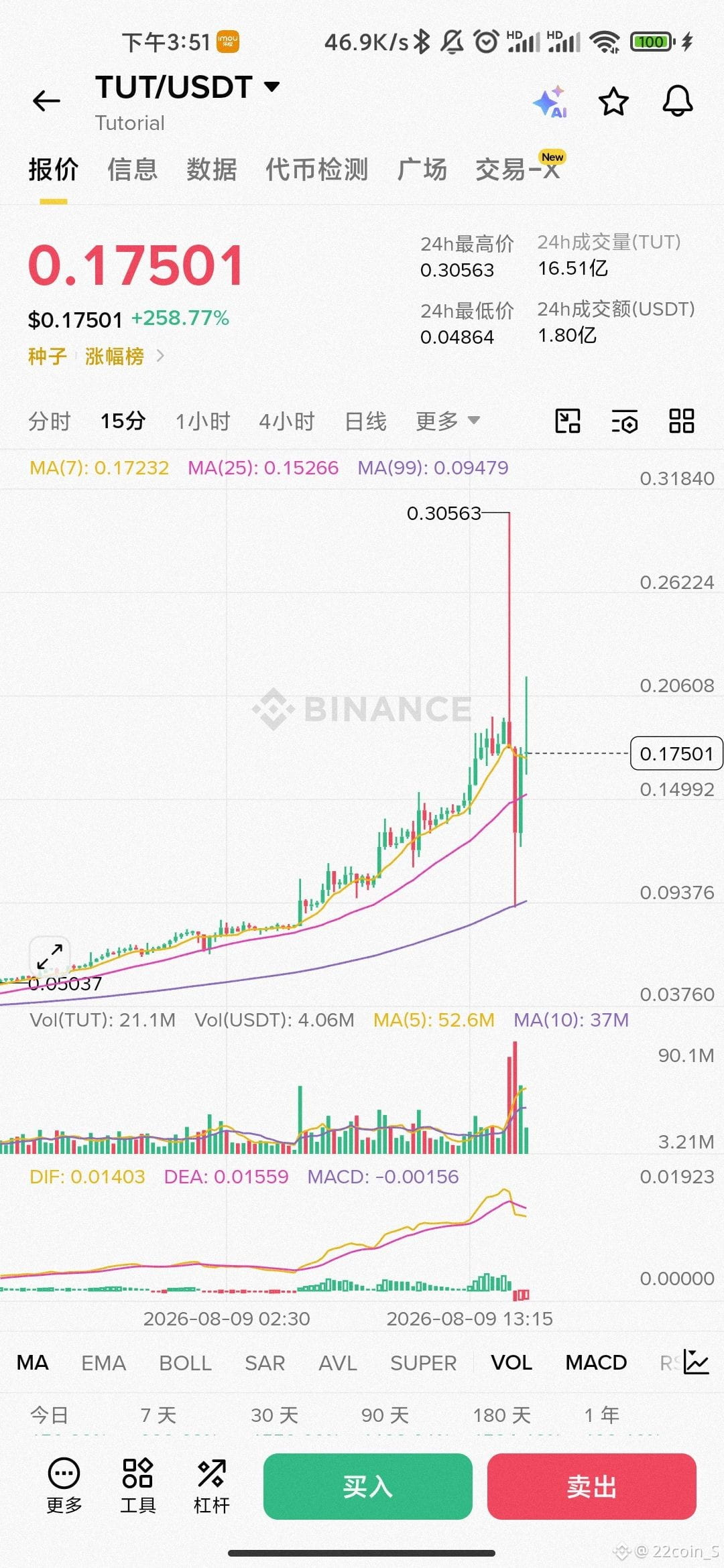
These tightly controlled coins won’t just make a move—there’s no need for an operation.
$TUT
{future}(TUTUSDT)
These tightly controlled coins won’t just make a move—there’s no need for an operation.
$TUT
$TUT
1
1.2k
·
--
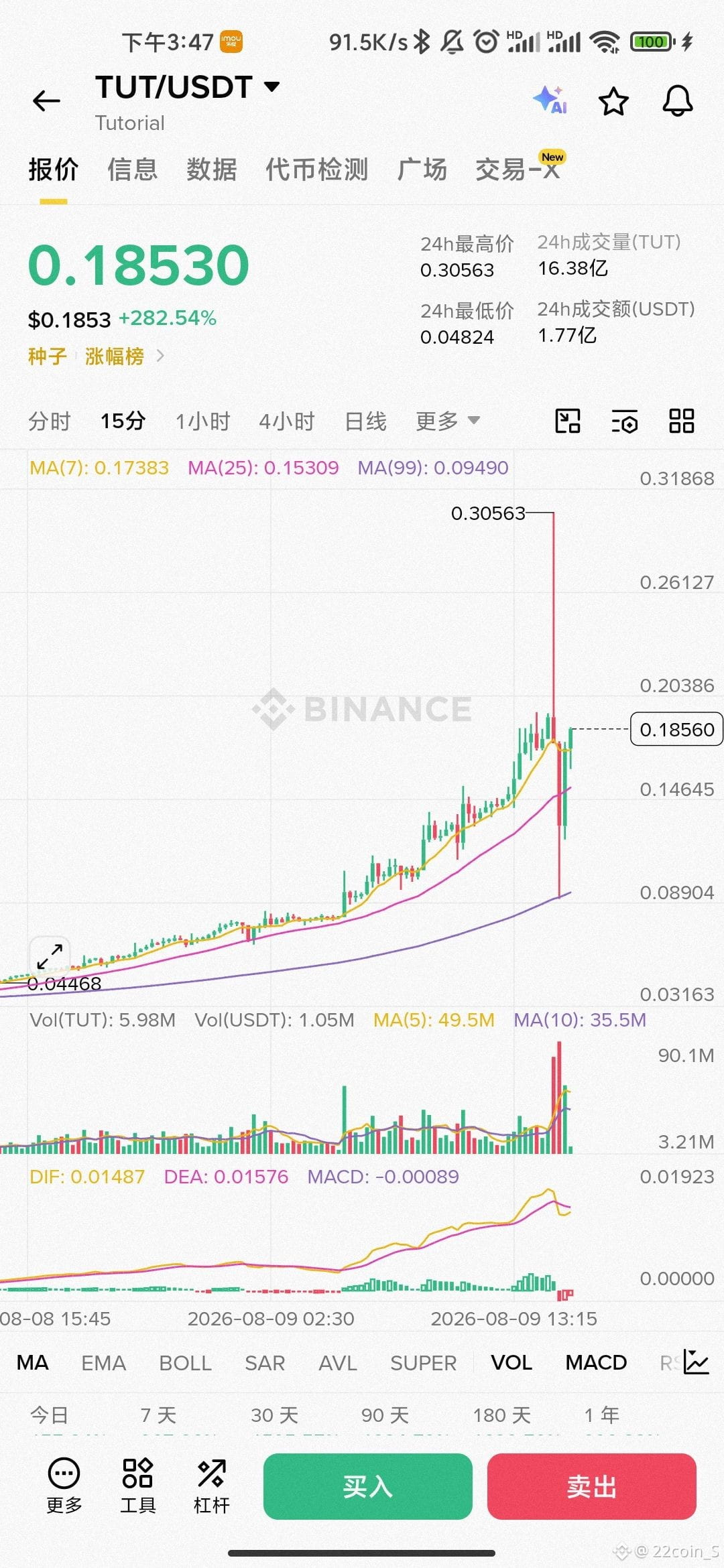
Sharp drop often means the first wave of shakeout has ended
$TST
{future}(TSTUSDT)
Sharp drop often means the first wave of shakeout has ended
$TST
$TST
10
3
3.1k
·
--
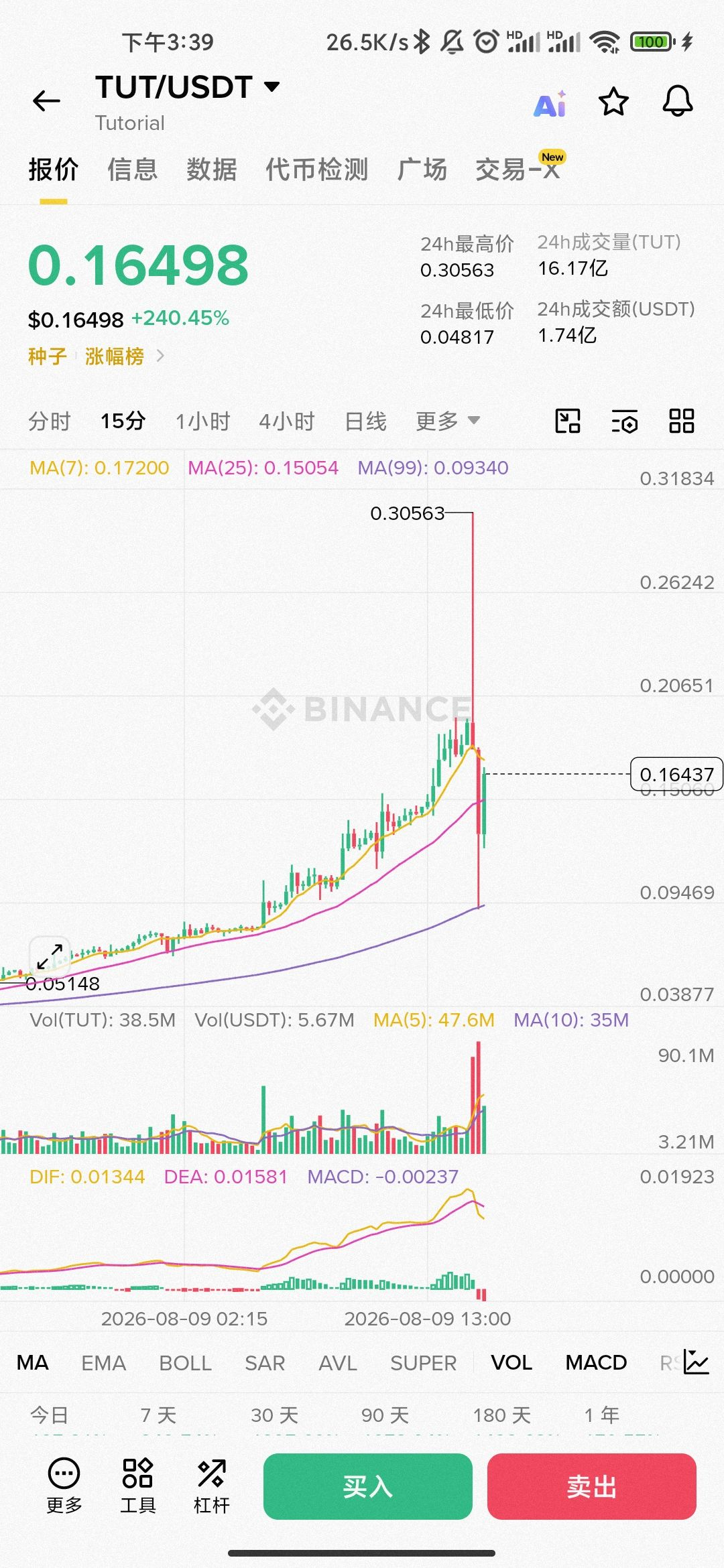
This won’t end so soon. Don’t worry
$TST
{future}(TSTUSDT)
This won’t end so soon. Don’t worry
$TST
$TST
4
1.1k
·
--
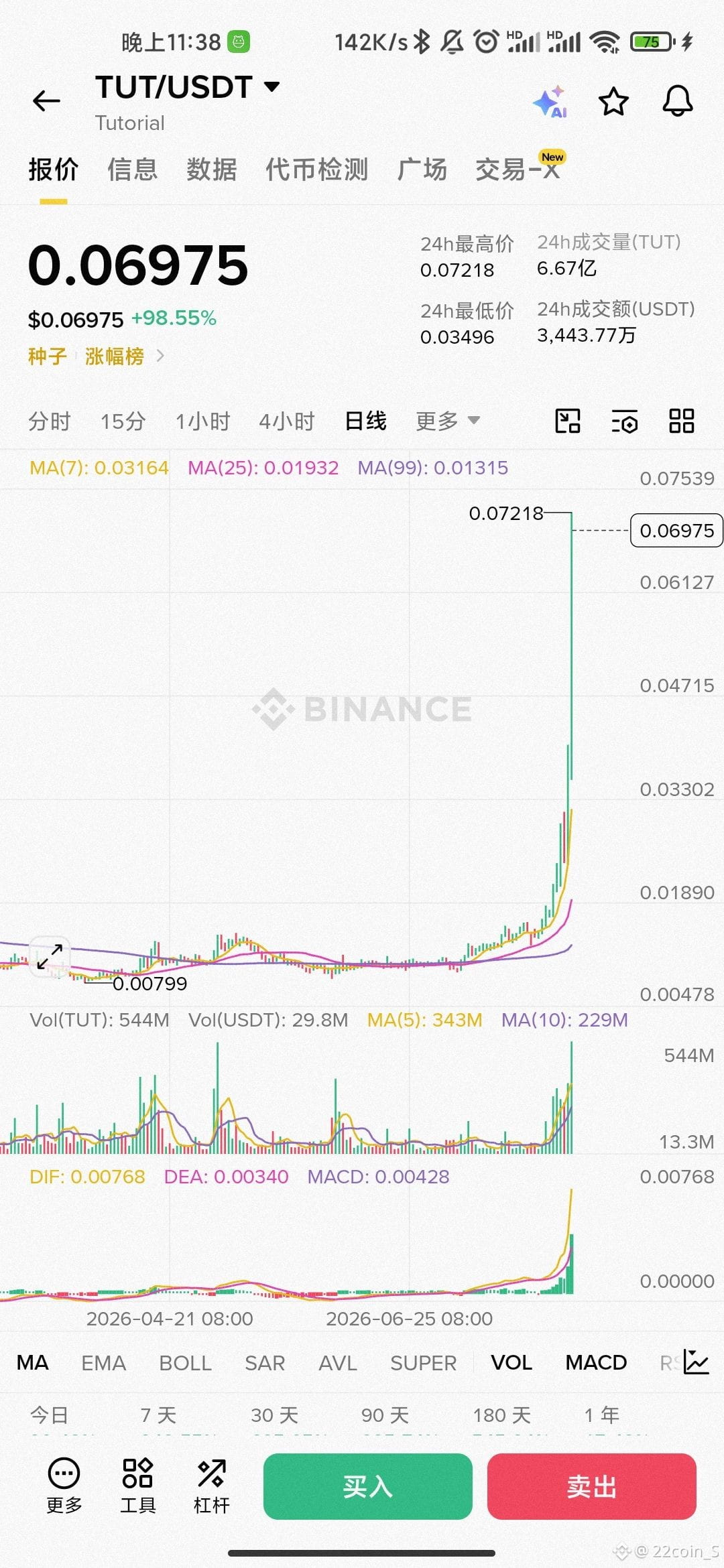
The gameplay seems to have been updated again
$TUT
{spot}(TUTUSDT)
The gameplay seems to have been updated again
$TUT
$TUT
1
3
4.4k
·
--
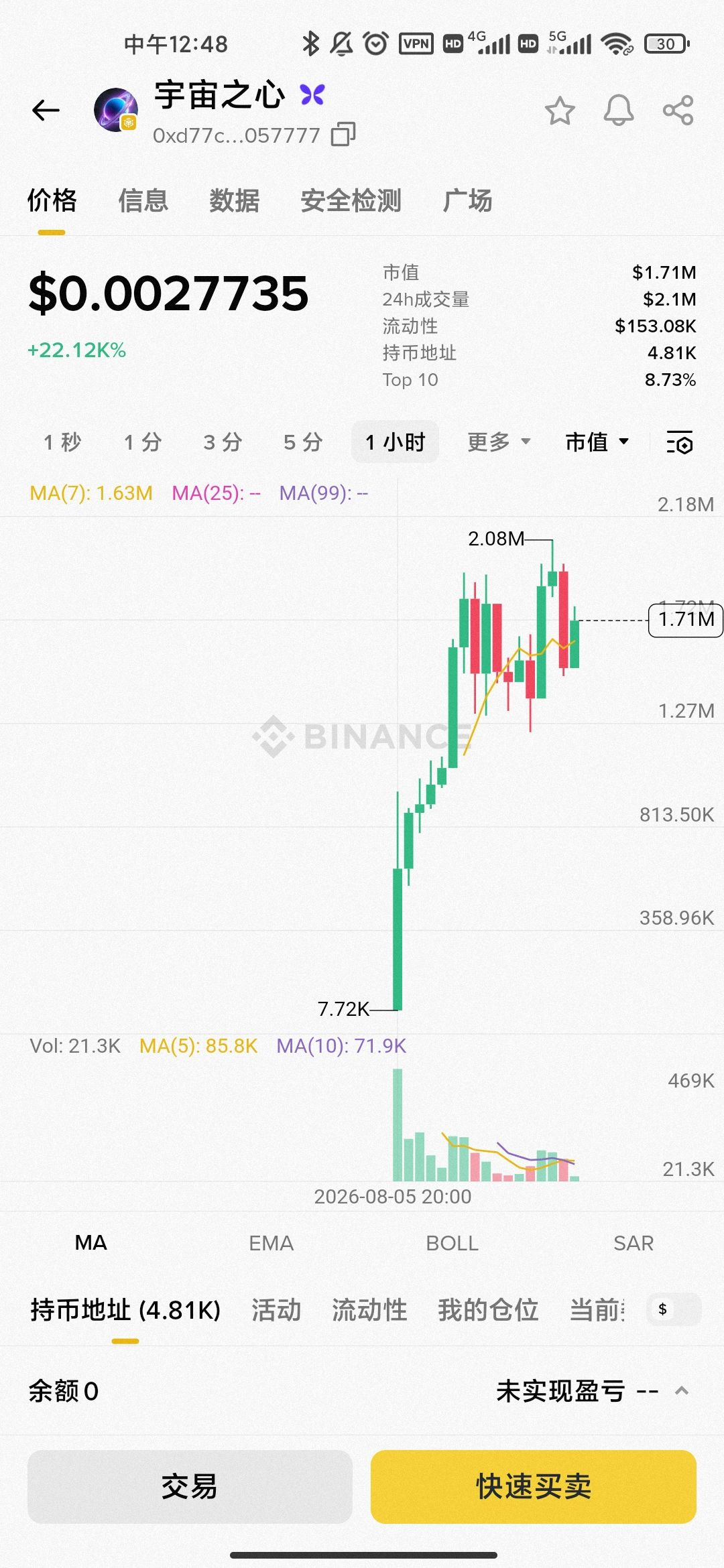
After going through a round of Web3 projects, I found that the story route of #宇宙之心 is quite special.
Starting from SpaceX’s concept of interstellar ambition, and combining decentralized technology, the aim is to build a future digital world.
Whether it can become a standout in the industry depends on how the ecosystem grows afterward.
#宇宙之心 $MarsCoin
After going through a round of Web3 projects, I found that the story route of #宇宙之心 is quite special.
Starting from SpaceX’s concept of interstellar ambition, and combining decentralized technology, the aim is to build a future digital world.
Whether it can become a standout in the industry depends on how the ecosystem grows afterward.
#宇宙之心 $MarsCoin
Starting from SpaceX’s concept of interstellar ambition, and combining decentralized technology, the aim is to build a future digital world.
Whether it can become a standout in the industry depends on how the ecosystem grows afterward.
#宇宙之心 $MarsCoin
224
·
--
Tim Draper started pounding the table
About that on-chain big transfer gossip—he said don’t slap random labels on him. He didn’t sell any BTC; not a single coin moved.
Then, the old man casually picked up the megaphone again: “In one year, Bitcoin will be $250,000.” The vibe is like an old miner stepping in and lighting up a cigarette first—calm, steady, and unbothered.
Think about it—back then, he bought in at $632 and racked up nearly 30,000 BTC. Now, on paper, it’s almost $1.9 billion. When someone like him comes out calling bullish, the market still has to perk up and listen.
Put simply, the old OG is still holding—he hasn’t loosened his grip on the coins—so the narrative hasn’t collapsed. The bears tonight probably won’t sleep easy again.
BTC continues to be the king of the whole show. At this point, don’t just watch the rumors—focus on the trend and the sentiment.
Tim Draper started pounding the table
About that on-chain big transfer gossip—he said don’t slap random labels on him. He didn’t sell any BTC; not a single coin moved.
Then, the old man casually picked up the megaphone again: “In one year, Bitcoin will be $250,000.” The vibe is like an old miner stepping in and lighting up a cigarette first—calm, steady, and unbothered.
Think about it—back then, he bought in at $632 and racked up nearly 30,000 BTC. Now, on paper, it’s almost $1.9 billion. When someone like him comes out calling bullish, the market still has to perk up and listen.
Put simply, the old OG is still holding—he hasn’t loosened his grip on the coins—so the narrative hasn’t collapsed. The bears tonight probably won’t sleep easy again.
BTC continues to be the king of the whole show. At this point, don’t just watch the rumors—focus on the trend and the sentiment.
About that on-chain big transfer gossip—he said don’t slap random labels on him. He didn’t sell any BTC; not a single coin moved.
Then, the old man casually picked up the megaphone again: “In one year, Bitcoin will be $250,000.” The vibe is like an old miner stepping in and lighting up a cigarette first—calm, steady, and unbothered.
Think about it—back then, he bought in at $632 and racked up nearly 30,000 BTC. Now, on paper, it’s almost $1.9 billion. When someone like him comes out calling bullish, the market still has to perk up and listen.
Put simply, the old OG is still holding—he hasn’t loosened his grip on the coins—so the narrative hasn’t collapsed. The bears tonight probably won’t sleep easy again.
BTC continues to be the king of the whole show. At this point, don’t just watch the rumors—focus on the trend and the sentiment.
1
409
·
--
Prediction Markets “Shedding the Financial Cloak”: Meta Keeps Watch, MIRAIMA Goes Red-Hot, and the Traffic Narrative May Be Turning PointUse MIRAIMA’s path of “prediction points + reward redemption” in Japan applications to achieve nearly 1 million monthly active users in about 7 months; on the other side, Meta is also researching internal prediction market applications Arena and considering partnerships with Polymarket and Kalshi. The core shift is very clear: prediction markets are no longer just a financial product for “real-money trading,” but are instead being re-skinned into “content interaction, ad incentives, and user-growth tools.” Driven especially by high-frequency scenarios like the World Cup, elections, and entertainment events, these products are moving from niche trading circles toward more mainstream consumer entry points.
Prediction Markets “Shedding the Financial Cloak”: Meta Keeps Watch, MIRAIMA Goes Red-Hot, and the Traffic Narrative May Be Turning Point
Use MIRAIMA’s path of “prediction points + reward redemption” in Japan applications to achieve nearly 1 million monthly active users in about 7 months; on the other side, Meta is also researching internal prediction market applications Arena and considering partnerships with Polymarket and Kalshi. The core shift is very clear: prediction markets are no longer just a financial product for “real-money trading,” but are instead being re-skinned into “content interaction, ad incentives, and user-growth tools.” Driven especially by high-frequency scenarios like the World Cup, elections, and entertainment events, these products are moving from niche trading circles toward more mainstream consumer entry points.
1
212
·
--
German local savings banks and cooperative banks are rolling out crypto trading services to retail customers. In the future, users will be able to buy and sell cryptocurrencies directly through local banks without third-party platforms.
German local savings banks and cooperative banks are rolling out crypto trading services to retail customers. In the future, users will be able to buy and sell cryptocurrencies directly through local banks without third-party platforms.
1
341
·
--
Stay patient in volatilityThe market never only rewards momentary enthusiasm; it also tests one’s judgment and patience during volatility.
What truly matters is not nailing the timing every time, but knowing why you set out—when your emotions are at their noisiest. Opportunities will keep coming, but clarity, discipline, and a long-term perspective are what give you the confidence to get through the cycle.
May every waiting not be wasted time, and every review make yourself steadier. $BTC
Stay patient in volatility
The market never only rewards momentary enthusiasm; it also tests one’s judgment and patience during volatility.
What truly matters is not nailing the timing every time, but knowing why you set out—when your emotions are at their noisiest. Opportunities will keep coming, but clarity, discipline, and a long-term perspective are what give you the confidence to get through the cycle.
May every waiting not be wasted time, and every review make yourself steadier. $BTC
What truly matters is not nailing the timing every time, but knowing why you set out—when your emotions are at their noisiest. Opportunities will keep coming, but clarity, discipline, and a long-term perspective are what give you the confidence to get through the cycle.
May every waiting not be wasted time, and every review make yourself steadier. $BTC
209
·
--
True growth is staying clear-headed amid fluctuations, and still believing in time and patience even in the depths. $BTC
True growth is staying clear-headed amid fluctuations, and still believing in time and patience even in the depths. $BTC
1
269
·
--
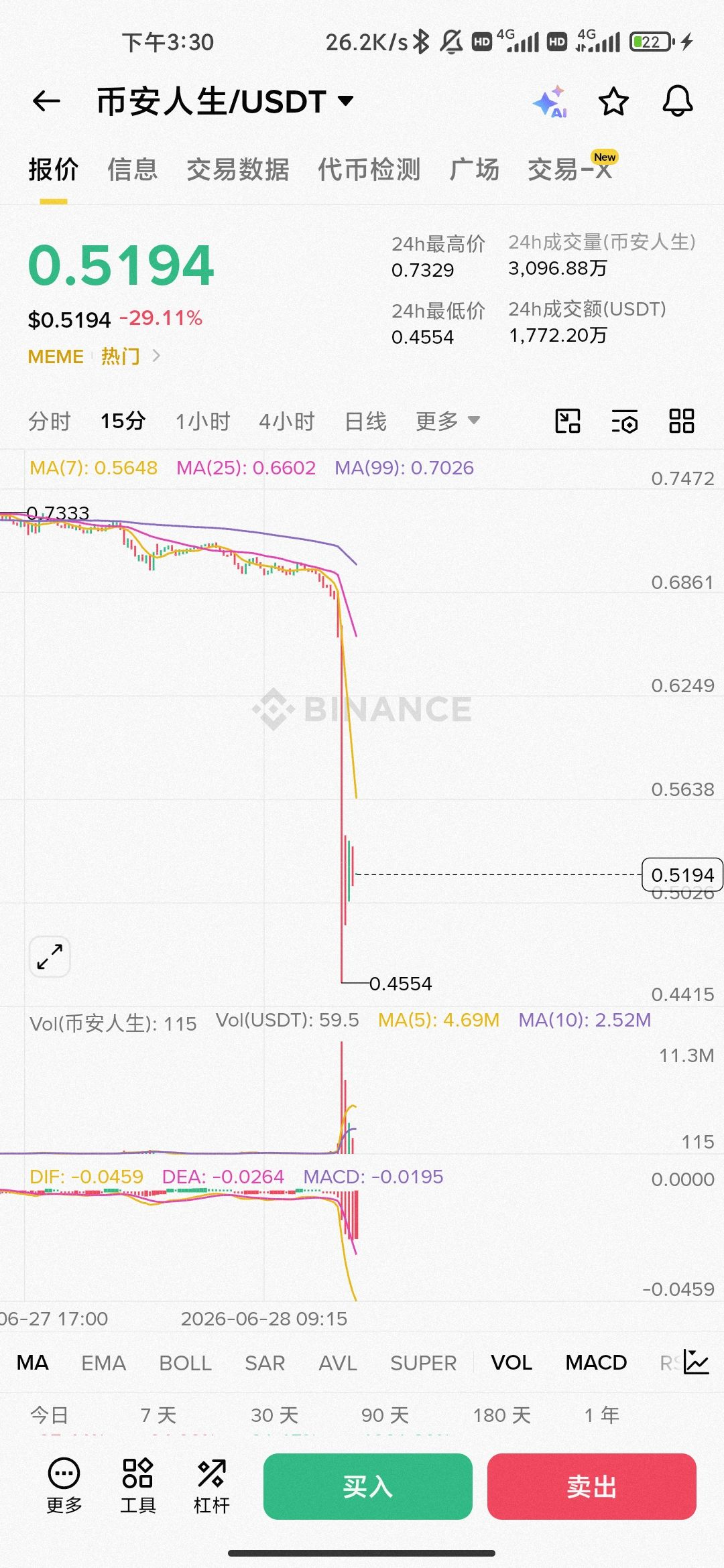
Finally can’t hold on anymore? $币安人生
{spot}(币安人生USDT)
Finally can’t hold on anymore? $币安人生
2
1
5
2.4k
·
--
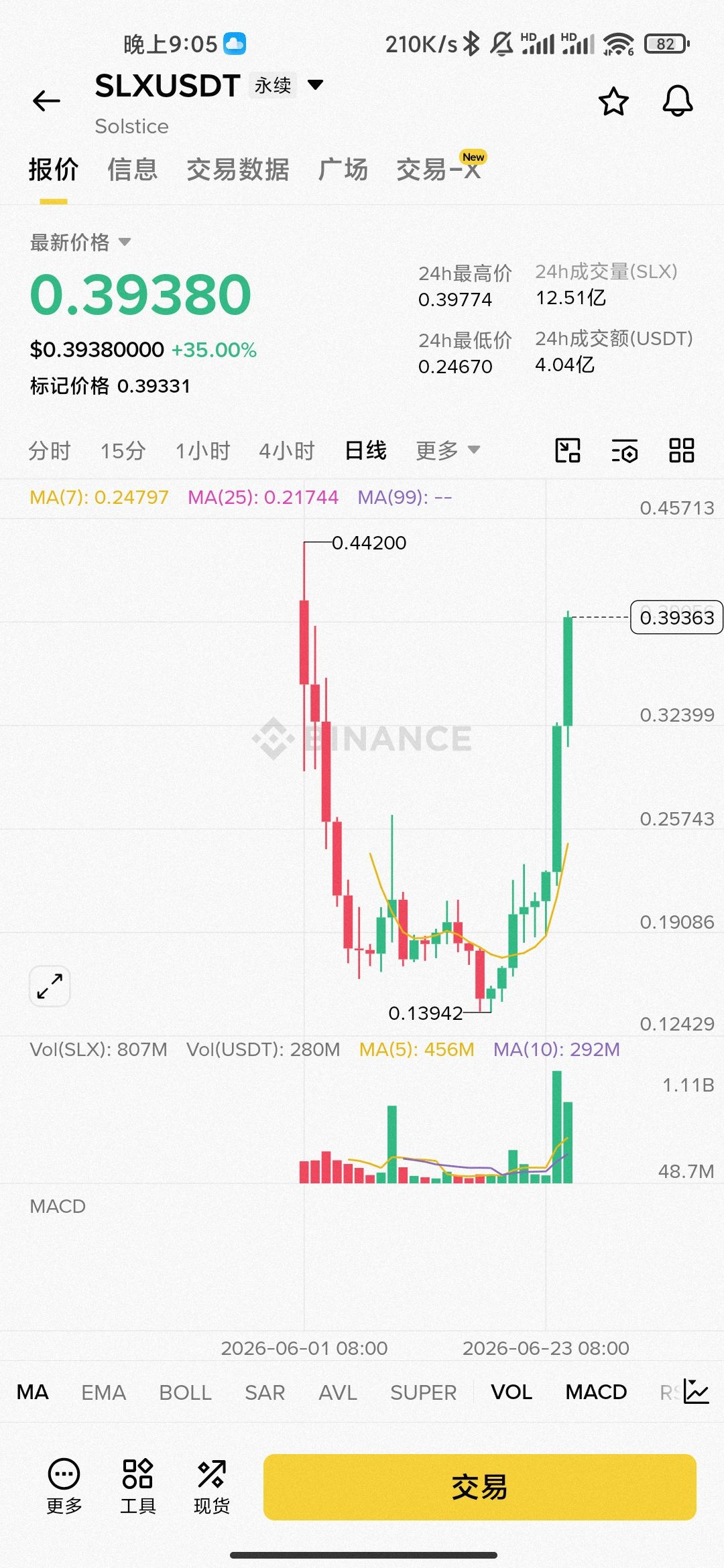
That dog-servant really isn’t a good person; are all the alphas lately so fierce? Should we let them in?
$SLX
{future}(SLXUSDT)
That dog-servant really isn’t a good person; are all the alphas lately so fierce? Should we let them in?
$SLX
$SLX
4
4
1.4k
·
--
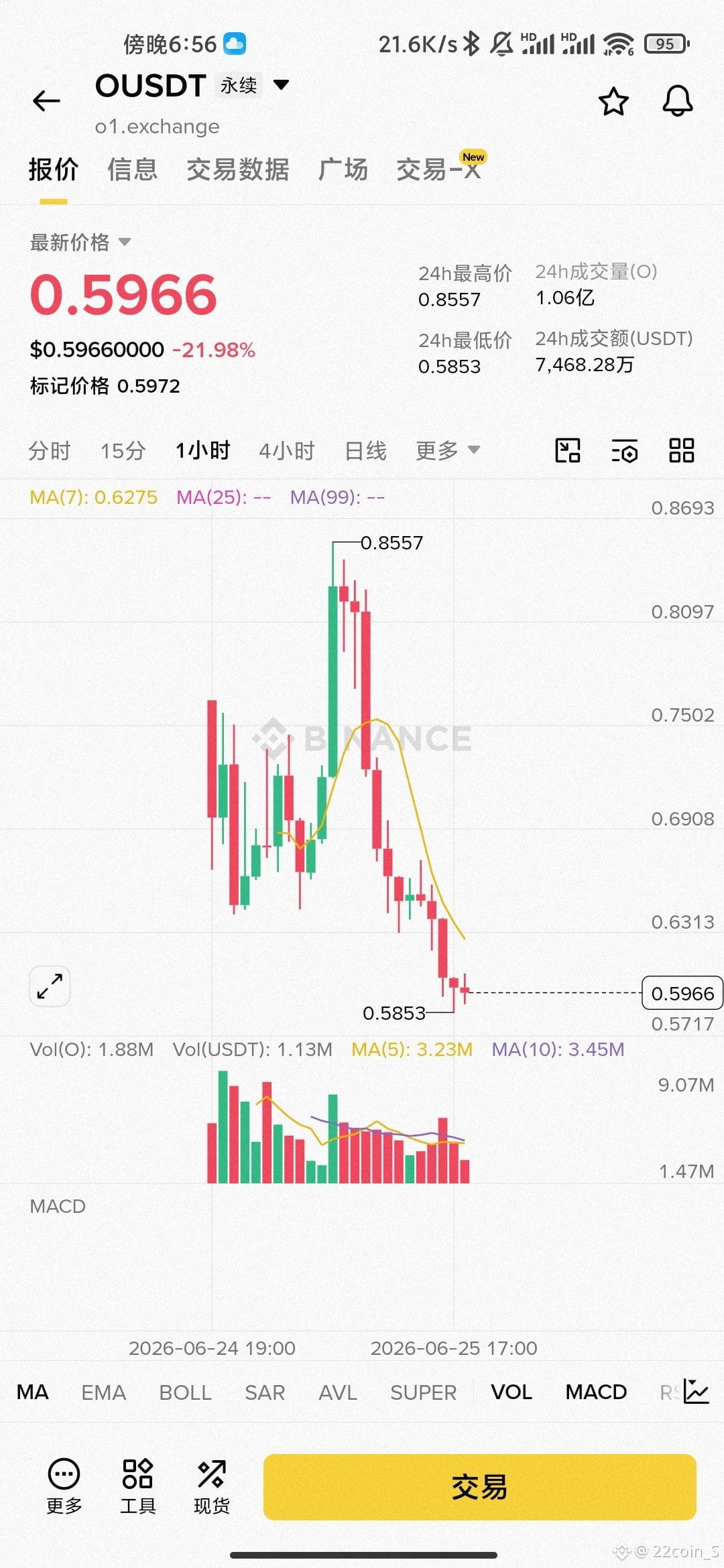
$O
{future}(OUSDT)
Once you hit the contracts, your true colors show, huh?
$O
Once you hit the contracts, your true colors show, huh?
Once you hit the contracts, your true colors show, huh?
6
8
10.3k
·
--
$ARX
arx's unlock volume is pretty hefty, not sure it can replicate re's pump
I'm outta here
$ARX
{alpha}(560xd5f6ef5deabe61e6d5cdb49bfb6f156f2c1ca715)
$ARX
arx's unlock volume is pretty hefty, not sure it can replicate re's pump
I'm outta here
$ARX
arx's unlock volume is pretty hefty, not sure it can replicate re's pump
I'm outta here
$ARX
2
1.5k
Log in to explore more content
Join global crypto users on Binance Square
⚡️ Get latest and useful information about crypto.
💬 Trusted by the world’s largest crypto exchange.
👍 Discover real insights from verified creators.
Email / Phone number
Trending Topics
BNBSurpasses$790
11,712 views
92 Discussing
$BNB strategic long plan -> FOCUS NOW
BNB has created 2 strong lows after taking out internal liquidity
I'm expecting a move towards swing high $815-$830 and looking for a long on a retest of the green box
#BNBSurpasses$790 #bnb
Ghost Writer
·4 Likes
·5.7k views
ZamaRises15.99%ToIntradayHigh$0.09
6,540 views
77 Discussing
BitcoinSpotETFsDraw$6.34BInflowsInQ3
4,021 views
66 Discussing