

大晖哥Whdysseus
1k Posts
大晖哥Whdysseus
Report
Block User
1783DAO和博链BroadChain创始人|Crypto Since 2014|二级市场投研与行业研究|币安全球区块链百强创作者入围|原证券/基金从业者|关注Crypto、美股、港股、全球科技与新兴产业|香港|新加坡|东京|首尔|迪拜|阿布扎比…

Top traders by profit in 30D

原创之星
High-Frequency Trader
8.7 Years
39 Following
2.2K+ Followers
2.9K+ Liked
2 Badges
Posts
All
Quotes
Videos
PINNED

PINNED
·
--
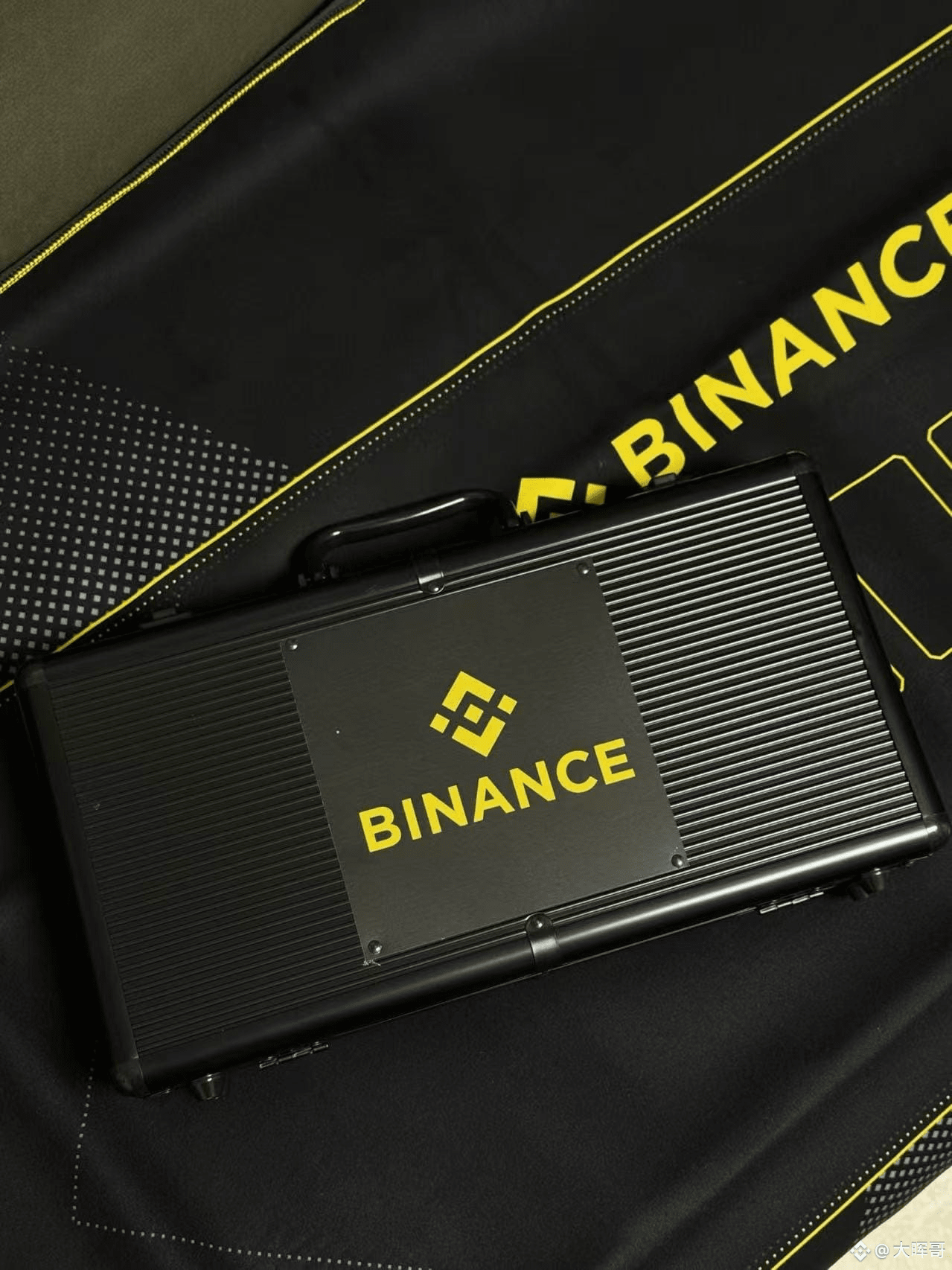
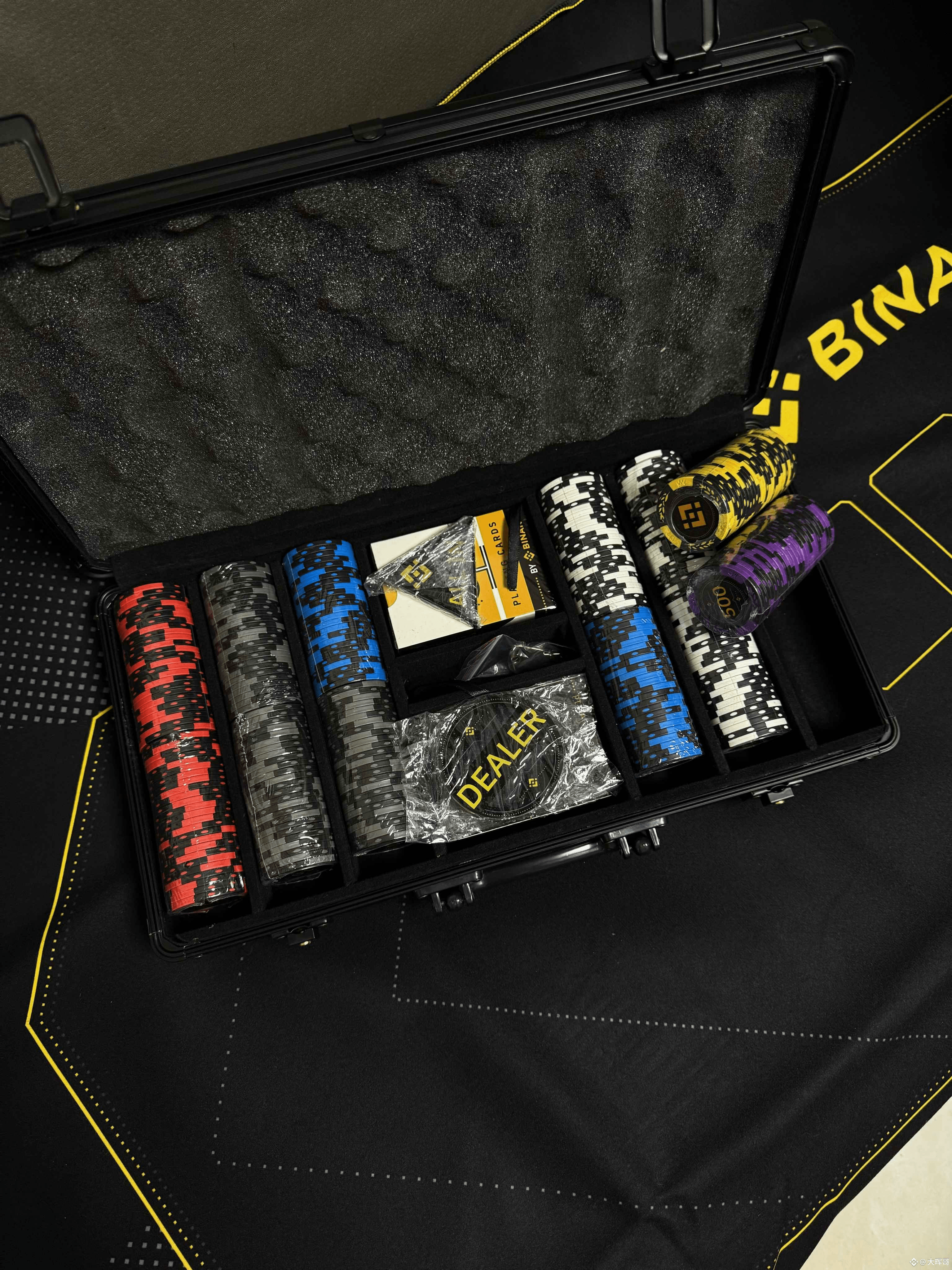
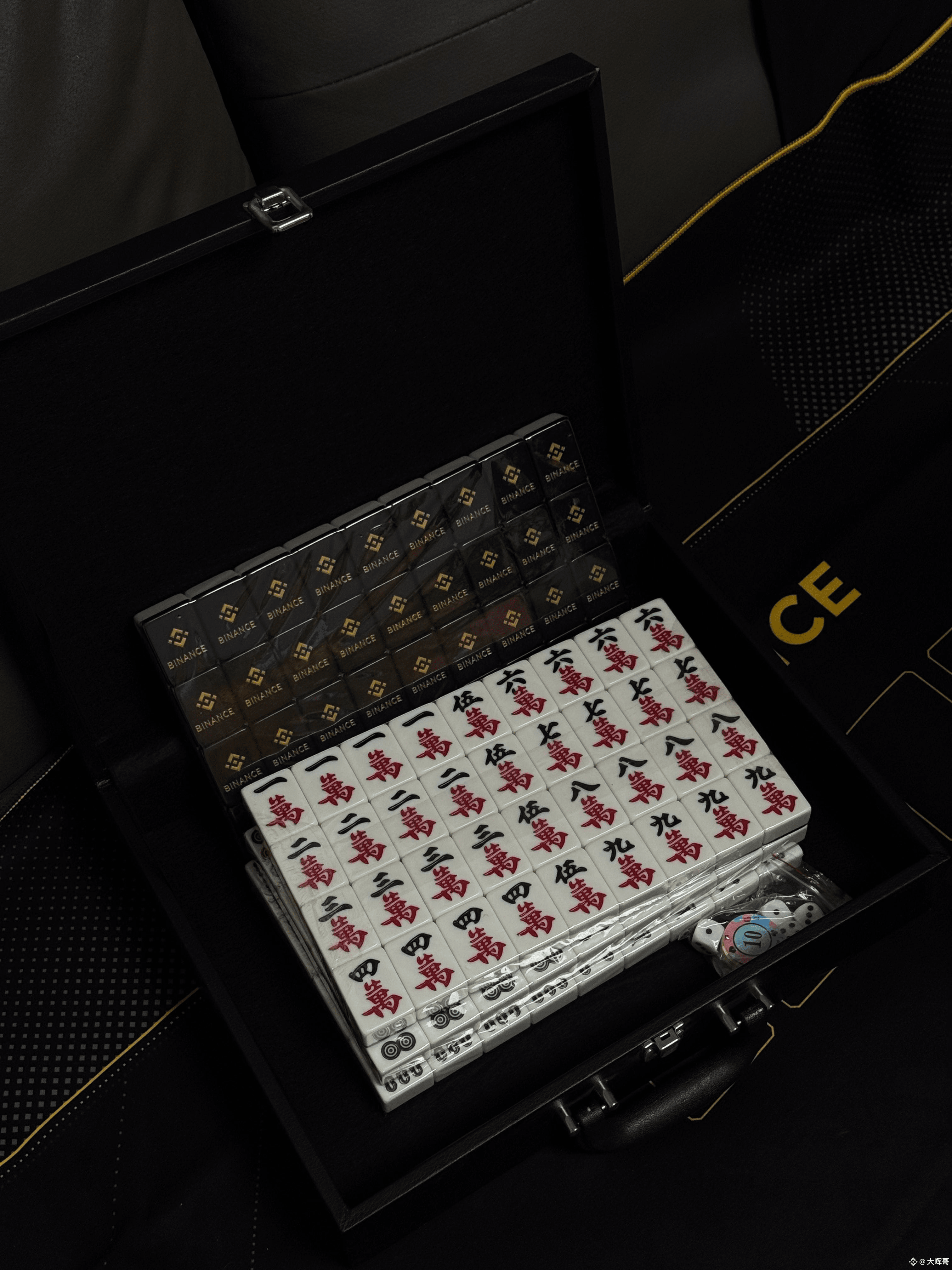
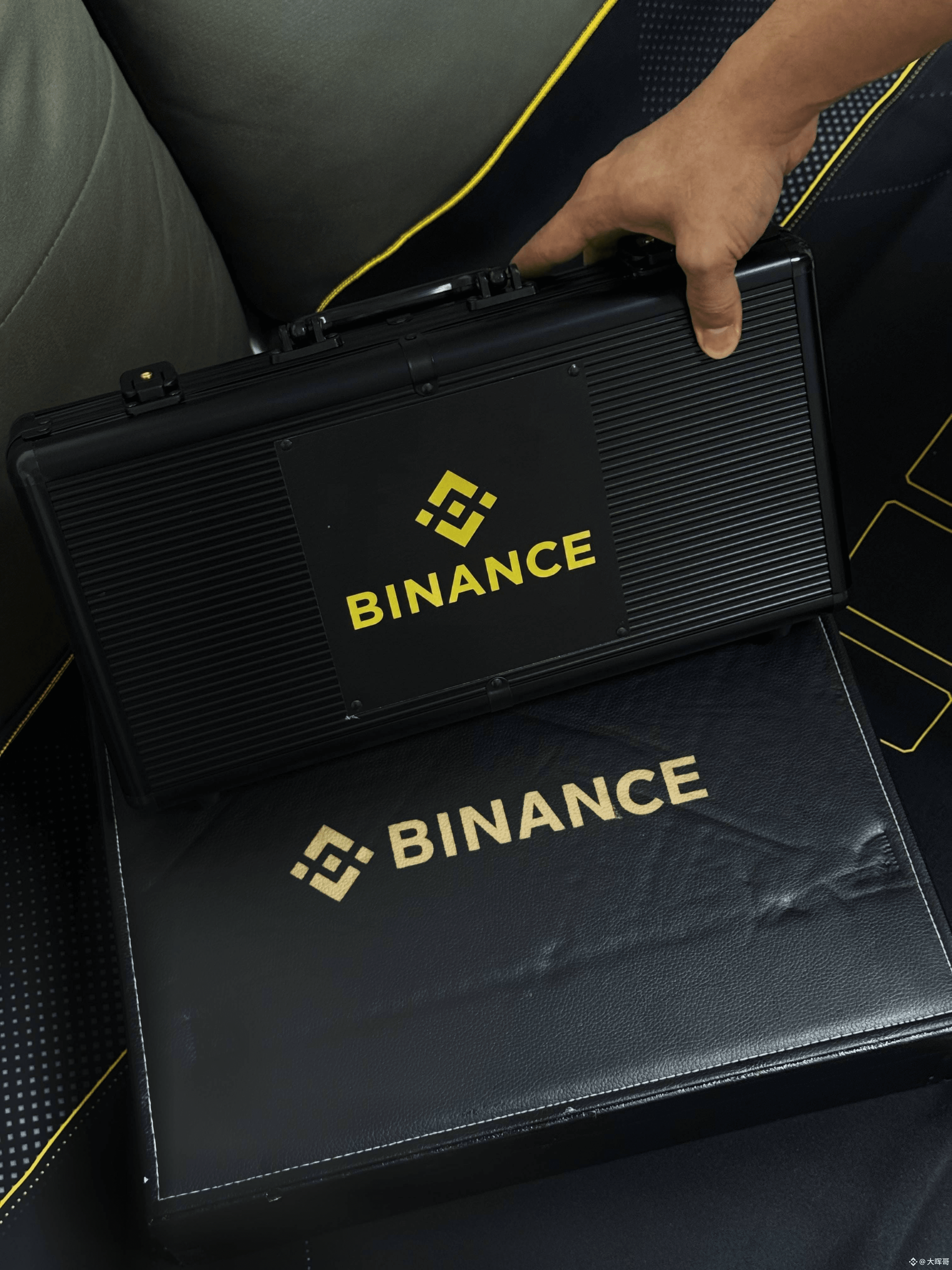
Binance VIP 9 Customer Exclusive
Global Limited Edition of 50 Sets
Texas + Mahjong Set
The family of 1783DAO is so powerful
Binance VIP 9 Customer Exclusive
Global Limited Edition of 50 Sets
Texas + Mahjong Set
The family of 1783DAO is so powerful
Global Limited Edition of 50 Sets
Texas + Mahjong Set
The family of 1783DAO is so powerful
39
11
102
38.4k
·
--
Partly True
One-sentence review: Why Lighter (LIT) collapsed.
Robinhood itself entered the fray by launching crypto perpetual futures, cutting off the orders and traffic that originally flowed to Lighter.
Robinhood offers U.S. users perpetual contracts for eight assets including BTC, ETH, and SOL, with BTC and ETH supporting up to 10x leverage.
Previously, Lighter’s core growth logic was to capture perpetual futures trades from the Robinhood Chain—but now Robinhood replaces that route directly with its own regulated products (Robinhood Derivatives + Bitstamp), and Lighter has lost its biggest source of orders and traffic.
One-sentence review: Why Lighter (LIT) collapsed.
Robinhood itself entered the fray by launching crypto perpetual futures, cutting off the orders and traffic that originally flowed to Lighter.
Robinhood offers U.S. users perpetual contracts for eight assets including BTC, ETH, and SOL, with BTC and ETH supporting up to 10x leverage.
Previously, Lighter’s core growth logic was to capture perpetual futures trades from the Robinhood Chain—but now Robinhood replaces that route directly with its own regulated products (Robinhood Derivatives + Bitstamp), and Lighter has lost its biggest source of orders and traffic.
Robinhood itself entered the fray by launching crypto perpetual futures, cutting off the orders and traffic that originally flowed to Lighter.
Robinhood offers U.S. users perpetual contracts for eight assets including BTC, ETH, and SOL, with BTC and ETH supporting up to 10x leverage.
Previously, Lighter’s core growth logic was to capture perpetual futures trades from the Robinhood Chain—but now Robinhood replaces that route directly with its own regulated products (Robinhood Derivatives + Bitstamp), and Lighter has lost its biggest source of orders and traffic.
2
2
3.4k
·
--
These days, it’s visibly clear that Xiaohuihui can see it: the Solana ecosystem has become noticeably strong these days.
It’s not just SOL rising—several lines started moving together.
SOL moved first, reclaiming and holding above $120. Behind it are ETF flows, institutional buy pressure, and a rebound in risk appetite. Bitwise SOL Staking ETF (BSOL) alone saw weekly inflows of over $110 million.
Then the capital started spreading into the ecosystem.
Top projects in the Solana ecosystem:
Layer-1 chain SOL: about $73 billion in market cap
Launch platform PUMP: about $2.0 billion
Aggregation trading and DeFi protocol JUP: about $1.1 billion
Oracle PYTH: about $0.7 billion
DEX and liquidity protocol RAY: about $0.6 billion
Staking protocol JTO: about $0.3–0.4 billion
Meme coin BONK: about $0.3 billion
Launch platform STONK: about $0.2–0.3 billion
Meme coin WIF: about $0.2–0.3 billion
DEX and liquidity protocol ORCA: about $0.1 billion
As the main battlefield for memes, Solana’s launch platforms aren’t just the old-school PUMP. Recently, newer and more innovative playbooks like STONK and PAID have also emerged. Once one pattern appears, people copy it, improve it, and come up with something new.
In contrast, Robinhood Chain’s launch platforms are dominated by only one—PONS.
The depth and competition density of an ecosystem is the real moat for a blockchain.
$SOL $PUMP $RAY $PONS
These days, it’s visibly clear that Xiaohuihui can see it: the Solana ecosystem has become noticeably strong these days.
It’s not just SOL rising—several lines started moving together.
SOL moved first, reclaiming and holding above $120. Behind it are ETF flows, institutional buy pressure, and a rebound in risk appetite. Bitwise SOL Staking ETF (BSOL) alone saw weekly inflows of over $110 million.
Then the capital started spreading into the ecosystem.
Top projects in the Solana ecosystem:
Layer-1 chain SOL: about $73 billion in market cap
Launch platform PUMP: about $2.0 billion
Aggregation trading and DeFi protocol JUP: about $1.1 billion
Oracle PYTH: about $0.7 billion
DEX and liquidity protocol RAY: about $0.6 billion
Staking protocol JTO: about $0.3–0.4 billion
Meme coin BONK: about $0.3 billion
Launch platform STONK: about $0.2–0.3 billion
Meme coin WIF: about $0.2–0.3 billion
DEX and liquidity protocol ORCA: about $0.1 billion
As the main battlefield for memes, Solana’s launch platforms aren’t just the old-school PUMP. Recently, newer and more innovative playbooks like STONK and PAID have also emerged. Once one pattern appears, people copy it, improve it, and come up with something new.
In contrast, Robinhood Chain’s launch platforms are dominated by only one—PONS.
The depth and competition density of an ecosystem is the real moat for a blockchain.
$SOL $PUMP $RAY $PONS
It’s not just SOL rising—several lines started moving together.
SOL moved first, reclaiming and holding above $120. Behind it are ETF flows, institutional buy pressure, and a rebound in risk appetite. Bitwise SOL Staking ETF (BSOL) alone saw weekly inflows of over $110 million.
Then the capital started spreading into the ecosystem.
Top projects in the Solana ecosystem:
Layer-1 chain SOL: about $73 billion in market cap
Launch platform PUMP: about $2.0 billion
Aggregation trading and DeFi protocol JUP: about $1.1 billion
Oracle PYTH: about $0.7 billion
DEX and liquidity protocol RAY: about $0.6 billion
Staking protocol JTO: about $0.3–0.4 billion
Meme coin BONK: about $0.3 billion
Launch platform STONK: about $0.2–0.3 billion
Meme coin WIF: about $0.2–0.3 billion
DEX and liquidity protocol ORCA: about $0.1 billion
As the main battlefield for memes, Solana’s launch platforms aren’t just the old-school PUMP. Recently, newer and more innovative playbooks like STONK and PAID have also emerged. Once one pattern appears, people copy it, improve it, and come up with something new.
In contrast, Robinhood Chain’s launch platforms are dominated by only one—PONS.
The depth and competition density of an ecosystem is the real moat for a blockchain.
$SOL $PUMP $RAY $PONS
5
9
8.3k
·
--
Verified
The world’s largest crypto exchange, Binance, took an investment in USDC issuer Circle (CRCL). It subscribed for 1.237 million shares of common stock at $80.84 per share, for a total of $100 million. The shares are subject to a two-year transfer restriction.
The amount itself isn’t large, but its strategic significance outweighs the figure. Both parties also signed a five-year cooperation agreement at the same time.
For Binance, Tether’s USDT still has many compliance issues. In early 2026, there was also a scandal in which $1 billion worth of USDT allegedly flowed to entities associated with Iran, and the compliance investigator was fired. Investing in Circle is about paving the way for future compliance.
Xiao Huihui has mentioned multiple times that, as the #1 compliant stablecoin globally, USDC has the highest circulating supply—at nearly $80 billion. But the company behind it, Circle, has a market value of only a little over $20 billion.
In Q2 2026, USDC’s on-chain trading volume reached $148 billion, up 151% year over year.
As the leading player in the payments track, Circle is seriously undervalued.
Any major company looking to build a presence in global payments, cross-border trade, and similar sectors should invest and take a stake in Circle—not go off and randomly create a new stablecoin.
Apple, Amazon, Meta, Visa, and Mastercard should all invest a small amount in Circle to secure a position early.
$CRCL $BNB $USDC $USDT #Circle #Tether
The world’s largest crypto exchange, Binance, took an investment in USDC issuer Circle (CRCL). It subscribed for 1.237 million shares of common stock at $80.84 per share, for a total of $100 million. The shares are subject to a two-year transfer restriction.
The amount itself isn’t large, but its strategic significance outweighs the figure. Both parties also signed a five-year cooperation agreement at the same time.
For Binance, Tether’s USDT still has many compliance issues. In early 2026, there was also a scandal in which $1 billion worth of USDT allegedly flowed to entities associated with Iran, and the compliance investigator was fired. Investing in Circle is about paving the way for future compliance.
Xiao Huihui has mentioned multiple times that, as the #1 compliant stablecoin globally, USDC has the highest circulating supply—at nearly $80 billion. But the company behind it, Circle, has a market value of only a little over $20 billion.
In Q2 2026, USDC’s on-chain trading volume reached $148 billion, up 151% year over year.
As the leading player in the payments track, Circle is seriously undervalued.
Any major company looking to build a presence in global payments, cross-border trade, and similar sectors should invest and take a stake in Circle—not go off and randomly create a new stablecoin.
Apple, Amazon, Meta, Visa, and Mastercard should all invest a small amount in Circle to secure a position early.
$CRCL $BNB $USDC $USDT #Circle #Tether
The amount itself isn’t large, but its strategic significance outweighs the figure. Both parties also signed a five-year cooperation agreement at the same time.
For Binance, Tether’s USDT still has many compliance issues. In early 2026, there was also a scandal in which $1 billion worth of USDT allegedly flowed to entities associated with Iran, and the compliance investigator was fired. Investing in Circle is about paving the way for future compliance.
Xiao Huihui has mentioned multiple times that, as the #1 compliant stablecoin globally, USDC has the highest circulating supply—at nearly $80 billion. But the company behind it, Circle, has a market value of only a little over $20 billion.
In Q2 2026, USDC’s on-chain trading volume reached $148 billion, up 151% year over year.
As the leading player in the payments track, Circle is seriously undervalued.
Any major company looking to build a presence in global payments, cross-border trade, and similar sectors should invest and take a stake in Circle—not go off and randomly create a new stablecoin.
Apple, Amazon, Meta, Visa, and Mastercard should all invest a small amount in Circle to secure a position early.
$CRCL $BNB $USDC $USDT #Circle #Tether
1
1
1.5k
·
--
Xiaohuihui’s weekend roundup of crypto concept stocks—everything surged across the board on Monday.
Summary of gains:
AVAX: Avalanche— $AVAT surged 73% in a single day
SUI: SUI Group— $SUIG surged 16.8% in a single day
TAO: TAO Synergies— $TAOX surged 13% in a single day
BNB: CEA Industries— $BNC surged to nearly 10% in a single day
BTC: Strategy— $MSTR surged to nearly 9.5% in a single day
ETH: BitMine— $BMNR surged 8.7% in a single day
Crypto concept stocks are collectively going wild, with AVAX leading the charge, followed closely by SUI and TAO. US stock market funds are accelerating into crypto-related assets.
Xiaohuihui’s weekend roundup of crypto concept stocks—everything surged across the board on Monday.
Summary of gains:
AVAX: Avalanche— $AVAT surged 73% in a single day
SUI: SUI Group— $SUIG surged 16.8% in a single day
TAO: TAO Synergies— $TAOX surged 13% in a single day
BNB: CEA Industries— $BNC surged to nearly 10% in a single day
BTC: Strategy— $MSTR surged to nearly 9.5% in a single day
ETH: BitMine— $BMNR surged 8.7% in a single day
Crypto concept stocks are collectively going wild, with AVAX leading the charge, followed closely by SUI and TAO. US stock market funds are accelerating into crypto-related assets.
Summary of gains:
AVAX: Avalanche— $AVAT surged 73% in a single day
SUI: SUI Group— $SUIG surged 16.8% in a single day
TAO: TAO Synergies— $TAOX surged 13% in a single day
BNB: CEA Industries— $BNC surged to nearly 10% in a single day
BTC: Strategy— $MSTR surged to nearly 9.5% in a single day
ETH: BitMine— $BMNR surged 8.7% in a single day
Crypto concept stocks are collectively going wild, with AVAX leading the charge, followed closely by SUI and TAO. US stock market funds are accelerating into crypto-related assets.
929
·
--
In this round, I participated in 4 Memes and lost 3.
I’m losing so badly—it's hard to watch.
Two of them were even recommended via DM by big shots who manage multi-billion-dollar market cap projects. The results were both down over 80%.
Those big shots were so kind to me—I lost several tens of thousands.
A couple of days ago, the Arc ecosystem fell into a low point, but the COOL I bought actually doubled.
My principal is down to just 20%. To break even, it needs to rise 100x.
#circle #ARC #meme
In this round, I participated in 4 Memes and lost 3.
I’m losing so badly—it's hard to watch.
Two of them were even recommended via DM by big shots who manage multi-billion-dollar market cap projects. The results were both down over 80%.
Those big shots were so kind to me—I lost several tens of thousands.
A couple of days ago, the Arc ecosystem fell into a low point, but the COOL I bought actually doubled.
My principal is down to just 20%. To break even, it needs to rise 100x.
#circle #ARC #meme
I’m losing so badly—it's hard to watch.
Two of them were even recommended via DM by big shots who manage multi-billion-dollar market cap projects. The results were both down over 80%.
Those big shots were so kind to me—I lost several tens of thousands.
A couple of days ago, the Arc ecosystem fell into a low point, but the COOL I bought actually doubled.
My principal is down to just 20%. To break even, it needs to rise 100x.
#circle #ARC #meme
5
4.2k
·
--
Buy where no one cares—you're picking up the bargain.
When you chase after crowds are roaring, you're a liquidity provider—you’re the bag-holder.
Starting from late June and early July, Xiao Hui Hui has been sharing his personal views and understanding of UNI; back then, it was all mockery.
These days, it’s all good news for UNI.
Investing must always embrace the leader.
For imitators, most of the time, they can only get a small portion of what the innovators do.
“Cheap valuation” isn’t a reason to buy—the leader’s position is. The market is willing to give the leader a premium for a reason.
Since June, the 1783 Trading community has built up; with UNI, the whole crew became millionaires—back then the lowest was 2.3 USD, now it's 9.5 USD, up over 300%.
One battle for UNI, the whole group gets rich—well-deserved for every family member.
Next, based on the 1783CLUB VIP group, we’ll host high-net-worth investment exchange events, with 5–10 people each time. Focus on communication, focus on investment research—together, on the road to getting rich.
As for the venue, it will be based on where members are located; you can fly anywhere in the world.
$UNI #1783CLUB #DEX
Buy where no one cares—you're picking up the bargain.
When you chase after crowds are roaring, you're a liquidity provider—you’re the bag-holder.
Starting from late June and early July, Xiao Hui Hui has been sharing his personal views and understanding of UNI; back then, it was all mockery.
These days, it’s all good news for UNI.
Investing must always embrace the leader.
For imitators, most of the time, they can only get a small portion of what the innovators do.
“Cheap valuation” isn’t a reason to buy—the leader’s position is. The market is willing to give the leader a premium for a reason.
Since June, the 1783 Trading community has built up; with UNI, the whole crew became millionaires—back then the lowest was 2.3 USD, now it's 9.5 USD, up over 300%.
One battle for UNI, the whole group gets rich—well-deserved for every family member.
Next, based on the 1783CLUB VIP group, we’ll host high-net-worth investment exchange events, with 5–10 people each time. Focus on communication, focus on investment research—together, on the road to getting rich.
As for the venue, it will be based on where members are located; you can fly anywhere in the world.
$UNI #1783CLUB #DEX
When you chase after crowds are roaring, you're a liquidity provider—you’re the bag-holder.
Starting from late June and early July, Xiao Hui Hui has been sharing his personal views and understanding of UNI; back then, it was all mockery.
These days, it’s all good news for UNI.
Investing must always embrace the leader.
For imitators, most of the time, they can only get a small portion of what the innovators do.
“Cheap valuation” isn’t a reason to buy—the leader’s position is. The market is willing to give the leader a premium for a reason.
Since June, the 1783 Trading community has built up; with UNI, the whole crew became millionaires—back then the lowest was 2.3 USD, now it's 9.5 USD, up over 300%.
One battle for UNI, the whole group gets rich—well-deserved for every family member.
Next, based on the 1783CLUB VIP group, we’ll host high-net-worth investment exchange events, with 5–10 people each time. Focus on communication, focus on investment research—together, on the road to getting rich.
As for the venue, it will be based on where members are located; you can fly anywhere in the world.
$UNI #1783CLUB #DEX
4
5.5k
·
--
The Spit-Fight Between Zi Shi and A Zhen
The biggest victims, besides the princess, are the little ear—this is what happened.
The Spit-Fight Between Zi Shi and A Zhen
The biggest victims, besides the princess, are the little ear—this is what happened.
The biggest victims, besides the princess, are the little ear—this is what happened.
244
·
--
Verified
Circle has already distributed 10 billion ARC tokens to 11 addresses.
Arc currently still uses PoA consensus, and network fees continue to be paid in USDC.
According to the allocation plan previously disclosed:
60%: Ecosystem, token sales, developer incentives, and network growth
25%: Circle, protocol development, future staking, and governance
15%: Long-term reserves, strategic flexibility, and economic stability
The next thing truly worth paying attention to is when the ARC token will be activated, and after the future transition from PoA to PoS, how staking, governance, ecosystem incentives, and value capture will be designed.
#Circle #ARC
Circle has already distributed 10 billion ARC tokens to 11 addresses.
Arc currently still uses PoA consensus, and network fees continue to be paid in USDC.
According to the allocation plan previously disclosed:
60%: Ecosystem, token sales, developer incentives, and network growth
25%: Circle, protocol development, future staking, and governance
15%: Long-term reserves, strategic flexibility, and economic stability
The next thing truly worth paying attention to is when the ARC token will be activated, and after the future transition from PoA to PoS, how staking, governance, ecosystem incentives, and value capture will be designed.
#Circle #ARC
Arc currently still uses PoA consensus, and network fees continue to be paid in USDC.
According to the allocation plan previously disclosed:
60%: Ecosystem, token sales, developer incentives, and network growth
25%: Circle, protocol development, future staking, and governance
15%: Long-term reserves, strategic flexibility, and economic stability
The next thing truly worth paying attention to is when the ARC token will be activated, and after the future transition from PoA to PoS, how staking, governance, ecosystem incentives, and value capture will be designed.
#Circle #ARC
1.3k
·
--
Verified
The Federal Reserve raised interest rates by 25 basis points, lifting the benchmark rate to 3.75%–4%, in line with market expectations.
What’s truly worth paying attention to isn’t just those 25 basis points.
The latest dot plot shows: of 18 officials, 12 expect one more rate hike in 2026; 4 expect two more hikes; and only 2 expect no further hikes.
That means: among the 18 officials, 16 believe there is room for additional rate hikes in 2026.
This rate hike was fully priced in by the market; what the market fears most is an “unexpected hike,” which means the biggest near-term shock has already been priced in.
$QQQ $BTC $ETH
The Federal Reserve raised interest rates by 25 basis points, lifting the benchmark rate to 3.75%–4%, in line with market expectations.
What’s truly worth paying attention to isn’t just those 25 basis points.
The latest dot plot shows: of 18 officials, 12 expect one more rate hike in 2026; 4 expect two more hikes; and only 2 expect no further hikes.
That means: among the 18 officials, 16 believe there is room for additional rate hikes in 2026.
This rate hike was fully priced in by the market; what the market fears most is an “unexpected hike,” which means the biggest near-term shock has already been priced in.
$QQQ $BTC $ETH
What’s truly worth paying attention to isn’t just those 25 basis points.
The latest dot plot shows: of 18 officials, 12 expect one more rate hike in 2026; 4 expect two more hikes; and only 2 expect no further hikes.
That means: among the 18 officials, 16 believe there is room for additional rate hikes in 2026.
This rate hike was fully priced in by the market; what the market fears most is an “unexpected hike,” which means the biggest near-term shock has already been priced in.
$QQQ $BTC $ETH
1
4.6k
·
--
Circle's Arc mainnet launched for only 8 hours, and the gap within the ecosystem has already begun to widen.
In the past 24 hours, some projects have gone straight to new heights, while others have already pulled back more than 50% from their highs.
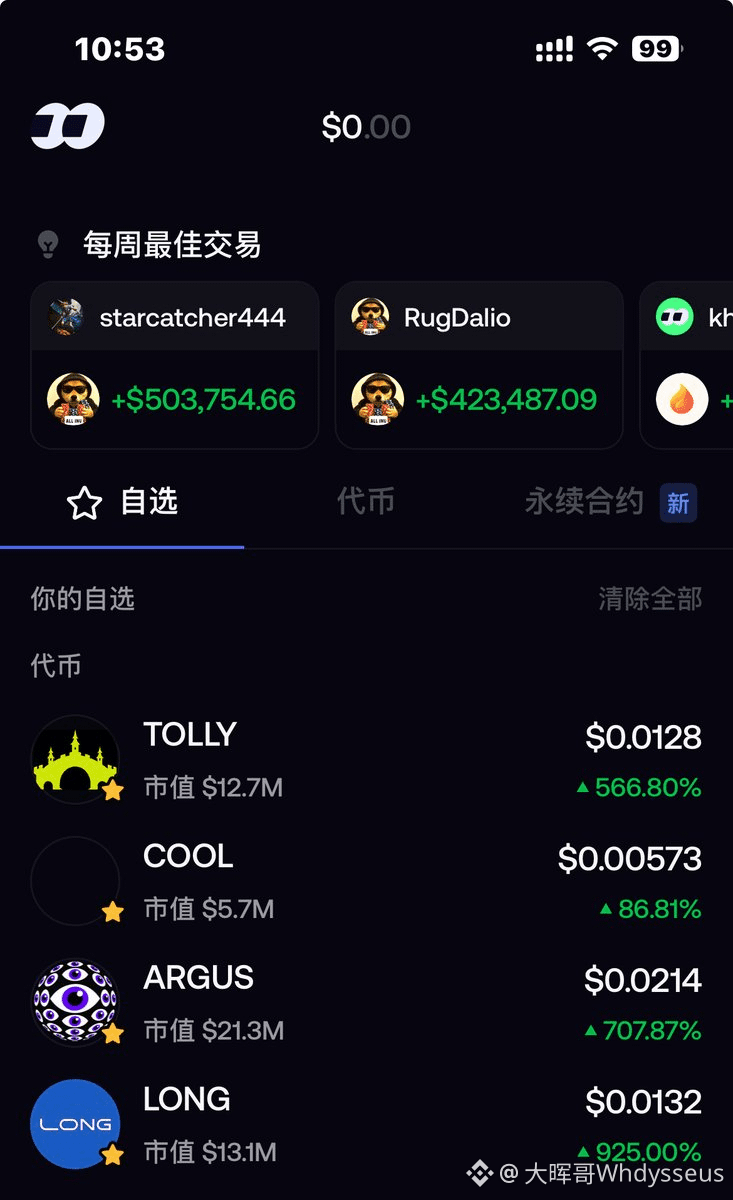
ARGUS has currently, for the moment, become the "#1" within the Arc ecosystem, with a peak market cap that once reached 40 million USD.
TOLLY has pulled back more than 50% from its high; its current market cap is about 12 million USD.
LONG was once the ecosystem leader, but it has now pulled back more than 50% from its high, with a market cap of about 7 million USD.
This is actually the most interesting stage after a new chain launches: the first wave of funds has already moved in, and the first round of projects has begun to differentiate. Some people are chasing the high, while others have been abandoned directly by the capital pool—especially LONG.
From the top-tier launch platform PONS on the former Robinhood Chain to the appearance of new assets in the Arc ecosystem today, attention from the market has clearly begun to be redistributed.
Of course, 8 hours is still far too early. What we’re seeing now is only the first round of fund-driven games. What truly matters is what comes next:
Who can keep liquidity? Who can continue to generate trading volume? Who can become a truly native asset of the Arc ecosystem?
$PONS
{alpha}(46630x39dbed3a2bd333467115de45665cc57f813c4571)
Circle's Arc mainnet launched for only 8 hours, and the gap within the ecosystem has already begun to widen.
In the past 24 hours, some projects have gone straight to new heights, while others have already pulled back more than 50% from their highs.
ARGUS has currently, for the moment, become the "#1" within the Arc ecosystem, with a peak market cap that once reached 40 million USD.
TOLLY has pulled back more than 50% from its high; its current market cap is about 12 million USD.
LONG was once the ecosystem leader, but it has now pulled back more than 50% from its high, with a market cap of about 7 million USD.
This is actually the most interesting stage after a new chain launches: the first wave of funds has already moved in, and the first round of projects has begun to differentiate. Some people are chasing the high, while others have been abandoned directly by the capital pool—especially LONG.
From the top-tier launch platform PONS on the former Robinhood Chain to the appearance of new assets in the Arc ecosystem today, attention from the market has clearly begun to be redistributed.
Of course, 8 hours is still far too early. What we’re seeing now is only the first round of fund-driven games. What truly matters is what comes next:
Who can keep liquidity? Who can continue to generate trading volume? Who can become a truly native asset of the Arc ecosystem?
$PONS
In the past 24 hours, some projects have gone straight to new heights, while others have already pulled back more than 50% from their highs.
ARGUS has currently, for the moment, become the "#1" within the Arc ecosystem, with a peak market cap that once reached 40 million USD.
TOLLY has pulled back more than 50% from its high; its current market cap is about 12 million USD.
LONG was once the ecosystem leader, but it has now pulled back more than 50% from its high, with a market cap of about 7 million USD.
This is actually the most interesting stage after a new chain launches: the first wave of funds has already moved in, and the first round of projects has begun to differentiate. Some people are chasing the high, while others have been abandoned directly by the capital pool—especially LONG.
From the top-tier launch platform PONS on the former Robinhood Chain to the appearance of new assets in the Arc ecosystem today, attention from the market has clearly begun to be redistributed.
Of course, 8 hours is still far too early. What we’re seeing now is only the first round of fund-driven games. What truly matters is what comes next:
Who can keep liquidity? Who can continue to generate trading volume? Who can become a truly native asset of the Arc ecosystem?
$PONS
16
5
15.4k
·
--
Verified
The CLARITY Act failed to move forward—and that was not really surprising.
On September 15 (U.S. Eastern Time), the U.S. Senate held a procedural vote: 49 voted in favor, 50 against, not reaching the 60 votes required to advance.
Over the past 24 hours, the broader market clearly pulled back; instead, a few very special assets strengthened against the trend.
For example, Hunter Biden’s LAPTOP surged by as much as about 30% over the past 24 hours.
Another one worth watching is Arc, from Circle. Arc’s mainnet was launched early at 9:00 AM Beijing time on September 16.
And there was already a striking phenomenon beforehand: USDC on Arc showed nearly a 100% market premium.
That means the market was willing to pay a clearly higher price than $1 to get early access to USDC liquidity on the Arc chain.
The logic behind this is actually easy to understand: a new chain just goes live → native liquidity is scarce → capital rushes to enter → USDC on-chain shows a short-term premium.
This is also why, when a new public chain first starts, you often see some extremely exaggerated prices.
The high premium seen early on Arc mostly reflects on-chain liquidity, cross-chain entry points, and capital scarcity—not that “one USDC is worth $2 by itself.”
After Arc’s mainnet went live, over the past 24 hours, some “top-tier” targets—for instance, ARGUS LONG TOLLY—clearly skyrocketed, with gains ranging roughly from 5 to 9 times.
The CLARITY Act failed to move forward—and that was not really surprising.
On September 15 (U.S. Eastern Time), the U.S. Senate held a procedural vote: 49 voted in favor, 50 against, not reaching the 60 votes required to advance.
Over the past 24 hours, the broader market clearly pulled back; instead, a few very special assets strengthened against the trend.
For example, Hunter Biden’s LAPTOP surged by as much as about 30% over the past 24 hours.
Another one worth watching is Arc, from Circle. Arc’s mainnet was launched early at 9:00 AM Beijing time on September 16.
And there was already a striking phenomenon beforehand: USDC on Arc showed nearly a 100% market premium.
That means the market was willing to pay a clearly higher price than $1 to get early access to USDC liquidity on the Arc chain.
The logic behind this is actually easy to understand: a new chain just goes live → native liquidity is scarce → capital rushes to enter → USDC on-chain shows a short-term premium.
This is also why, when a new public chain first starts, you often see some extremely exaggerated prices.
The high premium seen early on Arc mostly reflects on-chain liquidity, cross-chain entry points, and capital scarcity—not that “one USDC is worth $2 by itself.”
After Arc’s mainnet went live, over the past 24 hours, some “top-tier” targets—for instance, ARGUS LONG TOLLY—clearly skyrocketed, with gains ranging roughly from 5 to 9 times.
On September 15 (U.S. Eastern Time), the U.S. Senate held a procedural vote: 49 voted in favor, 50 against, not reaching the 60 votes required to advance.
Over the past 24 hours, the broader market clearly pulled back; instead, a few very special assets strengthened against the trend.
For example, Hunter Biden’s LAPTOP surged by as much as about 30% over the past 24 hours.
Another one worth watching is Arc, from Circle. Arc’s mainnet was launched early at 9:00 AM Beijing time on September 16.
And there was already a striking phenomenon beforehand: USDC on Arc showed nearly a 100% market premium.
That means the market was willing to pay a clearly higher price than $1 to get early access to USDC liquidity on the Arc chain.
The logic behind this is actually easy to understand: a new chain just goes live → native liquidity is scarce → capital rushes to enter → USDC on-chain shows a short-term premium.
This is also why, when a new public chain first starts, you often see some extremely exaggerated prices.
The high premium seen early on Arc mostly reflects on-chain liquidity, cross-chain entry points, and capital scarcity—not that “one USDC is worth $2 by itself.”
After Arc’s mainnet went live, over the past 24 hours, some “top-tier” targets—for instance, ARGUS LONG TOLLY—clearly skyrocketed, with gains ranging roughly from 5 to 9 times.
2k
·
--
A macro signal worth paying close attention to: global long-term government bond yields are rising across the board.
The US 10-year yield has broken above 5%, hitting the highest level since 2007;
The US 30-year yield has broken above 5.4%, reaching the highest level since 2004;
Japan’s 10-year yield has broken above 3%, the highest level since 1996;
The UK 10-year yield has broken above 5.4%, at a high level not seen since 2007;
France’s 10-year yield has broken above 4.5%, the highest level since 2008;
Germany’s 10-year yield has broken above 3.5%, a high level not seen since 2009.
This is no longer just “a rise in US Treasury yields.” Instead, long-end rates are moving up together in the US, Japan, the UK, and Europe.
There are two key underlying logics:
First, inflation. Rising oil prices have pushed up global inflation expectations again, and the market has started to price “higher interest rates for longer, with later rate cuts.”
Second, fiscal policy. Debt levels and budget deficits across major economies are getting higher and higher. Long-term bond supply is increasing, and the market is starting to demand a higher term premium.
So what is truly worth being wary of now is not whether the Fed will raise rates. It’s whether long-term yields can still come down even if rate cuts happen in the future.
If the US 10-year yield stays around 5% for the long term, the valuation framework for global assets will be repriced.
In the short run, as rates rise, liquidity declines, and high-valuation tech, growth stocks, and Crypto will all face pressure.
In the long run, if the market becomes increasingly concerned about fiscal deficits, debt expansion, and currency credit, then non-sovereign scarce assets like gold and Bitcoin may actually regain investor attention.
So in this round of global bond selloff, what truly matters is not how much any single day’s move was, but a bigger question: is the central level of the global “risk-free rate” moving upward overall? And the valuation logic for many assets will need to be recalculated.
A macro signal worth paying close attention to: global long-term government bond yields are rising across the board.
The US 10-year yield has broken above 5%, hitting the highest level since 2007;
The US 30-year yield has broken above 5.4%, reaching the highest level since 2004;
Japan’s 10-year yield has broken above 3%, the highest level since 1996;
The UK 10-year yield has broken above 5.4%, at a high level not seen since 2007;
France’s 10-year yield has broken above 4.5%, the highest level since 2008;
Germany’s 10-year yield has broken above 3.5%, a high level not seen since 2009.
This is no longer just “a rise in US Treasury yields.” Instead, long-end rates are moving up together in the US, Japan, the UK, and Europe.
There are two key underlying logics:
First, inflation. Rising oil prices have pushed up global inflation expectations again, and the market has started to price “higher interest rates for longer, with later rate cuts.”
Second, fiscal policy. Debt levels and budget deficits across major economies are getting higher and higher. Long-term bond supply is increasing, and the market is starting to demand a higher term premium.
So what is truly worth being wary of now is not whether the Fed will raise rates. It’s whether long-term yields can still come down even if rate cuts happen in the future.
If the US 10-year yield stays around 5% for the long term, the valuation framework for global assets will be repriced.
In the short run, as rates rise, liquidity declines, and high-valuation tech, growth stocks, and Crypto will all face pressure.
In the long run, if the market becomes increasingly concerned about fiscal deficits, debt expansion, and currency credit, then non-sovereign scarce assets like gold and Bitcoin may actually regain investor attention.
So in this round of global bond selloff, what truly matters is not how much any single day’s move was, but a bigger question: is the central level of the global “risk-free rate” moving upward overall? And the valuation logic for many assets will need to be recalculated.
The US 10-year yield has broken above 5%, hitting the highest level since 2007;
The US 30-year yield has broken above 5.4%, reaching the highest level since 2004;
Japan’s 10-year yield has broken above 3%, the highest level since 1996;
The UK 10-year yield has broken above 5.4%, at a high level not seen since 2007;
France’s 10-year yield has broken above 4.5%, the highest level since 2008;
Germany’s 10-year yield has broken above 3.5%, a high level not seen since 2009.
This is no longer just “a rise in US Treasury yields.” Instead, long-end rates are moving up together in the US, Japan, the UK, and Europe.
There are two key underlying logics:
First, inflation. Rising oil prices have pushed up global inflation expectations again, and the market has started to price “higher interest rates for longer, with later rate cuts.”
Second, fiscal policy. Debt levels and budget deficits across major economies are getting higher and higher. Long-term bond supply is increasing, and the market is starting to demand a higher term premium.
So what is truly worth being wary of now is not whether the Fed will raise rates. It’s whether long-term yields can still come down even if rate cuts happen in the future.
If the US 10-year yield stays around 5% for the long term, the valuation framework for global assets will be repriced.
In the short run, as rates rise, liquidity declines, and high-valuation tech, growth stocks, and Crypto will all face pressure.
In the long run, if the market becomes increasingly concerned about fiscal deficits, debt expansion, and currency credit, then non-sovereign scarce assets like gold and Bitcoin may actually regain investor attention.
So in this round of global bond selloff, what truly matters is not how much any single day’s move was, but a bigger question: is the central level of the global “risk-free rate” moving upward overall? And the valuation logic for many assets will need to be recalculated.
412
·
--
Verified
The advantages of the three major US institution chains
The core advantage of Robinhood Chain is that it is close to the 30 million US stock-broker users and trading entry points it connects to. Arc’s core advantage is Circle—global’s largest compliant stablecoin issuer—along with USDC and TradFi. Ink’s core advantage lies in Kraken, centralized exchange (CEX) fund entry, the Superchain, and DeFi.
So the “traffic entry points” behind these three chains are actually different.
And what’s most worth关注 about Ink is not only the chain itself, but also how Kraken connects the DeFi pathway through Ink—meaning users, capital, and trading demand that previously stayed on the CEX are further brought onto-chain. Kraken’s positioning of Ink is, in itself, as the DeFi foundational layer of the Superchain, emphasizing Kraken’s security capabilities, brand, and user entry points.
In essence, Ink is an Ethereum Layer 2 built on the Optimism OP Stack, and it is also part of Optimism’s Superchain. The mainnet went live on December 18, 2024.
Kraken’s Ink ecosystem priorities are well worth watching:
1. UNI. Uniswap is an important DEX and liquidity infrastructure in the Ink ecosystem. Its core value is DEX, AMM, and liquidity. UNI is increasingly looking less like a standalone “DEX token,” and more like liquidity infrastructure behind different chains and different financial platforms.
2. VELO. Velodrome is an important DEX and AMM in the Ink ecosystem, and also a very important liquidity infrastructure for the Superchain ecosystem.
3. Nado. Its core products are spot trading, perpetual trading, and trading infrastructure, making it one of the more important trading applications in the Ink ecosystem.
4. Tydro. Its core product is lending—fundamentally rounding out Ink ecosystem’s lending capabilities and capital efficiency.
5. Even more worth关注 is INK itself. One of the biggest differences from Robinhood Chain is that Ink has its own token plan. The total supply of INK is 1 billion. The token has not yet launched TGE, but Ink has already introduced Ink Points. The first Points begin to be tracked on April 13, 2026, and Kraken Pro’s activities have been clearly included in the Points system.
Next, what needs to be重点关注 is: how will the INK token be ultimately allocated? How much weight will Kraken users have? How much weight will ecosystem projects such as Velodrome, Nado, and Tydro receive? Will on-chain interactions actually be incorporated into the final allocation model? These are the real variables to watch going forward.
$UNI $VELODROME
{future}(VELODROMEUSDT)
#Nado #Tydro #INK #Kraken
The advantages of the three major US institution chains
The core advantage of Robinhood Chain is that it is close to the 30 million US stock-broker users and trading entry points it connects to. Arc’s core advantage is Circle—global’s largest compliant stablecoin issuer—along with USDC and TradFi. Ink’s core advantage lies in Kraken, centralized exchange (CEX) fund entry, the Superchain, and DeFi.
So the “traffic entry points” behind these three chains are actually different.
And what’s most worth关注 about Ink is not only the chain itself, but also how Kraken connects the DeFi pathway through Ink—meaning users, capital, and trading demand that previously stayed on the CEX are further brought onto-chain. Kraken’s positioning of Ink is, in itself, as the DeFi foundational layer of the Superchain, emphasizing Kraken’s security capabilities, brand, and user entry points.
In essence, Ink is an Ethereum Layer 2 built on the Optimism OP Stack, and it is also part of Optimism’s Superchain. The mainnet went live on December 18, 2024.
Kraken’s Ink ecosystem priorities are well worth watching:
1. UNI. Uniswap is an important DEX and liquidity infrastructure in the Ink ecosystem. Its core value is DEX, AMM, and liquidity. UNI is increasingly looking less like a standalone “DEX token,” and more like liquidity infrastructure behind different chains and different financial platforms.
2. VELO. Velodrome is an important DEX and AMM in the Ink ecosystem, and also a very important liquidity infrastructure for the Superchain ecosystem.
3. Nado. Its core products are spot trading, perpetual trading, and trading infrastructure, making it one of the more important trading applications in the Ink ecosystem.
4. Tydro. Its core product is lending—fundamentally rounding out Ink ecosystem’s lending capabilities and capital efficiency.
5. Even more worth关注 is INK itself. One of the biggest differences from Robinhood Chain is that Ink has its own token plan. The total supply of INK is 1 billion. The token has not yet launched TGE, but Ink has already introduced Ink Points. The first Points begin to be tracked on April 13, 2026, and Kraken Pro’s activities have been clearly included in the Points system.
Next, what needs to be重点关注 is: how will the INK token be ultimately allocated? How much weight will Kraken users have? How much weight will ecosystem projects such as Velodrome, Nado, and Tydro receive? Will on-chain interactions actually be incorporated into the final allocation model? These are the real variables to watch going forward.
$UNI $VELODROME
#Nado #Tydro #INK #Kraken
The core advantage of Robinhood Chain is that it is close to the 30 million US stock-broker users and trading entry points it connects to. Arc’s core advantage is Circle—global’s largest compliant stablecoin issuer—along with USDC and TradFi. Ink’s core advantage lies in Kraken, centralized exchange (CEX) fund entry, the Superchain, and DeFi.
So the “traffic entry points” behind these three chains are actually different.
And what’s most worth关注 about Ink is not only the chain itself, but also how Kraken connects the DeFi pathway through Ink—meaning users, capital, and trading demand that previously stayed on the CEX are further brought onto-chain. Kraken’s positioning of Ink is, in itself, as the DeFi foundational layer of the Superchain, emphasizing Kraken’s security capabilities, brand, and user entry points.
In essence, Ink is an Ethereum Layer 2 built on the Optimism OP Stack, and it is also part of Optimism’s Superchain. The mainnet went live on December 18, 2024.
Kraken’s Ink ecosystem priorities are well worth watching:
1. UNI. Uniswap is an important DEX and liquidity infrastructure in the Ink ecosystem. Its core value is DEX, AMM, and liquidity. UNI is increasingly looking less like a standalone “DEX token,” and more like liquidity infrastructure behind different chains and different financial platforms.
2. VELO. Velodrome is an important DEX and AMM in the Ink ecosystem, and also a very important liquidity infrastructure for the Superchain ecosystem.
3. Nado. Its core products are spot trading, perpetual trading, and trading infrastructure, making it one of the more important trading applications in the Ink ecosystem.
4. Tydro. Its core product is lending—fundamentally rounding out Ink ecosystem’s lending capabilities and capital efficiency.
5. Even more worth关注 is INK itself. One of the biggest differences from Robinhood Chain is that Ink has its own token plan. The total supply of INK is 1 billion. The token has not yet launched TGE, but Ink has already introduced Ink Points. The first Points begin to be tracked on April 13, 2026, and Kraken Pro’s activities have been clearly included in the Points system.
Next, what needs to be重点关注 is: how will the INK token be ultimately allocated? How much weight will Kraken users have? How much weight will ecosystem projects such as Velodrome, Nado, and Tydro receive? Will on-chain interactions actually be incorporated into the final allocation model? These are the real variables to watch going forward.
$UNI $VELODROME
#Nado #Tydro #INK #Kraken
1
2.6k
·
--
Verified
The overall core data for the Robinhood Chain is retreating, but an interesting phenomenon has appeared:
Over the past 24 hours, the leading dApp launch platform in the Robinhood Chain ecosystem, PONS, has actually surged by more than 18%.
This suggests one thing: as the tide recedes for the chain, will PONS start to move into an independent market cycle?
So far, the total number of tokens PONS has destroyed has reached 31% of the total supply.
PONS’s business model is also fairly straightforward: it charges a 1% transaction fee at the application layer, with about 70% going to creators and about 30% going into the protocol. Of the protocol revenue, around 80% is used for buybacks and burn of PONS.
Currently, publicly available on-chain data shows that addresses associated with Cumberland have accumulated holdings of about 16.55 million PONS, worth approximately $9.37 million, with an average price of about $0.67. Wintermute holds about 3.43 million PONS, and market speculation generally suggests it may be related to market making.
Robinhood’s Gas subsidies for eligible Wallet transactions will end on September 29.
Previously, much of Robinhood Chain’s transaction activity—especially high-frequency trading like PONS—benefited to a large extent from the low-friction environment of “users don’t need to pay Gas.” After the subsidy ends, whether users will maintain their current trading frequency is the real stress test.
So now, looking at PONS, Xiaohuihui is actually more concerned about three things:
1. After the subsidy ends, how much real transaction fee can PONS generate each day?
2. Can buyback and burn remain sustainable?
3. Can PONS gradually break away from the overall Beta of Robinhood Chain and carve out its own Alpha?
$PONS #Robinhood
The overall core data for the Robinhood Chain is retreating, but an interesting phenomenon has appeared:
Over the past 24 hours, the leading dApp launch platform in the Robinhood Chain ecosystem, PONS, has actually surged by more than 18%.
This suggests one thing: as the tide recedes for the chain, will PONS start to move into an independent market cycle?
So far, the total number of tokens PONS has destroyed has reached 31% of the total supply.
PONS’s business model is also fairly straightforward: it charges a 1% transaction fee at the application layer, with about 70% going to creators and about 30% going into the protocol. Of the protocol revenue, around 80% is used for buybacks and burn of PONS.
Currently, publicly available on-chain data shows that addresses associated with Cumberland have accumulated holdings of about 16.55 million PONS, worth approximately $9.37 million, with an average price of about $0.67. Wintermute holds about 3.43 million PONS, and market speculation generally suggests it may be related to market making.
Robinhood’s Gas subsidies for eligible Wallet transactions will end on September 29.
Previously, much of Robinhood Chain’s transaction activity—especially high-frequency trading like PONS—benefited to a large extent from the low-friction environment of “users don’t need to pay Gas.” After the subsidy ends, whether users will maintain their current trading frequency is the real stress test.
So now, looking at PONS, Xiaohuihui is actually more concerned about three things:
1. After the subsidy ends, how much real transaction fee can PONS generate each day?
2. Can buyback and burn remain sustainable?
3. Can PONS gradually break away from the overall Beta of Robinhood Chain and carve out its own Alpha?
$PONS #Robinhood
Over the past 24 hours, the leading dApp launch platform in the Robinhood Chain ecosystem, PONS, has actually surged by more than 18%.
This suggests one thing: as the tide recedes for the chain, will PONS start to move into an independent market cycle?
So far, the total number of tokens PONS has destroyed has reached 31% of the total supply.
PONS’s business model is also fairly straightforward: it charges a 1% transaction fee at the application layer, with about 70% going to creators and about 30% going into the protocol. Of the protocol revenue, around 80% is used for buybacks and burn of PONS.
Currently, publicly available on-chain data shows that addresses associated with Cumberland have accumulated holdings of about 16.55 million PONS, worth approximately $9.37 million, with an average price of about $0.67. Wintermute holds about 3.43 million PONS, and market speculation generally suggests it may be related to market making.
Robinhood’s Gas subsidies for eligible Wallet transactions will end on September 29.
Previously, much of Robinhood Chain’s transaction activity—especially high-frequency trading like PONS—benefited to a large extent from the low-friction environment of “users don’t need to pay Gas.” After the subsidy ends, whether users will maintain their current trading frequency is the real stress test.
So now, looking at PONS, Xiaohuihui is actually more concerned about three things:
1. After the subsidy ends, how much real transaction fee can PONS generate each day?
2. Can buyback and burn remain sustainable?
3. Can PONS gradually break away from the overall Beta of Robinhood Chain and carve out its own Alpha?
$PONS #Robinhood
2
1.5k
·
--
Verified
Since July 2026, Xiao Hui Hui has, for the first time across the entire web, shouted that UNI is moving from B2C to B2B2C.
Previously, what everyone understood about Uniswap was that it directly served end users: users came to Uniswap to trade, and Uniswap earned protocol revenue—something similar to B2C.
Now it’s increasingly becoming something else: public chains, wallets, and on-chain financial platforms first integrate Uniswap, and then Uniswap takes on the users—more and more like B2B2C.
In the past two months, first it was Robinhood Chain, where Uniswap became one of the core liquidity entry points, bringing real on-chain trading volume and protocol revenue. Then came Arc from Circle, and now there’s Ink, a chain under Kraken.
Uniswap provides different chains and platforms with underlying DEX, AMM, liquidity, and trading infrastructure. Robinhood Chain, Arc, and Ink, in essence, are all expanding the coverage of Uniswap’s infrastructure.
For UNI holders, the most important thing isn’t that there are a few more top-tier partners, but that more chains bring more trading volume; more trading volume brings more protocol revenue; and more revenue leads to more UNI buybacks and burns.
From directly facing users to providing the underlying layer for platforms, UNI is turning into liquidity infrastructure for the on-chain financial world. This may be the biggest fundamental change in Uniswap this round.
$UNI #Robinhood #Arc #Ink
{future}(UNIUSDT)
Since July 2026, Xiao Hui Hui has, for the first time across the entire web, shouted that UNI is moving from B2C to B2B2C.
Previously, what everyone understood about Uniswap was that it directly served end users: users came to Uniswap to trade, and Uniswap earned protocol revenue—something similar to B2C.
Now it’s increasingly becoming something else: public chains, wallets, and on-chain financial platforms first integrate Uniswap, and then Uniswap takes on the users—more and more like B2B2C.
In the past two months, first it was Robinhood Chain, where Uniswap became one of the core liquidity entry points, bringing real on-chain trading volume and protocol revenue. Then came Arc from Circle, and now there’s Ink, a chain under Kraken.
Uniswap provides different chains and platforms with underlying DEX, AMM, liquidity, and trading infrastructure. Robinhood Chain, Arc, and Ink, in essence, are all expanding the coverage of Uniswap’s infrastructure.
For UNI holders, the most important thing isn’t that there are a few more top-tier partners, but that more chains bring more trading volume; more trading volume brings more protocol revenue; and more revenue leads to more UNI buybacks and burns.
From directly facing users to providing the underlying layer for platforms, UNI is turning into liquidity infrastructure for the on-chain financial world. This may be the biggest fundamental change in Uniswap this round.
$UNI #Robinhood #Arc #Ink
Previously, what everyone understood about Uniswap was that it directly served end users: users came to Uniswap to trade, and Uniswap earned protocol revenue—something similar to B2C.
Now it’s increasingly becoming something else: public chains, wallets, and on-chain financial platforms first integrate Uniswap, and then Uniswap takes on the users—more and more like B2B2C.
In the past two months, first it was Robinhood Chain, where Uniswap became one of the core liquidity entry points, bringing real on-chain trading volume and protocol revenue. Then came Arc from Circle, and now there’s Ink, a chain under Kraken.
Uniswap provides different chains and platforms with underlying DEX, AMM, liquidity, and trading infrastructure. Robinhood Chain, Arc, and Ink, in essence, are all expanding the coverage of Uniswap’s infrastructure.
For UNI holders, the most important thing isn’t that there are a few more top-tier partners, but that more chains bring more trading volume; more trading volume brings more protocol revenue; and more revenue leads to more UNI buybacks and burns.
From directly facing users to providing the underlying layer for platforms, UNI is turning into liquidity infrastructure for the on-chain financial world. This may be the biggest fundamental change in Uniswap this round.
$UNI #Robinhood #Arc #Ink
2
2.7k
·
--
Verified
BitMine bought an additional 272,000 ETH on the previous week. As of September 13, BitMine’s total holdings are 5.956378 million ETH, accounting for 4.94% of the total Ethereum supply. It is only 0.06% away from its target—72,000 ETH.
As of now, BitMine has staked 5.067309 million ETH, representing 85% of its total holdings. The staked value is approximately $12.7 billion, with an estimated annualized staking return of about $334 million.
$BMNR $ETH
{future}(ETHUSDT)
BitMine bought an additional 272,000 ETH on the previous week. As of September 13, BitMine’s total holdings are 5.956378 million ETH, accounting for 4.94% of the total Ethereum supply. It is only 0.06% away from its target—72,000 ETH.
As of now, BitMine has staked 5.067309 million ETH, representing 85% of its total holdings. The staked value is approximately $12.7 billion, with an estimated annualized staking return of about $334 million.
$BMNR $ETH
As of now, BitMine has staked 5.067309 million ETH, representing 85% of its total holdings. The staked value is approximately $12.7 billion, with an estimated annualized staking return of about $334 million.
$BMNR $ETH
1
564
·
--
Oh wow, the US stock market is dropping like crazy.
Since Xiaohuihui called for the storage sector’s peak at the end of June, the US storage sector hasn’t had any real upside move—just trudging downward all the way to where we are now.
On the contrary, the Crypto sector has become a safe haven. Overall returns are still decent, and it’s incredibly resilient.
Back when we said storage was topping out, almost nobody believed it. Looking back now, that spot really was a high point.
You don’t get every call right, but judging the key turning points can help you lose a lot less money.
$KORU $SOXL
{future}(SOXLUSDT)
Oh wow, the US stock market is dropping like crazy.
Since Xiaohuihui called for the storage sector’s peak at the end of June, the US storage sector hasn’t had any real upside move—just trudging downward all the way to where we are now.
On the contrary, the Crypto sector has become a safe haven. Overall returns are still decent, and it’s incredibly resilient.
Back when we said storage was topping out, almost nobody believed it. Looking back now, that spot really was a high point.
You don’t get every call right, but judging the key turning points can help you lose a lot less money.
$KORU $SOXL
Since Xiaohuihui called for the storage sector’s peak at the end of June, the US storage sector hasn’t had any real upside move—just trudging downward all the way to where we are now.
On the contrary, the Crypto sector has become a safe haven. Overall returns are still decent, and it’s incredibly resilient.
Back when we said storage was topping out, almost nobody believed it. Looking back now, that spot really was a high point.
You don’t get every call right, but judging the key turning points can help you lose a lot less money.
$KORU $SOXL
1
4.1k
·
--
Disputed
Community rumors— is CoinEx going to be shut down?
It’s been around for so many years, and it really hasn’t been easy.
If the news is true, it’s still quite heartbreaking.
Everyone, friends—please pay attention, especially if you still have coins in your CoinEx account. We suggest confirming the platform’s latest announcements and the status of your assets as soon as possible.
Community rumors— is CoinEx going to be shut down?
It’s been around for so many years, and it really hasn’t been easy.
If the news is true, it’s still quite heartbreaking.
Everyone, friends—please pay attention, especially if you still have coins in your CoinEx account. We suggest confirming the platform’s latest announcements and the status of your assets as soon as possible.
It’s been around for so many years, and it really hasn’t been easy.
If the news is true, it’s still quite heartbreaking.
Everyone, friends—please pay attention, especially if you still have coins in your CoinEx account. We suggest confirming the platform’s latest announcements and the status of your assets as soon as possible.
719
Log in to explore more content
Join global crypto users on Binance Square
⚡️ Get latest and useful information about crypto.
💬 Trusted by the world’s largest crypto exchange.
👍 Discover real insights from verified creators.
Email / Phone number
Trending Topics
BitcoinSlipsBelow$84000
5 views
22 Discussing
Bitcoin has slipped below the $84K level, with $BTC trading around the $83K area as market pressure continues.
Rising U.S. Treasury yields, rate-hike concerns and softer spot demand are weighing on sentiment. Bitcoin also recently broke below $83K, triggering a wave of leveraged liquidations.
The $82K–$83K zone is now an important area to watch as traders look for signs of stabilization or further downside.
#bitcoin #BTC #crypto #BitcoinSlipsBelow$84000 #Write2Earn
AbdullahAbid_7
·0 Likes
·6 views
SECToClarifyOnChainFundraisingRules
1,016 views
86 Discussing
UKFCAOpensCryptoFirmAuthorization
3,264 views
126 Discussing