

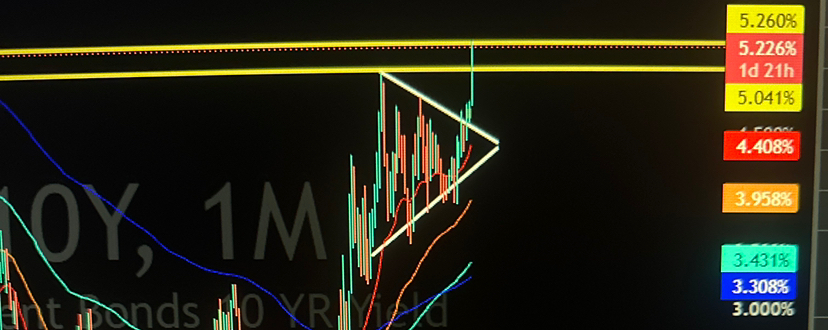

New development on 9/30: the market began attributing about a 65% chance to keeping interest rates steady in October, versus 55% before the PCE. The 2-year Treasury yield fell to 4.868%, but the 10-year yield rose to 5.272% and the 30-year yield to 5.6298%. In other words: expectations for immediate tightening eased, while the cost of long-term capital worsened.
Reuters associates this long-standing pressure with fiscal deterioration, increased debt issuance, and energy inflation linked to the conflict with Iran; Brent was up toward $103.71.
Inference for the Zion Smart DCA: the PCE better hasn’t turned into broad liquidity release. Therefore, it remains consistent to keep the DCA scheduled and preserve opportunity cash, without turning small dips in BTC into an automatic extra-buy trigger.
Risks and counterpoints: long yields may be partially distorted by the quarterly roll; a persistent drop in oil or weak payroll could reverse the move. However, if the 10-year Treasury stays near 5.3% even with a lower probability of a Fed rate hike, the hurdle for risk assets becomes structural — debt, bond supply, and the term premium — and not just monetary policy.
Tracking: Treasury closes, 2/10 payroll, oil, and eventual confirmation of this divergence between short- and long-term yields.
“The market reduced the Fed’s odds of a rate hike — so why did the 30-year Treasury keep climbing? The real tightening may be beyond the central bank.”