
Contracts are like drugs; everyone knows they are harmful, yet some can't help but try a second time.
$PIPPIN
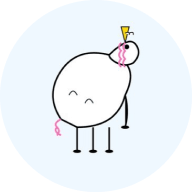
The most authentic scene in the crypto world:
While cursing contracts as meat grinders, some still can't resist opening trading software.
It's not that people don't know the risks, but the temptation of "quick money" is too direct—
An average job earns ten thousand in a month, but in contracts, with ten thousand in capital plus leverage,
A 1% market fluctuation could represent the equivalent of several weeks' salary in reality.
This speed difference is enough to make people selectively forget the risks.
But the volatility in the crypto world is never gentle:
In extreme market conditions, a 1% fluctuation within seconds is the norm;
For small coins, a single spike can blow up by 20% without surprise;
Even BTC can drop by 3% to 4% in just a few minutes when sentiment is poor.
What makes contracts most addictive isn't simply predicting the right direction,
It's that feeling of "doubling your capital"—
1 becomes 2, 2 becomes 4, and after several times, people really start to believe they have found a shortcut.
In the same market, spot trading might only earn some pocket money,
But contracts can elevate returns dramatically.
This gap has become the source of addiction for many.
But those who truly survive are never gamblers.
Some treat contracts as a tool, testing small positions and cutting losses decisively;
Others treat it as a last straw, hoping for a turnaround.
The latter often ends up losing the most.
Contracts themselves are not dangerous; the danger lies in gambling with them.
If one can control positions and plan stop-losses and take-profits in advance,
They are merely a tool to amplify returns;
But if one always thinks, "one more bet can recover losses,"
The market will eventually take back all of your chips.
Leverage amplifies not just profits, but also human nature. Those who survive are those who lock their impulses within rules. #比特币流动性 #特朗普家族币
