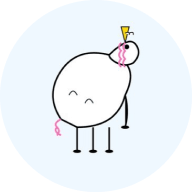
This order is almost certainly a loss.
No sugarcoating it. Just feeding the dogs.
The real issue isn’t $PIPPIN itself — it’s the tariff problem that keeps trapping traders across the entire market.
How the Trap Works
When volatility hits, traders do what they’ve been trained to do:
Open more size to average the tariff
Add positions to “eat the fee”
Try to outpace the decline before it cuts deeper
But the market doesn’t care about intentions.
👉 Open more to eat the tariff, and they cut you off.
👉 Open empty to wait out the drop, and the decline fills your tariff anyway.
It’s a lose-lose structure.
Why This Keeps Happening
This isn’t bad trading.
This is structural pressure.
Fees trigger forced decision-making
Declines punish patience
Liquidity hunts size, not conviction
Tariffs turn small mistakes into terminal losses
Every move feels wrong because the system is designed that way.
$PIPPIN Is Just the Messenger
$PIPPIN didn’t fail because of fundamentals or charts. It failed because:
Timing collided with tariff mechanics
Liquidity dried up exactly when size increased
Risk management was distorted by fees
The result?
A trade that was never allowed to breathe.
The Bigger Problem: Industry Fatigue
This is why so many traders are exhausted.
Not because markets are “hard” —
But because every edge is taxed, clipped, and punished before it can play out.
You’re not just trading price anymore. You’re trading:
Fees
Slippage
Liquidity traps
Psychological exhaustion
And it’s disheartening.
The Lesson (Whether We Like It or Not)
Tariffs change optimal trade behavior
Scaling in during drawdown is no longer neutral
Sometimes the best trade is not defending a bad structure
Losses like this aren’t failures — they’re tuition for surviving a broken system.
Final Thought
PIPPIN wasn’t the mistake.
The tariff environment was.
Survival now means:
Smaller size
Cleaner entries
Less hero behavior
And knowing when not to fight the structure
Because in this market, the house doesn’t just win — it charges you for losing.
⚠️ Not financial advice. Manage risk. Protect capital.