

#p2p
p2p
7.7M views
5,930 Discussing
Hot
Latest

·
--
Bullish
💱 Binance P2P Trading: What I Watch
Binance P2P allows users to buy and sell cryptocurrency with other users through the platform. Prices and available offers can vary depending on the market, payment method, currency and demand.
Three coins I am watching:
$USDT — Tether
$BTC — Bitcoin
$ETH — Ethereum
For P2P, my main focus is not simply finding the highest or lowest price. I would first compare available offers, payment methods, limits and the trader's conditions.
📊 COIN CANDLE CHART:
Add the BTC/USDT candlestick chart here.
📈 COIN WIDGET:
Add the BTC or USDT market widget here.
🔗 REAL TRADE:
Add the relevant Binance P2P trading page here.
💡 My P2P checklist:
• Compare several offers.
• Check payment details carefully.
• Follow Binance's P2P process.
• Keep communication and transactions within the platform's recommended system.
• Never rush because of a small price difference.
P2P does not guarantee profit. Cryptocurrency prices can change, and every transaction has its own conditions and risks.
Always verify the current offer before confirming a transaction.
#Binance #P2P #USDT #BTC #ETH #CryptoTradingInsights $POL
{spot}(BTCUSDT)
{spot}(BNBUSDT)
{spot}(ETHUSDT)
💱 Binance P2P Trading: What I Watch
Binance P2P allows users to buy and sell cryptocurrency with other users through the platform. Prices and available offers can vary depending on the market, payment method, currency and demand.
Three coins I am watching:
$USDT — Tether
$BTC — Bitcoin
$ETH — Ethereum
For P2P, my main focus is not simply finding the highest or lowest price. I would first compare available offers, payment methods, limits and the trader's conditions.
📊 COIN CANDLE CHART:
Add the BTC/USDT candlestick chart here.
📈 COIN WIDGET:
Add the BTC or USDT market widget here.
🔗 REAL TRADE:
Add the relevant Binance P2P trading page here.
💡 My P2P checklist:
• Compare several offers.
• Check payment details carefully.
• Follow Binance's P2P process.
• Keep communication and transactions within the platform's recommended system.
• Never rush because of a small price difference.
P2P does not guarantee profit. Cryptocurrency prices can change, and every transaction has its own conditions and risks.
Always verify the current offer before confirming a transaction.
#Binance #P2P #USDT #BTC #ETH #CryptoTradingInsights $POL
Binance P2P allows users to buy and sell cryptocurrency with other users through the platform. Prices and available offers can vary depending on the market, payment method, currency and demand.
Three coins I am watching:
$USDT — Tether
$BTC — Bitcoin
$ETH — Ethereum
For P2P, my main focus is not simply finding the highest or lowest price. I would first compare available offers, payment methods, limits and the trader's conditions.
📊 COIN CANDLE CHART:
Add the BTC/USDT candlestick chart here.
📈 COIN WIDGET:
Add the BTC or USDT market widget here.
🔗 REAL TRADE:
Add the relevant Binance P2P trading page here.
💡 My P2P checklist:
• Compare several offers.
• Check payment details carefully.
• Follow Binance's P2P process.
• Keep communication and transactions within the platform's recommended system.
• Never rush because of a small price difference.
P2P does not guarantee profit. Cryptocurrency prices can change, and every transaction has its own conditions and risks.
Always verify the current offer before confirming a transaction.
#Binance #P2P #USDT #BTC #ETH #CryptoTradingInsights $POL
83
·
--
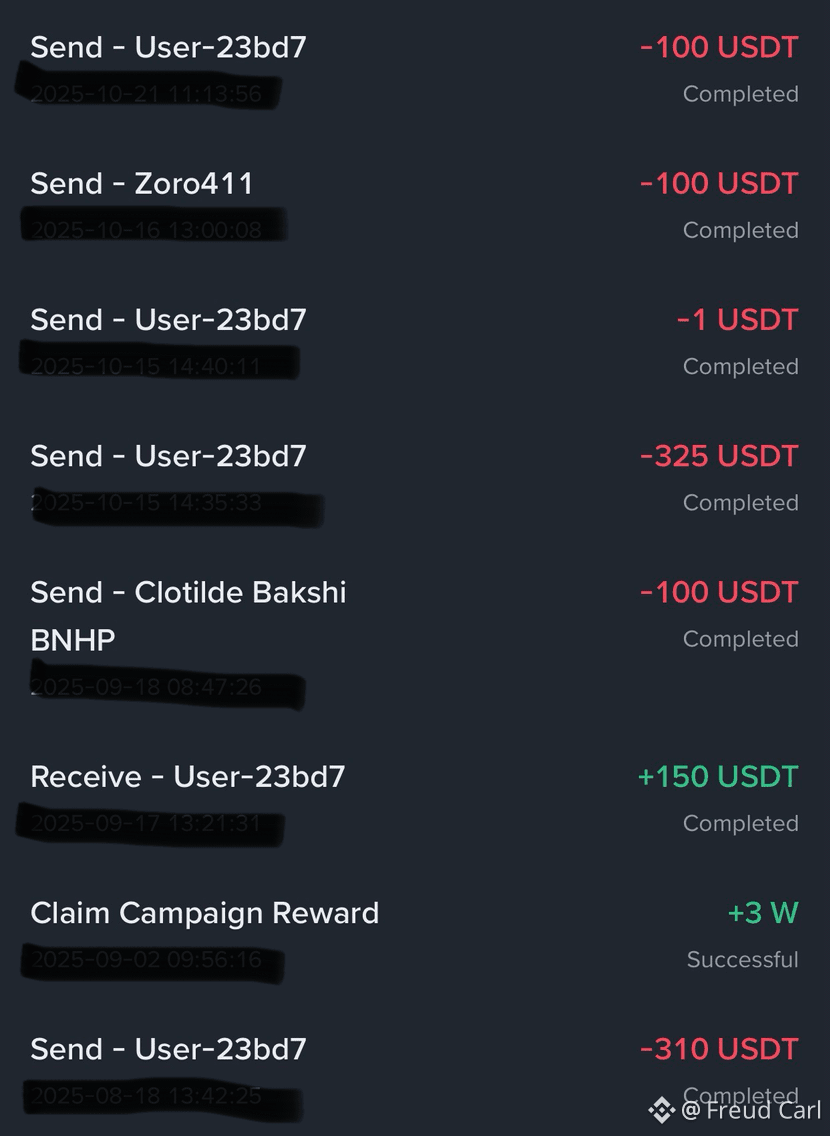
Crypto isn't just for trading or hodling. It's how I manage real life expenses and send funds back and forth with friends! 💸 💸
From settling flight tickets to sending peer to peer USDT transfers instantly via Binance Pay. Instant settlement, zero border hassle. How often do you use crypto for actual real world payments?
#Binance #CryptoInRealLife #USDT #BinancePay #P2P
Crypto isn't just for trading or hodling. It's how I manage real life expenses and send funds back and forth with friends! 💸 💸
From settling flight tickets to sending peer to peer USDT transfers instantly via Binance Pay. Instant settlement, zero border hassle. How often do you use crypto for actual real world payments?
#Binance #CryptoInRealLife #USDT #BinancePay #P2P
From settling flight tickets to sending peer to peer USDT transfers instantly via Binance Pay. Instant settlement, zero border hassle. How often do you use crypto for actual real world payments?
#Binance #CryptoInRealLife #USDT #BinancePay #P2P
59

·
--
🎯 "Beginner Handshake" Campaign on Binance P2P: Earn 100% Maker Fee Refund for 16 Days!🚀 A golden opportunity for P2P traders on Binance! The global campaign "Beginner-Merchant Handshake" has launched, offering an unprecedented reward: a 100% refund of the Maker Fee on every completed trade with a brand-new user.
🔹 **What is the campaign?**
A global initiative by Binance P2P to encourage experienced merchants to welcome new users and give them the best initial trading experience. Period: from October 1 to October 16, 2026.
🎯 "Beginner Handshake" Campaign on Binance P2P: Earn 100% Maker Fee Refund for 16 Days!
🚀 A golden opportunity for P2P traders on Binance! The global campaign "Beginner-Merchant Handshake" has launched, offering an unprecedented reward: a 100% refund of the Maker Fee on every completed trade with a brand-new user.
🔹 **What is the campaign?**
A global initiative by Binance P2P to encourage experienced merchants to welcome new users and give them the best initial trading experience. Period: from October 1 to October 16, 2026.
🔹 **What is the campaign?**
A global initiative by Binance P2P to encourage experienced merchants to welcome new users and give them the best initial trading experience. Period: from October 1 to October 16, 2026.
41

·
--
P2P Salvation or disaster ,for Venezuela
#P2P #opinion
The recent financial history of Venezuela cannot be understood without the operational collapse of the traditional banking system. Shortly before the pandemic, currency strangulation and institutional restrictions left businesses and citizens without tools to operate. In that absolute vacuum, the market found in P2P commerce (Peer-to-Peer) the only possible escape valve.
This is a short introduction; you can read the full article on Substack.
https://glodmanuel.substack.com/p/p2p-salvacion-o-desastre?utm_source=share&utm_medium=android&r=2h2o5
P2P Salvation or disaster ,for Venezuela
#P2P #opinion
The recent financial history of Venezuela cannot be understood without the operational collapse of the traditional banking system. Shortly before the pandemic, currency strangulation and institutional restrictions left businesses and citizens without tools to operate. In that absolute vacuum, the market found in P2P commerce (Peer-to-Peer) the only possible escape valve.
This is a short introduction; you can read the full article on Substack.
https://glodmanuel.substack.com/p/p2p-salvacion-o-desastre?utm_source=share&utm_medium=android&r=2h2o5
#P2P #opinion
The recent financial history of Venezuela cannot be understood without the operational collapse of the traditional banking system. Shortly before the pandemic, currency strangulation and institutional restrictions left businesses and citizens without tools to operate. In that absolute vacuum, the market found in P2P commerce (Peer-to-Peer) the only possible escape valve.
This is a short introduction; you can read the full article on Substack.
https://glodmanuel.substack.com/p/p2p-salvacion-o-desastre?utm_source=share&utm_medium=android&r=2h2o5
182
·
--
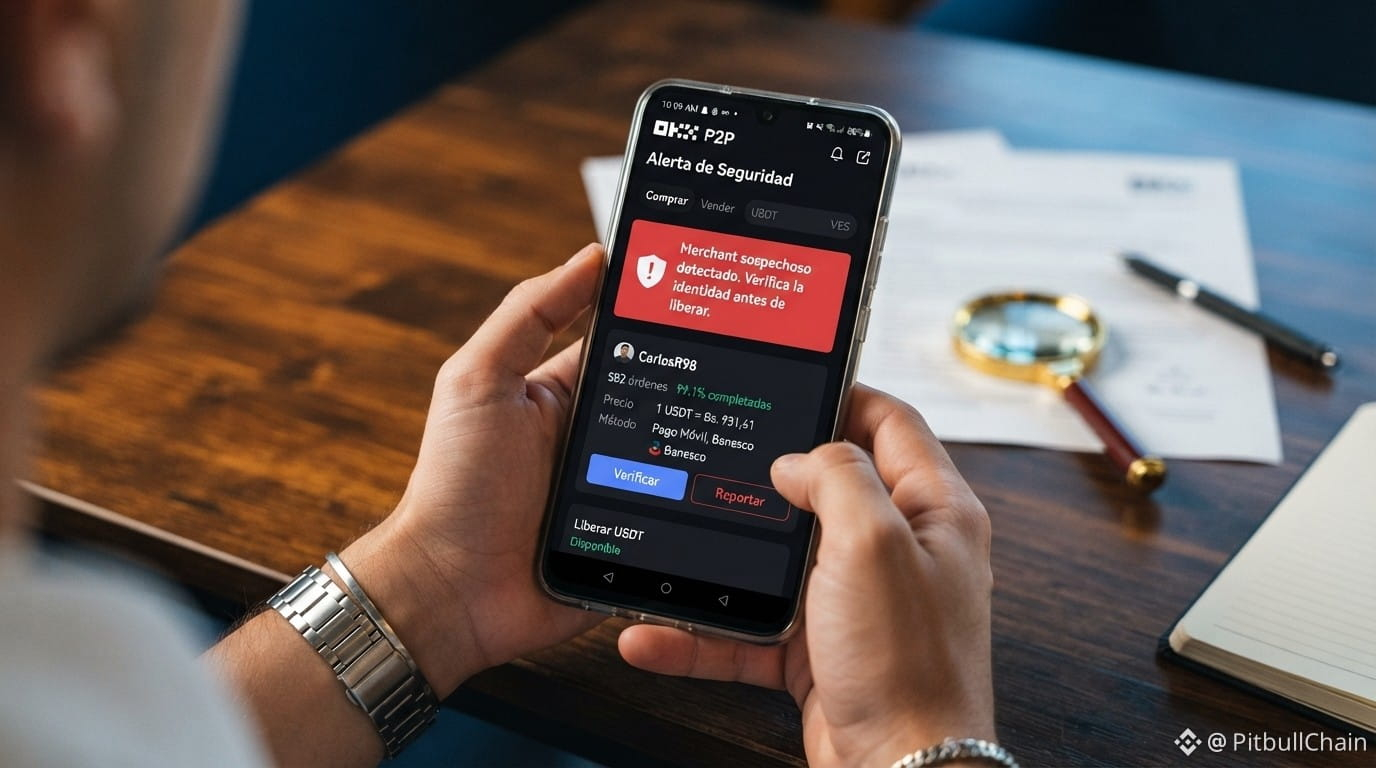
⚠️ This month’s P2P scam is not a fake payment: it’s the different account holder.
Today on Binance: $USDT at Bs. 965,84 when buying and Bs. 953,77 when selling. Spread of Bs. 12,07 (1,27%) with a 11,46% premium over the BCV (Bs. 866,56). 250 active offers.
Golden rule: if the account holder’s name doesn’t match who is messaging you, cancel the order. Escrow protects—you don’t rush.
📊 Live rates and analysis at https://pitbullchain.com
$USDT #P2P #USDT #SeguridadCripto #BinanceSquare #Venezuela
⚠️ This month’s P2P scam is not a fake payment: it’s the different account holder.
Today on Binance: $USDT at Bs. 965,84 when buying and Bs. 953,77 when selling. Spread of Bs. 12,07 (1,27%) with a 11,46% premium over the BCV (Bs. 866,56). 250 active offers.
Golden rule: if the account holder’s name doesn’t match who is messaging you, cancel the order. Escrow protects—you don’t rush.
📊 Live rates and analysis at https://pitbullchain.com
$USDT #P2P #USDT #SeguridadCripto #BinanceSquare #Venezuela
Today on Binance: $USDT at Bs. 965,84 when buying and Bs. 953,77 when selling. Spread of Bs. 12,07 (1,27%) with a 11,46% premium over the BCV (Bs. 866,56). 250 active offers.
Golden rule: if the account holder’s name doesn’t match who is messaging you, cancel the order. Escrow protects—you don’t rush.
📊 Live rates and analysis at https://pitbullchain.com
$USDT #P2P #USDT #SeguridadCripto #BinanceSquare #Venezuela
15
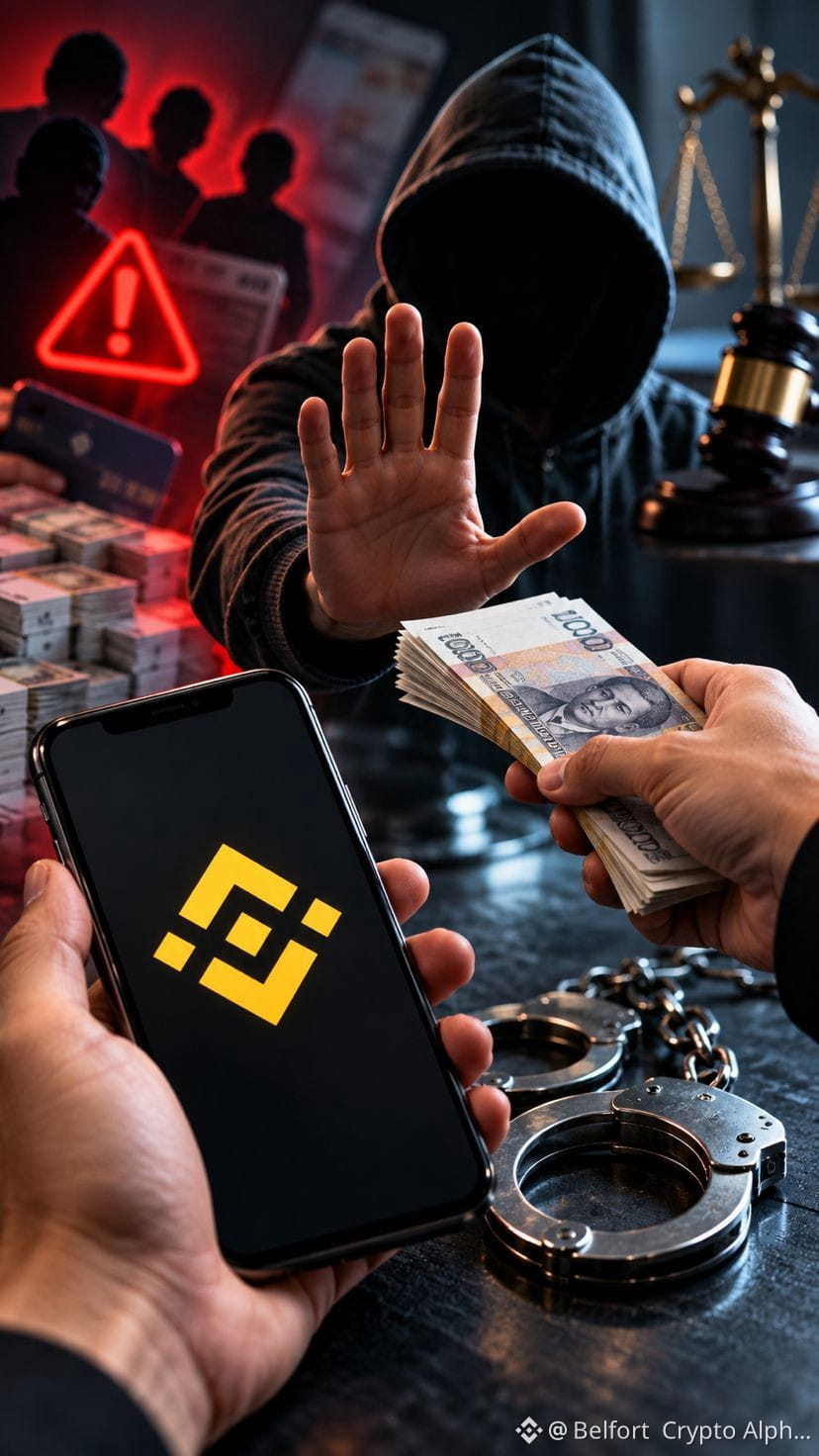
⚠️ IMPORTANT FOR ALL P2P TRADERS
🔴 NEVER ACCEPT PAYMENT FROM THIRD PARTIES.
The name of the money sender must fully match the username in the Binance order.
❌ “My friend will pay”
❌ “A relative will send”
❌ “I’ll pay with someone else’s card”
In these situations, stop the transaction and contact Binance via an appeal.
⚠️ Third-party payments may be linked to fraud or illegal sources of funds. This can lead to a bank account lock and serious legal issues.
✅ Check the sender’s name.
✅ Verify that the money has actually been received.
✅ Keep receipts and correspondence.
✅ If in doubt, do not release the cryptocurrency.
P2P is not only about making money. It’s a responsibility.
Be careful, follow Binance rules, and always verify WHO EXACTLY the money came from. 🔐#p2p $USDT
⚠️ IMPORTANT FOR ALL P2P TRADERS
🔴 NEVER ACCEPT PAYMENT FROM THIRD PARTIES.
The name of the money sender must fully match the username in the Binance order.
❌ “My friend will pay”
❌ “A relative will send”
❌ “I’ll pay with someone else’s card”
In these situations, stop the transaction and contact Binance via an appeal.
⚠️ Third-party payments may be linked to fraud or illegal sources of funds. This can lead to a bank account lock and serious legal issues.
✅ Check the sender’s name.
✅ Verify that the money has actually been received.
✅ Keep receipts and correspondence.
✅ If in doubt, do not release the cryptocurrency.
P2P is not only about making money. It’s a responsibility.
Be careful, follow Binance rules, and always verify WHO EXACTLY the money came from. 🔐#p2p $USDT
🔴 NEVER ACCEPT PAYMENT FROM THIRD PARTIES.
The name of the money sender must fully match the username in the Binance order.
❌ “My friend will pay”
❌ “A relative will send”
❌ “I’ll pay with someone else’s card”
In these situations, stop the transaction and contact Binance via an appeal.
⚠️ Third-party payments may be linked to fraud or illegal sources of funds. This can lead to a bank account lock and serious legal issues.
✅ Check the sender’s name.
✅ Verify that the money has actually been received.
✅ Keep receipts and correspondence.
✅ If in doubt, do not release the cryptocurrency.
P2P is not only about making money. It’s a responsibility.
Be careful, follow Binance rules, and always verify WHO EXACTLY the money came from. 🔐#p2p $USDT
Digital EyE:
бандеровец? не угадал :)
8
2
1.6k
·
--
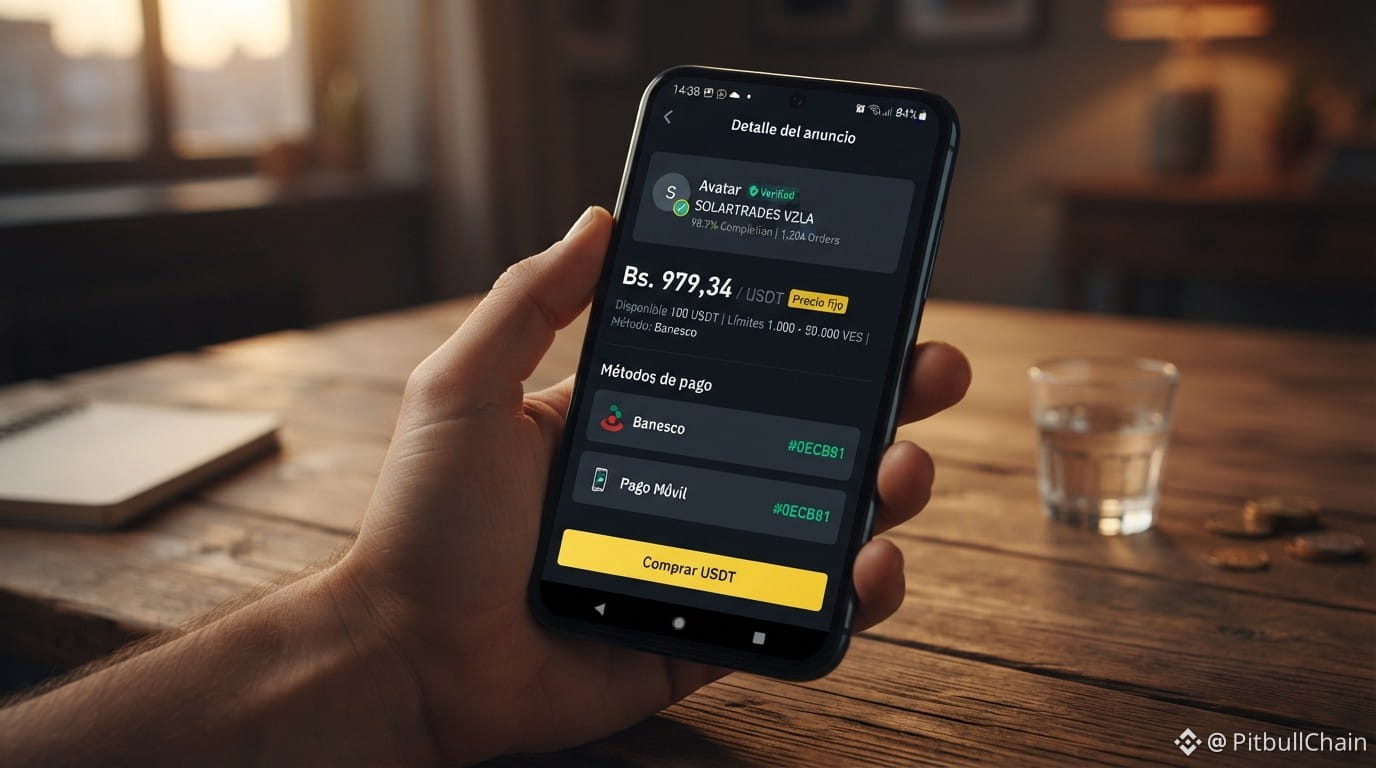
⚠️ The first P2P move versus BCV compressed to 13.85% today.
The $USDT is bought at Bs. 979.34 and sold at Bs. 922.77. The spread between the buy and sell prices reaches Bs. 56.58 (6.13%) with 272 active offers.
Pay attention: when the gap tightens, many people let their guard down. Check the executable price, not the reference one, and confirm the final amount before releasing funds.
📊 Live rates and analysis at https://pitbullchain.com
$USDT $BTC #P2P #USDT #Venezuela #BinanceP2P #CriptoVenezuela
⚠️ The first P2P move versus BCV compressed to 13.85% today.
The $USDT is bought at Bs. 979.34 and sold at Bs. 922.77. The spread between the buy and sell prices reaches Bs. 56.58 (6.13%) with 272 active offers.
Pay attention: when the gap tightens, many people let their guard down. Check the executable price, not the reference one, and confirm the final amount before releasing funds.
📊 Live rates and analysis at https://pitbullchain.com
$USDT $BTC #P2P #USDT #Venezuela #BinanceP2P #CriptoVenezuela
The $USDT is bought at Bs. 979.34 and sold at Bs. 922.77. The spread between the buy and sell prices reaches Bs. 56.58 (6.13%) with 272 active offers.
Pay attention: when the gap tightens, many people let their guard down. Check the executable price, not the reference one, and confirm the final amount before releasing funds.
📊 Live rates and analysis at https://pitbullchain.com
$USDT $BTC #P2P #USDT #Venezuela #BinanceP2P #CriptoVenezuela
8

·
--
✨ Latest News
Binance P2P Beginner–Merchant Handshake Campaign will be held from 2026-10-01 to 2026-10-16. P2P merchants set ad counterpart conditions as “Max completed orders = 0, Max trading volume = 0 BTC” and mark the “Beginner-friendly” badge. After completing at least 30 trades with beginner users, participants can receive a 100% limit order fee rebate for all qualified trades. Rewards will be distributed to spot accounts within 14 working days after the end of the campaign. Participation is limited to users who have completed identity verification. #P2P #BNB
✨ View details: https://bian.sqdxw.top/zh/announcements
✨ Latest News
Binance P2P Beginner–Merchant Handshake Campaign will be held from 2026-10-01 to 2026-10-16. P2P merchants set ad counterpart conditions as “Max completed orders = 0, Max trading volume = 0 BTC” and mark the “Beginner-friendly” badge. After completing at least 30 trades with beginner users, participants can receive a 100% limit order fee rebate for all qualified trades. Rewards will be distributed to spot accounts within 14 working days after the end of the campaign. Participation is limited to users who have completed identity verification. #P2P #BNB
✨ View details: https://bian.sqdxw.top/zh/announcements
Binance P2P Beginner–Merchant Handshake Campaign will be held from 2026-10-01 to 2026-10-16. P2P merchants set ad counterpart conditions as “Max completed orders = 0, Max trading volume = 0 BTC” and mark the “Beginner-friendly” badge. After completing at least 30 trades with beginner users, participants can receive a 100% limit order fee rebate for all qualified trades. Rewards will be distributed to spot accounts within 14 working days after the end of the campaign. Participation is limited to users who have completed identity verification. #P2P #BNB
✨ View details: https://bian.sqdxw.top/zh/announcements
80
·
--
Bearish
⚠️ Warning — Important matters regarding bKash and P2P transactions
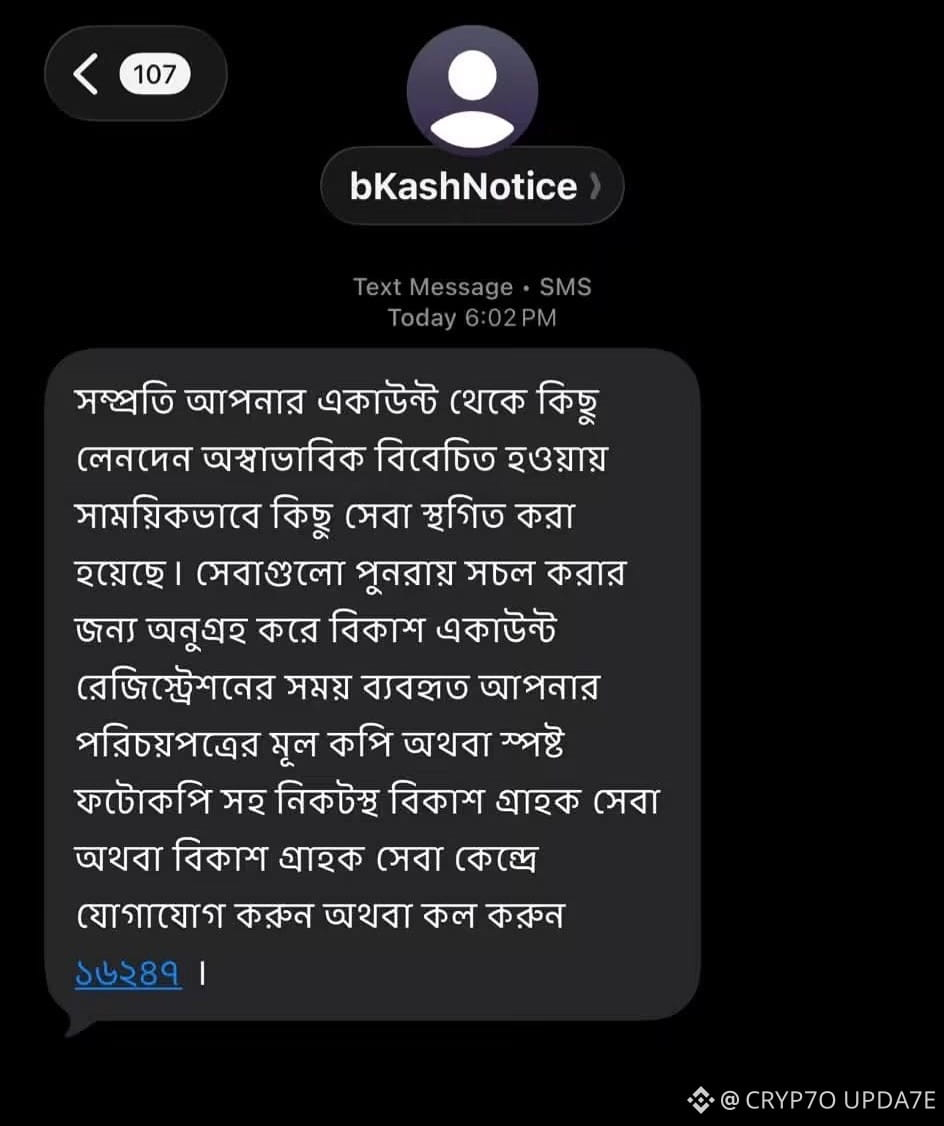
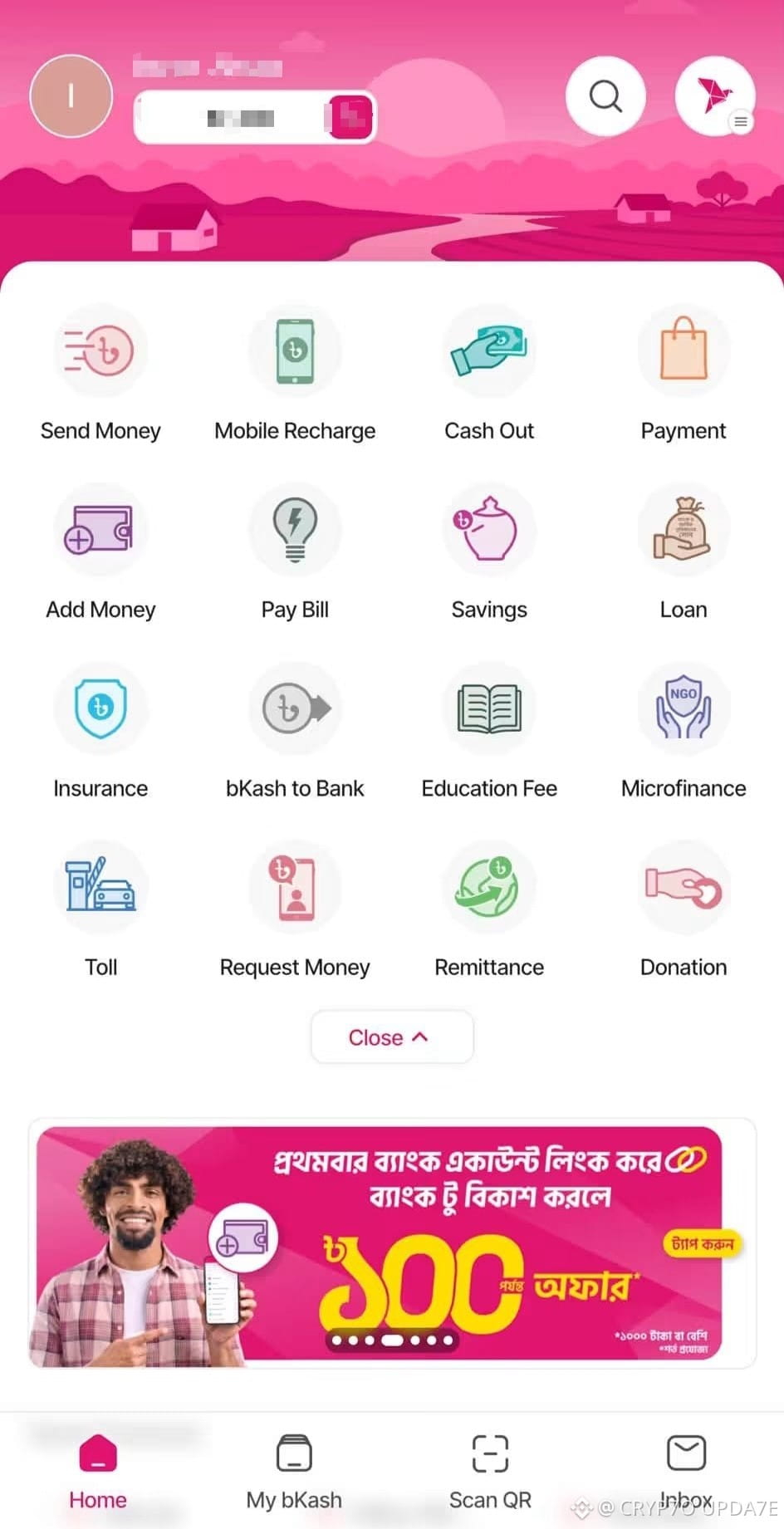
Recently, due to suspicious/abnormal transactions, some bKash accounts may have certain services temporarily suspended or require verification. This impact can also be seen in various crypto transactions, including Binance P2P.
Therefore, avoid taking money from unknown individuals, doing P2P through third parties, or getting involved in suspicious transactions. Use your bKash account in your own name and save the Transaction ID, Screenshot, and any necessary evidence for every transaction.
💡 A little extra caution for a few minutes can help you avoid bigger trouble in the future.
Do P2P, but do it safely.
#p2p #bkash #bangldesh
⚠️ Warning — Important matters regarding bKash and P2P transactions
Recently, due to suspicious/abnormal transactions, some bKash accounts may have certain services temporarily suspended or require verification. This impact can also be seen in various crypto transactions, including Binance P2P.
Therefore, avoid taking money from unknown individuals, doing P2P through third parties, or getting involved in suspicious transactions. Use your bKash account in your own name and save the Transaction ID, Screenshot, and any necessary evidence for every transaction.
💡 A little extra caution for a few minutes can help you avoid bigger trouble in the future.
Do P2P, but do it safely.
#p2p #bkash #bangldesh
Recently, due to suspicious/abnormal transactions, some bKash accounts may have certain services temporarily suspended or require verification. This impact can also be seen in various crypto transactions, including Binance P2P.
Therefore, avoid taking money from unknown individuals, doing P2P through third parties, or getting involved in suspicious transactions. Use your bKash account in your own name and save the Transaction ID, Screenshot, and any necessary evidence for every transaction.
💡 A little extra caution for a few minutes can help you avoid bigger trouble in the future.
Do P2P, but do it safely.
#p2p #bkash #bangldesh
1
41
·
--
P2P today: Bs. 33,30 that tells you everythingYou open the P2P and see two numbers that don’t add up: buying $USDT costs Bs. 981,11 and selling it leaves you with Bs. 947,81. Between those two prices there is a distance of Bs. 33,30. That gap is the most honest thermometer of the Venezuelan market today. 👇
1️⃣ THE SPREAD IS NOT A DETAIL
A spread of 3,51% at the same moment and on the same platform is not normal. It means the market is split: not many people willing to sell cheaply and plenty of people willing to pay a high price. When the spread opens like that, the winner isn’t the one who rushes—it’s the one who waits and negotiates calmly.
P2P today: Bs. 33,30 that tells you everything
You open the P2P and see two numbers that don’t add up: buying $USDT costs Bs. 981,11 and selling it leaves you with Bs. 947,81. Between those two prices there is a distance of Bs. 33,30. That gap is the most honest thermometer of the Venezuelan market today. 👇
1️⃣ THE SPREAD IS NOT A DETAIL
A spread of 3,51% at the same moment and on the same platform is not normal. It means the market is split: not many people willing to sell cheaply and plenty of people willing to pay a high price. When the spread opens like that, the winner isn’t the one who rushes—it’s the one who waits and negotiates calmly.
1️⃣ THE SPREAD IS NOT A DETAIL
A spread of 3,51% at the same moment and on the same platform is not normal. It means the market is split: not many people willing to sell cheaply and plenty of people willing to pay a high price. When the spread opens like that, the winner isn’t the one who rushes—it’s the one who waits and negotiates calmly.
32
·
--
Watch the data: today the P2P spread is at 4.98%. Buying $USDT costs Bs. 971.63 and selling is at Bs. 925.50. That difference is what eats your profit if you trade recklessly.
With 265 active offers and a 13.10% premium over the BCV (Bs. 859.06), the market isn’t a place for improvisation: it’s for measuring.
Micro-tip: before you release your bolívares, check the merchant’s reputation, the available amount, and the release time. If something rushes you, be suspicious.
📊 Live rates and analysis at https://pitbullchain.com
$USDT $BTC #P2P #USDT #Venezuela #BinanceSquare
Watch the data: today the P2P spread is at 4.98%. Buying $USDT costs Bs. 971.63 and selling is at Bs. 925.50. That difference is what eats your profit if you trade recklessly.
With 265 active offers and a 13.10% premium over the BCV (Bs. 859.06), the market isn’t a place for improvisation: it’s for measuring.
Micro-tip: before you release your bolívares, check the merchant’s reputation, the available amount, and the release time. If something rushes you, be suspicious.
📊 Live rates and analysis at https://pitbullchain.com
$USDT $BTC #P2P #USDT #Venezuela #BinanceSquare
With 265 active offers and a 13.10% premium over the BCV (Bs. 859.06), the market isn’t a place for improvisation: it’s for measuring.
Micro-tip: before you release your bolívares, check the merchant’s reputation, the available amount, and the release time. If something rushes you, be suspicious.
📊 Live rates and analysis at https://pitbullchain.com
$USDT $BTC #P2P #USDT #Venezuela #BinanceSquare
48
·
--
P2P today: the 2.01% that determines your trade🚨 Today, September 30, Venezuela’s $USDT P2P has 250 active offers and a number that almost nobody calculates: 2.01%. That’s the real spread between buying and selling, and it explains more than you think.
📊 TODAY’S NUMBERS
• Buy $USDT: Bs. 971.81
• Sell $USDT: Bs. 952.68
• Spread: Bs. 19.14 (2.01%)
• BCV: Bs. 859.06 and up to 13.13% premium
THE COST THAT NOBODY LOOKS AT
Many people focus on the premium versus the BCV and celebrate 13.13%. But when you enter and exit the market you don’t pay the premium: you pay the spread. Between buying at 971.81 and selling at 952.68, there’s Bs. 19.14 per dollar. In a round trip of 100 USDT, that difference is about Bs. 1,914 before any commission. It’s not a market loss: it’s the price of liquidity when you need it.
P2P today: the 2.01% that determines your trade
🚨 Today, September 30, Venezuela’s $USDT P2P has 250 active offers and a number that almost nobody calculates: 2.01%. That’s the real spread between buying and selling, and it explains more than you think.
📊 TODAY’S NUMBERS
• Buy $USDT: Bs. 971.81
• Sell $USDT: Bs. 952.68
• Spread: Bs. 19.14 (2.01%)
• BCV: Bs. 859.06 and up to 13.13% premium
THE COST THAT NOBODY LOOKS AT
Many people focus on the premium versus the BCV and celebrate 13.13%. But when you enter and exit the market you don’t pay the premium: you pay the spread. Between buying at 971.81 and selling at 952.68, there’s Bs. 19.14 per dollar. In a round trip of 100 USDT, that difference is about Bs. 1,914 before any commission. It’s not a market loss: it’s the price of liquidity when you need it.
📊 TODAY’S NUMBERS
• Buy $USDT: Bs. 971.81
• Sell $USDT: Bs. 952.68
• Spread: Bs. 19.14 (2.01%)
• BCV: Bs. 859.06 and up to 13.13% premium
THE COST THAT NOBODY LOOKS AT
Many people focus on the premium versus the BCV and celebrate 13.13%. But when you enter and exit the market you don’t pay the premium: you pay the spread. Between buying at 971.81 and selling at 952.68, there’s Bs. 19.14 per dollar. In a round trip of 100 USDT, that difference is about Bs. 1,914 before any commission. It’s not a market loss: it’s the price of liquidity when you need it.
20
·
--
🚨 If they offer you $USDT for Bs. 900 when the market is at 976,59, you’re not gaining—you’re being targeted.
Today, Binance P2P opens with a buy at Bs. 976,59 and a sell at Bs. 950,33. Spread: 2,76%. The BCV is still at 859,06, meaning a 13,68% premium. With 237 active offers, there’s no excuse to fall into a trap.
Check the age of the account, the % of completed orders, and make sure the payment holder is you.
📊 Live rates and analysis at https://pitbullchain.com
$USDT #P2P #USDT #Venezuela #BinanceSquare #Seguridad
🚨 If they offer you $USDT for Bs. 900 when the market is at 976,59, you’re not gaining—you’re being targeted.
Today, Binance P2P opens with a buy at Bs. 976,59 and a sell at Bs. 950,33. Spread: 2,76%. The BCV is still at 859,06, meaning a 13,68% premium. With 237 active offers, there’s no excuse to fall into a trap.
Check the age of the account, the % of completed orders, and make sure the payment holder is you.
📊 Live rates and analysis at https://pitbullchain.com
$USDT #P2P #USDT #Venezuela #BinanceSquare #Seguridad
Today, Binance P2P opens with a buy at Bs. 976,59 and a sell at Bs. 950,33. Spread: 2,76%. The BCV is still at 859,06, meaning a 13,68% premium. With 237 active offers, there’s no excuse to fall into a trap.
Check the age of the account, the % of completed orders, and make sure the payment holder is you.
📊 Live rates and analysis at https://pitbullchain.com
$USDT #P2P #USDT #Venezuela #BinanceSquare #Seguridad
24
·
--
Bs. 57.67 spread: the invisible toll of P2P🚨 Bs. 57.67. That’s the toll you pay today to move within the $USDT P2P market in Venezuela.
Think of it like this: if you buy at Bs. 982.99 and a little while later you need to sell, the market takes you to Bs. 925.32. Between those two numbers there’s no app error or bug: it’s the spread, and today it equals 6.23%.
📍 THE MAP OF THE DAY
• Buy $USDT: Bs. 982.99
• Sell $USDT: Bs. 925.32
• BCV Dollar: Bs. 859.06
• P2P premium over BCV: 14.43%
• Active offers: 208
📌 WHAT NO ONE EXPLAINS TO YOU
Most people only look at the 14.43% premium and stop there. But the premium tells you how far away the P2P is from the BCV; the spread tells you how much it costs to ENTER and how much it costs to EXIT that market.
Bs. 57.67 spread: the invisible toll of P2P
🚨 Bs. 57.67. That’s the toll you pay today to move within the $USDT P2P market in Venezuela.
Think of it like this: if you buy at Bs. 982.99 and a little while later you need to sell, the market takes you to Bs. 925.32. Between those two numbers there’s no app error or bug: it’s the spread, and today it equals 6.23%.
📍 THE MAP OF THE DAY
• Buy $USDT: Bs. 982.99
• Sell $USDT: Bs. 925.32
• BCV Dollar: Bs. 859.06
• P2P premium over BCV: 14.43%
• Active offers: 208
📌 WHAT NO ONE EXPLAINS TO YOU
Most people only look at the 14.43% premium and stop there. But the premium tells you how far away the P2P is from the BCV; the spread tells you how much it costs to ENTER and how much it costs to EXIT that market.
Think of it like this: if you buy at Bs. 982.99 and a little while later you need to sell, the market takes you to Bs. 925.32. Between those two numbers there’s no app error or bug: it’s the spread, and today it equals 6.23%.
📍 THE MAP OF THE DAY
• Buy $USDT: Bs. 982.99
• Sell $USDT: Bs. 925.32
• BCV Dollar: Bs. 859.06
• P2P premium over BCV: 14.43%
• Active offers: 208
📌 WHAT NO ONE EXPLAINS TO YOU
Most people only look at the 14.43% premium and stop there. But the premium tells you how far away the P2P is from the BCV; the spread tells you how much it costs to ENTER and how much it costs to EXIT that market.
14
·
--
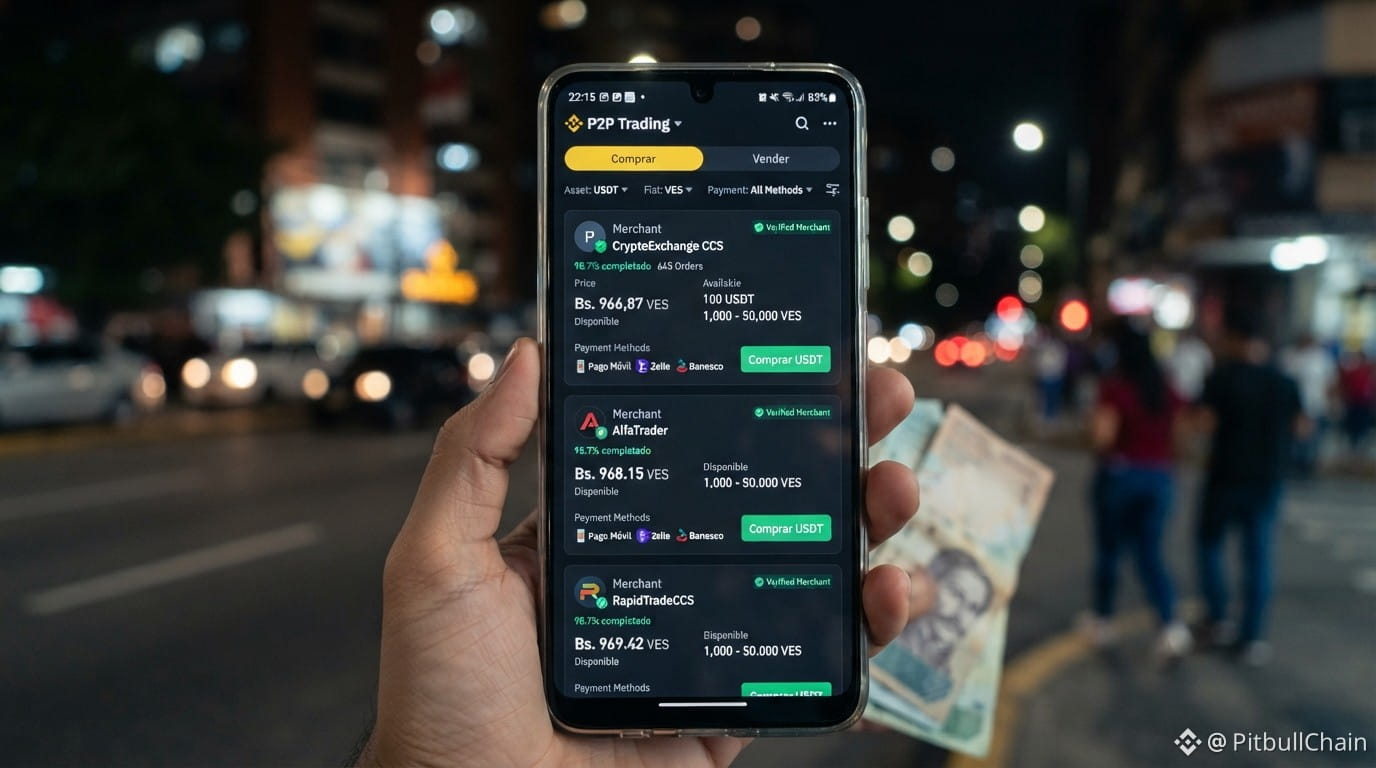
🚨 The P2P opens this 29-Sep with the premium at 12.55% over the BCV.
Buy $USDT: Bs. 966.87
Sell $USDT: Bs. 931.70
Spread: Bs. 35.17 (3.77%)
BCV: Bs. 859.06
280 active offers on Binance.
If you’re going to move your $USDT today, check the seller’s reputation, amount, and payment method before confirming. Liquidity is there, but the toll is still paid.
📊 Live rates and analysis at https://pitbullchain.com
$USDT #P2P #USDT #Venezuela #BinanceSquare #CryptoVenezuela
🚨 The P2P opens this 29-Sep with the premium at 12.55% over the BCV.
Buy $USDT: Bs. 966.87
Sell $USDT: Bs. 931.70
Spread: Bs. 35.17 (3.77%)
BCV: Bs. 859.06
280 active offers on Binance.
If you’re going to move your $USDT today, check the seller’s reputation, amount, and payment method before confirming. Liquidity is there, but the toll is still paid.
📊 Live rates and analysis at https://pitbullchain.com
$USDT #P2P #USDT #Venezuela #BinanceSquare #CryptoVenezuela
Buy $USDT: Bs. 966.87
Sell $USDT: Bs. 931.70
Spread: Bs. 35.17 (3.77%)
BCV: Bs. 859.06
280 active offers on Binance.
If you’re going to move your $USDT today, check the seller’s reputation, amount, and payment method before confirming. Liquidity is there, but the toll is still paid.
📊 Live rates and analysis at https://pitbullchain.com
$USDT #P2P #USDT #Venezuela #BinanceSquare #CryptoVenezuela
55
·
--
Article
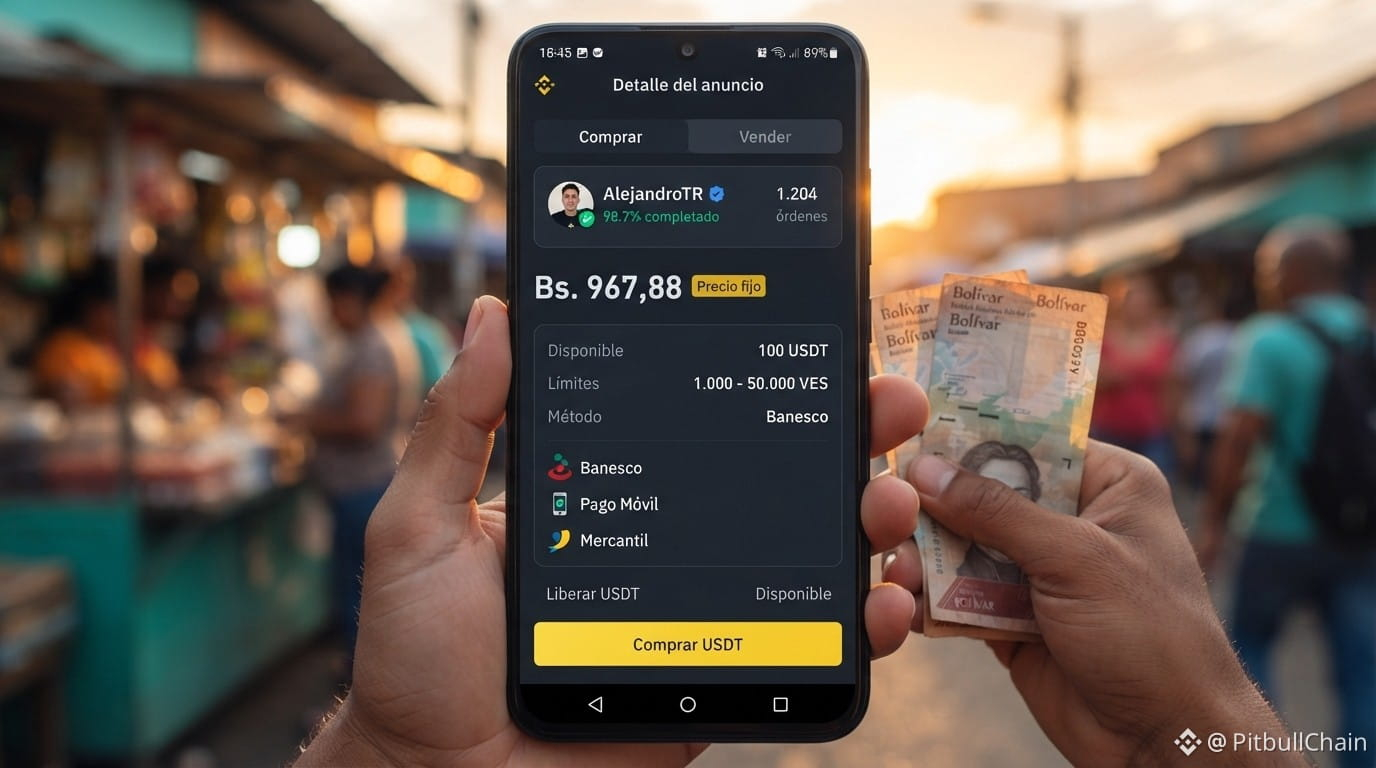
4.57%: the invisible toll you pay in every P2P tradeTuesday, September 29, and the P2P board wakes up with two numbers that tell very different stories. 🐶
While the BCV sets Bs. 859.06, buying $USDT in the P2P market costs Bs. 967.88 and selling it leaves you with Bs. 925.55. Translation: a premium of 12.67% over the official rate and a spread of Bs. 42.33 between the buy and sell prices. Right now there are 271 active offers.
📌 The one everyone looks at first
The gap against the BCV is still the talk of the day, and it’s no coincidence: with the BCV’s record injection on the table, the gap doesn’t ease (Hermes Pérez keeps repeating it) and analysts like Asdrúbal Oliveros insist on the same word: caution. More intervention, same uncertainty.
4.57%: the invisible toll you pay in every P2P trade
Tuesday, September 29, and the P2P board wakes up with two numbers that tell very different stories. 🐶
While the BCV sets Bs. 859.06, buying $USDT in the P2P market costs Bs. 967.88 and selling it leaves you with Bs. 925.55. Translation: a premium of 12.67% over the official rate and a spread of Bs. 42.33 between the buy and sell prices. Right now there are 271 active offers.
📌 The one everyone looks at first
The gap against the BCV is still the talk of the day, and it’s no coincidence: with the BCV’s record injection on the table, the gap doesn’t ease (Hermes Pérez keeps repeating it) and analysts like Asdrúbal Oliveros insist on the same word: caution. More intervention, same uncertainty.
While the BCV sets Bs. 859.06, buying $USDT in the P2P market costs Bs. 967.88 and selling it leaves you with Bs. 925.55. Translation: a premium of 12.67% over the official rate and a spread of Bs. 42.33 between the buy and sell prices. Right now there are 271 active offers.
📌 The one everyone looks at first
The gap against the BCV is still the talk of the day, and it’s no coincidence: with the BCV’s record injection on the table, the gap doesn’t ease (Hermes Pérez keeps repeating it) and analysts like Asdrúbal Oliveros insist on the same word: caution. More intervention, same uncertainty.
31
·
--
Article
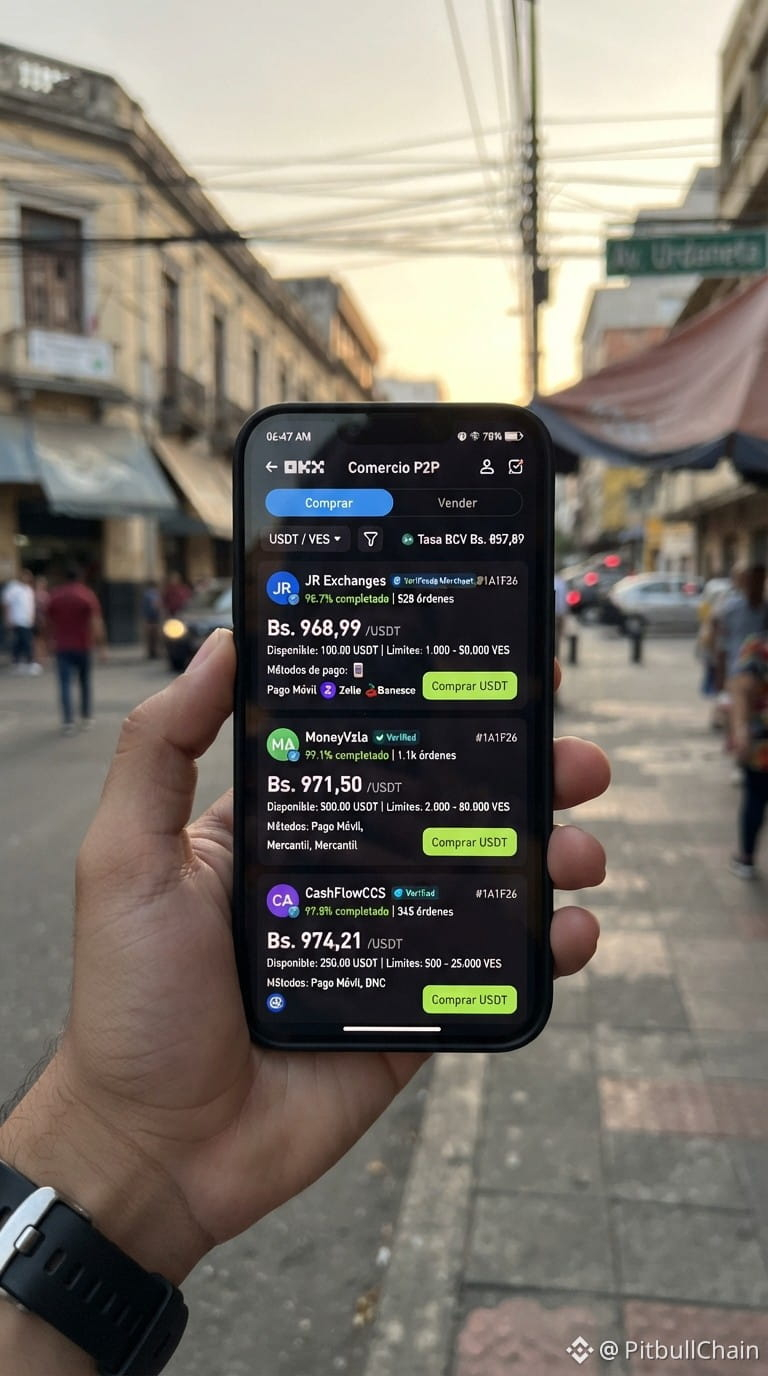
The 12,95% premium: what’s behind that numberTuesday, September 29. The P2P market opens with a premium of 12,95% over the BCV and many people keep looking only at the big number. The detail is how that 12,95% is split. 🧐
Today’s data with the $USDT:
• BCV: Bs. 857,89
• Buy USDT: Bs. 968,99
• Sell USDT: Bs. 946,98
• Spread: Bs. 22,00 (2,32%)
First, let’s clarify something that confuses a lot of people: the premium is NOT what you earn. It’s what you pay on top of the official reference when you get your digital dollars. If you buy today, you’re taking on the full 12,95%. If you sell today, you give it away.
The 12,95% premium: what’s behind that number
Tuesday, September 29. The P2P market opens with a premium of 12,95% over the BCV and many people keep looking only at the big number. The detail is how that 12,95% is split. 🧐
Today’s data with the $USDT:
• BCV: Bs. 857,89
• Buy USDT: Bs. 968,99
• Sell USDT: Bs. 946,98
• Spread: Bs. 22,00 (2,32%)
First, let’s clarify something that confuses a lot of people: the premium is NOT what you earn. It’s what you pay on top of the official reference when you get your digital dollars. If you buy today, you’re taking on the full 12,95%. If you sell today, you give it away.
Today’s data with the $USDT:
• BCV: Bs. 857,89
• Buy USDT: Bs. 968,99
• Sell USDT: Bs. 946,98
• Spread: Bs. 22,00 (2,32%)
First, let’s clarify something that confuses a lot of people: the premium is NOT what you earn. It’s what you pay on top of the official reference when you get your digital dollars. If you buy today, you’re taking on the full 12,95%. If you sell today, you give it away.
1
51

·
--
YOUR AD CAN REMAIN ACTIVE WHEN YOUR BANK IS NO LONGER OPERATIONALLY AVAILABLE
A merchant may have:
💰 USDT available
🟢 active listing
📱 working phone
⚠️ but its payment method is temporarily unusable.
That’s where an operational risk—hard to see—comes in.
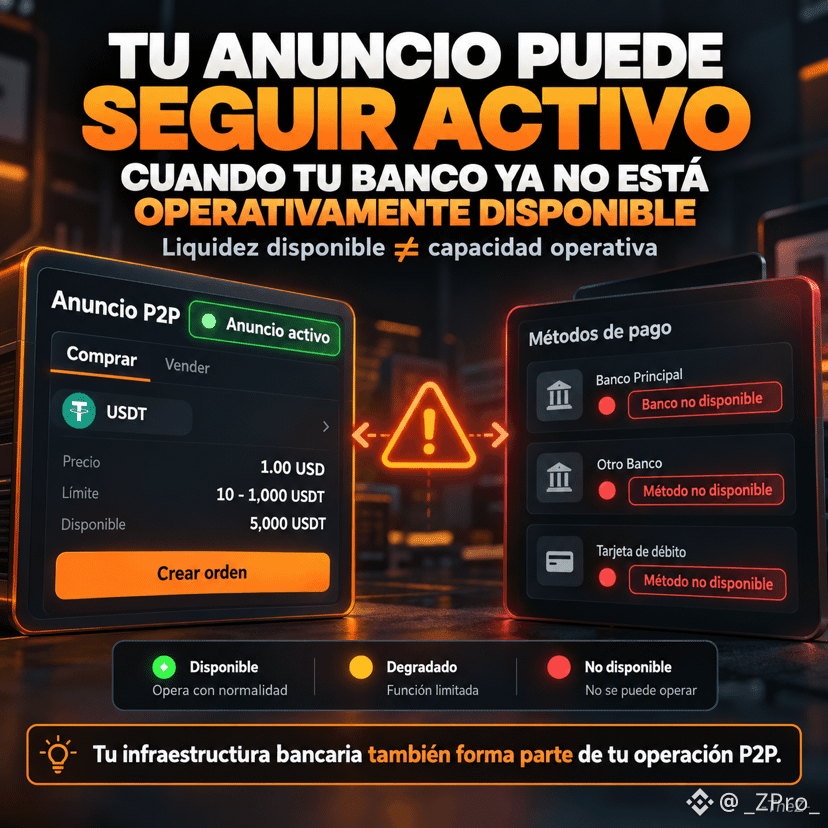
Suppose a bank goes into maintenance for 25 minutes. Your listing keeps receiving orders because the listing’s availability and the bank’s availability are different systems.
During that time, the following can accumulate:
🔸 orders that will take longer to process
🔸 buyers waiting for instructions
🔸 payment times deteriorating
🔸 avoidable cancellations
🔸 operational pressure when the bank comes back
That’s why, in addition to monitoring price and liquidity, a professional merchant can also track the operational status of each payment method.
A simple matrix:
🟢 Available → normal operation
🟡 Degraded → higher latency / proceed with caution
🔴 Not available → consider pausing the associated capacity
With automation, you can even log how long each method remains degraded and what impact it had on orders.
💡 Having liquidity doesn’t mean being available to operate. Your banking infrastructure is also part of your P2P capacity.
⁉️ Merchants: do you pause listings when a bank has issues, or do you wait for problems to show up in orders?
#ZP_MerchantPro #BinanceP2P #P2P #automatizacion #BinanceSquare $USDT $BTC
YOUR AD CAN REMAIN ACTIVE WHEN YOUR BANK IS NO LONGER OPERATIONALLY AVAILABLE
A merchant may have:
💰 USDT available
🟢 active listing
📱 working phone
⚠️ but its payment method is temporarily unusable.
That’s where an operational risk—hard to see—comes in.
Suppose a bank goes into maintenance for 25 minutes. Your listing keeps receiving orders because the listing’s availability and the bank’s availability are different systems.
During that time, the following can accumulate:
🔸 orders that will take longer to process
🔸 buyers waiting for instructions
🔸 payment times deteriorating
🔸 avoidable cancellations
🔸 operational pressure when the bank comes back
That’s why, in addition to monitoring price and liquidity, a professional merchant can also track the operational status of each payment method.
A simple matrix:
🟢 Available → normal operation
🟡 Degraded → higher latency / proceed with caution
🔴 Not available → consider pausing the associated capacity
With automation, you can even log how long each method remains degraded and what impact it had on orders.
💡 Having liquidity doesn’t mean being available to operate. Your banking infrastructure is also part of your P2P capacity.
⁉️ Merchants: do you pause listings when a bank has issues, or do you wait for problems to show up in orders?
#ZP_MerchantPro #BinanceP2P #P2P #automatizacion #BinanceSquare $USDT $BTC
A merchant may have:
💰 USDT available
🟢 active listing
📱 working phone
⚠️ but its payment method is temporarily unusable.
That’s where an operational risk—hard to see—comes in.
Suppose a bank goes into maintenance for 25 minutes. Your listing keeps receiving orders because the listing’s availability and the bank’s availability are different systems.
During that time, the following can accumulate:
🔸 orders that will take longer to process
🔸 buyers waiting for instructions
🔸 payment times deteriorating
🔸 avoidable cancellations
🔸 operational pressure when the bank comes back
That’s why, in addition to monitoring price and liquidity, a professional merchant can also track the operational status of each payment method.
A simple matrix:
🟢 Available → normal operation
🟡 Degraded → higher latency / proceed with caution
🔴 Not available → consider pausing the associated capacity
With automation, you can even log how long each method remains degraded and what impact it had on orders.
💡 Having liquidity doesn’t mean being available to operate. Your banking infrastructure is also part of your P2P capacity.
⁉️ Merchants: do you pause listings when a bank has issues, or do you wait for problems to show up in orders?
#ZP_MerchantPro #BinanceP2P #P2P #automatizacion #BinanceSquare $USDT $BTC
578
·
--
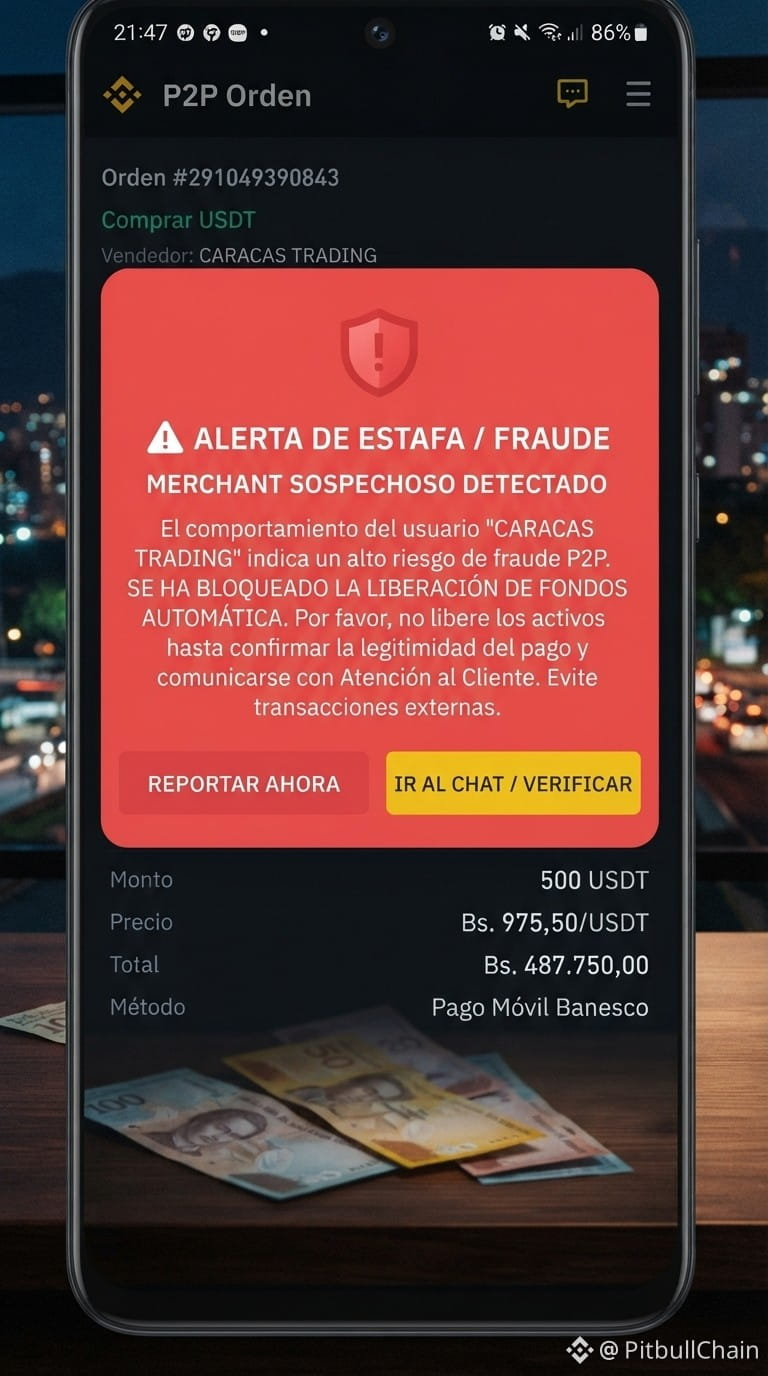
🚨 In Venezuela, 90% of P2P scams start the same way: the buyer rushes you on WhatsApp.
Today: USDT buy Bs. 980,49 / sell Bs. 942,33. Premium of 14,29% over the BCV (Bs. 857,89).
Golden rule: never release funds before you see the payment in YOUR banking app—not in screenshots.
Hurry is their weapon; patience is yours. If they pressure you, cancel the order.
📊 Live rates and analysis at https://pitbullchain.com
$USDT $BTC #P2P #USDT #Venezuela #BinanceP2P #CryptoSecurity
🚨 In Venezuela, 90% of P2P scams start the same way: the buyer rushes you on WhatsApp.
Today: USDT buy Bs. 980,49 / sell Bs. 942,33. Premium of 14,29% over the BCV (Bs. 857,89).
Golden rule: never release funds before you see the payment in YOUR banking app—not in screenshots.
Hurry is their weapon; patience is yours. If they pressure you, cancel the order.
📊 Live rates and analysis at https://pitbullchain.com
$USDT $BTC #P2P #USDT #Venezuela #BinanceP2P #CryptoSecurity
Today: USDT buy Bs. 980,49 / sell Bs. 942,33. Premium of 14,29% over the BCV (Bs. 857,89).
Golden rule: never release funds before you see the payment in YOUR banking app—not in screenshots.
Hurry is their weapon; patience is yours. If they pressure you, cancel the order.
📊 Live rates and analysis at https://pitbullchain.com
$USDT $BTC #P2P #USDT #Venezuela #BinanceP2P #CryptoSecurity
276

If you're still measuring real crypto adoption solely by centralized exchange volume, stop now.
Most investors track order books and derivative stats, only to get completely caught off guard when market liquidity vanishes during sudden macro shifts. Relying strictly on platform metrics makes you completely blind to where sticky, real-world capital is actually moving.
There is a running debate over whether institutional infrastructure or grassroots utility drives long-term value. Traditional finance argues that institutional custodial inflows are the only numbers that move the needle for $BTC. Yet in developing economies across Latin America, Africa, and Southeast Asia, millions of people bypass corporate platforms entirely, using $USDT and Bitcoin directly between private wallets for daily trade and capital protection.
While Wall Street controls speculative price swings, direct peer-to-peer settlement builds an unbreakable structural foundation. Speculators trade paper volume back and forth, but everyday users transacting outside platform walls create the genuine liquidity floor that survives every bear market.
Do you think institutional trading or grassroots peer-to-peer usage will drive the next phase of adoption?
#Bitcoin #CryptoAdoption #P2P
If you're still measuring real crypto adoption solely by centralized exchange volume, stop now.
Most investors track order books and derivative stats, only to get completely caught off guard when market liquidity vanishes during sudden macro shifts. Relying strictly on platform metrics makes you completely blind to where sticky, real-world capital is actually moving.
There is a running debate over whether institutional infrastructure or grassroots utility drives long-term value. Traditional finance argues that institutional custodial inflows are the only numbers that move the needle for $BTC . Yet in developing economies across Latin America, Africa, and Southeast Asia, millions of people bypass corporate platforms entirely, using $USDT and Bitcoin directly between private wallets for daily trade and capital protection.
While Wall Street controls speculative price swings, direct peer-to-peer settlement builds an unbreakable structural foundation. Speculators trade paper volume back and forth, but everyday users transacting outside platform walls create the genuine liquidity floor that survives every bear market.
Do you think institutional trading or grassroots peer-to-peer usage will drive the next phase of adoption?
#Bitcoin #CryptoAdoption #P2P
Most investors track order books and derivative stats, only to get completely caught off guard when market liquidity vanishes during sudden macro shifts. Relying strictly on platform metrics makes you completely blind to where sticky, real-world capital is actually moving.
There is a running debate over whether institutional infrastructure or grassroots utility drives long-term value. Traditional finance argues that institutional custodial inflows are the only numbers that move the needle for $BTC . Yet in developing economies across Latin America, Africa, and Southeast Asia, millions of people bypass corporate platforms entirely, using $USDT and Bitcoin directly between private wallets for daily trade and capital protection.
While Wall Street controls speculative price swings, direct peer-to-peer settlement builds an unbreakable structural foundation. Speculators trade paper volume back and forth, but everyday users transacting outside platform walls create the genuine liquidity floor that survives every bear market.
Do you think institutional trading or grassroots peer-to-peer usage will drive the next phase of adoption?
#Bitcoin #CryptoAdoption #P2P
175
Log in to explore more content
Join global crypto users on Binance Square
⚡️ Get latest and useful information about crypto.
💬 Trusted by the world’s largest crypto exchange.
👍 Discover real insights from verified creators.
Email / Phone number
Trending Topics
1
#ZcashETFPostsFirstWeeklyOutflow$93.6M
3,609 views
31 Discussing
2
#GreekPoliceBustCryptoScamRingArrest17
5,067 views
137 Discussing
3
#BitcoinRejectedAt$87K
62,664 views
97 Discussing
4
#FedOctoberRateHikeOddsFallTo17%
35,062 views
539 Discussing
5
#NvidiaHitsRecordHighUp2.4%
16,806 views
364 Discussing
6
#CanaryFilesAmendedS1ForPEPEETF
7,663 views
245 Discussing
7
#USRussiaUkraineTalksReportedlyIncludeLukoilOilDeal
16,434 views
303 Discussing
8
#BitcoinParesGainsAfterRallyTo$86.5K
40,696 views
154 Discussing
9
#CerebrasSinksNearly20%OnReportNvidiaToPowerOpenAI
92,084 views
904 Discussing
10
#SECProposesCryptoCustodyRules
118,676 views
1,109 Discussing