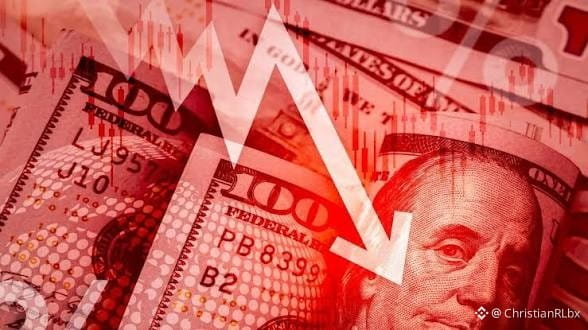
🔮 Dollar,
$BTC and Gold: will the patterns hold?
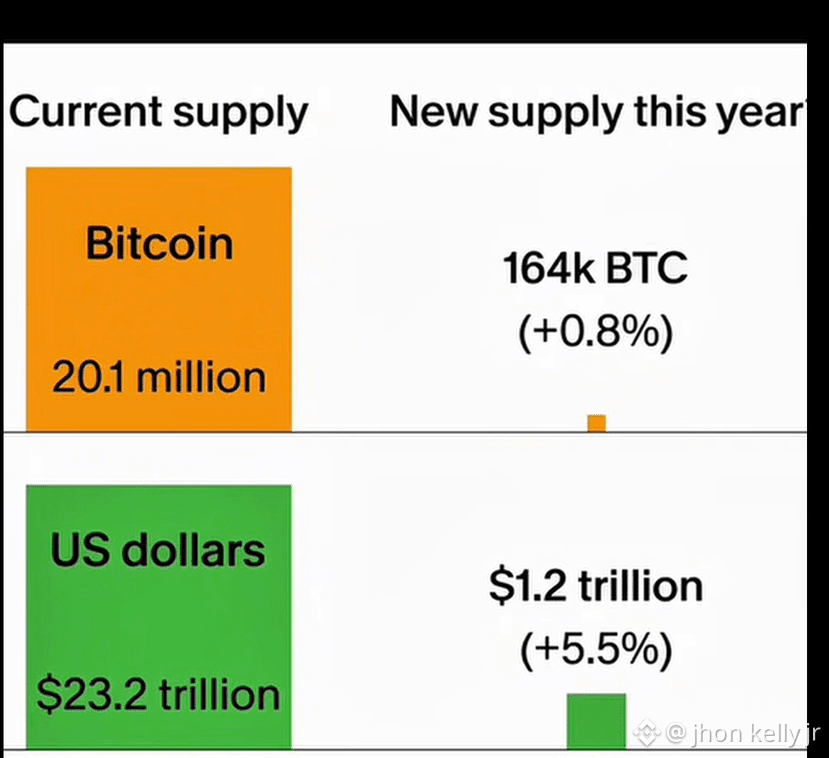
A weak dollar, the BTC rally, and the rise in gold are connected by the same thread: the liquidity the U.S. Treasury is injecting (bond buybacks of $2,000M to $4,000M).
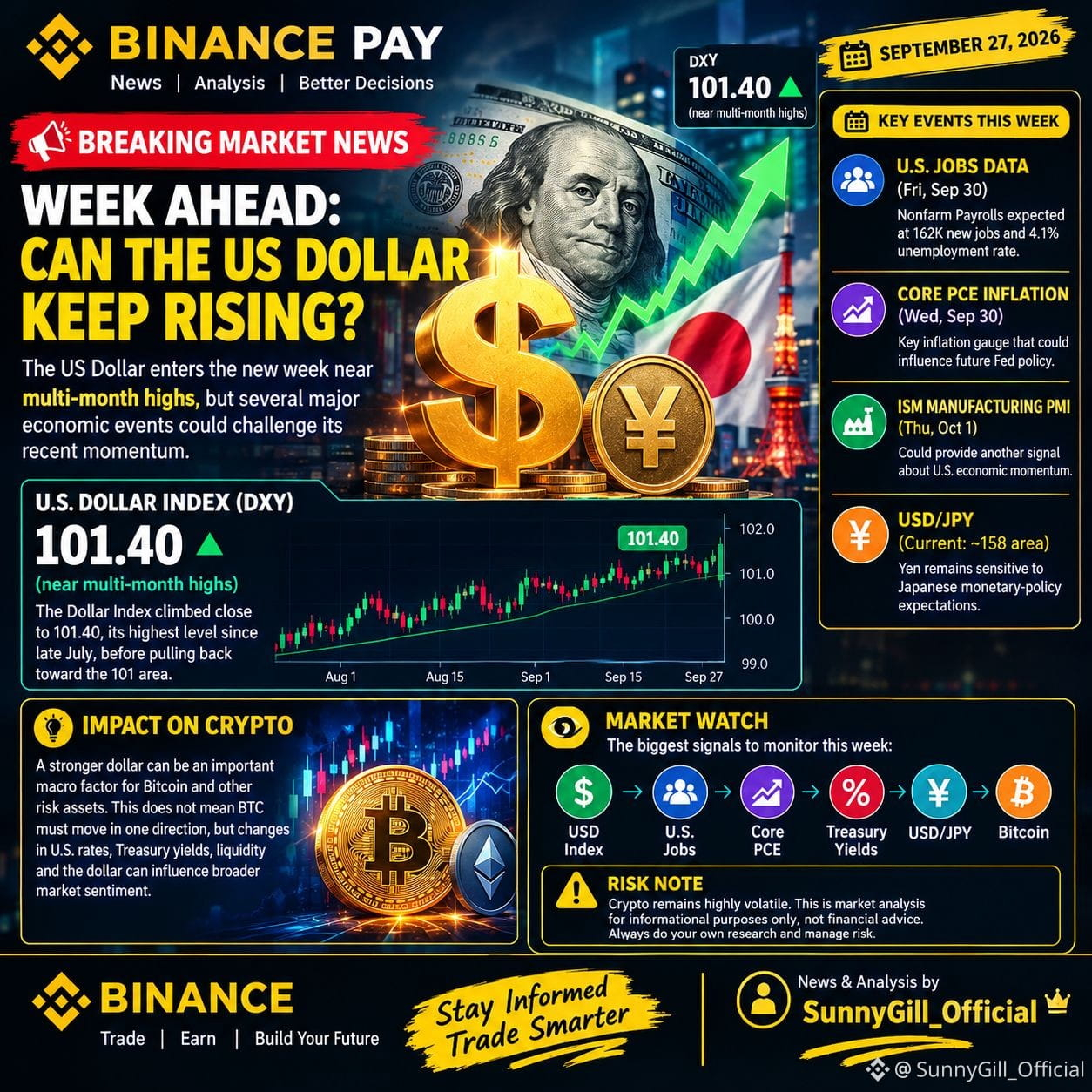
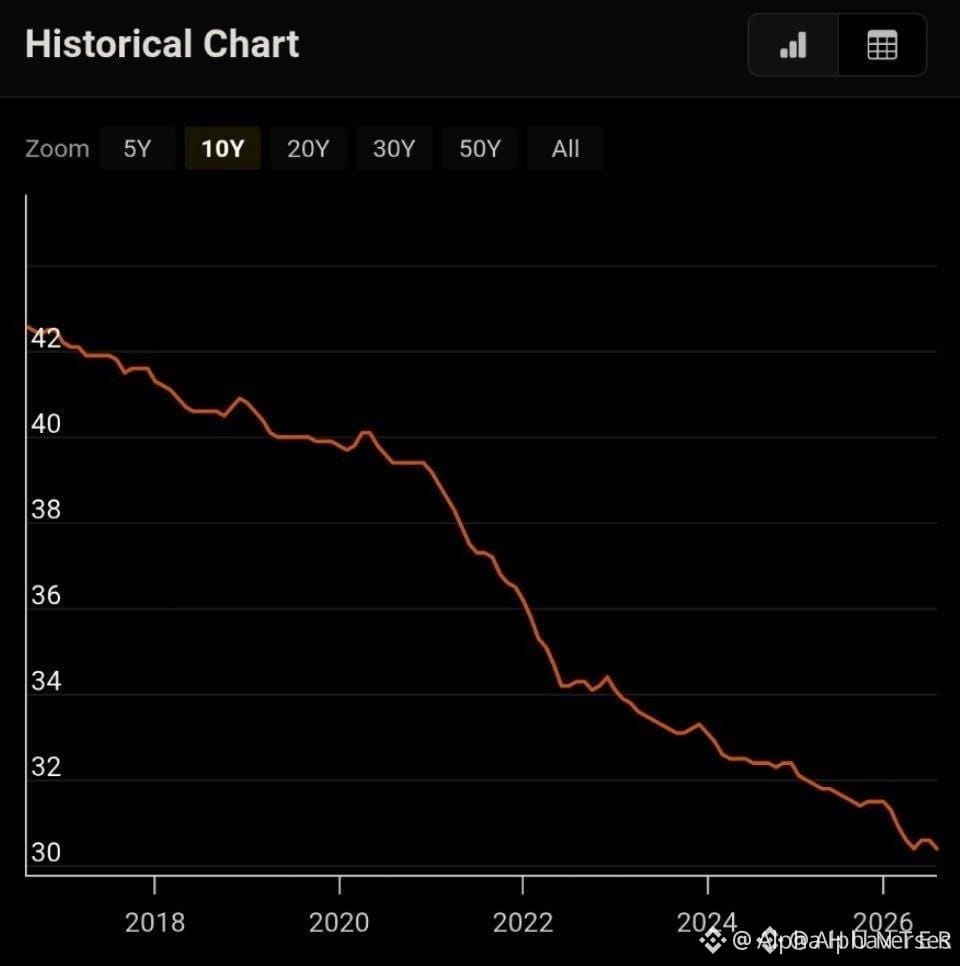
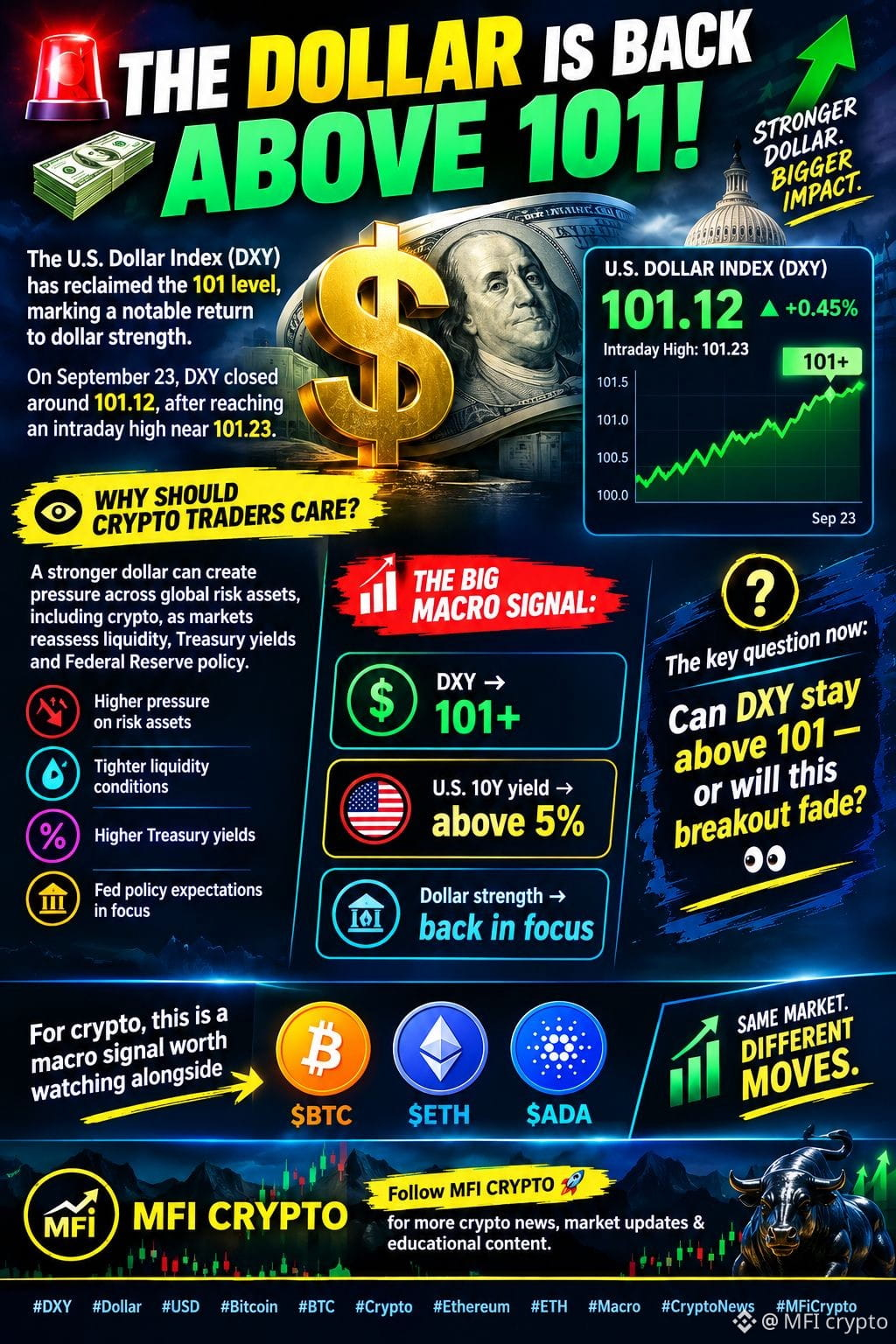
💵 Dollar: will it keep falling?
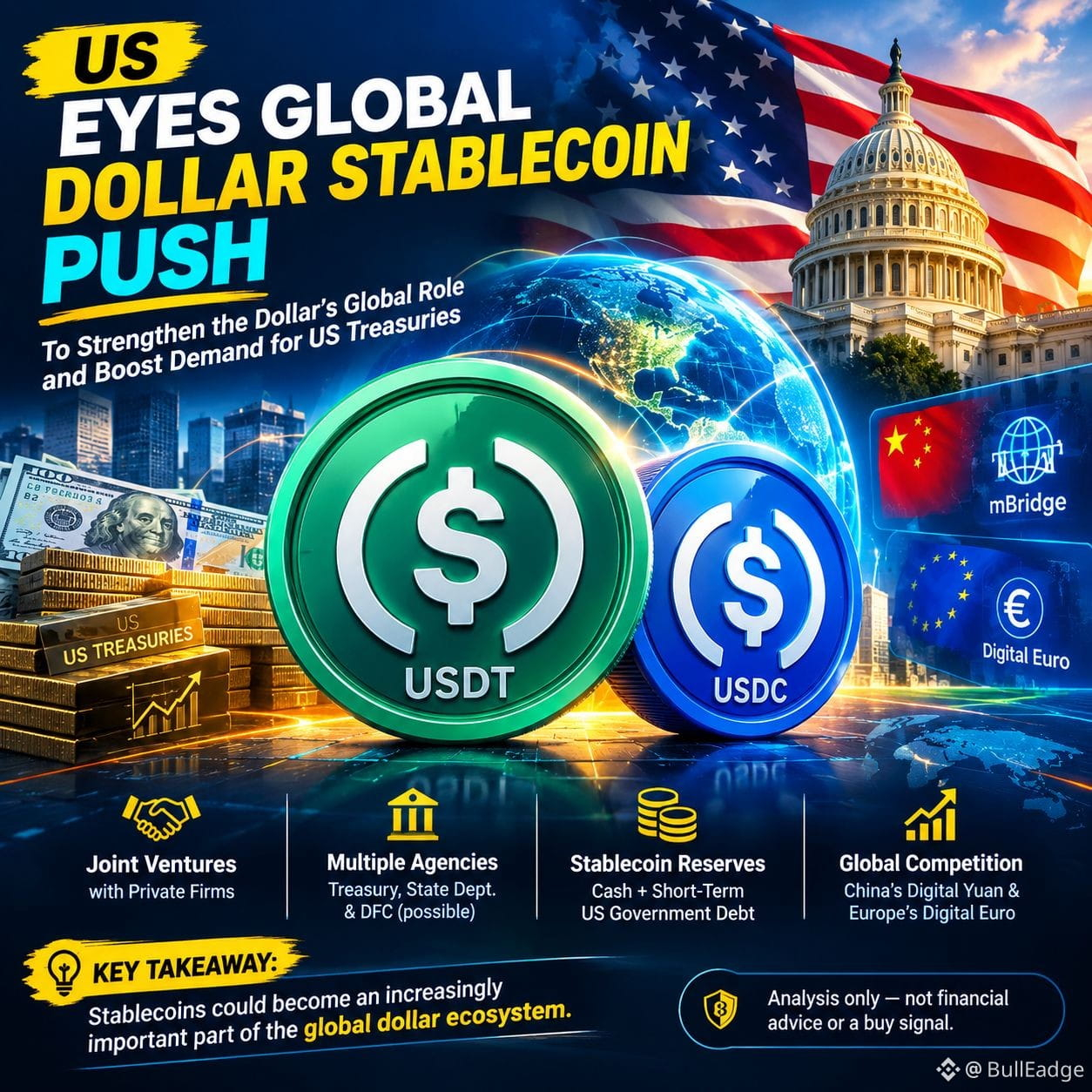
· For the downside: $40B debt, Trump’s protectionist policy, VanEck: the Treasury is funding short-term debt, pressuring the dollar.
· Against: the interest-rate differential is still favoring the dollar (DXY should be near 102), the U.S. economy remains strong.
· Scenario: sideways dollar with a downside bias in the 96-102 range.
₿ Bitcoin: will the rally continue?
· For: Treasury liquidity is what Bitcoin “loves” (Standard Chartered). VanEck: the only persistent correlation with the dollar over 15 years is negative.
· Against: the 4-year halving cycle is breaking. The Fed remains hawkish. Diverging projections: a fund at $50k-$60k or $150k in 2026.
· Scenario: it could rise to $80k-$100k if liquidity holds, but with volatility.
🥇 Gold: will it keep rising?
· For: central banks buying; State Street projects $5,500**, JP Morgan **$6,000.
· Against: oil is the key variable. If it rises to $150**, gold could fall to **$4,000.
· Scenario: potential toward $5,000-$6,000, but it depends on oil.
⚖️ What you should watch
Factor What to watch
Treasury Does the bond buyback continue?
Oil Does Brent break above $100?
Fed (Warsh) Hawkish or dovish?
Iran De-escalate or intensify?
In short: current patterns could hold in the short term, but Q4 will be volatile. The key: Treasury liquidity. If oil spikes or the Fed changes course, the reversal could be fast.
Do you think Treasury liquidity will be enough to sustain the rally? 👇
#dollar #Bitcoin #GOLD #USDollarFallsToThreeMonthLow