

#binance
binance
542.2M views
1.4M Discussing
Hot
Latest


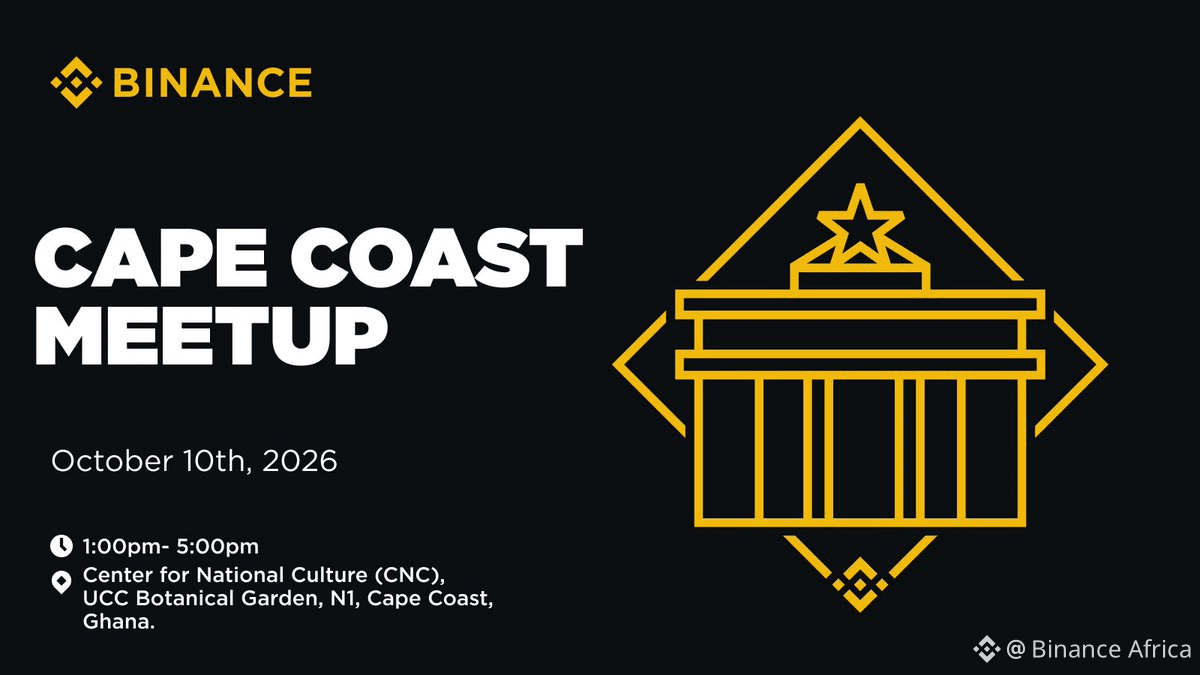
You’re Invited to #Binance Cape Coast Community Xperience! 🇬🇭
This will be a beginner friendly session focused on TradeFi and bStocks on Binance. See you there!
📍 Center for National Culture Auditorium, UCC Botanical Garden
📅 October 10th, 2026
⏰ 1:00 PM GMT
copy link to register: https://binance.events/xqWmEq
$BNB
{spot}(BNBUSDT)
You’re Invited to #Binance Cape Coast Community Xperience! 🇬🇭
This will be a beginner friendly session focused on TradeFi and bStocks on Binance. See you there!
📍 Center for National Culture Auditorium, UCC Botanical Garden
📅 October 10th, 2026
⏰ 1:00 PM GMT
copy link to register: https://binance.events/xqWmEq
$BNB
This will be a beginner friendly session focused on TradeFi and bStocks on Binance. See you there!
📍 Center for National Culture Auditorium, UCC Botanical Garden
📅 October 10th, 2026
⏰ 1:00 PM GMT
copy link to register: https://binance.events/xqWmEq
$BNB
5
451

Want to trade $O? There’s a reason to watch it now.
Binance Alpha is running an $O trading competition. The top 2,000 buyers share 184,000 O tokens, with 92 O each.
Early traders get a 2x volume multiplier.
Trade $O and compete for the rewards.
$O #Crypto #Binance
Want to trade $O? There’s a reason to watch it now.
Binance Alpha is running an $O trading competition. The top 2,000 buyers share 184,000 O tokens, with 92 O each.
Early traders get a 2x volume multiplier.
Trade $O and compete for the rewards.
$O #Crypto #Binance
Binance Alpha is running an $O trading competition. The top 2,000 buyers share 184,000 O tokens, with 92 O each.
Early traders get a 2x volume multiplier.
Trade $O and compete for the rewards.
$O #Crypto #Binance
81

·
--
Bullish
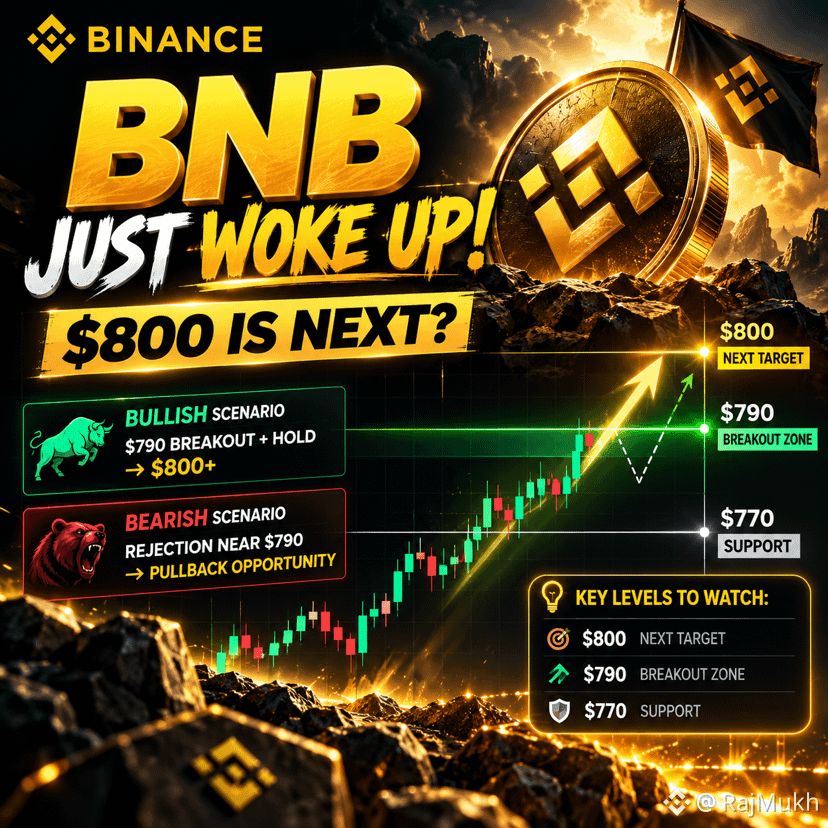
🚨 BNB JUST WOKE UP… $800 IS NEXT? 👀
BNB is knocking on the $790 zone — and this is where things could get VERY interesting. 🔥
The bulls have already shown strength, but here’s the question:
Can BNB turn $790 into support and attack $800+?
👀 Bullish scenario:
$790 breakout + hold → $800 becomes the obvious psychological target.
⚠️ Bearish scenario:
Rejection near $790 → a pullback could give buyers a better entry.
I’m NOT chasing the candle here.
I want to see confirmation + retest. 🧠
Would you LONG BNB above $790 or wait for the pullback?
#BNB_Market_Update #Binance #CryptoPatience $BNB
{spot}(BNBUSDT)
$
🚨 BNB JUST WOKE UP… $800 IS NEXT? 👀
BNB is knocking on the $790 zone — and this is where things could get VERY interesting. 🔥
The bulls have already shown strength, but here’s the question:
Can BNB turn $790 into support and attack $800+?
👀 Bullish scenario:
$790 breakout + hold → $800 becomes the obvious psychological target.
⚠️ Bearish scenario:
Rejection near $790 → a pullback could give buyers a better entry.
I’m NOT chasing the candle here.
I want to see confirmation + retest. 🧠
Would you LONG BNB above $790 or wait for the pullback?
#BNB_Market_Update #Binance #CryptoPatience $BNB
$
BNB is knocking on the $790 zone — and this is where things could get VERY interesting. 🔥
The bulls have already shown strength, but here’s the question:
Can BNB turn $790 into support and attack $800+?
👀 Bullish scenario:
$790 breakout + hold → $800 becomes the obvious psychological target.
⚠️ Bearish scenario:
Rejection near $790 → a pullback could give buyers a better entry.
I’m NOT chasing the candle here.
I want to see confirmation + retest. 🧠
Would you LONG BNB above $790 or wait for the pullback?
#BNB_Market_Update #Binance #CryptoPatience $BNB
$
1
274


·
--
We did it, fam! 🚀 40K followers strong on Binance! 📈
🌟⭐✨⭐🌟✨⭐💫🌟✨⭐🌟✨⭐🌟
🎇🧨 AL HAMDULILLAH🎉🥳
Honestly, words can’t even describe how incredible this journey has been. What started as a passion for the markets has grown into this amazing, tight-knit community of traders, believers, and builders.
Whether you’ve been here since day one or just hit that follow button today—thank you. 🤝 Thank you for the endless support, the sharp insights in the comments, and for riding the waves of this wild crypto market together.🤩🤩
This milestone belongs to all of us. We are just getting started, and the future looks brighter than ever. Let’s keep learning, keep growing, and keep securing those gains! 💎🙌
To the next chapter, and the next big milestone! 🥂📊
#Binance #CryptoCommunity #40KStrong #TradingJourney #Web3
We did it, fam! 🚀 40K followers strong on Binance! 📈
🌟⭐✨⭐🌟✨⭐💫🌟✨⭐🌟✨⭐🌟
🎇🧨 AL HAMDULILLAH🎉🥳
Honestly, words can’t even describe how incredible this journey has been. What started as a passion for the markets has grown into this amazing, tight-knit community of traders, believers, and builders.
Whether you’ve been here since day one or just hit that follow button today—thank you. 🤝 Thank you for the endless support, the sharp insights in the comments, and for riding the waves of this wild crypto market together.🤩🤩
This milestone belongs to all of us. We are just getting started, and the future looks brighter than ever. Let’s keep learning, keep growing, and keep securing those gains! 💎🙌
To the next chapter, and the next big milestone! 🥂📊
#Binance #CryptoCommunity #40KStrong #TradingJourney #Web3
🌟⭐✨⭐🌟✨⭐💫🌟✨⭐🌟✨⭐🌟
🎇🧨 AL HAMDULILLAH🎉🥳
Honestly, words can’t even describe how incredible this journey has been. What started as a passion for the markets has grown into this amazing, tight-knit community of traders, believers, and builders.
Whether you’ve been here since day one or just hit that follow button today—thank you. 🤝 Thank you for the endless support, the sharp insights in the comments, and for riding the waves of this wild crypto market together.🤩🤩
This milestone belongs to all of us. We are just getting started, and the future looks brighter than ever. Let’s keep learning, keep growing, and keep securing those gains! 💎🙌
To the next chapter, and the next big milestone! 🥂📊
#Binance #CryptoCommunity #40KStrong #TradingJourney #Web3
telli50:
gig
844
10
46
844


·
--
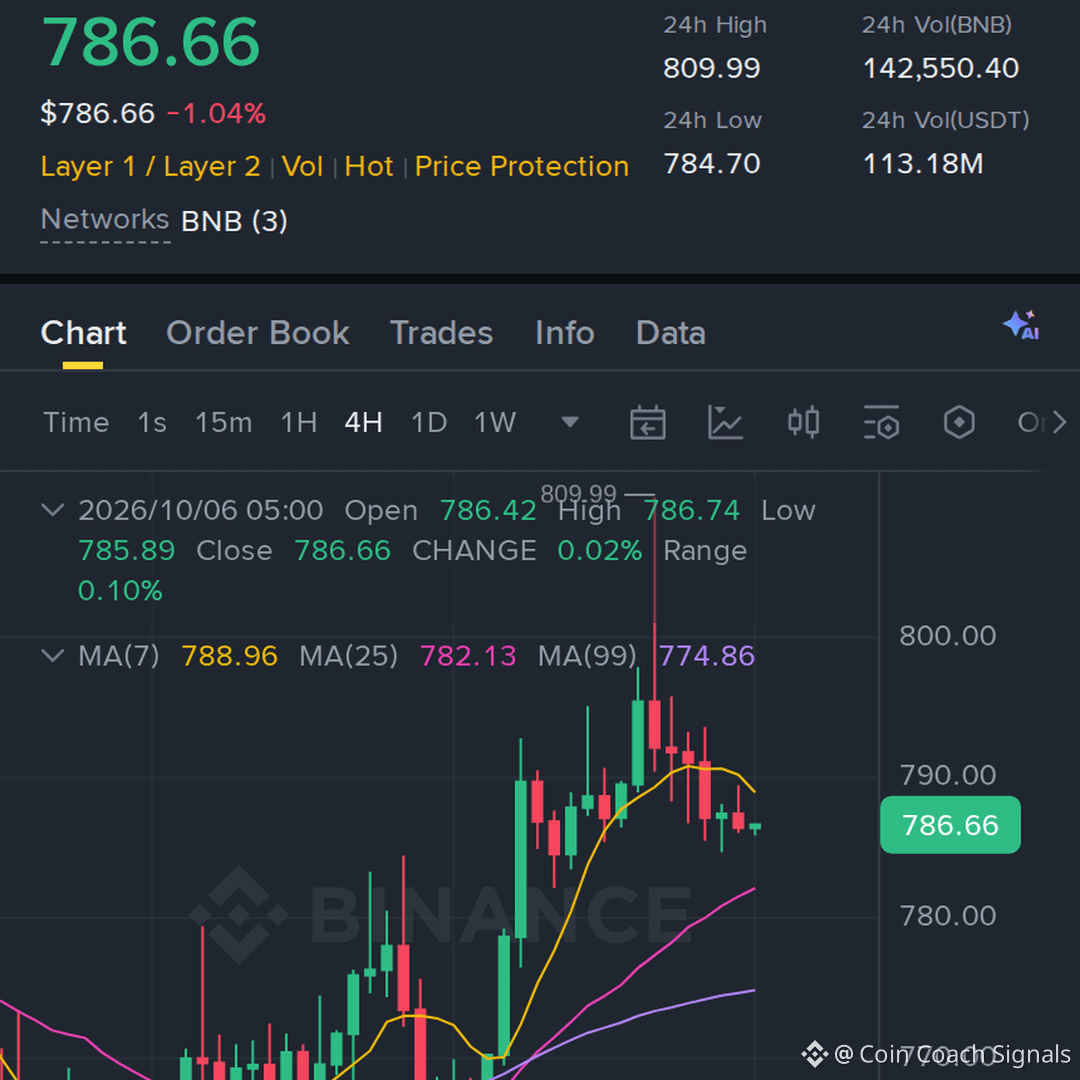
🚀 BNB is heating up at $784.5! Bullish trend still strong, but we're in the premium zone – time to watch for a potential short squeeze or a dip to support at $764.1. 📉 My setup: Entry $784.5, SL $760.965, TP $819.8025 (1:1.5 R/R). Are you ready to ride the wave? 💥 #Crypto #Binance #BNBUSDT
🔔 Don't forget to follow for more updates! & Your Mr Zero
⚠️ Not financial advice - always DYOR.
Click Here To Trade 👇
🚀 BNB is heating up at $784.5! Bullish trend still strong, but we're in the premium zone – time to watch for a potential short squeeze or a dip to support at $764.1. 📉 My setup: Entry $784.5, SL $760.965, TP $819.8025 (1:1.5 R/R). Are you ready to ride the wave? 💥 #Crypto #Binance #BNBUSDT
🔔 Don't forget to follow for more updates! & Your Mr Zero
⚠️ Not financial advice - always DYOR.
Click Here To Trade 👇
🔔 Don't forget to follow for more updates! & Your Mr Zero
⚠️ Not financial advice - always DYOR.
Click Here To Trade 👇
43

·
--
🔥 $BNB 37th Burn is coming!
Around 1.65M BNB worth ~$1.3B could be removed from supply. With a long-term goal of reducing supply from 200M to 100M, this deflationary model remains a key strength.
Less supply, potentially more scarcity. 🚀
#BNB #Binance #Crypto
#DriftHackVictimsBeginClaims
#ETHUp70%InQ3ButLiquidityFalls
{spot}(BNBUSDT)
🔥 $BNB 37th Burn is coming!
Around 1.65M BNB worth ~$1.3B could be removed from supply. With a long-term goal of reducing supply from 200M to 100M, this deflationary model remains a key strength.
Less supply, potentially more scarcity. 🚀
#BNB #Binance #Crypto
#DriftHackVictimsBeginClaims
#ETHUp70%InQ3ButLiquidityFalls
Around 1.65M BNB worth ~$1.3B could be removed from supply. With a long-term goal of reducing supply from 200M to 100M, this deflationary model remains a key strength.
Less supply, potentially more scarcity. 🚀
#BNB #Binance #Crypto
#DriftHackVictimsBeginClaims
#ETHUp70%InQ3ButLiquidityFalls
50

not gonna lie, $BNB is holding the dip better than expected, so I’m working with about 24x
Entry: 785.11–786.98
TP1: 804.75 | TP2: 819.89 | TP3: 843
Stop Loss: 773.47
#BNB #Crypto #Write2Earn #Binance
not gonna lie, $BNB is holding the dip better than expected, so I’m working with about 24x
Entry: 785.11–786.98
TP1: 804.75 | TP2: 819.89 | TP3: 843
Stop Loss: 773.47
#BNB #Crypto #Write2Earn #Binance
Entry: 785.11–786.98
TP1: 804.75 | TP2: 819.89 | TP3: 843
Stop Loss: 773.47
#BNB #Crypto #Write2Earn #Binance
1
116

·
--
🔥 $AI $BTC $ETH Binance Intelligence AI Suite Launches Today | #️⃣ Trending #1
📌 Key facts:
• Binance unveiled its AI product stack Binance Intelligence, comprising three tools: free Binance AI for all users, Binance AI Pro converting...
• BNB touched $810, a high since February, as BNB Chain simultaneously leads all chains in tokenized equities market cap, reinforcing ecosyste...
📊 Market analysis & trading logic:
AI-crypto convergence is the strongest emerging narrative. Decentralized compute, AI agent infrastructure, and tokenized inference are early but real revenue generators. My framework: separate AI infrastructure tokens (compute, data) from AI agent tokens (applications). Infrastructure has more durable value capture; application tokens are higher beta. Build core position in infrastructure, satellite in applications.
Would love to hear from @ColdBloodShill and @CryptoBirch on this 🔥
🔍 Trending searches: WLD | ETC | FIL | DOT | AR
💬 Do you agree with my take or am I missing something? Challenge me 👇
🚀 Follow for your daily edge in crypto — real analysis, not noise!
💬 Comment your thoughts — I reply to everyone!
#BNB #BNBChain #Binance #Crypto
🔥 $AI $BTC $ETH Binance Intelligence AI Suite Launches Today | #️⃣ Trending #1
📌 Key facts:
• Binance unveiled its AI product stack Binance Intelligence, comprising three tools: free Binance AI for all users, Binance AI Pro converting...
• BNB touched $810, a high since February, as BNB Chain simultaneously leads all chains in tokenized equities market cap, reinforcing ecosyste...
📊 Market analysis & trading logic:
AI-crypto convergence is the strongest emerging narrative. Decentralized compute, AI agent infrastructure, and tokenized inference are early but real revenue generators. My framework: separate AI infrastructure tokens (compute, data) from AI agent tokens (applications). Infrastructure has more durable value capture; application tokens are higher beta. Build core position in infrastructure, satellite in applications.
Would love to hear from @ColdBloodShill and @CryptoBirch on this 🔥
🔍 Trending searches: WLD | ETC | FIL | DOT | AR
💬 Do you agree with my take or am I missing something? Challenge me 👇
🚀 Follow for your daily edge in crypto — real analysis, not noise!
💬 Comment your thoughts — I reply to everyone!
#BNB #BNBChain #Binance #Crypto
📌 Key facts:
• Binance unveiled its AI product stack Binance Intelligence, comprising three tools: free Binance AI for all users, Binance AI Pro converting...
• BNB touched $810, a high since February, as BNB Chain simultaneously leads all chains in tokenized equities market cap, reinforcing ecosyste...
📊 Market analysis & trading logic:
AI-crypto convergence is the strongest emerging narrative. Decentralized compute, AI agent infrastructure, and tokenized inference are early but real revenue generators. My framework: separate AI infrastructure tokens (compute, data) from AI agent tokens (applications). Infrastructure has more durable value capture; application tokens are higher beta. Build core position in infrastructure, satellite in applications.
Would love to hear from @ColdBloodShill and @CryptoBirch on this 🔥
🔍 Trending searches: WLD | ETC | FIL | DOT | AR
💬 Do you agree with my take or am I missing something? Challenge me 👇
🚀 Follow for your daily edge in crypto — real analysis, not noise!
💬 Comment your thoughts — I reply to everyone!
#BNB #BNBChain #Binance #Crypto
105

·
--
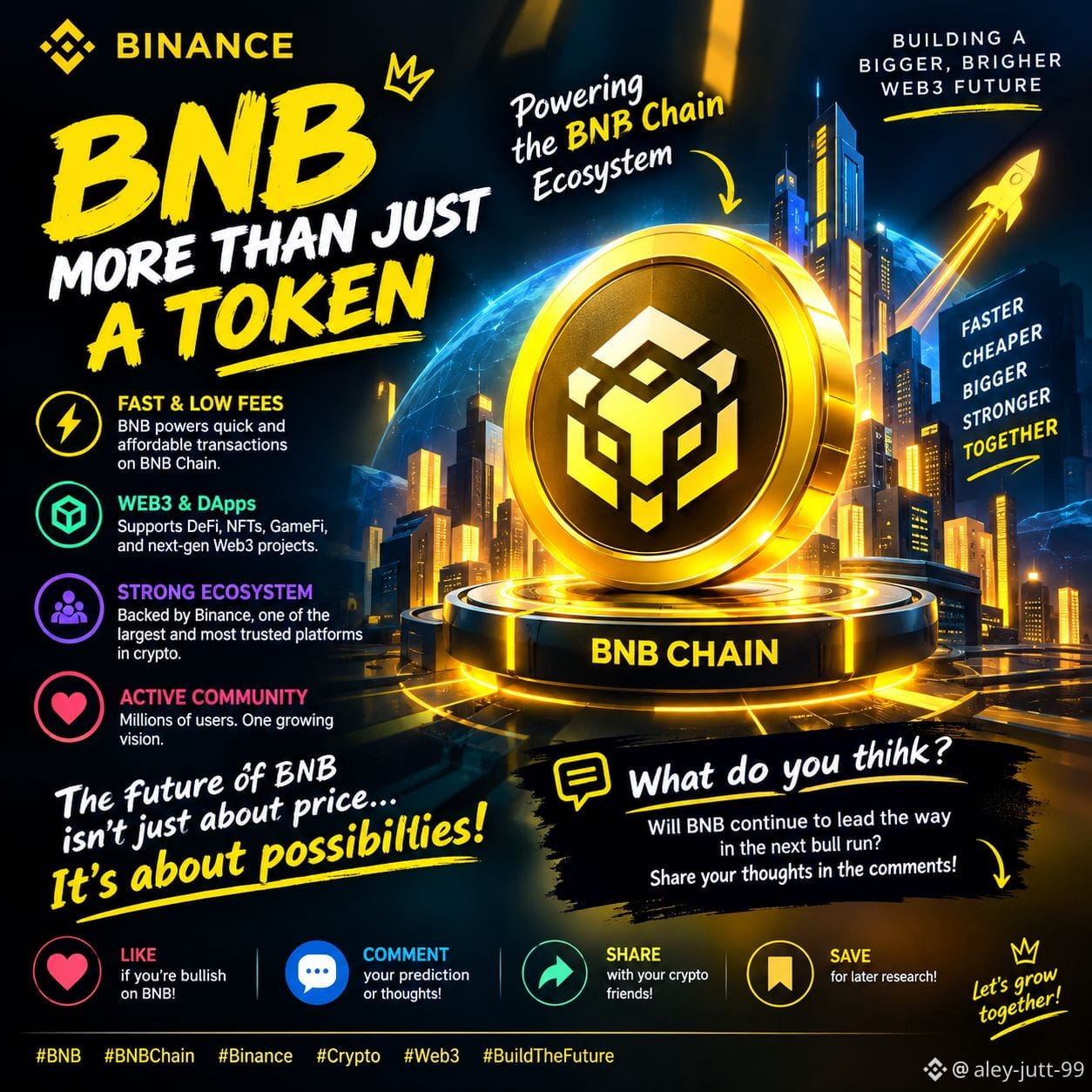
🚀 $BNB : More Than Just a Token
BNB is no longer just a crypto asset people hold and wait for.
It sits at the heart of one of the biggest crypto ecosystems — powering transactions, supporting Web3 activity, and connecting users with the growing BNB Chain economy.
What makes BNB interesting is the combination of utility + ecosystem + community. 🔥
The crypto market moves fast, but strong ecosystems are built over time.
📈 $BNB is one of the projects I’m keeping on my radar.
The real question isn’t:
“Is BNB going up today?”
It’s:
“How much bigger can the $BNB ecosystem become?” 👀
#BNBChain #Crypto #Web3 #Binance
{spot}(BNBUSDT)
🚀 $BNB : More Than Just a Token
BNB is no longer just a crypto asset people hold and wait for.
It sits at the heart of one of the biggest crypto ecosystems — powering transactions, supporting Web3 activity, and connecting users with the growing BNB Chain economy.
What makes BNB interesting is the combination of utility + ecosystem + community. 🔥
The crypto market moves fast, but strong ecosystems are built over time.
📈 $BNB is one of the projects I’m keeping on my radar.
The real question isn’t:
“Is BNB going up today?”
It’s:
“How much bigger can the $BNB ecosystem become?” 👀
#BNBChain #Crypto #Web3 #Binance
BNB is no longer just a crypto asset people hold and wait for.
It sits at the heart of one of the biggest crypto ecosystems — powering transactions, supporting Web3 activity, and connecting users with the growing BNB Chain economy.
What makes BNB interesting is the combination of utility + ecosystem + community. 🔥
The crypto market moves fast, but strong ecosystems are built over time.
📈 $BNB is one of the projects I’m keeping on my radar.
The real question isn’t:
“Is BNB going up today?”
It’s:
“How much bigger can the $BNB ecosystem become?” 👀
#BNBChain #Crypto #Web3 #Binance
0414a:
BNB
1
1
10

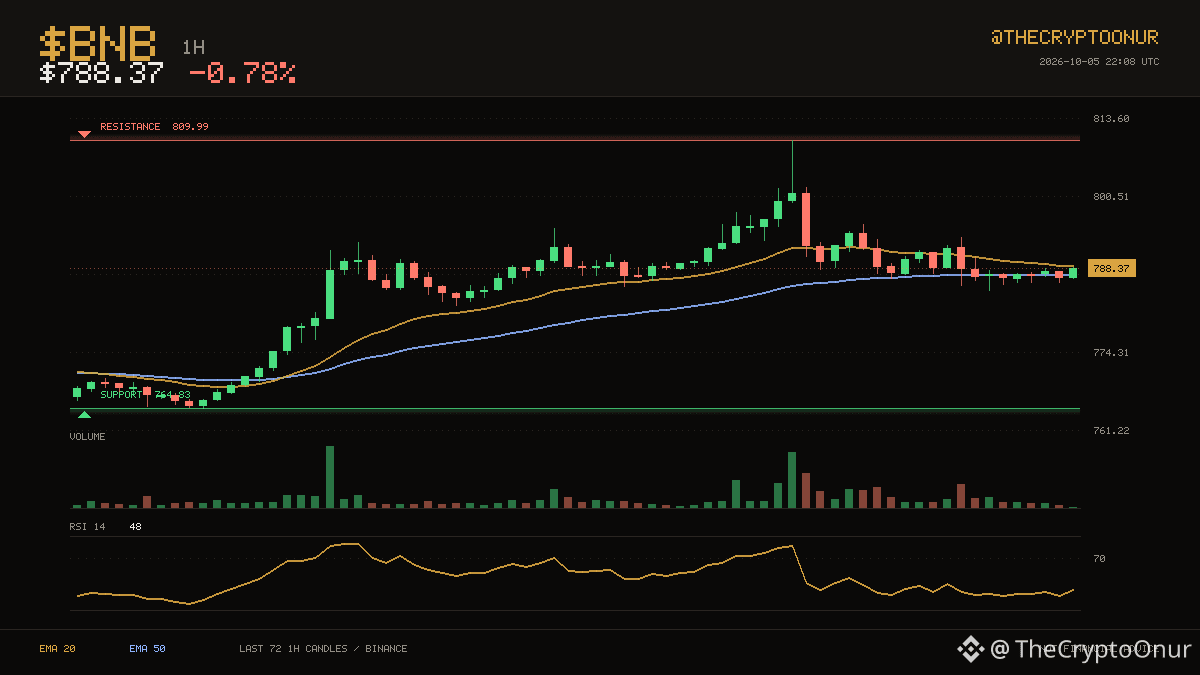
📉 $BNB · 1H
The action has stayed between $764.83 and $809.99 over the last three days. $BNB is caught between its averages at $788.37. That puts price in the middle of the range. That is 2.7% to the ceiling and 3.0% to the floor. The 20 has stayed above the 50 for 57 candles. RSI at 48 is neutral, so momentum is not blocking a move either way. Over the past day it has traded between $784.70 and $809.99, sitting near the bottom of it now. Turnover is unremarkable, running 1.4x the recent average. The 20 average is at $788.93 and the 50 at $787.44. Down 0.8% over 24 hours.
DYOR
$BNB #Binance
📉 $BNB · 1H
The action has stayed between $764.83 and $809.99 over the last three days. $BNB is caught between its averages at $788.37. That puts price in the middle of the range. That is 2.7% to the ceiling and 3.0% to the floor. The 20 has stayed above the 50 for 57 candles. RSI at 48 is neutral, so momentum is not blocking a move either way. Over the past day it has traded between $784.70 and $809.99, sitting near the bottom of it now. Turnover is unremarkable, running 1.4x the recent average. The 20 average is at $788.93 and the 50 at $787.44. Down 0.8% over 24 hours.
DYOR
$BNB #Binance
The action has stayed between $764.83 and $809.99 over the last three days. $BNB is caught between its averages at $788.37. That puts price in the middle of the range. That is 2.7% to the ceiling and 3.0% to the floor. The 20 has stayed above the 50 for 57 candles. RSI at 48 is neutral, so momentum is not blocking a move either way. Over the past day it has traded between $784.70 and $809.99, sitting near the bottom of it now. Turnover is unremarkable, running 1.4x the recent average. The 20 average is at $788.93 and the 50 at $787.44. Down 0.8% over 24 hours.
DYOR
$BNB #Binance
15

🚀 Is Binance Square 'Write to Earn' Really Worth It? Let's Discuss! ! 💰
I'm starting my journey on Binance Square's Write to Earn program to share crypto insights and potentially earn up to 50% commission rewards.
Before diving all in, I want to ask the community:
1️⃣ Have you tried the Write to Earn program yet? What has your real experience been like?
2️⃣ What type of content gets the highest engagement and views in your opinion—Market Analysis, Technical Analysis, or Trading Tips?
3️⃣ Drop your best tips for creators below!
Let’s help each other grow and learn together in this community! 👇
#Binance ceSquare #Write2Earn e2Earn #CryptoCountdown mmunity #BitcoinDunyamiz coin #tradingtips
🚀 Is Binance Square 'Write to Earn' Really Worth It? Let's Discuss! ! 💰
I'm starting my journey on Binance Square's Write to Earn program to share crypto insights and potentially earn up to 50% commission rewards.
Before diving all in, I want to ask the community:
1️⃣ Have you tried the Write to Earn program yet? What has your real experience been like?
2️⃣ What type of content gets the highest engagement and views in your opinion—Market Analysis, Technical Analysis, or Trading Tips?
3️⃣ Drop your best tips for creators below!
Let’s help each other grow and learn together in this community! 👇
#Binance ceSquare #Write2Earn e2Earn #CryptoCountdown mmunity #BitcoinDunyamiz coin #tradingtips
I'm starting my journey on Binance Square's Write to Earn program to share crypto insights and potentially earn up to 50% commission rewards.
Before diving all in, I want to ask the community:
1️⃣ Have you tried the Write to Earn program yet? What has your real experience been like?
2️⃣ What type of content gets the highest engagement and views in your opinion—Market Analysis, Technical Analysis, or Trading Tips?
3️⃣ Drop your best tips for creators below!
Let’s help each other grow and learn together in this community! 👇
#Binance ceSquare #Write2Earn e2Earn #CryptoCountdown mmunity #BitcoinDunyamiz coin #tradingtips
62

Every meaningful journey in crypto starts with curiosity — and grows through the people you meet, the ideas you exchange, and the perspective you gain along the way.
Excited to be joining Binance Campus Asia 2026 and looking forward to a few inspiring days of learning, connection, and fresh insight from across the ecosystem.
Ready for the experience ahead. 🟡
#Binance #CampusAsia2026 .
Every meaningful journey in crypto starts with curiosity — and grows through the people you meet, the ideas you exchange, and the perspective you gain along the way.
Excited to be joining Binance Campus Asia 2026 and looking forward to a few inspiring days of learning, connection, and fresh insight from across the ecosystem.
Ready for the experience ahead. 🟡
#Binance #CampusAsia2026 .
Excited to be joining Binance Campus Asia 2026 and looking forward to a few inspiring days of learning, connection, and fresh insight from across the ecosystem.
Ready for the experience ahead. 🟡
#Binance #CampusAsia2026 .

Hassan Malik686:
hh
5
2
18
561

·
--
Quick tip: turn on 2FA and an anti-phishing code on your Binance account today. It takes 2 minutes and can save you from losing everything. 🔐
Already done? Comment ✅
#CryptoSafety #Binance
Quick tip: turn on 2FA and an anti-phishing code on your Binance account today. It takes 2 minutes and can save you from losing everything. 🔐
Already done? Comment ✅
#CryptoSafety #Binance
Already done? Comment ✅
#CryptoSafety #Binance
1
33
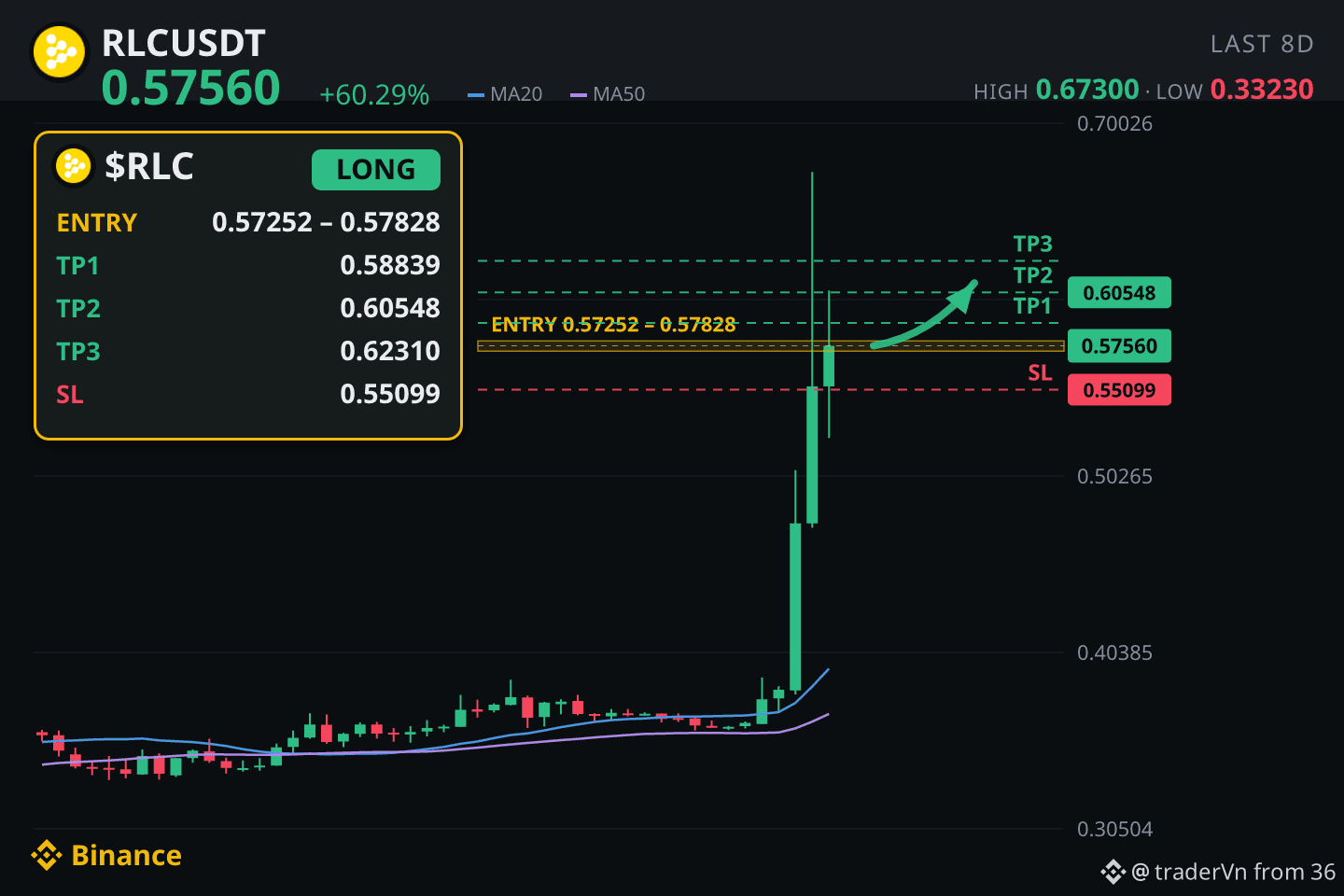
📢 BINANCE LITE LOAN PROMOTION EXTENDED WITH 50% OFF FEE
$RLC $GTC $NIL
Hottest right now: RLC +58.7% over 24h · Vol 16M
🏷️ Event type: Promotion · published by Binance on 05/10/2026
The extension of Binance’s Lite Loan offering arrives as borrowing demand remains elevated across the crypto sector. By halving the service fee, Binance aims to lower cost barriers, potentially encouraging more leveraged positions and increasing on‑chain activity. This could provide short‑term liquidity support while users assess broader market conditions.
📈 Live market data — TRENDING UP
• RLC · +58.7% · Vol 16M
• GTC · +38.9% · Vol 40M
• NIL · +26.4% · Vol 14M
Exchange announcements pull attention onto the named asset, and attention arrives fast and leaves just as fast.
#Binance
Source: https://www.binance.com/vi/support/announcement/7996a0800e93462b8373ec9f9bc24d09
For reference only, not financial advice (DYOR).
📢 BINANCE LITE LOAN PROMOTION EXTENDED WITH 50% OFF FEE
$RLC $GTC $NIL
Hottest right now: RLC +58.7% over 24h · Vol 16M
🏷️ Event type: Promotion · published by Binance on 05/10/2026
The extension of Binance’s Lite Loan offering arrives as borrowing demand remains elevated across the crypto sector. By halving the service fee, Binance aims to lower cost barriers, potentially encouraging more leveraged positions and increasing on‑chain activity. This could provide short‑term liquidity support while users assess broader market conditions.
📈 Live market data — TRENDING UP
• RLC · +58.7% · Vol 16M
• GTC · +38.9% · Vol 40M
• NIL · +26.4% · Vol 14M
Exchange announcements pull attention onto the named asset, and attention arrives fast and leaves just as fast.
#Binance
Source: https://www.binance.com/vi/support/announcement/7996a0800e93462b8373ec9f9bc24d09
For reference only, not financial advice (DYOR).
$RLC $GTC $NIL
Hottest right now: RLC +58.7% over 24h · Vol 16M
🏷️ Event type: Promotion · published by Binance on 05/10/2026
The extension of Binance’s Lite Loan offering arrives as borrowing demand remains elevated across the crypto sector. By halving the service fee, Binance aims to lower cost barriers, potentially encouraging more leveraged positions and increasing on‑chain activity. This could provide short‑term liquidity support while users assess broader market conditions.
📈 Live market data — TRENDING UP
• RLC · +58.7% · Vol 16M
• GTC · +38.9% · Vol 40M
• NIL · +26.4% · Vol 14M
Exchange announcements pull attention onto the named asset, and attention arrives fast and leaves just as fast.
#Binance
Source: https://www.binance.com/vi/support/announcement/7996a0800e93462b8373ec9f9bc24d09
For reference only, not financial advice (DYOR).
150

·
--
🔥 BNB TRENDING TODAY — $800 BREAKOUT WATCH!
BNB is back in the spotlight 👀
📈 BNB has moved above the $800 level, putting one of the market’s key psychological zones back in focus. Today’s move is being watched as buyers test whether BNB can hold the breakout.
🚀 Why traders are watching BNB:
• $800 is the key psychological level
• Upcoming 37th quarterly BNB burn is expected to attract attention
• BNB Chain continues expanding its ecosystem
• Momentum is strengthening after the recent consolidation
🎯 Next question: Can BNB turn $800 into strong support and continue higher?
BNB is trending. The next move could be important. 🔥
#BNB #Binance #BNBChain #CryptoNews #Crypto #Altcoins #BNBUpdate #BinanceSquare
⚠️ Not financial advice.
{spot}(BNBUSDT)
🔥 BNB TRENDING TODAY — $800 BREAKOUT WATCH!
BNB is back in the spotlight 👀
📈 BNB has moved above the $800 level, putting one of the market’s key psychological zones back in focus. Today’s move is being watched as buyers test whether BNB can hold the breakout.
🚀 Why traders are watching BNB:
• $800 is the key psychological level
• Upcoming 37th quarterly BNB burn is expected to attract attention
• BNB Chain continues expanding its ecosystem
• Momentum is strengthening after the recent consolidation
🎯 Next question: Can BNB turn $800 into strong support and continue higher?
BNB is trending. The next move could be important. 🔥
#BNB #Binance #BNBChain #CryptoNews #Crypto #Altcoins #BNBUpdate #BinanceSquare
⚠️ Not financial advice.
BNB is back in the spotlight 👀
📈 BNB has moved above the $800 level, putting one of the market’s key psychological zones back in focus. Today’s move is being watched as buyers test whether BNB can hold the breakout.
🚀 Why traders are watching BNB:
• $800 is the key psychological level
• Upcoming 37th quarterly BNB burn is expected to attract attention
• BNB Chain continues expanding its ecosystem
• Momentum is strengthening after the recent consolidation
🎯 Next question: Can BNB turn $800 into strong support and continue higher?
BNB is trending. The next move could be important. 🔥
#BNB #Binance #BNBChain #CryptoNews #Crypto #Altcoins #BNBUpdate #BinanceSquare
⚠️ Not financial advice.
99

🔥 BINANCE IS MOVING — WHO WON & WHO GOT REKT? 👀📊
Today’s Binance snapshot is wild:
🚀 TOP GAINERS
🥇 $GTC +77.14%
🥈 $RLC +55.09%
🥉 $RAD +20.77%
🔥 $MOVR +14.33%
⚡ $NIL +13.81%
📉 BIGGEST LOSER
💀 $SAND -12.40%
So if someone caught GTC early → huge unrealized gain.
If someone entered SAND near the top → painful loss. 😬
🔎 BINANCE MOST SEARCHED (6H)
$USDT • $ETC • $FIL • $WLD • $TAO • $BTC • $ARB • $SAND • $ZEC • $AR
👀 THE BIG QUESTION:
Which coin gave you the BIGGEST PROFIT today — and which one gave you the BIGGEST LOSS?
👇 Comment your coin + % P&L
🚀 WINNER or 💀 REKT?
#Binance #Crypto #GTC #Bitcoin #Altcoin
🔥 BINANCE IS MOVING — WHO WON & WHO GOT REKT? 👀📊
Today’s Binance snapshot is wild:
🚀 TOP GAINERS
🥇 $GTC +77.14%
🥈 $RLC +55.09%
🥉 $RAD +20.77%
🔥 $MOVR +14.33%
⚡ $NIL +13.81%
📉 BIGGEST LOSER
💀 $SAND -12.40%
So if someone caught GTC early → huge unrealized gain.
If someone entered SAND near the top → painful loss. 😬
🔎 BINANCE MOST SEARCHED (6H)
$USDT • $ETC • $FIL • $WLD • $TAO • $BTC • $ARB • $SAND • $ZEC • $AR
👀 THE BIG QUESTION:
Which coin gave you the BIGGEST PROFIT today — and which one gave you the BIGGEST LOSS?
👇 Comment your coin + % P&L
🚀 WINNER or 💀 REKT?
#Binance #Crypto #GTC #Bitcoin #Altcoin
Today’s Binance snapshot is wild:
🚀 TOP GAINERS
🥇 $GTC +77.14%
🥈 $RLC +55.09%
🥉 $RAD +20.77%
🔥 $MOVR +14.33%
⚡ $NIL +13.81%
📉 BIGGEST LOSER
💀 $SAND -12.40%
So if someone caught GTC early → huge unrealized gain.
If someone entered SAND near the top → painful loss. 😬
🔎 BINANCE MOST SEARCHED (6H)
$USDT • $ETC • $FIL • $WLD • $TAO • $BTC • $ARB • $SAND • $ZEC • $AR
👀 THE BIG QUESTION:
Which coin gave you the BIGGEST PROFIT today — and which one gave you the BIGGEST LOSS?
👇 Comment your coin + % P&L
🚀 WINNER or 💀 REKT?
#Binance #Crypto #GTC #Bitcoin #Altcoin
1
699

BNB $1000 is WHEN, not IF - 3 cold facts 💥
$BNB already hit $1370 ATH. Returning to $1000 is just recovery, not a new high.
Today $BNB is $787, needs only +27% to $1000. That's one green week in crypto!
Fundamentals: Quarterly burns + BSC 2026 roadmap 2x faster. Less supply + more utility = bullish.
My take: $BNB to $1000 in Q4 if $BTC holds $115k.
When do you think $BNB hits $1000? 👇
#BNB #Binance #BNBChain
BNB $1000 is WHEN, not IF - 3 cold facts 💥
$BNB already hit $1370 ATH. Returning to $1000 is just recovery, not a new high.
Today $BNB is $787, needs only +27% to $1000. That's one green week in crypto!
Fundamentals: Quarterly burns + BSC 2026 roadmap 2x faster. Less supply + more utility = bullish.
My take: $BNB to $1000 in Q4 if $BTC holds $115k.
When do you think $BNB hits $1000? 👇
#BNB #Binance #BNBChain
$BNB already hit $1370 ATH. Returning to $1000 is just recovery, not a new high.
Today $BNB is $787, needs only +27% to $1000. That's one green week in crypto!
Fundamentals: Quarterly burns + BSC 2026 roadmap 2x faster. Less supply + more utility = bullish.
My take: $BNB to $1000 in Q4 if $BTC holds $115k.
When do you think $BNB hits $1000? 👇
#BNB #Binance #BNBChain
80

🧠 Binance just changed the way users can interact with markets. 💥⚡️🚀
The bigger story isn’t “AI on Binance” — it’s AI moving closer to research, strategy and execution.
BINANCE INTELLIGENCE: AI MOVES FROM ANSWERS TO ACTION🔥
Binance launched Binance Intelligence today, bringing three AI products into its ecosystem: Binance AI, Binance AI Pro and Agent OS.
• What happened: Binance AI is designed as a free, personalized market assistant, while AI Pro can turn natural-language ideas into visualized strategies and automated workflows. Agent OS gives developers infrastructure to build AI agents connected to Binance capabilities.
• Why the market cares: This could reduce the gap between understanding market data and actually building a strategy. Instead of jumping between charts, news and tools, users can increasingly access research and portfolio insights inside one ecosystem.
• What to watch next: Binance AI is rolling out progressively, while AI Pro is expected to arrive in the coming weeks. Watch real-world adoption, strategy quality, risk controls and how traders actually use these tools.
Confirmed: Binance says users remain in control, with AI Pro workflows requiring review/approval and operating within configured permissions and risk limits.
Possible scenario: If adoption grows, AI-native trading workflows could become a much bigger part of crypto market infrastructure. But that is a possibility—not a guaranteed outcome.
⚠️ Crypto remains highly volatile. AI can assist decision-making, but it doesn’t remove market risk. Manage risk independently.
Would you trust an AI assistant to build your trading strategy—or only use it for research?
#BinanceIntelligence #BinanceAI #CryptoAi #Binance $BNB $BTC $QNT
{future}(BTCUSDT)
{future}(BNBUSDT)
🧠 Binance just changed the way users can interact with markets. 💥⚡️🚀
The bigger story isn’t “AI on Binance” — it’s AI moving closer to research, strategy and execution.
BINANCE INTELLIGENCE: AI MOVES FROM ANSWERS TO ACTION🔥
Binance launched Binance Intelligence today, bringing three AI products into its ecosystem: Binance AI, Binance AI Pro and Agent OS.
• What happened: Binance AI is designed as a free, personalized market assistant, while AI Pro can turn natural-language ideas into visualized strategies and automated workflows. Agent OS gives developers infrastructure to build AI agents connected to Binance capabilities.
• Why the market cares: This could reduce the gap between understanding market data and actually building a strategy. Instead of jumping between charts, news and tools, users can increasingly access research and portfolio insights inside one ecosystem.
• What to watch next: Binance AI is rolling out progressively, while AI Pro is expected to arrive in the coming weeks. Watch real-world adoption, strategy quality, risk controls and how traders actually use these tools.
Confirmed: Binance says users remain in control, with AI Pro workflows requiring review/approval and operating within configured permissions and risk limits.
Possible scenario: If adoption grows, AI-native trading workflows could become a much bigger part of crypto market infrastructure. But that is a possibility—not a guaranteed outcome.
⚠️ Crypto remains highly volatile. AI can assist decision-making, but it doesn’t remove market risk. Manage risk independently.
Would you trust an AI assistant to build your trading strategy—or only use it for research?
#BinanceIntelligence #BinanceAI #CryptoAi #Binance $BNB $BTC $QNT
The bigger story isn’t “AI on Binance” — it’s AI moving closer to research, strategy and execution.
BINANCE INTELLIGENCE: AI MOVES FROM ANSWERS TO ACTION🔥
Binance launched Binance Intelligence today, bringing three AI products into its ecosystem: Binance AI, Binance AI Pro and Agent OS.
• What happened: Binance AI is designed as a free, personalized market assistant, while AI Pro can turn natural-language ideas into visualized strategies and automated workflows. Agent OS gives developers infrastructure to build AI agents connected to Binance capabilities.
• Why the market cares: This could reduce the gap between understanding market data and actually building a strategy. Instead of jumping between charts, news and tools, users can increasingly access research and portfolio insights inside one ecosystem.
• What to watch next: Binance AI is rolling out progressively, while AI Pro is expected to arrive in the coming weeks. Watch real-world adoption, strategy quality, risk controls and how traders actually use these tools.
Confirmed: Binance says users remain in control, with AI Pro workflows requiring review/approval and operating within configured permissions and risk limits.
Possible scenario: If adoption grows, AI-native trading workflows could become a much bigger part of crypto market infrastructure. But that is a possibility—not a guaranteed outcome.
⚠️ Crypto remains highly volatile. AI can assist decision-making, but it doesn’t remove market risk. Manage risk independently.
Would you trust an AI assistant to build your trading strategy—or only use it for research?
#BinanceIntelligence #BinanceAI #CryptoAi #Binance $BNB $BTC $QNT

2
474

💰$BNB Prediction
BNB remains one of the most watched coins on Binance, making it an interesting asset for traders seeking momentum. If $BNB holds its current support zone and trading activity increases, buyers could attempt to push the price toward the next resistance level. A strong breakout with volume may signal continued bullish momentum. However, rejection from resistance could trigger a short-term correction. 📈
Prediction: BNB could remain positive while buyers defend key support.
Will BNB surprise the market with another breakout? 🔥
👇 Share your BNB target, like this post, and follow for more crypto predictions!
#BinanceSquare #Binance #BNB #BNBbull
💰$BNB Prediction
BNB remains one of the most watched coins on Binance, making it an interesting asset for traders seeking momentum. If $BNB holds its current support zone and trading activity increases, buyers could attempt to push the price toward the next resistance level. A strong breakout with volume may signal continued bullish momentum. However, rejection from resistance could trigger a short-term correction. 📈
Prediction: BNB could remain positive while buyers defend key support.
Will BNB surprise the market with another breakout? 🔥
👇 Share your BNB target, like this post, and follow for more crypto predictions!
#BinanceSquare #Binance #BNB #BNBbull
BNB remains one of the most watched coins on Binance, making it an interesting asset for traders seeking momentum. If $BNB holds its current support zone and trading activity increases, buyers could attempt to push the price toward the next resistance level. A strong breakout with volume may signal continued bullish momentum. However, rejection from resistance could trigger a short-term correction. 📈
Prediction: BNB could remain positive while buyers defend key support.
Will BNB surprise the market with another breakout? 🔥
👇 Share your BNB target, like this post, and follow for more crypto predictions!
#BinanceSquare #Binance #BNB #BNBbull
1
42
Log in to explore more content
Join global crypto users on Binance Square
⚡️ Get latest and useful information about crypto.
💬 Trusted by the world’s largest crypto exchange.
👍 Discover real insights from verified creators.
Email / Phone number
Trending Topics
1
#BinanceLaunchesBinanceIntelligence
468 views
59 Discussing
2
#EvernorthXRPTreasuryCompletesSPACMerger
2,235 views
76 Discussing
3
#ADAGains10%Above$0.27
17,084 views
191 Discussing
4
#ETHUp70%InQ3ButLiquidityFalls
186,943 views
1,156 Discussing
5
#EthStakingExitQueueHits2026High
63,644 views
821 Discussing
6
#FedOctoberHoldOdds82.3%
67,021 views
774 Discussing
7
#Nikkei225Jumps2.5%ToThreeMonthHigh
86,349 views
1,136 Discussing
8
#CircleMints$2.75BUSDCOnSolanaIn7Days
2,380 views
52 Discussing
9
#DriftHackVictimsBeginClaims
184,733 views
1,781 Discussing
10
#SolanaTokenizedStockVolumeTops$4.4BInSeptember
14,073 views
136 Discussing