

#avoidscams
avoidscams
695,270 views
199 Discussing
Hot
Latest

HOW TO SPOT SCAMS ON BINANCE
Scammers are everywhere—don’t let them take what’s yours:
❌ No real Binance staff will ever message you first asking for your details
❌ No one will send you “free crypto” if you send them money first
❌ Ignore links from people you don’t know—only use the official Binance site/app
❌ If it sounds too good to be true, it is absolutely a scam
Stay sharp, protect what is yours.
#AvoidScams #BinanceSafety #StayAlert
HOW TO SPOT SCAMS ON BINANCE
Scammers are everywhere—don’t let them take what’s yours:
❌ No real Binance staff will ever message you first asking for your details
❌ No one will send you “free crypto” if you send them money first
❌ Ignore links from people you don’t know—only use the official Binance site/app
❌ If it sounds too good to be true, it is absolutely a scam
Stay sharp, protect what is yours.
#AvoidScams #BinanceSafety #StayAlert
Scammers are everywhere—don’t let them take what’s yours:
❌ No real Binance staff will ever message you first asking for your details
❌ No one will send you “free crypto” if you send them money first
❌ Ignore links from people you don’t know—only use the official Binance site/app
❌ If it sounds too good to be true, it is absolutely a scam
Stay sharp, protect what is yours.
#AvoidScams #BinanceSafety #StayAlert
26

·
--
Bearish
$LAB another example. I always say don't trust new coins. Today or tomorrow they will bring you down to the floor. $HYPE is in the pipeline. Be aware, if you don't want to be grounded. #AvoidScams
$LAB another example. I always say don't trust new coins. Today or tomorrow they will bring you down to the floor. $HYPE is in the pipeline. Be aware, if you don't want to be grounded. #AvoidScams
1
438


·
--
Article
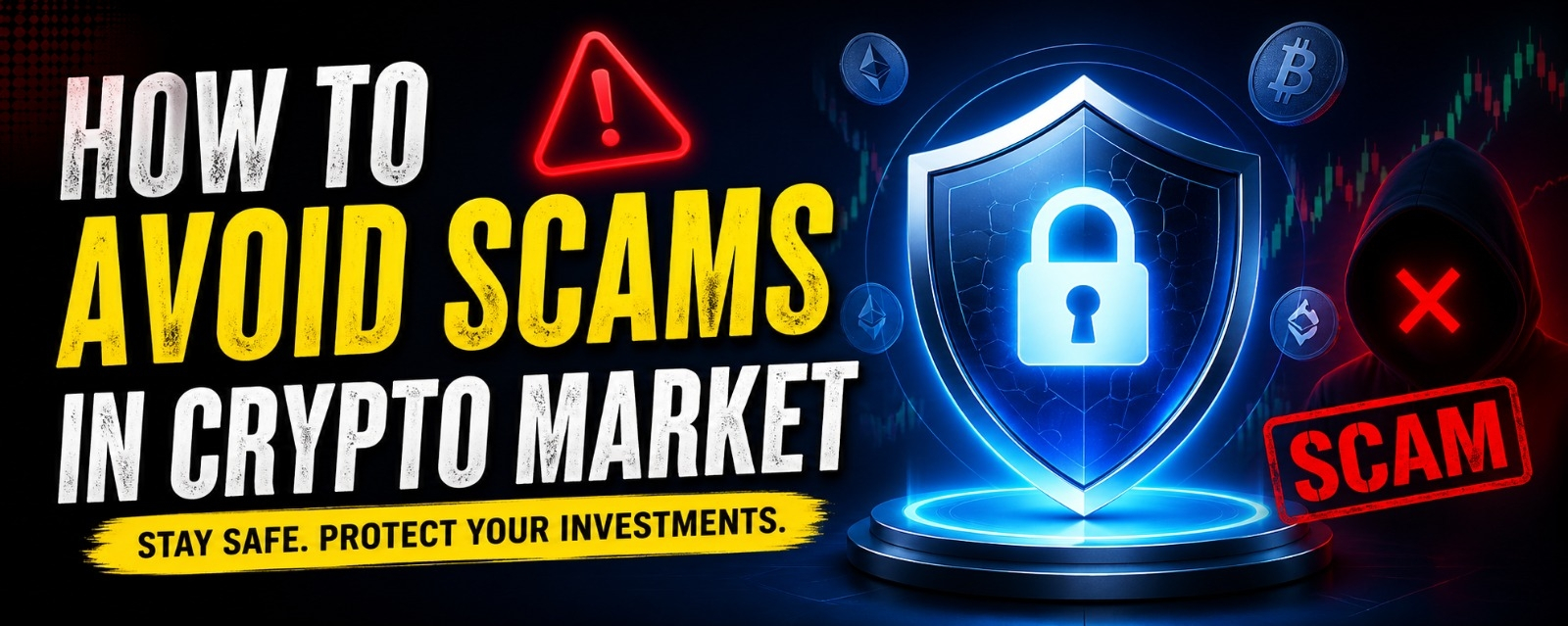
How To Avoid Scams In Crypto Market?I’ve spent enough time watching this market to realize that scams in crypto aren’t random events. They’re not rare anomalies either. They’re embedded in the structure of how this space evolves. Every cycle brings new narratives, new tools, new liquidity—and alongside them, new ways to exploit attention, ignorance, and urgency. The uncomfortable part is that scams don’t succeed because they’re sophisticated. Most of them succeed because they align perfectly with how people behave when money and speed collide.
What I keep noticing is that scams tend to appear exactly where the market is expanding fastest. When something new enters the scene—whether it’s DeFi protocols, NFT minting waves, or new token launch mechanics—there’s always a gap between innovation and understanding. That gap is where scams live. It’s not about technology failing. It’s about people interacting with systems they don’t fully understand, often under pressure to act quickly.
At its core, most crypto scams aren’t technical attacks. They’re behavioral traps. The scammer doesn’t need to break the blockchain. They just need to influence your decision-making process. That’s why urgency is almost always present. Limited-time mints, “last chance” airdrops, exclusive early access—these are not just marketing tactics, they’re psychological levers. When I see urgency combined with complexity, I immediately slow down. That combination is rarely healthy.
Another pattern that stands out is how scams mimic legitimacy rather than trying to appear hidden. Fake projects don’t look suspicious at first glance. They look polished. Clean websites, active social feeds, even fake community engagement. In many cases, they look more organized than real projects. The difference is subtle and usually shows up when you look at consistency over time. Real projects evolve gradually. Scam projects often appear fully formed, with everything already in place, but no real history behind them.
The underlying mechanism here is surprisingly simple. Trust in crypto is often outsourced to surface signals—follower counts, interface design, token price movement. These are easy to fake. What’s harder to fake is time. A project that has existed through different market conditions, with visible changes and imperfections, carries a different kind of credibility. I’ve learned to weigh time more heavily than presentation.
When it comes to how users actually get caught, it’s rarely through a single mistake. It’s usually a chain of small decisions. Clicking a link without verifying the source. Connecting a wallet to a site without understanding permissions. Approving a transaction without reading what it actually does. None of these actions feel dangerous in isolation. But together, they create exposure. The system itself is neutral—wallets and smart contracts execute exactly what you approve. The risk comes from assuming that every interface is trustworthy.
One of the more overlooked aspects is how token mechanics themselves can be used as a trap. I’ve seen tokens designed with restrictions that aren’t obvious at first. You can buy them easily, but selling becomes difficult or impossible due to hidden contract conditions. On the surface, price pumps look organic. But in reality, liquidity is engineered in a way that benefits only the creators. If you’re not paying attention to how a token behaves during both entry and exit, you’re only seeing half the picture.
Price behavior often reveals more than marketing ever will. Sudden spikes with no clear source of demand, followed by sharp liquidity drains, are not random. They’re structured movements. In many cases, early wallets accumulate quietly, then distribute into rising momentum. When I look at a chart now, I’m not just seeing price. I’m trying to infer intent. Who benefits from this movement? Who is providing liquidity, and who is extracting it?
There’s also a broader shift happening that makes scams harder to detect. As tools become more accessible, the barrier to creating tokens, launching websites, or deploying contracts has dropped significantly. This is good for innovation, but it also means that the line between a legitimate experiment and a malicious setup is thinner than ever. Not every risky project is a scam, but every scam will present itself as an opportunity.
What complicates things further is that some scams don’t look like scams even after they unfold. They exist in a gray area where intent is difficult to prove. Projects that overpromise and underdeliver, teams that disappear after raising funds, ecosystems that inflate metrics without real usage—these aren’t always labeled as scams, but the outcome for users can be similar. Loss doesn’t always come from theft. Sometimes it comes from misaligned incentives.
From a market cycle perspective, scam activity tends to increase during periods of rapid expansion. When liquidity flows in and attention spikes, the environment becomes ideal for exploitation. People are less cautious when everything is going up. Risk perception changes. What would normally feel questionable starts to feel acceptable because others are participating. This is where collective behavior becomes dangerous. Just because something is widely adopted doesn’t mean it’s safe.
Avoiding scams, in my experience, isn’t about finding perfect information. It’s about developing a consistent way of thinking. I’ve stopped asking “Is this project legitimate?” and started asking “What assumptions am I making right now?” That shift changes how I interact with the market. It forces me to slow down, to verify sources, to question incentives. Most importantly, it reduces the influence of emotion on decision-making.
There’s a trade-off here that’s hard to ignore. The same openness that makes crypto powerful also makes it risky. Anyone can participate, but that also means anyone can create. There’s no central filter. Responsibility sits entirely with the user. That’s not a flaw—it’s a feature. But it requires a level of awareness that most people only develop after experiencing loss.
If I had to reduce everything I’ve observed into one idea, it’s this: scams don’t rely on your lack of intelligence. They rely on moments where your judgment is slightly compromised—by speed, by greed, or by trust placed too quickly. Those moments are inevitable. The goal isn’t to eliminate them completely. It’s to recognize them while they’re happening.
I don’t think the market will ever become free of scams. As long as there’s value being created, there will be attempts to extract it unfairly. What can change is how individuals navigate that environment. The more time I spend here, the less I focus on finding the next opportunity, and the more I focus on avoiding unnecessary risk.
Because in a space where gains are uncertain and losses can be permanent, survival itself becomes a strategy. And the longer you stay in the market without major mistakes, the clearer everything starts to look.
#CryptoMarketAlert #AvoidScams
How To Avoid Scams In Crypto Market?
I’ve spent enough time watching this market to realize that scams in crypto aren’t random events. They’re not rare anomalies either. They’re embedded in the structure of how this space evolves. Every cycle brings new narratives, new tools, new liquidity—and alongside them, new ways to exploit attention, ignorance, and urgency. The uncomfortable part is that scams don’t succeed because they’re sophisticated. Most of them succeed because they align perfectly with how people behave when money and speed collide.
What I keep noticing is that scams tend to appear exactly where the market is expanding fastest. When something new enters the scene—whether it’s DeFi protocols, NFT minting waves, or new token launch mechanics—there’s always a gap between innovation and understanding. That gap is where scams live. It’s not about technology failing. It’s about people interacting with systems they don’t fully understand, often under pressure to act quickly.
At its core, most crypto scams aren’t technical attacks. They’re behavioral traps. The scammer doesn’t need to break the blockchain. They just need to influence your decision-making process. That’s why urgency is almost always present. Limited-time mints, “last chance” airdrops, exclusive early access—these are not just marketing tactics, they’re psychological levers. When I see urgency combined with complexity, I immediately slow down. That combination is rarely healthy.
Another pattern that stands out is how scams mimic legitimacy rather than trying to appear hidden. Fake projects don’t look suspicious at first glance. They look polished. Clean websites, active social feeds, even fake community engagement. In many cases, they look more organized than real projects. The difference is subtle and usually shows up when you look at consistency over time. Real projects evolve gradually. Scam projects often appear fully formed, with everything already in place, but no real history behind them.
The underlying mechanism here is surprisingly simple. Trust in crypto is often outsourced to surface signals—follower counts, interface design, token price movement. These are easy to fake. What’s harder to fake is time. A project that has existed through different market conditions, with visible changes and imperfections, carries a different kind of credibility. I’ve learned to weigh time more heavily than presentation.
When it comes to how users actually get caught, it’s rarely through a single mistake. It’s usually a chain of small decisions. Clicking a link without verifying the source. Connecting a wallet to a site without understanding permissions. Approving a transaction without reading what it actually does. None of these actions feel dangerous in isolation. But together, they create exposure. The system itself is neutral—wallets and smart contracts execute exactly what you approve. The risk comes from assuming that every interface is trustworthy.
One of the more overlooked aspects is how token mechanics themselves can be used as a trap. I’ve seen tokens designed with restrictions that aren’t obvious at first. You can buy them easily, but selling becomes difficult or impossible due to hidden contract conditions. On the surface, price pumps look organic. But in reality, liquidity is engineered in a way that benefits only the creators. If you’re not paying attention to how a token behaves during both entry and exit, you’re only seeing half the picture.
Price behavior often reveals more than marketing ever will. Sudden spikes with no clear source of demand, followed by sharp liquidity drains, are not random. They’re structured movements. In many cases, early wallets accumulate quietly, then distribute into rising momentum. When I look at a chart now, I’m not just seeing price. I’m trying to infer intent. Who benefits from this movement? Who is providing liquidity, and who is extracting it?
There’s also a broader shift happening that makes scams harder to detect. As tools become more accessible, the barrier to creating tokens, launching websites, or deploying contracts has dropped significantly. This is good for innovation, but it also means that the line between a legitimate experiment and a malicious setup is thinner than ever. Not every risky project is a scam, but every scam will present itself as an opportunity.
What complicates things further is that some scams don’t look like scams even after they unfold. They exist in a gray area where intent is difficult to prove. Projects that overpromise and underdeliver, teams that disappear after raising funds, ecosystems that inflate metrics without real usage—these aren’t always labeled as scams, but the outcome for users can be similar. Loss doesn’t always come from theft. Sometimes it comes from misaligned incentives.
From a market cycle perspective, scam activity tends to increase during periods of rapid expansion. When liquidity flows in and attention spikes, the environment becomes ideal for exploitation. People are less cautious when everything is going up. Risk perception changes. What would normally feel questionable starts to feel acceptable because others are participating. This is where collective behavior becomes dangerous. Just because something is widely adopted doesn’t mean it’s safe.
Avoiding scams, in my experience, isn’t about finding perfect information. It’s about developing a consistent way of thinking. I’ve stopped asking “Is this project legitimate?” and started asking “What assumptions am I making right now?” That shift changes how I interact with the market. It forces me to slow down, to verify sources, to question incentives. Most importantly, it reduces the influence of emotion on decision-making.
There’s a trade-off here that’s hard to ignore. The same openness that makes crypto powerful also makes it risky. Anyone can participate, but that also means anyone can create. There’s no central filter. Responsibility sits entirely with the user. That’s not a flaw—it’s a feature. But it requires a level of awareness that most people only develop after experiencing loss.
If I had to reduce everything I’ve observed into one idea, it’s this: scams don’t rely on your lack of intelligence. They rely on moments where your judgment is slightly compromised—by speed, by greed, or by trust placed too quickly. Those moments are inevitable. The goal isn’t to eliminate them completely. It’s to recognize them while they’re happening.
I don’t think the market will ever become free of scams. As long as there’s value being created, there will be attempts to extract it unfairly. What can change is how individuals navigate that environment. The more time I spend here, the less I focus on finding the next opportunity, and the more I focus on avoiding unnecessary risk.
Because in a space where gains are uncertain and losses can be permanent, survival itself becomes a strategy. And the longer you stay in the market without major mistakes, the clearer everything starts to look.
#CryptoMarketAlert #AvoidScams
What I keep noticing is that scams tend to appear exactly where the market is expanding fastest. When something new enters the scene—whether it’s DeFi protocols, NFT minting waves, or new token launch mechanics—there’s always a gap between innovation and understanding. That gap is where scams live. It’s not about technology failing. It’s about people interacting with systems they don’t fully understand, often under pressure to act quickly.
At its core, most crypto scams aren’t technical attacks. They’re behavioral traps. The scammer doesn’t need to break the blockchain. They just need to influence your decision-making process. That’s why urgency is almost always present. Limited-time mints, “last chance” airdrops, exclusive early access—these are not just marketing tactics, they’re psychological levers. When I see urgency combined with complexity, I immediately slow down. That combination is rarely healthy.
Another pattern that stands out is how scams mimic legitimacy rather than trying to appear hidden. Fake projects don’t look suspicious at first glance. They look polished. Clean websites, active social feeds, even fake community engagement. In many cases, they look more organized than real projects. The difference is subtle and usually shows up when you look at consistency over time. Real projects evolve gradually. Scam projects often appear fully formed, with everything already in place, but no real history behind them.
The underlying mechanism here is surprisingly simple. Trust in crypto is often outsourced to surface signals—follower counts, interface design, token price movement. These are easy to fake. What’s harder to fake is time. A project that has existed through different market conditions, with visible changes and imperfections, carries a different kind of credibility. I’ve learned to weigh time more heavily than presentation.
When it comes to how users actually get caught, it’s rarely through a single mistake. It’s usually a chain of small decisions. Clicking a link without verifying the source. Connecting a wallet to a site without understanding permissions. Approving a transaction without reading what it actually does. None of these actions feel dangerous in isolation. But together, they create exposure. The system itself is neutral—wallets and smart contracts execute exactly what you approve. The risk comes from assuming that every interface is trustworthy.
One of the more overlooked aspects is how token mechanics themselves can be used as a trap. I’ve seen tokens designed with restrictions that aren’t obvious at first. You can buy them easily, but selling becomes difficult or impossible due to hidden contract conditions. On the surface, price pumps look organic. But in reality, liquidity is engineered in a way that benefits only the creators. If you’re not paying attention to how a token behaves during both entry and exit, you’re only seeing half the picture.
Price behavior often reveals more than marketing ever will. Sudden spikes with no clear source of demand, followed by sharp liquidity drains, are not random. They’re structured movements. In many cases, early wallets accumulate quietly, then distribute into rising momentum. When I look at a chart now, I’m not just seeing price. I’m trying to infer intent. Who benefits from this movement? Who is providing liquidity, and who is extracting it?
There’s also a broader shift happening that makes scams harder to detect. As tools become more accessible, the barrier to creating tokens, launching websites, or deploying contracts has dropped significantly. This is good for innovation, but it also means that the line between a legitimate experiment and a malicious setup is thinner than ever. Not every risky project is a scam, but every scam will present itself as an opportunity.
What complicates things further is that some scams don’t look like scams even after they unfold. They exist in a gray area where intent is difficult to prove. Projects that overpromise and underdeliver, teams that disappear after raising funds, ecosystems that inflate metrics without real usage—these aren’t always labeled as scams, but the outcome for users can be similar. Loss doesn’t always come from theft. Sometimes it comes from misaligned incentives.
From a market cycle perspective, scam activity tends to increase during periods of rapid expansion. When liquidity flows in and attention spikes, the environment becomes ideal for exploitation. People are less cautious when everything is going up. Risk perception changes. What would normally feel questionable starts to feel acceptable because others are participating. This is where collective behavior becomes dangerous. Just because something is widely adopted doesn’t mean it’s safe.
Avoiding scams, in my experience, isn’t about finding perfect information. It’s about developing a consistent way of thinking. I’ve stopped asking “Is this project legitimate?” and started asking “What assumptions am I making right now?” That shift changes how I interact with the market. It forces me to slow down, to verify sources, to question incentives. Most importantly, it reduces the influence of emotion on decision-making.
There’s a trade-off here that’s hard to ignore. The same openness that makes crypto powerful also makes it risky. Anyone can participate, but that also means anyone can create. There’s no central filter. Responsibility sits entirely with the user. That’s not a flaw—it’s a feature. But it requires a level of awareness that most people only develop after experiencing loss.
If I had to reduce everything I’ve observed into one idea, it’s this: scams don’t rely on your lack of intelligence. They rely on moments where your judgment is slightly compromised—by speed, by greed, or by trust placed too quickly. Those moments are inevitable. The goal isn’t to eliminate them completely. It’s to recognize them while they’re happening.
I don’t think the market will ever become free of scams. As long as there’s value being created, there will be attempts to extract it unfairly. What can change is how individuals navigate that environment. The more time I spend here, the less I focus on finding the next opportunity, and the more I focus on avoiding unnecessary risk.
Because in a space where gains are uncertain and losses can be permanent, survival itself becomes a strategy. And the longer you stay in the market without major mistakes, the clearer everything starts to look.
#CryptoMarketAlert #AvoidScams
288

·
--
⚠️ WARNING ⚠️
$TNSR don't know why the coin is so pump ! the market is down but this coin 🙂I lost my 450$ in just 20m many people loss more then , please avoid coins like this ! safe trade safe your account 🤝♥️
#PumpAndDumpAlert #AvoidScams
⚠️ WARNING ⚠️
$TNSR don't know why the coin is so pump ! the market is down but this coin 🙂I lost my 450$ in just 20m many people loss more then , please avoid coins like this ! safe trade safe your account 🤝♥️
#PumpAndDumpAlert #AvoidScams
$TNSR don't know why the coin is so pump ! the market is down but this coin 🙂I lost my 450$ in just 20m many people loss more then , please avoid coins like this ! safe trade safe your account 🤝♥️
#PumpAndDumpAlert #AvoidScams

2
3
978

·
--
Article
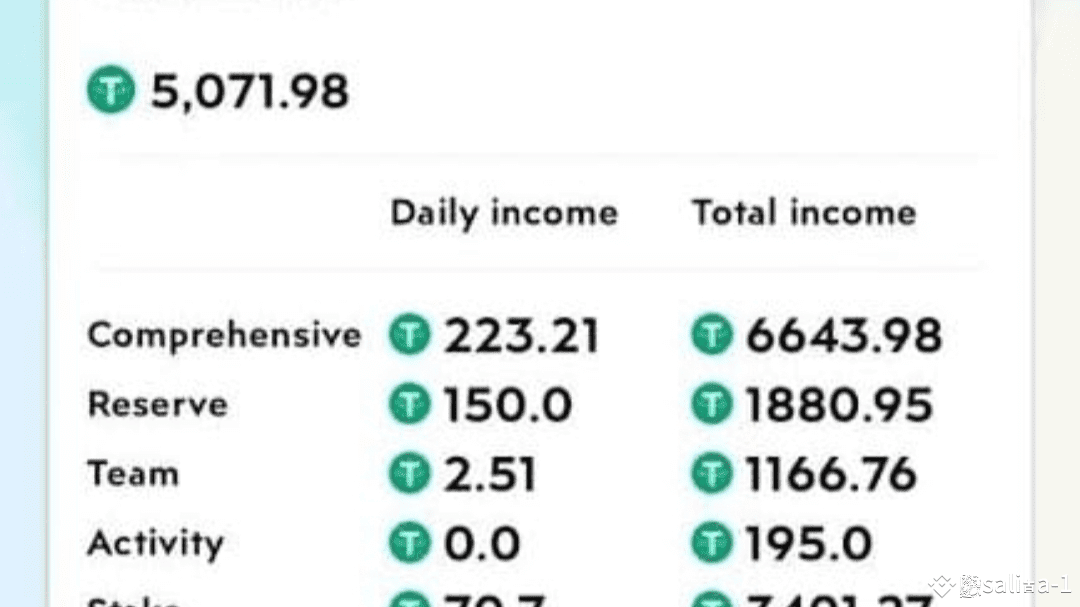
🚨 WARNING: Treas NFT EXPOSED – Don’t Invest Until You Read This!🚨🔍 Our latest deep dive into Treas* NFT** has revealed shocking red flags that every investor must know! If you’re thinking about investing, STOP and READ THIS FIRST! ⚠️
⚠️ 🚨 RED FLAGS REVEALED 🚨 ⚠️
❌ Anonymous Team – No real proof of experienced developers.
❌ Unrealistic Promises – Guarantees of high returns with no evidence to back it up.
❌ Shady Online Presence – A weak website and fake-looking social media accounts.
💀 THE SMOKING GUN:
📌 No Registered Business – Zero legal footprint, a major risk!
📌 Fake Social Media Accounts – Paid promotions and bot-generated hype.
📌 Flood of Negative Reviews – Users warning others about scam tactics.
🔎 A Quick Google Search Tells You Everything!
🚨 Bitcoin Talk Forum – Multiple warnings about suspicious activities.
🚨 Trustpilot Reviews – Repeated complaints of lost funds and false promises.
🚨 Online Warnings – Crypto communities flagging this project as dangerous.
💥 FINAL VERDICT: STAY AWAY! 💥
This project has all the signs of a high-risk, potential scam. Protect your investments and don’t fall for the hype!
#
🚨 Share this post to warn others before it’s too late! 🚨
#nftscam #CryptoScamAlert #AvoidScams s #CryptoWarnings #StaySafe
🚨 WARNING: Treas NFT EXPOSED – Don’t Invest Until You Read This!🚨
🔍 Our latest deep dive into Treas* NFT** has revealed shocking red flags that every investor must know! If you’re thinking about investing, STOP and READ THIS FIRST! ⚠️
⚠️ 🚨 RED FLAGS REVEALED 🚨 ⚠️
❌ Anonymous Team – No real proof of experienced developers.
❌ Unrealistic Promises – Guarantees of high returns with no evidence to back it up.
❌ Shady Online Presence – A weak website and fake-looking social media accounts.
💀 THE SMOKING GUN:
📌 No Registered Business – Zero legal footprint, a major risk!
📌 Fake Social Media Accounts – Paid promotions and bot-generated hype.
📌 Flood of Negative Reviews – Users warning others about scam tactics.
🔎 A Quick Google Search Tells You Everything!
🚨 Bitcoin Talk Forum – Multiple warnings about suspicious activities.
🚨 Trustpilot Reviews – Repeated complaints of lost funds and false promises.
🚨 Online Warnings – Crypto communities flagging this project as dangerous.
💥 FINAL VERDICT: STAY AWAY! 💥
This project has all the signs of a high-risk, potential scam. Protect your investments and don’t fall for the hype!
#
🚨 Share this post to warn others before it’s too late! 🚨
#nftscam #CryptoScamAlert #AvoidScams s #CryptoWarnings #StaySafe
⚠️ 🚨 RED FLAGS REVEALED 🚨 ⚠️
❌ Anonymous Team – No real proof of experienced developers.
❌ Unrealistic Promises – Guarantees of high returns with no evidence to back it up.
❌ Shady Online Presence – A weak website and fake-looking social media accounts.
💀 THE SMOKING GUN:
📌 No Registered Business – Zero legal footprint, a major risk!
📌 Fake Social Media Accounts – Paid promotions and bot-generated hype.
📌 Flood of Negative Reviews – Users warning others about scam tactics.
🔎 A Quick Google Search Tells You Everything!
🚨 Bitcoin Talk Forum – Multiple warnings about suspicious activities.
🚨 Trustpilot Reviews – Repeated complaints of lost funds and false promises.
🚨 Online Warnings – Crypto communities flagging this project as dangerous.
💥 FINAL VERDICT: STAY AWAY! 💥
This project has all the signs of a high-risk, potential scam. Protect your investments and don’t fall for the hype!
#
🚨 Share this post to warn others before it’s too late! 🚨
#nftscam #CryptoScamAlert #AvoidScams s #CryptoWarnings #StaySafe
89
60
240
255.1k
·
--
🚨 SCAM ALERT: HOW TO AVOID BEING SCAMMED ON BINANCE P2P🧠 BEST PRACTICES FOR SECURE TRADING
Here’s a comprehensive note on how to protect yourself from scammers on Binance P2P (peer-to-peer) trading, with practical tips and red flags to watch out for:
$BTC
⸻
🚨 SCAM ALERT: Staying Safe on Binance P2P
Binance P2P is a powerful platform that allows users to trade crypto directly with each other. However, like all peer-to-peer platforms, it attracts scammers looking to exploit trust. To protect yourself and your funds, follow these key guidelines:
⸻
🔐 GENERAL SAFETY RULES
1. Always trade within the Binance platform.
• Never agree to complete deals outside of Binance (e.g., via WhatsApp, Telegram, or private bank transfers).
• Binance provides escrow protection only when trades happen within its system.
2. Use Binance’s recommended payment methods.
• Avoid unverified or untraceable payment options like gift cards or unknown digital wallets.
• Always verify payment method details match the Binance user’s name.
3. Never release crypto before confirming receipt.
• Even if the buyer shares a payment screenshot, do not release crypto until you see the money reflected in your bank account or payment app.
• Scammers often use fake receipts or edited screenshots.
#AvoiScams
⚠️ COMMON SCAM TACTICS TO WATCH OUT FOR
Scam Type Description How to Protect Yourself
Fake Proof of Payment Buyer sends a screenshot claiming payment was made. Check your bank account yourself—do not rely on screenshots.
Chargeback Scam (Bank Reversal) Buyer uses stolen credit card or claims a fraudulent transaction after receiving crypto.
Only accept payment methods that don’t allow easy reversals. Avoid PayPal or cards.
Impersonation Scams Scammers may pose as Binance support or use similar usernames to legit traders. Binance support will never contact you via P2P chat. Report suspicious users.
Urgency/Pressure Tactics The buyer pressures you to release funds quickly. Take your time. Never rush. Legitimate buyers will wait.
Third-party Payment Buyer says someone else will pay you. Do NOT accept third-party payments. Always ensure the payer’s name matches the buyer’s.
⸻
🧠 BEST PRACTICES FOR SECURE TRADING
1. Check trader’s reputation.
• Look at their completion rate, number of trades, and reviews.
• Avoid new or low-rated users, especially for large transactions.
2. Use chat wisely.
• Communicate clearly. Keep records within Binance chat in case of disputes.
• Never share personal information like OTPs, passwords, or bank login details.
3. Be patient during disputes.
• If something seems wrong, click “Appeal” and let Binance intervene.
• Never cancel the trade after receiving payment—it could lead to loss of funds.
4. Set trade limits.
• If you’re new, start with small amounts to test the process.
• Avoid large transactions until you’ve gained confidence and know the trader.
⸻
🚩 RED FLAGS
• User asks you to chat outside Binance
• Payment “delayed” or “in progress” without evidence
• Payer name doesn’t match Binance username
• Promises of “easy profit” or “bonus” for fast release
• Requests to cancel a completed trade
⸻
🛡️ IF YOU GET SCAMMED
1. Do not panic.
2. Use the “Appeal” button in Binance P2P chat.
3. Provide all evidence: Screenshots, payment history, messages.
4. Contact Binance Support if needed: [https://www.binance.com/en/chat](https://www.binance.com/en/chat)
⸻
✅ Final Tips
• Trust your instincts. If something feels off, pause the transaction.
• Never be greedy—scammers often lure victims with high profit offers.
• Stay updated with Binance announcements and scam alerts.
#howcaniavoidscamms
#AvoidScams
$BTC
🚨 SCAM ALERT: HOW TO AVOID BEING SCAMMED ON BINANCE P2P
🧠 BEST PRACTICES FOR SECURE TRADING
Here’s a comprehensive note on how to protect yourself from scammers on Binance P2P (peer-to-peer) trading, with practical tips and red flags to watch out for:
$BTC
⸻
🚨 SCAM ALERT: Staying Safe on Binance P2P
Binance P2P is a powerful platform that allows users to trade crypto directly with each other. However, like all peer-to-peer platforms, it attracts scammers looking to exploit trust. To protect yourself and your funds, follow these key guidelines:
⸻
🔐 GENERAL SAFETY RULES
1. Always trade within the Binance platform.
• Never agree to complete deals outside of Binance (e.g., via WhatsApp, Telegram, or private bank transfers).
• Binance provides escrow protection only when trades happen within its system.
2. Use Binance’s recommended payment methods.
• Avoid unverified or untraceable payment options like gift cards or unknown digital wallets.
• Always verify payment method details match the Binance user’s name.
3. Never release crypto before confirming receipt.
• Even if the buyer shares a payment screenshot, do not release crypto until you see the money reflected in your bank account or payment app.
• Scammers often use fake receipts or edited screenshots.
#AvoiScams
⚠️ COMMON SCAM TACTICS TO WATCH OUT FOR
Scam Type Description How to Protect Yourself
Fake Proof of Payment Buyer sends a screenshot claiming payment was made. Check your bank account yourself—do not rely on screenshots.
Chargeback Scam (Bank Reversal) Buyer uses stolen credit card or claims a fraudulent transaction after receiving crypto.
Only accept payment methods that don’t allow easy reversals. Avoid PayPal or cards.
Impersonation Scams Scammers may pose as Binance support or use similar usernames to legit traders. Binance support will never contact you via P2P chat. Report suspicious users.
Urgency/Pressure Tactics The buyer pressures you to release funds quickly. Take your time. Never rush. Legitimate buyers will wait.
Third-party Payment Buyer says someone else will pay you. Do NOT accept third-party payments. Always ensure the payer’s name matches the buyer’s.
⸻
🧠 BEST PRACTICES FOR SECURE TRADING
1. Check trader’s reputation.
• Look at their completion rate, number of trades, and reviews.
• Avoid new or low-rated users, especially for large transactions.
2. Use chat wisely.
• Communicate clearly. Keep records within Binance chat in case of disputes.
• Never share personal information like OTPs, passwords, or bank login details.
3. Be patient during disputes.
• If something seems wrong, click “Appeal” and let Binance intervene.
• Never cancel the trade after receiving payment—it could lead to loss of funds.
4. Set trade limits.
• If you’re new, start with small amounts to test the process.
• Avoid large transactions until you’ve gained confidence and know the trader.
⸻
🚩 RED FLAGS
• User asks you to chat outside Binance
• Payment “delayed” or “in progress” without evidence
• Payer name doesn’t match Binance username
• Promises of “easy profit” or “bonus” for fast release
• Requests to cancel a completed trade
⸻
🛡️ IF YOU GET SCAMMED
1. Do not panic.
2. Use the “Appeal” button in Binance P2P chat.
3. Provide all evidence: Screenshots, payment history, messages.
4. Contact Binance Support if needed: https://www.binance.com/en/chat
⸻
✅ Final Tips
• Trust your instincts. If something feels off, pause the transaction.
• Never be greedy—scammers often lure victims with high profit offers.
• Stay updated with Binance announcements and scam alerts.
#howcaniavoidscamms
#AvoidScams
$BTC
Here’s a comprehensive note on how to protect yourself from scammers on Binance P2P (peer-to-peer) trading, with practical tips and red flags to watch out for:
$BTC
⸻
🚨 SCAM ALERT: Staying Safe on Binance P2P
Binance P2P is a powerful platform that allows users to trade crypto directly with each other. However, like all peer-to-peer platforms, it attracts scammers looking to exploit trust. To protect yourself and your funds, follow these key guidelines:
⸻
🔐 GENERAL SAFETY RULES
1. Always trade within the Binance platform.
• Never agree to complete deals outside of Binance (e.g., via WhatsApp, Telegram, or private bank transfers).
• Binance provides escrow protection only when trades happen within its system.
2. Use Binance’s recommended payment methods.
• Avoid unverified or untraceable payment options like gift cards or unknown digital wallets.
• Always verify payment method details match the Binance user’s name.
3. Never release crypto before confirming receipt.
• Even if the buyer shares a payment screenshot, do not release crypto until you see the money reflected in your bank account or payment app.
• Scammers often use fake receipts or edited screenshots.
#AvoiScams
⚠️ COMMON SCAM TACTICS TO WATCH OUT FOR
Scam Type Description How to Protect Yourself
Fake Proof of Payment Buyer sends a screenshot claiming payment was made. Check your bank account yourself—do not rely on screenshots.
Chargeback Scam (Bank Reversal) Buyer uses stolen credit card or claims a fraudulent transaction after receiving crypto.
Only accept payment methods that don’t allow easy reversals. Avoid PayPal or cards.
Impersonation Scams Scammers may pose as Binance support or use similar usernames to legit traders. Binance support will never contact you via P2P chat. Report suspicious users.
Urgency/Pressure Tactics The buyer pressures you to release funds quickly. Take your time. Never rush. Legitimate buyers will wait.
Third-party Payment Buyer says someone else will pay you. Do NOT accept third-party payments. Always ensure the payer’s name matches the buyer’s.
⸻
🧠 BEST PRACTICES FOR SECURE TRADING
1. Check trader’s reputation.
• Look at their completion rate, number of trades, and reviews.
• Avoid new or low-rated users, especially for large transactions.
2. Use chat wisely.
• Communicate clearly. Keep records within Binance chat in case of disputes.
• Never share personal information like OTPs, passwords, or bank login details.
3. Be patient during disputes.
• If something seems wrong, click “Appeal” and let Binance intervene.
• Never cancel the trade after receiving payment—it could lead to loss of funds.
4. Set trade limits.
• If you’re new, start with small amounts to test the process.
• Avoid large transactions until you’ve gained confidence and know the trader.
⸻
🚩 RED FLAGS
• User asks you to chat outside Binance
• Payment “delayed” or “in progress” without evidence
• Payer name doesn’t match Binance username
• Promises of “easy profit” or “bonus” for fast release
• Requests to cancel a completed trade
⸻
🛡️ IF YOU GET SCAMMED
1. Do not panic.
2. Use the “Appeal” button in Binance P2P chat.
3. Provide all evidence: Screenshots, payment history, messages.
4. Contact Binance Support if needed: https://www.binance.com/en/chat
⸻
✅ Final Tips
• Trust your instincts. If something feels off, pause the transaction.
• Never be greedy—scammers often lure victims with high profit offers.
• Stay updated with Binance announcements and scam alerts.
#howcaniavoidscamms
#AvoidScams
$BTC
3
176

·
--
How to Avoid P2P Scams on Binance (Simple Guide)
Trading P2P on Binance is a great way to buy and sell crypto, but scammers are always looking for victims. Follow these simple Binance guidelines to stay safe.
🚨 Common P2P Scams to Avoid
1. Fake Payment Scam
Scammer says they paid but didn’t (fake screenshot/bank alert).
✅ Always confirm money in your account before releasing crypto.
2. Chargeback Fraud
Buyer pays via reversible methods (PayPal, credit card).
✅ Only accept bank transfers or cash payments (non-refundable).
3. Fake Buyer/Support Scam
"Binance Support" DMs you (real support never contacts first).
✅ Only chat inside Binance P2P orders
✅ Binance’s P2P Safety Rules (Must Follow)
1. Only Trade with Verified Merchants
✔ Check merchant’s completion rate (95%+ is good).
✔ Look for "Preferred" or "Top Merchant" badges.
2. Never Go Outside Binance Chat
❌ No WhatsApp/Telegram deals (Binance won’t help if scammed).
✅ Keep all chats inside Binance P2P.
3. Always Check Payment First
✔ Wait for real money in your bank account (not just SMS/email).
✔ For cash deals, meet in safe public places.
4. Use Binance Escrow
✔ Never release crypto before payment confirmation.
✔ If a buyer pressures you, cancel and report.
⚠️ Red Flags (Cancel the Trade Immediately!)
🔴 Buyer asks for extra discounts outside Binance.
🔴 Payment comes from a different name than the buyer.
🔴 Buyer sends fake payment proof.
📌 What to Do If Scammed?
DO NOT release crypto if payment is suspicious.
Open a dispute in the Binance P2P chat.
Report to Binance Support with evidence
🔐 Final Tips for Safe P2P Trading
✔ Only trade with trusted merchants.
✔ Never rush—scammers create fake urgency.
✔ Follow Binance’s official P2P rules.
Stay safe and trade smart! 🚀
#P2PSafety #Binance #AvoidScams #CryptoTips
How to Avoid P2P Scams on Binance (Simple Guide)
Trading P2P on Binance is a great way to buy and sell crypto, but scammers are always looking for victims. Follow these simple Binance guidelines to stay safe.
🚨 Common P2P Scams to Avoid
1. Fake Payment Scam
Scammer says they paid but didn’t (fake screenshot/bank alert).
✅ Always confirm money in your account before releasing crypto.
2. Chargeback Fraud
Buyer pays via reversible methods (PayPal, credit card).
✅ Only accept bank transfers or cash payments (non-refundable).
3. Fake Buyer/Support Scam
"Binance Support" DMs you (real support never contacts first).
✅ Only chat inside Binance P2P orders
✅ Binance’s P2P Safety Rules (Must Follow)
1. Only Trade with Verified Merchants
✔ Check merchant’s completion rate (95%+ is good).
✔ Look for "Preferred" or "Top Merchant" badges.
2. Never Go Outside Binance Chat
❌ No WhatsApp/Telegram deals (Binance won’t help if scammed).
✅ Keep all chats inside Binance P2P.
3. Always Check Payment First
✔ Wait for real money in your bank account (not just SMS/email).
✔ For cash deals, meet in safe public places.
4. Use Binance Escrow
✔ Never release crypto before payment confirmation.
✔ If a buyer pressures you, cancel and report.
⚠️ Red Flags (Cancel the Trade Immediately!)
🔴 Buyer asks for extra discounts outside Binance.
🔴 Payment comes from a different name than the buyer.
🔴 Buyer sends fake payment proof.
📌 What to Do If Scammed?
DO NOT release crypto if payment is suspicious.
Open a dispute in the Binance P2P chat.
Report to Binance Support with evidence
🔐 Final Tips for Safe P2P Trading
✔ Only trade with trusted merchants.
✔ Never rush—scammers create fake urgency.
✔ Follow Binance’s official P2P rules.
Stay safe and trade smart! 🚀
#P2PSafety #Binance #AvoidScams #CryptoTips
Trading P2P on Binance is a great way to buy and sell crypto, but scammers are always looking for victims. Follow these simple Binance guidelines to stay safe.
🚨 Common P2P Scams to Avoid
1. Fake Payment Scam
Scammer says they paid but didn’t (fake screenshot/bank alert).
✅ Always confirm money in your account before releasing crypto.
2. Chargeback Fraud
Buyer pays via reversible methods (PayPal, credit card).
✅ Only accept bank transfers or cash payments (non-refundable).
3. Fake Buyer/Support Scam
"Binance Support" DMs you (real support never contacts first).
✅ Only chat inside Binance P2P orders
✅ Binance’s P2P Safety Rules (Must Follow)
1. Only Trade with Verified Merchants
✔ Check merchant’s completion rate (95%+ is good).
✔ Look for "Preferred" or "Top Merchant" badges.
2. Never Go Outside Binance Chat
❌ No WhatsApp/Telegram deals (Binance won’t help if scammed).
✅ Keep all chats inside Binance P2P.
3. Always Check Payment First
✔ Wait for real money in your bank account (not just SMS/email).
✔ For cash deals, meet in safe public places.
4. Use Binance Escrow
✔ Never release crypto before payment confirmation.
✔ If a buyer pressures you, cancel and report.
⚠️ Red Flags (Cancel the Trade Immediately!)
🔴 Buyer asks for extra discounts outside Binance.
🔴 Payment comes from a different name than the buyer.
🔴 Buyer sends fake payment proof.
📌 What to Do If Scammed?
DO NOT release crypto if payment is suspicious.
Open a dispute in the Binance P2P chat.
Report to Binance Support with evidence
🔐 Final Tips for Safe P2P Trading
✔ Only trade with trusted merchants.
✔ Never rush—scammers create fake urgency.
✔ Follow Binance’s official P2P rules.
Stay safe and trade smart! 🚀
#P2PSafety #Binance #AvoidScams #CryptoTips
2.1k
1.1k
275
2.1k

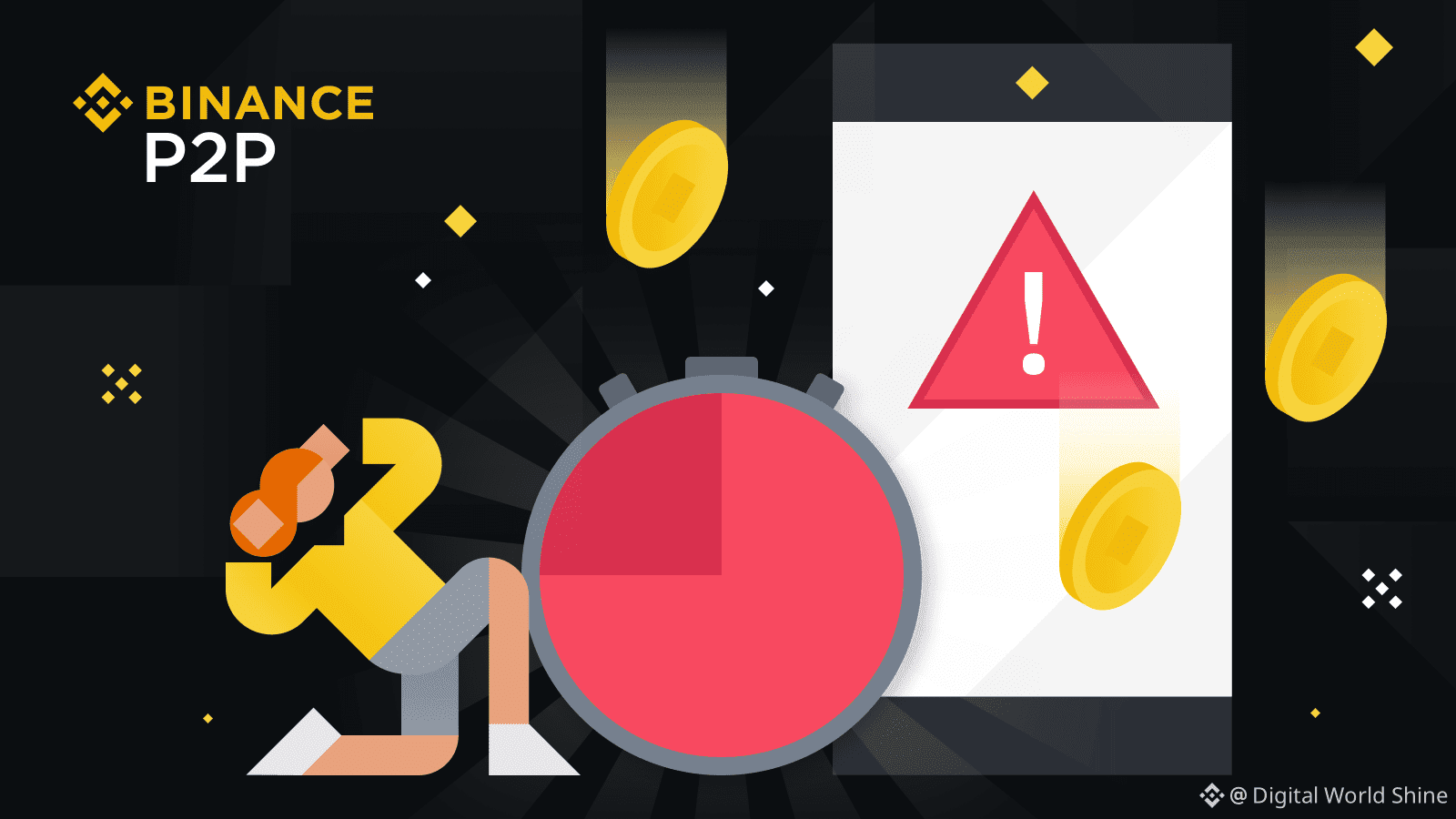
DON’T MAKE THESE MISTAKES IN BINANCE P2P TRADING! (AVOID LOSING MONEY) 🚨
P2P trading on Binance can be safe and profitable — but only if you avoid common mistakes and follow proper rules.
Here’s what you must NOT do:
❌ Don’t release crypto before payment is fully confirmed in your bank.
❌ Don’t ignore order time — delay can cause cancellation or disputes.
❌ Don’t ignore the Binance chat option (always communicate there).
❌ Don’t trust WhatsApp or outside platform deals.
❌ Don’t rely only on payment screenshots instead of actual bank credit.
❌ Don’t cancel orders without valid reason.
❌ Don’t share OTPs, PINs or banking details.
❌ Don't ignore Timing. It matters a lot in P2P:
Viewers.,👇
1.Always choose verified & high-rating merchants:
2.Be careful with high-rate offers:
3. Only release crypto when money is 100% confirmed in your bank account, not before.
Stay alert, trade smart, and protect your funds.
#BinanceSquareFamily #P2PTradingIssues #CryptoSafetyTips #SmartTrading✨ #AvoidScams
DON’T MAKE THESE MISTAKES IN BINANCE P2P TRADING! (AVOID LOSING MONEY) 🚨
P2P trading on Binance can be safe and profitable — but only if you avoid common mistakes and follow proper rules.
Here’s what you must NOT do:
❌ Don’t release crypto before payment is fully confirmed in your bank.
❌ Don’t ignore order time — delay can cause cancellation or disputes.
❌ Don’t ignore the Binance chat option (always communicate there).
❌ Don’t trust WhatsApp or outside platform deals.
❌ Don’t rely only on payment screenshots instead of actual bank credit.
❌ Don’t cancel orders without valid reason.
❌ Don’t share OTPs, PINs or banking details.
❌ Don't ignore Timing. It matters a lot in P2P:
Viewers.,👇
1.Always choose verified & high-rating merchants:
2.Be careful with high-rate offers:
3. Only release crypto when money is 100% confirmed in your bank account, not before.
Stay alert, trade smart, and protect your funds.
#BinanceSquareFamily #P2PTradingIssues #CryptoSafetyTips #SmartTrading✨ #AvoidScams
P2P trading on Binance can be safe and profitable — but only if you avoid common mistakes and follow proper rules.
Here’s what you must NOT do:
❌ Don’t release crypto before payment is fully confirmed in your bank.
❌ Don’t ignore order time — delay can cause cancellation or disputes.
❌ Don’t ignore the Binance chat option (always communicate there).
❌ Don’t trust WhatsApp or outside platform deals.
❌ Don’t rely only on payment screenshots instead of actual bank credit.
❌ Don’t cancel orders without valid reason.
❌ Don’t share OTPs, PINs or banking details.
❌ Don't ignore Timing. It matters a lot in P2P:
Viewers.,👇
1.Always choose verified & high-rating merchants:
2.Be careful with high-rate offers:
3. Only release crypto when money is 100% confirmed in your bank account, not before.
Stay alert, trade smart, and protect your funds.
#BinanceSquareFamily #P2PTradingIssues #CryptoSafetyTips #SmartTrading✨ #AvoidScams
65
Log in to explore more content
Join global crypto users on Binance Square
⚡️ Get latest and useful information about crypto.
💬 Trusted by the world’s largest crypto exchange.
👍 Discover real insights from verified creators.
Email / Phone number
Trending Topics
1
#SECProposesCryptoCustodyRules
6,017 views
112 Discussing
2
#SECApproves3xLongCryptoCommodityETPs
8,434 views
143 Discussing
3
#G7PlansToReleaseUpTo100MBarrelsOilDiesel
8,150 views
181 Discussing
4
#ICBASuesOCCOverCryptoBankCharters
8,198 views
124 Discussing
5
#USStocksCloseHigherOnWeakJobsData
7,690 views
108 Discussing
6
#AnchorageReportedlyCuts17%Workforce
317 views
37 Discussing
7
#NFPWatch
11M views
19,592 Discussing
8
#NEARIntentsRecovers$3.8MAfterAttack
0 views
0 Discussing
9
#BlastToGraduallyShutDownItsL2Network
531 views
37 Discussing
10
#BitcoinFundingRateTriplesTo10%
222,024 views
1,381 Discussing