
If you're cruising around the TRON ecosystem, you've probably heard two terms: TRX staking and energy. A lot of newbies, when they first dive in, think this stuff sounds like "blockchain jargon"—sounds impressive, but they're totally lost.
Don't worry, today we'll break it down in plain, everyday language, so you can grasp the ins and outs and the potential "money-making" opportunities behind it.
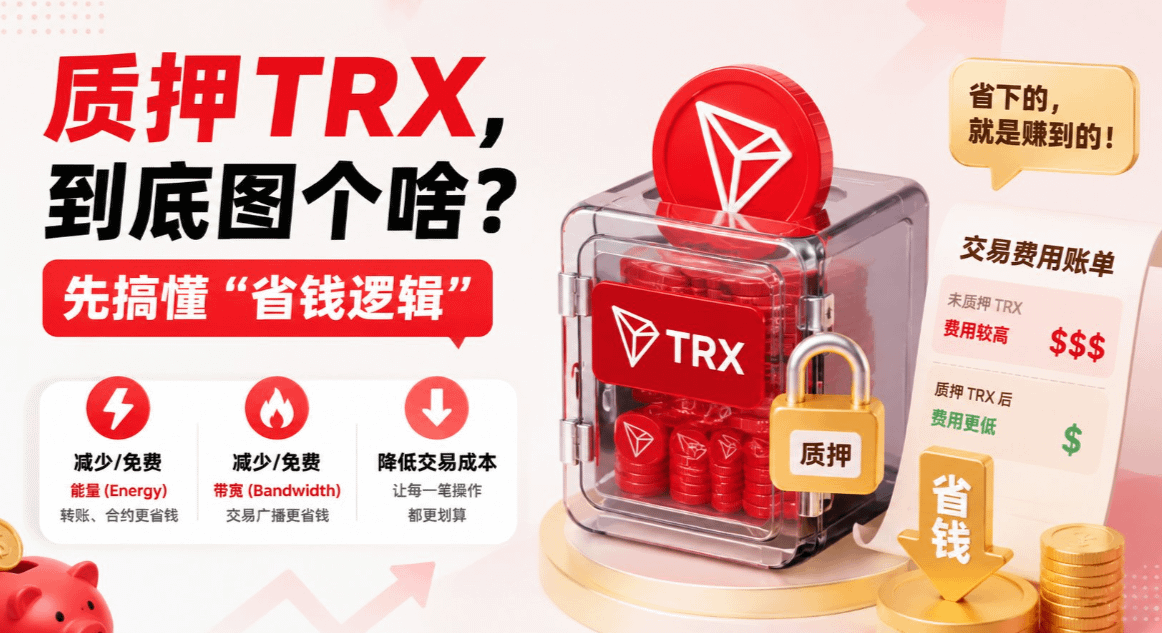
1. So, what's the deal with staking TRX? First, let's understand the "money-saving logic."
Simply put, TRX staking is about locking up your TRX on the TRON network to earn two key resources: bandwidth and energy.
Among them, energy (Energy) is the hard currency. When you transfer USDT on-chain or interact with smart contracts, most operations require 'burning' energy. If your energy account is empty, you'll have to burn precious TRX to pay transaction fees, equivalent to 'paying cash for a ticket'.
So, many people initially stake TRX with a very straightforward goal: to save real cash on transaction fees.
It's like this: You used to take a taxi every day for your commute, but now you’ve got a subway monthly pass. The pass itself doesn’t earn you money, but it effectively reduces your daily commuting costs. Staking TRX for personal use offers similar core value—cost reduction and efficiency improvement is 'saving money'.
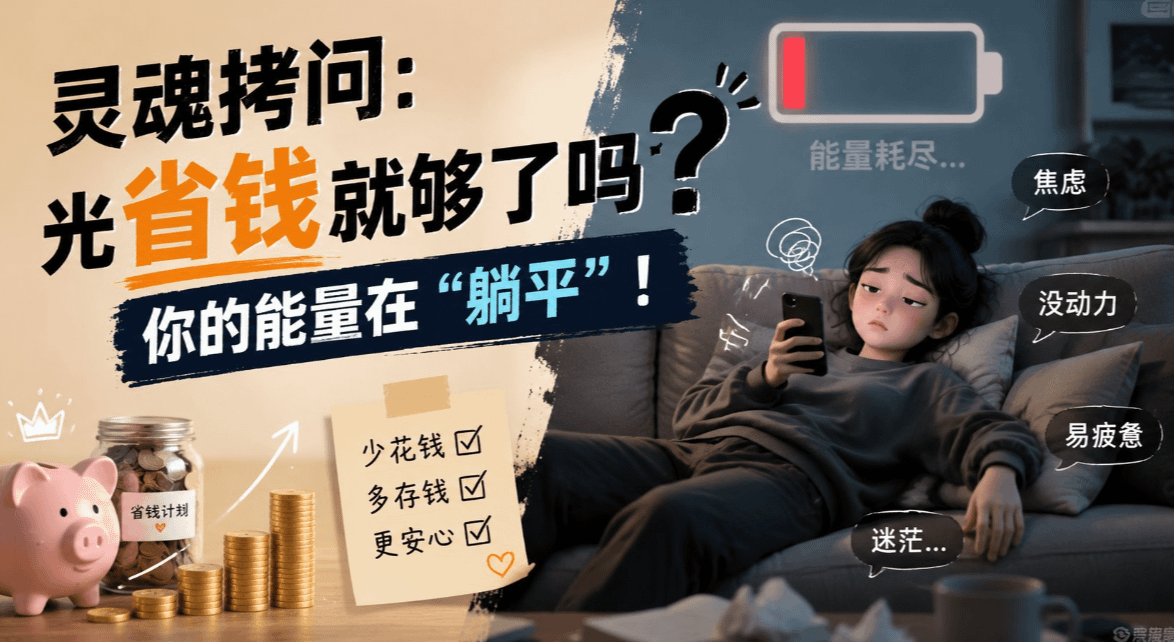
2. Soul-searching question: Is just saving money enough? Your energy is 'lying flat'!
Here’s the question: What if you’ve staked TRX and received a lot of energy, but you don’t operate on-chain much?
Congratulations, you've discovered a 'sweet trouble': your energy is mostly idle, 'lying flat' and sleeping!
At this point, the strategy for staking TRX should shift from 'cost-saving mode' to 'earning mode'. Because in the TRON ecosystem, there's always a large number of users (especially high-frequency traders and project teams) urgently needing energy to lower their operational costs.
There's a market demand, and your idle energy is a commodity. Thus, businesses like 'energy leasing' and 'energy acquisition' naturally emerge.
The core logic shifts instantly:
* Using it myself: Consuming energy = saving TRX (saving money).
* Selling it: Monetizing idle energy = earning TRX (making money).
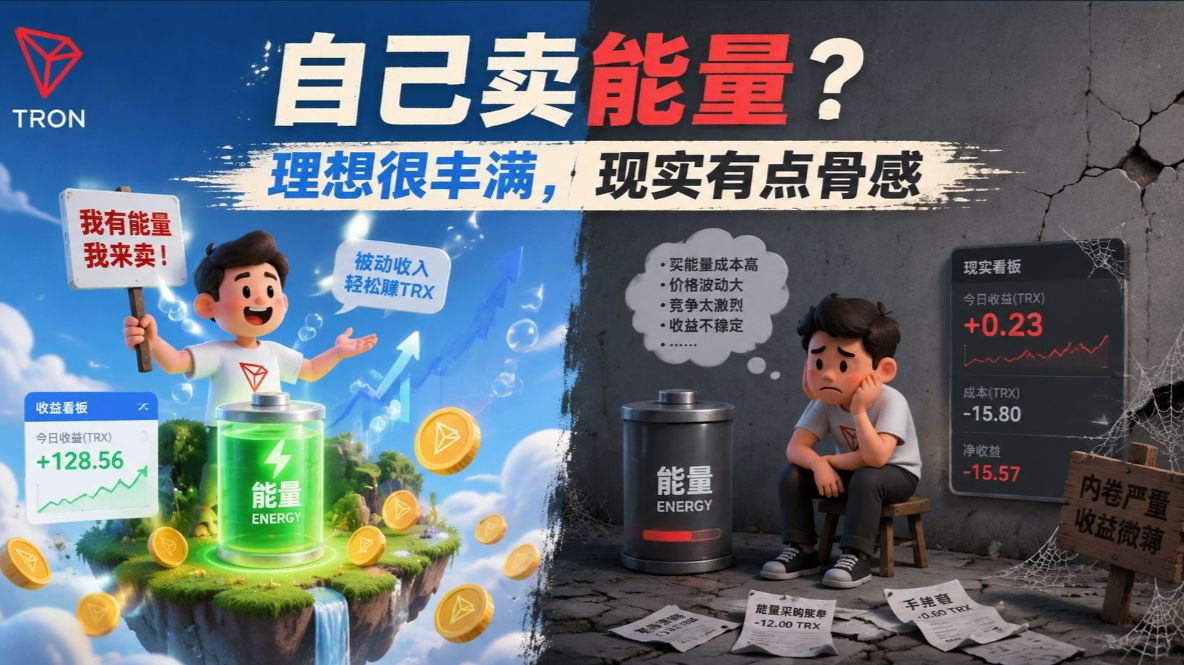
3. Selling energy yourself? The ideal is beautiful, but the reality is a bit harsh.
You might think: isn't this simple? I just post a listing and sell it myself, right?
Theoretically, that's correct, but in practice, ordinary people might encounter a bunch of 'pits':
1. Unstable client base: Some days people buy, and others they don't, making profits feel like a roller coaster.
2. Pricing is too mind-bending: Energy prices fluctuate with the market; knowing when to sell high and when to buy low is as exhausting as day trading.
3. High operational costs: Finding channels, negotiating partnerships, handling distribution—it's labor-intensive and easy to fall into traps.
4. No security guarantee: If you encounter unreliable buyers or channels, you might miss out on profits and even lose your principal.
After going through this, you'll find that individual retail investors wanting to earn money by selling energy steadily and effortlessly face a pretty high barrier. Staking by yourself is best for 'saving money'; if you want to 'earn money' more professionally, you need to leverage external forces.
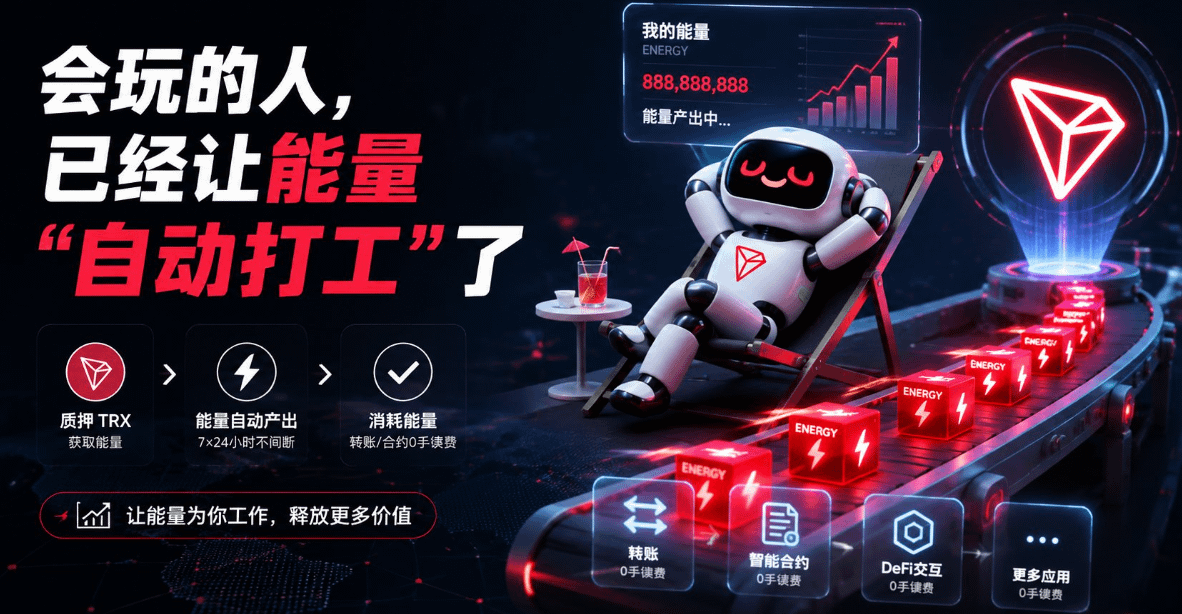
4. For those who know how to play, energy has already started 'working automatically'.
This is the key point today! For users with a certain amount of staked TRX, a more imaginative play is to delegate the 'sales rights' of idle energy to a professional energy trading platform.
You hold and stake, while a professional platform handles the acquisition, integration, and distribution of your energy to find its 'use case'. You then reap the benefits, receiving regular returns.
It's like having a house:
* Living on my own: Saving on rent (saving money).
* Delegating it to a long-term rental platform: Securing stable rental cash flow (making money).
Staking TRX works similarly: using it is saving costs, but entrusting it to a professional platform for monetization is the real way to open up new income.
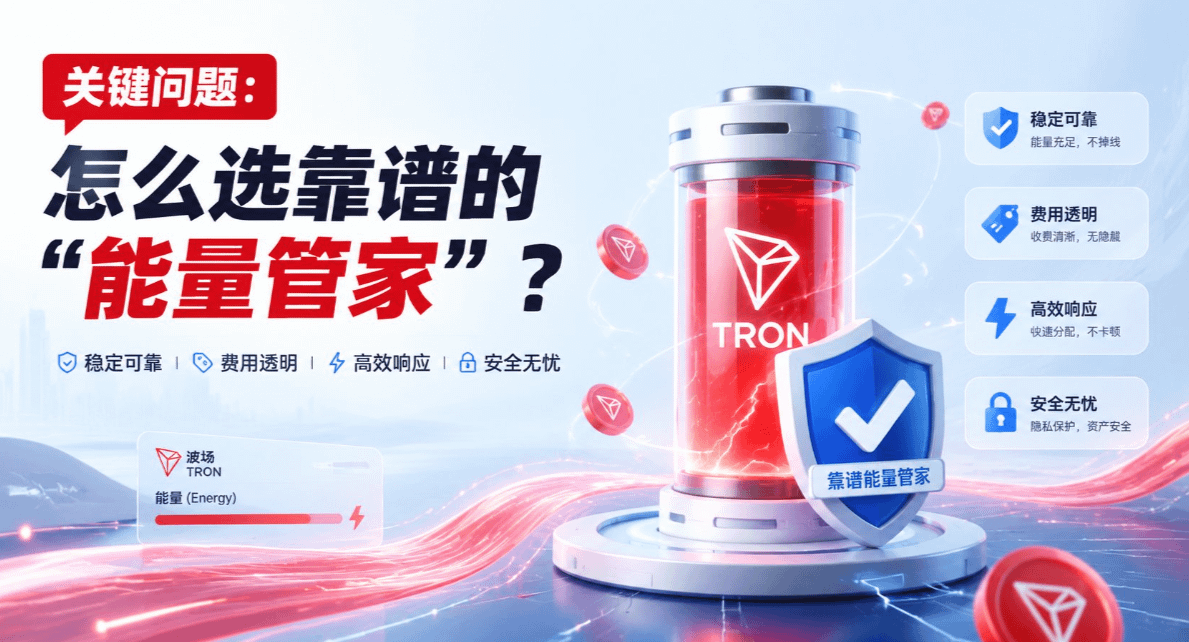
5. Key question: How to choose a reliable 'energy steward'?
Not all platforms claiming to buy energy are reliable. This business heavily tests the platform's:
* Energy pool depth: Is there a large reserve of self-owned energy to smooth out market fluctuations?
* Order digestion capacity: Are there enough downstream customers to absorb the acquired energy?
* Operational experience and stability: Are they seasoned players with years of experience, or just a 'flash in the pan' riding the hype?
* Transparency and timeliness of profit settlement: Can the promised returns be received on time and in full?
So, when choosing a platform, don’t just look at flashy ads; consider whether they have **real assets, hard strength, and the sincerity of long-term operation**.
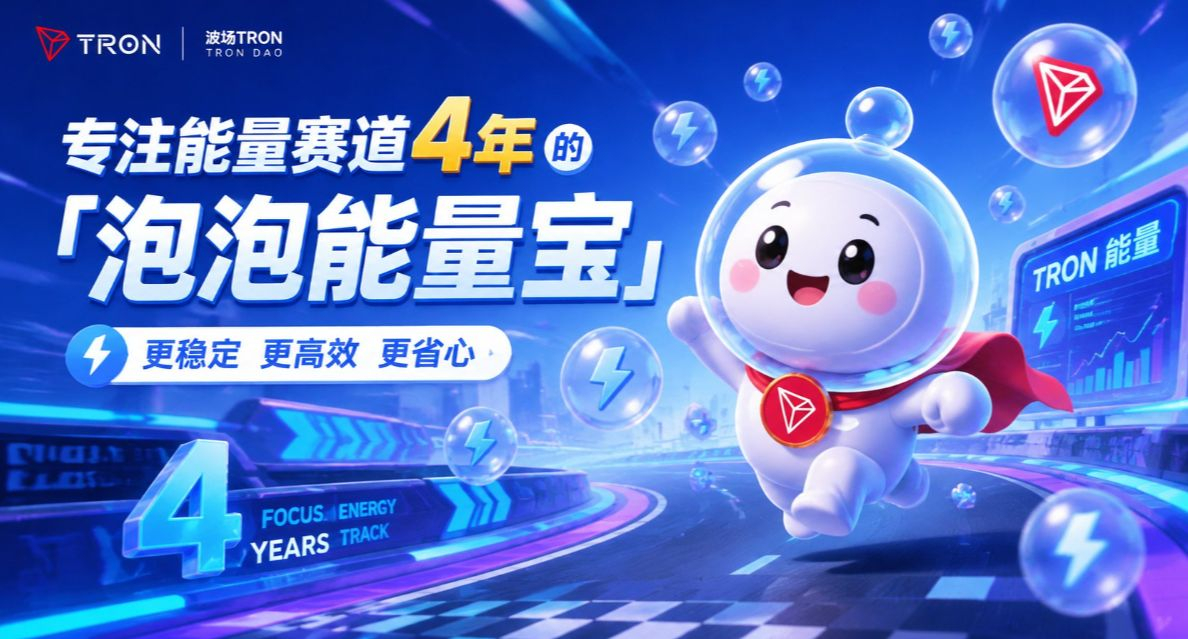
6. A reference case: 'PoPo Energy', focused on the energy sector for four years.
Taking the recently launched PoPo Energy (in deep collaboration with TRON) as an example, it is a typical 'energy acquisition and agency' service platform.
Who is it suitable for?
* For those who have staked TRX but cannot use all their energy.
* For those who don't want to hassle with selling energy and prefer to 'earn while lying down' with stable returns.
* For those looking to conduct sound financial management through energy.
Its characteristics are clear:
* Deeply focused on the sector: They claim to specialize in the energy field for four years and have built their own energy pool, which means they likely know the business better and are more stable.
* Clear core business: Focused on idle energy acquisition, energy finance, and energy markets. Simply put, it's all about waking up your 'sleeping energy' and turning it into cash.
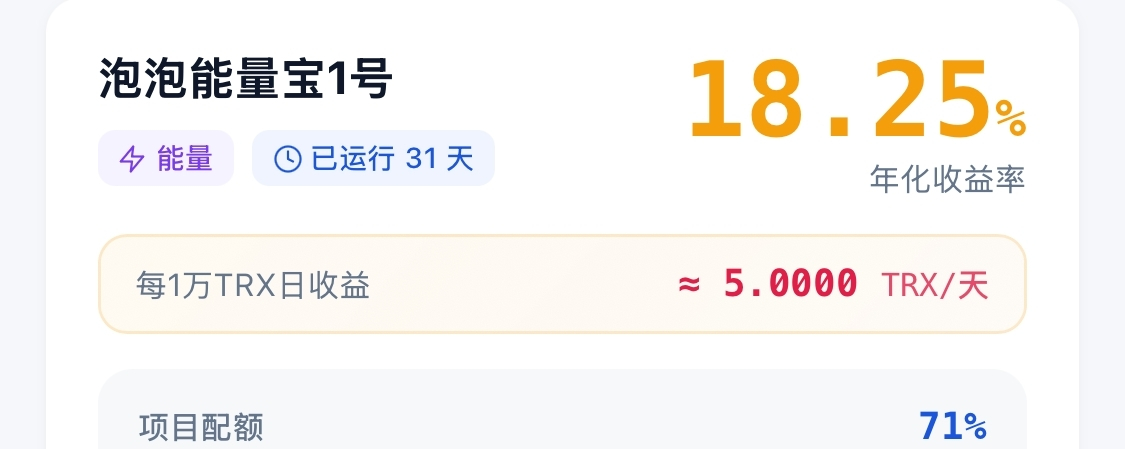
* Intuitive profit model: According to their claims, for users reaching the threshold (e.g., starting from 10,000 TRX staked), the platform offers a combination of 'acquisition profits + voting profits'. (Please note: all profit rates are dynamic market data and should be based on real-time information from the platform; this is just for illustrative purposes.)
* Newbie-friendly: There are currently promotional activities such as free energy for sign-ups and check-ins, allowing newcomers to experience how energy is used at zero cost.
Participation method (current information):
* iOS users: Search for PoPo Energy in the App Store to download and use it.
* Android users: Can download it from their official website (e.g., trxpopo.com) (currently through enterprise certificate method).
Let’s be honest here.
Many people only understand the first half of the staking TRX concept.
* Entry-level understanding: 'Oh, staking can save transaction fees.'
* Advanced understanding: 'Saving money is good, but can my idle energy be sold for cash?'
* Advanced operation: 'Find a reliable professional platform to acquire/agent energy, letting resources work 24/7 to generate income for me.'
So, don’t let your TRX staking stop at the 'cost-saving tool' phase. Check your energy account—if it's often 'sleeping', perhaps it's time to consider putting it to work for you and 'earning money'.
Official website: trxpopo.com
Official invitation code: C8YKRW PoPo Energy - A global TRON energy leasing platform. Free market, energy finance, enabling every unit of energy to create greater value!