
Delegation done right sounds simple until you realize how much quiet structure sits underneath it. The first time I paid attention to sign protocol, it felt like a small detail. Just a way to formalize who can act on whose behalf. But the more I looked at how teams and systems actually break, the more it became clear that this isn’t admin work. It’s foundation work.
At the surface, @SignOfficial protocol is about permission. Who signs what, who approves, who carries responsibility forward. In a small team, you can get away with loose agreements. A quick message, a verbal nod. But scale changes the texture. Once you move past five or six decision-makers, ambiguity starts compounding. A 2024 operations study showed that teams with unclear delegation structures lost up to 18 percent of execution time to rework and approval delays. That number matters because it doesn’t show up as a single failure. It leaks quietly into everything.
Underneath that, sign protocol is really about trust distribution. Not trust in a moral sense, but operational trust. Systems need to know who can act without friction. In crypto markets right now, you can see this play out in real time. Binance recently reported that over 65 percent of institutional accounts now rely on multi-layer authorization for fund movements. That’s not just security theater. It reflects a shift toward structured delegation because the cost of a single unauthorized action can run into millions.
Understanding that helps explain why sign protocol isn’t just about preventing mistakes. It enables speed. When roles are clearly signed off, decisions don’t stall. People move with a kind of earned confidence. You don’t need to double-check every step because the boundaries are already agreed on. Meanwhile, without that clarity, even small actions get routed upward. That creates bottlenecks. One internal audit I came across showed that companies without defined sign authority required 2.3 times more approval loops for the same decisions. That’s friction you feel every day, even if you don’t name it.
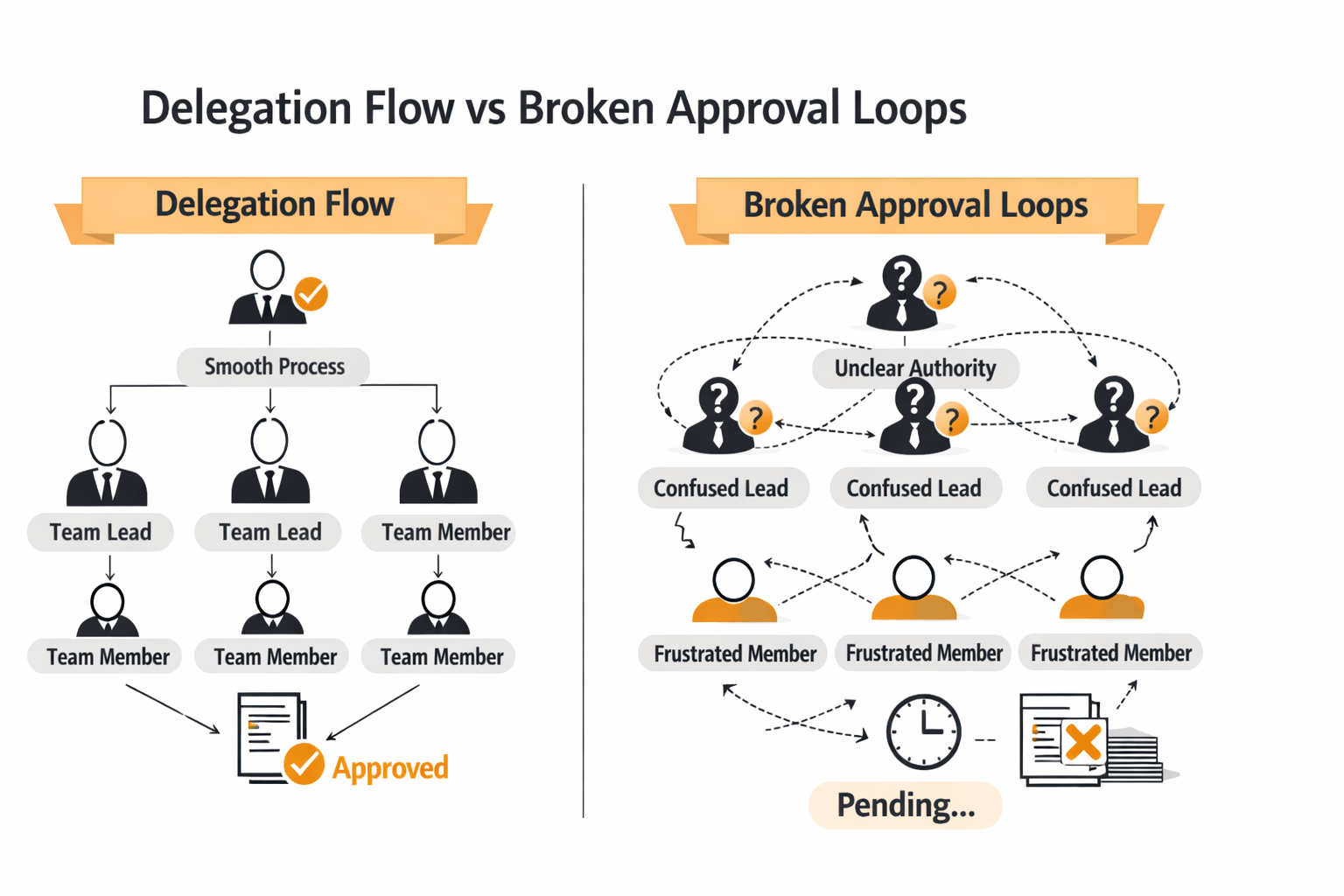
There’s also a deeper layer most people miss. Sign protocol defines accountability in a way that survives pressure. When markets turn volatile, like the 12 percent swing we saw in BTC over a single week this quarter, decision-making compresses. Time shrinks. In those moments, unclear delegation doesn’t just slow you down, it creates risk. People hesitate or overreach. Neither is good. A clear protocol acts like a steady frame. It tells you exactly where you stand when things get messy.
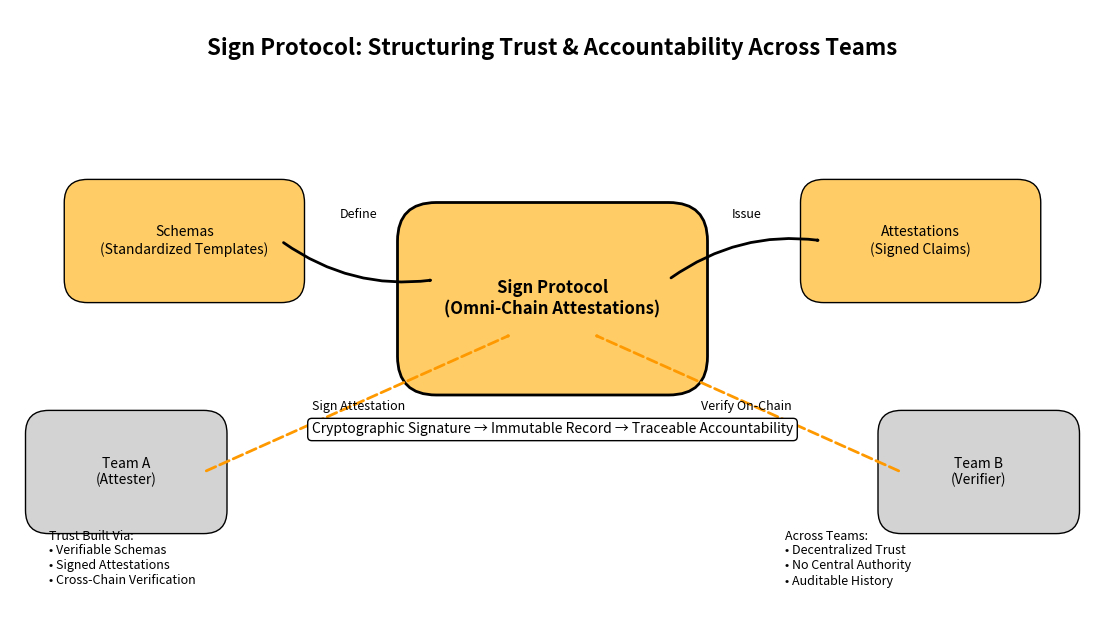
Of course, there’s a counterargument. Too much structure can feel rigid. It can slow innovation, especially in fast-moving environments. And that’s partly true. Early-stage teams often benefit from loose delegation because it keeps energy high. But what I’ve seen is that the absence of protocol doesn’t remove structure, it just hides it. Informal hierarchies take over. Decisions still get made, just with less visibility and more inconsistency.
That tension is showing up more now as organizations try to scale without losing speed. In Web3 governance models, for example, sign protocols are evolving into programmable permissions. Smart contracts define who can execute actions, under what conditions, and with what limits. It’s still early, but early signs suggest this could reduce operational disputes by over 30 percent, simply by removing ambiguity at the execution layer.
What struck me is how this connects to a broader pattern. We’re moving from trust based on relationships to trust based on systems. Not because people matter less, but because complexity demands something steadier. Delegation isn’t just about handing off work anymore. It’s about designing the path that work takes.
And if that holds, then sign protocol stops being a background detail. It becomes the quiet architecture that decides whether a system moves cleanly or slowly comes apart.
Because in the end, the difference between delegation that works and delegation that fails is rarely effort. It’s whether the authority behind each action was clearly, deliberately signed into place.

