
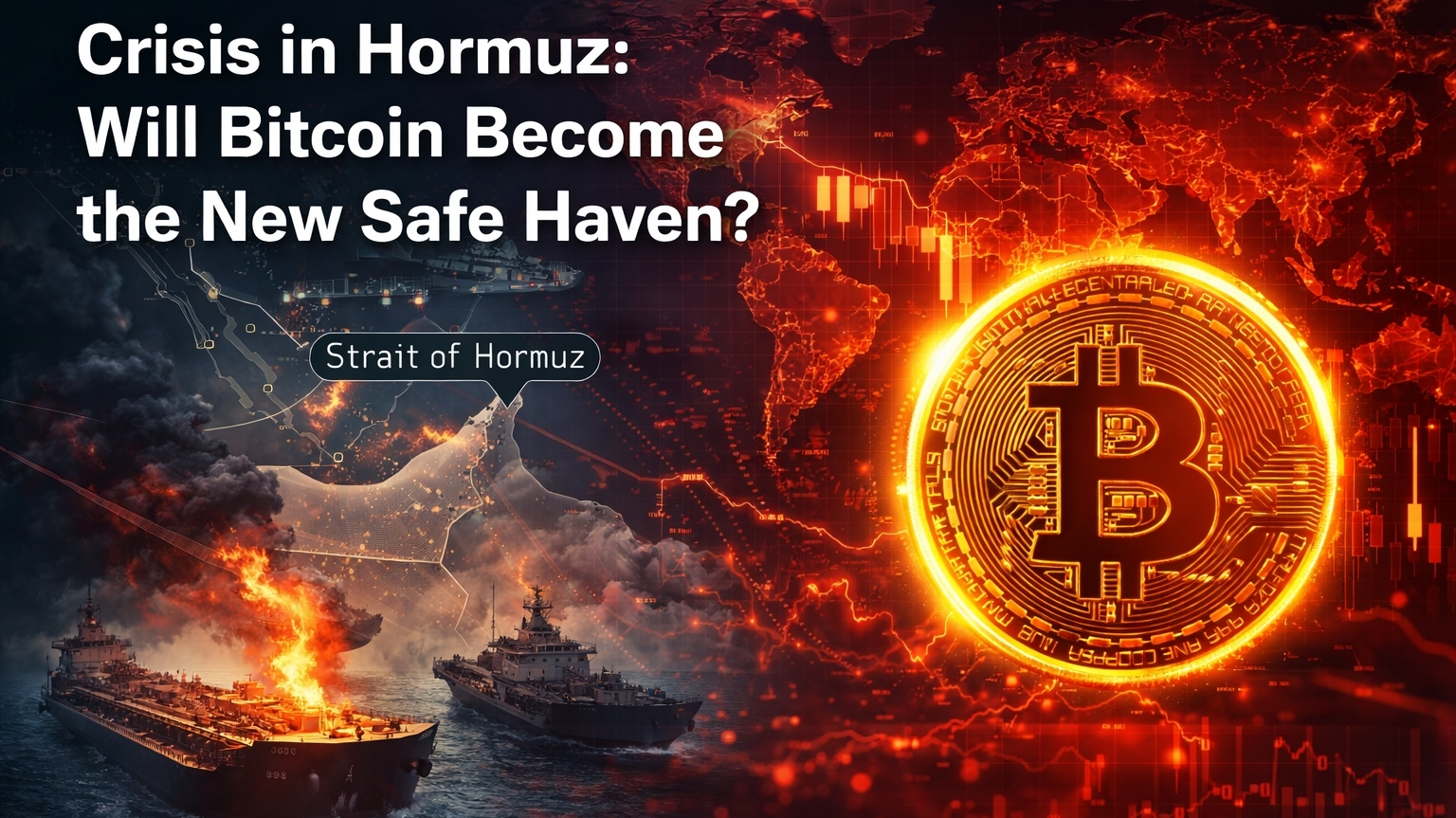

$BTC Ceasefire break and tha is not a good movie for the market..I understood how fragile the global economy really is—it wasn’t during a crypto crash, but during a geopolitical one.
When a narrow stretch of water like the Strait of Hormuz can influence oil prices, stock markets, currencies, and even political stability, you realize that the world isn’t as decentralized as we like to believe. It’s tightly connected, and when one artery gets blocked, everything starts to feel it.
Now, with Iran once again closing or threatening to close this critical passage, the question isn’t just about oil anymore. It’s about trust. It’s about what people run to when traditional systems start shaking. And increasingly, that conversation is drifting toward Bitcoin.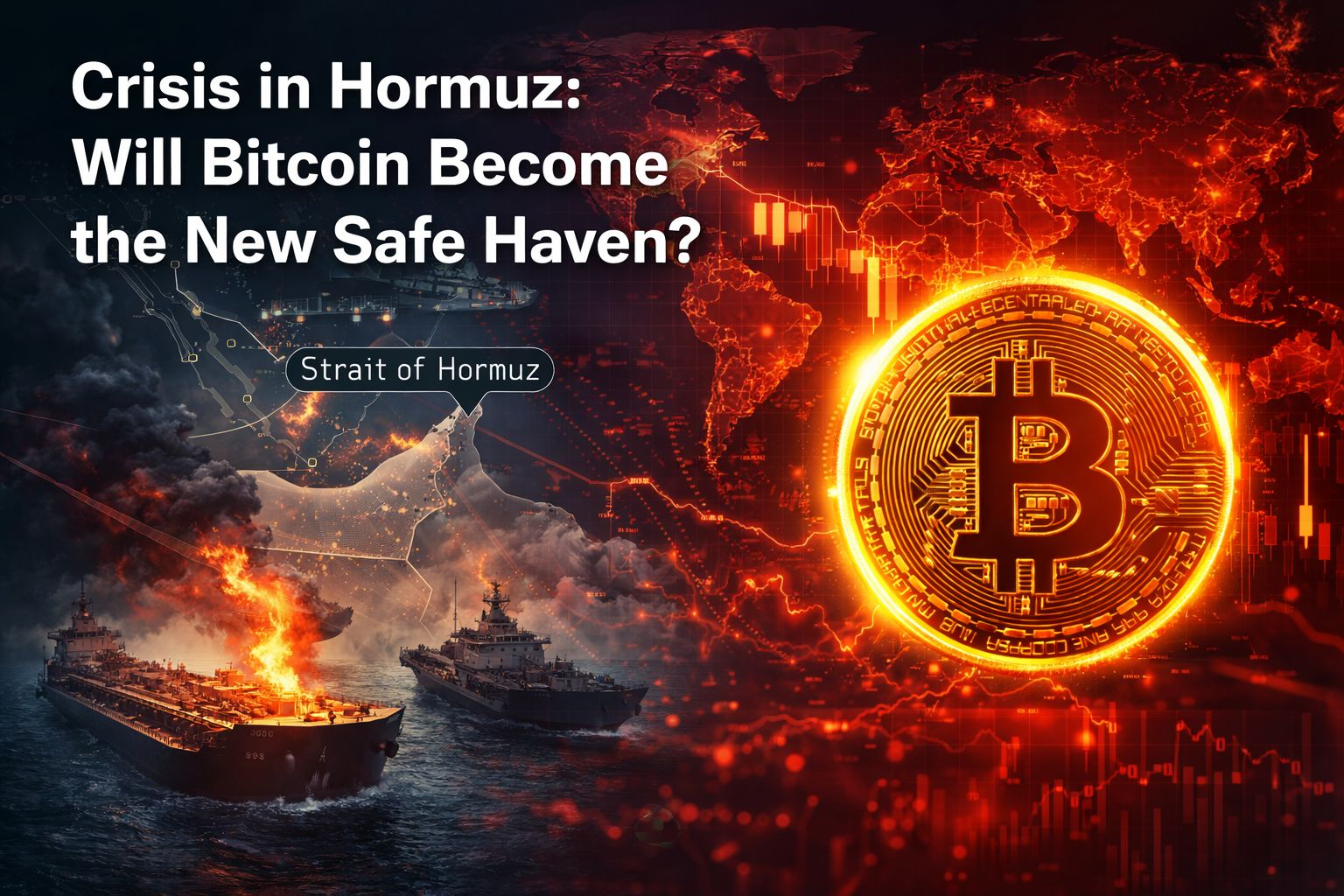
The Strait of Hormuz isn’t just another shipping route—it carries roughly a fifth of the world’s oil supply. When it’s disrupted, energy prices spike, inflation fears return, and global markets react almost instantly. Traders panic, governments scramble, and investors begin searching for something stable, something outside the blast radius of geopolitics.
Traditionally, that “something” has been gold.
But this time feels different.
Bitcoin has been quietly evolving in the background of every crisis over the last decade. At first, it was dismissed as a speculative toy—too volatile, too risky, too disconnected from real-world value. But with each global shock, from economic downturns to banking crises, it has slowly started behaving less like a gamble and more like an alternative system.
I’ve seen this shift happen in real time.
When uncertainty rises, capital doesn’t just look for returns—it looks for protection. And protection today isn’t just about physical assets or government-backed securities. It’s about mobility, censorship resistance, and independence from centralized control.
That’s where Bitcoin enters the conversation in a serious way.
Unlike oil, which depends on physical routes, or fiat currencies, which depend on political stability, Bitcoin exists outside of geography. It doesn’t care about blocked straits, sanctions, or military escalations. It keeps moving, block by block, regardless of what happens in the physical world.
And in moments like a Hormuz crisis, that difference becomes powerful.
But here’s the honest part—I don’t think Bitcoin instantly becomes a safe haven overnight.
In the immediate aftermath of a shock, markets often move irrationally. Everything sells off. Liquidity dries up. Even Bitcoin can drop as traders rush to cash. We’ve seen this before. Fear doesn’t discriminate at first.
But after that initial chaos settles, something interesting usually happens.
Money starts repositioning.
Investors begin asking deeper questions:
Where is my capital safest?
What system is least exposed to political risk?
What asset can I move quickly if things escalate further?
And increasingly, Bitcoin becomes one of those answers.
It’s not replacing gold yet, but it’s no longer ignored either. It’s becoming a parallel option—a digital hedge in a world where physical systems are constantly under threat.
What makes this moment unique is the combination of old-world fragility and new-world infrastructure.
On one side, you have oil routes, naval tensions, and economic dependencies that haven’t changed in decades. On the other, you have a borderless financial network that didn’t even exist 20 years ago.
The collision of these two worlds is where things get interesting.
If the Hormuz situation escalates and global markets feel sustained pressure, Bitcoin won’t just react—it could redefine how people think about safety itself. Not as something stored in vaults, but as something secured by code.
Still, we have to stay grounded.
Bitcoin is volatile. It’s still maturing. And while it offers independence, it doesn’t offer immunity from human behavior—panic, speculation, and herd mentality still drive its price in the short term.
But long term, every crisis like this pushes the narrative a little further.
A little more acceptance.
A little more trust.
A little more curiosity from people who previously ignored it.
I’ve come to see these moments not just as market events, but as shifts in perspective.
Because the real question isn’t just whether Bitcoin becomes a safe haven during a Hormuz crisis.
It’s whether the world is finally ready to redefine what a safe haven actually means.#IranClosesHormuzAgain #Write2Earn!