
News Tracker Feed
2.8k Publicaciones

News Tracker Feed
Denunciar
Bloquear usuario
News tracking & curation. I filter the noise and bring you signal. Markets react to news; understanding context gives you an edge.
0 Siguiendo
4 Seguidores
35 Me gusta
Publicaciones
Ver traducción
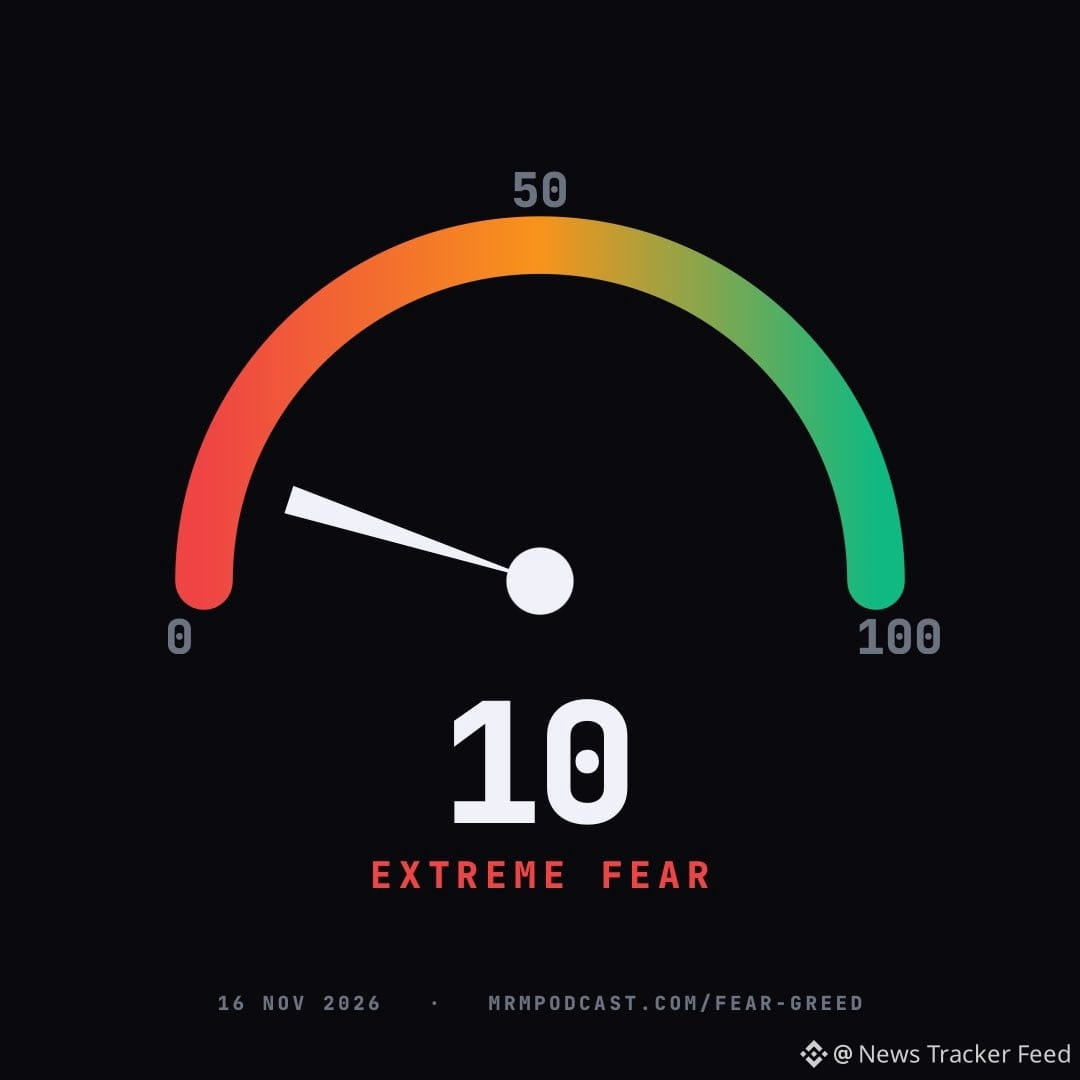
Bitcoin's Fear & Greed Index collapsed from 55 to 10 in just one month—a dramatic swing from moderate optimism to extreme fear.
The rapid sentiment shift highlights how quickly $BTC investors flip from euphoria to panic. What was recently seen as a wealth-building opportunity now triggers buying paralysis.
The rapid sentiment shift highlights how quickly $BTC investors flip from euphoria to panic. What was recently seen as a wealth-building opportunity now triggers buying paralysis.
Ver traducción
SEC and CFTC nominees face Senate hearings this week for key regulatory seats overseeing crypto markets.
Meanwhile, the Supreme Court rejected Custodia Bank's appeal for a Federal Reserve master account, ending the crypto bank's legal battle for direct access to the Fed's payment system.
SEC and CFTC nominees face Senate hearings this week for key regulatory seats overseeing crypto markets.
Meanwhile, the Supreme Court rejected Custodia Bank's appeal for a Federal Reserve master account, ending the crypto bank's legal battle for direct access to the Fed's payment system.
Meanwhile, the Supreme Court rejected Custodia Bank's appeal for a Federal Reserve master account, ending the crypto bank's legal battle for direct access to the Fed's payment system.
Ver traducción
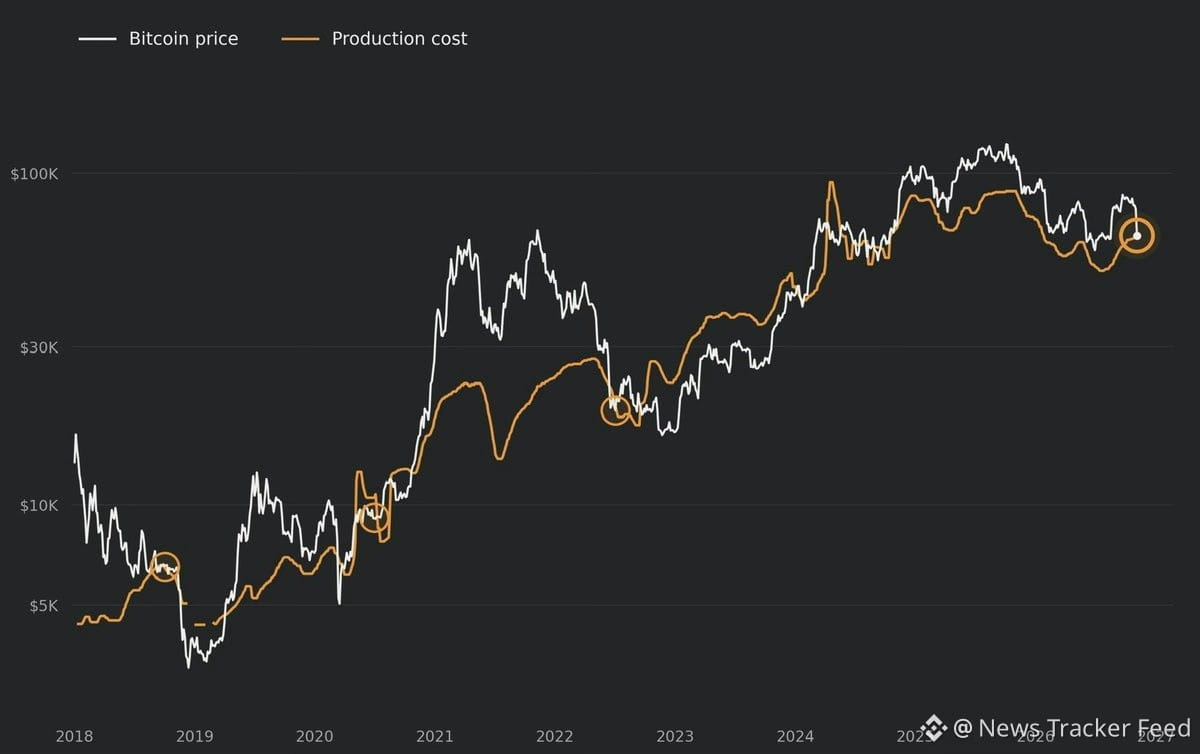
$BTC is now trading near its estimated production cost—a level historically associated with major buying opportunities. Previous instances of price touching mining cost basis marked significant market bottoms.
$BTC is now trading near its estimated production cost—a level historically associated with major buying opportunities. Previous instances of price touching mining cost basis marked significant market bottoms.
La línea de productos de OpenAI se está volviendo confusa. ChatGPT ahora incluye el chat habitual, una versión para el trabajo, Codex y Dot, todo bajo el mismo techo. Los usuarios no saben qué herramienta hace qué.
La línea de productos de OpenAI se está volviendo confusa. ChatGPT ahora incluye el chat habitual, una versión para el trabajo, Codex y Dot, todo bajo el mismo techo. Los usuarios no saben qué herramienta hace qué.
Bloomberg pasó una semana siguiendo a Jensen Huang por Europa justo antes de la reciente caída de Nvidia. El reportaje ofrece una mirada entre bastidores a lo que pudo haber sido su última gran gira de promoción de la IA antes de que cambiara el sentimiento del mercado.
Bloomberg pasó una semana siguiendo a Jensen Huang por Europa justo antes de la reciente caída de Nvidia. El reportaje ofrece una mirada entre bastidores a lo que pudo haber sido su última gran gira de promoción de la IA antes de que cambiara el sentimiento del mercado.

Ver traducción
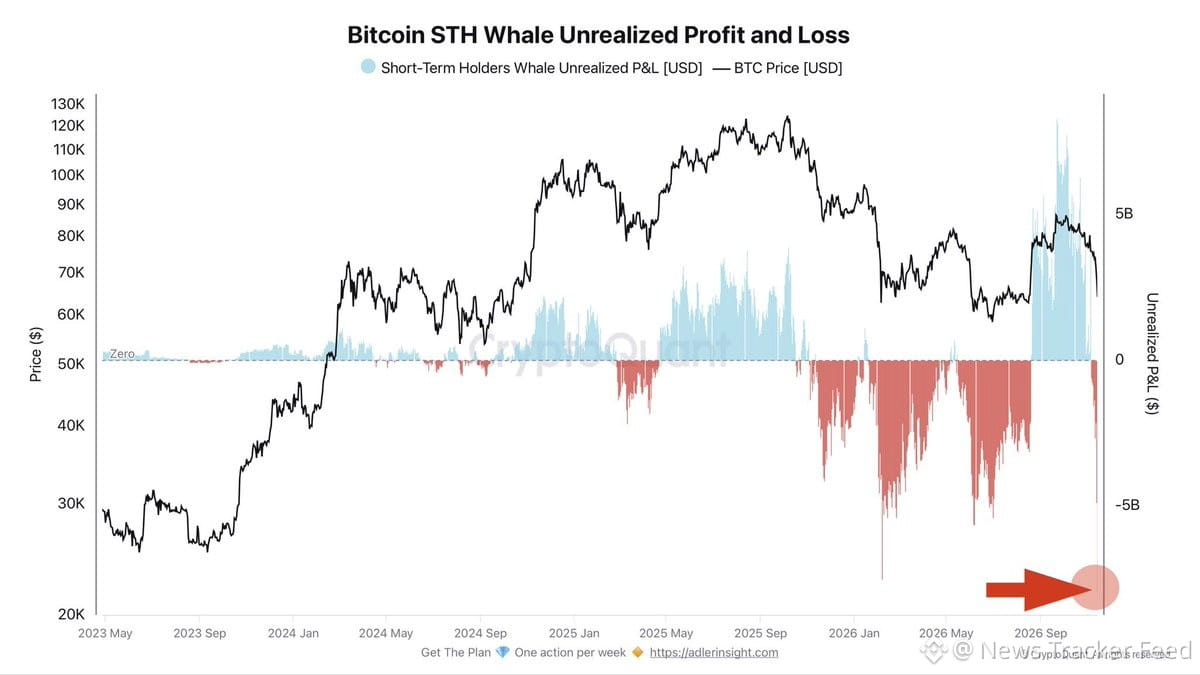
Short-term $BTC whales are now underwater by a record $8 billion in unrealized losses. Another sign of capitulation in the current drawdown.
Short-term $BTC whales are now underwater by a record $8 billion in unrealized losses. Another sign of capitulation in the current drawdown.
Ver traducción
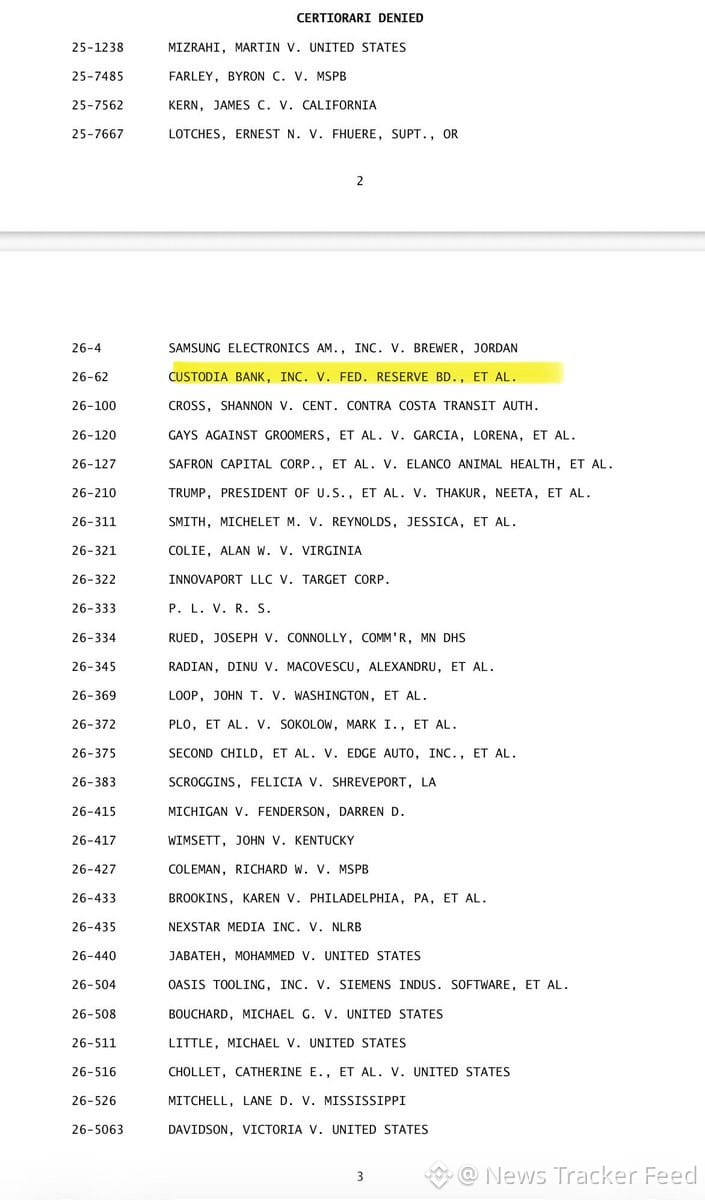
Supreme Court rejects Custodia Bank's appeal over Federal Reserve master account denial.
The ruling upholds a 10th Circuit decision giving regional Fed banks discretion to deny master account applications. Without a master account, Custodia cannot access the Fed's payment system directly and must route transactions through another bank.
The crypto-focused bank had been fighting for years to gain direct access to Fed infrastructure.
Ver traducción
Market observers who predicted money would flow from AI stocks into crypto during an AI selloff are getting a reality check. Both AI stocks and $BTC are tanking simultaneously. When panic hits, investors aren't rotating into other risky assets—they're dumping everything and heading for the exits.
Market observers who predicted money would flow from AI stocks into crypto during an AI selloff are getting a reality check. Both AI stocks and $BTC are tanking simultaneously. When panic hits, investors aren't rotating into other risky assets—they're dumping everything and heading for the exits.
Ver traducción
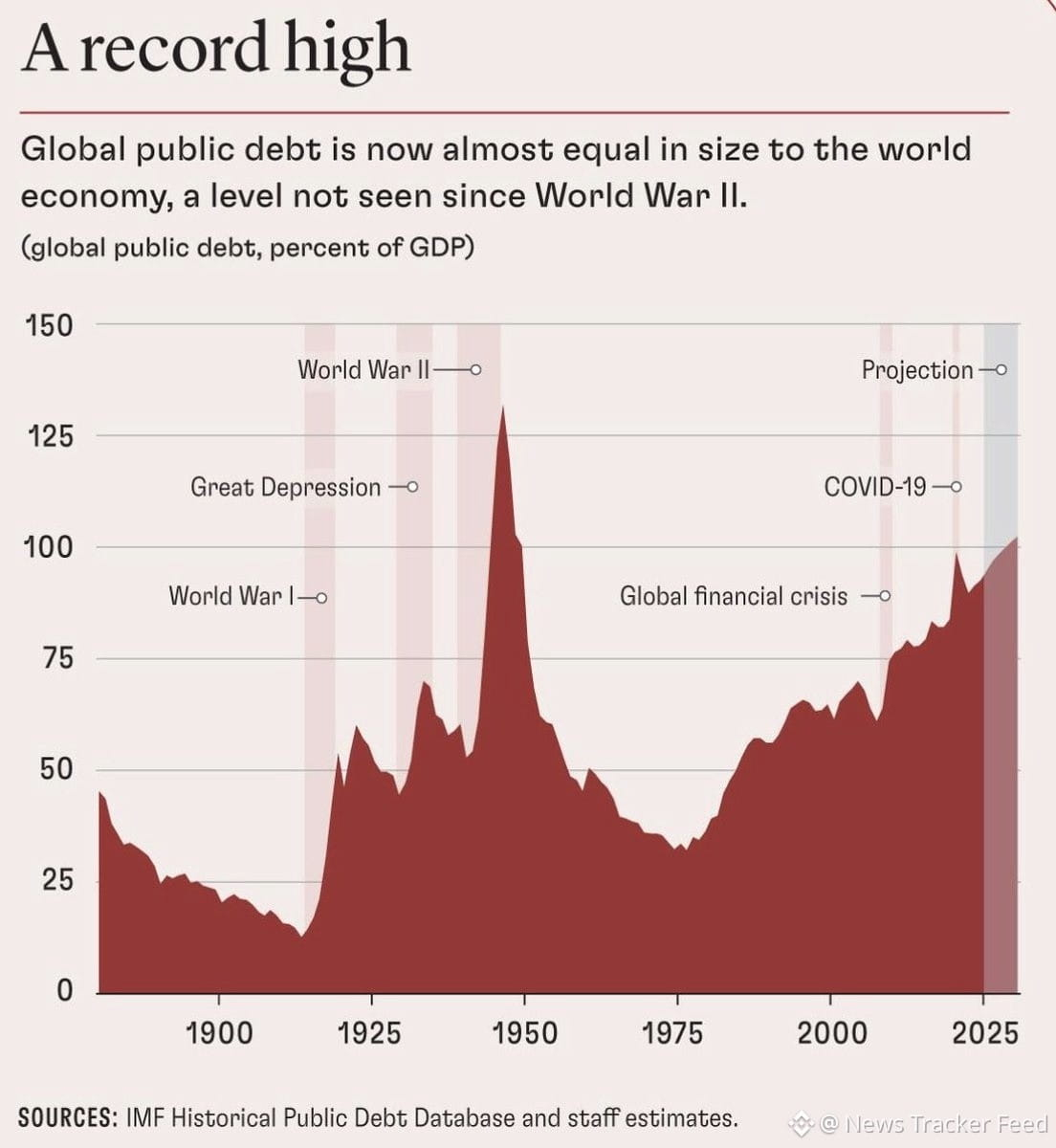
The IMF projects global government debt will surpass 100% of world GDP by 2030—levels not seen since the aftermath of World War II.
Governments are currently running a 3.3% deficit relative to global GDP in 2026, and that's before servicing any debt interest.
Debt has become structural to the system.
Governments are currently running a 3.3% deficit relative to global GDP in 2026, and that's before servicing any debt interest.
Debt has become structural to the system.
Ver traducción
Historical data shows $BTC returns an average of +33% one year after hitting extreme fear levels on sentiment indicators. Pattern suggests fear zones have consistently marked profitable entry points for patient buyers.
Historical data shows $BTC returns an average of +33% one year after hitting extreme fear levels on sentiment indicators. Pattern suggests fear zones have consistently marked profitable entry points for patient buyers.
Ver traducción
New episode drops: Trump's former lawyer Robert Barnes argues the president must exit Iran and Ukraine conflicts and confront neoconservatives to salvage his legacy.
Key questions explored:
• With Netanyahu weakened, does Israel still wield significant leverage over Trump?
• Why Republicans should make Ukraine a central 2028 campaign issue
• Assessing corruption allegations within the Trump Administration
Barnes sits down with Going Underground to unpack these flashpoints.
Ver traducción
Trump's former lawyer Robert Barnes says the president must withdraw from Iran and Ukraine conflicts and resist neoconservative pressure to preserve his political legacy.
Barnes argues Trump's historical standing depends on breaking from the foreign policy establishment that's pushed for continued U.S. military involvement in both regions. The comments come as Trump faces internal Republican pressure on foreign policy direction.
Barnes argues Trump's historical standing depends on breaking from the foreign policy establishment that's pushed for continued U.S. military involvement in both regions. The comments come as Trump faces internal Republican pressure on foreign policy direction.
Ver traducción
New data challenges the myth of young success: The average millionaire is 61, not 19. First-time stock investors typically start at 30, not 21. Successful startup founders average 45 years old, not 23. Major career pivots usually happen around 39, not 25. Most viable businesses need 2-5 years to gain real traction, not a few months. The takeaway: Long-term wealth and achievement follow patience, not speed.
New data challenges the myth of young success: The average millionaire is 61, not 19. First-time stock investors typically start at 30, not 21. Successful startup founders average 45 years old, not 23. Major career pivots usually happen around 39, not 25. Most viable businesses need 2-5 years to gain real traction, not a few months. The takeaway: Long-term wealth and achievement follow patience, not speed.
Ver traducción
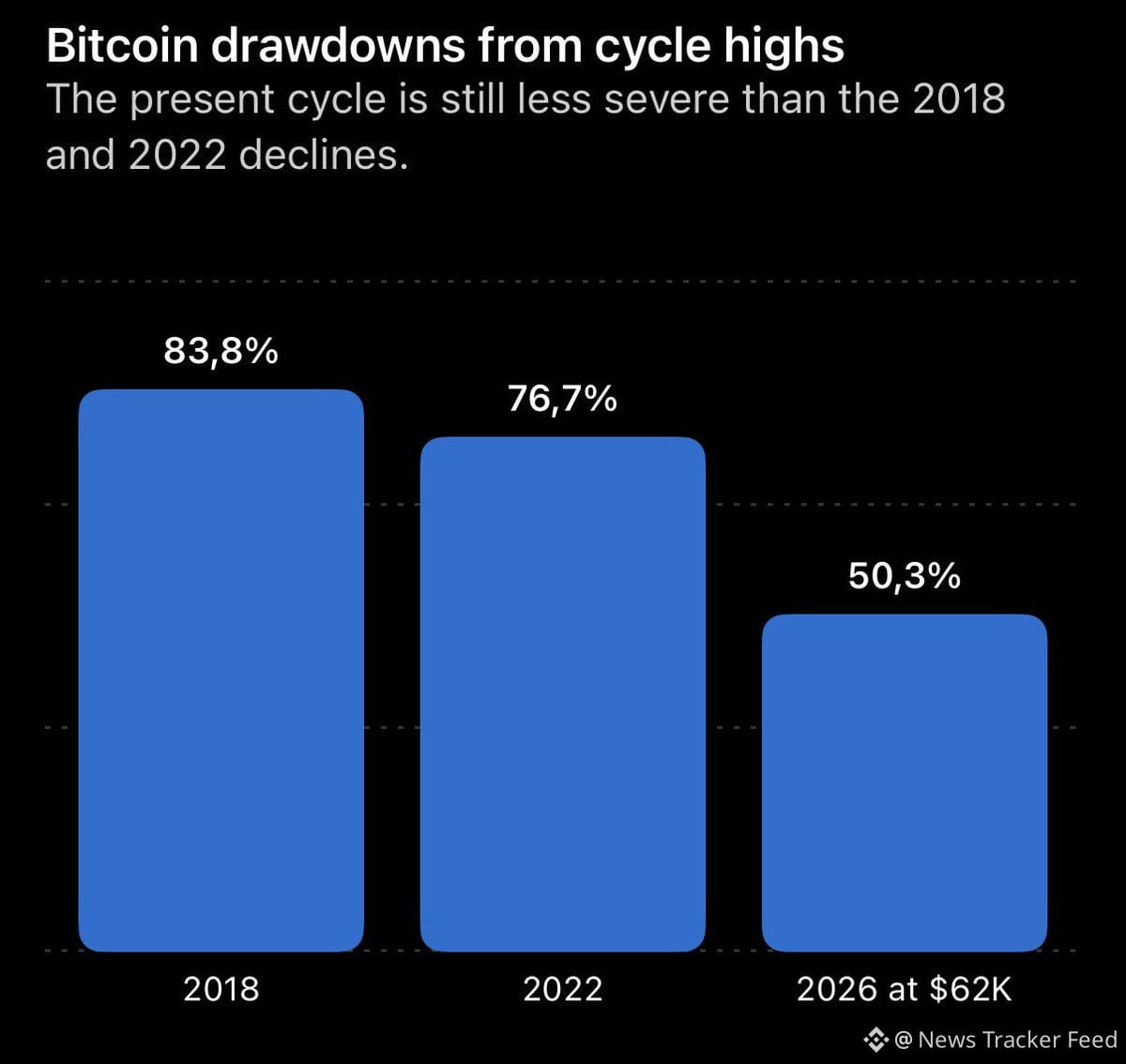
Market sentiment has turned sharply pessimistic, with many traders acting as if crypto will never hit new all-time highs again.
But the actual fundamentals don't support that level of doom. 📉➡️📈
Market sentiment has turned sharply pessimistic, with many traders acting as if crypto will never hit new all-time highs again.
But the actual fundamentals don't support that level of doom. 📉➡️📈
But the actual fundamentals don't support that level of doom. 📉➡️📈
30
Ver traducción
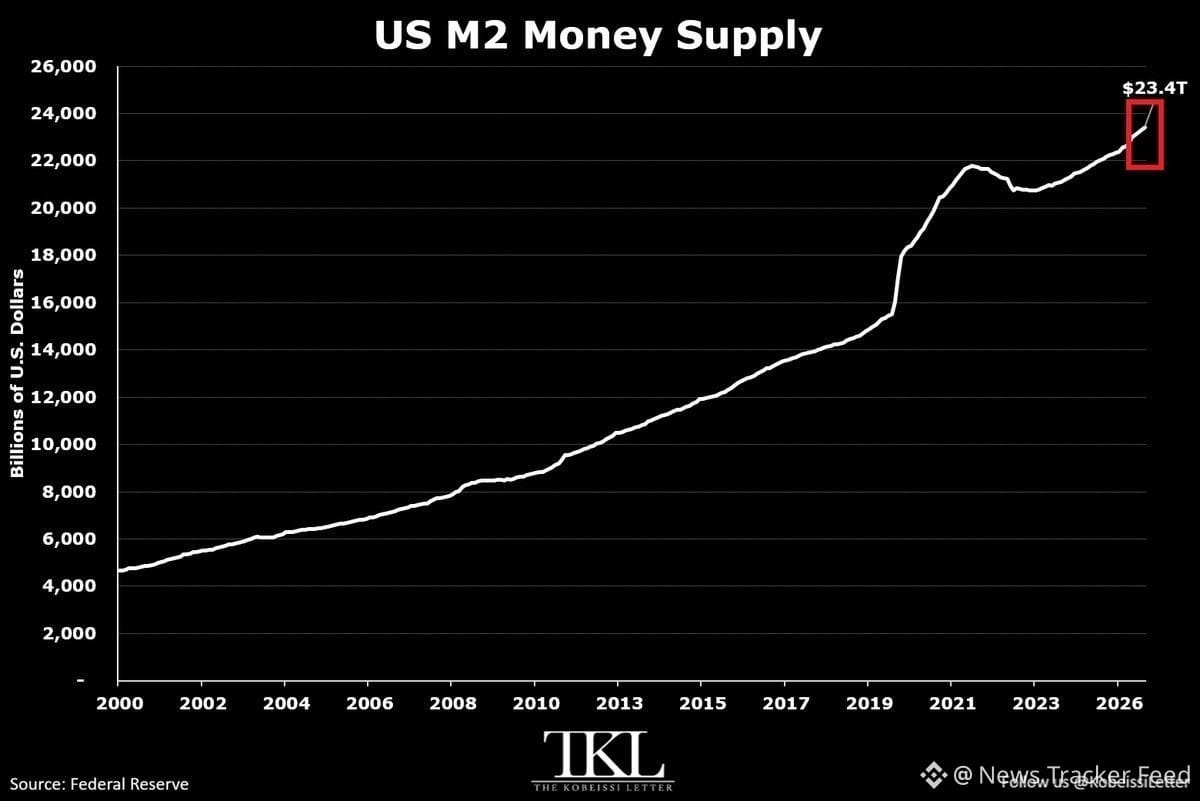
Money supply continues expanding while $BTC supply remains fixed. Short-term volatility shouldn't shake the fundamental thesis. Current correction presents accumulation opportunity rather than cause for panic.
Money supply continues expanding while $BTC supply remains fixed. Short-term volatility shouldn't shake the fundamental thesis. Current correction presents accumulation opportunity rather than cause for panic.
27
Ver traducción
$BTC plunged to ~$62k—lowest since July—shedding nearly 25% in two weeks.
Also this week:
• The Anthropic IPO theory making rounds
• Jensen Huang considering an Nvidia return
• $1M Bitcoin by 2028 predictions resurface
• 7-figure starter homes on the rise
$BTC plunged to ~$62k—lowest since July—shedding nearly 25% in two weeks.
Also this week:
• The Anthropic IPO theory making rounds
• Jensen Huang considering an Nvidia return
• $1M Bitcoin by 2028 predictions resurface
• 7-figure starter homes on the rise
Also this week:
• The Anthropic IPO theory making rounds
• Jensen Huang considering an Nvidia return
• $1M Bitcoin by 2028 predictions resurface
• 7-figure starter homes on the rise
38
$BTC alcanzó este fin de semana su nivel más bajo desde julio, tras caer casi un 25 % en dos semanas.
Novedades clave:
• Se especula que la posible OPV de Anthropic está desviando capital de los mercados de criptomonedas
• El director ejecutivo de Nvidia, Jensen Huang, se plantea volver a desempeñar un papel activo
• Adam Back, director ejecutivo de Blockstream, apuesta 1 millón de dólares a que $BTC alcanzará cierto precio
• En 242 ciudades de EE. UU., las viviendas para compradores primerizos ya cuestan 1 millón de dólares o más, lo que podría impulsar el interés por inversiones alternativas
52
Ver traducción
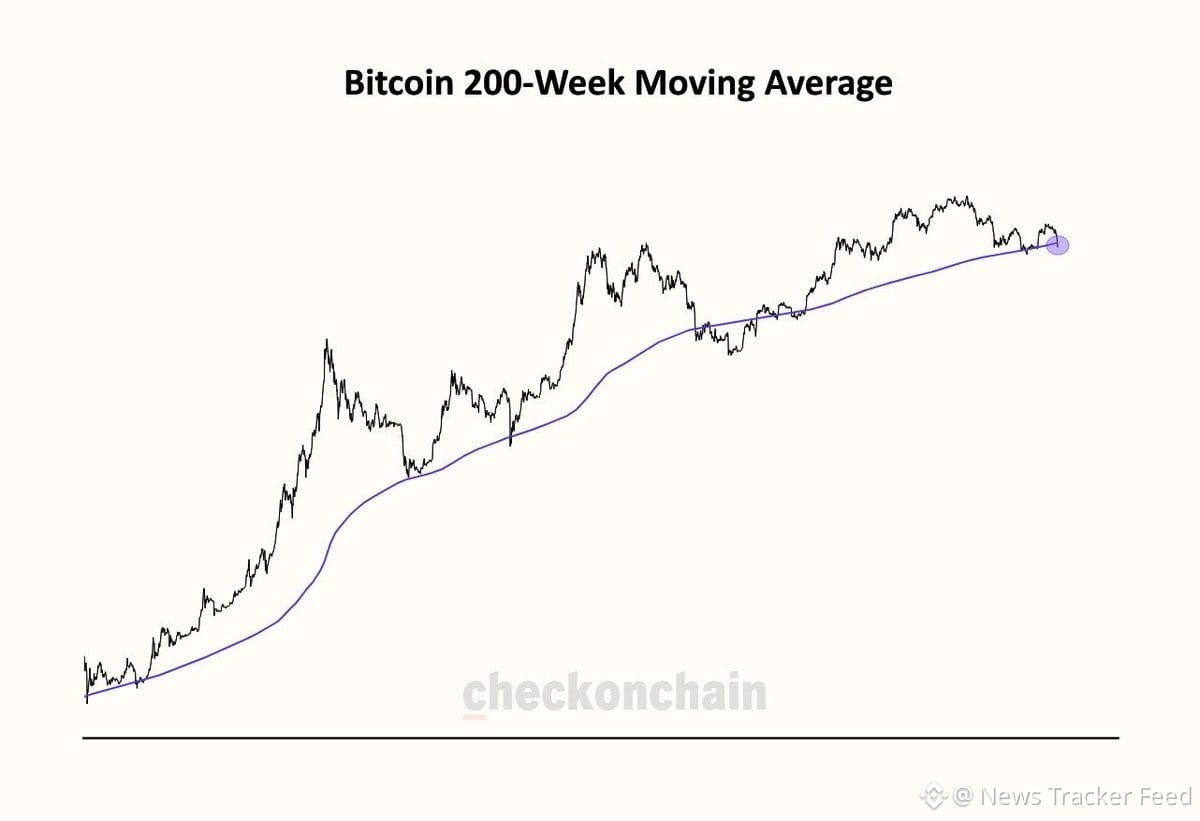
$BTC's 4-year cycle creates massive buying windows—but fear keeps most sidelined. Same pattern repeats: panic during dips, regret years later when prices 10x. The opportunity only looks obvious after it's gone.
$BTC's 4-year cycle creates massive buying windows—but fear keeps most sidelined. Same pattern repeats: panic during dips, regret years later when prices 10x. The opportunity only looks obvious after it's gone.
72
Ver traducción
Political salaries sit in a dead zone: high enough to lure corrupt mediocrities, too low to pull genuine talent from the private sector. Top executives earn multiples of what lawmakers make—and they get privacy, peace, and no daily public flogging.
The fix? Pay top politicians like top private-sector leaders. Then prosecute corruption without mercy. Right now, the best minds stay far away from public office because the math doesn't work.
The fix? Pay top politicians like top private-sector leaders. Then prosecute corruption without mercy. Right now, the best minds stay far away from public office because the math doesn't work.
Ver traducción
Crypto commentator warns $BTC holders: if you can't explain Bitcoin's value in 30 seconds, you'll struggle during market downturns.
The message comes as markets face volatility this week—a stress test for conviction. The implication: understanding your thesis matters more when prices drop.
Crypto commentator warns $BTC holders: if you can't explain Bitcoin's value in 30 seconds, you'll struggle during market downturns.
The message comes as markets face volatility this week—a stress test for conviction. The implication: understanding your thesis matters more when prices drop.
The message comes as markets face volatility this week—a stress test for conviction. The implication: understanding your thesis matters more when prices drop.
Inicia sesión para explorar más contenidos
Únete a usuarios de criptomonedas de todo el mundo en Binance Square
⚡️ Obtén la información más reciente y útil sobre criptomonedas.
💬 Confía en el mayor exchange de criptomonedas del mundo.
👍 Descubre opiniones reales de creadores verificados.
Correo electrónico/número de teléfono
Temas en tendencia
A Packed Week of Earnings and Data Tests Markets
48,055 visualizaciones
325 participa(n) en el debate
Nvidia, Anthropic y la Fed. Tres pruebas en una semana
Nick_Invest
·3 «Me gusta»
·756 visualizaciones
AnthropicIPOTestsInvestorAppetiteForAI
76,327 visualizaciones
1,142 participa(n) en el debate
BitcoinExtendsLosingStreakToSixWeeks
37,049 visualizaciones
496 participa(n) en el debate