
If DUSK is truly “institutional privacy,” why is its strongest user base still retail speculators, not compliance teams?
If DUSK Network is genuinely building “institutional‑grade privacy,” then there’s an uncomfortable question it cannot dodge anymore: why do compliance teams, banks, registrars, and regulated financial players barely talk about it, while Telegram groups, Binance Square threads, and speculative retail traders dominate its visibility? This is not a hit piece. It’s a reality check. Because in crypto, the market never lies—attention reveals who a product is really for.
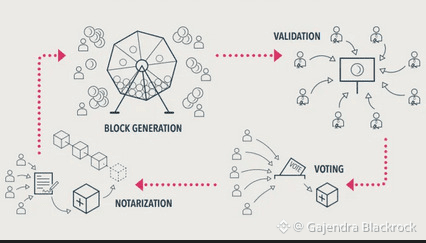
DUSK positions itself at the intersection of privacy, compliance, and tokenized securities. On paper, that’s a dream pitch. Confidential transactions, selective disclosure, zero‑knowledge proofs, regulatory alignment—these are exactly the buzzwords institutions claim to want. Yet when you zoom out and observe who is actually engaging with DUSK today, the picture becomes awkward. It’s not legal departments asking about settlement privacy. It’s not asset managers experimenting with private issuance. It’s mostly retail speculators trading narratives, not institutions deploying capital.
To understand why, we need to stop repeating DUSK’s marketing claims and instead examine how institutions actually behave in the real world. Institutions don’t adopt technology because it sounds philosophically correct. They adopt it when it reduces risk, integrates cleanly with existing systems, and has credible counterparties already using it. Privacy alone is not a selling point. In fact, privacy is often seen as a liability unless framed inside compliance workflows institutions already trust.
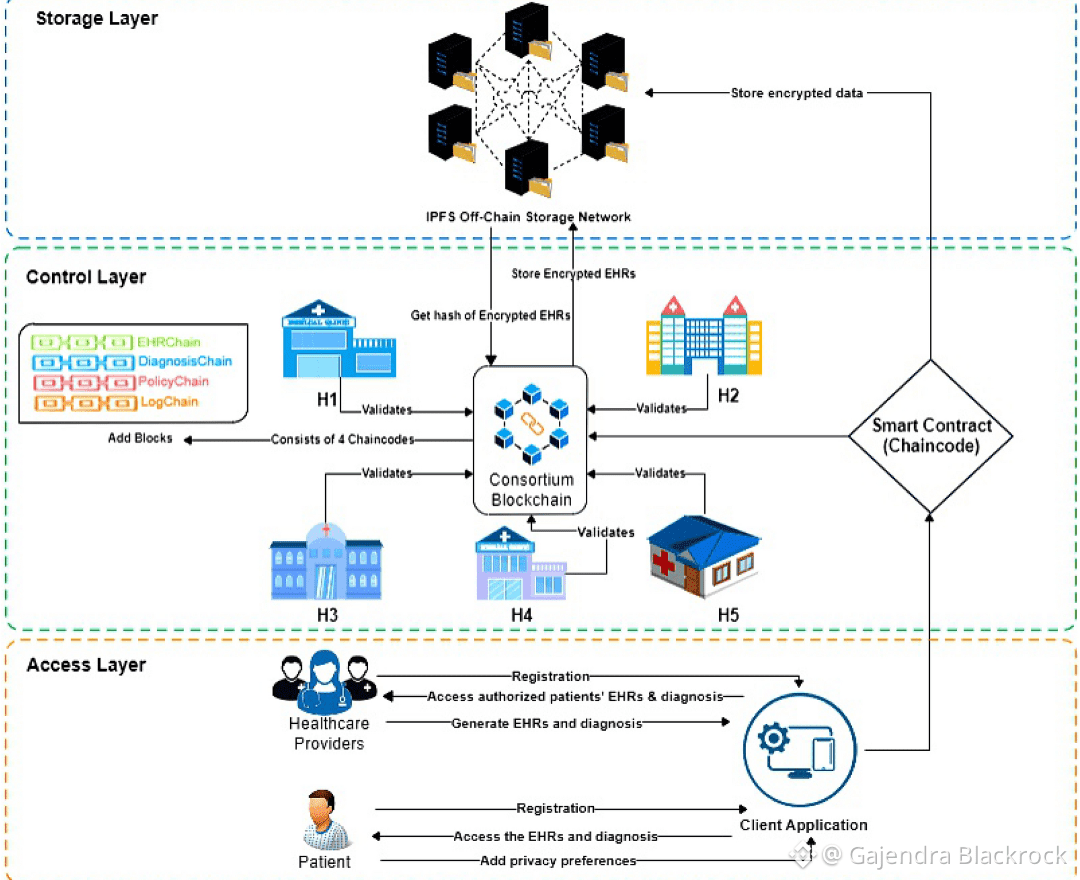
This is where DUSK’s first problem emerges. Its strongest narrative—privacy—sits uncomfortably close to crypto’s most regulated fault line. Institutions don’t want “privacy” in the cypherpunk sense. They want confidentiality with auditability. They want data minimization without regulatory ambiguity. Platforms like Hyperledger Fabric understood this early, which is why enterprises quietly used them without ever touching a volatile public token. DUSK, by contrast, is a public blockchain with a speculative asset front and center. That alone changes how risk committees perceive it.
Compare this with how JPMorgan approached privacy through Quorum. They didn’t launch a token, attract retail traders, or market it as a decentralized revolution. They framed it as infrastructure. No hype, no speculation, no community farming incentives. DUSK took the opposite route: public token, exchange listings, retail liquidity, and community growth first. That choice matters, because institutions are allergic to platforms whose primary user base is chasing price action rather than solving operational pain.
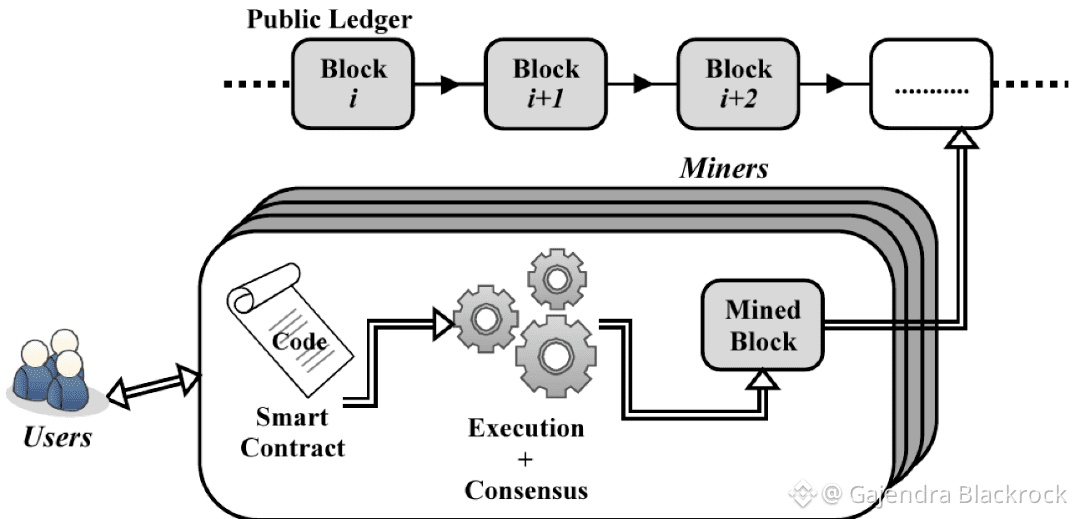
Another blind spot is the mismatch between DUSK’s technical sophistication and its go‑to‑market execution. Zero‑knowledge proofs, selective disclosure, and confidential smart contracts are not beginner concepts. Compliance teams don’t want to learn cryptography—they want dashboards, guarantees, and vendor accountability. Platforms like Chainalysis didn’t win institutions by being the most cryptographically elegant. They won by packaging complexity into compliance‑friendly tools and selling trust, not ideology. DUSK, so far, still speaks more fluently to developers and traders than to risk officers.
The token itself is another quiet blocker. Institutions don’t hate tokens, but they hate unclear token utility. Ask a compliance team what DUSK is used for, and the answer gets murky fast. Is it gas? Governance? Staking? Economic security? All of the above? That ambiguity raises red flags. In contrast, projects like Hedera were obsessive about narrative clarity: governed by known entities, predictable economics, and explicit enterprise alignment. DUSK’s token economics make sense to crypto natives, but to institutions, they look like yet another volatile variable.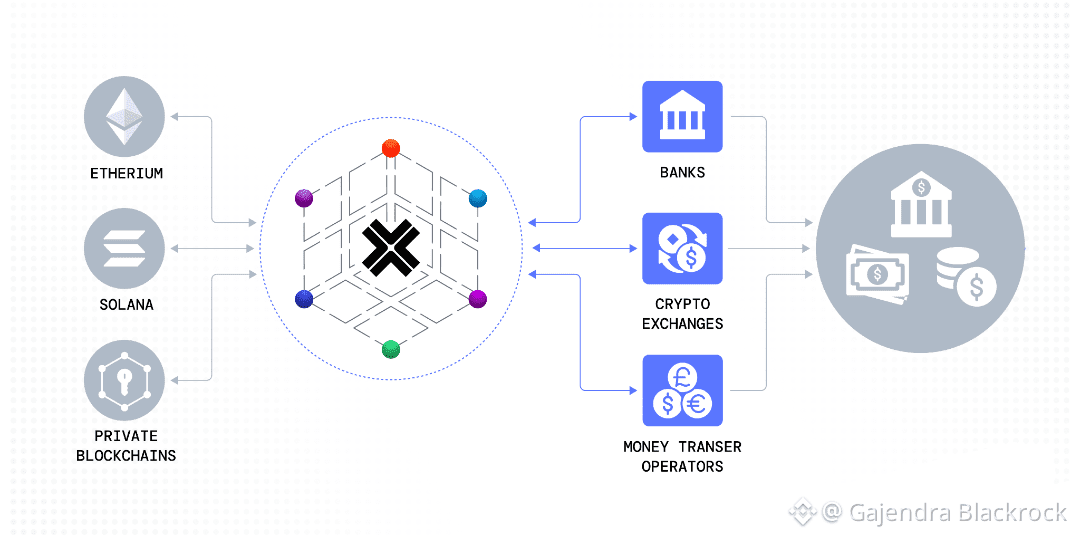
Now look at actual adoption signals. Where are the case studies of regulated entities issuing securities on DUSK at scale? Not pilots. Not whitepapers. Live, revenue‑generating deployments. If DUSK were truly winning compliance teams, we would see law firms referencing it, regulators acknowledging it, or custodians integrating it. Instead, most visible activity comes from community posts, speculative threads, and ecosystem incentives aimed at retail participation. That’s not inherently bad—but it contradicts the institutional narrative.
Contrast this with how SIX Digital Exchange operates. It doesn’t court retail traders. It doesn’t need community hype. Its legitimacy comes from Swiss regulatory alignment and incumbent trust. DUSK wants to be institutional, but it still behaves like a crypto‑native network seeking market validation through token liquidity. That tension hasn’t been resolved.
There’s also a credibility gap around regulation. DUSK claims compliance friendliness, but institutions don’t take self‑declared compliance seriously. They want explicit regulatory clarity, jurisdictional anchoring, and legal opinions that stand up in court. Projects like Polymesh leaned hard into this by designing their entire architecture around regulated assets, KYC, and permissioned participation. As a result, Polymesh is boring—but boring is exactly what institutions want. DUSK, meanwhile, still feels like it’s trying to balance two masters: decentralization maximalists and regulators. That usually ends with neither fully satisfied.
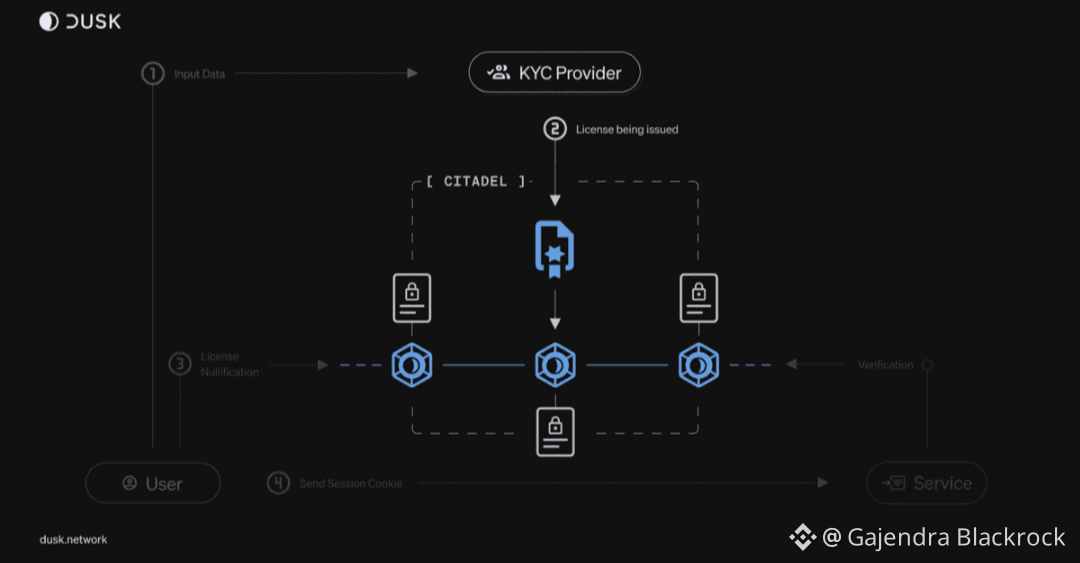
Another overlooked issue is time horizon mismatch. Retail traders operate on weeks or months. Institutions operate on multi‑year procurement cycles. DUSK’s communication cadence—campaigns, community pushes, speculative narratives—signals short‑term engagement, not long‑term infrastructure stability. When an institution sees a project constantly reinventing its narrative to keep retail attention, it raises doubts about strategic focus.
Even the way success is measured reveals the truth. Retail success is measured in token price, social engagement, and campaign participation. Institutional success is measured in contracts signed, assets issued, and compliance audits passed. By those metrics, DUSK’s strongest traction remains firmly on the retail side. That’s not an accident—it’s a reflection of who the product currently serves best.
To be fair, DUSK is not uniquely failing here. Many crypto projects confuse “institutional‑grade” technology with institutional adoption. Building privacy tech is hard. Selling it to risk‑averse organizations is harder. The mistake is assuming that better cryptography automatically leads to institutional trust. It doesn’t. Trust is social, legal, and reputational before it is technical.
So why is DUSK’s strongest user base still retail speculators? Because retail tolerates uncertainty. Retail trades narratives. Retail doesn’t require legal accountability. Institutions do. DUSK optimized early for openness, decentralization, and token liquidity—choices that attract retail by design. Institutions were never going to follow unless the entire stack, narrative, and incentive structure shifted toward their needs.
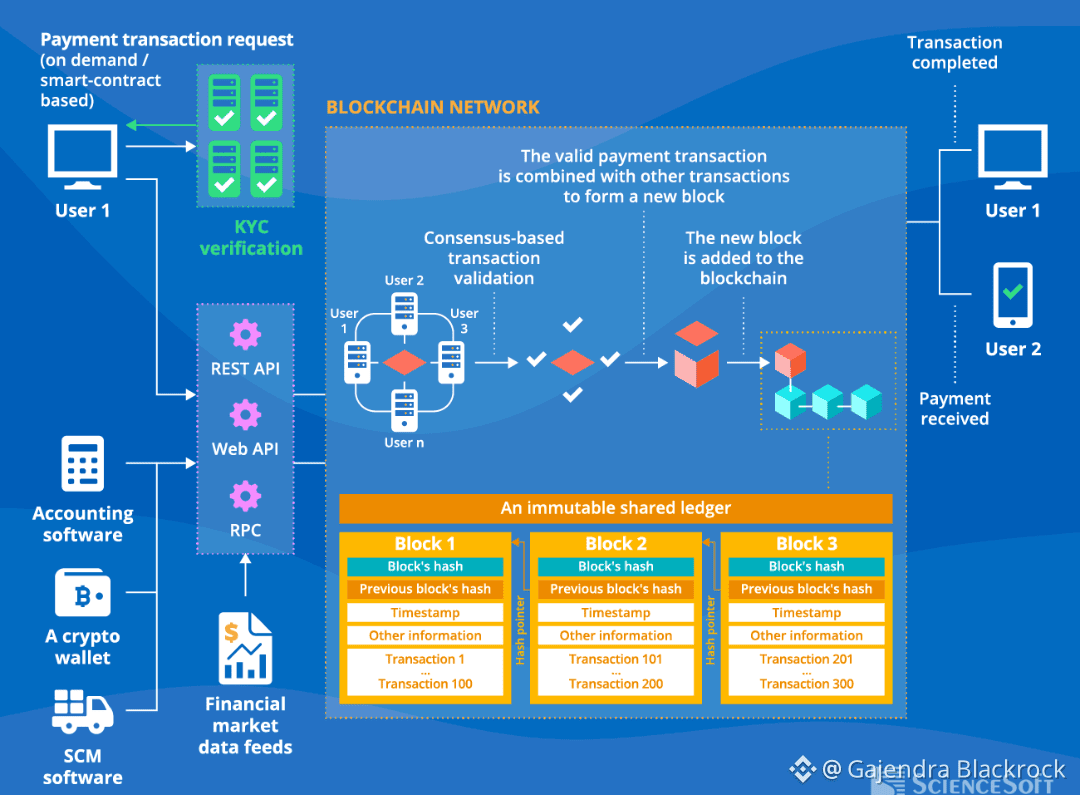
If DUSK genuinely wants compliance teams instead of traders, it needs to make uncomfortable changes. Less focus on token hype, more on enterprise tooling. Fewer community incentives, more closed‑door pilots with regulators. Less abstract privacy language, more concrete compliance workflows. And most importantly, it needs visible institutional champions willing to put their reputation on the line.
Until that happens, the market has already answered the question. DUSK may aspire to institutional privacy, but today it functions primarily as a retail‑driven crypto network with an institutional narrative layered on top. That doesn’t mean it can’t evolve. It means the gap between what DUSK claims to be and how it’s actually used is still very real. And institutions notice gaps like that instantly.#Dusk #dusk $DUSK @Dusk
