The token’s name says “Visit such-and-such website to claim your reward.” Should you trust it?
Here’s one detail to watch for: if you follow the instructions in the token’s name and connect your wallet to the website, the authorization prompt that appears often applies to other assets in your wallet.
Scam tokens use the promise of “free money” to spark curiosity and lure people to websites that ask them to connect their wallets. The real goal is to trick them into granting authorization or signing a transaction.
Remember this—it’s more useful than memorizing a bunch of jargon. Don’t make large transactions on public networks, and remember to keep your device’s system up to date.
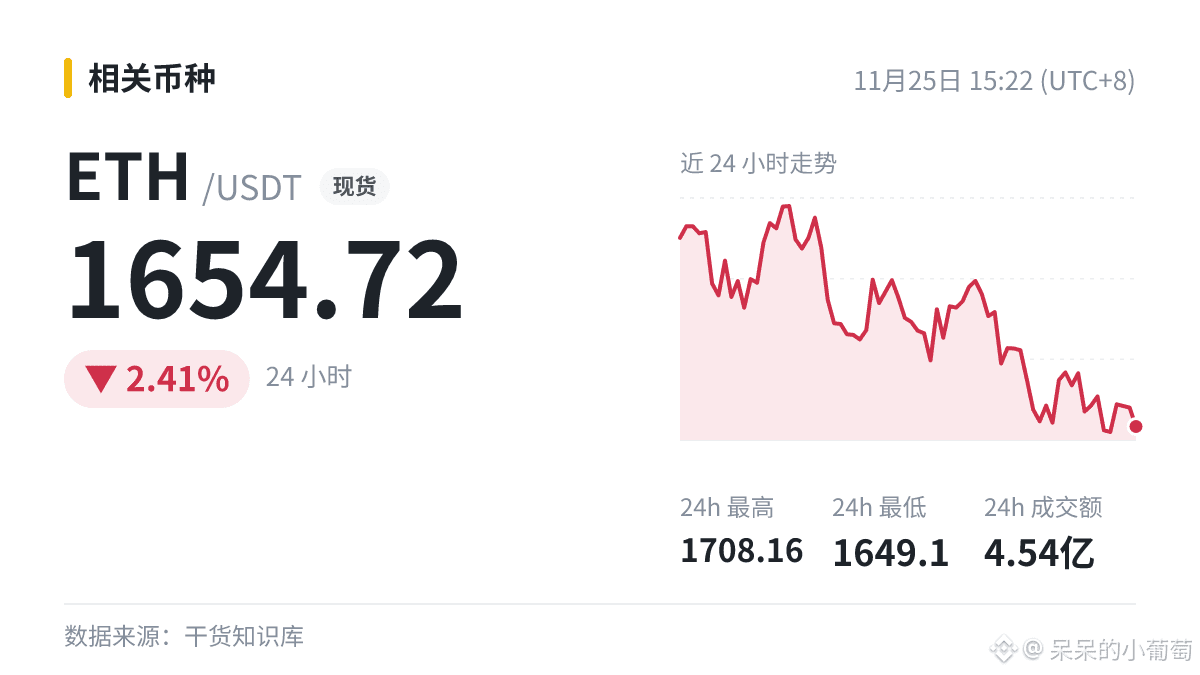
While you’re at it, take a look: $ETH reports 1654.72 (24h -2.41%).