

In the previous installment, we saw how they dress up the storefront with websites in 20 languages and paid news articles. Today, we’re going further inside to see how they manipulate the clock and your money once you’re already in a private presale:
🔹 1. The looping clock and endless rounds
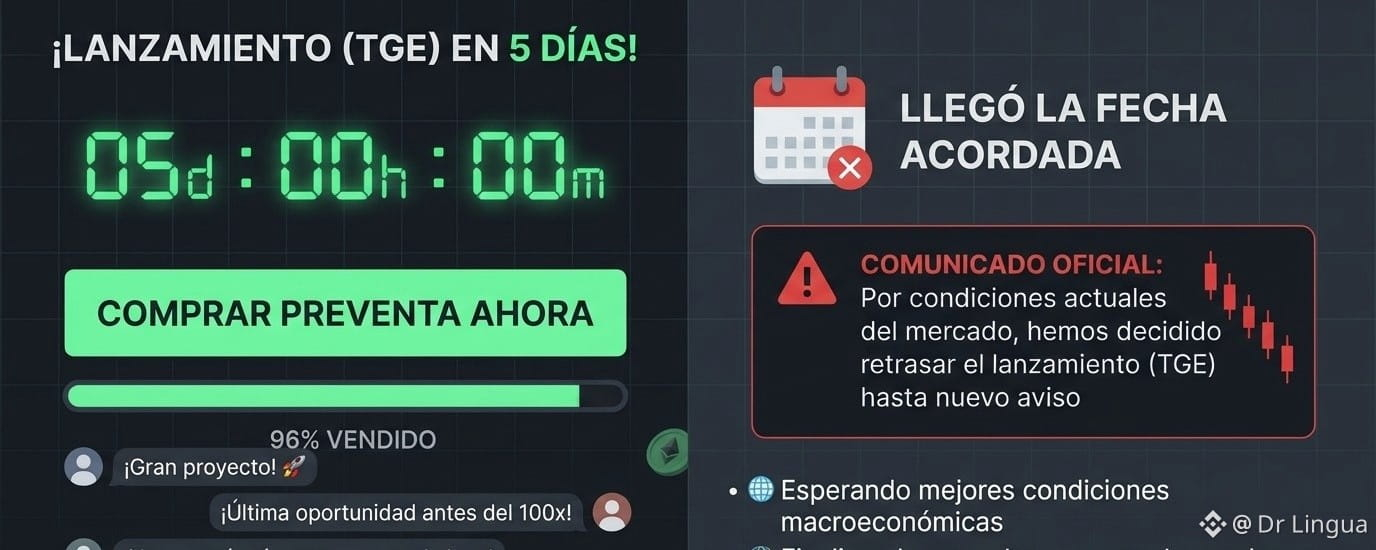
That flashy green countdown isn’t connected to any real code on the blockchain; it’s just a visual counter programmed into the website. When it reaches zero, it resets or opens “Phase 15 of 20” to pressure you into buying on impulse before the supposed price increase.
🔹 2. Excessive bonuses that crash the price
They offer you codes for “50% or 100% extra free coins.” It’s not a gift: they inflate the total supply without you noticing, and when the market opens, that mountain of extra coins crushes the real price in seconds.
🔹 3. A pretty screen and a blind contract
They show flashy dashboards claiming they raised millions, but the link to the public explorer points only to the coin’s basic contract, never to the safe where the money went. When they collect payments through external gateways or the owners’ wallets, it’s impossible to verify whether the funds are still there.
🔹 4. The maze of tabs designed to wear you down
They split the contract, coin distribution, roadmap, burns, audit, and your purchase dashboard across six different pages full of long text and error-ridden machine translations, hoping you’ll get tired and buy without reading.
🔹 5. Synchronized bots and calendar excuses
As the clock ticks, automated accounts repeat: “Great project!” “I just bought more!” But the promised day arrives and they post: “Due to market conditions, we’re delaying the launch until further notice.” If the market falls, they say they’re protecting the price; if it rises, they say they’re closing deals with major platforms.
🔹 6. Maintenance to erase the trail
They put the site into “maintenance” mode, and it comes back looking prettier, but without the original dates or previous amounts. They justify it with “audit adjustments”—a paid review that only looked at the coin’s empty template and never audited a real product.
🔹 7. A paper roadmap
They promise quarterly milestones for months without writing a single line of code for the product, keeping you busy chasing your own tail while they open more rounds.
🔹 8. The absurd “no refunds” excuse
If you ask for your money back after months of delays, they reply: “Blockchain transactions are irreversible, and refunds don’t exist.” Any serious company takes responsibility when it misses an agreed deadline. It’s ridiculous to promise to create “the next global payments platform” but be unable to refund 20 dollars in stablecoins.
🔹 9. The claim trap and the legal shield
If no one can track them down, they shut down the website and leave bots on social media. If there’s legal risk, they suddenly launch the coin on an automated decentralized exchange with minimal liquidity so they can drain it themselves in the first minute. After making you wait up to two years, they force you to pay a network fee to claim your coins and give you only a few days, threatening to delete them. Legally, they claim they “delivered and it was the market’s fault,” knowing that thousands of small victims around the world who lost 20 or 100 dollars will never be able to afford an international lawsuit.
⚠️ Beware of the false reassurance of a listing
Don’t let your guard down if the coin gets listed on a secondary platform that charges a listing fee, not even if it goes through a launch section. The platform is just the stage: the initial liquidity and main reserve remain in the owners’ hands, and no one will put up their own money to support the price if the owners decide to sell everything at once.
A serious project works with timelines verifiable in the code, not clocks that reset every week. In the next installments, we’ll keep exposing each trap and strengthening our defenses step by step.
Personal opinion for educational purposes; not financial advice.
👇 Knowing all this—and remembering your own mistakes or a friend’s—could you fall for one of these countdowns again, or stay silent instead of warning another crypto buddy? Think carefully: karma or real help? Let me know below.
#DrLingua #SeguridadCripto #PsicologiaTrading #GestiónDeRiesgo #CriptoEnEspanol