【The real bottom signal for AVAX isn’t a rebound—it’s whether fees can keep burning】
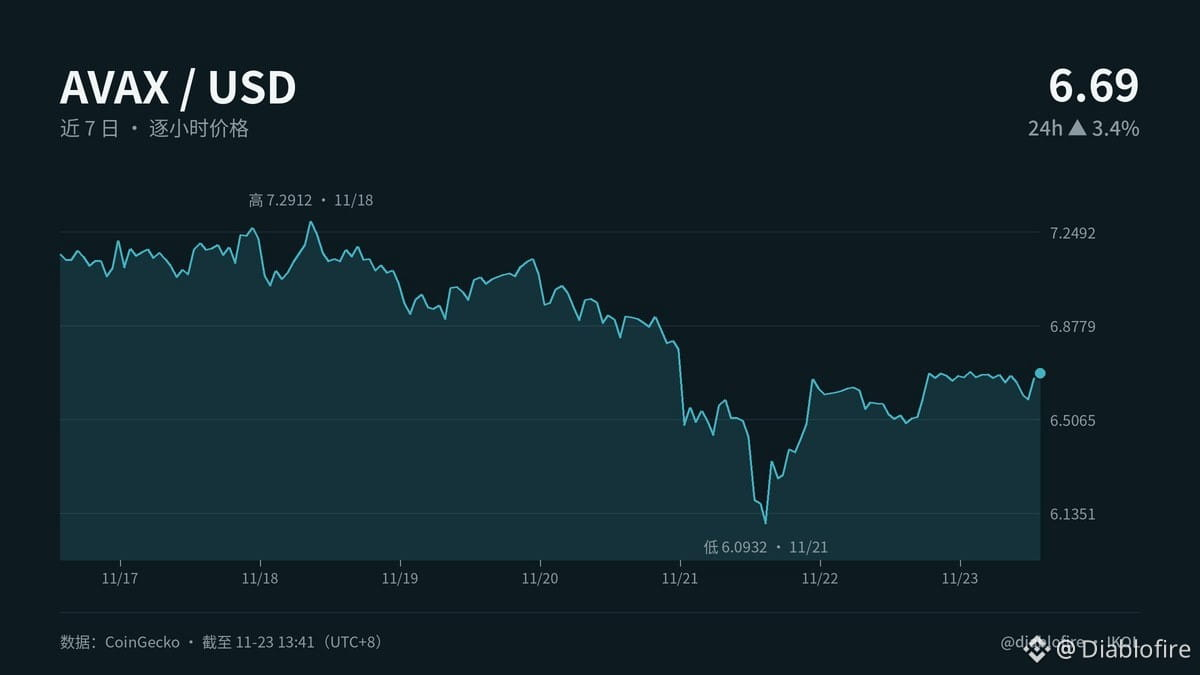
Here’s the bottom line: AVAX is down about 95% from its all-time high, and is currently priced at $6.69, up 3.4% over 24 hours but still down 6.5% over 7 days. This looks more like a breather after being oversold than a trend reversal. The Fear Index is only 11, so the market is very cold—but that only tells us sentiment is low, not that value will automatically return.
Avalanche’s core logic is like a highway collecting tolls. The more users there are and the more active Subnet applications become, the more frequent transactions are—and the stronger the demand for AVAX to pay fees and be burned. The problem is that many projects attract traffic but can’t generate sustainable revenue. When the hype fades, so do the fees. Technology alone doesn’t automatically turn into a business.
What does this mean in practice, and who will be affected? The real beneficiaries are Subnets and developers with genuine users who are willing to pay over the long term. Projects that attract traffic but can’t make money will eventually be pushed out. For AVAX holders, the key isn’t whether on-chain numbers look good, but whether demand for fees can consistently offset supply and selling pressure. The business model has to work; prosperity can’t be manufactured through subsidies.
For investors, $6.36 is a level to watch for support, while $6.90 is resistance above. Higher trading volume can only indicate increased participation; it can’t replace real usage data. Shifts in expectations for Federal Reserve rate hikes can amplify sentiment around highly volatile assets, but they can’t save a chain without a viable business model.
Remember this: when assessing AVAX, don’t just look at its price. First, check whether fees, usage, and burns can keep growing. A true bottom isn’t drawn on a candlestick chart—it’s built by a business that works. What do you think matters most for this chain’s next phase: Subnet activity or the amount of AVAX burned?