A NEW YALTA? THREE POWERS, ONE TABLE, AND THE FUTURE OF THE WORLD ORDER
Shenzhen, November 19, 2026.
History has moments when a photograph can say as much as a diplomatic document.
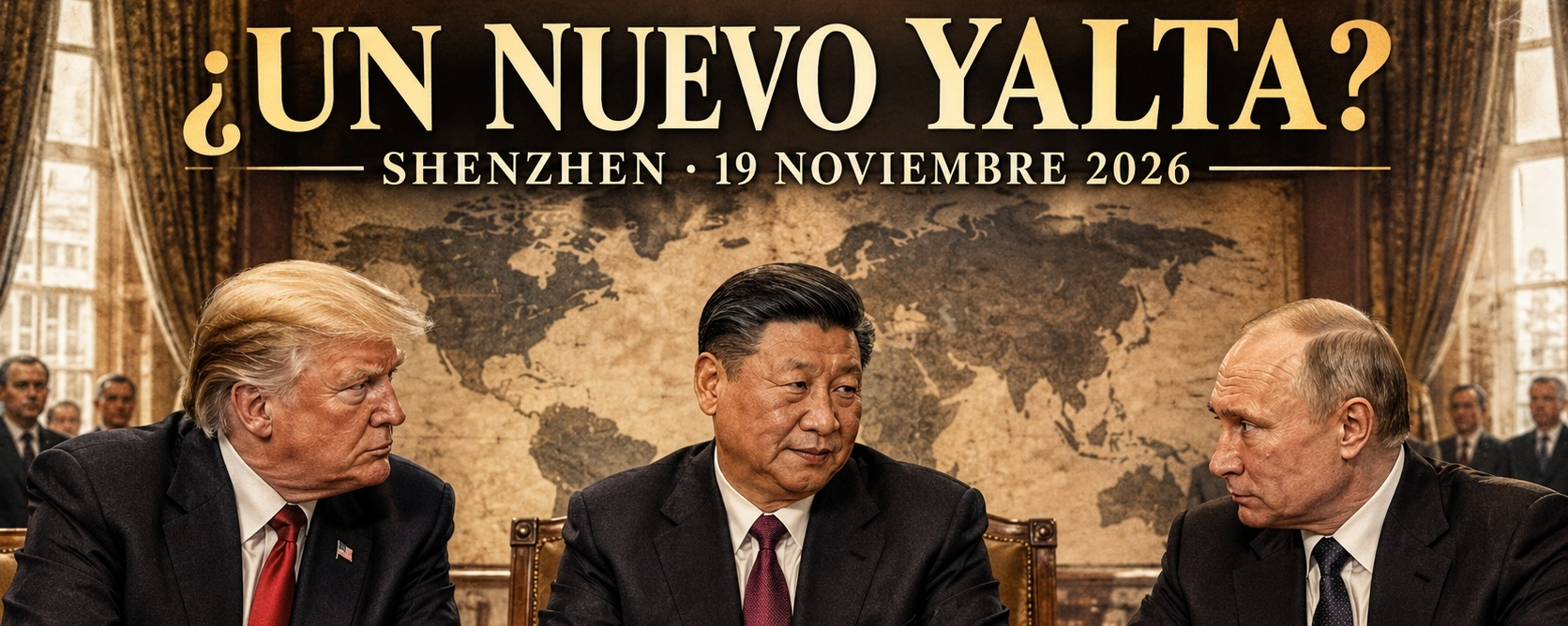
Donald Trump, Xi Jinping, and Vladimir Putin seated around the same table. Three leaders, three nuclear powers, and three different visions of the international order.
The image inevitably transports us back to February 1945, when Roosevelt, Churchill, and Stalin met in Yalta to discuss the world that would emerge after the Second World War.
Are we facing a new Yalta?
The comparison deserves attention, although there is one fundamental difference: for now, what was agreed in Shenzhen constitutes a declaration of understanding and cooperation, not a treaty to divide up territories or establish new borders.
THE FOUR POINTS OF THE UNDERSTANDING
According to the statement released by the Chinese news agency Xinhua, the three governments agreed on four broad areas:
1. United Nations reform.
Promote changes at the UN so it can respond more effectively to international challenges and fulfill its mission of preserving peace.
2. Energy security.
Increase the production and supply of refined fuels, aiming to maintain stable energy flows for the international market.
3. Immunity of state officials.
Reaffirm the principle of state consent and respect for the immunities of its officials, while questioning possible abuses of jurisdiction by the International Criminal Court.
4. Nuclear risk.
Reaffirm that a nuclear war cannot be won and must never be fought. They also agreed to maintain dialogue to reduce nuclear risks and prevent proliferation.
WHAT WAS NOT RESOLVED
And this is where the most interesting part of the meeting comes in.
The war in Ukraine and the conflict with Iran were not resolved. Nor was a new trilateral nuclear arms reduction treaty announced.
Europe was not part of this discussion, and its interests remain fundamental to any international security architecture.
Taiwan remains one of the main points of friction between Washington and Beijing.
In other words, there was some understanding, but deep differences remain.
THE QUESTION THE WORLD SHOULD BE ASKING
In 1945, three leaders discussed the foundations of the postwar order. In 2026, three powers are once again sitting together as the world faces military, trade, energy, and technological tensions.
But there is something we must not lose sight of: today's world can no longer be understood solely through Washington, Moscow, or Beijing.
India, Europe, Latin America, Africa, and the regional powers also have interests, resources, and influence.
Perhaps the most important development is not what these three leaders signed, but the message conveyed by their willingness to negotiate directly.
History does not repeat itself exactly, but some photographs have the power to foreshadow questions the world still cannot answer.
Are we witnessing the birth of a new multipolar balance, or simply a diplomatic truce between powers with different interests?
The answer has yet to be written.
—@光明社区 Mr. Hummingbird
#GeopoliticalUncertainty politics #ChinaCrackdown 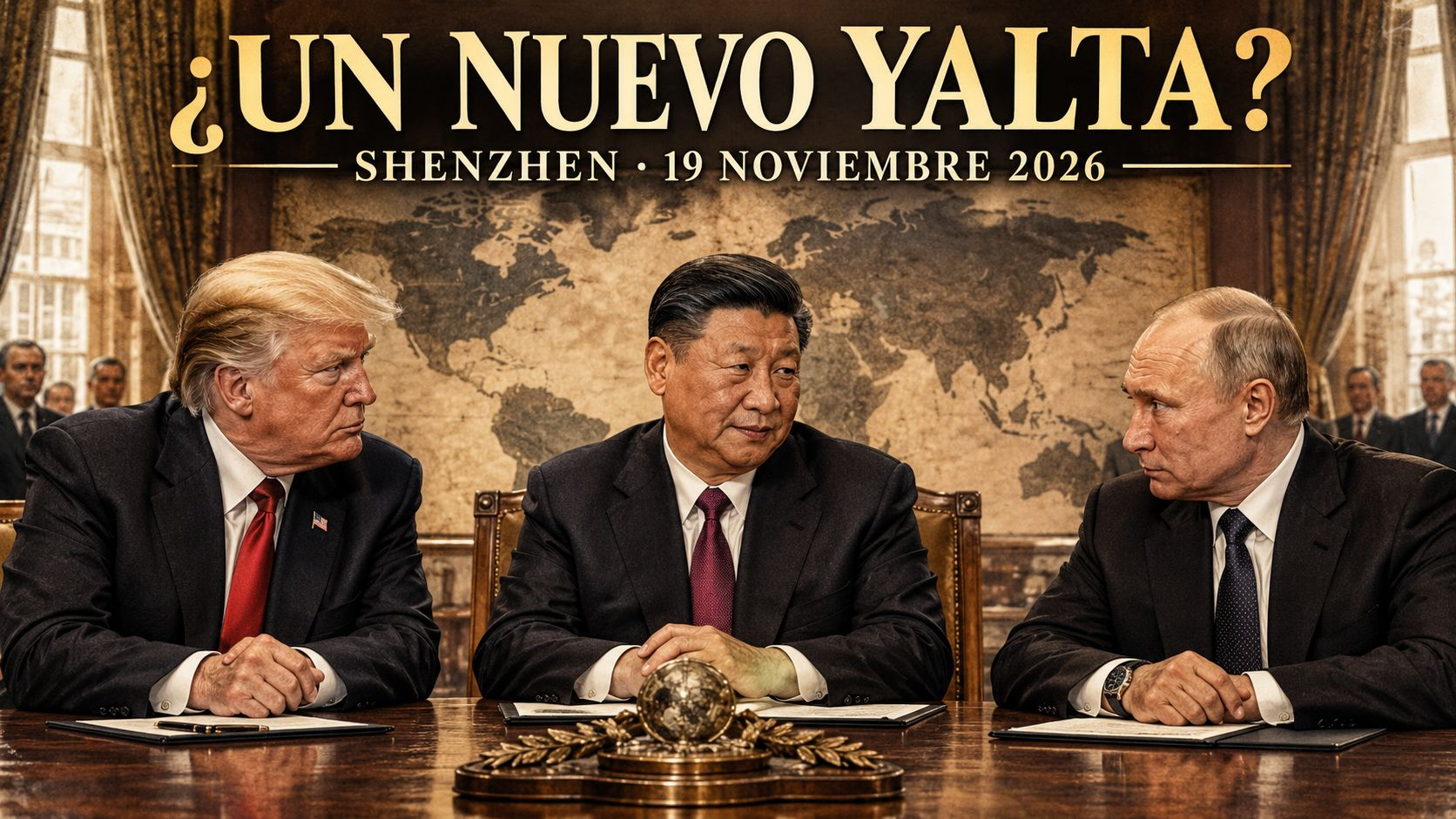 #UnitedStates #RusiaCripto #Trump #XiJinping #Putin #NewWorldOrder #Yalta #EconomiaGlobal