
学长信息差
463 Posts

学长信息差
Report
Block User
00后老生,分享加密热点/美股投资/交易逻辑。普通人的进阶之路,你我一样可以,把握财富密码。公众号:你的学长
224 Following
1.4K+ Followers
2.3K+ Liked
Posts
Portfolio
All
Quotes
Videos
PINNED
·
--
How exactly are funding fees calculated? A lot of people know how to open trades but don’t pay attention to funding fees. As a result, even when their trades are profitable, their profits keep shrinking. Let me explain it in plain English.
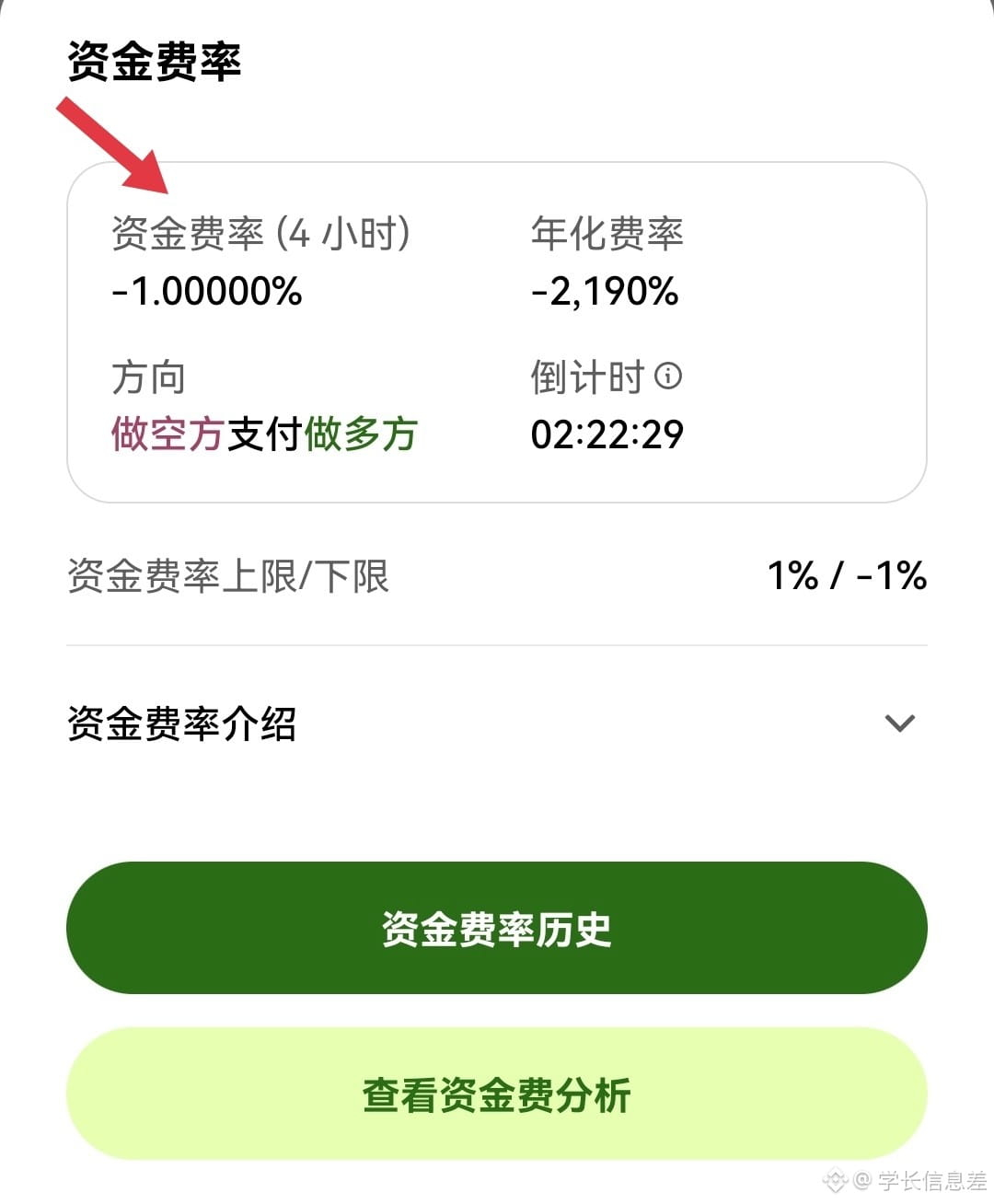
First, every contract market has funding fees. Some settle every hour, while others settle every 4 or 8 hours. You’ll see a countdown in the top-right corner.
When the funding rate is positive, if you’re holding a long position, you’ll have to pay traders holding short positions when settlement time arrives. Conversely, if you’re holding a short position, you’ll receive the payment.
When the funding rate is negative, if you’re holding a short position, you’ll have to pay traders holding long positions when settlement time arrives. Conversely, if you’re holding a long position, you’ll receive the payment.
How are funding fees calculated, and where are they deducted from?
Here’s an example: Suppose the funding rate for $UNITREE is currently -1%. You have a short position with 100 USDT in margin and 10x leverage. Your funding fee is 1% × 100 × 10 = 10 USDT. When settlement time arrives, 10 USDT will be deducted from your margin, leaving you with 90 USDT. Conversely, you’ll receive 10 USDT.
Can you avoid paying funding fees?
Yes. You can close your position before the settlement countdown ends—even at the very last second. As long as you’re not holding a position at settlement, you don’t have to pay a funding fee.
Likewise, if you open a position in the opposite direction at the very last second before settlement, you’ll be holding a position and can receive the funding fee.
8
971
·
--
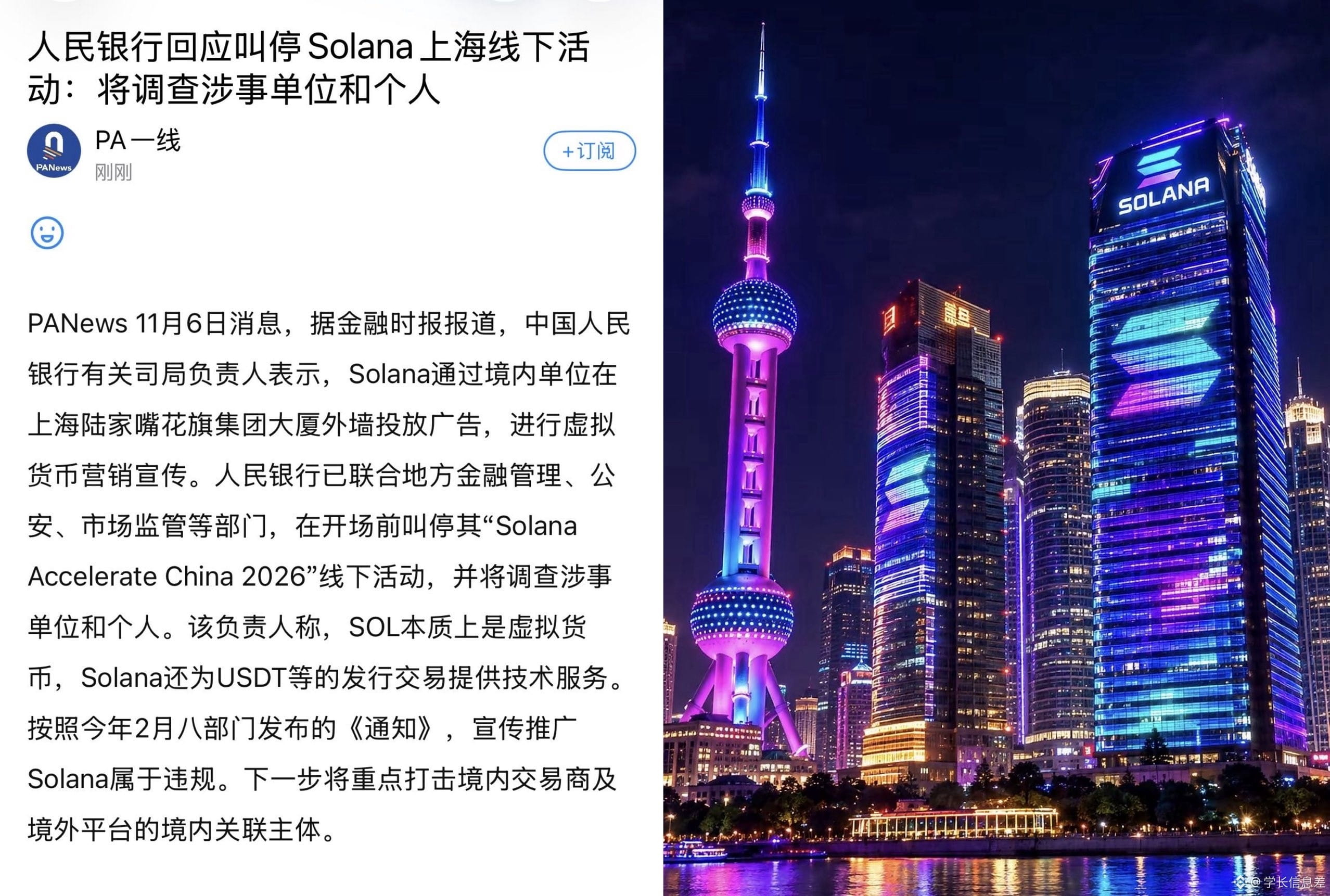
SOL Shanghai has completely fallen through. China's stance is crystal clear: absolutely not…
The Sol conference, originally scheduled to be held in Shanghai, was urgently shut down by multiple government departments before it even opened. The reason was that the organizers had placed advertisements on the exterior walls, openly promoting virtual currencies.
The relevant officials made it clear: SOL itself is a virtual currency, and this public blockchain still provides transaction technology support for assets such as USDT. Under the regulations, this kind of promotion within China is itself a violation. They will also investigate the organizations and individuals involved, with a focus on cracking down on domestic affiliates of overseas platforms.
I doubt any project teams will dare come to China again after this.
4
3
4.4k
·
--
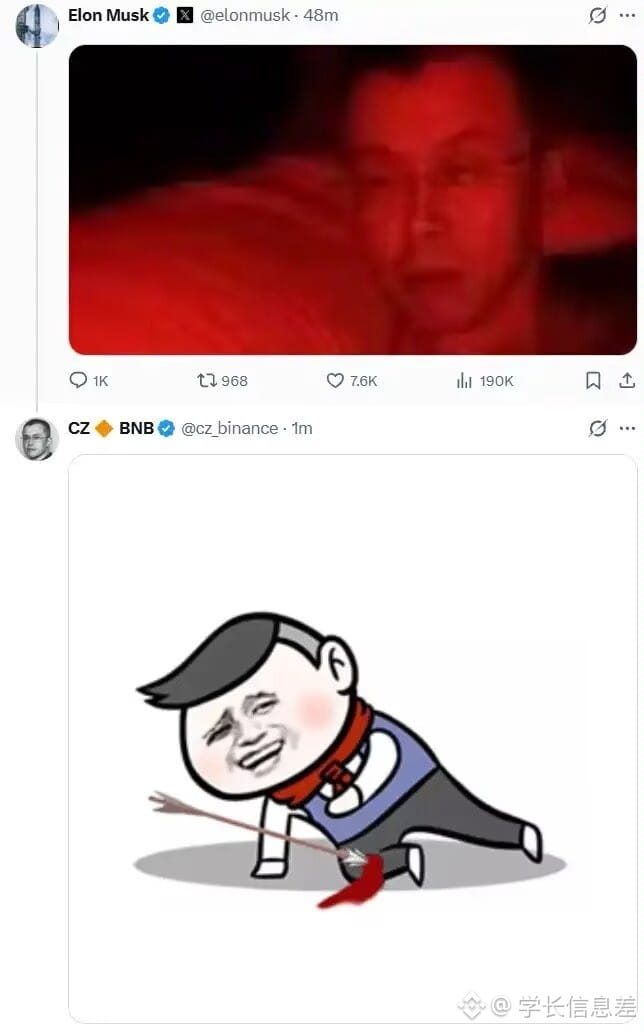
Are rich people always this free? CZ instantly replied to Musk’s meme. I didn’t expect it to drop this much. That hit me where it hurts—what does this image mean?
Are rich people always this free? CZ instantly replied to Musk’s meme. I didn’t expect it to drop this much. That hit me where it hurts—what does this image mean?
1
2
2.6k
·
--
Bearish
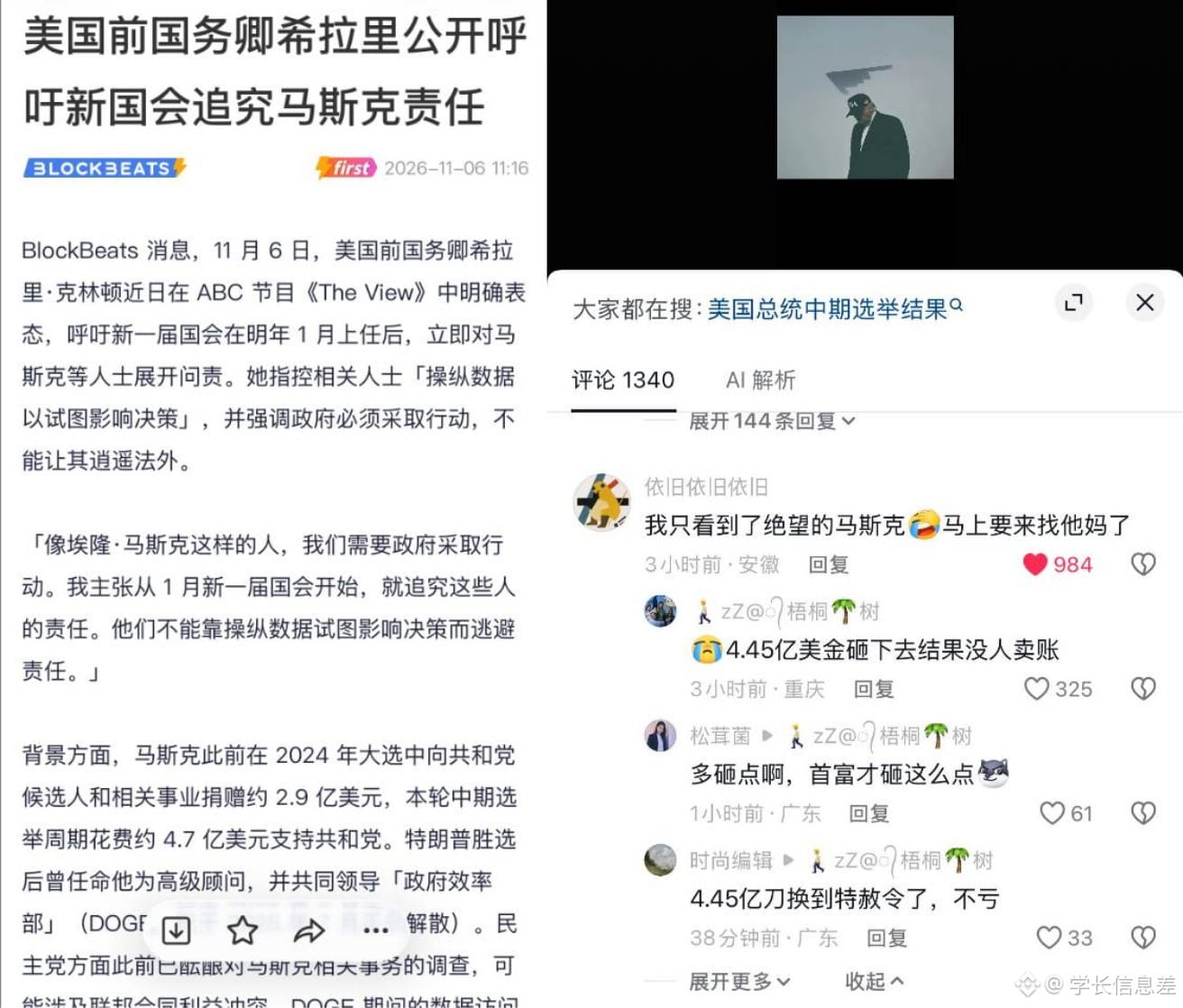
Here comes another big showdown: Hillary publicly calls for Musk to be held accountable!
Just today, Hillary went on a show and declared that as soon as the new Congress takes office next January, it should immediately launch accountability proceedings against Musk. She says Musk is manipulating data and trying to influence public policy, and that he can’t just get away with it.
Anyone who’s been following the drama knows Musk poured a lot of money into supporting the Republicans this time around. He also served as a senior adviser to Trump, and together they worked on the now-famous Department of Government Efficiency.
Musk controls the X platform and is closely tied to Tesla, SpaceX, and the much-discussed DOGE narrative. If a formal investigation is launched, there could be a lot at stake—and everything from U.S. stocks to the crypto market could be shaken up.
What do you think the next two years will be like for Musk?
3
1
1
6.1k
·
--
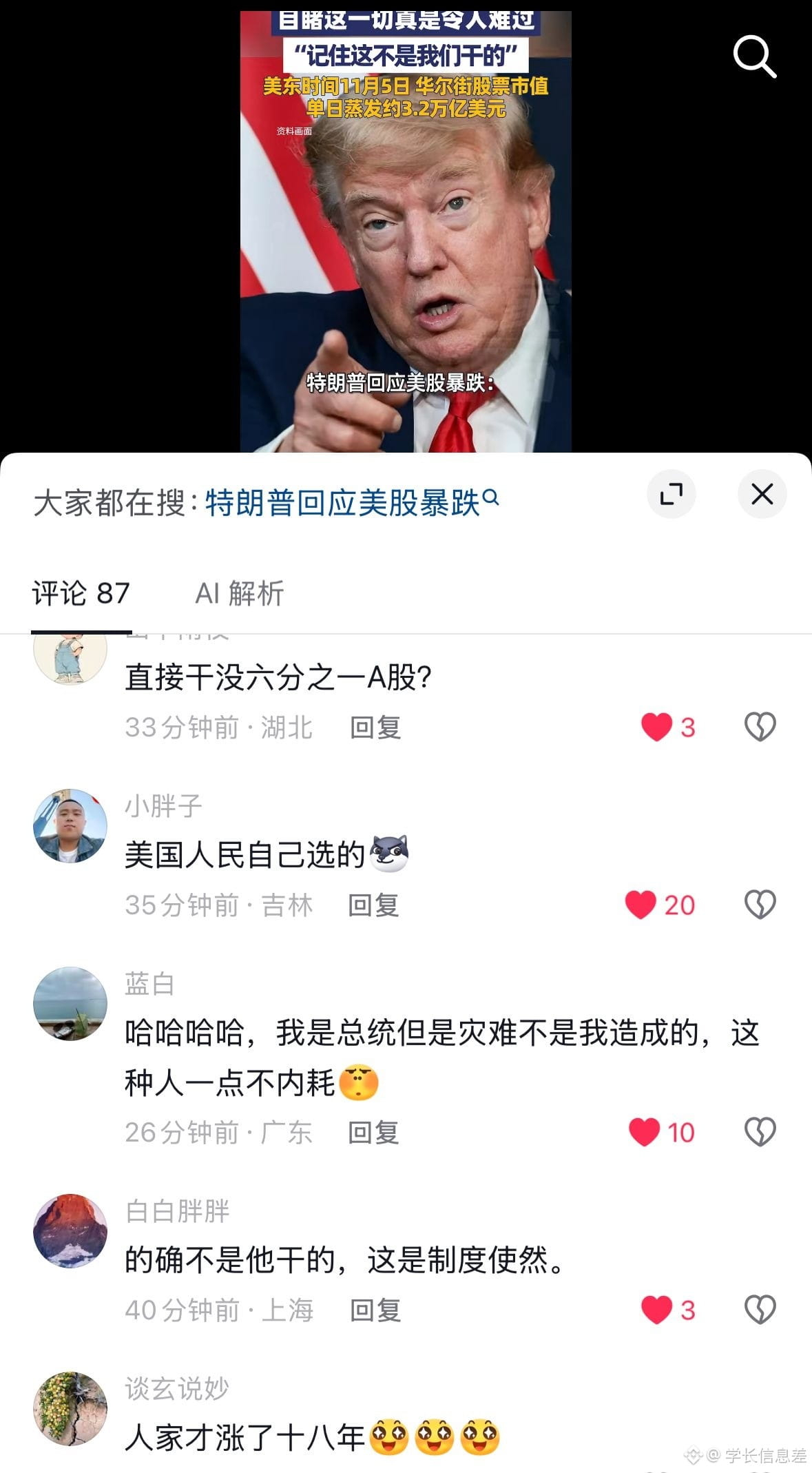
Trump personally responds to the U.S. stock market plunge: “This wasn’t his doing.” Who could have imagined Wall Street would lose $3.2 trillion in a single day!
Faced with a barrage of criticism, Trump fired back with one line: “Remember, we didn’t do this.”
Some have calculated that the losses are roughly equivalent to wiping out one-sixth of the value of China’s A-share market. The American people chose this for themselves, and a market-cap contraction on this scale is bound to have ripple effects abroad. Global markets are watching nervously.
Is this the start of a new downturn, or just an emotional sell-off before a bull market?
2
8
32.8k
·
--
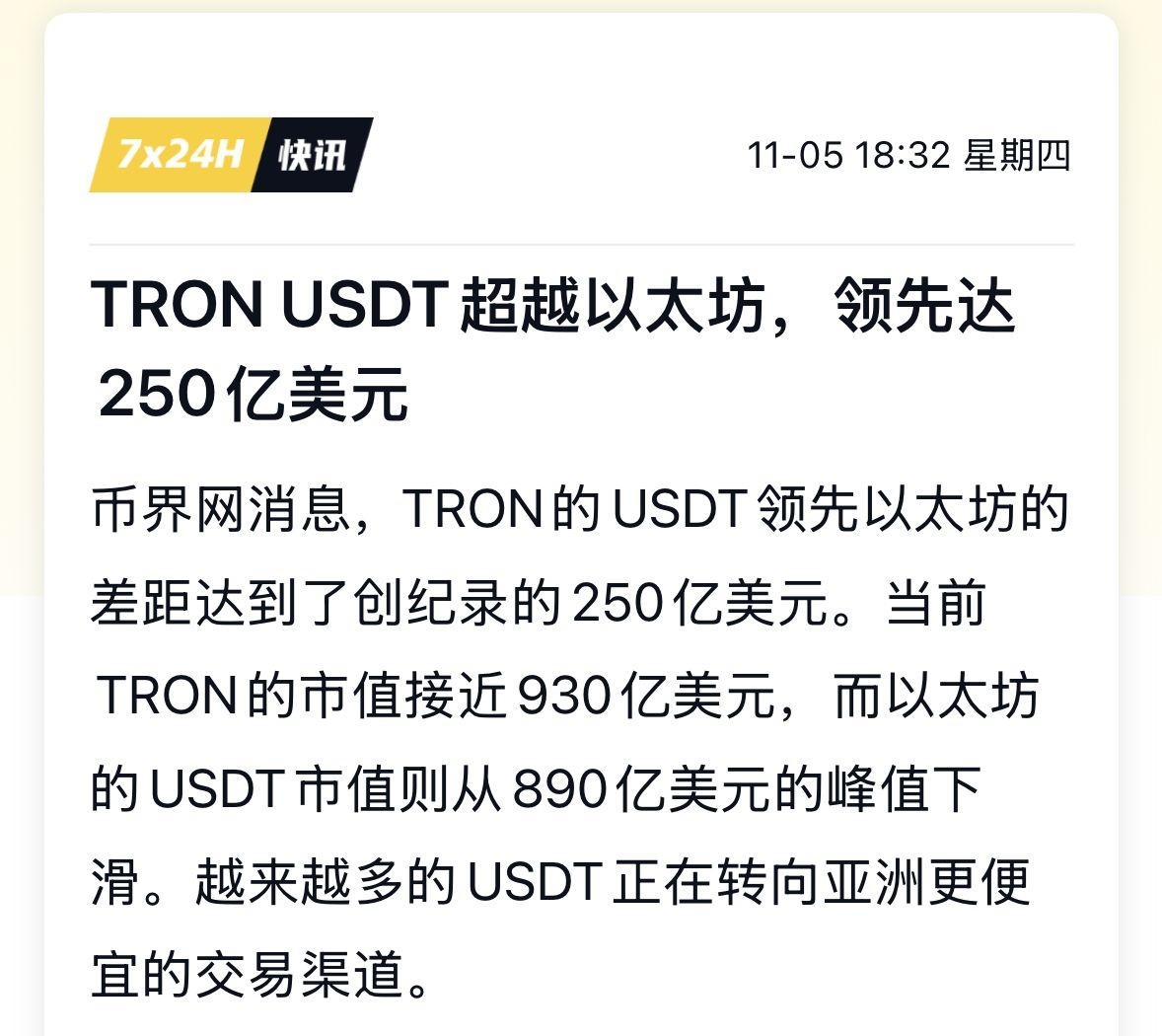
Impressive—so Sun is this powerful! USDT on the TRON network has overtaken Ethereum, with the gap between them hitting a record $25 billion.
Who would have thought stablecoins would see such a dramatic reversal? There’s now nearly $93 billion worth of USDT on TRON, while USDT on Ethereum has been steadily declining from its all-time high of $89 billion.
Stablecoins are the lifeblood of the crypto market, and where they flow is the truest indicator of market sentiment. Why has so much money flowed into Sun’s $TRX this year?
{future}(TRXUSDT)
Impressive—so Sun is this powerful! USDT on the TRON network has overtaken Ethereum, with the gap between them hitting a record $25 billion.
Who would have thought stablecoins would see such a dramatic reversal? There’s now nearly $93 billion worth of USDT on TRON, while USDT on Ethereum has been steadily declining from its all-time high of $89 billion.
Stablecoins are the lifeblood of the crypto market, and where they flow is the truest indicator of market sentiment. Why has so much money flowed into Sun’s $TRX this year?
2
1.6k
·
--
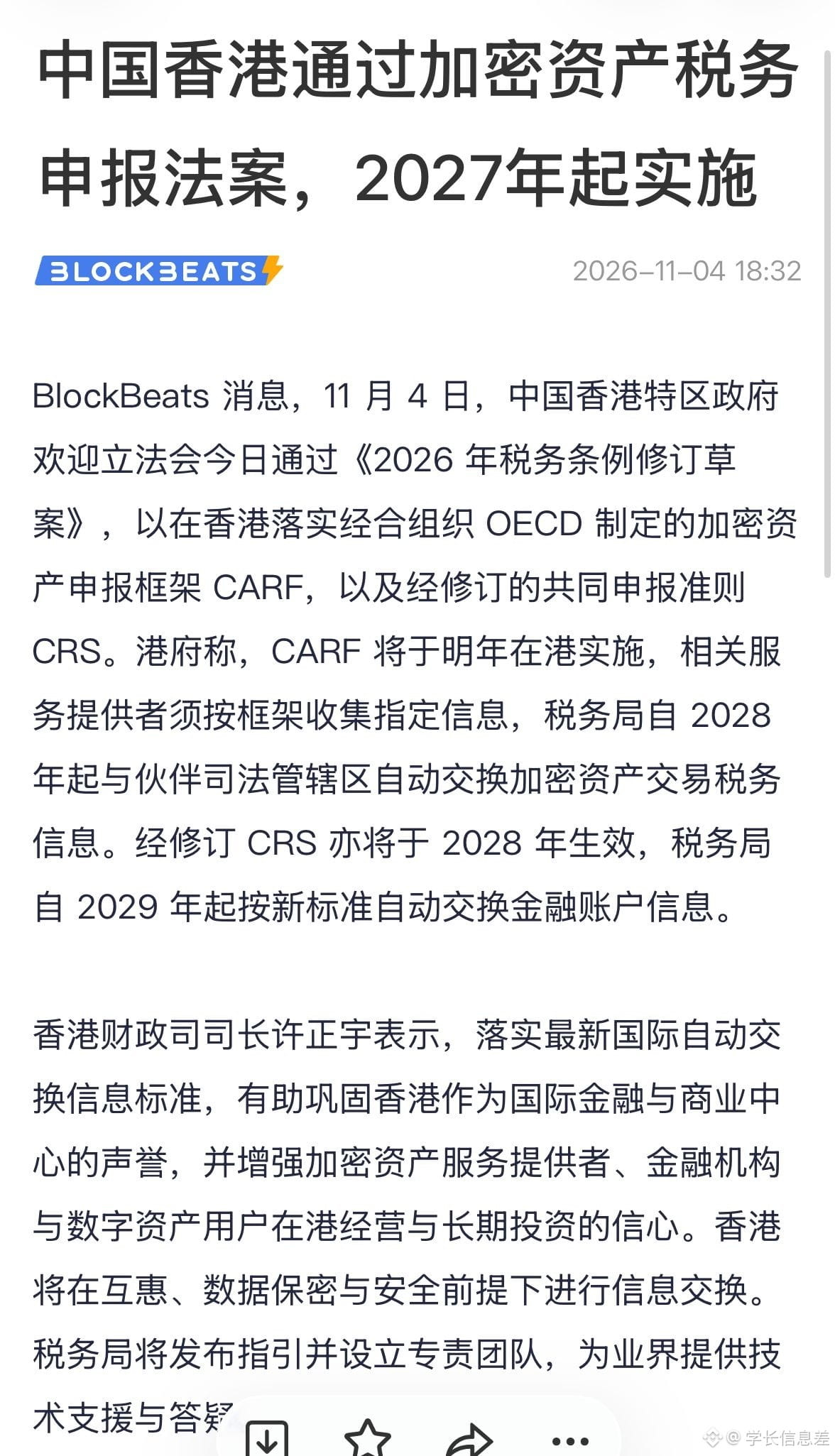
So soon—crypto trading is going to be taxed. Hong Kong is really making it happen this time.
On November 4, Hong Kong officially passed the Inland Revenue (Amendment) Bill 2026. In short, it will implement the Crypto-Asset Reporting Framework (CARF) and the revised CRS. Starting next year, relevant platforms will have to begin collecting your transaction information. By 2028, the tax authorities will automatically exchange crypto-asset tax data with other countries and regions!
In the past, you could buy crypto on-chain without anyone knowing. Now, global tax transparency is really here. Hong Kong says this is to strengthen its position as an international financial center.
So here’s the question: do you think paying taxes is a good thing or a bad thing?
3
1
4
6.3k
·
--
Bearish
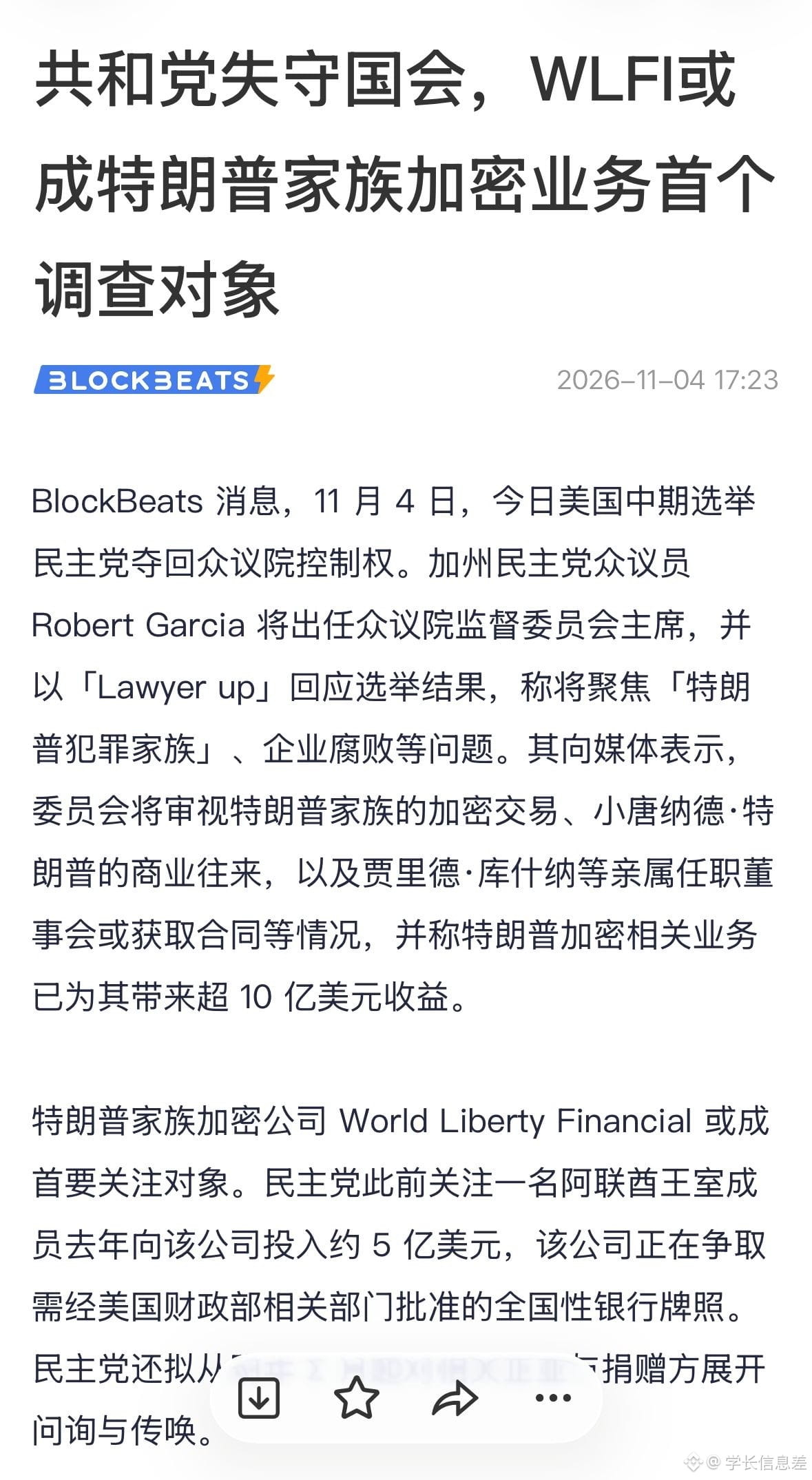
The gloves are off—and now you can short $WLFI again. Trump’s crypto business is about to come under the knife, and the Democrats have turned on him right after winning the election! They’ve taken back the House and are calling out the Trump family’s crypto company, WLFI!
This crypto venture has raked in $1 billion, including a $500 million investment from the UAE royal family.
Now the new chair says they’ll investigate the “crime family” thoroughly, and even Kushner is in their sights. Do you think WLFI can weather this storm? Will the Democrats go after the crypto market next? $WLFI
{future}(WLFIUSDT)
The gloves are off—and now you can short $WLFI again. Trump’s crypto business is about to come under the knife, and the Democrats have turned on him right after winning the election! They’ve taken back the House and are calling out the Trump family’s crypto company, WLFI!
This crypto venture has raked in $1 billion, including a $500 million investment from the UAE royal family.
Now the new chair says they’ll investigate the “crime family” thoroughly, and even Kushner is in their sights. Do you think WLFI can weather this storm? Will the Democrats go after the crypto market next? $WLFI
2
1
2k
·
--
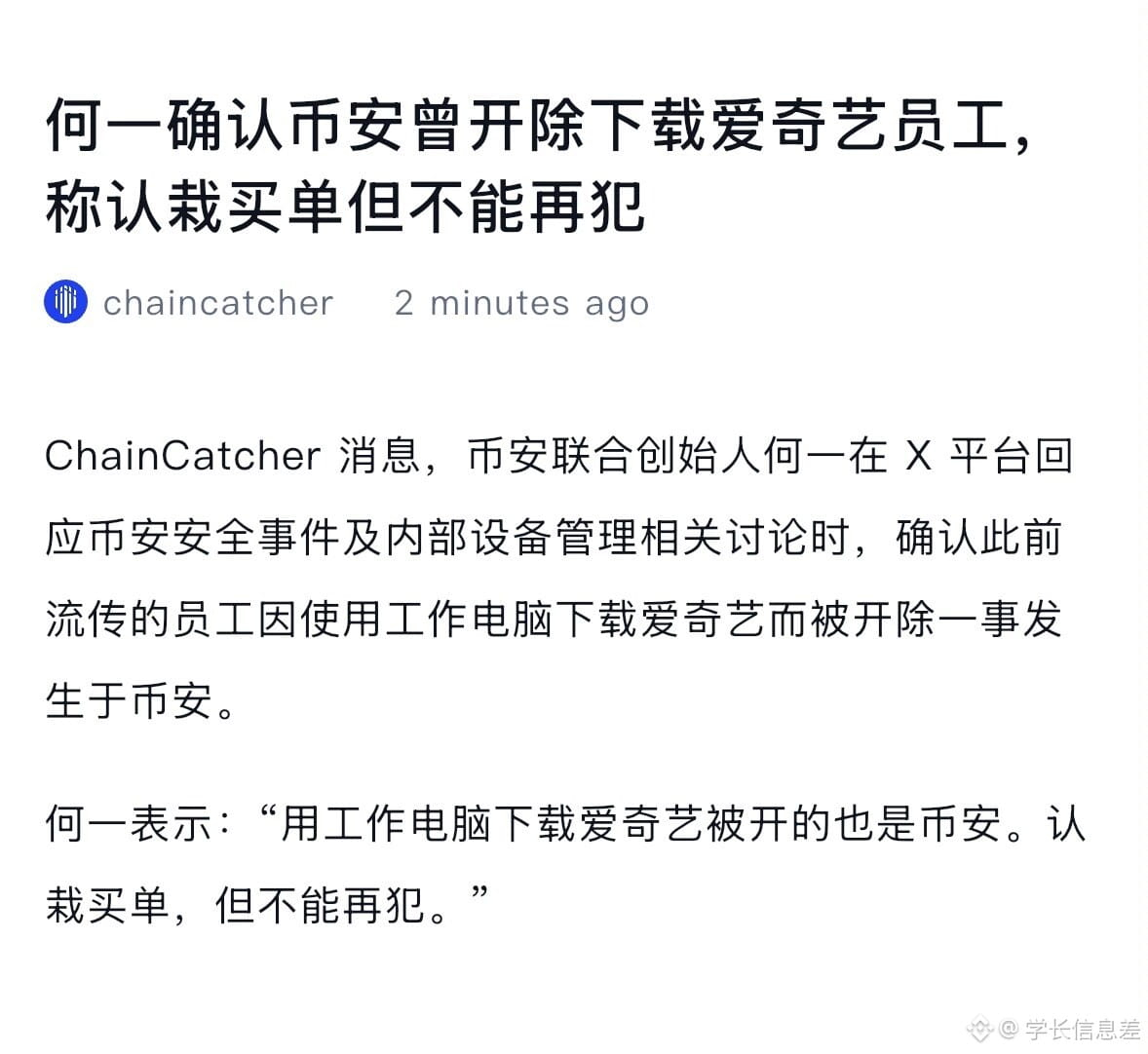
So it really was all iQIYI’s fault! A top female star has publicly confirmed that the widely reported story about an employee being fired for downloading iQIYI on a work computer is true!
She said bluntly, “I’ll take the hit and pay the price, but I won’t make the same mistake again.”
It may seem like it was just about watching a show, but it actually exposed the strict security rules at big tech companies. By the way, are you allowed to download things on your work computer without permission?
5
2
10.7k
·
--
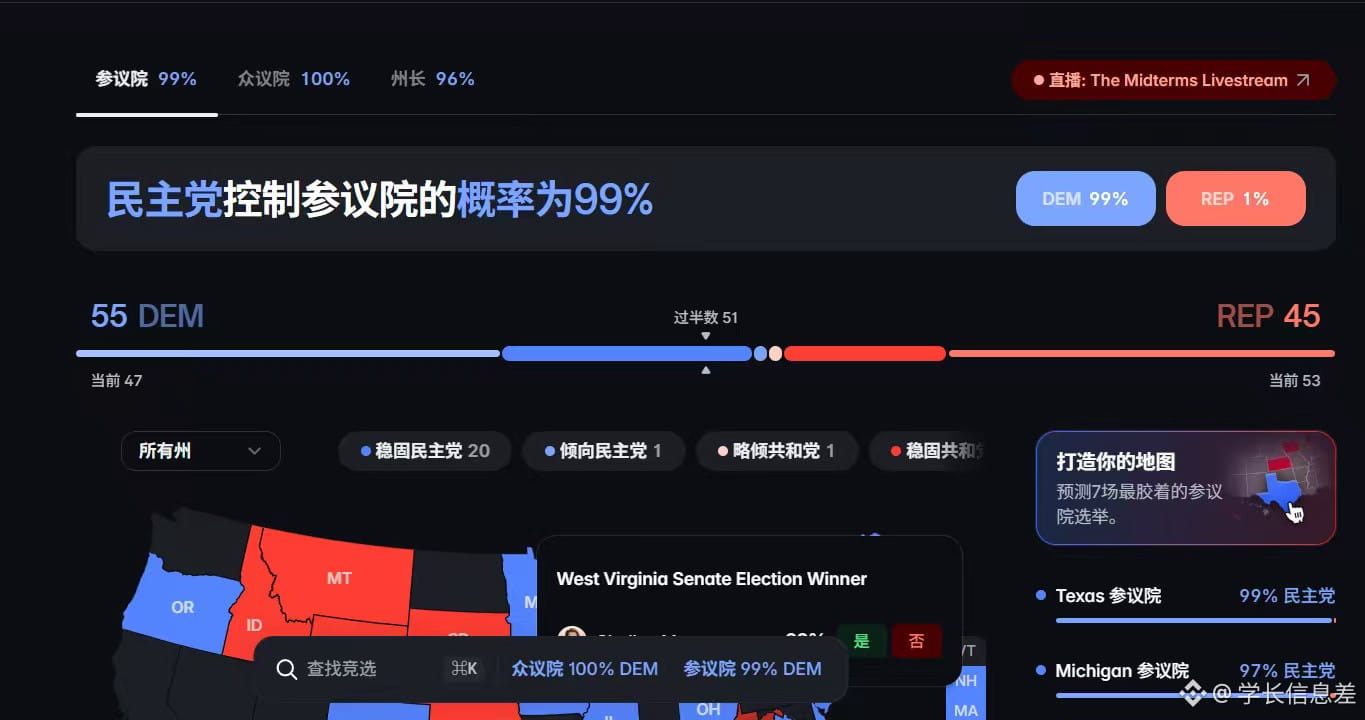
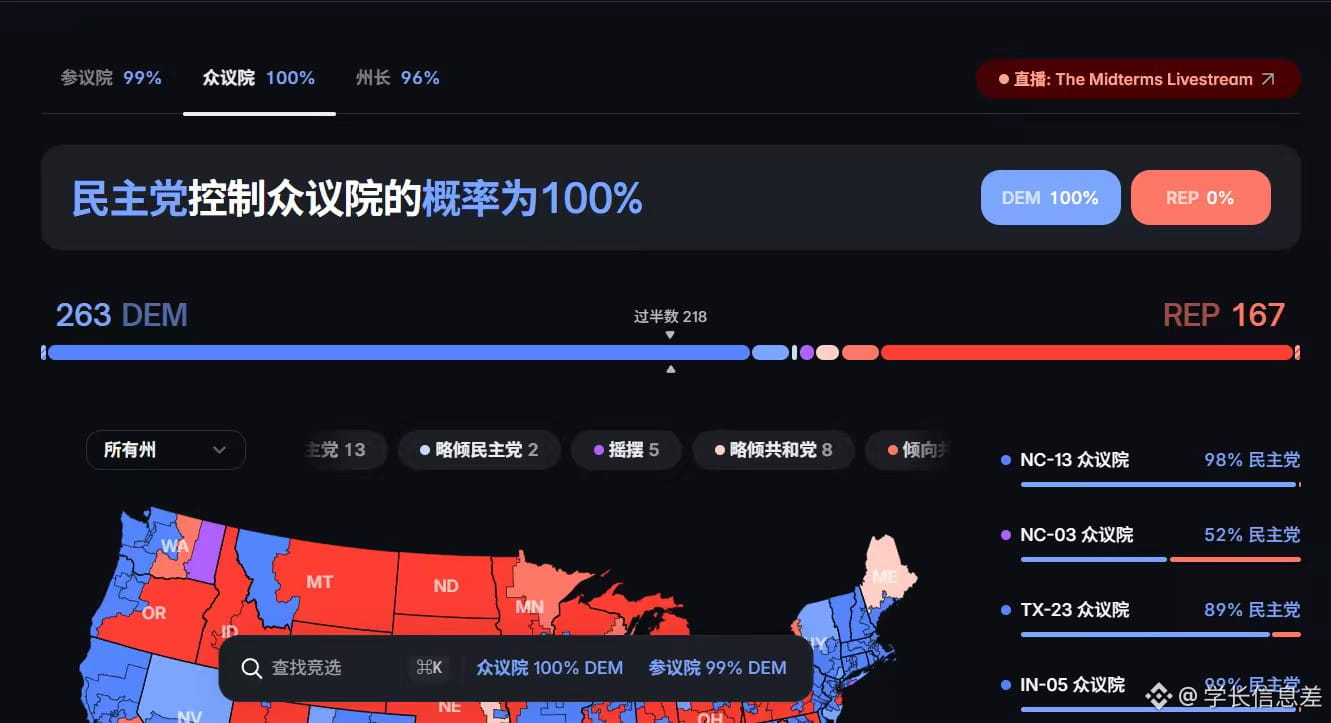
This is already a major defeat. Tell me, is there still a chance for Trump to turn things around?
This is already a major defeat. Tell me, is there still a chance for Trump to turn things around?
3
1
3.6k
·
--
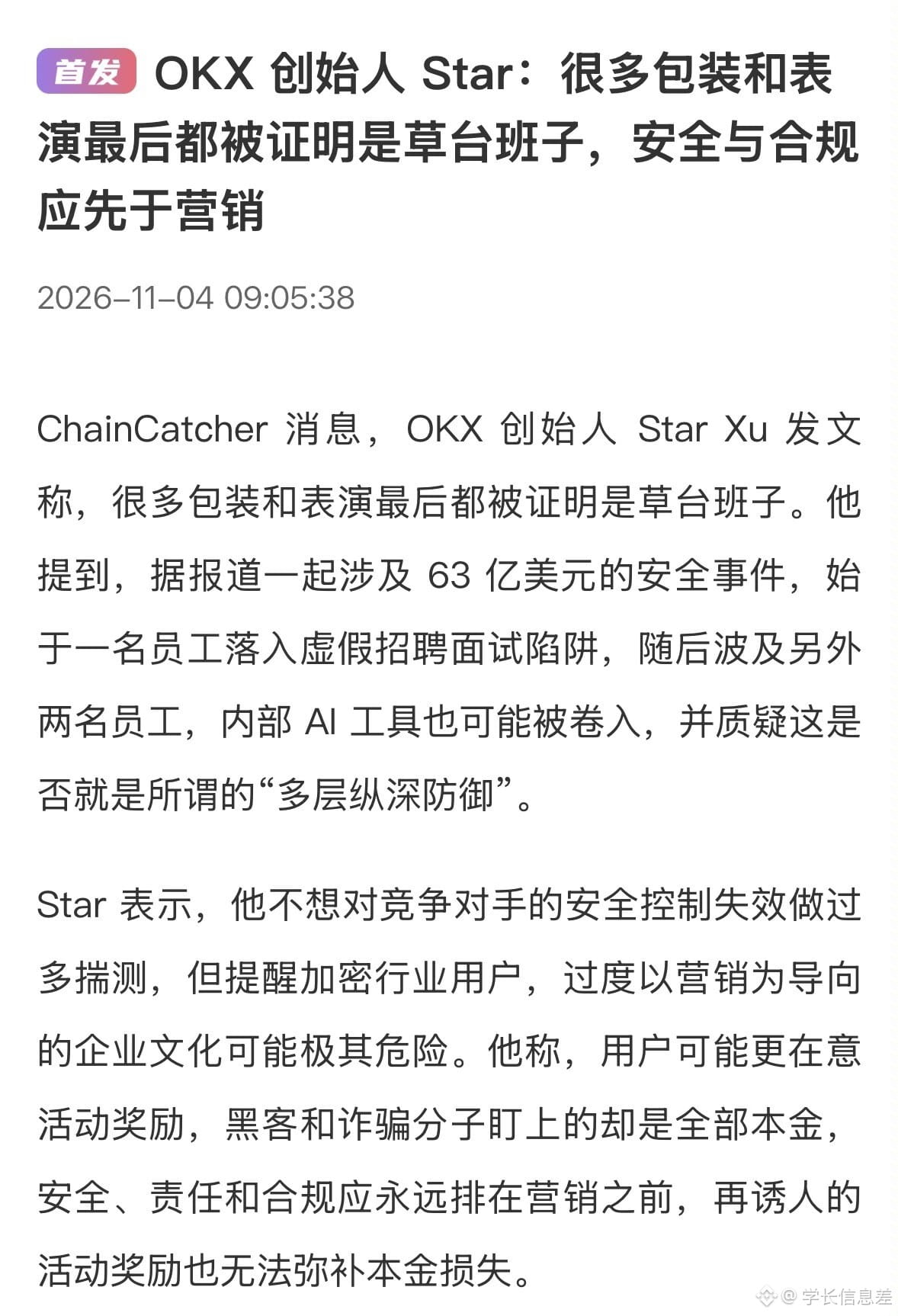
As sharp, swift, and ruthless as ever, Xu Mingxing is back with his sarcastic remarks, saying that a lot of the hype and theatrics ultimately turn out to be nothing more than a slapdash operation. This major security incident affected not only three employees but even implicated an internal AI tool! He directly questioned how this could possibly qualify as “defense in depth.”
Star also reminded crypto users not to focus only on campaign rewards—the hackers are after your entire principal! Security and compliance must come before marketing.
Who is this “slapdash operation” referring to?
Star also reminded crypto users not to focus only on campaign rewards—the hackers are after your entire principal! Security and compliance must come before marketing.
Who is this “slapdash operation” referring to?
1
1.4k
·
--
Today’s life simulation: a broke guy stumbles into crypto and buys a Maybach S680. Has anyone actually pulled this off?
Today’s life simulation: a broke guy stumbles into crypto and buys a Maybach S680. Has anyone actually pulled this off?

3
2k
·
--
Bearish
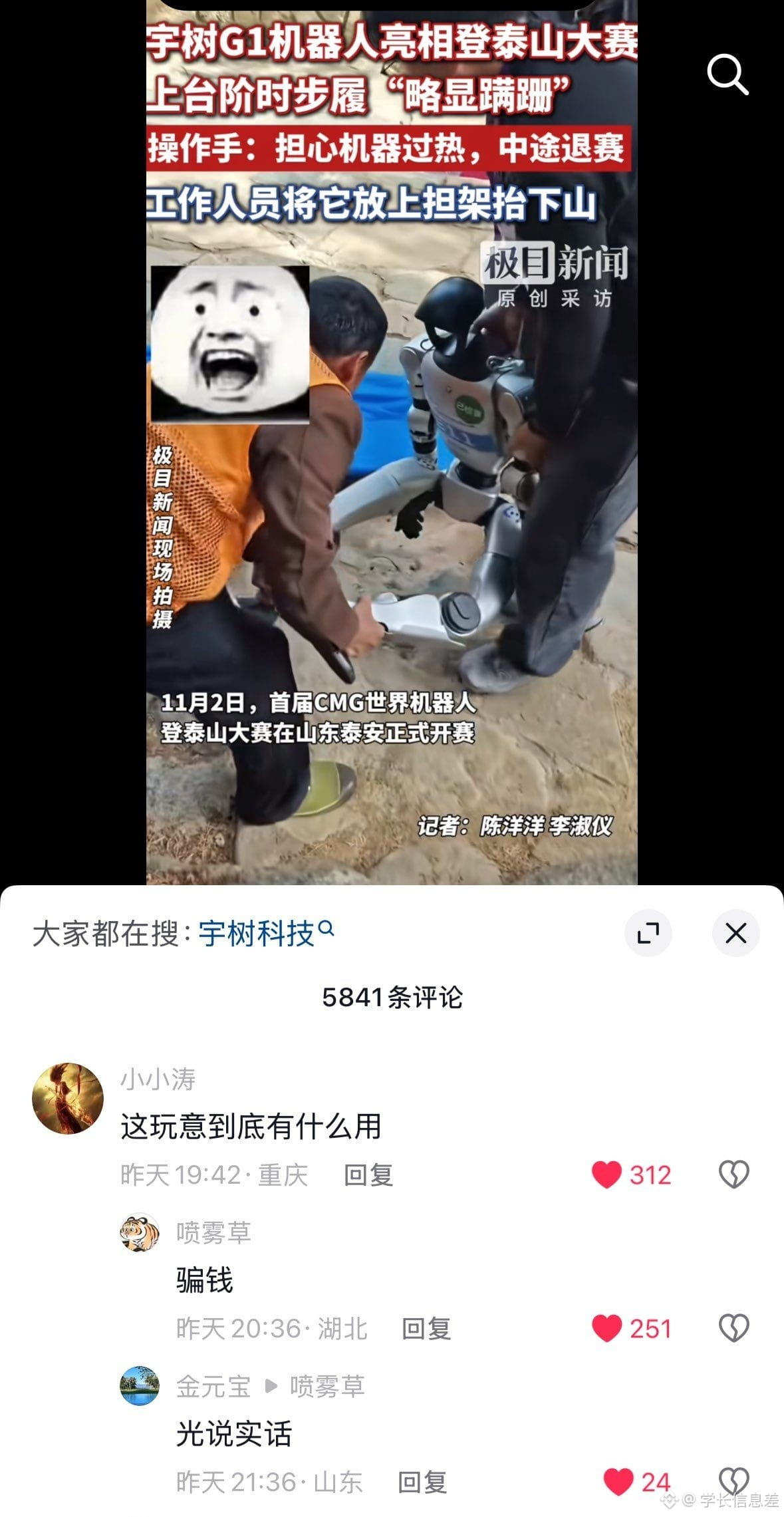
Can we short it now? A robot from a toy factory tried climbing a mountain, dropped out halfway, and was carried back down!
At the Mount Tai climbing competition just the other day, the robot was so “unsteady” on the steps that its operator pulled out for fear it would overheat. In the end, staff put it on a stretcher and carried it down the mountain.
They spent a fortune on this piece of technology, and it can’t even handle the steps at Mount Tai. Unitree Technology’s on-chain price, by contrast, has been remarkably stable these past few days. A few days ago, it was drawing a “door” pattern and raking in funding fees back and forth.
Do you think robots are actually useful now, or is this just hype and speculation?
$UNITREE
{future}(UNITREEUSDT)
Can we short it now? A robot from a toy factory tried climbing a mountain, dropped out halfway, and was carried back down!
At the Mount Tai climbing competition just the other day, the robot was so “unsteady” on the steps that its operator pulled out for fear it would overheat. In the end, staff put it on a stretcher and carried it down the mountain.
They spent a fortune on this piece of technology, and it can’t even handle the steps at Mount Tai. Unitree Technology’s on-chain price, by contrast, has been remarkably stable these past few days. A few days ago, it was drawing a “door” pattern and raking in funding fees back and forth.
Do you think robots are actually useful now, or is this just hype and speculation?
$UNITREE
1
3.1k
·
--
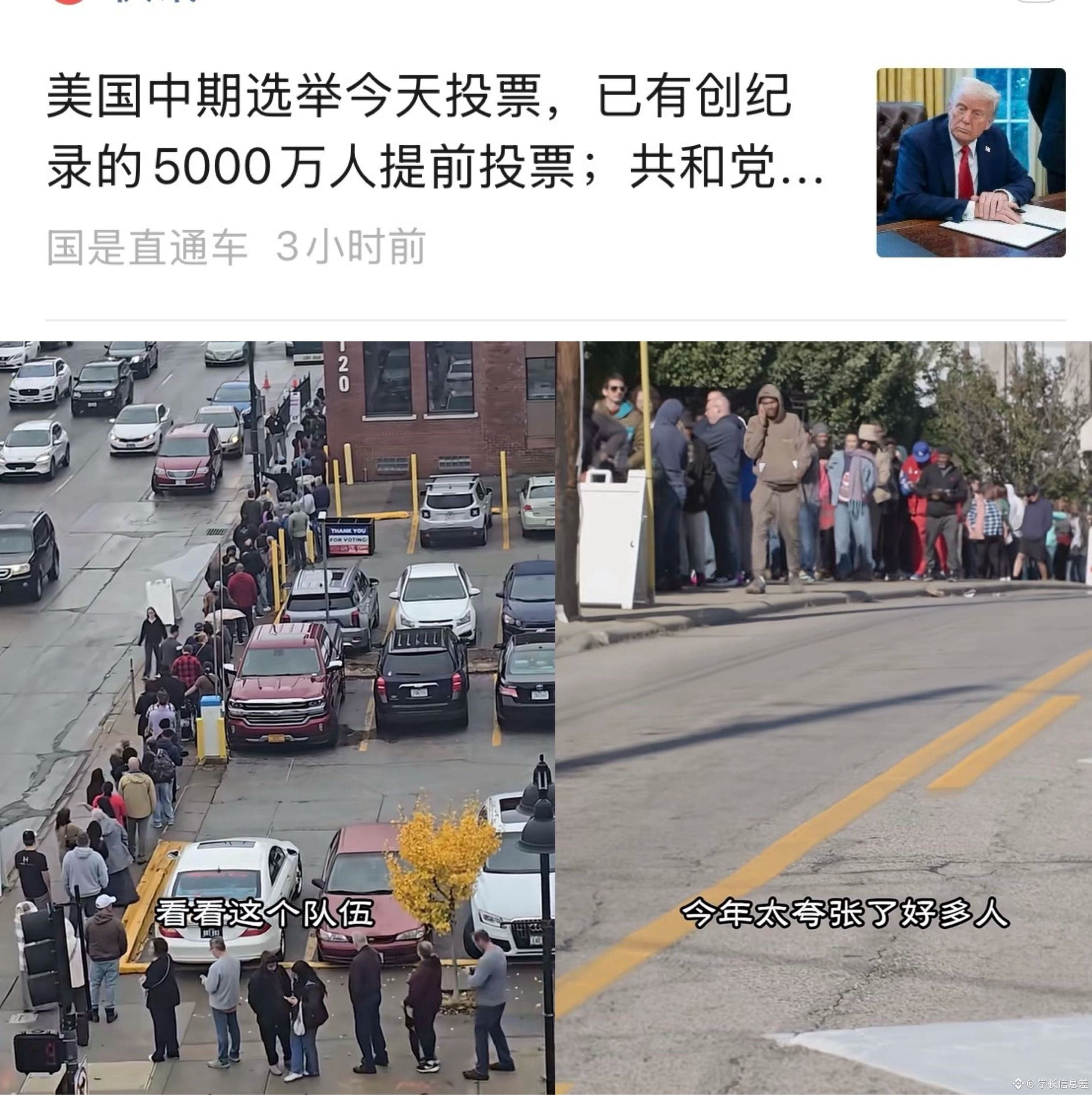
Do none of them have to work? They’re all lining up to vote. Why do Americans have elections all the time—for governor, speaker, both houses… Why does everything have to be decided by a vote?
Do none of them have to work? They’re all lining up to vote. Why do Americans have elections all the time—for governor, speaker, both houses… Why does everything have to be decided by a vote?
62
1
14
51.9k
·
--
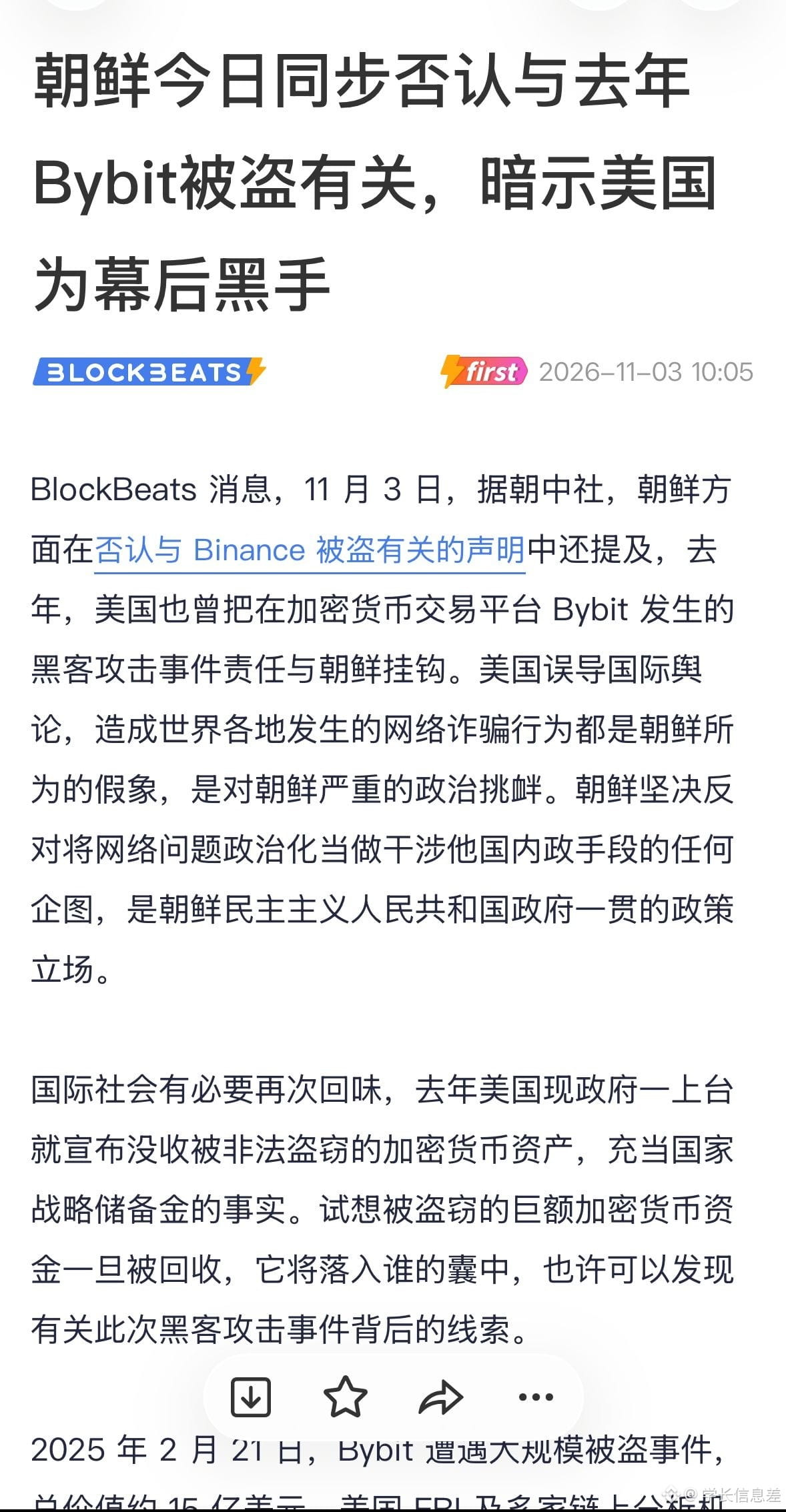
A major twist: both sides are now trading accusations. North Korea has suddenly spoken out, flatly denying any connection to the Bybit and Binance hacks, and even hinting that the United States is the real mastermind!
On November 3, KCNA launched a direct attack, saying the United States is blaming North Korea for online scams worldwide—a blatant political provocation. Even more shocking, after taking office last year, the U.S. turned stolen cryptocurrency into a national strategic reserve!
Think back to last year’s sensational Bybit hack, involving around $1.5 billion. How deep does this story go? Did the stolen funds really end up in someone else’s pockets?
3
7
15.8k
·
--
At last, someone has publicly raised doubts. Hackers stole $6.3 billion, and the FBI immediately turned around and said, “North Korea is to blame!” Why do U.S. agencies keep making North Korea a “scapegoat”?
Whenever there’s a major dollar heist, an investigation points straight to North Korea, but with a major RMB heist, there isn’t even a clue. And since North Korea can’t exactly speak out in response, it’s become the world’s go-to fall guy for balancing the books.
Every time something happens in cybersecurity, North Korea’s name always seems to end up on the list of suspects. Has this routine gotten a little too familiar?
Is there really hard evidence, or are they just looking for a “fall guy” to divert attention? Only the heavens know—and no one would dare publicly question whether Uncle Sam is involved behind the scenes.

17
1
8
30.7k
·
--
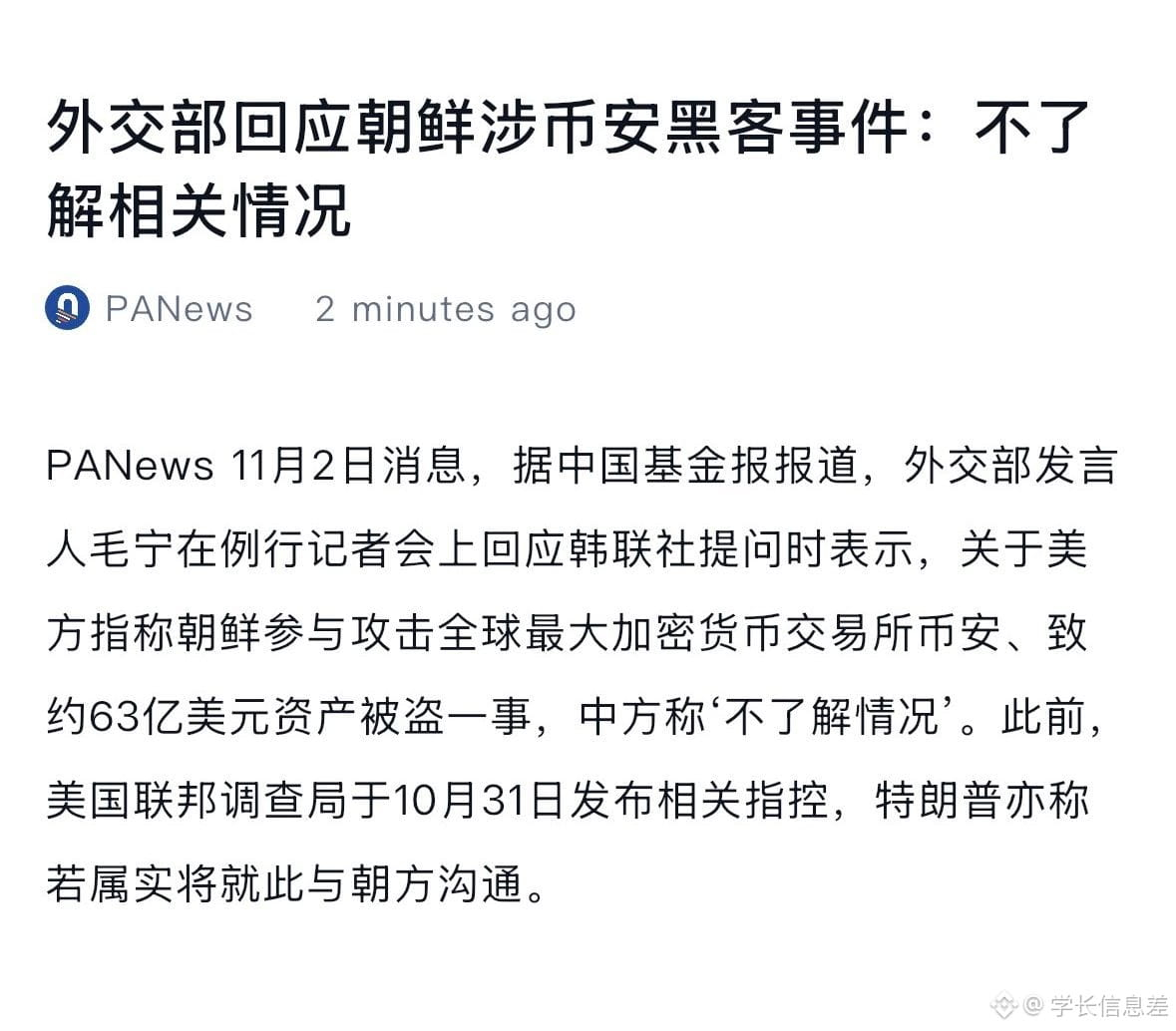
This has already gotten the Ministry of Foreign Affairs involved. Our mom responded that she didn't know the situation... But Trump next door said he'd talk to them. Does Blondie want a piece of the action too?
This has already gotten the Ministry of Foreign Affairs involved. Our mom responded that she didn't know the situation... But Trump next door said he'd talk to them. Does Blondie want a piece of the action too?
80
15
35.7k
·
--
Bearish
What is this toy factory up to now? It’s drawing a door every day. What are the guys who shorted this morning supposed to do!
$UNITREE
{future}(UNITREEUSDT)
What is this toy factory up to now? It’s drawing a door every day. What are the guys who shorted this morning supposed to do!
$UNITREE
$UNITREE
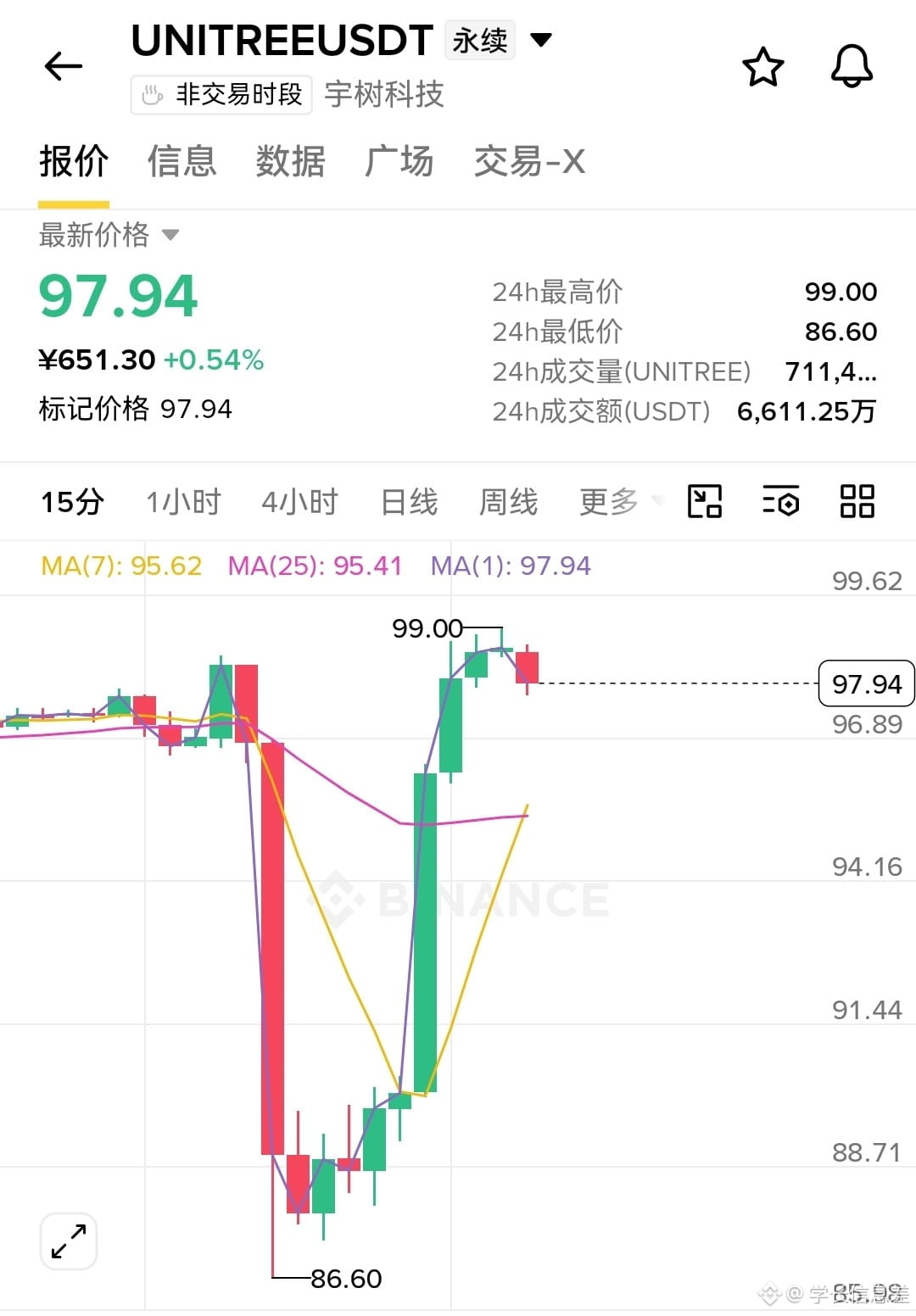
5
1.5k
·
--
Bullish
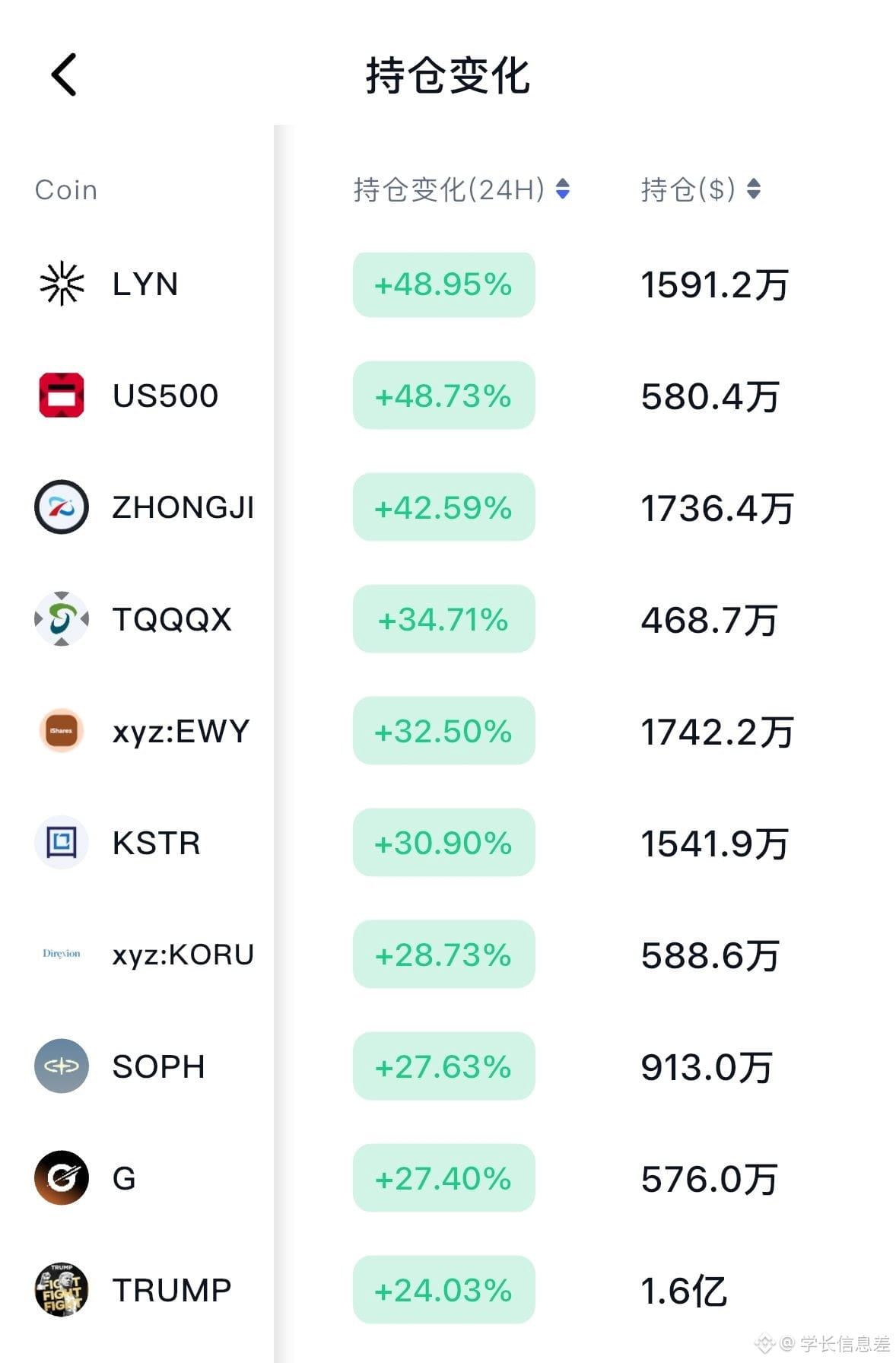
Lyn’s holdings have increased by nearly 50% in the past 24 hours. It doesn’t look like whales are shifting positions; it seems more like a group of retail traders and small investors are passing the baton.
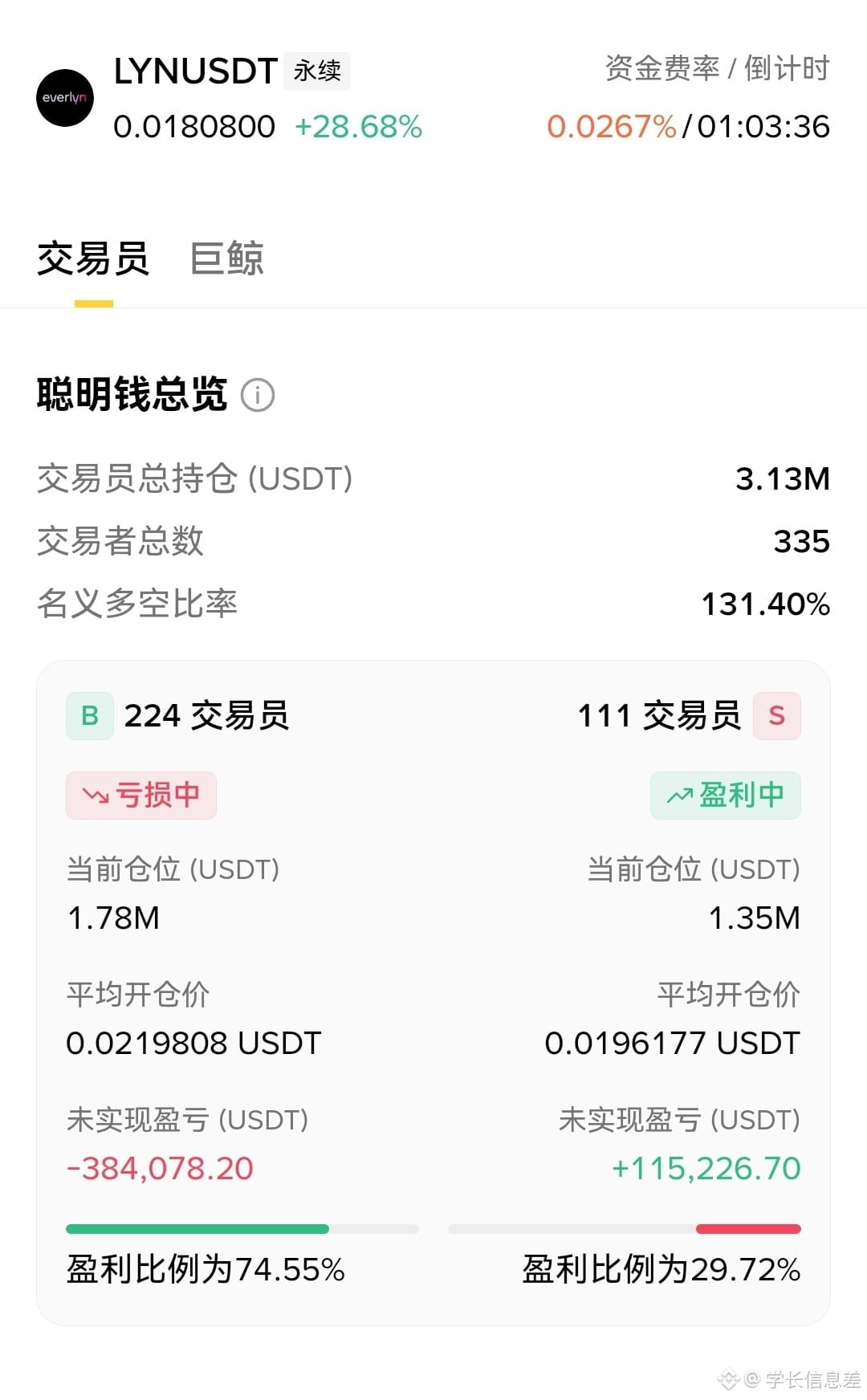
The top 10 addresses hold a combined 90.18%. Smart money accounts for 0% of holdings, and the supply is tightly concentrated. The price is being pushed up mainly by short-term capital, not long-term investors.
If you’re chasing longs, be sure to get out in time, or you could easily get wrecked in a single move. $LYN
{future}(LYNUSDT)
Lyn’s holdings have increased by nearly 50% in the past 24 hours. It doesn’t look like whales are shifting positions; it seems more like a group of retail traders and small investors are passing the baton.
The top 10 addresses hold a combined 90.18%. Smart money accounts for 0% of holdings, and the supply is tightly concentrated. The price is being pushed up mainly by short-term capital, not long-term investors.
If you’re chasing longs, be sure to get out in time, or you could easily get wrecked in a single move. $LYN
1
1.8k
·
--
Verified
Attention everyone trading US stocks: Starting today, US markets are switching to standard time. They’ll open at 10:30 p.m. and close at 5 a.m.
You can now trade US stocks directly on all the major exchanges, with contracts available around the clock, all year long. At least now, when you spot an opportunity in US stocks, you can trade it—before, you could only watch, with nowhere to trade.
Also, starting in December, US stocks will begin trading 23 hours a day. Could this directly disrupt other markets?

2
2.3k
Log in to explore more content
Join global crypto users on Binance Square
⚡️ Get latest and useful information about crypto.
💬 Trusted by the world’s largest crypto exchange.
👍 Discover real insights from verified creators.
Email / Phone number
Trending Topics
BitcoinRebounds$75KAsChipsLead
5,485 views
105 Discussing
Market Watch | Bitcoin Rebounds to $75,600 After Dip Below $75,000 as Chip Stocks Lead Rally on Jobs Beat
Binance News
·12 Likes
·4.4k views
JobsReportRaisesHikeOdds
85,151 views
856 Discussing
US Data Center Rules May Constrain AI Expansion
10,637 views
94 Discussing