
So, I got into micropayments using blockchain, and it was clear right away that most setups just couldn't handle tiny transactions well. Fees were too high, stuff took forever, and it was all kind of random. Forget about doing anything cool with it. Then I tried Plasma, and it totally flipped my view. Turns out, you can tweak a blockchain to nail those fast, cheap payments.
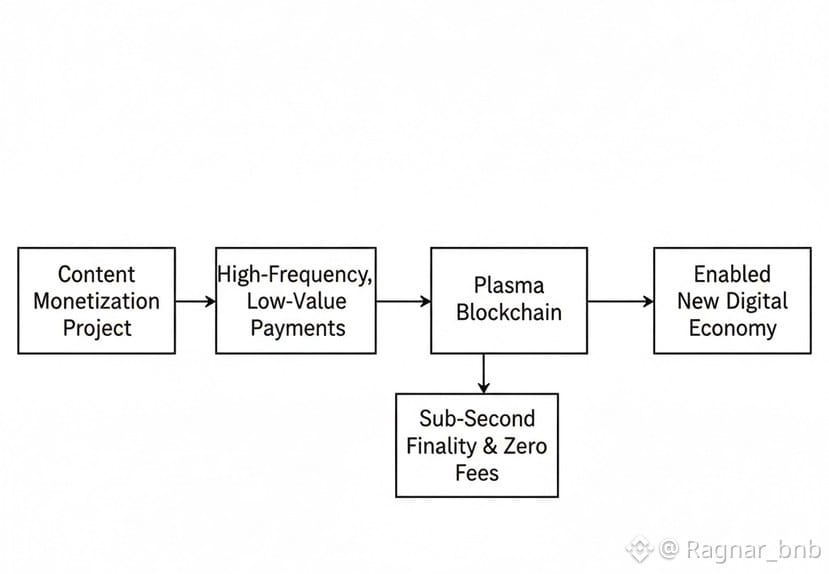
I was messing around with a project to let people pay for content. Think articles, videos, the usual. Regular blockchains? Forget it. The fees would eat up the whole payment. But on Plasma, we had zero-fee stablecoin stuff. Suddenly, paying a few cents made sense. People weren't losing cash just to make a payment.
The speed was a big deal, too. Micropayments need to be quick. No one's waiting ages for each payment to go through. Plasma was sub-second. Boom, done. It felt like using a card or a digital wallet, which is key if you want people to actually use it.
And it was solid. Crypto that jumps around all the time doesn't work for this. You need to know what you're spending. Plasma used stablecoins, so every payment stayed the same. I could set prices and keep creators happy.
Building on Plasma was also pretty easy. It plays nice with existing Ethereum tools, so I could use the same code. Setting up smart contracts for balances and stuff was simple. Debugging? Way easier than on some new platforms.
As more people jumped on, we needed to scale. Blockchains can choke when things get busy. But Plasma handled tons of payments at once. Even when it was packed, it kept going. That was a lifesaver for keeping users happy and avoiding problems.
Streaming payments? That's where Plasma shined. I tried out systems where people paid as they went for music, cloud stuff, even online lessons. Plasma's speed made it doable. Payments every few seconds? No problem for the network.
Getting people started was smooth, too. Most folks don't get blockchain stuff like gas fees. Plasma hid all that junk. New users just started paying without needing special coins or knowing a bunch of technical stuff.
Security was always top of my mind. Lots of small payments can attract fraud. Plasma's setup kept things secure, even with tons of transactions. That gave everyone peace of mind.
Suddenly, more ways to make money opened up. Creators could charge per view or minute, no ads needed. Small businesses could do pay-as-you-go services. Before, it was too expensive. Plasma made it real.
And it was all out in the open. Every payment was on the blockchain, so you could track everything. That cut down on arguments and made sharing revenue simple. The smart contracts just handled it all.
As things took off, I tied in other financial stuff. People could save their earnings, invest, or send money to family. Plasma let it all work together.
During tests, I saw how Plasma handled sudden surges. If something went viral, payments would spike. Plasma stayed fast and steady. That's what you need when people get excited.
Privacy became important as payments grew. Plasma let us explore ways to keep things private while still being open. Users could stay confidential and still get the benefits of the system.
From where I stand, micropayments gave creators a boost. People could make money from small skills that wouldn't pay off before. Plasma helped make things more inclusive, where even tiny contributions add up.
Looking forward, I see micropayments as key for things like decentralized media and AI. Plasma's speed makes it ideal for those future uses. Machines paying machines in real-time? Totally doable.
Basically, my time with Plasma showed how blockchain can unlock new ways to make money. Zero fees, fast speeds, stablecoins, and strong security make those small transactions practical. For developers and users, it's a foundation for doing things beyond normal payment systems.
