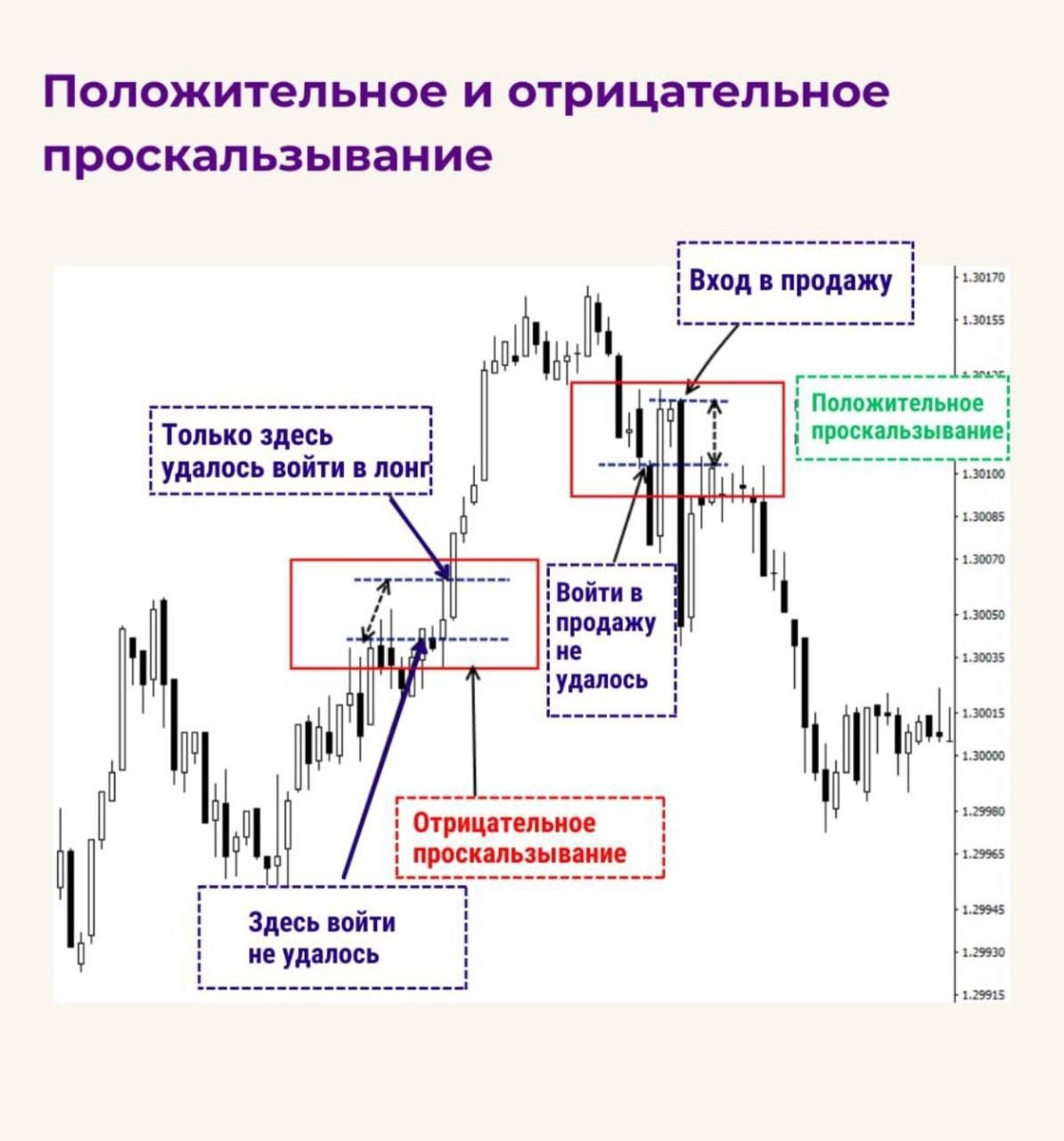
Slippage is a situation where a trade is opened or closed at a price worse than you planned.
Moreover, this applies to all markets: crypto, stocks, forex. And not only entries, but also stop-losses and take-profits.
In short - the market is not obligated to fulfill your wishes.
It executes liquidity.
Let’s figure out why slippage happens and how to minimize it ⬇️
❔Why does slippage occur
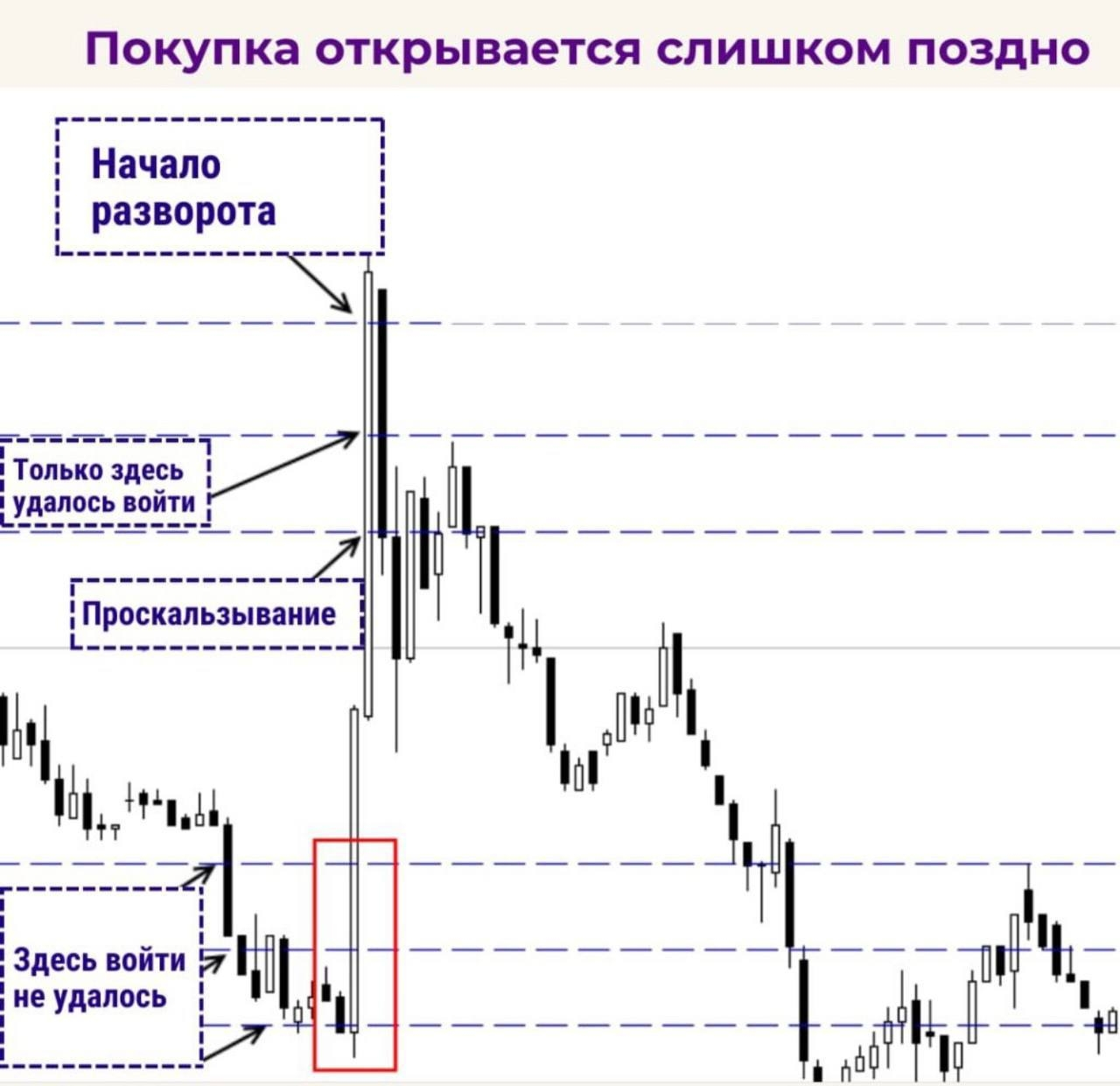
Sudden price movements. Most often at the beginning of a reversal or on a momentum move. The price moves fast, and the order is filled where you managed to get it.
Low liquidity. Especially for altcoins at night and in low-liquidity instruments.
News releases and session openings. At the moment news comes out or when America and Europe open, the market moves so abruptly that neither the take-profit nor the stop-loss gets triggered.
Gaps after the weekend. You left a trade for the weekend—on Monday you got a surprise.
❔How to reduce the impact of slippage
Technical foundation. Stable internet, closed unnecessary programs, and normal terminal speed.
Terminal settings. If possible, specify the allowable slippage. But it’s important to understand that there is no complete protection.
Execution type. ECN reduces the impact of intermediaries. Instant Execution gives a strict price, but requotes are possible.
Avoid trading around news. News is chaos. The price may pass a level without a single trade.
Control of positions before the end-of-week/trading day. If you’re a trader, not an investor, it’s better to lock in the result than to catch a gap in
Monday.
Increase the timeframe. Less noise means less slippage. Intraday instead of scalping solves half the problems.