

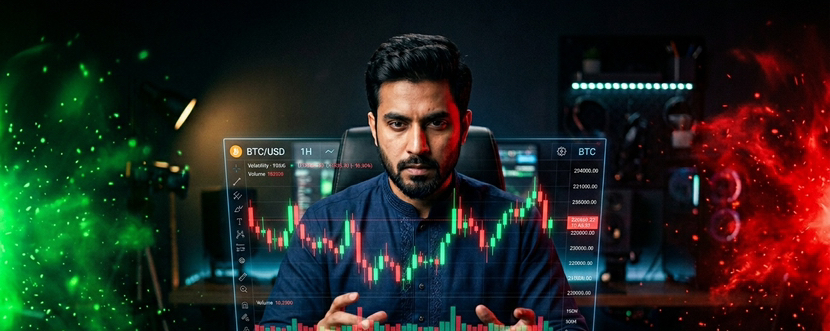


The most profitable opportunities in the financial markets frequently emerge during moments of significant psychological tension rather than when things feel certain. Most market participants spend their time searching for a sense of security, yet there is a consistent disconnect between what feels safe and what is statistically likely to result in a win. While a comfortable trade usually matches the current popular opinion, high-probability setups often require moving against the crowd, which naturally creates a feeling of deep hesitation or internal resistance.
Markets are essentially structured to exploit the human desire for comfort. When price action appears perfect and the general consensus is unanimous, the liquidity necessary for a major reversal is often being gathered. Conversely, the most effective entries tend to appear when the market looks the most dangerous or unpredictable. This feeling of discomfort is frequently a signal that the trade is occurring at a point of exhaustion for the opposing side or during a liquidity sweep where most retail traders have been forced out.
Achieving success as a trader requires a fundamental mental shift where discomfort is viewed as a marker of a high-quality setup rather than a reason to avoid it. Professionalism involves executing a plan even when every instinct suggests waiting for more confirmation. By the time a trade feels entirely safe, the ideal entry price has usually vanished, and the risk-to-reward ratio has shifted in favor of those who were willing to take action while the situation still felt uneasy.
Developing a long-term advantage means learning to be comfortable with being uncomfortable. This process involves placing more trust in a backtested strategy than in the immediate emotional feedback provided by a moving chart. When a setup meets all technical requirements but remains difficult to execute, it is often because that specific moment reflects the reality of market mechanics, which transfer value from those seeking the safety of the crowd to those with the discipline to stand alone.