

#fintech
fintech
842,030 views
4,923 Discussing
Hot
Latest

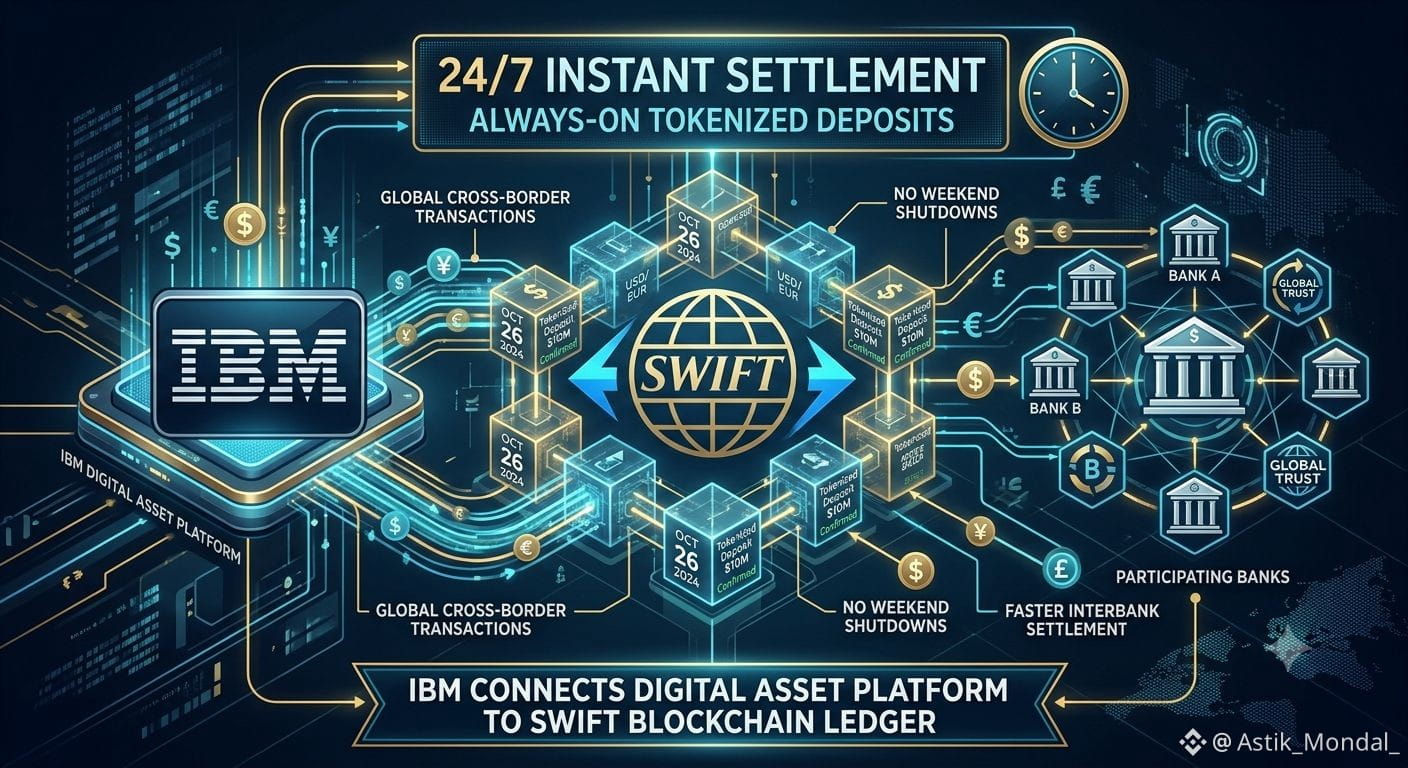
🚨 JUST IN: IBM JUST CONNECTED ITS DIGITAL ASSET PLATFORM TO SWIFT’S BLOCKCHAIN LEDGER.
Banks could now move tokenized deposits around the clock 24/7.
This is bigger than another blockchain integration.
Traditional banking infrastructure is increasingly connecting with blockchain rails.
The goal?
Move digital representations of bank money across institutions with faster, always-on settlement.
No waiting for traditional banking hours.
No weekend shutdowns.
And potentially fewer friction points in cross-border transactions.
IBM + Swift connecting these systems shows where the financial industry is heading:
Not necessarily replacing banks with crypto.
But putting traditional bank money and financial infrastructure on blockchain rails.
Tokenized deposits are moving from concept to real-world infrastructure.
The race to build the 24/7 financial system is accelerating.
#Blockchain #Tokenization #Crypto #Banking #Fintech
🚨 JUST IN: IBM JUST CONNECTED ITS DIGITAL ASSET PLATFORM TO SWIFT’S BLOCKCHAIN LEDGER.
Banks could now move tokenized deposits around the clock 24/7.
This is bigger than another blockchain integration.
Traditional banking infrastructure is increasingly connecting with blockchain rails.
The goal?
Move digital representations of bank money across institutions with faster, always-on settlement.
No waiting for traditional banking hours.
No weekend shutdowns.
And potentially fewer friction points in cross-border transactions.
IBM + Swift connecting these systems shows where the financial industry is heading:
Not necessarily replacing banks with crypto.
But putting traditional bank money and financial infrastructure on blockchain rails.
Tokenized deposits are moving from concept to real-world infrastructure.
The race to build the 24/7 financial system is accelerating.
#Blockchain #Tokenization #Crypto #Banking #Fintech
Banks could now move tokenized deposits around the clock 24/7.
This is bigger than another blockchain integration.
Traditional banking infrastructure is increasingly connecting with blockchain rails.
The goal?
Move digital representations of bank money across institutions with faster, always-on settlement.
No waiting for traditional banking hours.
No weekend shutdowns.
And potentially fewer friction points in cross-border transactions.
IBM + Swift connecting these systems shows where the financial industry is heading:
Not necessarily replacing banks with crypto.
But putting traditional bank money and financial infrastructure on blockchain rails.
Tokenized deposits are moving from concept to real-world infrastructure.
The race to build the 24/7 financial system is accelerating.
#Blockchain #Tokenization #Crypto #Banking #Fintech
1
10

·
--
🔥 BIG MOVE IN BANKING INFRASTRUCTURE
IBM is now connecting its Digital Asset Haven platform with Swift’s blockchain-based shared ledger, allowing participating banks to move tokenized deposit obligations 24/7.
What caught my attention is that this isn’t just another blockchain experiment. The focus is on connecting existing banking infrastructure with tokenized money while keeping established standards and compliance processes in place.
Swift’s ledger is designed to give banks an always-on layer for coordinating cross-border payments, including weekends and overnight transactions.
To me, this is another sign that blockchain adoption in finance may happen quietly through the infrastructure banks already trust — rather than through completely new financial systems.
The bigger question is how quickly tokenized deposits can move from pilots into everyday global payments.
$NVDAB $AAPLB
#Blockchain #Tokenization #DigitalAssets #crypto #fintech
🔥 BIG MOVE IN BANKING INFRASTRUCTURE
IBM is now connecting its Digital Asset Haven platform with Swift’s blockchain-based shared ledger, allowing participating banks to move tokenized deposit obligations 24/7.
What caught my attention is that this isn’t just another blockchain experiment. The focus is on connecting existing banking infrastructure with tokenized money while keeping established standards and compliance processes in place.
Swift’s ledger is designed to give banks an always-on layer for coordinating cross-border payments, including weekends and overnight transactions.
To me, this is another sign that blockchain adoption in finance may happen quietly through the infrastructure banks already trust — rather than through completely new financial systems.
The bigger question is how quickly tokenized deposits can move from pilots into everyday global payments.
$NVDAB $AAPLB
#Blockchain #Tokenization #DigitalAssets #crypto #fintech
IBM is now connecting its Digital Asset Haven platform with Swift’s blockchain-based shared ledger, allowing participating banks to move tokenized deposit obligations 24/7.
What caught my attention is that this isn’t just another blockchain experiment. The focus is on connecting existing banking infrastructure with tokenized money while keeping established standards and compliance processes in place.
Swift’s ledger is designed to give banks an always-on layer for coordinating cross-border payments, including weekends and overnight transactions.
To me, this is another sign that blockchain adoption in finance may happen quietly through the infrastructure banks already trust — rather than through completely new financial systems.
The bigger question is how quickly tokenized deposits can move from pilots into everyday global payments.
$NVDAB $AAPLB
#Blockchain #Tokenization #DigitalAssets #crypto #fintech
57

Article
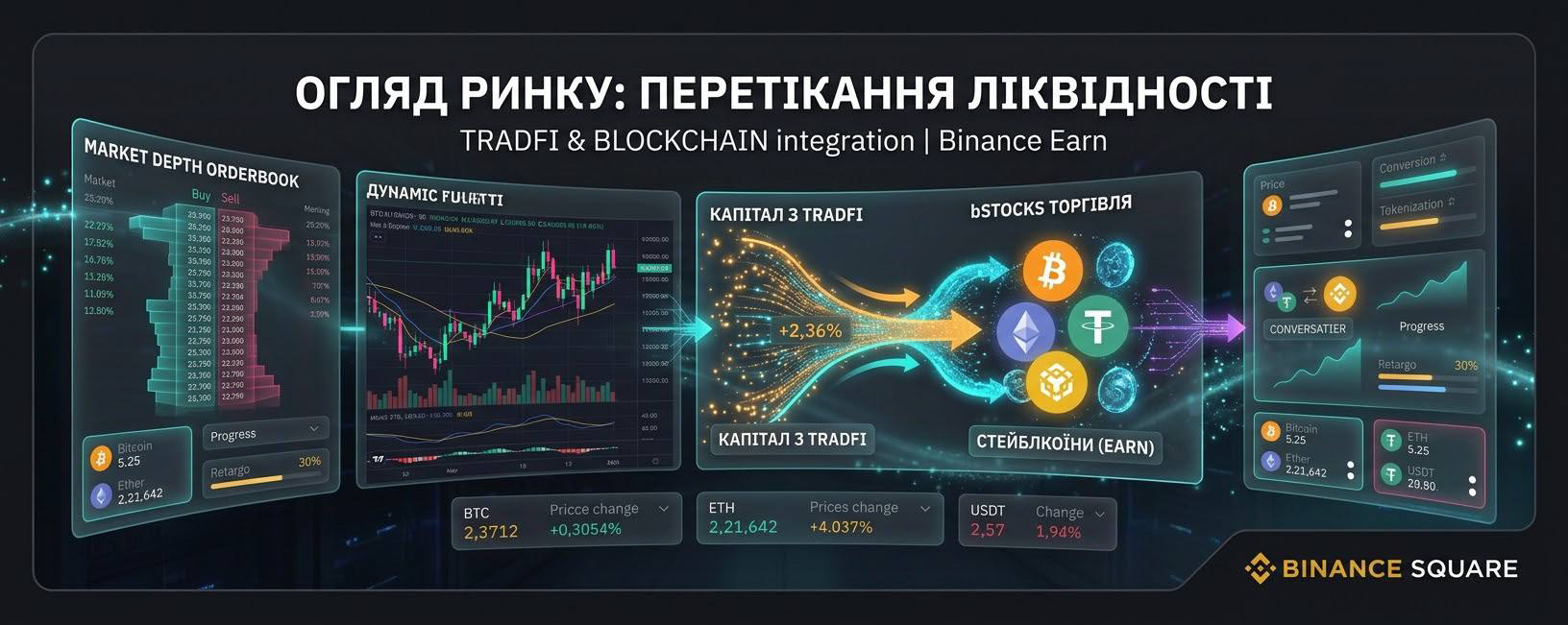
Overview of TradFi tools: why tokenized assets bStocks for the marketThe traditional stock market faces three chronic issues: a limited trading session schedule (only during business hours), high broker fees, and a bureaucratic barrier to entry.
The emergence of bStocks and TradFi solutions on the blockchain solves these problems:
Trading and management are available around the clock, 24/7.
Overview of TradFi tools: why tokenized assets bStocks for the market
The traditional stock market faces three chronic issues: a limited trading session schedule (only during business hours), high broker fees, and a bureaucratic barrier to entry.
The emergence of bStocks and TradFi solutions on the blockchain solves these problems:
Trading and management are available around the clock, 24/7.
The emergence of bStocks and TradFi solutions on the blockchain solves these problems:
Trading and management are available around the clock, 24/7.
41

South Korea is pushing financial borders wide open with its latest 24-hour won settlement pilot for foreign investors. By bridging traditional banking with global trading hours, liquidity is about to flow much faster. While this isn’t a direct crypto product, it highlights a massive global shift toward continuous, frictionless settlement systems. Traditional finance is borrowing heavily from the crypto playbook to stay competitive, and the demand for instant cross-border efficiency is here to stay. #CryptoNews #SouthKorea #Fintech
South Korea is pushing financial borders wide open with its latest 24-hour won settlement pilot for foreign investors. By bridging traditional banking with global trading hours, liquidity is about to flow much faster. While this isn’t a direct crypto product, it highlights a massive global shift toward continuous, frictionless settlement systems. Traditional finance is borrowing heavily from the crypto playbook to stay competitive, and the demand for instant cross-border efficiency is here to stay. #CryptoNews #SouthKorea #Fintech
1

·
--
The adoption of digital assets in Asia is taking an important strategic step. Kakao Pay and KakaoBank have announced an alliance with Fireblocks to explore the development of infrastructure focused on stablecoins and digital payments. 🌐
What’s happening: The two largest digital financial entities in South Korea are looking to integrate institutional-grade custody technology and digital asset management, opening the door to future large-scale use cases with stablecoins.
Why it matters: The entry of traditional banking and established fintechs into the crypto ecosystem confirms the need for regulated and secure infrastructure. This accelerates tokenization and blockchain-based payment rails in highly digitized economies.
What to watch: Regulatory developments in South Korea regarding the commercial use of stablecoins and the technical progress of the solutions implemented by Fireblocks in the region. 📊
#Stablecoins #Fintech #Criptomonedas #Blockchain
On the radar: $BTC $ETH
The adoption of digital assets in Asia is taking an important strategic step. Kakao Pay and KakaoBank have announced an alliance with Fireblocks to explore the development of infrastructure focused on stablecoins and digital payments. 🌐
What’s happening: The two largest digital financial entities in South Korea are looking to integrate institutional-grade custody technology and digital asset management, opening the door to future large-scale use cases with stablecoins.
Why it matters: The entry of traditional banking and established fintechs into the crypto ecosystem confirms the need for regulated and secure infrastructure. This accelerates tokenization and blockchain-based payment rails in highly digitized economies.
What to watch: Regulatory developments in South Korea regarding the commercial use of stablecoins and the technical progress of the solutions implemented by Fireblocks in the region. 📊
#Stablecoins #Fintech #Criptomonedas #Blockchain
On the radar: $BTC $ETH
What’s happening: The two largest digital financial entities in South Korea are looking to integrate institutional-grade custody technology and digital asset management, opening the door to future large-scale use cases with stablecoins.
Why it matters: The entry of traditional banking and established fintechs into the crypto ecosystem confirms the need for regulated and secure infrastructure. This accelerates tokenization and blockchain-based payment rails in highly digitized economies.
What to watch: Regulatory developments in South Korea regarding the commercial use of stablecoins and the technical progress of the solutions implemented by Fireblocks in the region. 📊
#Stablecoins #Fintech #Criptomonedas #Blockchain
On the radar: $BTC $ETH
10

·
--
Chinese version:
Hana Bank in South Korea successfully issued a $100M bond through Euroclear’s blockchain! Settlement time has been reduced from 3–5 days to the same day, and blockchain technology is reshaping traditional finance. The 5-year digital bond demonstrates growing recognition of blockchain by financial institutions. #区块链 #fintech
English version:
Hana Bank just issued a $100M bond on Euroclear's blockchain, slashing settlement time from 3-5 days to same day! Traditional finance is embracing blockchain tech. This 5-year digital bond shows growing institutional adoption. #blockchain #fintech
Chinese version:
Hana Bank in South Korea successfully issued a $100M bond through Euroclear’s blockchain! Settlement time has been reduced from 3–5 days to the same day, and blockchain technology is reshaping traditional finance. The 5-year digital bond demonstrates growing recognition of blockchain by financial institutions. #区块链 #fintech
English version:
Hana Bank just issued a $100M bond on Euroclear's blockchain, slashing settlement time from 3-5 days to same day! Traditional finance is embracing blockchain tech. This 5-year digital bond shows growing institutional adoption. #blockchain #fintech
Hana Bank in South Korea successfully issued a $100M bond through Euroclear’s blockchain! Settlement time has been reduced from 3–5 days to the same day, and blockchain technology is reshaping traditional finance. The 5-year digital bond demonstrates growing recognition of blockchain by financial institutions. #区块链 #fintech
English version:
Hana Bank just issued a $100M bond on Euroclear's blockchain, slashing settlement time from 3-5 days to same day! Traditional finance is embracing blockchain tech. This 5-year digital bond shows growing institutional adoption. #blockchain #fintech
2

·
--
#HKCompletesFirstHKDStablecoinUseCase 🌐 HONG KONG MARKS A HISTORIC MILESTONE IN DIGITAL ASSETS! 🇭🇰⚡
Hong Kong has officially completed its first HKD Stablecoin use case, marking a pivotal shift in the future of regulated digital finance and global cross-border trade! 🚀
🔑 KEY HIGHLIGHTS
🏦 Regulatory Framework: Seamless execution under Hong Kong's strict financial compliance standards.
⚡ Instant Settlement: Drastically reduces transaction times and cross-border payment friction.
🛡️ Institutional Trust: Backed by real-world fiat reserves, bridging Web2 commerce with Web3 speed and security.
💡 WHAT THIS MEANS FOR THE MARKET
This successful pilot proves that fiat-backed stablecoins are no longer just a concept—they are actively transforming international trade, settlement architecture, and liquidity efficiency on a global scale. Expect increased institutional adoption as Asia leads the next wave of Web3 fintech innovation!
👇 What’s your take on regulated stablecoins taking over global settlements? Let us know in the comments!
#Web3 #CryptoNews #Fintech
$AKE $B2 $MYX
{future}(AKEUSDT)
{future}(B2USDT)
{future}(MYXUSDT)
#HKCompletesFirstHKDStablecoinUseCase 🌐 HONG KONG MARKS A HISTORIC MILESTONE IN DIGITAL ASSETS! 🇭🇰⚡
Hong Kong has officially completed its first HKD Stablecoin use case, marking a pivotal shift in the future of regulated digital finance and global cross-border trade! 🚀
🔑 KEY HIGHLIGHTS
🏦 Regulatory Framework: Seamless execution under Hong Kong's strict financial compliance standards.
⚡ Instant Settlement: Drastically reduces transaction times and cross-border payment friction.
🛡️ Institutional Trust: Backed by real-world fiat reserves, bridging Web2 commerce with Web3 speed and security.
💡 WHAT THIS MEANS FOR THE MARKET
This successful pilot proves that fiat-backed stablecoins are no longer just a concept—they are actively transforming international trade, settlement architecture, and liquidity efficiency on a global scale. Expect increased institutional adoption as Asia leads the next wave of Web3 fintech innovation!
👇 What’s your take on regulated stablecoins taking over global settlements? Let us know in the comments!
#Web3 #CryptoNews #Fintech
$AKE $B2 $MYX
Hong Kong has officially completed its first HKD Stablecoin use case, marking a pivotal shift in the future of regulated digital finance and global cross-border trade! 🚀
🔑 KEY HIGHLIGHTS
🏦 Regulatory Framework: Seamless execution under Hong Kong's strict financial compliance standards.
⚡ Instant Settlement: Drastically reduces transaction times and cross-border payment friction.
🛡️ Institutional Trust: Backed by real-world fiat reserves, bridging Web2 commerce with Web3 speed and security.
💡 WHAT THIS MEANS FOR THE MARKET
This successful pilot proves that fiat-backed stablecoins are no longer just a concept—they are actively transforming international trade, settlement architecture, and liquidity efficiency on a global scale. Expect increased institutional adoption as Asia leads the next wave of Web3 fintech innovation!
👇 What’s your take on regulated stablecoins taking over global settlements? Let us know in the comments!
#Web3 #CryptoNews #Fintech
$AKE $B2 $MYX

1
339
Singapore-based fintech Dtcpay has successfully closed its extended Series A funding round at $25 million, bolstered by a strategic investment from Japanese financial giant SBI Group. This partnership highlights the growing institutional confidence in regulated crypto payment gateways across Asia. By bridging traditional finance with digital assets, Dtcpay is positioning itself to capture massive cross-border transaction volume. Expect more traditional banking giants to back compliant crypto infrastructure soon. #CryptoNews #Fintech #Web3Payments
Singapore-based fintech Dtcpay has successfully closed its extended Series A funding round at $25 million, bolstered by a strategic investment from Japanese financial giant SBI Group. This partnership highlights the growing institutional confidence in regulated crypto payment gateways across Asia. By bridging traditional finance with digital assets, Dtcpay is positioning itself to capture massive cross-border transaction volume. Expect more traditional banking giants to back compliant crypto infrastructure soon. #CryptoNews #Fintech #Web3Payments
2

·
--
⚡ Dtcpay Secures $25M Series A with SBI Group, Boosting Southeast Asian Payment Infrastructure
📌 Key Highlights:
• Dtcpay, a Singapore‑based payments platform, closes a $25 million Series A round led by Japan’s SBI Group.
• The funding round expands Dtcpay’s capital base to support cross‑border remittance and digital wallet services across ASEAN.
• The partnership signals growing confidence in regional fintech ecosystems and could accelerate adoption of interoperable payment protocols.
📊 Market Takeaway:
The deal underscores institutional appetite for Southeast Asian fintech, suggesting a bullish stance on cross‑border payment solutions amid rising digital‑currency usage.
#Fintech #Payments #Investing $AKE
⚡ Dtcpay Secures $25M Series A with SBI Group, Boosting Southeast Asian Payment Infrastructure
📌 Key Highlights:
• Dtcpay, a Singapore‑based payments platform, closes a $25 million Series A round led by Japan’s SBI Group.
• The funding round expands Dtcpay’s capital base to support cross‑border remittance and digital wallet services across ASEAN.
• The partnership signals growing confidence in regional fintech ecosystems and could accelerate adoption of interoperable payment protocols.
📊 Market Takeaway:
The deal underscores institutional appetite for Southeast Asian fintech, suggesting a bullish stance on cross‑border payment solutions amid rising digital‑currency usage.
#Fintech #Payments #Investing $AKE
📌 Key Highlights:
• Dtcpay, a Singapore‑based payments platform, closes a $25 million Series A round led by Japan’s SBI Group.
• The funding round expands Dtcpay’s capital base to support cross‑border remittance and digital wallet services across ASEAN.
• The partnership signals growing confidence in regional fintech ecosystems and could accelerate adoption of interoperable payment protocols.
📊 Market Takeaway:
The deal underscores institutional appetite for Southeast Asian fintech, suggesting a bullish stance on cross‑border payment solutions amid rising digital‑currency usage.
#Fintech #Payments #Investing $AKE

2
237
·
--
#hkcompletesfirsthkdstablecoinusecase
A monumental step forward for digital finance in Hong Kong!
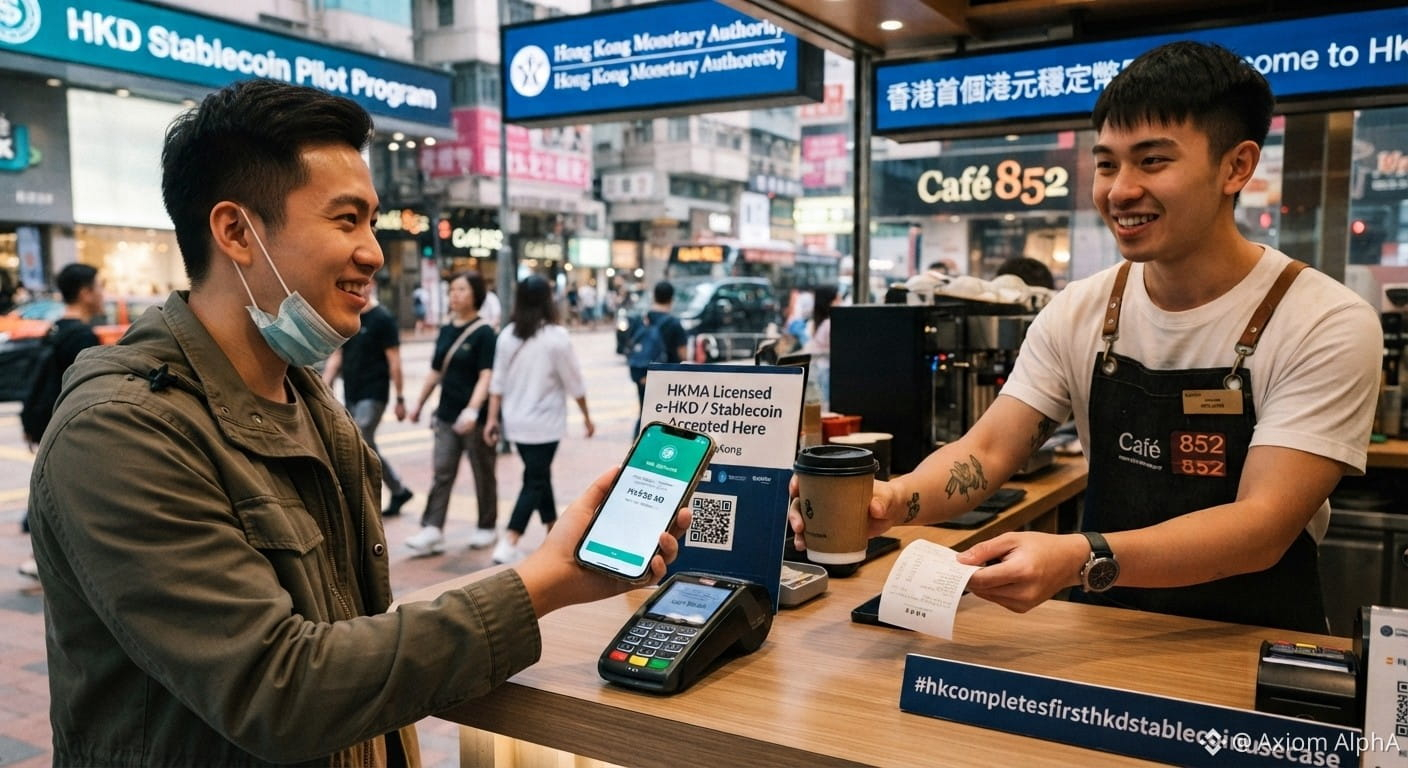
We are officially witnessing the successful execution of the HKD stablecoin pilot program, bridging the gap between cutting-edge blockchain technology and everyday consumer habits. From grabbing a morning coffee at a local café to seamless peer-to-peer and merchant settlements, this milestone highlights the practical, real-world utility of stablecoins in our daily lives.
As Hong Kong continues to strengthen its position as a leading global fintech hub, initiatives like this pave the way for a more efficient, secure, and digitally-integrated financial ecosystem. The future of payments is already here!
The fintech revolution in Hong Kong is picking up massive momentum, proving that the future of digital asset utility is happening right now. As innovation scales, the broader crypto ecosystem—from foundational assets like $BTC and decentralized storage solutions like $AR , to high-velocity ecosystem tokens like $AKE —continues to capture market attention.
Bridging real-world payment milestones with web3 adoption!
{spot}(BTCUSDT)
{future}(ARUSDT)
{future}(AKEUSDT)
#cryptouniverseofficial #fintech #HongKong
#hkcompletesfirsthkdstablecoinusecase
A monumental step forward for digital finance in Hong Kong!
We are officially witnessing the successful execution of the HKD stablecoin pilot program, bridging the gap between cutting-edge blockchain technology and everyday consumer habits. From grabbing a morning coffee at a local café to seamless peer-to-peer and merchant settlements, this milestone highlights the practical, real-world utility of stablecoins in our daily lives.
As Hong Kong continues to strengthen its position as a leading global fintech hub, initiatives like this pave the way for a more efficient, secure, and digitally-integrated financial ecosystem. The future of payments is already here!
The fintech revolution in Hong Kong is picking up massive momentum, proving that the future of digital asset utility is happening right now. As innovation scales, the broader crypto ecosystem—from foundational assets like $BTC and decentralized storage solutions like $AR , to high-velocity ecosystem tokens like $AKE —continues to capture market attention.
Bridging real-world payment milestones with web3 adoption!
#cryptouniverseofficial #fintech #HongKong
A monumental step forward for digital finance in Hong Kong!
We are officially witnessing the successful execution of the HKD stablecoin pilot program, bridging the gap between cutting-edge blockchain technology and everyday consumer habits. From grabbing a morning coffee at a local café to seamless peer-to-peer and merchant settlements, this milestone highlights the practical, real-world utility of stablecoins in our daily lives.
As Hong Kong continues to strengthen its position as a leading global fintech hub, initiatives like this pave the way for a more efficient, secure, and digitally-integrated financial ecosystem. The future of payments is already here!
The fintech revolution in Hong Kong is picking up massive momentum, proving that the future of digital asset utility is happening right now. As innovation scales, the broader crypto ecosystem—from foundational assets like $BTC and decentralized storage solutions like $AR , to high-velocity ecosystem tokens like $AKE —continues to capture market attention.
Bridging real-world payment milestones with web3 adoption!
#cryptouniverseofficial #fintech #HongKong
244

#hkcompletesfirsthkdstablecoinusecase
A giant leap forward toward digital finance in Hong Kong!
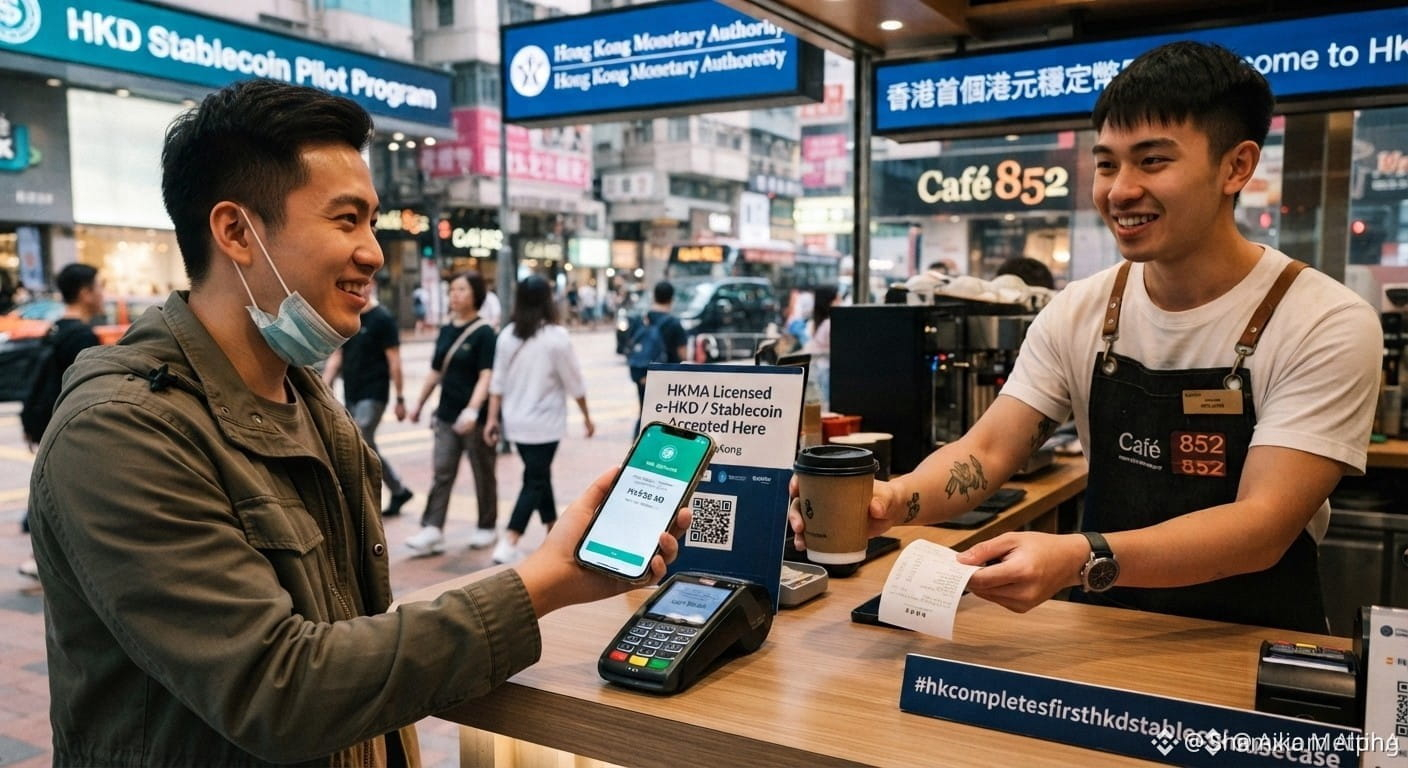
We are officially witnessing the successful rollout of a Hong Kong dollar (HKD)-linked stablecoin pilot program—bridging the gap between advanced blockchain technology and everyday consumer habits. From sipping morning coffee at a local café to seamless peer-to-peer settlements through merchants, this achievement highlights the practical use of stablecoins in our daily lives.
As Hong Kong continues to strengthen its position as a leading global hub in fintech, initiatives like this pave the way for a more efficient, secure, and fully integrated digital financial system. The future of payments is already here!
The fintech revolution in Hong Kong is gaining tremendous momentum, proving that the future of using digital assets is happening now. And as innovation expands, the broader cryptocurrency ecosystem continues to attract market attention—from foundational assets like $BTC and decentralized storage solutions like $AR, to high-speed ecosystem tokens like $AKE—.
Connecting real-world payment achievements with the adoption of web3!
Please stay tuned
$BTC
{future}(BTCUSDT)
#cryptouniverseofficial #fintech #HongKong
#hkcompletesfirsthkdstablecoinusecase
A giant leap forward toward digital finance in Hong Kong!
We are officially witnessing the successful rollout of a Hong Kong dollar (HKD)-linked stablecoin pilot program—bridging the gap between advanced blockchain technology and everyday consumer habits. From sipping morning coffee at a local café to seamless peer-to-peer settlements through merchants, this achievement highlights the practical use of stablecoins in our daily lives.
As Hong Kong continues to strengthen its position as a leading global hub in fintech, initiatives like this pave the way for a more efficient, secure, and fully integrated digital financial system. The future of payments is already here!
The fintech revolution in Hong Kong is gaining tremendous momentum, proving that the future of using digital assets is happening now. And as innovation expands, the broader cryptocurrency ecosystem continues to attract market attention—from foundational assets like $BTC and decentralized storage solutions like $AR, to high-speed ecosystem tokens like $AKE—.
Connecting real-world payment achievements with the adoption of web3!
Please stay tuned
$BTC
#cryptouniverseofficial #fintech #HongKong
A giant leap forward toward digital finance in Hong Kong!
We are officially witnessing the successful rollout of a Hong Kong dollar (HKD)-linked stablecoin pilot program—bridging the gap between advanced blockchain technology and everyday consumer habits. From sipping morning coffee at a local café to seamless peer-to-peer settlements through merchants, this achievement highlights the practical use of stablecoins in our daily lives.
As Hong Kong continues to strengthen its position as a leading global hub in fintech, initiatives like this pave the way for a more efficient, secure, and fully integrated digital financial system. The future of payments is already here!
The fintech revolution in Hong Kong is gaining tremendous momentum, proving that the future of using digital assets is happening now. And as innovation expands, the broader cryptocurrency ecosystem continues to attract market attention—from foundational assets like $BTC and decentralized storage solutions like $AR, to high-speed ecosystem tokens like $AKE—.
Connecting real-world payment achievements with the adoption of web3!
Please stay tuned
$BTC
#cryptouniverseofficial #fintech #HongKong
1
98

·
--

Article
SBI Group Pumps $25M into Stablecoin Payments Firm dtcpay, Boosting Global Crypto CommerceSBI Group’s $25 million investment in dtcpay is a game‑changer for stablecoin payments, showing that traditional finance is finally catching up to crypto’s speed and transparency.
**The Hook**
Did you know that a single funding round can shift the entire stablecoin payments landscape? SBI Group’s $25 million injection into dtcpay is doing just that, turning a niche startup into a global payments powerhouse.
**The Concept**
dtcpay is a stablecoin payments company that lets merchants accept crypto in a way that feels like cash. Think of it as a digital wallet that automatically swaps volatile coins into a stablecoin (like USDC) and then settles in local currency, so merchants never see the price swings that plague Bitcoin or Ethereum. The Series A round, led by Japan’s SBI Group, gives dtcpay the capital to scale its infrastructure, expand into new markets, and build partnerships with banks and payment processors.
#Stablecoins #FinTech
**The Real‑World Example**
Imagine a small coffee shop in Tokyo that wants to accept crypto from tourists. With dtcpay, the shop can scan a QR code, receive a payment in USDC, and instantly convert it to Japanese yen—no waiting for a bank transfer, no exchange fees, no volatility risk. SBI Group’s investment means dtcpay can now add more merchants, support more currencies, and offer faster settlement times, making crypto payments as seamless as a swipe of a debit card.
**The Takeaway**
If you’re a merchant, a developer, or a crypto enthusiast, this funding round signals that stablecoin payments are moving from experiment to mainstream. Look into dtcpay’s SDK, test a demo, or partner with them to start accepting crypto today.
#CryptoPayments
**Engagement Question**
What’s the biggest hurdle you see for everyday merchants adopting crypto payments, and how could a stablecoin solution help?
SBI Group Pumps $25M into Stablecoin Payments Firm dtcpay, Boosting Global Crypto Commerce
SBI Group’s $25 million investment in dtcpay is a game‑changer for stablecoin payments, showing that traditional finance is finally catching up to crypto’s speed and transparency.
**The Hook**
Did you know that a single funding round can shift the entire stablecoin payments landscape? SBI Group’s $25 million injection into dtcpay is doing just that, turning a niche startup into a global payments powerhouse.
**The Concept**
dtcpay is a stablecoin payments company that lets merchants accept crypto in a way that feels like cash. Think of it as a digital wallet that automatically swaps volatile coins into a stablecoin (like USDC) and then settles in local currency, so merchants never see the price swings that plague Bitcoin or Ethereum. The Series A round, led by Japan’s SBI Group, gives dtcpay the capital to scale its infrastructure, expand into new markets, and build partnerships with banks and payment processors.
#Stablecoins #FinTech
**The Real‑World Example**
Imagine a small coffee shop in Tokyo that wants to accept crypto from tourists. With dtcpay, the shop can scan a QR code, receive a payment in USDC, and instantly convert it to Japanese yen—no waiting for a bank transfer, no exchange fees, no volatility risk. SBI Group’s investment means dtcpay can now add more merchants, support more currencies, and offer faster settlement times, making crypto payments as seamless as a swipe of a debit card.
**The Takeaway**
If you’re a merchant, a developer, or a crypto enthusiast, this funding round signals that stablecoin payments are moving from experiment to mainstream. Look into dtcpay’s SDK, test a demo, or partner with them to start accepting crypto today.
#CryptoPayments
**Engagement Question**
What’s the biggest hurdle you see for everyday merchants adopting crypto payments, and how could a stablecoin solution help?
**The Hook**
Did you know that a single funding round can shift the entire stablecoin payments landscape? SBI Group’s $25 million injection into dtcpay is doing just that, turning a niche startup into a global payments powerhouse.
**The Concept**
dtcpay is a stablecoin payments company that lets merchants accept crypto in a way that feels like cash. Think of it as a digital wallet that automatically swaps volatile coins into a stablecoin (like USDC) and then settles in local currency, so merchants never see the price swings that plague Bitcoin or Ethereum. The Series A round, led by Japan’s SBI Group, gives dtcpay the capital to scale its infrastructure, expand into new markets, and build partnerships with banks and payment processors.
#Stablecoins #FinTech
**The Real‑World Example**
Imagine a small coffee shop in Tokyo that wants to accept crypto from tourists. With dtcpay, the shop can scan a QR code, receive a payment in USDC, and instantly convert it to Japanese yen—no waiting for a bank transfer, no exchange fees, no volatility risk. SBI Group’s investment means dtcpay can now add more merchants, support more currencies, and offer faster settlement times, making crypto payments as seamless as a swipe of a debit card.
**The Takeaway**
If you’re a merchant, a developer, or a crypto enthusiast, this funding round signals that stablecoin payments are moving from experiment to mainstream. Look into dtcpay’s SDK, test a demo, or partner with them to start accepting crypto today.
#CryptoPayments
**Engagement Question**
What’s the biggest hurdle you see for everyday merchants adopting crypto payments, and how could a stablecoin solution help?
9

·
--
📰 Two funding rounds in one night—neither focused on new public chains; instead, the money went into the “dirty, tedious work” of stablecoin payments.
Fin.com has exited stealth mode and completed a $20 million seed round, led by Garrett Camp, co-founder of Expa and Uber, with participation from Coinbase Ventures and others. What it does is white-label payment infrastructure—solving the “last mile” for stablecoins to enter local bank accounts or wallets.
🔥 Meanwhile, Velocity secured a $10 million expansion round, bringing its Series A total to $48 million, with a post-money valuation of $200 million. Visa Ventures, Circle Ventures, Ripple, and others are all on the investor list. It mainly helps banks and payment companies handle stablecoin settlement, liquidity management, and treasury operations—without replacing their existing systems.
Honestly, what these two companies do isn’t glamorous, but it’s very practical. One builds the front-end for cash-in and cash-out; the other fixes back-end settlement. For stablecoins to move from exchanges into everyday payments, it’s these unglamorous links—ones nobody wants to talk about every day, but without which things won’t run.
💡 Policy efforts are moving in parallel as well. The White House Council of Economic Advisers will roll out an interactive tool to address banking industry concerns about stablecoins causing deposit outflows, while also building support for the “CLARITY Act.” The bill needs at least 60 votes to move forward, and there are still disagreements within both parties.
🤔 If you could choose only one direction, which do you favor more: stablecoins’ “last mile,” or back-end settlement for banks?
#稳定币 #加密支付 #Fintech #Web3
📰 Two funding rounds in one night—neither focused on new public chains; instead, the money went into the “dirty, tedious work” of stablecoin payments.
Fin.com has exited stealth mode and completed a $20 million seed round, led by Garrett Camp, co-founder of Expa and Uber, with participation from Coinbase Ventures and others. What it does is white-label payment infrastructure—solving the “last mile” for stablecoins to enter local bank accounts or wallets.
🔥 Meanwhile, Velocity secured a $10 million expansion round, bringing its Series A total to $48 million, with a post-money valuation of $200 million. Visa Ventures, Circle Ventures, Ripple, and others are all on the investor list. It mainly helps banks and payment companies handle stablecoin settlement, liquidity management, and treasury operations—without replacing their existing systems.
Honestly, what these two companies do isn’t glamorous, but it’s very practical. One builds the front-end for cash-in and cash-out; the other fixes back-end settlement. For stablecoins to move from exchanges into everyday payments, it’s these unglamorous links—ones nobody wants to talk about every day, but without which things won’t run.
💡 Policy efforts are moving in parallel as well. The White House Council of Economic Advisers will roll out an interactive tool to address banking industry concerns about stablecoins causing deposit outflows, while also building support for the “CLARITY Act.” The bill needs at least 60 votes to move forward, and there are still disagreements within both parties.
🤔 If you could choose only one direction, which do you favor more: stablecoins’ “last mile,” or back-end settlement for banks?
#稳定币 #加密支付 #Fintech #Web3
Fin.com has exited stealth mode and completed a $20 million seed round, led by Garrett Camp, co-founder of Expa and Uber, with participation from Coinbase Ventures and others. What it does is white-label payment infrastructure—solving the “last mile” for stablecoins to enter local bank accounts or wallets.
🔥 Meanwhile, Velocity secured a $10 million expansion round, bringing its Series A total to $48 million, with a post-money valuation of $200 million. Visa Ventures, Circle Ventures, Ripple, and others are all on the investor list. It mainly helps banks and payment companies handle stablecoin settlement, liquidity management, and treasury operations—without replacing their existing systems.
Honestly, what these two companies do isn’t glamorous, but it’s very practical. One builds the front-end for cash-in and cash-out; the other fixes back-end settlement. For stablecoins to move from exchanges into everyday payments, it’s these unglamorous links—ones nobody wants to talk about every day, but without which things won’t run.
💡 Policy efforts are moving in parallel as well. The White House Council of Economic Advisers will roll out an interactive tool to address banking industry concerns about stablecoins causing deposit outflows, while also building support for the “CLARITY Act.” The bill needs at least 60 votes to move forward, and there are still disagreements within both parties.
🤔 If you could choose only one direction, which do you favor more: stablecoins’ “last mile,” or back-end settlement for banks?
#稳定币 #加密支付 #Fintech #Web3

1
1
3
·
--
Revolut was hacked! Customer IDs and selfies were leaked, and the hackers threatened to release more data every day. A major fintech breach means a trust crisis is brewing! In the short term, it may trigger a chain reaction as users move to safer platforms. In the long term, it will drive the industry to strengthen security. Safe-haven sentiment in the crypto market may pick up, and Bitcoin and others could benefit.
#cybersecurity #fintech $BTC $XRP
Revolut hacked! Customer IDs and selfies leaked, hackers threaten daily dumps. Major fintech breach = trust crisis! Short-term: mass exodus to safer platforms. Long-term: industry security upgrades. Crypto markets may see safe-haven flows to Bitcoin.
#cybersecurity #fintech $BTC $XRP
Revolut was hacked! Customer IDs and selfies were leaked, and the hackers threatened to release more data every day. A major fintech breach means a trust crisis is brewing! In the short term, it may trigger a chain reaction as users move to safer platforms. In the long term, it will drive the industry to strengthen security. Safe-haven sentiment in the crypto market may pick up, and Bitcoin and others could benefit.
#cybersecurity #fintech $BTC $XRP
Revolut hacked! Customer IDs and selfies leaked, hackers threaten daily dumps. Major fintech breach = trust crisis! Short-term: mass exodus to safer platforms. Long-term: industry security upgrades. Crypto markets may see safe-haven flows to Bitcoin.
#cybersecurity #fintech $BTC $XRP
#cybersecurity #fintech $BTC $XRP
Revolut hacked! Customer IDs and selfies leaked, hackers threaten daily dumps. Major fintech breach = trust crisis! Short-term: mass exodus to safer platforms. Long-term: industry security upgrades. Crypto markets may see safe-haven flows to Bitcoin.
#cybersecurity #fintech $BTC $XRP
42

#usbankcompletescrossborderpaymentpilotonstellar
While retail traders were focused on daily price action, a tier-1 traditional bank quietly tested public blockchain rails.
U.S. Bank just settled an internal cross-border transaction between its North American and European branches. They skipped the private sandbox, minting their own dollar token, USBDC, and moving it directly across the Stellar public mainnet.
To be clear, this was strictly an intercompany pilot, not a commercial retail product launch. The bank retained full administrative oversight, deliberately testing compliance controls like asset freezing and clawbacks alongside the transfer.
This validates that heavily regulated financial institutions are actively integrating their core infrastructure with public, permissionless chains for global settlement.
Do you think major banks will eventually open these stablecoin settlement rails to corporate clients, or will they reserve this tech strictly for internal treasury operations?
#stellar #Crypto #fintech
$XLM
{future}(XLMUSDT)
#usbankcompletescrossborderpaymentpilotonstellar
While retail traders were focused on daily price action, a tier-1 traditional bank quietly tested public blockchain rails.
U.S. Bank just settled an internal cross-border transaction between its North American and European branches. They skipped the private sandbox, minting their own dollar token, USBDC, and moving it directly across the Stellar public mainnet.
To be clear, this was strictly an intercompany pilot, not a commercial retail product launch. The bank retained full administrative oversight, deliberately testing compliance controls like asset freezing and clawbacks alongside the transfer.
This validates that heavily regulated financial institutions are actively integrating their core infrastructure with public, permissionless chains for global settlement.
Do you think major banks will eventually open these stablecoin settlement rails to corporate clients, or will they reserve this tech strictly for internal treasury operations?
#stellar #Crypto #fintech
$XLM
While retail traders were focused on daily price action, a tier-1 traditional bank quietly tested public blockchain rails.
U.S. Bank just settled an internal cross-border transaction between its North American and European branches. They skipped the private sandbox, minting their own dollar token, USBDC, and moving it directly across the Stellar public mainnet.
To be clear, this was strictly an intercompany pilot, not a commercial retail product launch. The bank retained full administrative oversight, deliberately testing compliance controls like asset freezing and clawbacks alongside the transfer.
This validates that heavily regulated financial institutions are actively integrating their core infrastructure with public, permissionless chains for global settlement.
Do you think major banks will eventually open these stablecoin settlement rails to corporate clients, or will they reserve this tech strictly for internal treasury operations?
#stellar #Crypto #fintech
$XLM

2
146

🚨 SKY7 teams up with AMIGO to launch IBAN Cloud 🧠
📊 | $BTC | $ETH | $BNB |
- Please follow, like, and comment—share your views and let’s discuss together 📈
- SKY7 and Amigo have teamed up, integrating legal, regulatory, and fintech resources, to launch the IBAN Cloud platform.
- The platform is designed to simplify the process for businesses to build banking and payment infrastructure.
- IBAN Cloud helps businesses and individuals match with banking payment solutions that fit their real business models.
- This move further deepens the strategic partnership between the two companies. Initial information was released on BeInCrypto. 🔥
- The market may trigger short-term selling pressure from this news, putting downward pressure on the related tokens.
- Investor sentiment may shift into panic-like volatility, and trading volume is expected to expand.
- Whales have recently shown signs of distribution or low-level accumulation, suggesting that there may be further pullbacks ahead.
- In the short term, if the rollout timeline for IBAN Cloud services remains unclear, the overall crypto market is still expected to stay weak.
- Do you think the launch of IBAN Cloud can change the ecosystem layout of enterprise payments this year? Feel free to discuss.
- For more in-depth analysis, please continue to follow and leave your comments.
#Crypto #DeFi #Fintech #Whales #Trading
🚨 SKY7 teams up with AMIGO to launch IBAN Cloud 🧠
📊 | $BTC | $ETH | $BNB |
- Please follow, like, and comment—share your views and let’s discuss together 📈
- SKY7 and Amigo have teamed up, integrating legal, regulatory, and fintech resources, to launch the IBAN Cloud platform.
- The platform is designed to simplify the process for businesses to build banking and payment infrastructure.
- IBAN Cloud helps businesses and individuals match with banking payment solutions that fit their real business models.
- This move further deepens the strategic partnership between the two companies. Initial information was released on BeInCrypto. 🔥
- The market may trigger short-term selling pressure from this news, putting downward pressure on the related tokens.
- Investor sentiment may shift into panic-like volatility, and trading volume is expected to expand.
- Whales have recently shown signs of distribution or low-level accumulation, suggesting that there may be further pullbacks ahead.
- In the short term, if the rollout timeline for IBAN Cloud services remains unclear, the overall crypto market is still expected to stay weak.
- Do you think the launch of IBAN Cloud can change the ecosystem layout of enterprise payments this year? Feel free to discuss.
- For more in-depth analysis, please continue to follow and leave your comments.
#Crypto #DeFi #Fintech #Whales #Trading
📊 | $BTC | $ETH | $BNB |
- Please follow, like, and comment—share your views and let’s discuss together 📈
- SKY7 and Amigo have teamed up, integrating legal, regulatory, and fintech resources, to launch the IBAN Cloud platform.
- The platform is designed to simplify the process for businesses to build banking and payment infrastructure.
- IBAN Cloud helps businesses and individuals match with banking payment solutions that fit their real business models.
- This move further deepens the strategic partnership between the two companies. Initial information was released on BeInCrypto. 🔥
- The market may trigger short-term selling pressure from this news, putting downward pressure on the related tokens.
- Investor sentiment may shift into panic-like volatility, and trading volume is expected to expand.
- Whales have recently shown signs of distribution or low-level accumulation, suggesting that there may be further pullbacks ahead.
- In the short term, if the rollout timeline for IBAN Cloud services remains unclear, the overall crypto market is still expected to stay weak.
- Do you think the launch of IBAN Cloud can change the ecosystem layout of enterprise payments this year? Feel free to discuss.
- For more in-depth analysis, please continue to follow and leave your comments.
#Crypto #DeFi #Fintech #Whales #Trading
94
#usbankcompletescrossborderpaymentpilotonstellar
While retail traders focused on daily price action, a traditional tier-1 banking counterpart conducted a quiet test of public blockchain rules.
The U.S. bank has just settled an internal cross-border transaction between its branches in North America and Europe. They skipped the testing environment (sandbox) and created their own dollar token, USBDC, then moved it directly over the main public network (mainnet) of Stellar.
To be clear, this was an internal corporate commercial experiment only—not a retail product launch at a commercial scale. The bank maintained full administrative oversight, and deliberately tested compliance controls such as freezing assets and clawbacks alongside the transfer process.
This confirms that highly regulated financial institutions are actively integrating their core infrastructure with permissionless public chains for global settlement.
Do you think major banks will eventually open up these stablecoin settlement rails to corporate clients, or will they keep this technology strictly for internal treasury operations?
Please continue following
#stellar #Crypto #fintech
$XLM
{future}(XLMUSDT)
#usbankcompletescrossborderpaymentpilotonstellar
While retail traders focused on daily price action, a traditional tier-1 banking counterpart conducted a quiet test of public blockchain rules.
The U.S. bank has just settled an internal cross-border transaction between its branches in North America and Europe. They skipped the testing environment (sandbox) and created their own dollar token, USBDC, then moved it directly over the main public network (mainnet) of Stellar.
To be clear, this was an internal corporate commercial experiment only—not a retail product launch at a commercial scale. The bank maintained full administrative oversight, and deliberately tested compliance controls such as freezing assets and clawbacks alongside the transfer process.
This confirms that highly regulated financial institutions are actively integrating their core infrastructure with permissionless public chains for global settlement.
Do you think major banks will eventually open up these stablecoin settlement rails to corporate clients, or will they keep this technology strictly for internal treasury operations?
Please continue following
#stellar #Crypto #fintech
$XLM
While retail traders focused on daily price action, a traditional tier-1 banking counterpart conducted a quiet test of public blockchain rules.
The U.S. bank has just settled an internal cross-border transaction between its branches in North America and Europe. They skipped the testing environment (sandbox) and created their own dollar token, USBDC, then moved it directly over the main public network (mainnet) of Stellar.
To be clear, this was an internal corporate commercial experiment only—not a retail product launch at a commercial scale. The bank maintained full administrative oversight, and deliberately tested compliance controls such as freezing assets and clawbacks alongside the transfer process.
This confirms that highly regulated financial institutions are actively integrating their core infrastructure with permissionless public chains for global settlement.
Do you think major banks will eventually open up these stablecoin settlement rails to corporate clients, or will they keep this technology strictly for internal treasury operations?
Please continue following
#stellar #Crypto #fintech
$XLM

1
1
81

·
--
Verified
🚀 Circle to Buy Tazapay for $400 Million! 🌐💰
Circle, the company behind the USDC stablecoin, announced an offer to acquire the cross-border payments platform Tazapay for $400 million in shares 💥💎
Key points of the deal:
🌍 Global reach: Tazapay has more than 60 banking and fintech partners across 100+ markets.
⏳ Expected close: The transaction is projected to conclude in 2027, subject to regulatory approvals.
📈 Market reaction: Circle’s shares ($CRCLB) rose +1.37% after the announcement.
With this move, Circle strengthens its infrastructure to accelerate the mass adoption of USDC in international trade ⚡
Do you think this acquisition will cement USDC over USDT in global payments? 💬👇 I’d love to hear your thoughts in the comments!
#CryptoNews #USDC #Fintech #Web3 #CryptoCommunity
$CRCLB
{spot}(CRCLBUSDT)
$BNB
{spot}(BNBUSDT)
$BTC
{spot}(BTCUSDT)
🚀 Circle to Buy Tazapay for $400 Million! 🌐💰
Circle, the company behind the USDC stablecoin, announced an offer to acquire the cross-border payments platform Tazapay for $400 million in shares 💥💎
Key points of the deal:
🌍 Global reach: Tazapay has more than 60 banking and fintech partners across 100+ markets.
⏳ Expected close: The transaction is projected to conclude in 2027, subject to regulatory approvals.
📈 Market reaction: Circle’s shares ($CRCLB ) rose +1.37% after the announcement.
With this move, Circle strengthens its infrastructure to accelerate the mass adoption of USDC in international trade ⚡
Do you think this acquisition will cement USDC over USDT in global payments? 💬👇 I’d love to hear your thoughts in the comments!
#CryptoNews #USDC #Fintech #Web3 #CryptoCommunity
$CRCLB
$BNB
$BTC
Circle, the company behind the USDC stablecoin, announced an offer to acquire the cross-border payments platform Tazapay for $400 million in shares 💥💎
Key points of the deal:
🌍 Global reach: Tazapay has more than 60 banking and fintech partners across 100+ markets.
⏳ Expected close: The transaction is projected to conclude in 2027, subject to regulatory approvals.
📈 Market reaction: Circle’s shares ($CRCLB ) rose +1.37% after the announcement.
With this move, Circle strengthens its infrastructure to accelerate the mass adoption of USDC in international trade ⚡
Do you think this acquisition will cement USDC over USDT in global payments? 💬👇 I’d love to hear your thoughts in the comments!
#CryptoNews #USDC #Fintech #Web3 #CryptoCommunity
$CRCLB
$BNB
$BTC

1
312

#RIPPLE IS BRINGING AI TO CORPORATE TREASURY.
AI agents can analyse liquidity, flag risks, and recommend actions.
But humans still make the final decision.
Ripple Treasury now combines traditional assets, XRP, RLUSD, and AI insights in one platform.
Is this the future of finance? 👀
#XRP #AI #Web3 #Fintech
#RIPPLE IS BRINGING AI TO CORPORATE TREASURY.
AI agents can analyse liquidity, flag risks, and recommend actions.
But humans still make the final decision.
Ripple Treasury now combines traditional assets, XRP, RLUSD, and AI insights in one platform.
Is this the future of finance? 👀
#XRP #AI #Web3 #Fintech
AI agents can analyse liquidity, flag risks, and recommend actions.
But humans still make the final decision.
Ripple Treasury now combines traditional assets, XRP, RLUSD, and AI insights in one platform.
Is this the future of finance? 👀
#XRP #AI #Web3 #Fintech

53

·
--
🚨 BANKING + AI: THE NEXT BIG FINANCE TREND? 🤖🏦
Major financial institutions are increasingly exploring artificial intelligence to improve research, trading, automation and customer services.
🔥 The bigger trend:
AI + Finance + Digital Assets
💡 Why it matters:
The growing adoption of AI across traditional finance could accelerate the transformation of financial services and create new opportunities across fintech and crypto.
👀 AI remains one of the biggest technology trends to watch.
💬 Will AI transform banking faster than crypto?
#BankOfAmerica #AI #fintech #crypto #BinanceSquare
🚨 BANKING + AI: THE NEXT BIG FINANCE TREND? 🤖🏦
Major financial institutions are increasingly exploring artificial intelligence to improve research, trading, automation and customer services.
🔥 The bigger trend:
AI + Finance + Digital Assets
💡 Why it matters:
The growing adoption of AI across traditional finance could accelerate the transformation of financial services and create new opportunities across fintech and crypto.
👀 AI remains one of the biggest technology trends to watch.
💬 Will AI transform banking faster than crypto?
#BankOfAmerica #AI #fintech #crypto #BinanceSquare
Major financial institutions are increasingly exploring artificial intelligence to improve research, trading, automation and customer services.
🔥 The bigger trend:
AI + Finance + Digital Assets
💡 Why it matters:
The growing adoption of AI across traditional finance could accelerate the transformation of financial services and create new opportunities across fintech and crypto.
👀 AI remains one of the biggest technology trends to watch.
💬 Will AI transform banking faster than crypto?
#BankOfAmerica #AI #fintech #crypto #BinanceSquare
1
Log in to explore more content
Join global crypto users on Binance Square
⚡️ Get latest and useful information about crypto.
💬 Trusted by the world’s largest crypto exchange.
👍 Discover real insights from verified creators.
Email / Phone number
Trending Topics
1
#CircleMints500MUSDCOnSolana
44,961 views
1,160 Discussing
2
#PolymarketBankFailureBetsDrawFDICConcern
58,407 views
1,256 Discussing
3
#BlackRockBuildsTokenizedPortfoliosForOndo
46,092 views
868 Discussing
4
#BitwiseFilesToListNEARETFOnNYSEArca
44,429 views
774 Discussing
5
#SECCommissionerPeirceToLeaveOct2
41,040 views
613 Discussing
6
#SECSaysBuybacksUpgradesDontMakeTokenSecurity
37,390 views
484 Discussing
7
#StrategyProposesDailyDividendsForPreferreds
6,452 views
159 Discussing
8
#CircleTetherFreezeBitgetHackerWallet
5,753 views
90 Discussing
9
#CoinMarketCapCompletesCoinglassAcquisition
8,843 views
125 Discussing
10
#QNTRises39%
98,134 views
1,558 Discussing