

#visa
visa
564,199 views
1,307 Discussing
Hot
Latest

·
--
📈 Payment volume across Visa's stablecoin-linked card programs has surged nearly 200% year-over-year, reflecting rapid growth in digital asset utility. $AIN $BEAMX $COLLECT
{future}(AINUSDT)
{future}(BEAMXUSDT)
{future}(COLLECTUSDT)
The payments giant now supports more than 160 active stablecoin card programs across consumer, business, and commercial sectors.
Business and commercial cards now account for ~17% of that volume. 🚀
#Visa #Stablecoins #CryptoNewss
📈 Payment volume across Visa's stablecoin-linked card programs has surged nearly 200% year-over-year, reflecting rapid growth in digital asset utility. $AIN $BEAMX $COLLECT
The payments giant now supports more than 160 active stablecoin card programs across consumer, business, and commercial sectors.
Business and commercial cards now account for ~17% of that volume. 🚀
#Visa #Stablecoins #CryptoNewss
The payments giant now supports more than 160 active stablecoin card programs across consumer, business, and commercial sectors.
Business and commercial cards now account for ~17% of that volume. 🚀
#Visa #Stablecoins #CryptoNewss
55

·
--
VISA: STABLECOINS ARE ENTERING A NEW PHASE 💳🪙
Visa has just revealed data that is drawing the market’s attention:
📈 The payment volume on its cards linked to stablecoins has grown by nearly 200% year over year.
🏢 And there’s another key figure: approximately 17% of the volume on these cards already corresponds to business and commercial programs.
🌎 Visa currently supports more than 160 card programs linked to stablecoins.
This shows a major shift: stablecoins are not only being used within the crypto ecosystem, but also for payments, treasury, settlements, payroll, and cross-border operations.
🔥 The question now is:
Are we seeing the beginning of mass adoption of stablecoins as a payments infrastructure?
#Stablecoins #crypto #Visa #USDC #USDT
VISA: STABLECOINS ARE ENTERING A NEW PHASE 💳🪙
Visa has just revealed data that is drawing the market’s attention:
📈 The payment volume on its cards linked to stablecoins has grown by nearly 200% year over year.
🏢 And there’s another key figure: approximately 17% of the volume on these cards already corresponds to business and commercial programs.
🌎 Visa currently supports more than 160 card programs linked to stablecoins.
This shows a major shift: stablecoins are not only being used within the crypto ecosystem, but also for payments, treasury, settlements, payroll, and cross-border operations.
🔥 The question now is:
Are we seeing the beginning of mass adoption of stablecoins as a payments infrastructure?
#Stablecoins #crypto #Visa #USDC #USDT
Visa has just revealed data that is drawing the market’s attention:
📈 The payment volume on its cards linked to stablecoins has grown by nearly 200% year over year.
🏢 And there’s another key figure: approximately 17% of the volume on these cards already corresponds to business and commercial programs.
🌎 Visa currently supports more than 160 card programs linked to stablecoins.
This shows a major shift: stablecoins are not only being used within the crypto ecosystem, but also for payments, treasury, settlements, payroll, and cross-border operations.
🔥 The question now is:
Are we seeing the beginning of mass adoption of stablecoins as a payments infrastructure?
#Stablecoins #crypto #Visa #USDC #USDT
12


·
--
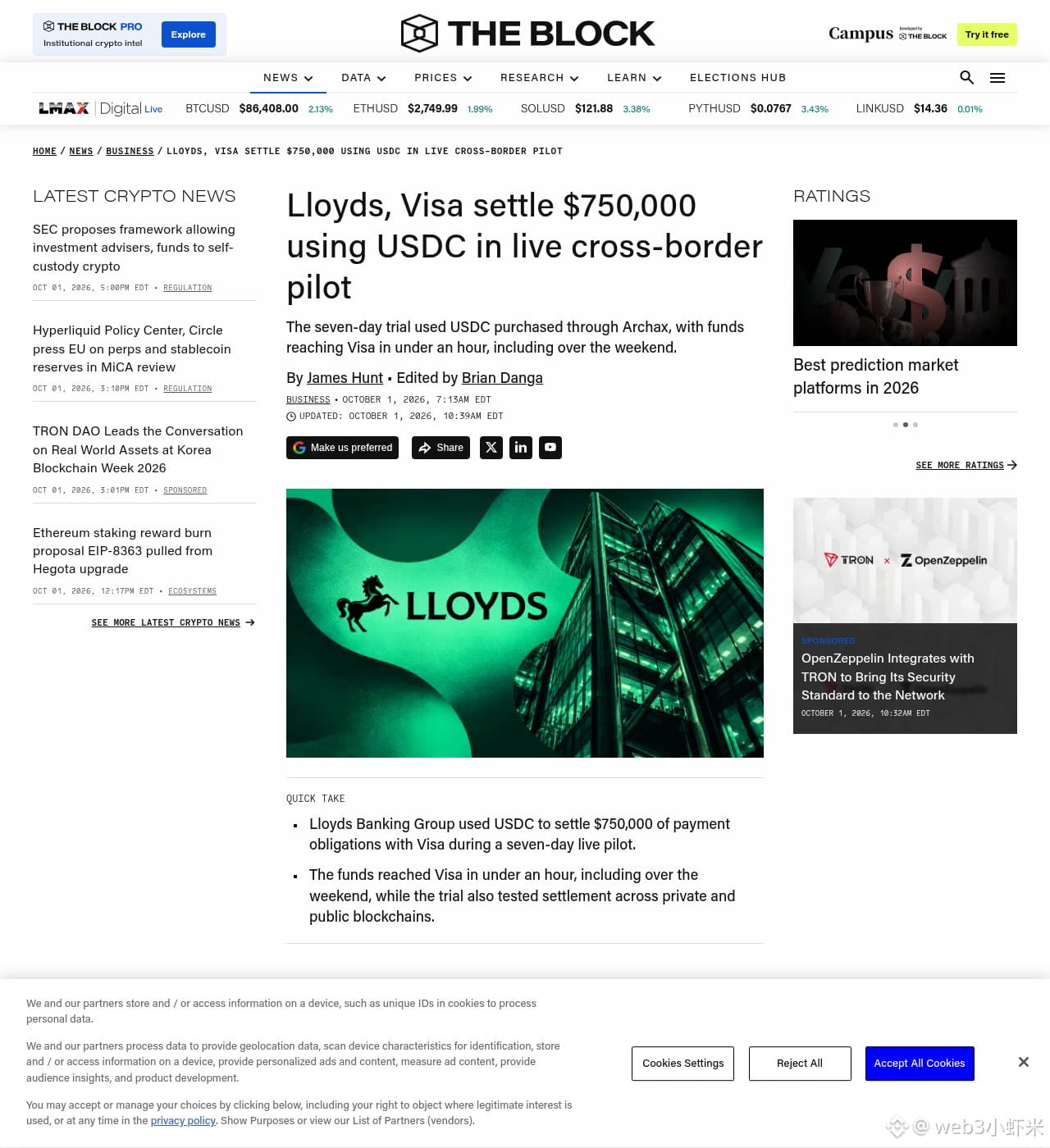
Got to The Block: Lloyds Bank (UK) and Visa completed a 7-day USDC cross-border settlement pilot, settling a total of about $750,000 in obligations. USDC was purchased through the UK-licensed trading venue Archax, then transferred from the Jersey Island corporate market branch to the U.S. via Visa. Even on weekends, it can settle within an hour—whereas traditional interbank clearing often takes more than a day when it hits non-business hours.
This is testing inter-institution settlement, not terminal user payments. Lloyds also ran Canton private-chain nodes, while Visa used another public chain, and both networks are interoperable. Visa’s stablecoin settlement annualized scale exceeded roughly $20 billion last month. Banks putting real money behind embedding stablecoins into existing settlement workflows is a cut above the talk of “making it real.”
$USDC #Visa #stablecoin
Got to The Block: Lloyds Bank (UK) and Visa completed a 7-day USDC cross-border settlement pilot, settling a total of about $750,000 in obligations. USDC was purchased through the UK-licensed trading venue Archax, then transferred from the Jersey Island corporate market branch to the U.S. via Visa. Even on weekends, it can settle within an hour—whereas traditional interbank clearing often takes more than a day when it hits non-business hours.
This is testing inter-institution settlement, not terminal user payments. Lloyds also ran Canton private-chain nodes, while Visa used another public chain, and both networks are interoperable. Visa’s stablecoin settlement annualized scale exceeded roughly $20 billion last month. Banks putting real money behind embedding stablecoins into existing settlement workflows is a cut above the talk of “making it real.”
$USDC #Visa #stablecoin
This is testing inter-institution settlement, not terminal user payments. Lloyds also ran Canton private-chain nodes, while Visa used another public chain, and both networks are interoperable. Visa’s stablecoin settlement annualized scale exceeded roughly $20 billion last month. Banks putting real money behind embedding stablecoins into existing settlement workflows is a cut above the talk of “making it real.”
$USDC #Visa #stablecoin
11

·
--
Bullish
Veterans on a credit card 💳💳💸🪪🪪: they’ve accumulated up to +914% since the AI included them.
The contrast with the most recent positions is striking: the 1,143 entries incorporated in 2026 show a median of just +1.4%, and only 54% are in positive territory. The central conclusion of the analysis is simple, but it has direct implications for the investor: time in the portfolio is the factor that best explains the differential returns between cohorts.
The two oldest positions on the entire platform are Mastercard () and Visa (), both in the Best of Buffett (WB15) strategy since September 2013. Mastercard has accumulated +914% since its entry, while Visa adds +825%. Both remain active: Mastercard trades at $568.26 and Visa at $367.74 in Tuesday’s session on Wall Street, according to data from Investing.com. Visa is also the largest company by market capitalization among the analyzed veterans, at $675,030 million. The most direct exposure vehicle combining both payment networks is the Global X FinTech ETF (), although Mastercard and Visa themselves are the most direct expressions of this return due to their revenue weight in global transaction networks.
$V
{future}(VUSDT)
#visa #Mastercard
Veterans on a credit card 💳💳💸🪪🪪: they’ve accumulated up to +914% since the AI included them.
The contrast with the most recent positions is striking: the 1,143 entries incorporated in 2026 show a median of just +1.4%, and only 54% are in positive territory. The central conclusion of the analysis is simple, but it has direct implications for the investor: time in the portfolio is the factor that best explains the differential returns between cohorts.
The two oldest positions on the entire platform are Mastercard () and Visa (), both in the Best of Buffett (WB15) strategy since September 2013. Mastercard has accumulated +914% since its entry, while Visa adds +825%. Both remain active: Mastercard trades at $568.26 and Visa at $367.74 in Tuesday’s session on Wall Street, according to data from Investing.com. Visa is also the largest company by market capitalization among the analyzed veterans, at $675,030 million. The most direct exposure vehicle combining both payment networks is the Global X FinTech ETF (), although Mastercard and Visa themselves are the most direct expressions of this return due to their revenue weight in global transaction networks.
$V
#visa #Mastercard
The contrast with the most recent positions is striking: the 1,143 entries incorporated in 2026 show a median of just +1.4%, and only 54% are in positive territory. The central conclusion of the analysis is simple, but it has direct implications for the investor: time in the portfolio is the factor that best explains the differential returns between cohorts.
The two oldest positions on the entire platform are Mastercard () and Visa (), both in the Best of Buffett (WB15) strategy since September 2013. Mastercard has accumulated +914% since its entry, while Visa adds +825%. Both remain active: Mastercard trades at $568.26 and Visa at $367.74 in Tuesday’s session on Wall Street, according to data from Investing.com. Visa is also the largest company by market capitalization among the analyzed veterans, at $675,030 million. The most direct exposure vehicle combining both payment networks is the Global X FinTech ETF (), although Mastercard and Visa themselves are the most direct expressions of this return due to their revenue weight in global transaction networks.
$V
#visa #Mastercard


146

🔥 Stablecoins aren't just a bridge for payments; they’re becoming the backbone of cross‑chain finance.
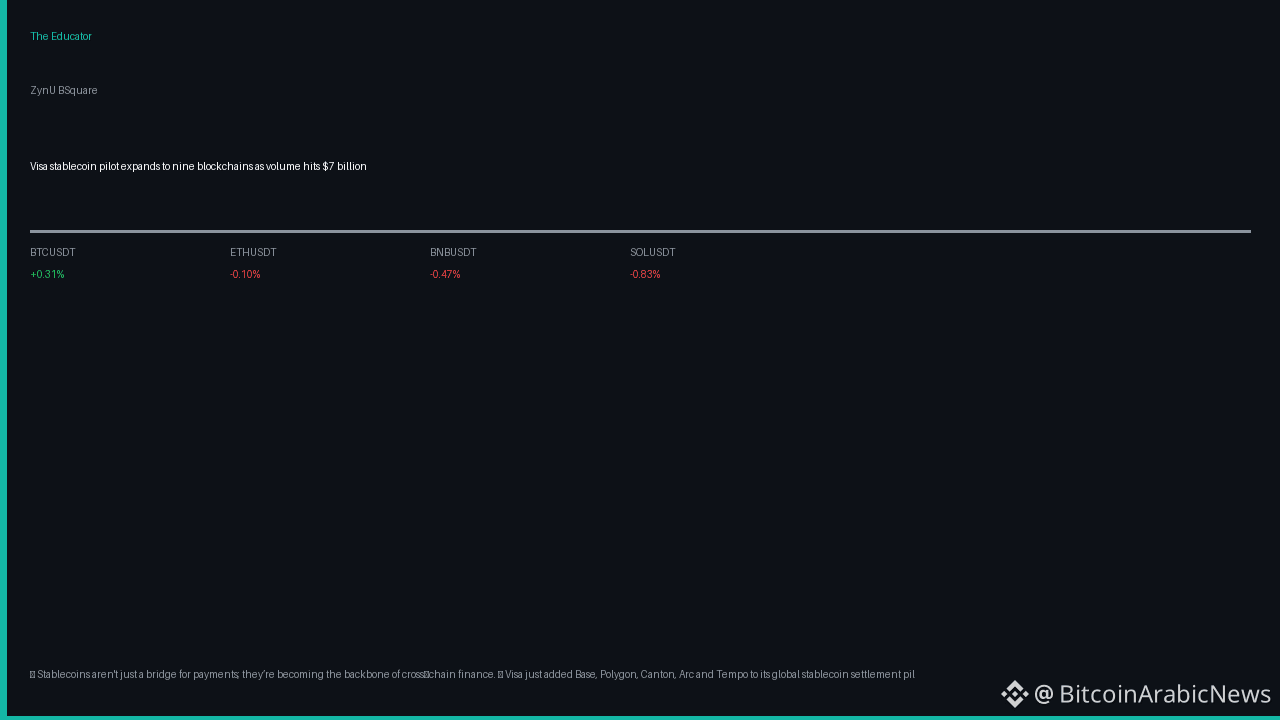
📊 Visa just added Base, Polygon, Canton, Arc and Tempo to its global stablecoin settlement pilot, pushing the network to nine blockchains and driving the annualized run‑rate to $7 billion – a 50% jump from the previous quarter. #Visa #Stablecoin
💡 This expansion signals that institutional money is finally treating on‑chain liquidity as a core asset class, reinforcing the long‑term #CryptoAdoption narrative as we move deeper into the late‑stage bull cycle where cross‑chain settlement efficiency fuels price discovery. BTC trades at $84,342 (RSI 53) and ETH at $2,691 (RSI 51) while SOL spikes to $121 (RSI 62)
🔥 Stablecoins aren't just a bridge for payments; they’re becoming the backbone of cross‑chain finance.
📊 Visa just added Base, Polygon, Canton, Arc and Tempo to its global stablecoin settlement pilot, pushing the network to nine blockchains and driving the annualized run‑rate to $7 billion – a 50% jump from the previous quarter. #Visa #Stablecoin
💡 This expansion signals that institutional money is finally treating on‑chain liquidity as a core asset class, reinforcing the long‑term #CryptoAdoption narrative as we move deeper into the late‑stage bull cycle where cross‑chain settlement efficiency fuels price discovery. BTC trades at $84,342 (RSI 53) and ETH at $2,691 (RSI 51) while SOL spikes to $121 (RSI 62)
📊 Visa just added Base, Polygon, Canton, Arc and Tempo to its global stablecoin settlement pilot, pushing the network to nine blockchains and driving the annualized run‑rate to $7 billion – a 50% jump from the previous quarter. #Visa #Stablecoin
💡 This expansion signals that institutional money is finally treating on‑chain liquidity as a core asset class, reinforcing the long‑term #CryptoAdoption narrative as we move deeper into the late‑stage bull cycle where cross‑chain settlement efficiency fuels price discovery. BTC trades at $84,342 (RSI 53) and ETH at $2,691 (RSI 51) while SOL spikes to $121 (RSI 62)
11

Visa says consumer protections could be a major driver of stablecoin adoption in the U.S.
Its research found that 36% of Americans are interested in using stablecoins, rising to 56% when consumer safeguards are included.
Clearer protections could bring millions more users into stablecoins. #VISA
Visa says consumer protections could be a major driver of stablecoin adoption in the U.S.
Its research found that 36% of Americans are interested in using stablecoins, rising to 56% when consumer safeguards are included.
Clearer protections could bring millions more users into stablecoins. #VISA
Its research found that 36% of Americans are interested in using stablecoins, rising to 56% when consumer safeguards are included.
Clearer protections could bring millions more users into stablecoins. #VISA

1
309
🔥 At 02:17 UTC, a silent army of AI bots slipped a $200 M USDT purchase order through a Visa‑linked corporate card, bypassing every human checkpoint.
📊 Oobit’s Agent Cards let algorithmic agents spend stablecoins directly, and the market’s pulse mirrors the madness – BTC surged to $85,942, RSI 74.7, while extreme greed hit 78/100, signaling that capital is hunting the next friction‑less frontier. Smart‑money on Solana is already loading up, with wallets like KCAT netting +5,781% on AI‑driven protocols, and the #USDT flow fuels the same speculative engine that’s propelling #AI projects into enterprise halls, all under the #Visa banner.
💡 The twist? While traders chase overbought BTC, the real value transfer is moving off‑chain, where autonomous spenders could rewrite expense‑approval dynamics before regulators catch up.
❓ Will the rise of AI‑powered, USDT‑backed Visa cards make traditional finance approval loops obsolete, or will a new wave of compliance bots emerge to guard the gates?
🔥 At 02:17 UTC, a silent army of AI bots slipped a $200 M USDT purchase order through a Visa‑linked corporate card, bypassing every human checkpoint.
📊 Oobit’s Agent Cards let algorithmic agents spend stablecoins directly, and the market’s pulse mirrors the madness – BTC surged to $85,942, RSI 74.7, while extreme greed hit 78/100, signaling that capital is hunting the next friction‑less frontier. Smart‑money on Solana is already loading up, with wallets like KCAT netting +5,781% on AI‑driven protocols, and the #USDT flow fuels the same speculative engine that’s propelling #AI projects into enterprise halls, all under the #Visa banner.
💡 The twist? While traders chase overbought BTC, the real value transfer is moving off‑chain, where autonomous spenders could rewrite expense‑approval dynamics before regulators catch up.
❓ Will the rise of AI‑powered, USDT‑backed Visa cards make traditional finance approval loops obsolete, or will a new wave of compliance bots emerge to guard the gates?
📊 Oobit’s Agent Cards let algorithmic agents spend stablecoins directly, and the market’s pulse mirrors the madness – BTC surged to $85,942, RSI 74.7, while extreme greed hit 78/100, signaling that capital is hunting the next friction‑less frontier. Smart‑money on Solana is already loading up, with wallets like KCAT netting +5,781% on AI‑driven protocols, and the #USDT flow fuels the same speculative engine that’s propelling #AI projects into enterprise halls, all under the #Visa banner.
💡 The twist? While traders chase overbought BTC, the real value transfer is moving off‑chain, where autonomous spenders could rewrite expense‑approval dynamics before regulators catch up.
❓ Will the rise of AI‑powered, USDT‑backed Visa cards make traditional finance approval loops obsolete, or will a new wave of compliance bots emerge to guard the gates?
27

·
--
Bullish
Verified
30D trade $HOOD 19.5 USDT
⚡ Visa closes a loophole in meme-coin rewards
Visa informed payments processors that they must stop classifying certain meme-coin purchases as “digital media.”
This method allowed some purchases supported by Crossmint via Fomo and the Robinhood Wallet to earn credit-card rewards.
Now, with these transactions reclassified under crypto-asset purchase rules, these rewards may disappear.
📌 The step reveals an important aspect of the relationship between traditional payments and the crypto market, especially as card usage for buying digital assets expands.
$V $HOOD
#Crypto #Visa #memecoins
⚡ Visa closes a loophole in meme-coin rewards
Visa informed payments processors that they must stop classifying certain meme-coin purchases as “digital media.”
This method allowed some purchases supported by Crossmint via Fomo and the Robinhood Wallet to earn credit-card rewards.
Now, with these transactions reclassified under crypto-asset purchase rules, these rewards may disappear.
📌 The step reveals an important aspect of the relationship between traditional payments and the crypto market, especially as card usage for buying digital assets expands.
$V $HOOD
#Crypto #Visa #memecoins
Visa informed payments processors that they must stop classifying certain meme-coin purchases as “digital media.”
This method allowed some purchases supported by Crossmint via Fomo and the Robinhood Wallet to earn credit-card rewards.
Now, with these transactions reclassified under crypto-asset purchase rules, these rewards may disappear.
📌 The step reveals an important aspect of the relationship between traditional payments and the crypto market, especially as card usage for buying digital assets expands.
$V $HOOD
#Crypto #Visa #memecoins

2
285

·
--
🚨 Visa 📈 Closes Meme Coin Credit Card Rewards Loophole 🧠
📊 | $BTC | $ETH | $BNB |
- Follow, like, and comment to learn about the latest market developments. 📈
- Visa has shut down the misclassification of meme coins in credit card rewards.
- The move stems from a regulatory oversight that failed to implement stablecoin rules.
- JPMorgan has therefore gained a partial win with tighter rules.
- The impact may weaken the incentive for meme coin holders to earn rewards. 🔥
- This move could cause a short-term drop in meme coin trading volume.
- Institutional “whales” may accelerate selling or reallocate assets.
- In the short term, the market may face selling pressure and panic-driven volatility.
- It’s expected that coin prices will continue to trend lower in the near term—keep an eye on regulatory updates.
- What do you think this will mean for the long-term impact on the meme coin ecosystem?
- Stay tuned, and feel free to share your views in the comments.
#Visa #Crypto #MemeCoins #Whales #Market
🚨 Visa 📈 Closes Meme Coin Credit Card Rewards Loophole 🧠
📊 | $BTC | $ETH | $BNB |
- Follow, like, and comment to learn about the latest market developments. 📈
- Visa has shut down the misclassification of meme coins in credit card rewards.
- The move stems from a regulatory oversight that failed to implement stablecoin rules.
- JPMorgan has therefore gained a partial win with tighter rules.
- The impact may weaken the incentive for meme coin holders to earn rewards. 🔥
- This move could cause a short-term drop in meme coin trading volume.
- Institutional “whales” may accelerate selling or reallocate assets.
- In the short term, the market may face selling pressure and panic-driven volatility.
- It’s expected that coin prices will continue to trend lower in the near term—keep an eye on regulatory updates.
- What do you think this will mean for the long-term impact on the meme coin ecosystem?
- Stay tuned, and feel free to share your views in the comments.
#Visa #Crypto #MemeCoins #Whales #Market
📊 | $BTC | $ETH | $BNB |
- Follow, like, and comment to learn about the latest market developments. 📈
- Visa has shut down the misclassification of meme coins in credit card rewards.
- The move stems from a regulatory oversight that failed to implement stablecoin rules.
- JPMorgan has therefore gained a partial win with tighter rules.
- The impact may weaken the incentive for meme coin holders to earn rewards. 🔥
- This move could cause a short-term drop in meme coin trading volume.
- Institutional “whales” may accelerate selling or reallocate assets.
- In the short term, the market may face selling pressure and panic-driven volatility.
- It’s expected that coin prices will continue to trend lower in the near term—keep an eye on regulatory updates.
- What do you think this will mean for the long-term impact on the meme coin ecosystem?
- Stay tuned, and feel free to share your views in the comments.
#Visa #Crypto #MemeCoins #Whales #Market
118

·
--
Article
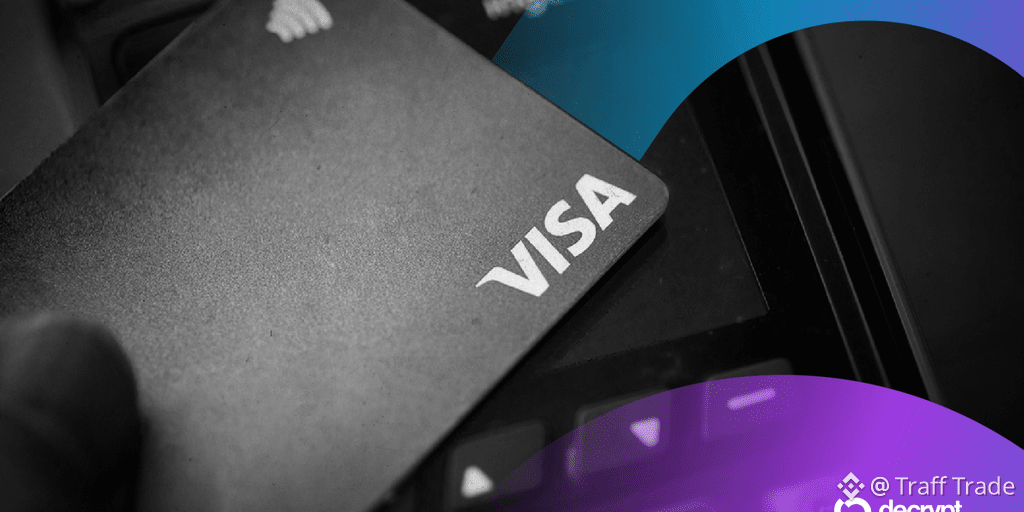
Meme Coin Card Rewards Shut Down: Visa’s Bold Move Hits the Crypto MarketVisa’s crackdown on meme coin rewards is a historic blow to crypto’s mainstream adoption. JP Morgan’s narrow win over the Clarity Act’s stablecoin push forced Visa to reclassify meme coin purchases as ordinary digital media, eliminating the $800 M in card reward arbitrage that traders were exploiting. #Visa #CryptoRegulation #MemeCoins
The stakes are sky‑high. With Visa’s new rule, the liquidity that once fueled meme coin volatility will dry up, forcing traders to rethink their strategies. The move signals that major financial institutions are tightening the net around crypto, potentially pushing the market toward more regulated, stable assets. #DeFi #RegTech
If you’re still riding the meme coin wave, now’s the time to pivot. Grab your position, secure your gains, and stay ahead of the next regulatory wave. Are you ready to adapt?
Meme Coin Card Rewards Shut Down: Visa’s Bold Move Hits the Crypto Market
Visa’s crackdown on meme coin rewards is a historic blow to crypto’s mainstream adoption. JP Morgan’s narrow win over the Clarity Act’s stablecoin push forced Visa to reclassify meme coin purchases as ordinary digital media, eliminating the $800 M in card reward arbitrage that traders were exploiting. #Visa #CryptoRegulation #MemeCoins
The stakes are sky‑high. With Visa’s new rule, the liquidity that once fueled meme coin volatility will dry up, forcing traders to rethink their strategies. The move signals that major financial institutions are tightening the net around crypto, potentially pushing the market toward more regulated, stable assets. #DeFi #RegTech
If you’re still riding the meme coin wave, now’s the time to pivot. Grab your position, secure your gains, and stay ahead of the next regulatory wave. Are you ready to adapt?
The stakes are sky‑high. With Visa’s new rule, the liquidity that once fueled meme coin volatility will dry up, forcing traders to rethink their strategies. The move signals that major financial institutions are tightening the net around crypto, potentially pushing the market toward more regulated, stable assets. #DeFi #RegTech
If you’re still riding the meme coin wave, now’s the time to pivot. Grab your position, secure your gains, and stay ahead of the next regulatory wave. Are you ready to adapt?
7

Traditional finance is quietly rewriting the rules to squeeze retail crypto traders. Visa’s recent move to block meme coin purchases from masquerading as standard digital media—ending juicy credit card rewards—shows legacy giants are finding surgical ways to penalize high-risk speculation. While banks lost their grand legislative push with the stalled Clarity Act, this tactical pivot proves they will still restrict perks wherever possible. It is a subtle squeeze, but a telling one for the ecosystem. #CryptoNews #Visa #MemeCoins
Traditional finance is quietly rewriting the rules to squeeze retail crypto traders. Visa’s recent move to block meme coin purchases from masquerading as standard digital media—ending juicy credit card rewards—shows legacy giants are finding surgical ways to penalize high-risk speculation. While banks lost their grand legislative push with the stalled Clarity Act, this tactical pivot proves they will still restrict perks wherever possible. It is a subtle squeeze, but a telling one for the ecosystem. #CryptoNews #Visa #MemeCoins
10

🚨 VISA MOVES TO END CREDIT-CARD REWARDS ON MEMECOIN PURCHASES
Visa is reportedly moving to stop payment processors from classifying certain memecoin purchases as digital-media transactions, a setup that allowed some buyers to earn normal credit-card points or cashback.
📉 What’s changing? • Memecoin purchases were reportedly processed under MCC 5815 — digital media
• Visa’s crypto rules generally use different merchant codes for cryptocurrency transactions
• The change could mean no regular card rewards on affected purchases
• The reported grace period is expected to end next week
• Mastercard has not announced an equivalent move
⚠️ This does not mean Visa is banning memecoin purchases. The reported change is mainly about how these transactions are classified and processed.
👀 Will this make memecoin buying more expensive for users?
Are you ready??
#Visa #Crypto #Memecoins #Bitcoin
$SHIB
{spot}(SHIBUSDT)
$PEPE
{spot}(PEPEUSDT)
$BTC
{spot}(BTCUSDT)
🚨 VISA MOVES TO END CREDIT-CARD REWARDS ON MEMECOIN PURCHASES
Visa is reportedly moving to stop payment processors from classifying certain memecoin purchases as digital-media transactions, a setup that allowed some buyers to earn normal credit-card points or cashback.
📉 What’s changing? • Memecoin purchases were reportedly processed under MCC 5815 — digital media
• Visa’s crypto rules generally use different merchant codes for cryptocurrency transactions
• The change could mean no regular card rewards on affected purchases
• The reported grace period is expected to end next week
• Mastercard has not announced an equivalent move
⚠️ This does not mean Visa is banning memecoin purchases. The reported change is mainly about how these transactions are classified and processed.
👀 Will this make memecoin buying more expensive for users?
Are you ready??
#Visa #Crypto #Memecoins #Bitcoin
$SHIB
$PEPE
$BTC
Visa is reportedly moving to stop payment processors from classifying certain memecoin purchases as digital-media transactions, a setup that allowed some buyers to earn normal credit-card points or cashback.
📉 What’s changing? • Memecoin purchases were reportedly processed under MCC 5815 — digital media
• Visa’s crypto rules generally use different merchant codes for cryptocurrency transactions
• The change could mean no regular card rewards on affected purchases
• The reported grace period is expected to end next week
• Mastercard has not announced an equivalent move
⚠️ This does not mean Visa is banning memecoin purchases. The reported change is mainly about how these transactions are classified and processed.
👀 Will this make memecoin buying more expensive for users?
Are you ready??
#Visa #Crypto #Memecoins #Bitcoin
$SHIB
$PEPE
$BTC
137

·
--
Visa Acts, Closing the Meme Coin Credit Card Cashback Loophole
A noteworthy piece of news: Visa has notified payment processors that Meme coin purchases will no longer qualify under the “digital goods media” merchant category code.
What happened?
Previously, Robinhood Wallet and Fomo users bought Meme coins with credit cards, and the transactions were marked as digital media consumption such as ebooks and movies—allowing them to receive standard credit card cashback. After JPMorgan Chase noticed the anomaly, it reported it to Visa. Visa confirmed at least one transaction was categorized incorrectly and should not have received rewards.
Why does it matter?
This isn’t just regulatory talk—it’s the payment network taking direct action. Visa has given processors a transition period, expected to end next week. After that, Meme coin purchases will be treated as crypto transactions, subject to Visa’s standard rules and restrictions.
A signal:
The scale of Meme transactions has grown so large that traditional payment giants must issue specific rules to limit it. Meme culture isn’t just going mainstream—it’s already in the risk-control radar of conventional financial service providers.
If you were previously using a credit card to buy Meme coins for cashback, this route is basically at an end.
#MEME #crypto #Visa
Visa Acts, Closing the Meme Coin Credit Card Cashback Loophole
A noteworthy piece of news: Visa has notified payment processors that Meme coin purchases will no longer qualify under the “digital goods media” merchant category code.
What happened?
Previously, Robinhood Wallet and Fomo users bought Meme coins with credit cards, and the transactions were marked as digital media consumption such as ebooks and movies—allowing them to receive standard credit card cashback. After JPMorgan Chase noticed the anomaly, it reported it to Visa. Visa confirmed at least one transaction was categorized incorrectly and should not have received rewards.
Why does it matter?
This isn’t just regulatory talk—it’s the payment network taking direct action. Visa has given processors a transition period, expected to end next week. After that, Meme coin purchases will be treated as crypto transactions, subject to Visa’s standard rules and restrictions.
A signal:
The scale of Meme transactions has grown so large that traditional payment giants must issue specific rules to limit it. Meme culture isn’t just going mainstream—it’s already in the risk-control radar of conventional financial service providers.
If you were previously using a credit card to buy Meme coins for cashback, this route is basically at an end.
#MEME #crypto #Visa
A noteworthy piece of news: Visa has notified payment processors that Meme coin purchases will no longer qualify under the “digital goods media” merchant category code.
What happened?
Previously, Robinhood Wallet and Fomo users bought Meme coins with credit cards, and the transactions were marked as digital media consumption such as ebooks and movies—allowing them to receive standard credit card cashback. After JPMorgan Chase noticed the anomaly, it reported it to Visa. Visa confirmed at least one transaction was categorized incorrectly and should not have received rewards.
Why does it matter?
This isn’t just regulatory talk—it’s the payment network taking direct action. Visa has given processors a transition period, expected to end next week. After that, Meme coin purchases will be treated as crypto transactions, subject to Visa’s standard rules and restrictions.
A signal:
The scale of Meme transactions has grown so large that traditional payment giants must issue specific rules to limit it. Meme culture isn’t just going mainstream—it’s already in the risk-control radar of conventional financial service providers.
If you were previously using a credit card to buy Meme coins for cashback, this route is basically at an end.
#MEME #crypto #Visa

2
406

Visa closes the memecoin reward loophole after The Block investigation
• Visa plans to end the grace period for the Crossmint memecoin reward loophole next week.
• Memecoin sales campaigns provided by Crossmint are still ongoing on both applications.
• Information from The Block’s report drove this action.
#BinanceSquare #CryptoNews #Visa #Crossmint #MemeCoin
$btc $eth
vlikevn Titanbot
Source: The Block
Visa closes the memecoin reward loophole after The Block investigation
• Visa plans to end the grace period for the Crossmint memecoin reward loophole next week.
• Memecoin sales campaigns provided by Crossmint are still ongoing on both applications.
• Information from The Block’s report drove this action.
#BinanceSquare #CryptoNews #Visa #Crossmint #MemeCoin
$btc $eth
vlikevn Titanbot
Source: The Block
• Visa plans to end the grace period for the Crossmint memecoin reward loophole next week.
• Memecoin sales campaigns provided by Crossmint are still ongoing on both applications.
• Information from The Block’s report drove this action.
#BinanceSquare #CryptoNews #Visa #Crossmint #MemeCoin
$btc $eth
vlikevn Titanbot
Source: The Block
110
Visa is finally clamping down on that sneaky Crossmint memecoin rewards loophole after investigative pressure brought it to light. While transactions are still trickling through for now, the grace period wraps up next week. It’s a clear reminder that traditional finance giants are tightening compliance around crypto rails. Payment processors want zero part in accidental regulatory heat, meaning the days of easy workarounds are coming to a swift close. Expect tighter gates ahead. #Visa #Memecoins #CryptoRegulation
Visa is finally clamping down on that sneaky Crossmint memecoin rewards loophole after investigative pressure brought it to light. While transactions are still trickling through for now, the grace period wraps up next week. It’s a clear reminder that traditional finance giants are tightening compliance around crypto rails. Payment processors want zero part in accidental regulatory heat, meaning the days of easy workarounds are coming to a swift close. Expect tighter gates ahead. #Visa #Memecoins #CryptoRegulation
11

·
--
Visa shuts the meme-coin card-cashback loophole: will close it up next weekThe window to use credit-card points to get meme coins for free is about to close. Visa is preparing to shut it down.
According to reposts by BlockBeats / ChainCatcher and others: Visa has notified payment-industry participants that the merchant category code of “digital goods media,” used by Crossmint when processing meme-coin purchases, is not applicable. The processors involved include Checkout.com, and the transition period is expected to end next week.
Previously, Robinhood Wallet and Fomo users could use Apple Pay / Google Pay, then use Crossmint to pay with Visa / Mastercard. The transactions were labeled as digital media such as e-books and movies, thereby bypassing crypto-transaction categorization and obtaining normal points or cash back. JPMorgan previously raised concerns about the categorization with Visa; Visa determined that at least one transaction had been mislabeled and therefore should not have earned card rewards. Going forward, meme-coin purchases must follow the rules for crypto transactions, subject to Visa’s corresponding restrictions.
Visa shuts the meme-coin card-cashback loophole: will close it up next week
The window to use credit-card points to get meme coins for free is about to close. Visa is preparing to shut it down.
According to reposts by BlockBeats / ChainCatcher and others: Visa has notified payment-industry participants that the merchant category code of “digital goods media,” used by Crossmint when processing meme-coin purchases, is not applicable. The processors involved include Checkout.com, and the transition period is expected to end next week.
Previously, Robinhood Wallet and Fomo users could use Apple Pay / Google Pay, then use Crossmint to pay with Visa / Mastercard. The transactions were labeled as digital media such as e-books and movies, thereby bypassing crypto-transaction categorization and obtaining normal points or cash back. JPMorgan previously raised concerns about the categorization with Visa; Visa determined that at least one transaction had been mislabeled and therefore should not have earned card rewards. Going forward, meme-coin purchases must follow the rules for crypto transactions, subject to Visa’s corresponding restrictions.
According to reposts by BlockBeats / ChainCatcher and others: Visa has notified payment-industry participants that the merchant category code of “digital goods media,” used by Crossmint when processing meme-coin purchases, is not applicable. The processors involved include Checkout.com, and the transition period is expected to end next week.
Previously, Robinhood Wallet and Fomo users could use Apple Pay / Google Pay, then use Crossmint to pay with Visa / Mastercard. The transactions were labeled as digital media such as e-books and movies, thereby bypassing crypto-transaction categorization and obtaining normal points or cash back. JPMorgan previously raised concerns about the categorization with Visa; Visa determined that at least one transaction had been mislabeled and therefore should not have earned card rewards. Going forward, meme-coin purchases must follow the rules for crypto transactions, subject to Visa’s corresponding restrictions.
1
93
🔥 THE STABLECOIN TSUNAMI just hit Visa's blockchain playground — and nobody saw this coming!
📊 Visa just slashed its pilot to nine blockchains, adding #Polygon and #Base alongside #Visa's existing lineup, while stablecoin settlement volume surged to a $7 B run‑rate. The market is buzzing: Greed sentiment 63/100, BNB up 1.95% to $736 and ETH flashing bullish MACD crossovers, signaling institutional money is already lining up.
💡 This could unleash a wave of on‑chain payments that rockets #crypto adoption and fuels the next price breakout for BTC and ETH.
❓ Drop a 🔥 if you think the payment flood has started — or tell me which chain will ride the biggest wave?
🔥 THE STABLECOIN TSUNAMI just hit Visa's blockchain playground — and nobody saw this coming!
📊 Visa just slashed its pilot to nine blockchains, adding #Polygon and #Base alongside #Visa's existing lineup, while stablecoin settlement volume surged to a $7 B run‑rate. The market is buzzing: Greed sentiment 63/100, BNB up 1.95% to $736 and ETH flashing bullish MACD crossovers, signaling institutional money is already lining up.
💡 This could unleash a wave of on‑chain payments that rockets #crypto adoption and fuels the next price breakout for BTC and ETH.
❓ Drop a 🔥 if you think the payment flood has started — or tell me which chain will ride the biggest wave?
📊 Visa just slashed its pilot to nine blockchains, adding #Polygon and #Base alongside #Visa's existing lineup, while stablecoin settlement volume surged to a $7 B run‑rate. The market is buzzing: Greed sentiment 63/100, BNB up 1.95% to $736 and ETH flashing bullish MACD crossovers, signaling institutional money is already lining up.
💡 This could unleash a wave of on‑chain payments that rockets #crypto adoption and fuels the next price breakout for BTC and ETH.
❓ Drop a 🔥 if you think the payment flood has started — or tell me which chain will ride the biggest wave?
47

·
--
📰 Visa has taken on on-chain lending this time and directly plugged it into the settlement flow of stablecoin credit cards.
Credit card issuers often have to pay Visa day by day first, but cardholders’ money only arrives later—creating repeated funding gaps in between. Credit Coop provides revolving credit lines in stablecoins: the institution borrows funds to complete same-day settlement first, and then repayments automatically flow back to cover the loan.
🔥 This design is a bit like moving receivables financing onto the blockchain. Drawdowns, fund flows, and repayments are handled by smart contracts. The money the cardholder pays back is used first to cover interest, replenish the credit capacity, and only the remainder goes to the borrower’s account. The collateral isn’t overcollateralized crypto assets—it’s the future settlement receivables.
Visa says that since 2023, this model has provided financing for settlement volume totaling more than $2.5 billion, has processed over 3,000 loans and 9,000 repayments, and has had zero defaults. But these figures come from materials provided by the project team. The same pool of funds can be borrowed and repaid repeatedly, so they can’t be directly equated with outstanding principal or real profit.
👀 What’s even more worth thinking about is that stablecoin-linked credit card projects already exceeded 160 in Q2 of fiscal year 2026. Payment volume year over year is up nearly 200%, and annualized stablecoin settlement amounts come to over $20 billion. Demand is certainly growing—but the currently disclosed credit limits, current exposure, lender concentration, and loss-sharing arrangements are still incomplete.
Rain accounts for most of the disclosed activity, with cumulative payments of about $2 billion in settlement value; Karta is described by Visa as first using on-chain credit lines to kick things off, and later obtaining $140 million in institutional financing. Honestly, on-chain lending feels more like a transitional tool for smaller projects to build operating records. Whether it can withstand defaults and insufficient receivables is the real question.
🤔 Do you think this “borrow against future receivables” model will become a standard financing approach for stablecoin payment projects?
#Visa #稳定币 #链上借贷 #CreditCoop
📰 Visa has taken on on-chain lending this time and directly plugged it into the settlement flow of stablecoin credit cards.
Credit card issuers often have to pay Visa day by day first, but cardholders’ money only arrives later—creating repeated funding gaps in between. Credit Coop provides revolving credit lines in stablecoins: the institution borrows funds to complete same-day settlement first, and then repayments automatically flow back to cover the loan.
🔥 This design is a bit like moving receivables financing onto the blockchain. Drawdowns, fund flows, and repayments are handled by smart contracts. The money the cardholder pays back is used first to cover interest, replenish the credit capacity, and only the remainder goes to the borrower’s account. The collateral isn’t overcollateralized crypto assets—it’s the future settlement receivables.
Visa says that since 2023, this model has provided financing for settlement volume totaling more than $2.5 billion, has processed over 3,000 loans and 9,000 repayments, and has had zero defaults. But these figures come from materials provided by the project team. The same pool of funds can be borrowed and repaid repeatedly, so they can’t be directly equated with outstanding principal or real profit.
👀 What’s even more worth thinking about is that stablecoin-linked credit card projects already exceeded 160 in Q2 of fiscal year 2026. Payment volume year over year is up nearly 200%, and annualized stablecoin settlement amounts come to over $20 billion. Demand is certainly growing—but the currently disclosed credit limits, current exposure, lender concentration, and loss-sharing arrangements are still incomplete.
Rain accounts for most of the disclosed activity, with cumulative payments of about $2 billion in settlement value; Karta is described by Visa as first using on-chain credit lines to kick things off, and later obtaining $140 million in institutional financing. Honestly, on-chain lending feels more like a transitional tool for smaller projects to build operating records. Whether it can withstand defaults and insufficient receivables is the real question.
🤔 Do you think this “borrow against future receivables” model will become a standard financing approach for stablecoin payment projects?
#Visa #稳定币 #链上借贷 #CreditCoop
Credit card issuers often have to pay Visa day by day first, but cardholders’ money only arrives later—creating repeated funding gaps in between. Credit Coop provides revolving credit lines in stablecoins: the institution borrows funds to complete same-day settlement first, and then repayments automatically flow back to cover the loan.
🔥 This design is a bit like moving receivables financing onto the blockchain. Drawdowns, fund flows, and repayments are handled by smart contracts. The money the cardholder pays back is used first to cover interest, replenish the credit capacity, and only the remainder goes to the borrower’s account. The collateral isn’t overcollateralized crypto assets—it’s the future settlement receivables.
Visa says that since 2023, this model has provided financing for settlement volume totaling more than $2.5 billion, has processed over 3,000 loans and 9,000 repayments, and has had zero defaults. But these figures come from materials provided by the project team. The same pool of funds can be borrowed and repaid repeatedly, so they can’t be directly equated with outstanding principal or real profit.
👀 What’s even more worth thinking about is that stablecoin-linked credit card projects already exceeded 160 in Q2 of fiscal year 2026. Payment volume year over year is up nearly 200%, and annualized stablecoin settlement amounts come to over $20 billion. Demand is certainly growing—but the currently disclosed credit limits, current exposure, lender concentration, and loss-sharing arrangements are still incomplete.
Rain accounts for most of the disclosed activity, with cumulative payments of about $2 billion in settlement value; Karta is described by Visa as first using on-chain credit lines to kick things off, and later obtaining $140 million in institutional financing. Honestly, on-chain lending feels more like a transitional tool for smaller projects to build operating records. Whether it can withstand defaults and insufficient receivables is the real question.
🤔 Do you think this “borrow against future receivables” model will become a standard financing approach for stablecoin payment projects?
#Visa #稳定币 #链上借贷 #CreditCoop


39

MoneyGram has launched its first stablecoin-backed Visa card, initially available in Colombia. Eligible customers can hold a stable-dollar balance (starting with USDC), spend it wherever Visa is accepted, or convert to local currency at MoneyGram locations. The company plans to expand to more markets and add support for its own MGUSD stablecoin.
$USDC $USD1 $USDT #NewNews #CoinVahini #MoneyGram #Stablecoins #Visa
MoneyGram has launched its first stablecoin-backed Visa card, initially available in Colombia. Eligible customers can hold a stable-dollar balance (starting with USDC), spend it wherever Visa is accepted, or convert to local currency at MoneyGram locations. The company plans to expand to more markets and add support for its own MGUSD stablecoin.
$USDC $USD1 $USDT #NewNews #CoinVahini #MoneyGram #Stablecoins #Visa
$USDC $USD1 $USDT #NewNews #CoinVahini #MoneyGram #Stablecoins #Visa
1
14
Log in to explore more content
Join global crypto users on Binance Square
⚡️ Get latest and useful information about crypto.
💬 Trusted by the world’s largest crypto exchange.
👍 Discover real insights from verified creators.
Email / Phone number
Trending Topics
1
#BNBSurpasses$790
18,476 views
146 Discussing
2
#ZamaRises15.99%ToIntradayHigh$0.09
16,554 views
105 Discussing
3
#BitcoinSpotETFsDraw$6.34BInflowsInQ3
5,917 views
90 Discussing
4
#EthereumValidatorExitQueueJumps392%
92,908 views
918 Discussing
5
#IMFApprovesElSalvador$138MWithBitcoinWaiver
13,412 views
62 Discussing
6
#SECHaltsCryptoETFReviewsAmidFundingLapse
257,512 views
1,792 Discussing
7
#ZcashETFPostsFirstWeeklyOutflow$93.6M
95,260 views
254 Discussing
8
#GreekPoliceBustCryptoScamRingArrest17
377,817 views
2,436 Discussing
9
#BitcoinRejectedAt$87K
223,235 views
318 Discussing
10
#FedOctoberRateHikeOddsFallTo17%
384,277 views
2,551 Discussing