

#plasmaxpl
plasmaxpl
117,392 views
2,178 Discussing
Hot
Latest

·
--
Article
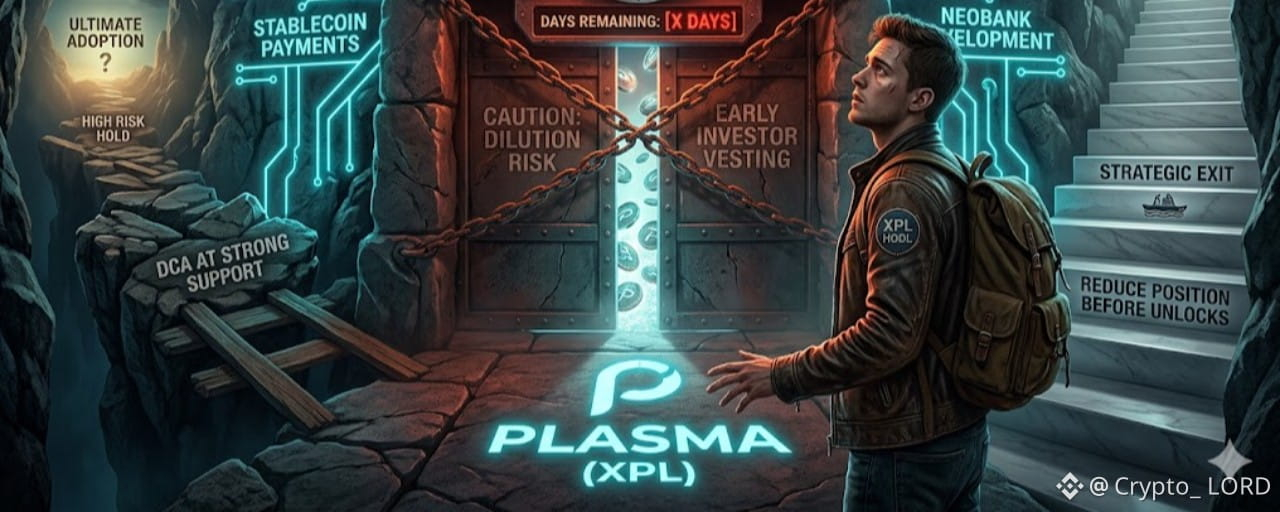
The biggest test for XPL in 2026 ???Plasma (XPL) in 2026: Can Holders Survive the Token Unlock Storm?
The crypto market has always been a battlefield between hype and reality, and right now, Plasma (XPL) holders are experiencing that pressure firsthand. After a strong early narrative and growing community interest, XPL has fallen significantly from its all-time high, leaving many investors deep in losses. At the same time, massive token unlocks scheduled throughout 2026 are creating uncertainty across the market.
For many holders, the question is no longer whether XPL has technology or vision. The real concern is whether the project can survive its tokenomics pressure long enough to achieve meaningful adoption.
Despite the bearish price action, the situation is not completely hopeless. Plasma continues to develop aggressively, and several recent ecosystem updates suggest the project still has long-term ambitions beyond short-term market cycles.
Why XPL Holders Are Under Pressure
There are several major reasons why many XPL investors are struggling right now.
First, the token has dropped heavily from its previous highs, which has damaged market confidence. Like many altcoins, XPL has also suffered from weak liquidity conditions across the broader crypto market. Bitcoin dominance remains high, meaning most capital continues flowing into BTC instead of smaller alternative assets.
However, the largest concern surrounding Plasma is its token unlock schedule.
Large amounts of XPL are expected to enter circulation throughout 2026, including major unlock events in July and September. Some of these unlocks represent a significant percentage of the current circulating supply, potentially adding billions of new tokens into the market.
This creates fear among investors for several reasons. Early backers and private investors may decide to take profits once their allocations unlock. Institutional or team-held tokens becoming liquid can increase sell pressure, while traders often short tokens ahead of large vesting events. At the same time, many buyers prefer to wait for cheaper prices instead of entering before unlock dates.
As a result, even positive ecosystem news has struggled to push the price upward in a sustainable way.
Plasma Still Has Strong Development Activity
Although price action has been disappointing, Plasma’s recent ecosystem progress has been fundamentally positive.
The project continues positioning itself as a blockchain focused on stablecoin infrastructure and payments rather than competing directly with general-purpose Layer-1 chains. This niche strategy could become important if stablecoin adoption continues growing globally.
One of the biggest developments has been the integration with the Tether ecosystem. Many investors view this as a major long-term advantage because stablecoin liquidity remains one of the most important sectors in crypto.
Plasma is also developing “Plasma One,” a neobank-style platform focused on stablecoin payments and financial services. In addition, the project has announced plans for a Bitcoin bridge and validator staking features, both of which could strengthen the ecosystem if executed successfully.
The issue is not necessarily development activity. The issue is whether real user adoption can grow faster than token supply expansion.
Community Sentiment Is Deeply Divided
The Plasma community currently sits between optimism and fear.
Bullish holders believe Plasma could eventually become a major payment network for stablecoins and USDT transactions. They argue that Tether integration gives the project credibility and that the current valuation may be undervalued compared to its future potential. Some investors also believe that real-world usage could eventually absorb the impact of token unlocks.
On the other side, bearish traders remain cautious. Many believe the unlock schedule will continue suppressing price action for months. Others argue that having a strong utility narrative alone is not enough in today’s competitive crypto market, especially when Plasma must compete against established ecosystems like Solana, Tron, and Ethereum.
This divide explains why market sentiment around XPL remains extremely volatile.
What XPL Holders Are Doing Right Now
Many investors stuck in losses are approaching the situation in different ways.
Some holders are choosing to hold long term despite the risk. Their thesis is simple: if Plasma survives the unlock cycle and stablecoin adoption increases, the project could eventually recover. These investors are betting on future ecosystem growth rather than short-term price action.
Others are averaging down carefully through dollar-cost averaging. Instead of investing aggressively, they slowly add to positions during major dips while keeping cash reserves available in case unlock-driven volatility creates deeper corrections.
More experienced traders are taking a different approach by reducing exposure before major unlock dates. Since many altcoins historically experience heavy selling pressure around vesting events, some traders prefer to partially exit positions before unlocks and potentially rebuy at lower prices later.
There are also investors who have decided to rotate capital into stronger and more established assets such as Bitcoin or Ethereum. For these holders, the concern is opportunity cost. Recovering from large drawdowns can sometimes take years, even if the underlying project survives.
The Metrics That Matter Most
For Plasma, hype alone will not determine success. The market will be watching real ecosystem metrics very closely over the coming months.
Bullish indicators would include rising stablecoin transaction volume, increased wallet activity, staking activation, new exchange listings, and evidence of real payment adoption. Most importantly, investors will watch whether the market can absorb large token unlocks without triggering major collapses in price.
Bearish signals would include declining network activity, low user growth, weak trading volume after unlocks, continued dilution, or reduced communication from the team.
Ultimately, adoption matters far more than social media excitement.
The Reality of XPL’s Situation
Plasma remains a very high-risk altcoin project.
The team is still active, development continues, and the stablecoin-focused vision gives the project a unique direction within the crypto space. However, token unlock pressure is a serious challenge that cannot be ignored.
Crypto history has shown that even strong projects with good technology can struggle for long periods if tokenomics create excessive selling pressure.
In the short term, volatility is likely to remain extremely high. Sharp pumps and dumps may continue around unlock events, and fear could dominate market sentiment for some time.
In the long term, Plasma’s future depends on one thing above all else: real adoption. If the network becomes genuinely useful for stablecoin payments and financial infrastructure, recovery remains possible. But if adoption fails to grow quickly enough, continued dilution could remain a major obstacle for price performance.
For now, many XPL holders are watching closely to see whether Plasma can survive the coming supply wave without collapsing under its own tokenomics. That may become the defining test for the project in 2026.
👉 Action Plan: What to Do If You Are Stuck in a Loss When you find yourself deep in the red on a high-utility but high-inflation token like $XPL, passive hoping rarely works. You need a structured survival strategy based on your personal risk tolerance.
The Derivative & Sentiment Play (Short-term Relief) If you look at the exchange data (specifically Binance derivatives), the Long/Short ratio for XPL is highly skewed, sitting at 2.74 with over 73% of top traders holding long positions.
The Opportunity: Net spot exchange outflows show that retail isn't panicking and dumping at these exact lows. Because the short-term market is heavily positioned for a bounce, you could see sharp, aggressive "short squeezes" up to the $0.108 – $0.112 resistance levels.
The Move: If you are looking to exit or cut losses, do not panic-sell at local bottoms. Wait for these short-term leveraged momentum spikes to scale out of your spot position into strength.
The Capital Preservation Move: Strategic Tax-Loss Harvesting If your average entry price is closer to the macro highs and you realistically do not see $XPL reclaiming $1+ anytime soon due to the massive upcoming July unlock, you need to think about capital efficiency.
The Move: You can intentionally realize the loss on a portion of your XPL holdings. This "paper loss" can be utilized to offset capital gains taxes from other profitable crypto positions or trades you've taken this year.
The Pivot: You then rotate that remaining capital out of a high-inflation narrative and into assets with tighter tokenomics or stronger short-term relative strength.
The Structural Hedge: Yield Staking vs. Dilution Because Plasma is a Proof-of-Stake network running PlasmaBFT, validators and stakers earn protocol rewards through a controlled inflation mechanism (starting at 5% annually).
The Move: If you are absolutely committed to riding out the storm long-term because you believe the $2B TVL will eventually translate to token value, your tokens cannot sit idle in a spot wallet. You are getting actively diluted by the unlock schedule.
The Catch: You must stake your $XPL to earn the inflationary yield to partially offset the dilution. However, be warned: staking requires an unbonding period. If you lock your tokens now, you may not be able to sell if the market takes a severe dive during the massive July supply unlock.
The Hard Stop: Accept the Reality and Walk Away Sometimes the hardest but smartest play in crypto is admitting a position has turned toxic. XPL has a structural flaw: the chain's success does not require the token to appreciate. If the upcoming July unlock (25% of supply) terrifies you, setting a strict invalidation stop-loss just below the recent absolute lows (around $0.075–$0.080) will protect your remaining capital from a complete wipeout.
What is your current average entry price on $XPL, and are your tokens currently held liquid on an exchange or locked up in staking? #PlasmaXPL #TokenUnlocks #CryptoVesting #TetherIntegrations #StablecoinChain #CryptoDilution #Layer1Wars #CryptoHolders
#AltcoinAnalysis2026
{spot}(BTCUSDT)
{future}(XPLUSDT)
{future}(BNBUSDT)
The biggest test for XPL in 2026 ???
Plasma (XPL) in 2026: Can Holders Survive the Token Unlock Storm?
The crypto market has always been a battlefield between hype and reality, and right now, Plasma (XPL) holders are experiencing that pressure firsthand. After a strong early narrative and growing community interest, XPL has fallen significantly from its all-time high, leaving many investors deep in losses. At the same time, massive token unlocks scheduled throughout 2026 are creating uncertainty across the market.
For many holders, the question is no longer whether XPL has technology or vision. The real concern is whether the project can survive its tokenomics pressure long enough to achieve meaningful adoption.
Despite the bearish price action, the situation is not completely hopeless. Plasma continues to develop aggressively, and several recent ecosystem updates suggest the project still has long-term ambitions beyond short-term market cycles.
Why XPL Holders Are Under Pressure
There are several major reasons why many XPL investors are struggling right now.
First, the token has dropped heavily from its previous highs, which has damaged market confidence. Like many altcoins, XPL has also suffered from weak liquidity conditions across the broader crypto market. Bitcoin dominance remains high, meaning most capital continues flowing into BTC instead of smaller alternative assets.
However, the largest concern surrounding Plasma is its token unlock schedule.
Large amounts of XPL are expected to enter circulation throughout 2026, including major unlock events in July and September. Some of these unlocks represent a significant percentage of the current circulating supply, potentially adding billions of new tokens into the market.
This creates fear among investors for several reasons. Early backers and private investors may decide to take profits once their allocations unlock. Institutional or team-held tokens becoming liquid can increase sell pressure, while traders often short tokens ahead of large vesting events. At the same time, many buyers prefer to wait for cheaper prices instead of entering before unlock dates.
As a result, even positive ecosystem news has struggled to push the price upward in a sustainable way.
Plasma Still Has Strong Development Activity
Although price action has been disappointing, Plasma’s recent ecosystem progress has been fundamentally positive.
The project continues positioning itself as a blockchain focused on stablecoin infrastructure and payments rather than competing directly with general-purpose Layer-1 chains. This niche strategy could become important if stablecoin adoption continues growing globally.
One of the biggest developments has been the integration with the Tether ecosystem. Many investors view this as a major long-term advantage because stablecoin liquidity remains one of the most important sectors in crypto.
Plasma is also developing “Plasma One,” a neobank-style platform focused on stablecoin payments and financial services. In addition, the project has announced plans for a Bitcoin bridge and validator staking features, both of which could strengthen the ecosystem if executed successfully.
The issue is not necessarily development activity. The issue is whether real user adoption can grow faster than token supply expansion.
Community Sentiment Is Deeply Divided
The Plasma community currently sits between optimism and fear.
Bullish holders believe Plasma could eventually become a major payment network for stablecoins and USDT transactions. They argue that Tether integration gives the project credibility and that the current valuation may be undervalued compared to its future potential. Some investors also believe that real-world usage could eventually absorb the impact of token unlocks.
On the other side, bearish traders remain cautious. Many believe the unlock schedule will continue suppressing price action for months. Others argue that having a strong utility narrative alone is not enough in today’s competitive crypto market, especially when Plasma must compete against established ecosystems like Solana, Tron, and Ethereum.
This divide explains why market sentiment around XPL remains extremely volatile.
What XPL Holders Are Doing Right Now
Many investors stuck in losses are approaching the situation in different ways.
Some holders are choosing to hold long term despite the risk. Their thesis is simple: if Plasma survives the unlock cycle and stablecoin adoption increases, the project could eventually recover. These investors are betting on future ecosystem growth rather than short-term price action.
Others are averaging down carefully through dollar-cost averaging. Instead of investing aggressively, they slowly add to positions during major dips while keeping cash reserves available in case unlock-driven volatility creates deeper corrections.
More experienced traders are taking a different approach by reducing exposure before major unlock dates. Since many altcoins historically experience heavy selling pressure around vesting events, some traders prefer to partially exit positions before unlocks and potentially rebuy at lower prices later.
There are also investors who have decided to rotate capital into stronger and more established assets such as Bitcoin or Ethereum. For these holders, the concern is opportunity cost. Recovering from large drawdowns can sometimes take years, even if the underlying project survives.
The Metrics That Matter Most
For Plasma, hype alone will not determine success. The market will be watching real ecosystem metrics very closely over the coming months.
Bullish indicators would include rising stablecoin transaction volume, increased wallet activity, staking activation, new exchange listings, and evidence of real payment adoption. Most importantly, investors will watch whether the market can absorb large token unlocks without triggering major collapses in price.
Bearish signals would include declining network activity, low user growth, weak trading volume after unlocks, continued dilution, or reduced communication from the team.
Ultimately, adoption matters far more than social media excitement.
The Reality of XPL’s Situation
Plasma remains a very high-risk altcoin project.
The team is still active, development continues, and the stablecoin-focused vision gives the project a unique direction within the crypto space. However, token unlock pressure is a serious challenge that cannot be ignored.
Crypto history has shown that even strong projects with good technology can struggle for long periods if tokenomics create excessive selling pressure.
In the short term, volatility is likely to remain extremely high. Sharp pumps and dumps may continue around unlock events, and fear could dominate market sentiment for some time.
In the long term, Plasma’s future depends on one thing above all else: real adoption. If the network becomes genuinely useful for stablecoin payments and financial infrastructure, recovery remains possible. But if adoption fails to grow quickly enough, continued dilution could remain a major obstacle for price performance.
For now, many XPL holders are watching closely to see whether Plasma can survive the coming supply wave without collapsing under its own tokenomics. That may become the defining test for the project in 2026.
👉 Action Plan: What to Do If You Are Stuck in a Loss When you find yourself deep in the red on a high-utility but high-inflation token like $XPL, passive hoping rarely works. You need a structured survival strategy based on your personal risk tolerance.
The Derivative & Sentiment Play (Short-term Relief) If you look at the exchange data (specifically Binance derivatives), the Long/Short ratio for XPL is highly skewed, sitting at 2.74 with over 73% of top traders holding long positions.
The Opportunity: Net spot exchange outflows show that retail isn't panicking and dumping at these exact lows. Because the short-term market is heavily positioned for a bounce, you could see sharp, aggressive "short squeezes" up to the $0.108 – $0.112 resistance levels.
The Move: If you are looking to exit or cut losses, do not panic-sell at local bottoms. Wait for these short-term leveraged momentum spikes to scale out of your spot position into strength.
The Capital Preservation Move: Strategic Tax-Loss Harvesting If your average entry price is closer to the macro highs and you realistically do not see $XPL reclaiming $1+ anytime soon due to the massive upcoming July unlock, you need to think about capital efficiency.
The Move: You can intentionally realize the loss on a portion of your XPL holdings. This "paper loss" can be utilized to offset capital gains taxes from other profitable crypto positions or trades you've taken this year.
The Pivot: You then rotate that remaining capital out of a high-inflation narrative and into assets with tighter tokenomics or stronger short-term relative strength.
The Structural Hedge: Yield Staking vs. Dilution Because Plasma is a Proof-of-Stake network running PlasmaBFT, validators and stakers earn protocol rewards through a controlled inflation mechanism (starting at 5% annually).
The Move: If you are absolutely committed to riding out the storm long-term because you believe the $2B TVL will eventually translate to token value, your tokens cannot sit idle in a spot wallet. You are getting actively diluted by the unlock schedule.
The Catch: You must stake your $XPL to earn the inflationary yield to partially offset the dilution. However, be warned: staking requires an unbonding period. If you lock your tokens now, you may not be able to sell if the market takes a severe dive during the massive July supply unlock.
The Hard Stop: Accept the Reality and Walk Away Sometimes the hardest but smartest play in crypto is admitting a position has turned toxic. XPL has a structural flaw: the chain's success does not require the token to appreciate. If the upcoming July unlock (25% of supply) terrifies you, setting a strict invalidation stop-loss just below the recent absolute lows (around $0.075–$0.080) will protect your remaining capital from a complete wipeout.
What is your current average entry price on $XPL, and are your tokens currently held liquid on an exchange or locked up in staking? #PlasmaXPL #TokenUnlocks #CryptoVesting #TetherIntegrations #StablecoinChain #CryptoDilution #Layer1Wars #CryptoHolders
#AltcoinAnalysis2026
The crypto market has always been a battlefield between hype and reality, and right now, Plasma (XPL) holders are experiencing that pressure firsthand. After a strong early narrative and growing community interest, XPL has fallen significantly from its all-time high, leaving many investors deep in losses. At the same time, massive token unlocks scheduled throughout 2026 are creating uncertainty across the market.
For many holders, the question is no longer whether XPL has technology or vision. The real concern is whether the project can survive its tokenomics pressure long enough to achieve meaningful adoption.
Despite the bearish price action, the situation is not completely hopeless. Plasma continues to develop aggressively, and several recent ecosystem updates suggest the project still has long-term ambitions beyond short-term market cycles.
Why XPL Holders Are Under Pressure
There are several major reasons why many XPL investors are struggling right now.
First, the token has dropped heavily from its previous highs, which has damaged market confidence. Like many altcoins, XPL has also suffered from weak liquidity conditions across the broader crypto market. Bitcoin dominance remains high, meaning most capital continues flowing into BTC instead of smaller alternative assets.
However, the largest concern surrounding Plasma is its token unlock schedule.
Large amounts of XPL are expected to enter circulation throughout 2026, including major unlock events in July and September. Some of these unlocks represent a significant percentage of the current circulating supply, potentially adding billions of new tokens into the market.
This creates fear among investors for several reasons. Early backers and private investors may decide to take profits once their allocations unlock. Institutional or team-held tokens becoming liquid can increase sell pressure, while traders often short tokens ahead of large vesting events. At the same time, many buyers prefer to wait for cheaper prices instead of entering before unlock dates.
As a result, even positive ecosystem news has struggled to push the price upward in a sustainable way.
Plasma Still Has Strong Development Activity
Although price action has been disappointing, Plasma’s recent ecosystem progress has been fundamentally positive.
The project continues positioning itself as a blockchain focused on stablecoin infrastructure and payments rather than competing directly with general-purpose Layer-1 chains. This niche strategy could become important if stablecoin adoption continues growing globally.
One of the biggest developments has been the integration with the Tether ecosystem. Many investors view this as a major long-term advantage because stablecoin liquidity remains one of the most important sectors in crypto.
Plasma is also developing “Plasma One,” a neobank-style platform focused on stablecoin payments and financial services. In addition, the project has announced plans for a Bitcoin bridge and validator staking features, both of which could strengthen the ecosystem if executed successfully.
The issue is not necessarily development activity. The issue is whether real user adoption can grow faster than token supply expansion.
Community Sentiment Is Deeply Divided
The Plasma community currently sits between optimism and fear.
Bullish holders believe Plasma could eventually become a major payment network for stablecoins and USDT transactions. They argue that Tether integration gives the project credibility and that the current valuation may be undervalued compared to its future potential. Some investors also believe that real-world usage could eventually absorb the impact of token unlocks.
On the other side, bearish traders remain cautious. Many believe the unlock schedule will continue suppressing price action for months. Others argue that having a strong utility narrative alone is not enough in today’s competitive crypto market, especially when Plasma must compete against established ecosystems like Solana, Tron, and Ethereum.
This divide explains why market sentiment around XPL remains extremely volatile.
What XPL Holders Are Doing Right Now
Many investors stuck in losses are approaching the situation in different ways.
Some holders are choosing to hold long term despite the risk. Their thesis is simple: if Plasma survives the unlock cycle and stablecoin adoption increases, the project could eventually recover. These investors are betting on future ecosystem growth rather than short-term price action.
Others are averaging down carefully through dollar-cost averaging. Instead of investing aggressively, they slowly add to positions during major dips while keeping cash reserves available in case unlock-driven volatility creates deeper corrections.
More experienced traders are taking a different approach by reducing exposure before major unlock dates. Since many altcoins historically experience heavy selling pressure around vesting events, some traders prefer to partially exit positions before unlocks and potentially rebuy at lower prices later.
There are also investors who have decided to rotate capital into stronger and more established assets such as Bitcoin or Ethereum. For these holders, the concern is opportunity cost. Recovering from large drawdowns can sometimes take years, even if the underlying project survives.
The Metrics That Matter Most
For Plasma, hype alone will not determine success. The market will be watching real ecosystem metrics very closely over the coming months.
Bullish indicators would include rising stablecoin transaction volume, increased wallet activity, staking activation, new exchange listings, and evidence of real payment adoption. Most importantly, investors will watch whether the market can absorb large token unlocks without triggering major collapses in price.
Bearish signals would include declining network activity, low user growth, weak trading volume after unlocks, continued dilution, or reduced communication from the team.
Ultimately, adoption matters far more than social media excitement.
The Reality of XPL’s Situation
Plasma remains a very high-risk altcoin project.
The team is still active, development continues, and the stablecoin-focused vision gives the project a unique direction within the crypto space. However, token unlock pressure is a serious challenge that cannot be ignored.
Crypto history has shown that even strong projects with good technology can struggle for long periods if tokenomics create excessive selling pressure.
In the short term, volatility is likely to remain extremely high. Sharp pumps and dumps may continue around unlock events, and fear could dominate market sentiment for some time.
In the long term, Plasma’s future depends on one thing above all else: real adoption. If the network becomes genuinely useful for stablecoin payments and financial infrastructure, recovery remains possible. But if adoption fails to grow quickly enough, continued dilution could remain a major obstacle for price performance.
For now, many XPL holders are watching closely to see whether Plasma can survive the coming supply wave without collapsing under its own tokenomics. That may become the defining test for the project in 2026.
👉 Action Plan: What to Do If You Are Stuck in a Loss When you find yourself deep in the red on a high-utility but high-inflation token like $XPL, passive hoping rarely works. You need a structured survival strategy based on your personal risk tolerance.
The Derivative & Sentiment Play (Short-term Relief) If you look at the exchange data (specifically Binance derivatives), the Long/Short ratio for XPL is highly skewed, sitting at 2.74 with over 73% of top traders holding long positions.
The Opportunity: Net spot exchange outflows show that retail isn't panicking and dumping at these exact lows. Because the short-term market is heavily positioned for a bounce, you could see sharp, aggressive "short squeezes" up to the $0.108 – $0.112 resistance levels.
The Move: If you are looking to exit or cut losses, do not panic-sell at local bottoms. Wait for these short-term leveraged momentum spikes to scale out of your spot position into strength.
The Capital Preservation Move: Strategic Tax-Loss Harvesting If your average entry price is closer to the macro highs and you realistically do not see $XPL reclaiming $1+ anytime soon due to the massive upcoming July unlock, you need to think about capital efficiency.
The Move: You can intentionally realize the loss on a portion of your XPL holdings. This "paper loss" can be utilized to offset capital gains taxes from other profitable crypto positions or trades you've taken this year.
The Pivot: You then rotate that remaining capital out of a high-inflation narrative and into assets with tighter tokenomics or stronger short-term relative strength.
The Structural Hedge: Yield Staking vs. Dilution Because Plasma is a Proof-of-Stake network running PlasmaBFT, validators and stakers earn protocol rewards through a controlled inflation mechanism (starting at 5% annually).
The Move: If you are absolutely committed to riding out the storm long-term because you believe the $2B TVL will eventually translate to token value, your tokens cannot sit idle in a spot wallet. You are getting actively diluted by the unlock schedule.
The Catch: You must stake your $XPL to earn the inflationary yield to partially offset the dilution. However, be warned: staking requires an unbonding period. If you lock your tokens now, you may not be able to sell if the market takes a severe dive during the massive July supply unlock.
The Hard Stop: Accept the Reality and Walk Away Sometimes the hardest but smartest play in crypto is admitting a position has turned toxic. XPL has a structural flaw: the chain's success does not require the token to appreciate. If the upcoming July unlock (25% of supply) terrifies you, setting a strict invalidation stop-loss just below the recent absolute lows (around $0.075–$0.080) will protect your remaining capital from a complete wipeout.
What is your current average entry price on $XPL, and are your tokens currently held liquid on an exchange or locked up in staking? #PlasmaXPL #TokenUnlocks #CryptoVesting #TetherIntegrations #StablecoinChain #CryptoDilution #Layer1Wars #CryptoHolders
#AltcoinAnalysis2026
1
1
459

·
--
Bullish
MENDIDIH BOOM BOOM 💥🎊🚀💰🫰
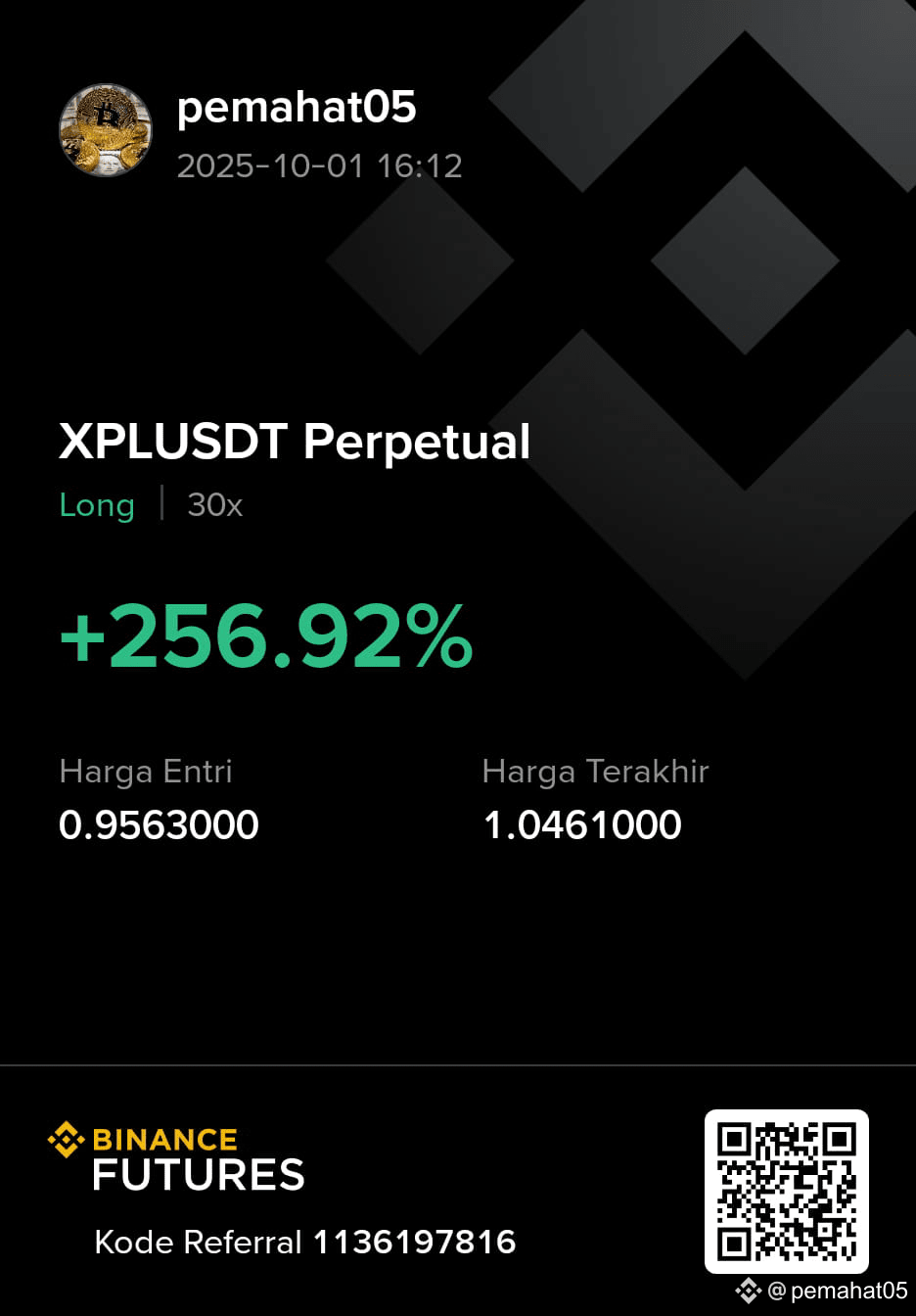
Who joined the call earlier, just a moment ago I informed -previous post- $XPL EXPLODED 😉 REBOUND.. from $0.9 to briefly $1.07 yuhuuu..
remember the target target for the future, friends".
HAPPY CELEBRATING TODAY in GREEN.
***DYOR $PUMP
#justemka #plasmaXPL #pump #marketrebound
MENDIDIH BOOM BOOM 💥🎊🚀💰🫰
Who joined the call earlier, just a moment ago I informed -previous post- $XPL EXPLODED 😉 REBOUND.. from $0.9 to briefly $1.07 yuhuuu..
remember the target target for the future, friends".
HAPPY CELEBRATING TODAY in GREEN.
***DYOR $PUMP
#justemka #plasmaXPL #pump #marketrebound
Who joined the call earlier, just a moment ago I informed -previous post- $XPL EXPLODED 😉 REBOUND.. from $0.9 to briefly $1.07 yuhuuu..
remember the target target for the future, friends".
HAPPY CELEBRATING TODAY in GREEN.
***DYOR $PUMP
#justemka #plasmaXPL #pump #marketrebound
1
1
3
3.4k

·
--
Article
An In-Depth Look at How Plasma XPL Is Reshaping the Payments Layer$XPL
In today’s cryptocurrency market, competition among Layer 1 public chains has long entered a fever-pitch stage. However, most chains chase traffic for DeFi and NFTs, while often overlooking the most essential and largest application scenario for blockchains—stablecoin settlement. Today, I’d like to have an in-depth discussion with everyone about a project that directly targets this pain point: <c-59/>.
🌐 Why do we need Plasma?
With the mainstream adoption of Web3, on-chain transfer demand for USDT and USDC has grown exponentially. But whether it’s a congested Ethereum or a Solana that occasionally goes down, it doesn’t seem able to perfectly support the vision of a “global payments network.” The emergence of <c-34/> is exactly to fill this gap. As a Layer 1 blockchain specifically tailored for stablecoin settlement volume, its core goal is very clear: to deliver a payment experience with zero friction, high throughput, and low latency.
An In-Depth Look at How Plasma XPL Is Reshaping the Payments Layer
$XPL
In today’s cryptocurrency market, competition among Layer 1 public chains has long entered a fever-pitch stage. However, most chains chase traffic for DeFi and NFTs, while often overlooking the most essential and largest application scenario for blockchains—stablecoin settlement. Today, I’d like to have an in-depth discussion with everyone about a project that directly targets this pain point: <c-59/>.
🌐 Why do we need Plasma?
With the mainstream adoption of Web3, on-chain transfer demand for USDT and USDC has grown exponentially. But whether it’s a congested Ethereum or a Solana that occasionally goes down, it doesn’t seem able to perfectly support the vision of a “global payments network.” The emergence of <c-34/> is exactly to fill this gap. As a Layer 1 blockchain specifically tailored for stablecoin settlement volume, its core goal is very clear: to deliver a payment experience with zero friction, high throughput, and low latency.
In today’s cryptocurrency market, competition among Layer 1 public chains has long entered a fever-pitch stage. However, most chains chase traffic for DeFi and NFTs, while often overlooking the most essential and largest application scenario for blockchains—stablecoin settlement. Today, I’d like to have an in-depth discussion with everyone about a project that directly targets this pain point: <c-59/>.
🌐 Why do we need Plasma?
With the mainstream adoption of Web3, on-chain transfer demand for USDT and USDC has grown exponentially. But whether it’s a congested Ethereum or a Solana that occasionally goes down, it doesn’t seem able to perfectly support the vision of a “global payments network.” The emergence of <c-34/> is exactly to fill this gap. As a Layer 1 blockchain specifically tailored for stablecoin settlement volume, its core goal is very clear: to deliver a payment experience with zero friction, high throughput, and low latency.
4
77

·
--
Bearish
$XPL 🚀 Breaking News in the Crypto Market: Plasma (XPL) Surges 30% in 24 Hours! 📈🇺🇦
Colleagues, if you are seeking the next breakthrough for stablecoin payments, Plasma is the solution to consider! 🪙 This Layer 1 blockchain is purpose-built for instant, cost-free USDT transfers with EVM compatibility. Launched in mainnet beta with over $2B in stablecoin TVL, it ranks in the top 10 for liquidity right out of the gate! 💥
XPL serves as the native token, supporting gas fees, staking, and rewards. The current price stands at $1.62, with a trading volume of $3.3B and a market capitalization of $2.9B. Its debut on Binance and OKX has sparked significant interest! Featuring PlasmaBFT for rapid transaction finalization and integrations with over 100 DeFi projects, this is more than a network—it’s a robust infrastructure for global stablecoin payments. 🌍
Trading activity on Binance is robust, with the XPL/USDT pair leading in volume. Don’t miss this opportunity—consider adding it to your portfolio and stay at the forefront of innovation. 🔥 #PlasmaXPL #CryptoPayments #Binance #Stablecoins
{spot}(XPLUSDT)
$XPL 🚀 Breaking News in the Crypto Market: Plasma (XPL) Surges 30% in 24 Hours! 📈🇺🇦
Colleagues, if you are seeking the next breakthrough for stablecoin payments, Plasma is the solution to consider! 🪙 This Layer 1 blockchain is purpose-built for instant, cost-free USDT transfers with EVM compatibility. Launched in mainnet beta with over $2B in stablecoin TVL, it ranks in the top 10 for liquidity right out of the gate! 💥
XPL serves as the native token, supporting gas fees, staking, and rewards. The current price stands at $1.62, with a trading volume of $3.3B and a market capitalization of $2.9B. Its debut on Binance and OKX has sparked significant interest! Featuring PlasmaBFT for rapid transaction finalization and integrations with over 100 DeFi projects, this is more than a network—it’s a robust infrastructure for global stablecoin payments. 🌍
Trading activity on Binance is robust, with the XPL/USDT pair leading in volume. Don’t miss this opportunity—consider adding it to your portfolio and stay at the forefront of innovation. 🔥 #PlasmaXPL #CryptoPayments #Binance #Stablecoins
Colleagues, if you are seeking the next breakthrough for stablecoin payments, Plasma is the solution to consider! 🪙 This Layer 1 blockchain is purpose-built for instant, cost-free USDT transfers with EVM compatibility. Launched in mainnet beta with over $2B in stablecoin TVL, it ranks in the top 10 for liquidity right out of the gate! 💥
XPL serves as the native token, supporting gas fees, staking, and rewards. The current price stands at $1.62, with a trading volume of $3.3B and a market capitalization of $2.9B. Its debut on Binance and OKX has sparked significant interest! Featuring PlasmaBFT for rapid transaction finalization and integrations with over 100 DeFi projects, this is more than a network—it’s a robust infrastructure for global stablecoin payments. 🌍
Trading activity on Binance is robust, with the XPL/USDT pair leading in volume. Don’t miss this opportunity—consider adding it to your portfolio and stay at the forefront of innovation. 🔥 #PlasmaXPL #CryptoPayments #Binance #Stablecoins


243
128
28
351
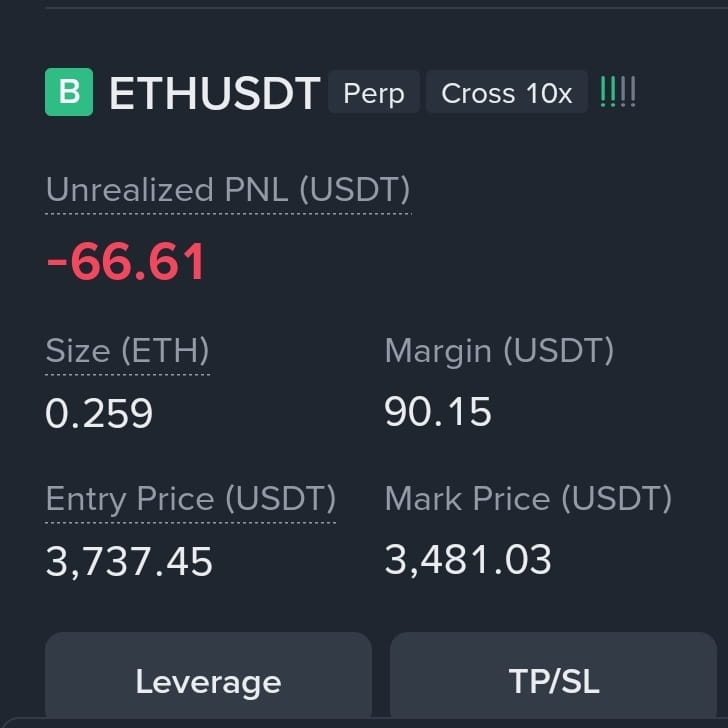
$XPL
is showing signs of life after a sharp sell-off, bouncing off the key support level around $0.6870.
The price is now attempting to reclaim lost ground but faces its first major test at the ~$0.7300 resistance area (the 25-period moving average).
* Bullish Case: A firm break above $0.7300 could signal further recovery towards the next resistance near $0.7472.
* Bearish Case: Failure to break resistance could see a retest of the crucial $0.6870 support.
Traders are watching closely to see if this bounce has enough momentum to turn into a reversal.
#XPLUSDT #XPL #PlasmaXPL
last month trade
$XPL
is showing signs of life after a sharp sell-off, bouncing off the key support level around $0.6870.
The price is now attempting to reclaim lost ground but faces its first major test at the ~$0.7300 resistance area (the 25-period moving average).
* Bullish Case: A firm break above $0.7300 could signal further recovery towards the next resistance near $0.7472.
* Bearish Case: Failure to break resistance could see a retest of the crucial $0.6870 support.
Traders are watching closely to see if this bounce has enough momentum to turn into a reversal.
#XPLUSDT #XPL #PlasmaXPL
last month trade
is showing signs of life after a sharp sell-off, bouncing off the key support level around $0.6870.
The price is now attempting to reclaim lost ground but faces its first major test at the ~$0.7300 resistance area (the 25-period moving average).
* Bullish Case: A firm break above $0.7300 could signal further recovery towards the next resistance near $0.7472.
* Bearish Case: Failure to break resistance could see a retest of the crucial $0.6870 support.
Traders are watching closely to see if this bounce has enough momentum to turn into a reversal.
#XPLUSDT #XPL #PlasmaXPL
last month trade
1
794

#plasma $XPL
{spot}(XPLUSDT)
#PlasmaXPL greetings good to introduce myself. as another follower, I receive excellent daily notifications.
#plasma $XPL
#PlasmaXPL greetings good to introduce myself. as another follower, I receive excellent daily notifications.
#PlasmaXPL greetings good to introduce myself. as another follower, I receive excellent daily notifications.
1
28
·
--
Bullish
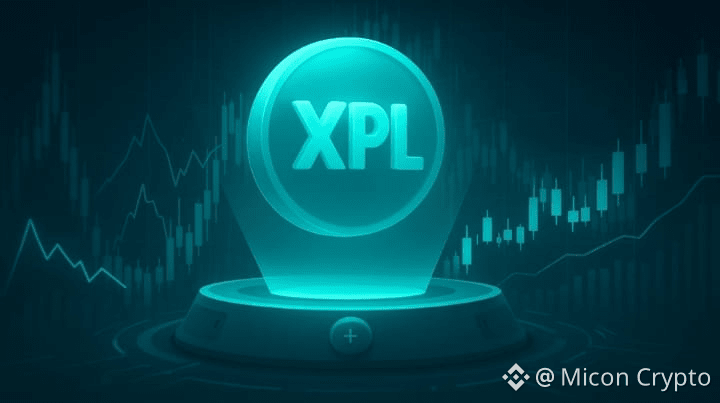
$XPL 🚀 Plasma (XPL): A Quietly Bullish
Infrastructure Play | MiconCrypto
While most Layer 1s compete for hype, Plasma is solving a specific problem — how stablecoins move, settle, and scale on-chain. That focus is a major advantage 👀
#Plasma $XPL
Plasma is one to watch closely 👑
— MiconCrypto
#MiconCrypto #PlasmaXPL #CryptoInfrastructure #StablecoinEconomy #Layer1 #Web3Alpha #CreatorPad
{spot}(XPLUSDT)
$XPL 🚀 Plasma (XPL): A Quietly Bullish
Infrastructure Play | MiconCrypto
While most Layer 1s compete for hype, Plasma is solving a specific problem — how stablecoins move, settle, and scale on-chain. That focus is a major advantage 👀
#Plasma $XPL
Plasma is one to watch closely 👑
— MiconCrypto
#MiconCrypto #PlasmaXPL #CryptoInfrastructure #StablecoinEconomy #Layer1 #Web3Alpha #CreatorPad
Infrastructure Play | MiconCrypto
While most Layer 1s compete for hype, Plasma is solving a specific problem — how stablecoins move, settle, and scale on-chain. That focus is a major advantage 👀
#Plasma $XPL
Plasma is one to watch closely 👑
— MiconCrypto
#MiconCrypto #PlasmaXPL #CryptoInfrastructure #StablecoinEconomy #Layer1 #Web3Alpha #CreatorPad
2
175

·
--

Article
Plasma: Building a Scalable and Efficient Blockchain FuturePlasma is emerging as an innovative project that aims to improve efficiency, scalability, and real-world usability in the blockchain ecosystem. What makes @plasma stand out is its clear vision of building a system that focuses on speed, security, and user accessibility without compromising decentralization.
The token $XPL plays a key role in the Plasma ecosystem, supporting network operations and encouraging community participation. As blockchain adoption continues to grow, projects like Plasma are important because they focus on solving existing challenges rather than just following hype.
I appreciate how Plasma emphasizes long-term development, transparency, and community growth. With continuous improvements and a dedicated team, Plasma has the potential to become a strong contributor to the future of decentralized technology. Keeping an eye on $XPL could be worthwhile for users who believe in sustainable and utility-driven blockchain projects.
#Plasma #PlasmaXPL
Plasma: Building a Scalable and Efficient Blockchain Future
Plasma is emerging as an innovative project that aims to improve efficiency, scalability, and real-world usability in the blockchain ecosystem. What makes @plasma stand out is its clear vision of building a system that focuses on speed, security, and user accessibility without compromising decentralization.
The token $XPL plays a key role in the Plasma ecosystem, supporting network operations and encouraging community participation. As blockchain adoption continues to grow, projects like Plasma are important because they focus on solving existing challenges rather than just following hype.
I appreciate how Plasma emphasizes long-term development, transparency, and community growth. With continuous improvements and a dedicated team, Plasma has the potential to become a strong contributor to the future of decentralized technology. Keeping an eye on $XPL could be worthwhile for users who believe in sustainable and utility-driven blockchain projects.
#Plasma #PlasmaXPL
The token $XPL plays a key role in the Plasma ecosystem, supporting network operations and encouraging community participation. As blockchain adoption continues to grow, projects like Plasma are important because they focus on solving existing challenges rather than just following hype.
I appreciate how Plasma emphasizes long-term development, transparency, and community growth. With continuous improvements and a dedicated team, Plasma has the potential to become a strong contributor to the future of decentralized technology. Keeping an eye on $XPL could be worthwhile for users who believe in sustainable and utility-driven blockchain projects.
#Plasma #PlasmaXPL
4
31

·
--
#plasma $XPL Plasma is focused on building scalable and efficient blockchain infrastructure designed for real-world usage. With @Plasma developing solutions that improve transaction speed and reduce costs, $XPL plays a key role in powering the ecosystem.
As blockchain adoption grows, Plasma’s approach to scalability and performance positions it as a strong contender for long-term Web3 development and utility-driven growth.
#PlasmaXPL #WEFDavos2026 #TrumpCancelsEUTariffThreat #Write2Earn
#plasma $XPL Plasma is focused on building scalable and efficient blockchain infrastructure designed for real-world usage. With @Plasma developing solutions that improve transaction speed and reduce costs, $XPL plays a key role in powering the ecosystem.
As blockchain adoption grows, Plasma’s approach to scalability and performance positions it as a strong contender for long-term Web3 development and utility-driven growth.
#PlasmaXPL #WEFDavos2026 #TrumpCancelsEUTariffThreat #Write2Earn
As blockchain adoption grows, Plasma’s approach to scalability and performance positions it as a strong contender for long-term Web3 development and utility-driven growth.
#PlasmaXPL #WEFDavos2026 #TrumpCancelsEUTariffThreat #Write2Earn
1
7

·
--

Article
Understanding the Role of $XPL in the Plasma EcosystemThe $XPL token plays a central role in the Plasma blockchain ecosystem by powering network operations and encouraging active participation.
As Plasma focuses on stablecoin settlement and real-world financial applications, $XPL is designed to support both technical and economic activity within the network.
One of the primary uses of $XPL is paying transaction fees, ensuring smooth and efficient processing across the Plasma Layer 1 blockchain.
In addition, $XPL can be used for network incentives, rewarding validators, developers, and community members who contribute to ecosystem growth.
Beyond fees and incentives, $XPL helps align the interests of users and builders by creating a shared economic foundation.
This alignment encourages long-term participation and supports the sustainable development of Plasma’s infrastructure.
As the ecosystem expands with more decentralized applications and stablecoin-based use cases, the utility of $XPL is expected to grow alongside network adoption.
By combining real-world focus with a clear token role, Plasma aims to build a resilient and scalable blockchain ecosystem.
@plasma $XPL #plasma
Understanding the Role of $XPL in the Plasma Ecosystem
The $XPL token plays a central role in the Plasma blockchain ecosystem by powering network operations and encouraging active participation.
As Plasma focuses on stablecoin settlement and real-world financial applications, $XPL is designed to support both technical and economic activity within the network.
One of the primary uses of $XPL is paying transaction fees, ensuring smooth and efficient processing across the Plasma Layer 1 blockchain.
In addition, $XPL can be used for network incentives, rewarding validators, developers, and community members who contribute to ecosystem growth.
Beyond fees and incentives, $XPL helps align the interests of users and builders by creating a shared economic foundation.
This alignment encourages long-term participation and supports the sustainable development of Plasma’s infrastructure.
As the ecosystem expands with more decentralized applications and stablecoin-based use cases, the utility of $XPL is expected to grow alongside network adoption.
By combining real-world focus with a clear token role, Plasma aims to build a resilient and scalable blockchain ecosystem.
@plasma $XPL #plasma
As Plasma focuses on stablecoin settlement and real-world financial applications, $XPL is designed to support both technical and economic activity within the network.
One of the primary uses of $XPL is paying transaction fees, ensuring smooth and efficient processing across the Plasma Layer 1 blockchain.
In addition, $XPL can be used for network incentives, rewarding validators, developers, and community members who contribute to ecosystem growth.
Beyond fees and incentives, $XPL helps align the interests of users and builders by creating a shared economic foundation.
This alignment encourages long-term participation and supports the sustainable development of Plasma’s infrastructure.
As the ecosystem expands with more decentralized applications and stablecoin-based use cases, the utility of $XPL is expected to grow alongside network adoption.
By combining real-world focus with a clear token role, Plasma aims to build a resilient and scalable blockchain ecosystem.
@plasma $XPL #plasma
2
109

·
--
Bullish
🔥 $XPL – The Future of High‑Speed, Low‑Cost Money Movement! 🔥
XPL isn’t just another crypto ticker — it’s the native token powering Plasma, a groundbreaking Layer‑1 blockchain built from the ground up for stablecoins and global payments. Unlike legacy networks burdened by high fees and slow settlements, Plasma delivers zero‑fee USDT transfers, blazing TPS, and near‑instant finality, making digital dollars move at real‑world speeds.
$XPL secures the network via Proof‑of‑Stake, enables governance rights, fuels DeFi activity, and underpins a rapidly expanding ecosystem designed for remittances, merchant payments, and financial inclusion. With EVM compatibility, developers can port and build dApps effortlessly while leveraging Bitcoin‑anchored security and scalable throughput.
As digital dollars redefine global finance, XPL stands at the heart of this revolution — driving adoption, reducing barriers, and unlocking real utility for users and institutions alike. The future of money moves fast — and XPL is leading the charge
$XPL #XPL
@Plasma
#Plasma
#PlasmaXPL
#PlasmaChain
#PlasmaFoundation
🔥 $XPL – The Future of High‑Speed, Low‑Cost Money Movement! 🔥
XPL isn’t just another crypto ticker — it’s the native token powering Plasma, a groundbreaking Layer‑1 blockchain built from the ground up for stablecoins and global payments. Unlike legacy networks burdened by high fees and slow settlements, Plasma delivers zero‑fee USDT transfers, blazing TPS, and near‑instant finality, making digital dollars move at real‑world speeds.
$XPL secures the network via Proof‑of‑Stake, enables governance rights, fuels DeFi activity, and underpins a rapidly expanding ecosystem designed for remittances, merchant payments, and financial inclusion. With EVM compatibility, developers can port and build dApps effortlessly while leveraging Bitcoin‑anchored security and scalable throughput.
As digital dollars redefine global finance, XPL stands at the heart of this revolution — driving adoption, reducing barriers, and unlocking real utility for users and institutions alike. The future of money moves fast — and XPL is leading the charge
$XPL #XPL
@Plasma
#Plasma
#PlasmaXPL
#PlasmaChain
#PlasmaFoundation
XPL isn’t just another crypto ticker — it’s the native token powering Plasma, a groundbreaking Layer‑1 blockchain built from the ground up for stablecoins and global payments. Unlike legacy networks burdened by high fees and slow settlements, Plasma delivers zero‑fee USDT transfers, blazing TPS, and near‑instant finality, making digital dollars move at real‑world speeds.
$XPL secures the network via Proof‑of‑Stake, enables governance rights, fuels DeFi activity, and underpins a rapidly expanding ecosystem designed for remittances, merchant payments, and financial inclusion. With EVM compatibility, developers can port and build dApps effortlessly while leveraging Bitcoin‑anchored security and scalable throughput.
As digital dollars redefine global finance, XPL stands at the heart of this revolution — driving adoption, reducing barriers, and unlocking real utility for users and institutions alike. The future of money moves fast — and XPL is leading the charge
$XPL #XPL
@Plasma
#Plasma
#PlasmaXPL
#PlasmaChain
#PlasmaFoundation
2
7

·
--

Article
Why Plasma and $XPL Are Gaining Attention in Scalable Blockchain InnovationPlasma is steadily emerging as a next-generation blockchain solution focused on scalability, efficiency, and real-world usability. In an environment where many networks struggle with congestion and high fees, Plasma’s architecture is designed to optimize transaction throughput while maintaining security and decentralization. This makes it especially attractive for developers building applications that require speed and reliability.
What makes Plasma stand out is its commitment to long-term ecosystem growth rather than short-term hype. By enabling smoother execution for smart contracts and supporting scalable infrastructure, the network creates strong foundations for DeFi, gaming, and enterprise-level applications. As adoption increases, utility-driven demand for the native token becomes more relevant.
The $XPL token plays a central role within the Plasma ecosystem, powering transactions, incentives, and participation across the network. With ongoing development and expanding use cases, Plasma continues to position itself as a serious contender in the evolving blockchain space. Keeping an eye on @Plasma could be worthwhile for anyone interested in scalable blockchain innovation. #PlasmaXPL
Why Plasma and $XPL Are Gaining Attention in Scalable Blockchain Innovation
Plasma is steadily emerging as a next-generation blockchain solution focused on scalability, efficiency, and real-world usability. In an environment where many networks struggle with congestion and high fees, Plasma’s architecture is designed to optimize transaction throughput while maintaining security and decentralization. This makes it especially attractive for developers building applications that require speed and reliability.
What makes Plasma stand out is its commitment to long-term ecosystem growth rather than short-term hype. By enabling smoother execution for smart contracts and supporting scalable infrastructure, the network creates strong foundations for DeFi, gaming, and enterprise-level applications. As adoption increases, utility-driven demand for the native token becomes more relevant.
The $XPL token plays a central role within the Plasma ecosystem, powering transactions, incentives, and participation across the network. With ongoing development and expanding use cases, Plasma continues to position itself as a serious contender in the evolving blockchain space. Keeping an eye on @Plasma could be worthwhile for anyone interested in scalable blockchain innovation. #PlasmaXPL
What makes Plasma stand out is its commitment to long-term ecosystem growth rather than short-term hype. By enabling smoother execution for smart contracts and supporting scalable infrastructure, the network creates strong foundations for DeFi, gaming, and enterprise-level applications. As adoption increases, utility-driven demand for the native token becomes more relevant.
The $XPL token plays a central role within the Plasma ecosystem, powering transactions, incentives, and participation across the network. With ongoing development and expanding use cases, Plasma continues to position itself as a serious contender in the evolving blockchain space. Keeping an eye on @Plasma could be worthwhile for anyone interested in scalable blockchain innovation. #PlasmaXPL
1
33

·
--
Article
PLASMAI've seen the Plasma airdrop. I think the Plasma developers are very good. They've distributed so many tokens to the community. If the Plasma team gets support from the community, I'm sure this will be a very good project, because the team and community are strong. I think this will be a trending coin in 2026 and may even set a new ATH in 2026
Good luck to the $XPL holders who are waiting for the bullishness of this coin and hopefully in the future this project will be even better in the future
#Plasma #PlasmaXPL #bullish
PLASMA
I've seen the Plasma airdrop. I think the Plasma developers are very good. They've distributed so many tokens to the community. If the Plasma team gets support from the community, I'm sure this will be a very good project, because the team and community are strong. I think this will be a trending coin in 2026 and may even set a new ATH in 2026
Good luck to the $XPL holders who are waiting for the bullishness of this coin and hopefully in the future this project will be even better in the future
#Plasma #PlasmaXPL #bullish
Good luck to the $XPL holders who are waiting for the bullishness of this coin and hopefully in the future this project will be even better in the future
#Plasma #PlasmaXPL #bullish
1
64
Why Plasma attracts the attention of the crypto community.
The Plasma ecosystem stands out for its clear vision and progressive execution. With @plasma, the goal is to provide concrete and sustainable solutions in the blockchain universe. The token $XPL naturally integrates into the heart of the project, strengthening the community's commitment and the network's utility. Plasma moves forward step by step, with a long-term oriented strategy.
#PlasmaXPL
Why Plasma attracts the attention of the crypto community.
The Plasma ecosystem stands out for its clear vision and progressive execution. With @plasma, the goal is to provide concrete and sustainable solutions in the blockchain universe. The token $XPL naturally integrates into the heart of the project, strengthening the community's commitment and the network's utility. Plasma moves forward step by step, with a long-term oriented strategy.
#PlasmaXPL
The Plasma ecosystem stands out for its clear vision and progressive execution. With @plasma, the goal is to provide concrete and sustainable solutions in the blockchain universe. The token $XPL naturally integrates into the heart of the project, strengthening the community's commitment and the network's utility. Plasma moves forward step by step, with a long-term oriented strategy.
#PlasmaXPL
98
Log in to explore more content
Join global crypto users on Binance Square
⚡️ Get latest and useful information about crypto.
💬 Trusted by the world’s largest crypto exchange.
👍 Discover real insights from verified creators.
Email / Phone number
Trending Topics
1
#NEARFallsToAround$4.70Down14%
12,696 views
25 Discussing
2
#EthereumFoundationLaunchesZkAPIOnMainnet
4,572 views
137 Discussing
3
#EvernorthPlansNasdaqListingOct8
14,494 views
150 Discussing
4
#SECProposesCryptoCustodyFramework
13,958 views
140 Discussing
5
#IMFApproves$139MDisbursementToElSalvador
12,473 views
14 Discussing
6
#AnthropicTargetsIPOAsSoonAsMidNovember
14,505 views
158 Discussing
7
#EtherGains70.9%InQ3
215,505 views
1,421 Discussing
8
#TreasuryLetsStatesFileStablecoinCertificationsEarly
16,118 views
108 Discussing
9
#US10YearYieldNears5.3%
179,494 views
1,299 Discussing
10
#DollarIndexHitsHighestSinceMay2025
62,415 views
730 Discussing