
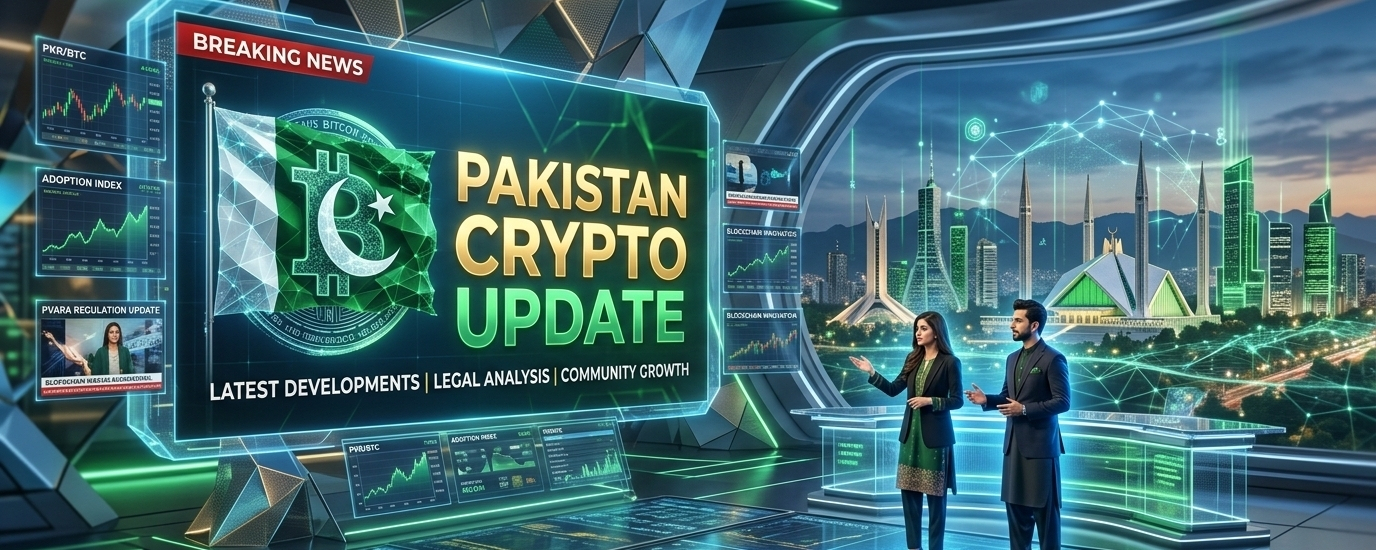
The crypto landscape in Pakistan is evolving rapidly. The country recently passed the landmark Virtual Assets Act 2026, officially turning the Pakistan Virtual Assets Regulatory Authority (PVARA) into a permanent, powerful legal body. 🏛️✨
Prime Minister Shehbaz Sharif is pushing hard to integrate blockchain technology to boost the digital economy. 📈 Moving beyond mere talk, Pakistan even signed a major memorandum of understanding (MoU) exploring dollar-pegged stablecoins for cross-border payments! 💸🌍
However, a massive debate is currently unfolding. The highly respected Islamic scholar Mufti Muhammad Taqi Usmani issued a strict fatwa (religious decree) declaring cryptocurrency, tokens, and stablecoins like USDT haram (impermissible) under Sharia law, arguing they do not qualify as legitimate wealth. 🕌📜 In response, State Minister for Crypto Bilal Bin Saqib met with the Mufti, urging that blockchain technology should be viewed through a broader lens combining both technical innovation and rigorous Sharia compliance. 🤝💡
⚖️ Is Crypto Legal or Illegal in Pakistan?
It is a fascinating, fast-changing legal setup! 🤠🛑
Not Criminalized: There is no law that makes holding or owning Bitcoin and other crypto assets illegal for an individual. You will not face legal action simply for having a digital wallet. 👛🔒
The Banking Catch: The State Bank of Pakistan (SBP) strictly prohibits local banks from processing crypto-related transactions. This means you cannot link your Pakistani bank account directly to an exchange to deposit or withdraw fiat currency. 🚫🏦
Strict Rules for Firms: Under the new 2026 law, operating an unlicensed crypto exchange or service within Pakistan carries heavy penalties—up to 5 years in prison and a 50 million PKR fine! ⚖️🚨 Major players like Binance have received basic acknowledgments, but nobody has full commercial clearance yet.
🛠️ How to Do Crypto in Pakistan Today
Despite the strict regulations, Pakistan ranks remarkably high in global crypto adoption! 🗺️🔥 Local enthusiasts navigate the ecosystem using specific, careful methods:
Peer-to-Peer (P2P) Trading: Because banks block direct transfers to crypto platforms, people use P2P networks on international exchanges. You buy crypto directly from a local seller, transferring PKR to their local bank or mobile wallet, and the platform safely releases the crypto. 📱💳
Offshore & Self-Hosted Wallets: Investors utilize reliable international apps and hardware wallets to secure their holdings safely away from local infrastructure. 🌐🛡️
Crypto Mining: Interestingly, crypto mining is generally not prohibited, provided operators use legally sourced electricity and comply with local business registrations. ⚡⛏️
🌟 The Green & White Future: Best Thoughts for Pakistan
Pakistan’s crypto community displays immense talent, passion, and resilience. 💚 Given the incredible tech-savvy youth in cities like Lahore, Karachi, and Islamabad, the potential is limitless! 🧑💻🚀
By building a secure, transparent, and Sharia-compliant regulatory environment, Pakistan can protect everyday investors from scams while unlocking billions in digital asset potential. 💎🇵🇰 With patience, smart regulations, and brilliant minds, the future shines incredibly bright! 🎉🌟
PakistanCryptoNews #CryptoPakistan2026 #PVARA #LegalCryptoPK #P2PTradingPakistan



#DigitalPakistan 🇵🇰🚀